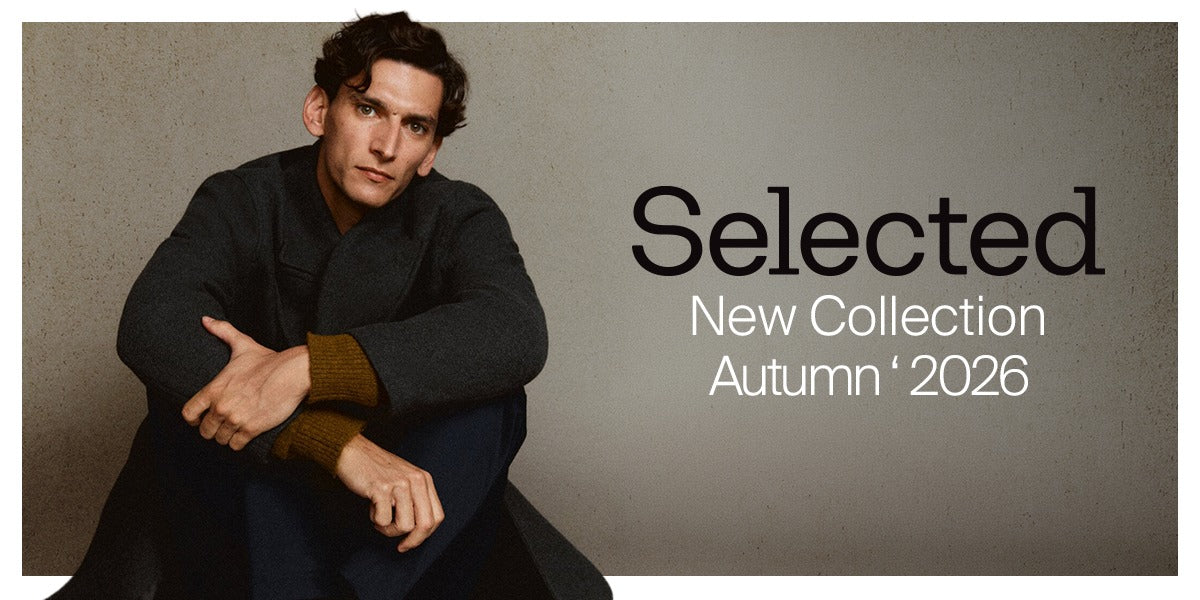
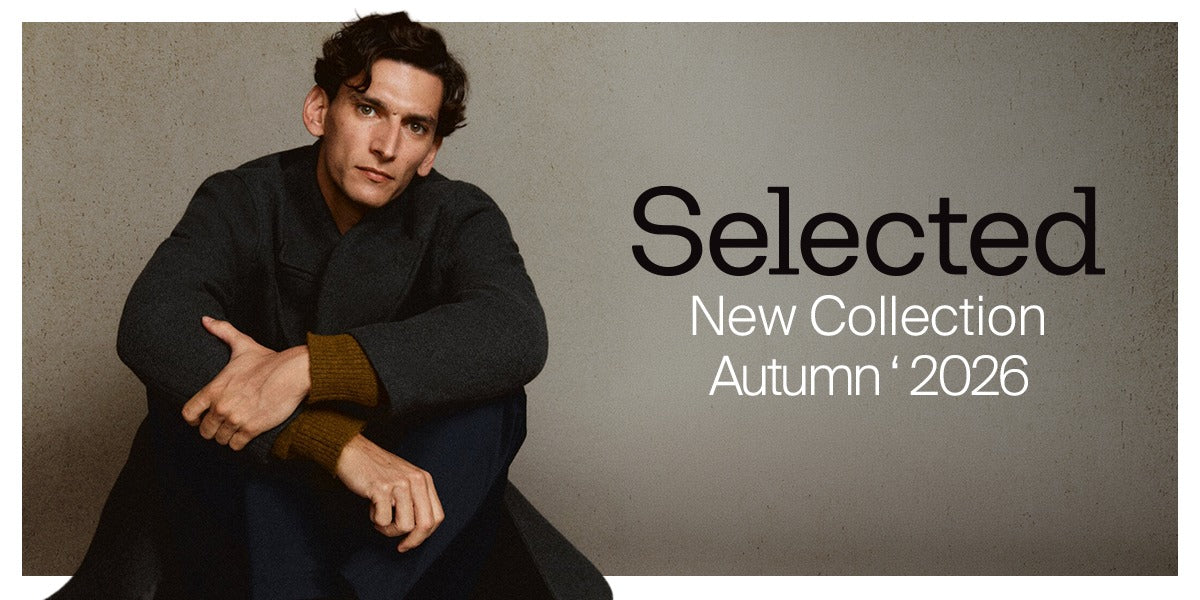
How to Layer Jackets for Men in Winter

Layering a jacket well comes down to three decisions made in order: how many layers the day actually needs, what each layer is made of, and which one goes on last. Most winter style guides treat this as a fixed formula — base, mid, outer — built for climates that stay cold all day. India's winter doesn't work that way, which means the formula has to flex more than most guides admit.
Why India's Winter Doesn't Follow One Layering Rule
A layering system built for a place with a five-month winter doesn't transfer cleanly to a country where cold weather behaves differently depending on where you are. North Indian plains get a sharp chill early morning and after sunset, with warmer, sometimes bright afternoons in between. Hill towns and higher-altitude regions hold a genuine, all-day cold that justifies a full layering setup. Everywhere else, winter mostly shows up as a few cooler weeks and cold mornings rather than sustained low temperatures. Treating all three situations the same way leads to either overdressing and sweating through an afternoon, or underdressing for an early commute. The starting question isn't "how do I layer a jacket," but "how much of the day is actually cold enough to need one."
Building the Layering Order That Actually Works
Once the temperature swing for the day is clear, the order follows a simple structure. The layer closest to the body should be the lightest and most breathable — a t-shirt or thin sweater, not something bulky. Above that, a mid layer adds insulation only if the cold genuinely calls for it — a sweater, hoodie, or heavier shirt. The jacket goes on last, and its job is to hold the layers underneath in place while blocking wind, not to do the insulating itself. Two details separate a layered outfit that looks put together from one that looks accidental: each layer should be visible at the collar or cuff rather than hidden completely, and the jacket needs enough room in the shoulders and sleeves to sit over what's underneath without pulling. Skipping the mid layer entirely is often the right call for milder Indian cities — forcing a three-layer system where a t-shirt and jacket would just add bulk without adding comfort.
Matching the Jacket Type to the Job It Needs to Do
Not every jacket is built to layer the same way, which is where the choice between a leather jacket and a zipper jacket actually matters. A leather jacket for men works best as a single, decisive outer layer — it blocks wind effectively and holds its shape over a t-shirt or thin sweater, but it isn't built to compress or fold under something heavier, so it's better suited to shorter cold spells than to hill-station temperatures. A zipper jacket for men, whether a bomber cut or a lighter track-style silhouette, is the more flexible option: it's easy to put on and take off as the day moves between an air-conditioned office and the street, and lightweight enough to layer over a sweater without adding real bulk. As a rough rule, reach for a zipper jacket on days with more temperature swing, and a leather jacket when the goal is one strong, less-adjusted layer for the evening.
Choosing a Colour That Works With What's Underneath
Colour decides how forgiving a jacket is once it's layered over something else, and the three most searched-for shades behave differently. A black jacket is the safest starting point — it sits neutrally over almost any base or mid layer colour, which matters when a sweater or hoodie underneath doesn't quite match. A blue jacket, particularly in navy or indigo tones, pairs naturally with denim, grey knitwear and white or ecru t-shirts, giving a slightly more considered look than plain black without extra effort. A brown jacket carries more personality but is less forgiving — it works well over cream, olive or mustard-toned layers, but can clash with cool greys or stark whites underneath. None of these is objectively better; the right choice depends on how much colour coordination someone wants to think about on a daily basis versus how much they want the jacket to simply work with whatever's already in the wardrobe.
Three Layering Formulas Based on Where the Cold Actually Sits
- Mild cold, most Indian cities: a plain t-shirt under a zipper jacket, no mid layer needed — enough for cool mornings without overheating by midday.
- Sharp cold, North Indian mornings and evenings: a t-shirt, a sweater or hoodie as the mid layer, and a leather jacket or heavier zipper jacket on top, removable once the afternoon warms up.
- Sustained cold, hill towns or travel to colder regions: a thermal or long-sleeve base, a proper mid layer such as a fleece or knit, and a structured jacket sized to fit over both without straining at the shoulders.
Layering Mistakes Worth Avoiding
The most common misstep is stacking a bulky jacket over an already-thick sweater, which adds weight without adding real warmth and usually looks stiff rather than deliberate. A close second is ignoring how much time will actually be spent indoors — heated interiors, offices and cars in Indian cities are rarely as cold as the street, so a jacket that can be removed and carried easily is often more practical than one built for constant wear. Mismatched hem lengths, where a long jacket sits awkwardly over a longer mid layer, are also worth checking before leaving the house rather than after.
Frequently Asked Questions
What is the correct order to layer a jacket in winter?
Base layer first (lightest, closest to skin), mid layer next only if the cold requires it, and the jacket last, sized to comfortably fit over both without pulling at the shoulders.
Is a leather jacket a good layering piece?
Yes, for shorter cold spells. A leather jacket for men works best as a single, wind-blocking outer layer over a t-shirt or thin sweater, rather than one part of a multi-layer system.
Is a zipper jacket warm enough for Indian winters?
For most of India, yes. A zipper jacket for men layered over a sweater covers sharp morning and evening cold well; only sustained high-altitude cold typically needs a heavier structured jacket.
How many layers should a winter jacket outfit have?
Two layers — a base piece and the jacket — cover most Indian winter days. A third, mid layer is worth adding only in regions with sustained, all-day cold.
Does the jacket colour need to match the layers underneath?
Not strictly, but some colours make it easier. A black jacket works over almost any base or mid layer, while a brown jacket pairs better with warmer tones than with cool greys or stark white.
Explore the jacket edit at Selected and build a layering system that adjusts to the day rather than working against it.