Men’s Style Guide: How to Style a Round Neck T-Shirt With an Oversized Shirt

There’s a quiet kind of confidence in a simple outfit that’s been put together properly. A round neck tee on its own is easy and comfortable, but it can look a little unfinished. Add a mens overshirt on top, and the same tee suddenly looks like you made a decision. If you’ve been wondering how to wear one without overthinking it, this guide will walk you through it, one outfit at a time.
Why a Tee and Overshirt Work So Well Together
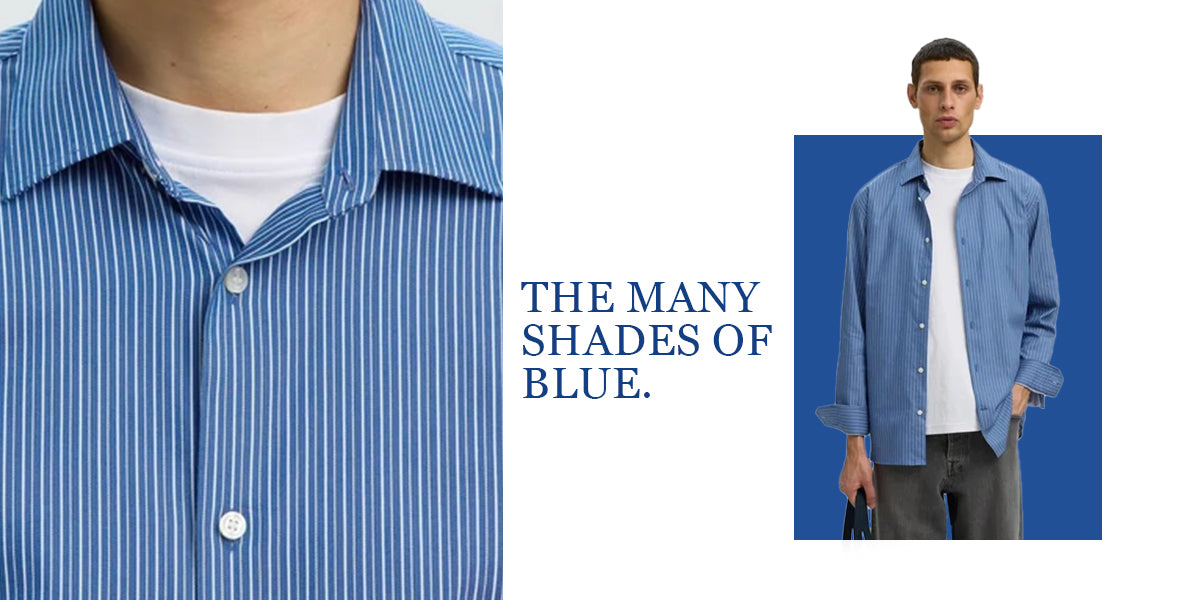
It comes down to contrast. The overshirt brings structure, with a collar, a cleaner line at the shoulder and a bit of weight. The round neck tee keeps everything relaxed underneath. That mix is why the shirt over t shirt combination suits so many days:
- Casual Fridays at the office
- Weekend brunches and coffee plans
- Travel days when you want comfort without looking sloppy
- Evenings out when the weather cools down
Colour Combinations That Work
You don’t need a big wardrobe for this. A few reliable pairings will take you a long way.
Blue tee, olive or beige overshirt. Blue is calm and versatile. Under an earthy overshirt, it looks balanced and warm. Wear the overshirt open, add slim-fit jeans and white sneakers, and you’re set. For a slightly sharper look, button it halfway and roll the sleeves.
Peach or soft pink tee, cream or sand overshirt. Softer shades can feel risky until you layer them under a neutral. Here, the overshirt tones the colour down and makes it look refined. Swap the jeans for tailored trousers and add loafers or minimal sneakers.
Black tee, charcoal or grey overshirt. Staying tonal always looks intentional. Pair it with dark denim or black trousers for a clean, minimal outfit that works from day into evening.
Olive tee, tan or cream overshirt. Earthy on earthy gives a mature, easy look. Add relaxed trousers and keep accessories to a minimum.
White tee, denim overshirt. A classic for a reason. The contrast between crisp white and textured denim feels effortless, especially with beige chinos and clean sneakers.
Which Shirt to Wear on a T-Shirt?
Not every shirt works as an overshirt, so it helps to know what to look for. The best ones are slightly roomier than a regular shirt, made in a medium-weight fabric, and sit comfortably over a tee without pulling across the shoulders.
- Cotton twill: The dependable all-rounder, good for most seasons.
- Linen or linen blends: Light and breathable, ideal for warm, humid weather.
- Denim: Adds texture and works well with plain tees.
- Brushed cotton or flannel: Softer and warmer, great for cooler evenings.
Length matters too. The hem should fall somewhere between mid-zip and mid-thigh. Any longer and it starts to swallow the outfit.
A Quick Word on Weather
Layering in India is less about staying warm and more about staying comfortable. In the cooler months, a long-sleeve crew neck under your overshirt adds depth without bulk. In warmer weather, a lightweight linen overshirt worn open over a thin cotton tee gives you the look without the heat. Layering is about proportion, not heaviness.
Small Styling Tips That Make a Difference
- Wear it open for a relaxed look. Button it halfway when you want more structure.
- Try a slight front tuck. Just the front of the tee, tucked into your waistband, gives the outfit shape.
- Roll the sleeves. Two folds, just below the elbow.
- Choose contrast on purpose. Either match tones or contrast them clearly, but avoid colours that almost match.
- Keep it to three colours. Tee, overshirt and trousers. Shoes can stay neutral.
What About Wearing a T-Shirt Over a Shirt?
You’ll also see people search for the tshirt over shirt combination, which is the reverse layering: a fitted tee worn over a thin, longer shirt. A t shirt over shirt style is more fashion-led. It works best when the tee is plain and well fitted, and the shirt underneath is slim, collared and left open so the hem peeks out below. For everyday wear, the shirt over the tee is simpler and more flattering, so it’s the one to start with.
Frequently Asked Questions
How do you wear a mens overshirt with a t-shirt? Wear it open over a plain round neck tee, with jeans or chinos and clean sneakers. Roll the sleeves for a relaxed look, or button it halfway for more structure.
What is the difference between an overshirt and a regular shirt? An overshirt is cut slightly roomier and made in a heavier fabric, so it can be worn like a light jacket over a tee. A regular shirt is lighter and is usually worn buttoned and tucked in.
Can I wear an overshirt in hot weather? Yes. Choose a lightweight linen or cotton overshirt and wear it open over a thin tee.
What colour t-shirt goes best under an overshirt? Neutral tees in white, black, grey, navy and olive pair with almost any overshirt. Softer shades like peach or sky blue work when the overshirt stays neutral.
Should an overshirt be buttoned or open? Both work. Open is more relaxed, while buttoned halfway adds structure.
Final Thoughts
A good tee and overshirt combination doesn’t take much effort. It takes a clean fit, sensible colours and a few small adjustments. Once you’ve got the formula, you can repeat it all year.
Explore curated looks built for effortless confidence. Shop Selected.