Organic Cotton Shirts for Men: How to Choose the Right One for Every Season

Be honest. How many shirts in your wardrobe only work for about three weeks a year? The heavy check that's lovely in January and unbearable in April. The thin white one that looks great until the first monsoon shower turns it see-through. Most of us buy on looks and hope the weather plays along. Organic cotton shirts won't solve that by themselves, because "organic" describes how the cotton was farmed, not how the shirt behaves on a sticky afternoon. What solves it is picking the right weave for the right months. So let's go season by season.
What Makes a Shirt "Organic Cotton"?
Short version: the farming. Organic cotton is grown under organic standards, which generally means no synthetic pesticides, no synthetic fertilisers and no genetically modified seed. The fibre that comes out of all that isn't some super-cotton. Close your eyes and you'd struggle to tell it from regular cotton of the same weave.
Selected keeps things simple by putting "Organic Cotton" right in the product name. Still, turn to the label inside the collar or the product page before you buy. Some shirts are fully organic, some are blends, and any certification will be listed there too.
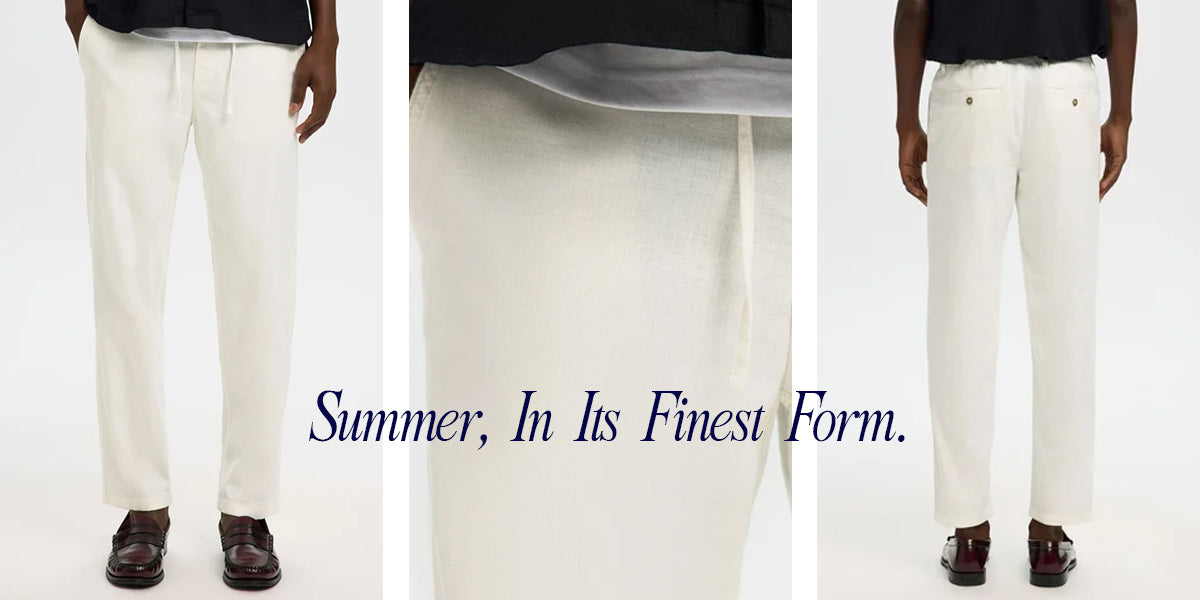
Summer: Lightweight Organic Cotton Shirts That Let You Breathe
April to June isn't the time for anything thick. You want a plain, light weave, smooth and almost papery between your fingers.
The collar helps more than you'd expect. A Cuban collar lies flat and open, so there's no top button pinching your neck and air actually reaches your skin. It's also designed to be worn untucked, which is how you'll want it at 38 degrees. Selected has a few organic cotton versions, including a red striped one that's a lot easier to wear than it sounds.
Prints are worth a look as well. A small, low-key print hides the odd sweat patch far better than a pale plain shirt does. Stone chinos, white sneakers or leather sandals, and you're ready for a long weekend lunch.
If you only buy one plain summer shirt, make it light blue. It goes with nearly everything.
Monsoon: Choosing Shirts That Cope With the Rain
Let's not pretend. Cotton dries slower than linen, organic or otherwise, and from June to September that's a genuine nuisance.
A few habits make it bearable. Pick thinner weaves for this stretch; they dry quicker. Mid-tones and small checks hide water marks that white would show off to the whole office. And get damp shirts out of the machine straight away. Leave one in overnight and that musty smell moves in for good. A hanger and a ceiling fan are your best friends here.
A blue or brown check is the sensible rainy-season shirt. It still looks fine when it's a little damp, which, let's face it, is how most things feel in July.
Winter: Warmer Weaves Like Brushed Cotton, Corduroy and Denim
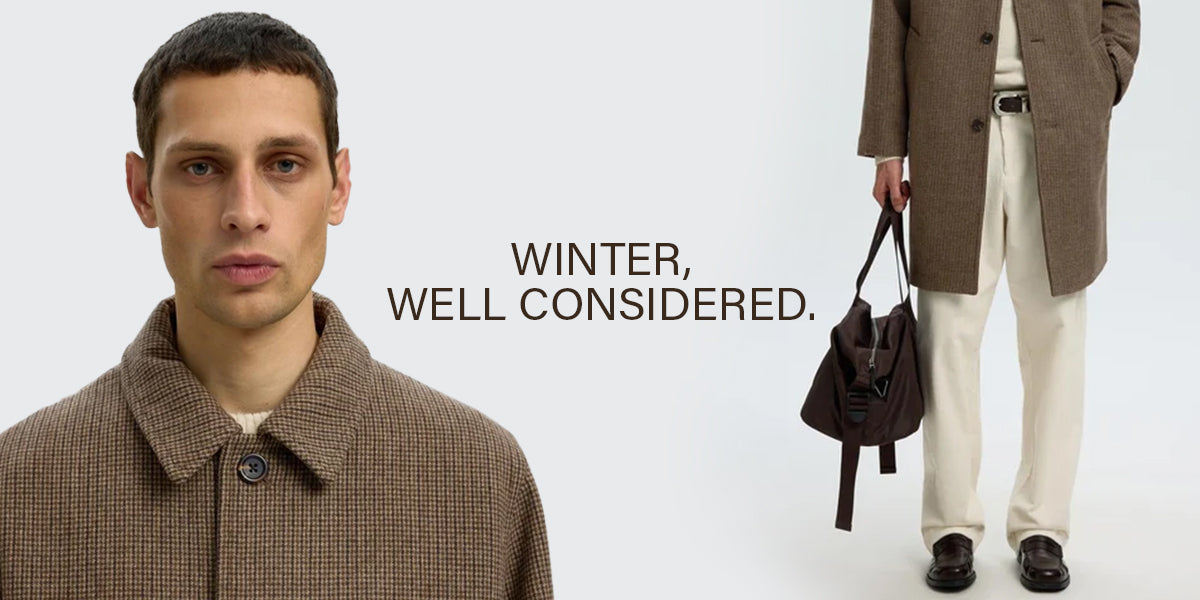
This is when the heavier shirts finally earn their place. Brushed cotton has a soft, faintly fuzzy surface that holds on to a little warmth, just right for a foggy Delhi or Chandigarh morning. The organic cotton brushed check in the range does this well, buttoned up under a jumper or worn open over a tee.
Corduroy takes it further. An organic cotton corduroy overshirt is really a light jacket in disguise; over a crew-neck knit, it's often all you need until December gets serious. Browse the overshirts and you'll also find a green organic cotton one in a clean, classic cut.
Then there's the black organic cotton denim shirt, which might be the most useful winter shirt of the lot. Wear it alone, layer it, pair it with grey trousers or with jeans a couple of shades lighter. Just steer clear of matching denim top and bottom. That's a uniform, not an outfit.
One Office Shirt That Works All Year
Seasons aside, everyone needs a plain work shirt that doesn't care what month it is. White or light blue, a smooth weave, regular or slim depending on your build. The organic range includes a white shirt sold as a "performance" style and a straightforward light blue one; the product pages explain what each fabric is designed to do.
Tuck it into grey or navy trousers. Bring in a blazer on days that need one.
How to Check Quality Before You Buy
Fit first, always. The shoulder seam should sit exactly where your shoulder ends. With your arms relaxed, the cuff should reach your wrist bone. Now lift both arms over your head. If the hem pops out of your waistband, the shirt's too short to tuck.
Then look at how it's made. Turn it inside out and check the seams lie flat and straight. Give a button a gentle tug; it shouldn't wobble. Hold the fabric to the light and make sure the weave looks even, without thin patches. They tell you more about how long a shirt will last than any tag.
How to Care for Organic Cotton Shirts
Cool water every time. Darks and prints go in inside out. Avoid the tumble dryer if you can, because heat is what shrinks cotton and drains its colour. Put the shirt on a decent hanger while it's still slightly damp and gravity will do most of your ironing for you.
Blends sometimes need slightly different treatment, so check the care label on each shirt.
Frequently Asked Questions About Organic Cotton Shirts
What's the difference between organic cotton and recycled cotton?
Organic cotton is new cotton, grown under organic farming standards without synthetic pesticides or fertilisers. Recycled cotton is made from existing cotton waste, like factory offcuts, which is broken down and spun into new yarn. Some shirts blend the two, so the product page is the place to check.
Are organic cotton shirts good for summer?
Yes, provided you pick the right weave. Go for thin, smooth, plain-weave organic cotton and an open Cuban collar on hot days, and wear the shirt untucked so air can move. Save brushed cotton, corduroy and denim for the cooler months.
Why can organic cotton shirts cost a little more?
Organic farming usually produces lower yields and follows stricter growing rules, which can push up the cost of the raw cotton. How much that shows up in the final price differs from shirt to shirt, so compare individual styles rather than assuming all organic shirts cost more.
How do I keep an organic cotton shirt from fading?
Wash it in cool water, turn darker colours inside out, and dry it on a hanger in the shade rather than in a tumble dryer. Heat and strong sunlight cause most fading in cotton. Washing only when the shirt actually needs it helps the colour last much longer.
Build a Year-Round Shirt Wardrobe
You don't need dozens. A light shirt for summer, a check for the rains, something brushed or corduroy for winter and one plain shirt for work will cover most of the year. Explore organic cotton shirts at Selected and start with the season you need most.