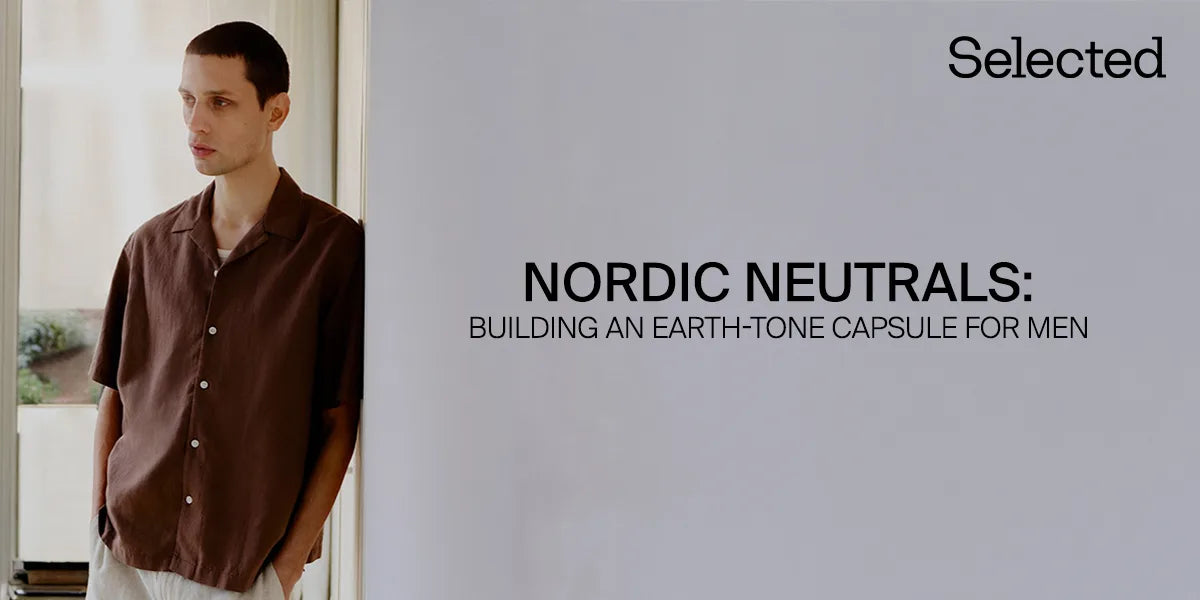
Article: Best Shirt Fabrics for the Monsoon: Breathable Picks for Humid Weather
Best Shirt Fabrics for the Monsoon: Breathable Picks for Humid Weather

By July, most wardrobes have already confessed their weak points. The shirt that looked sharp in a dry, air-conditioned March meeting clings by 11 a.m. in monsoon humidity. The one that survived a sudden downpour on the way to the office is still damp at lunch. Monsoon dressing isn't really a style problem — it's a fabric problem, and it rewards the men who understand the difference between a shirt that merely looks breathable and one that actually performs.
This guide breaks that difference down: which fabrics hold up in humidity and rain, which ones quietly work against you, and how to build a complete monsoon outfit — shirt, trouser, and denim — around fabrics that stay comfortable from a morning commute to an evening that runs long.
The Short Answer
For monsoon humidity, prioritise linen, linen-cotton blends, and lightweight cotton poplin — all of them move air well and dry quickly after getting damp. Be more selective with oxford weaves, which are sturdier but slower to dry in sustained humidity. Avoid rayon/viscose and heavy denim-weight cotton, both of which absorb moisture, lose shape when wet, and take the longest to dry.
Why Fabric Matters More Than Cut in the Monsoon
A well-tailored shirt in the wrong fabric will still fail you in July and August. Two things happen simultaneously during monsoon months: humidity keeps skin perpetually damp even without rain, and sudden showers add direct moisture on top of that. A shirt needs to manage both — wicking everyday perspiration and shedding rainwater quickly enough that it doesn't sit against the skin for hours.
Fabric that fails this test does three specific things: it clings when damp, it holds odour longer because moisture doesn't evaporate out of the weave, and it takes so long to dry that a single shower can mean a damp shirt for the rest of the day. Getting the fabric right solves all three before styling even enters the conversation.
The Fabric Breakdown
Linen

Linen remains the benchmark for humid-weather dressing, and for good reason. Its fibre structure is naturally porous, which lets air circulate close to the skin rather than trapping heat the way denser weaves do. It also releases moisture quickly, so a linen shirt that gets caught in a shower is usually wearable again within the hour.
Linen-Cotton Blends

A linen-cotton blend is the more office-ready compromise. Cotton adds structure and reduces the creasing linen is known for, while linen keeps the airflow and quick-dry properties largely intact. The result holds its shape through a full working day better than pure linen, without sacrificing much breathability.
Cotton Poplin
Poplin is a tight, plain-weave cotton that's smooth, lightweight, and crisp — the closest thing to a year-round shirt fabric that still performs reasonably well in humidity. It reads more formal than linen and holds a cleaner line, which makes it the better choice for client meetings or occasions where linen's relaxed texture feels too casual.
Its limitation is at the extremes: poplin is comfortable in ambient humidity but doesn't manage a genuine downpour as gracefully as linen. A tightly woven, fitted poplin shirt can also show sweat more visibly than a textured weave, so fit and colour both matter here.
Oxford and Basket Weaves
Oxford cloth's basket weave gives it more texture and durability than poplin, along with slightly better airflow than a flat, tight weave — but its thicker construction also means it holds more moisture and takes longer to dry once wet. It isn't a poor monsoon fabric; it's simply better suited to overcast, lower-humidity stretches of the season rather than the peak of a downpour.
Fabrics to Avoid
Rayon and viscose feel soft and drape beautifully in dry weather, but they're a poor monsoon match — the fibre absorbs moisture readily, loses shape when wet, and is among the slowest fabrics to dry. Heavy, denim-weight cotton shirting has the same issue: it soaks up rainwater rather than shedding it, and the added weight makes it uncomfortable to wear damp for any length of time. Both are worth reserving for drier months.
Building the Complete Monsoon Outfit
A breathable shirt only does half the job if the rest of the outfit fights it. The bottom half of a monsoon look deserves the same fabric logic — lightweight, quick-drying, and considered in colour.
Trousers and chinos. For days that call for tailored polish without the weight, men’s linen pants pair naturally with a linen or linen-cotton shirt — both fabrics dry at a similar rate, so the whole outfit recovers together after a shower rather than one half staying damp longer than the other. Among men’s bottom wear, mid-to-dark tones do the most work through monsoon: navy blue trousers and grey trousers read office-ready and hide moisture well, while brown trousers and black trousers men’s styles anchor a linen shirt without competing with its texture. For lighter days, beige pants keep a look airy without tipping into the splash-prone territory of true white, and green trousers offer a considered way to move beyond the expected neutral palette.
Jeans. For more casual monsoon days, blue jeans for men remain a dependable base, provided the weight and fit are chosen deliberately. A straight-fit jeans men’s silhouette pairs well with a slightly relaxed linen or poplin shirt for a balanced, unforced line. Men’s slim-fit jeans suit a more fitted, structured shirt — oxford or a crisp poplin — for a sharper, evening-ready look. Regular fit jeans offer the most forgiving comfort for long days that move between indoor and outdoor settings, while tapered fit jeans bring a slightly more contemporary silhouette that works particularly well under a longer-length linen shirt worn untucked.
The principle across all of it: match drying speed to drying speed, and let colour do the work that fabric can't — masking the inevitable, unpredictable moment monsoon rain catches you without an umbrella.
Caring for Monsoon Shirts
A few habits extend how well these fabrics perform through the season. Air-dry shirts fully before folding or hanging them in a closet — packing away a slightly damp linen or cotton shirt is the fastest route to a musty smell or mildew spotting. Iron linen while it's still faintly damp; it presses more easily and holds the crease better than fabric that's been left to dry completely flat. And where possible, rotate two or three shirts through a humid week rather than relying on one — sustained damp wear, even in a highly breathable fabric, shortens its life faster than normal use would.
Frequently Asked Questions
What is the best fabric for shirts in the monsoon?
Linen and linen-cotton blends are generally the strongest choices — both offer high breathability and dry quickly after getting wet, which matters more in monsoon than in any other season.
Is linen good for humid weather?
Yes. Linen's open fibre structure allows air to circulate close to the skin and releases absorbed moisture quickly, making it one of the most effective fabrics for sustained humidity.
Can I wear cotton shirts during monsoon?
Lightweight cotton weaves like poplin work well, particularly for office days with limited outdoor exposure. Heavier, denim-weight cotton is better avoided, since it absorbs water and dries slowly.
What fabrics should be avoided during monsoon?
Rayon and viscose are the main ones to skip — they lose shape when wet and take the longest to dry. Heavy cotton twill and denim-weight shirting fall into the same category.
What colours hide rain splashes best?
Deep, mid-toned colours — navy, olive, charcoal, brown — disguise water spots more effectively than pale neutrals or white, which show moisture more visibly.
What should I pair a linen shirt with for monsoon dressing?
Bottom wear with a similar drying speed works best — linen pants, lightweight chinos in navy, grey, or brown, or a well-chosen pair of jeans in a straight or regular fit for a more casual look.
Monsoon dressing rewards the man who plans for weather rather than reacting to it. Build a wardrobe rooted in quality, fabric that performs as well as it looks — shop Selected's monsoon-ready shirts and bottom wear.