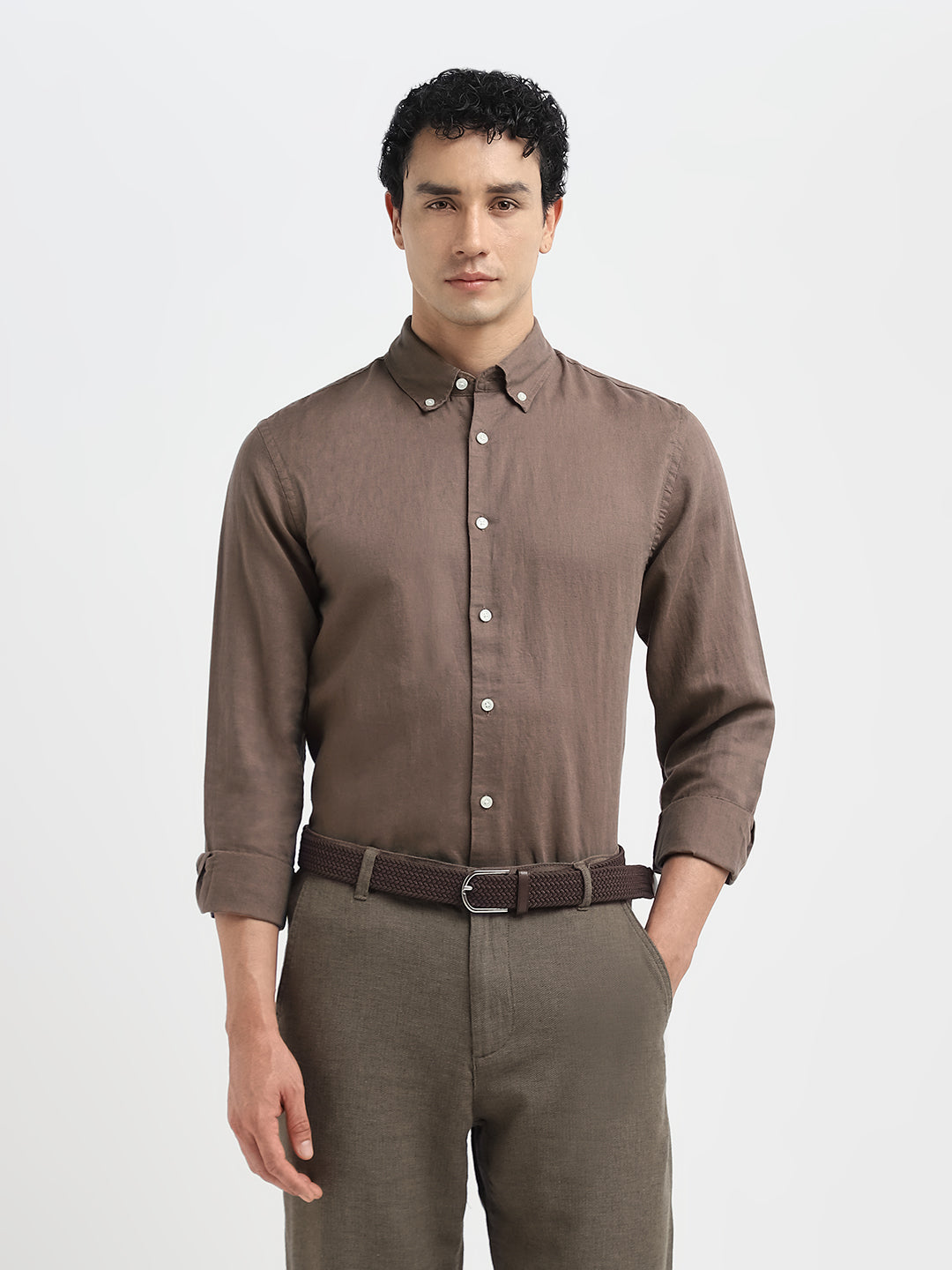
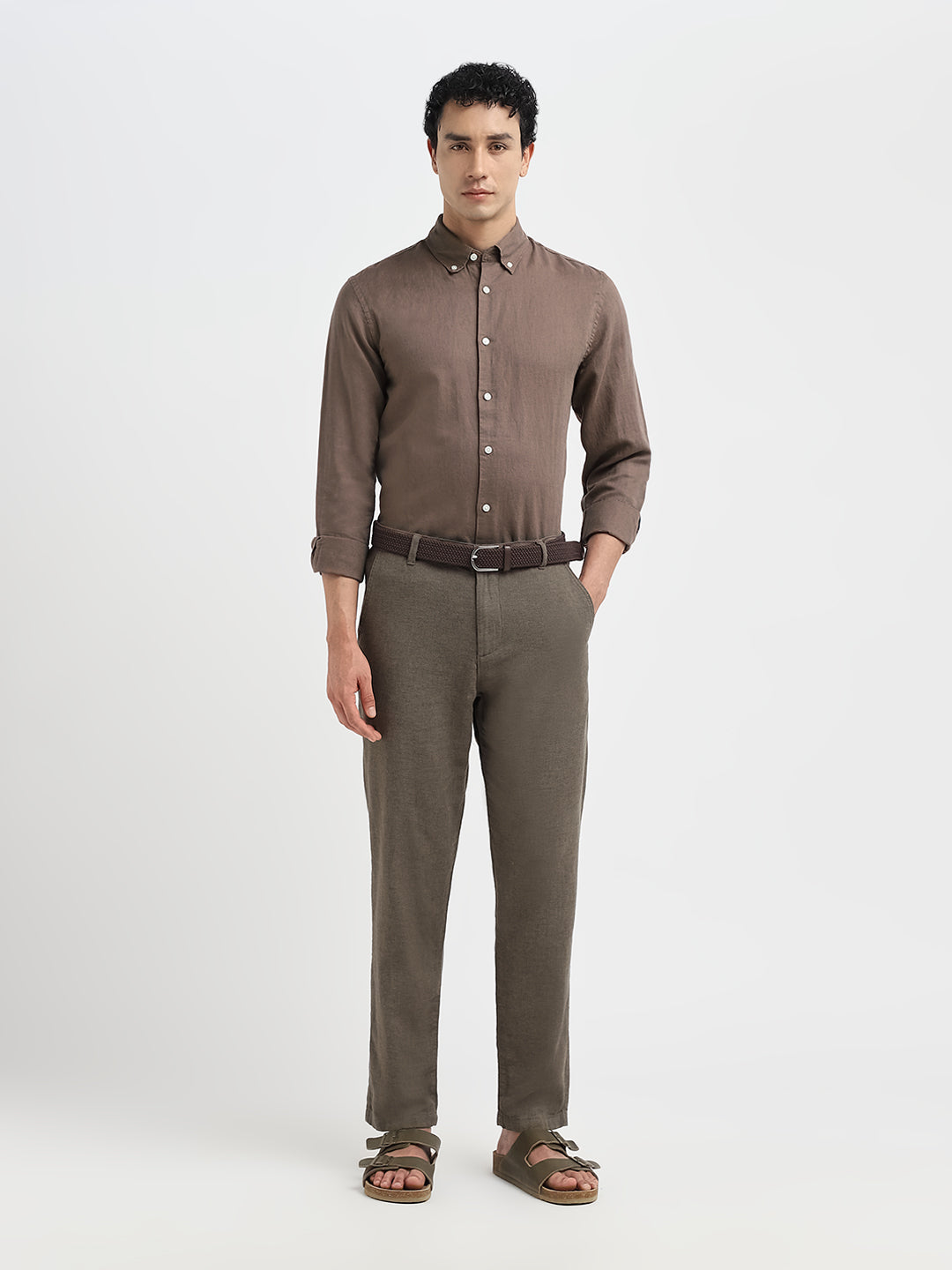
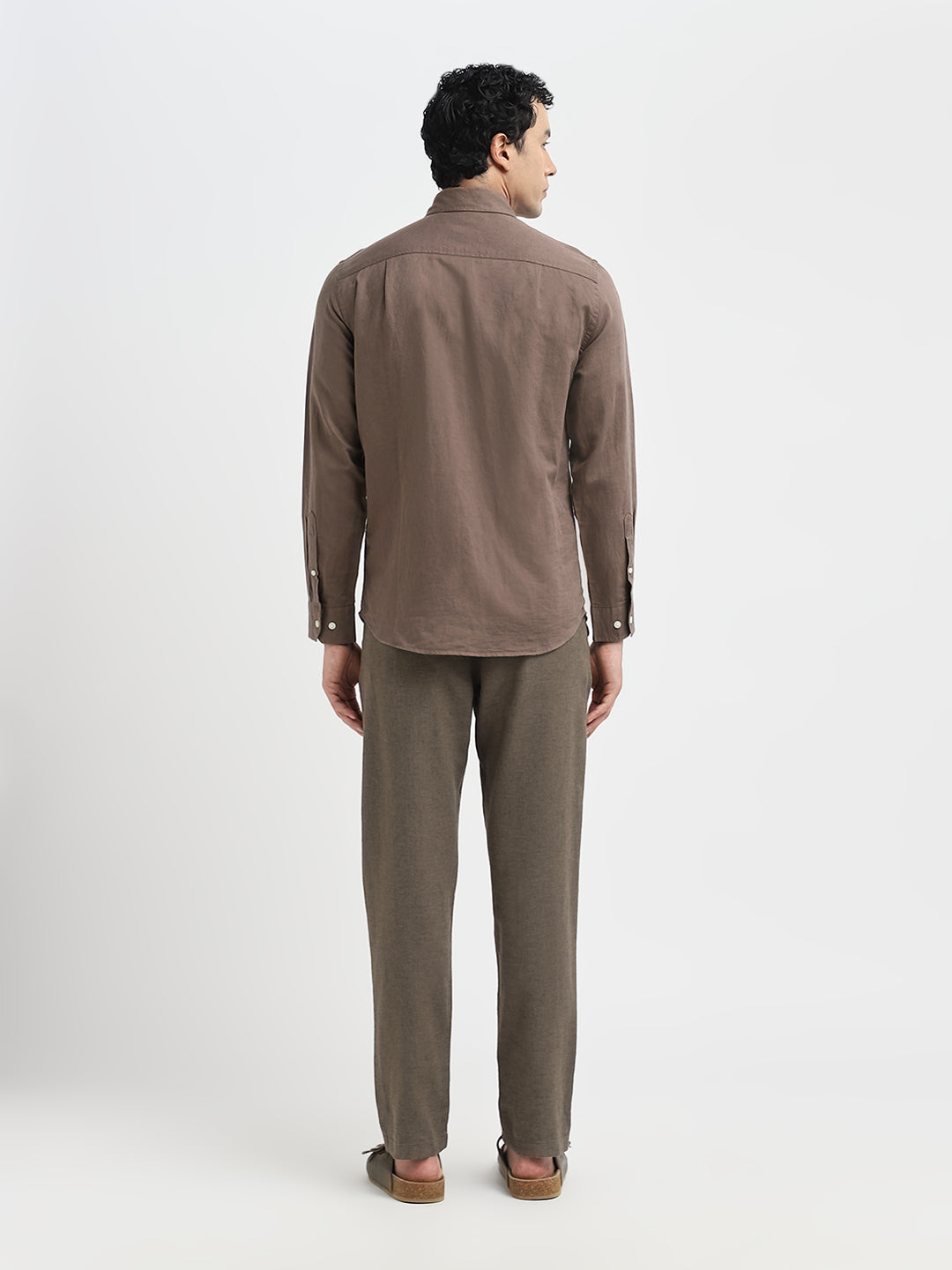
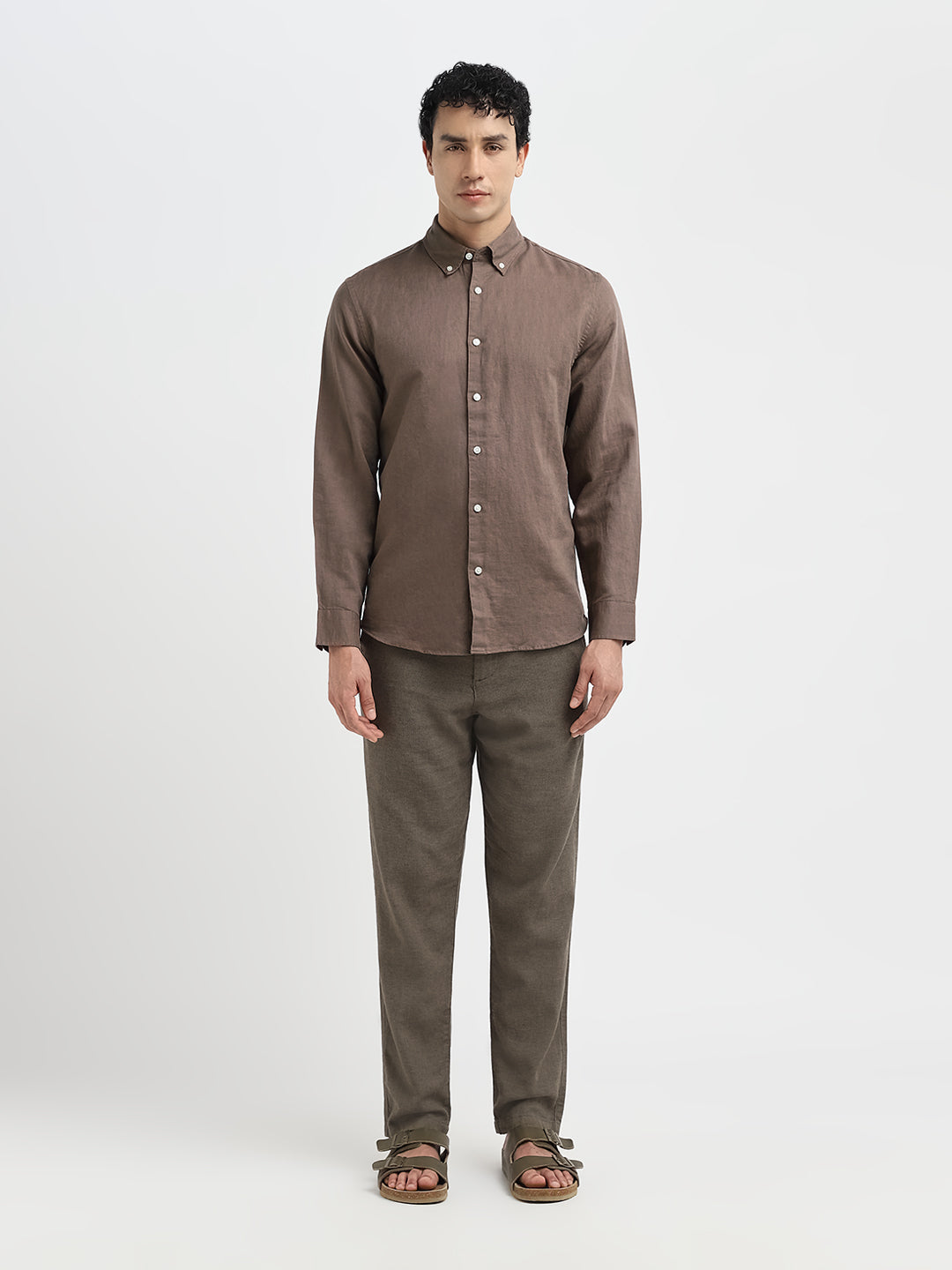
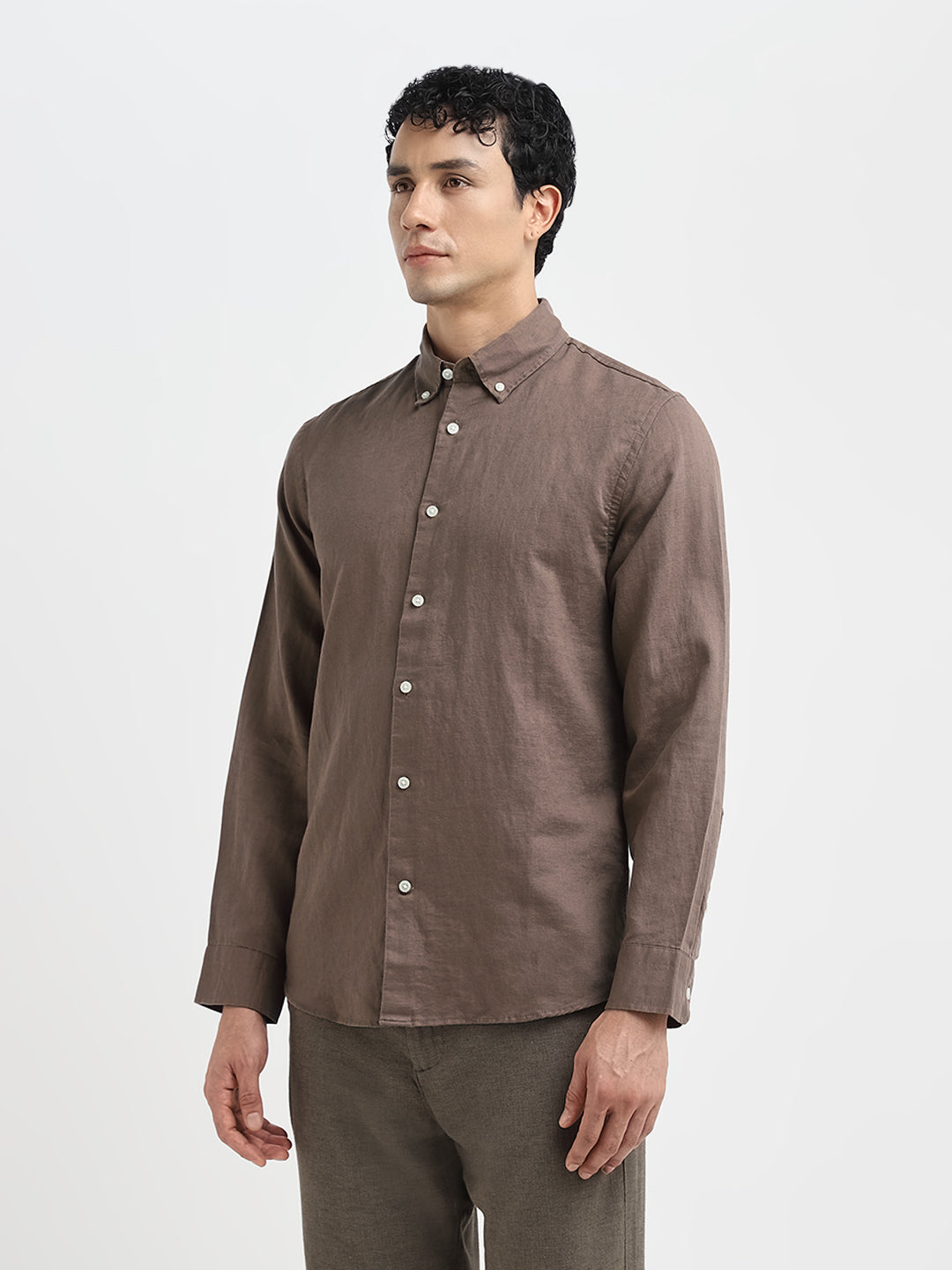
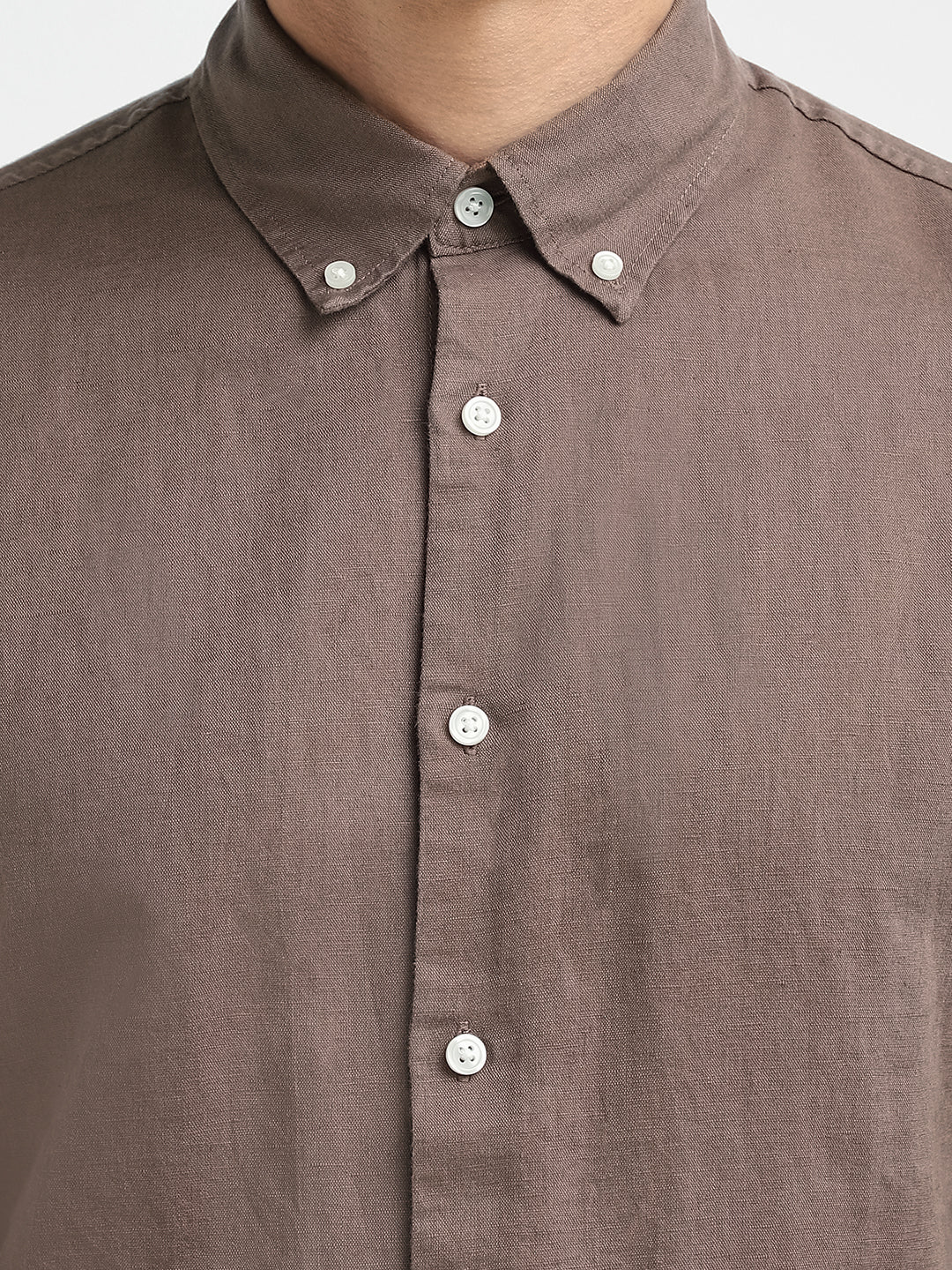
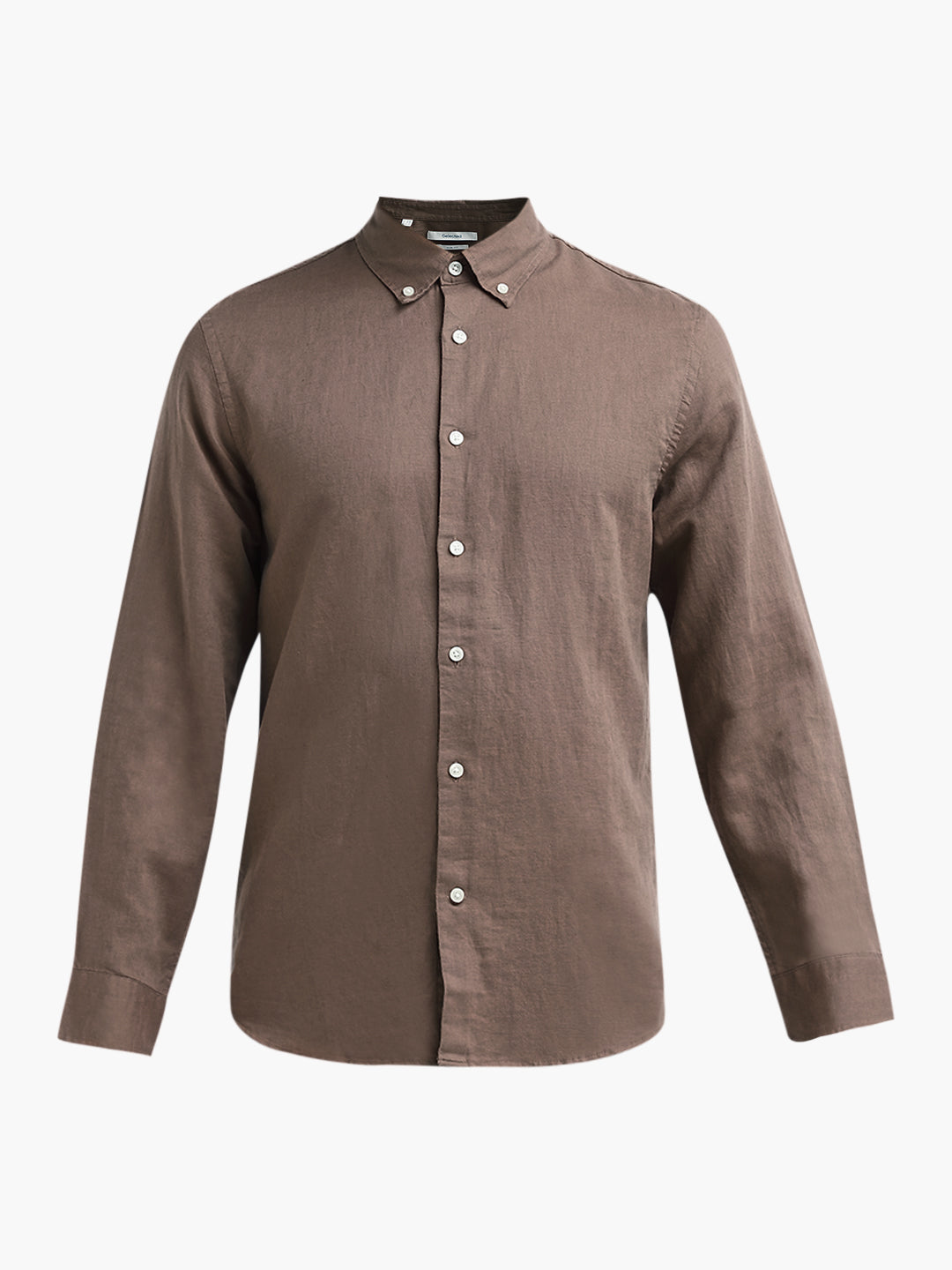
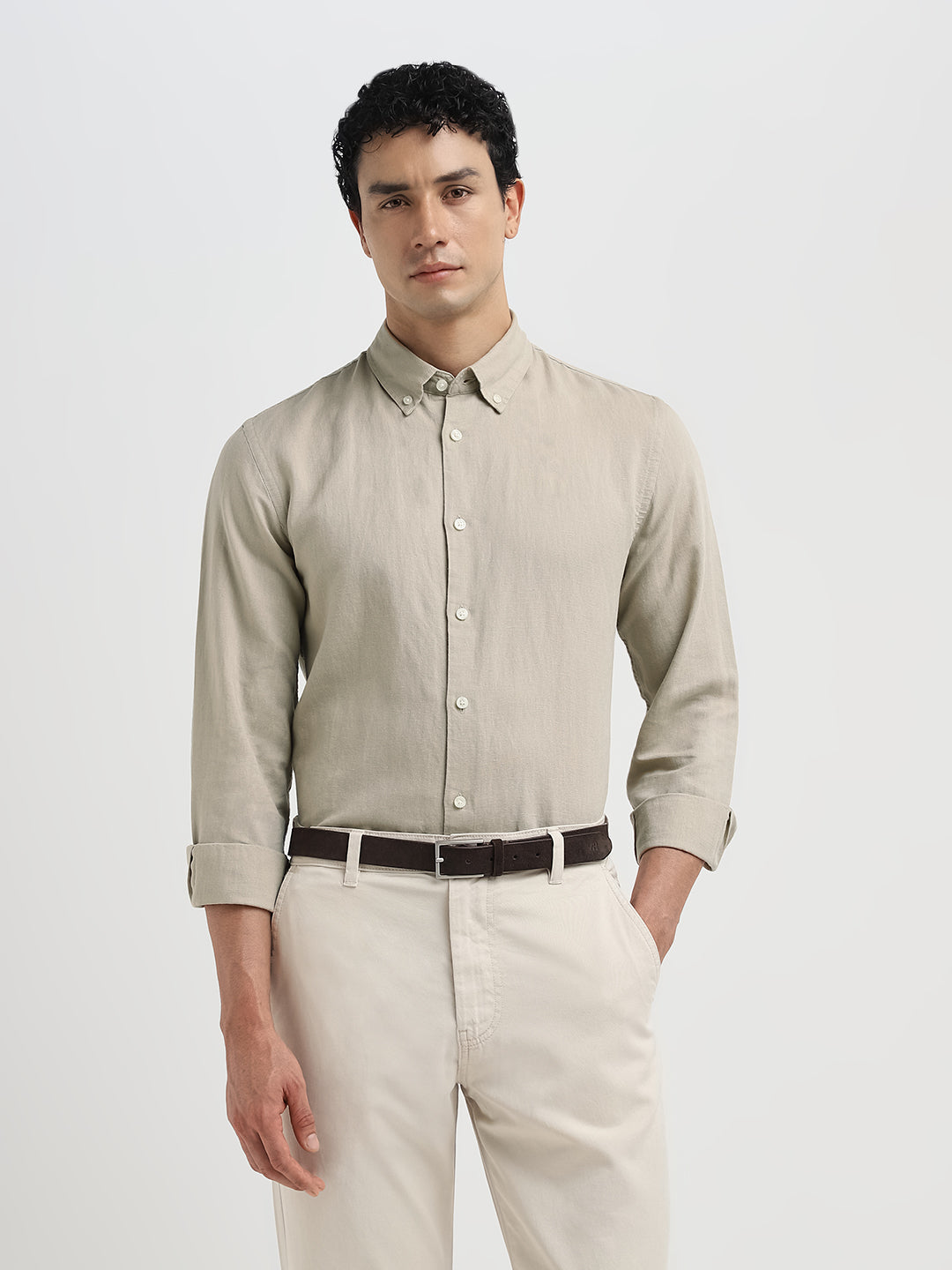
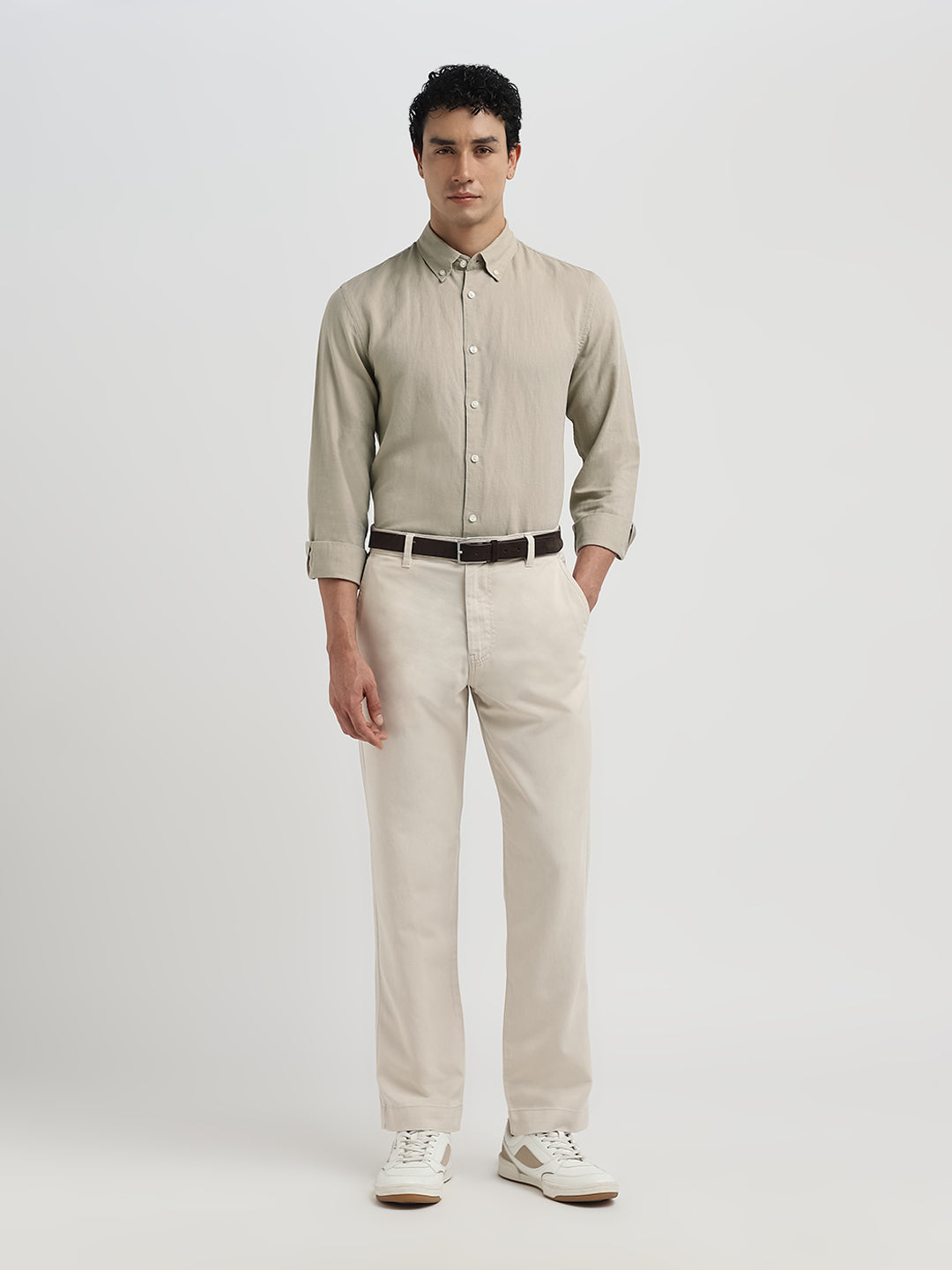
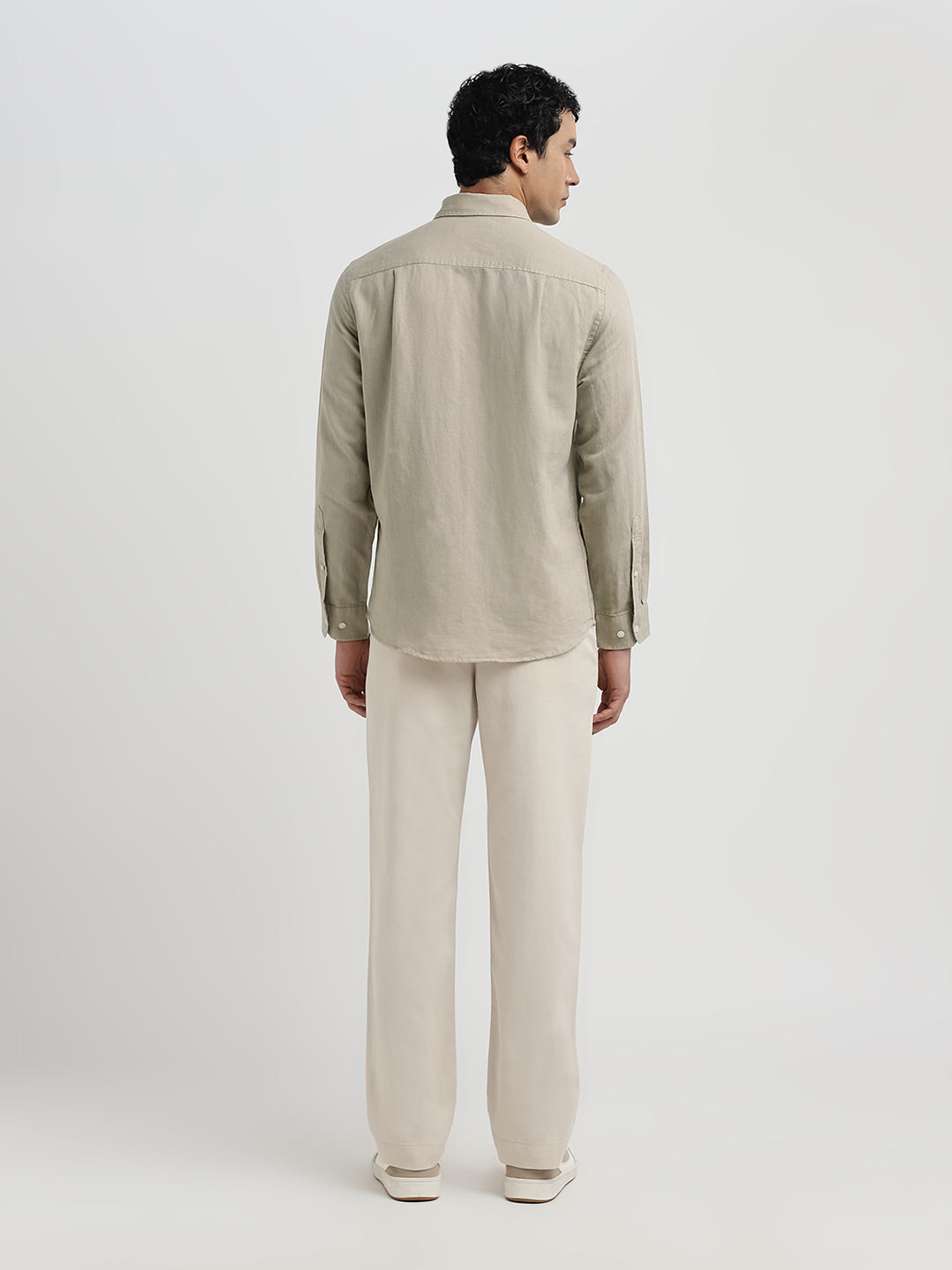
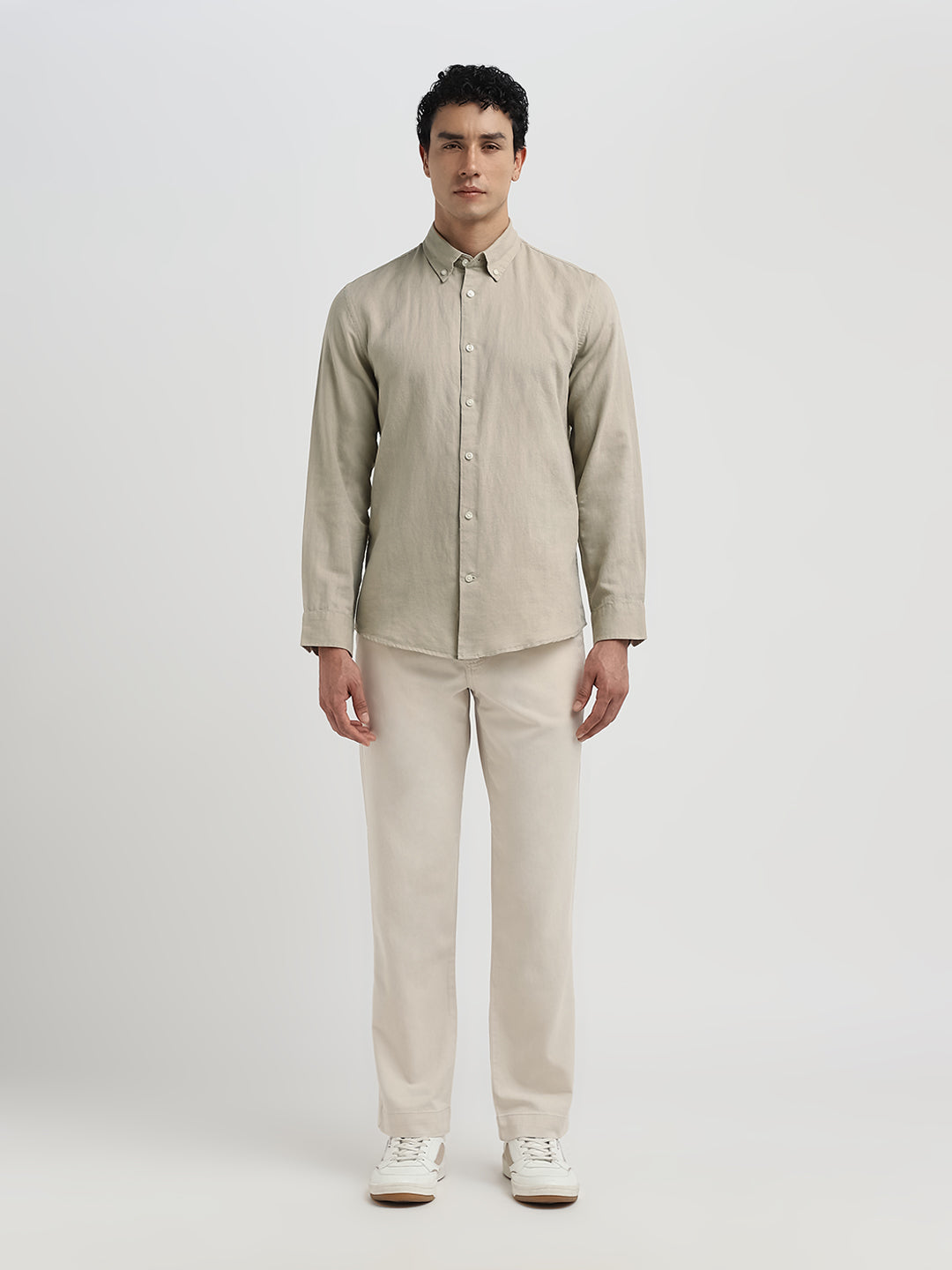
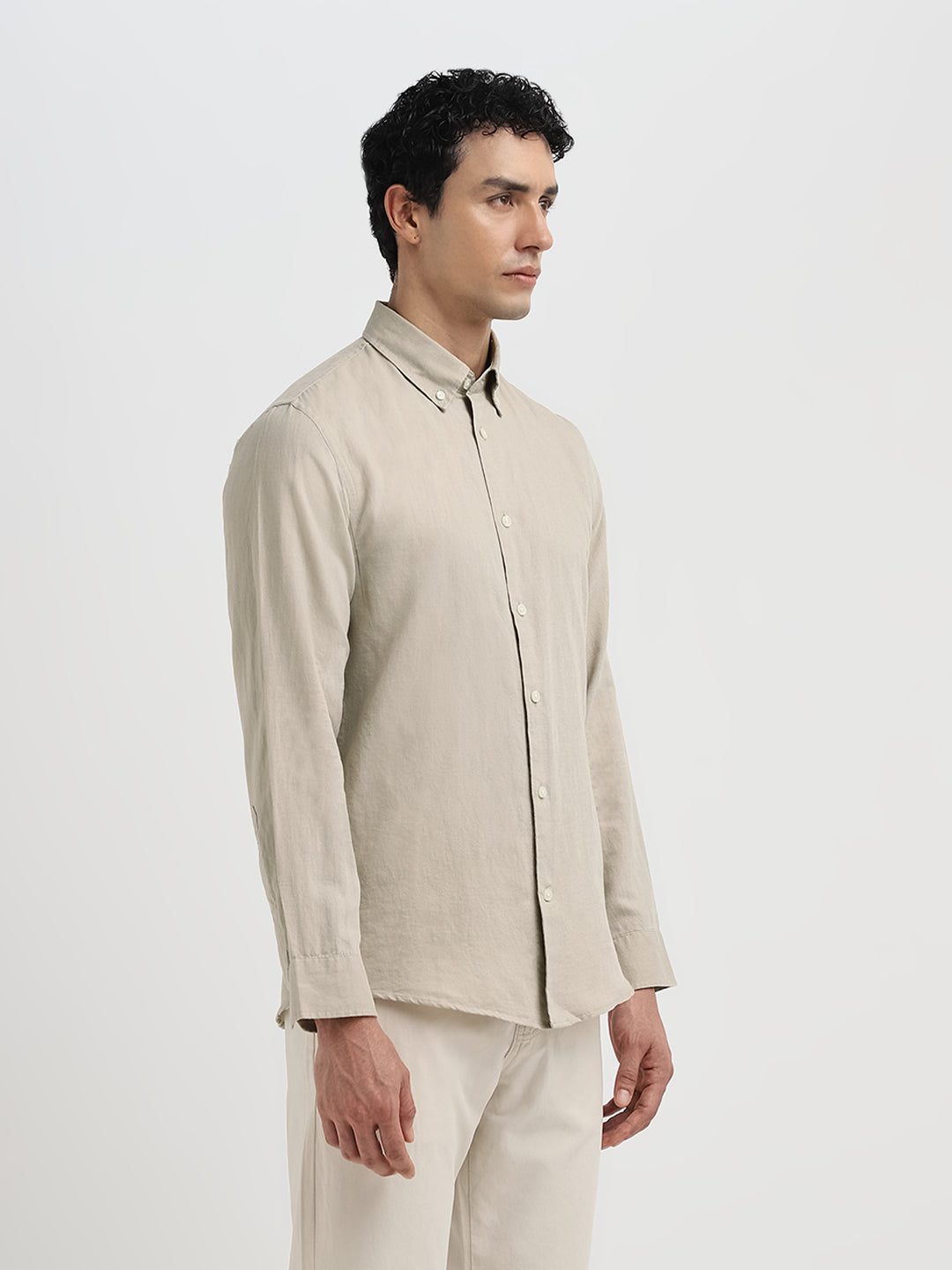
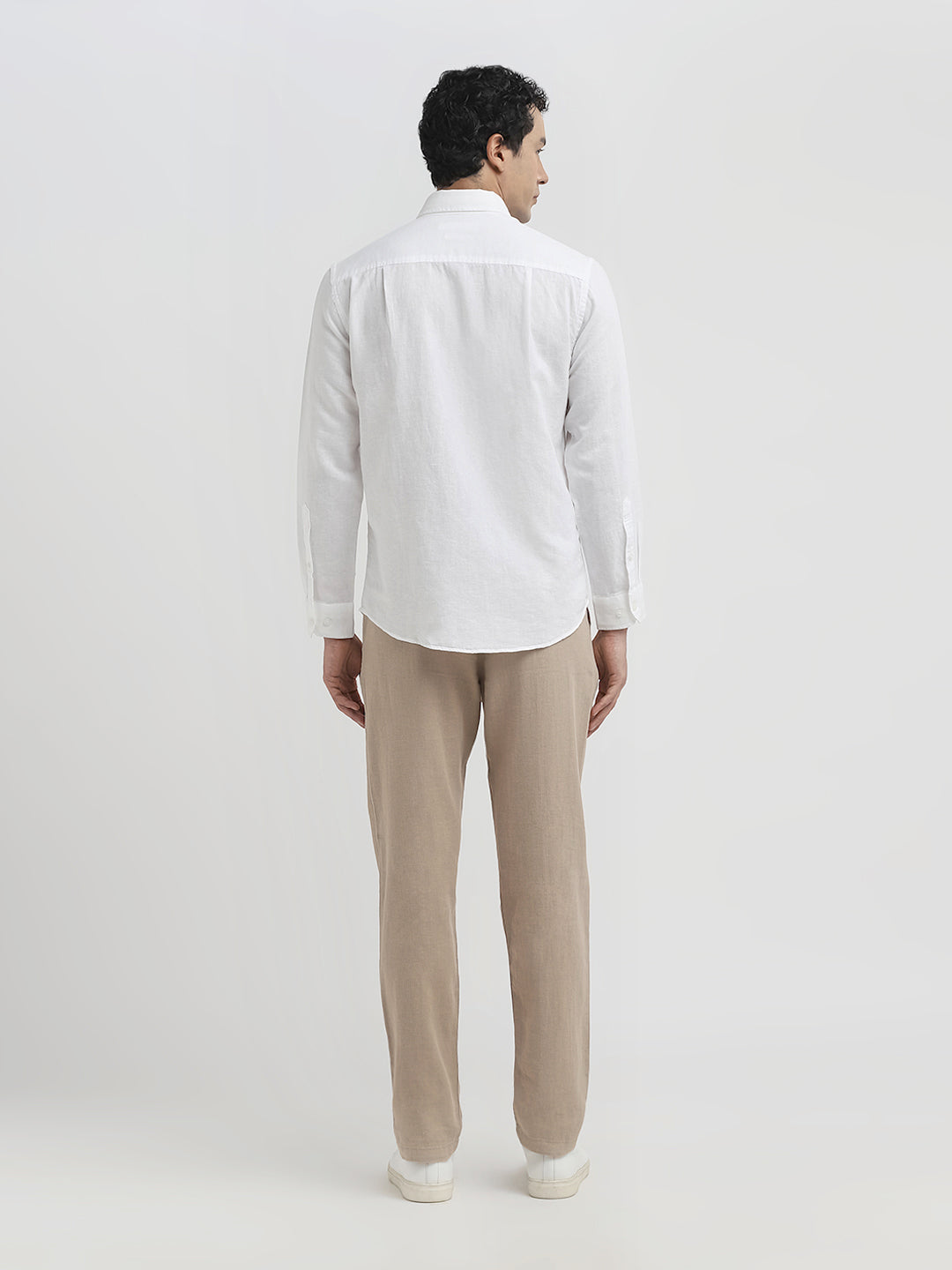
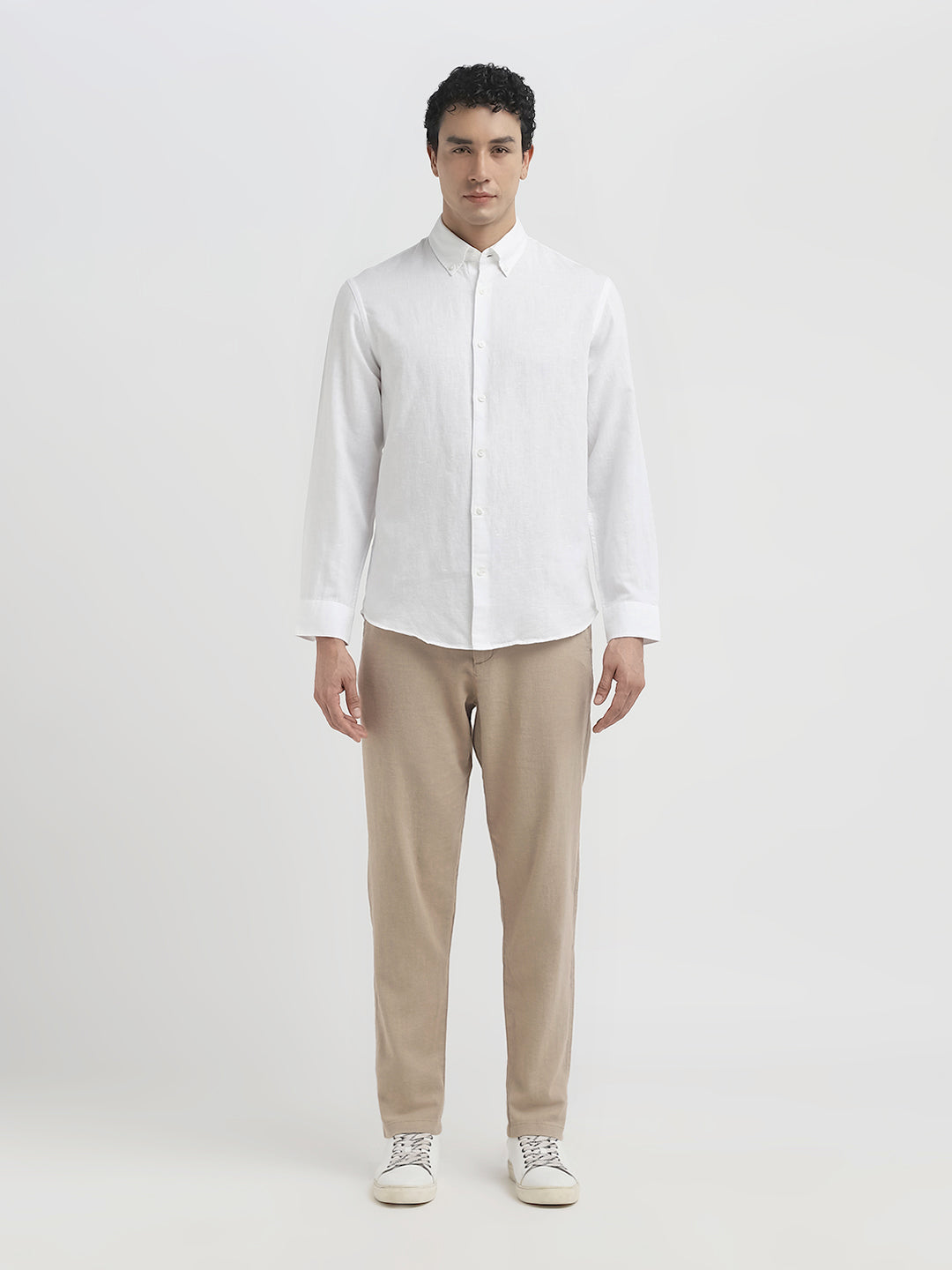
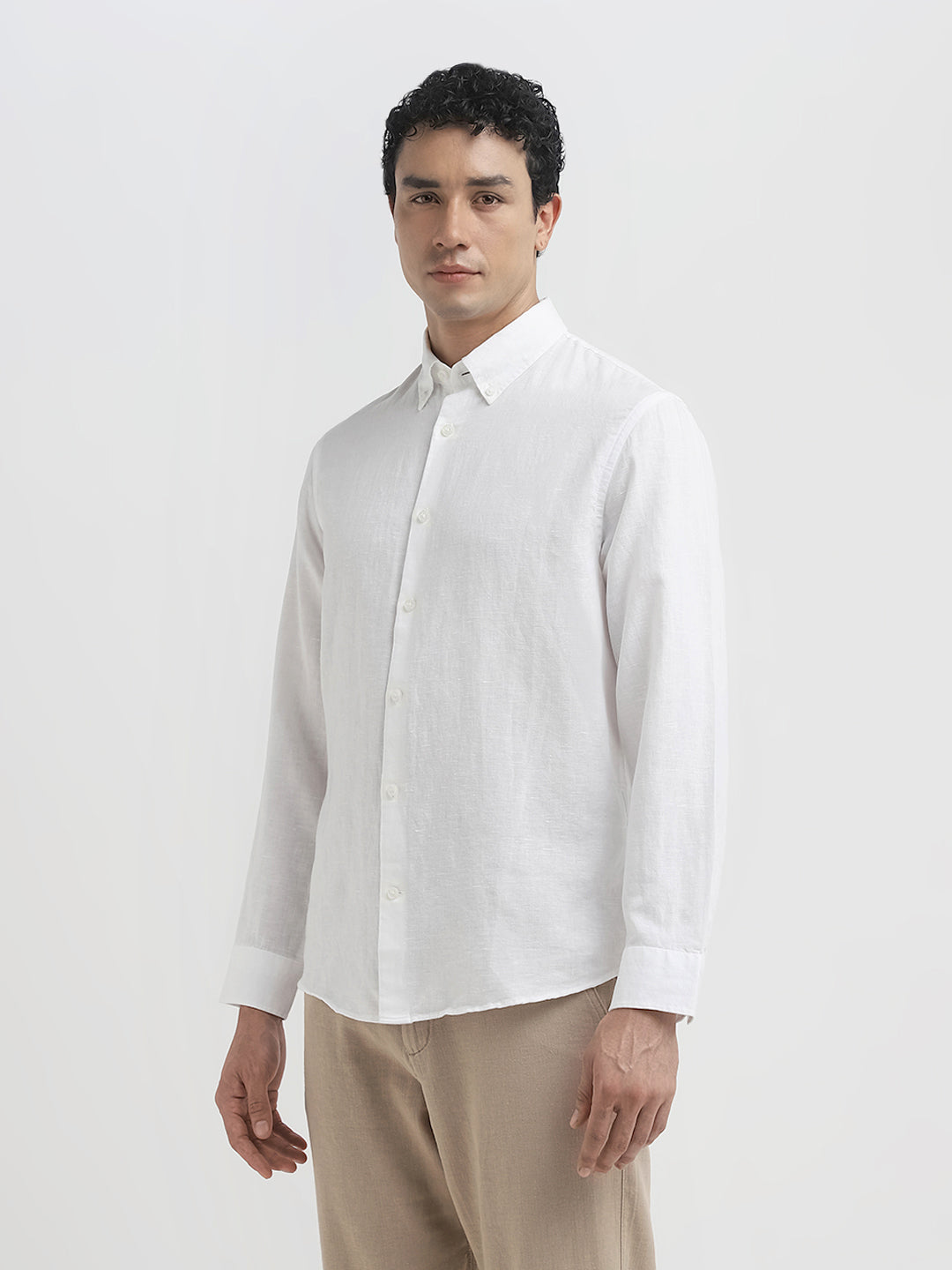
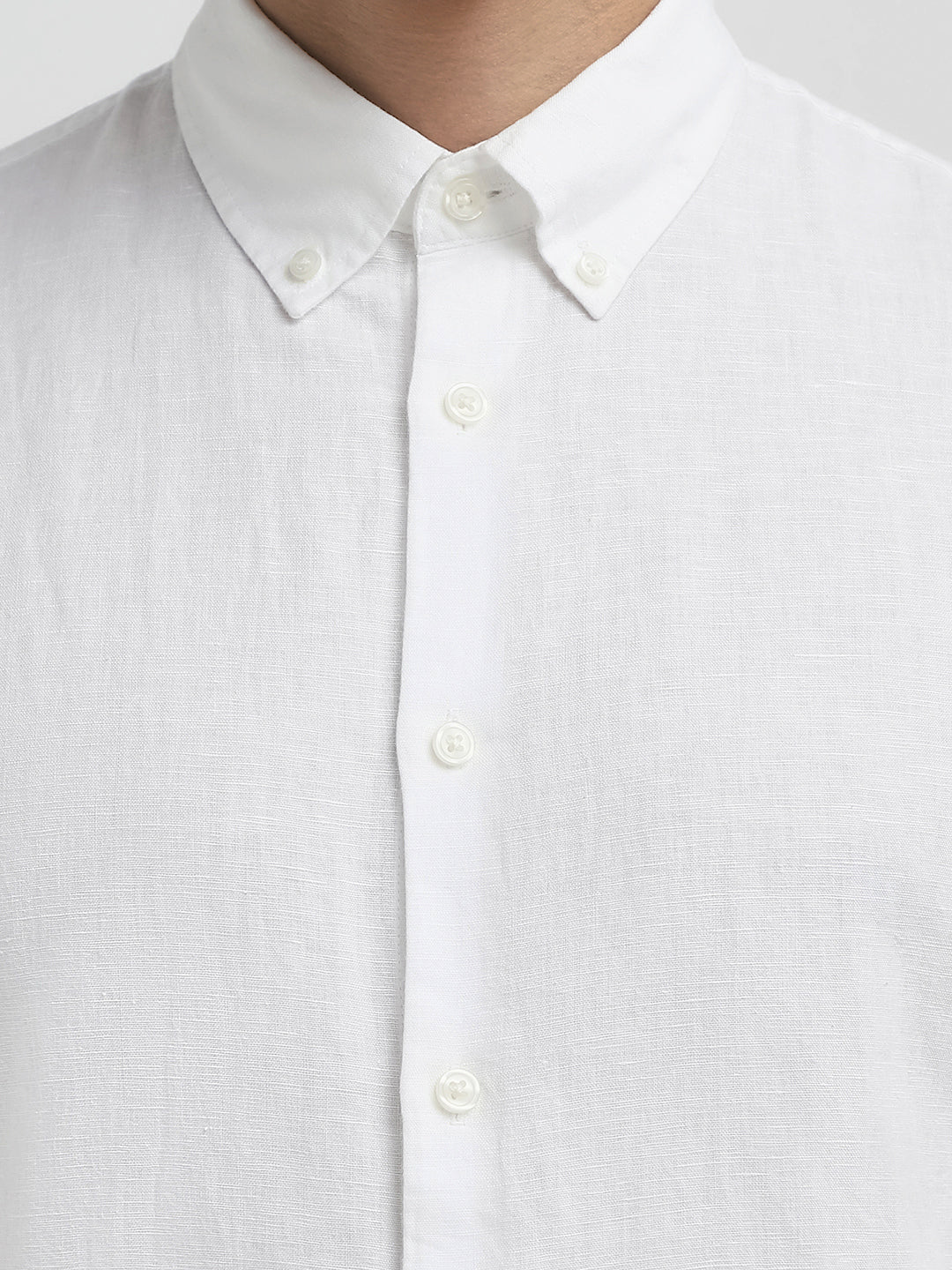
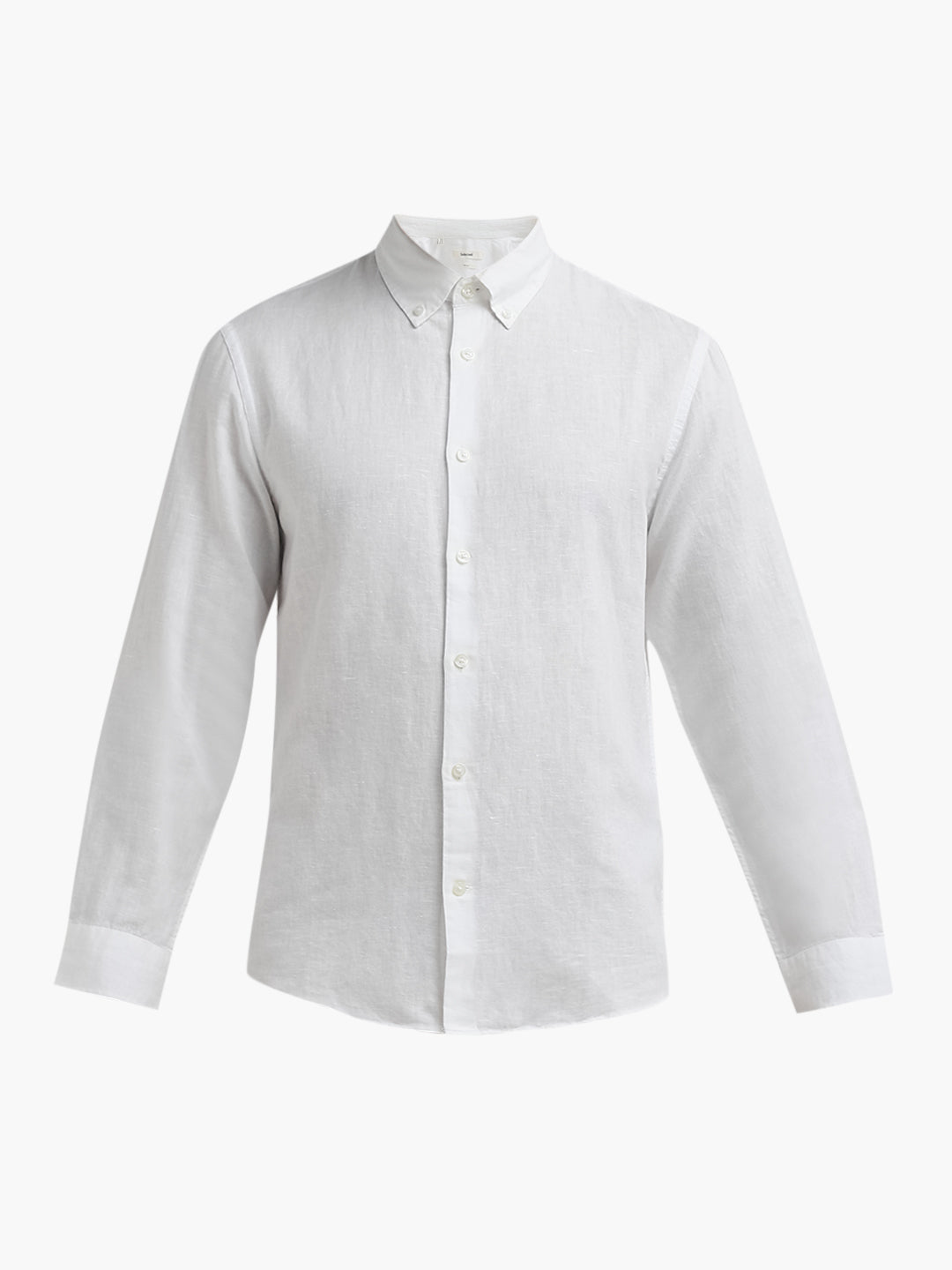
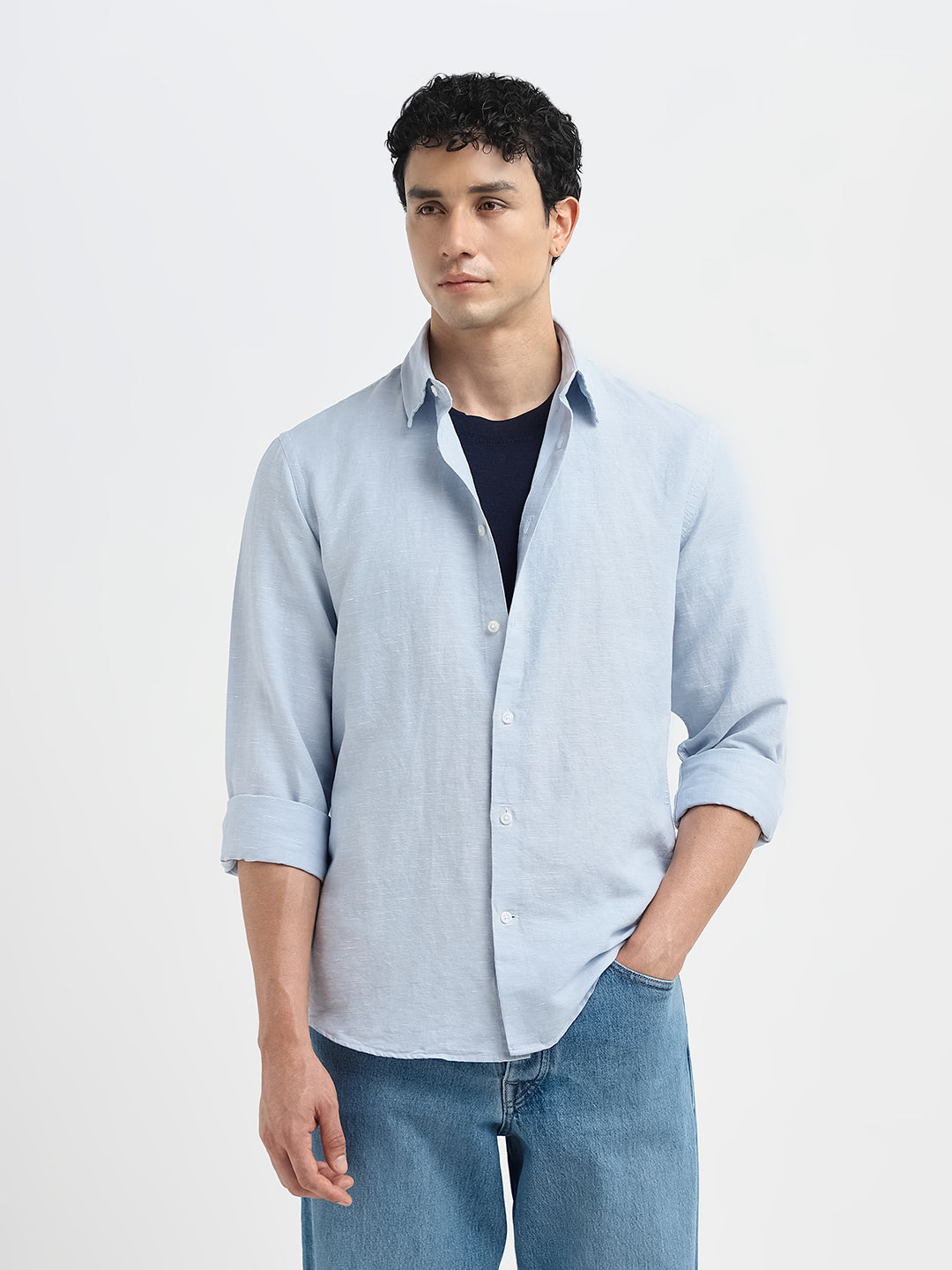
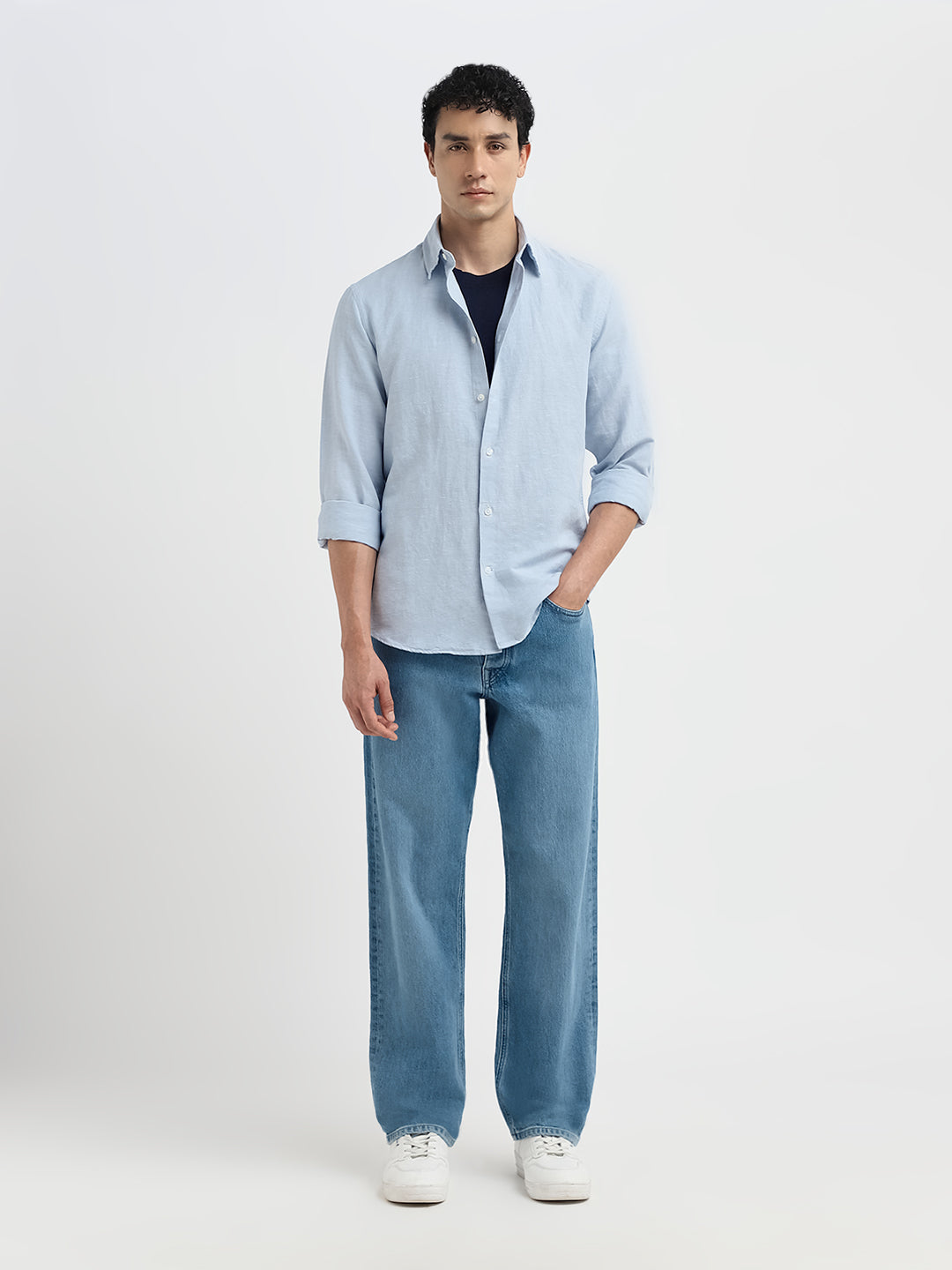
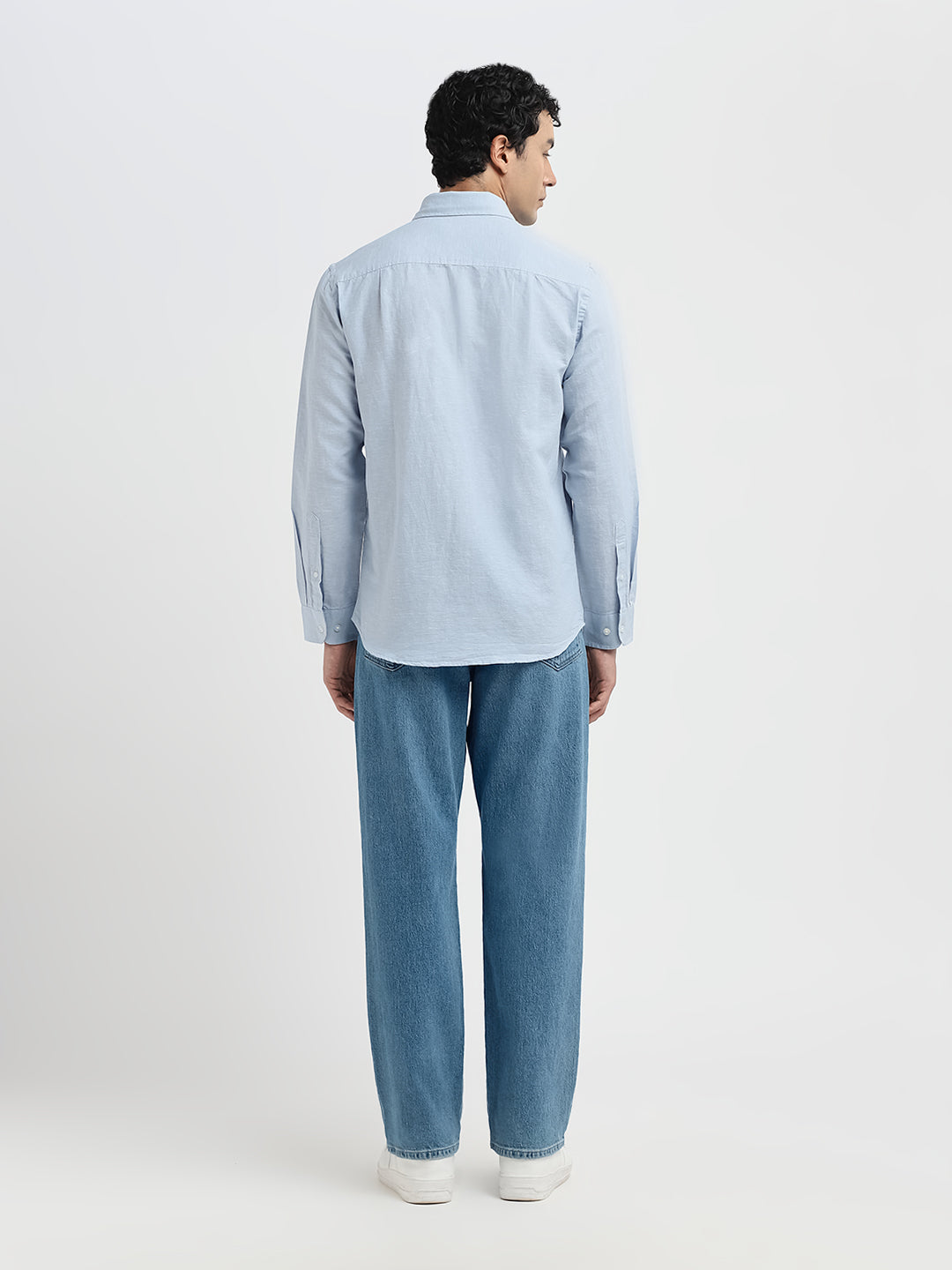
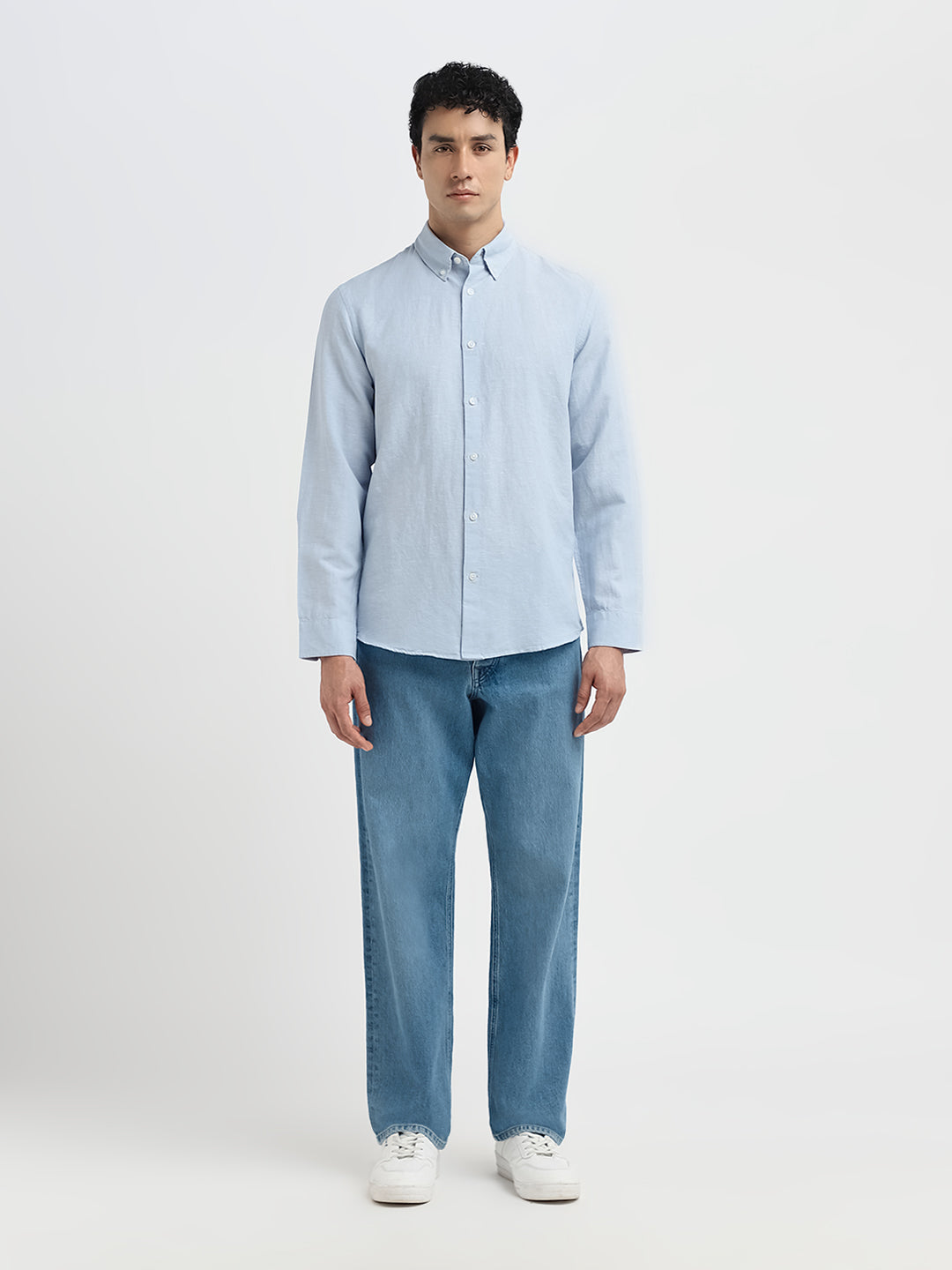
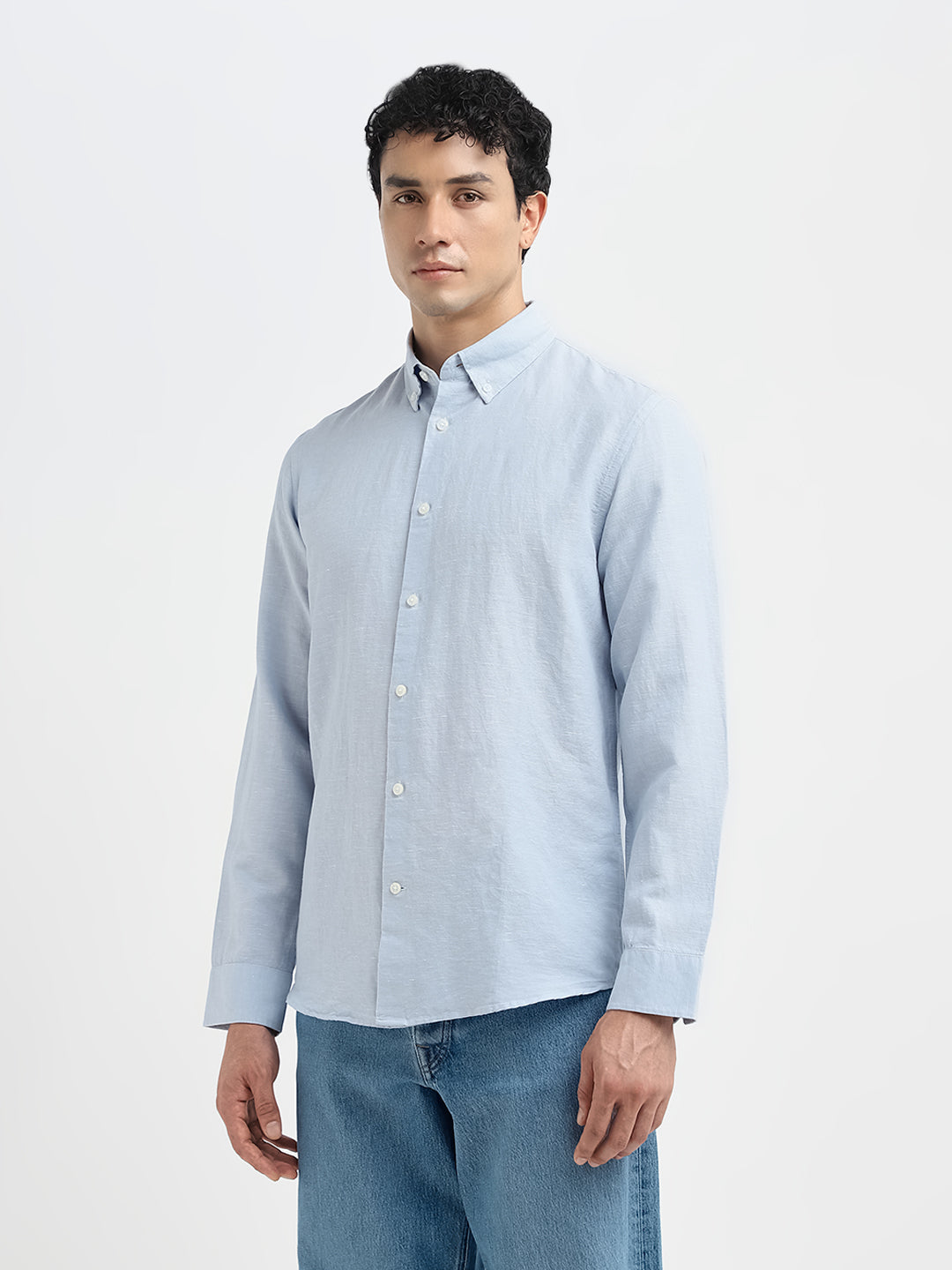
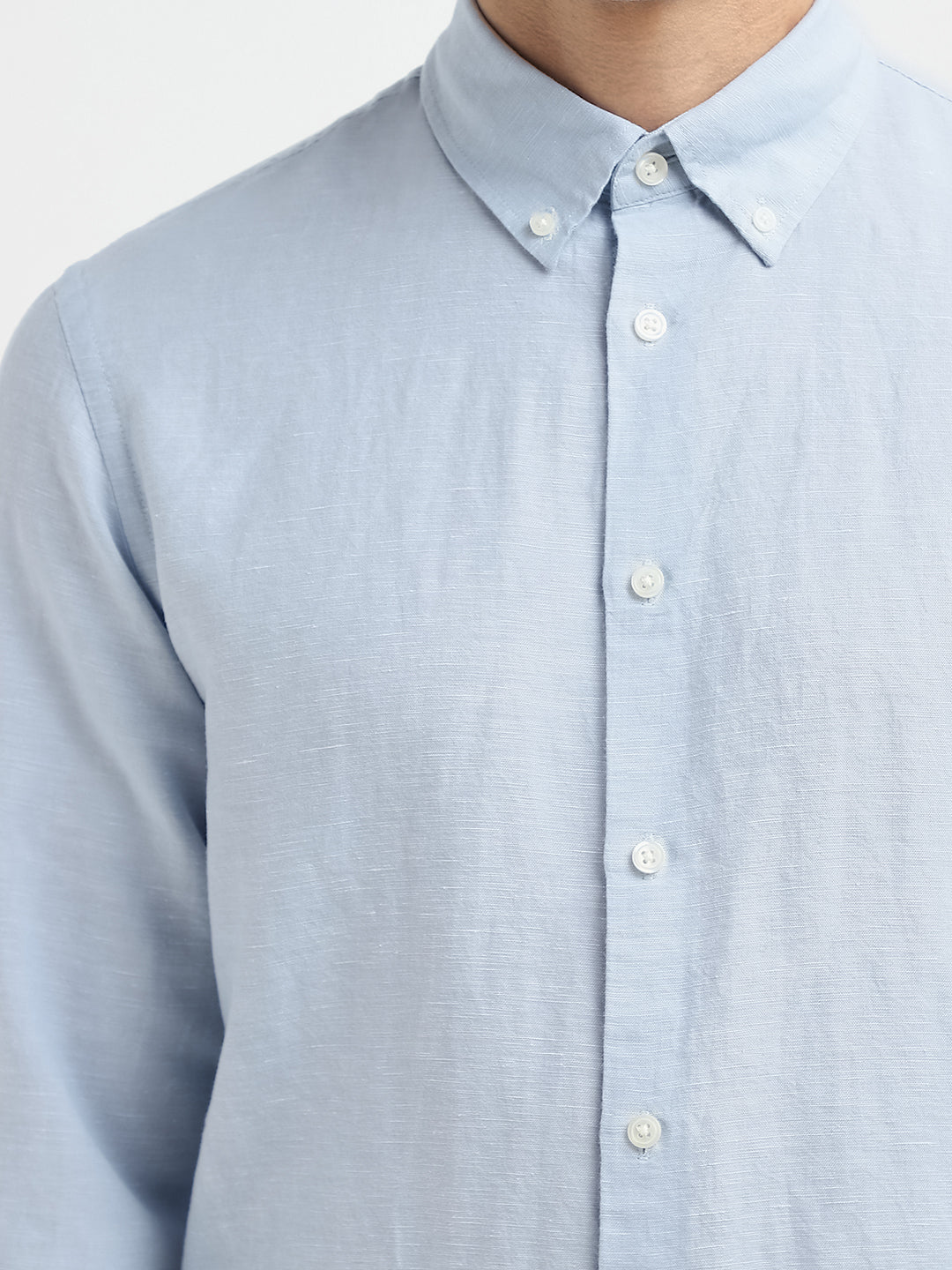
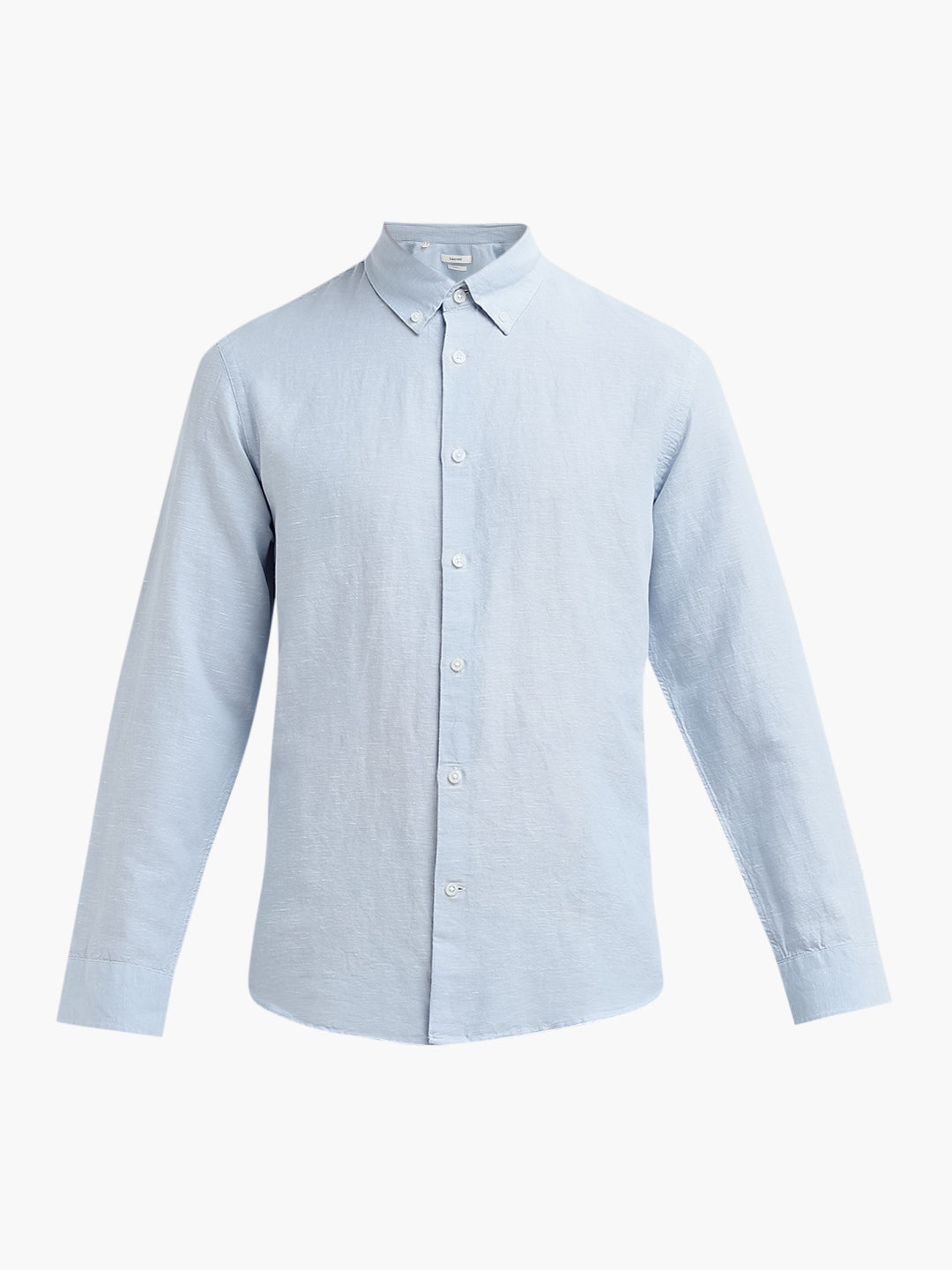
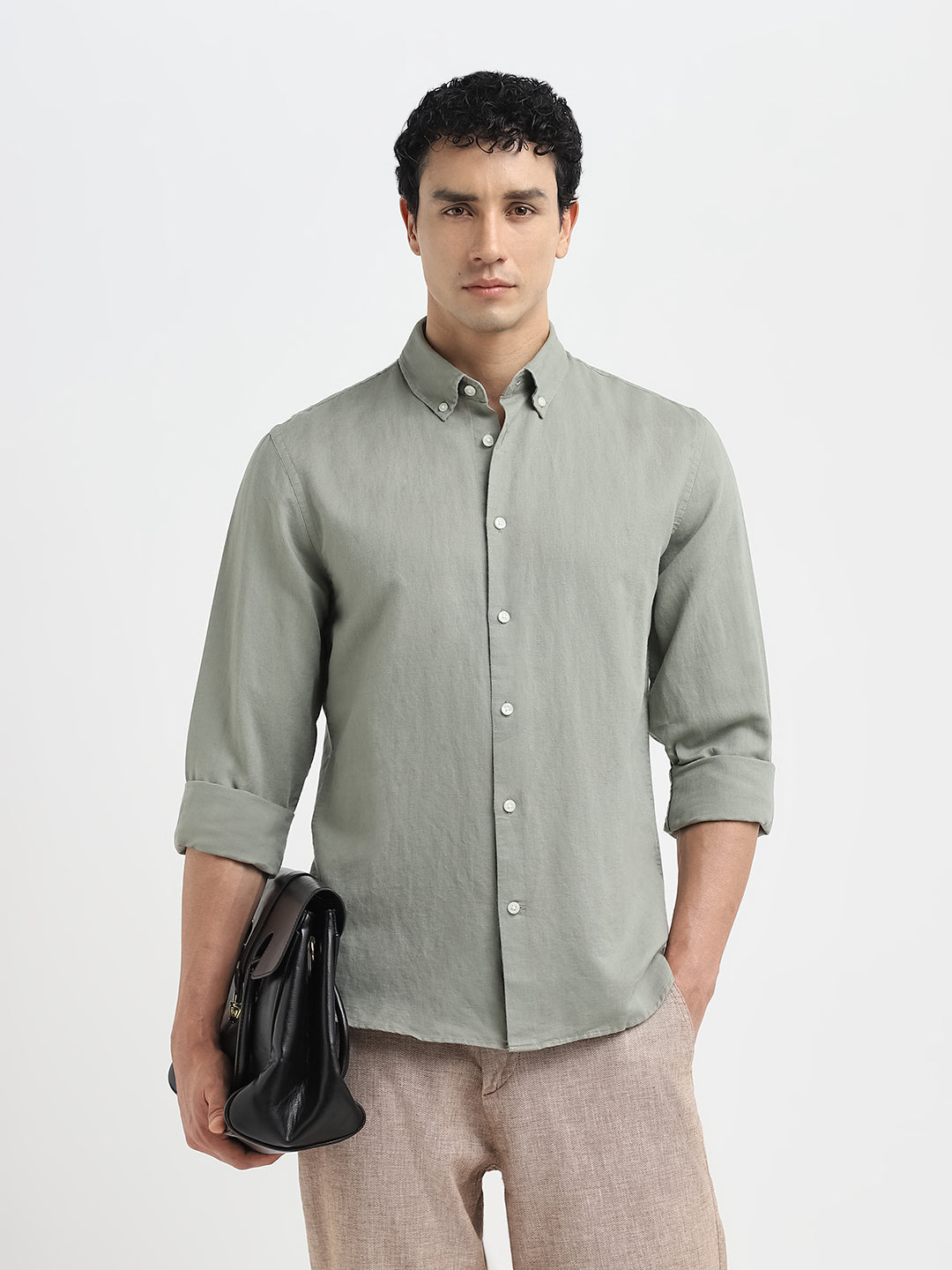
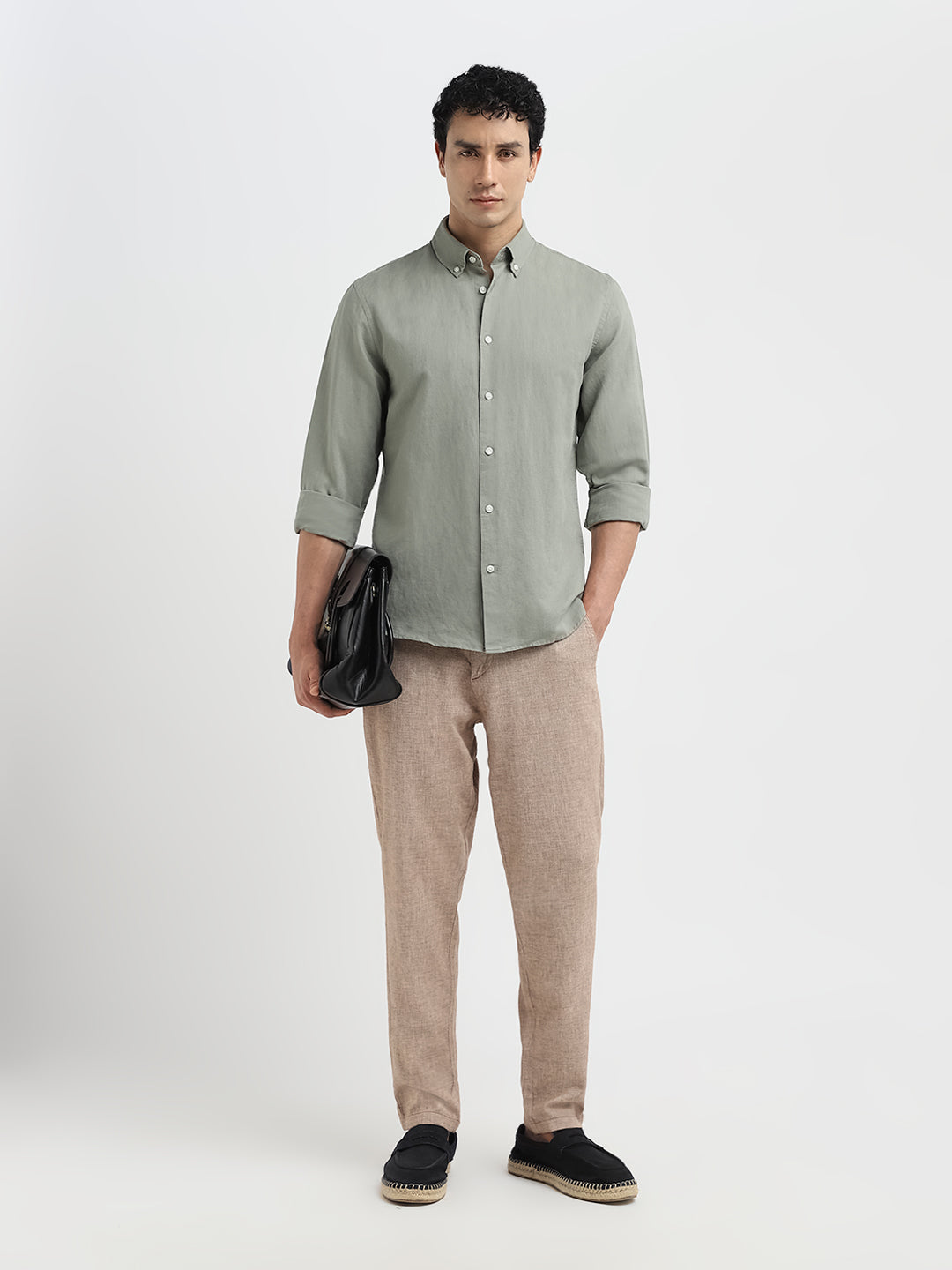
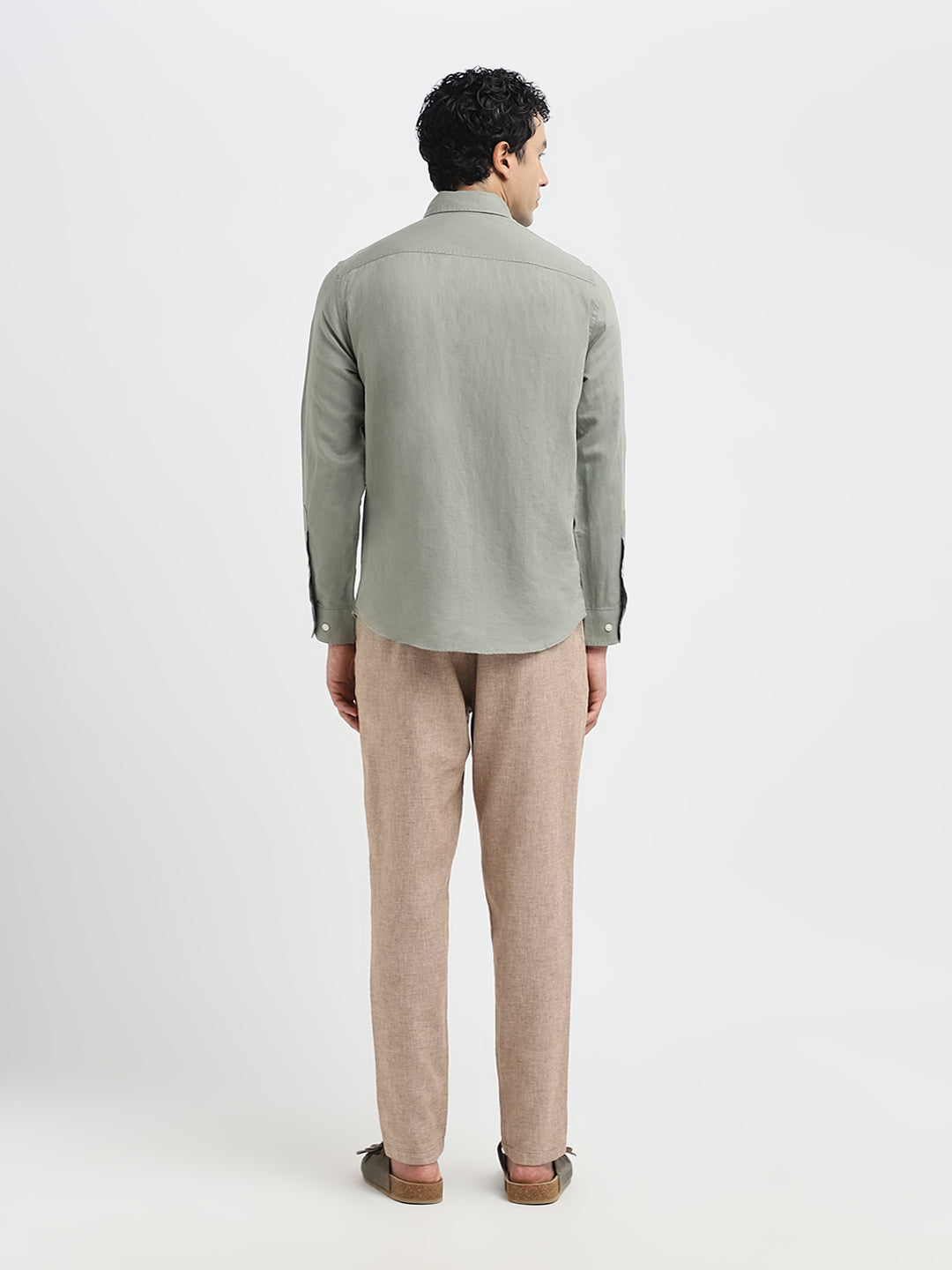
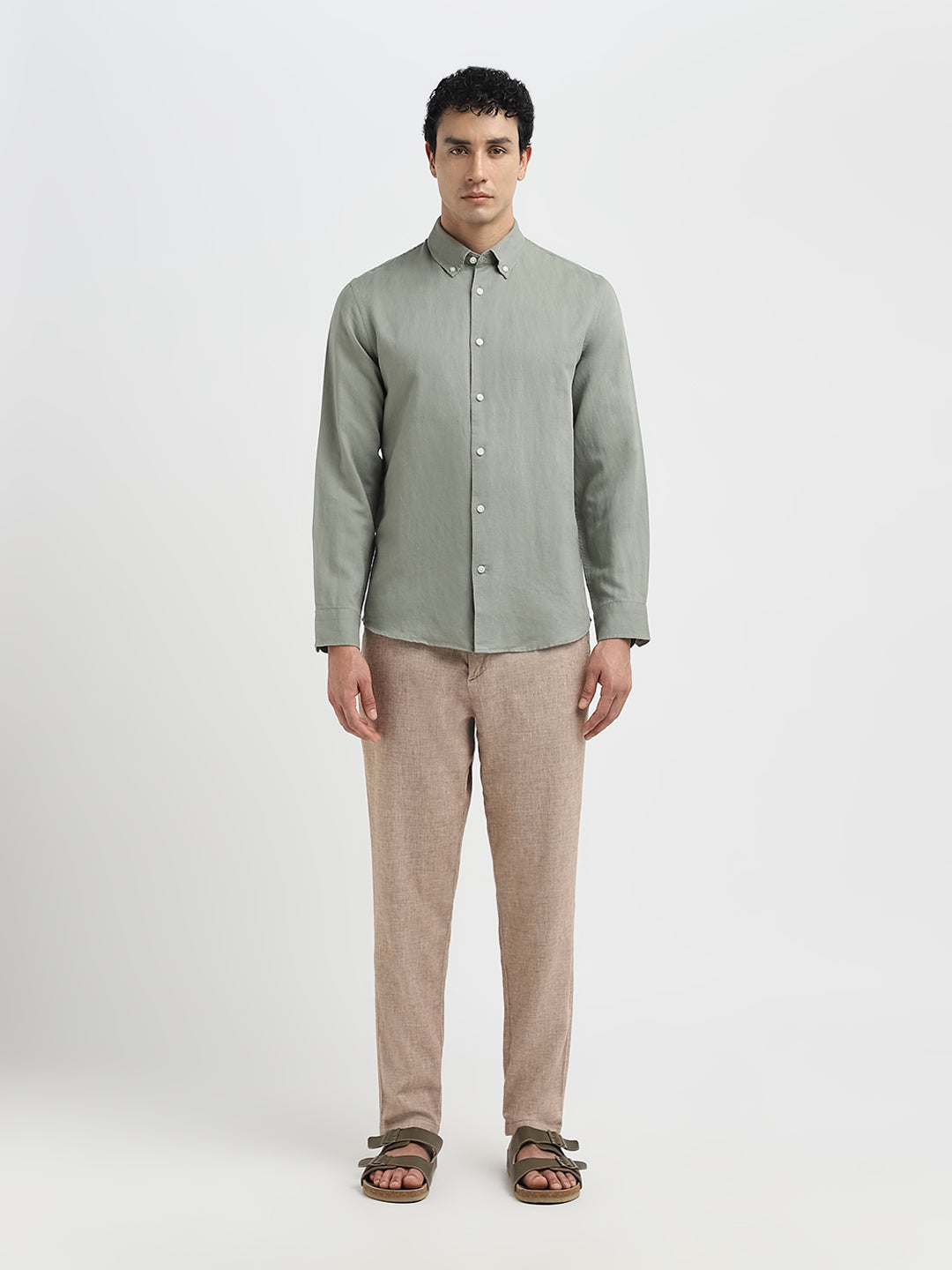
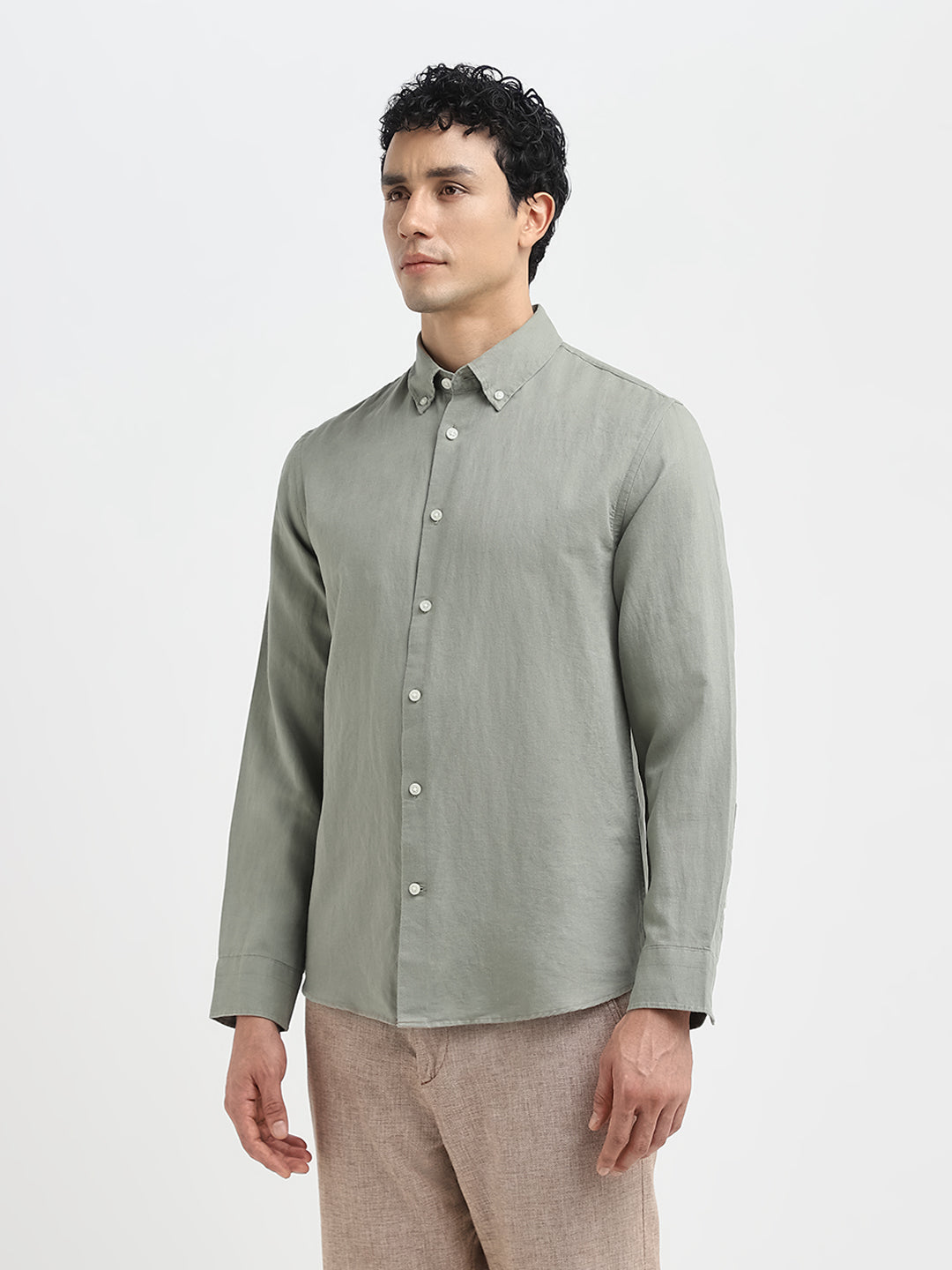
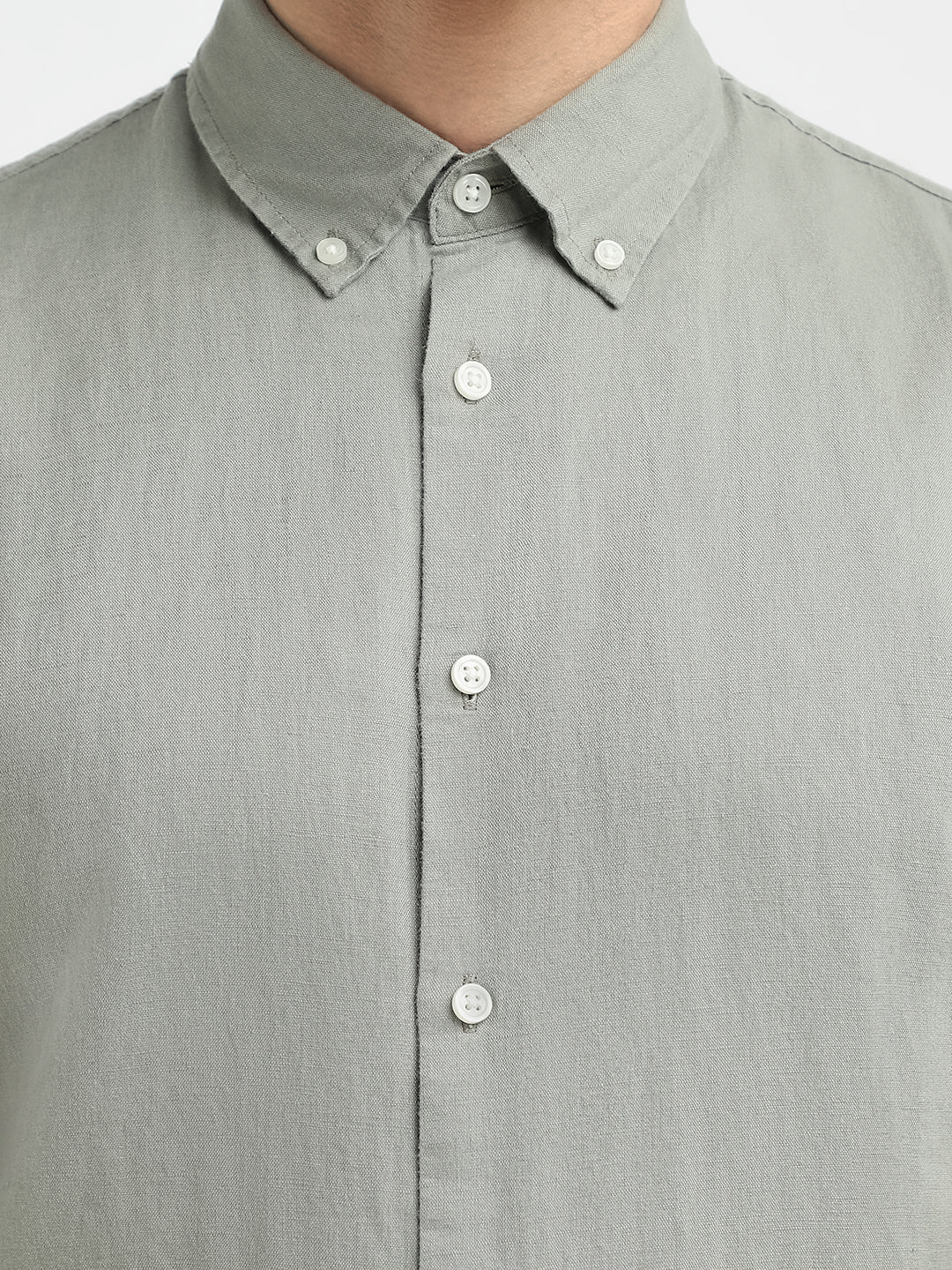
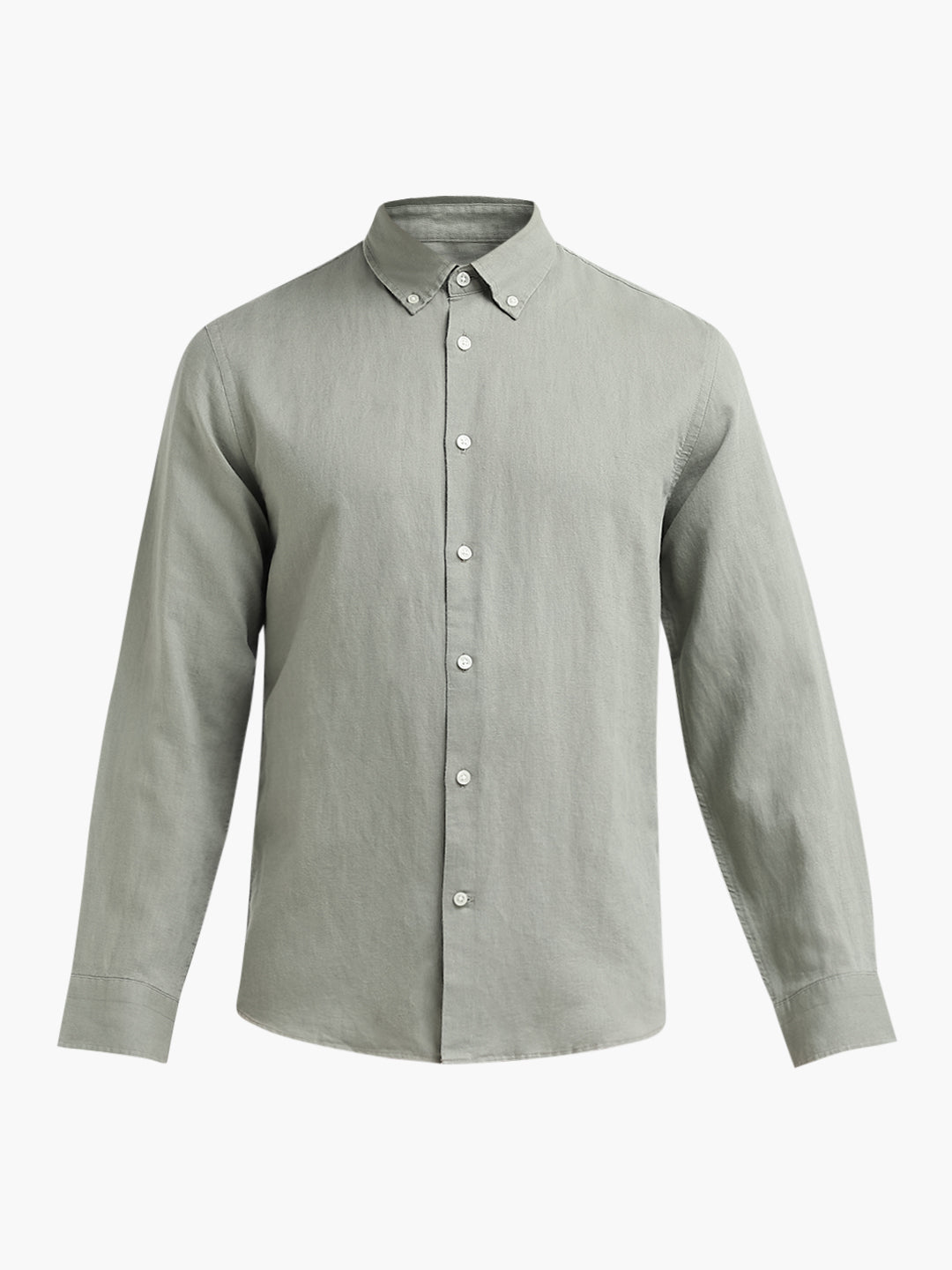
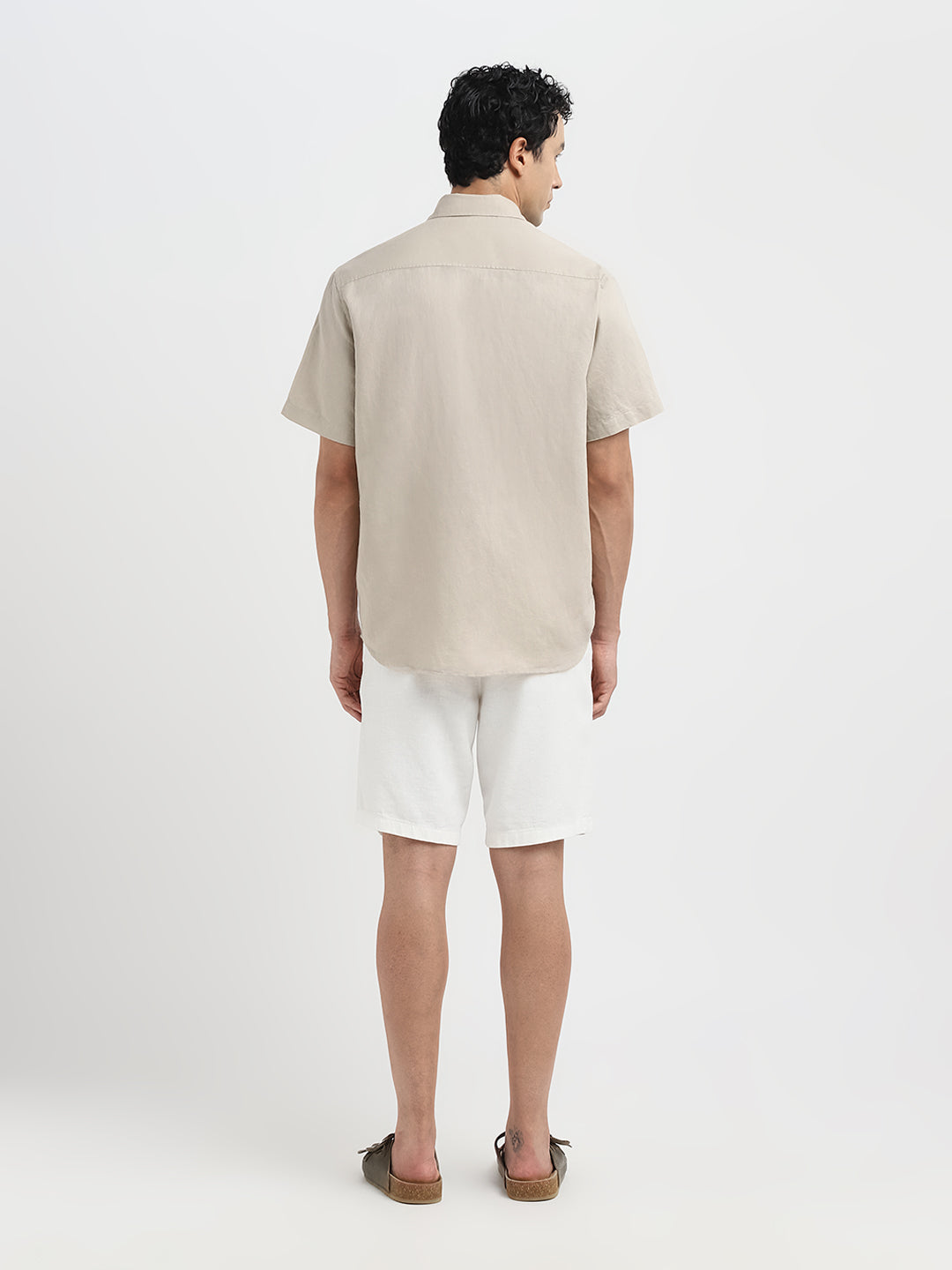
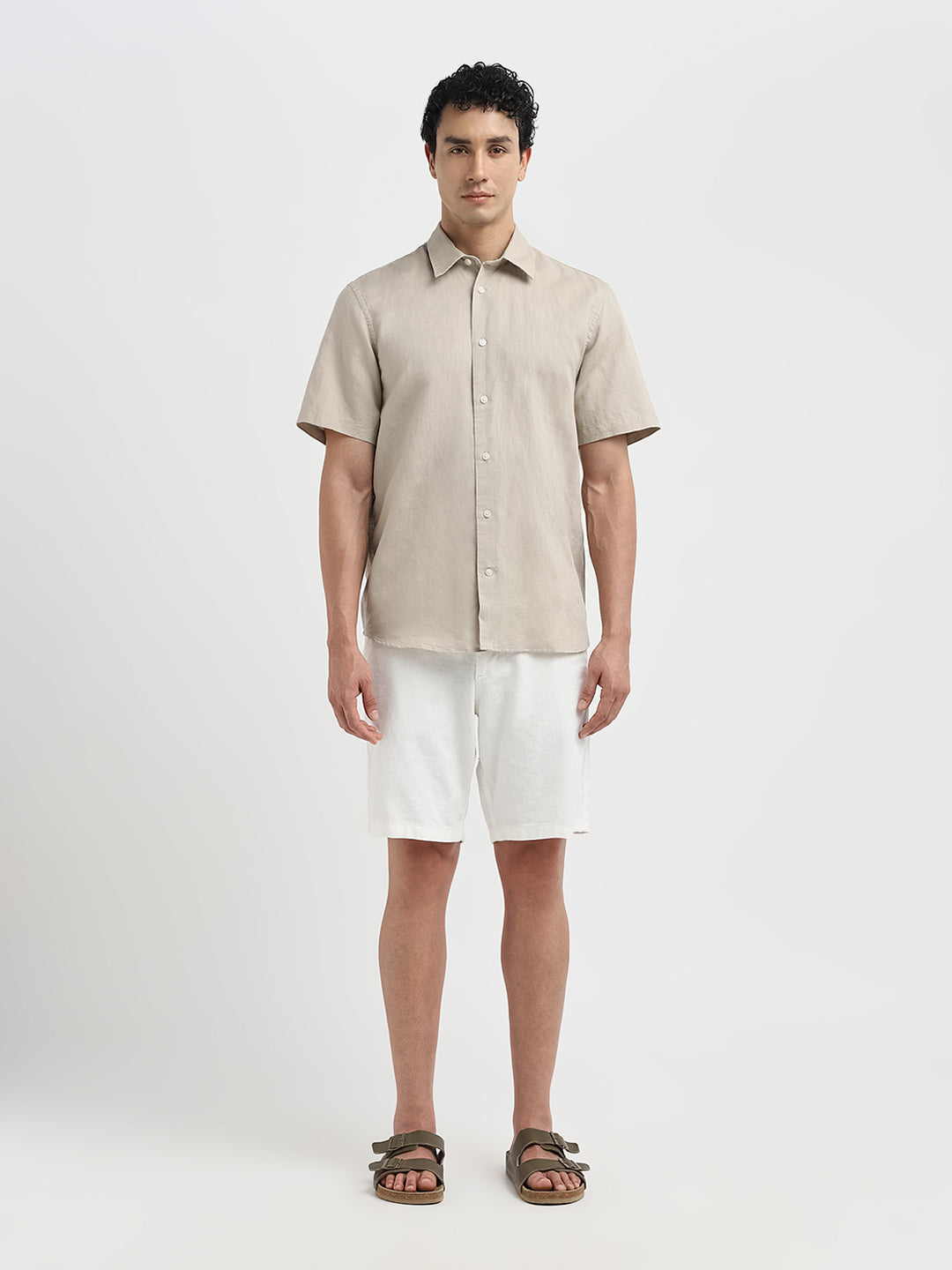
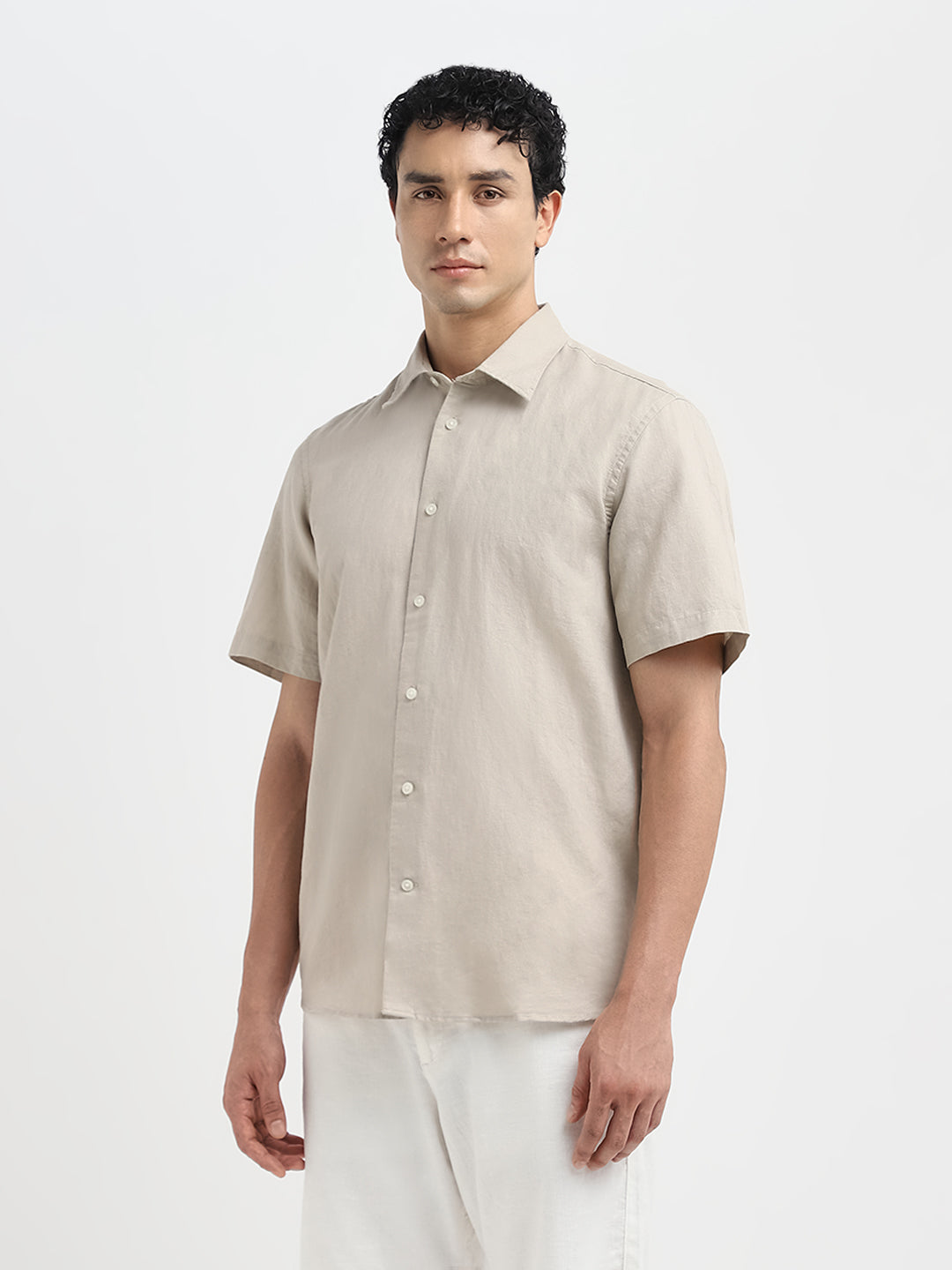
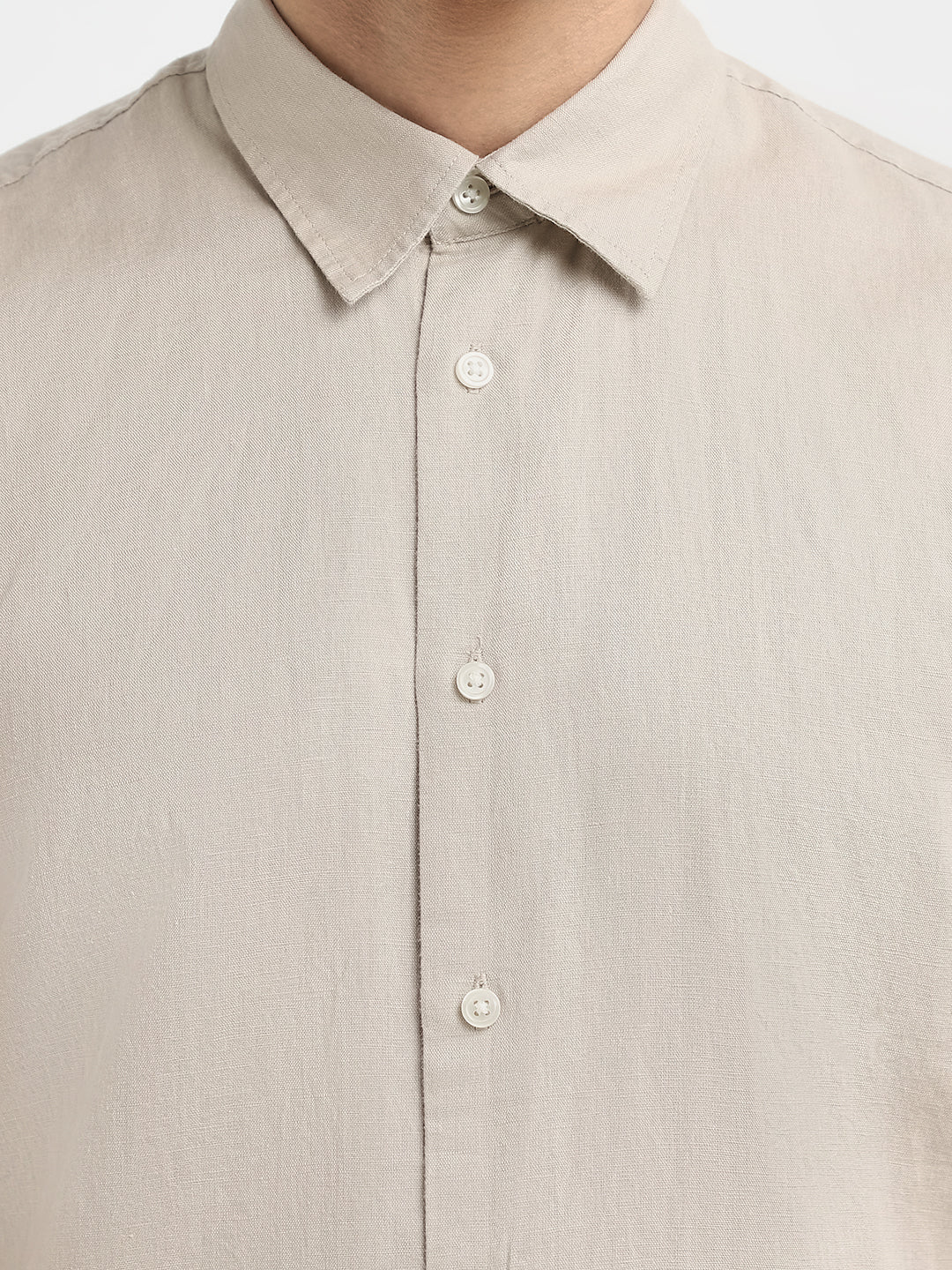
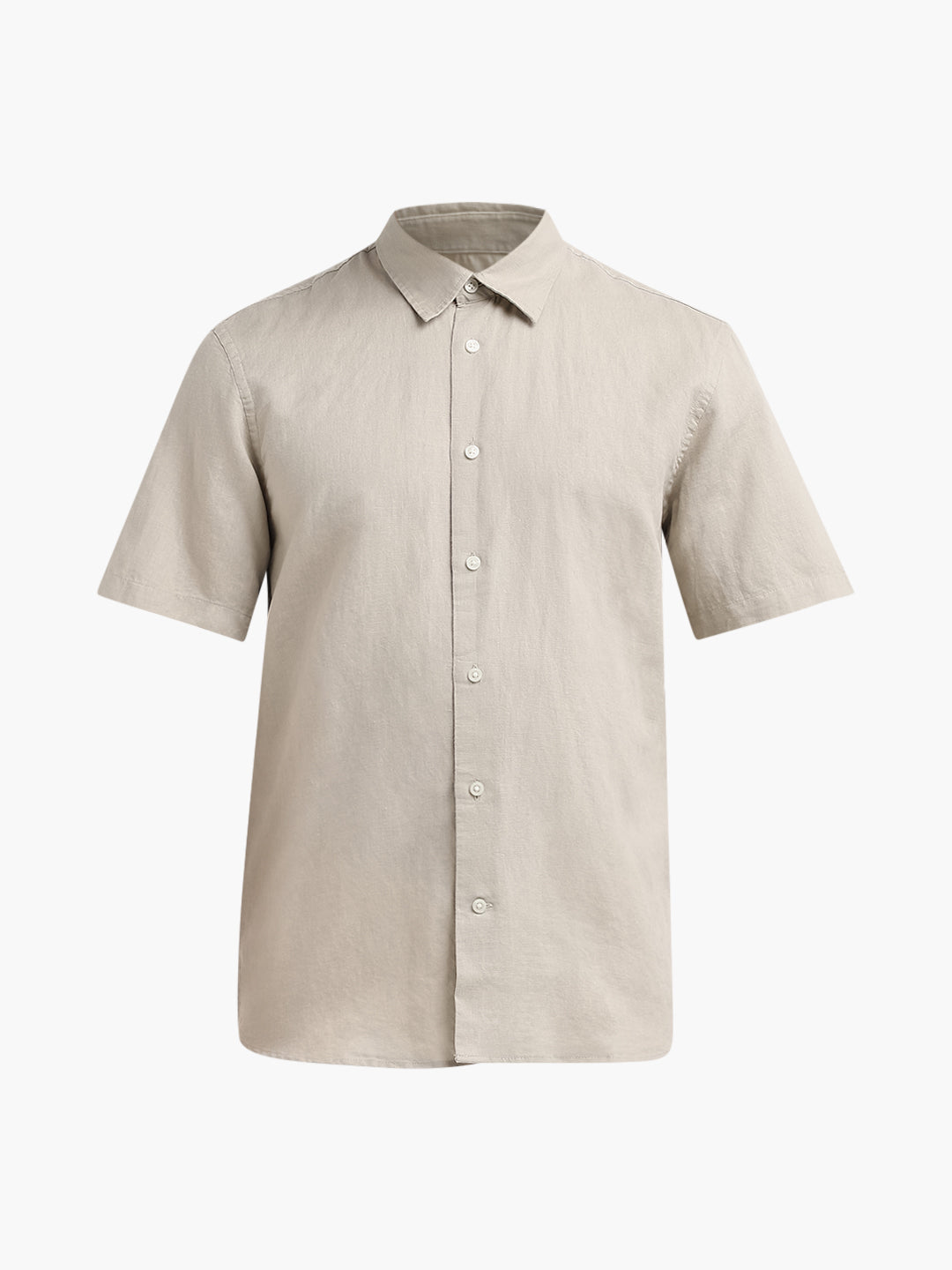
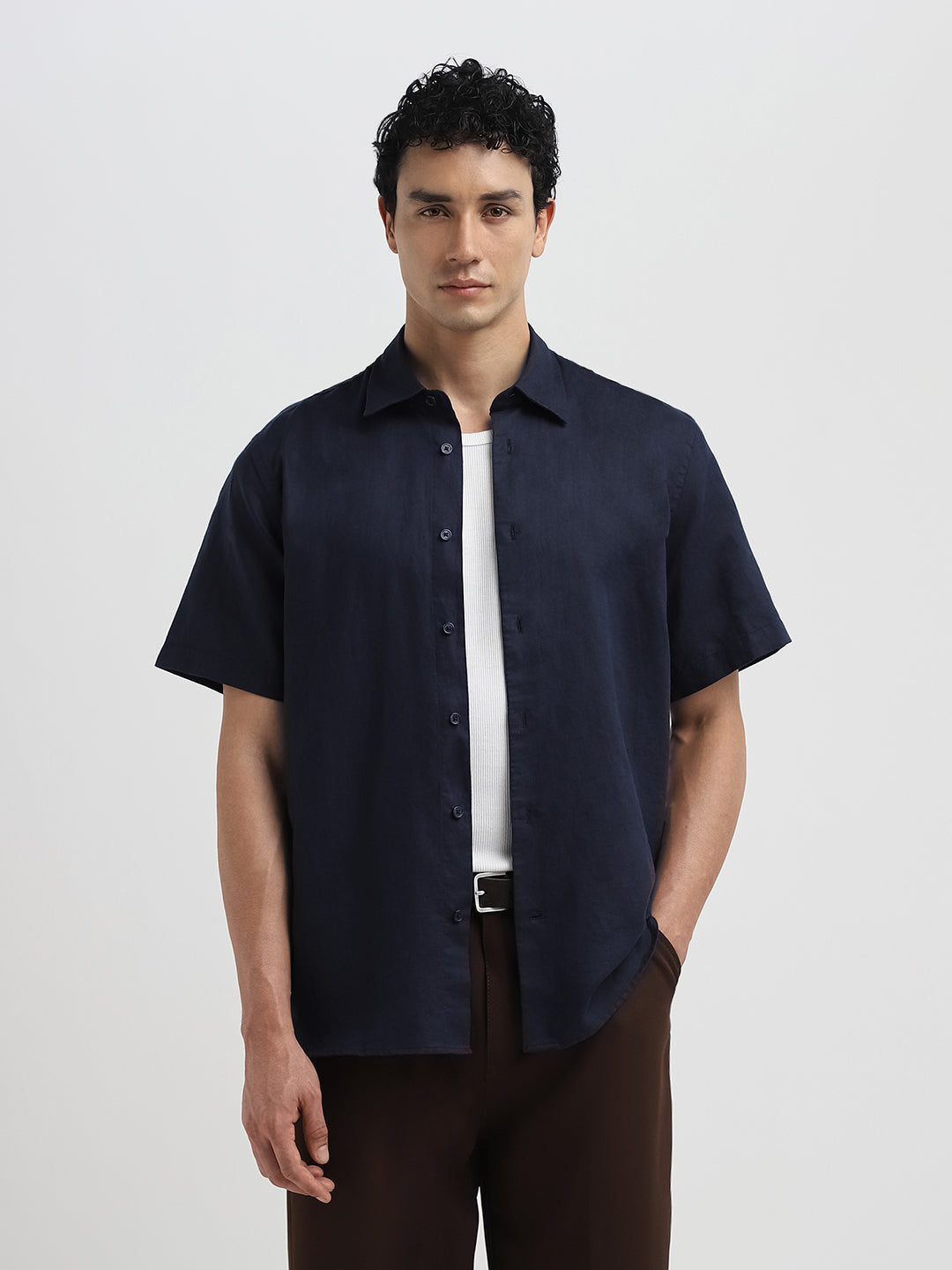
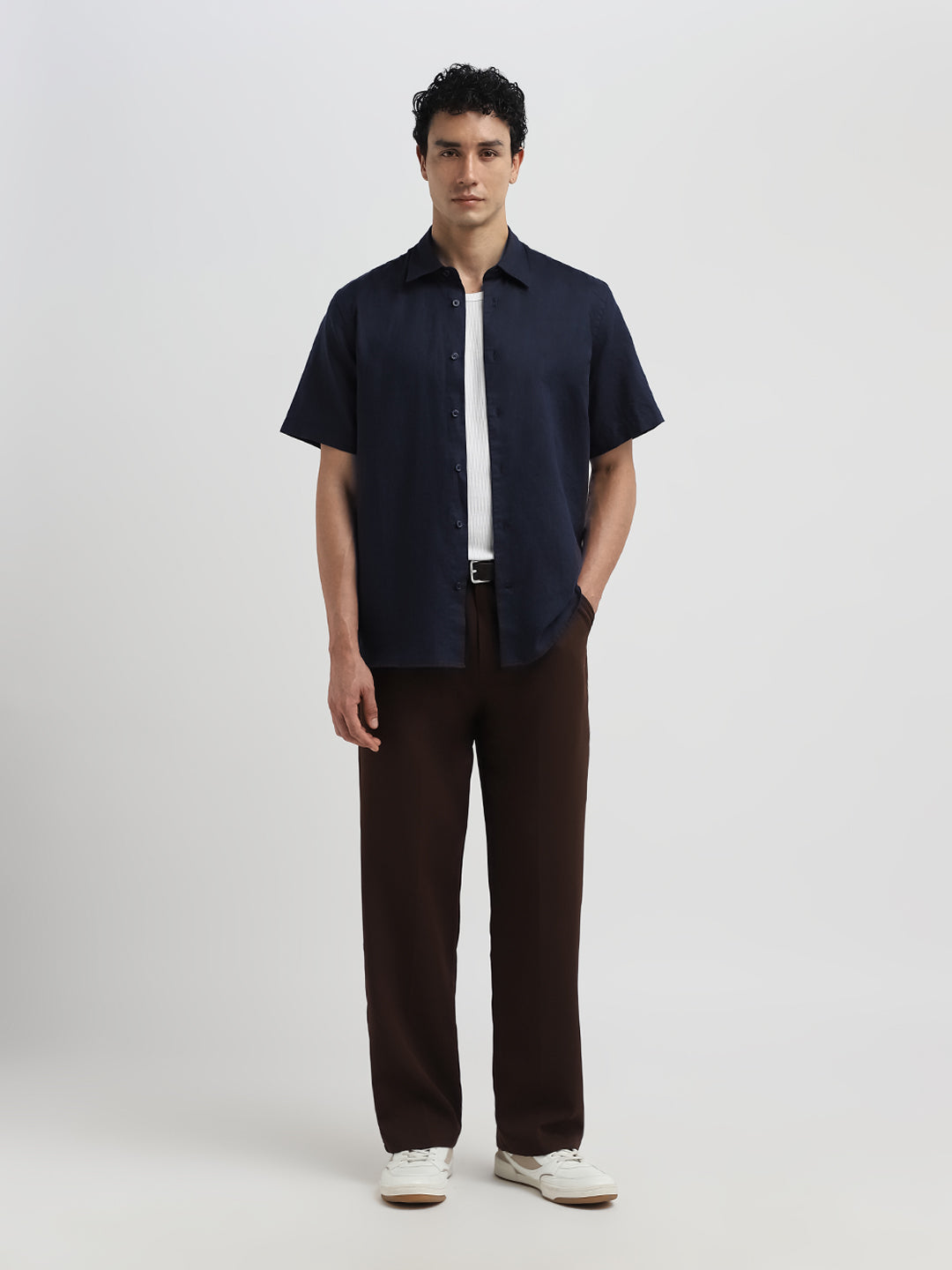
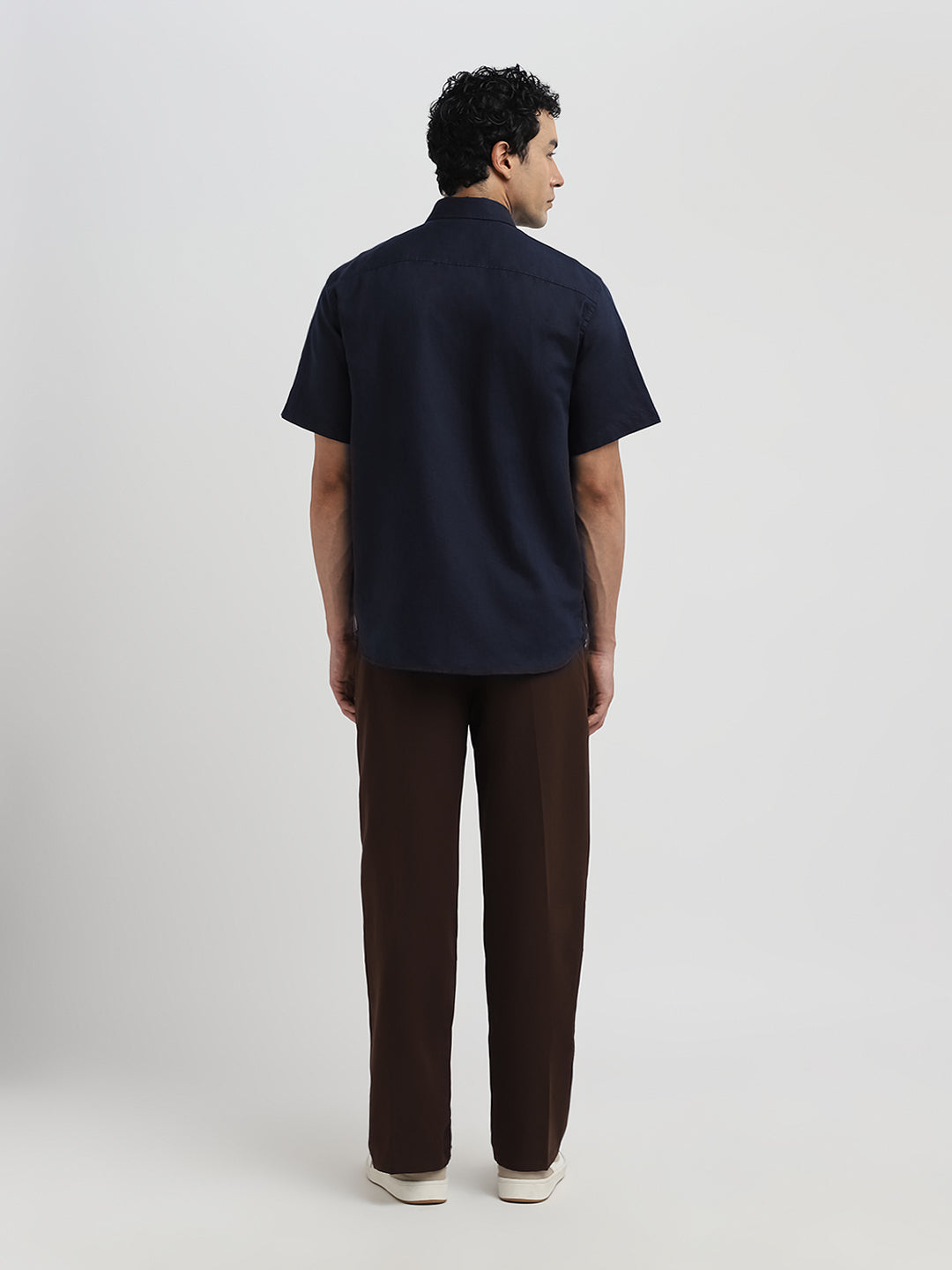
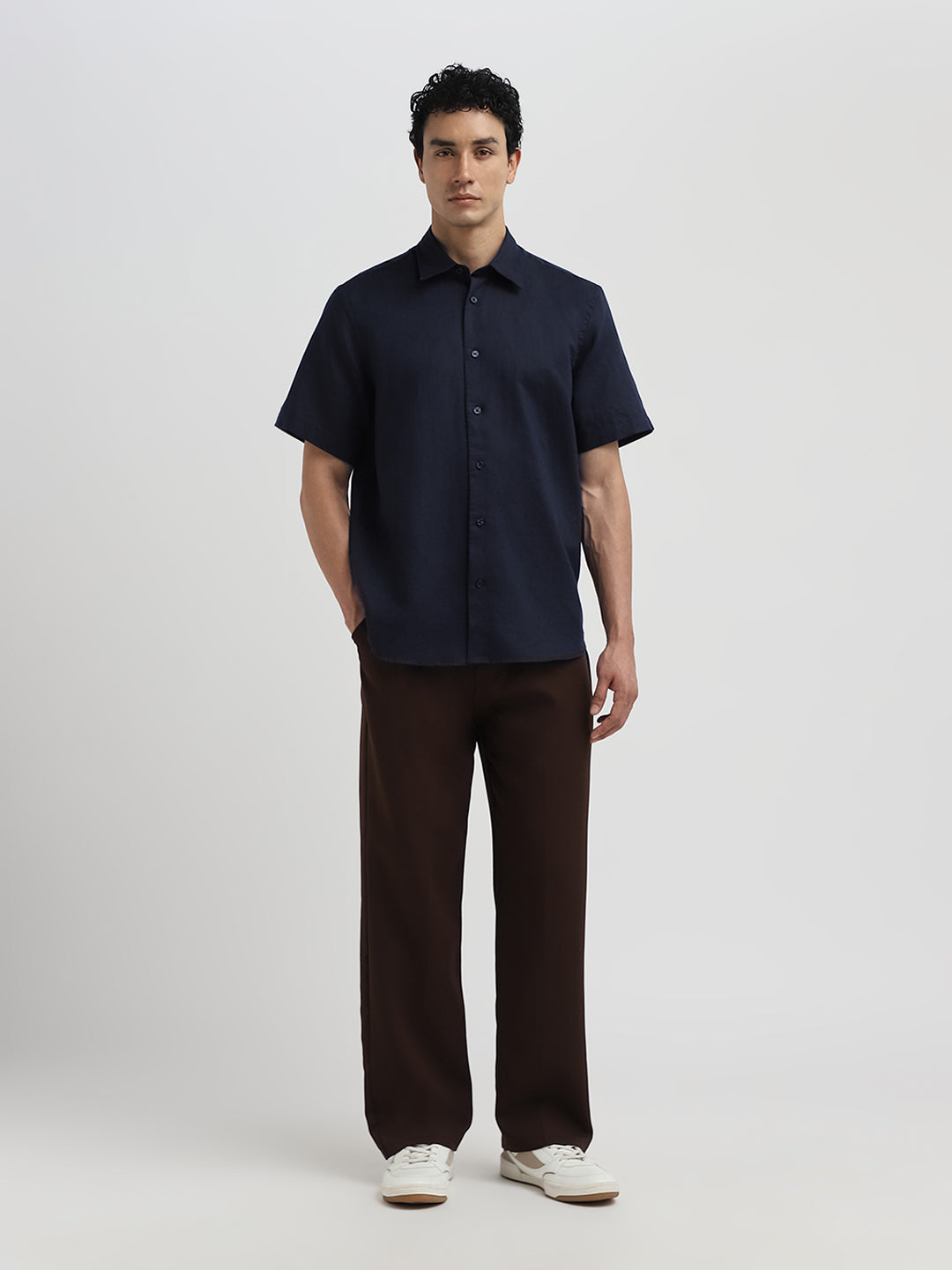
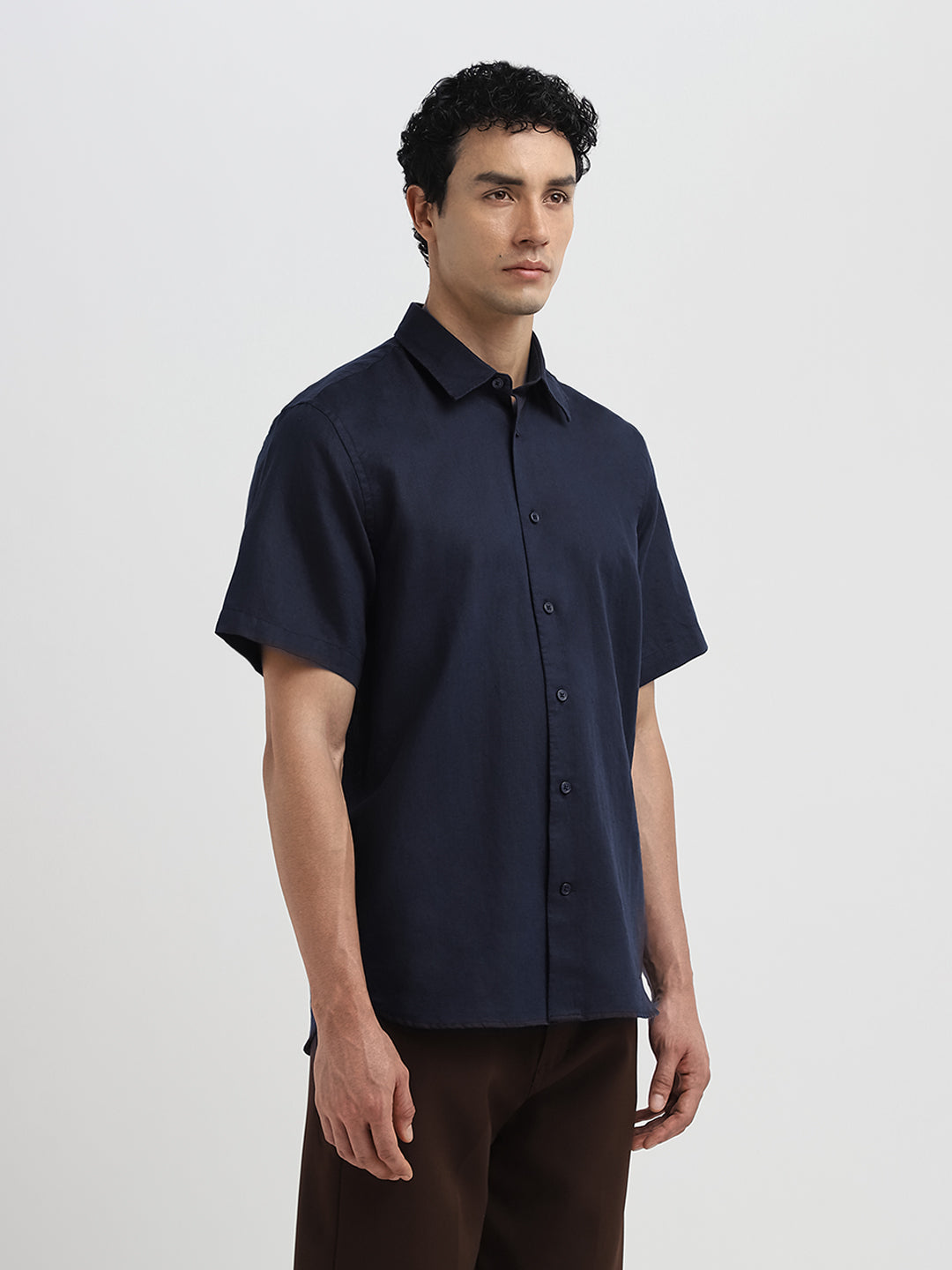
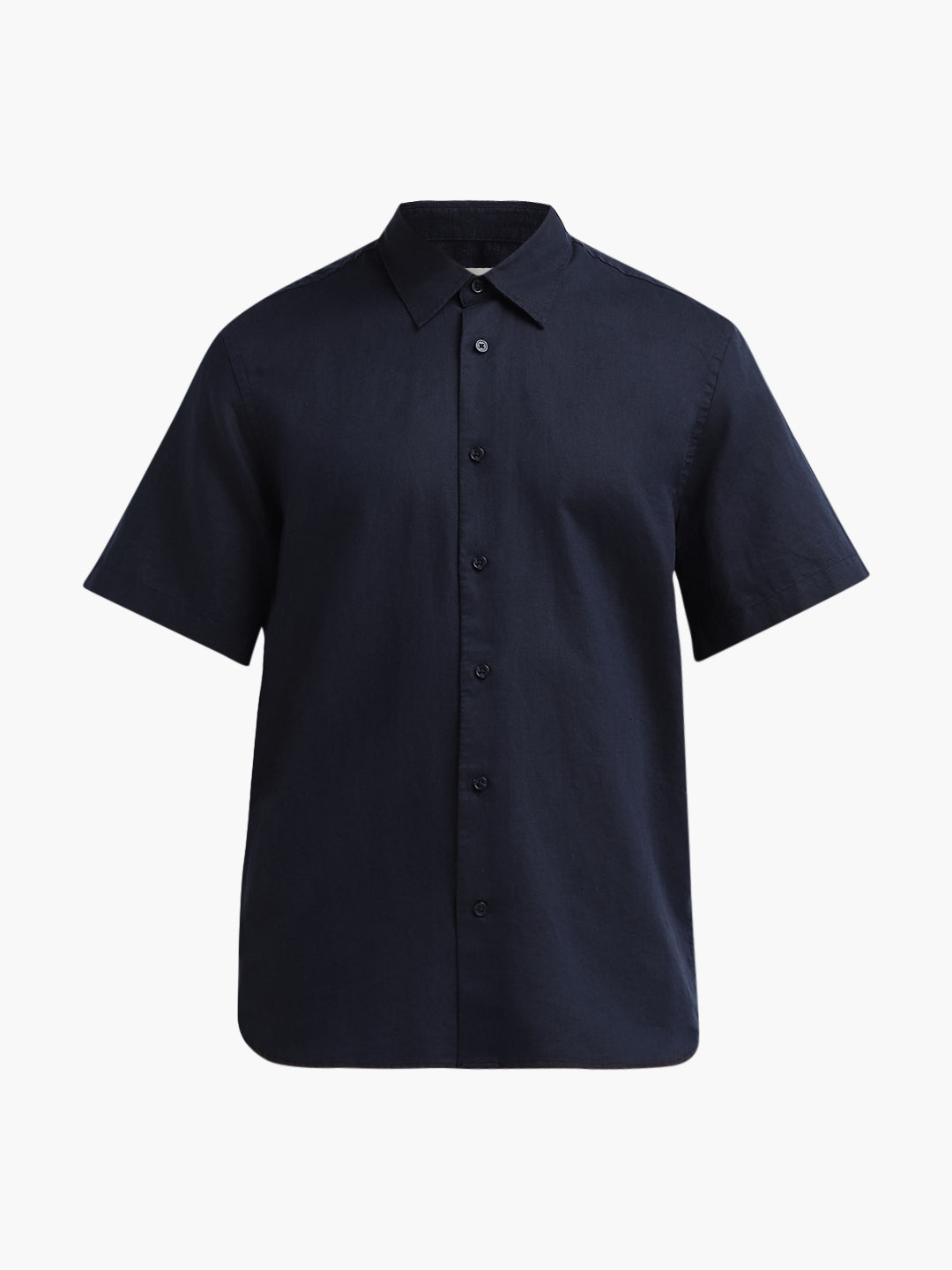
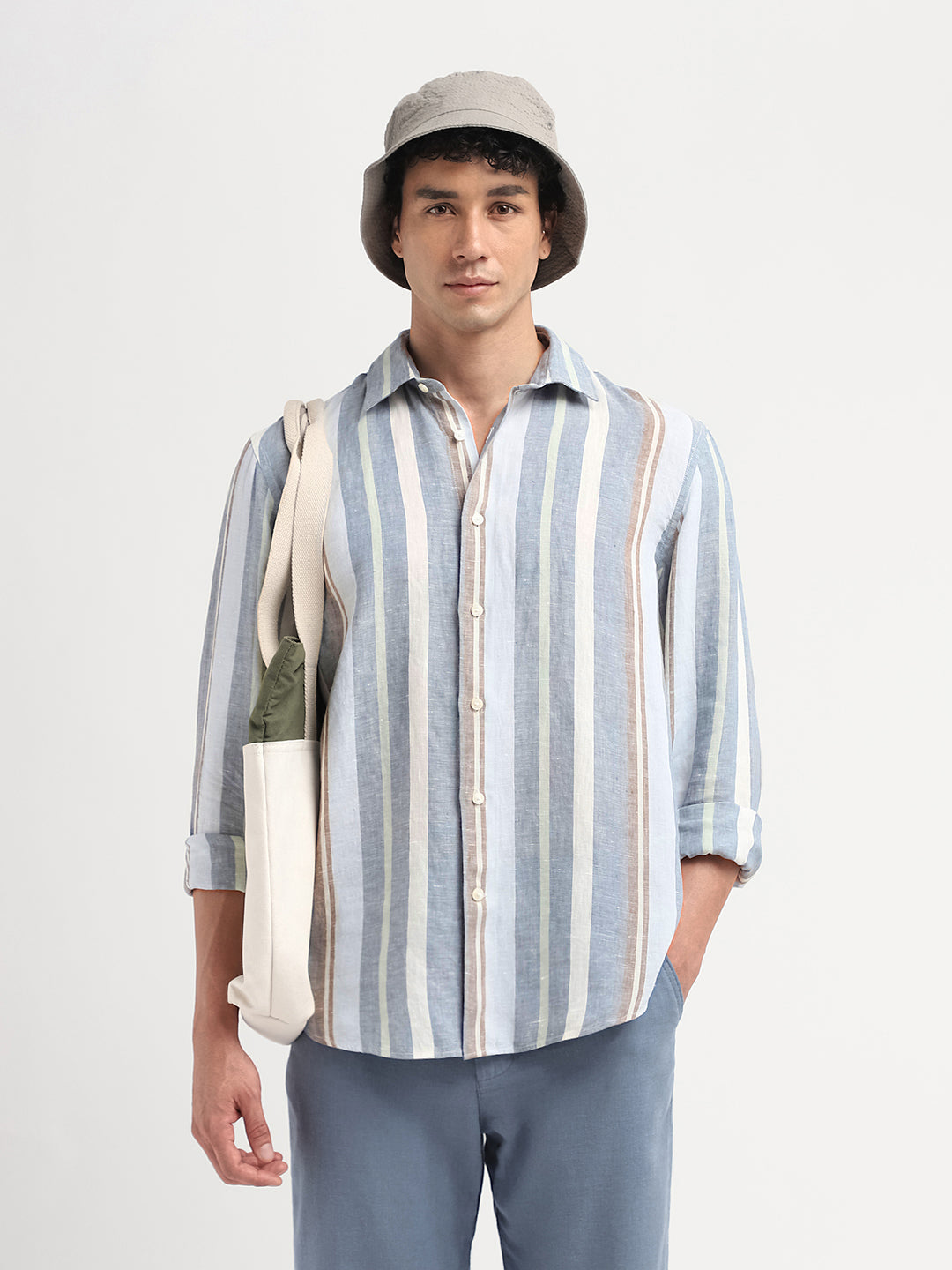
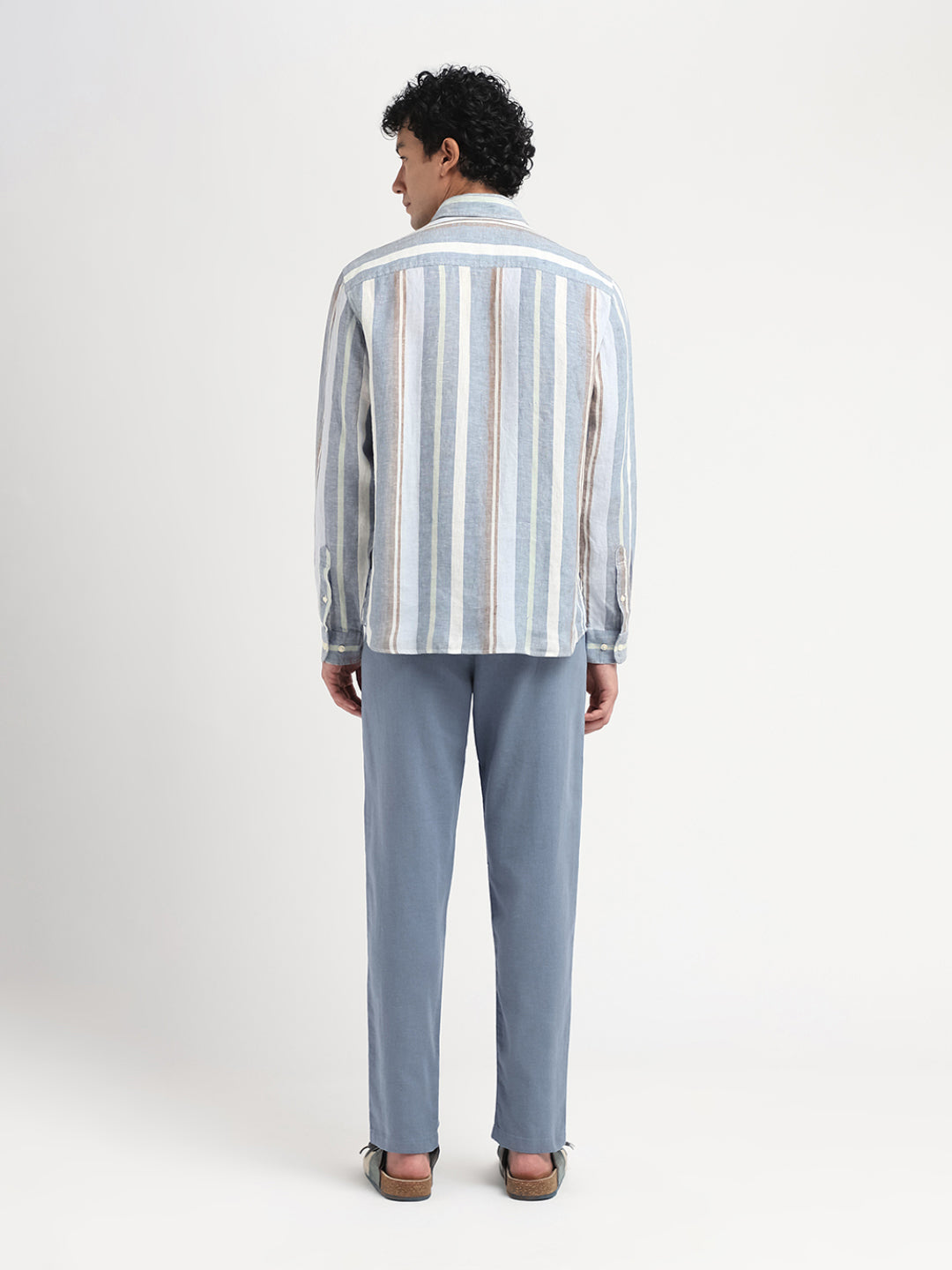
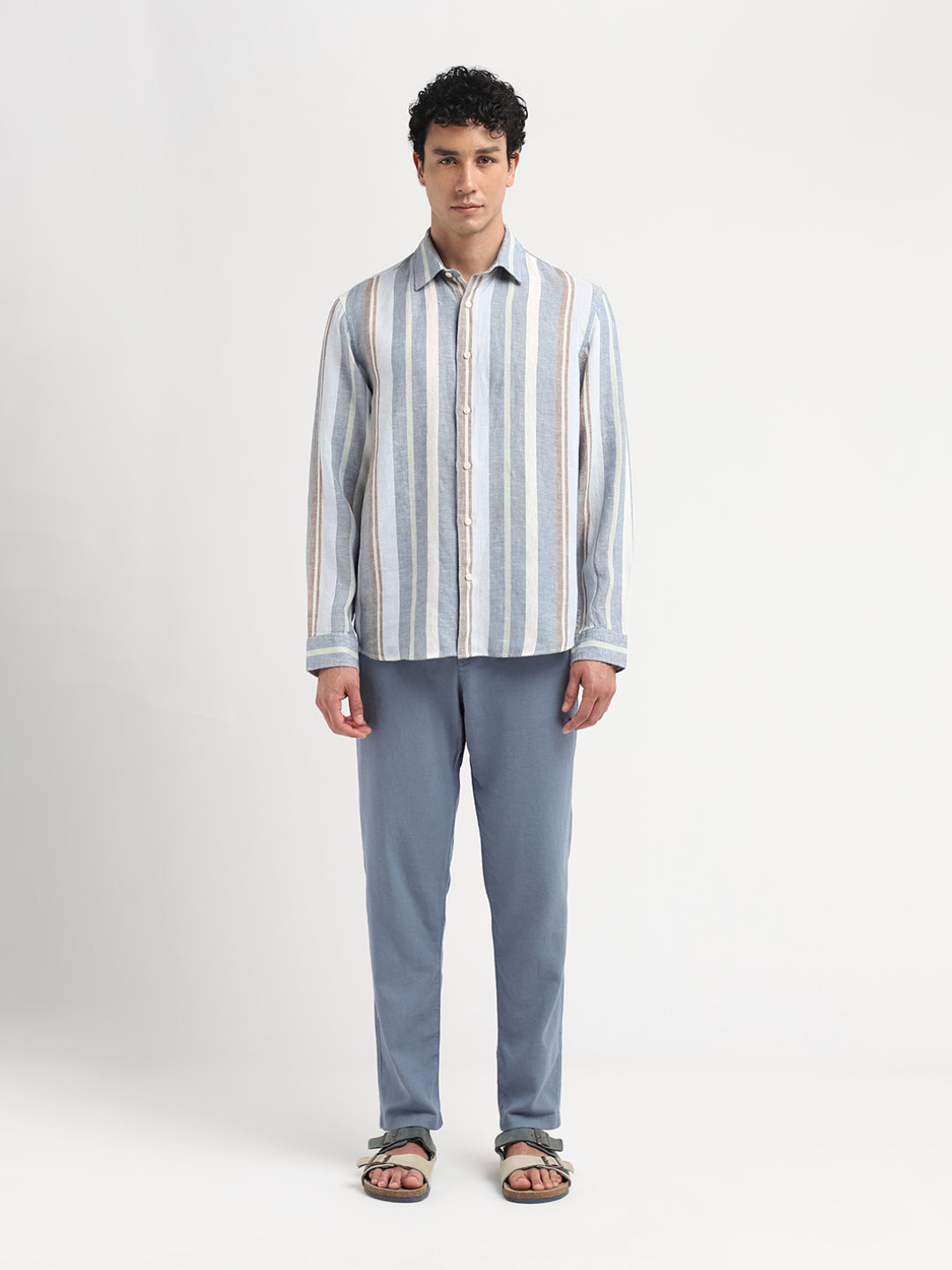
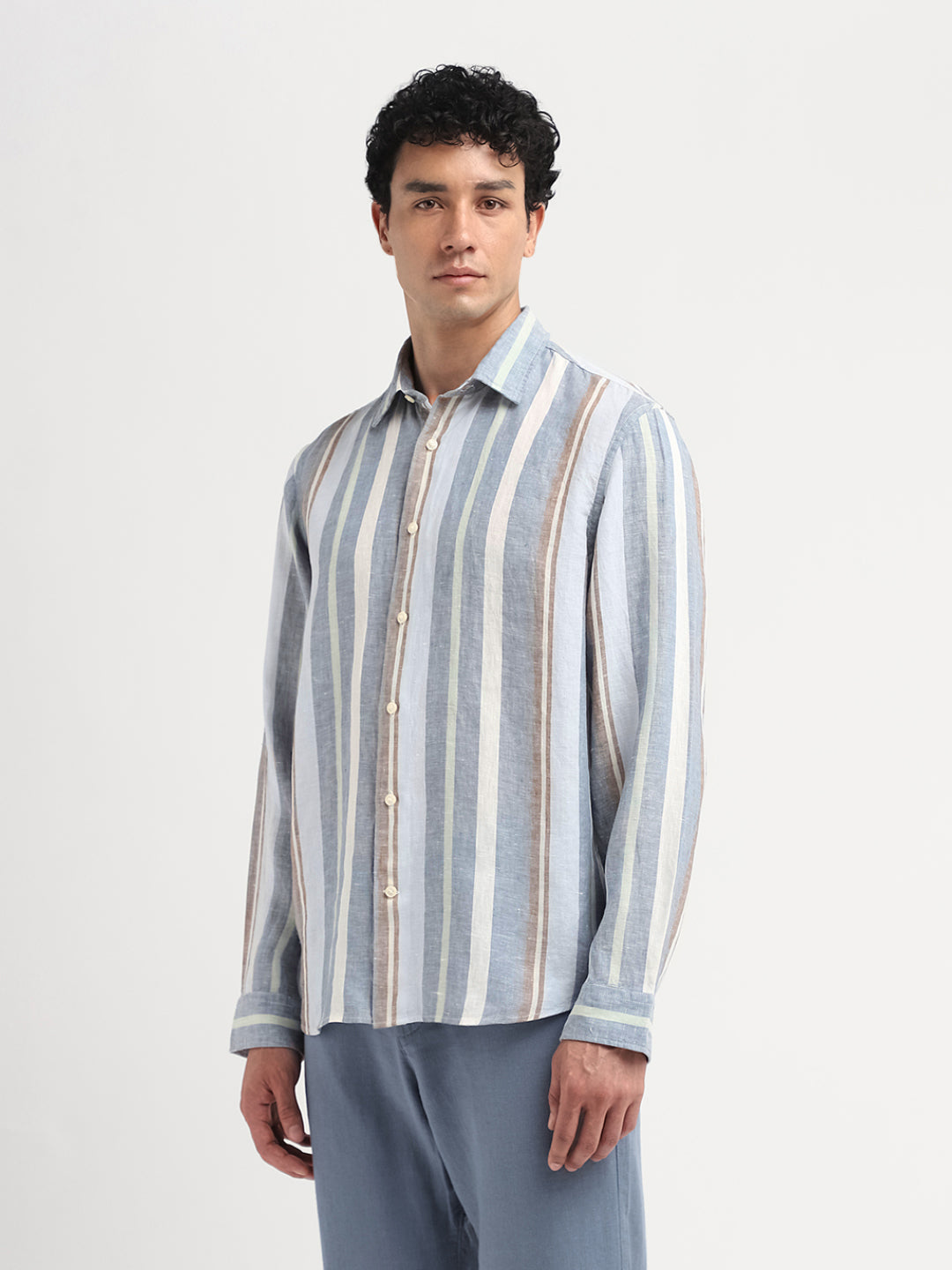
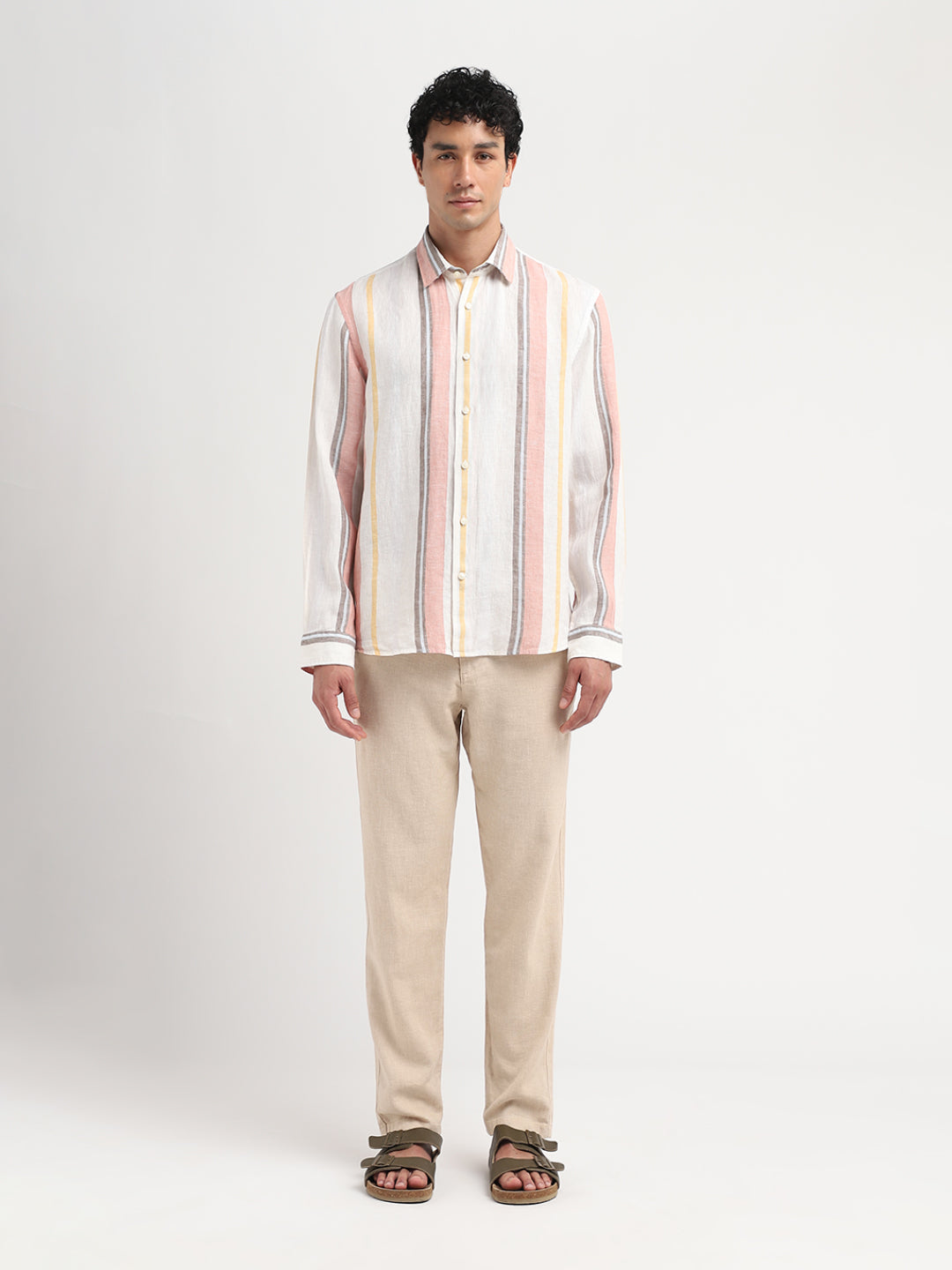
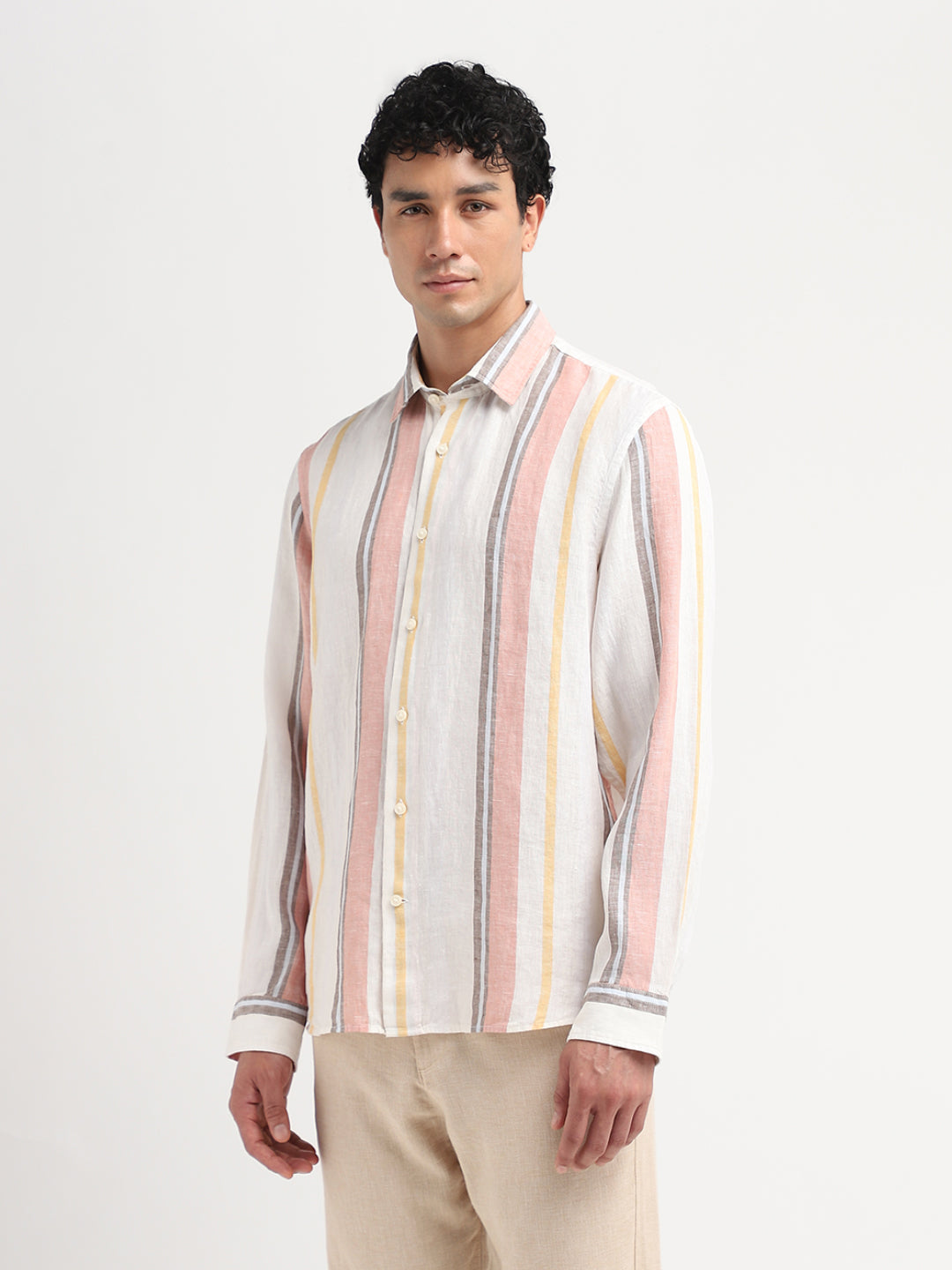
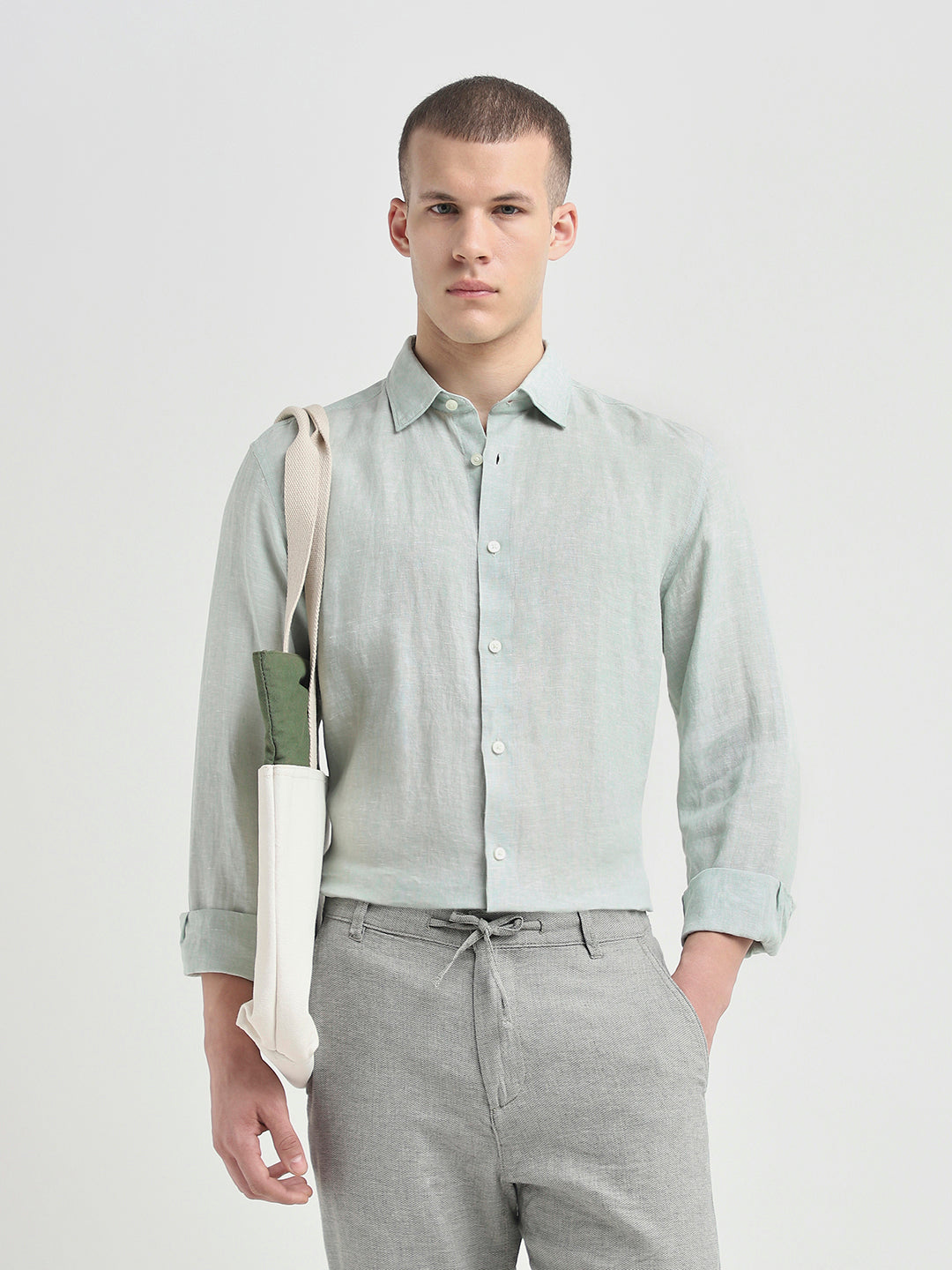
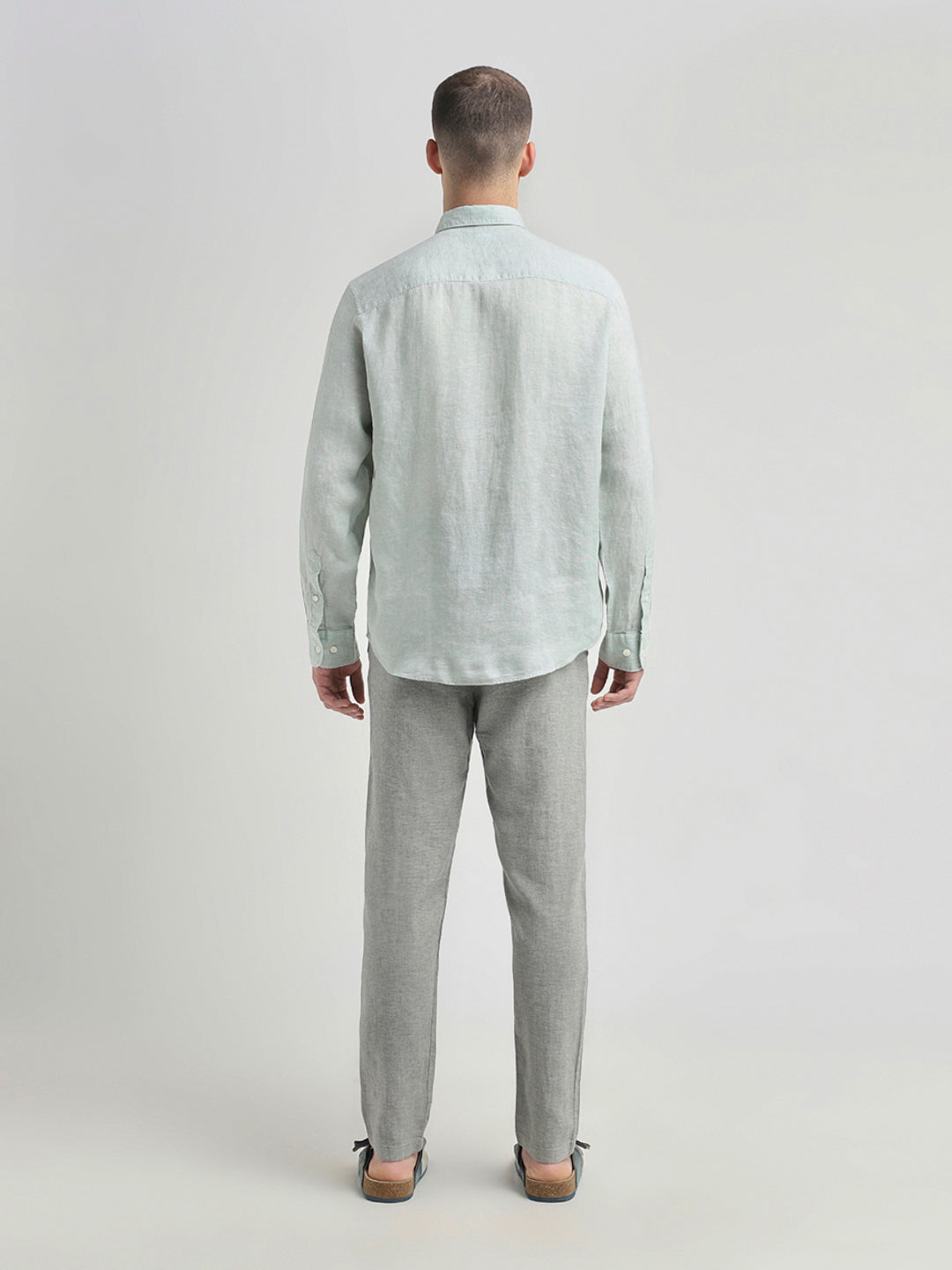
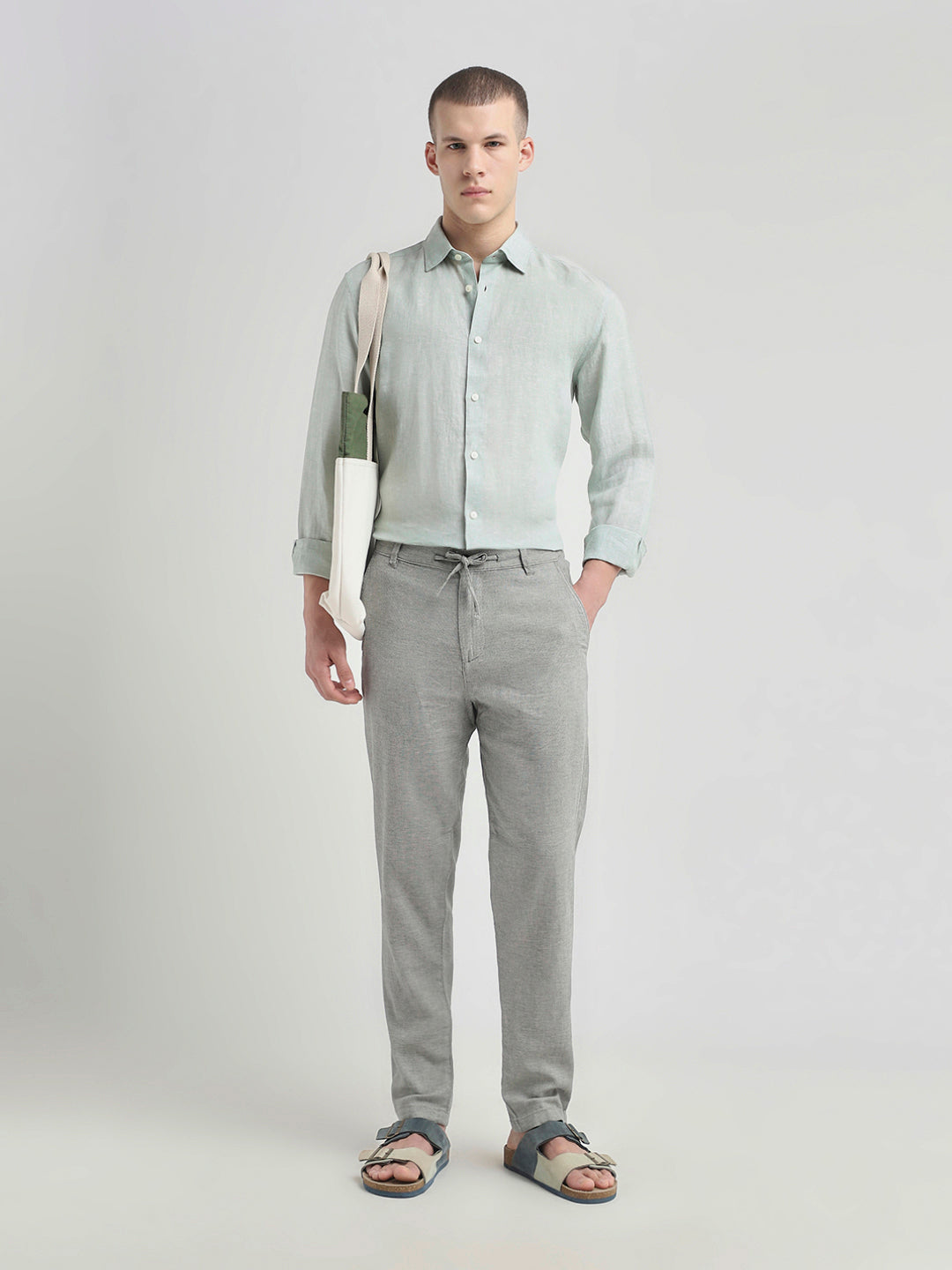
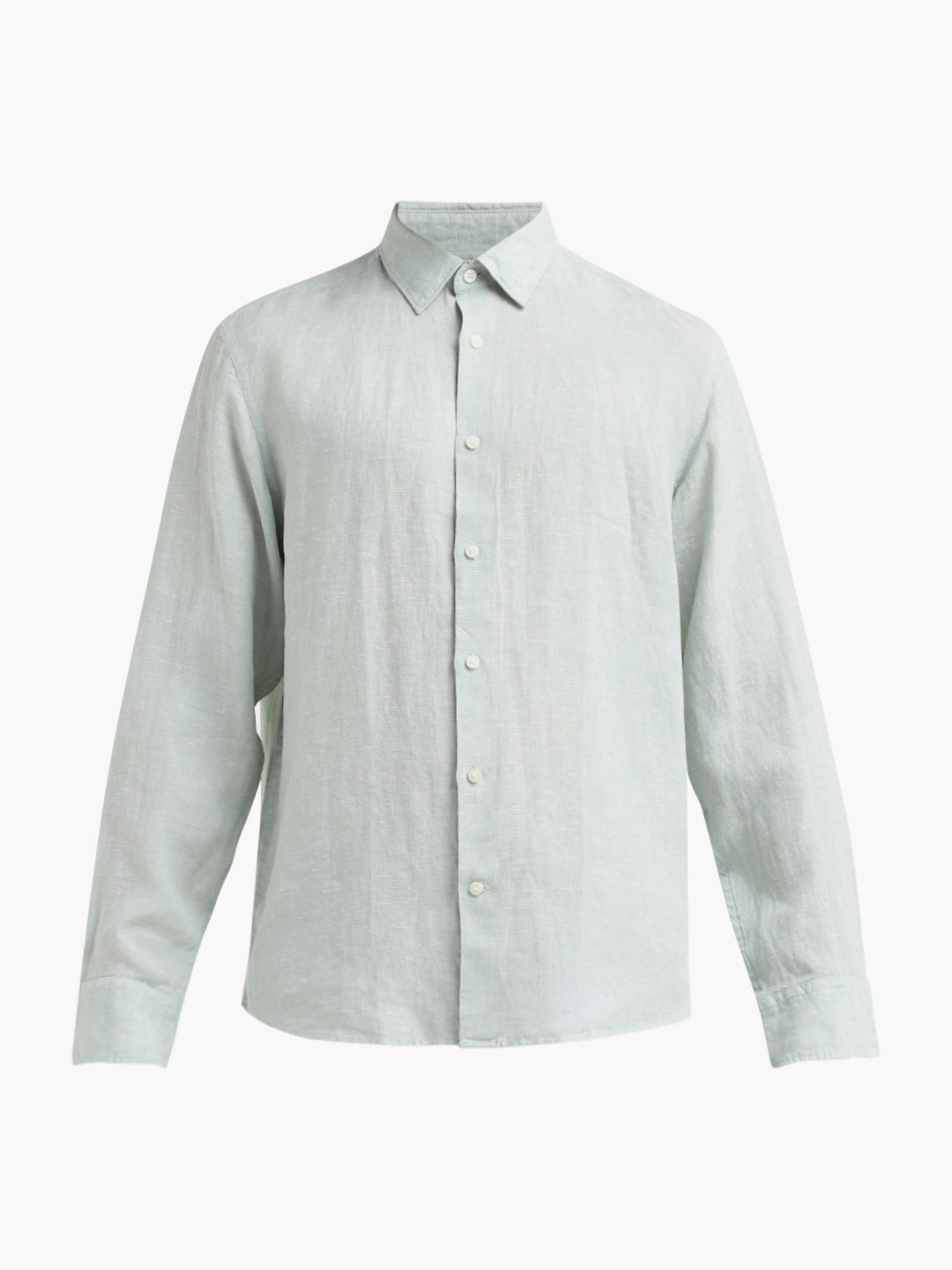
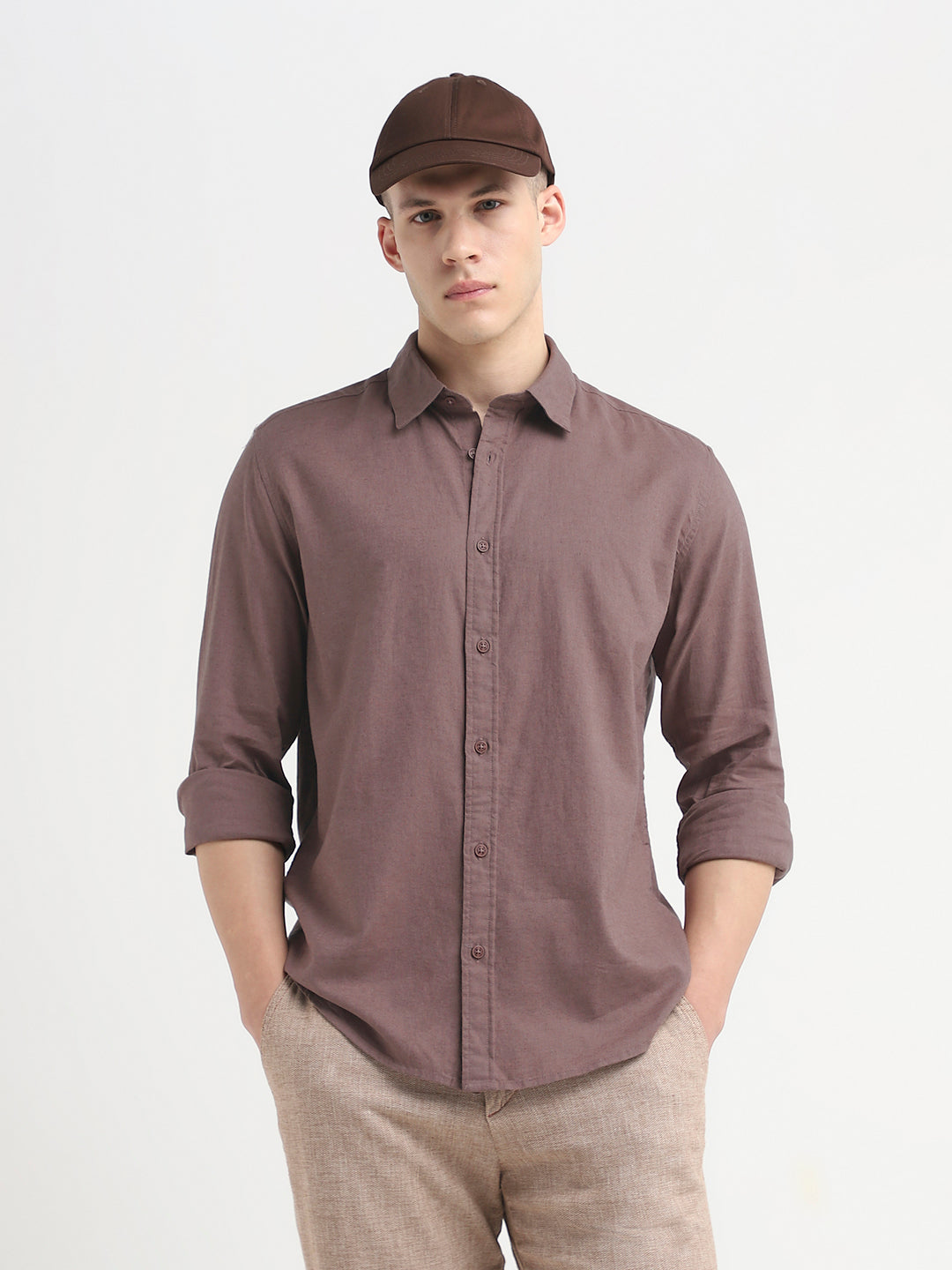
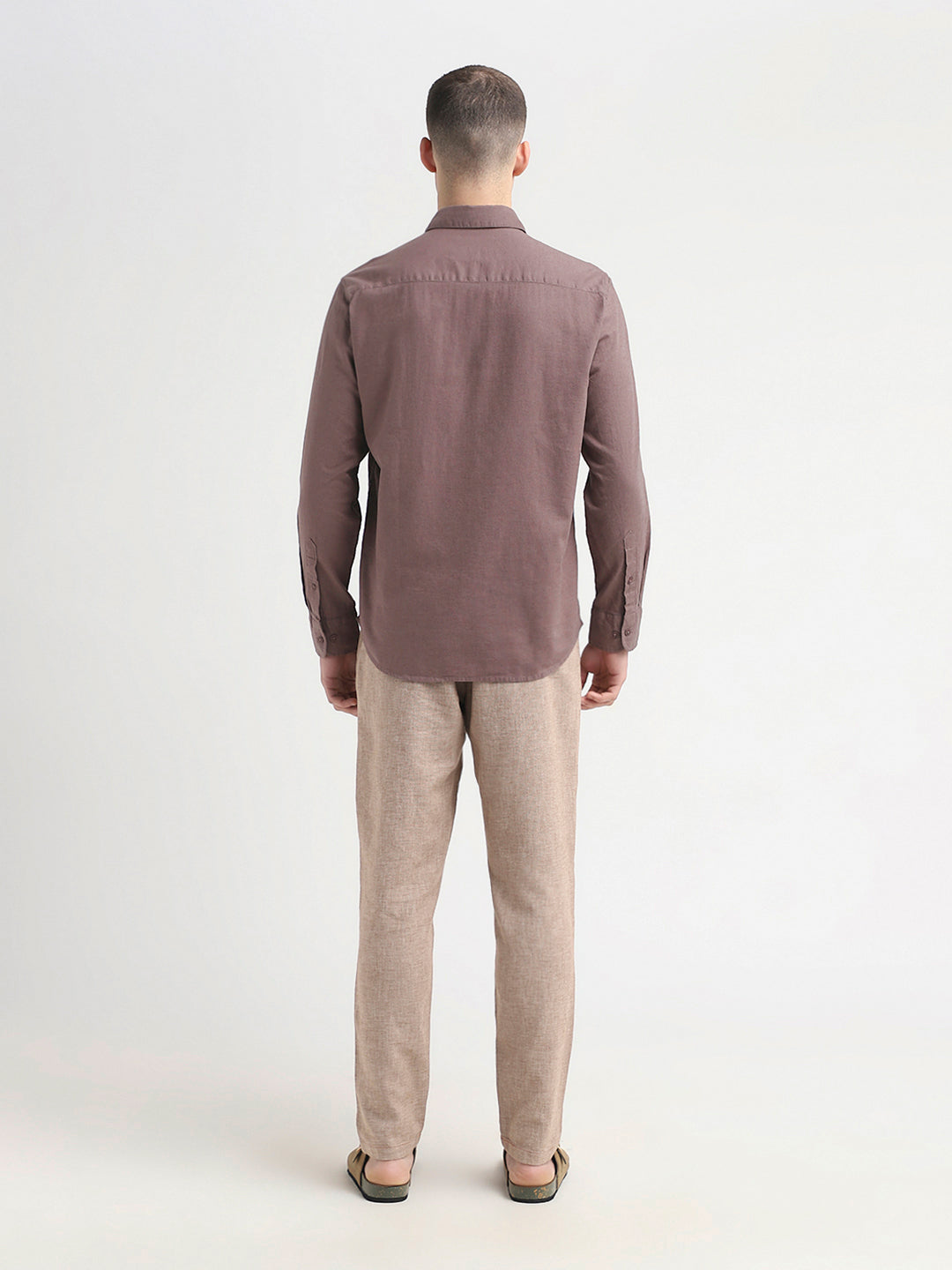
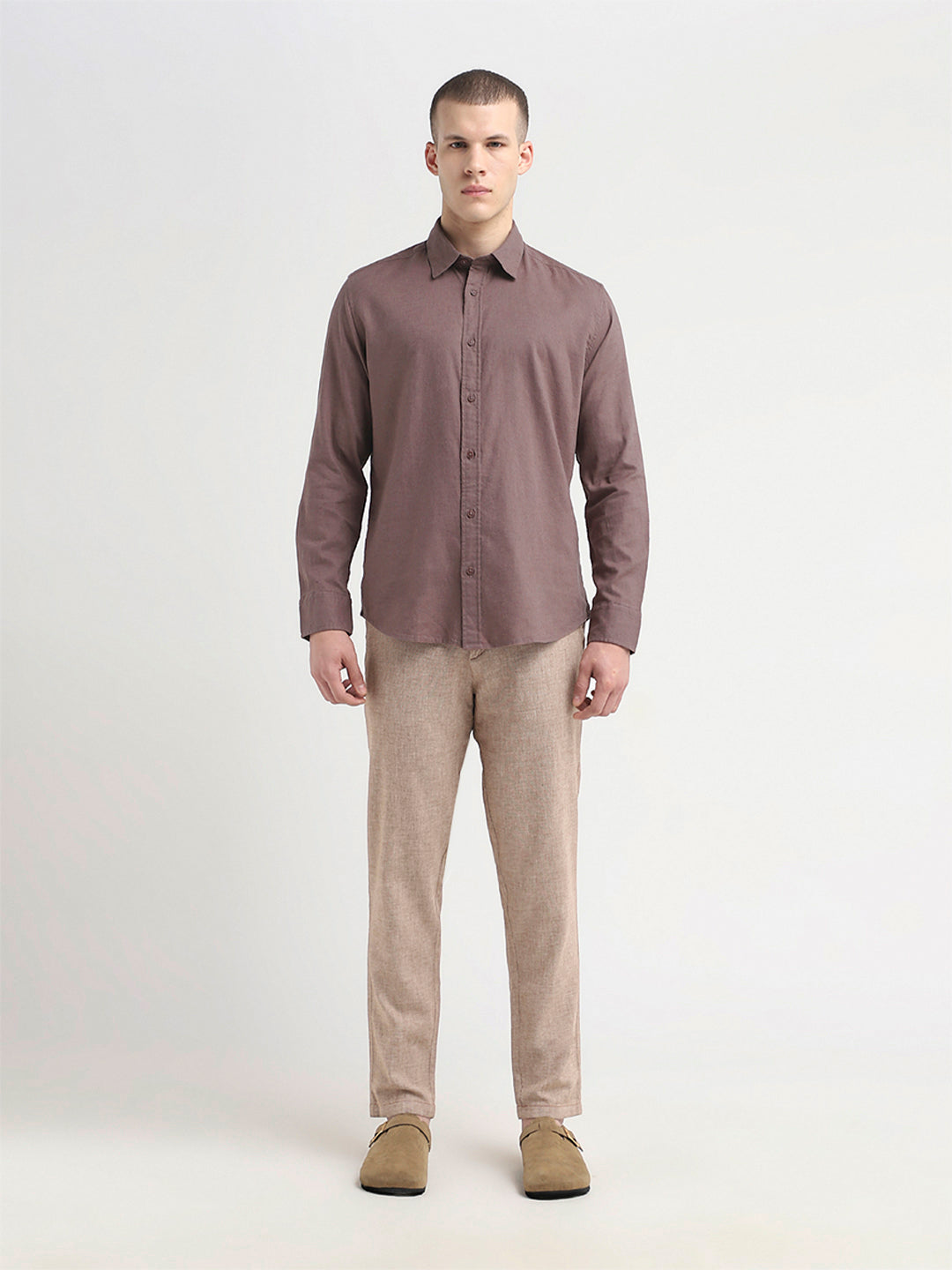
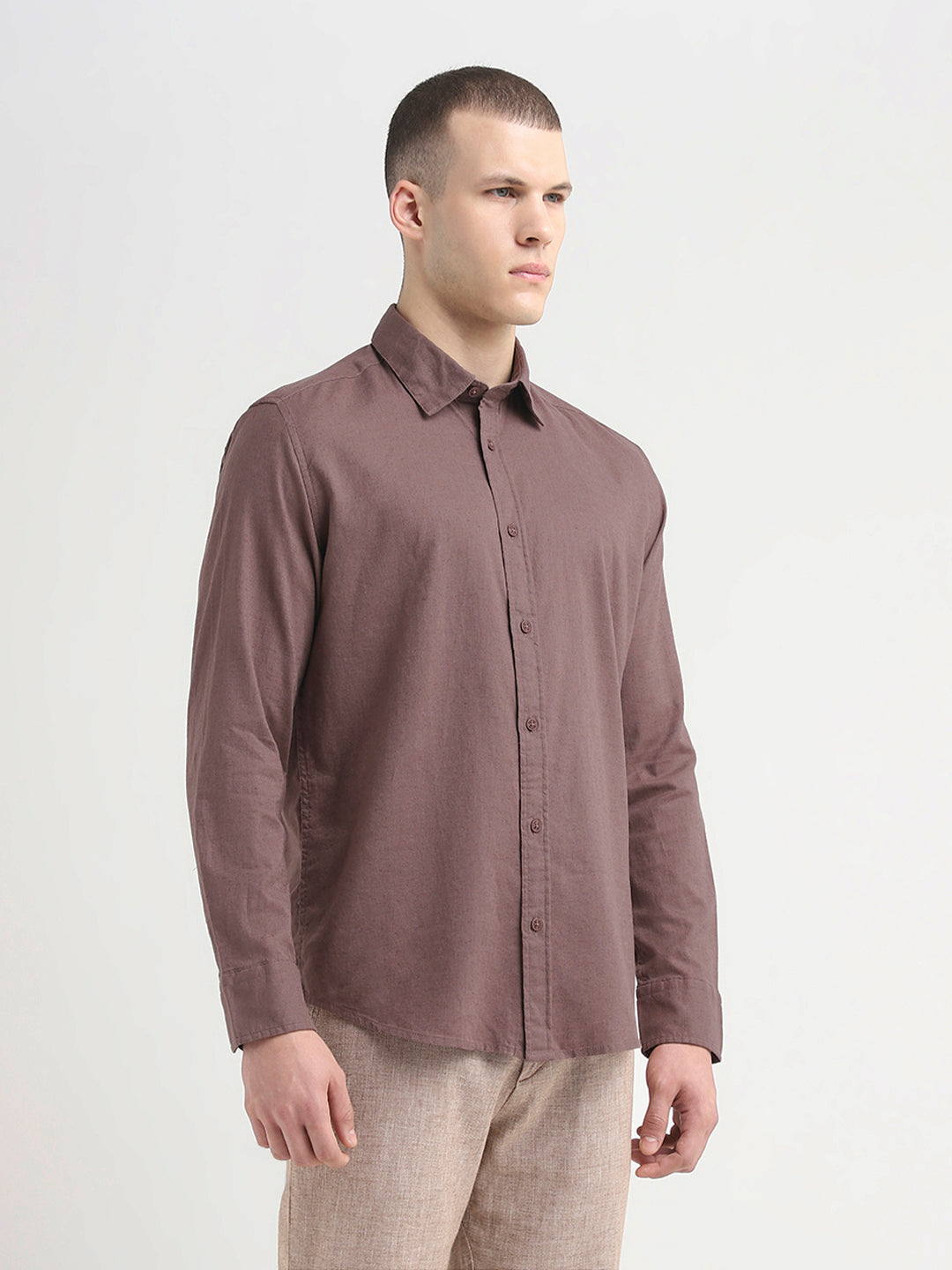
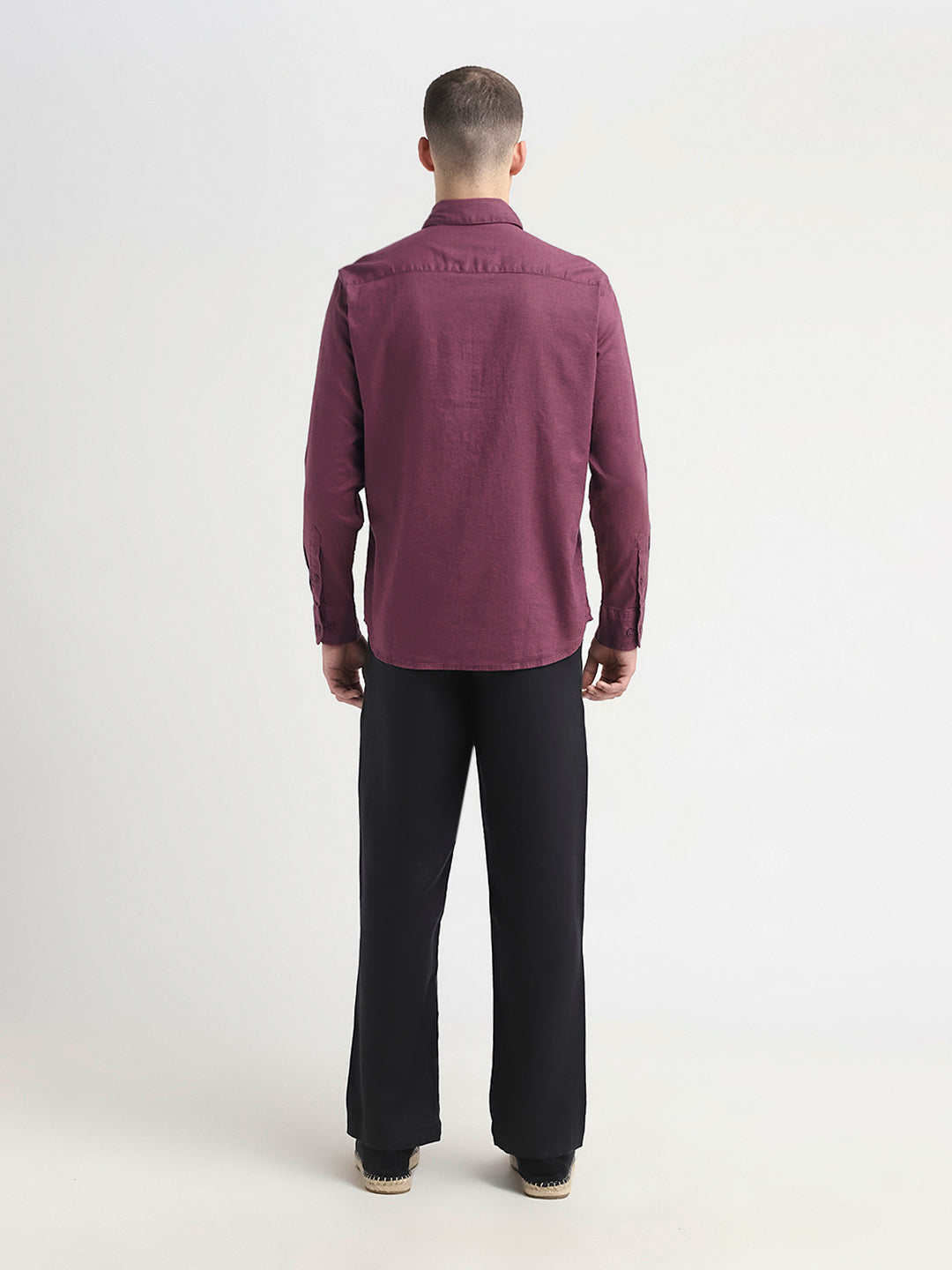
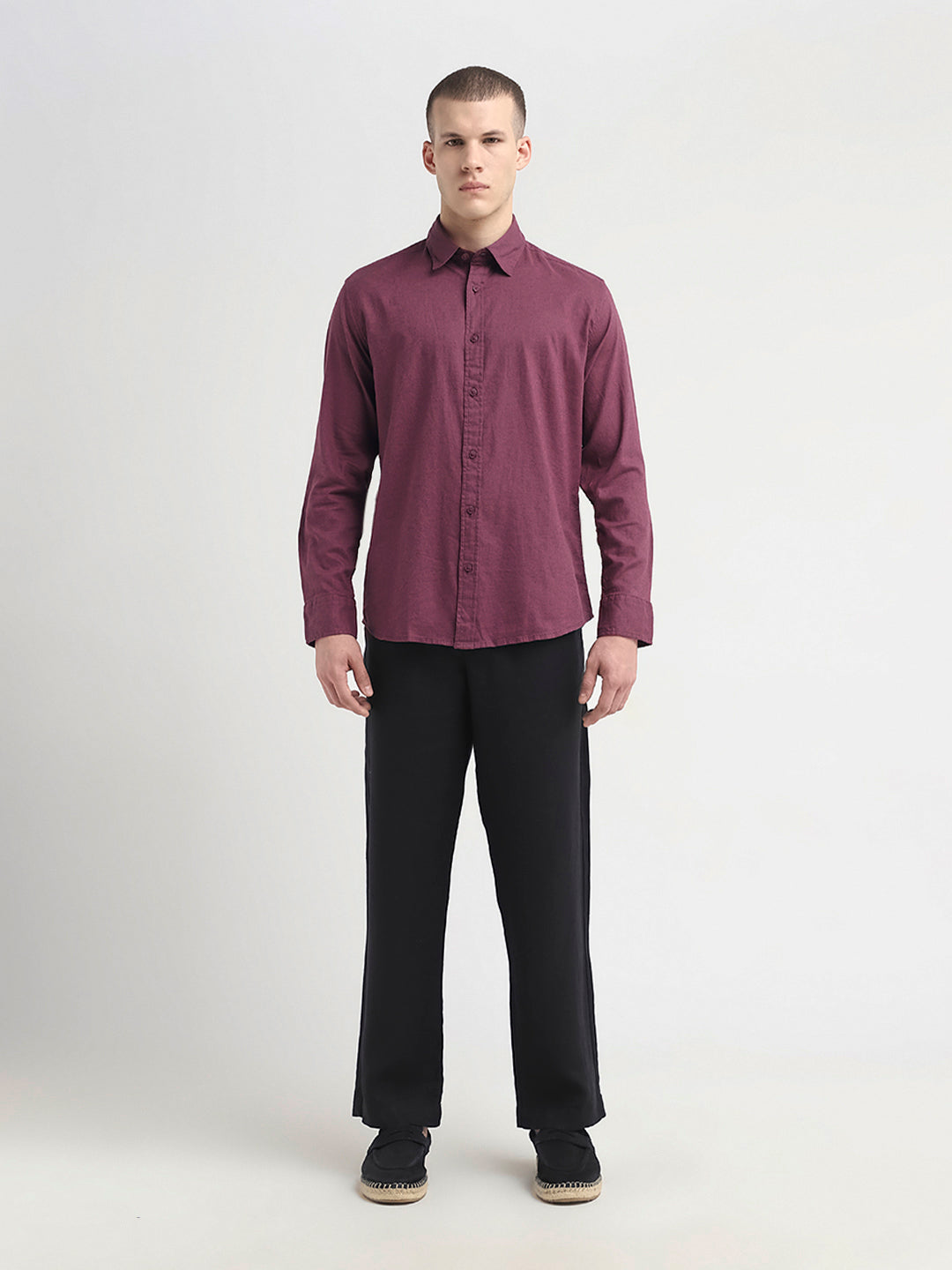
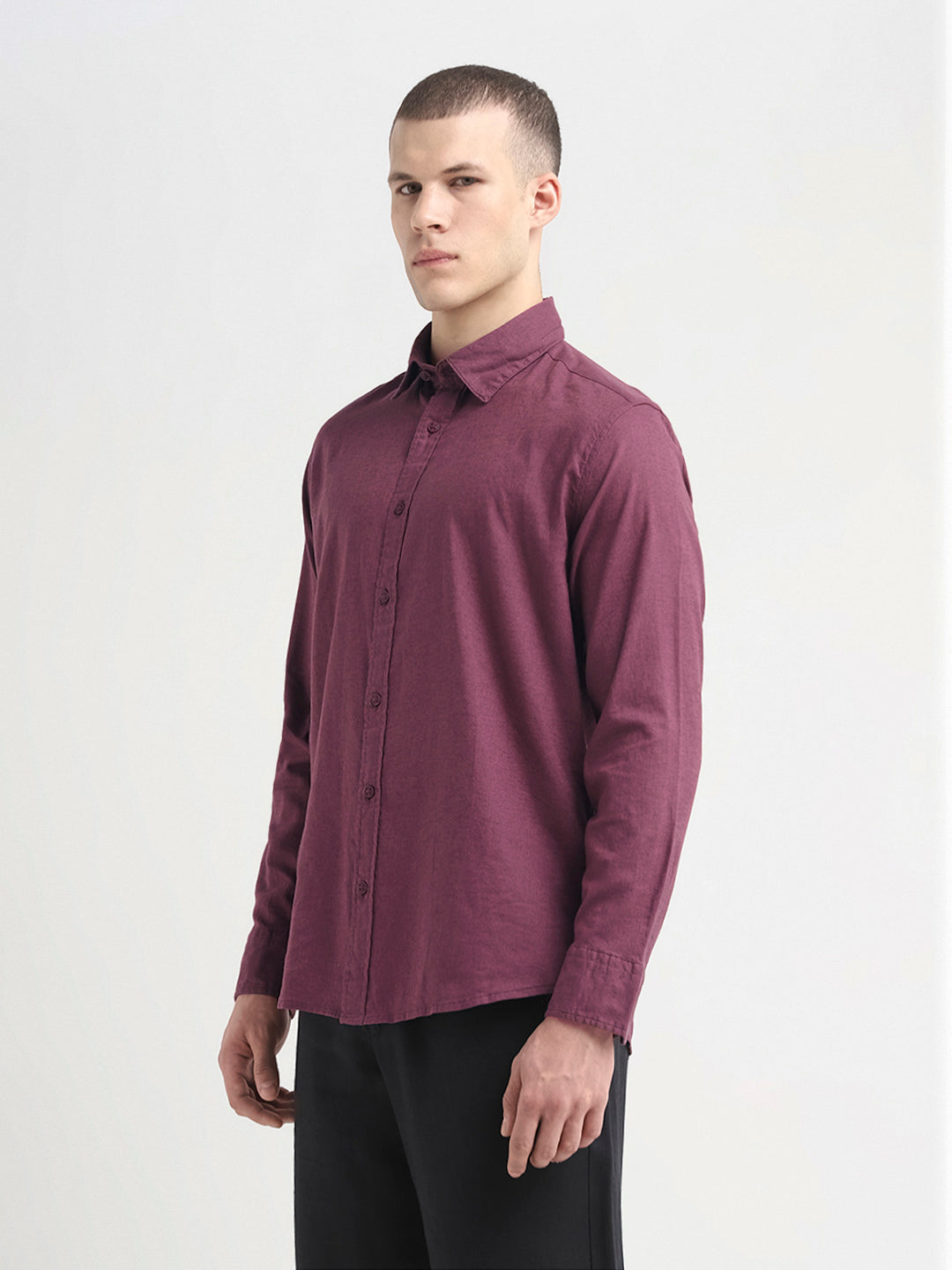
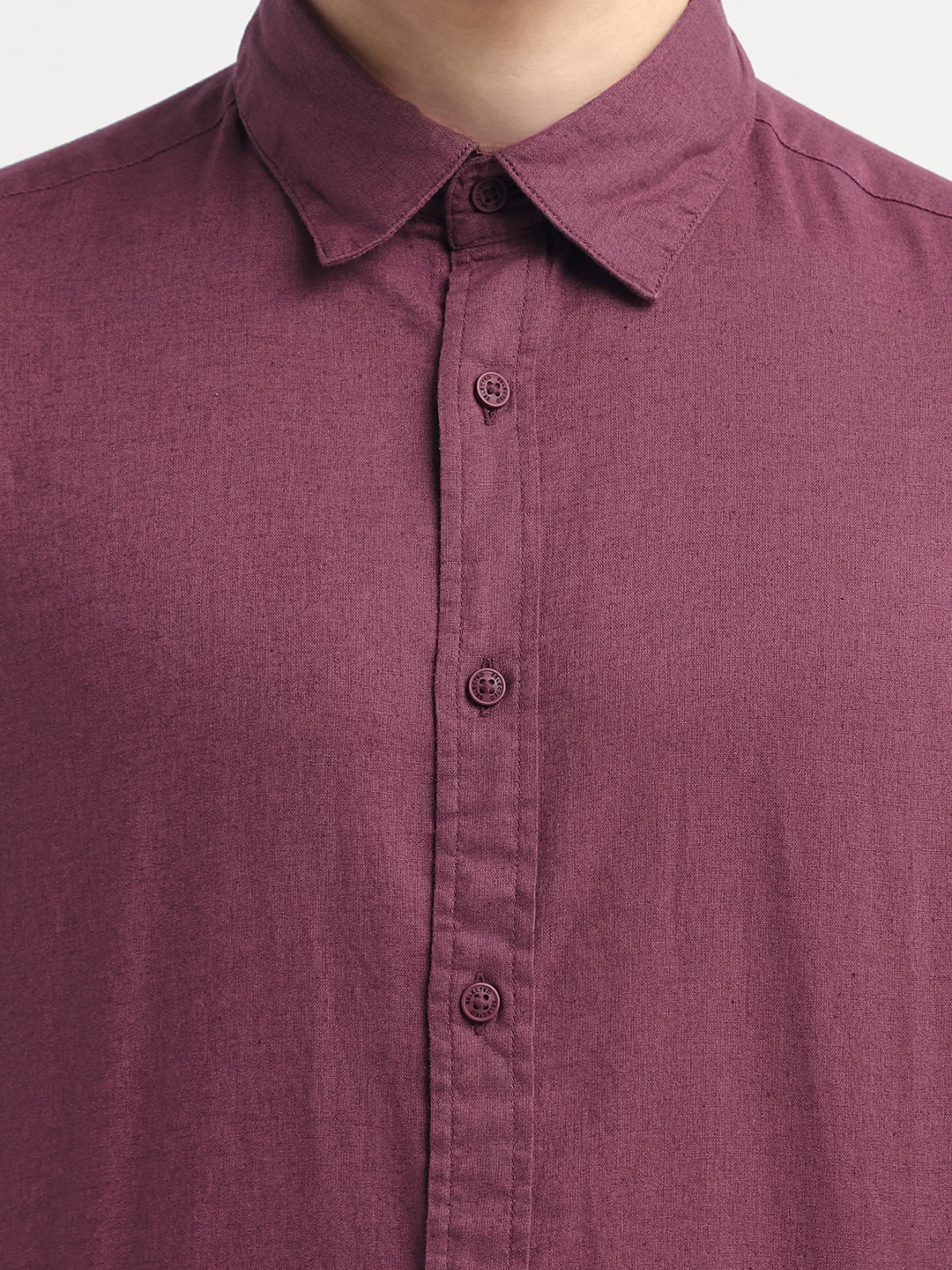
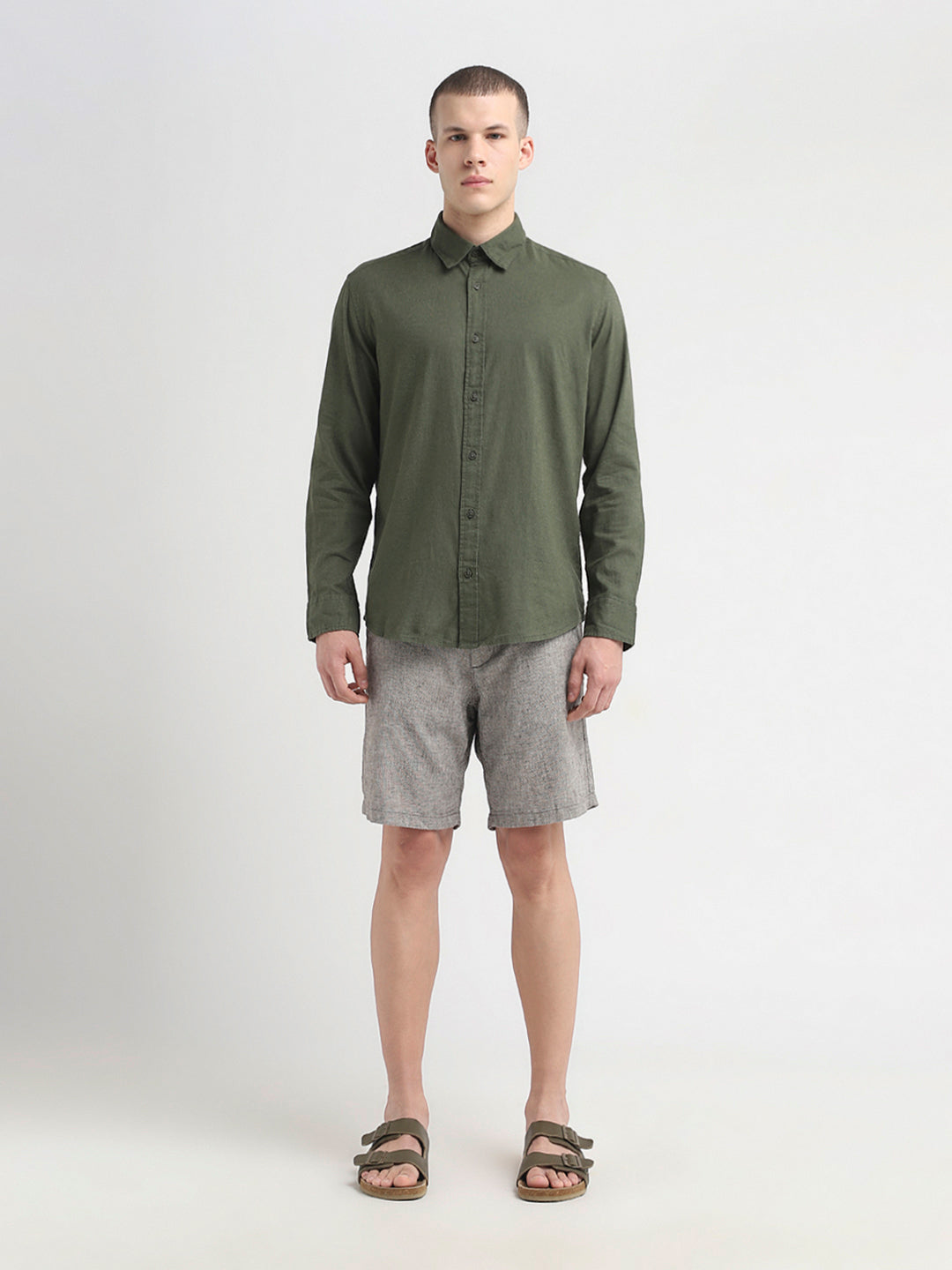
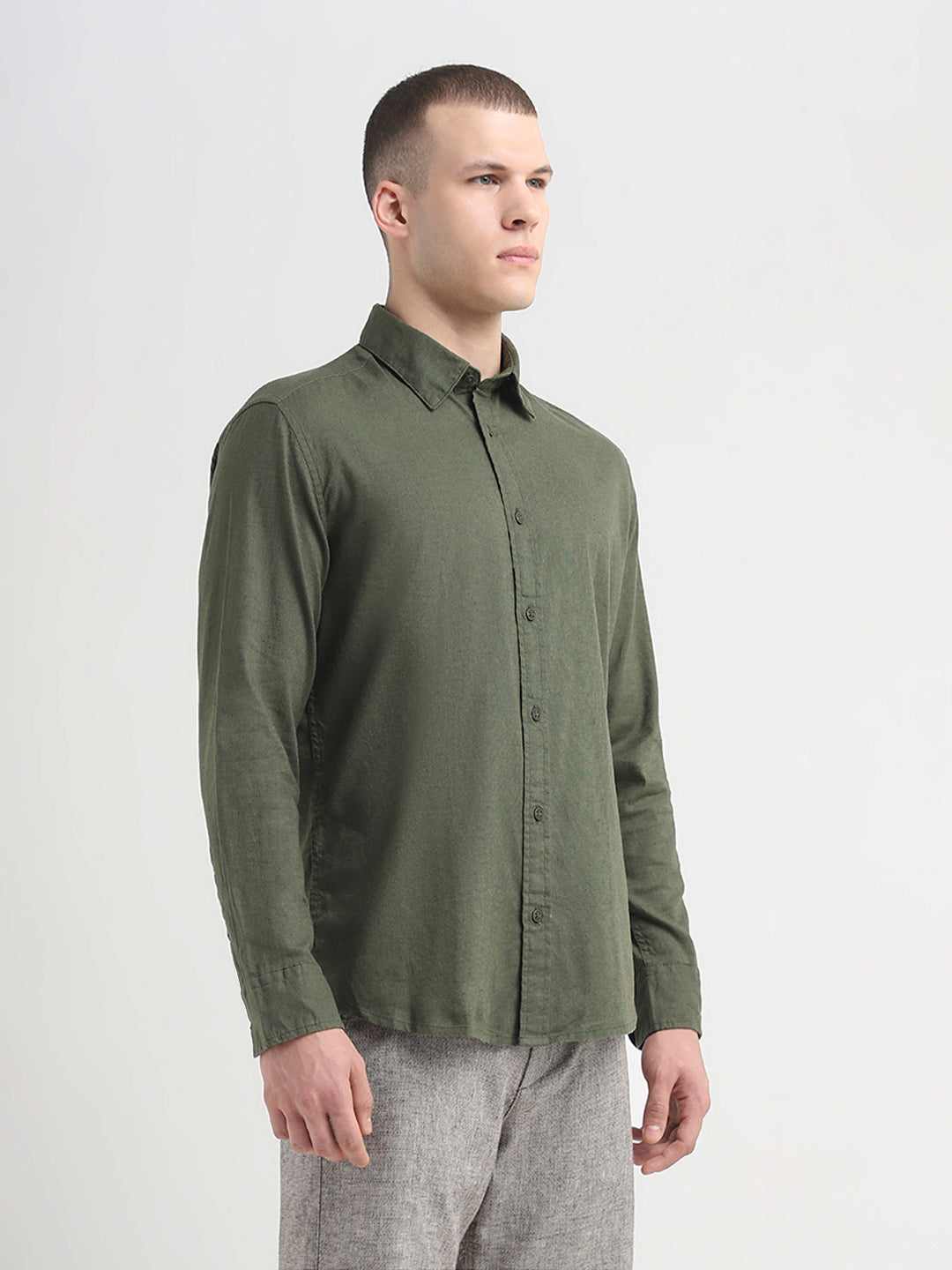
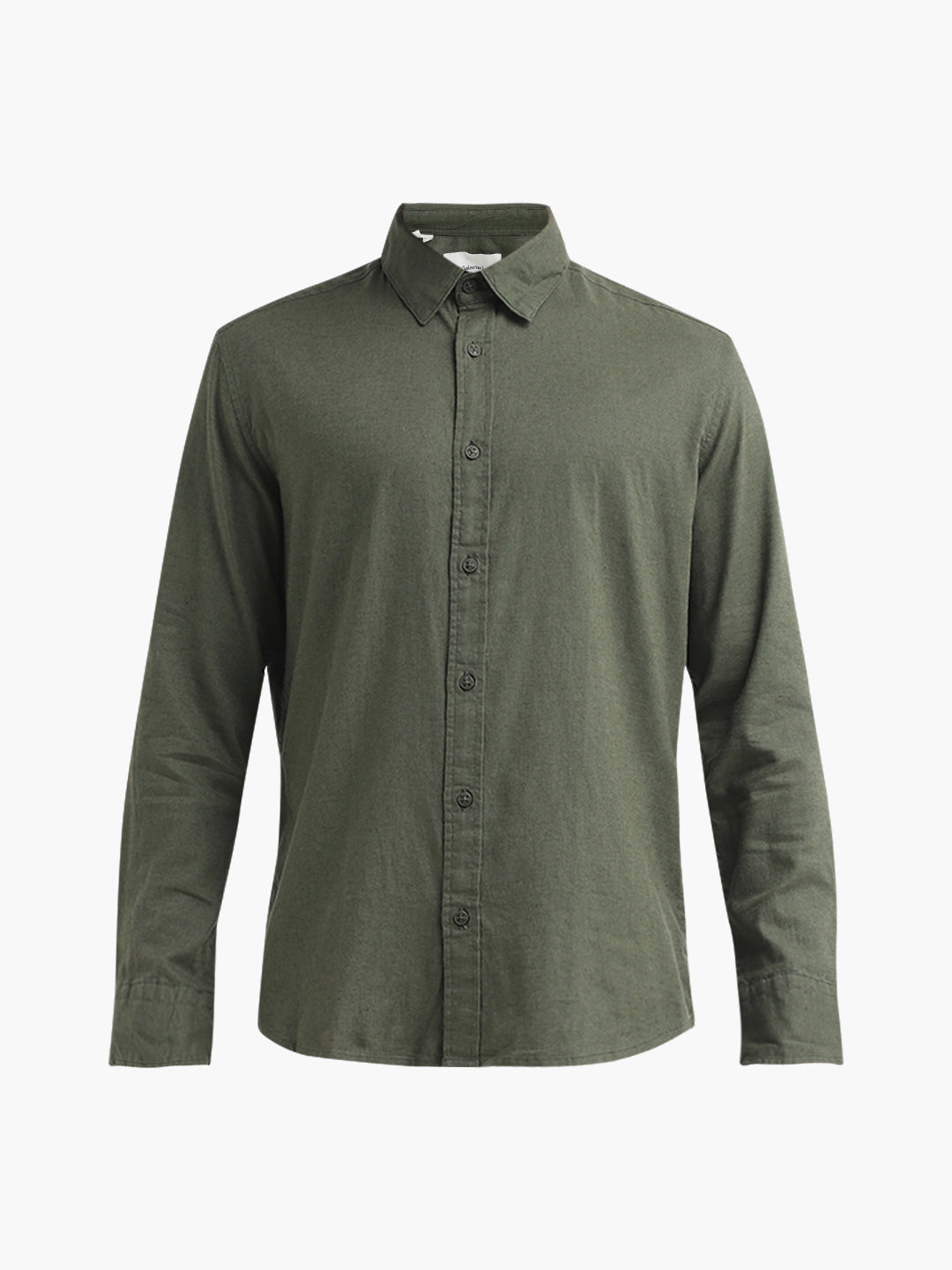
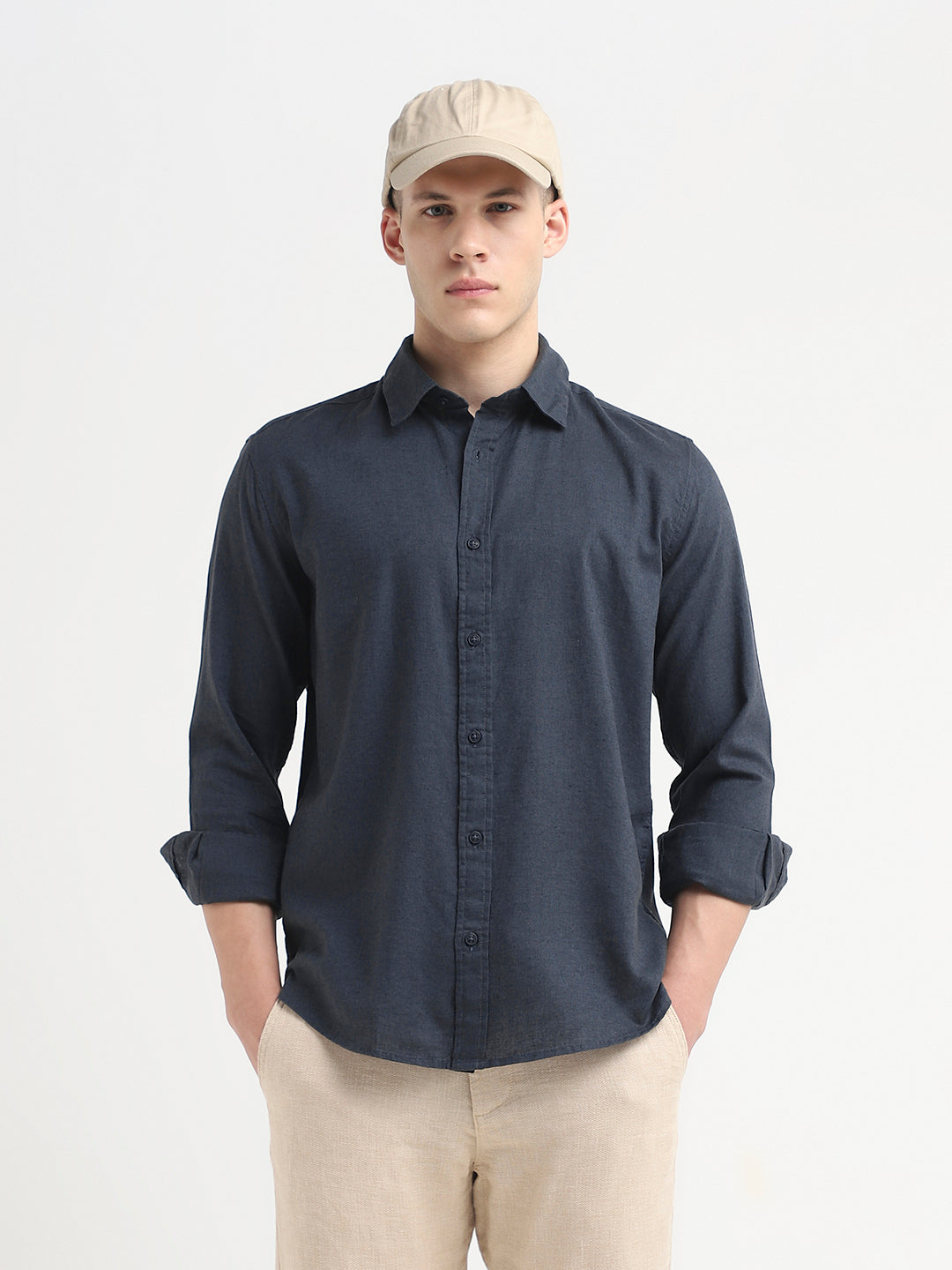
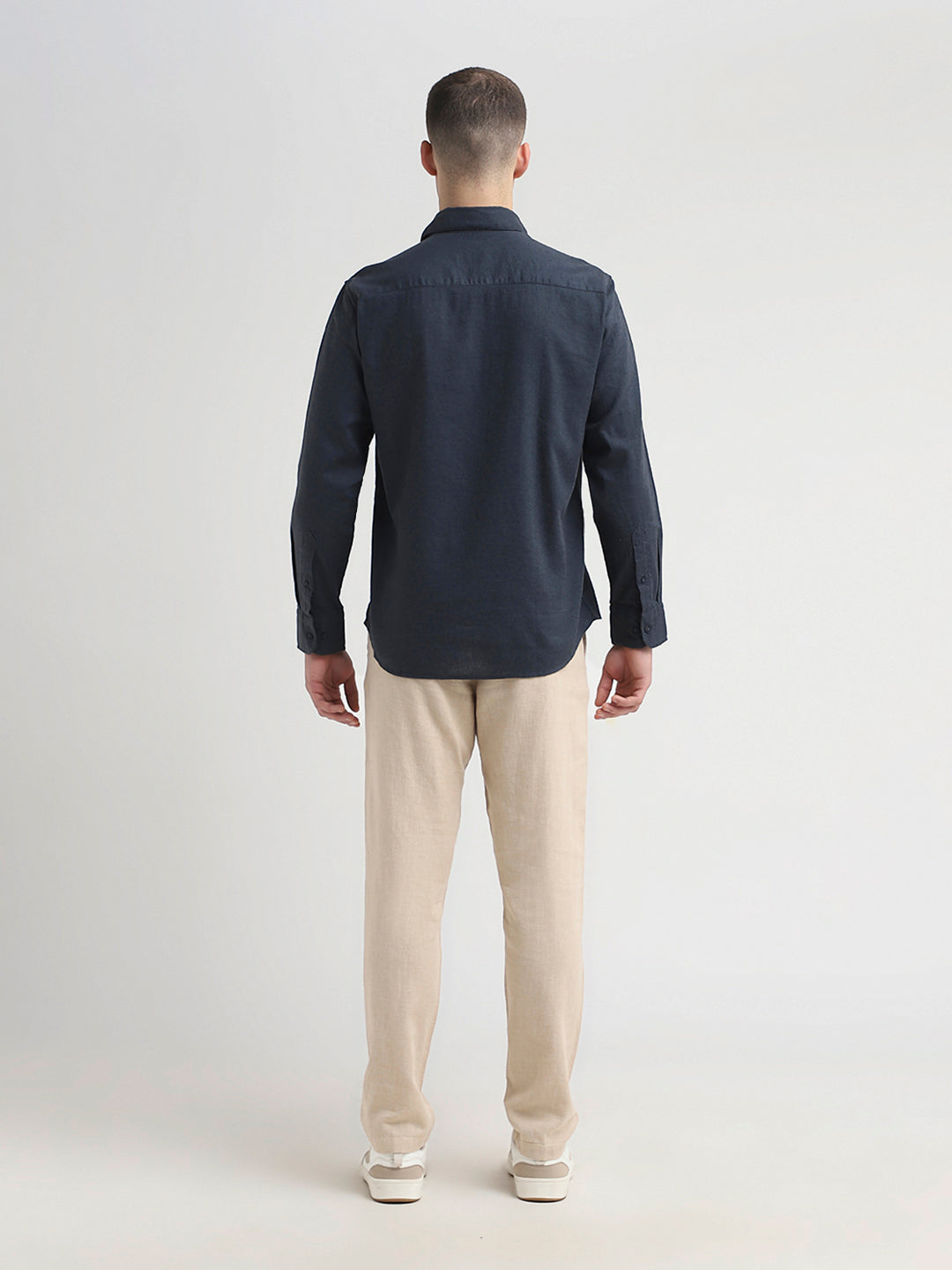
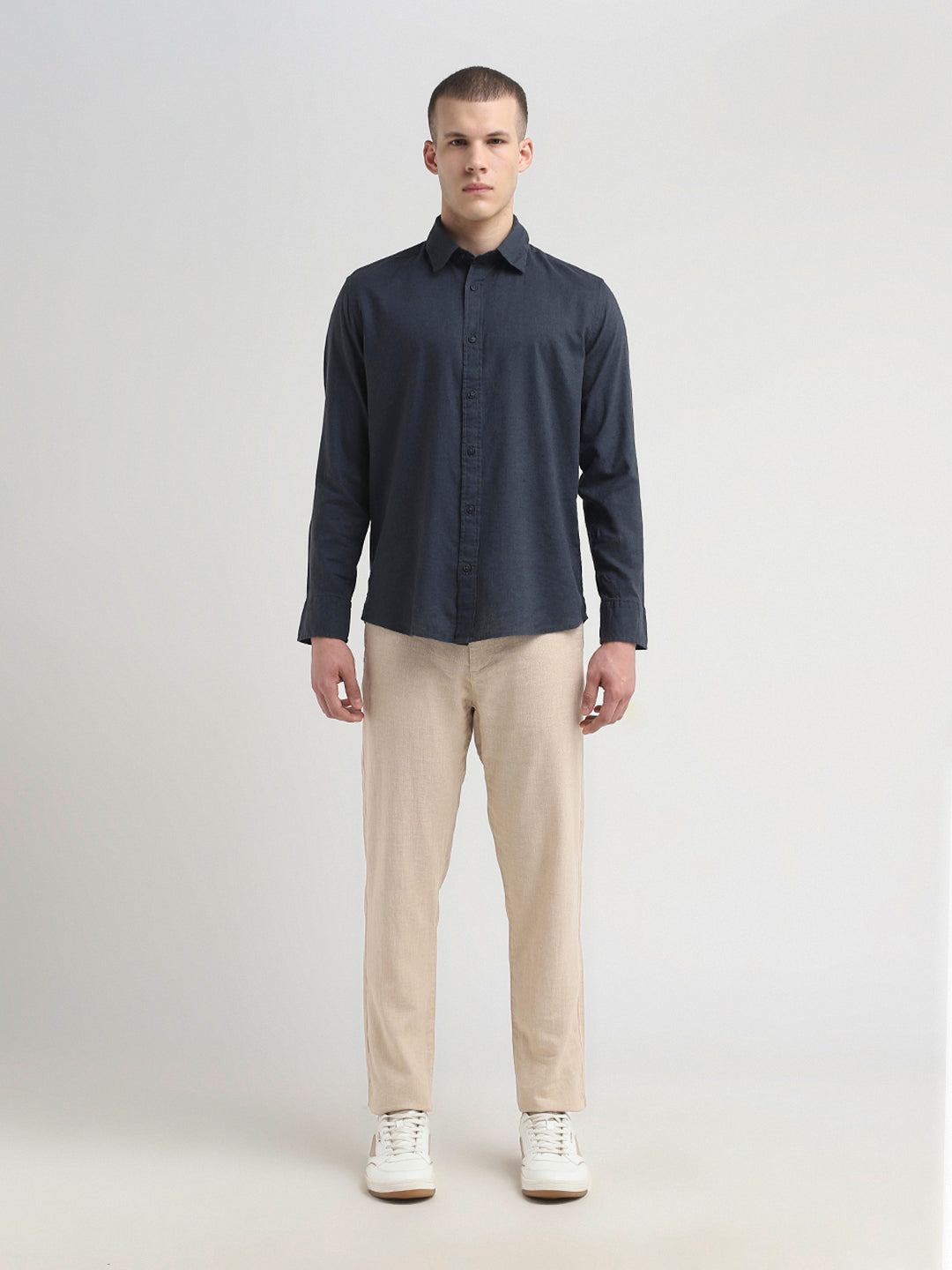
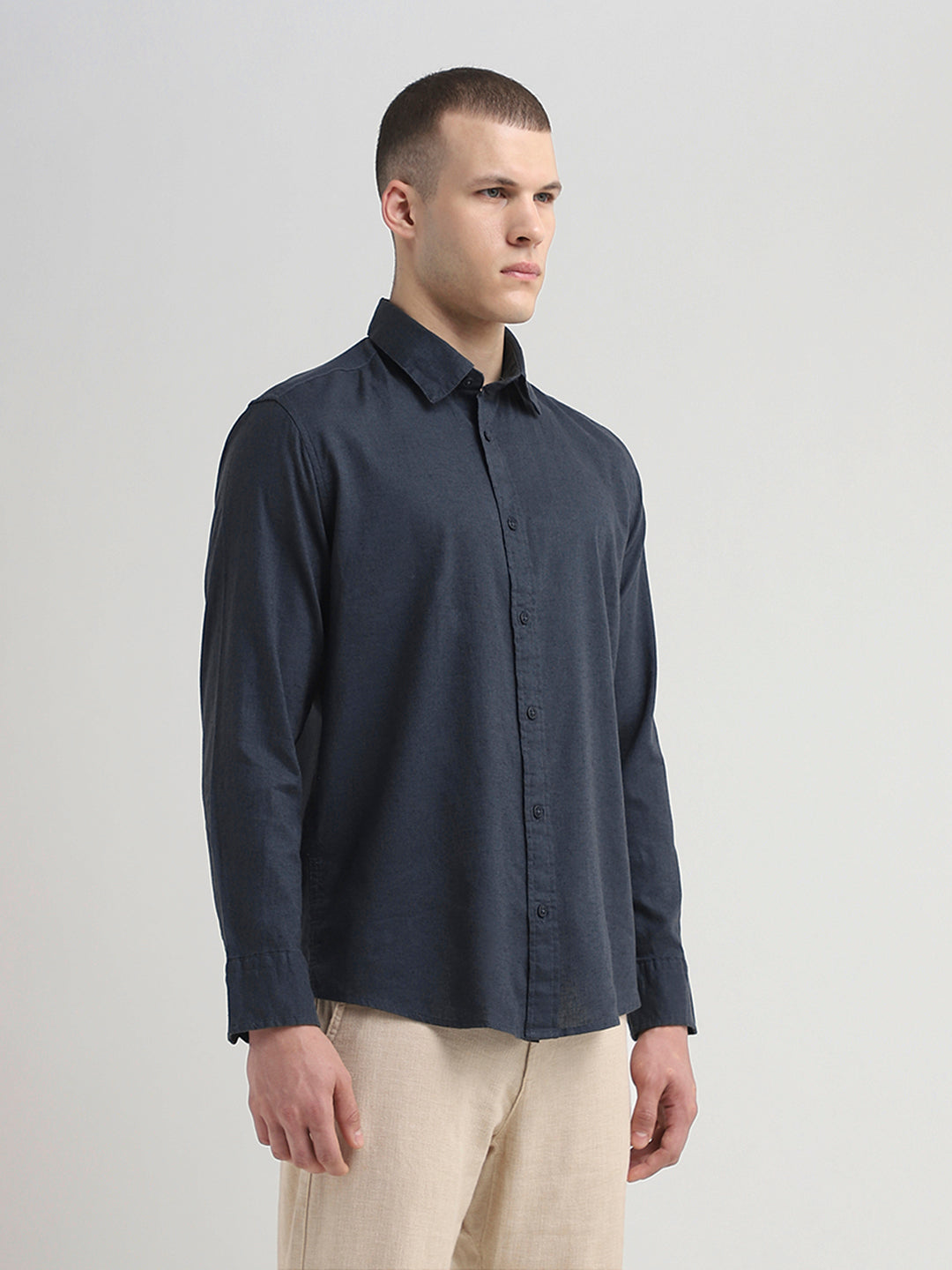
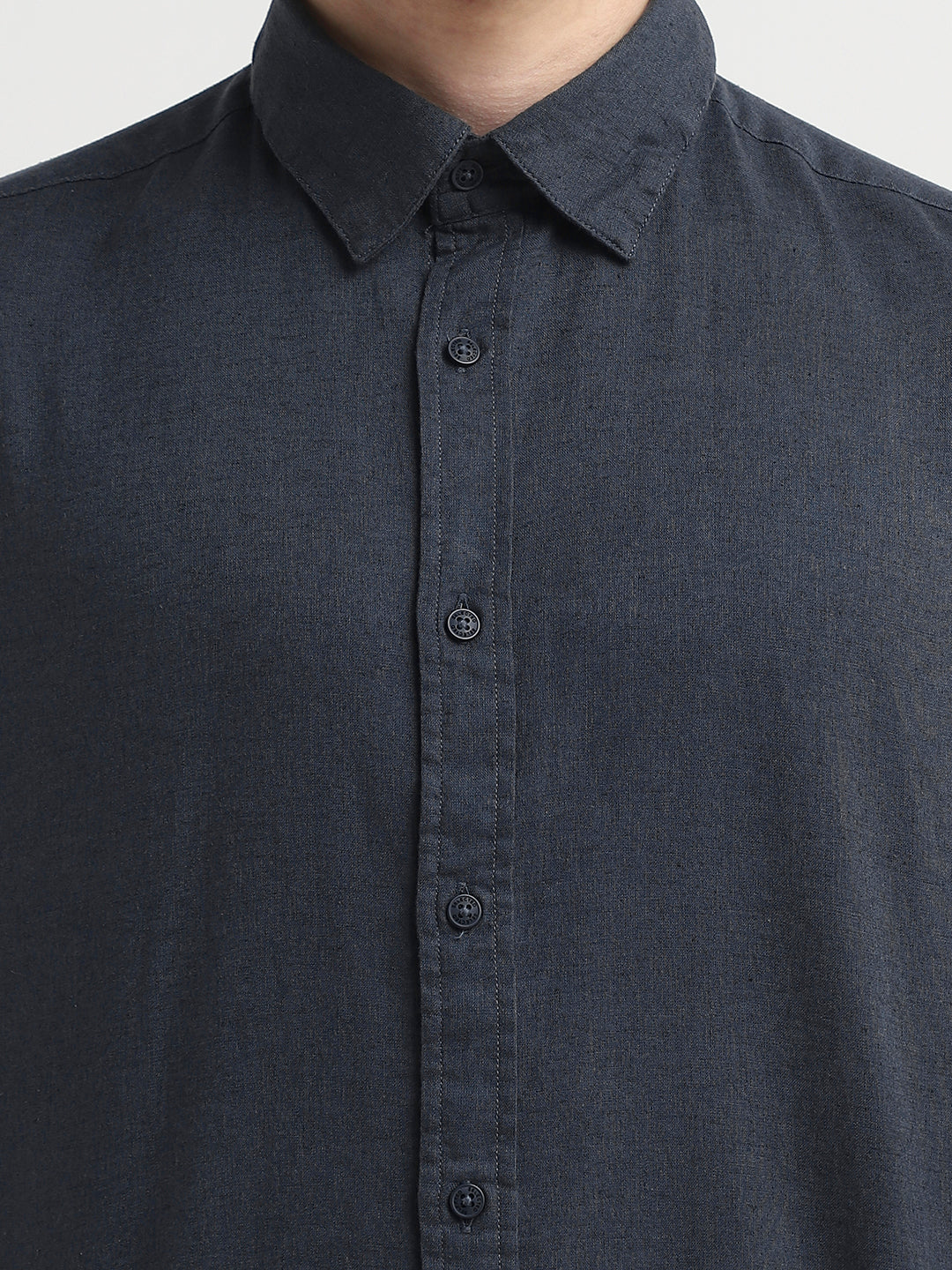
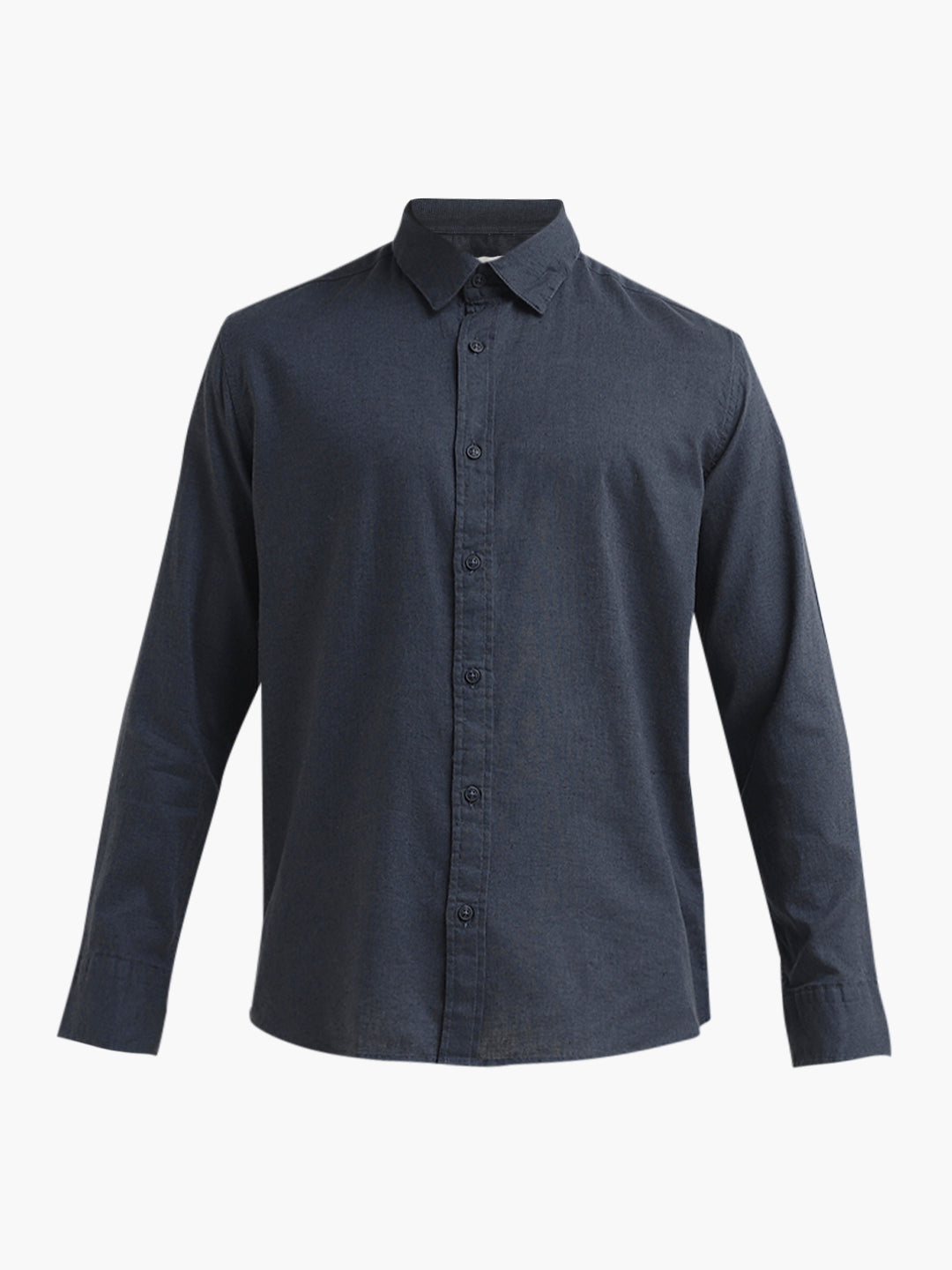
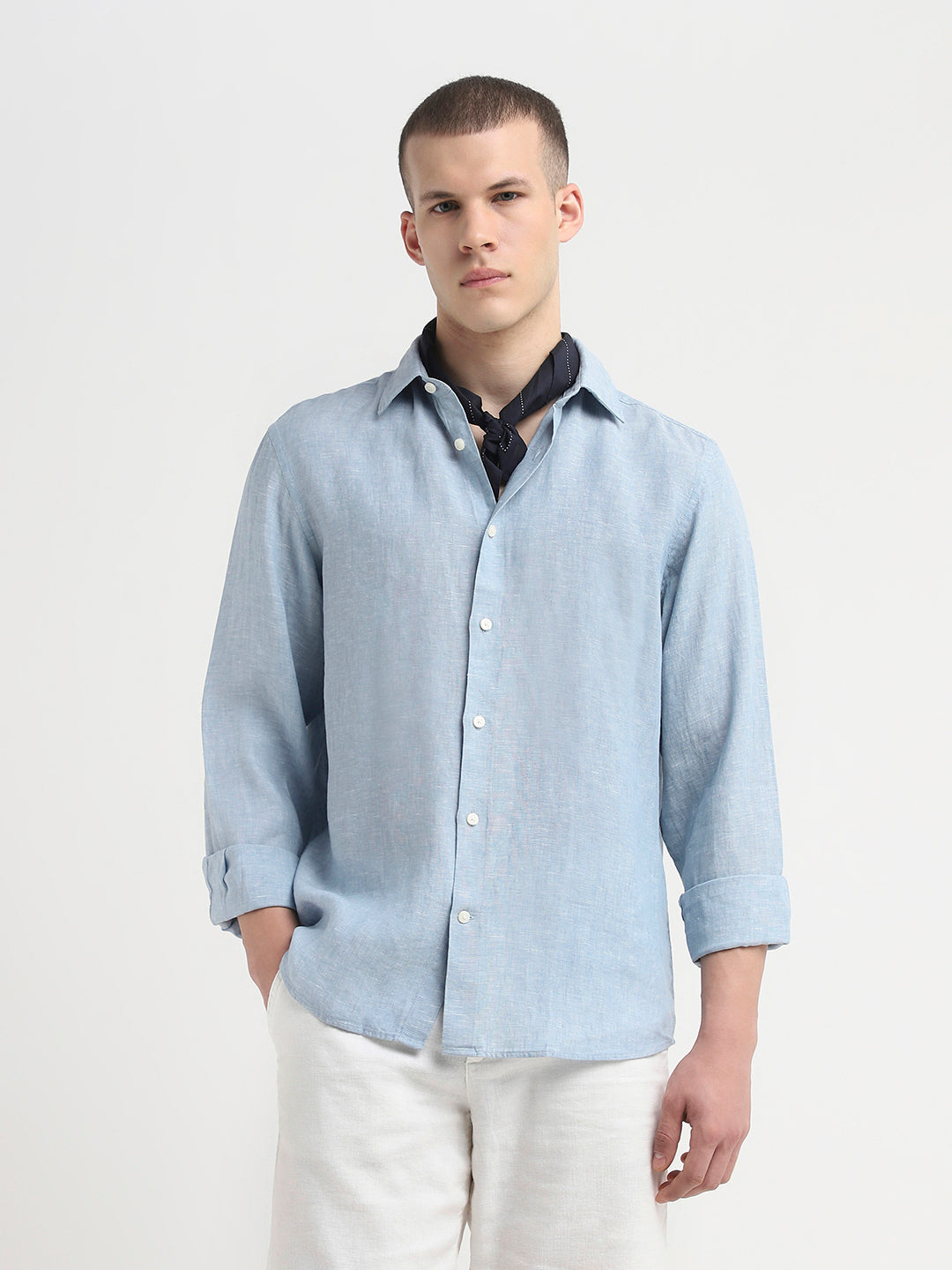
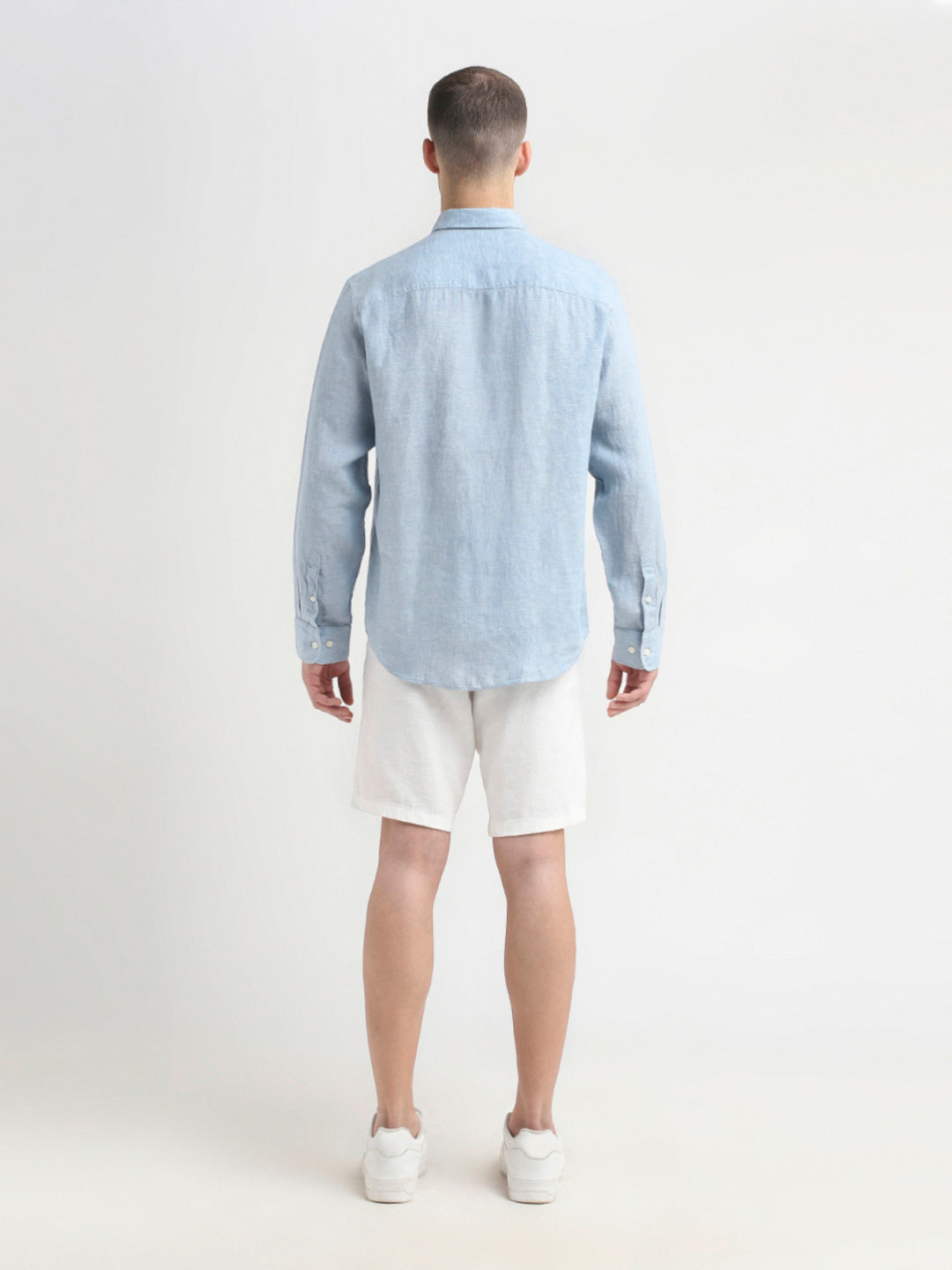
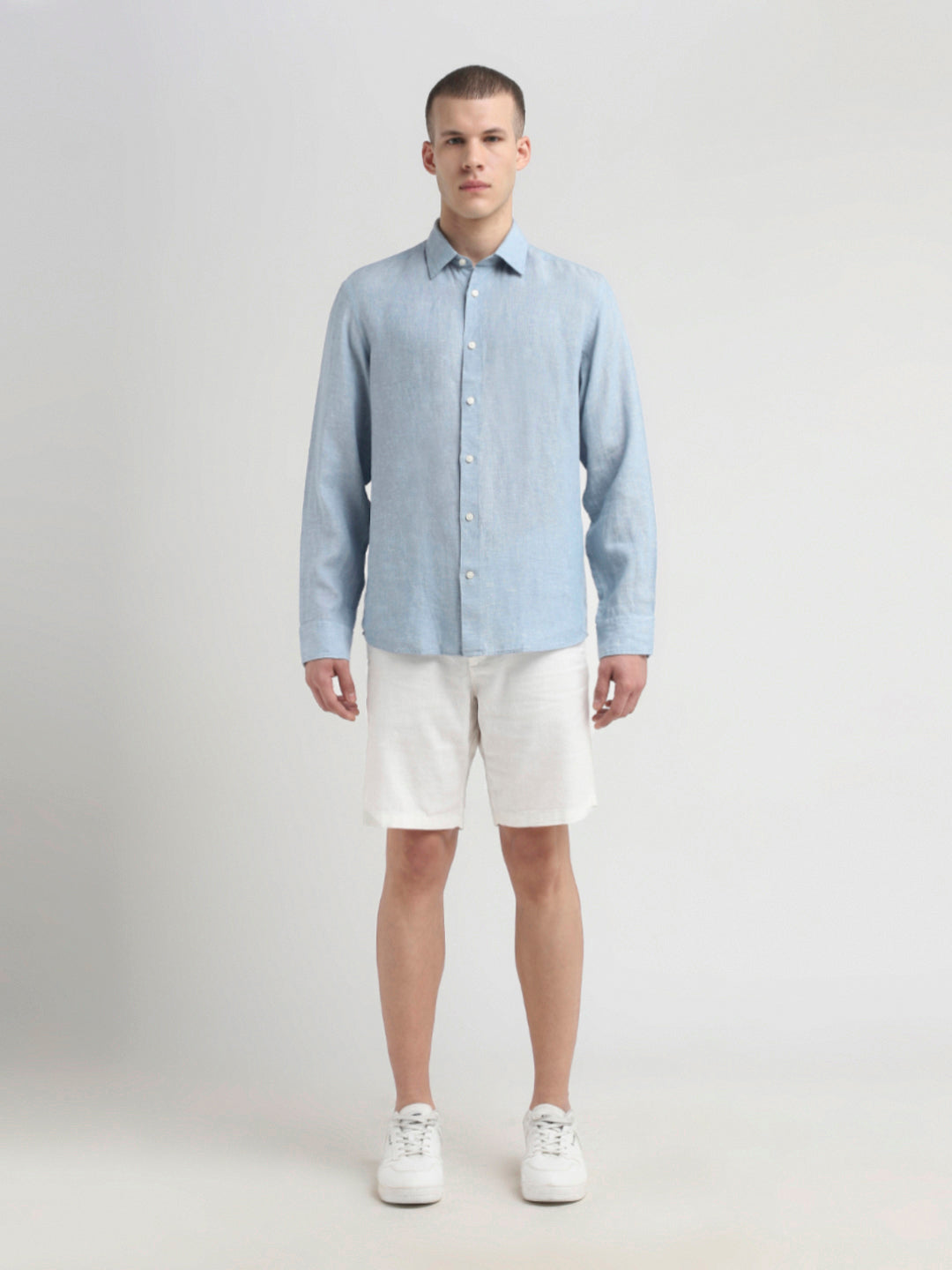
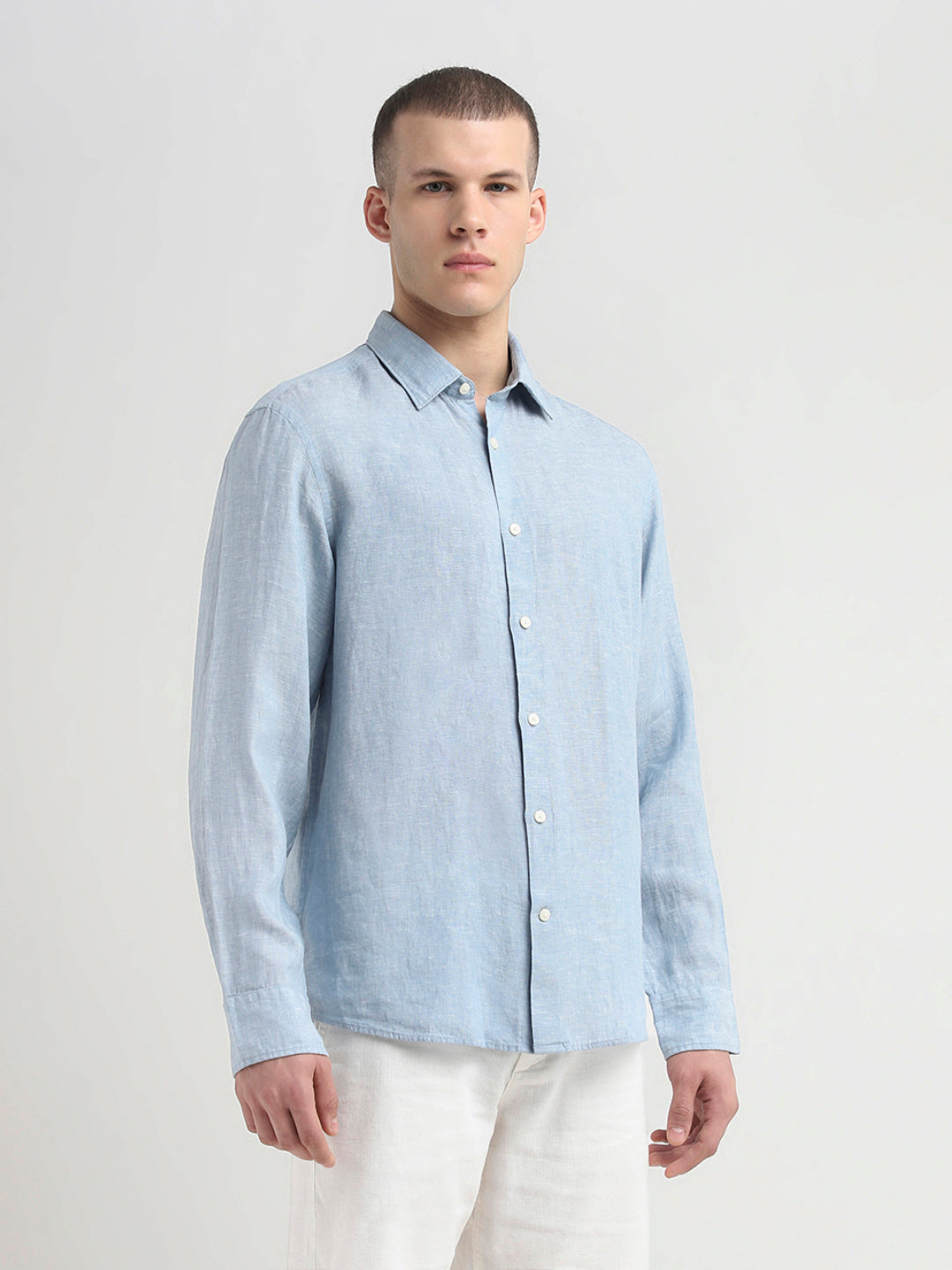
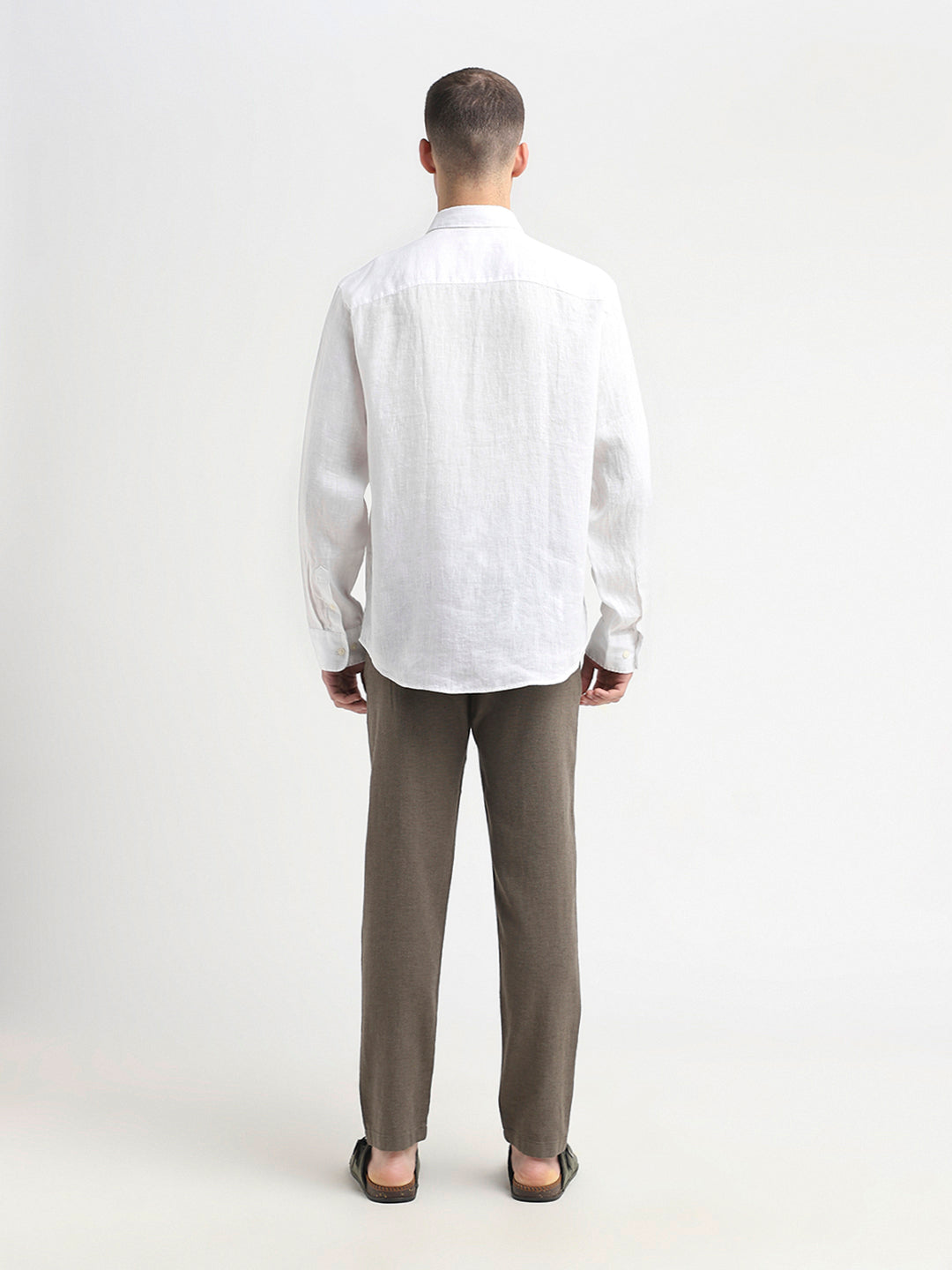
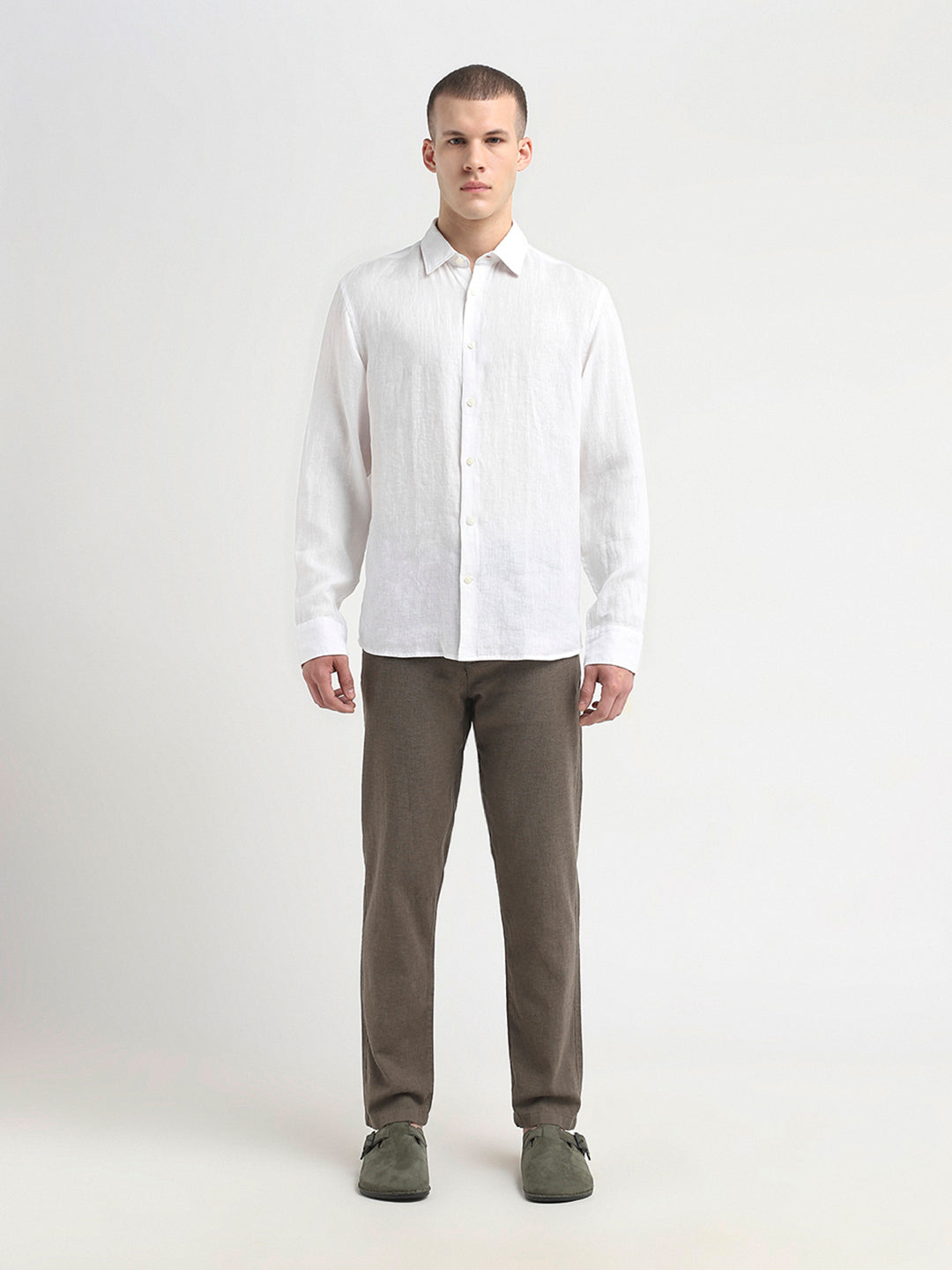
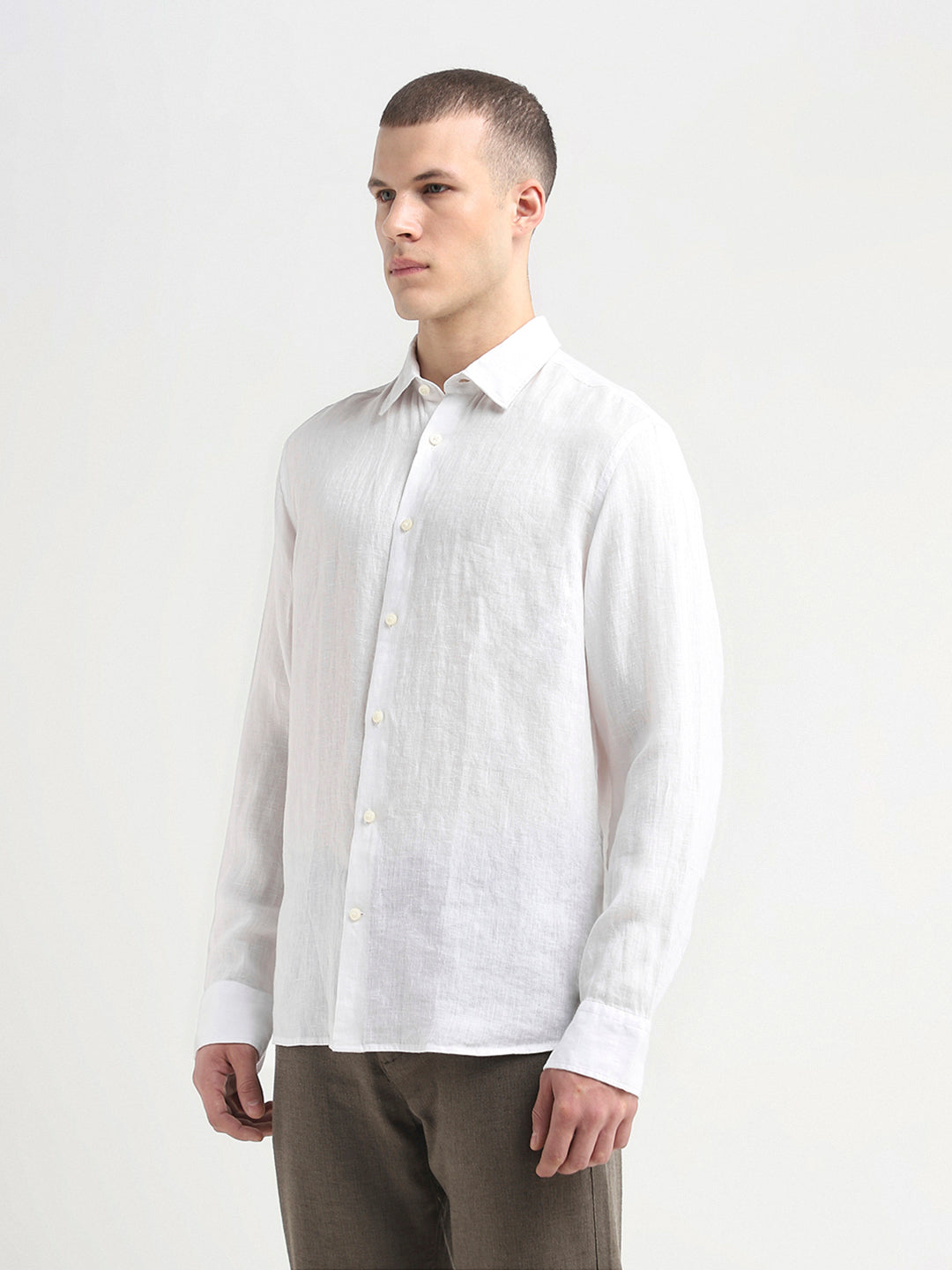
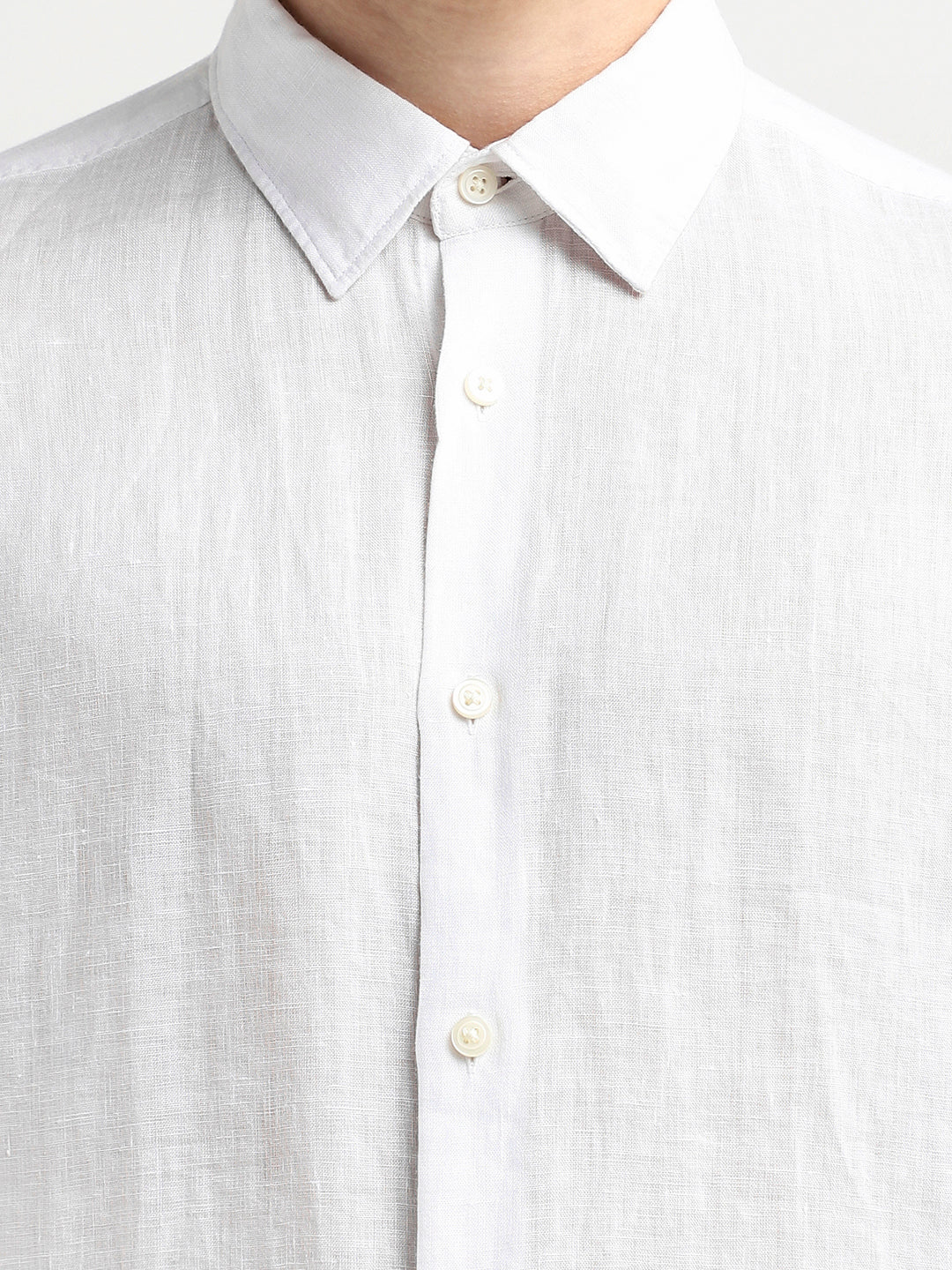
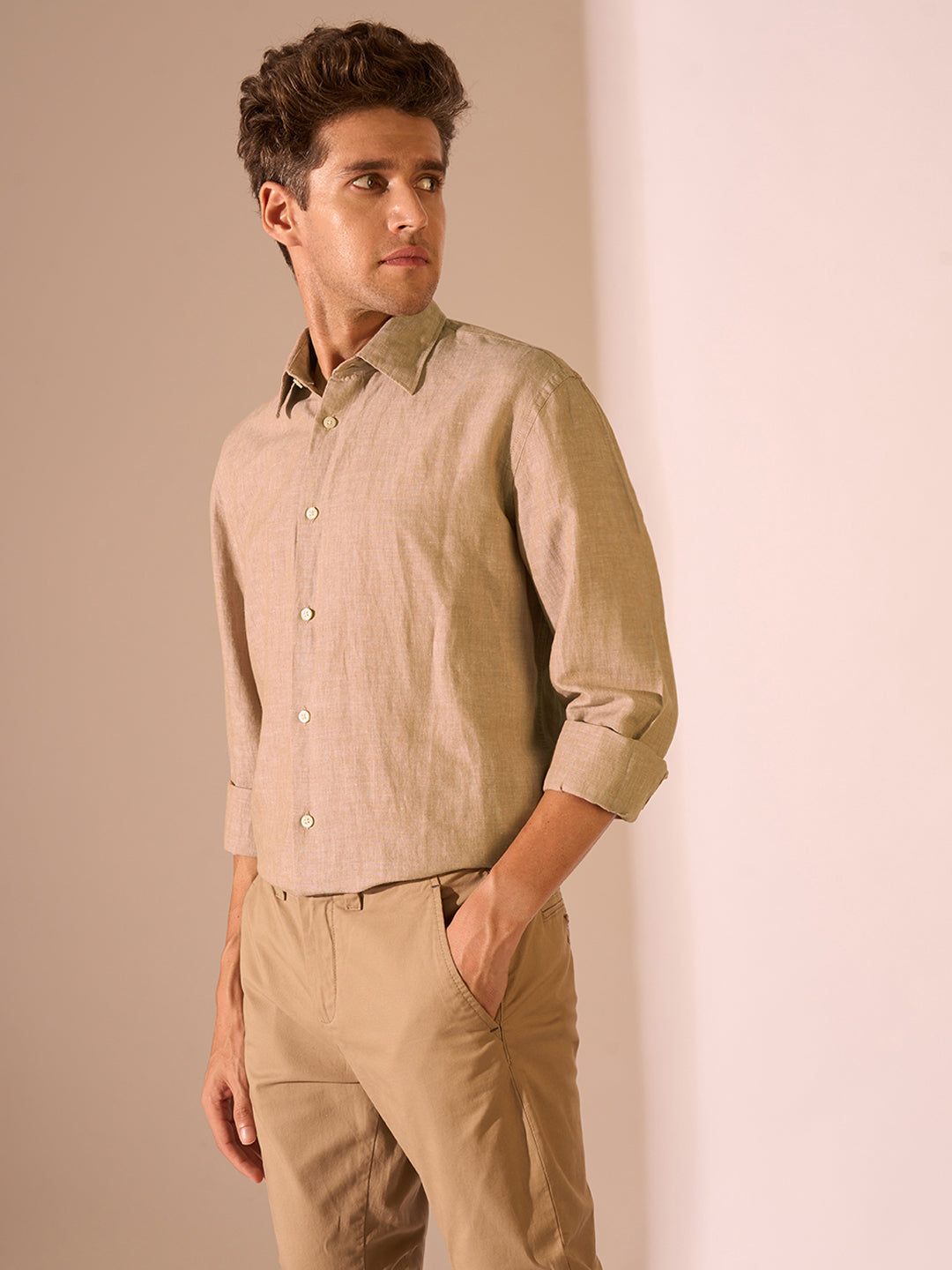
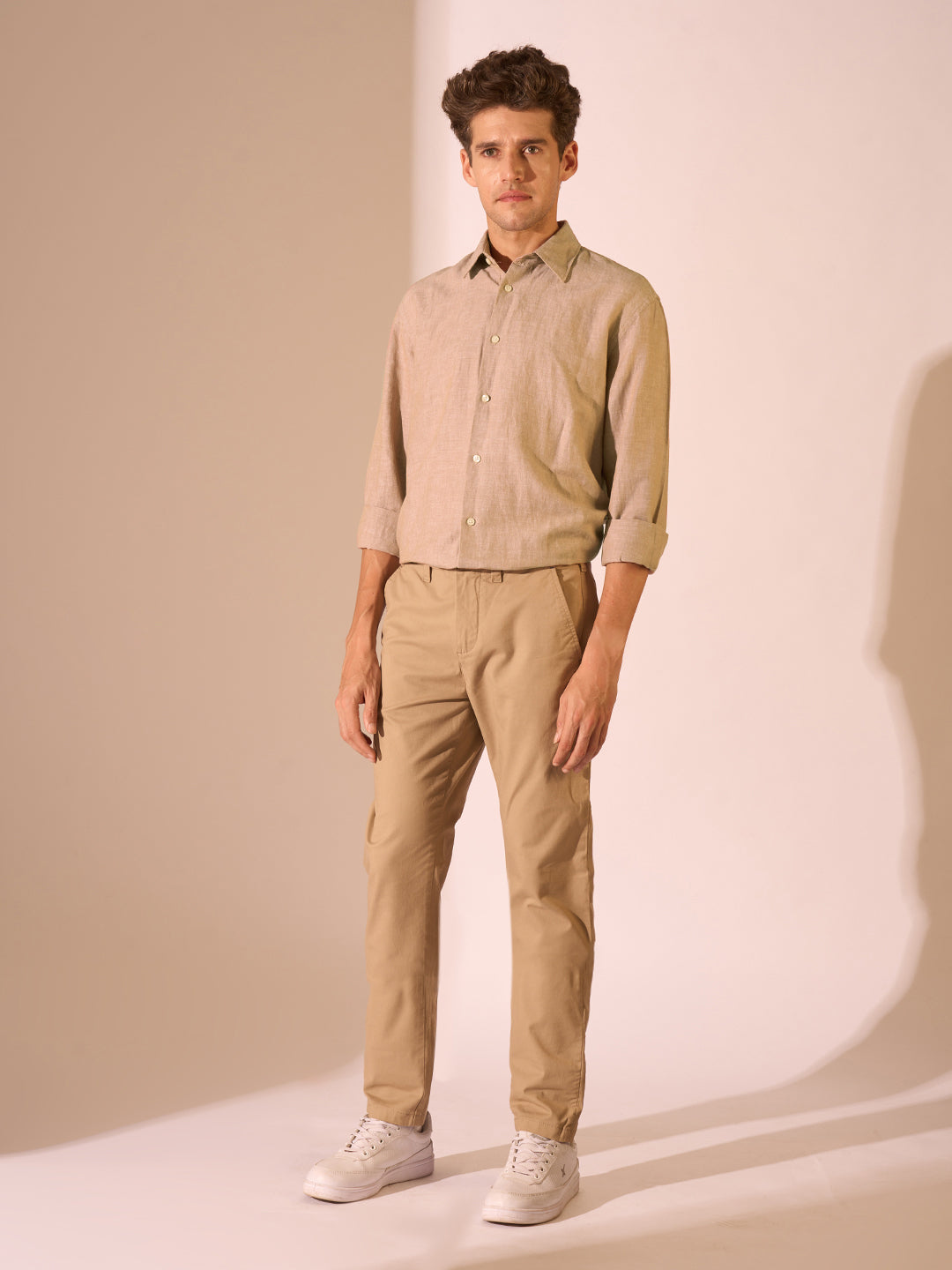
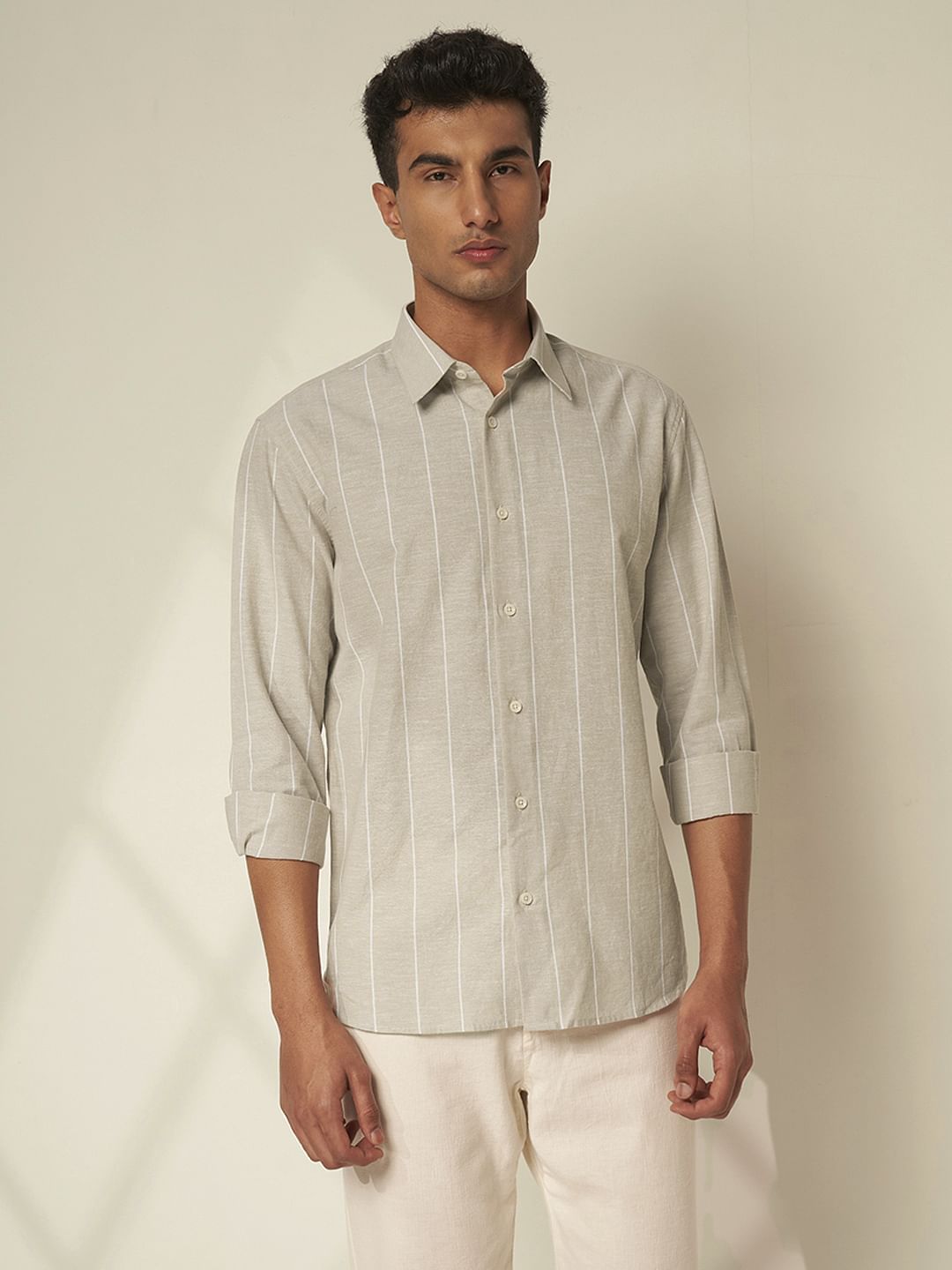
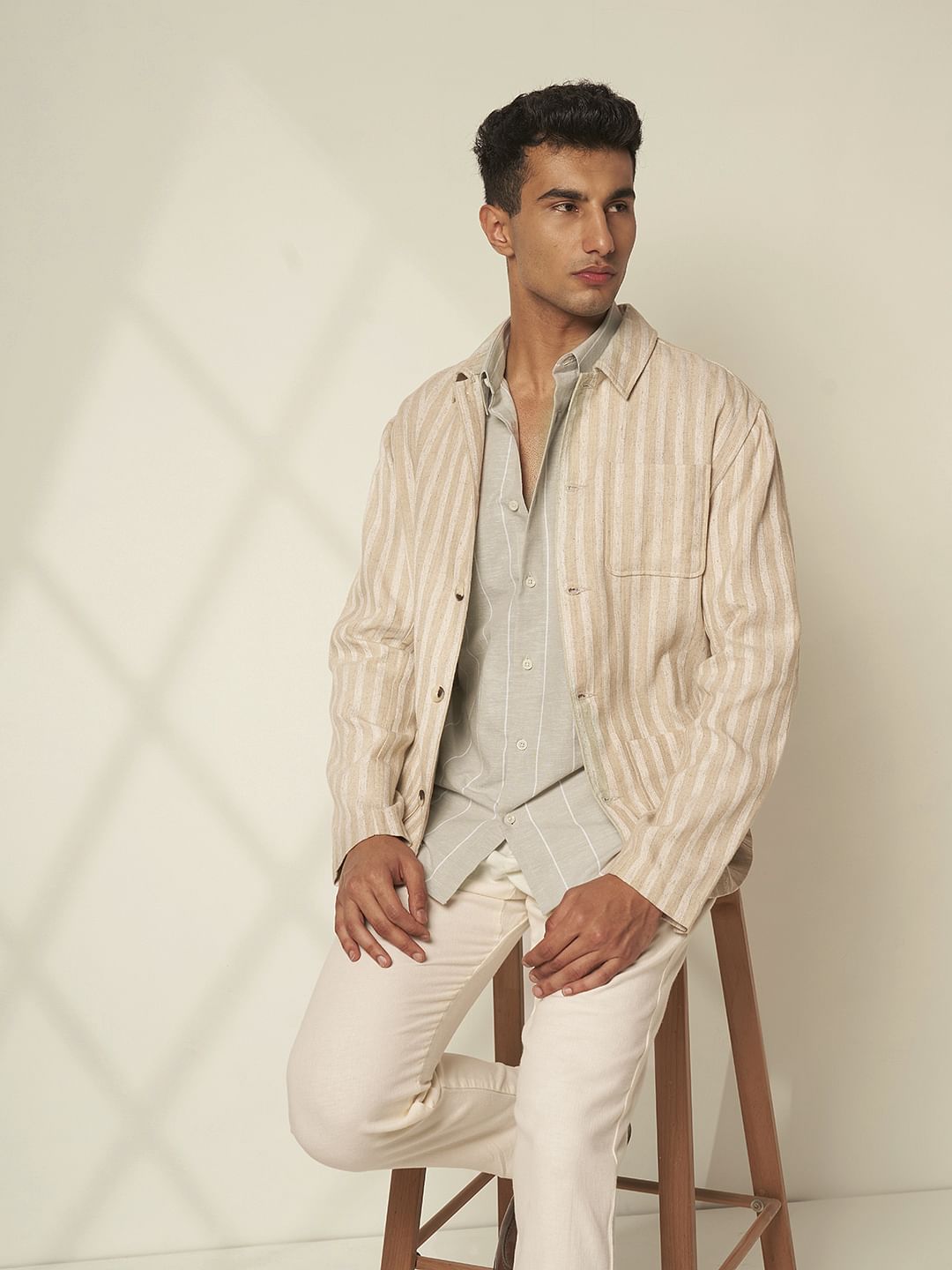
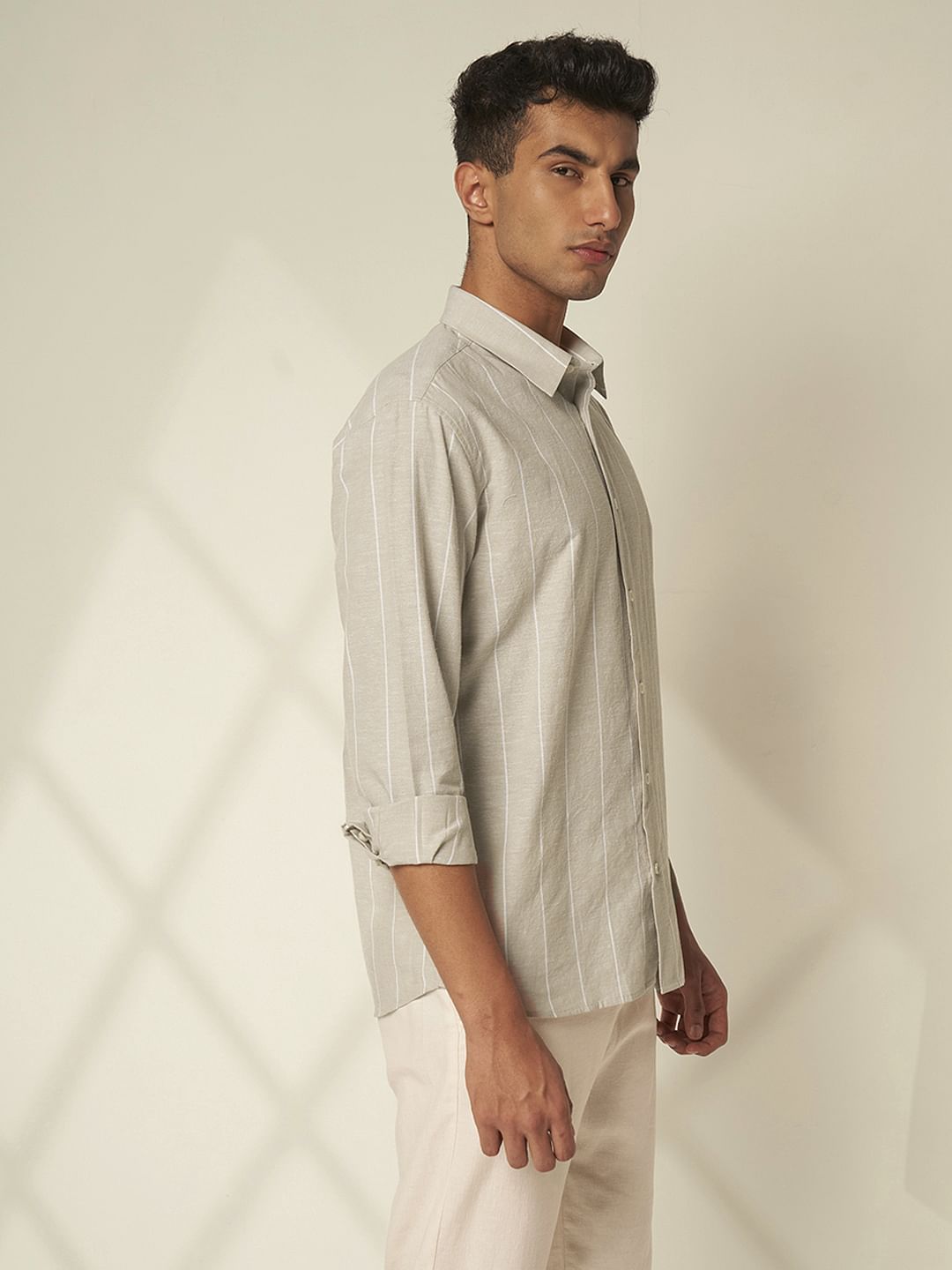
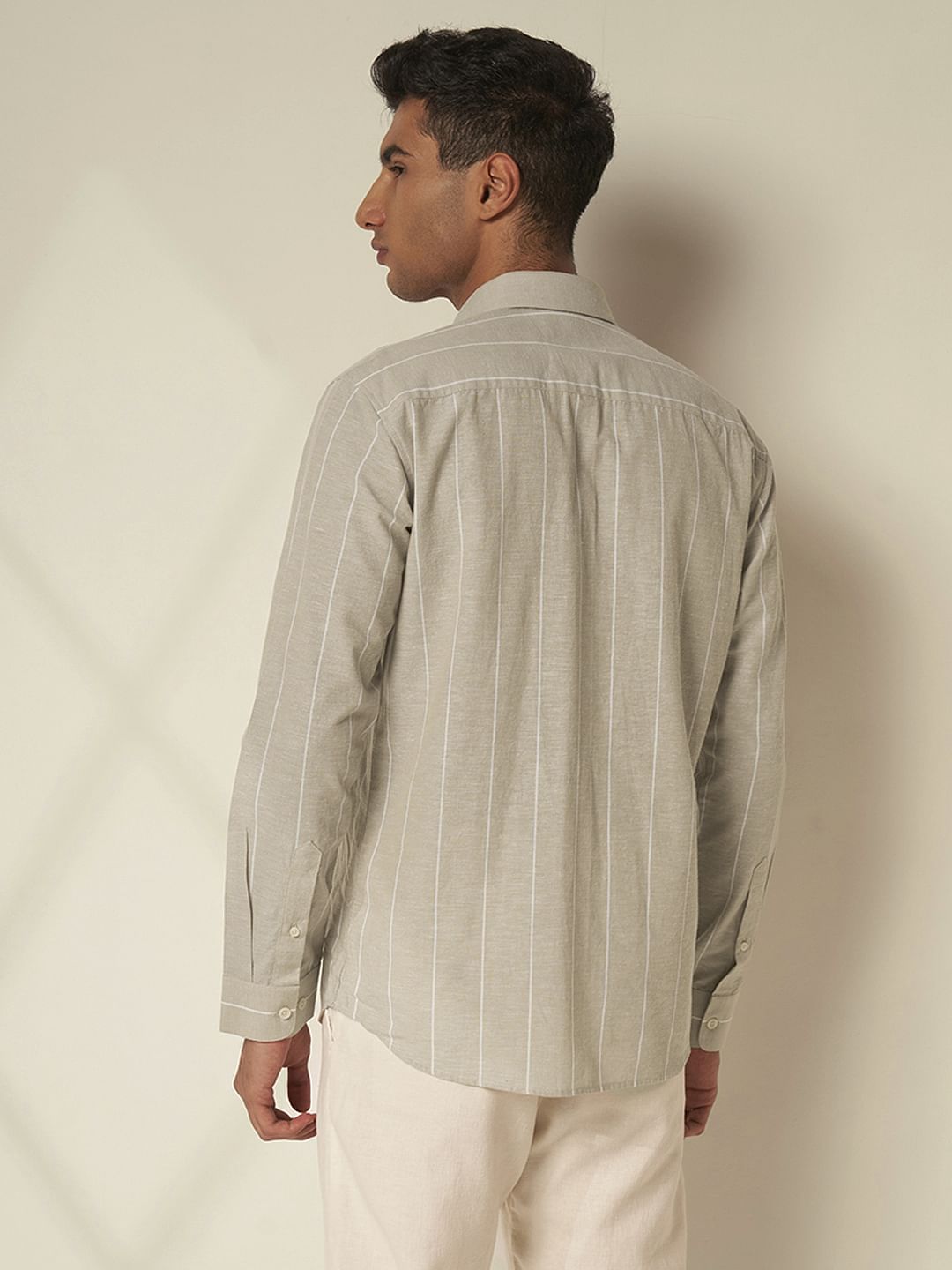
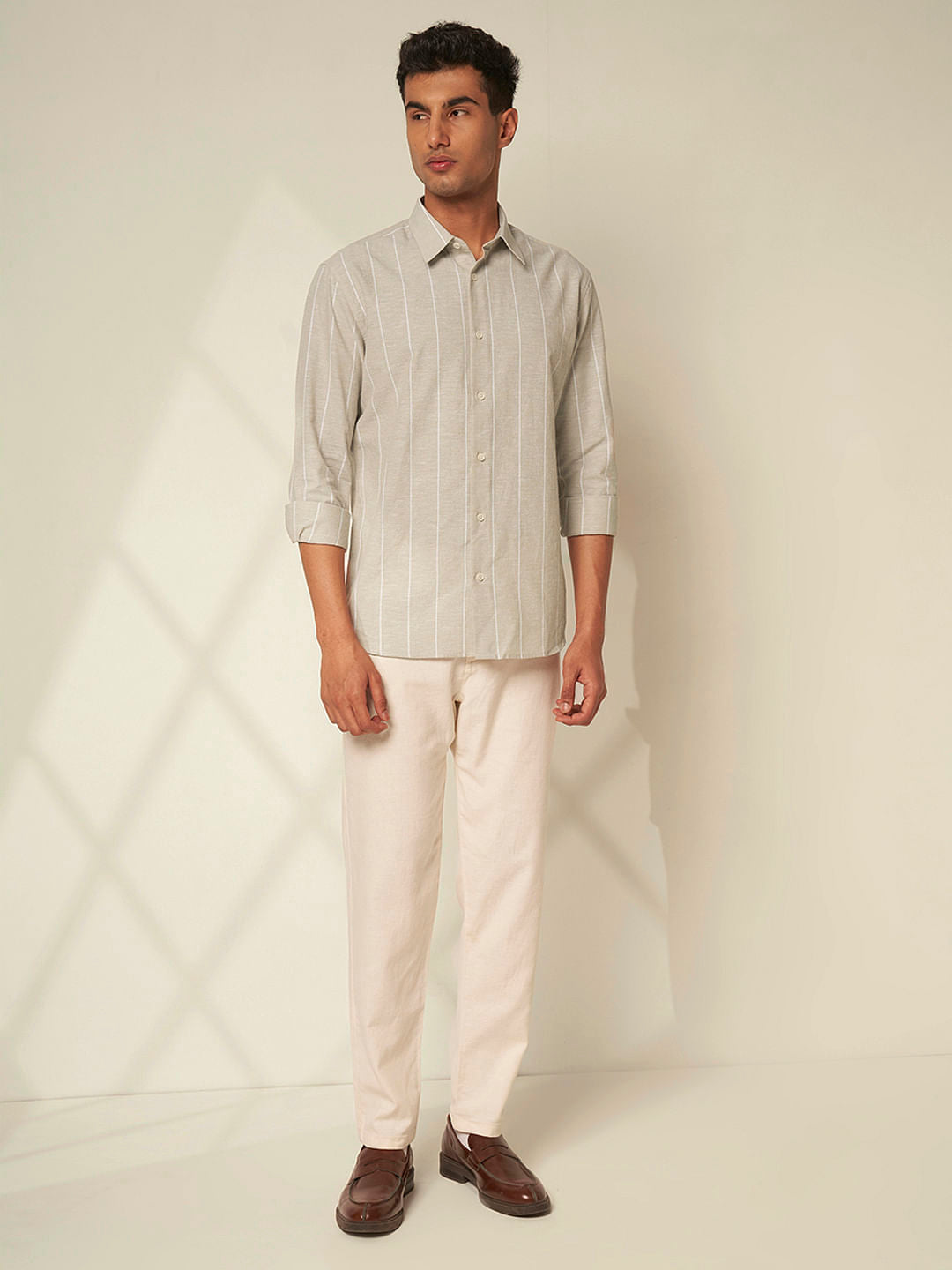
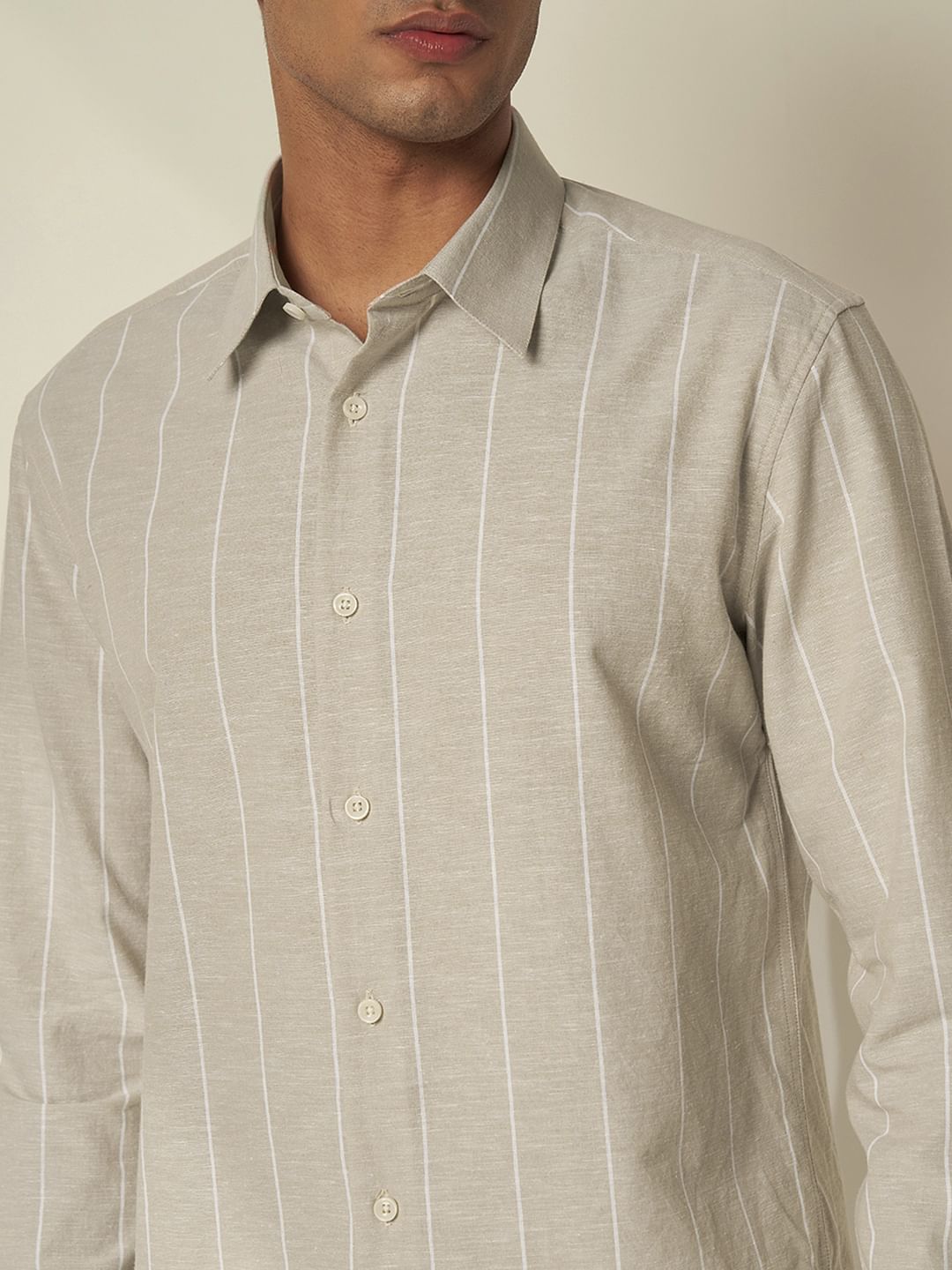
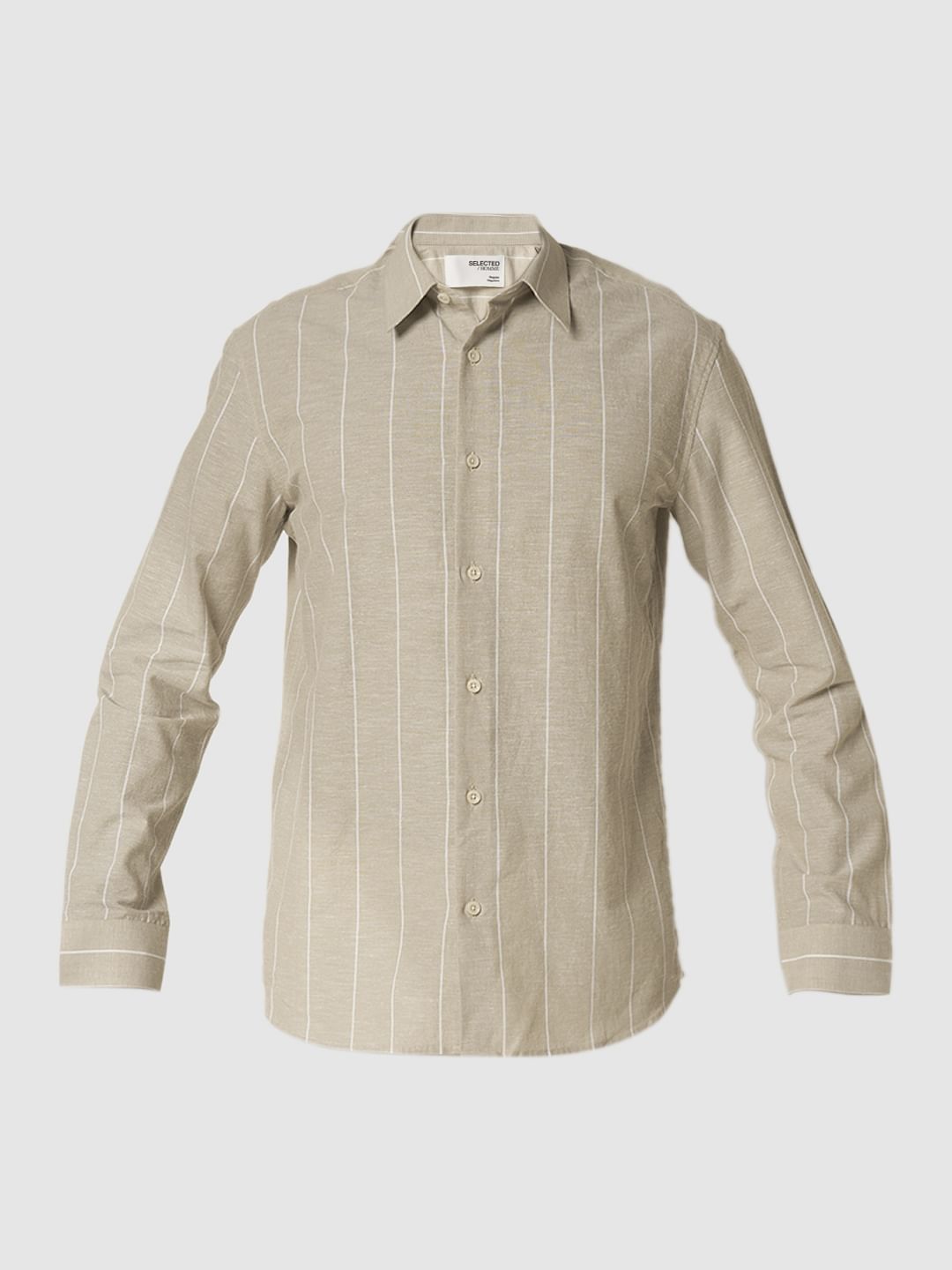
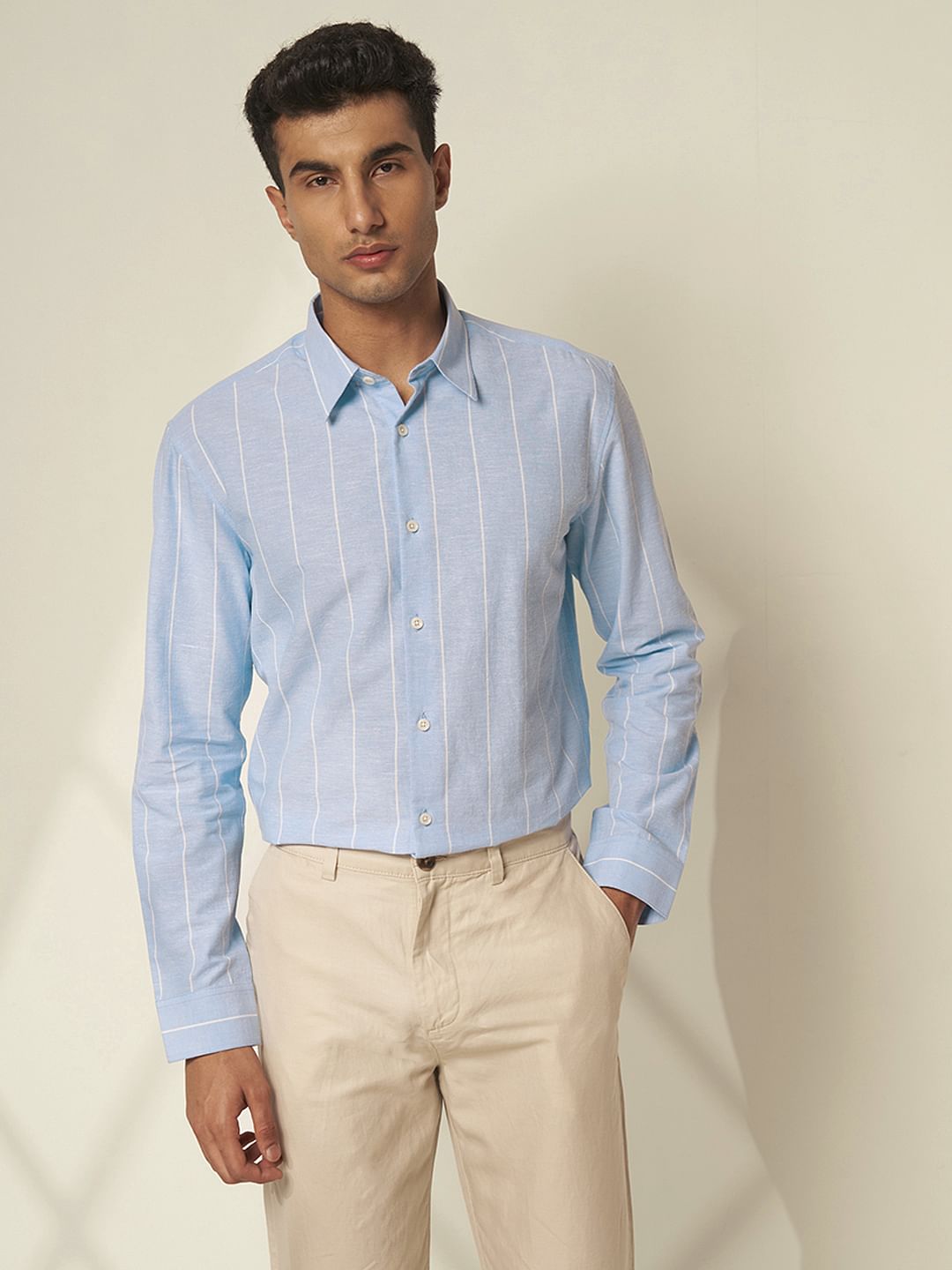
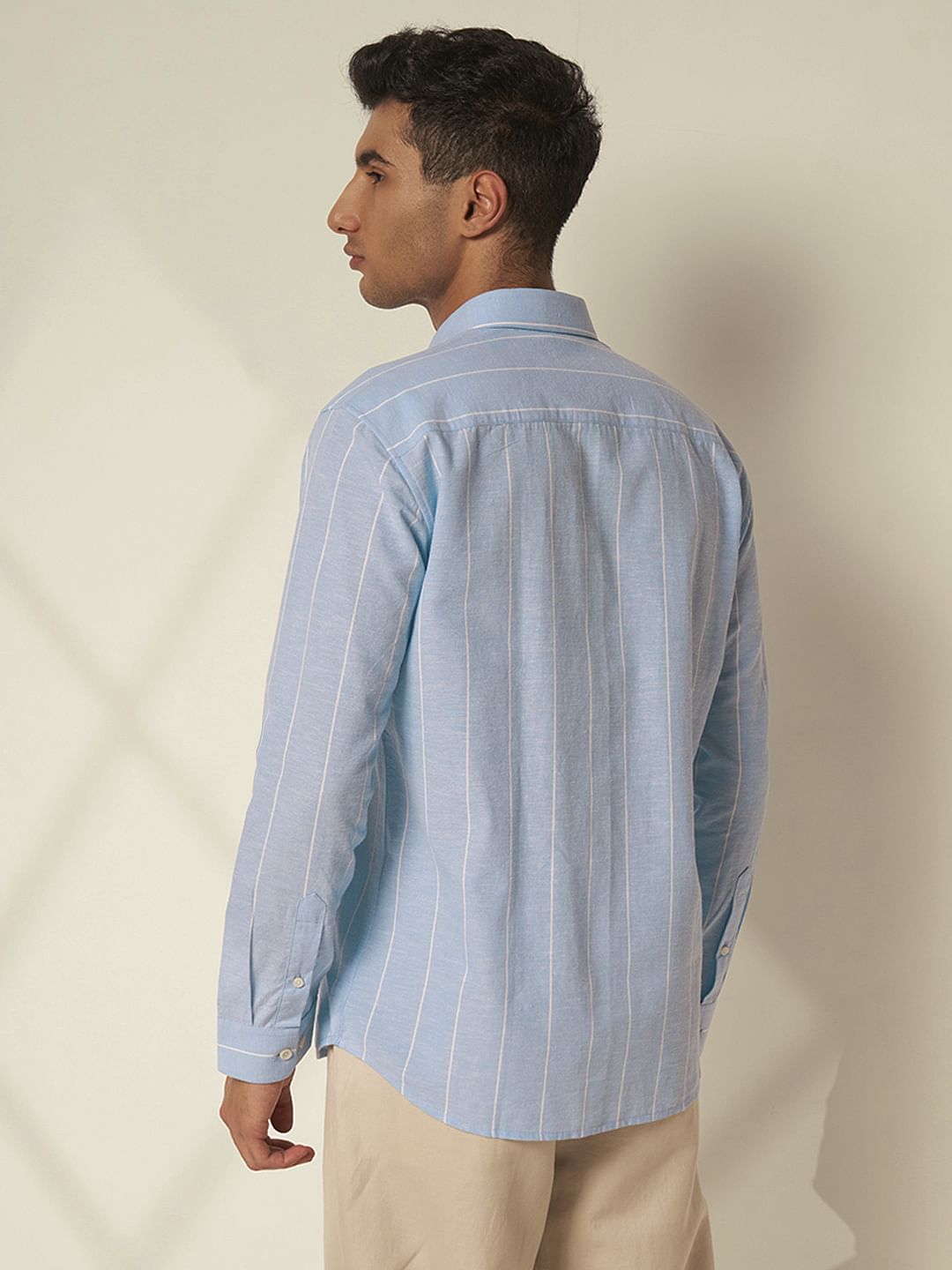
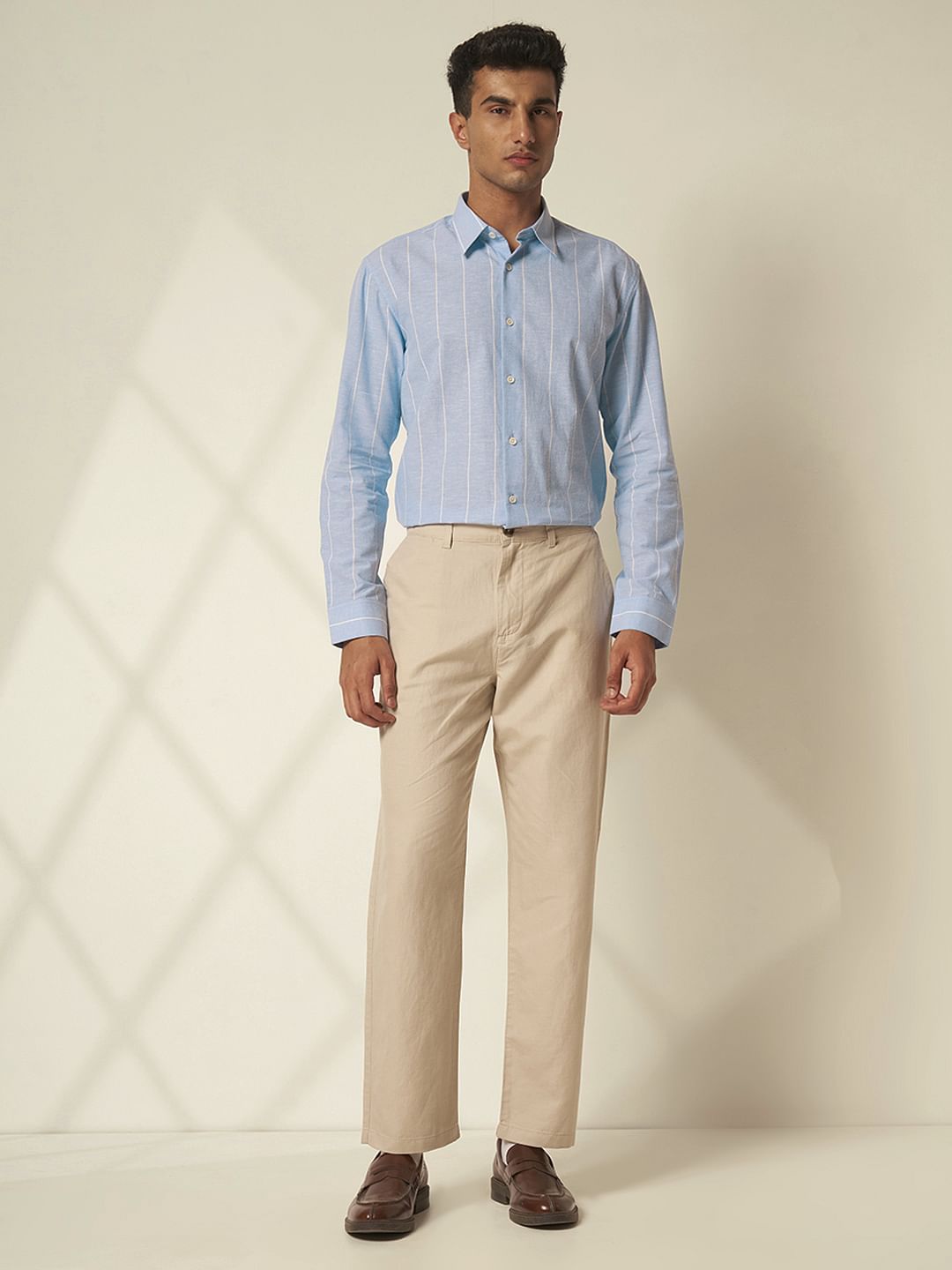
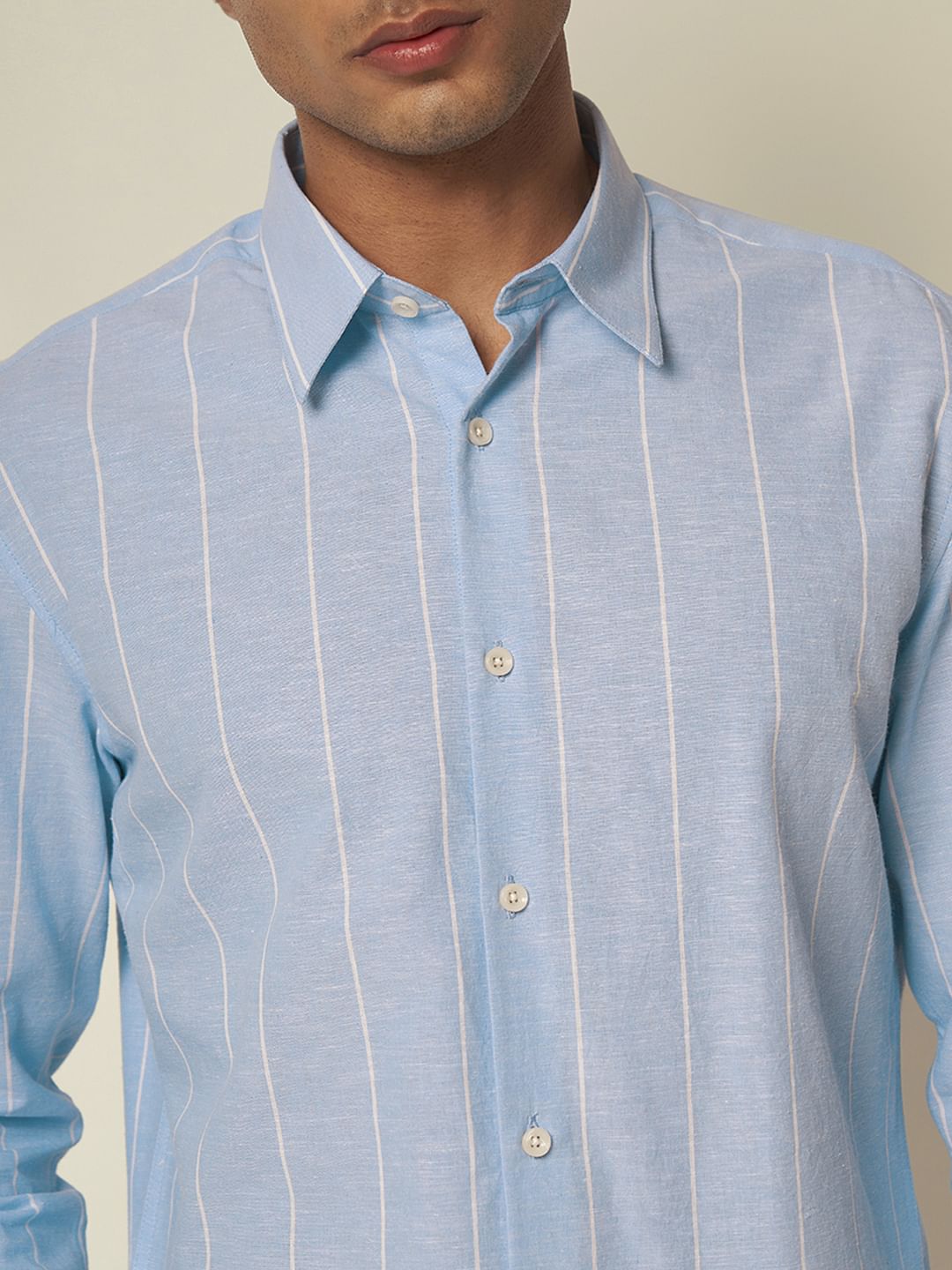
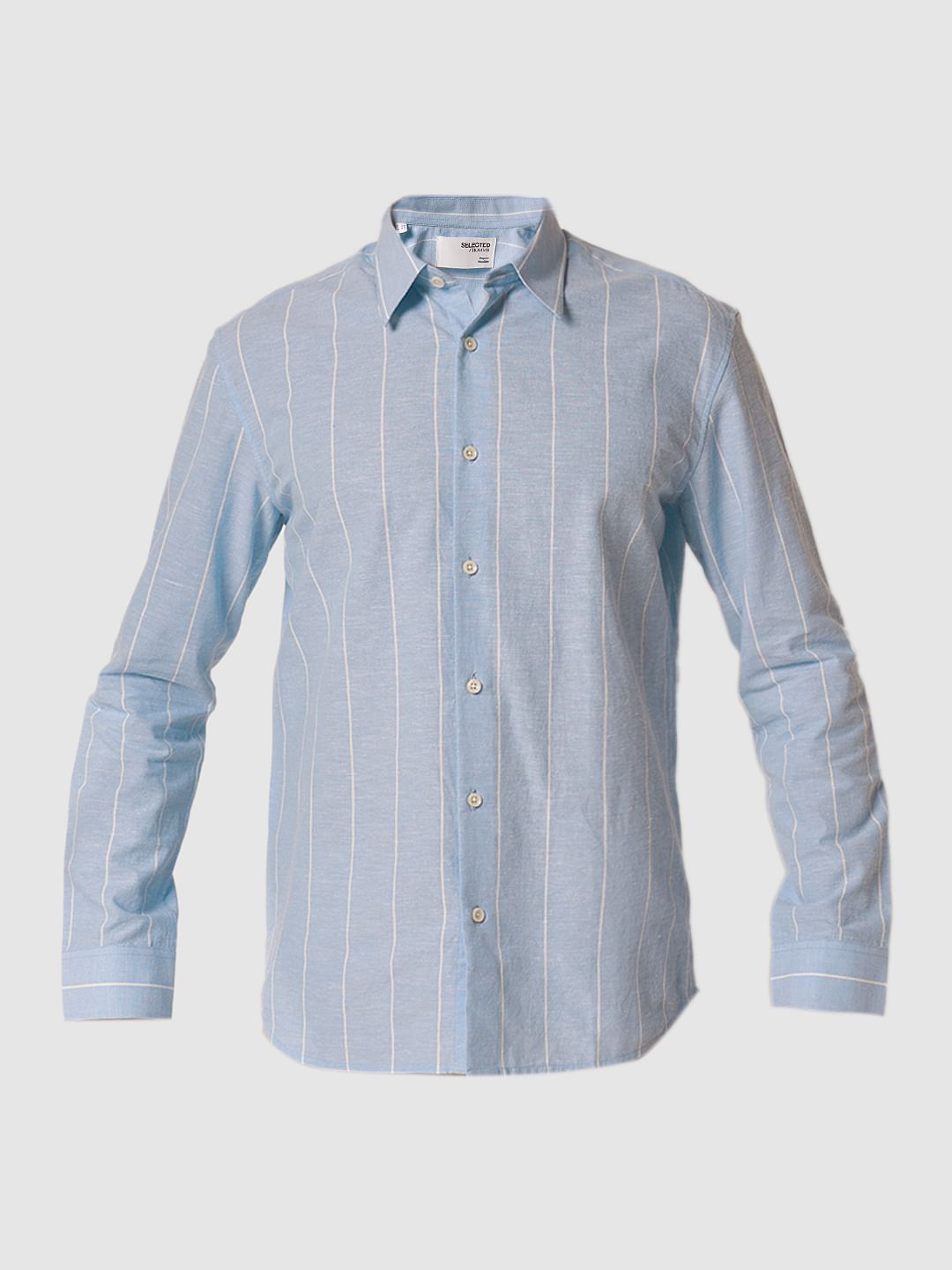
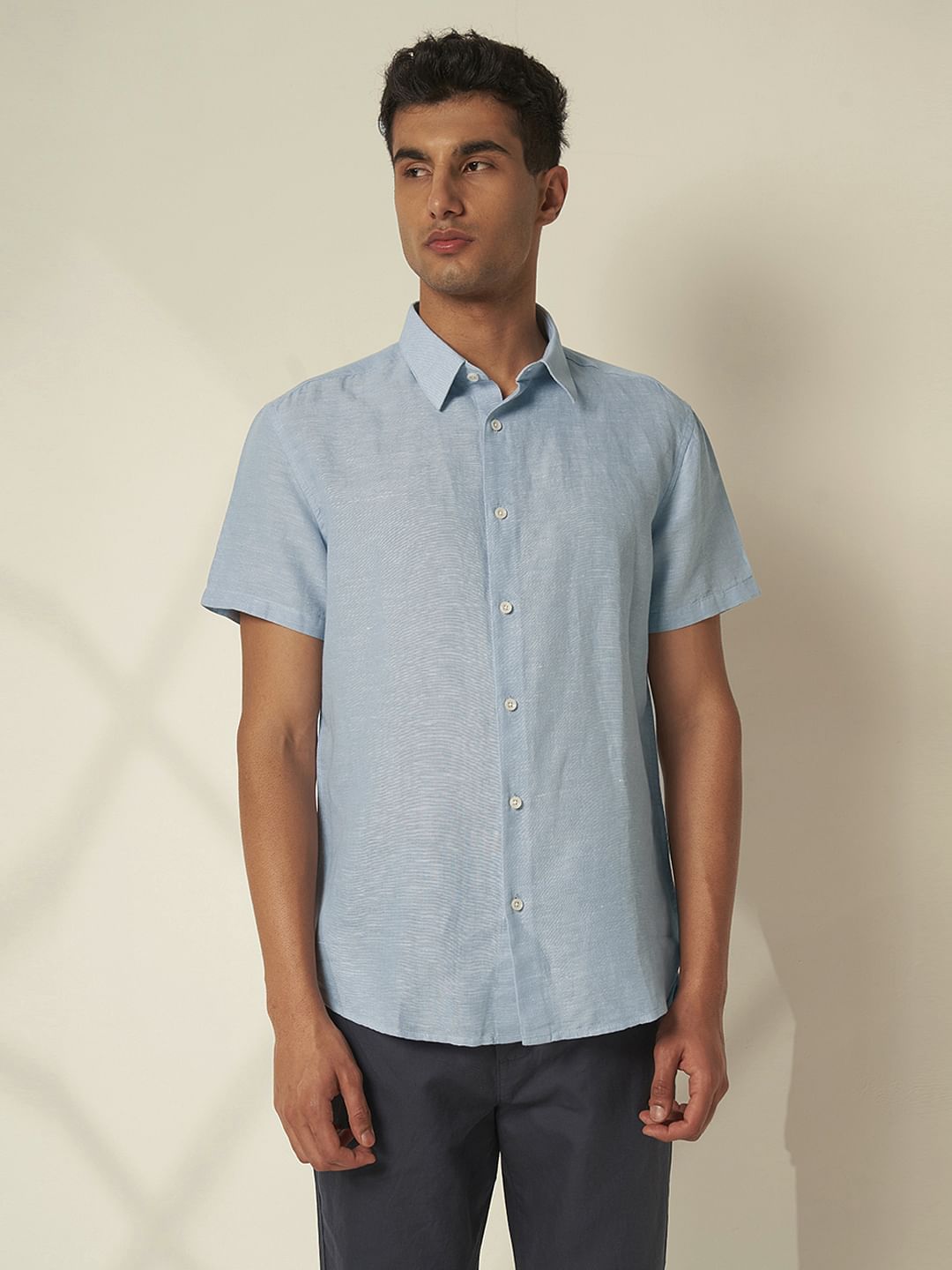
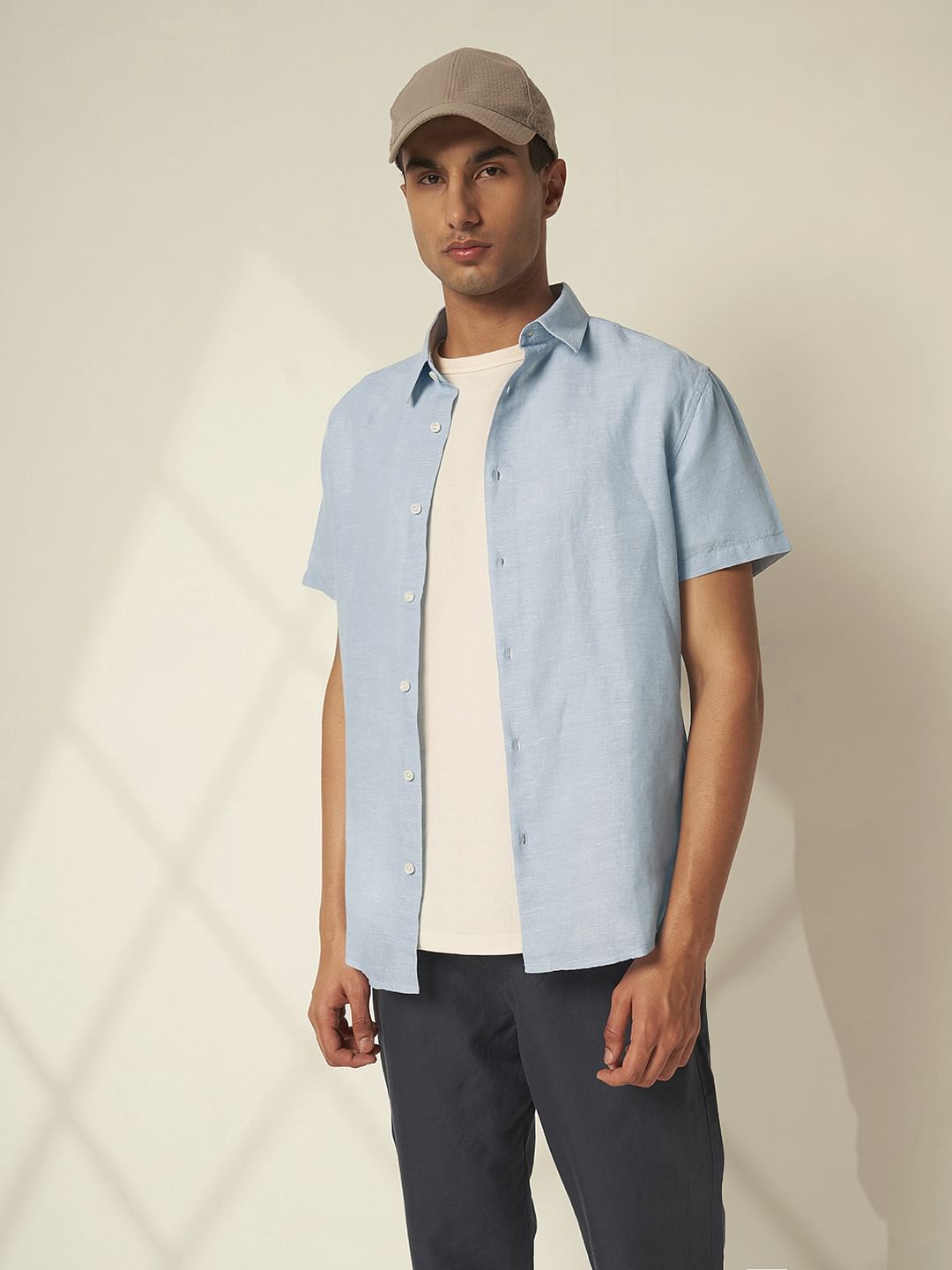
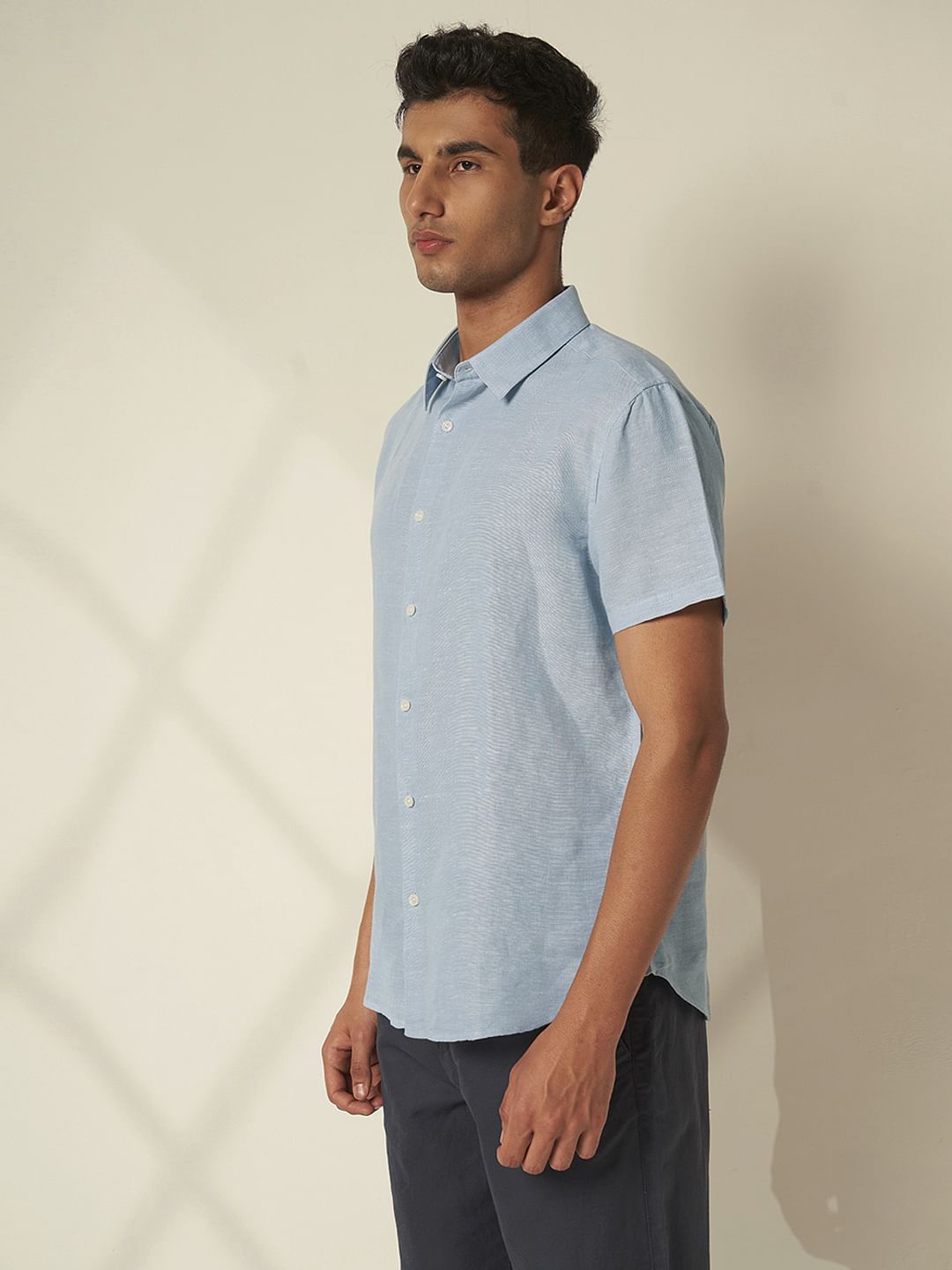
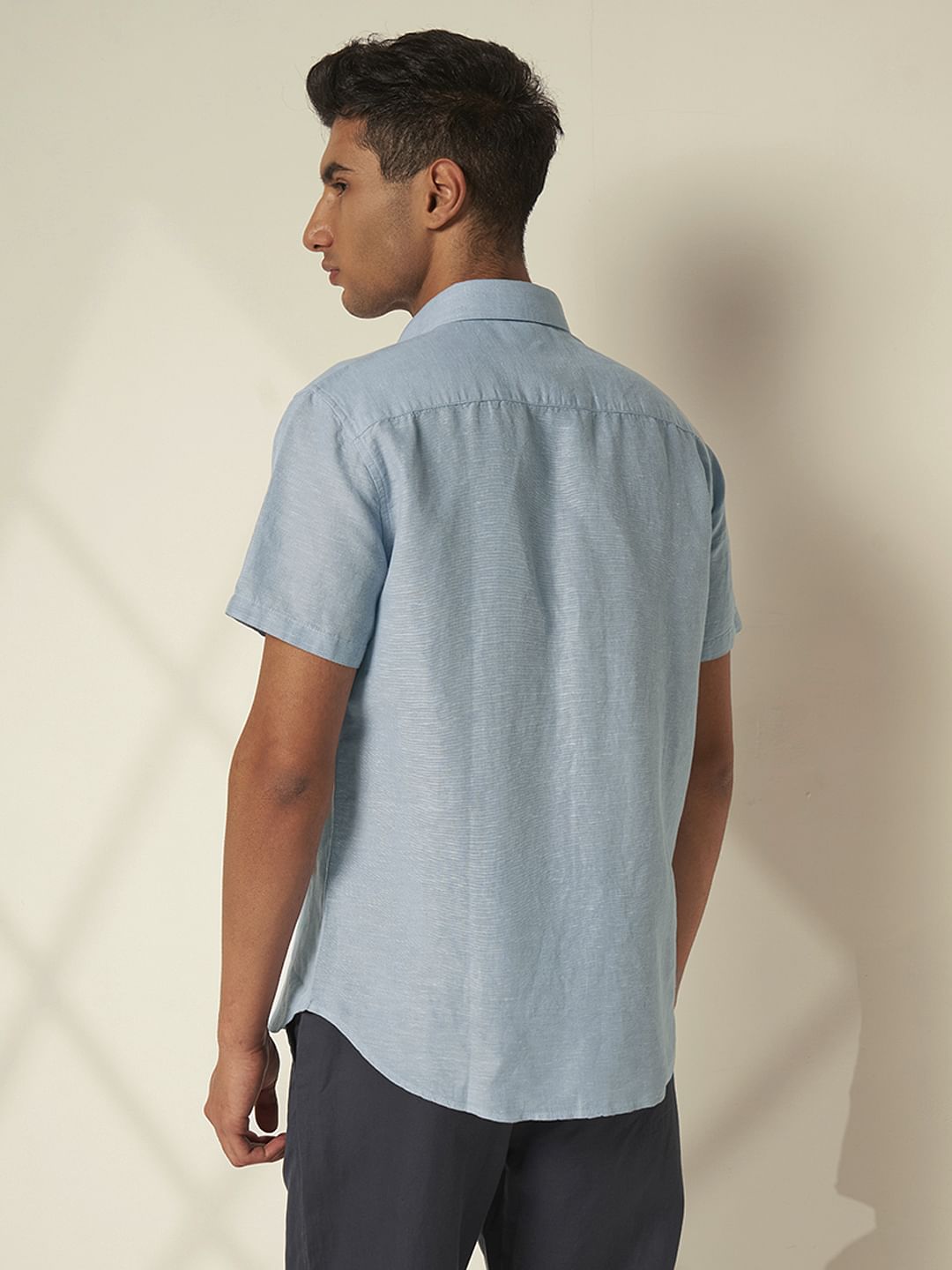
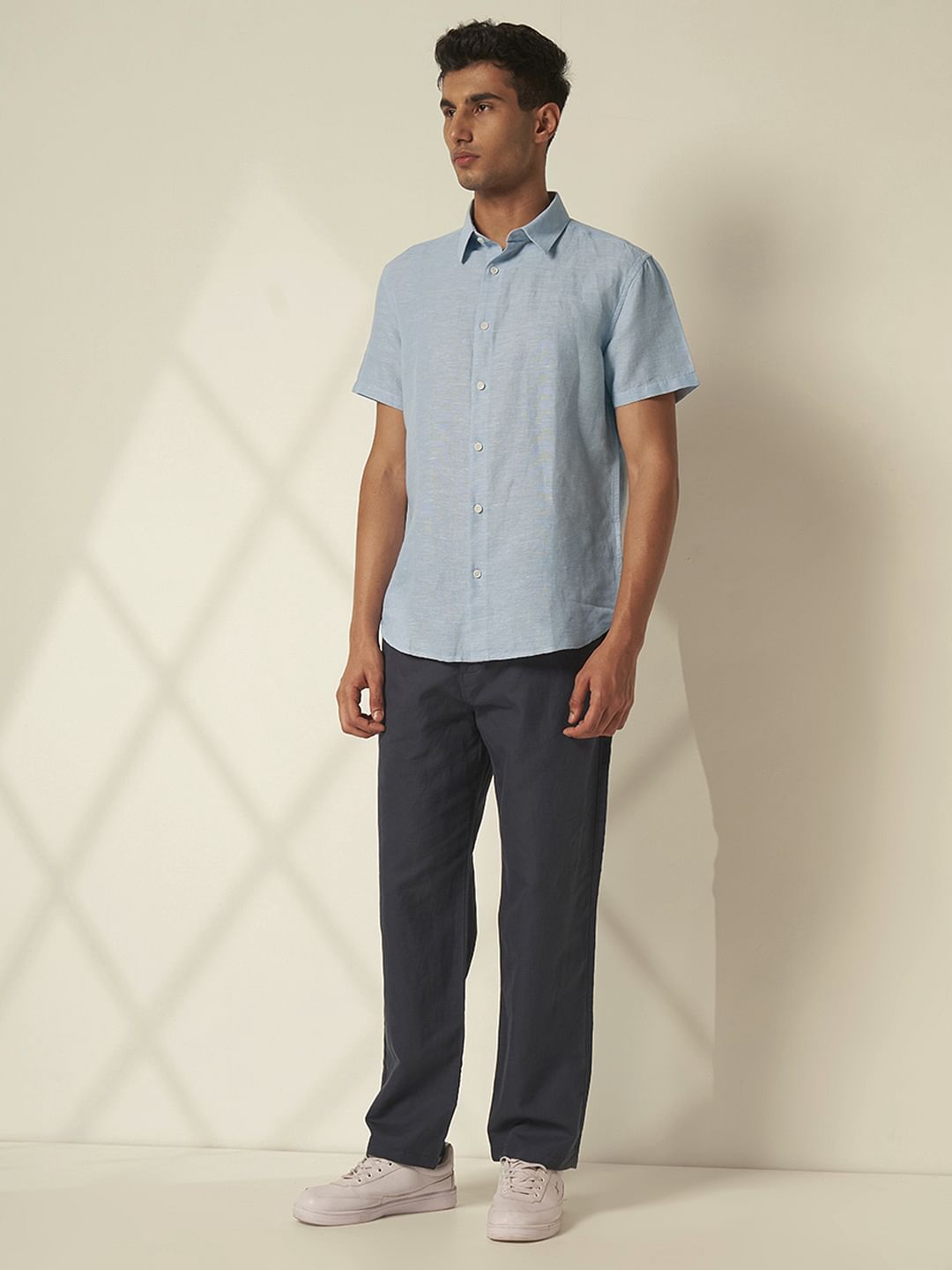
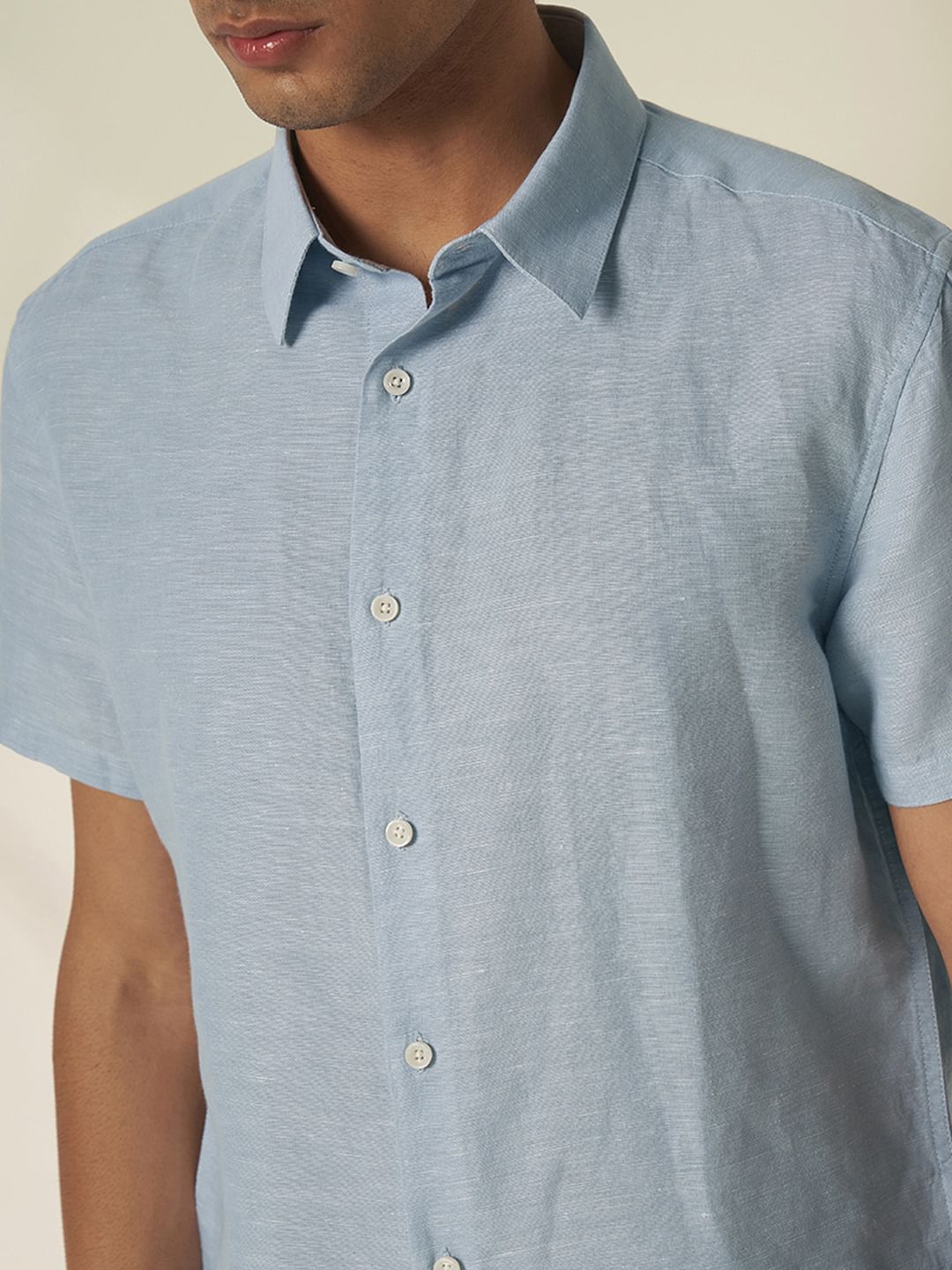
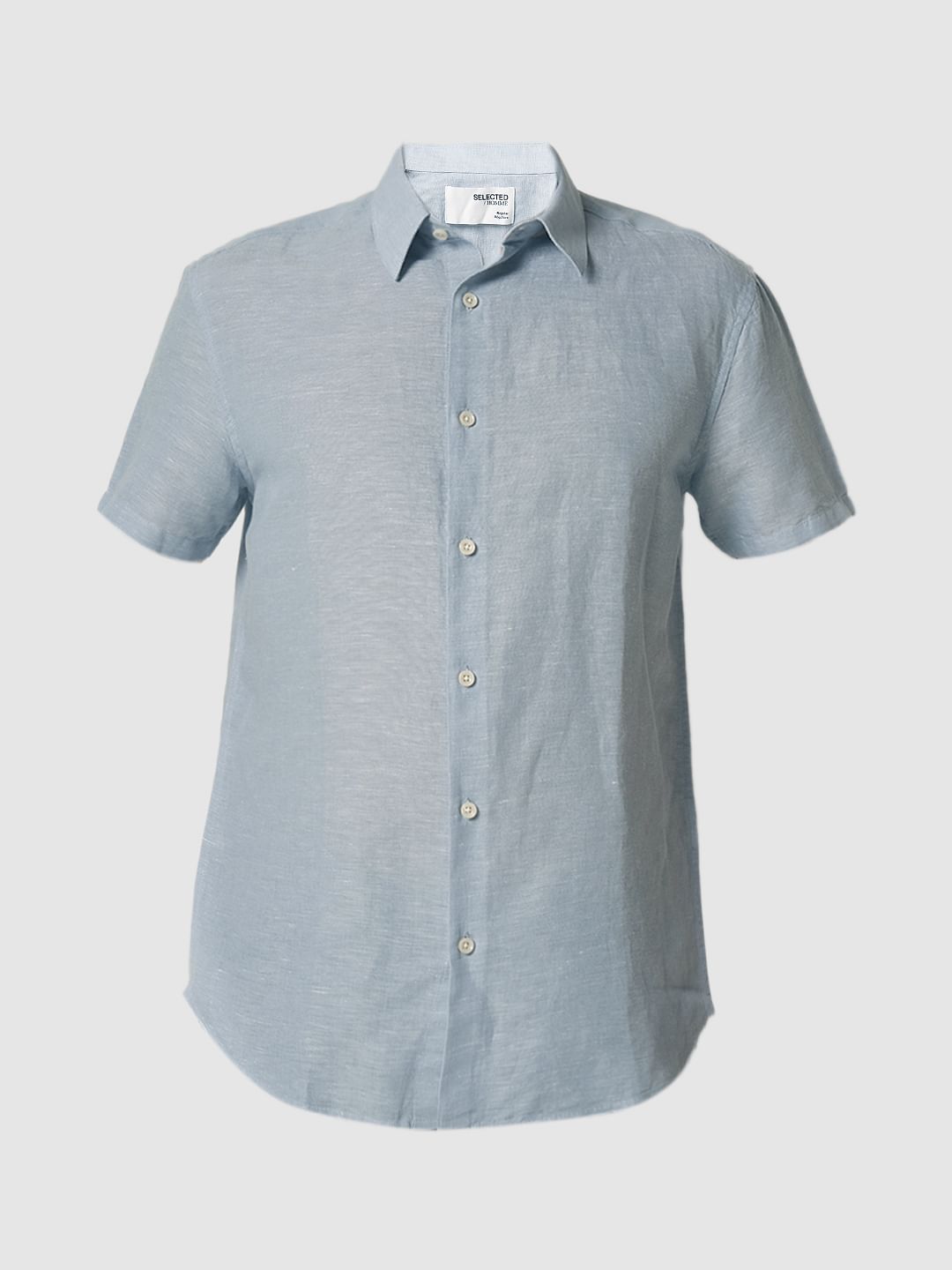
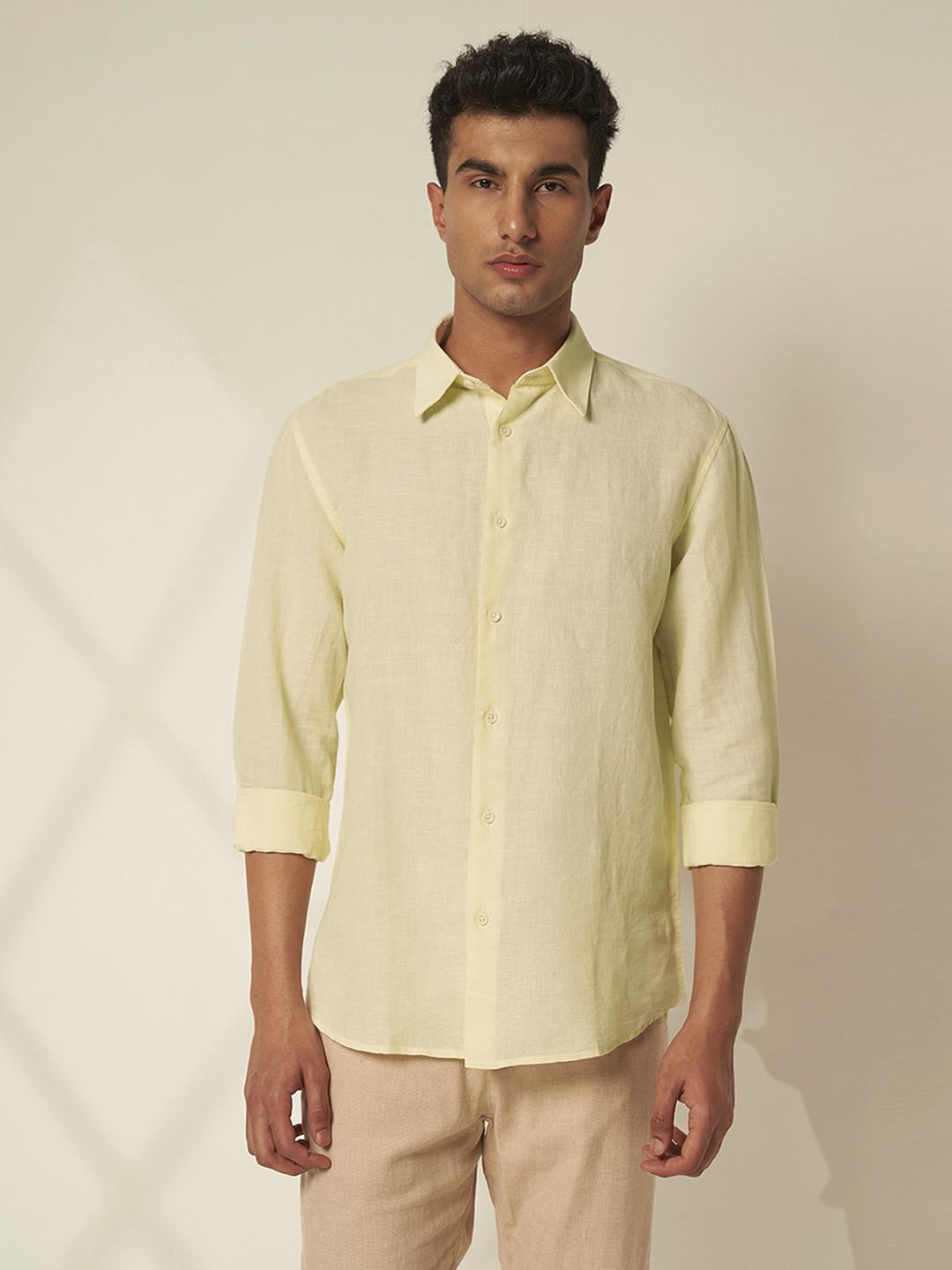
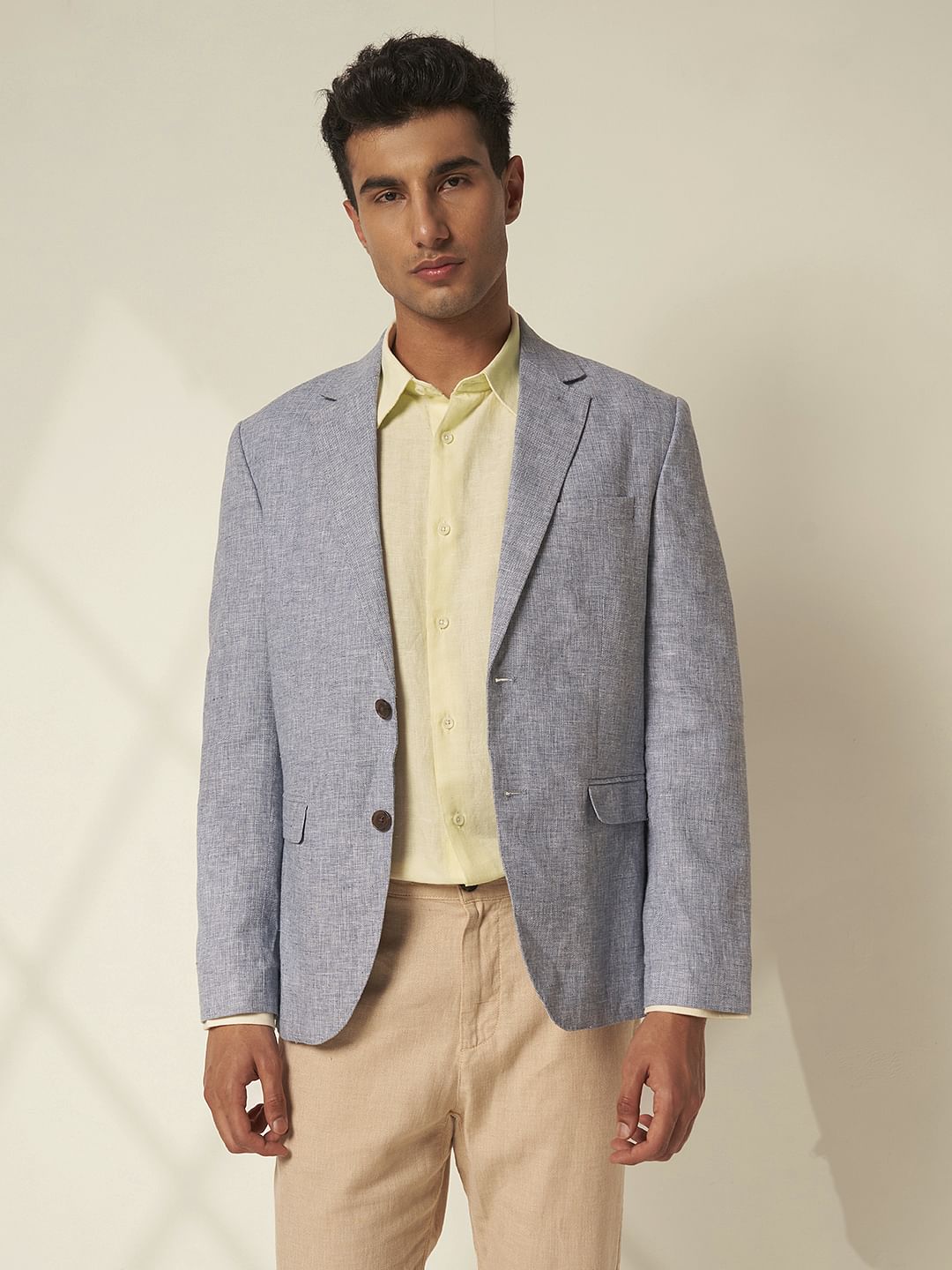
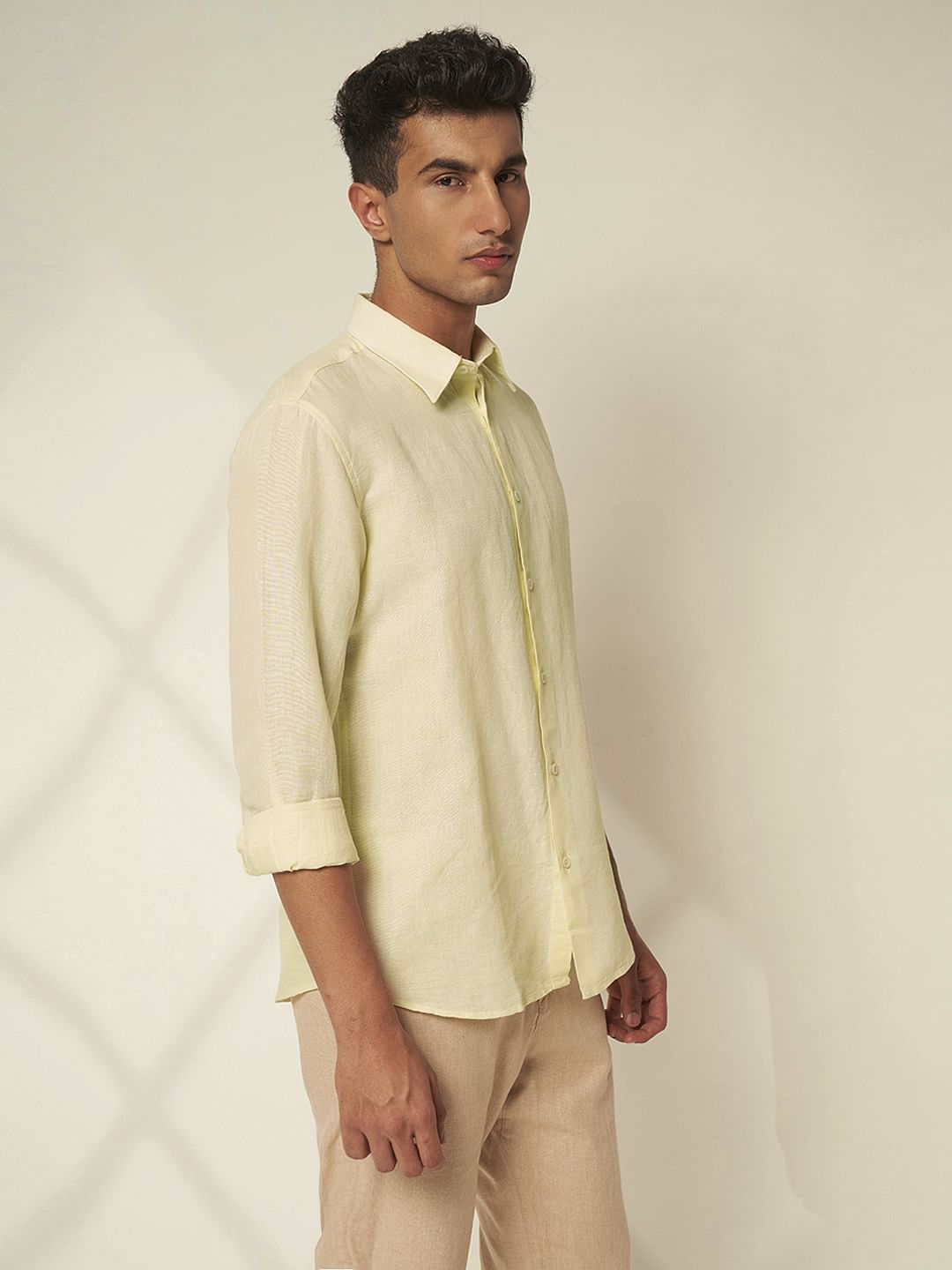
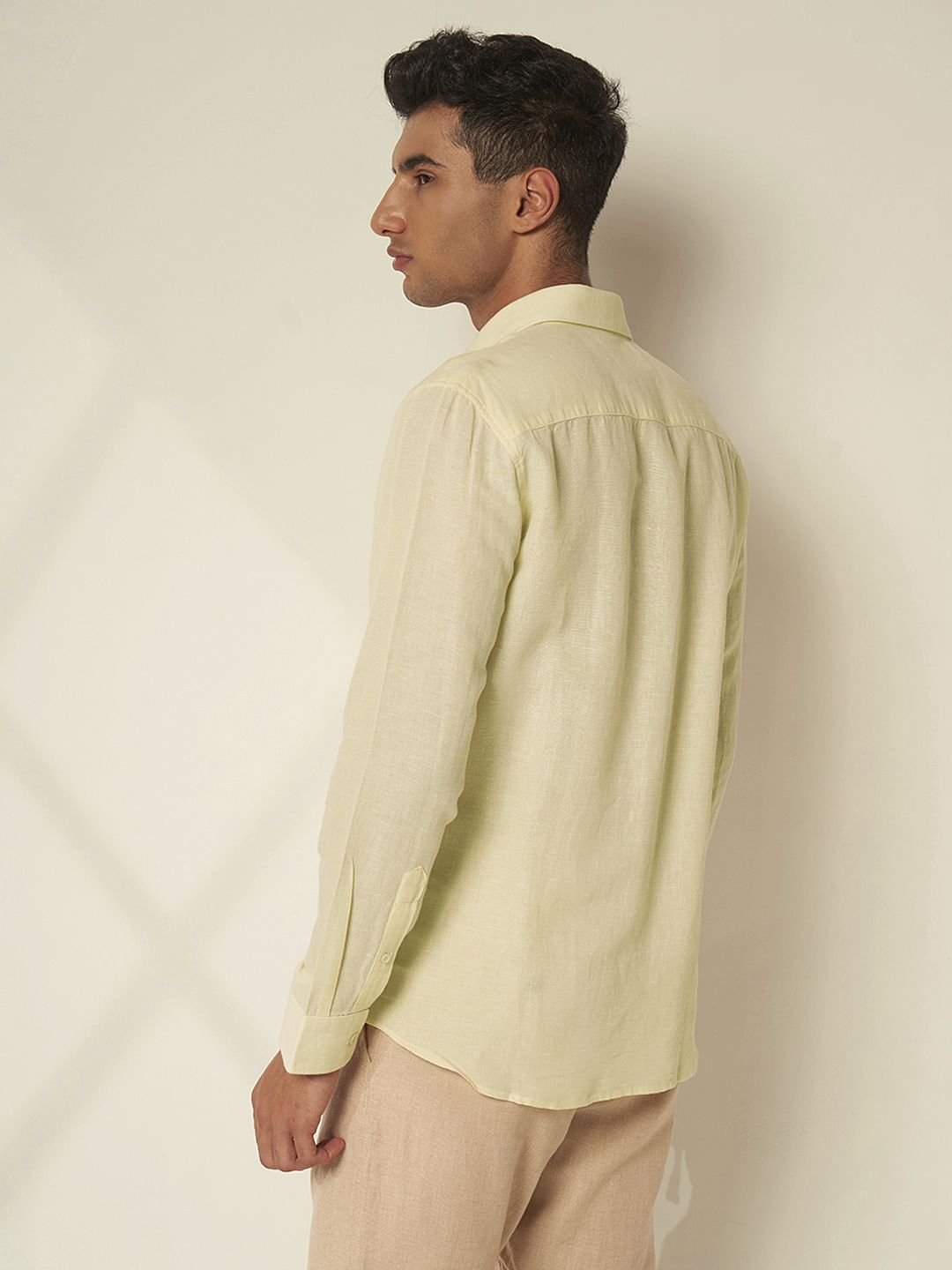
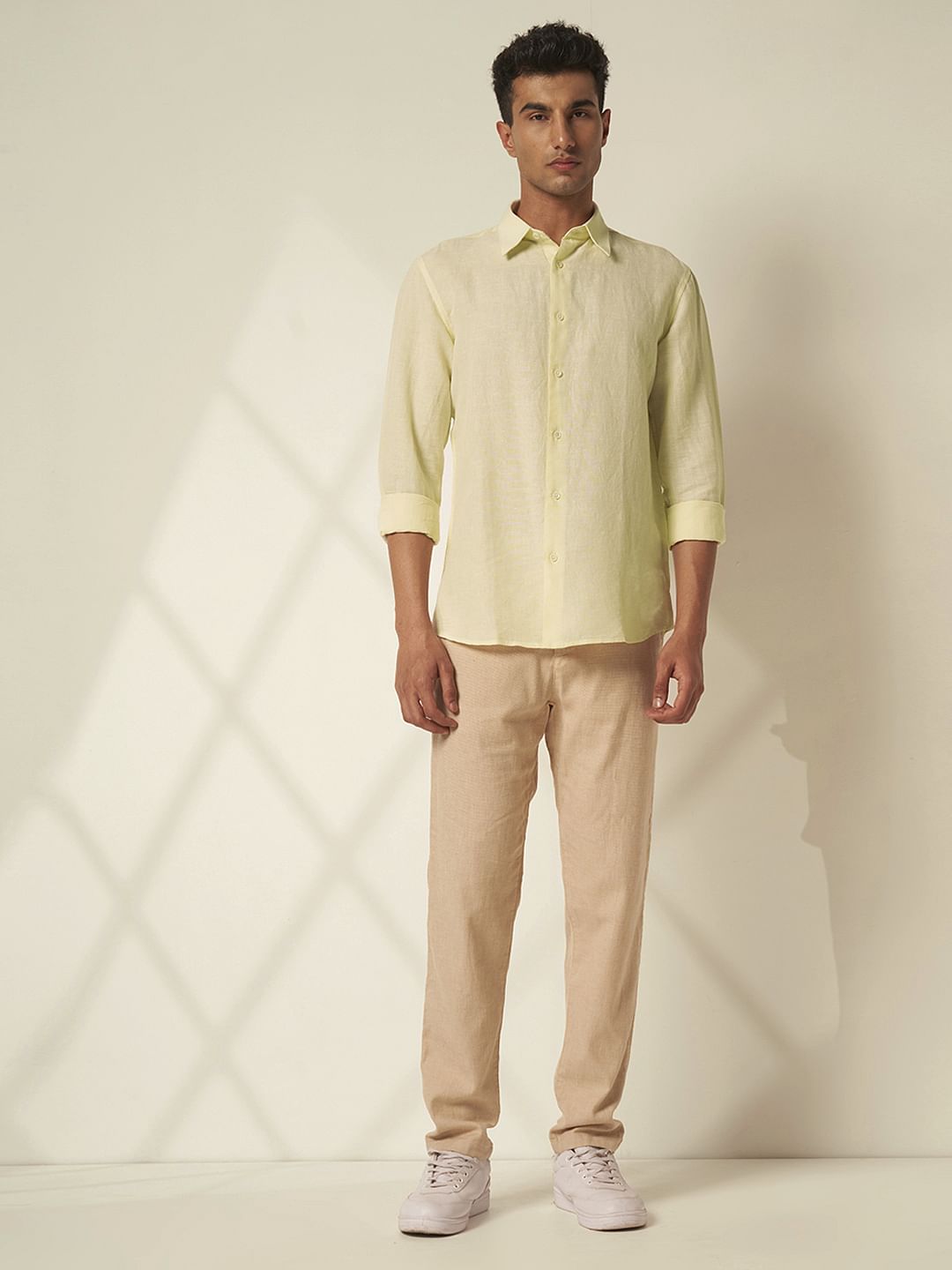
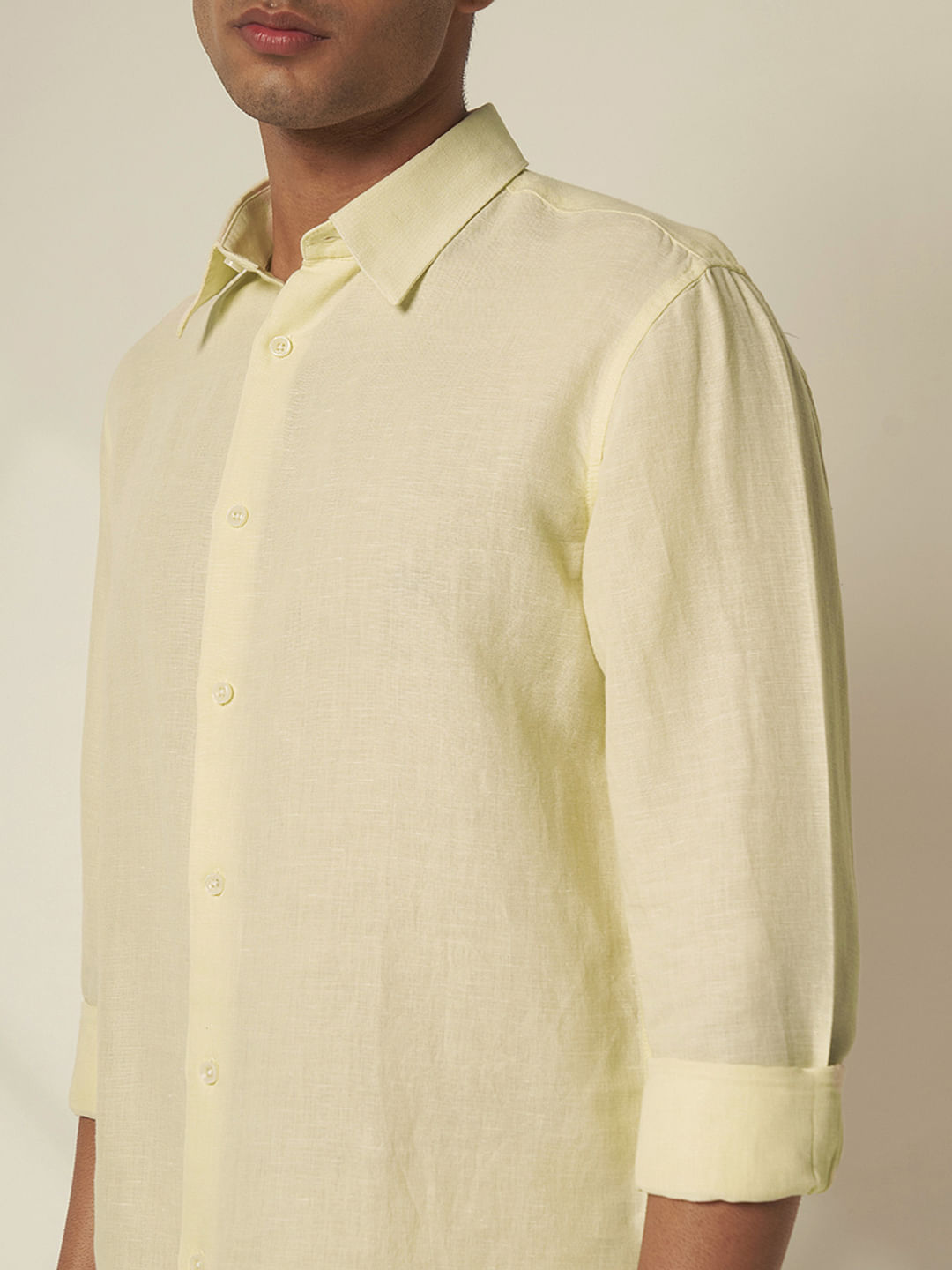
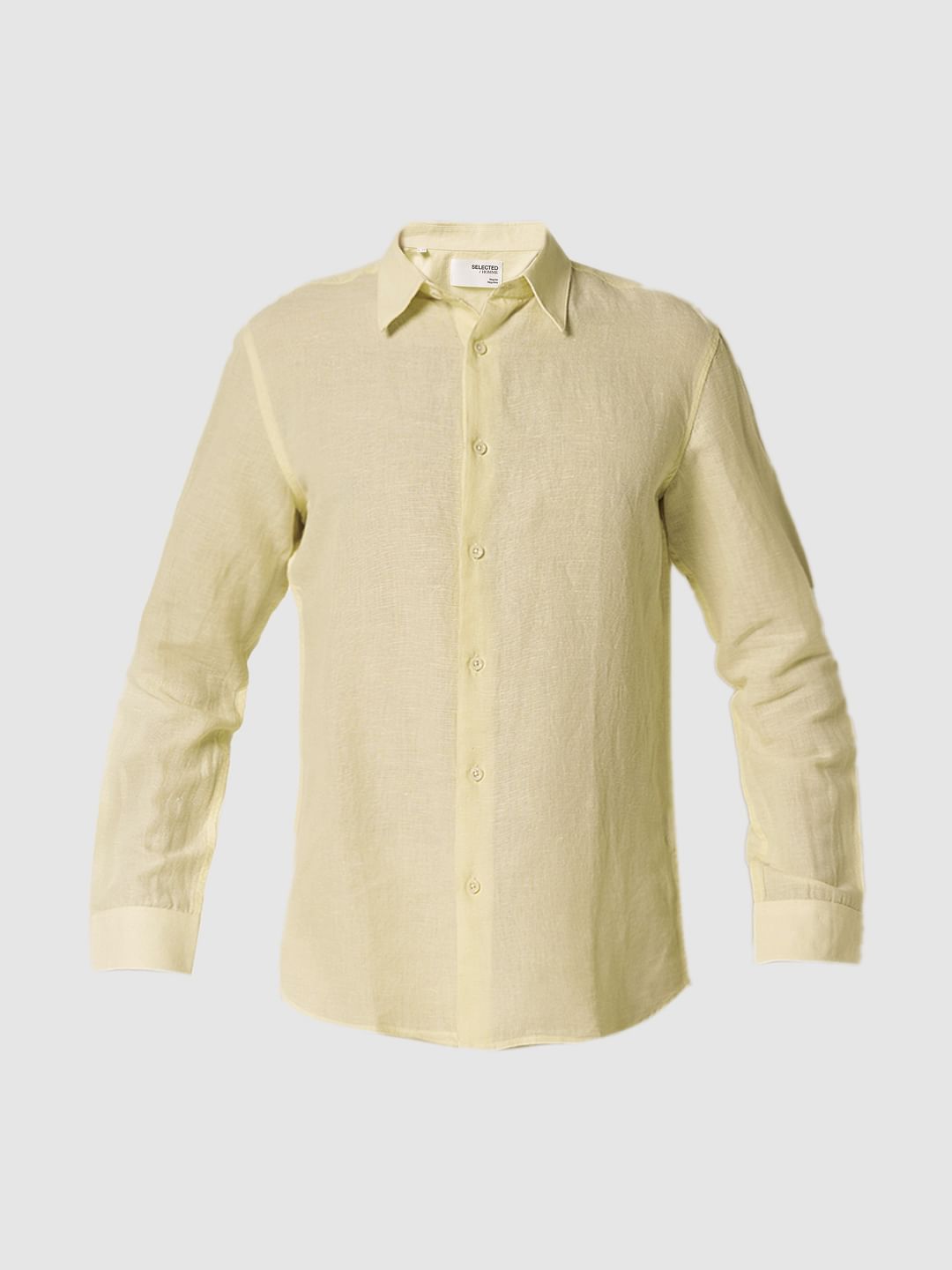
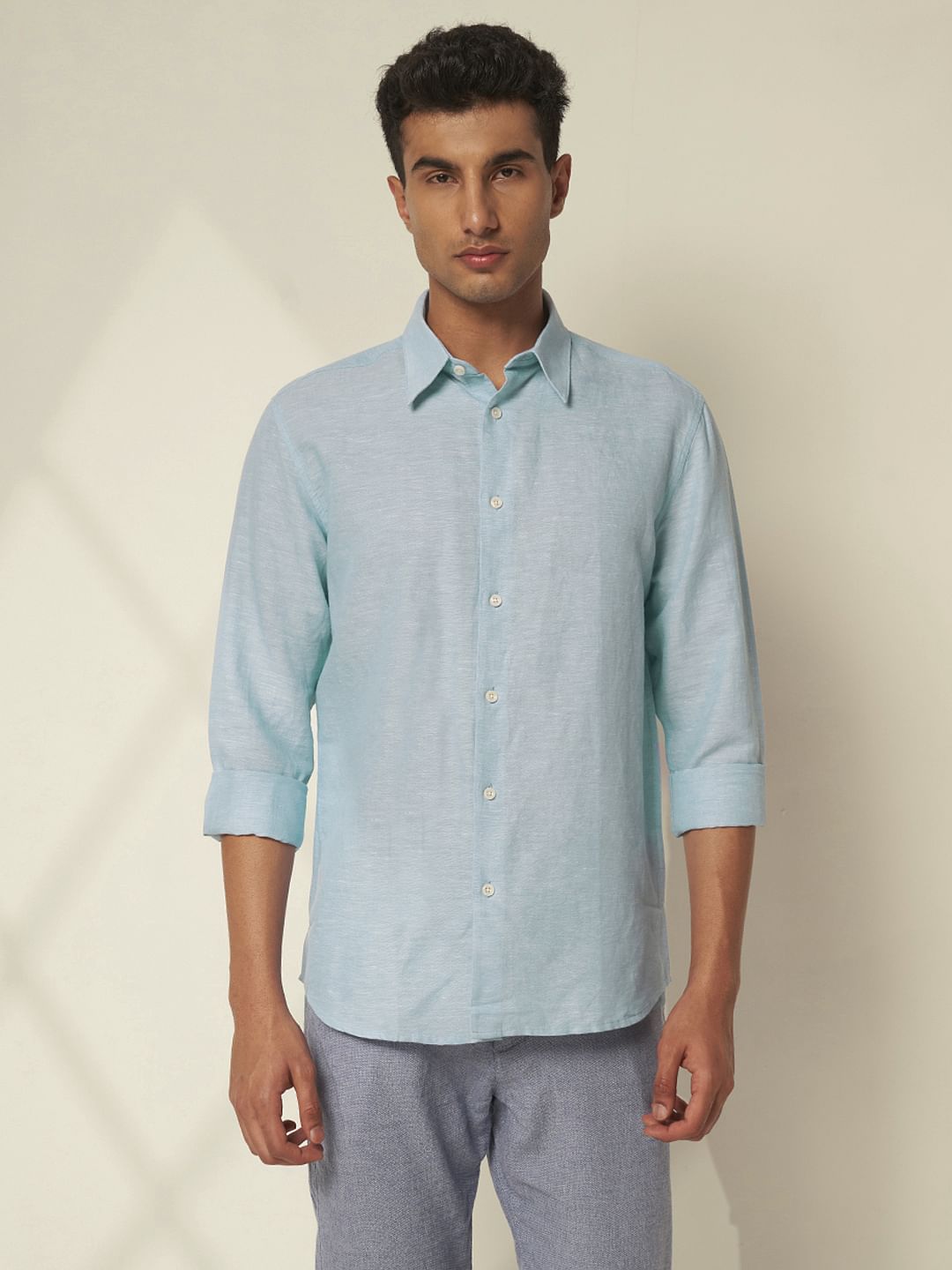
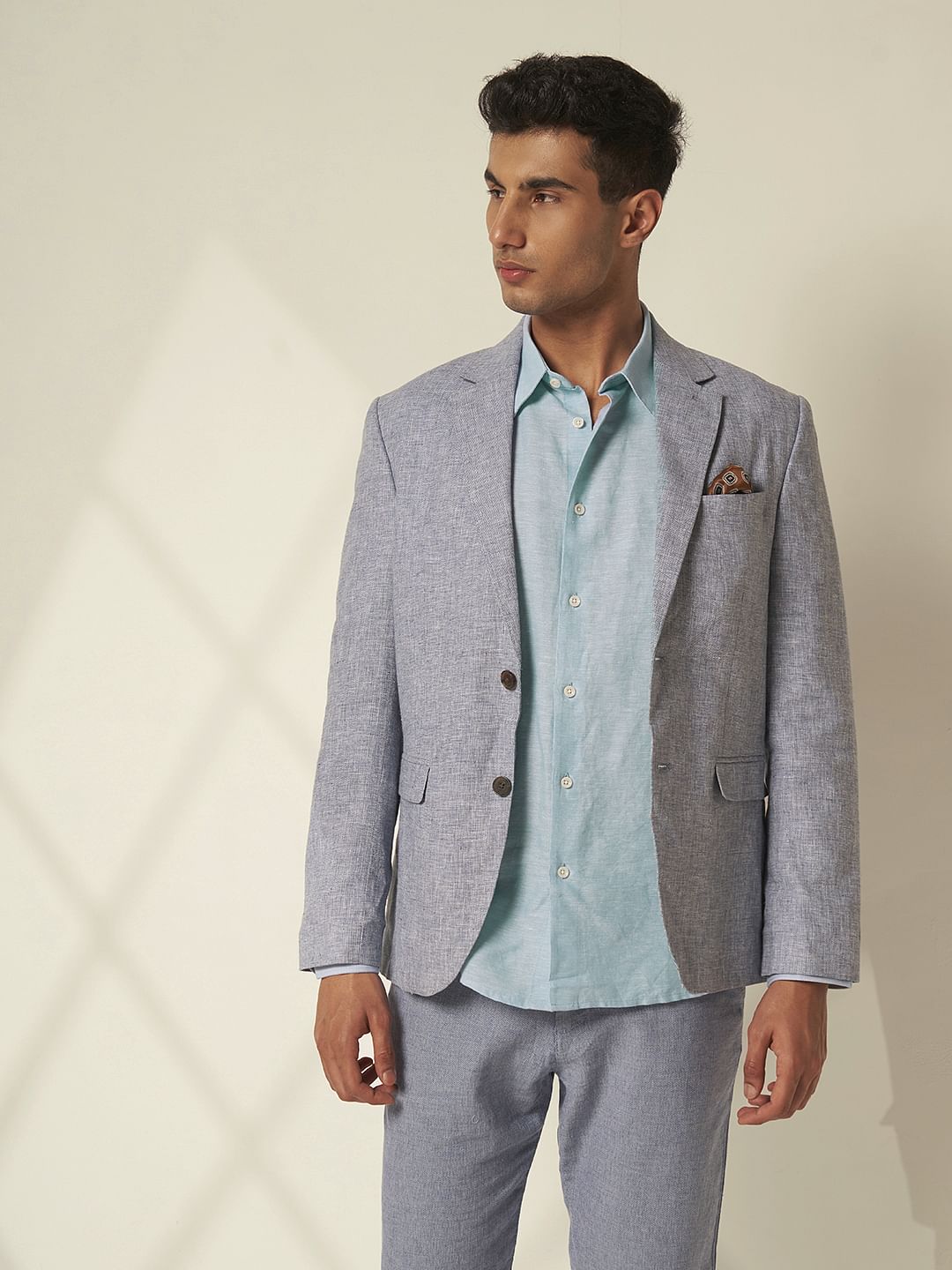
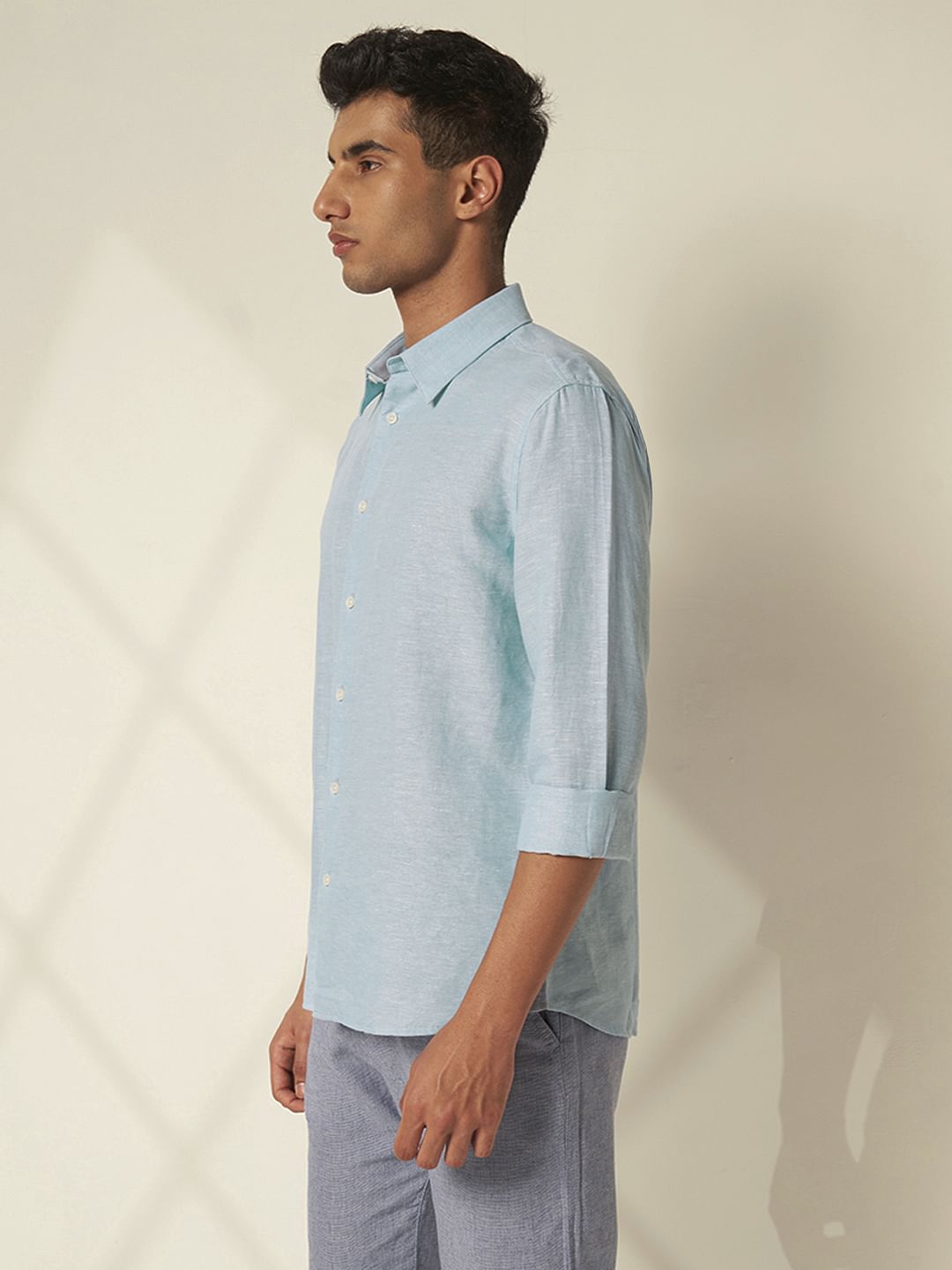
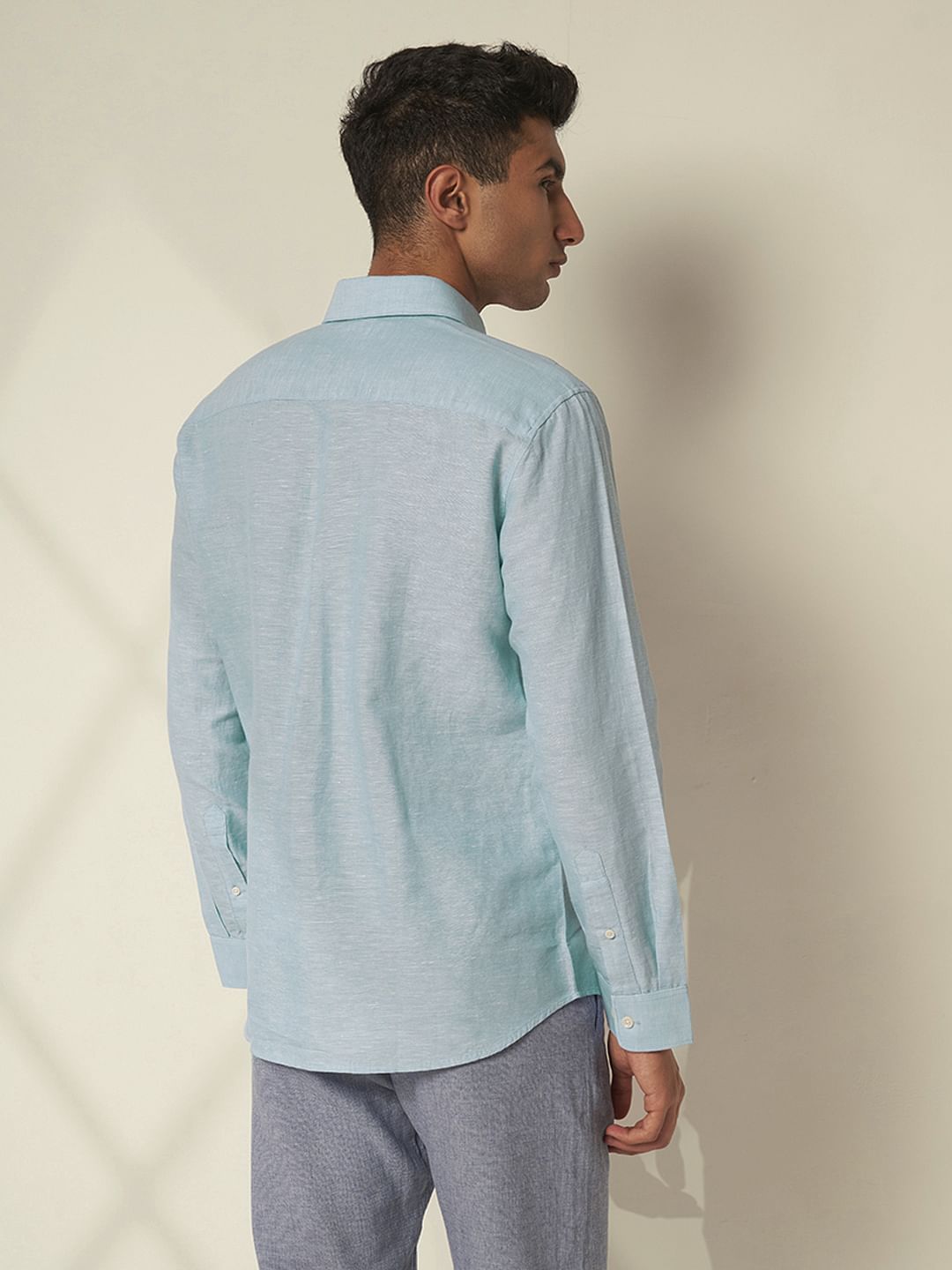
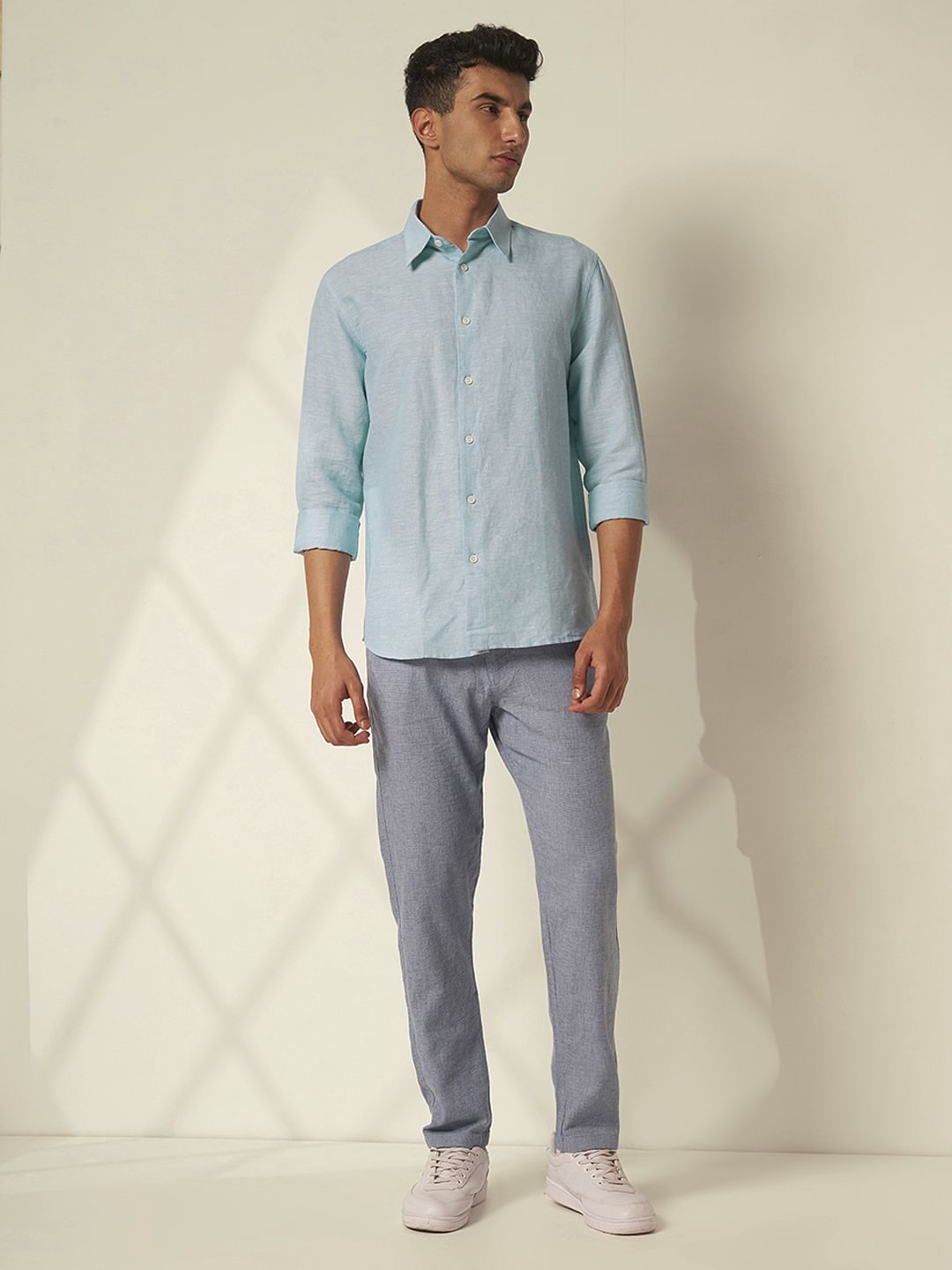
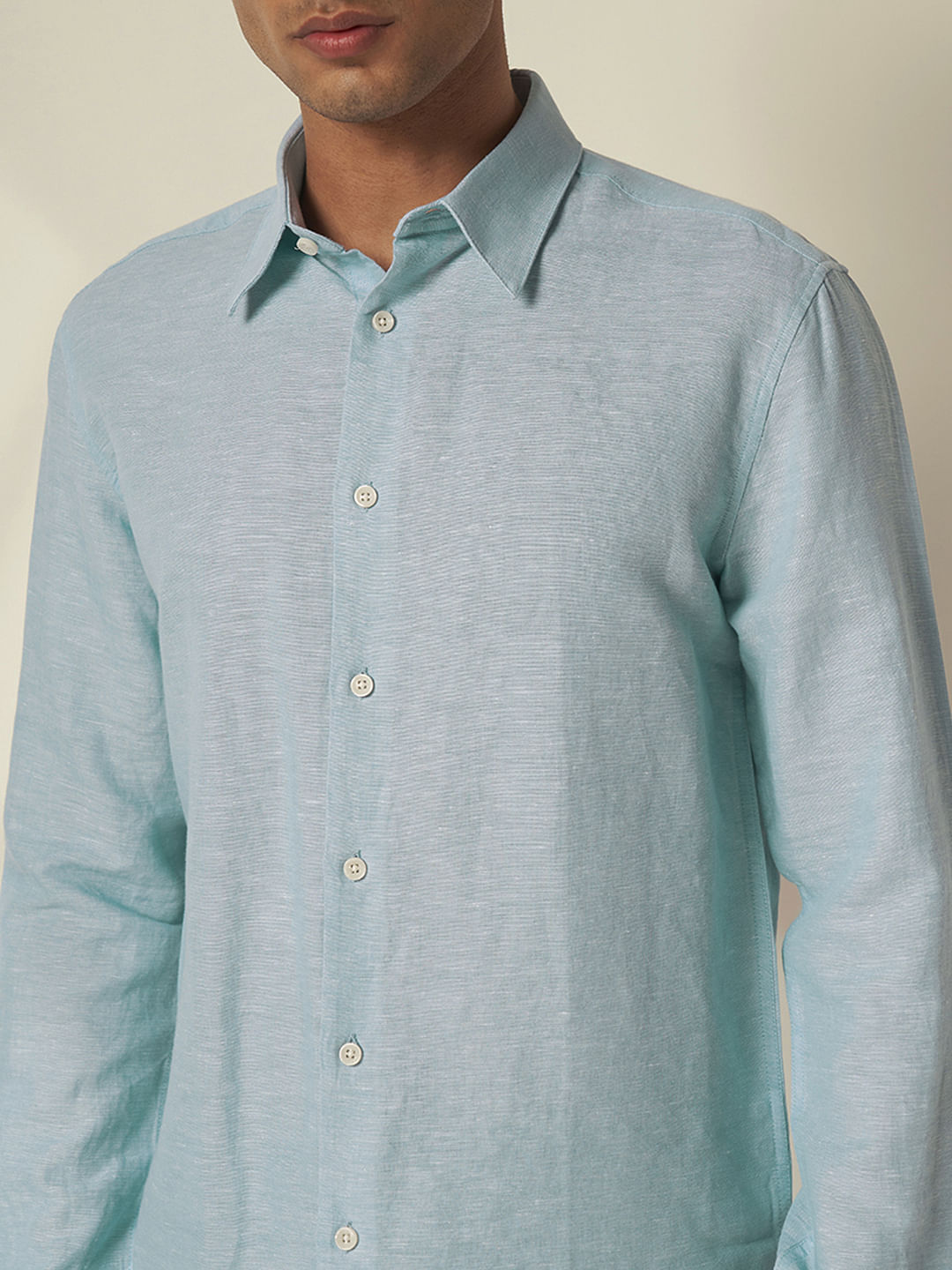
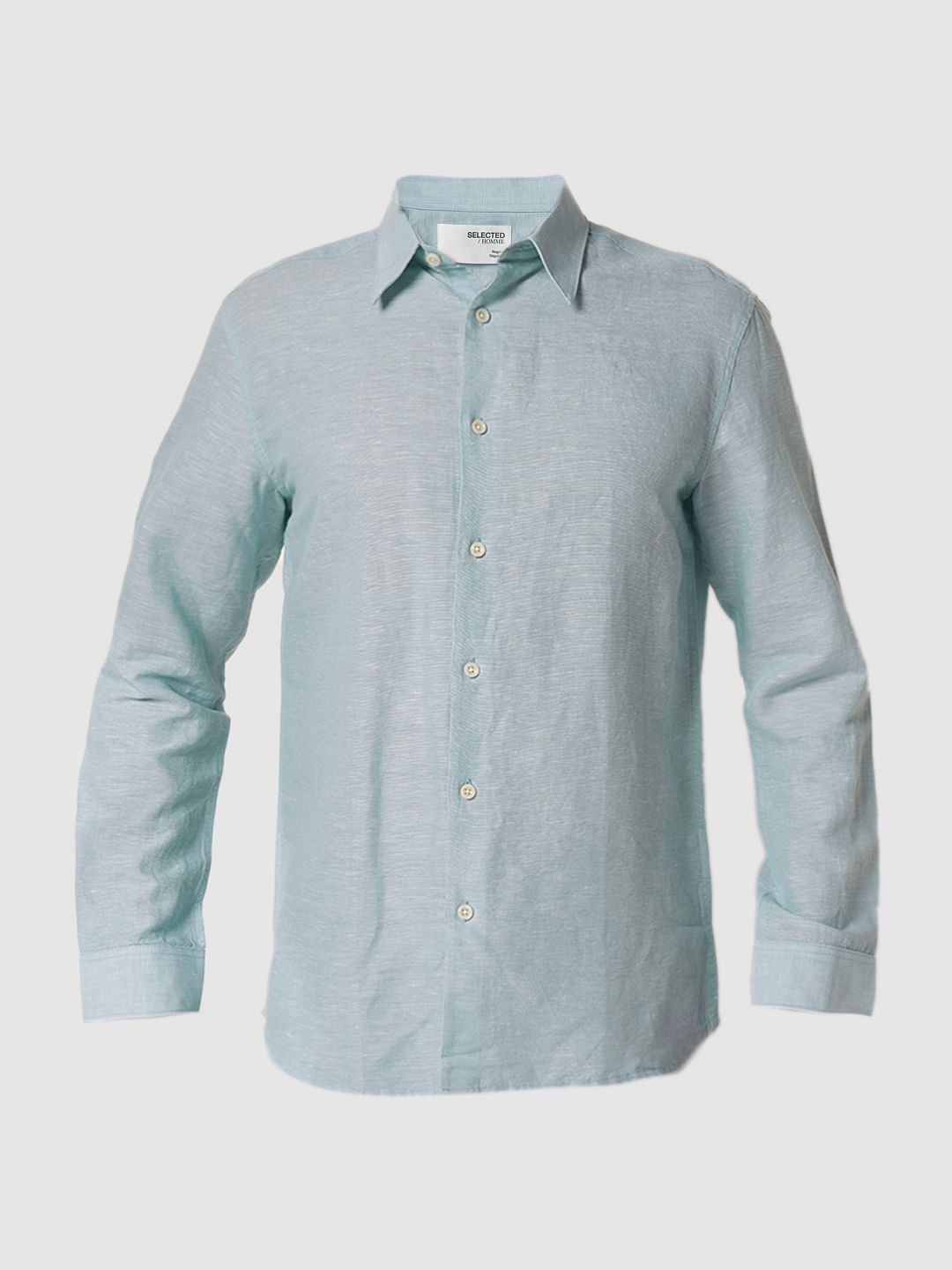
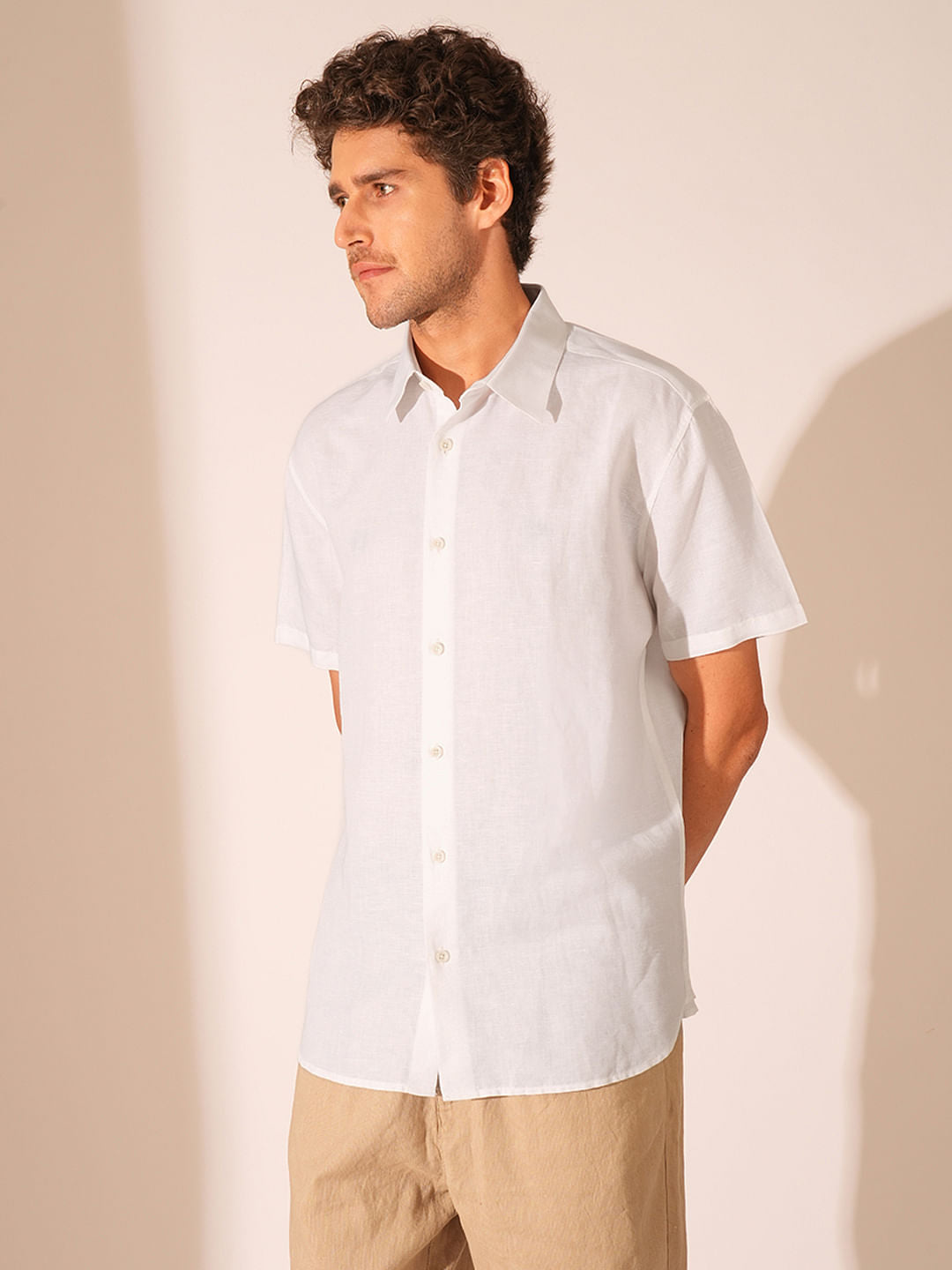
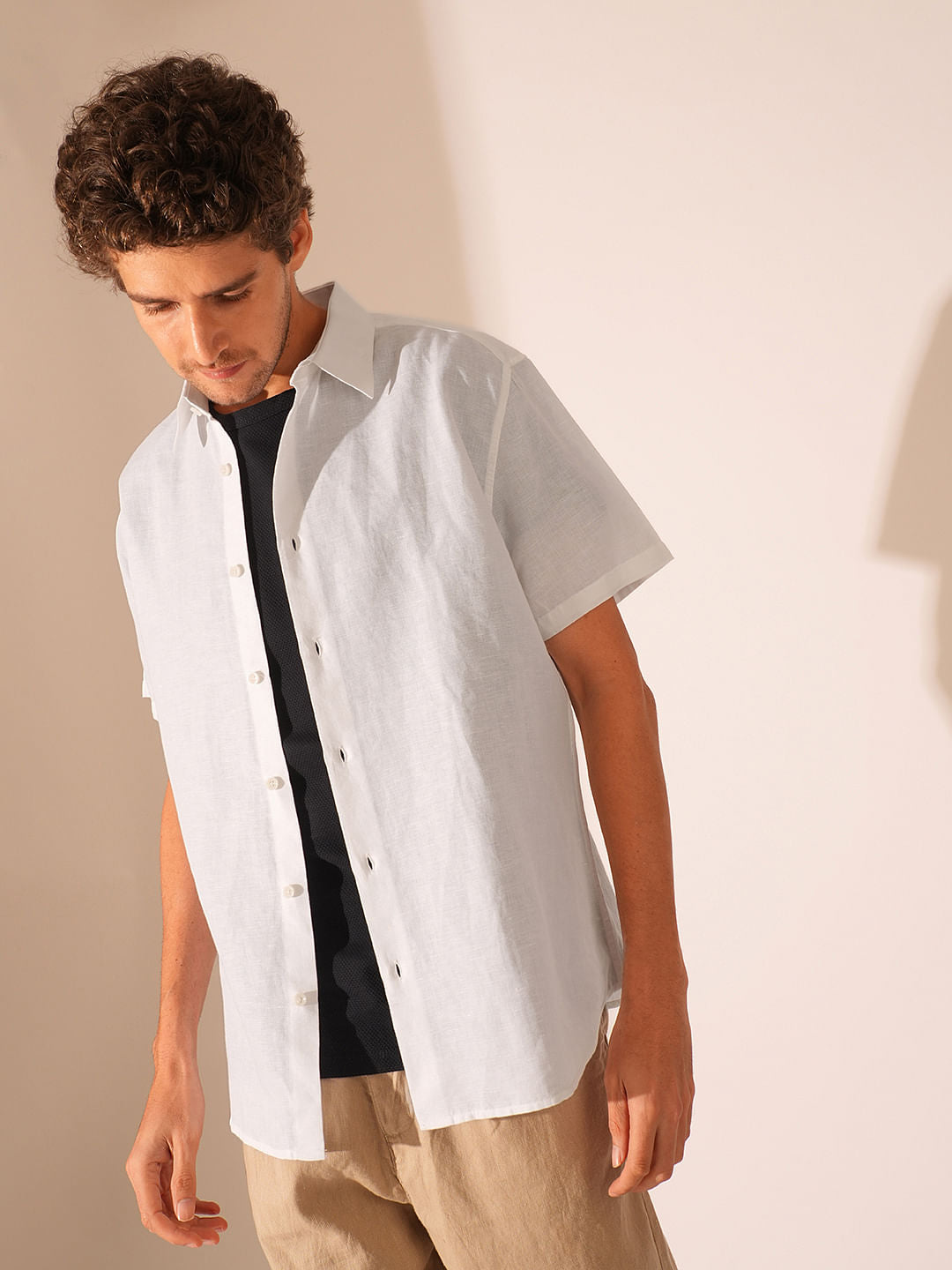
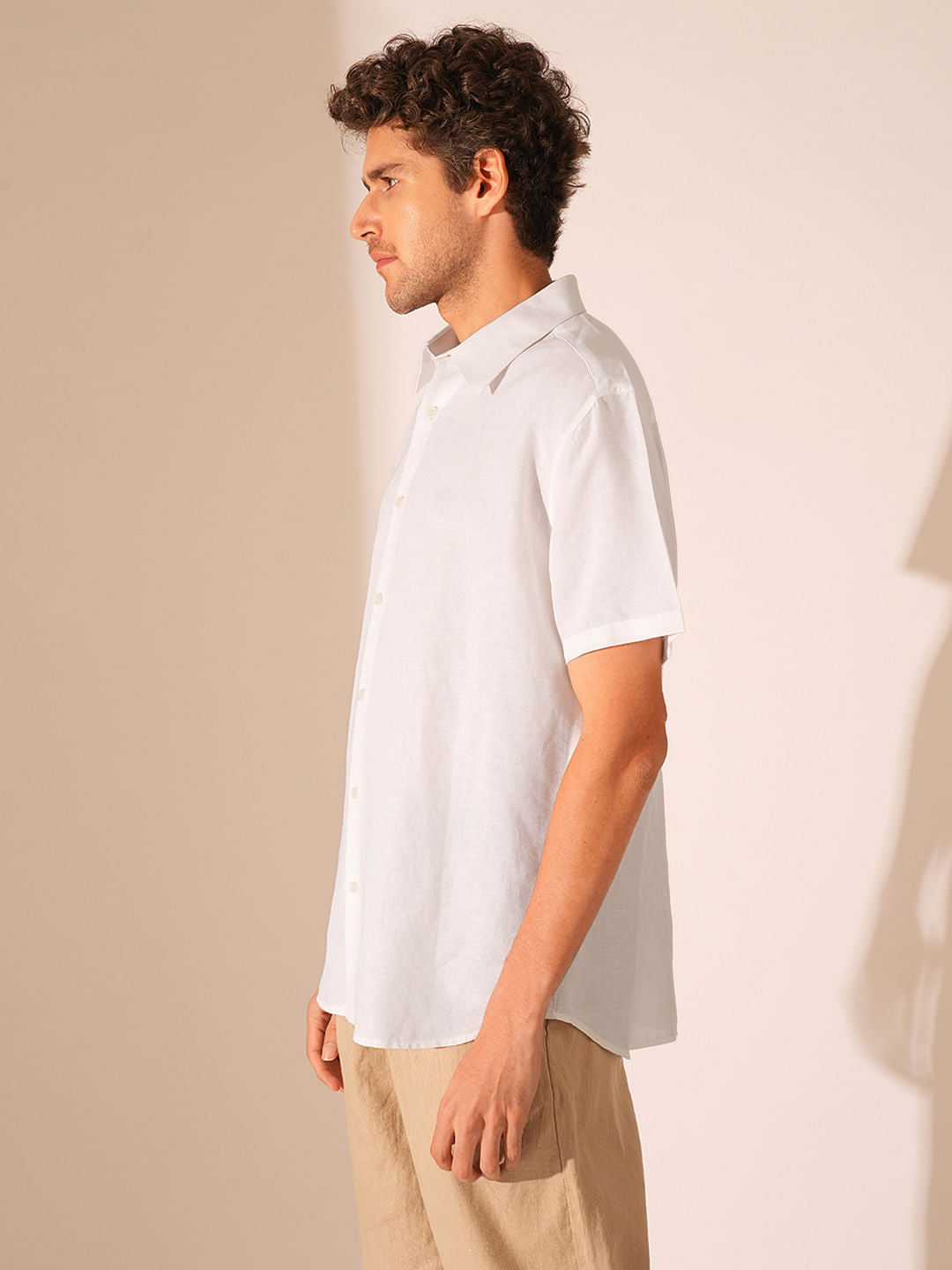
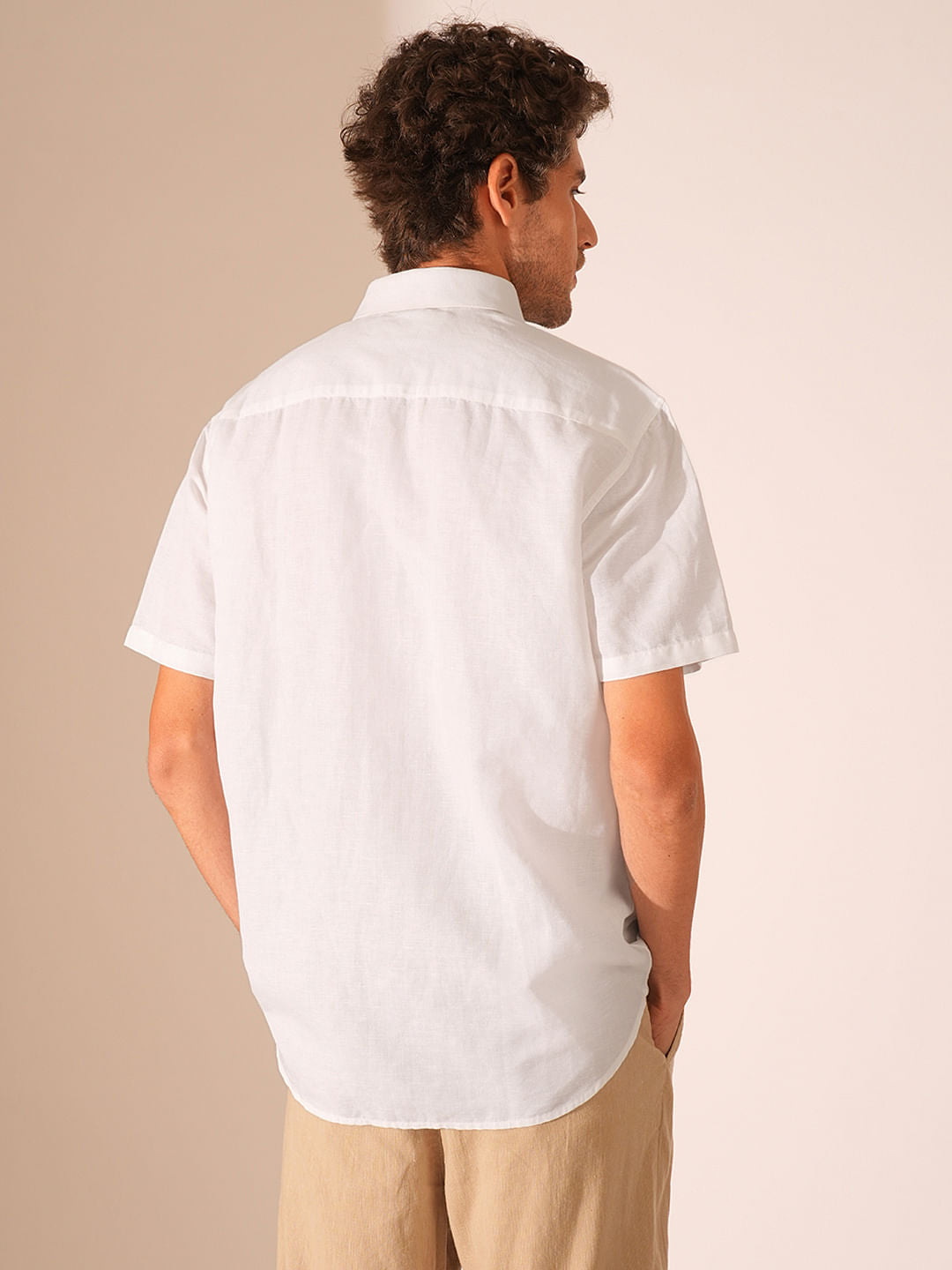
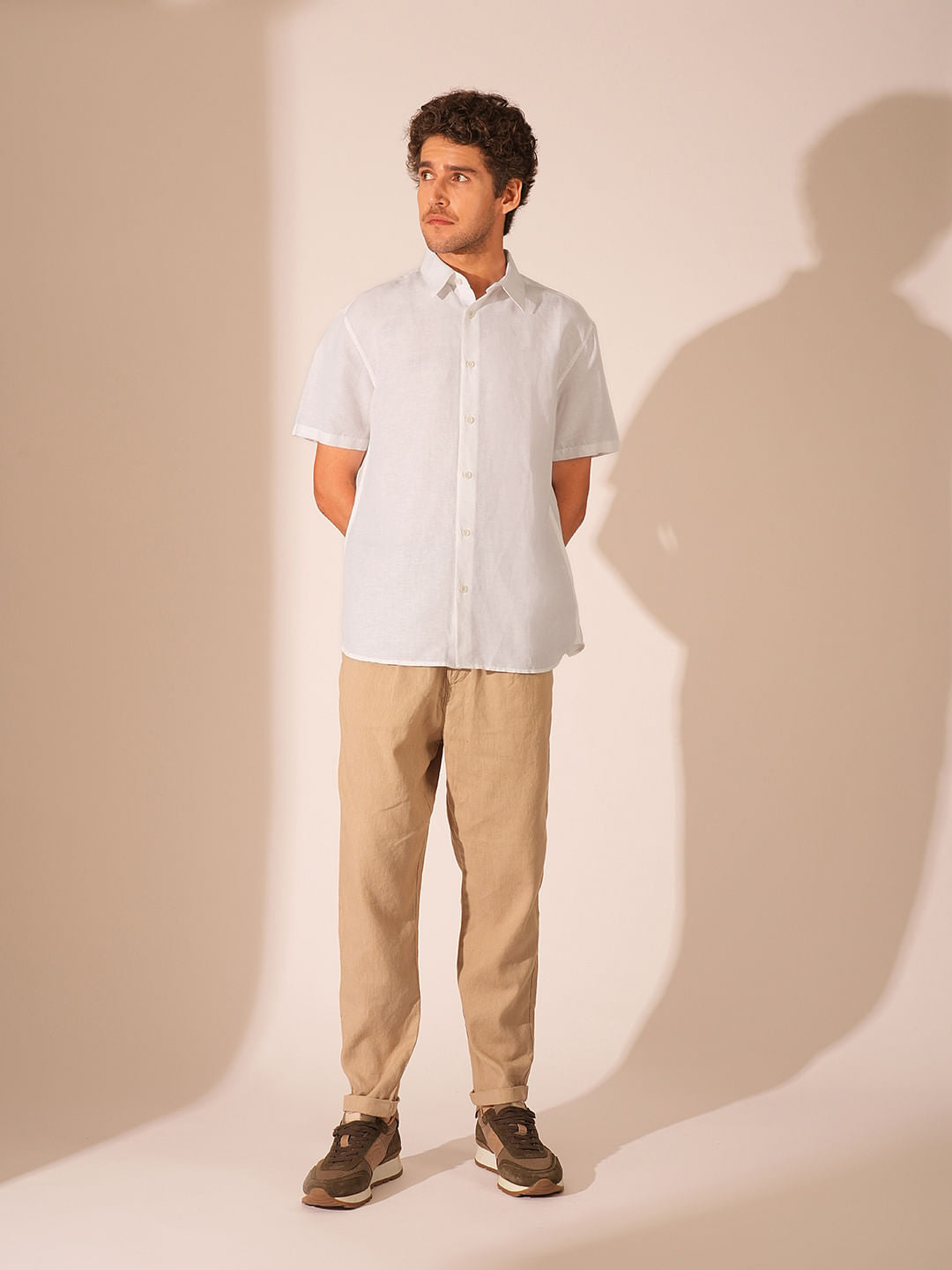
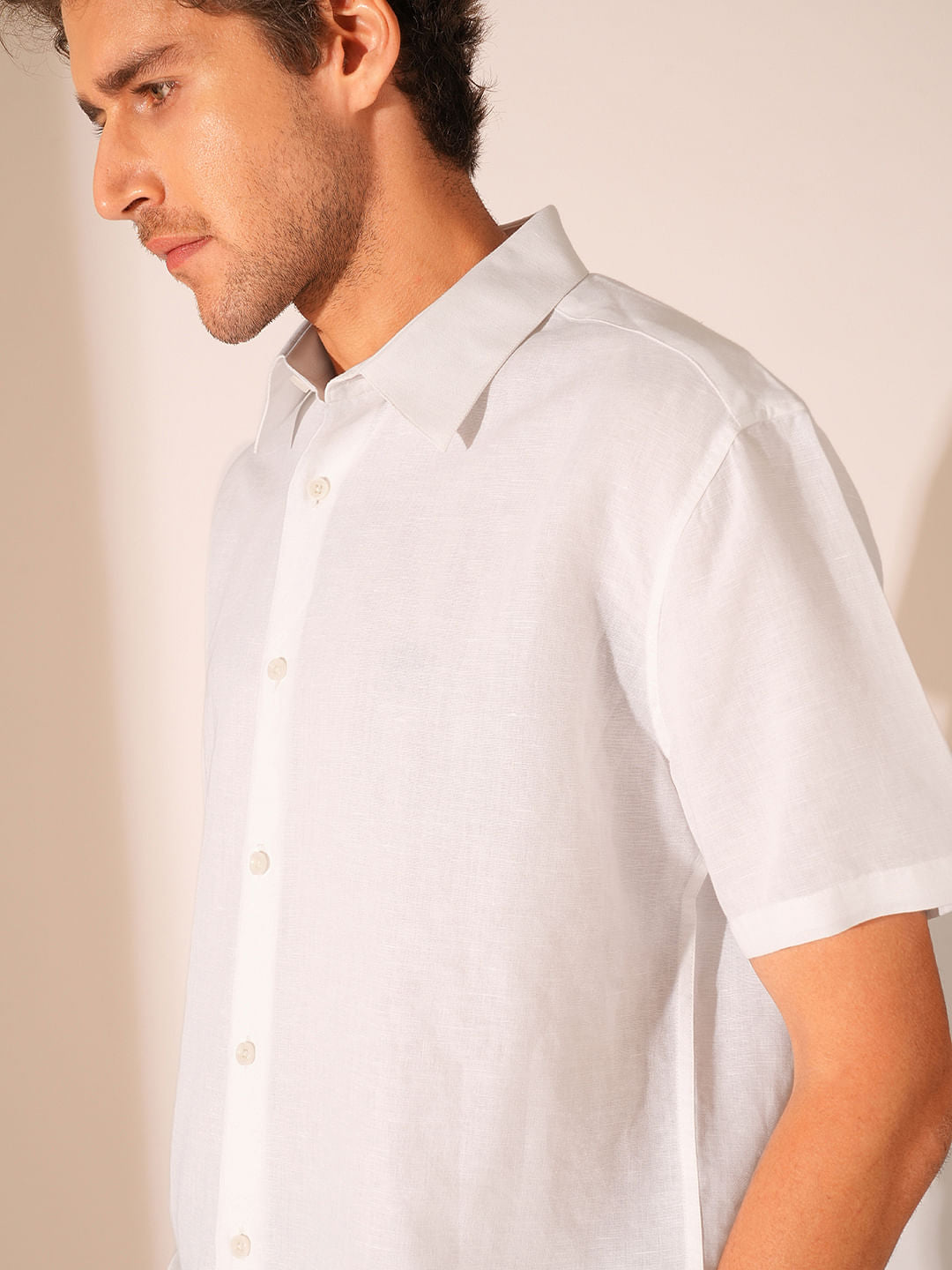
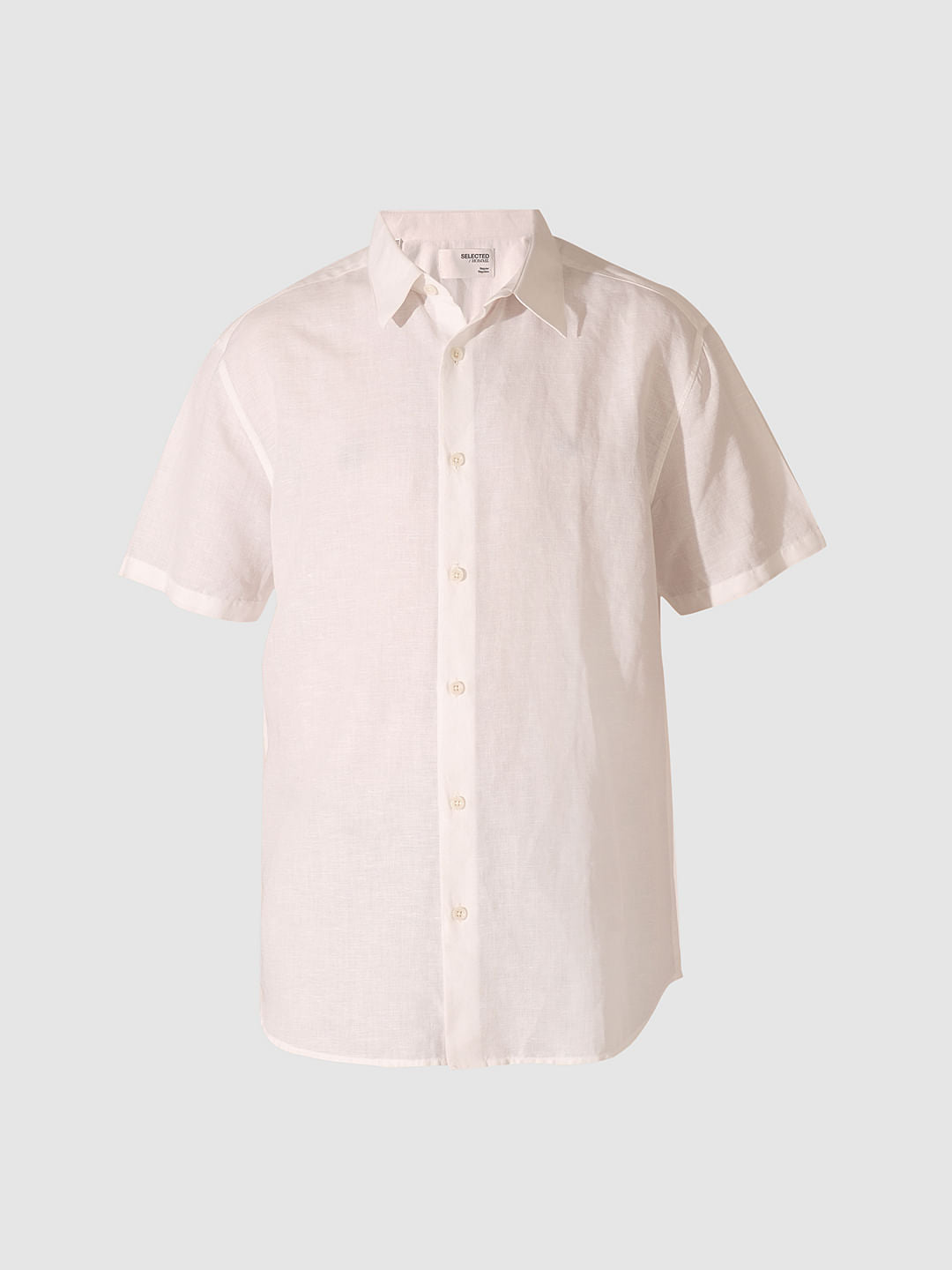
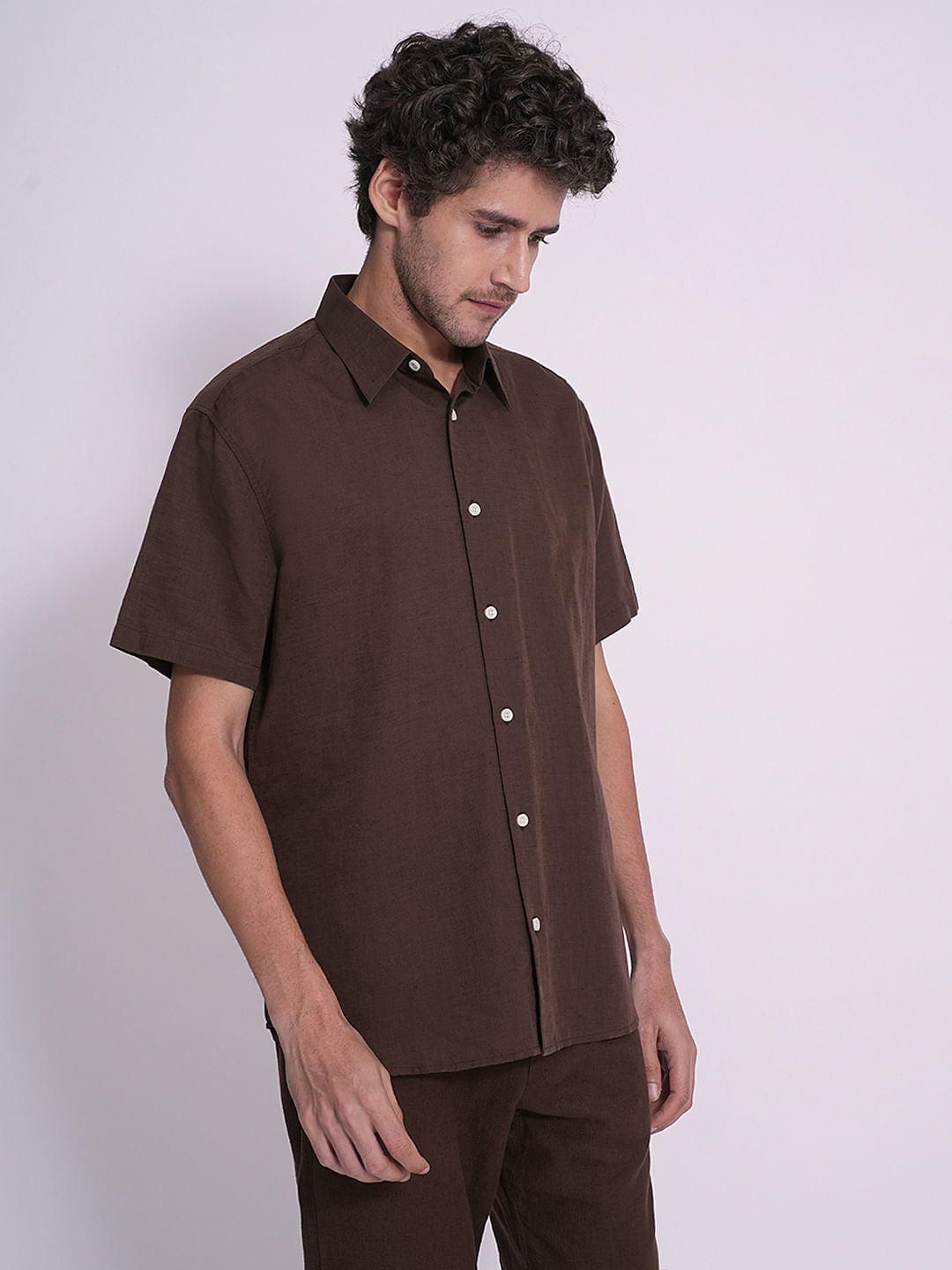
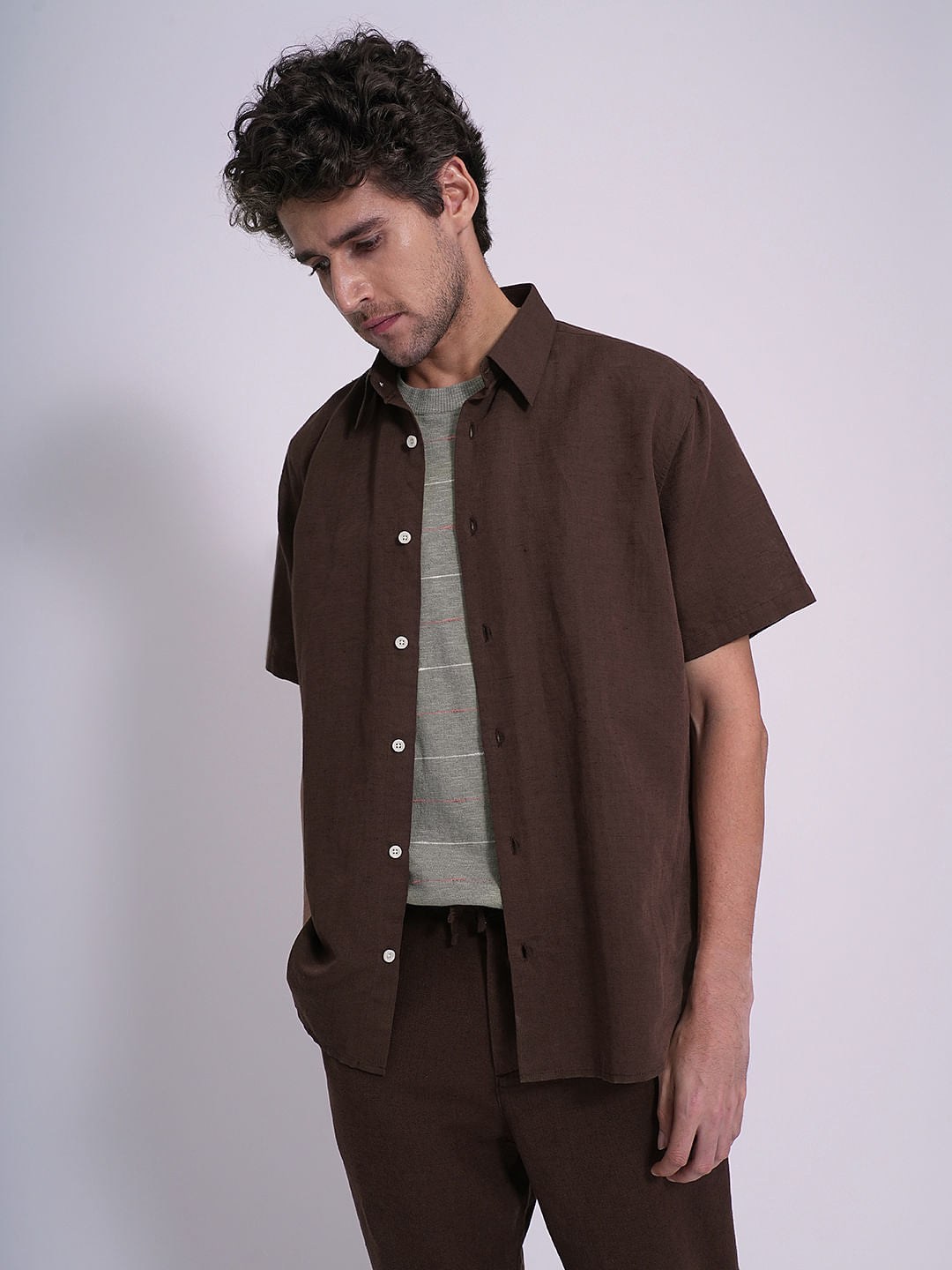
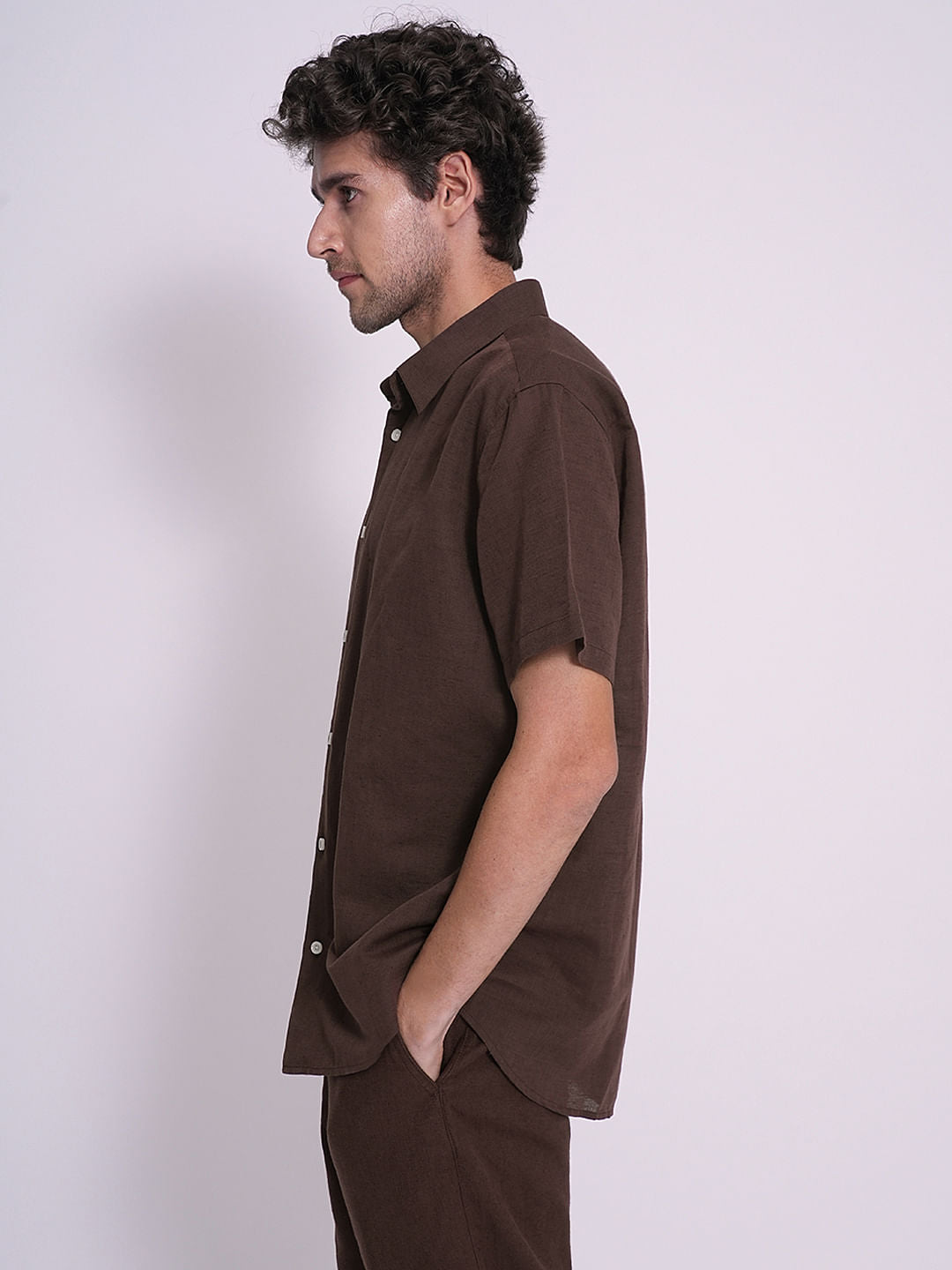
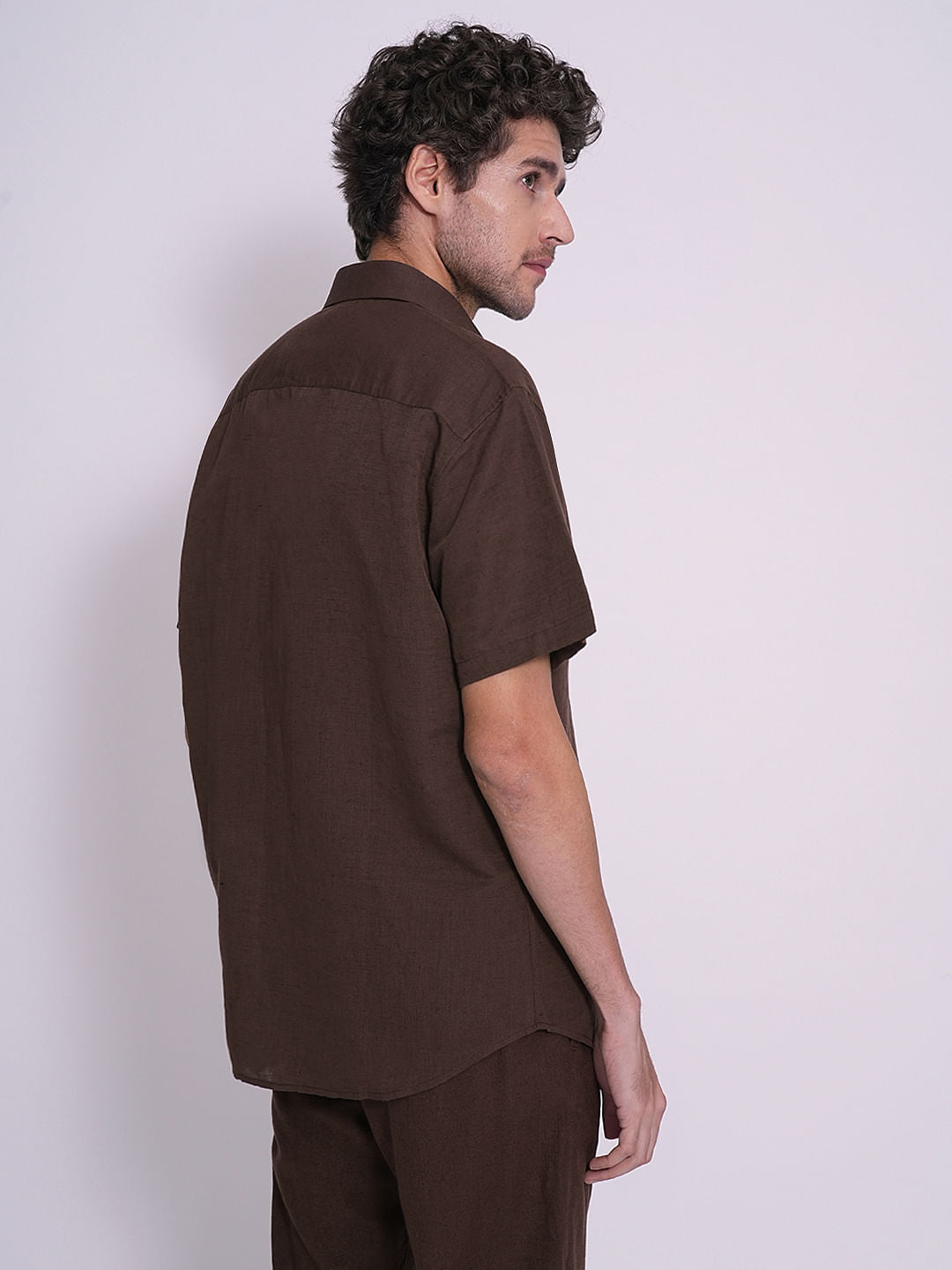
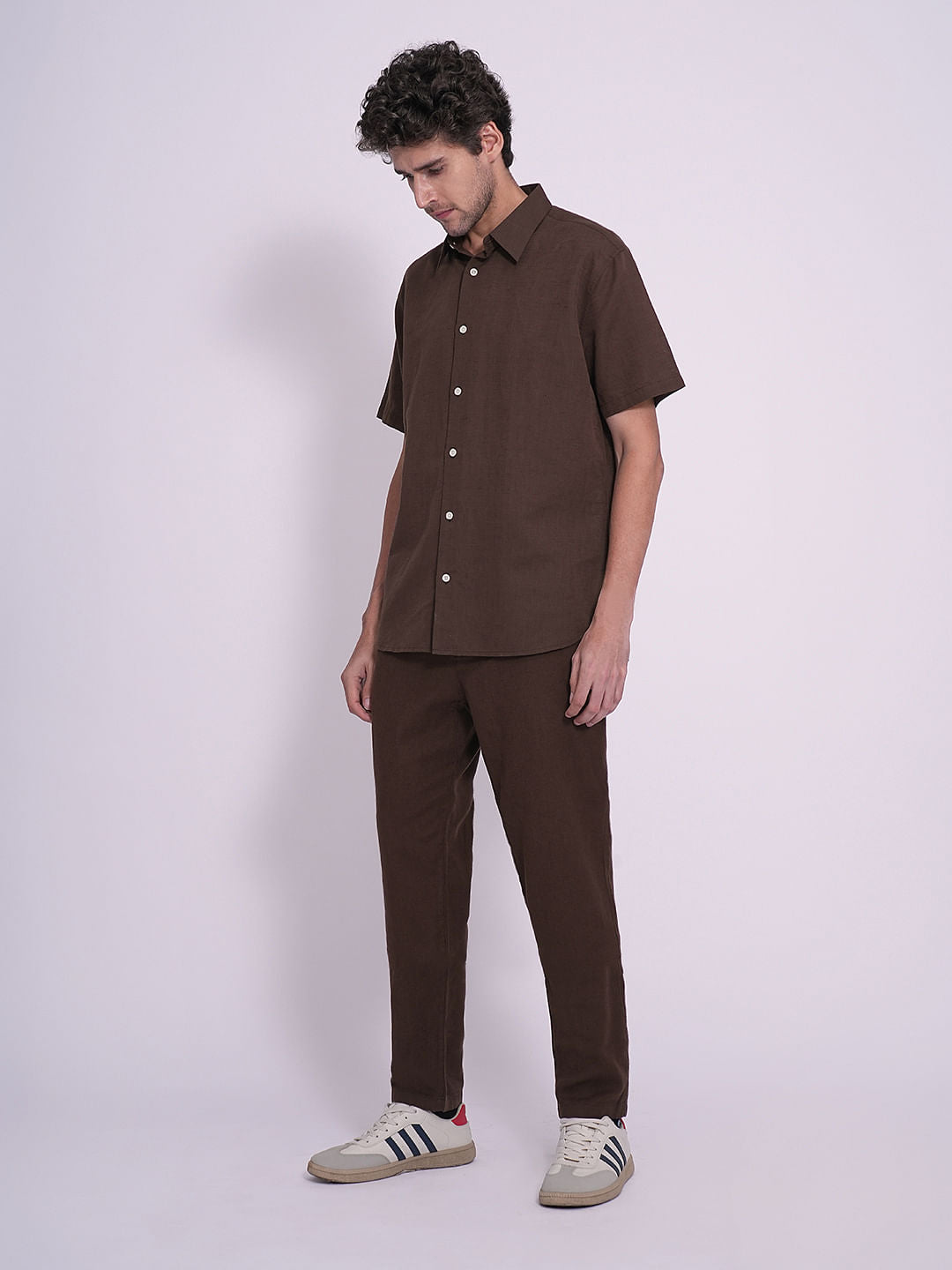
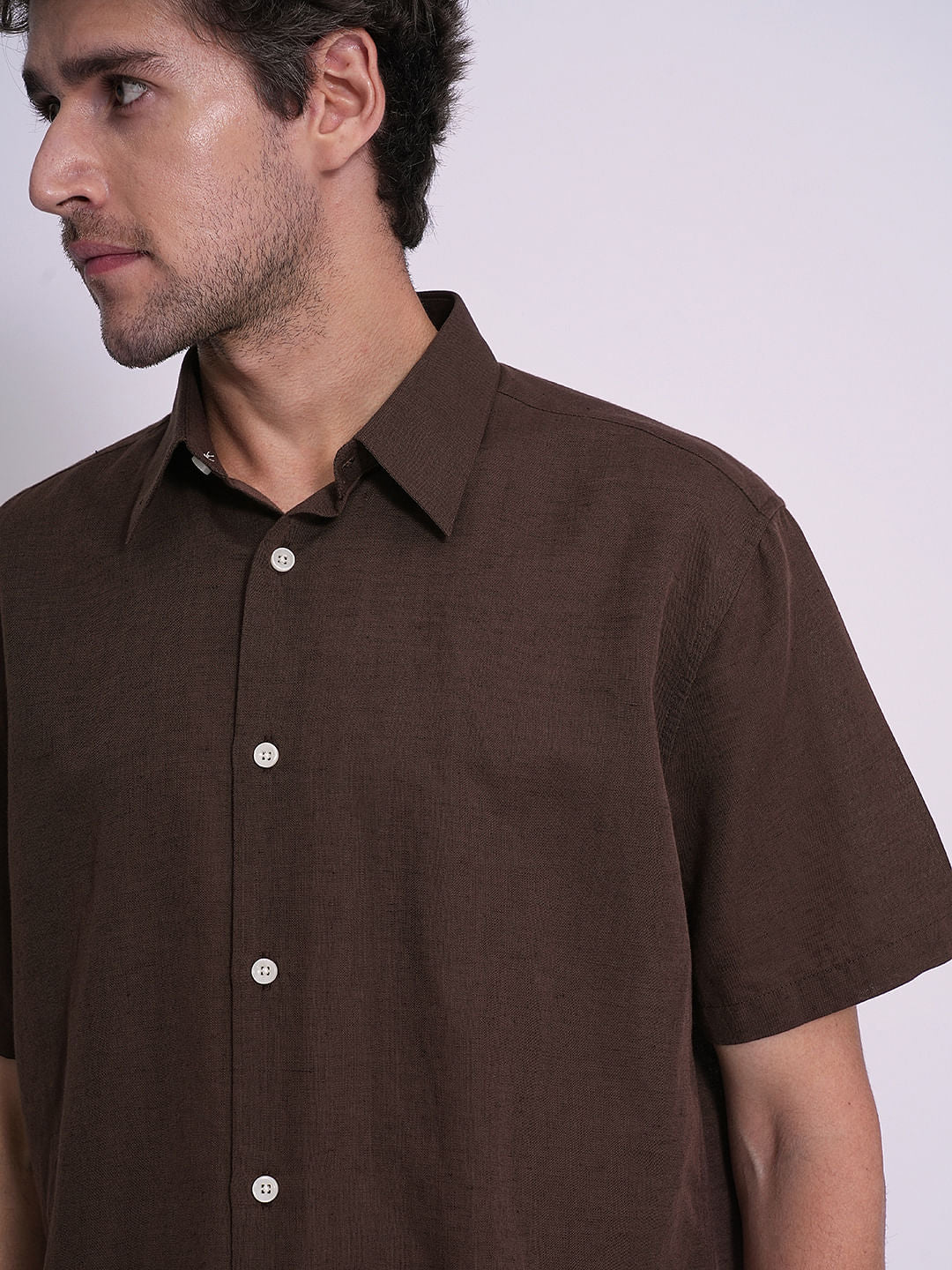
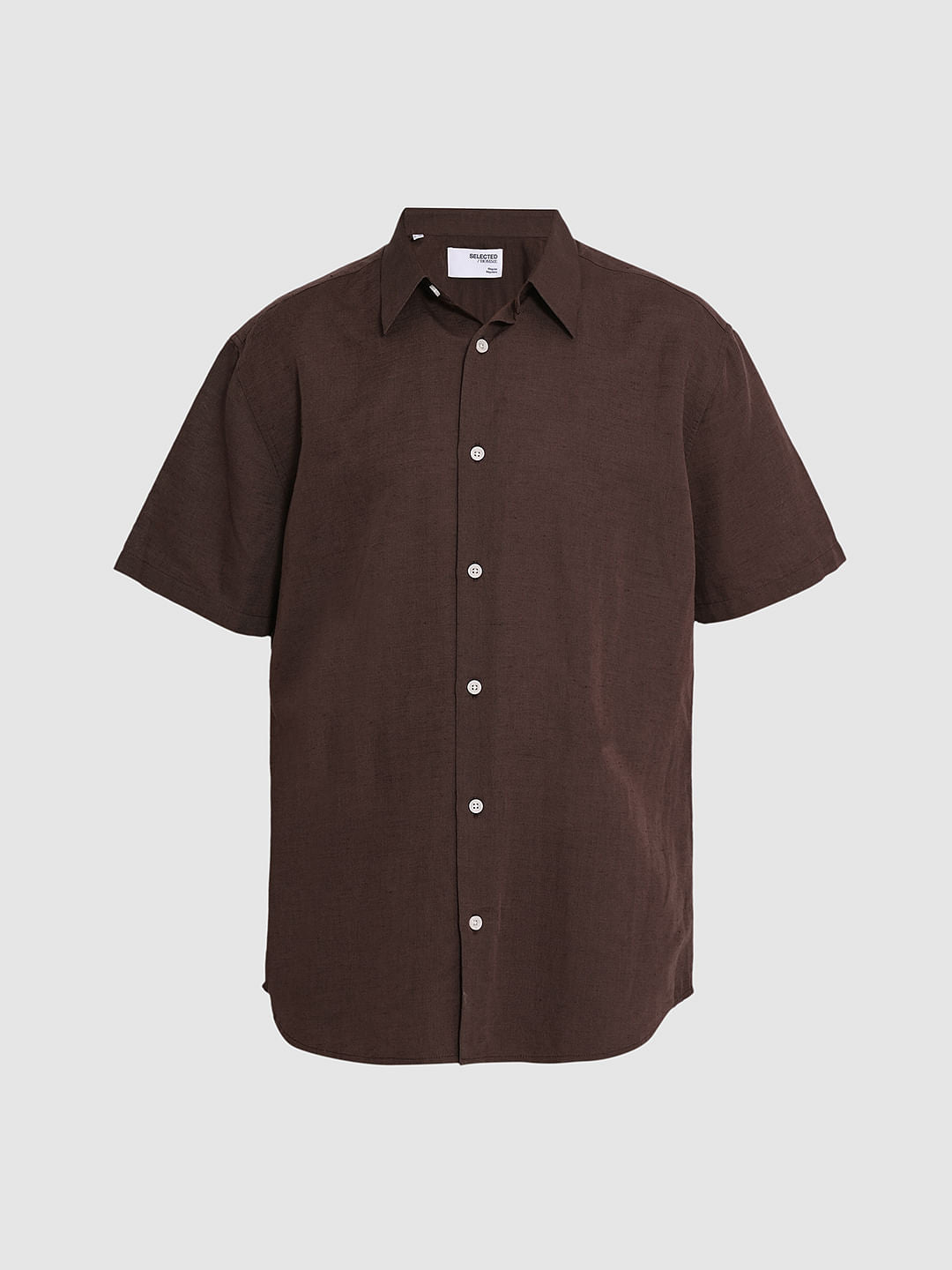
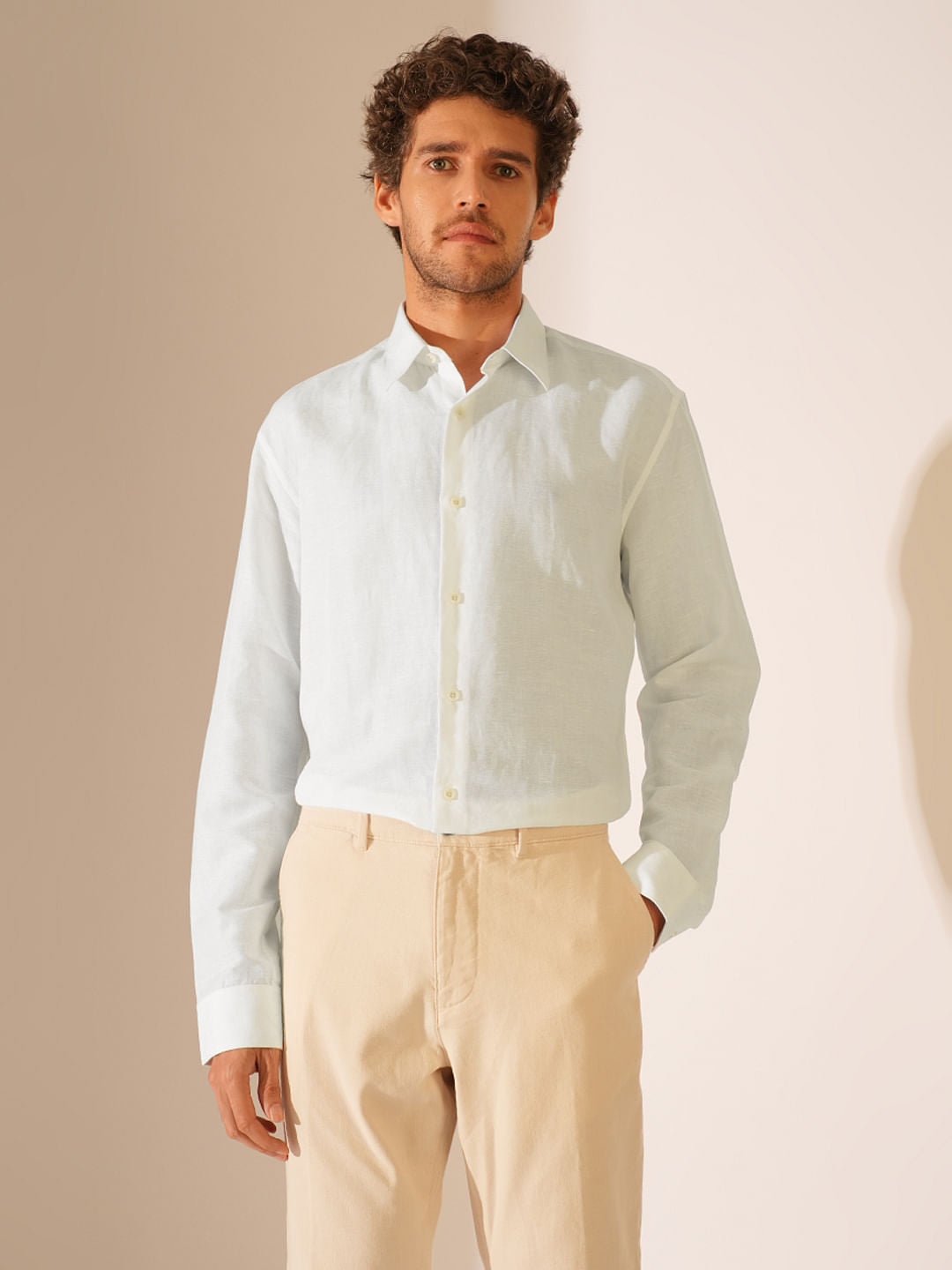
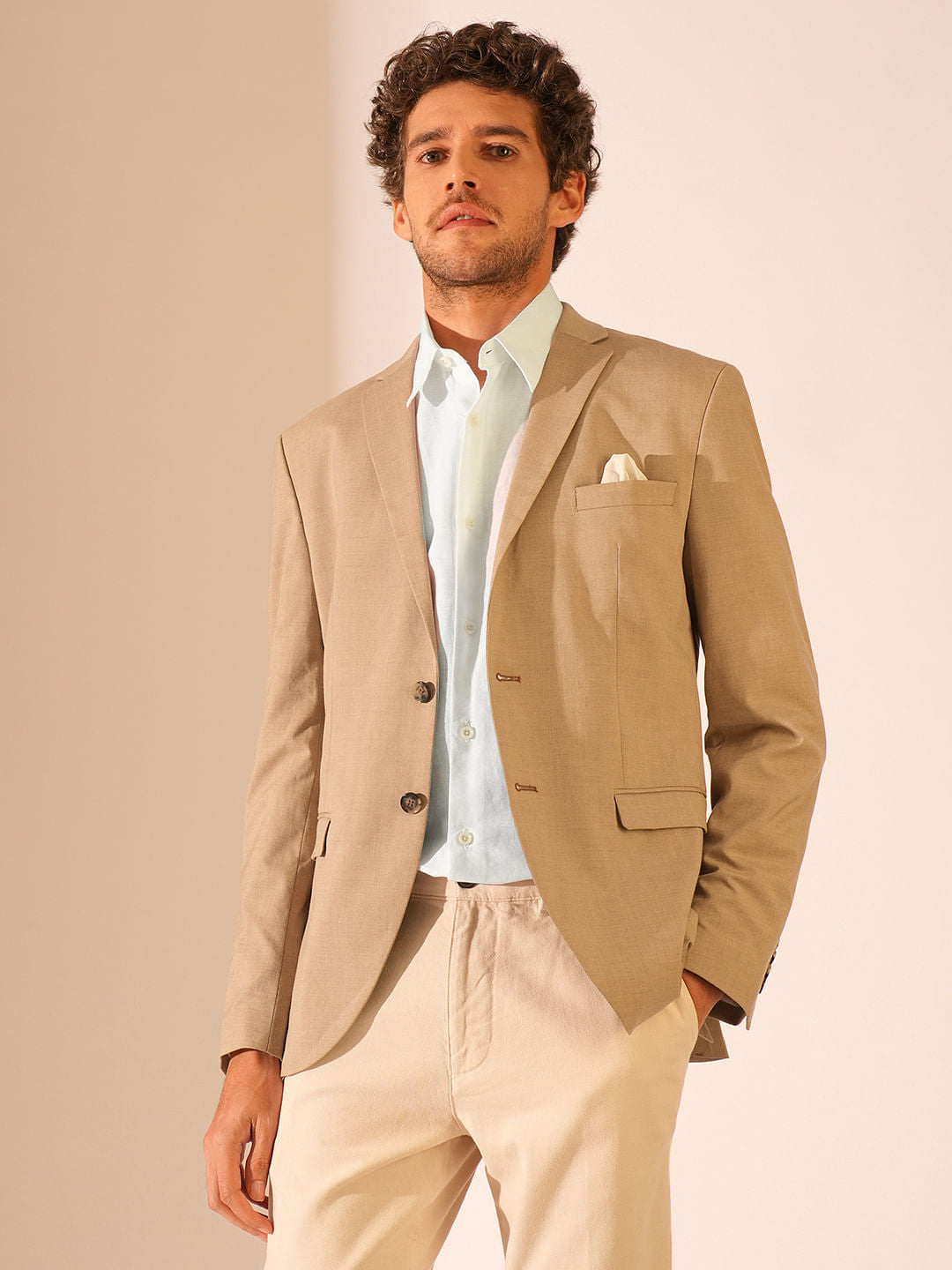
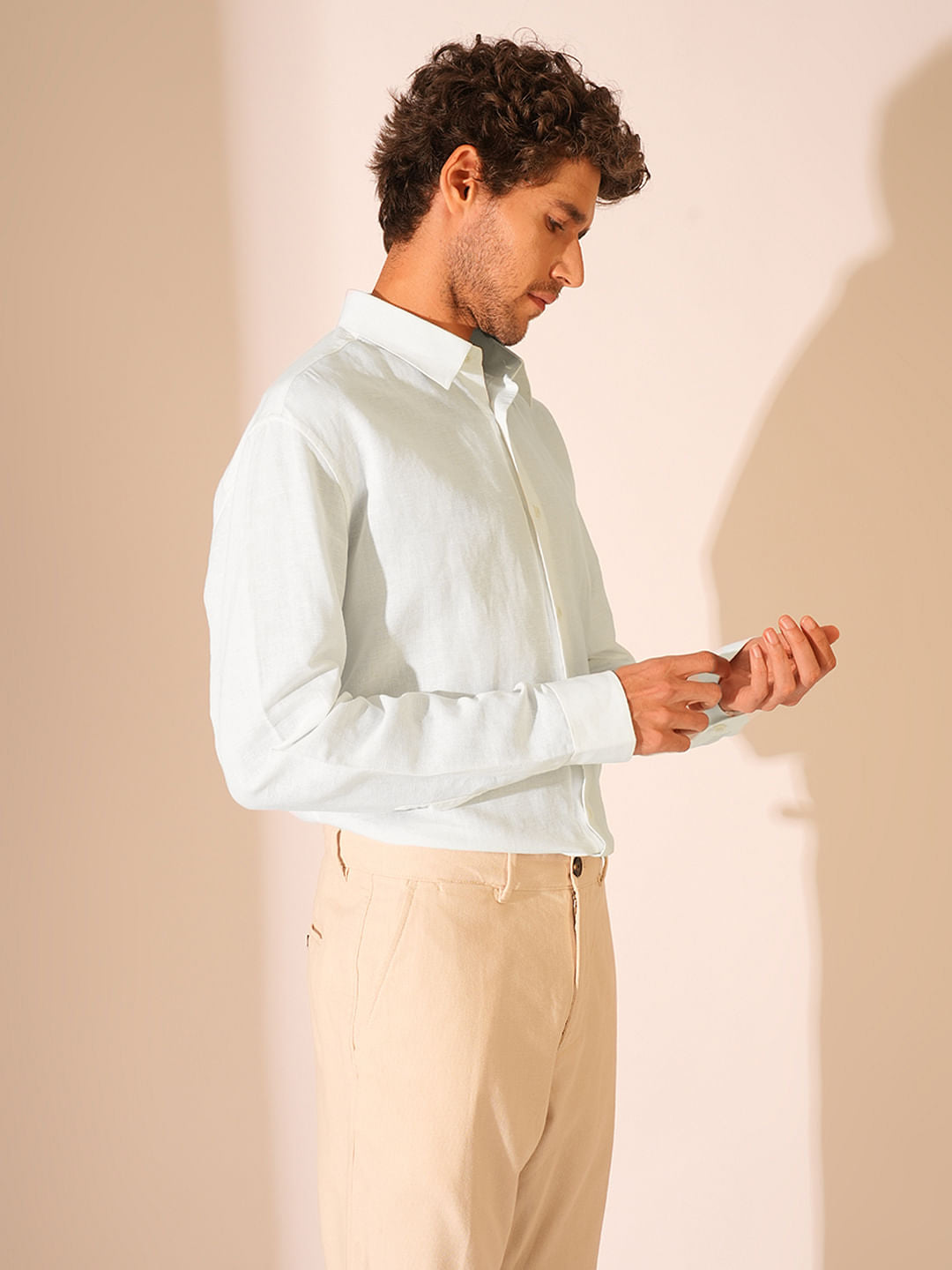
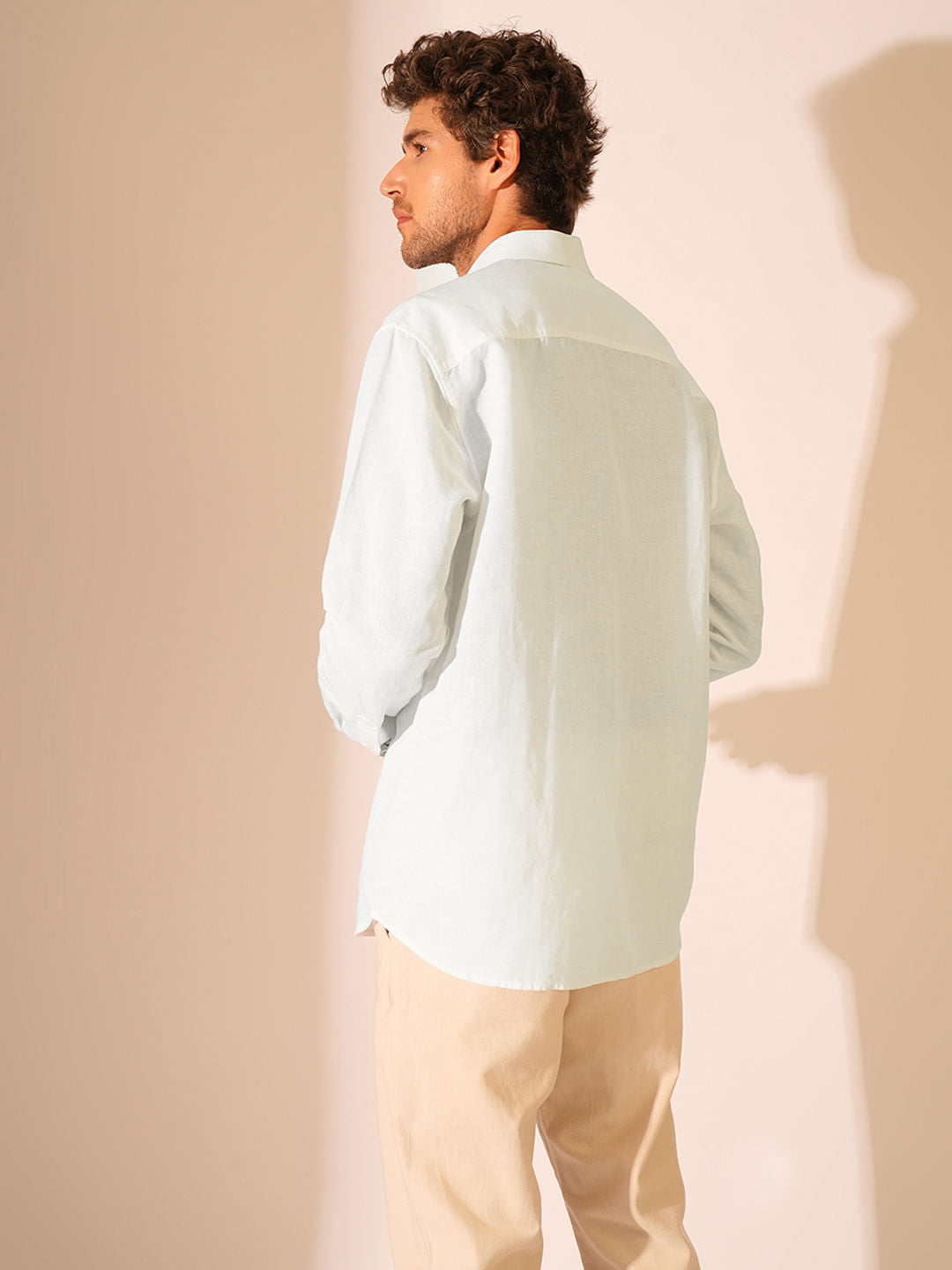
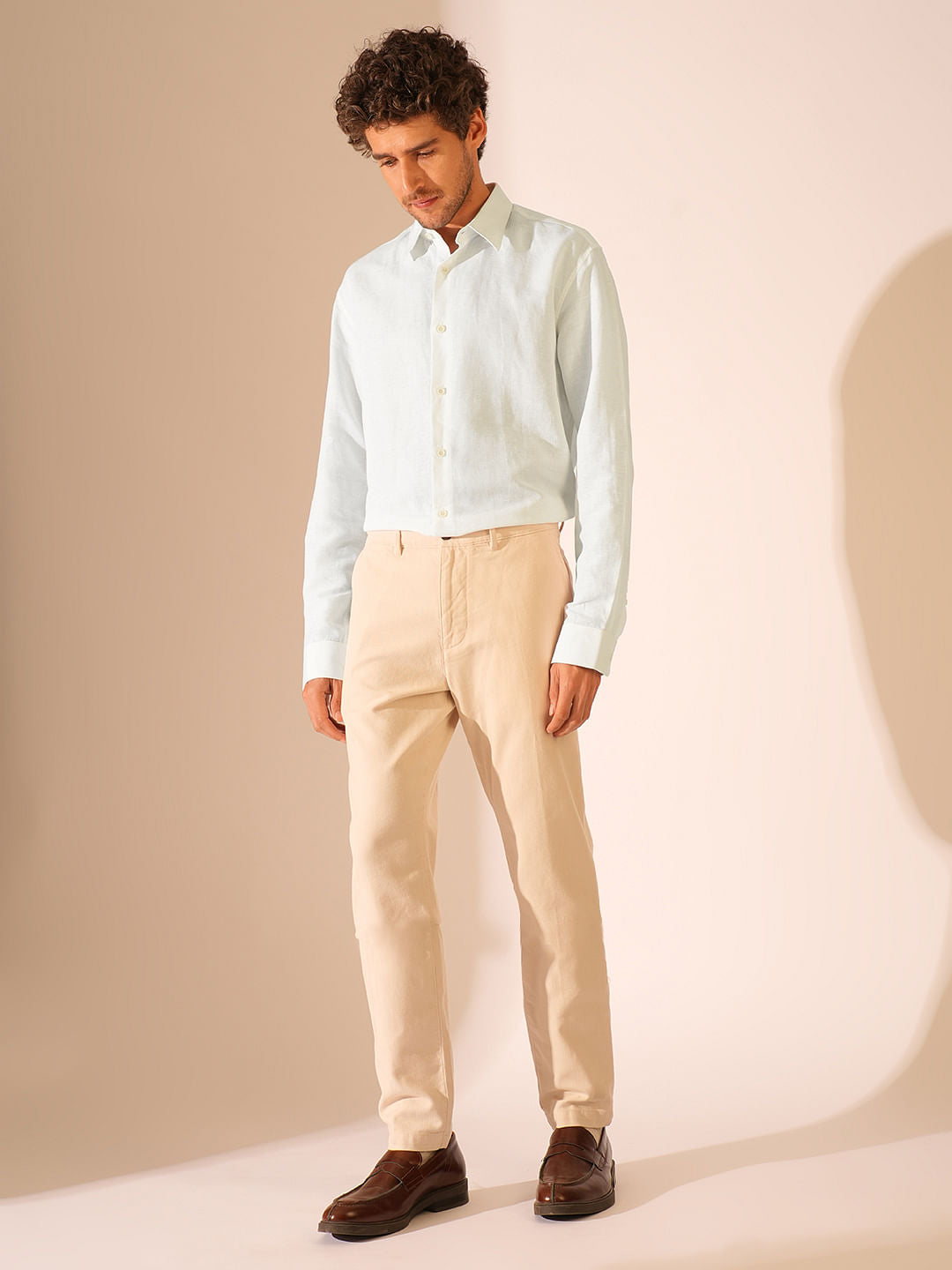
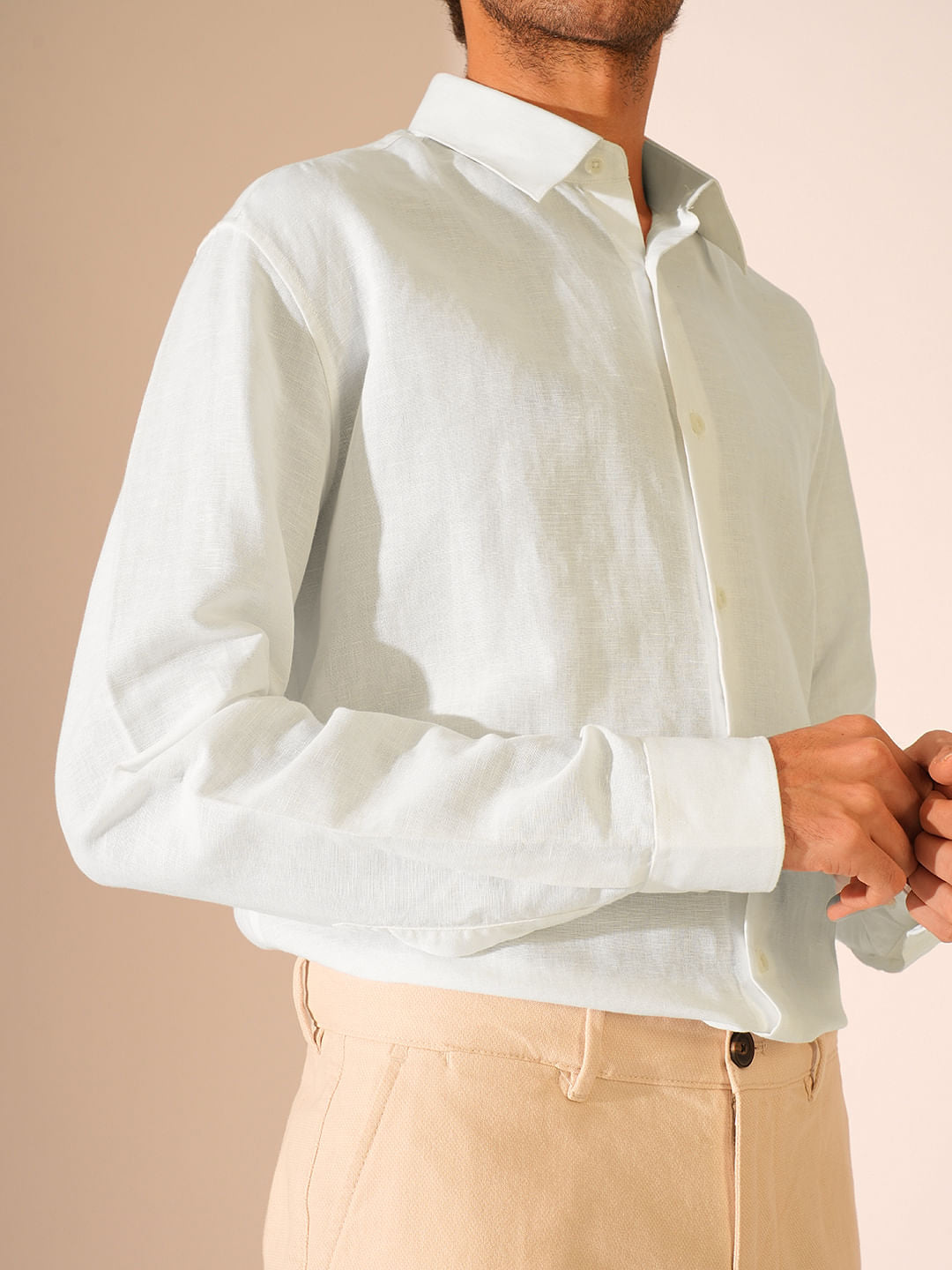
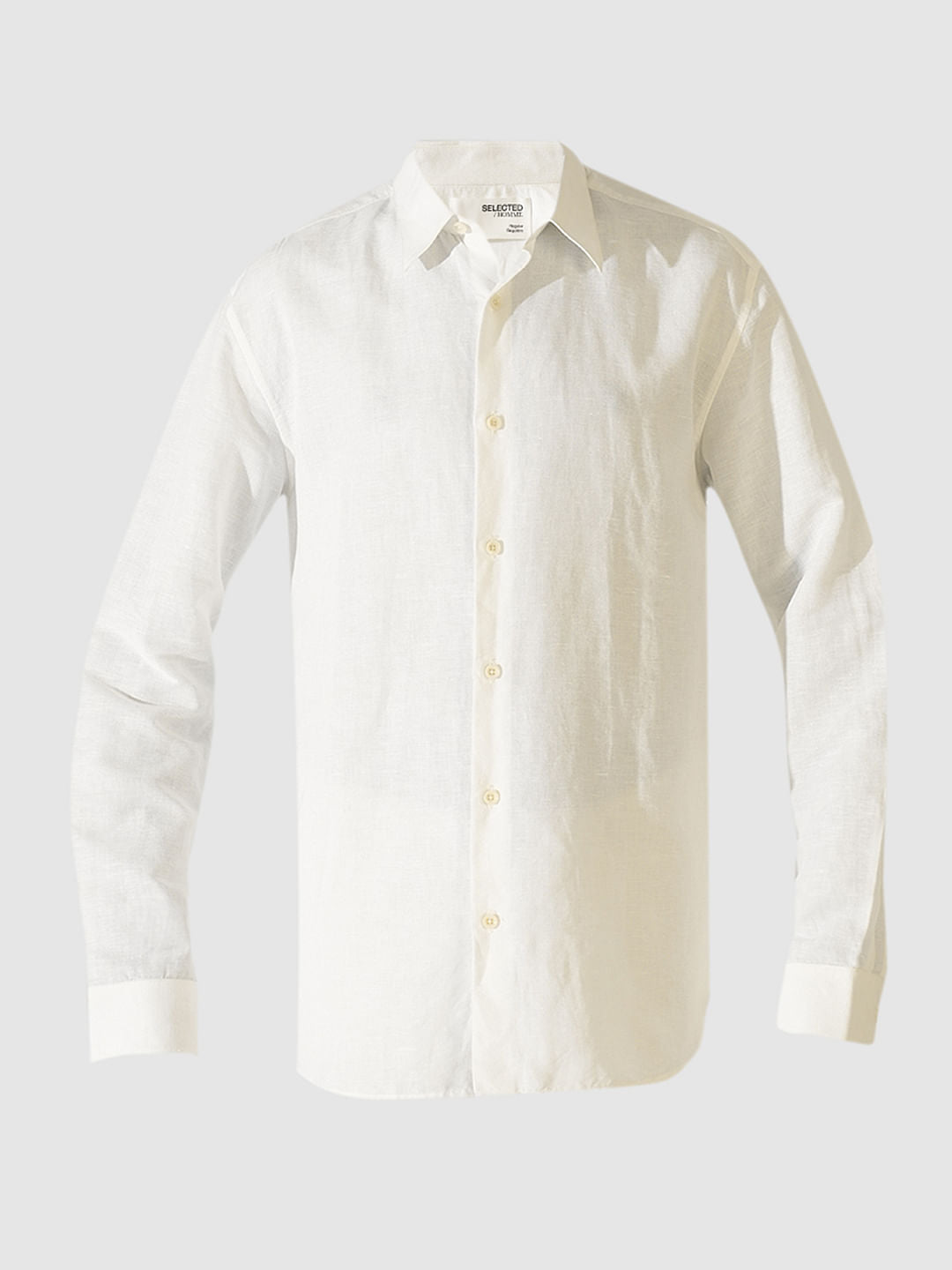
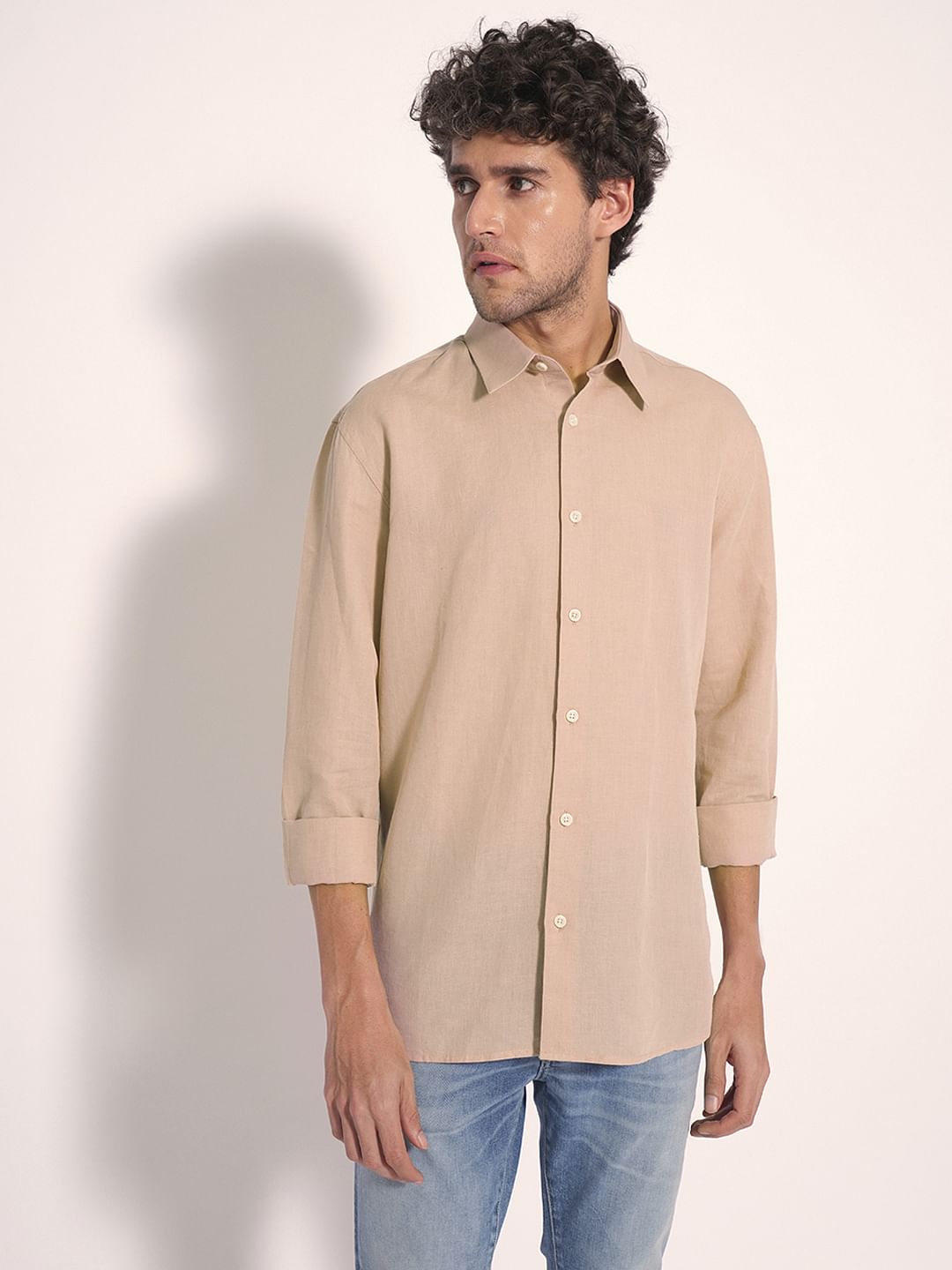
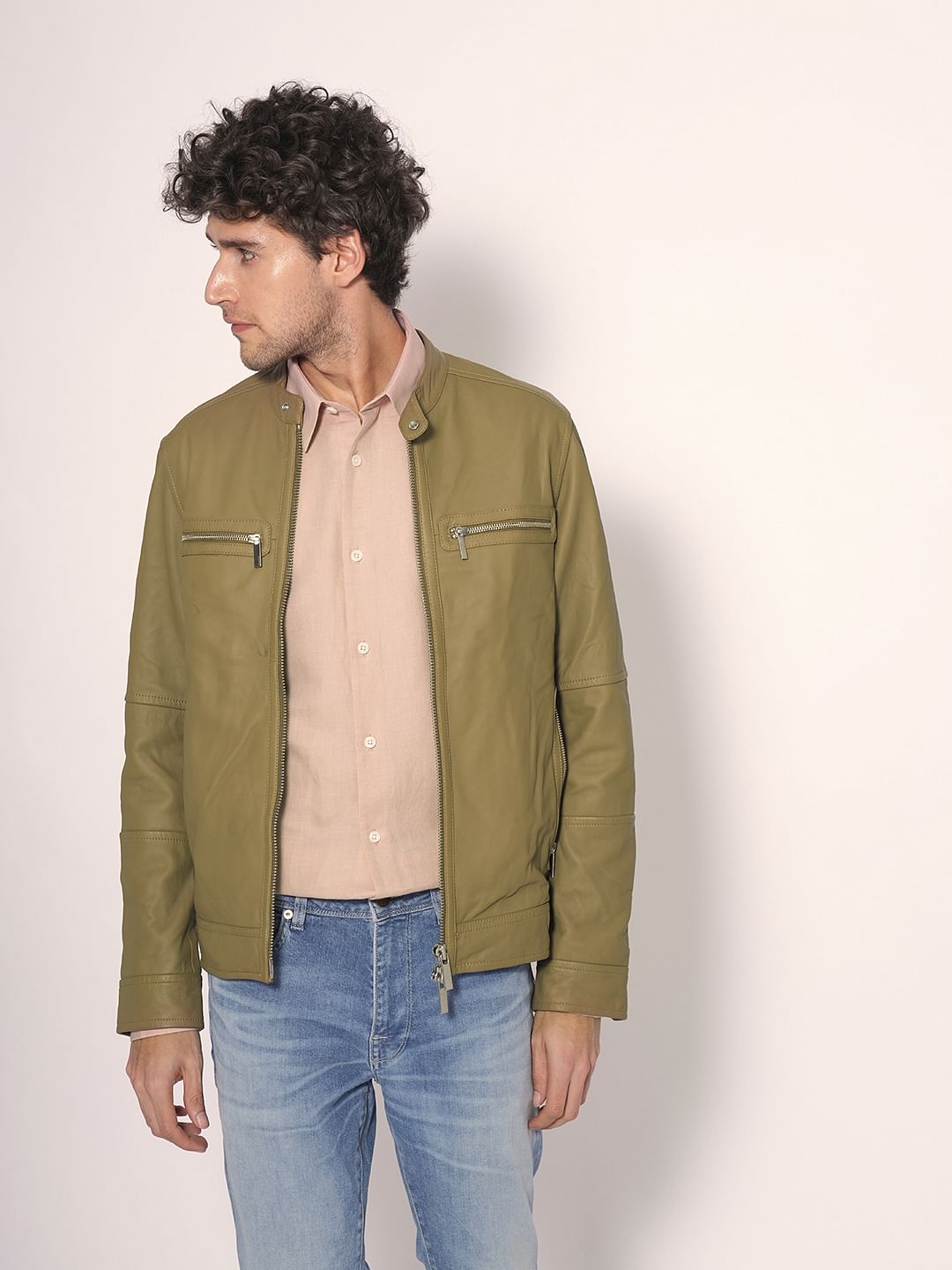
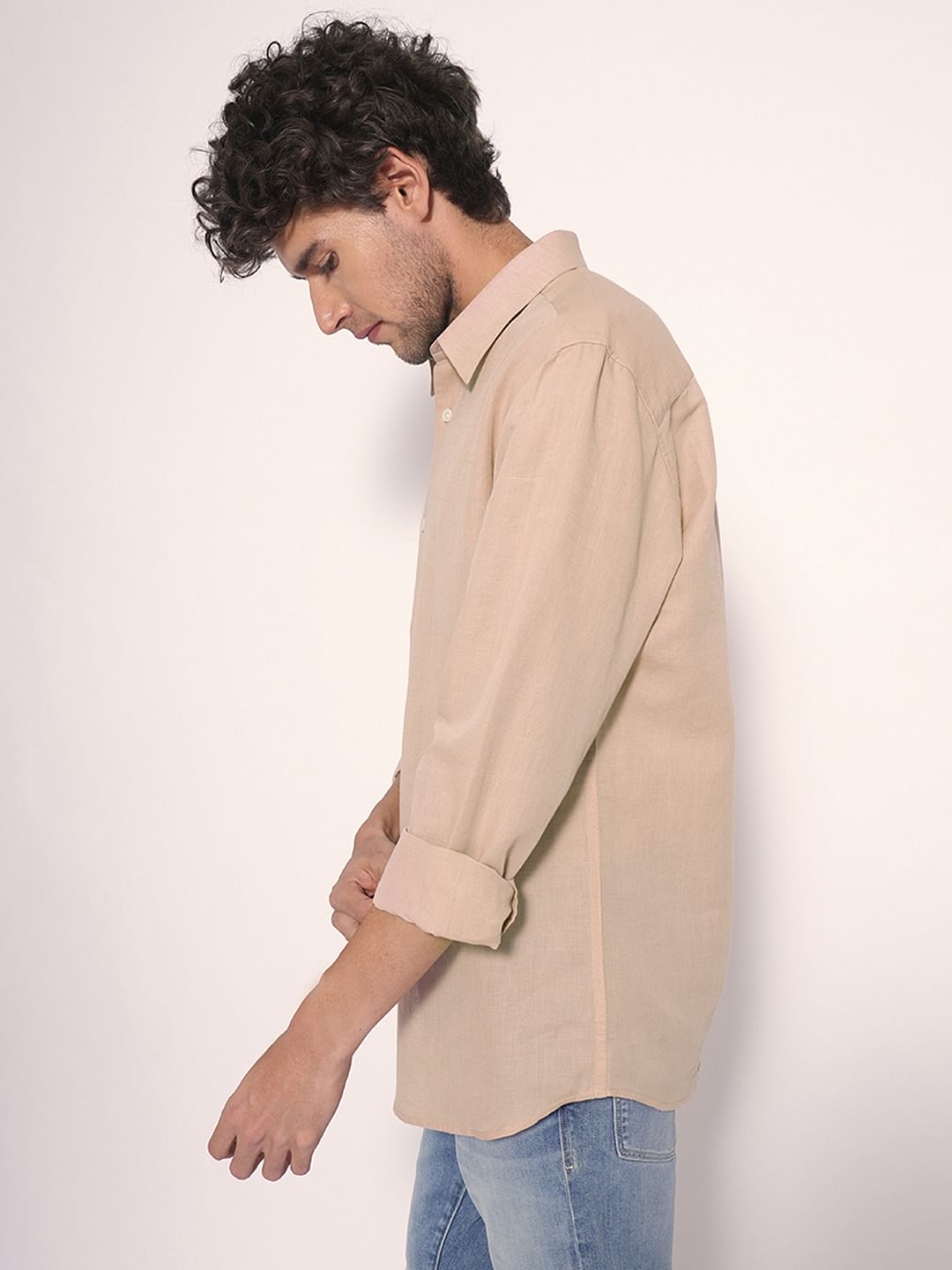
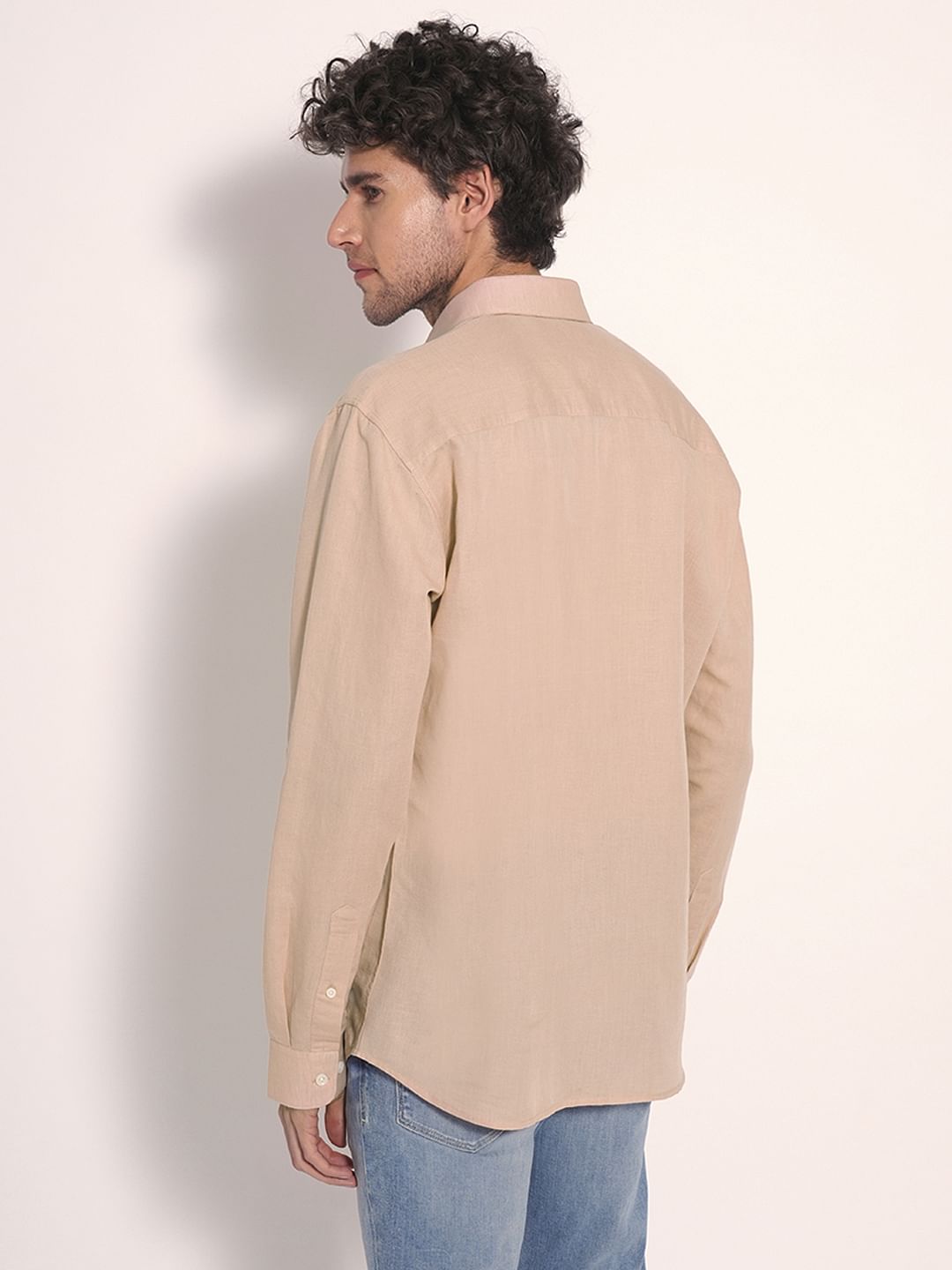
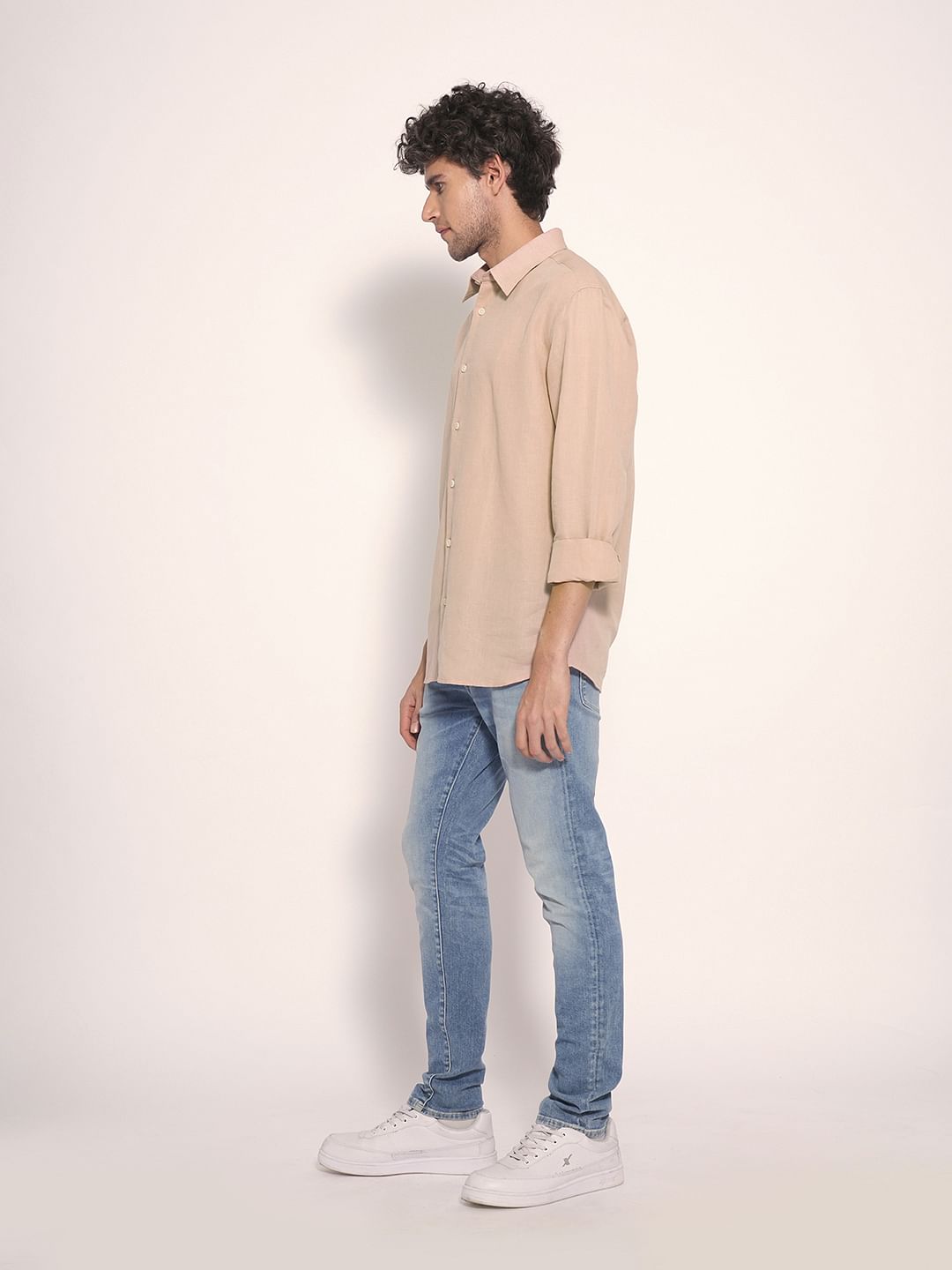
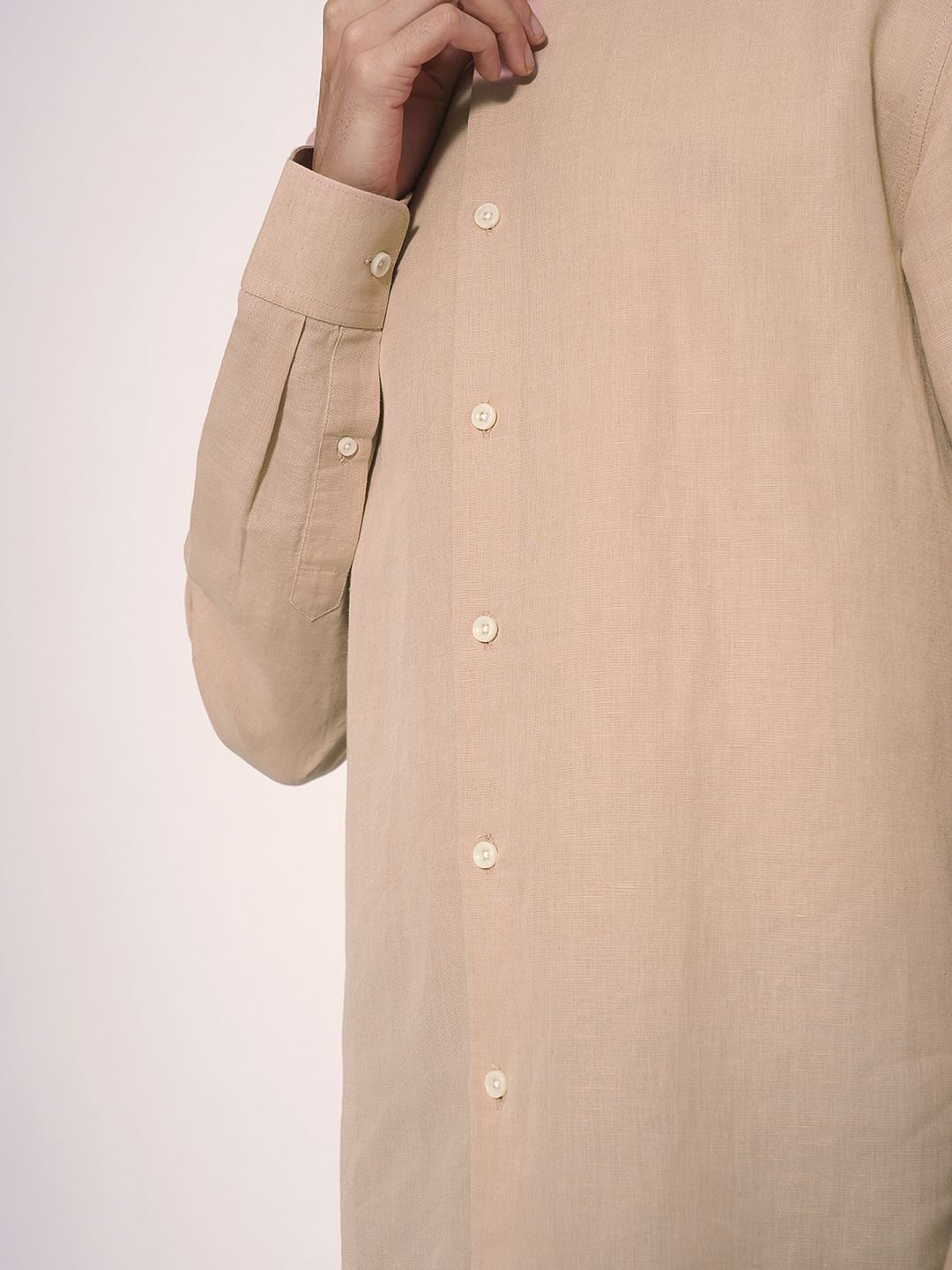
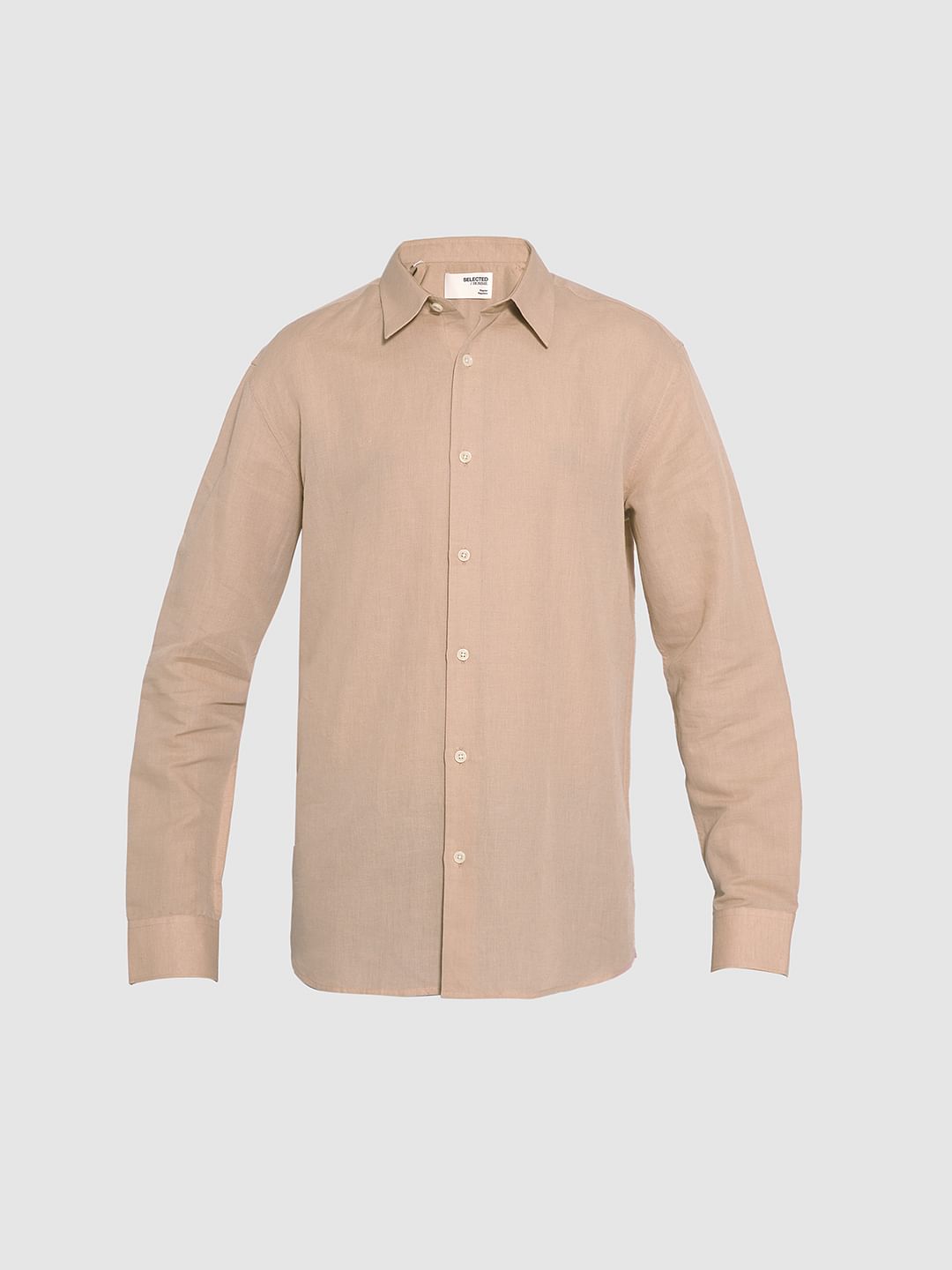
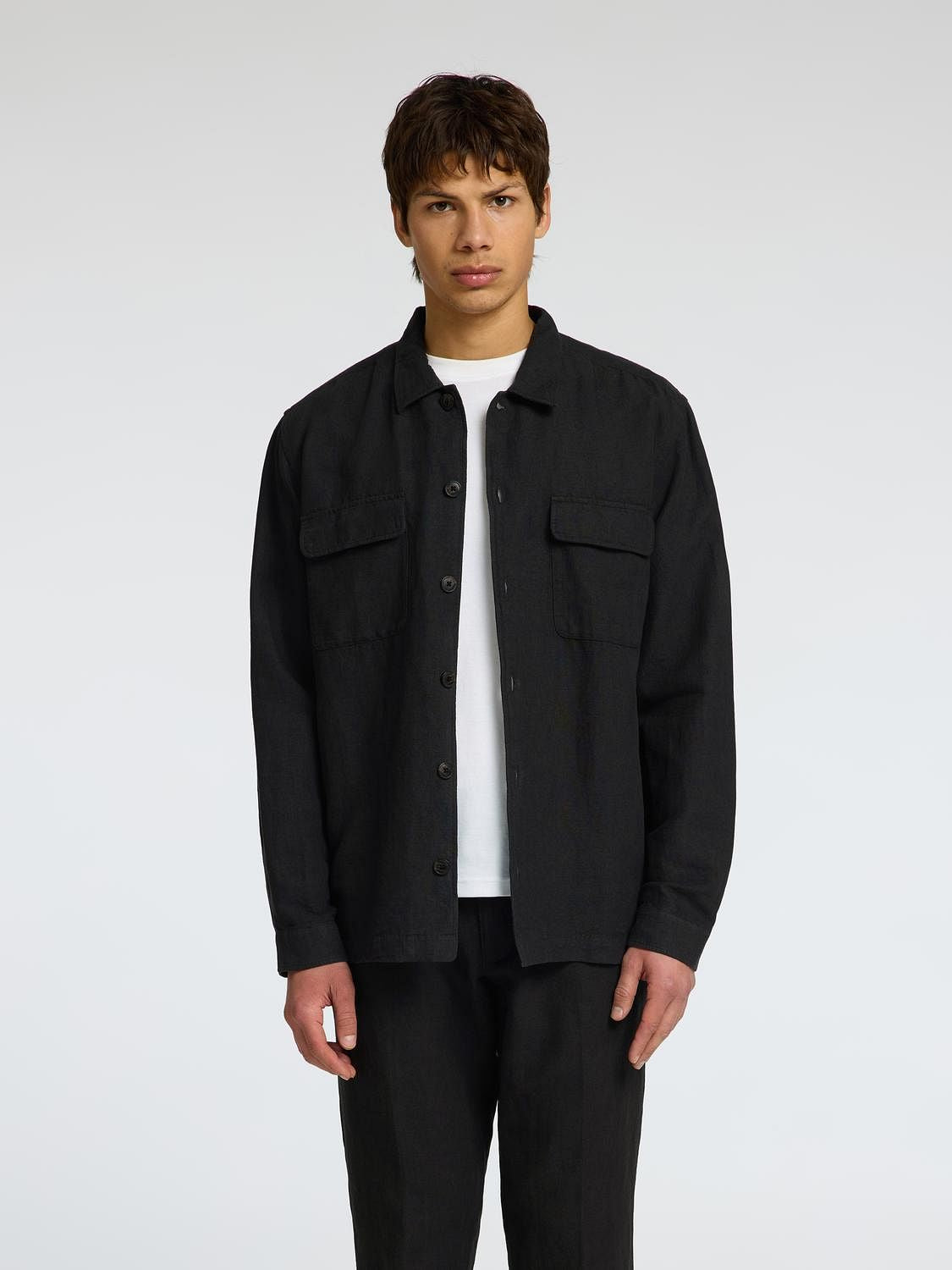
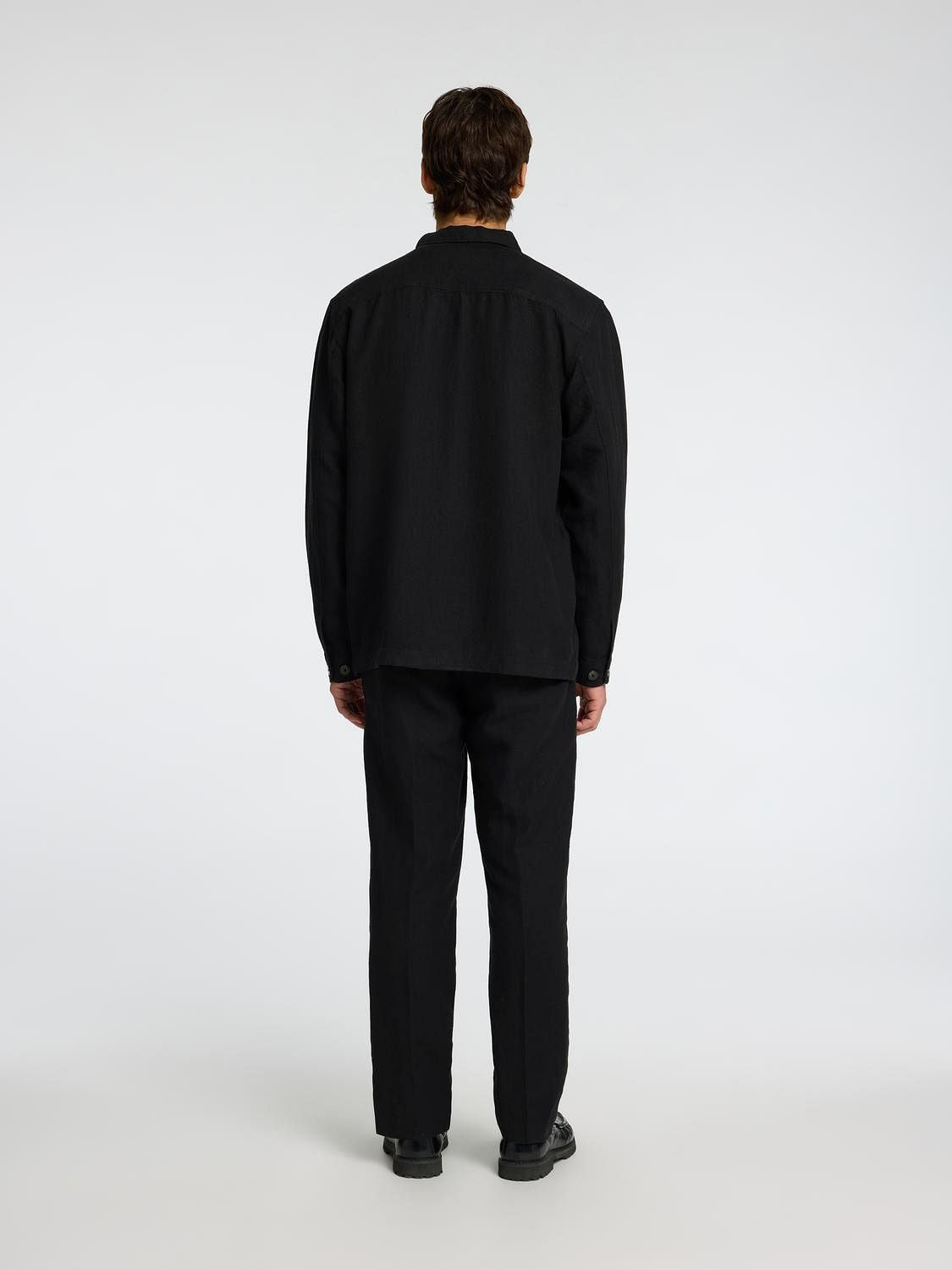
A linen blend shirt combines flax fibre with cotton, viscose, or a similar fibre, usually in ratios between 30% and 70% linen. The blend keeps linen's breathability and light hand-feel while reducing the wrinkling and stiffness that come with 100% linen. For most Indian wardrobes, that trade-off is the difference between a shirt worn once a week and one worn through an entire summer.
Why the Blend Works Better Than Pure Linen for Daily Wear
Pure linen has a well-earned reputation for coolness, but it also creases within an hour of wearing and needs a stiffer hand to iron well. A linen blend softens that behaviour. Adding cotton gives the fabric more structure and a cleaner drape, so a shirt looks pressed for longer between washes. Adding viscose does the opposite — it loosens the weave further for a fluid, almost liquid drape that suits looser, more relaxed silhouettes.
This matters more in India than most style guides acknowledge. A large share of urban professionals move between air-conditioned interiors and outdoor heat several times a day — the walk from a cab to an office lobby, a client meeting across town, a commute home in traffic. Pure linen shows every one of those transitions in the fabric. A cotton-linen blend holds its shape through them, which is why it tends to be the more practical everyday choice for men who need a shirt to look composed from a 9 AM meeting through an evening commute, not just on a slow weekend.
Reading a Linen Blend Shirt Before You Buy
Three details decide how a linen blend shirt performs, and they're worth checking before fit alone.
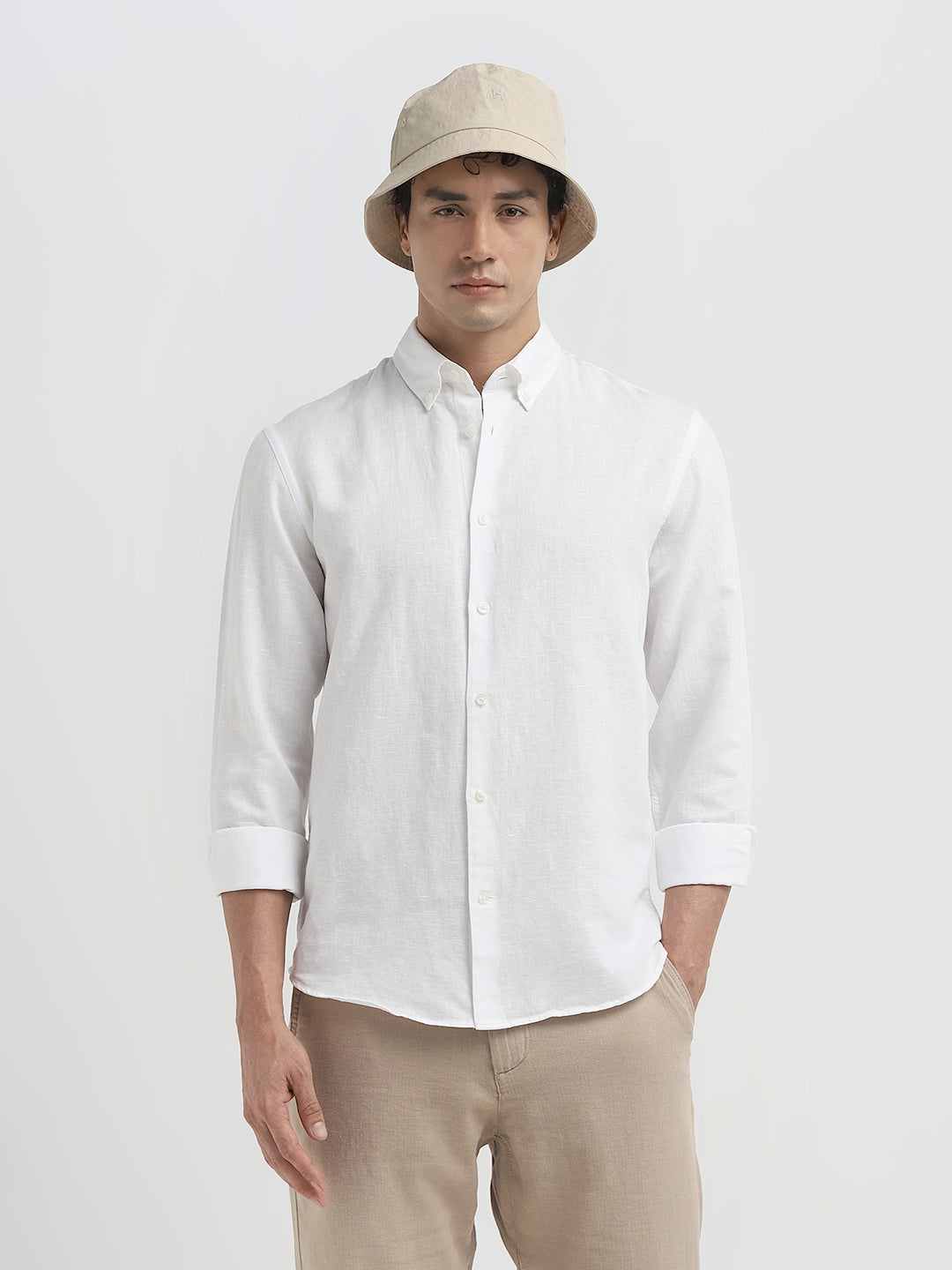
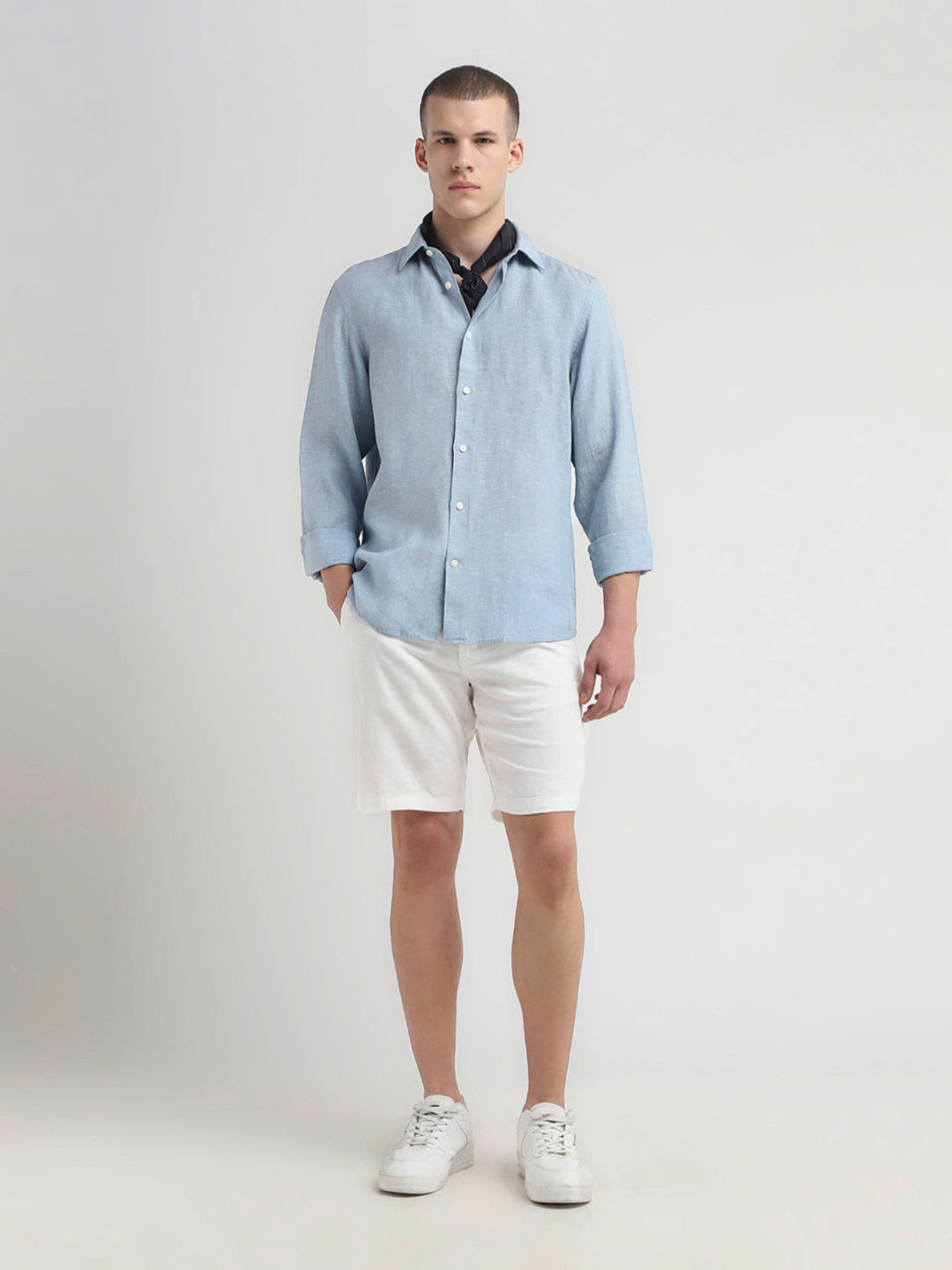
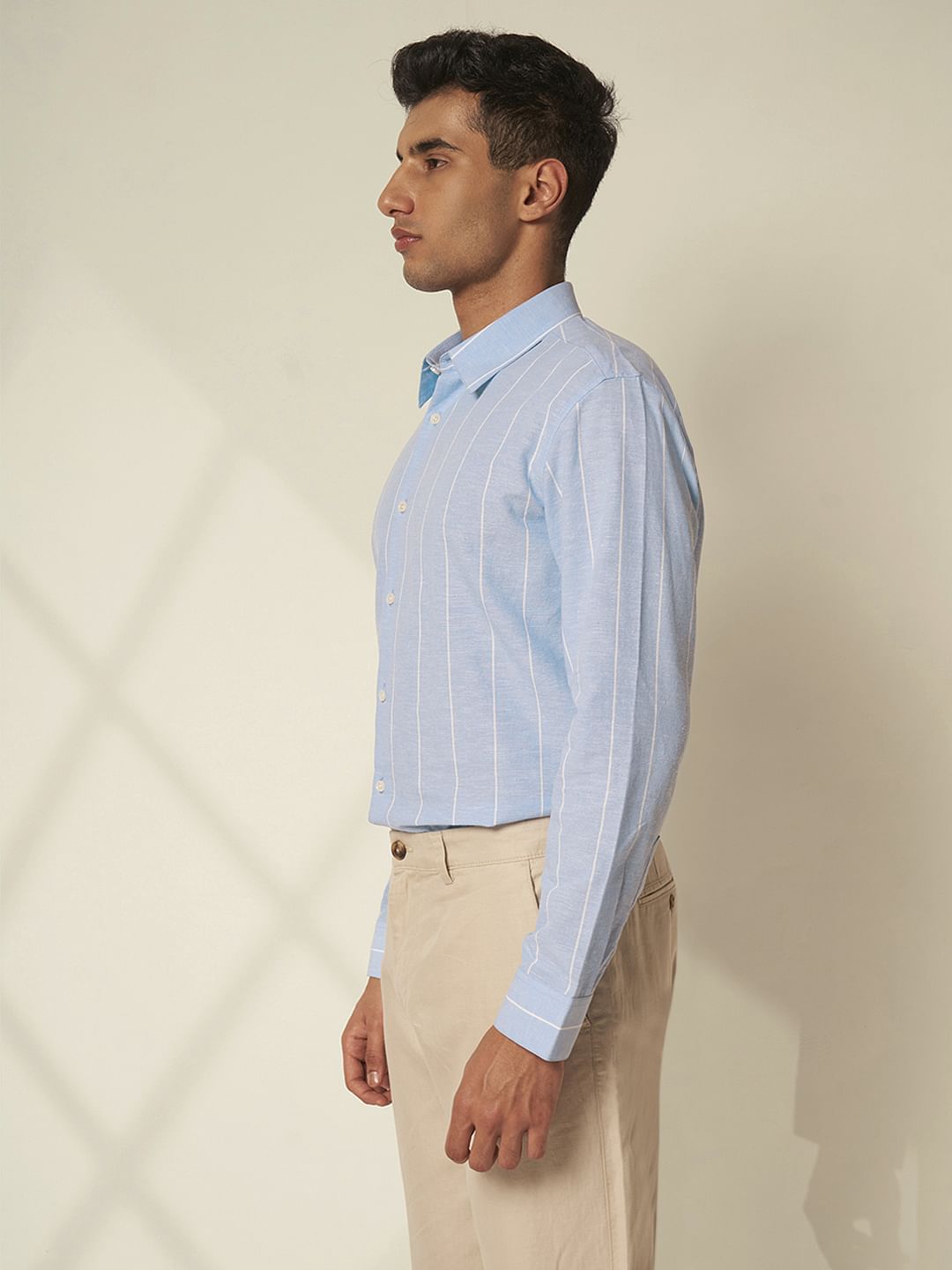
Fit. A regular fit sits away from the body and allows the fabric to move, which improves airflow — the more relevant consideration for a warm-weather fabric than it is for cotton. A slim fit gives a cleaner, more tailored line but naturally traps a little more heat against the body. Both belong in a well-rounded wardrobe; the occasion should decide which one gets worn.
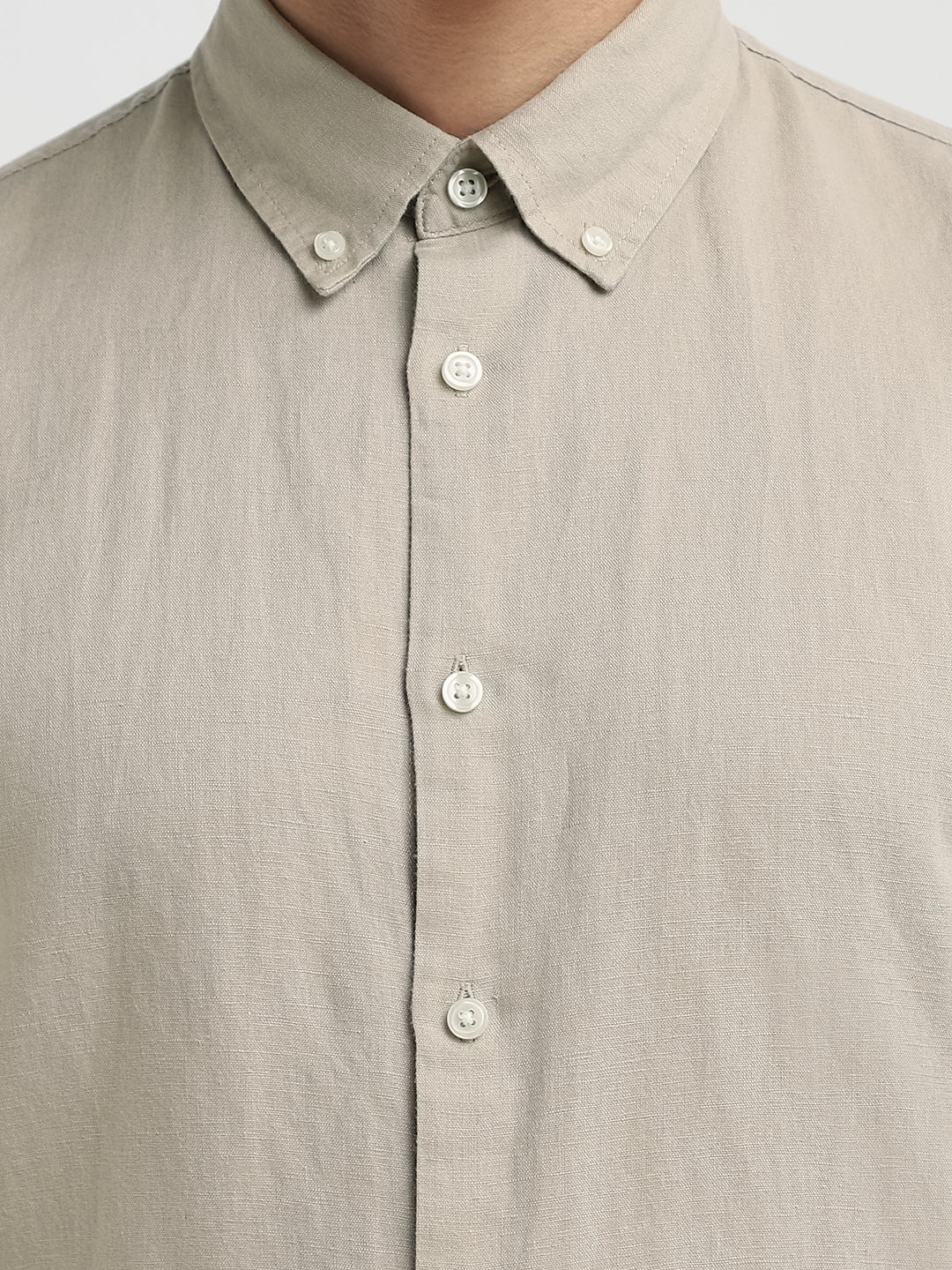
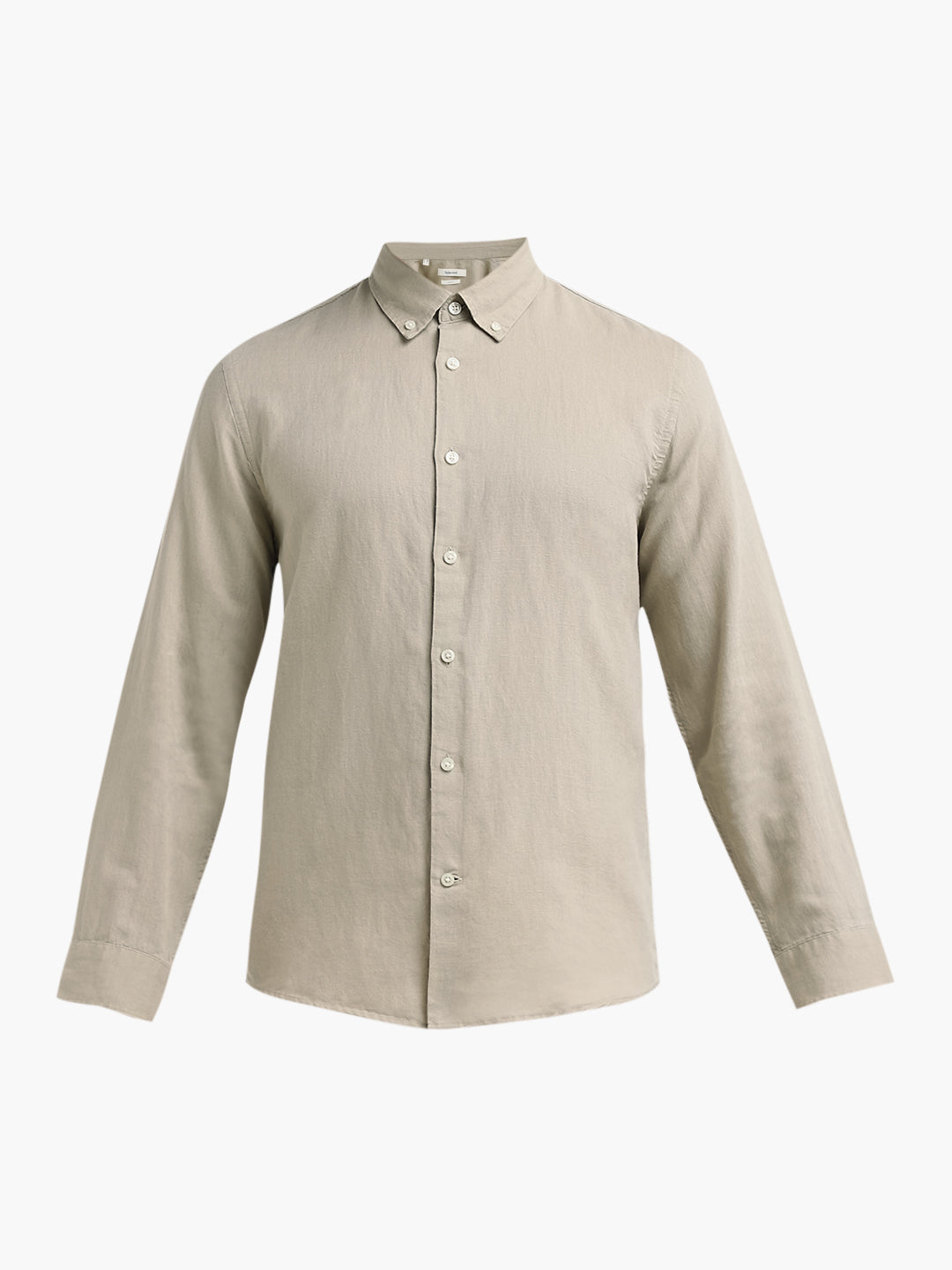
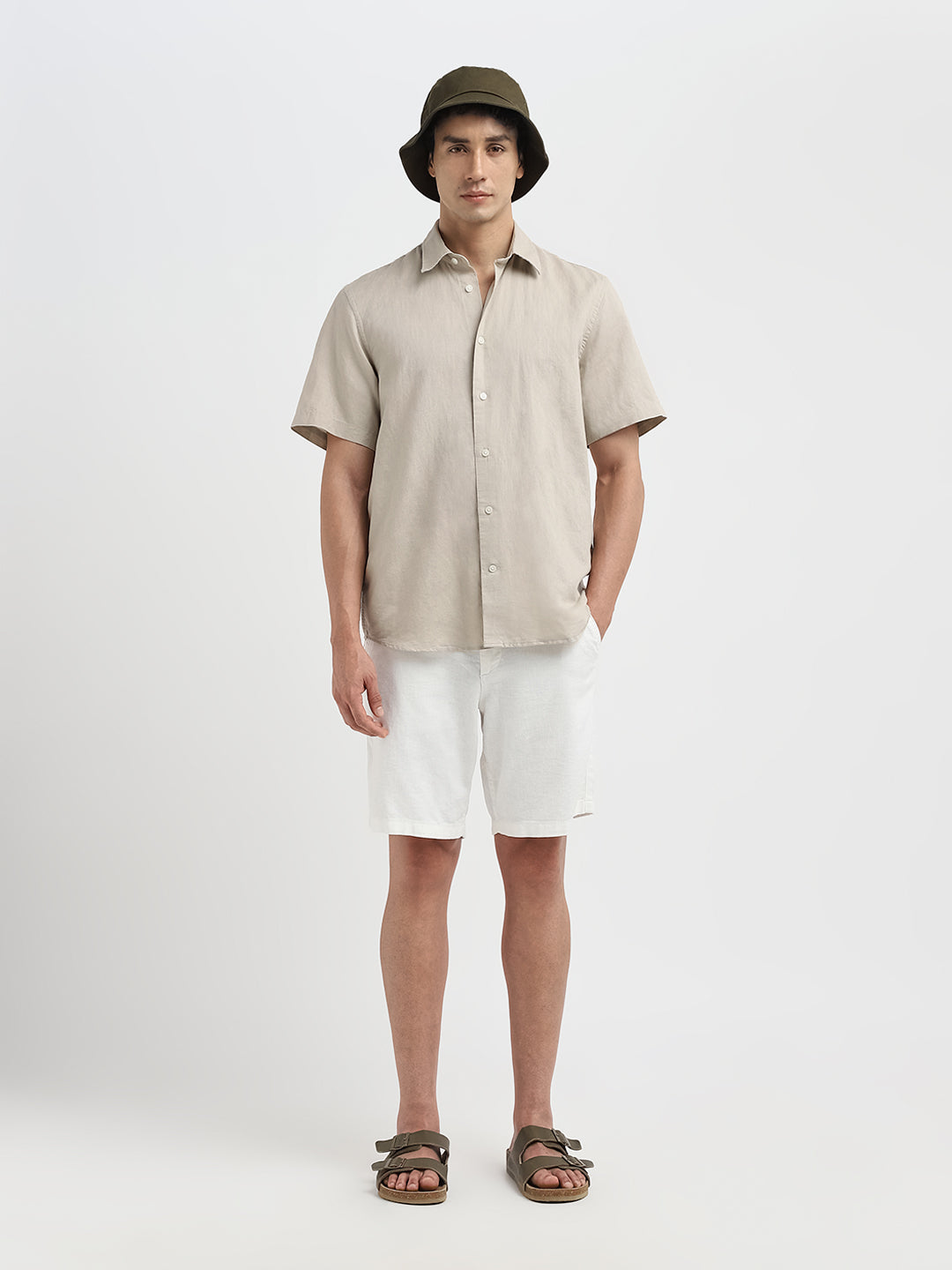
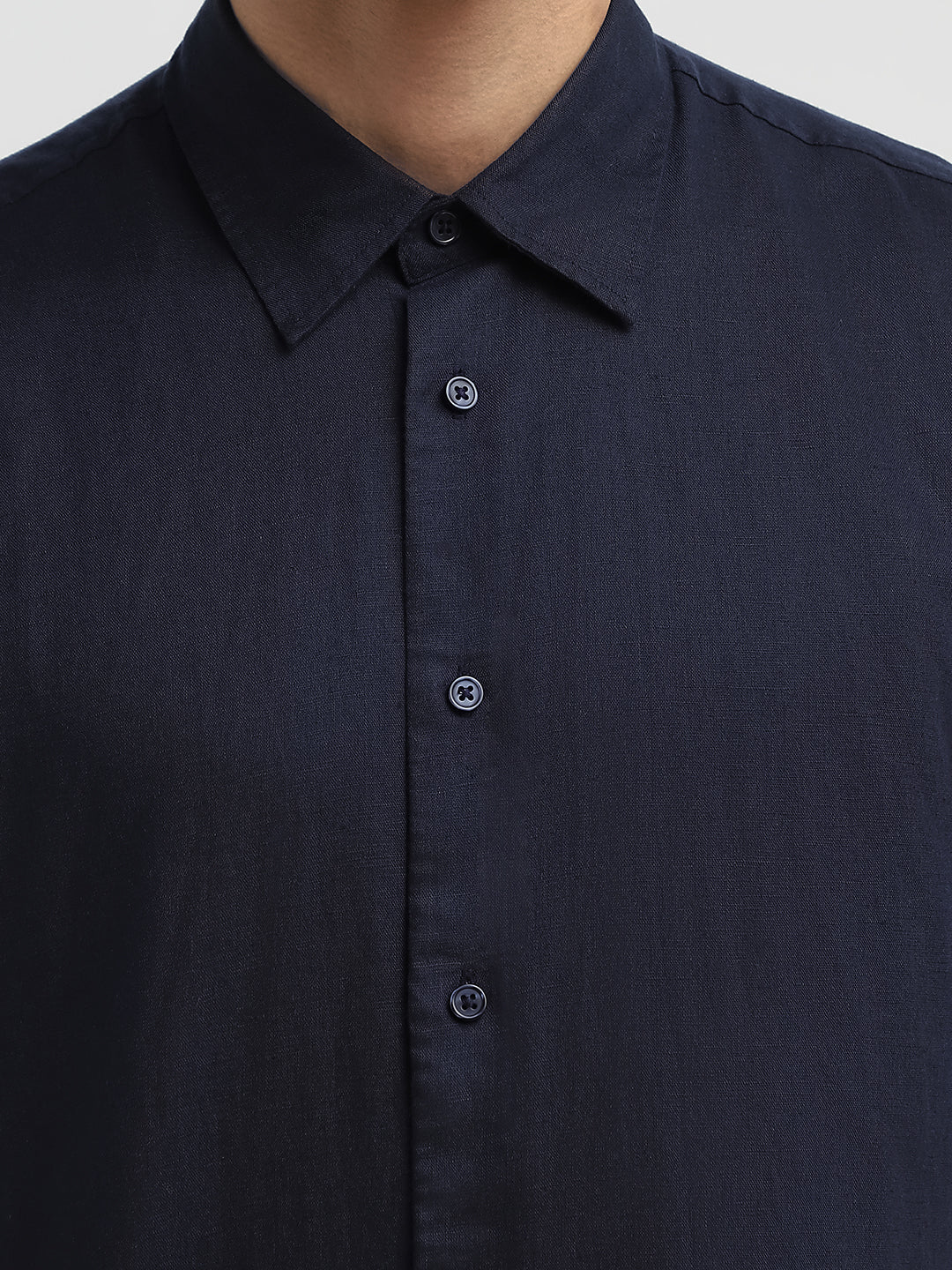
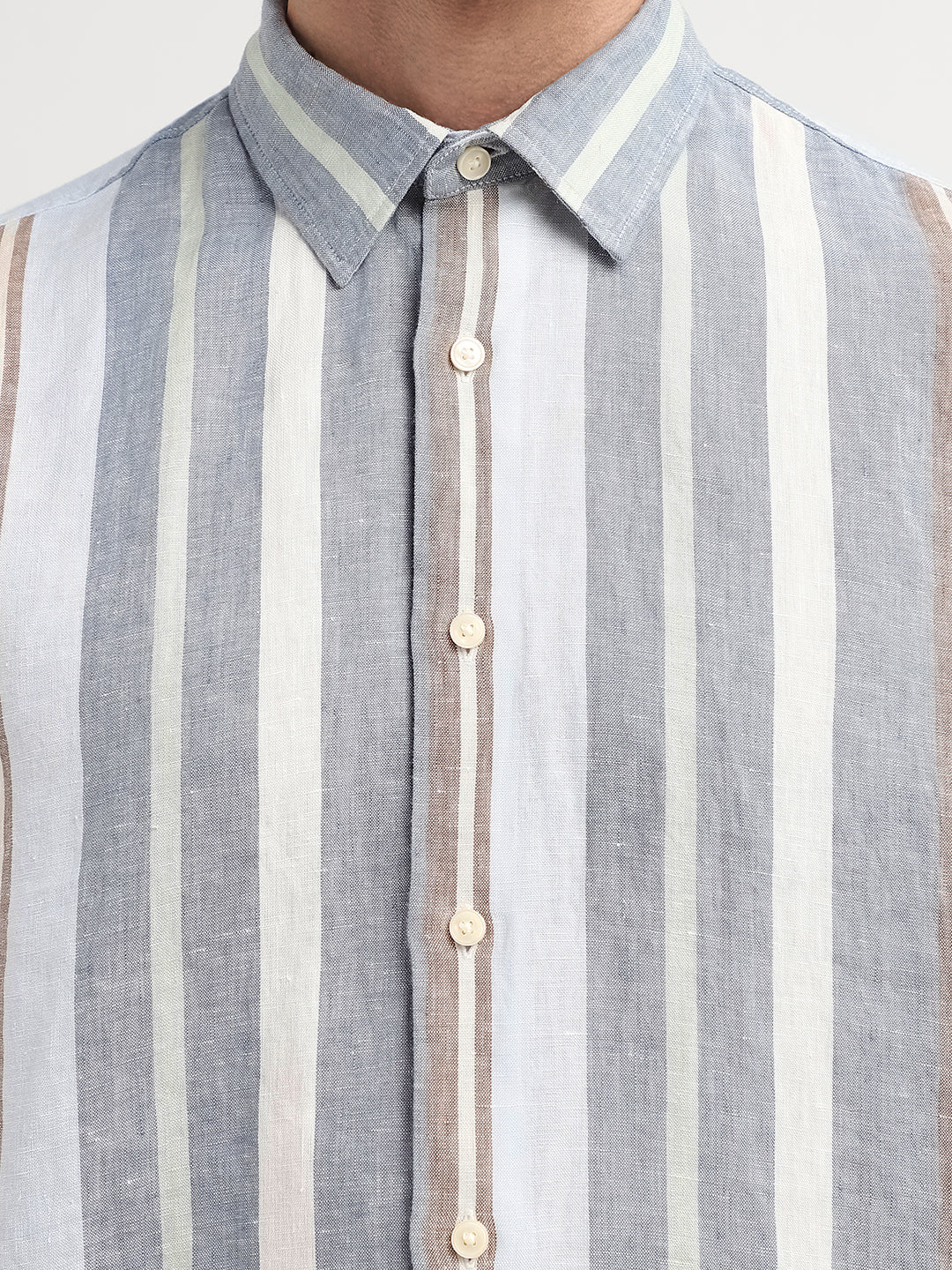
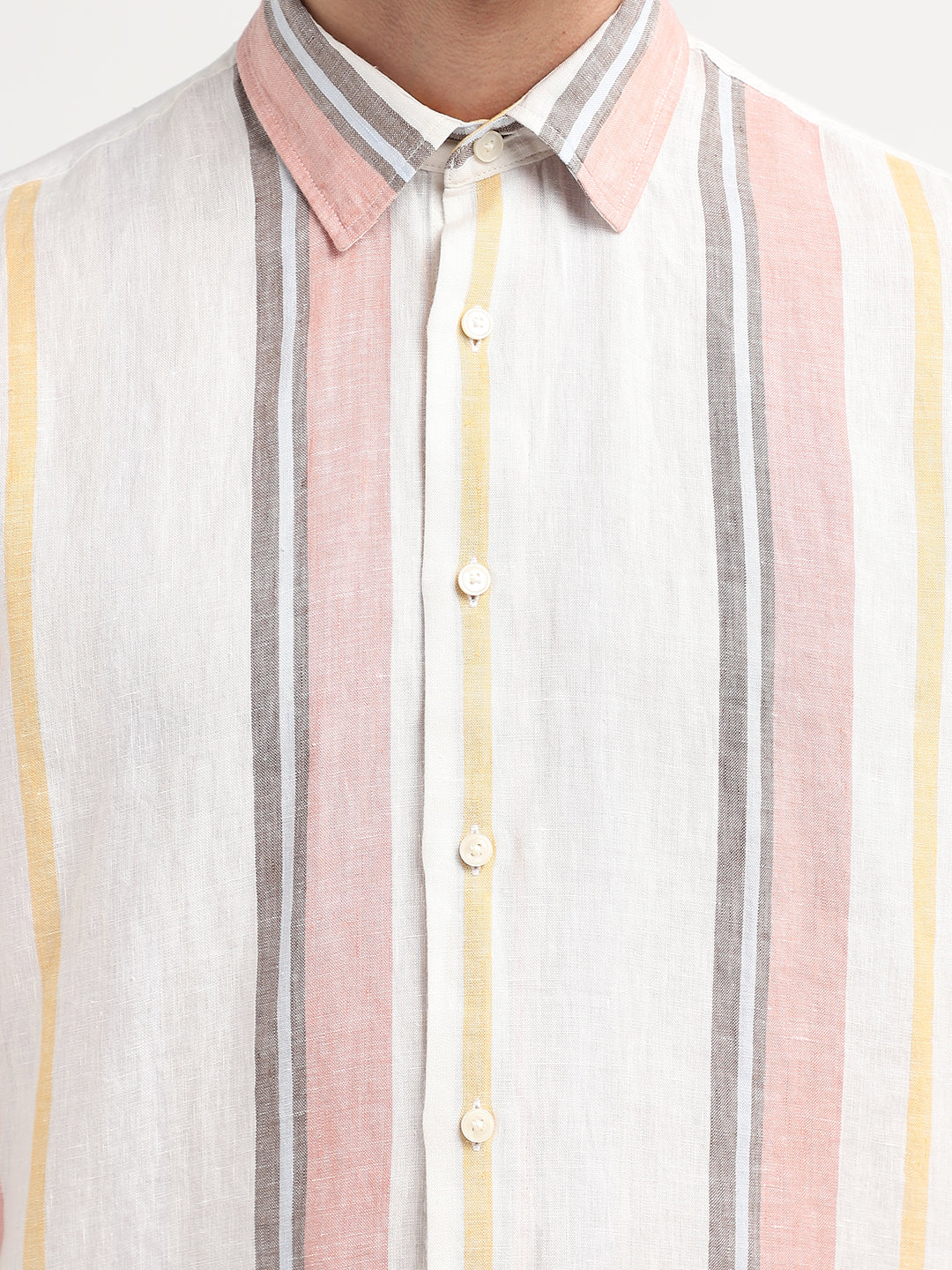
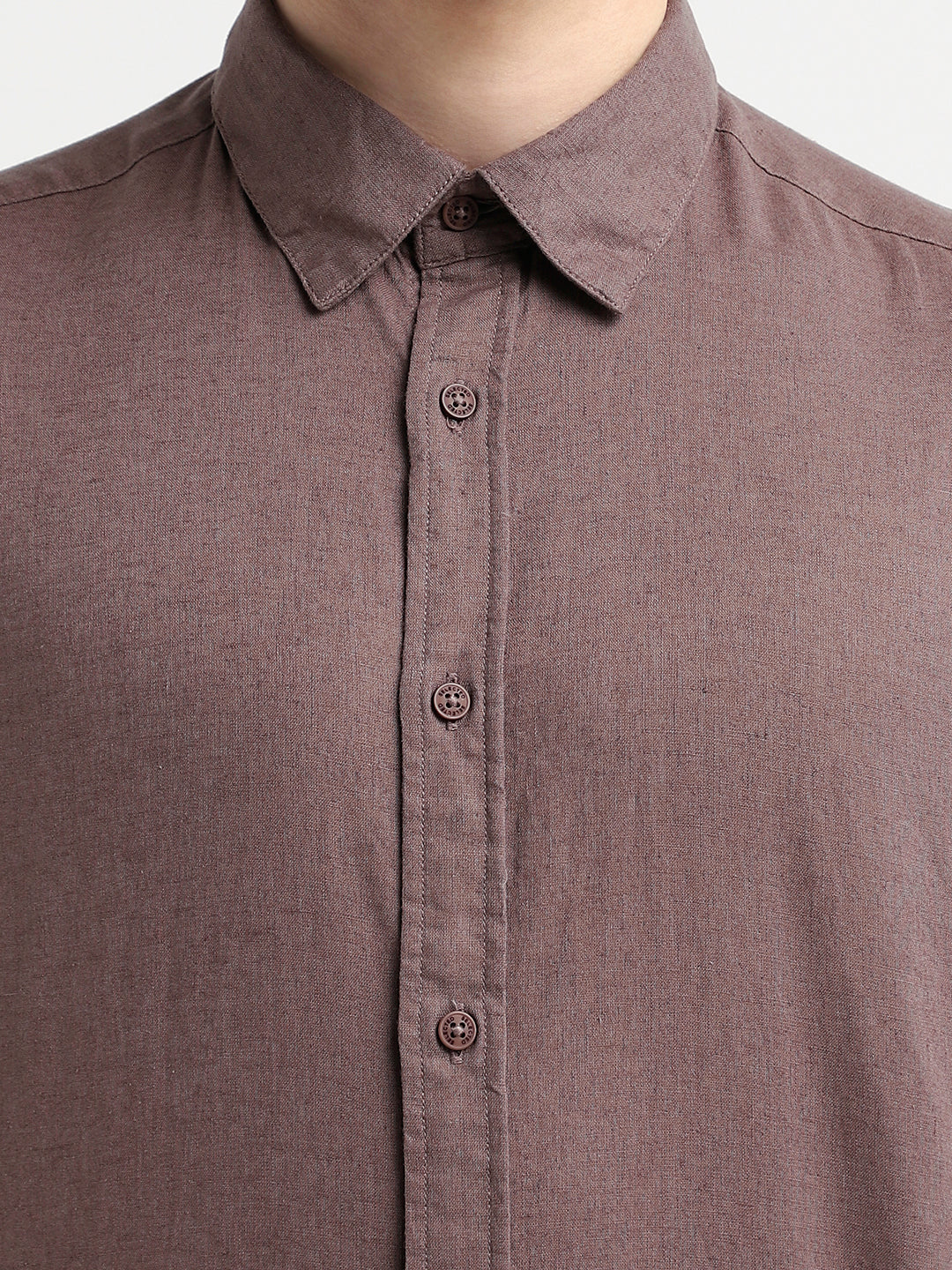
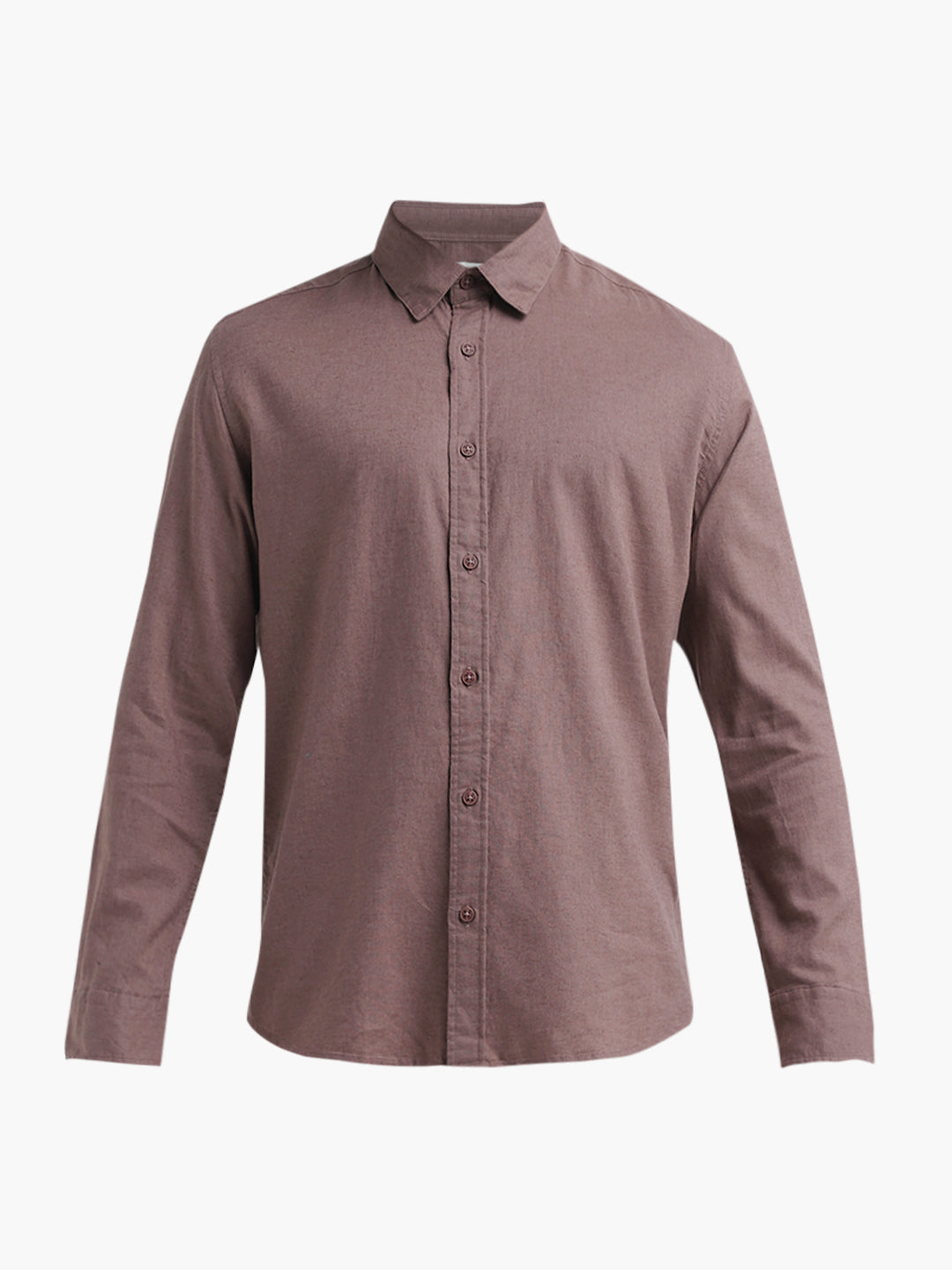
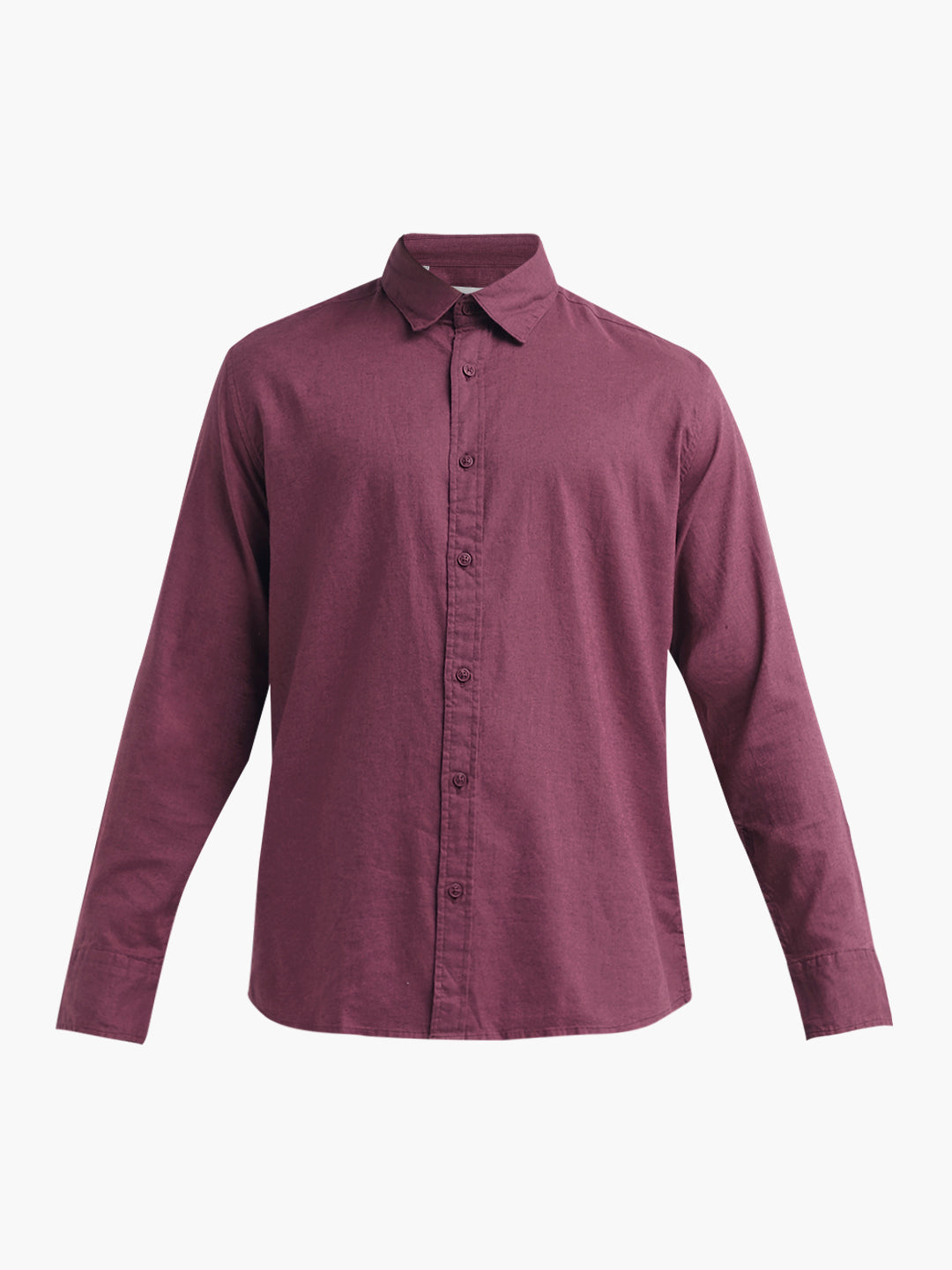
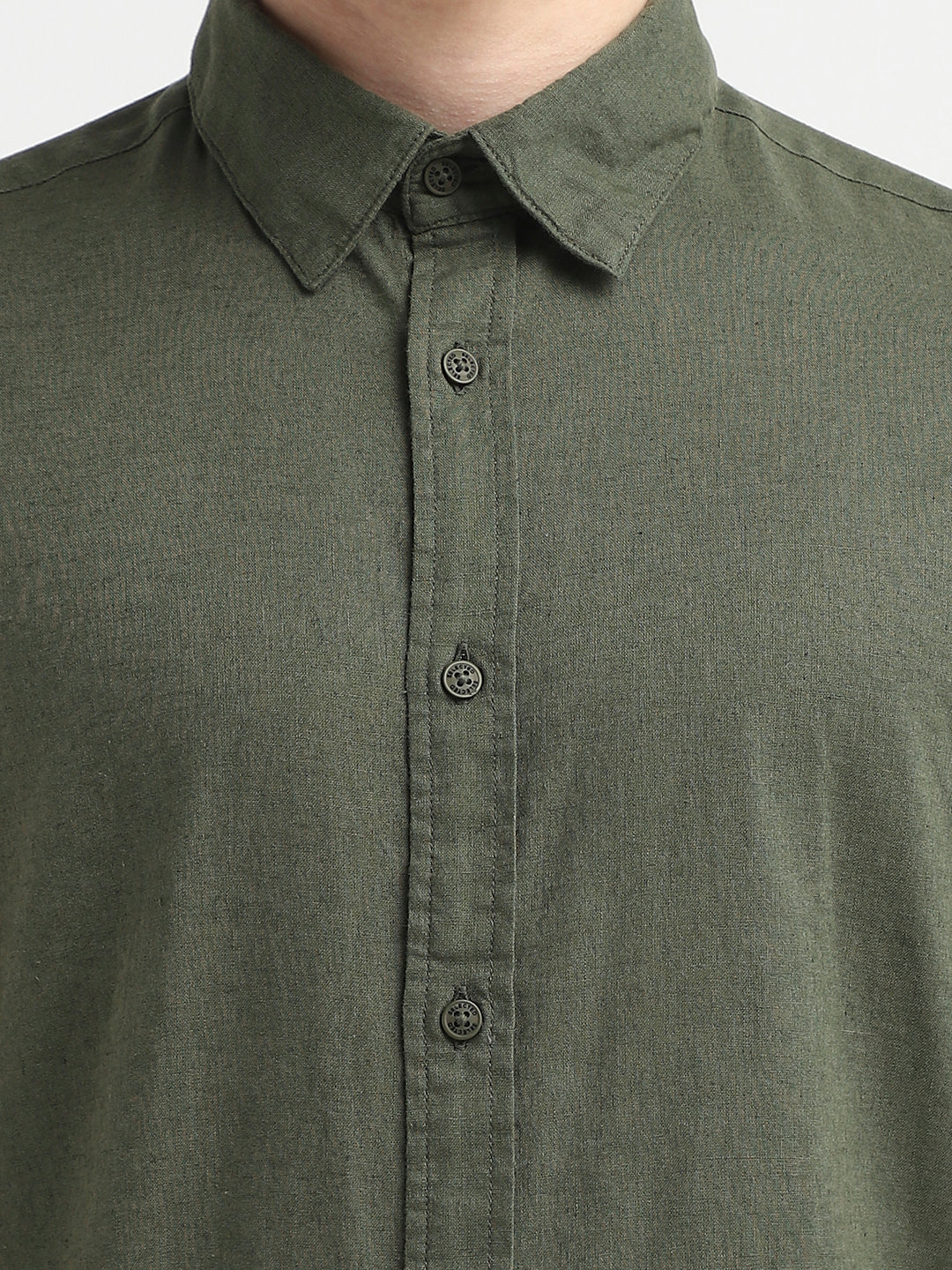
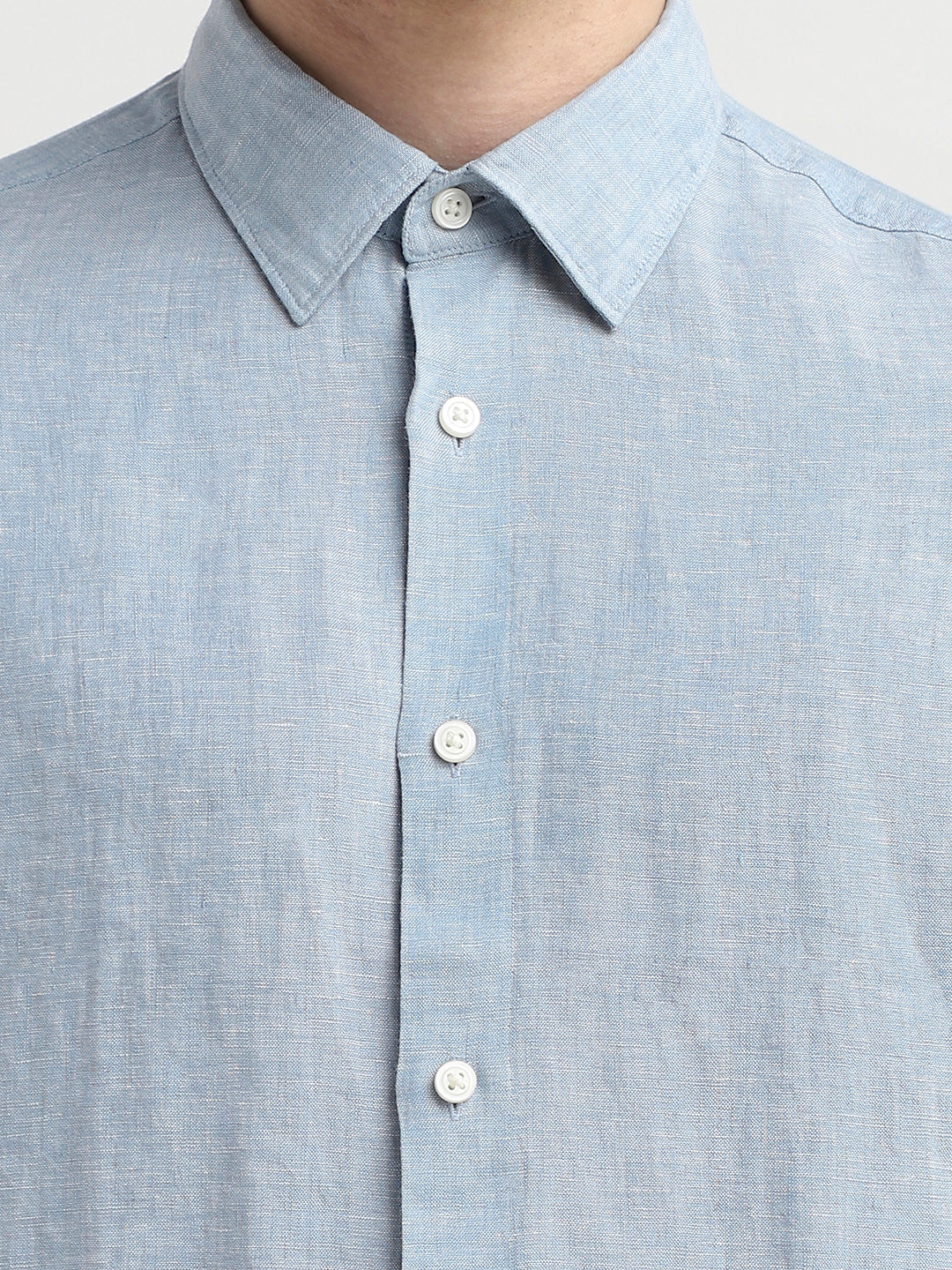
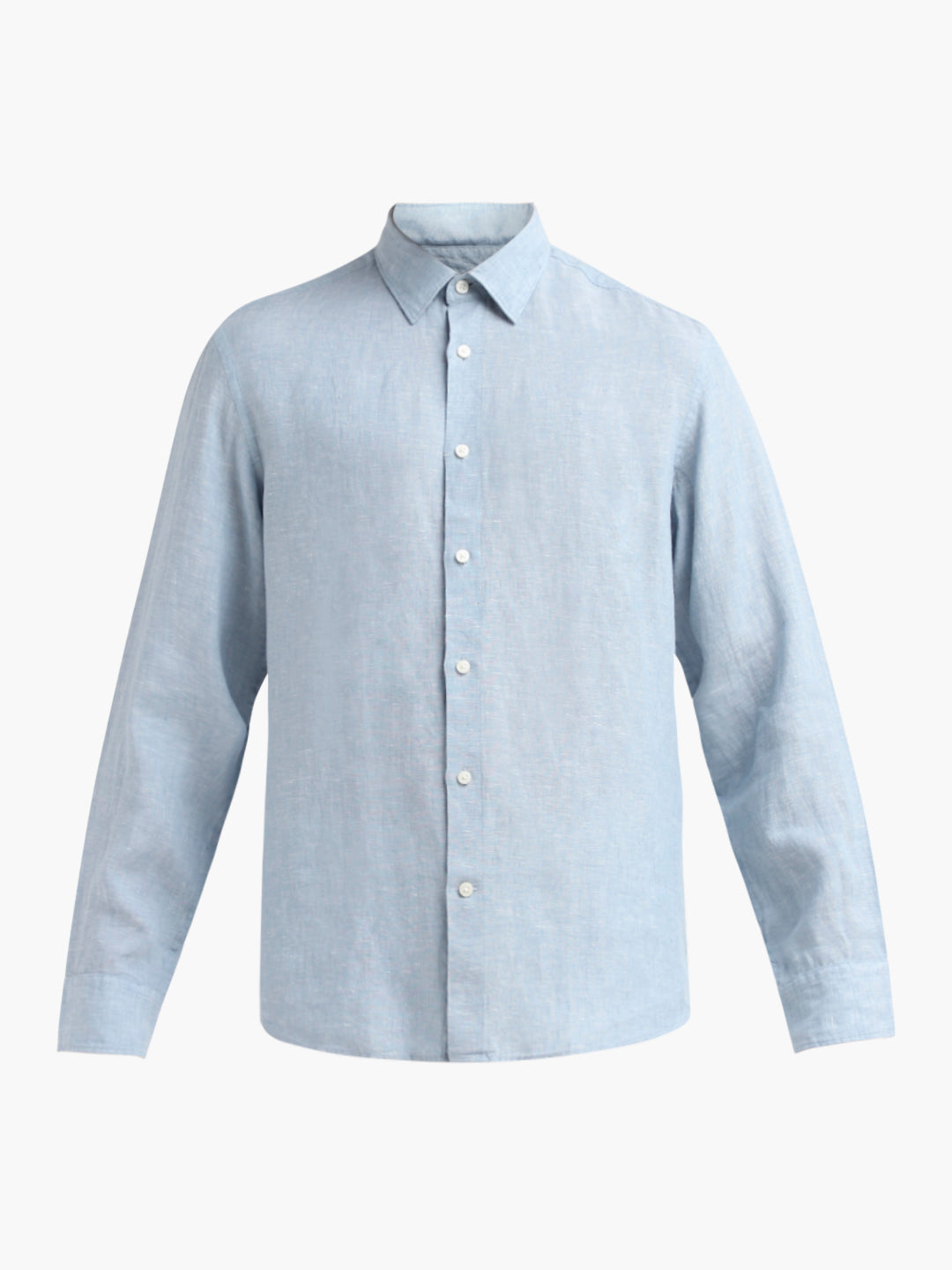
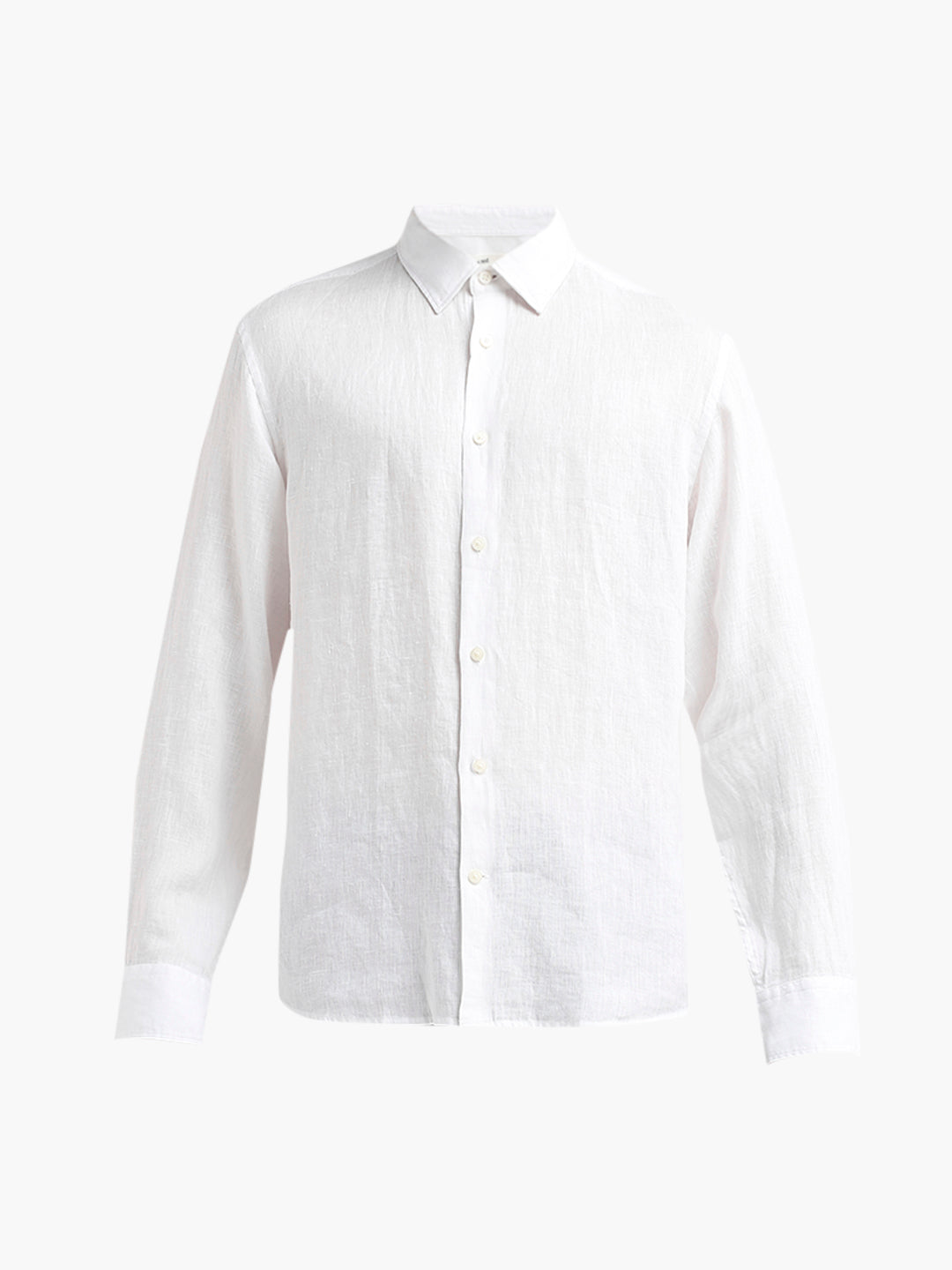
Collar. A spread collar reads more polished and pairs naturally with trousers or chinos for smart-casual settings. A Cuban collar sits more open and relaxed, built for shirts worn untucked, and suits weekend or travel dressing better than a desk.
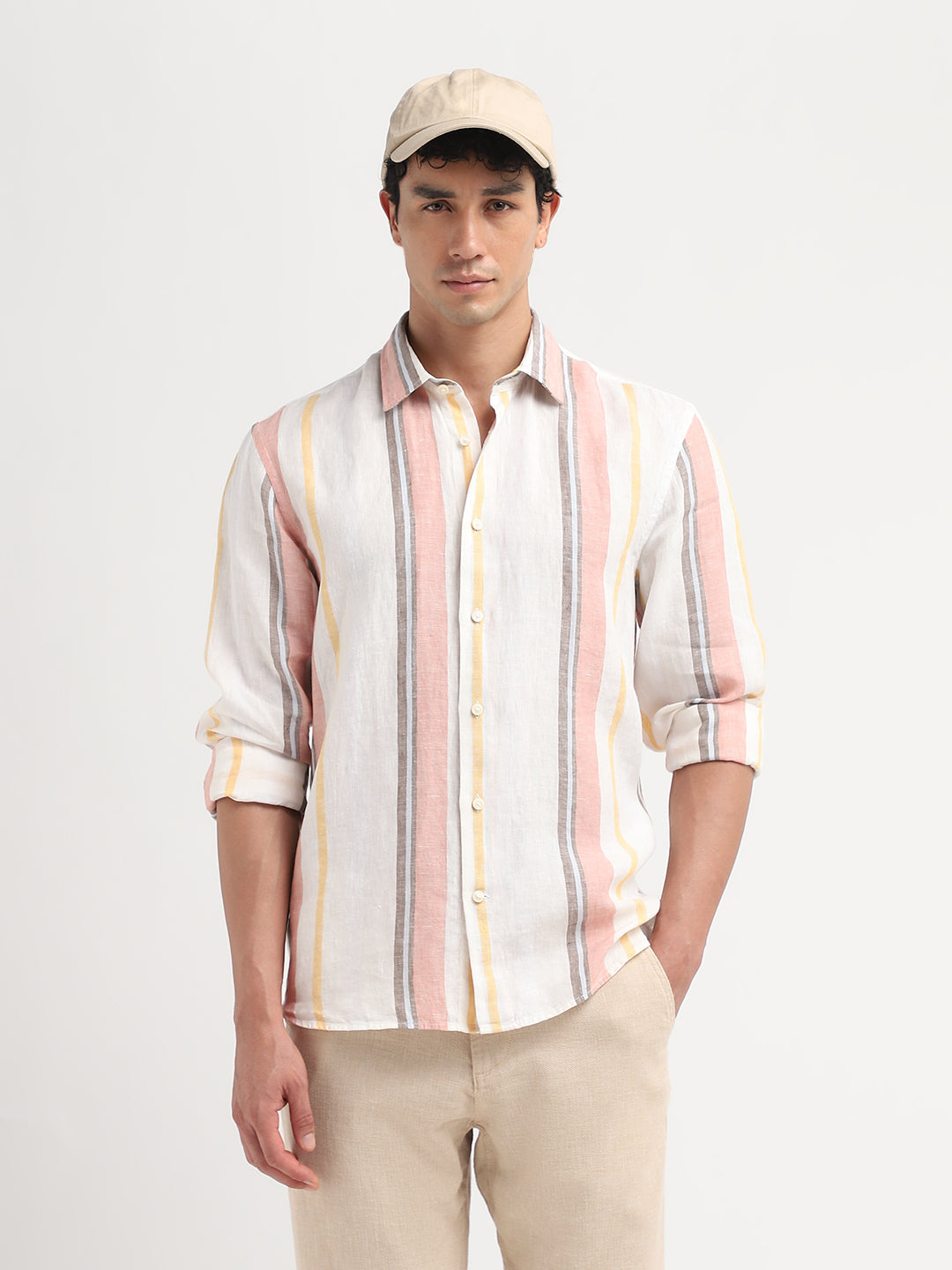
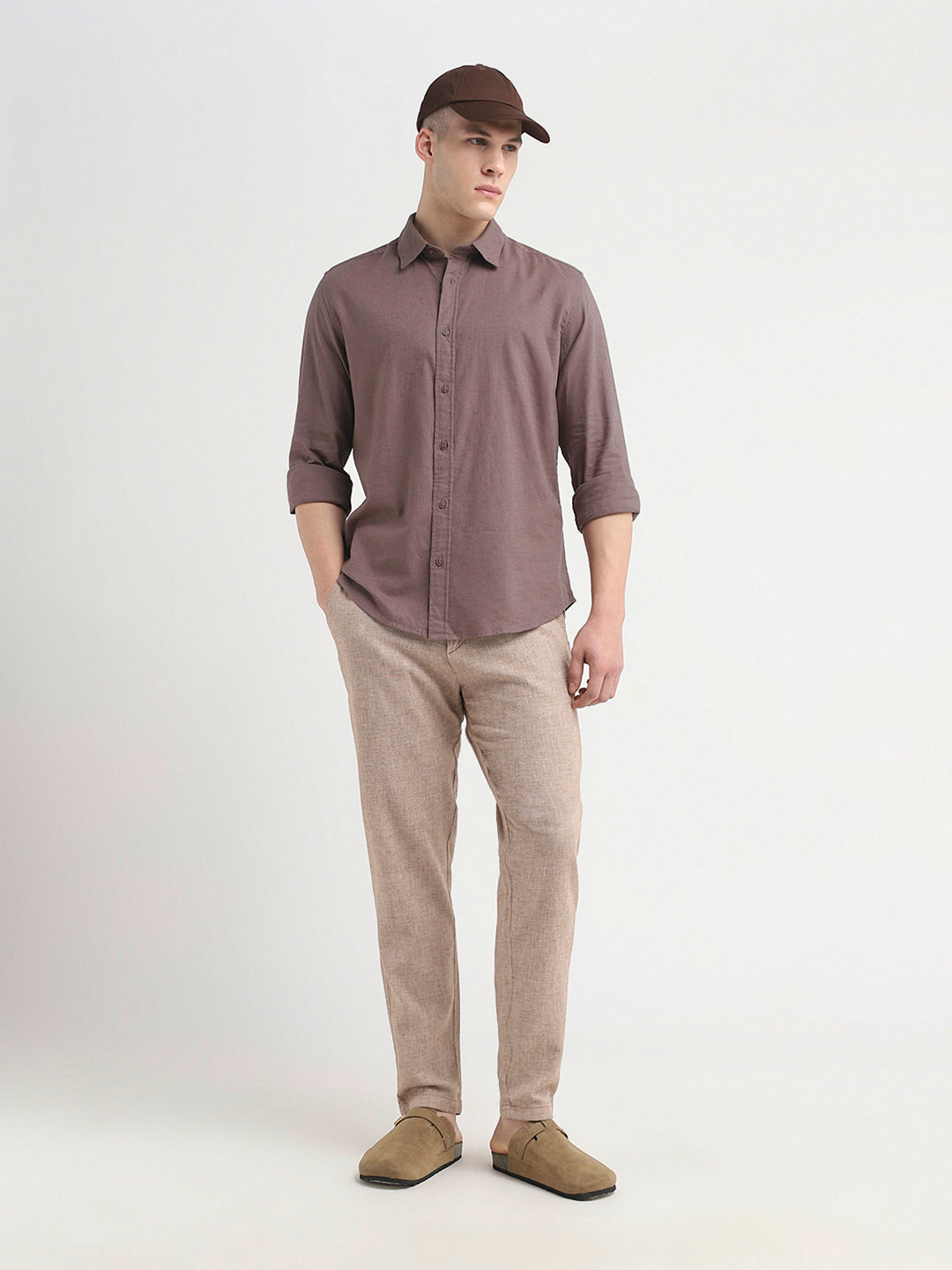
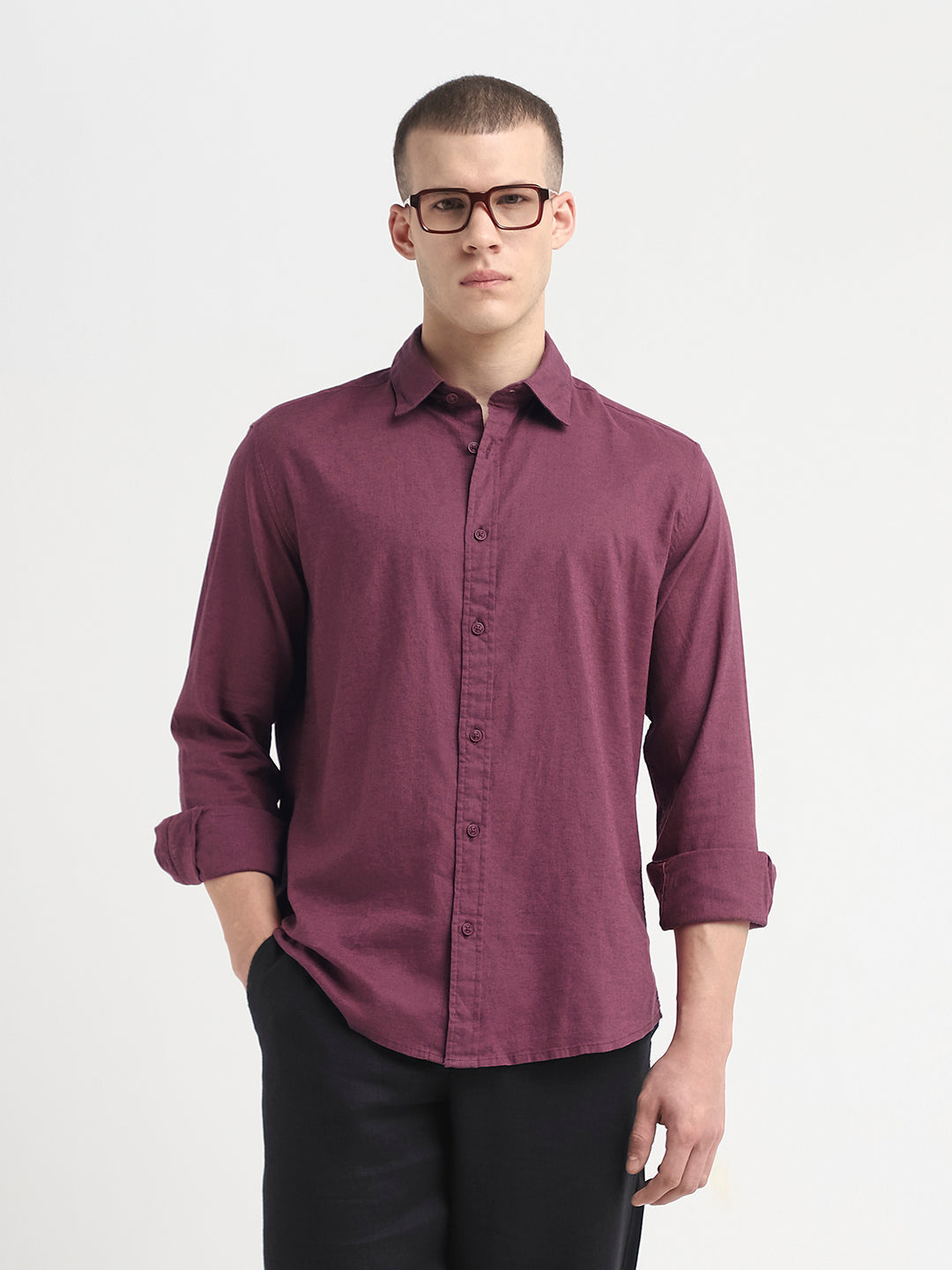
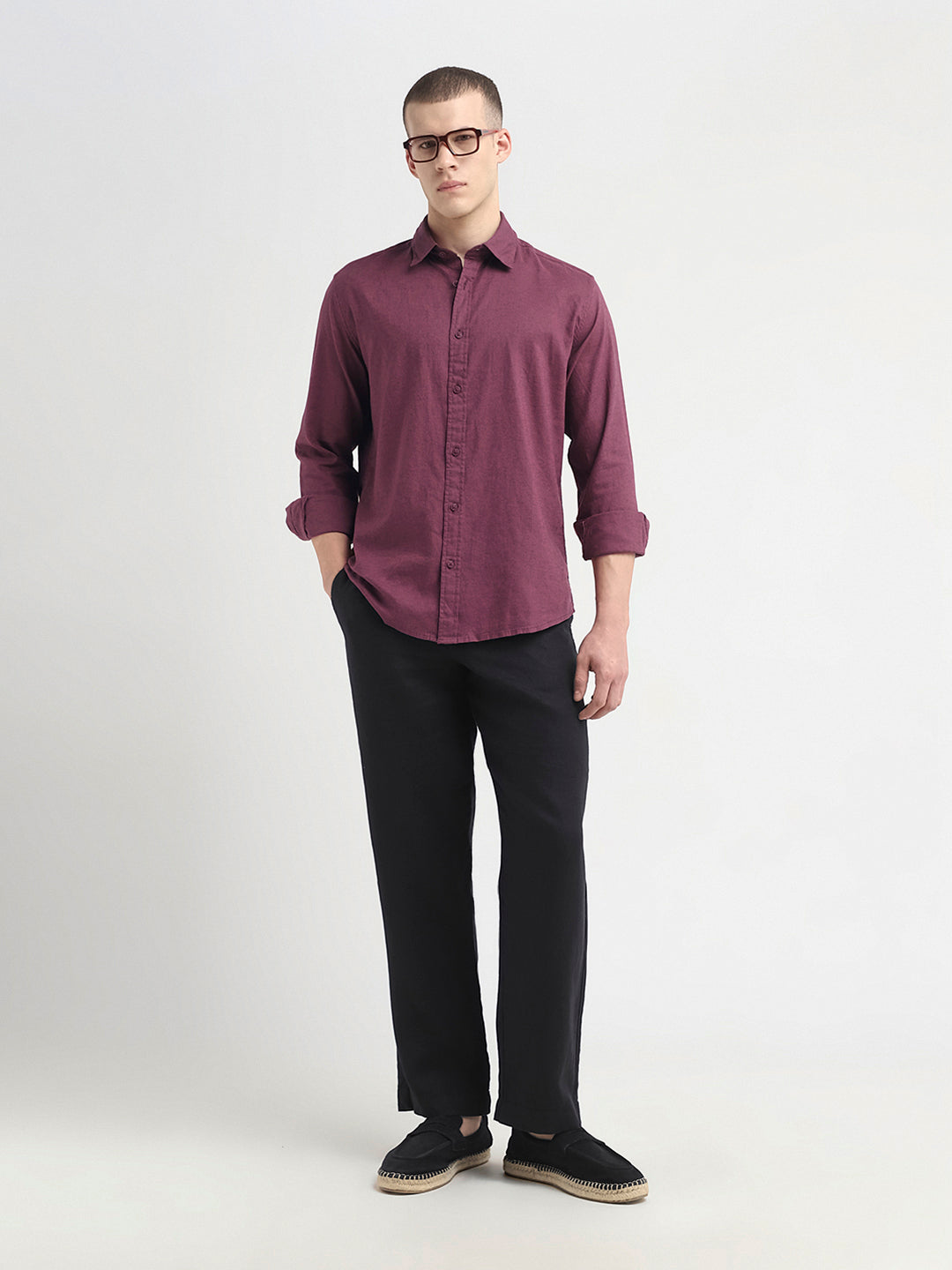
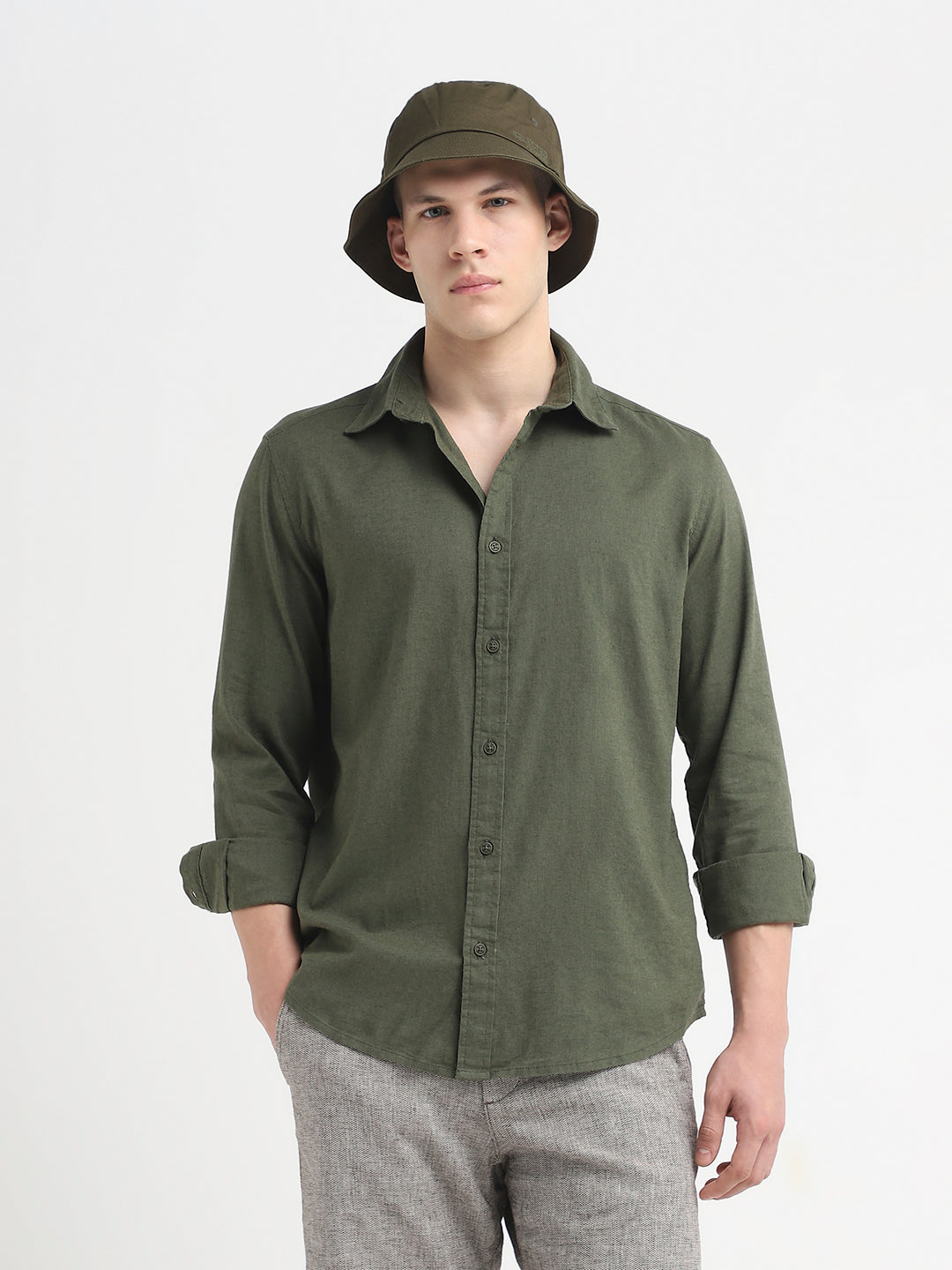
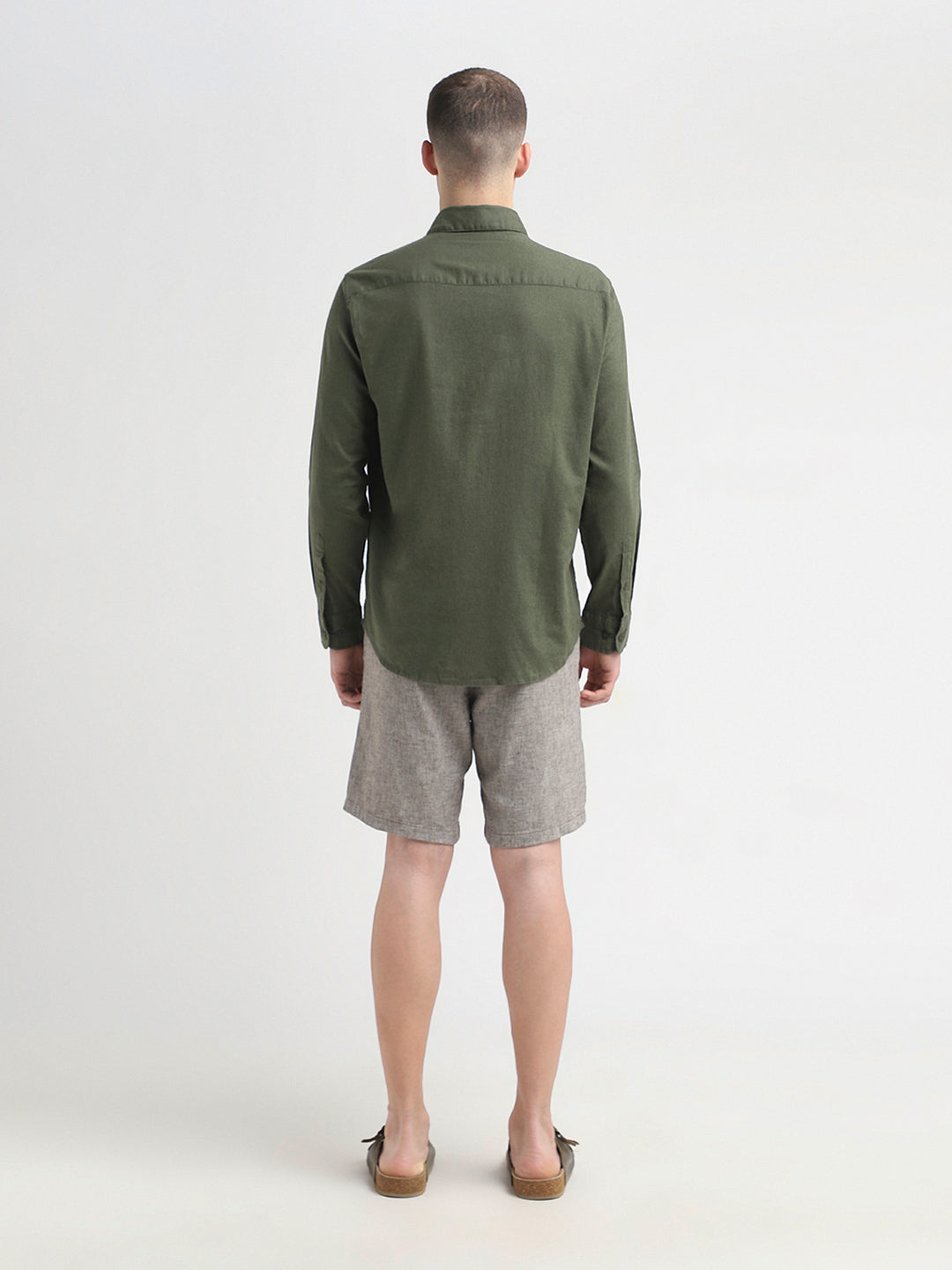
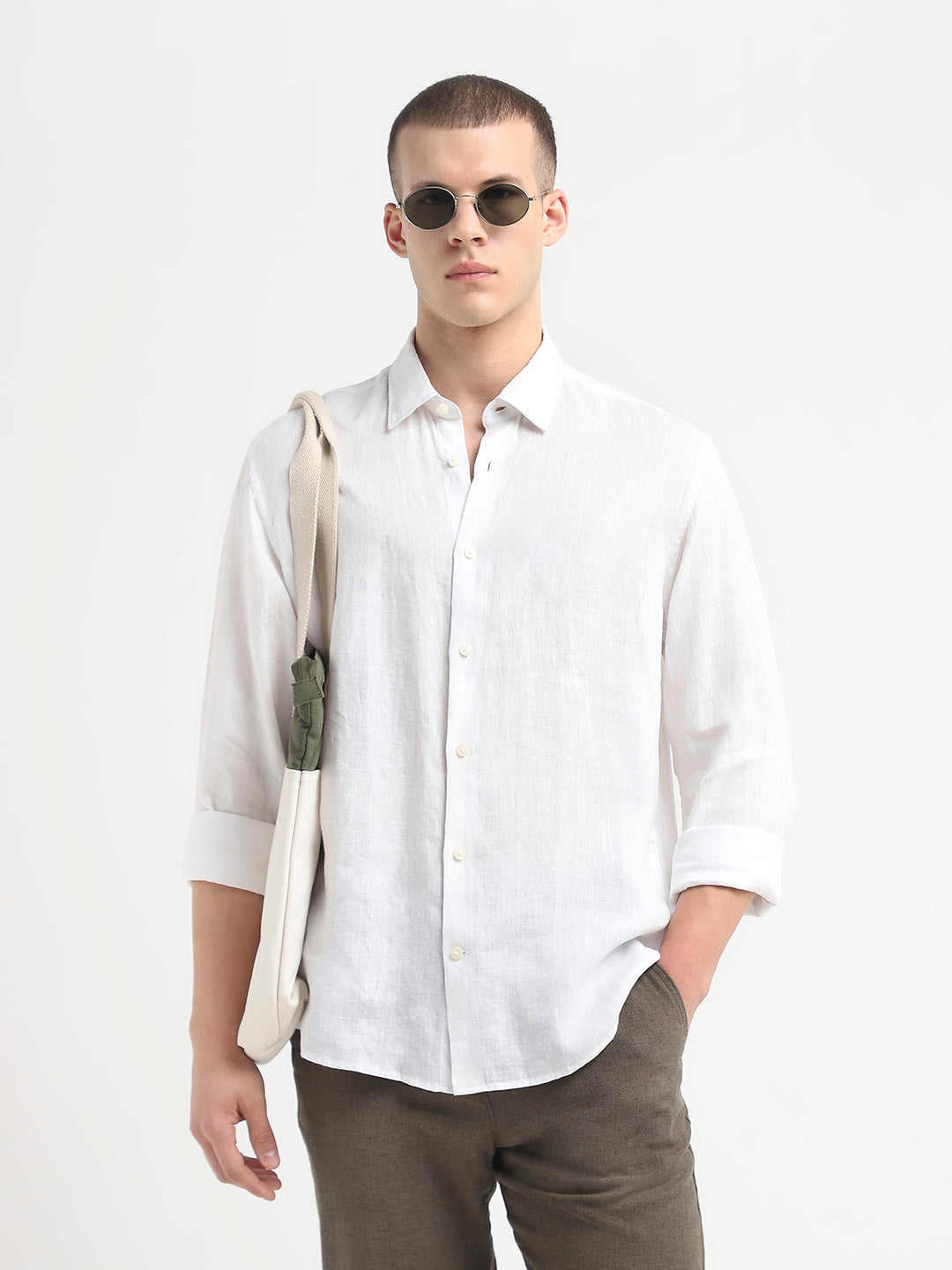
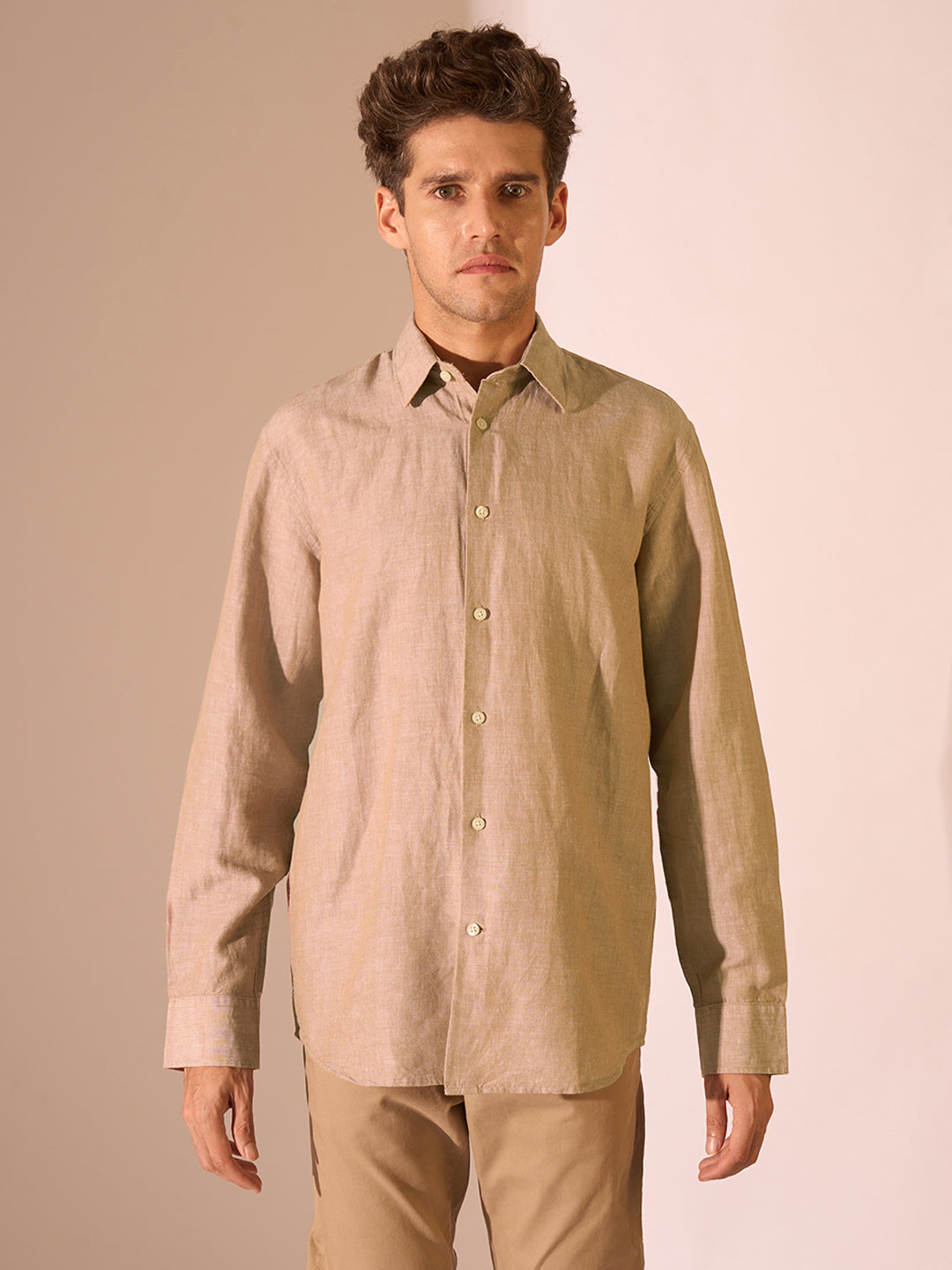
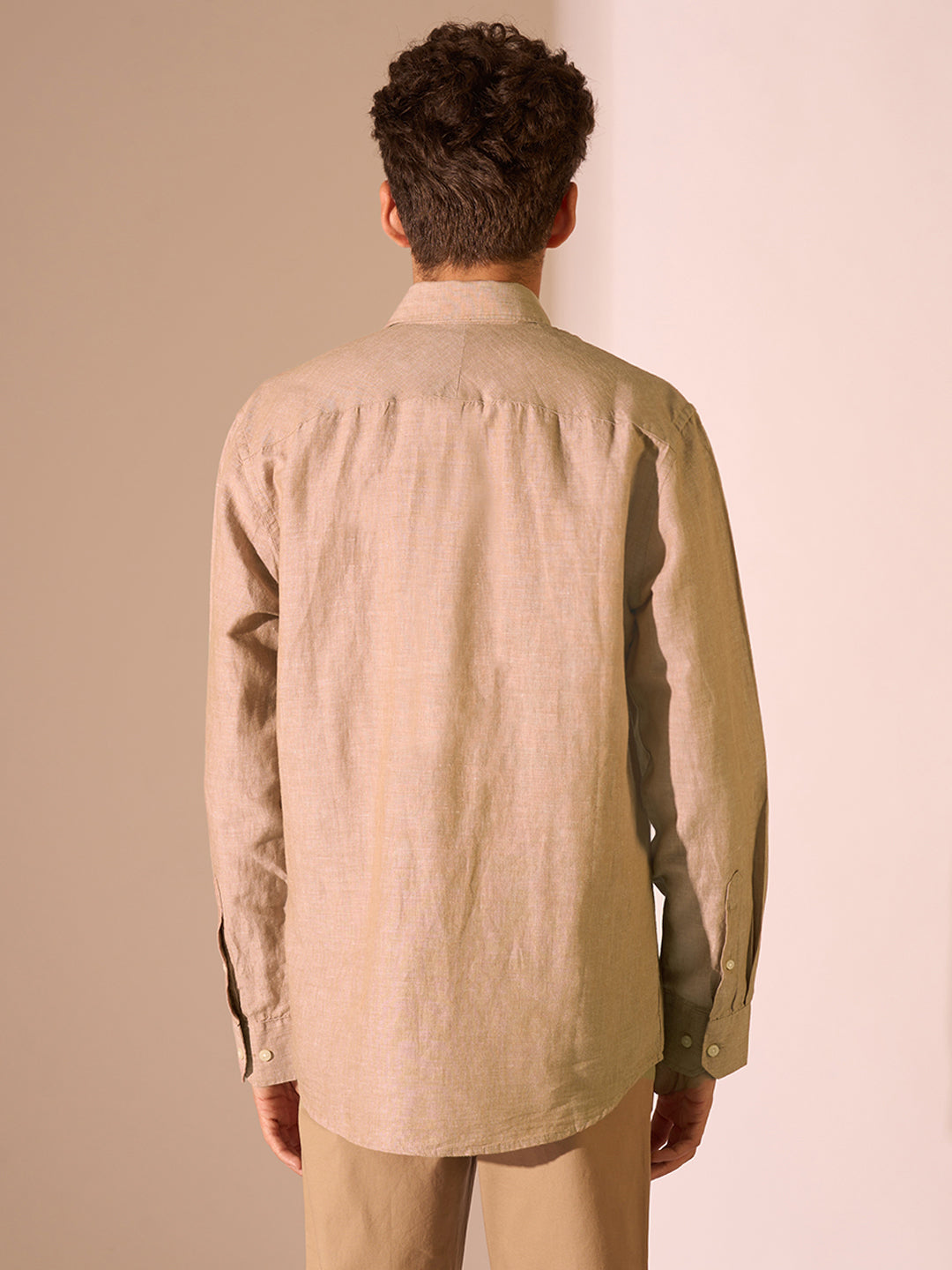
Colour. Lighter tones — white, beige, pale blue, soft pastels — reflect heat and read as classic warm-weather choices. Deeper tones like brown, green or maroon work well for evening wear or for men who want a linen blend shirt that reads slightly more formal without moving into pure cotton.
Weight. Linen blends are usually described by weight rather than a precise GSM figure on the label, but the rule of thumb holds: lighter weights drape more freely and suit peak summer, while slightly heavier constructions hold a sharper line and work better once the weather cools or the occasion turns semi-formal. A shirt that feels almost weightless on the hanger is built for June, not for a client dinner in December.
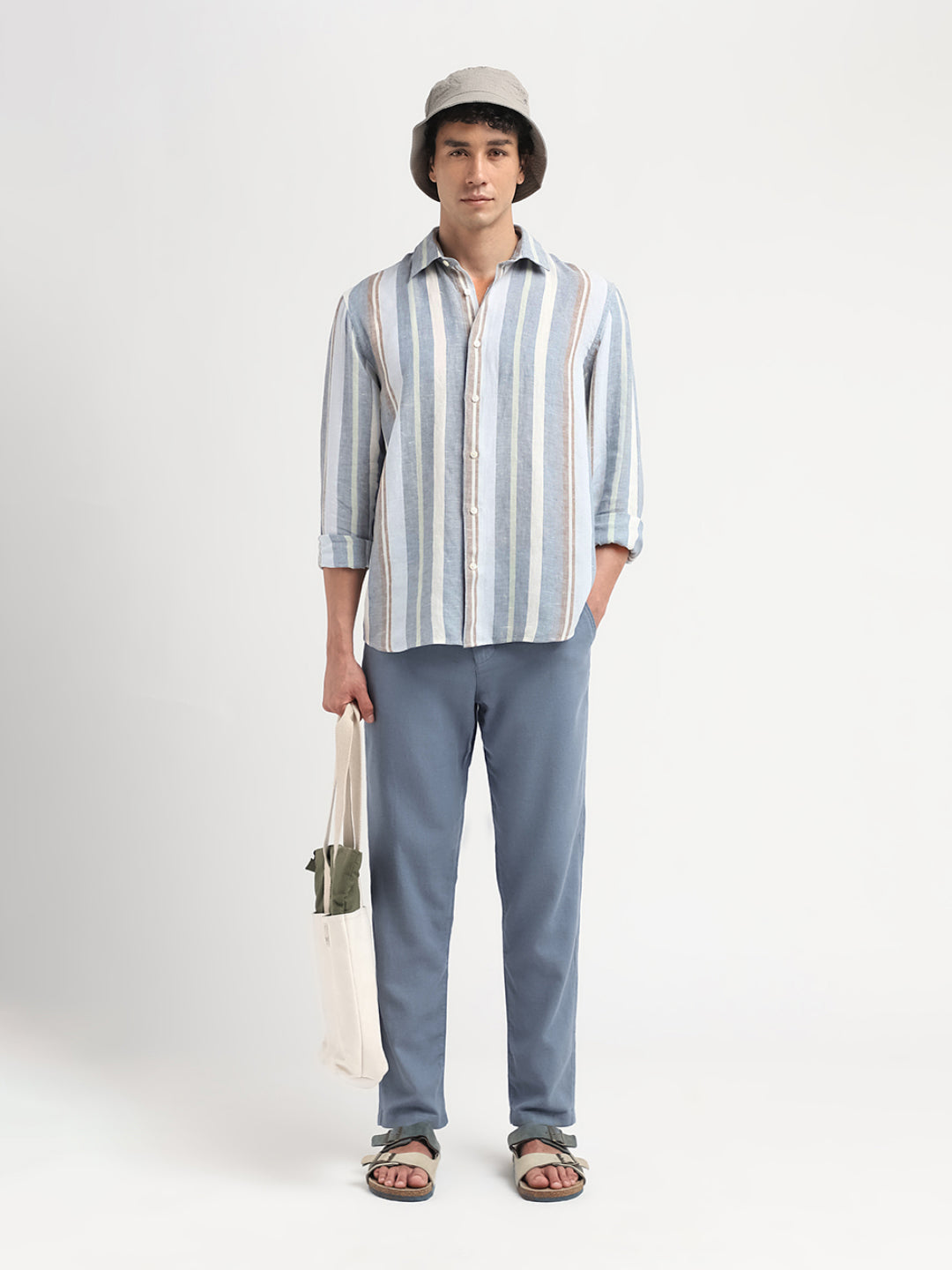
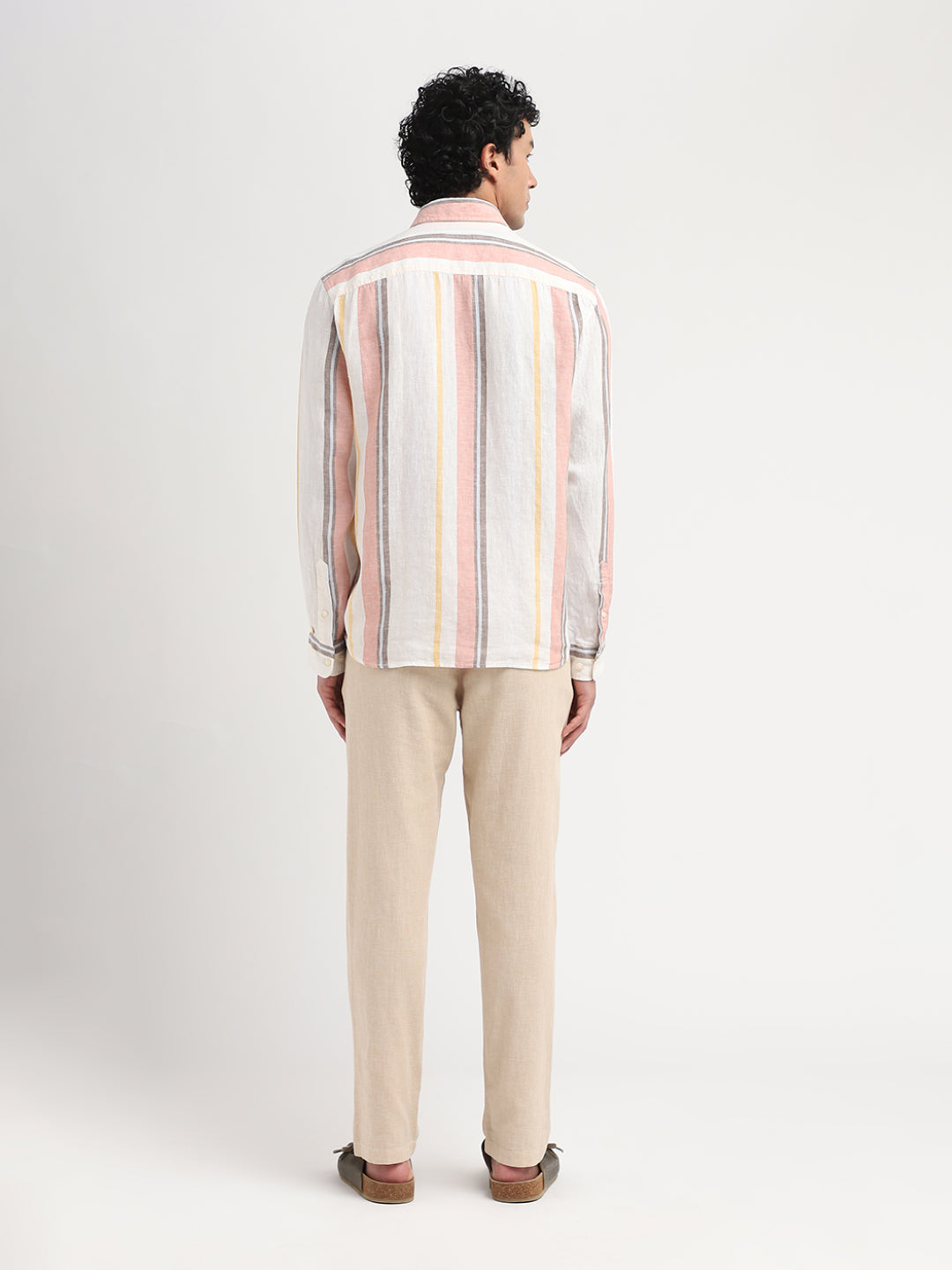
Selected's linen blend edit is built around exactly this logic: regular and slim fits, spread and Cuban collars, and a colour range that runs from crisp whites and blues through warmer browns and greens — enough variation to dress for a client call and a weekend the same week, without changing fabric.
Styling It From Desk to Weekend
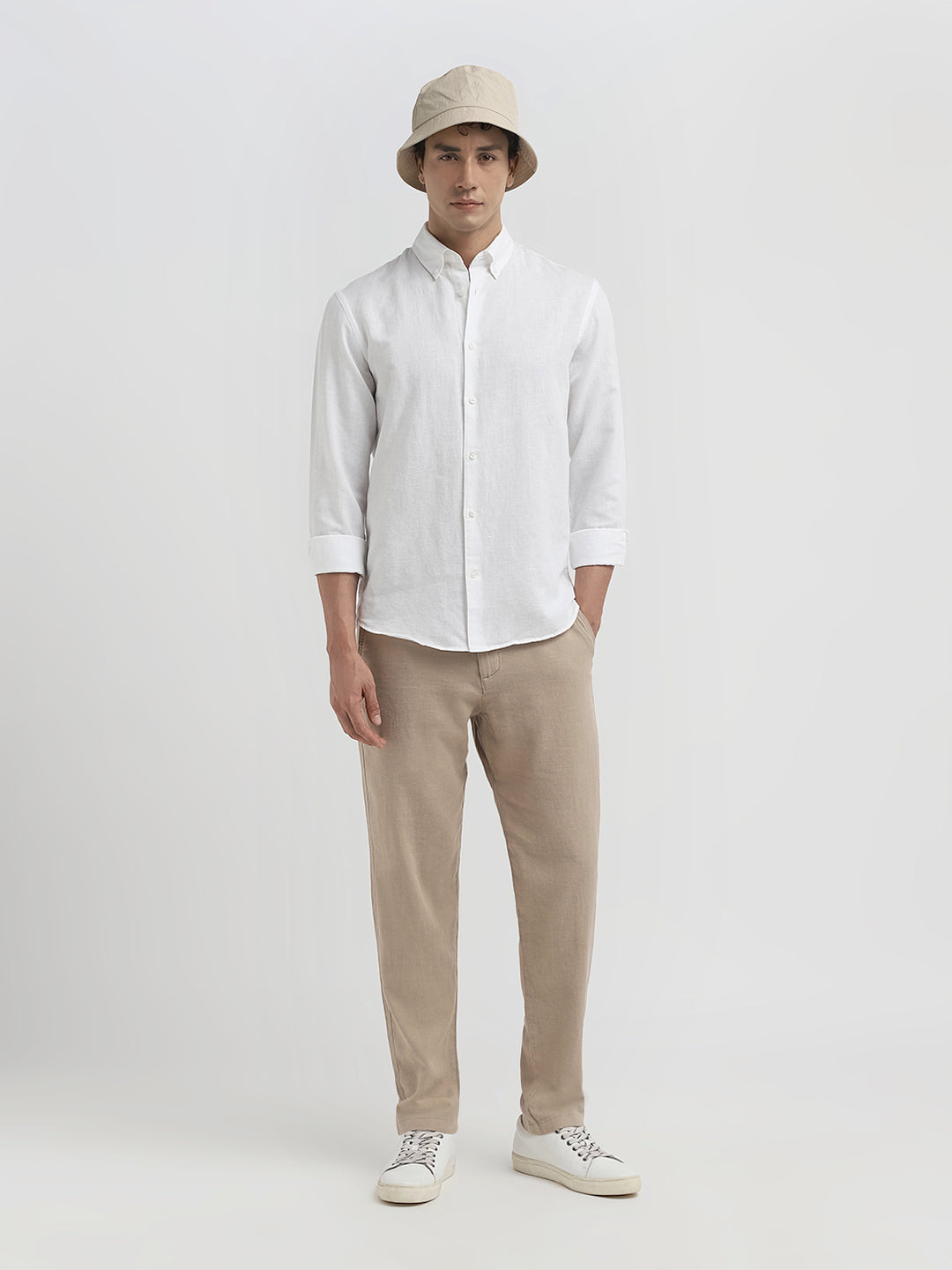
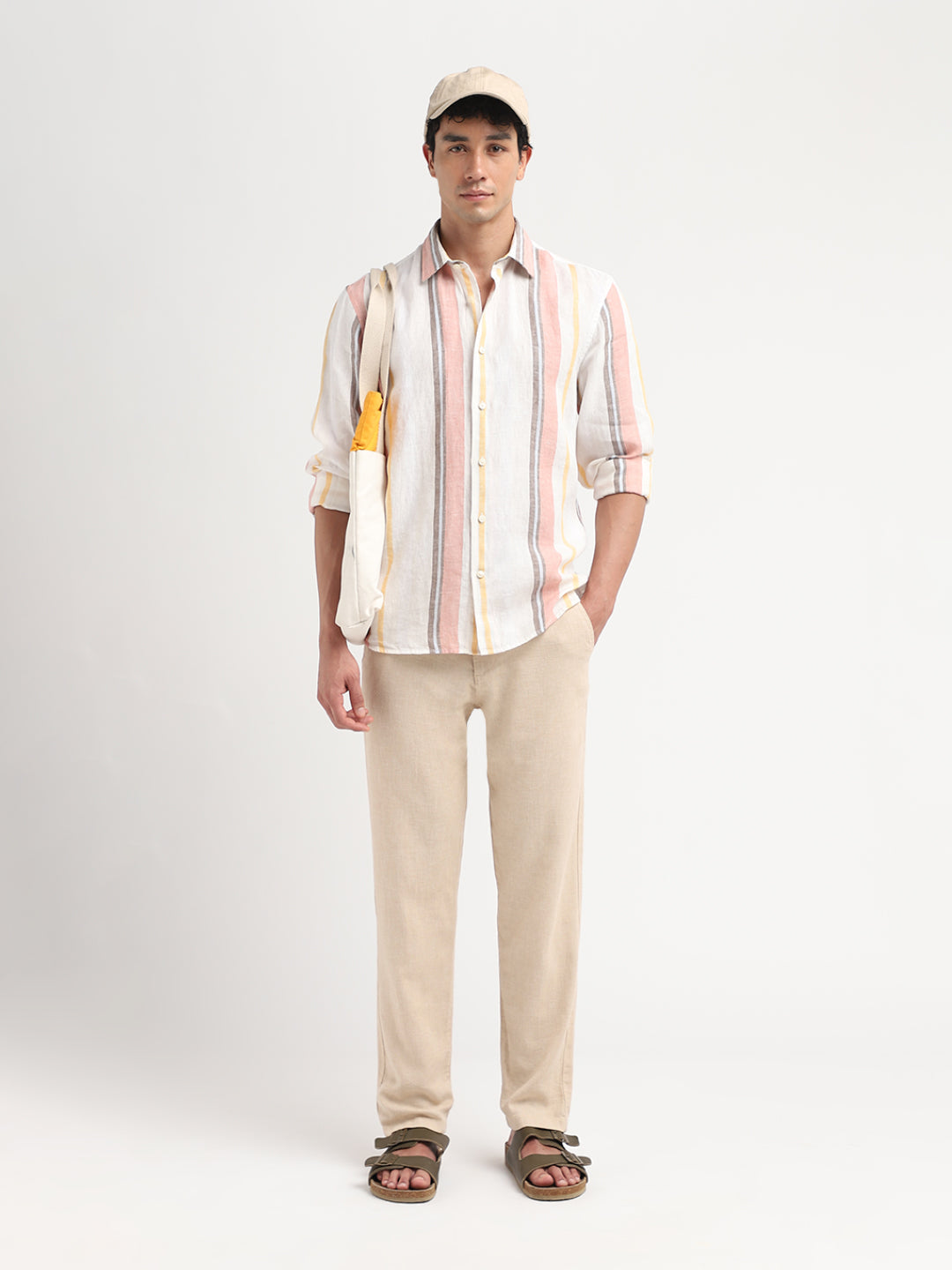
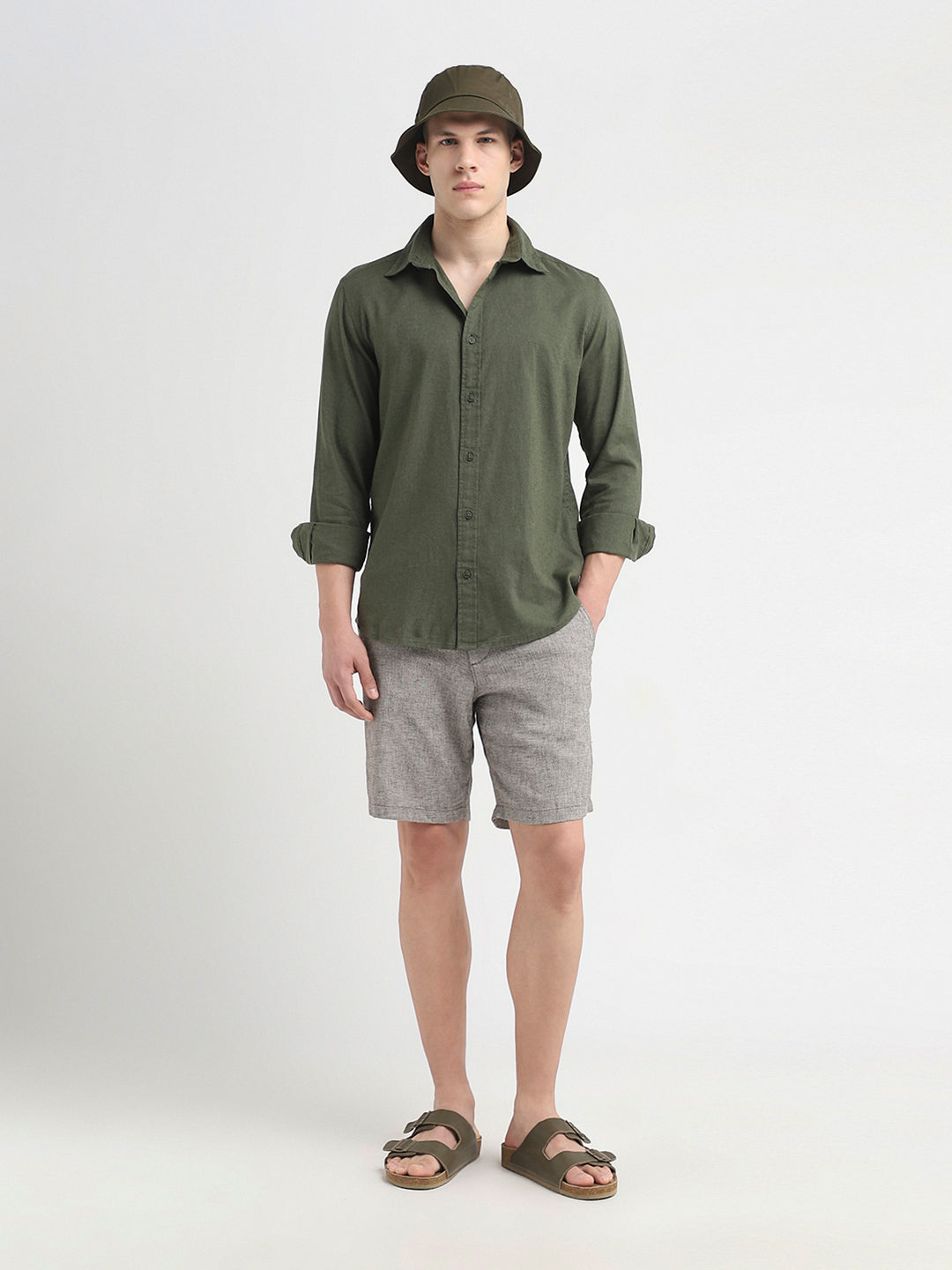
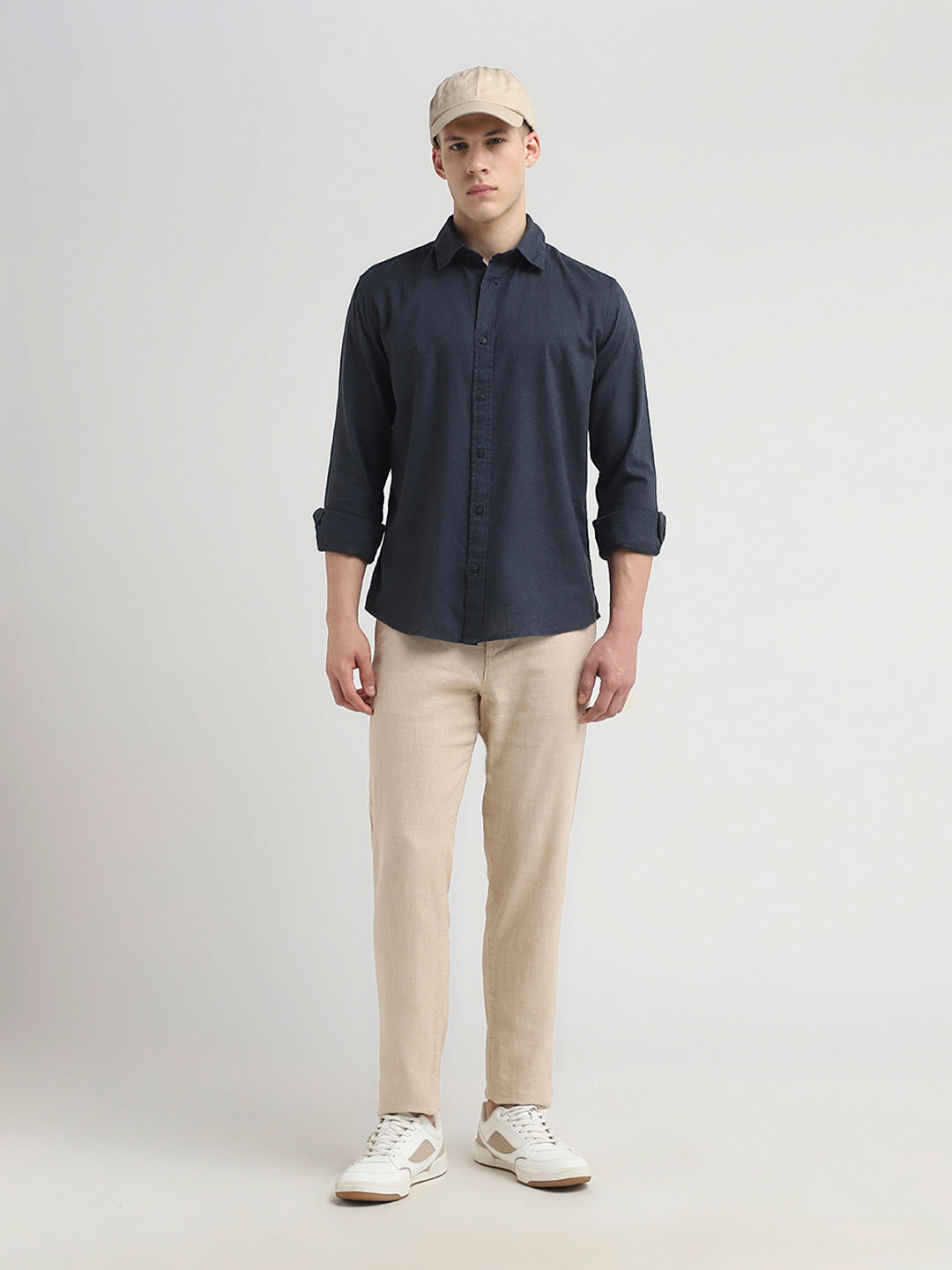
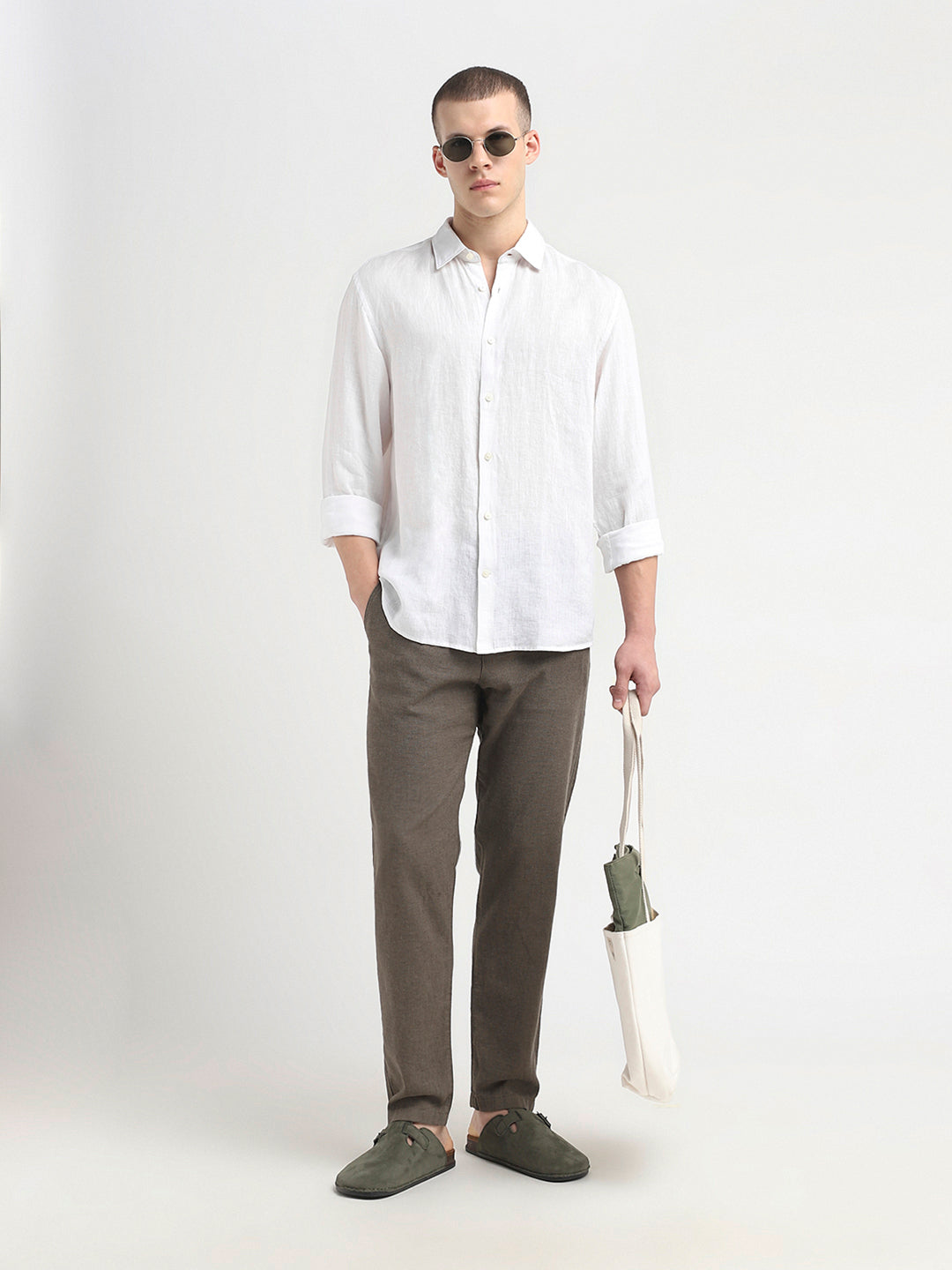
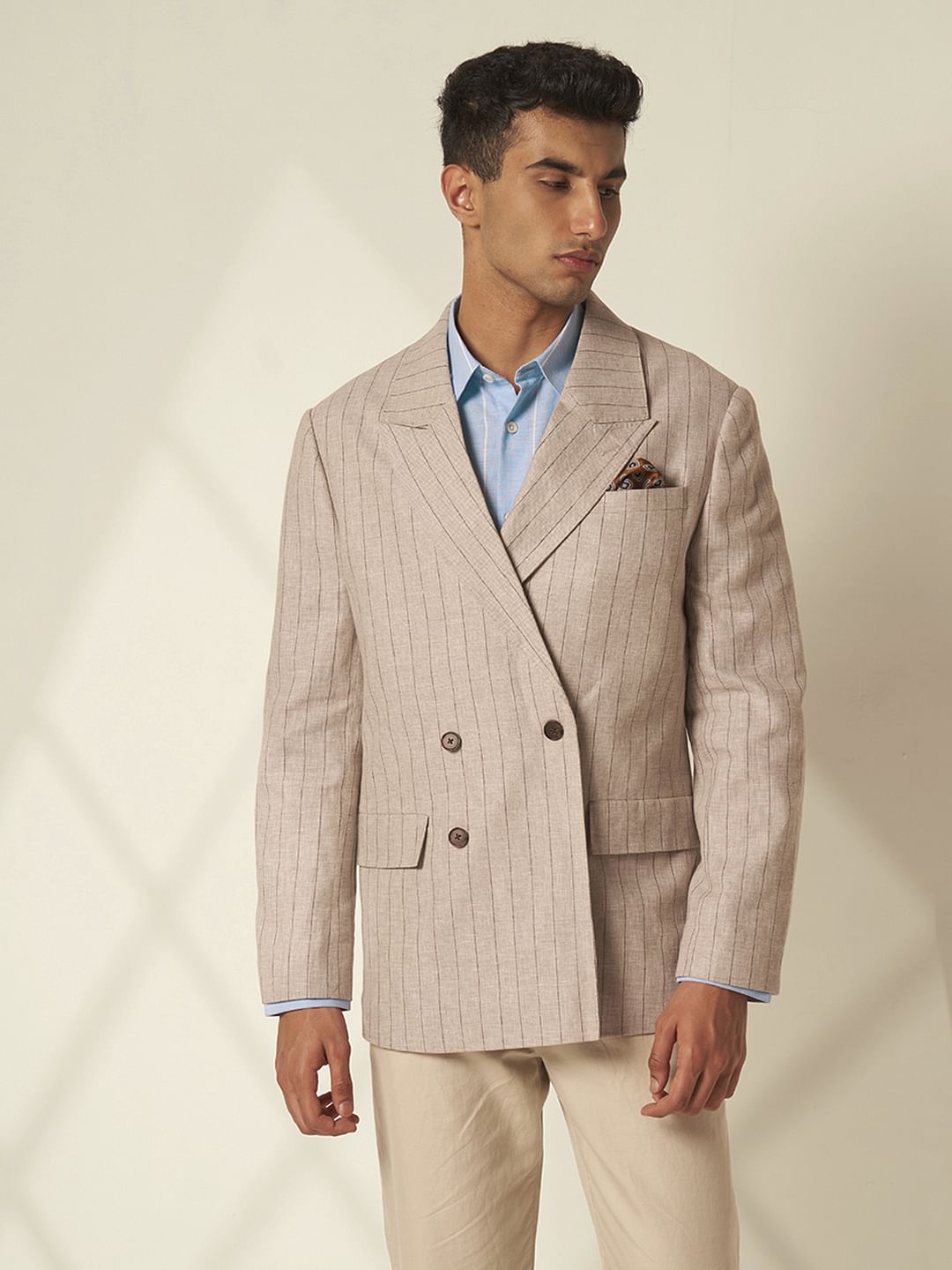
A linen blend shirt earns its place in a wardrobe because it moves across contexts more easily than most fabrics. Tucked into tailored trousers with a spread collar and the sleeves rolled to the forearm, it reads smart-casual enough for an office that doesn't require a blazer. Left untucked over chinos or straight-leg denim, the same fabric family shifts to weekend register without looking like an obvious downgrade.
The mistake most men make with linen blends is over-accessorising them. The fabric already carries texture and visual interest on its own — a plain leather strap watch, minimal footwear, and a single accent colour in trousers or footwear is usually enough. This is where Nordic minimalism as a design philosophy actually earns its keep: fewer competing elements, better proportions, and a shirt that's allowed to do the work on its own.
Keeping It Looking Sharp
Linen blends ask for less effort than pure linen, but they're not entirely wash-and-wear either. Stick to a gentle cycle in cold or lukewarm water with a mild detergent — it's the heat, more than the washing itself, that wears the fibres down over time. Skip the tumble dryer where possible; line-drying keeps the weave from tightening and the shirt from coming out a size smaller than the one bought. When it's time to iron, don't wait for the shirt to dry completely — creases lift out far more easily on a medium heat while the fabric is still a little damp. And once it's clean, a shaped hanger does more for a shirt than a folded drawer ever will. It sounds like a small habit, but it's usually the difference between a shirt that lasts one summer and one still in rotation three years later.
That durability is also where the sustainability argument for linen holds up in practice. Flax requires comparatively little water and pesticides to grow, and a well-made blend that's cared for properly doesn't need replacing every season. A shirt built to last reduces the appeal of buying it, wearing it twice, and discarding it — which is a more meaningful measure of responsible fashion than any single material claim.
Explore the linen blend edit at Selected and build warm-weather essentials rooted in tailored precision and Nordic simplicity.
Frequently Asked Questions
What is a linen blend shirt made of?
A linen blend shirt combines linen with a second fibre, most often cotton or viscose, typically in a ratio between 30% and 70% linen. The blend retains linen's breathability while improving drape and reducing wrinkling compared to 100% linen.
Is a linen blend better than pure linen for Indian weather?
For daily wear in Indian conditions, a linen blend is usually more practical. It holds up better across repeated AC-to-outdoor transitions and needs less ironing, while still offering better airflow than a pure cotton shirt.
How do you style a linen blend shirt for the office?
Choose a spread collar in a regular or slim fit, tuck it into tailored trousers or chinos, and roll the sleeves to the forearm. Keep accessories minimal — a plain watch and neutral footwear are usually enough.
How should a linen blend shirt be washed and ironed?
Wash on a gentle cold or lukewarm cycle with mild detergent, line-dry instead of tumble-drying, and iron on medium heat while the fabric is still slightly damp. Store on a shaped hanger to preserve the collar and shoulder line.
Should I choose a regular or slim fit in a linen blend shirt?
A regular fit allows more airflow and suits hot, humid conditions best. A slim fit gives a cleaner, more tailored silhouette but sits closer to the body, so it's better suited to air-conditioned settings or cooler evenings.