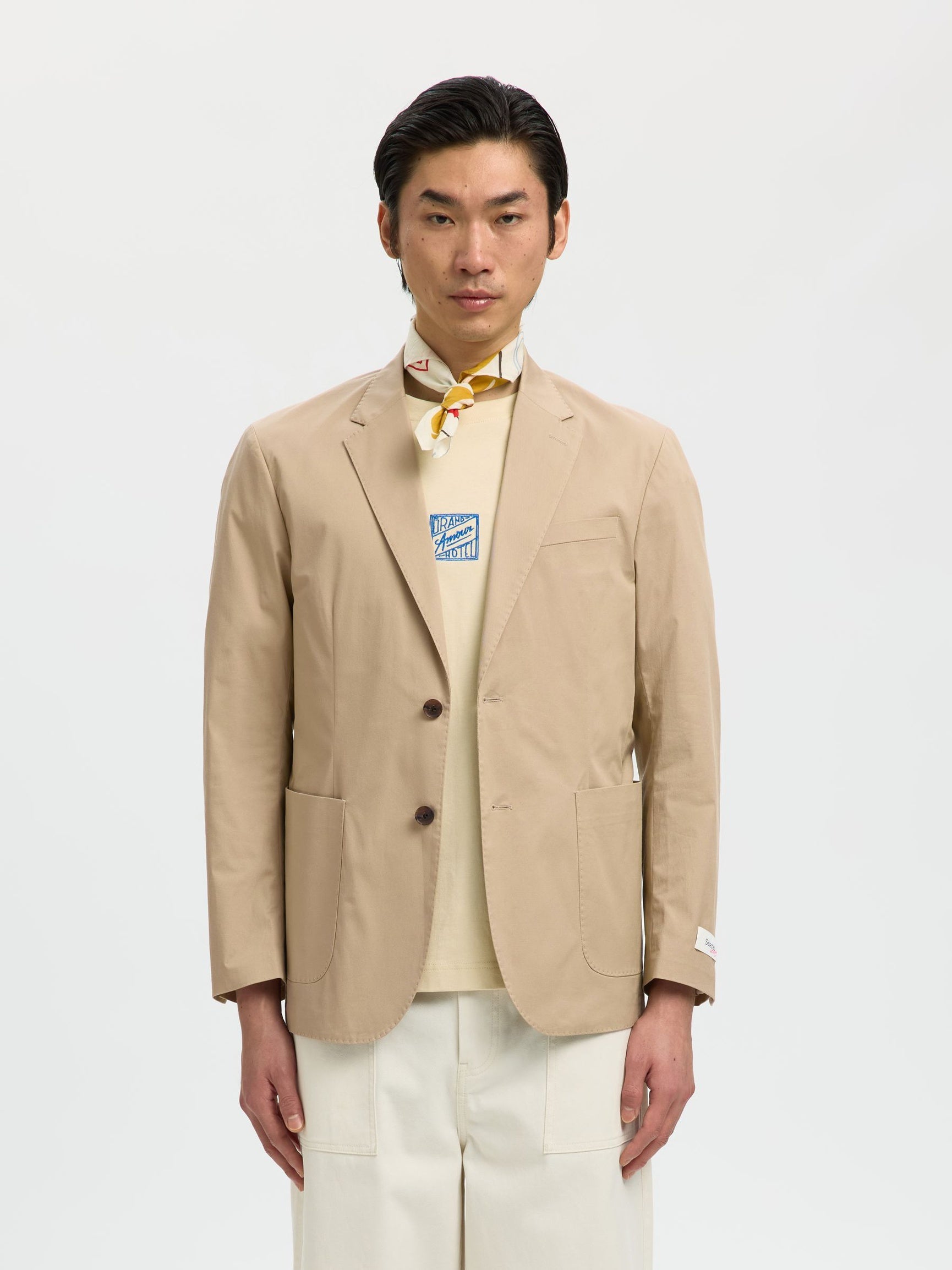
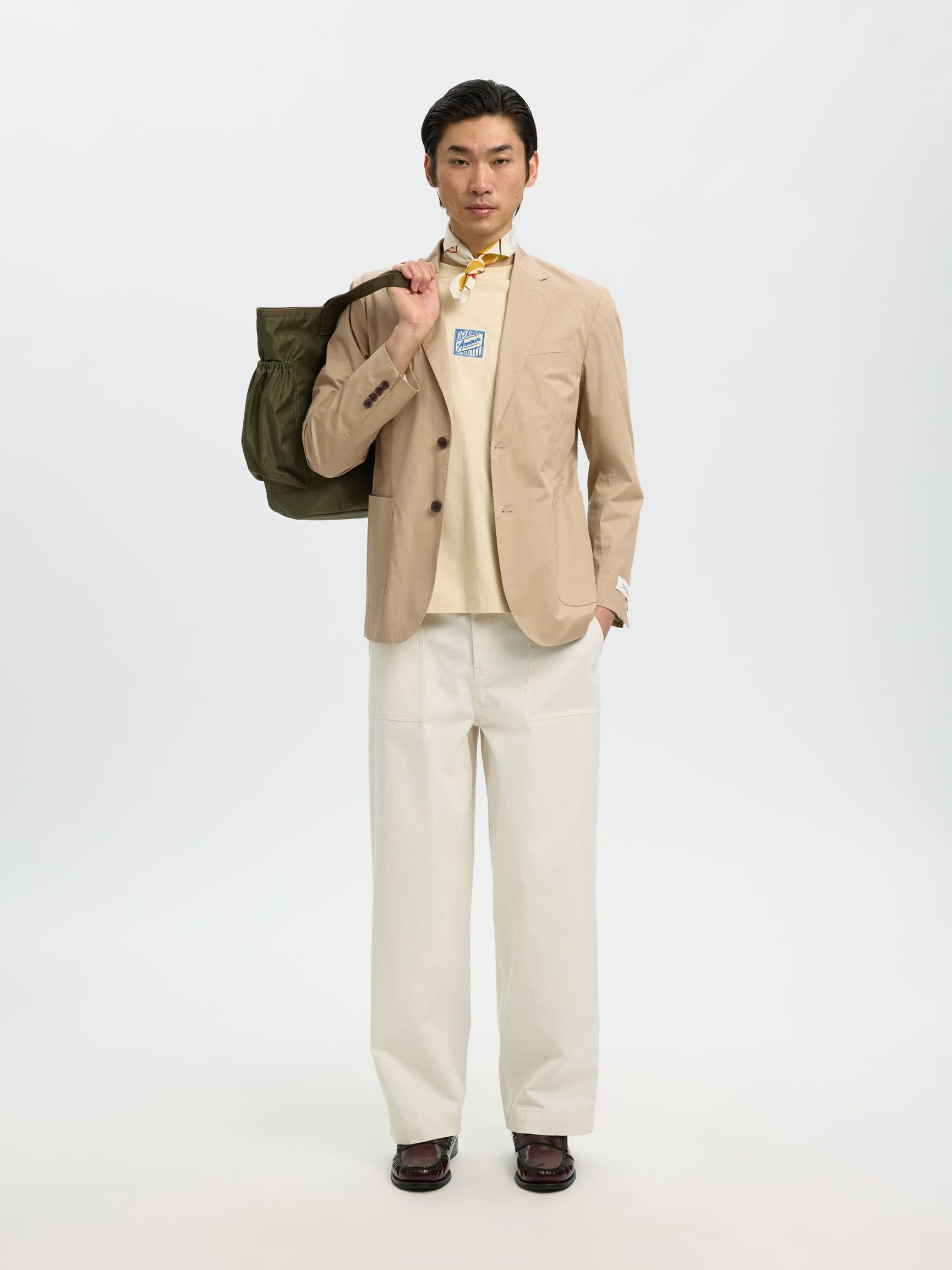
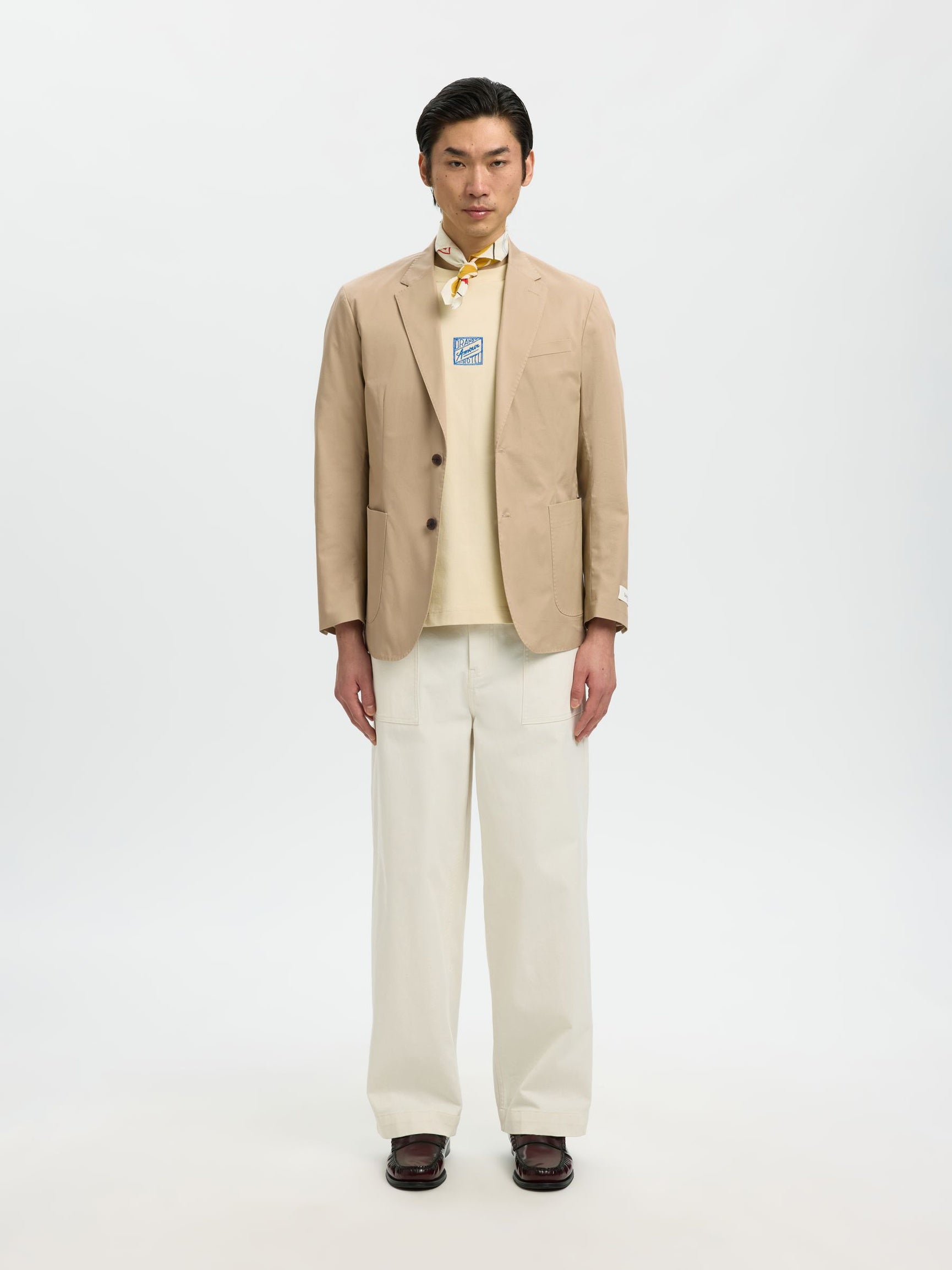
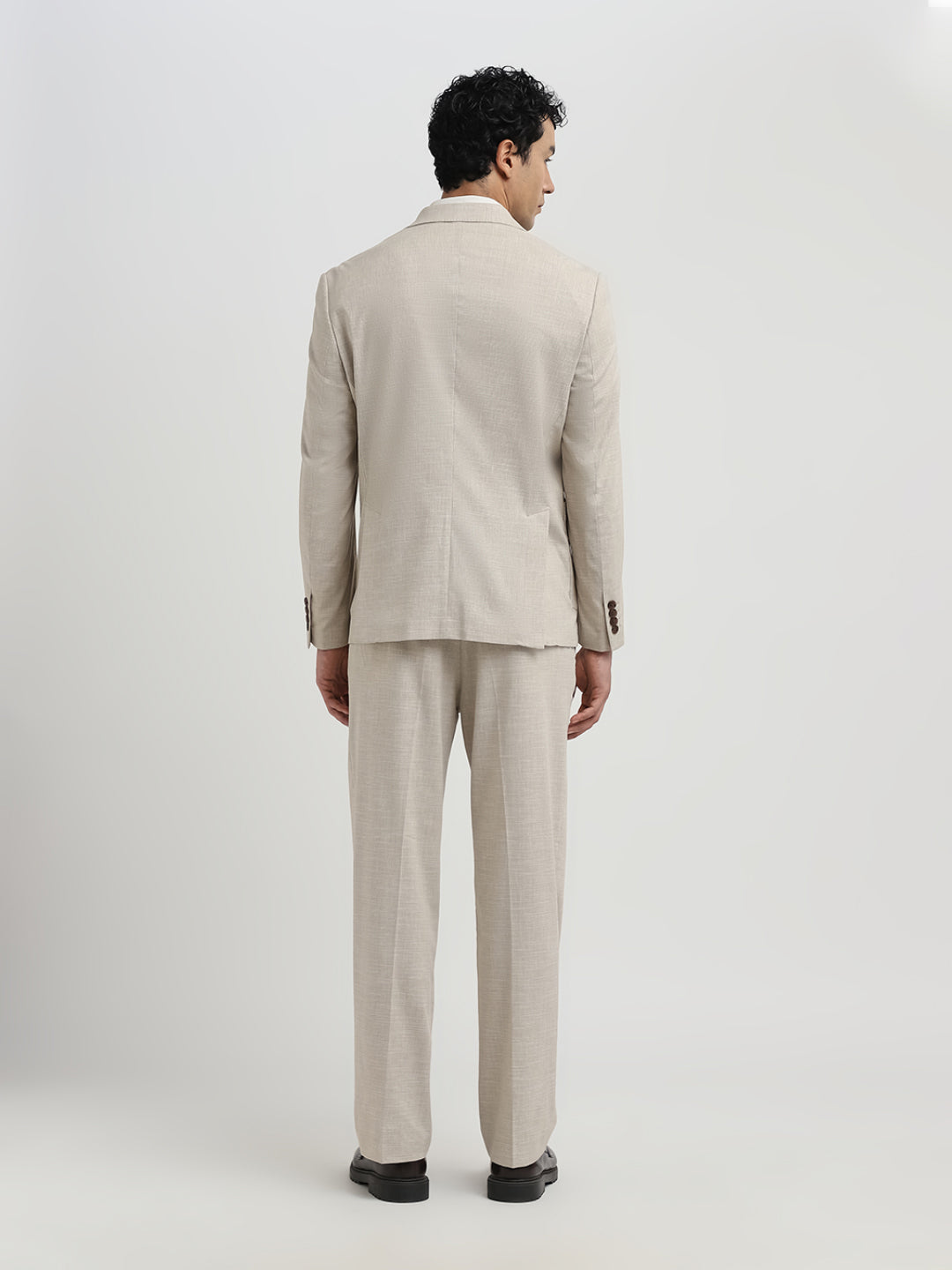
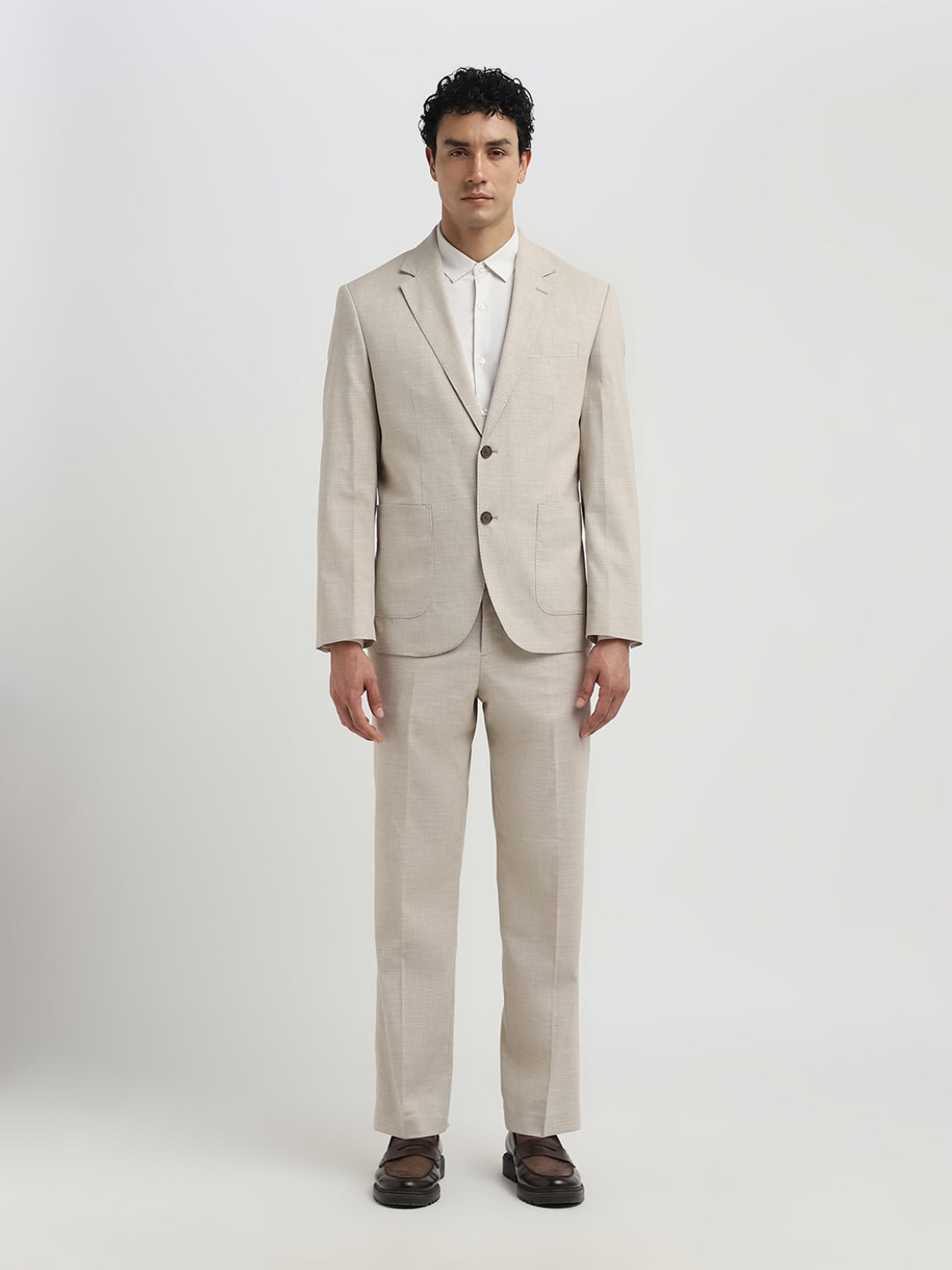
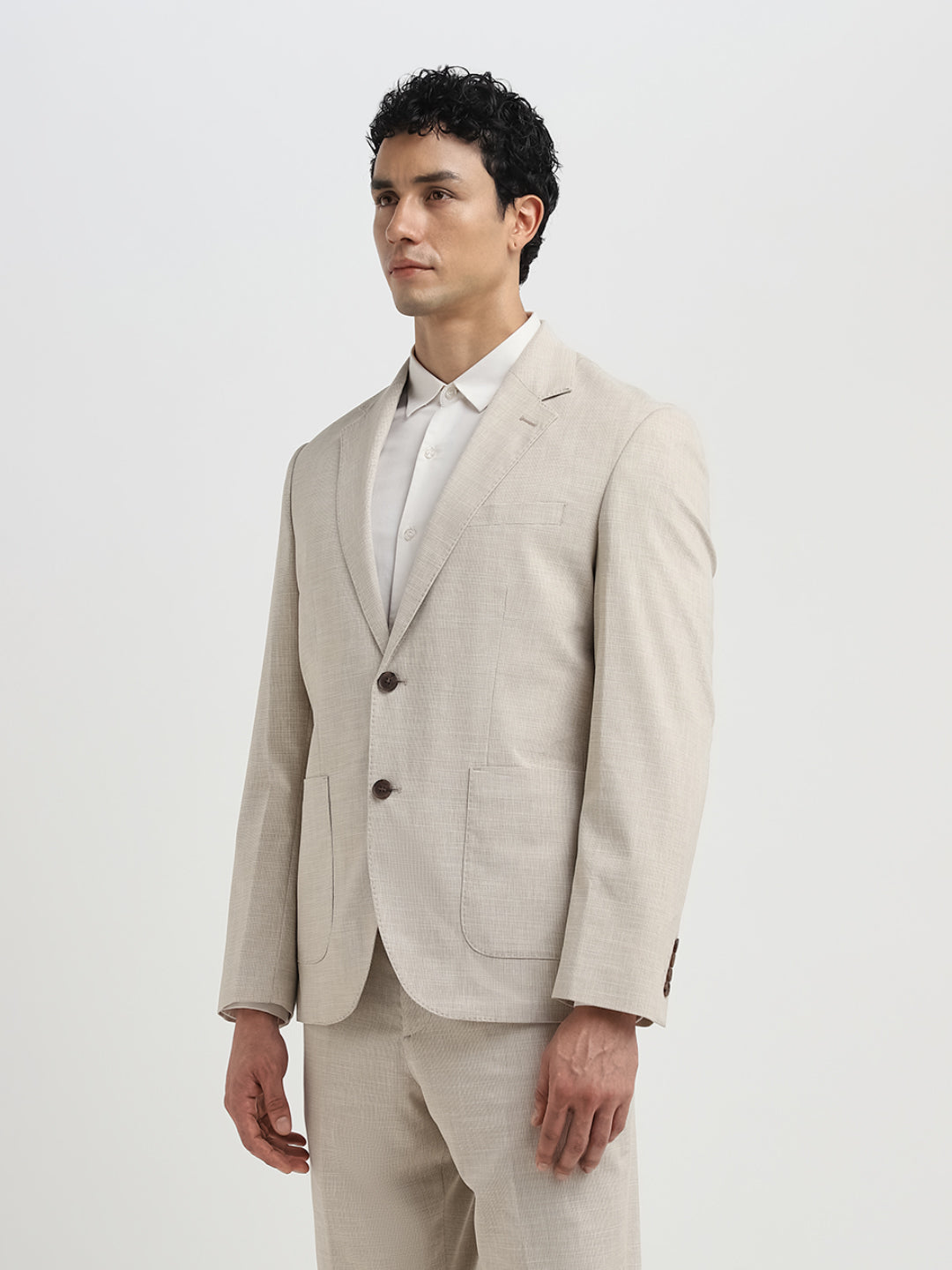
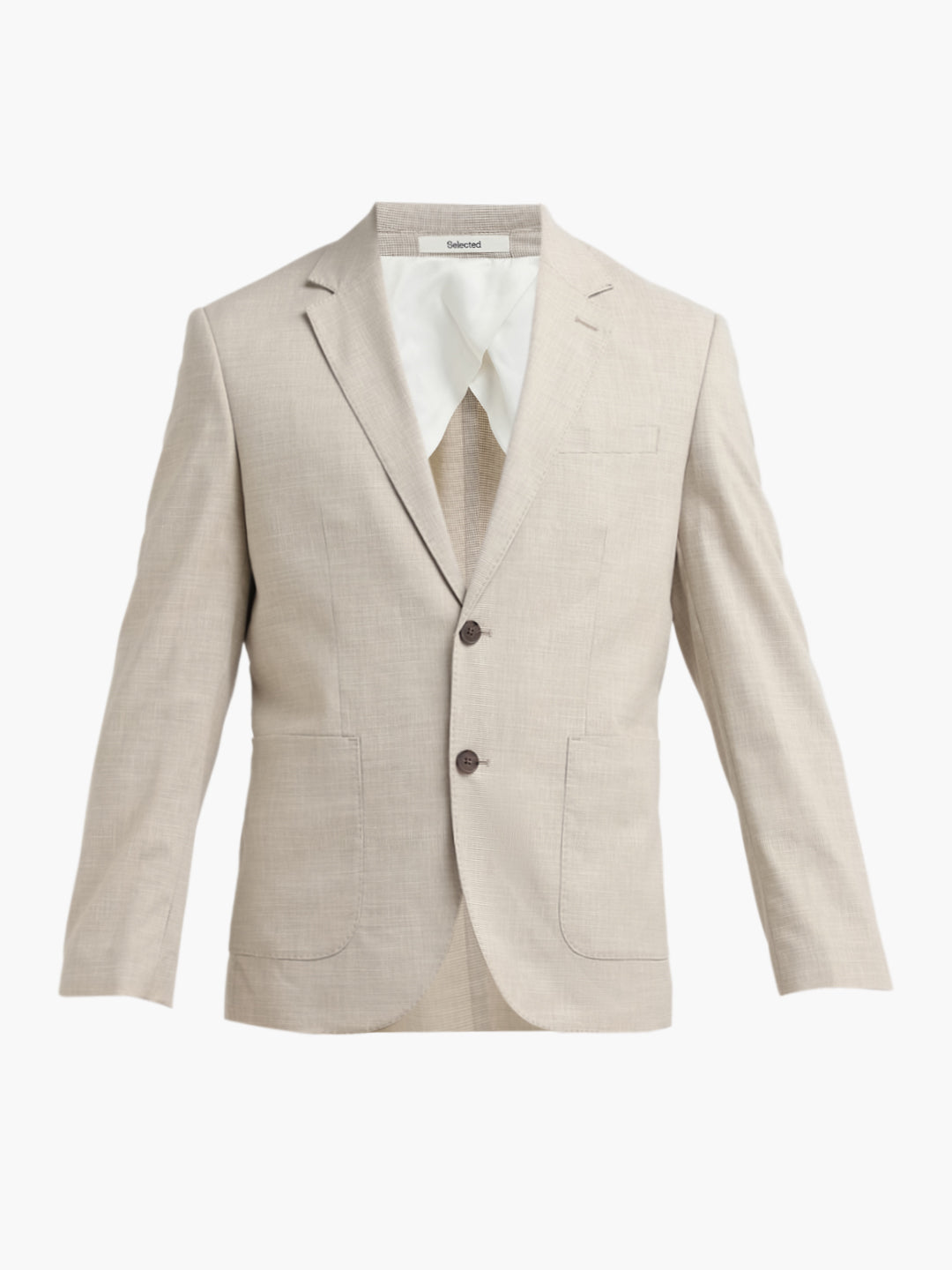
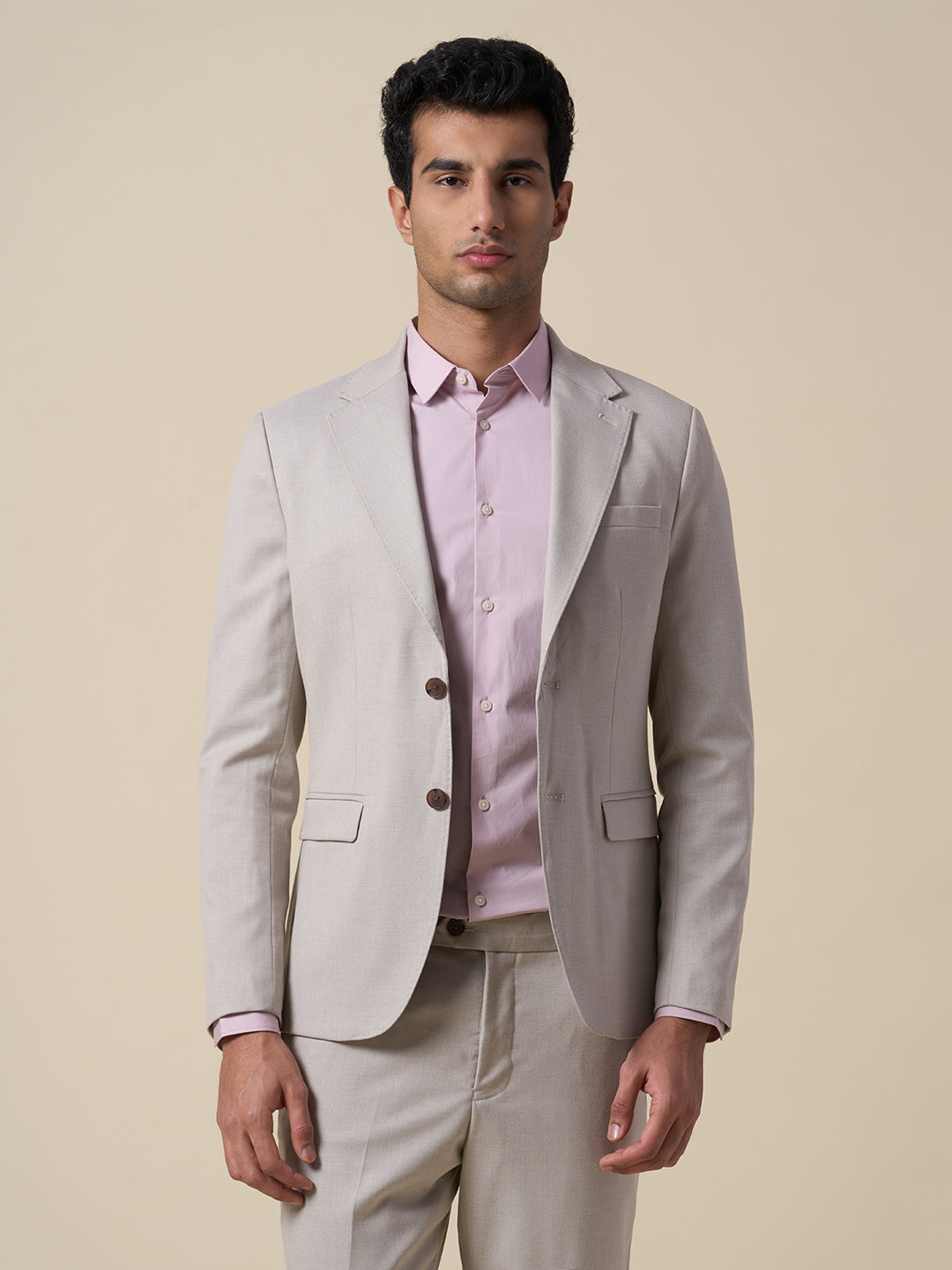
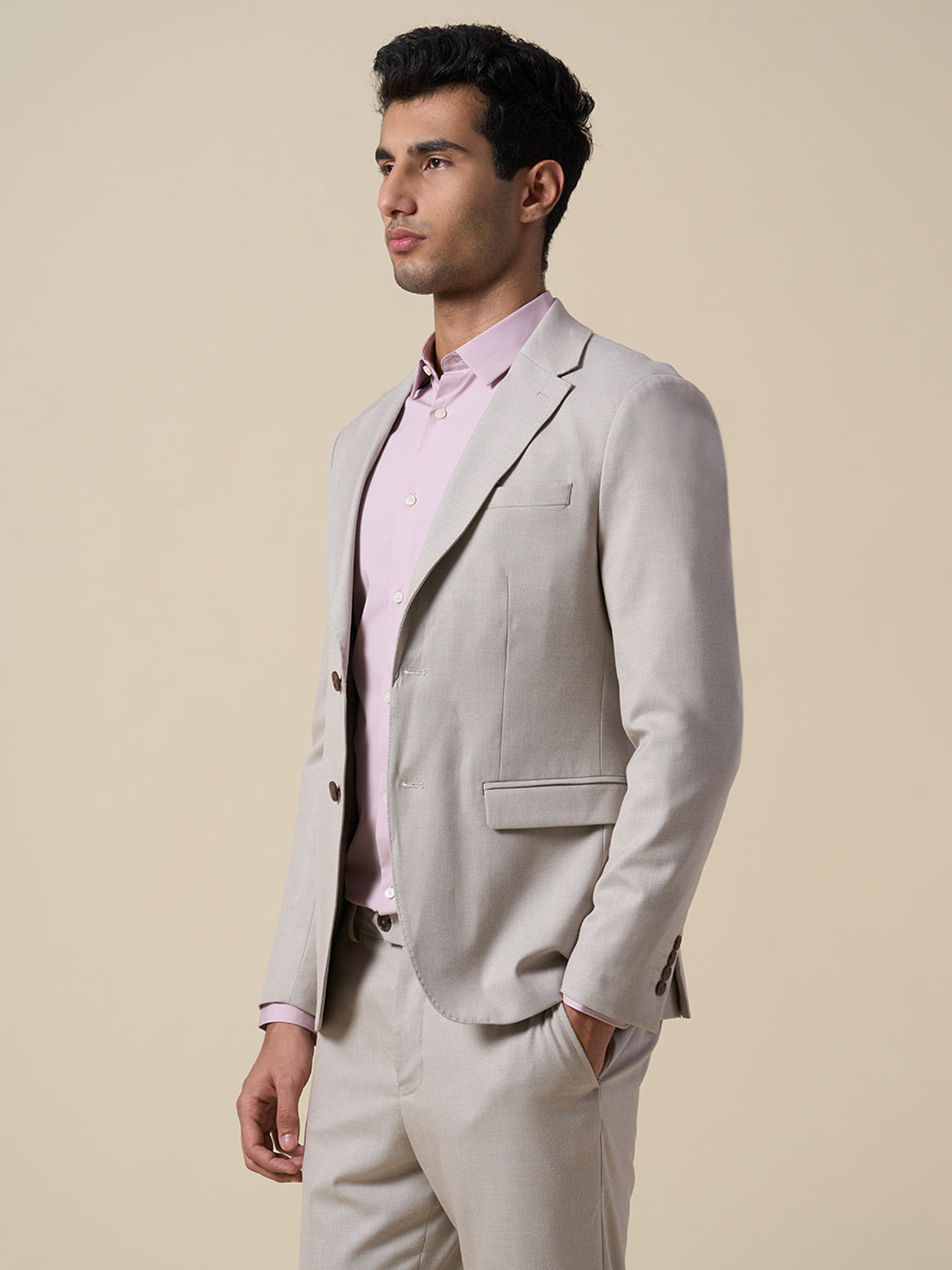
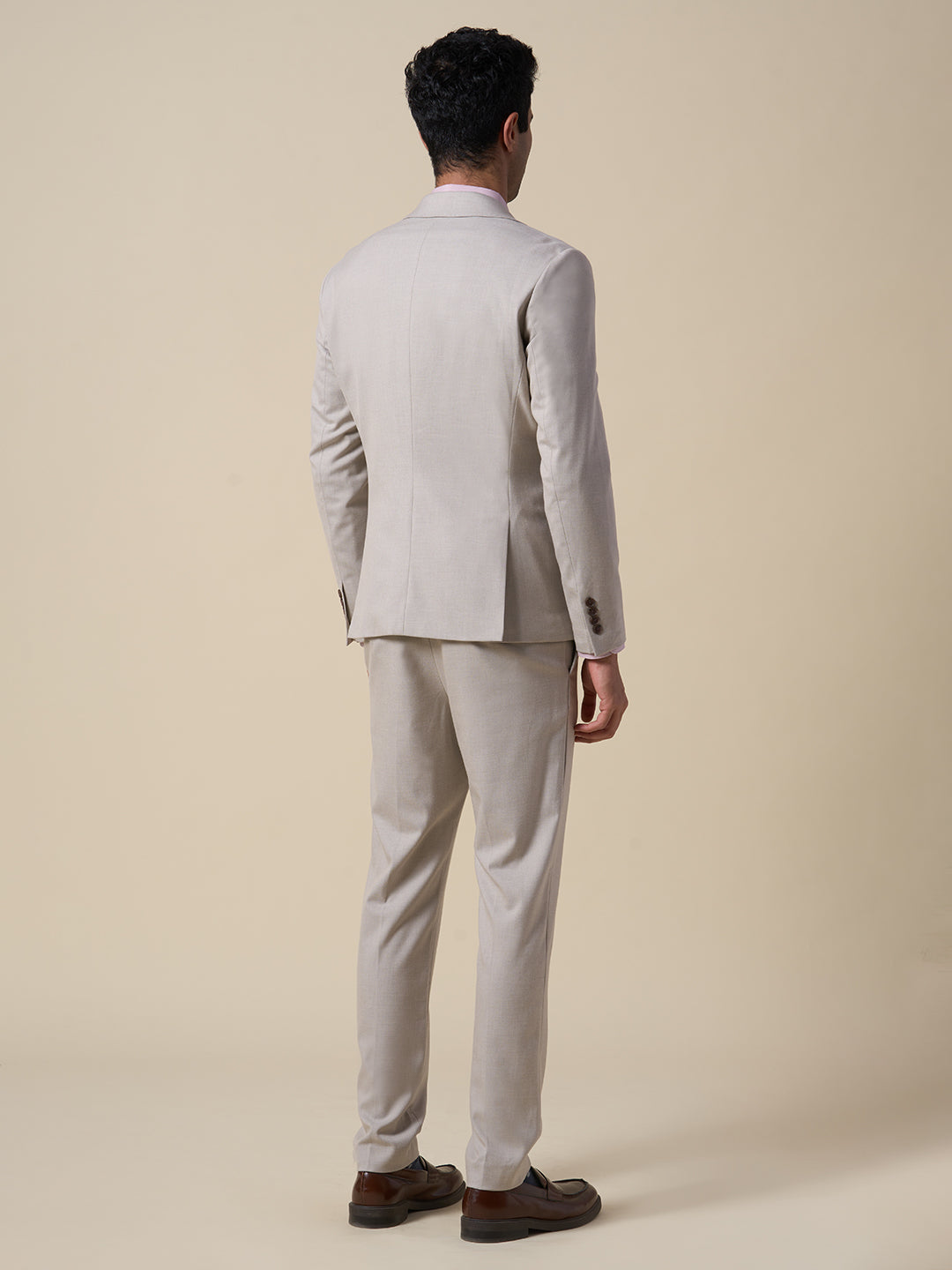
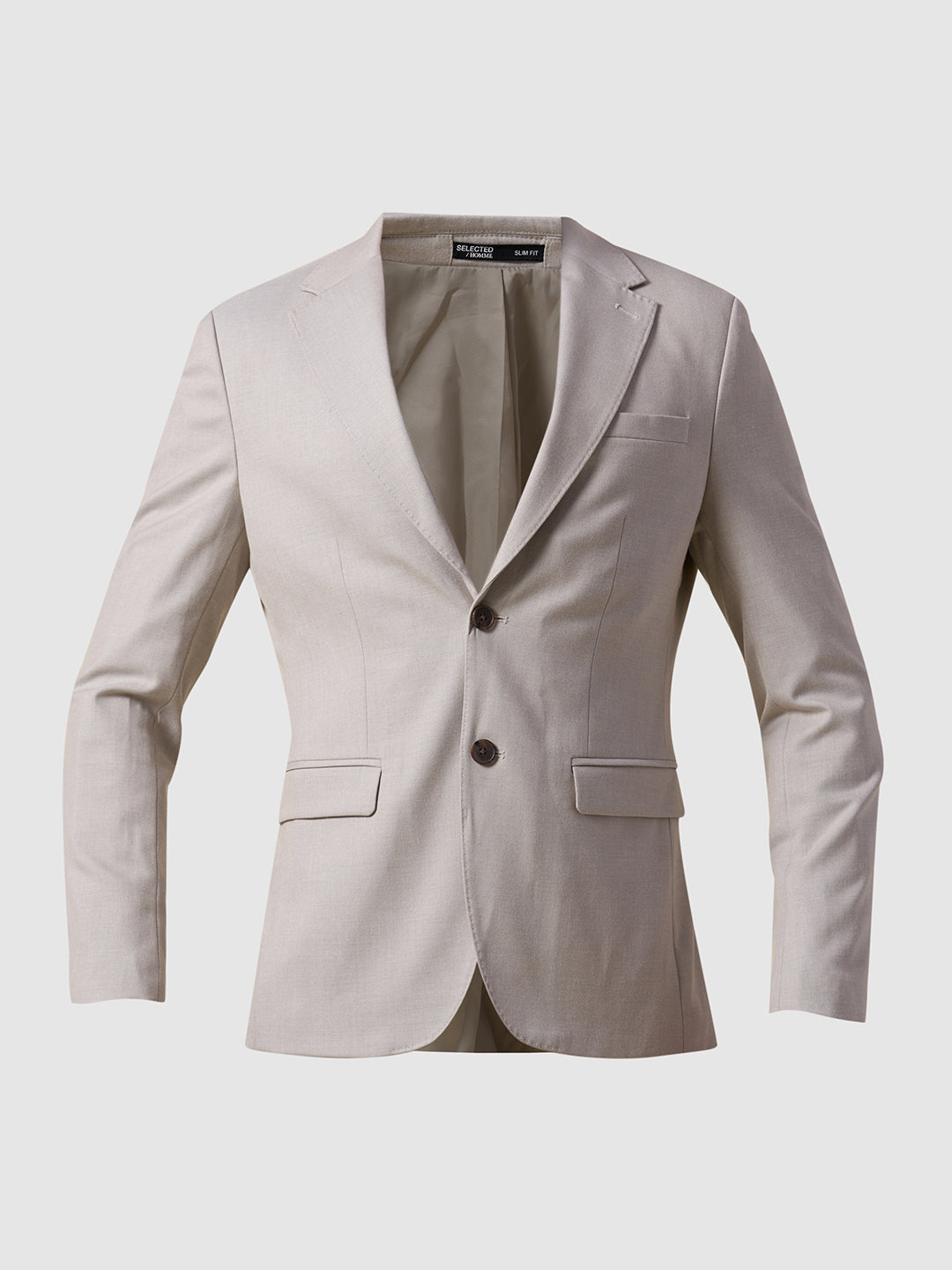
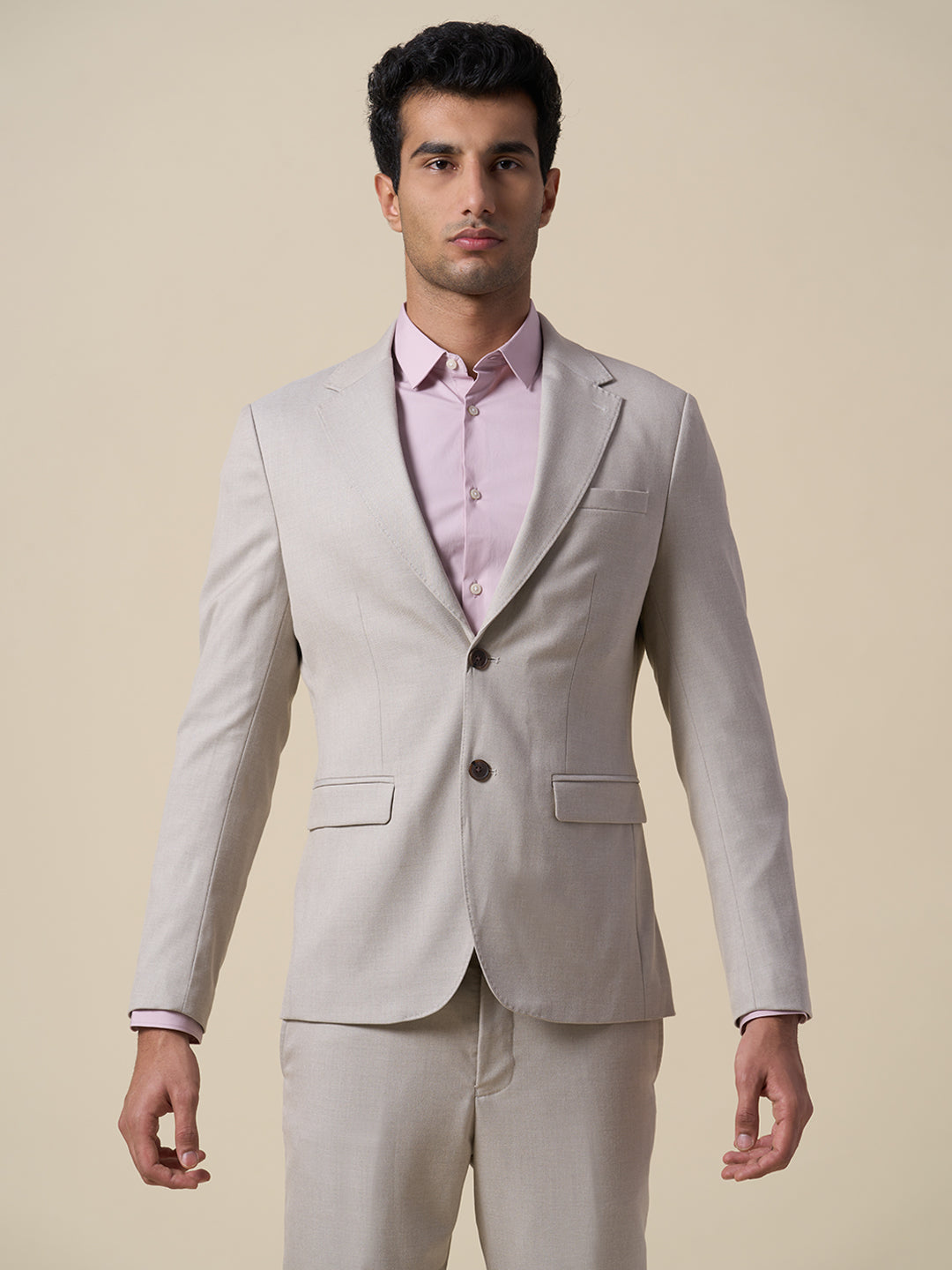
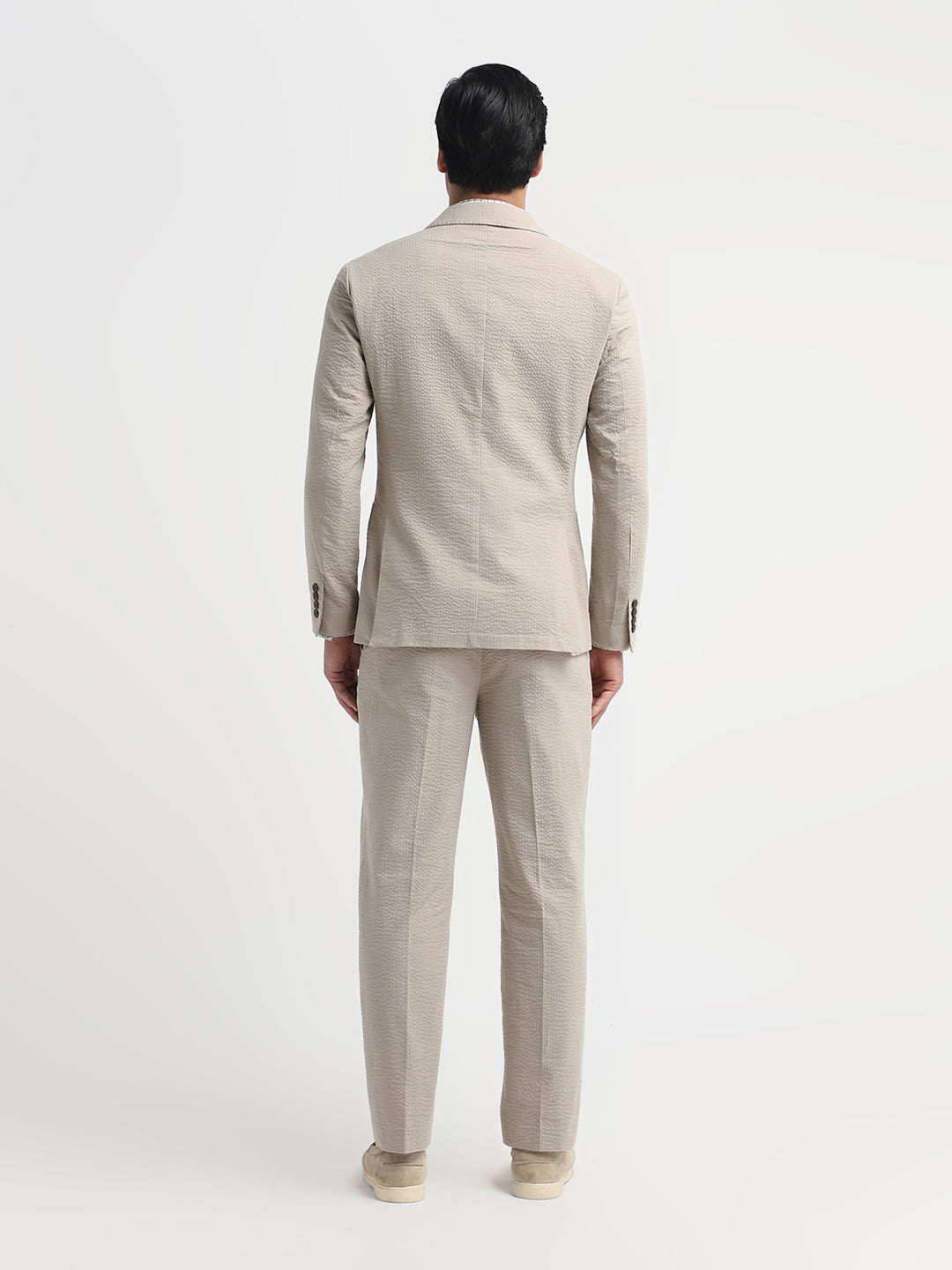
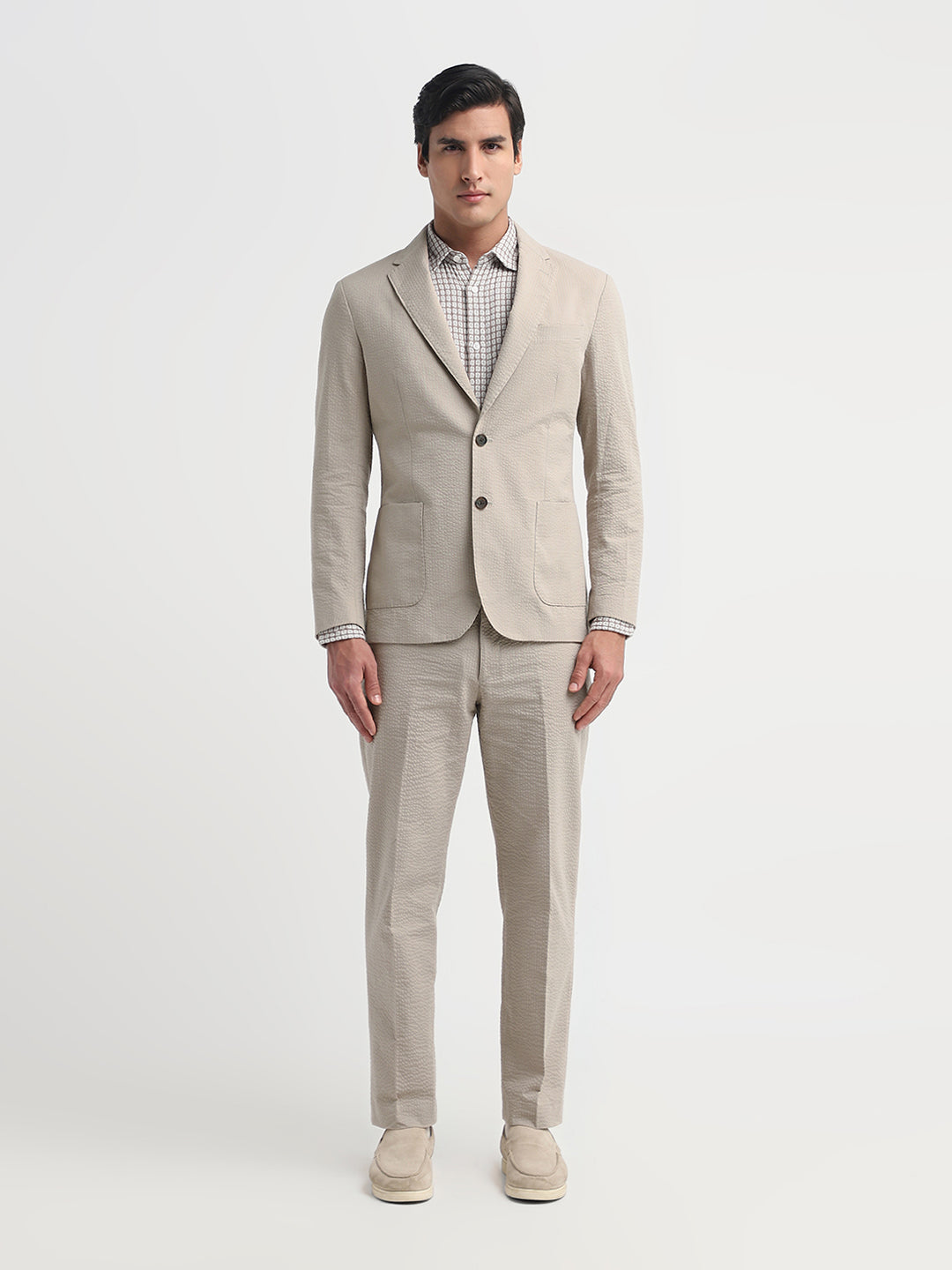
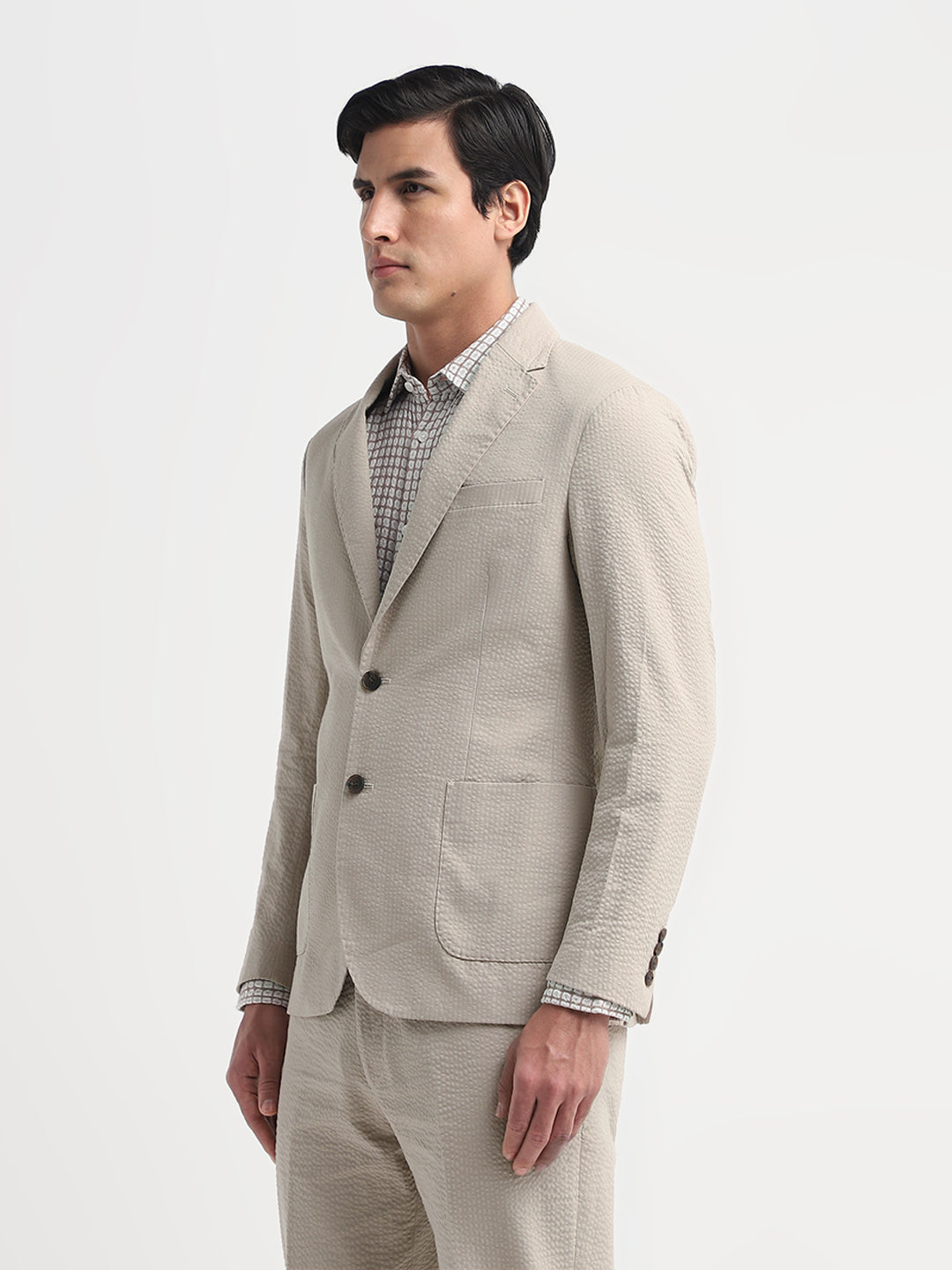
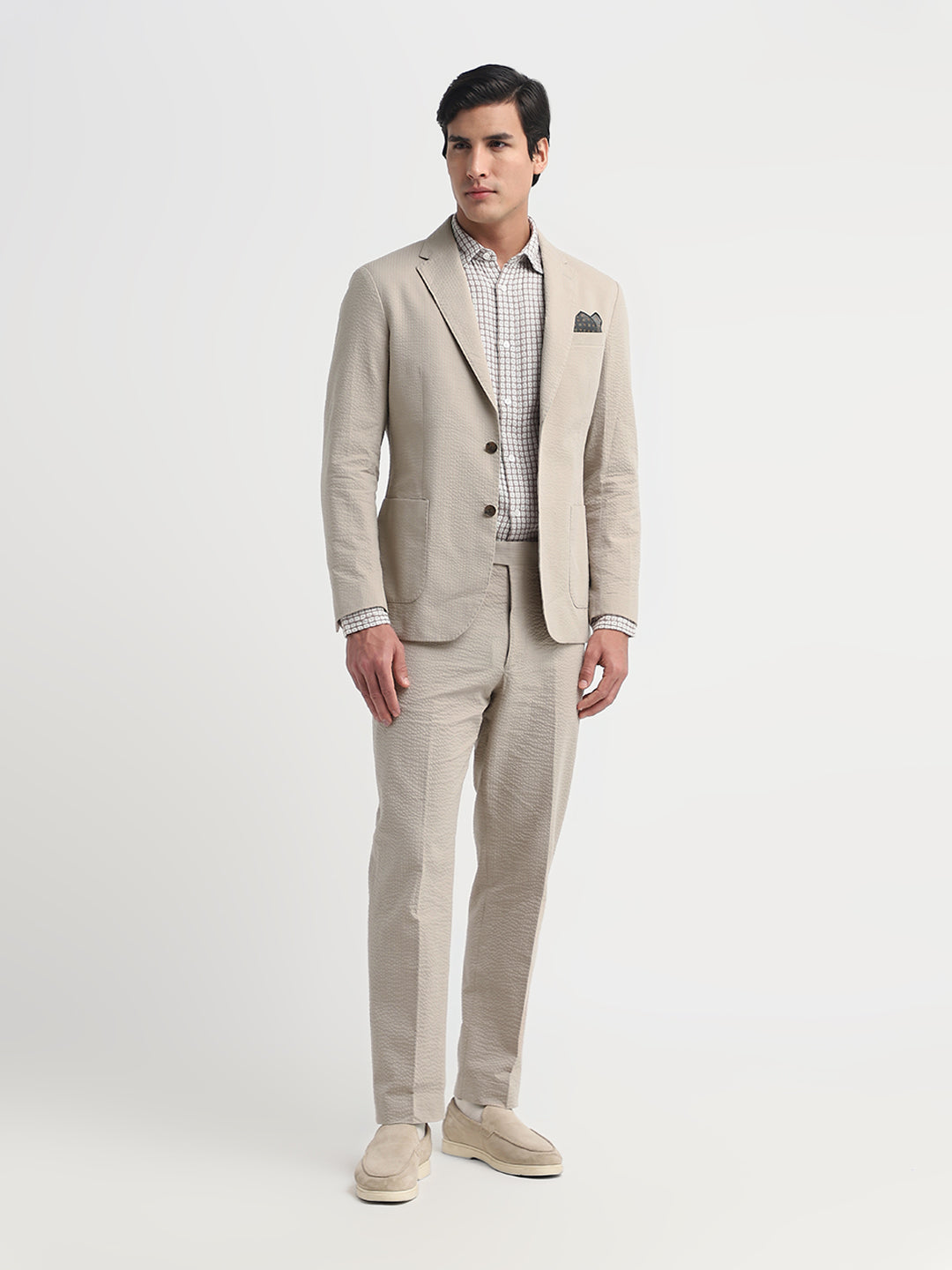
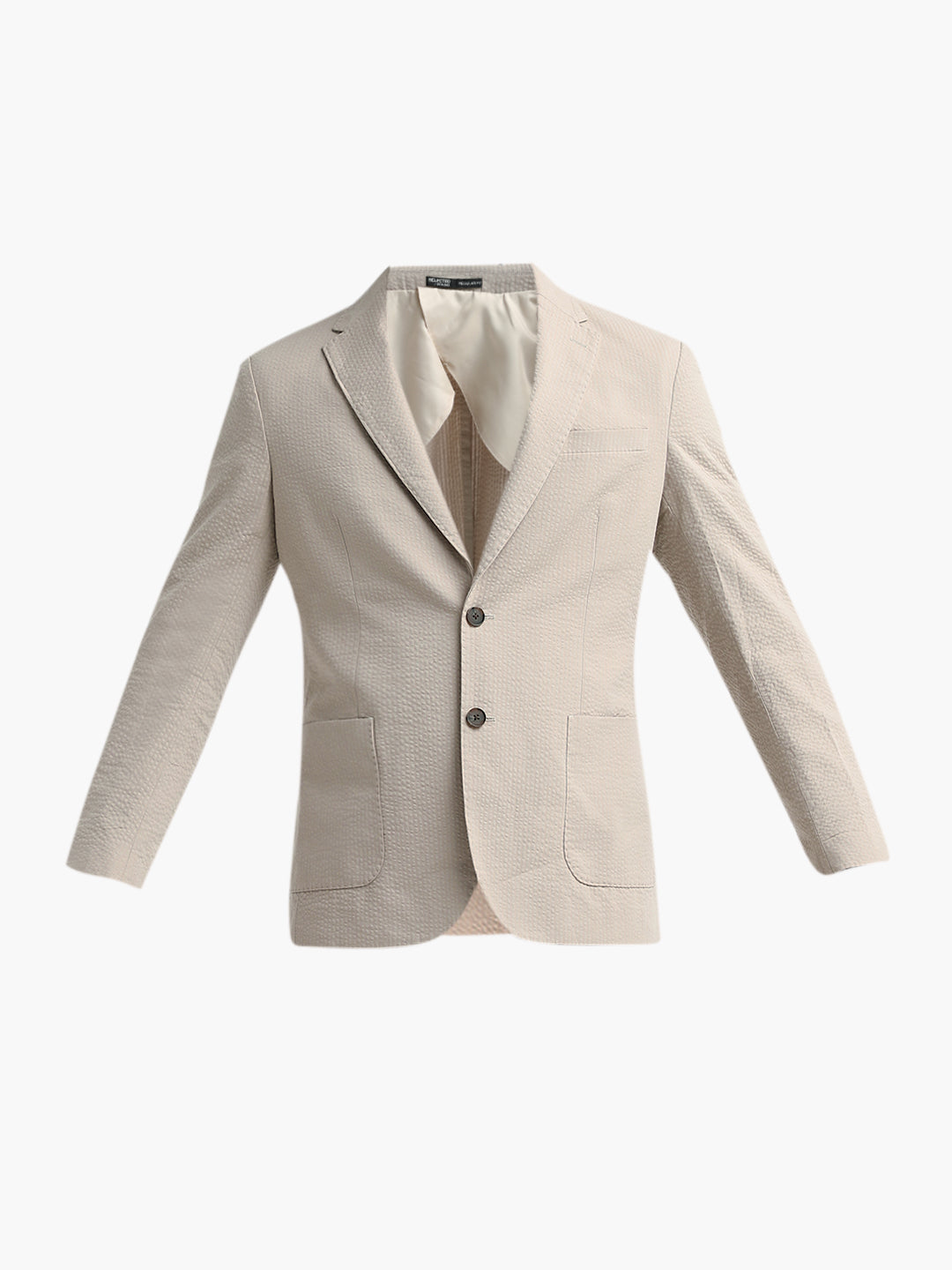
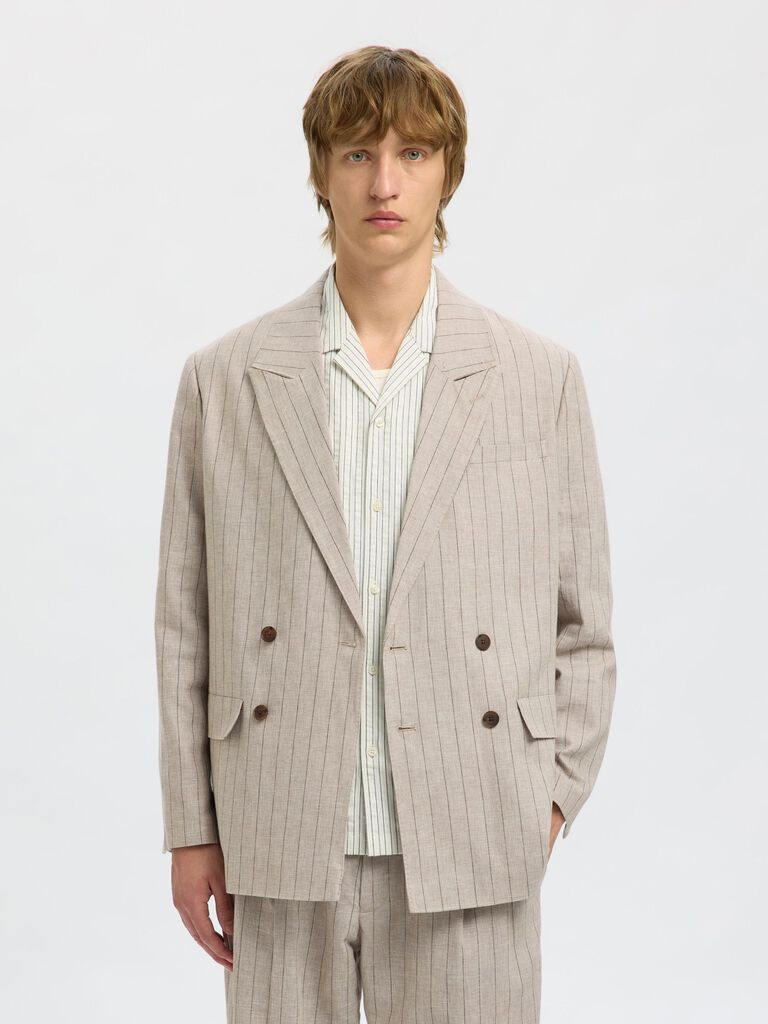
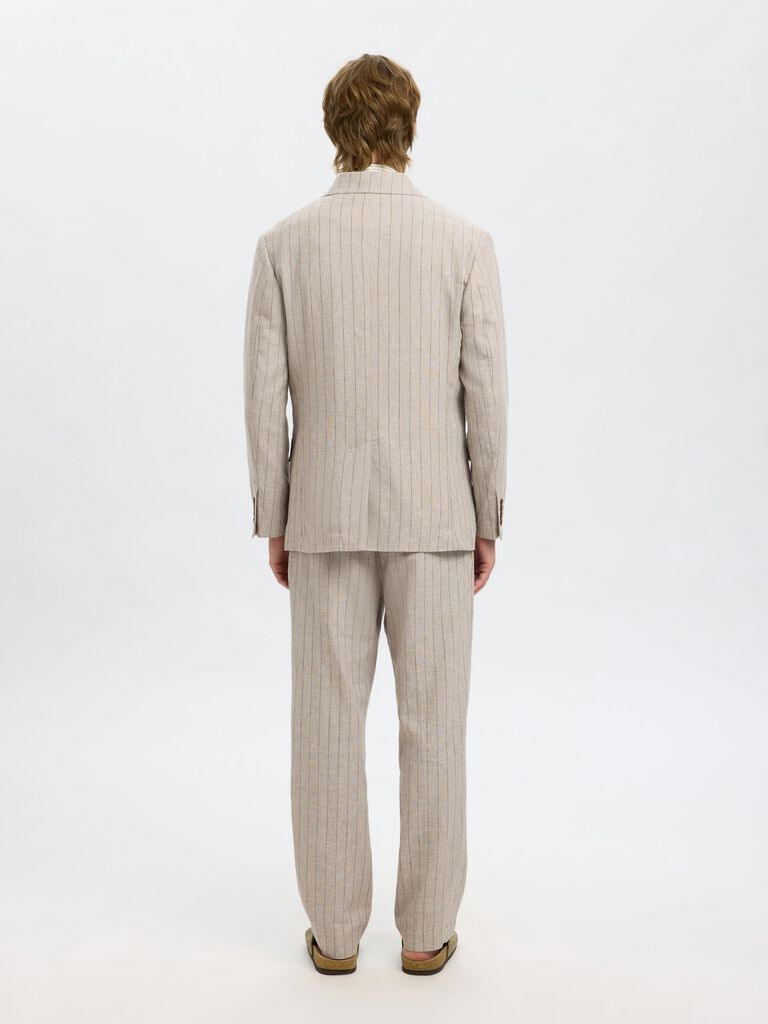
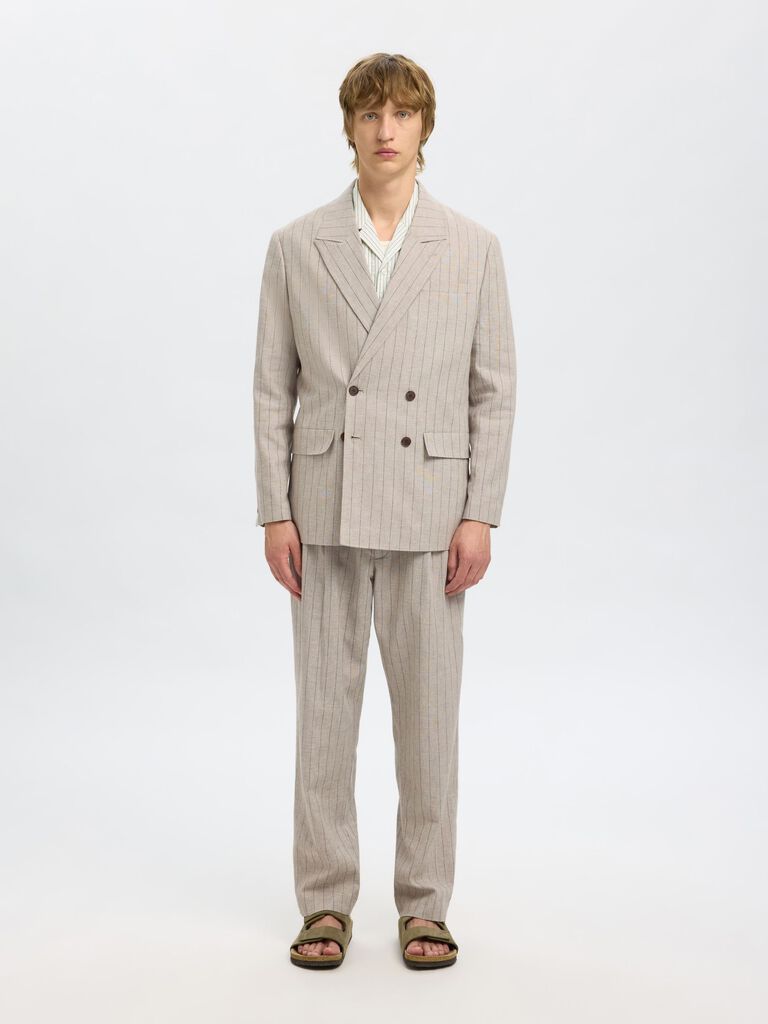
Stand outside a Gurugram office at 9.30 on a Monday and count the jackets going in. Navy, navy, charcoal, navy. There’s nothing wrong with any of them. But a beige blazer for men does one thing they can’t: it makes a plain white shirt look like you chose it on purpose. It’s lighter than navy, warmer than grey, and in an Indian summer it’s the jacket you won’t be dying to take off by noon. At Selected, we cut beige with the same care we give darker tailoring, keeping the lines clean and the detailing quiet so the colour stays calm. Here’s how to pick one, wear it, and keep it looking good.
What Defines a Beige Blazer at Selected
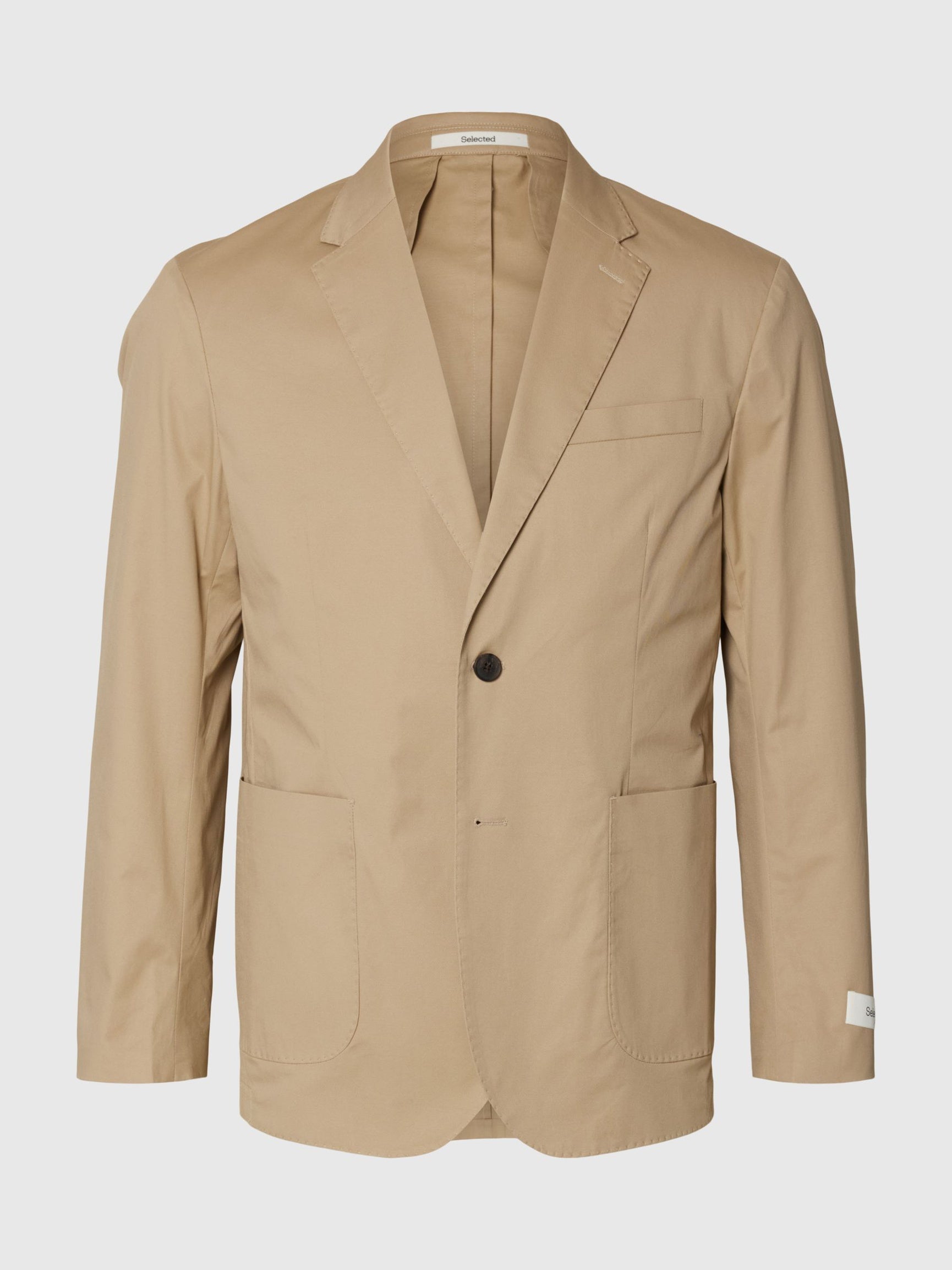
“Beige” covers a lot of ground. Pale sand, oatmeal, stone, a deeper tan that leans towards camel. Hold them side by side and they barely look related. The paler ones feel easy, a bit holiday. The deeper ones look more serious and sit better with dark trousers.
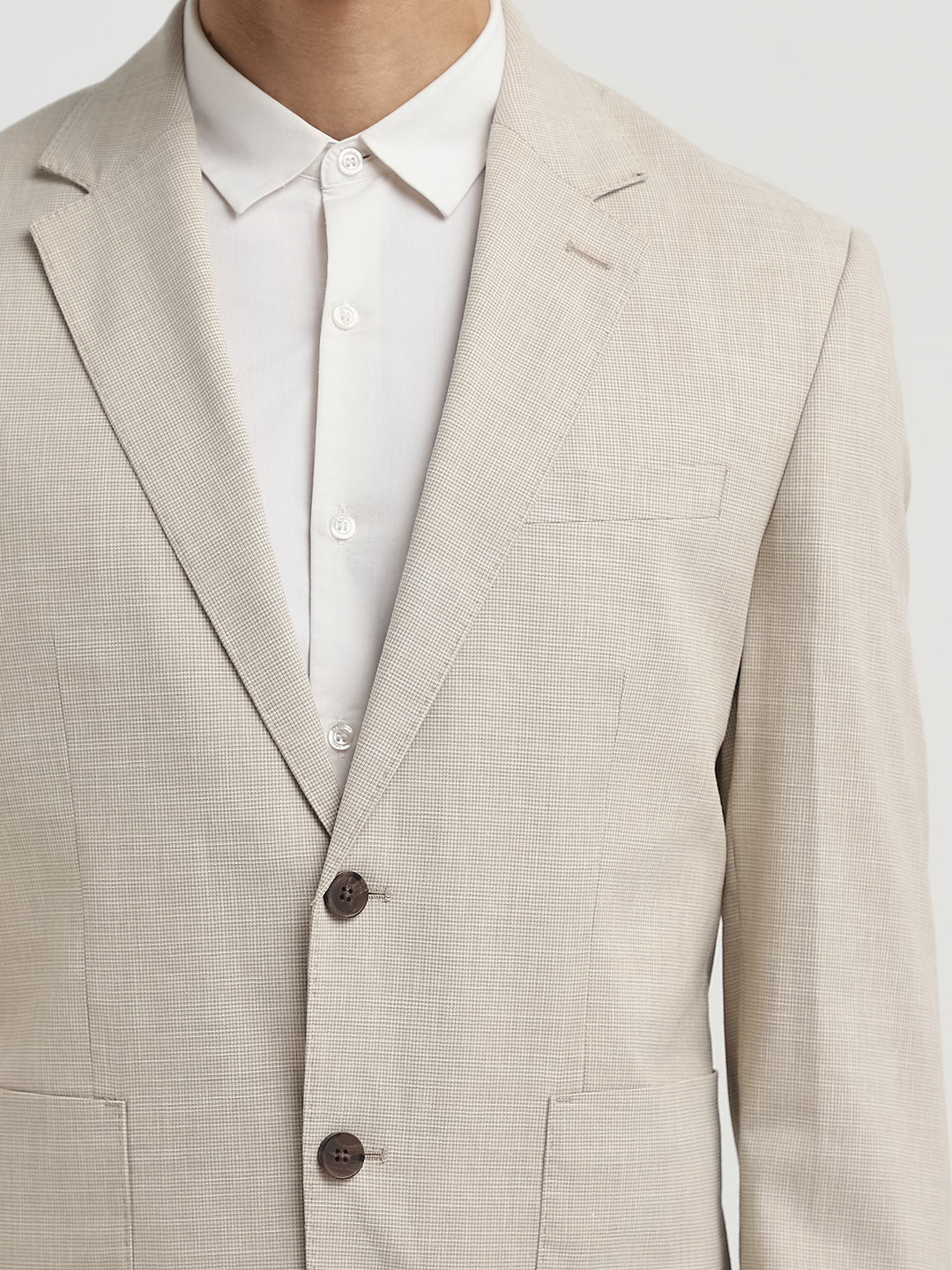
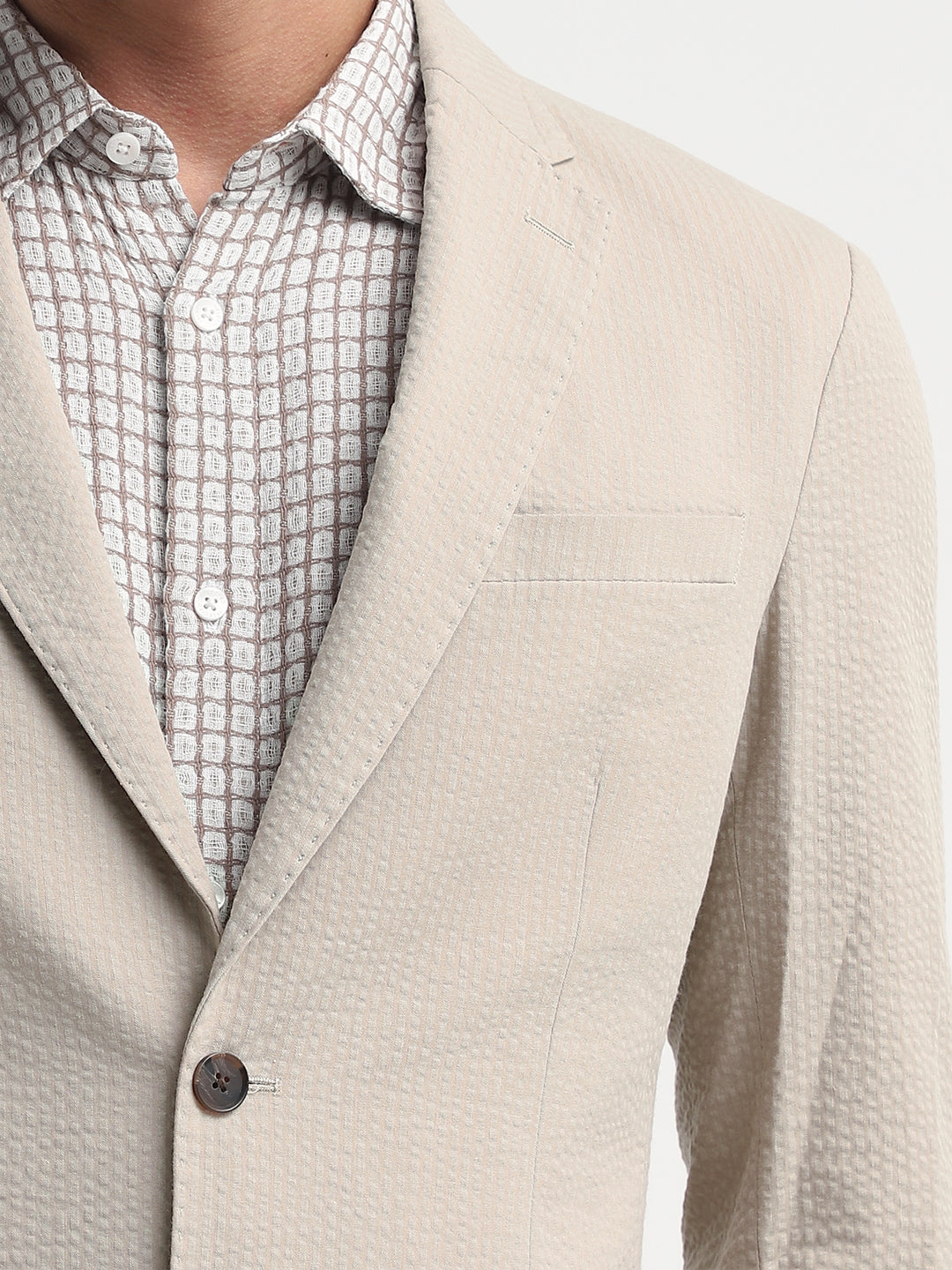
What doesn’t change from shade to shade is the restraint. Clean lapel, balanced shoulder, very little fuss, so the colour is the only thing doing the talking. A premium blazer for men isn’t a jacket that happens to be beige. It’s one where the drape is right, and the line still holds at 6 pm after a day of meetings and a long ride home.
Fits and Silhouettes of a Beige Blazer for Men
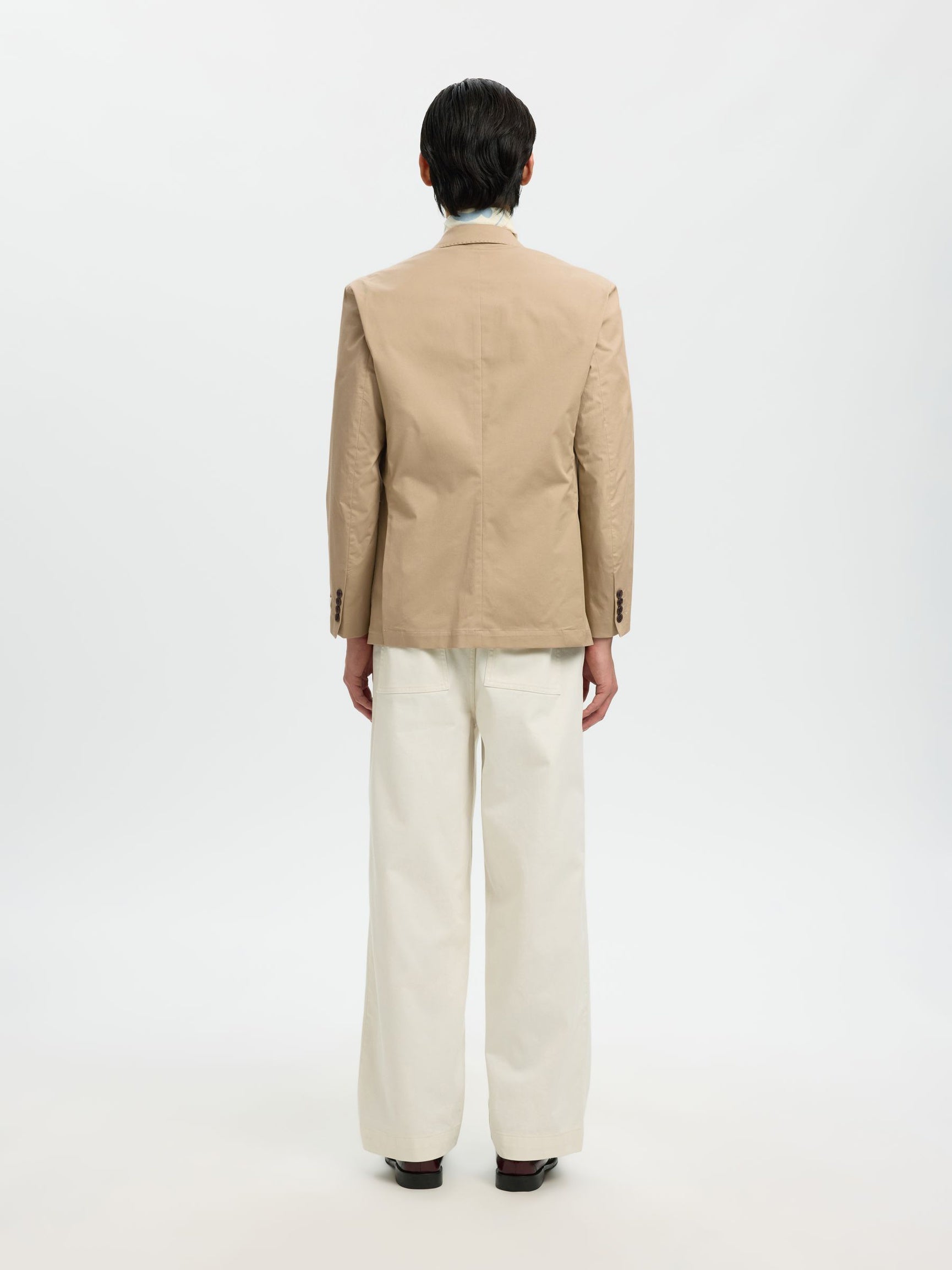
Pale cloth shows everything, so fit comes first, before you even think about shade. A jacket that’s slightly tight across the back looks far worse in sand than it ever would in navy.
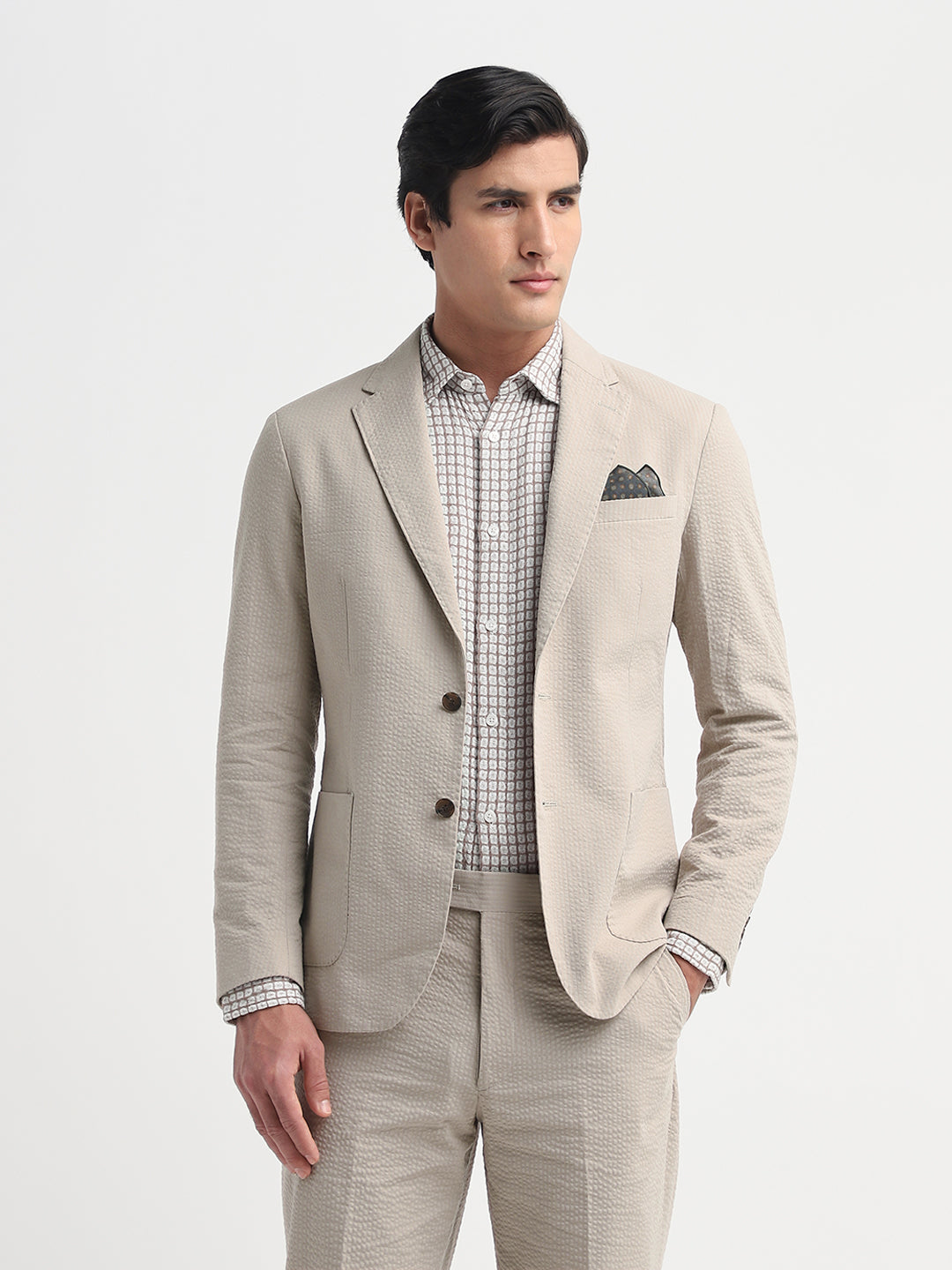
Slim fit follows your chest and waist closely and suits a leaner build. Regular fit leaves room for a knit underneath, and you’ll be glad of it if you sit at a desk for nine hours. The softer, unstructured cut is the casual one. It folds into a bag without complaint.
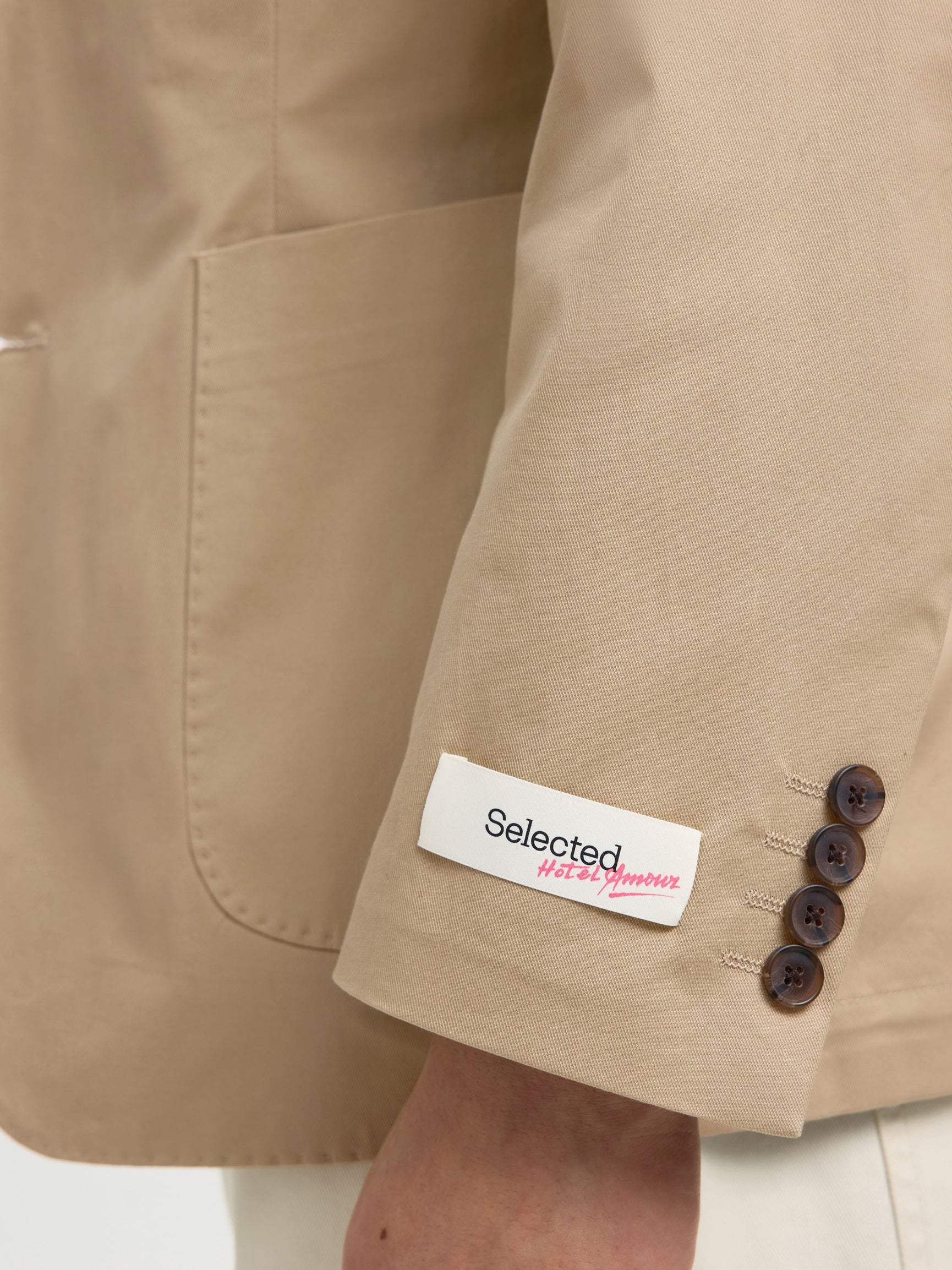
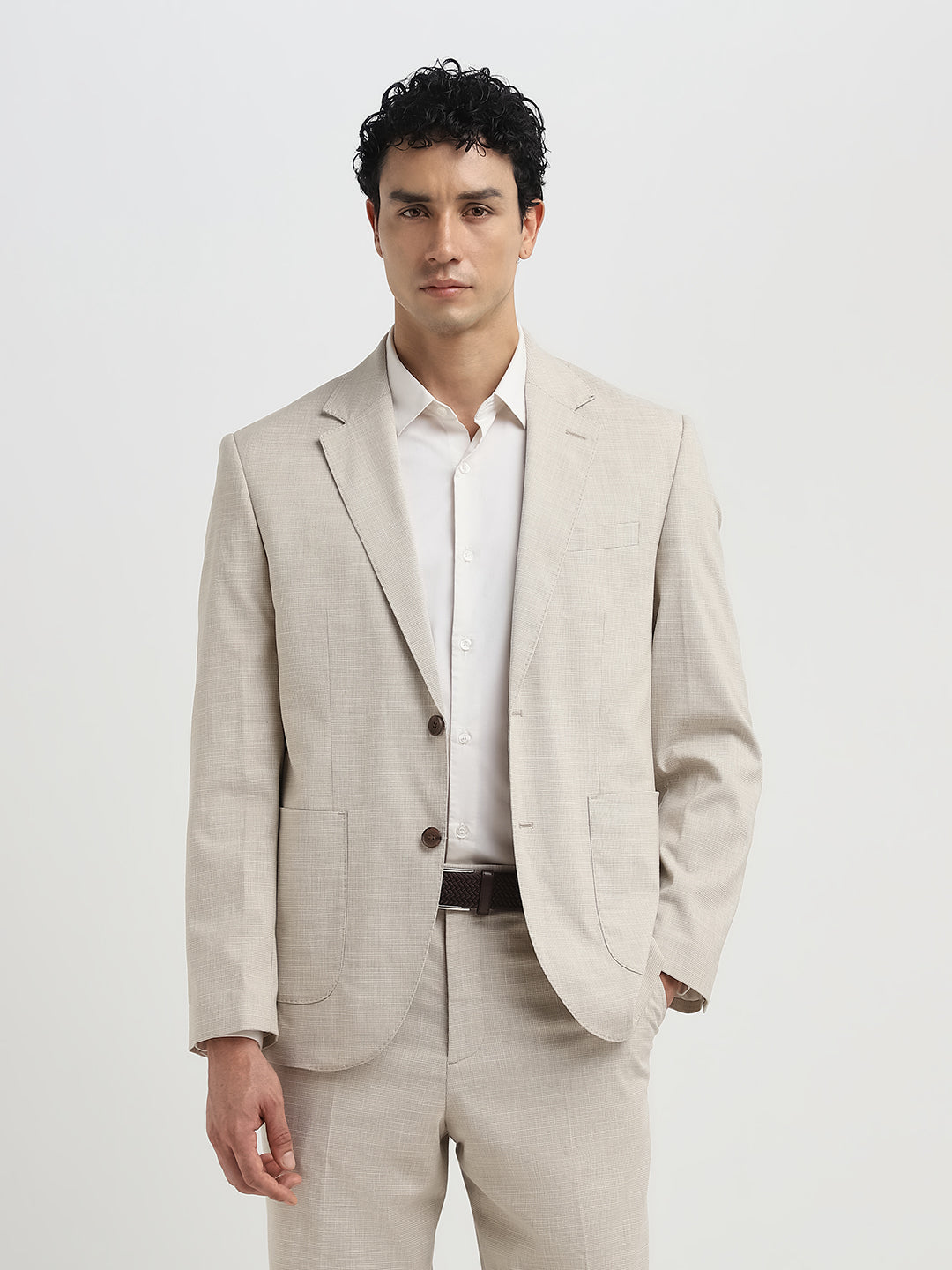
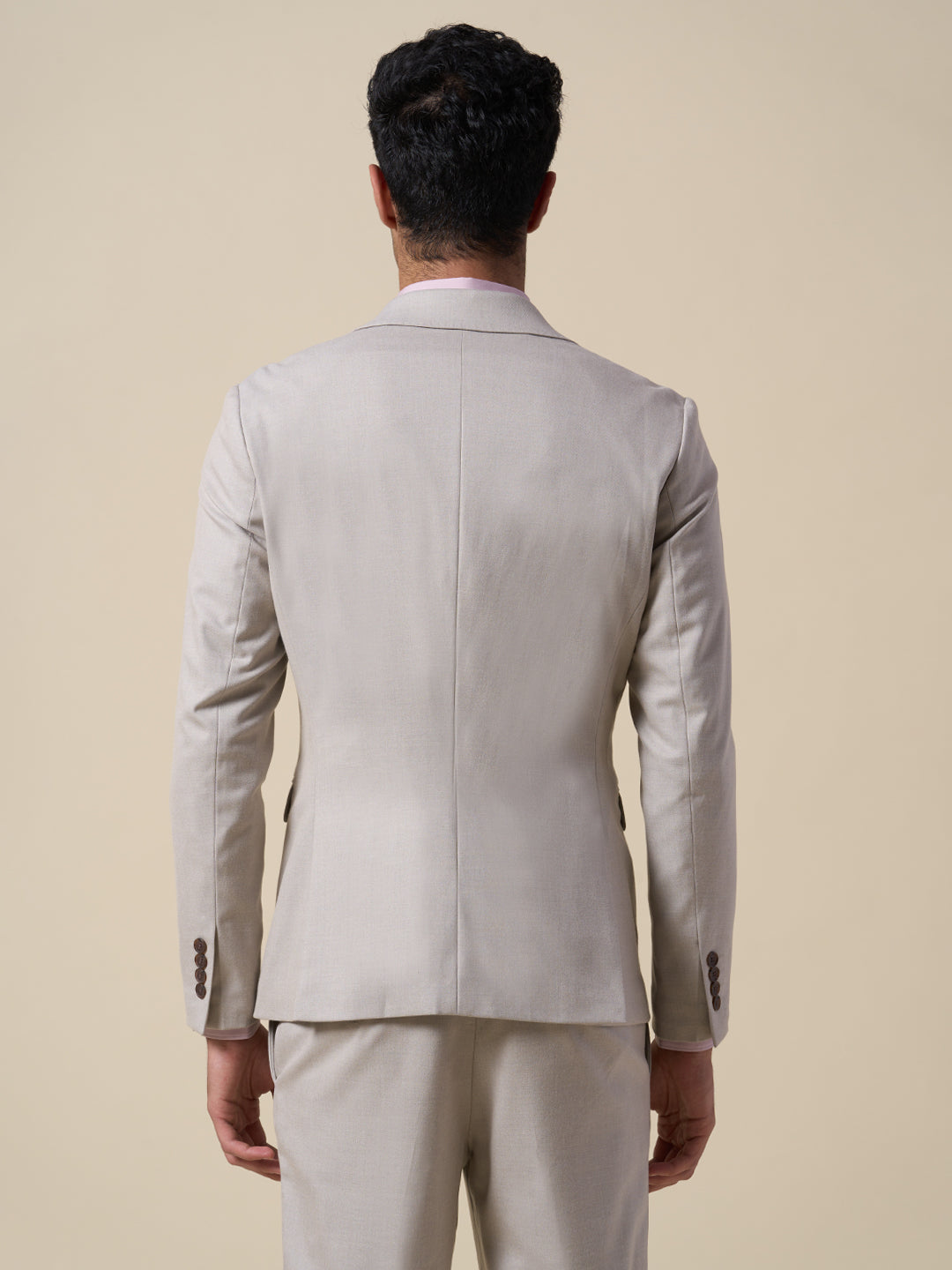
Whichever you go for, there are three quick checks. The shoulder seam should end where your shoulder does. You should see about a centimetre of shirt cuff. And when you button up, the fabric should lie flat, not pull into an X. If all three are right, a tailor can fix anything else in a few minutes.
Fabric and Craftsmanship: What Makes a Premium Blazer for Men
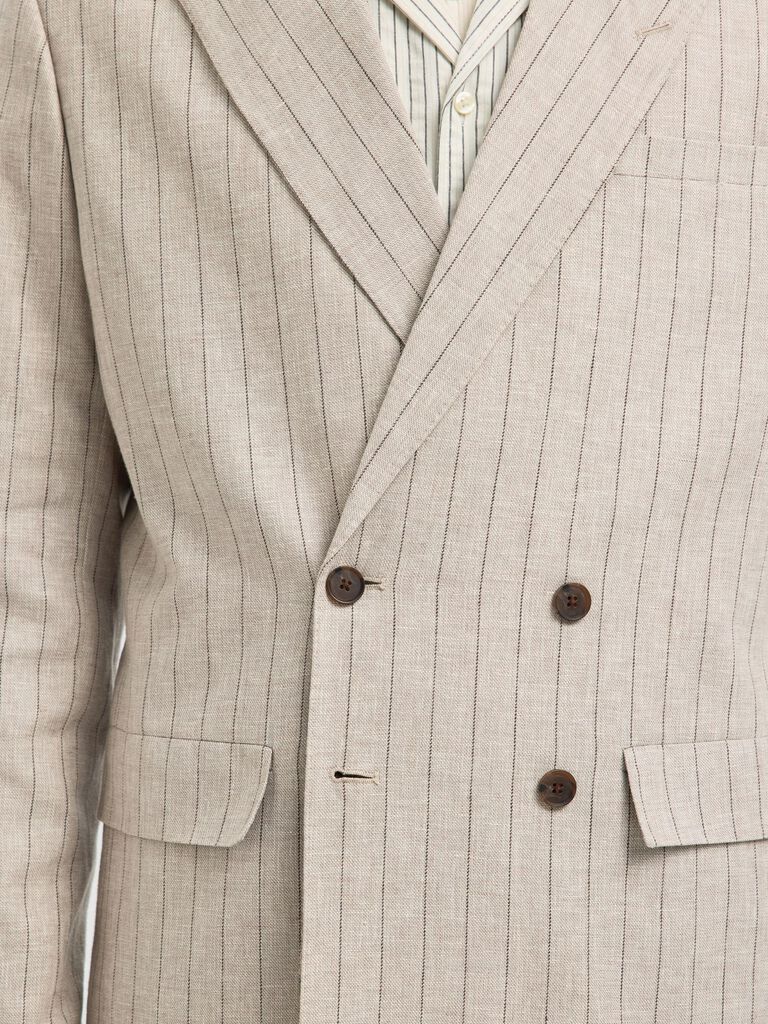
Beige is less forgiving than navy, which means the cloth and the construction matter a little more. A wool blend with some body holds its crease through a Mumbai commute and recovers after a long meeting. Cotton and linen blends are easier in humid weather. They’ll crease, and honestly that’s half their charm. Composition differs by style.
Turn the jacket inside out, or at least open it up. Is the lining clean? Are the seams tidy? Are the buttons sewn on properly, and does the collar roll rather than flop? None of this is glamorous, but it’s what tells you whether the blazer will still look right in its third year. And weight is worth a thought: lighter for most of the Indian year, heavier when Delhi winter shows up.
How to Style a Beige Blazer for Men, by Occasion
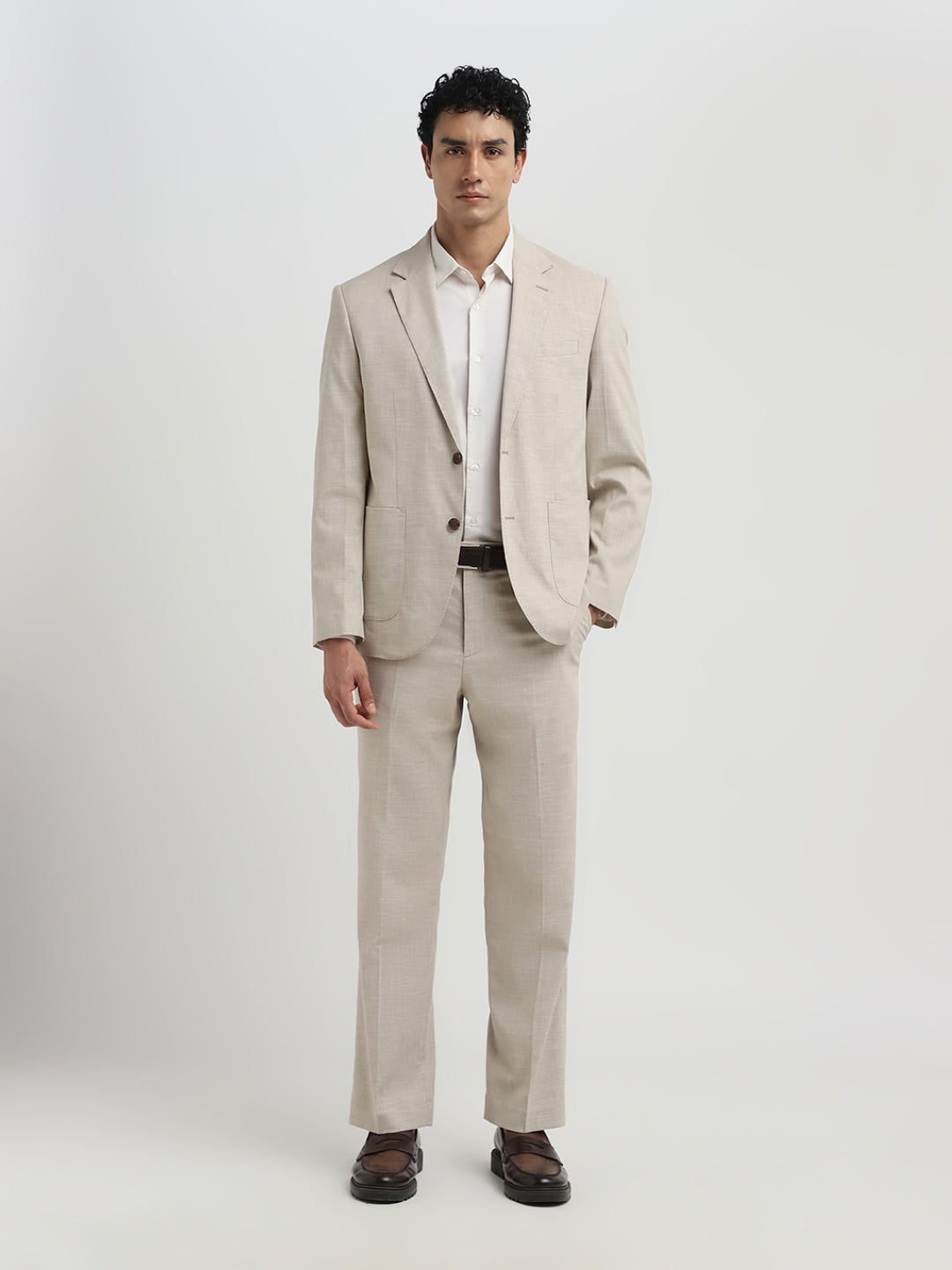
For the office, keep everything around it plain. White or pale blue shirt, navy or charcoal trousers, brown leather shoes. Skip the tie on most days. The jacket already looks considered, and a tie can push it into trying too hard.
Weddings are where beige earns its place. Daytime, wear it over a white or ivory shirt with tan loafers, and leave it there. For a sangeet or anything in the evening, go deeper in shade and darker in trousers, because pale colours go a little flat under artificial light.
Travel is the underrated one. Two days away, one carry-on: a beige blazer does the job of two jackets, and it hides the dust and fluff of a long day on the road better than black.
On weekends, put it over a white tee or a fine polo, add chinos and clean white sneakers, and push the sleeves up once. That’s the whole outfit.
Colours That Work With a Beige Blazer for Men
Navy is the safe answer, and it’s usually the right one. Charcoal and olive come close behind. White and pale blue shirts keep things crisp, and a rust or bottle-green knit adds warmth without any noise.
Head-to-toe beige can work, but only when every piece is a slightly different tone. Otherwise it looks like a uniform. Black shoes are the one thing to steer clear of; brown, tan and dark chocolate do much more for this colour.
Choosing and Caring for Your Beige Blazer
Pick the shade against your skin and your trousers, not against the hanger. Warmer sand and camel tend to suit deeper skin tones well, while lighter complexions often look better in cooler stone and oatmeal. Try it on with the shirt you’d actually wear, not the one the shop hands you.
Care is mostly small habits. Brush it after wearing. Hang it on a wide-shouldered hanger. Give it a day off between wears. Steam out creases instead of pressing them flat, deal with spills while they’re fresh, and dry-clean only when it needs it. Follow the care label on your piece.
Built to Last: Fewer, Better Pieces
One good blazer worn forty times costs less per wear than three trend pieces worn twice. Timeless tailoring is mostly arithmetic: a neutral colour, a balanced shape and a sound finish mean the jacket still looks right in five years. Buy it once, look after it, and let it settle in as one of your versatile staples.
Beige Blazer for Men: Frequently Asked Questions
What colour trousers go with a beige blazer for men?
Navy, charcoal and olive are the safest picks. White works well in summer, and brown gives a warmer, more relaxed look.
Is a beige blazer for men suitable for weddings?
Yes, especially daytime and destination ones. Wear it with a white or ivory shirt and tan loafers.
How should a blazer for men fit?
The shoulder seam should meet your shoulder, and the jacket should close without pulling. Sleeves should show about a centimetre of shirt cuff.
What shoes go with a beige blazer?
Brown, tan and dark chocolate leather suit it best. Clean white sneakers work for casual days.
Find Your Shade
Explore the beige blazer collection at Selected and find the shade and fit that feel like yours. Build a wardrobe rooted in quality.