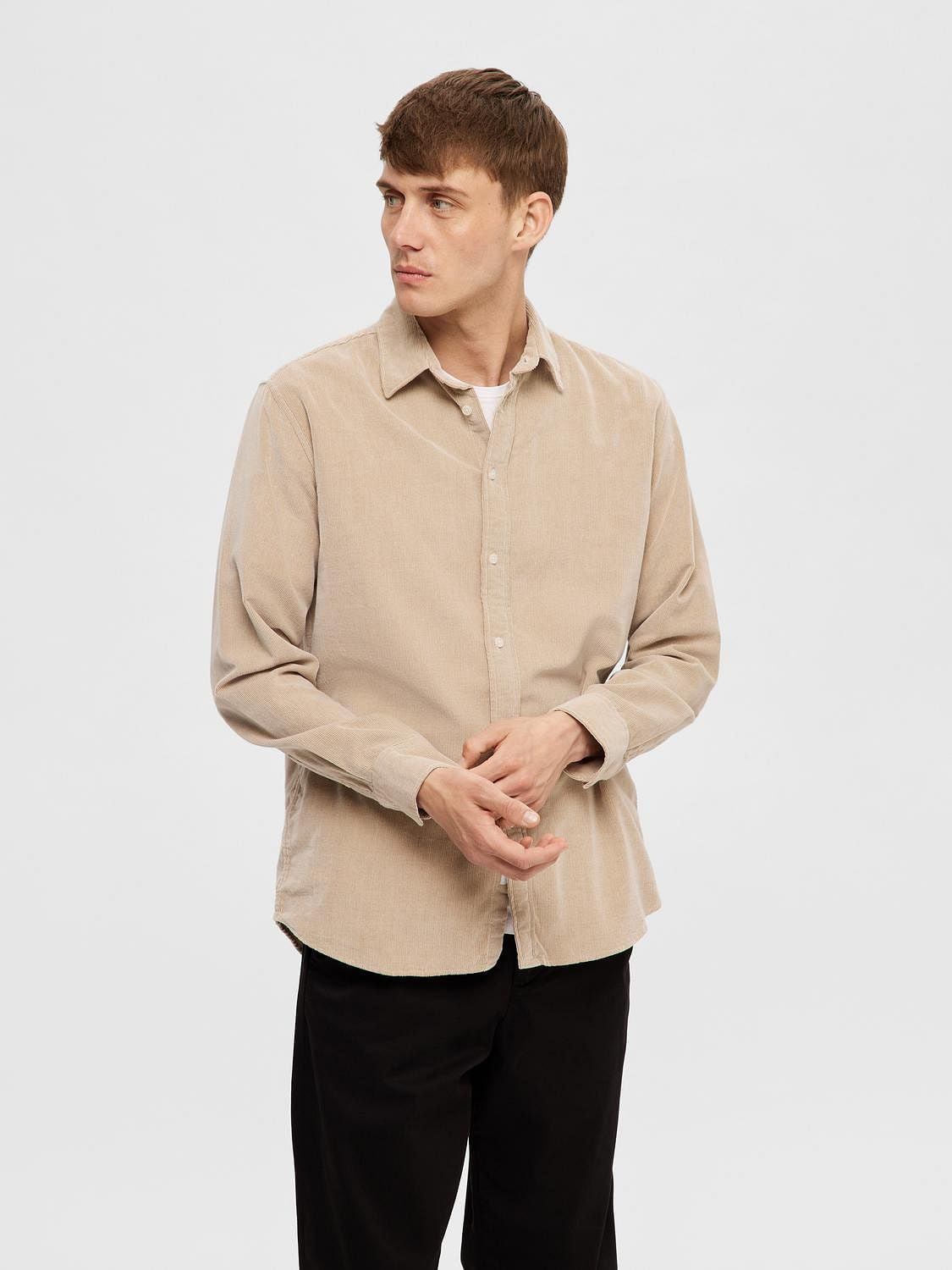
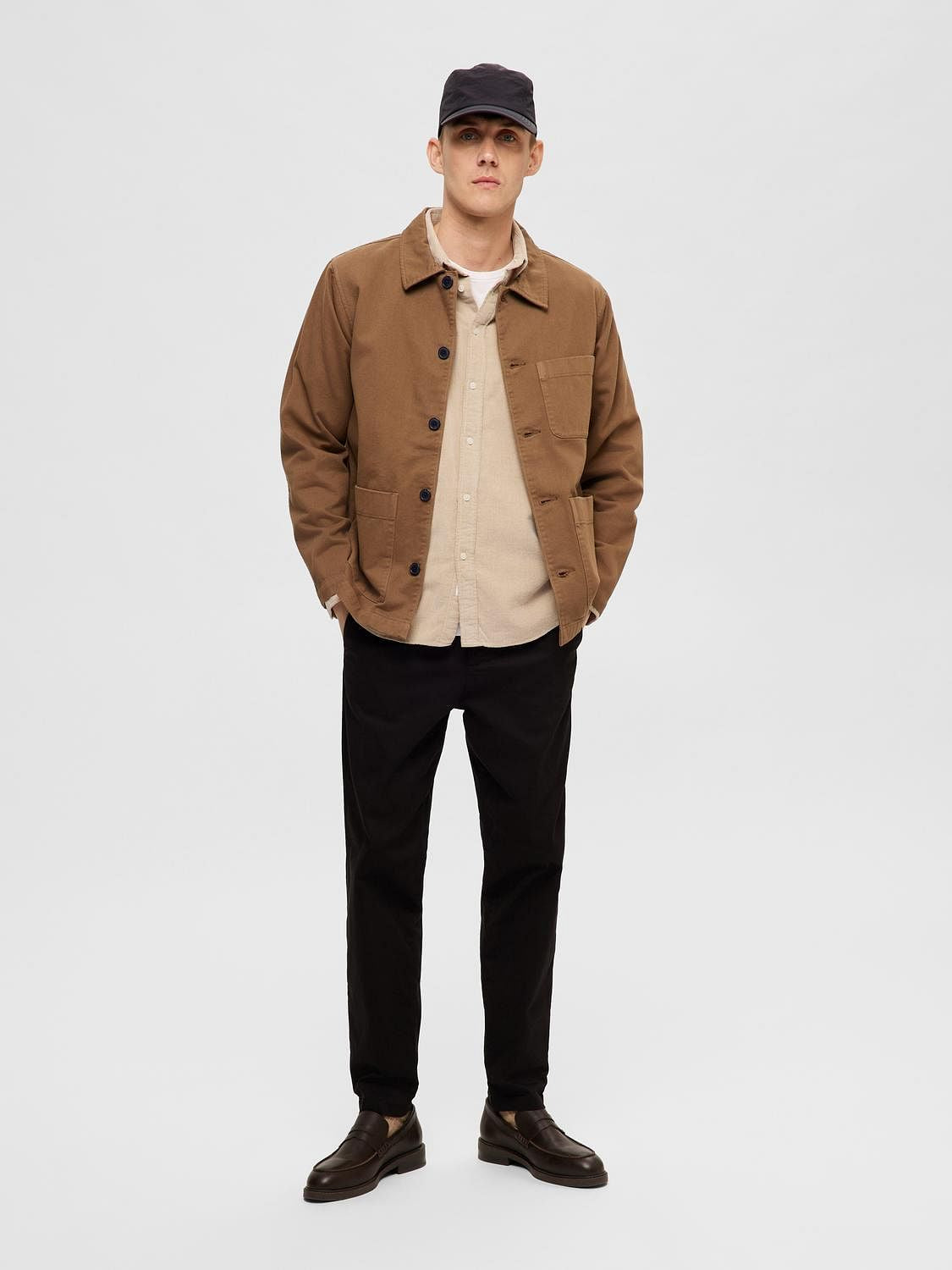
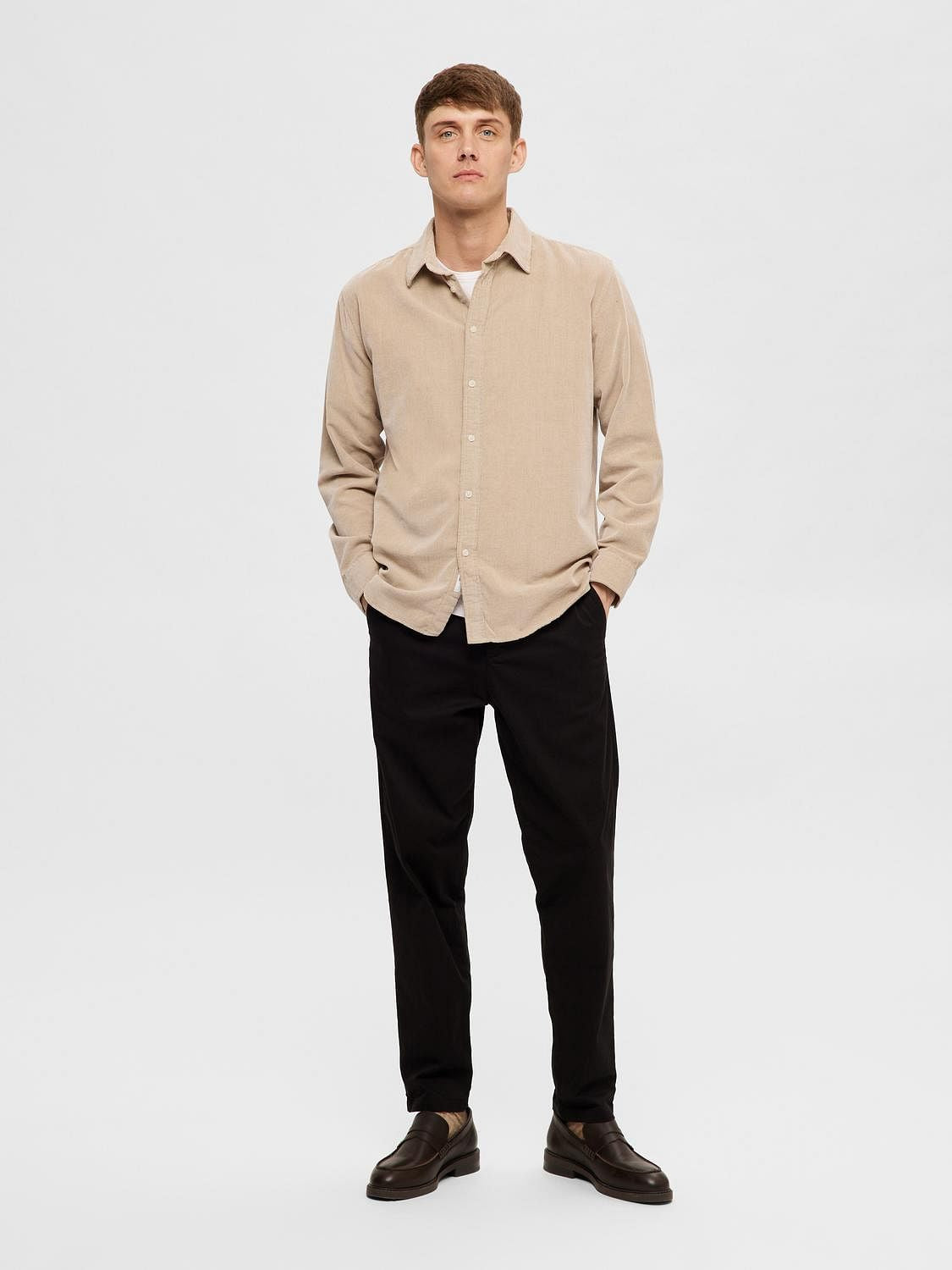
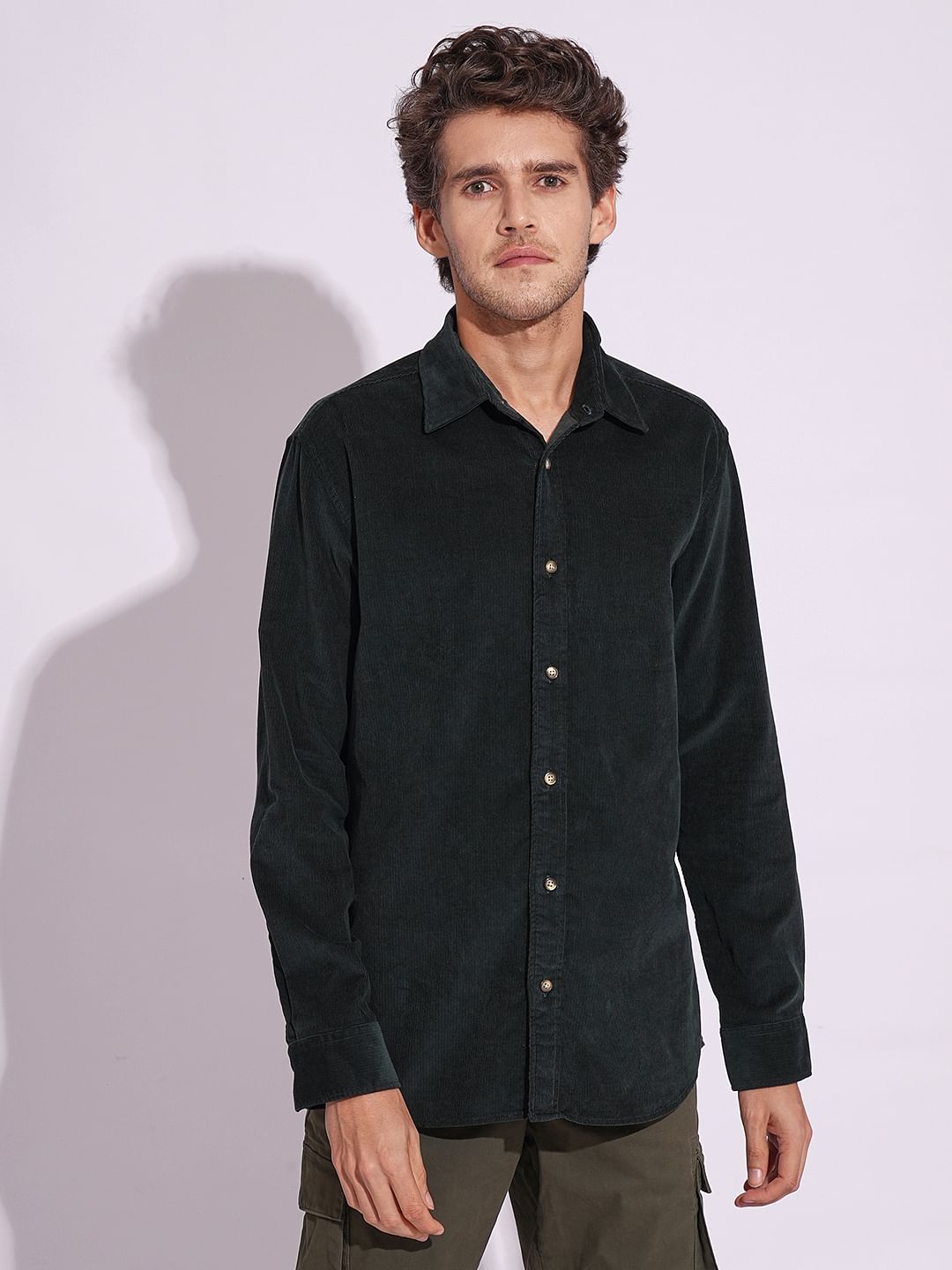
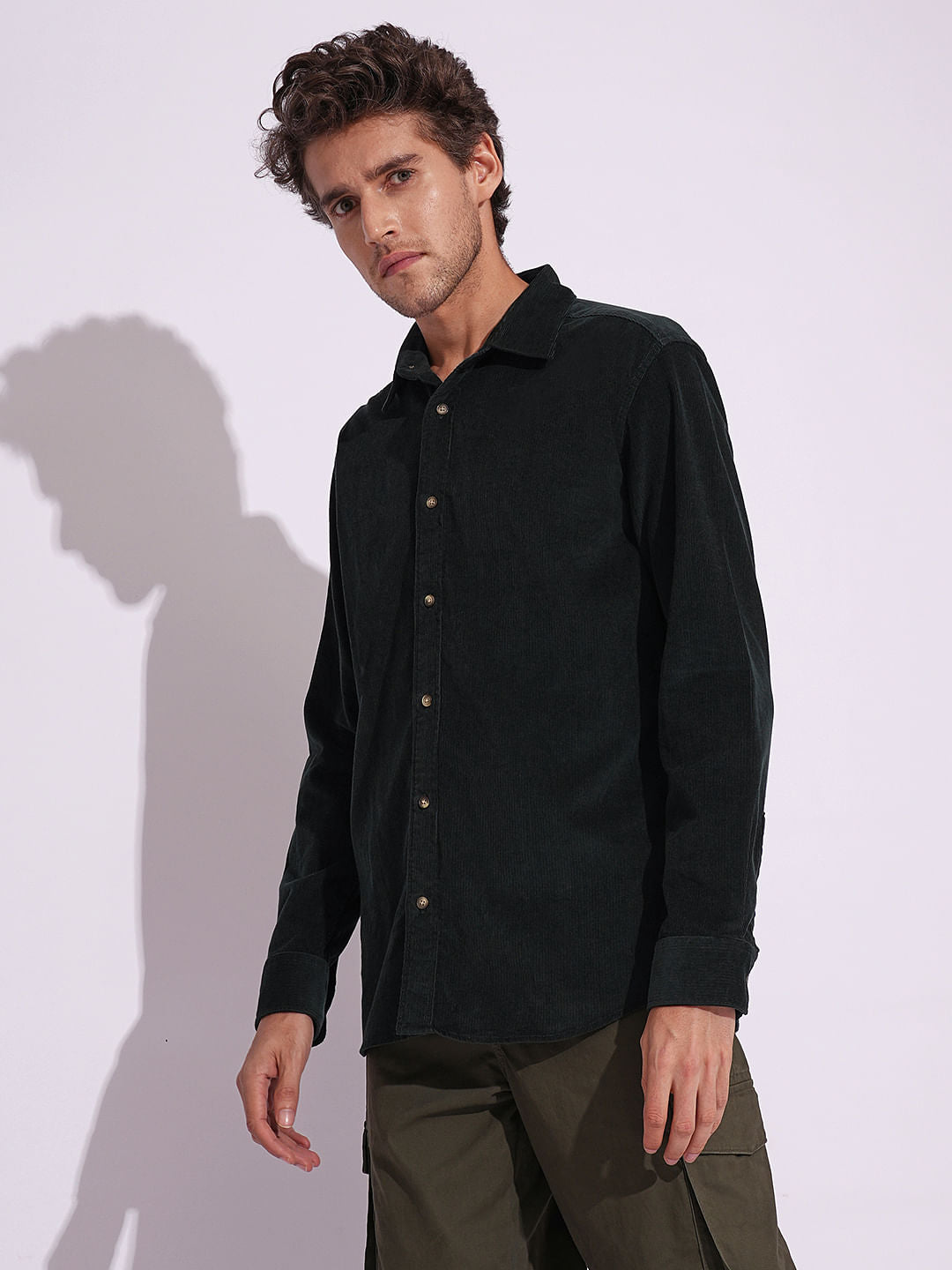
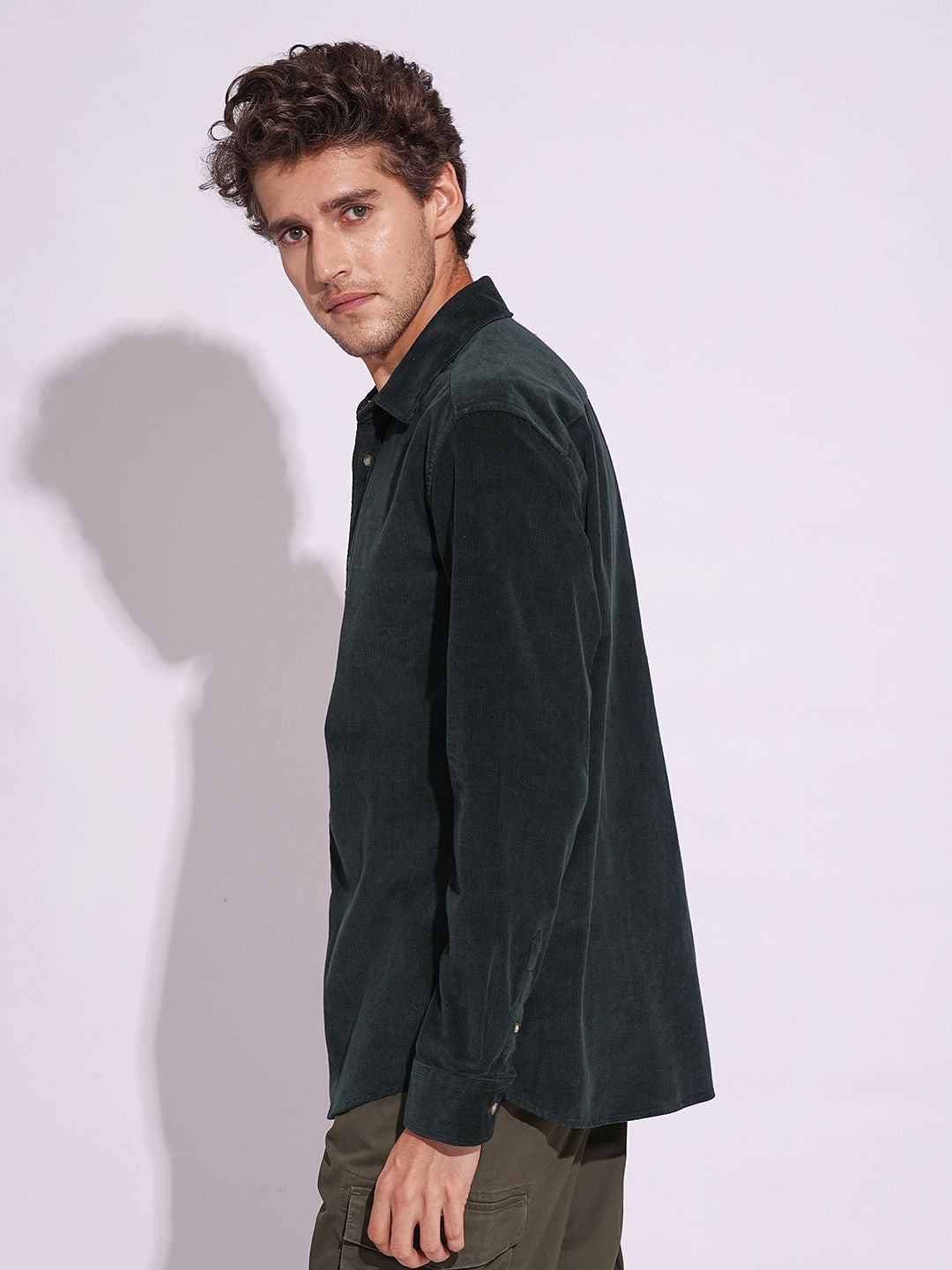
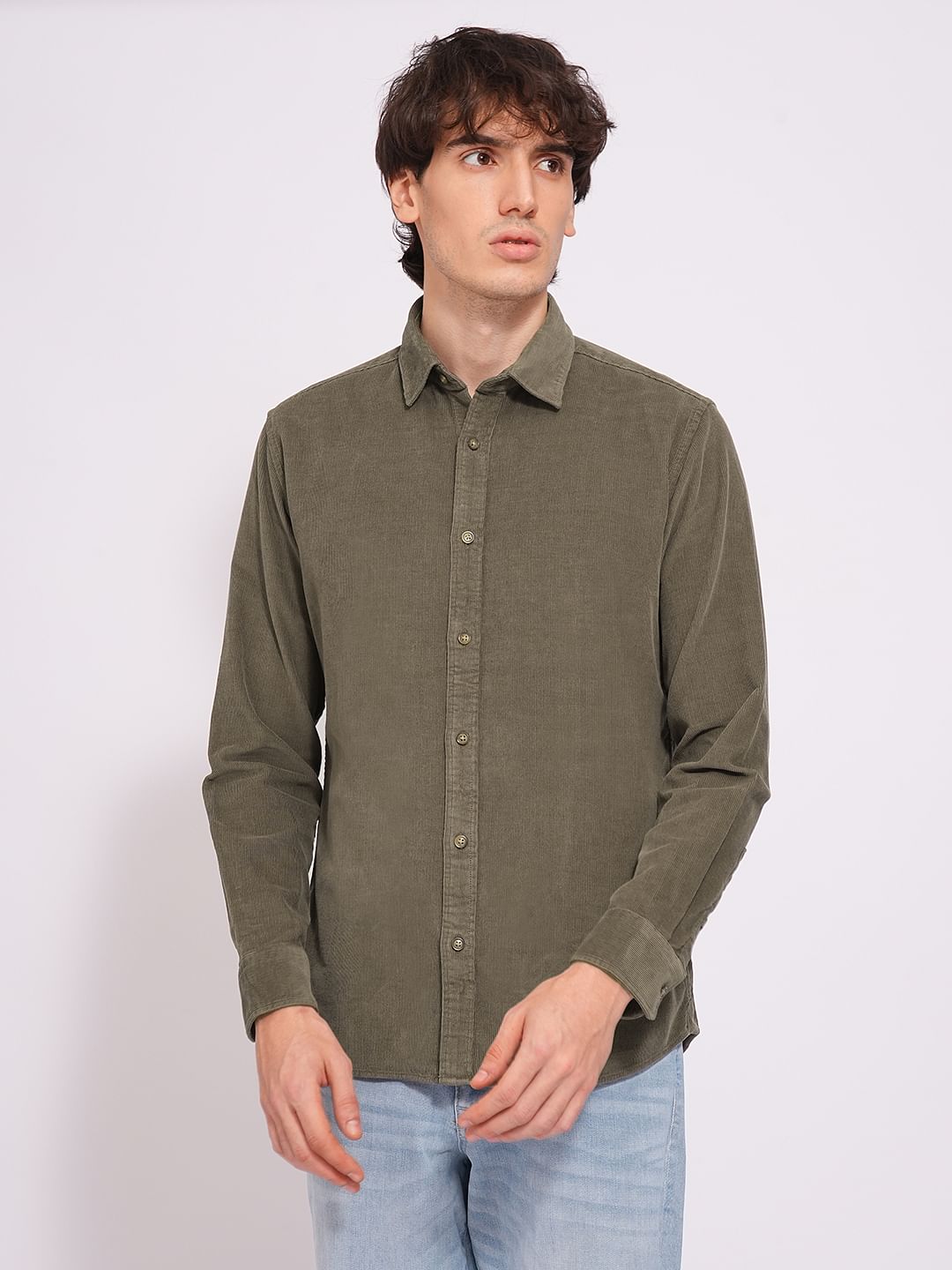
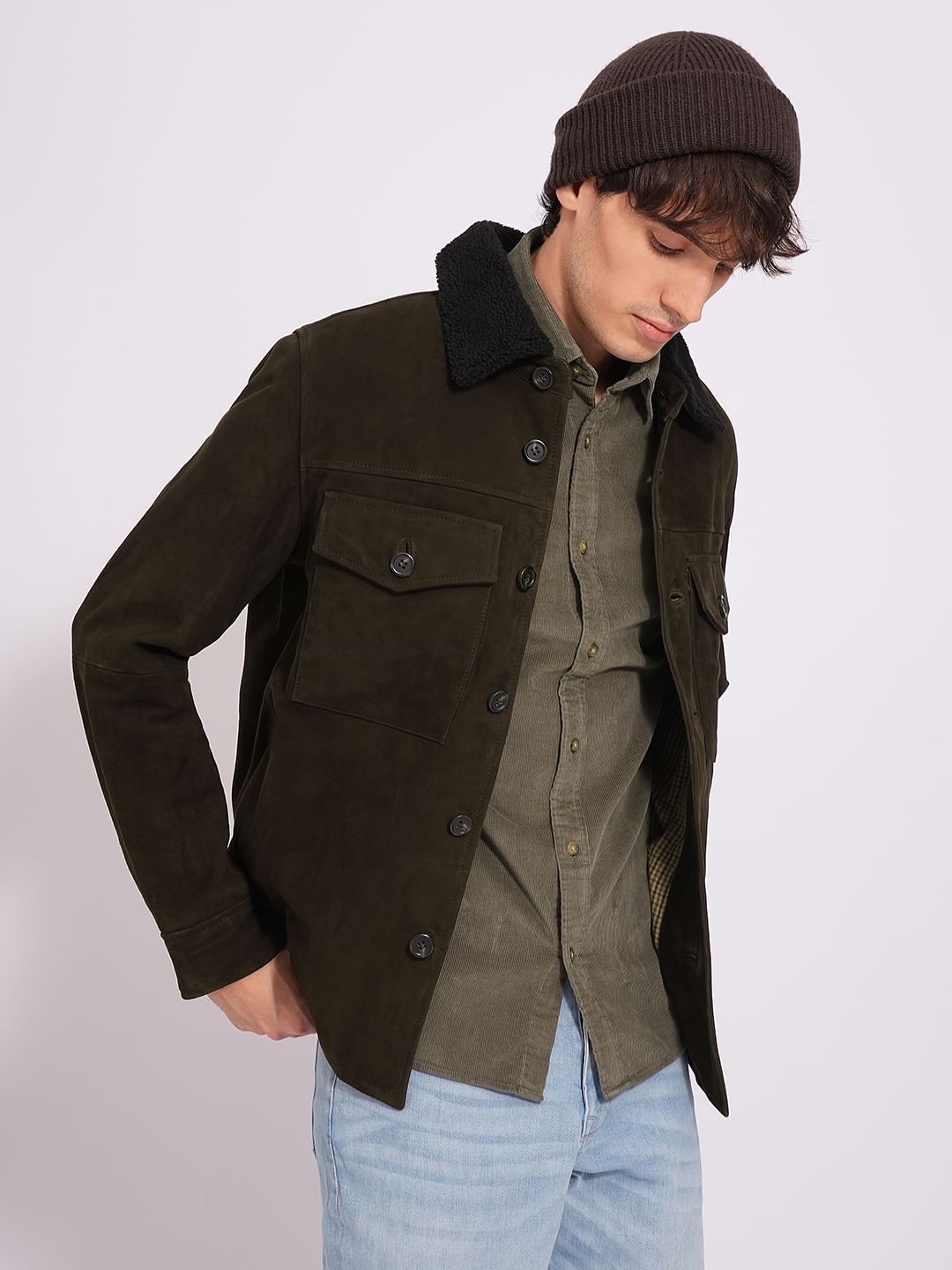
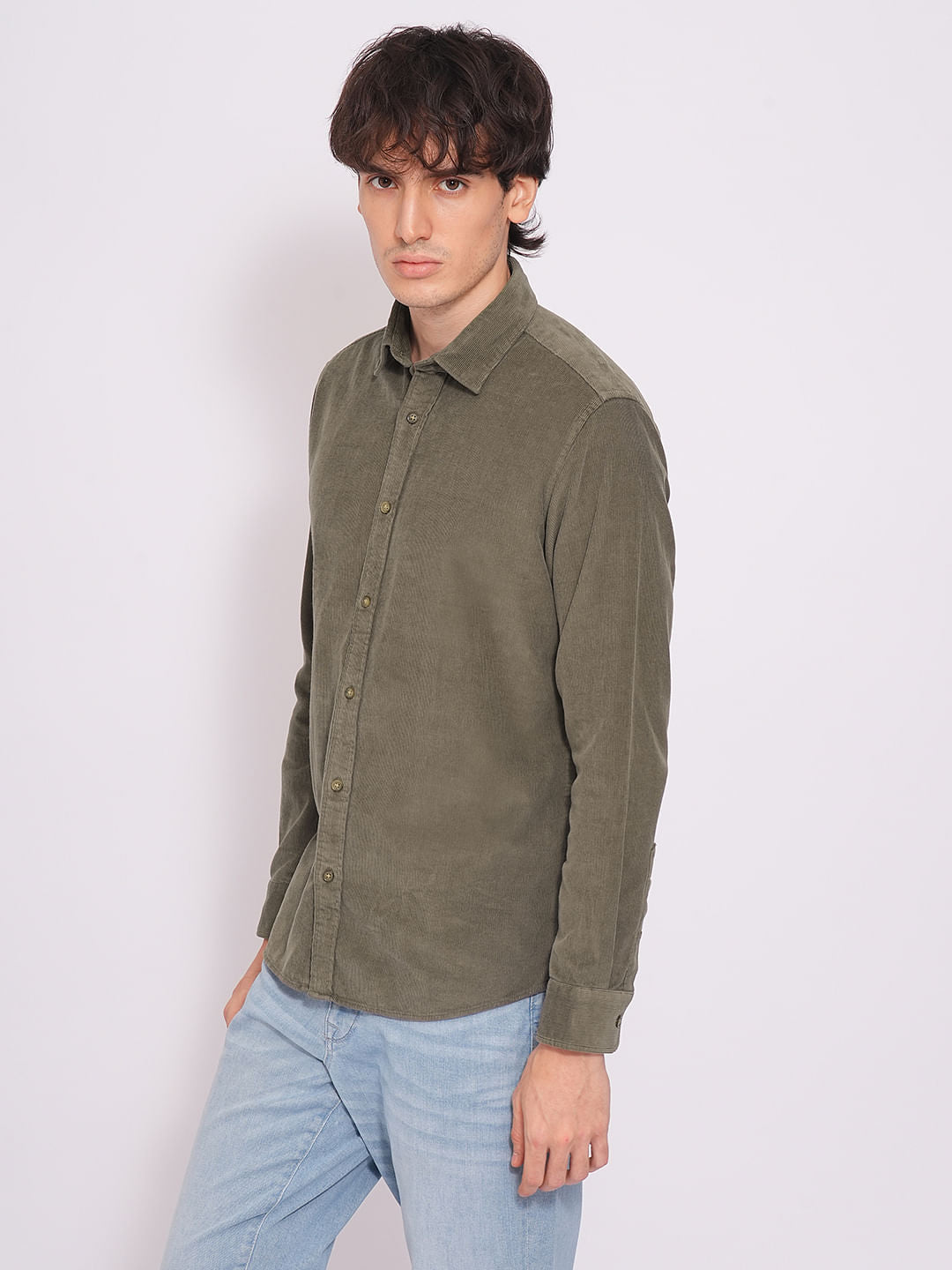
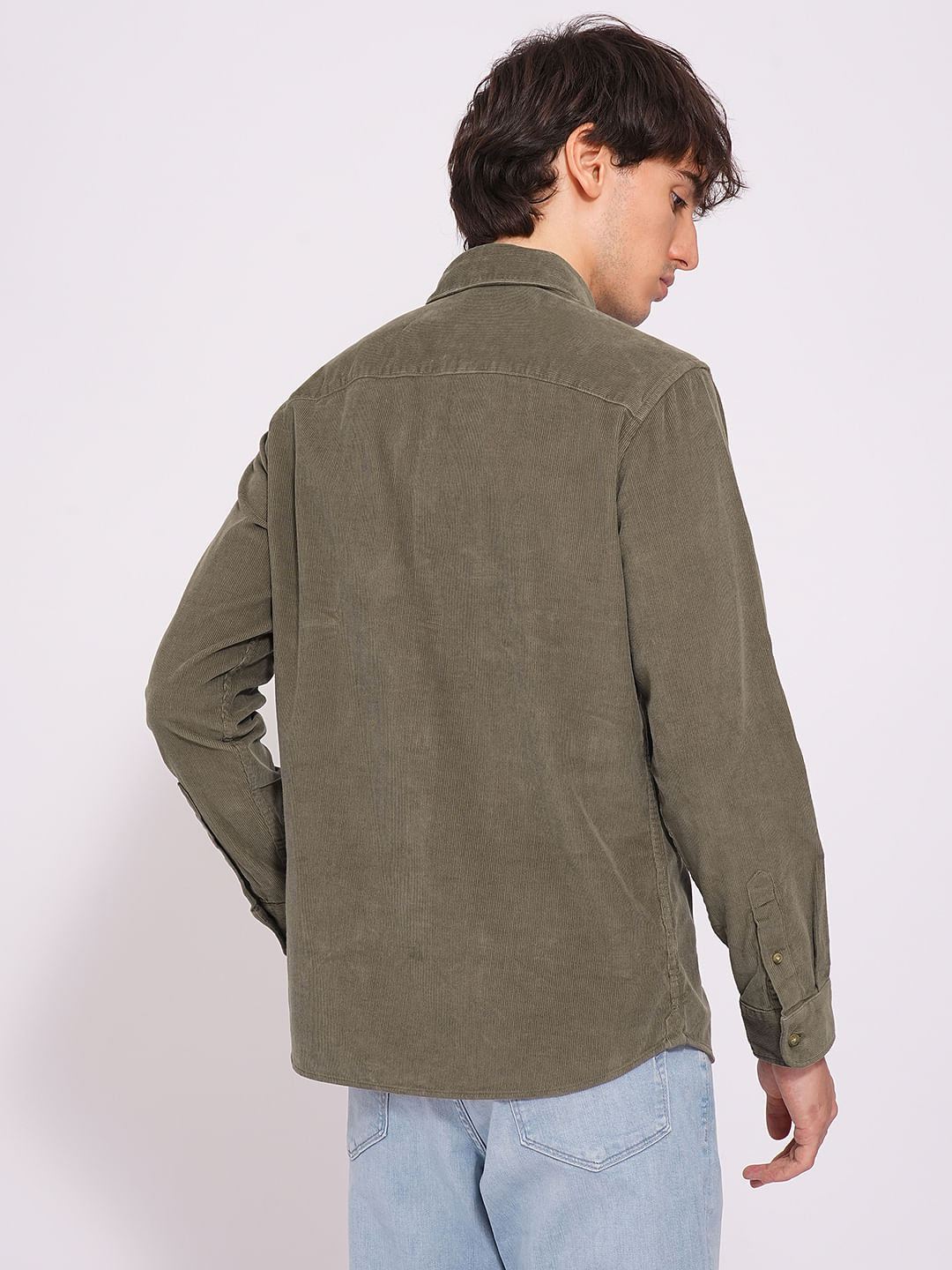
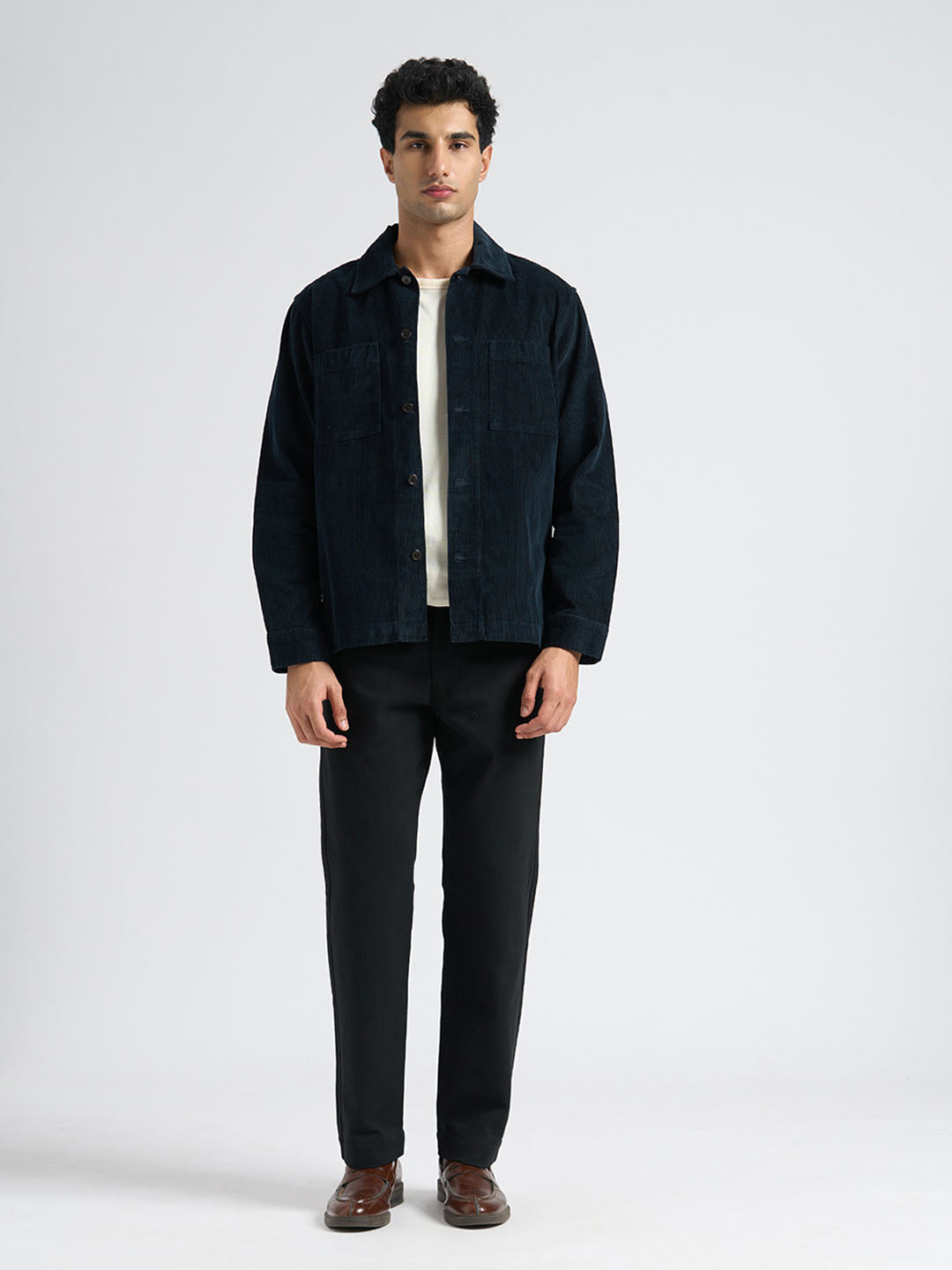
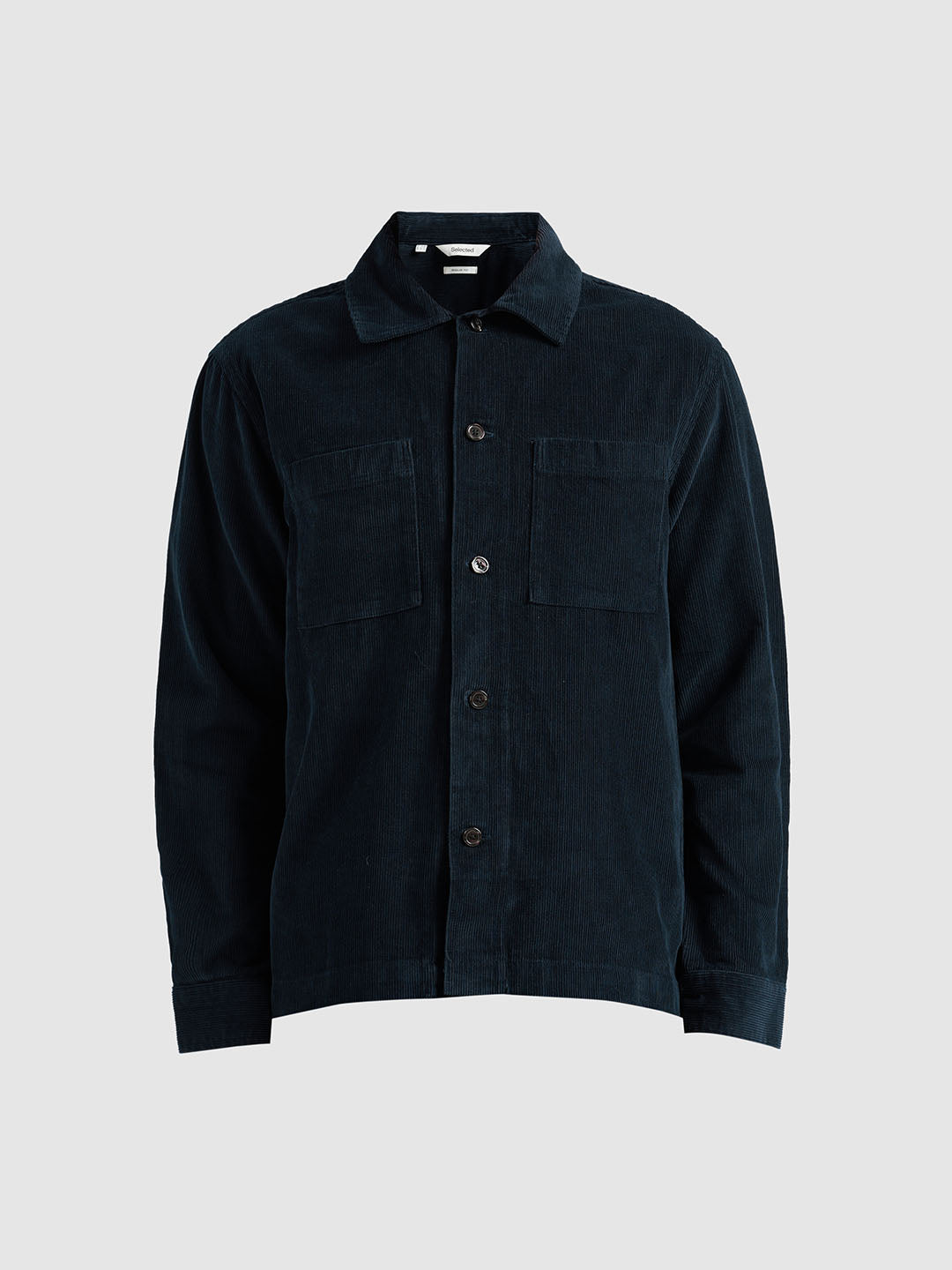
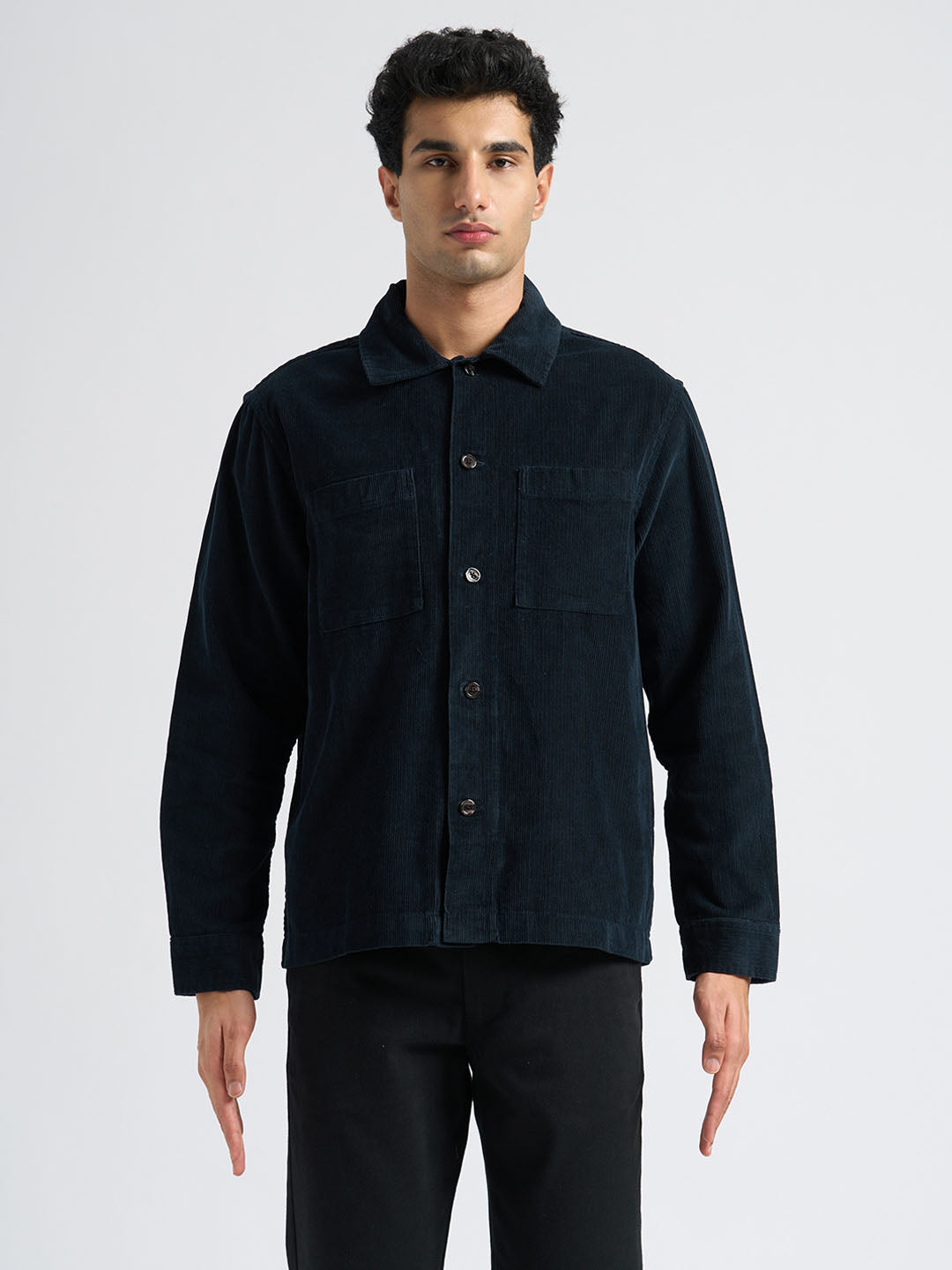
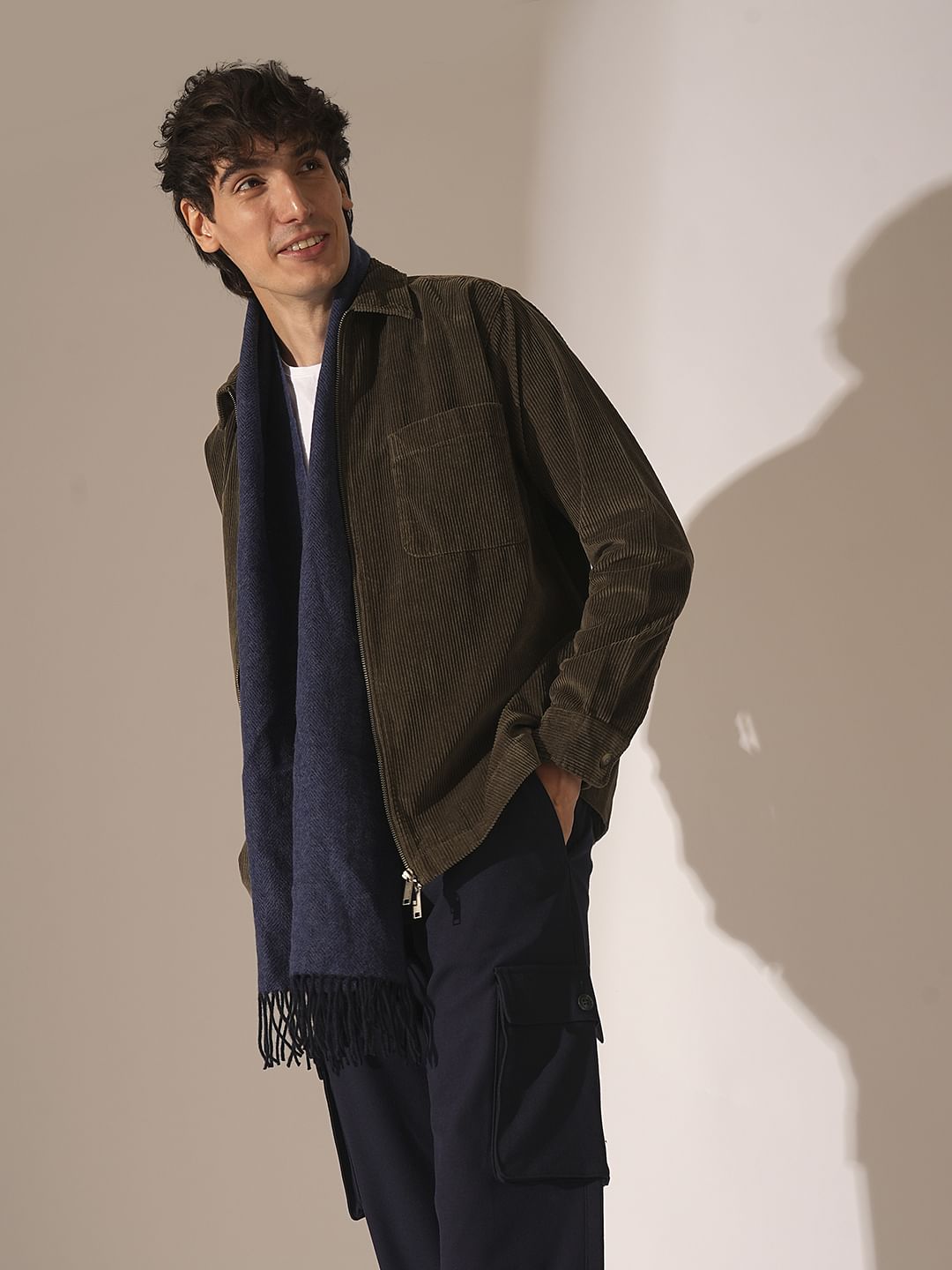
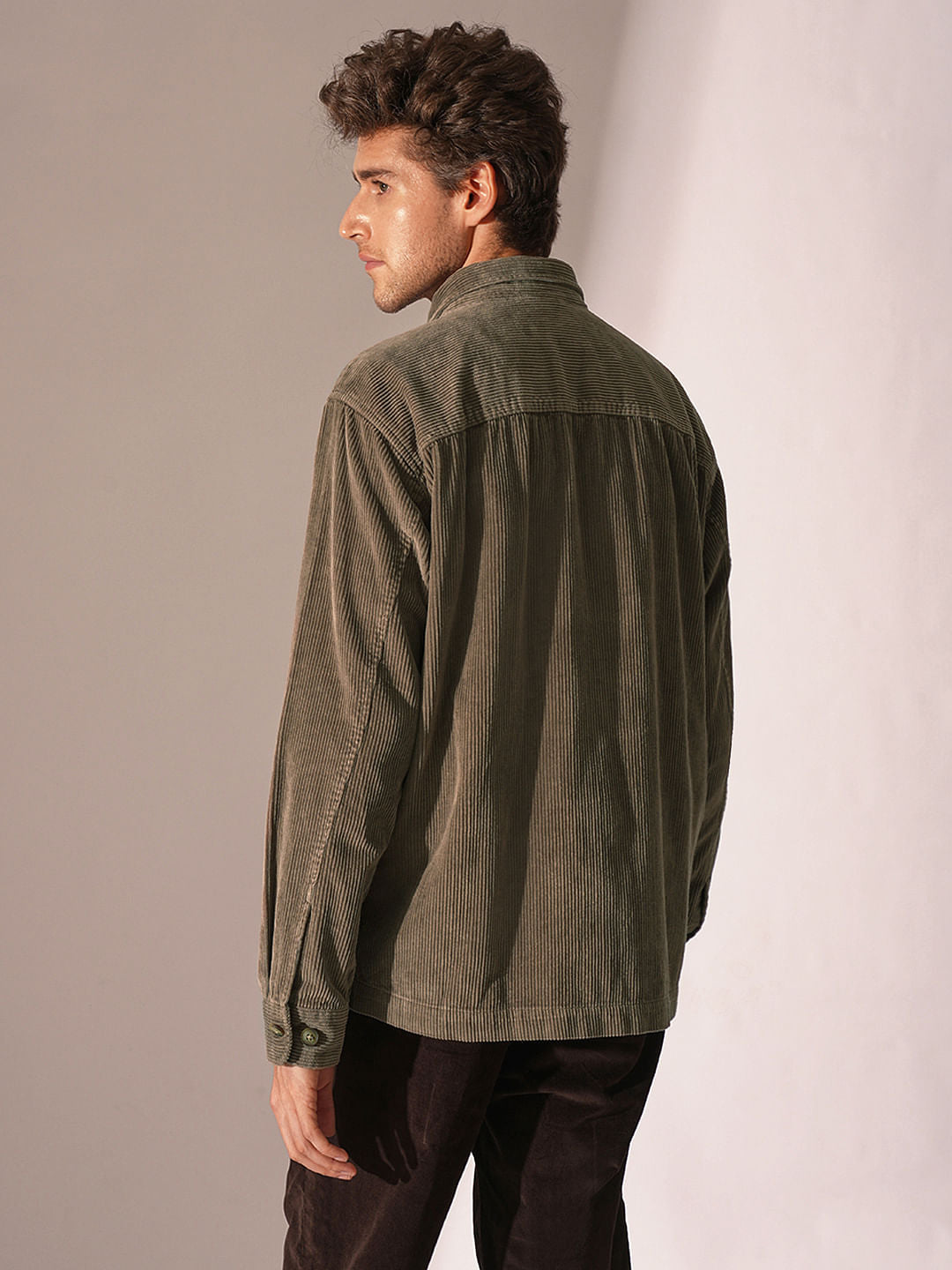
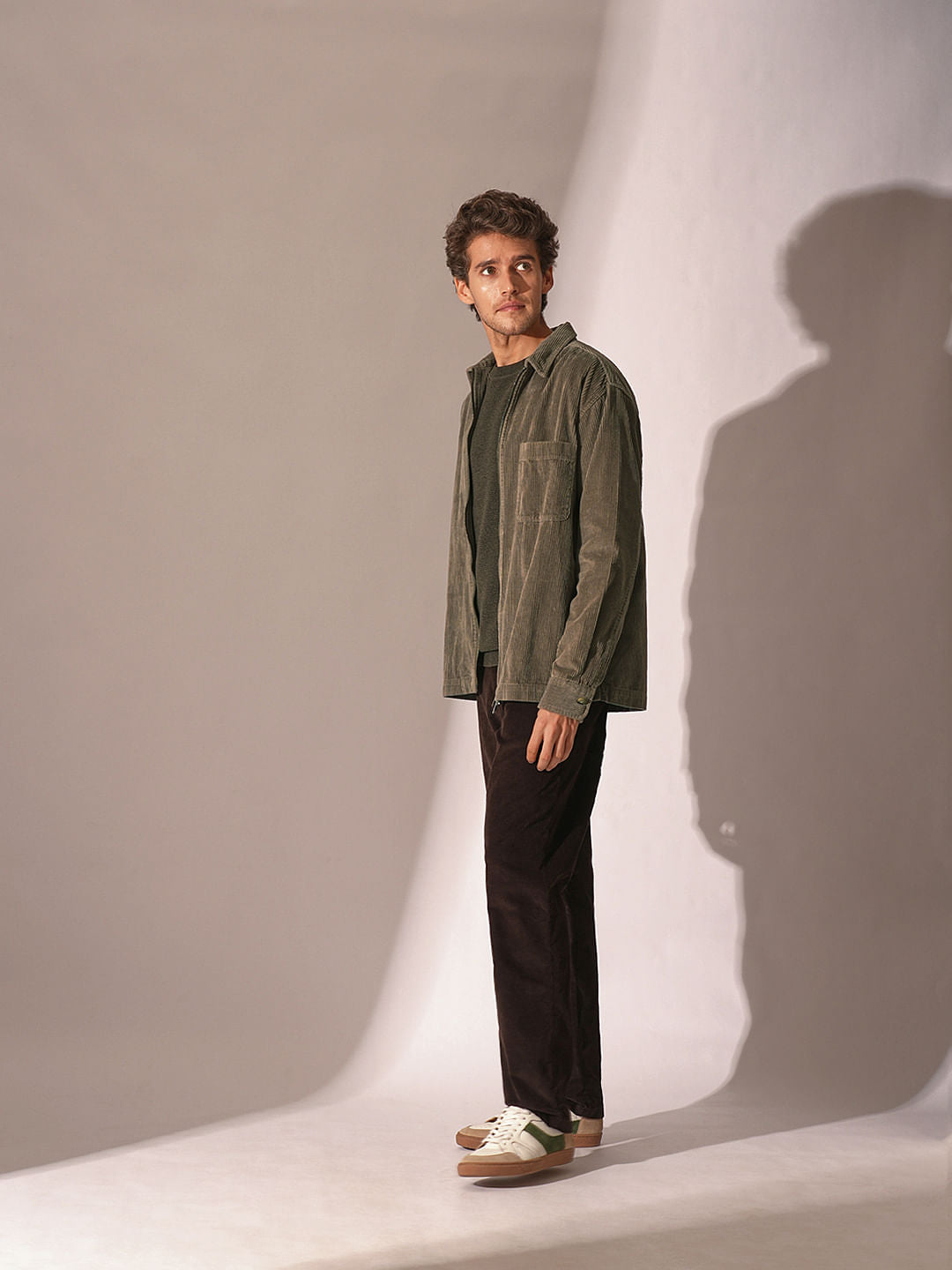
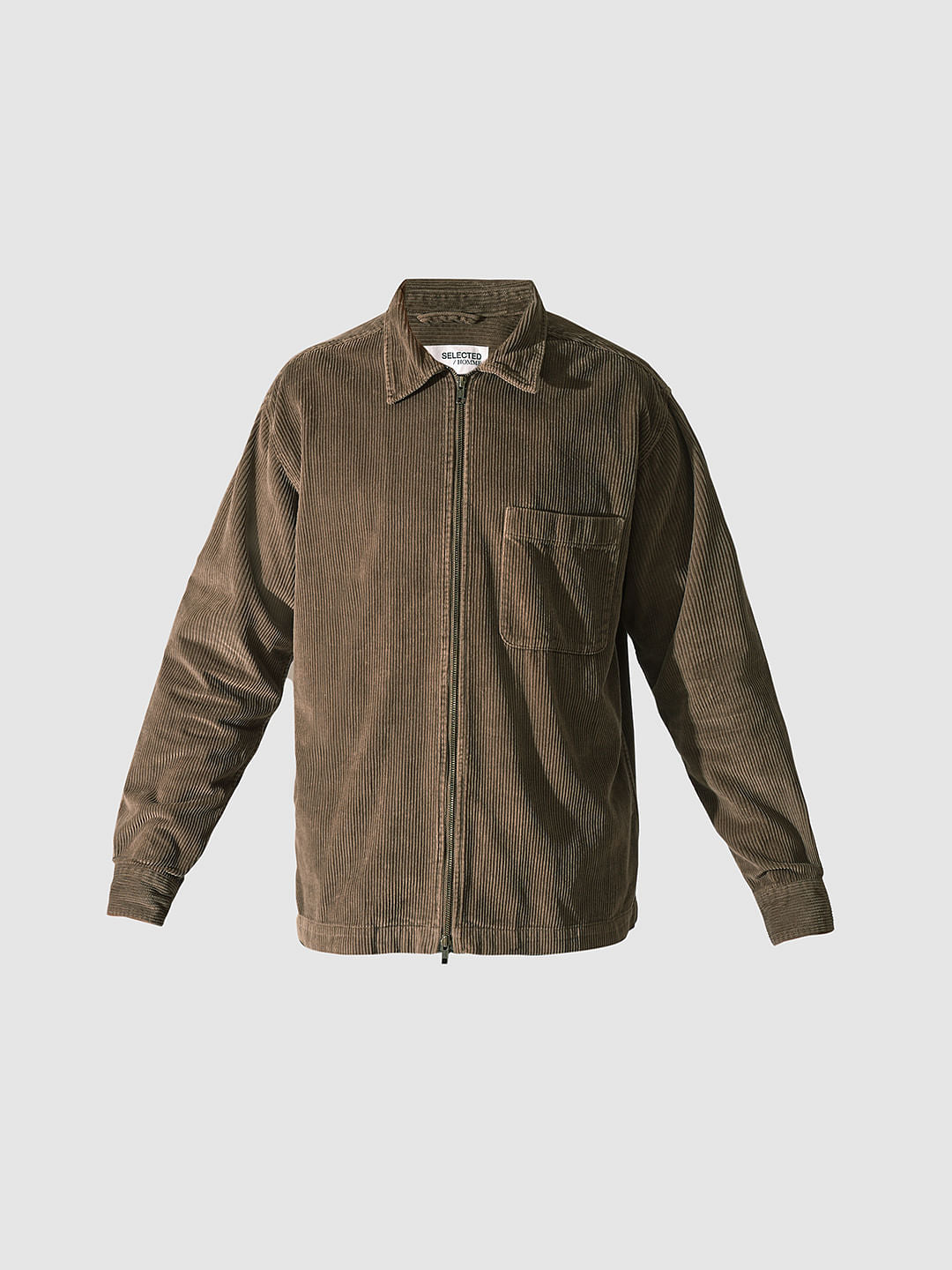
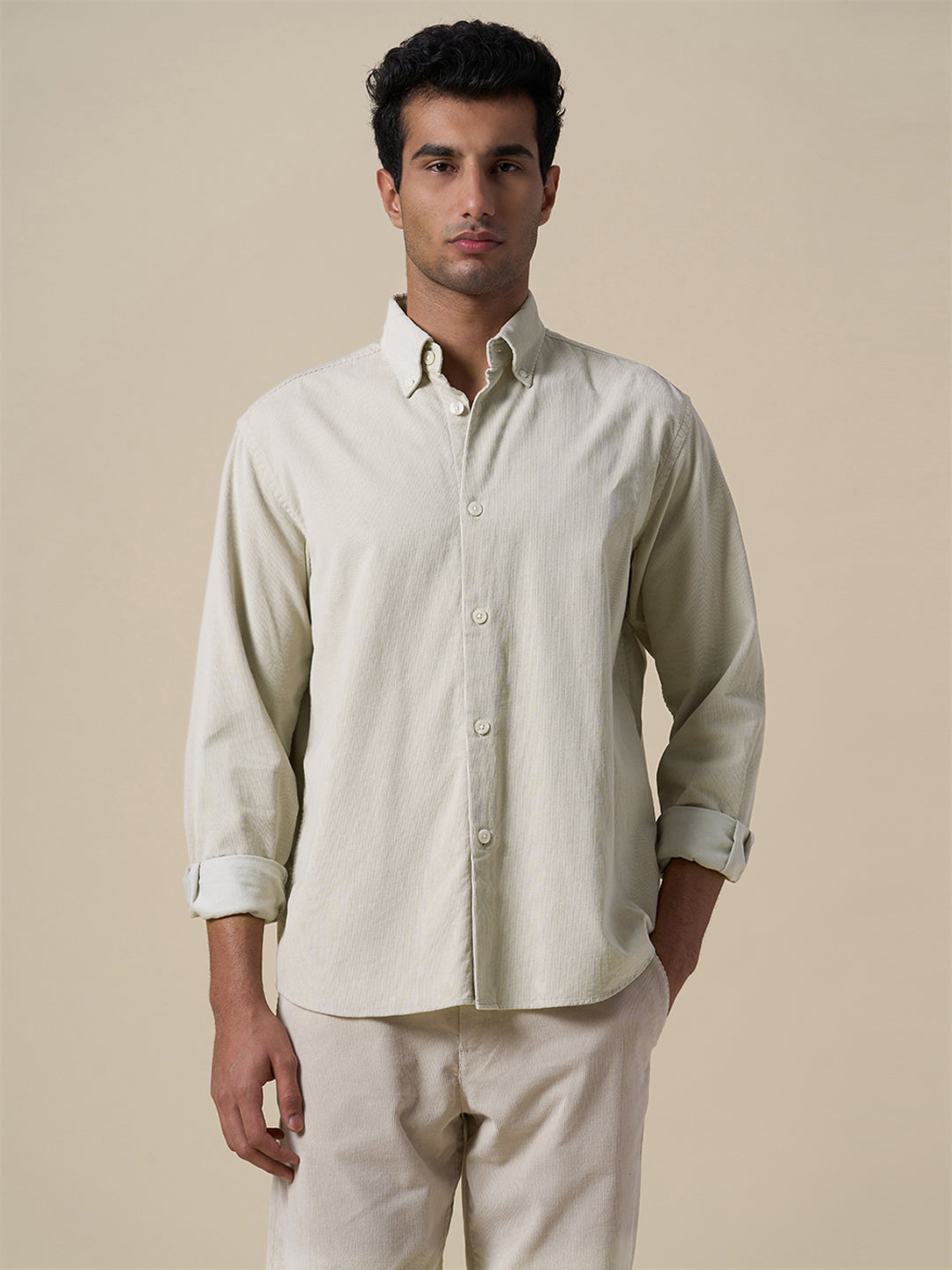
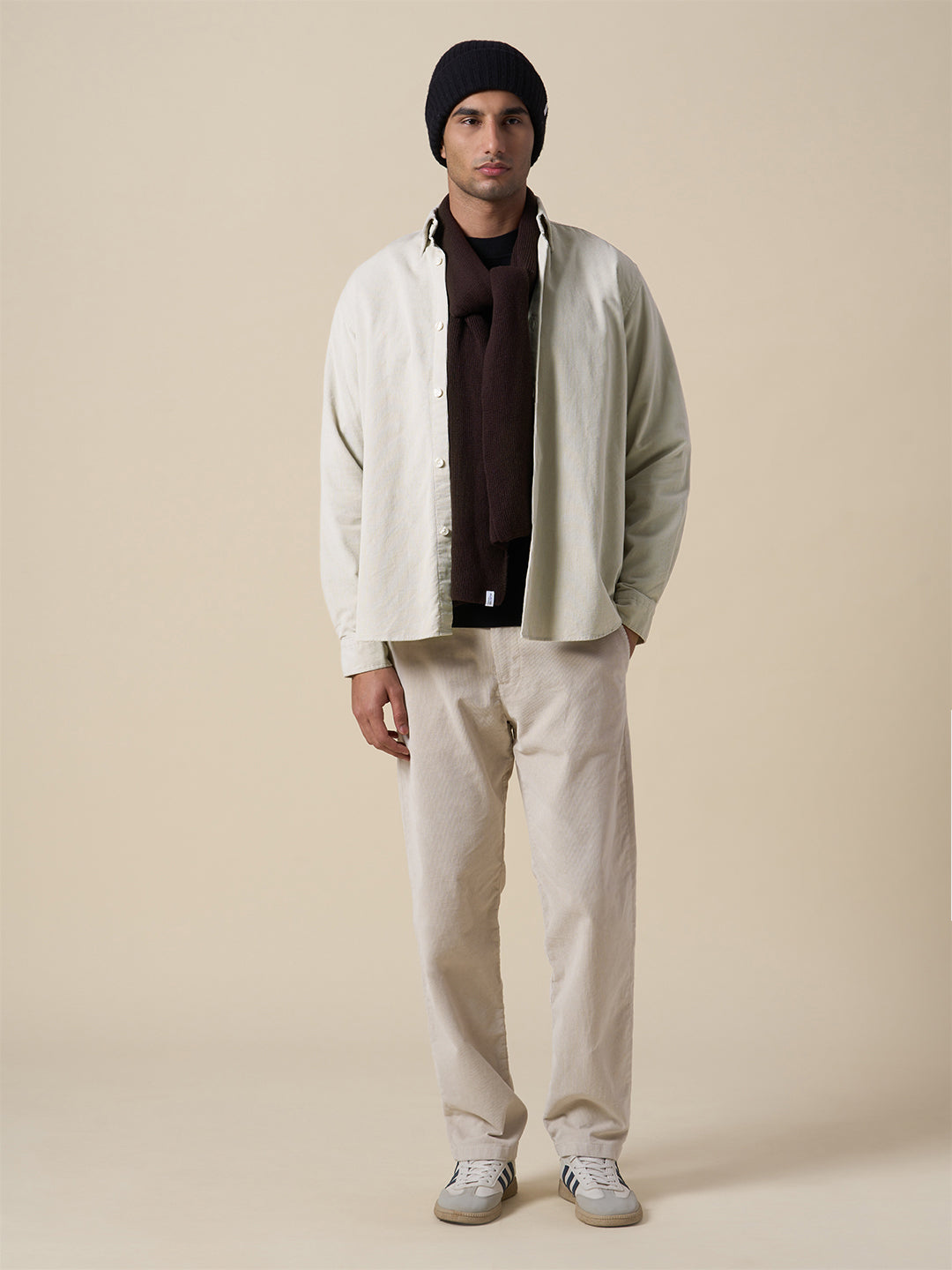
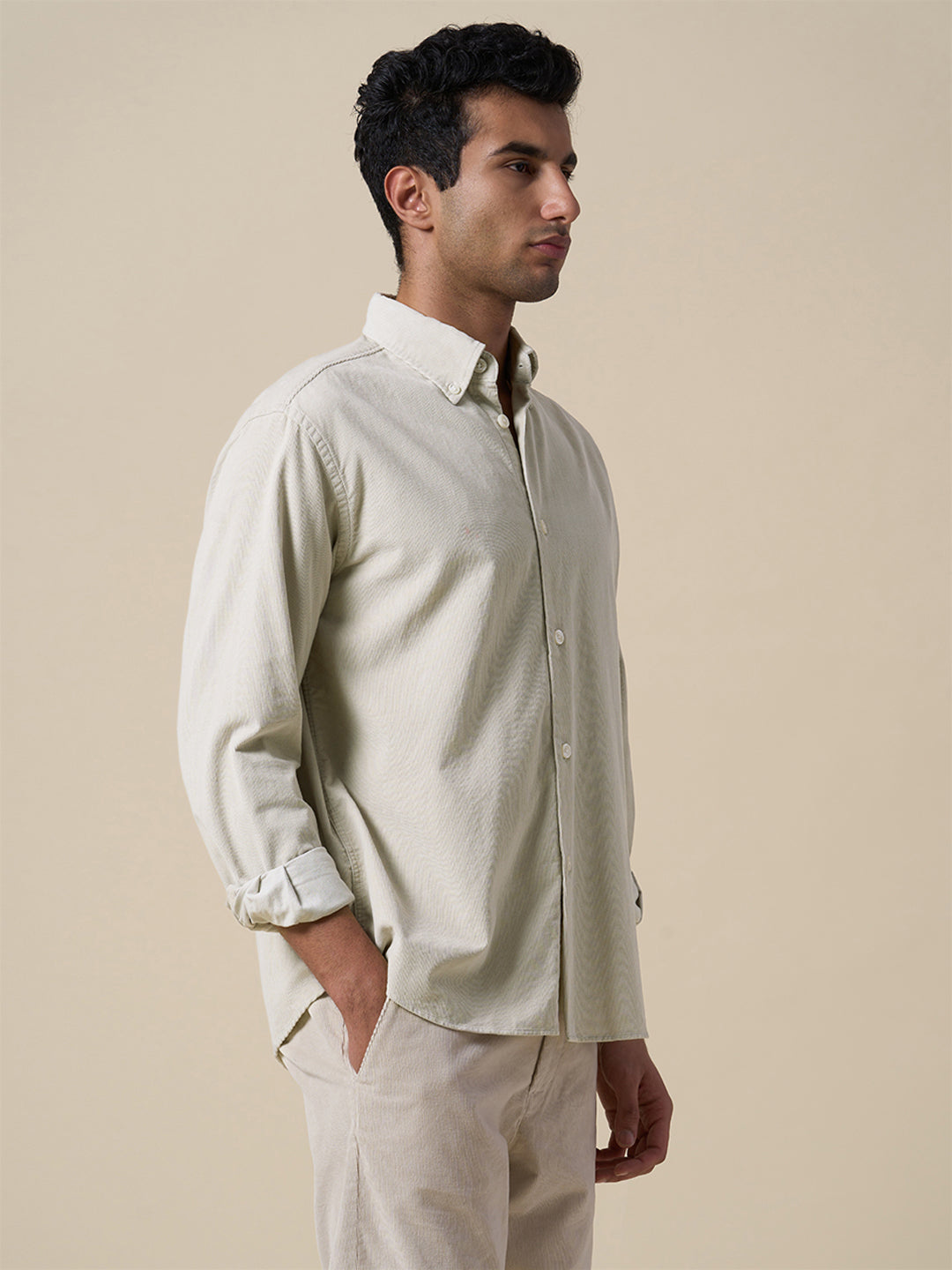
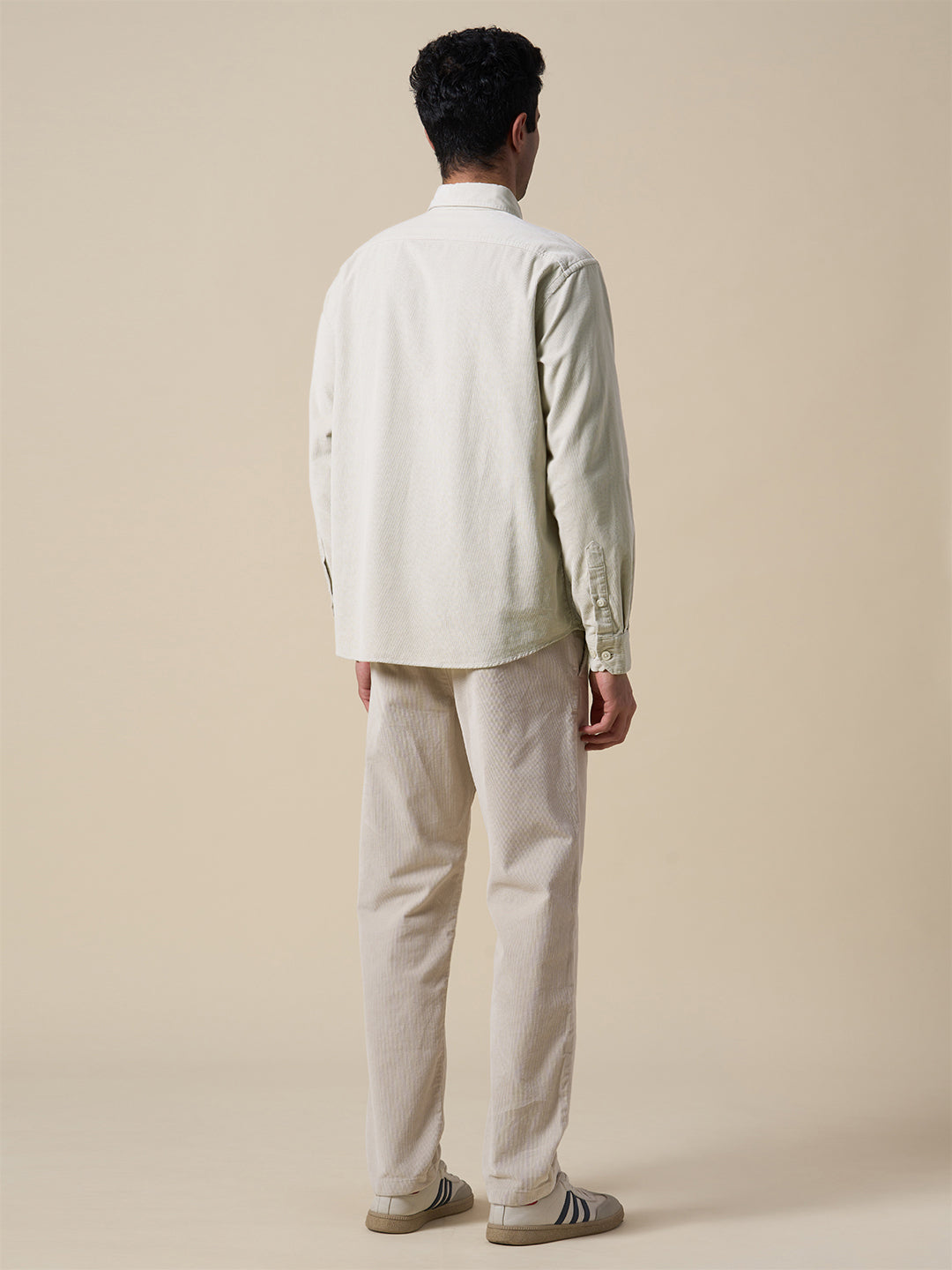
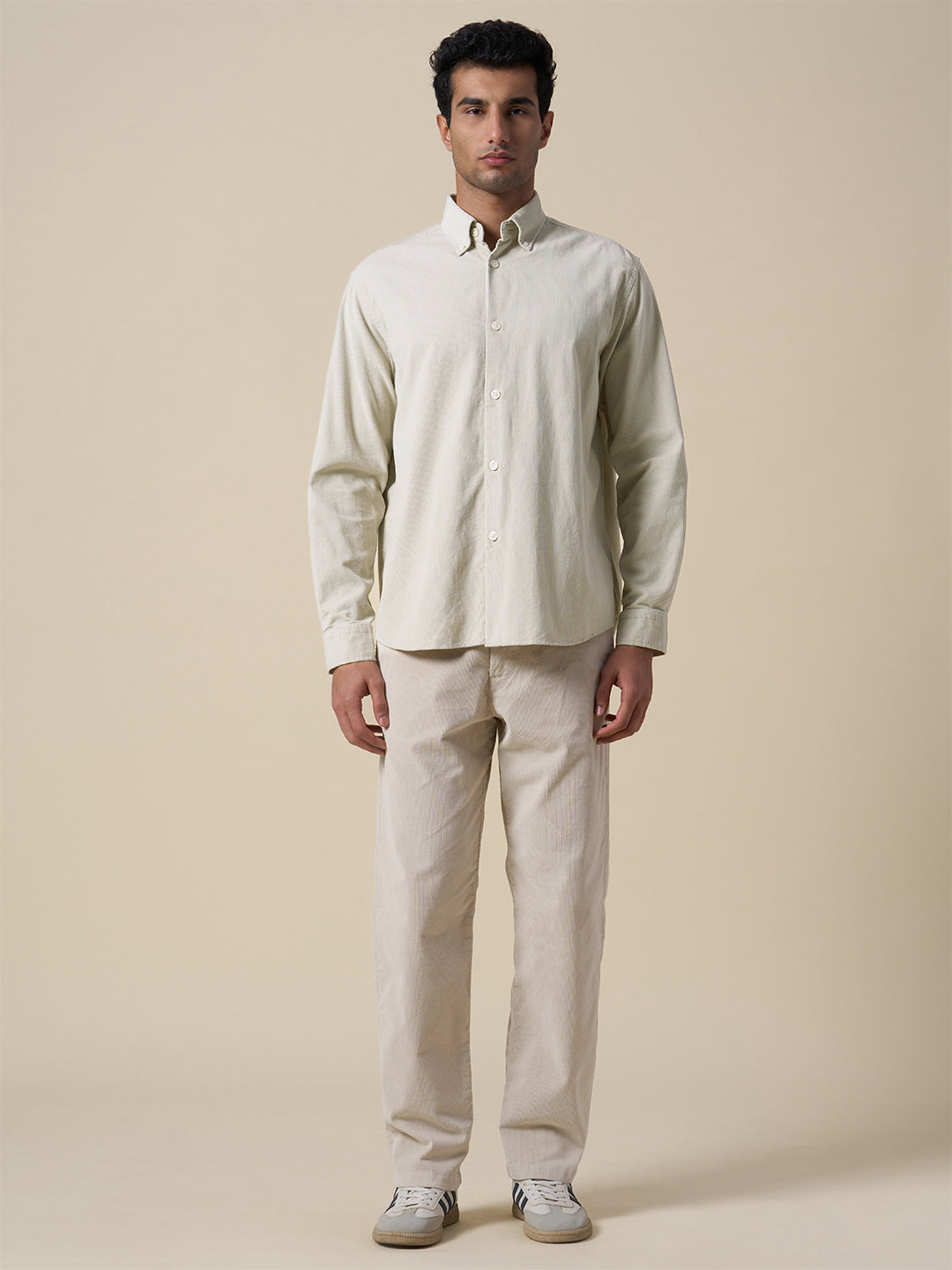
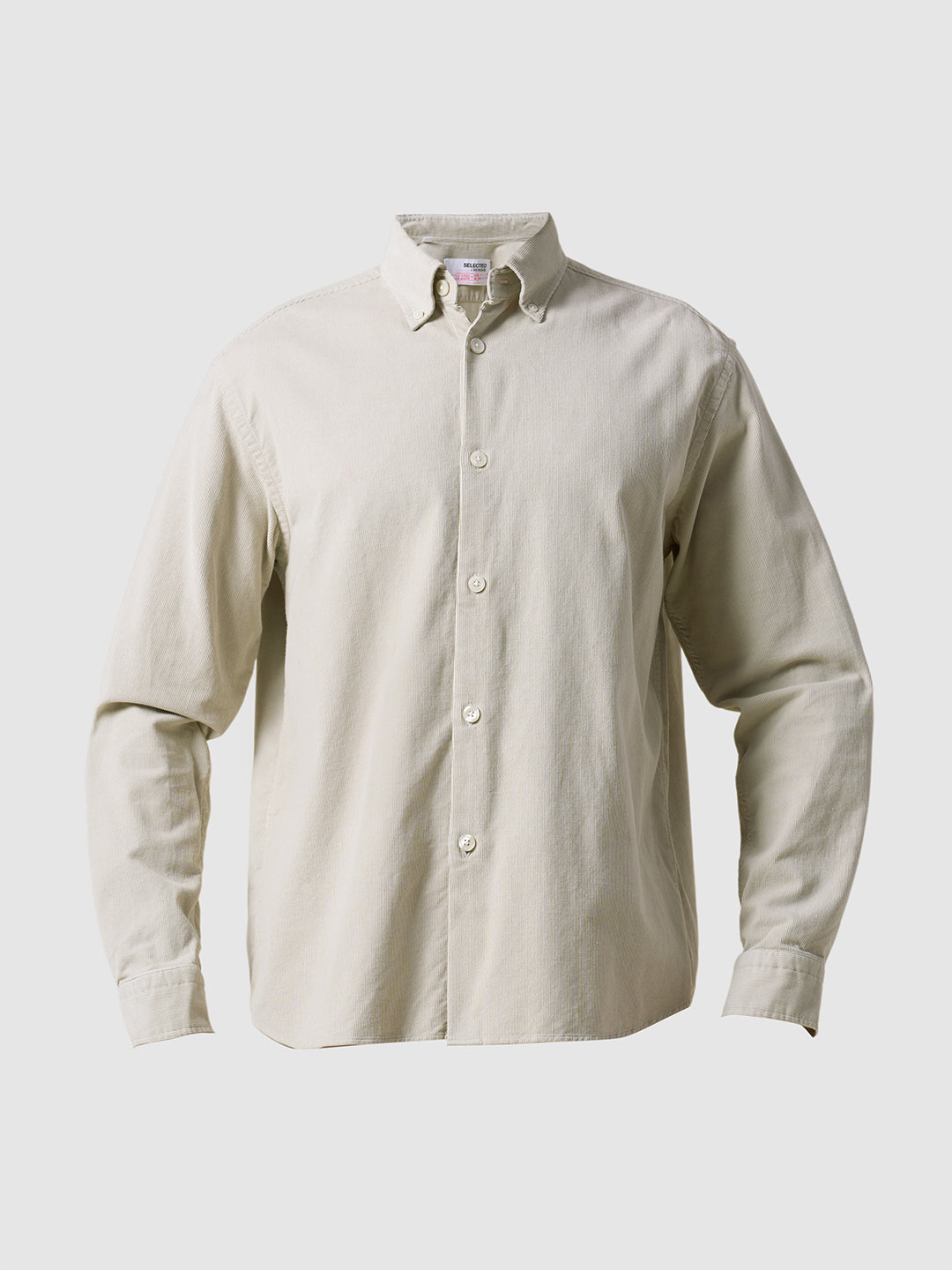
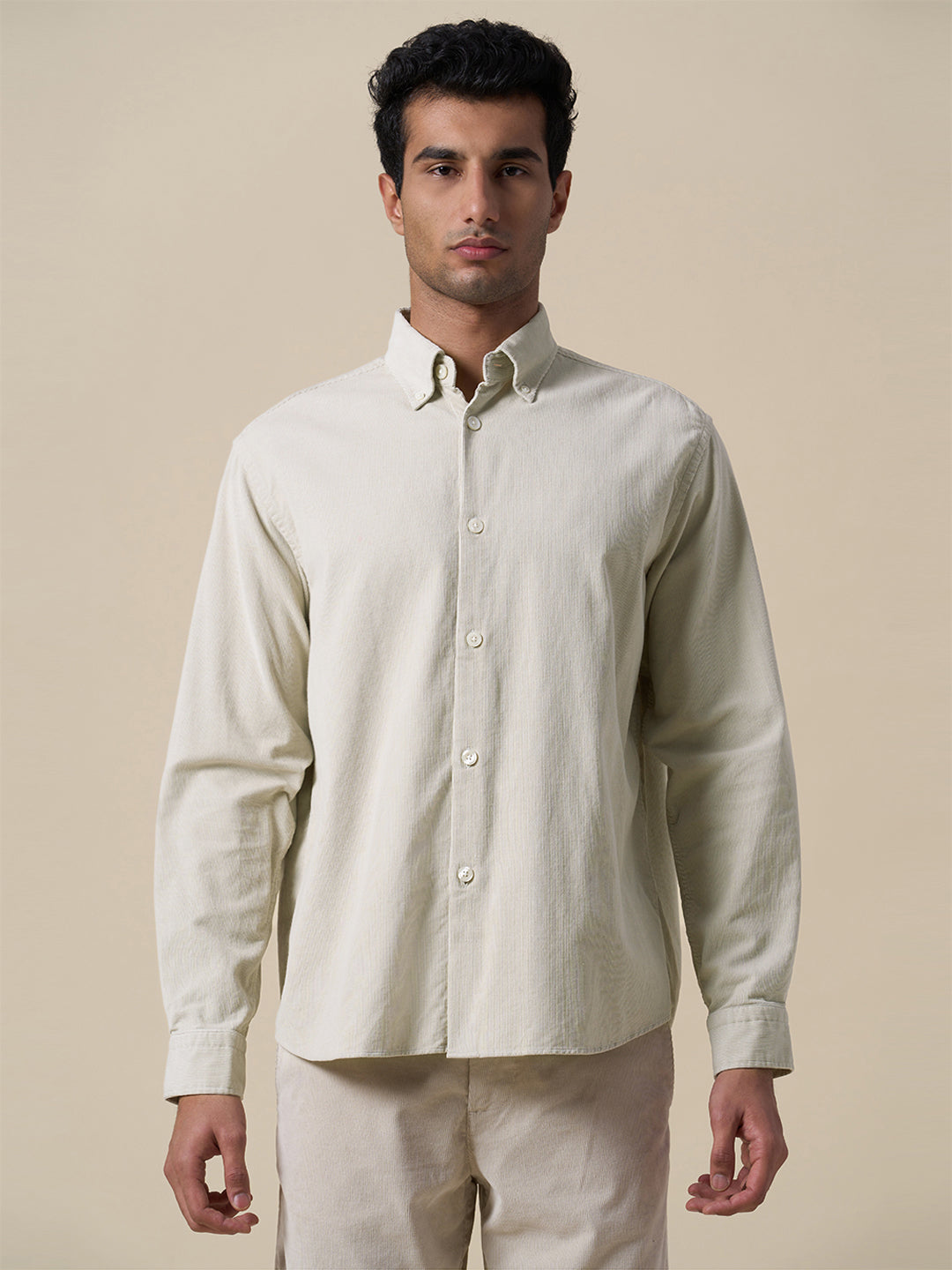
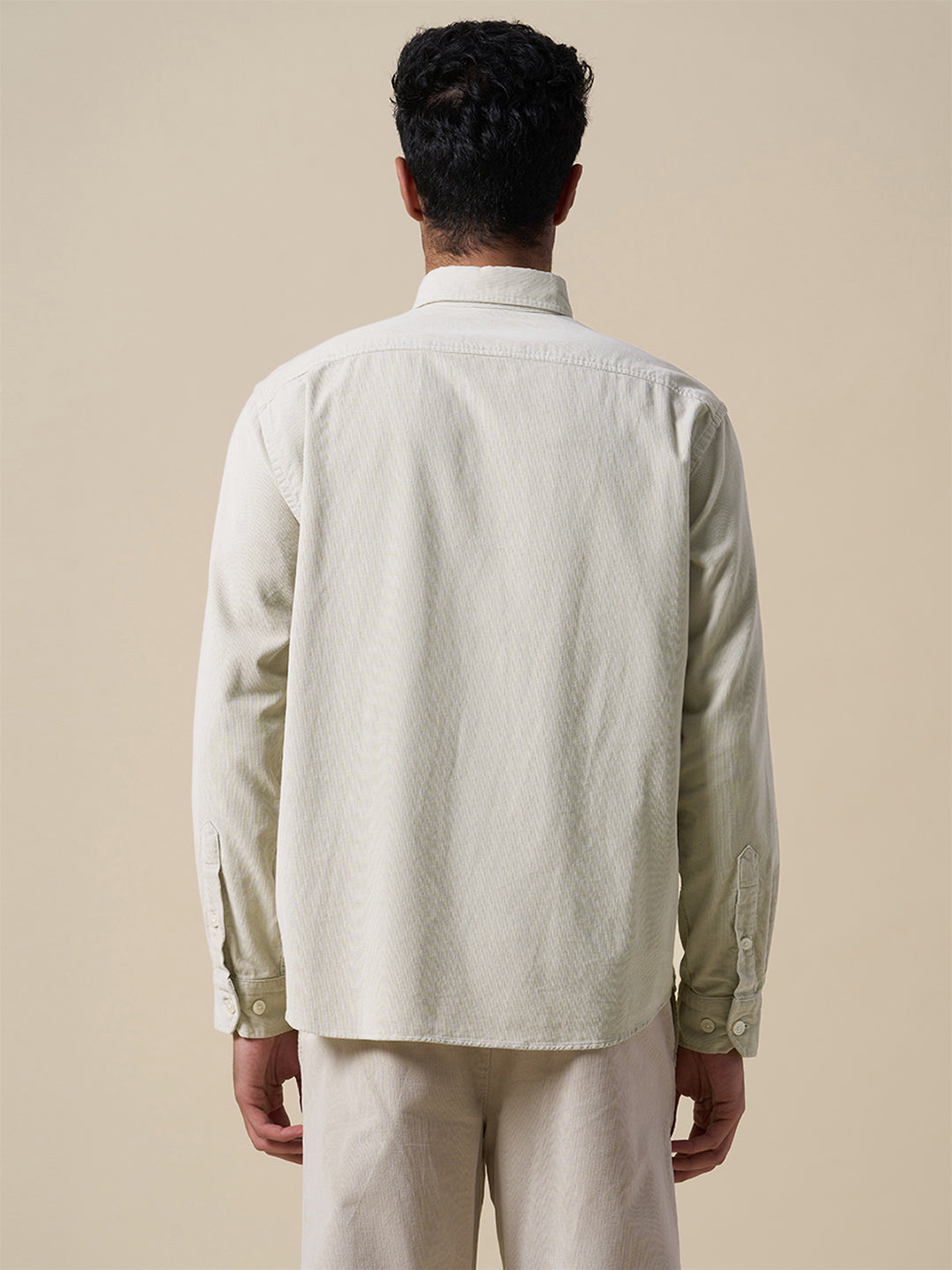
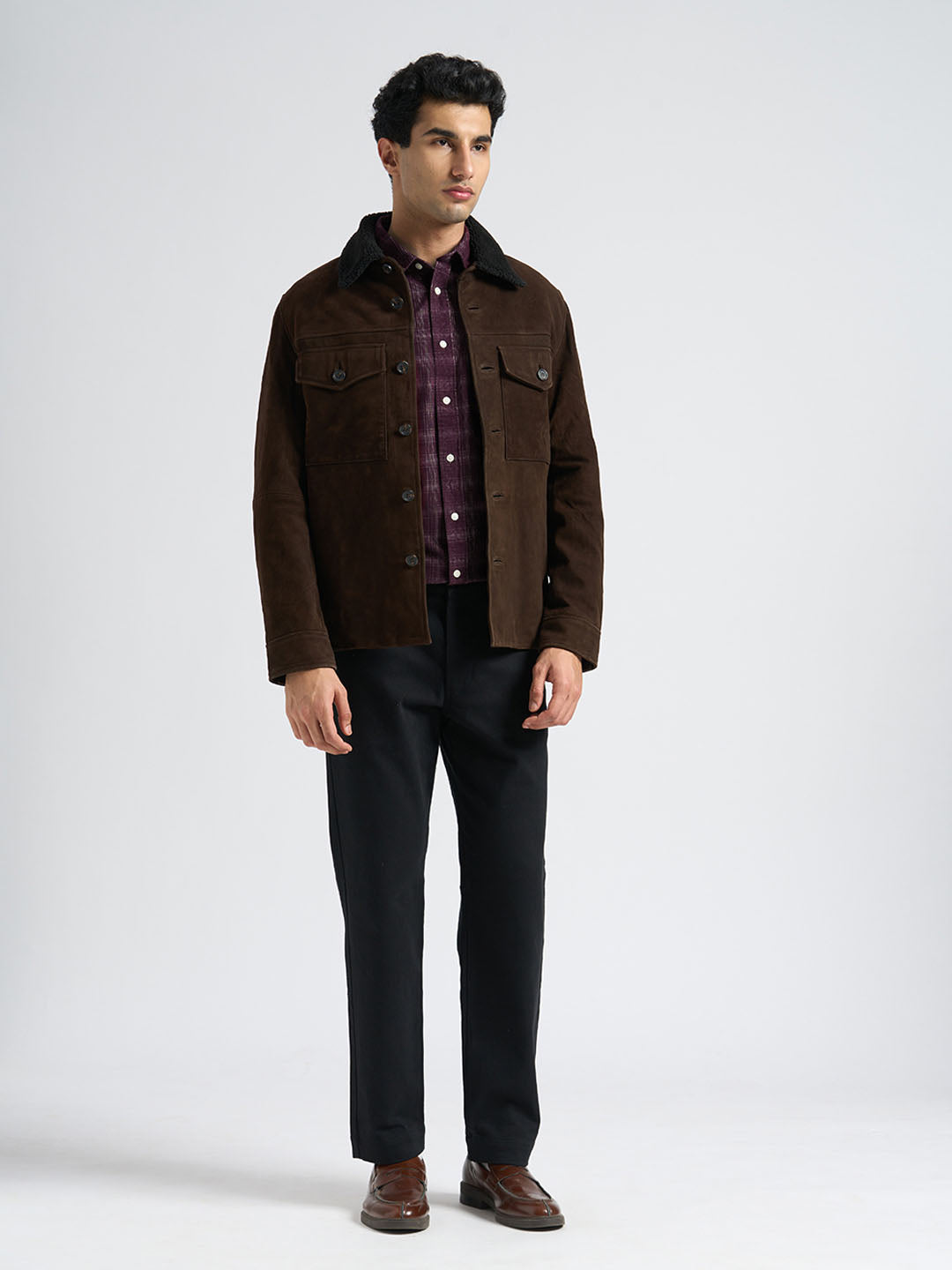
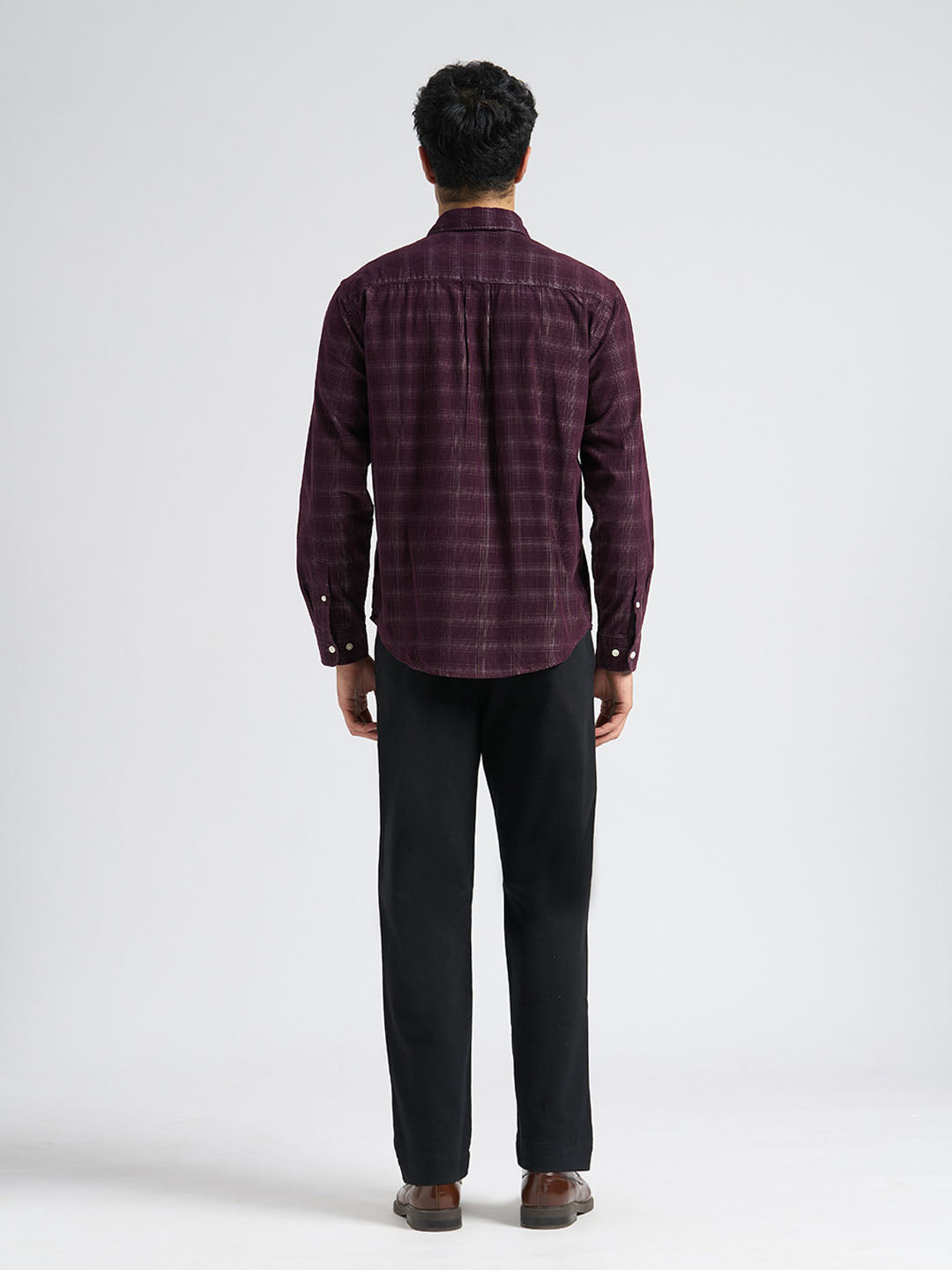
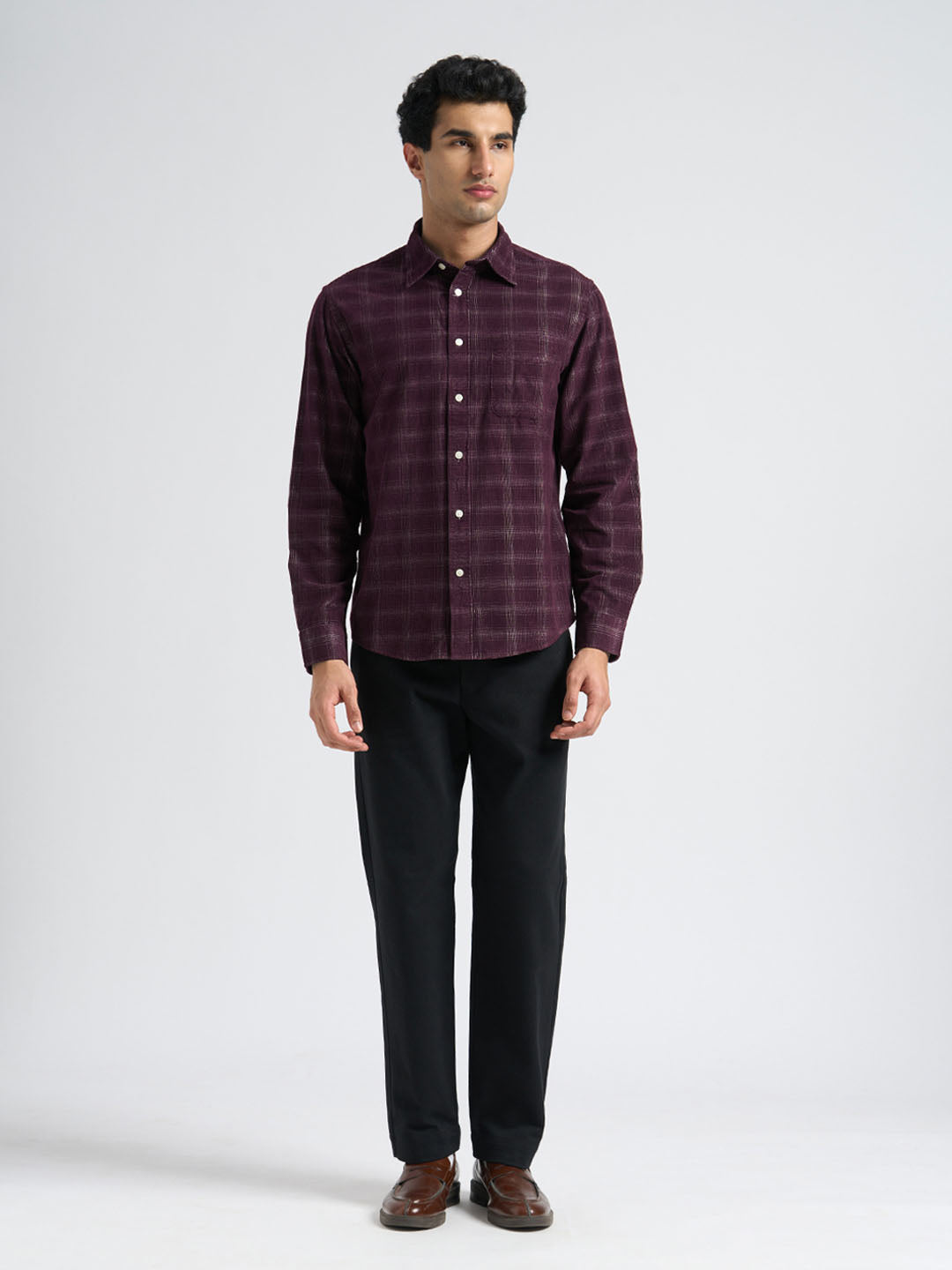
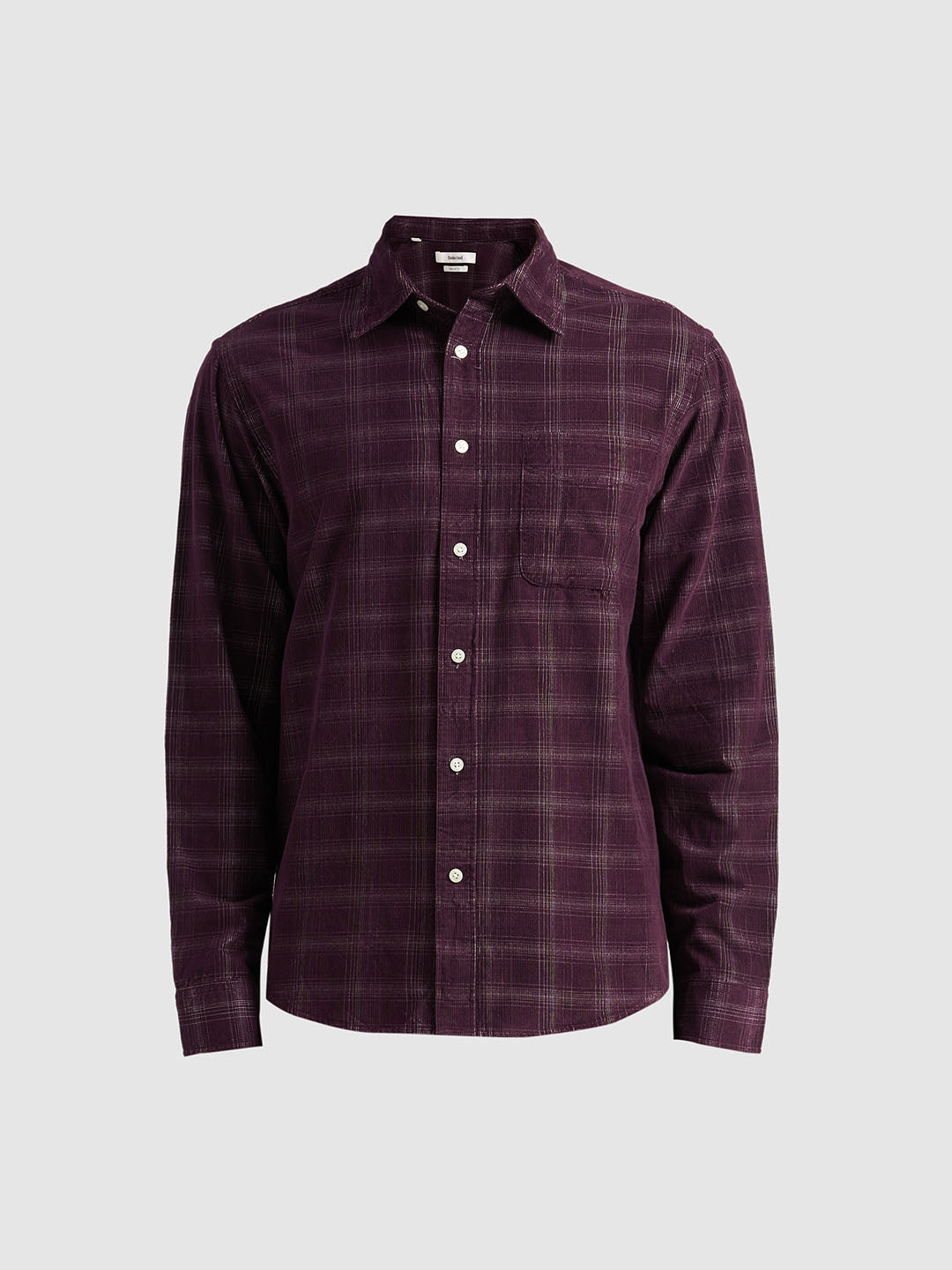
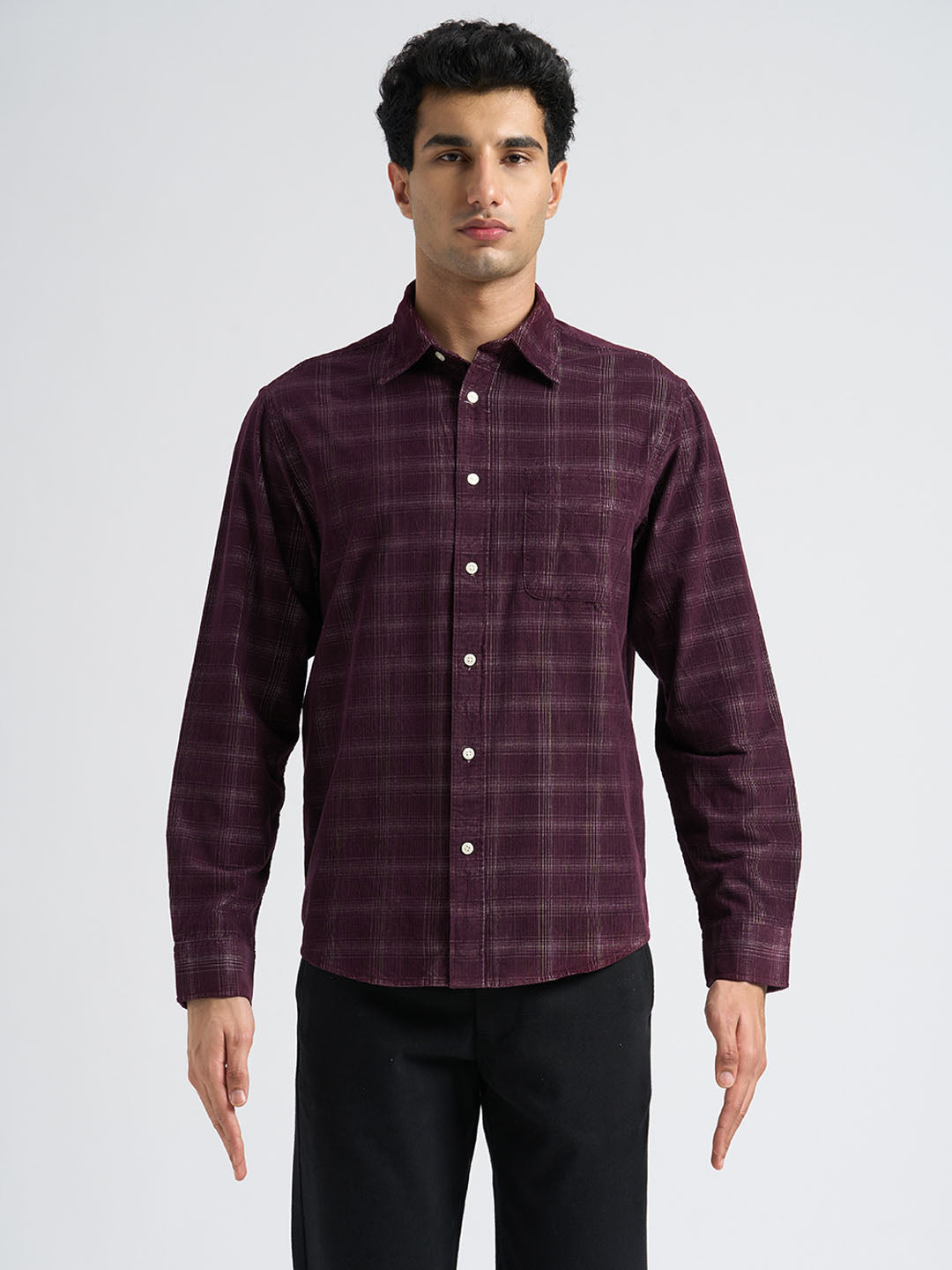
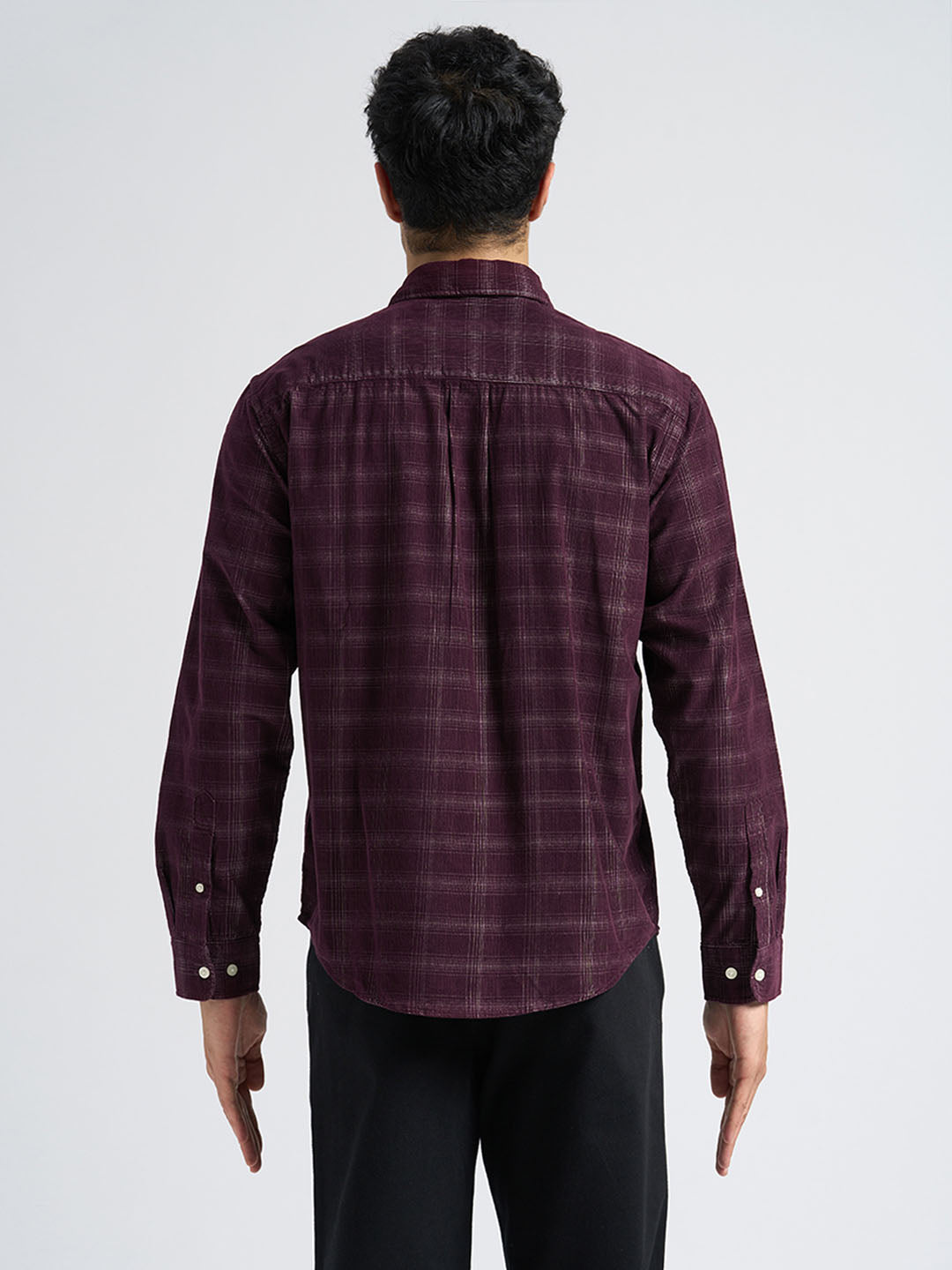
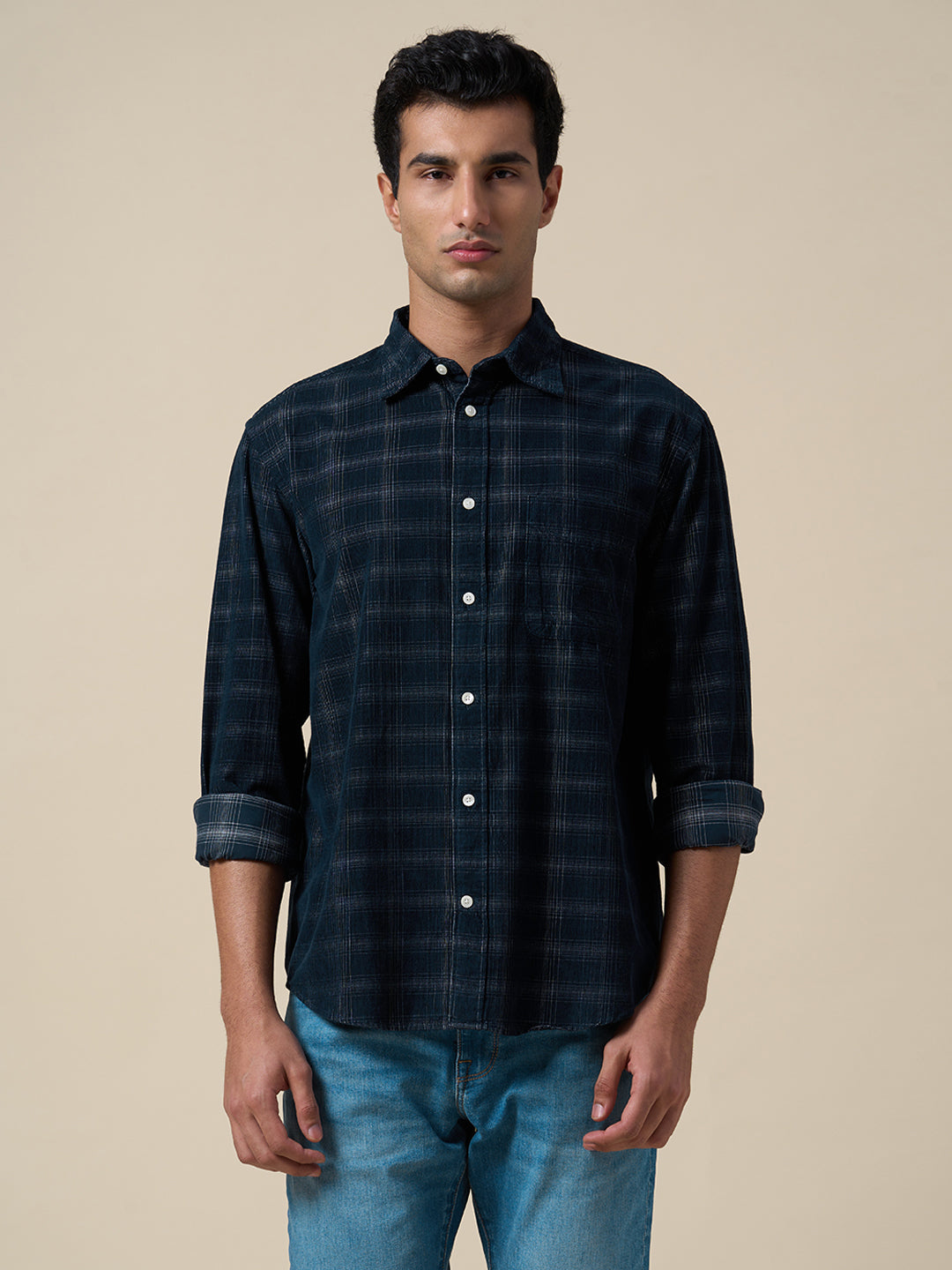
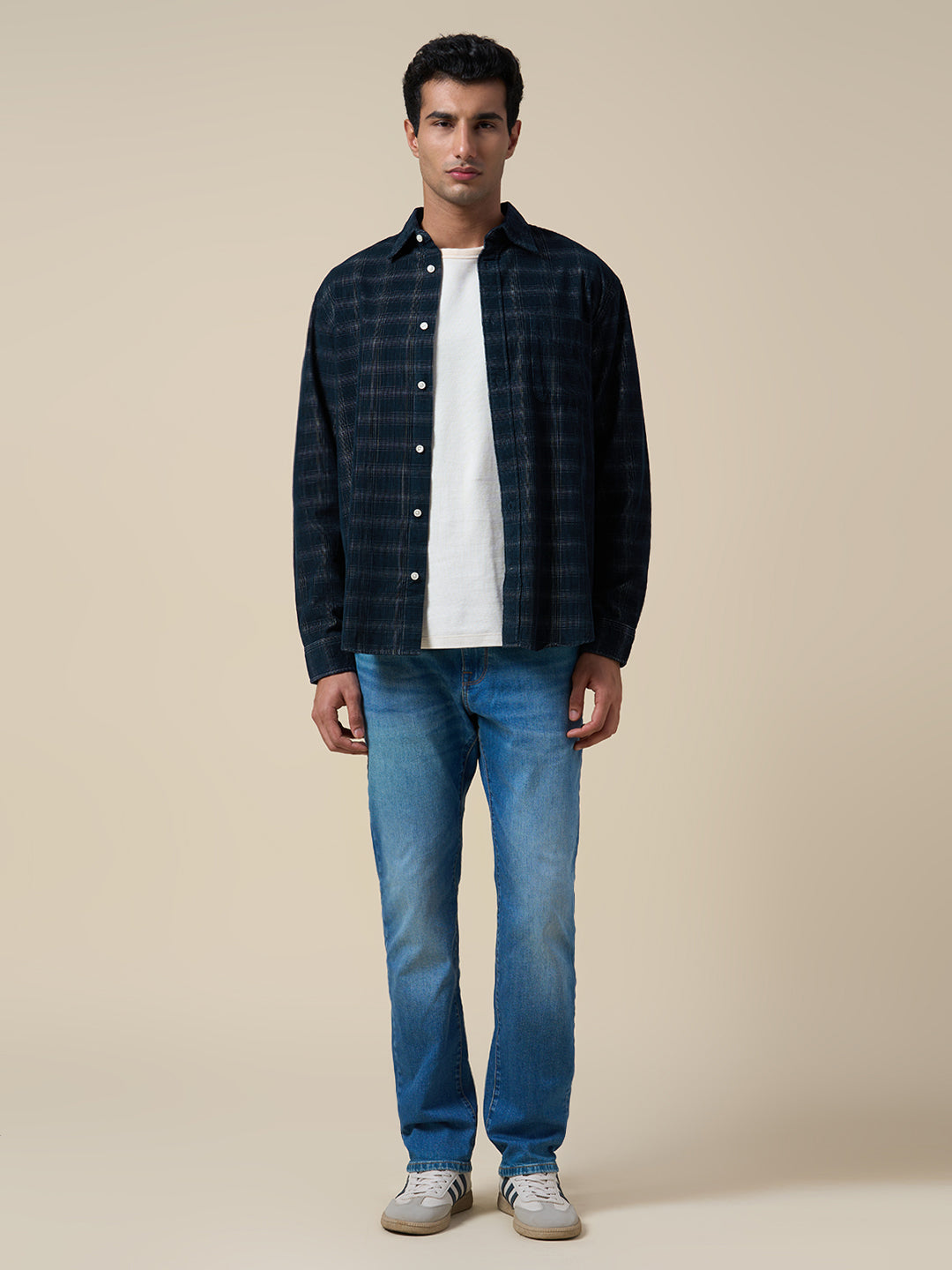
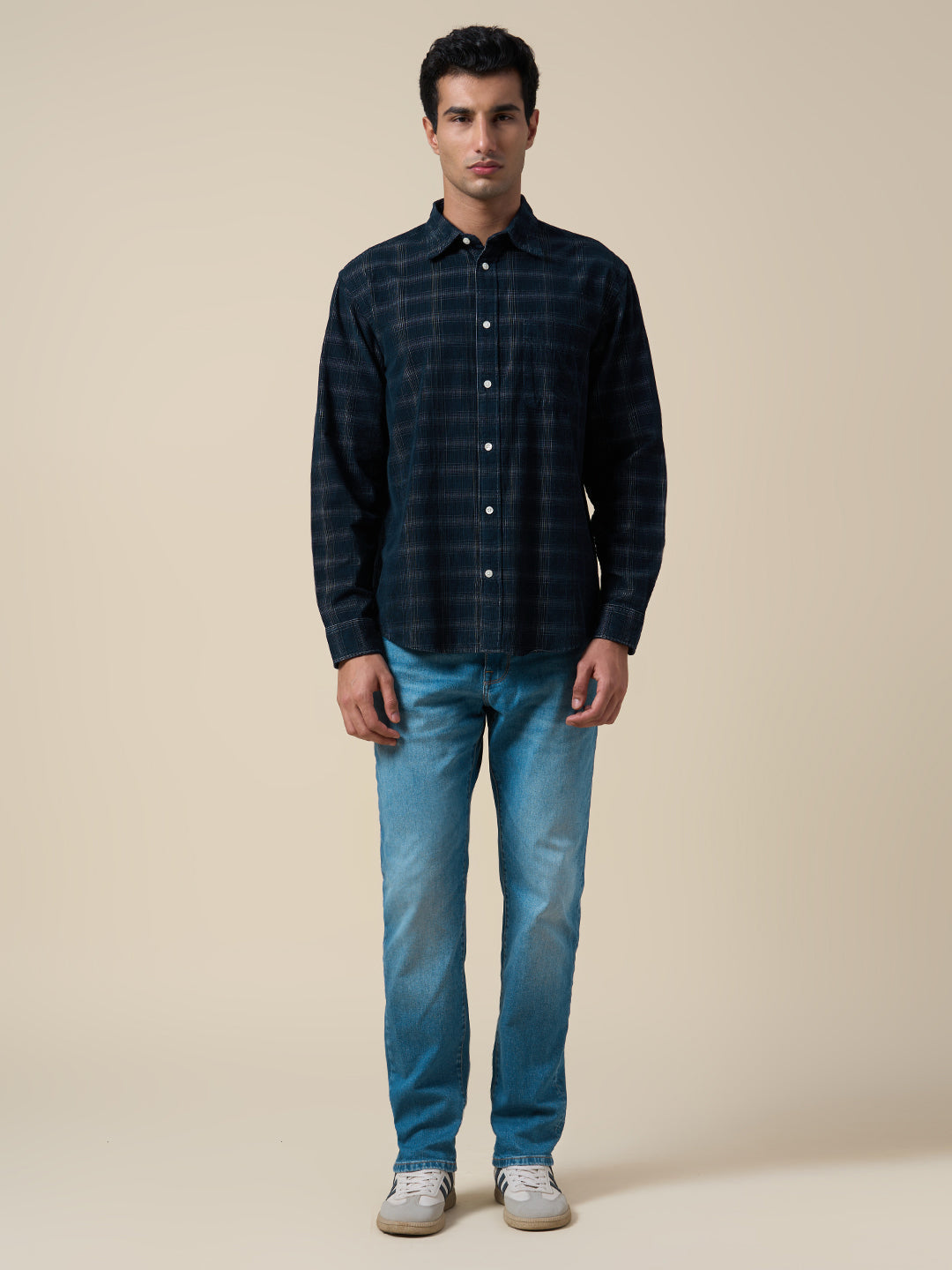
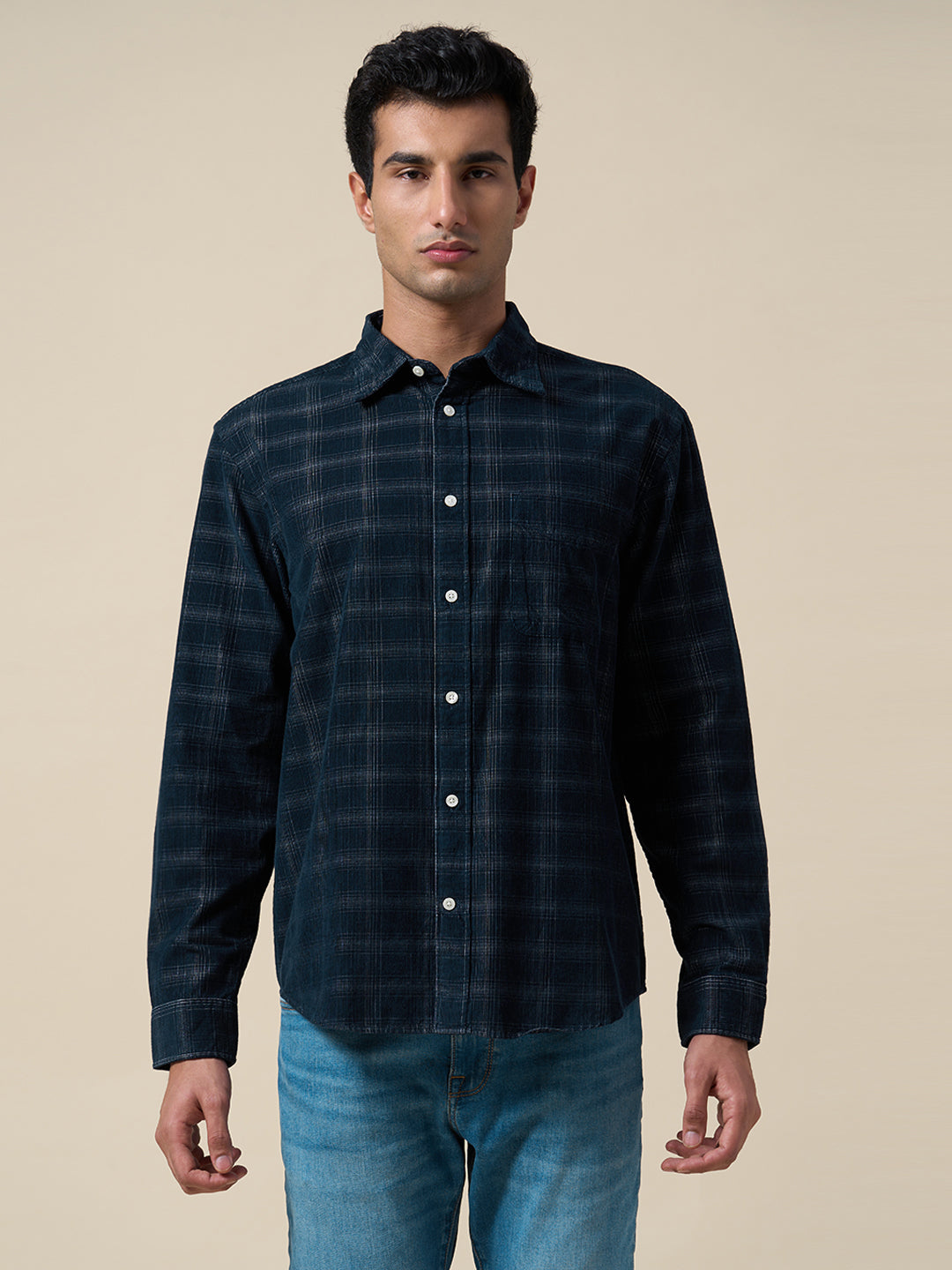
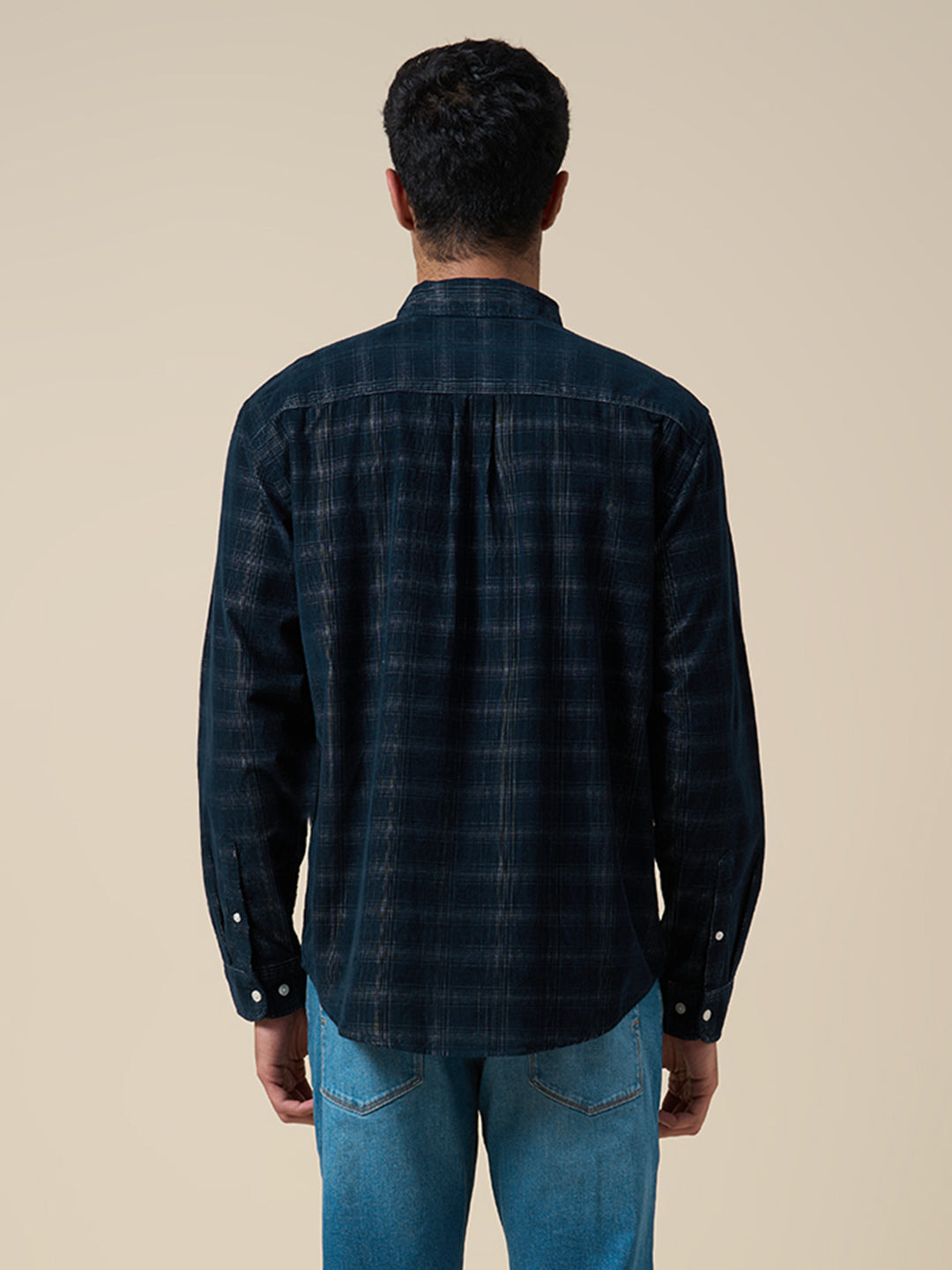
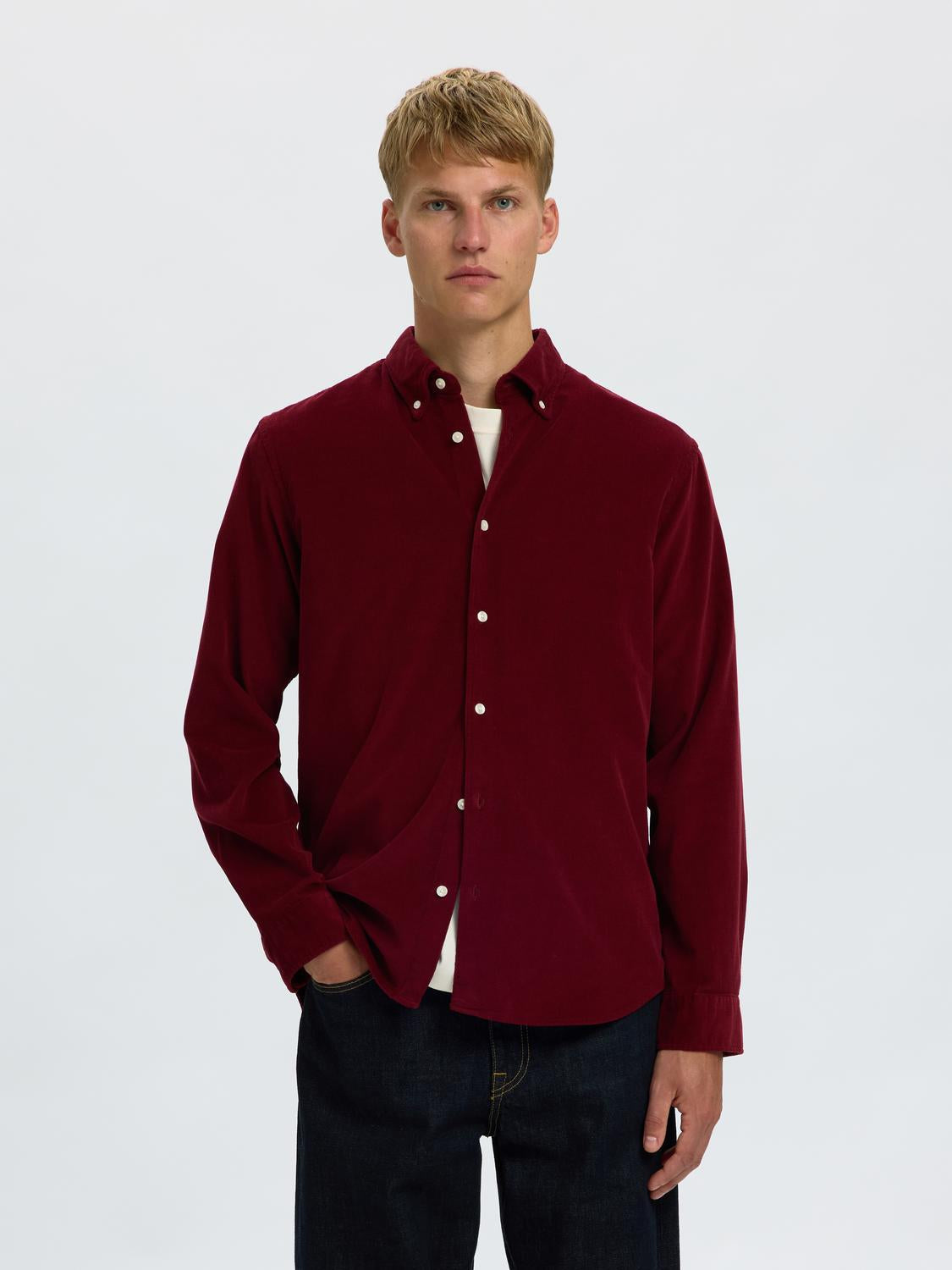
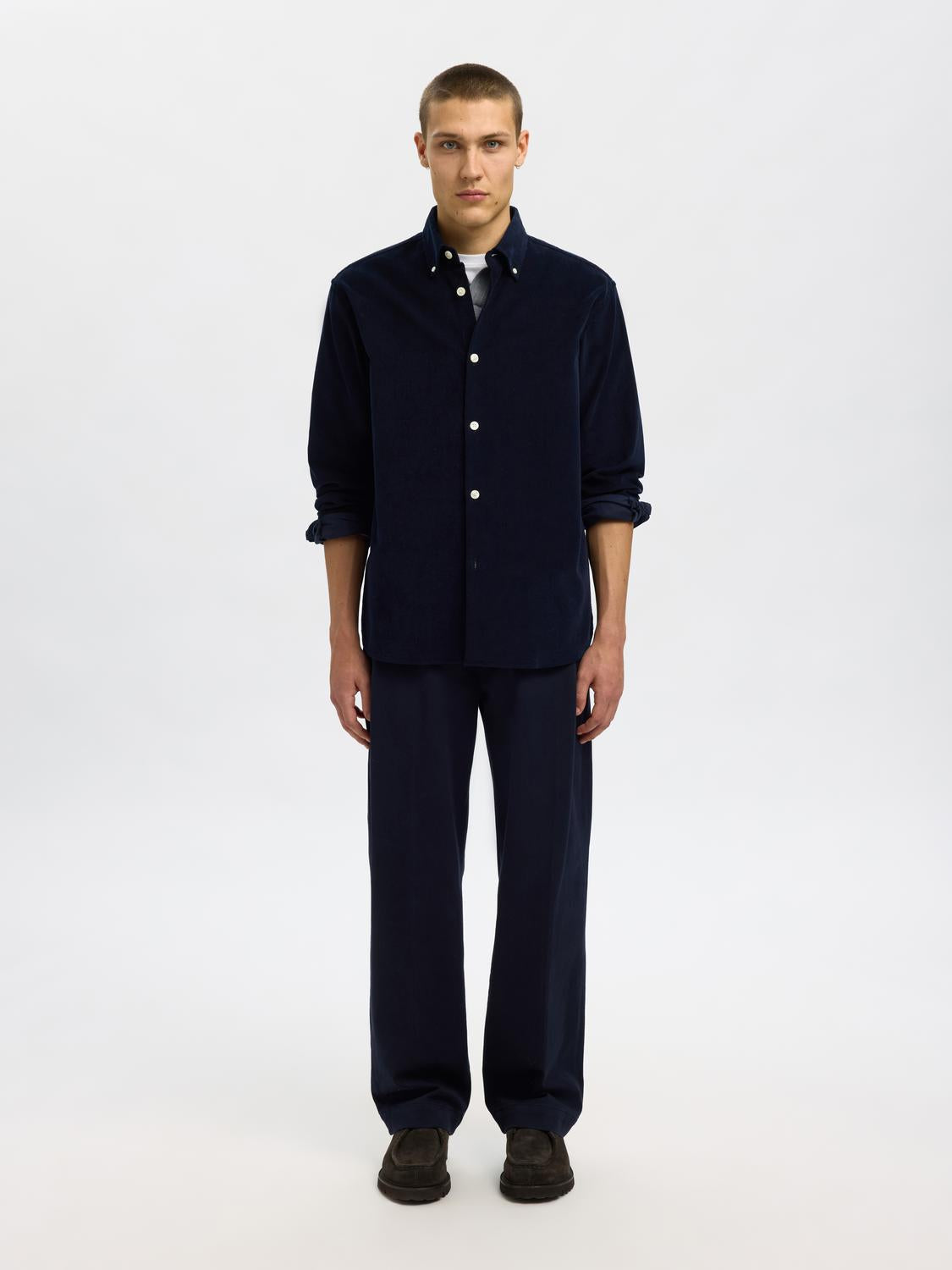
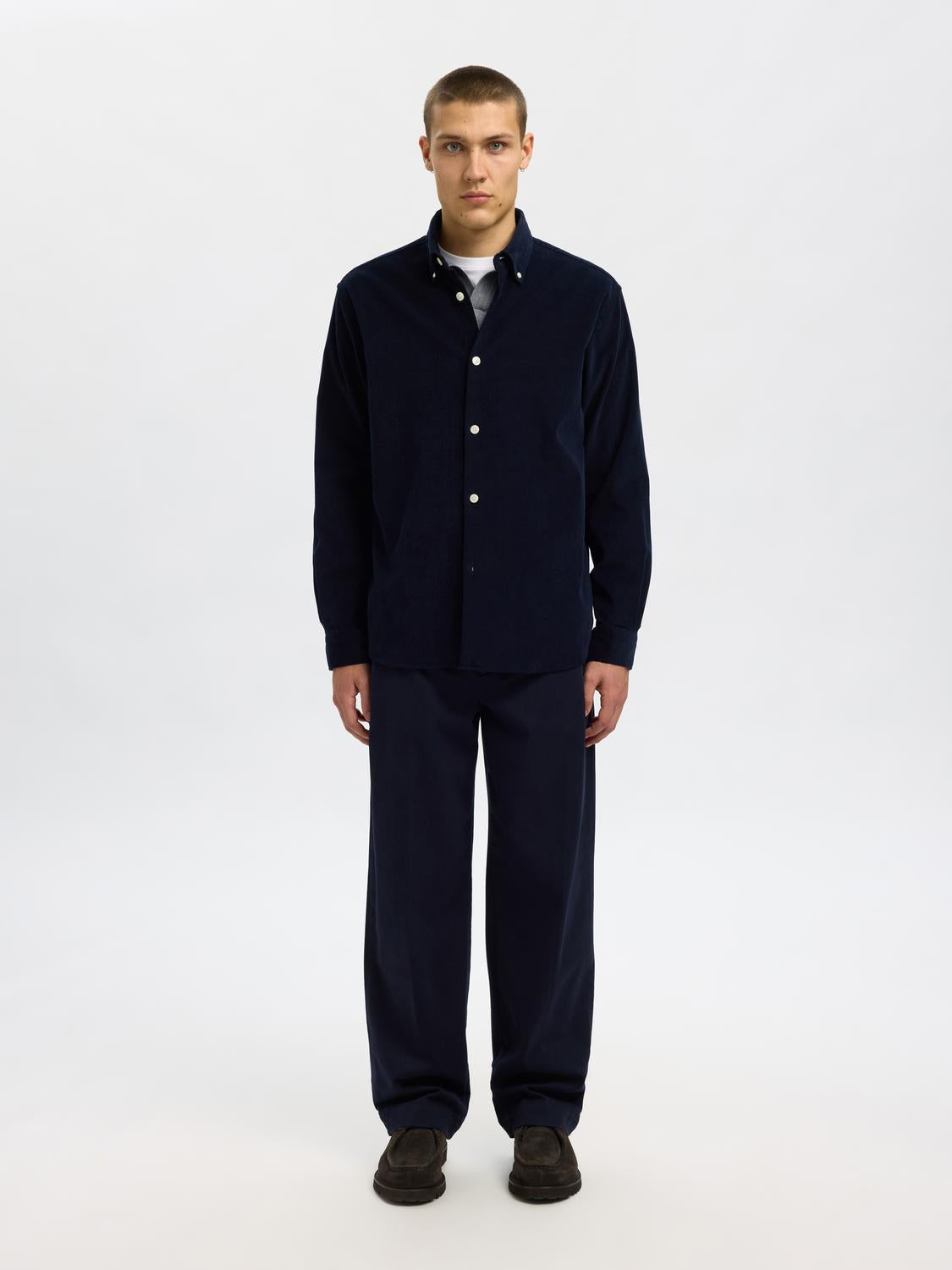
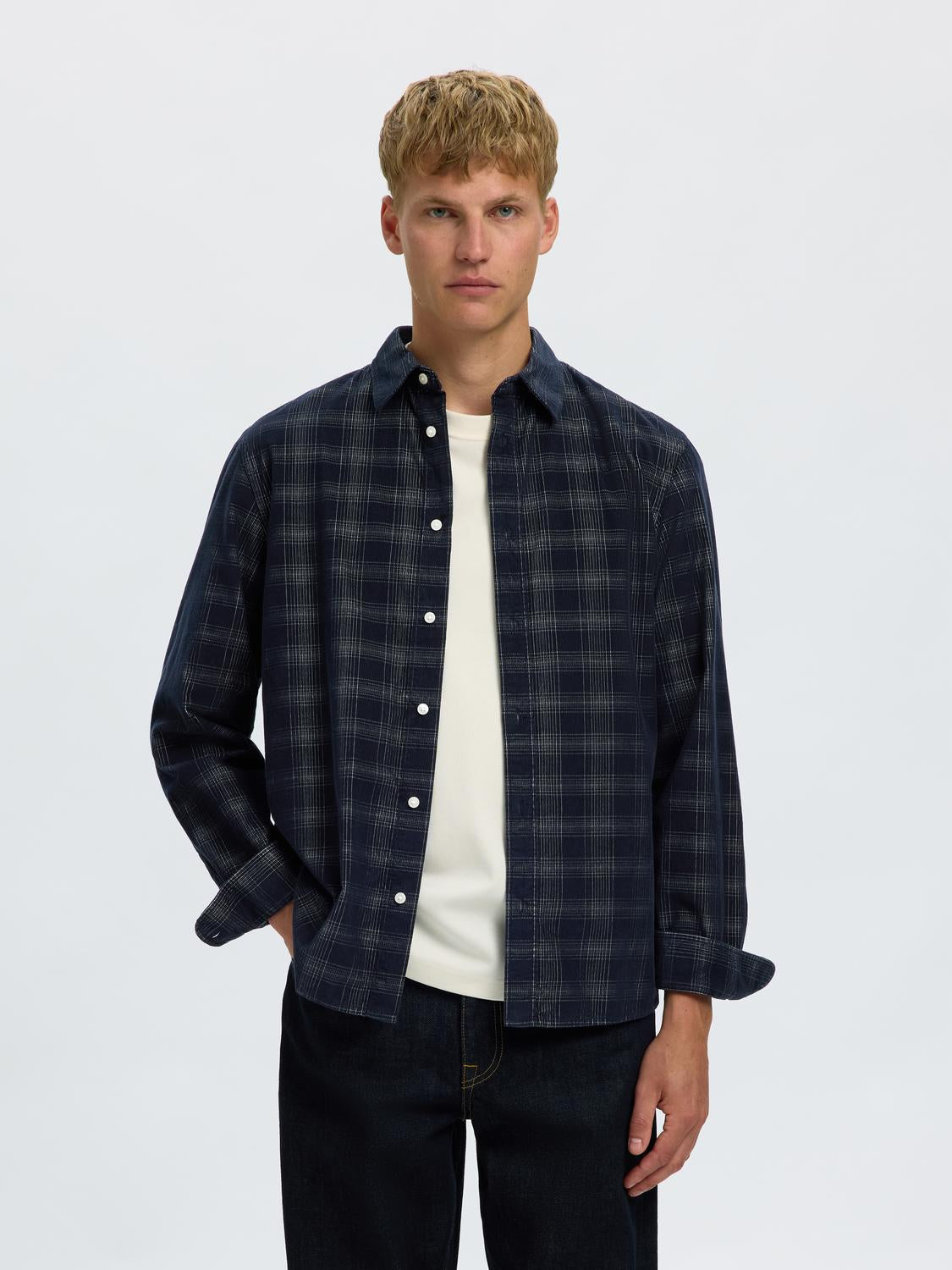
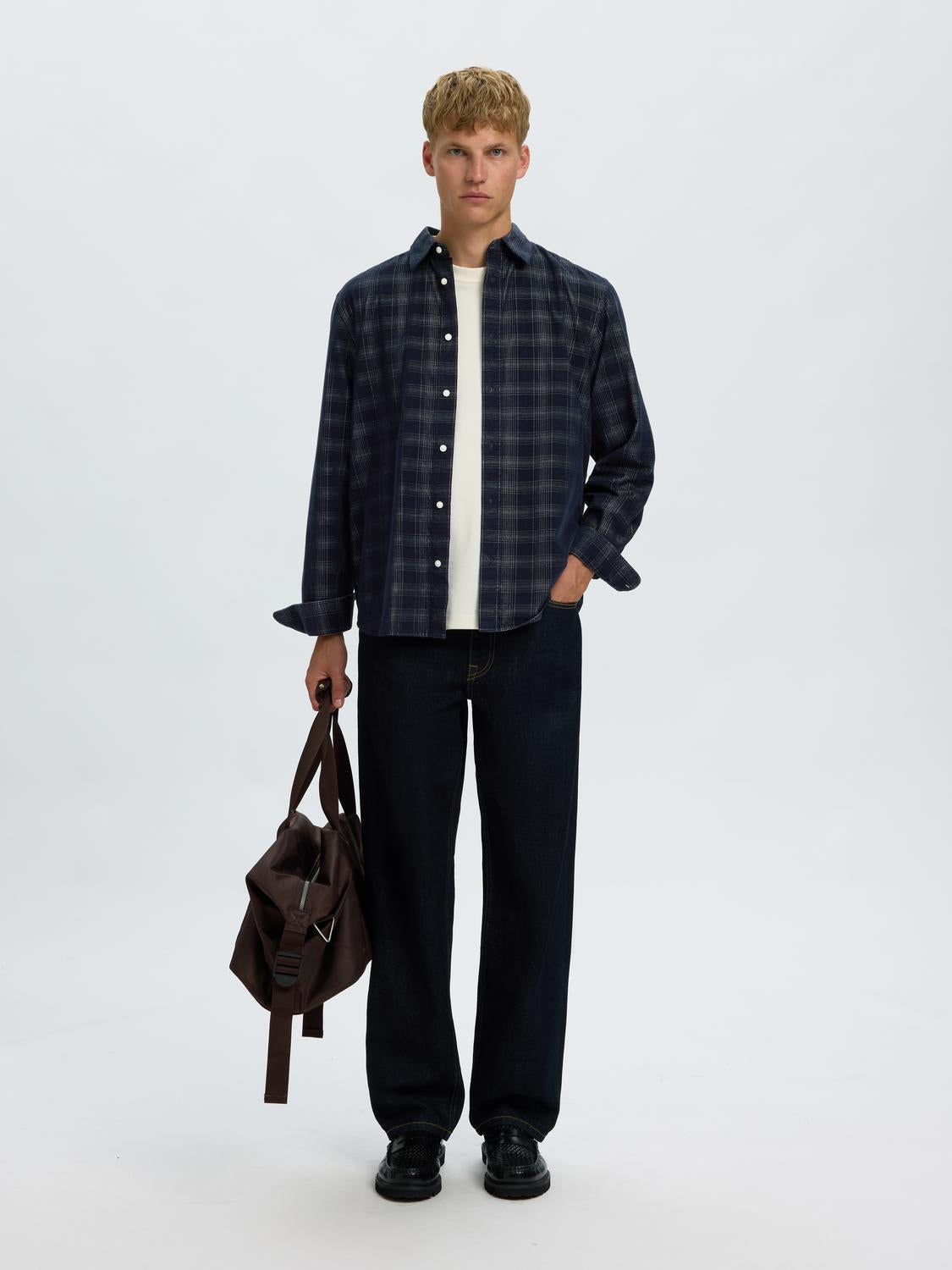
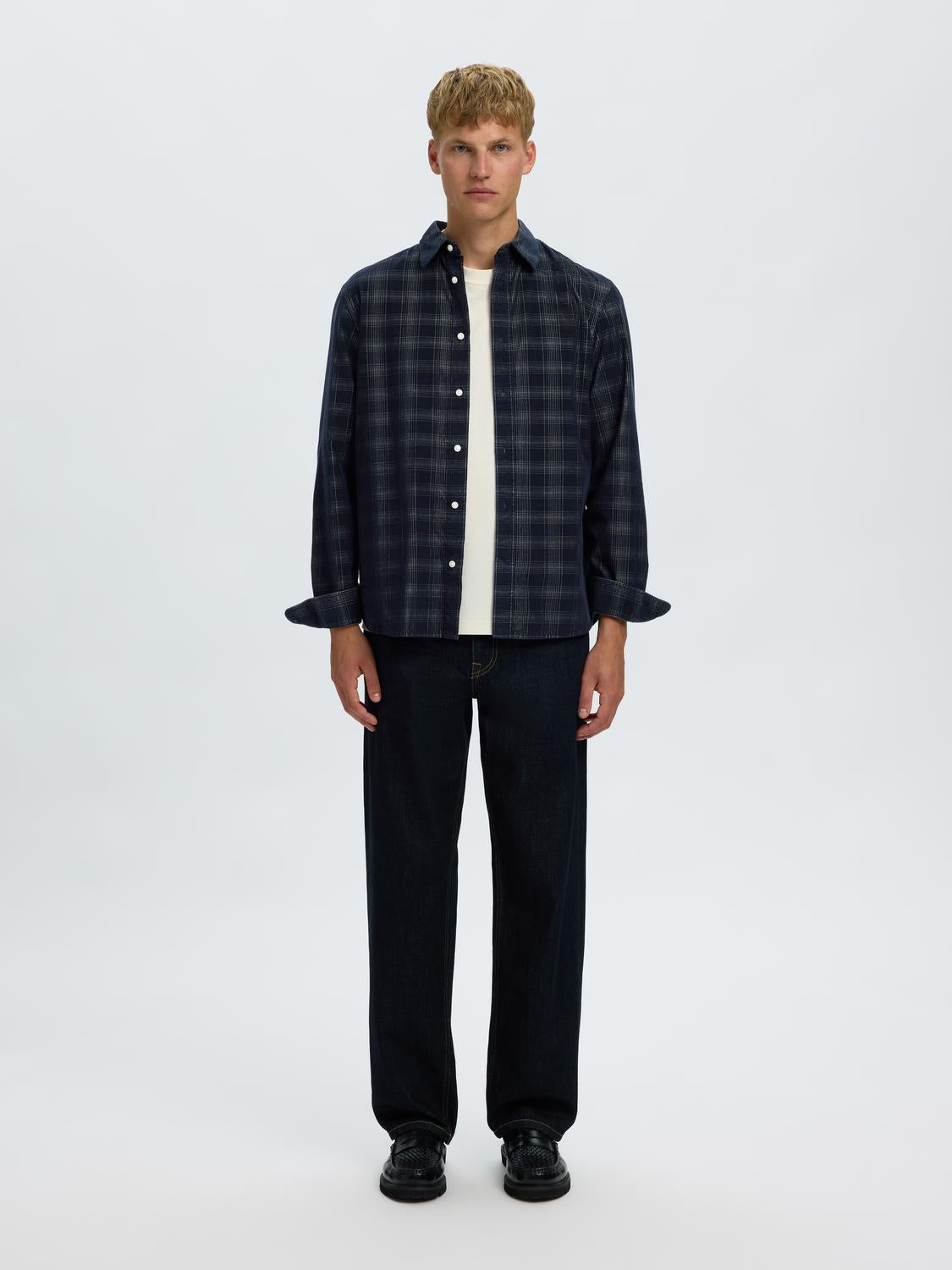
Somewhere around the first week of November, the shirts in most wardrobes quietly change. The thin cottons go to the back and something with a bit more weight comes forward. For a lot of men, that something is a corduroy shirt. It’s soft, it has a texture you can see from across a room, and it works as a shirt or a light jacket depending on how you wear it. At Selected, we think of it as a versatile staple, not a seasonal gimmick: cleanly cut, in colours you’ll actually reach for, and built to last well past one winter. Here’s how to choose one.
What Makes a Corduroy Shirt Different
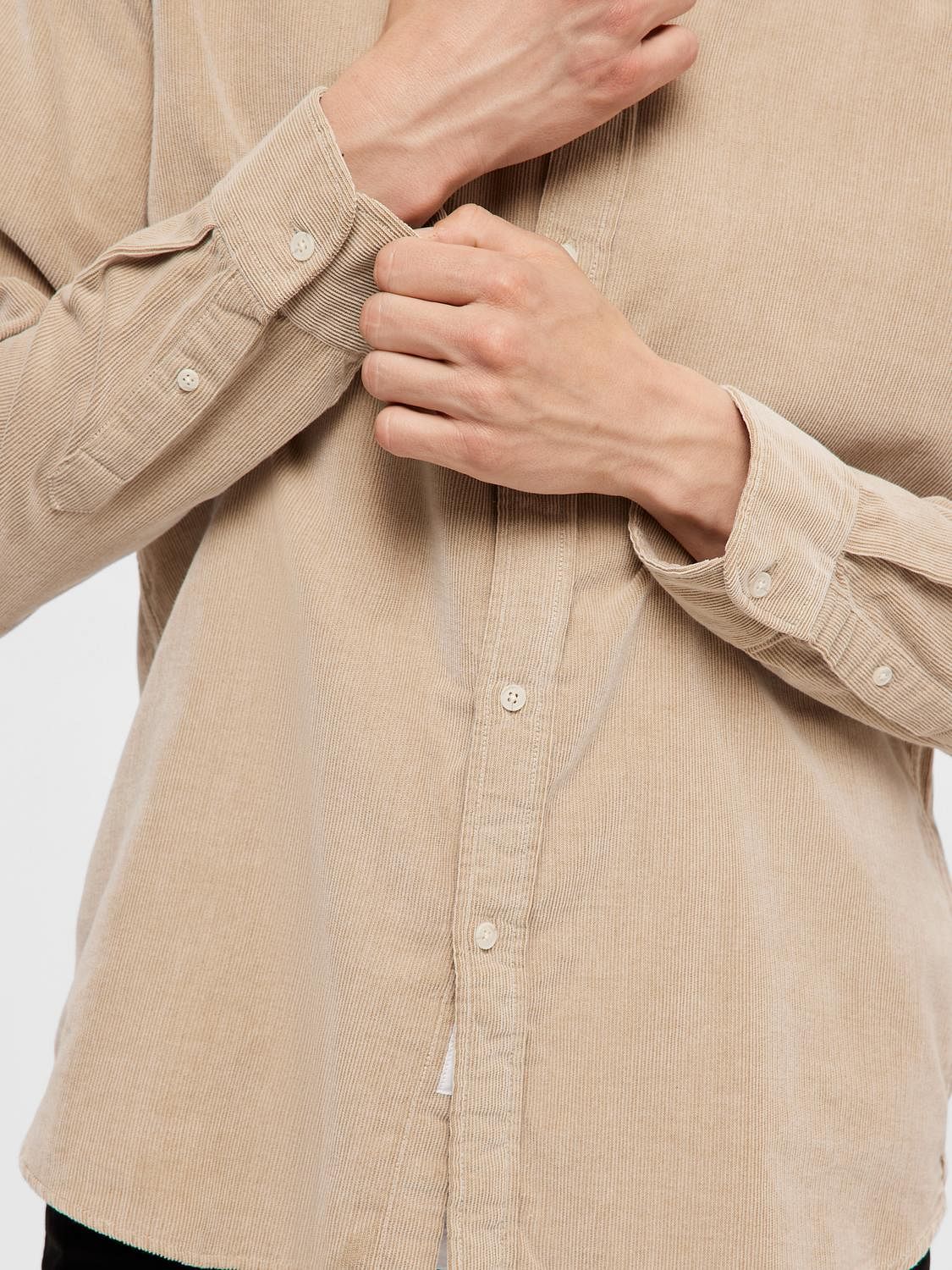
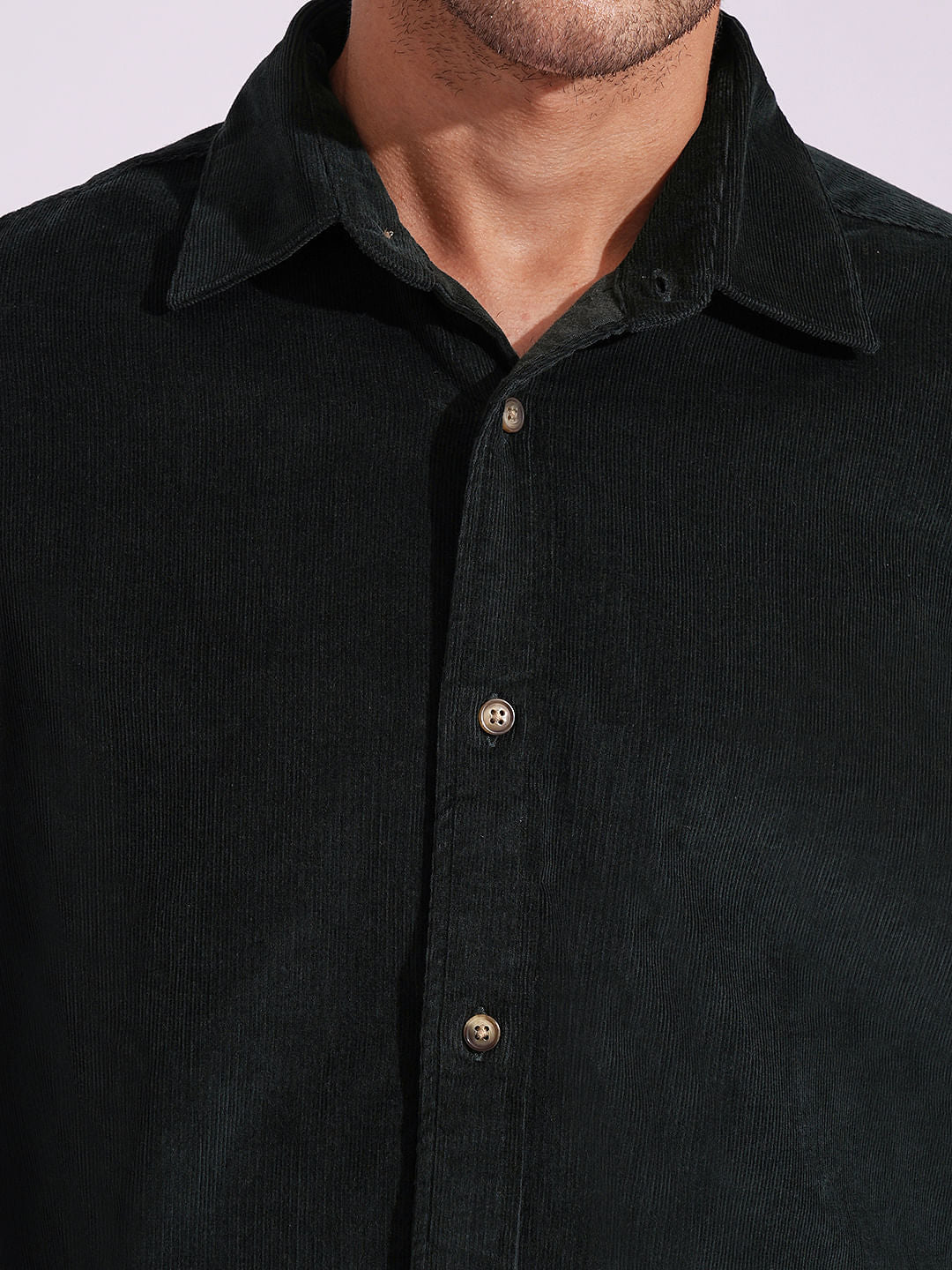
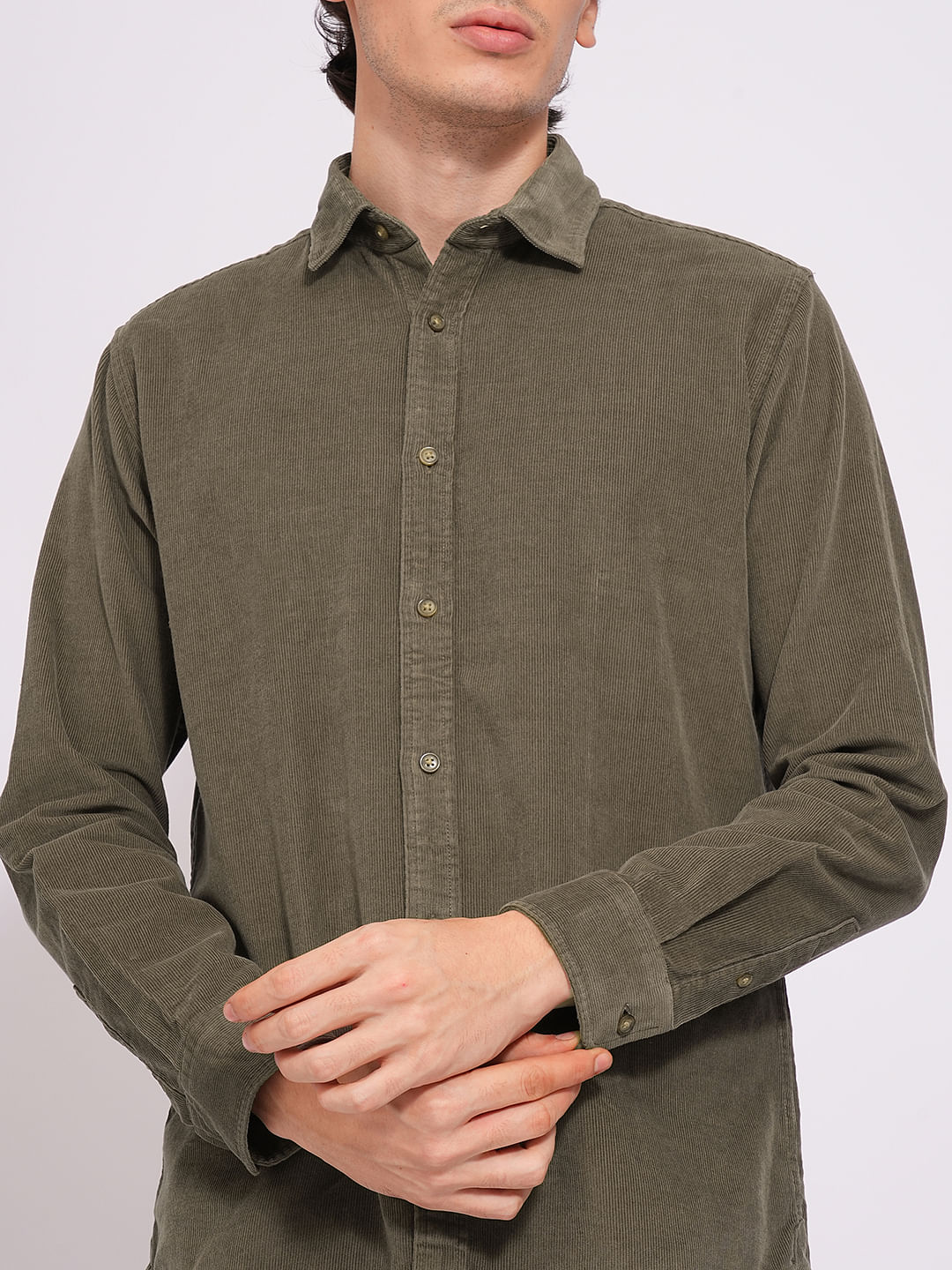
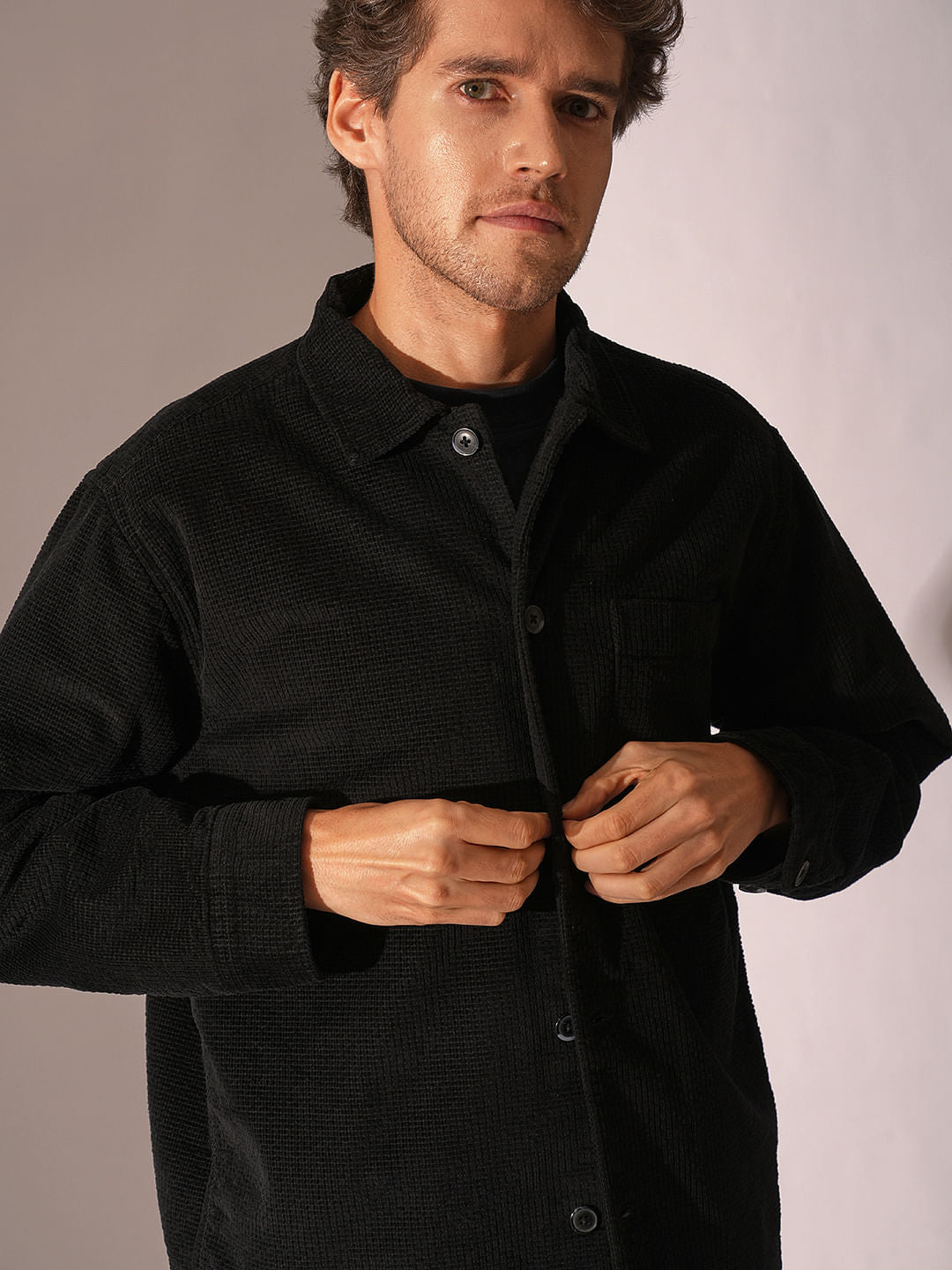
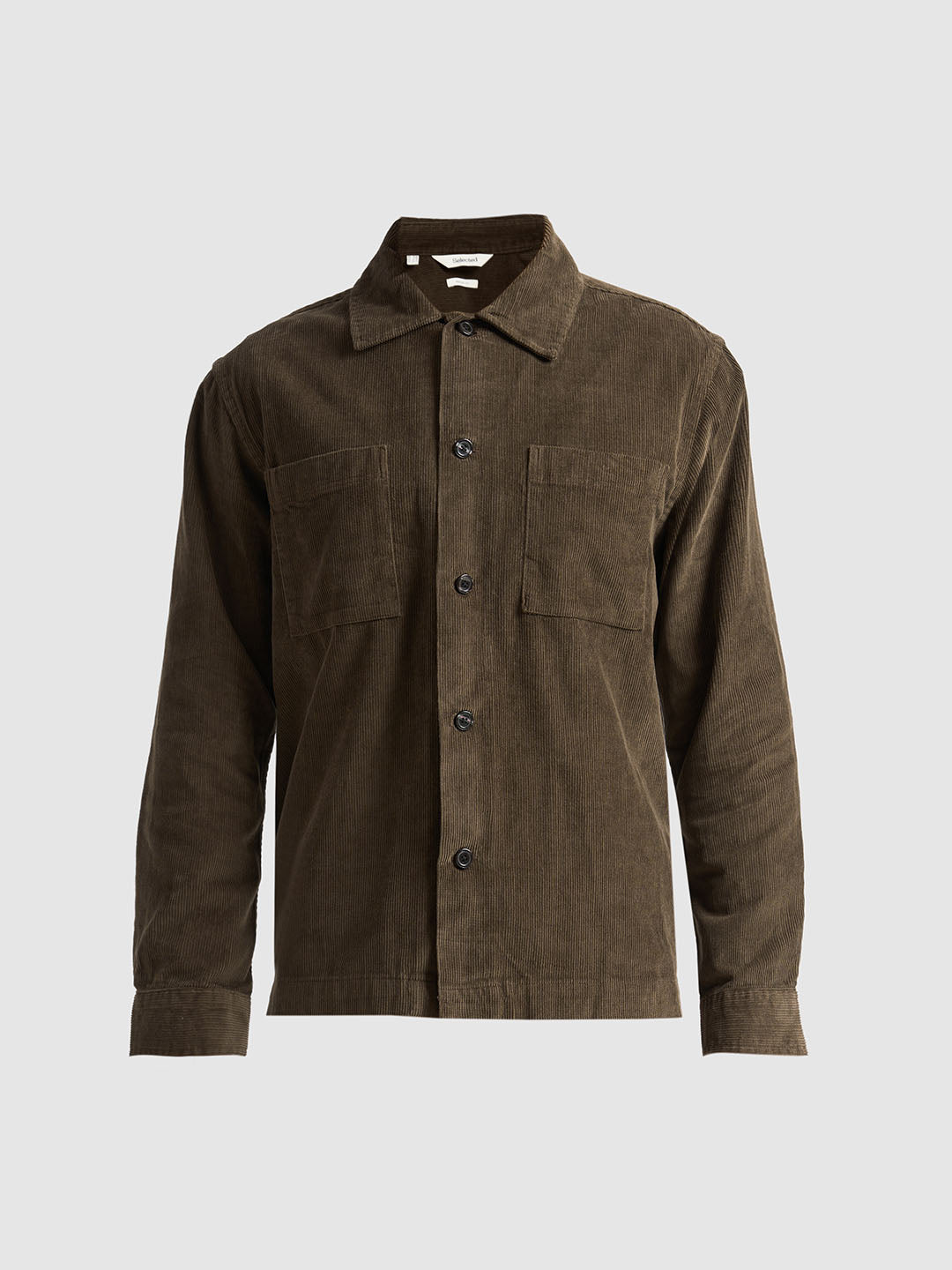
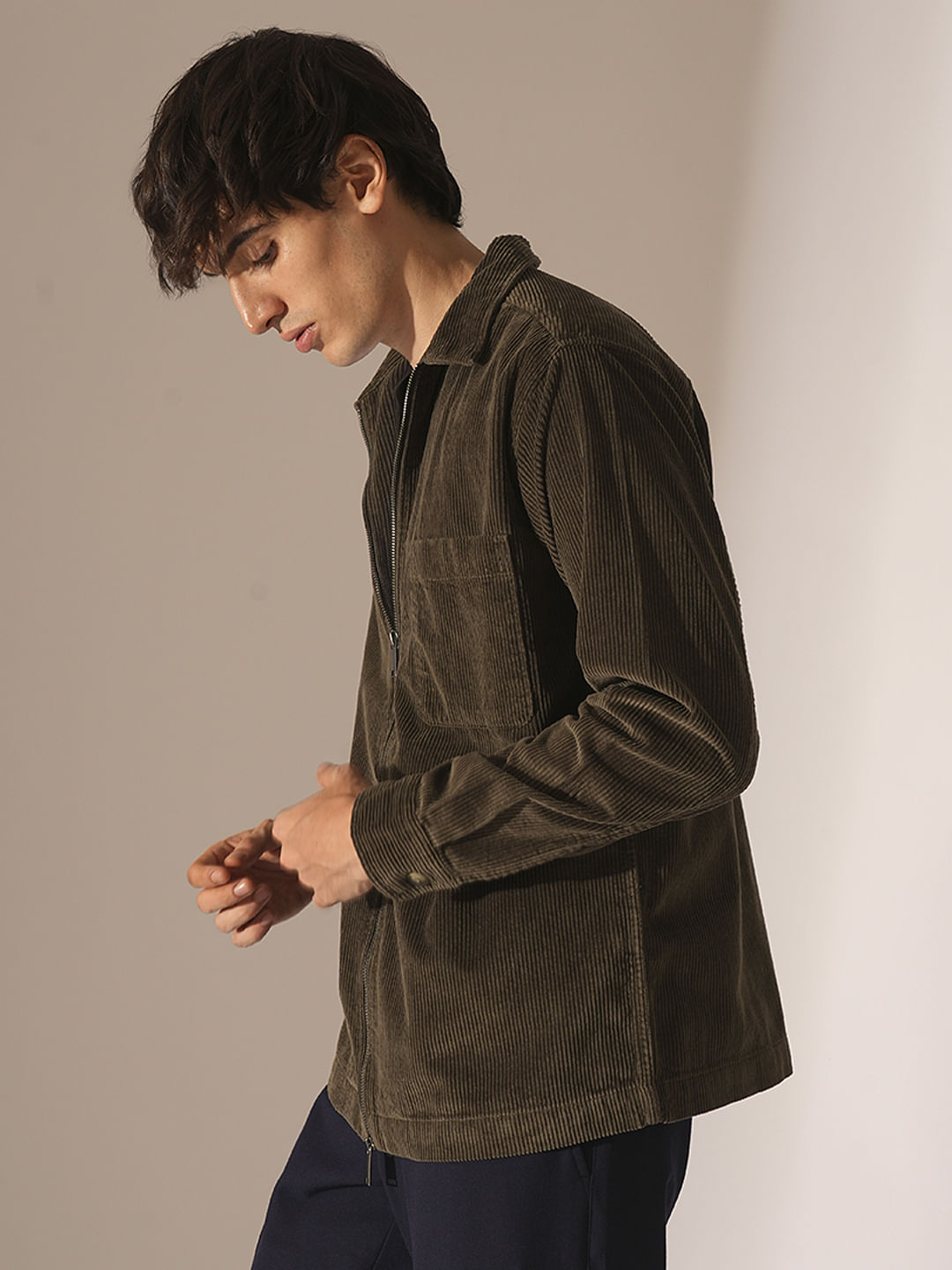
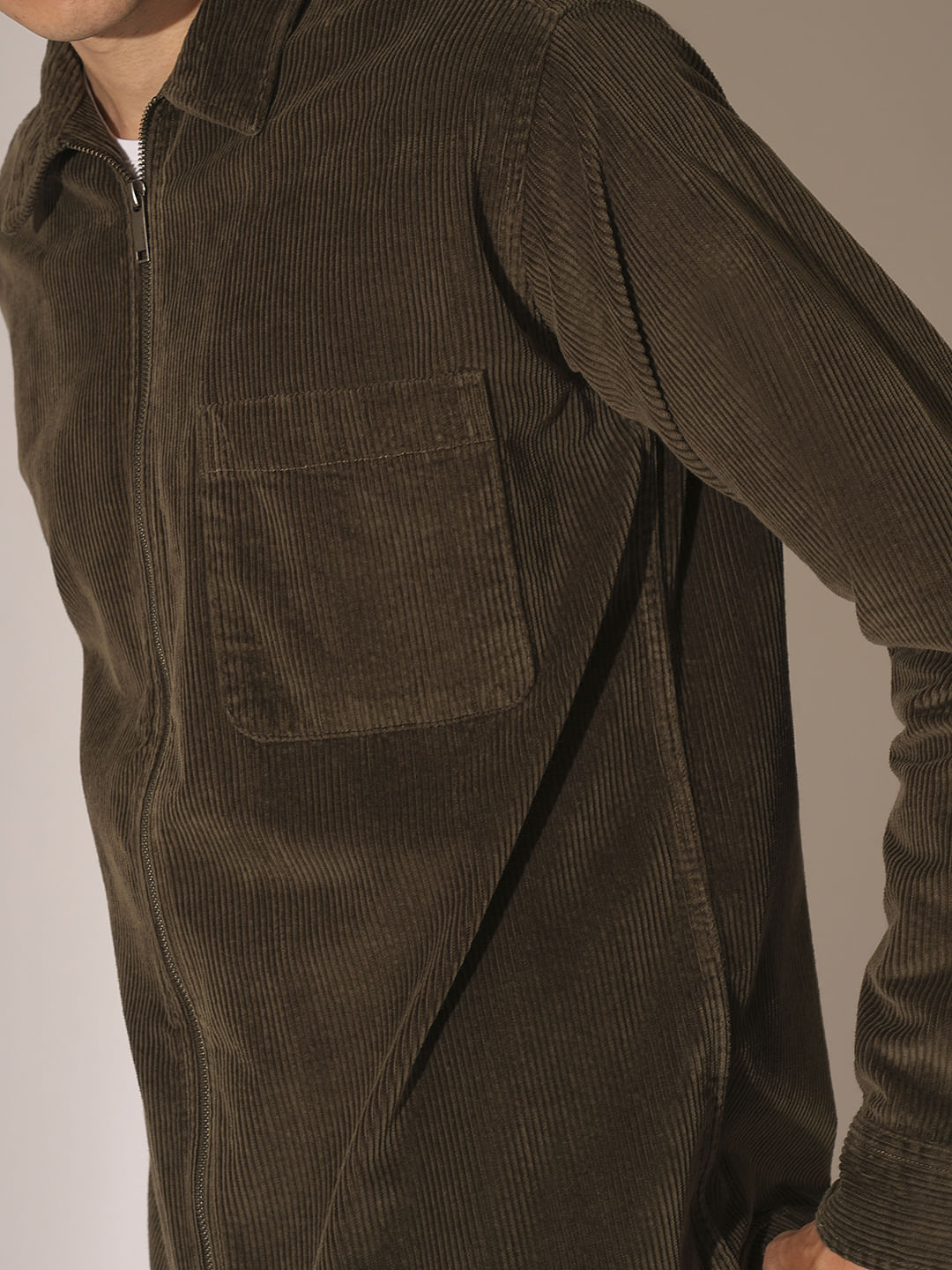
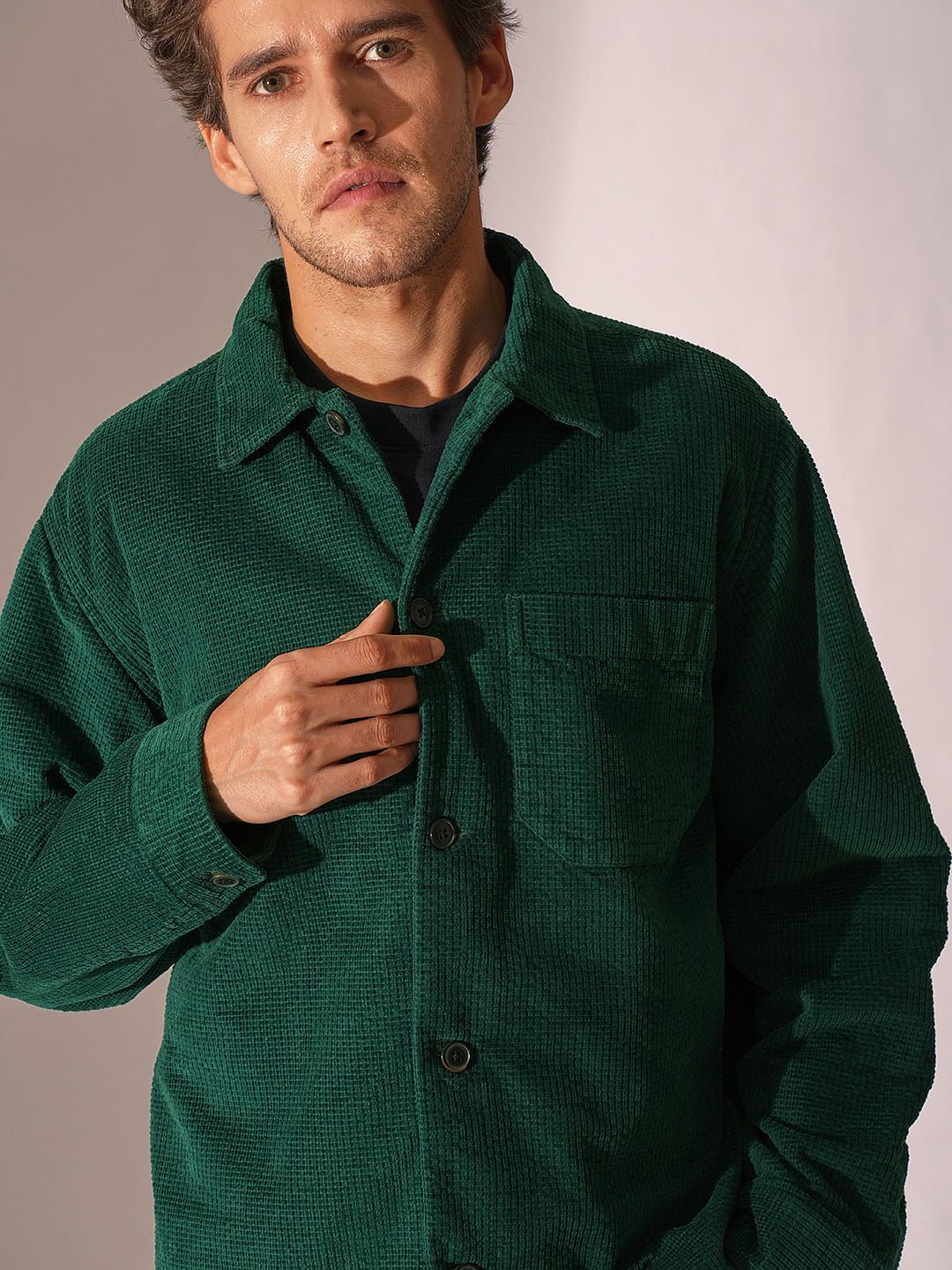
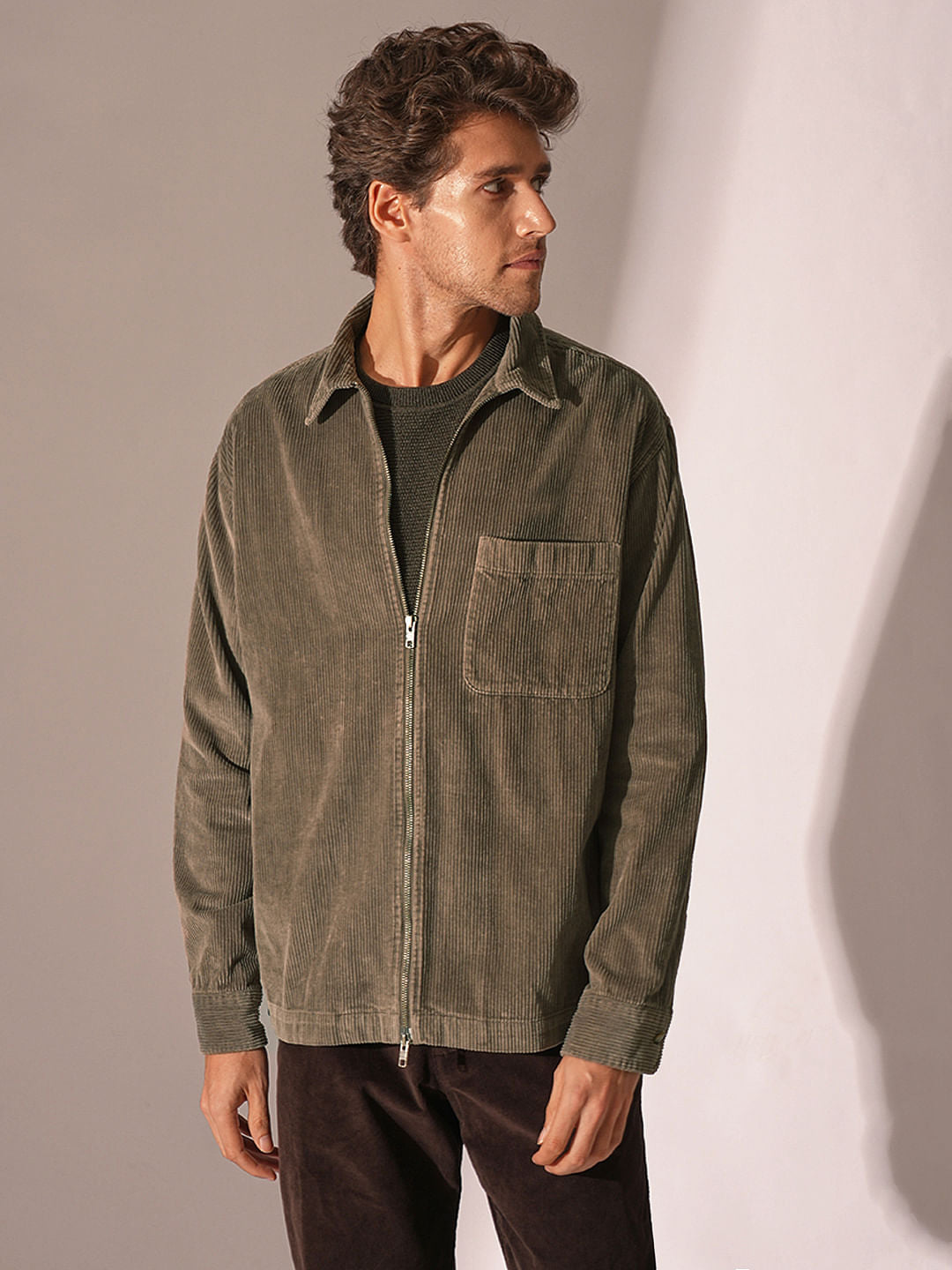
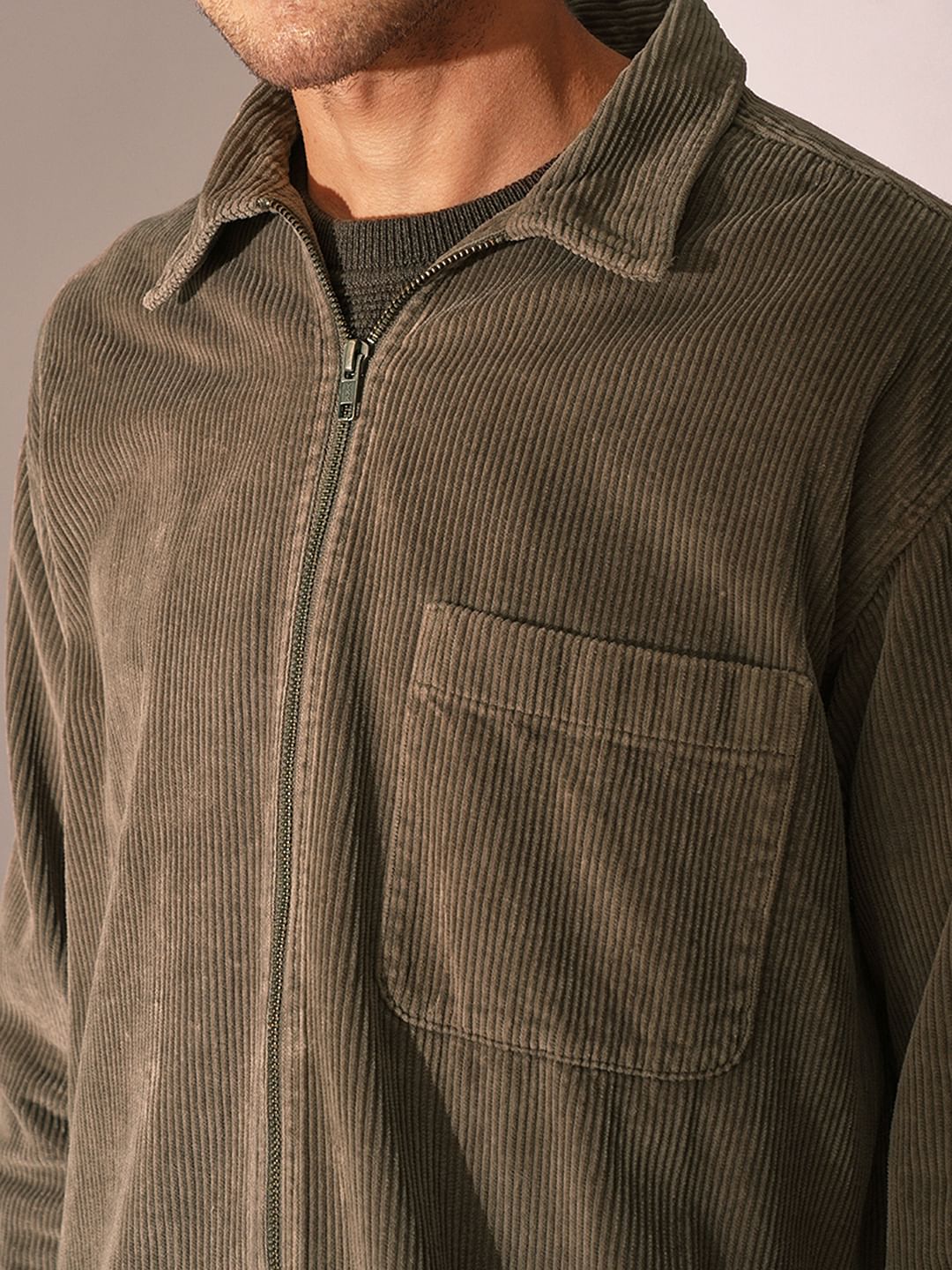
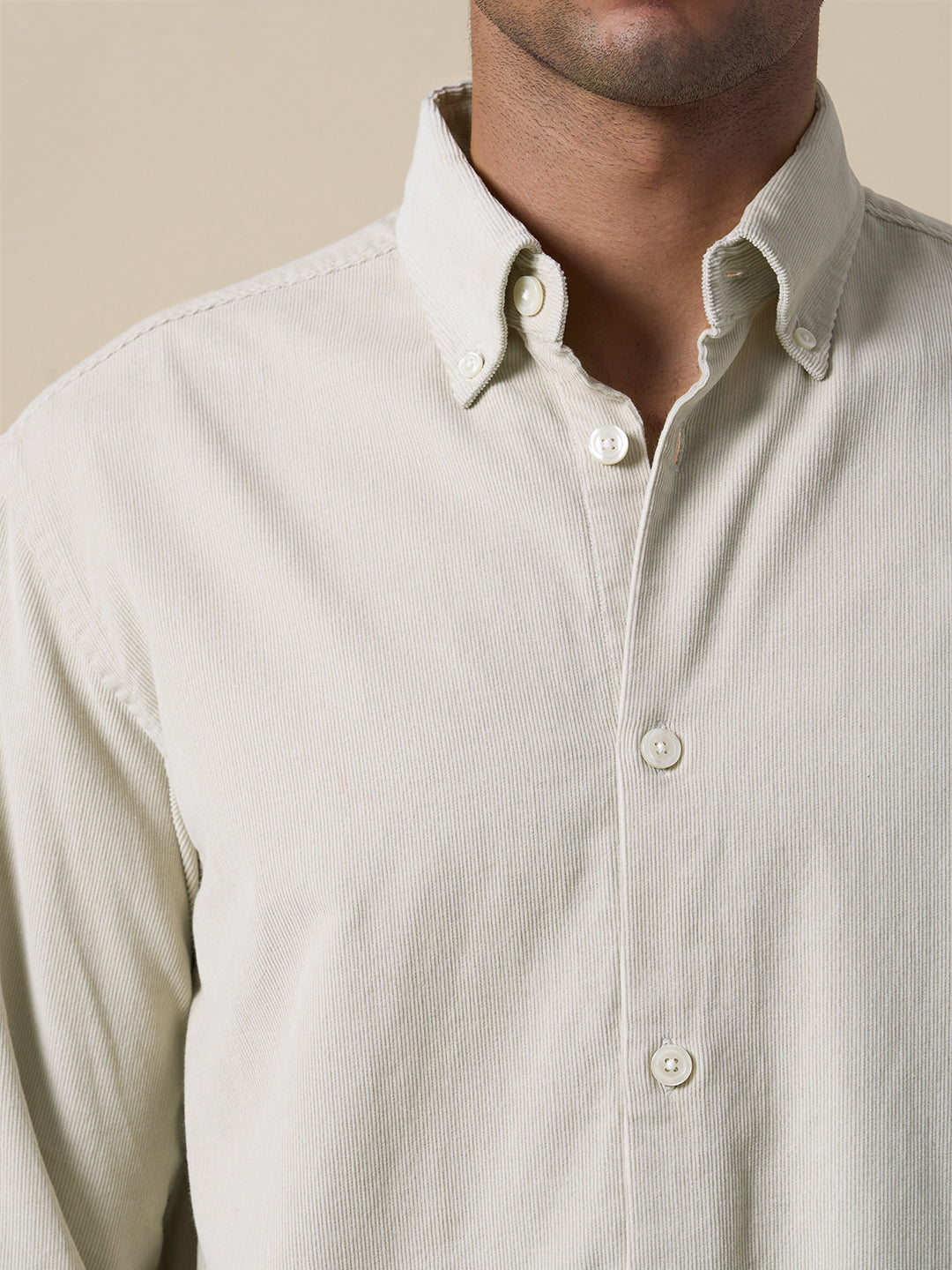
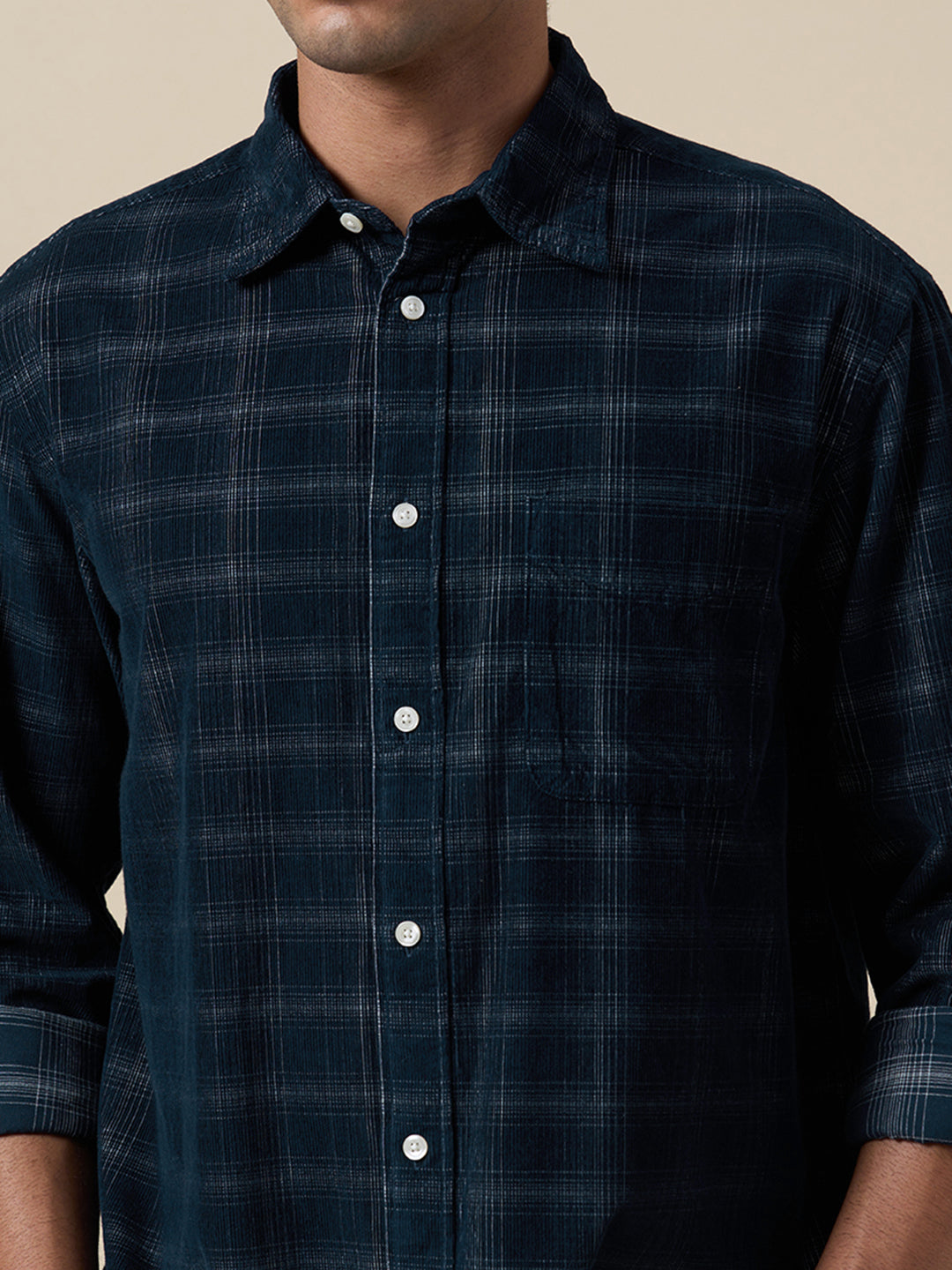
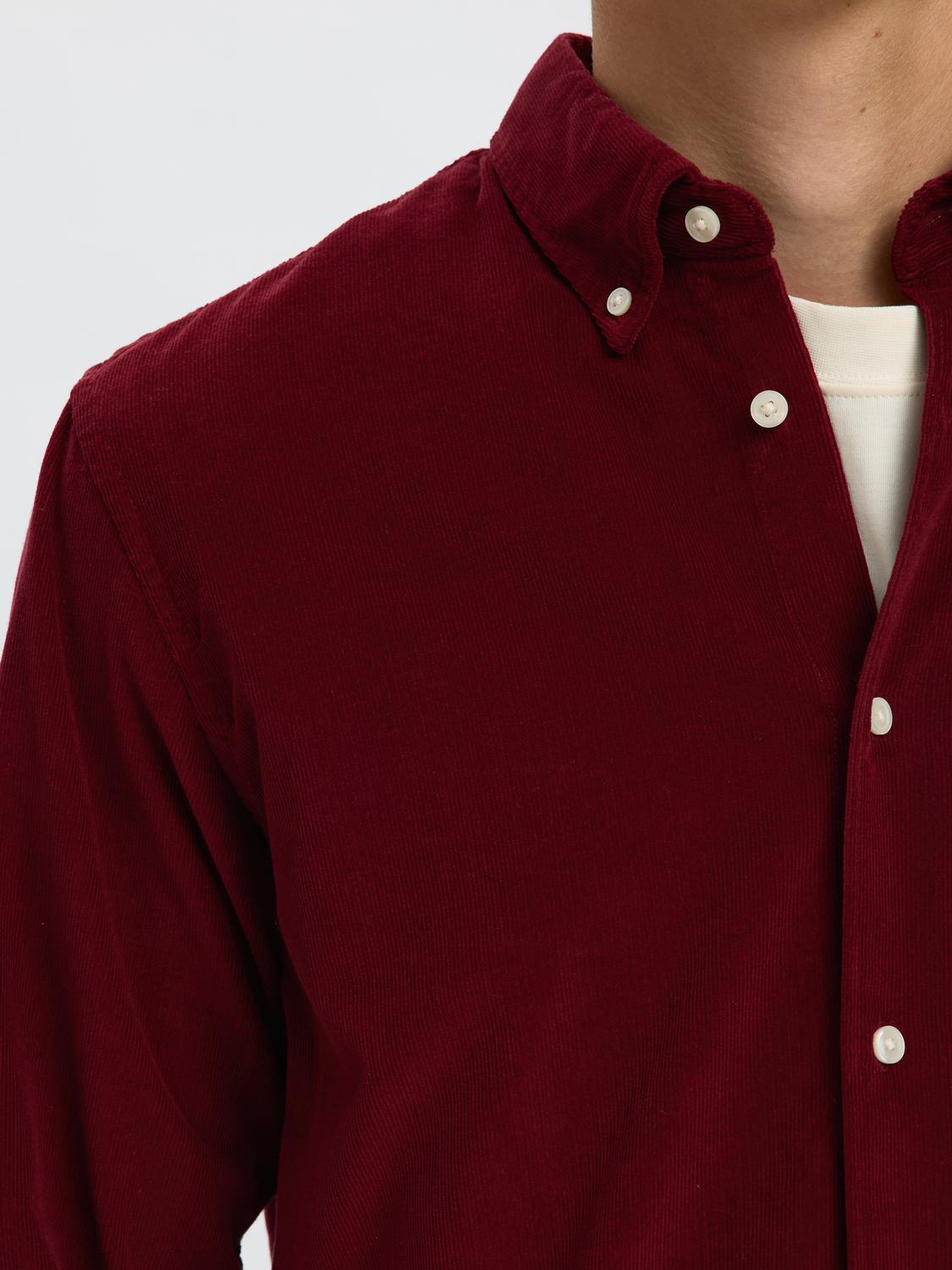
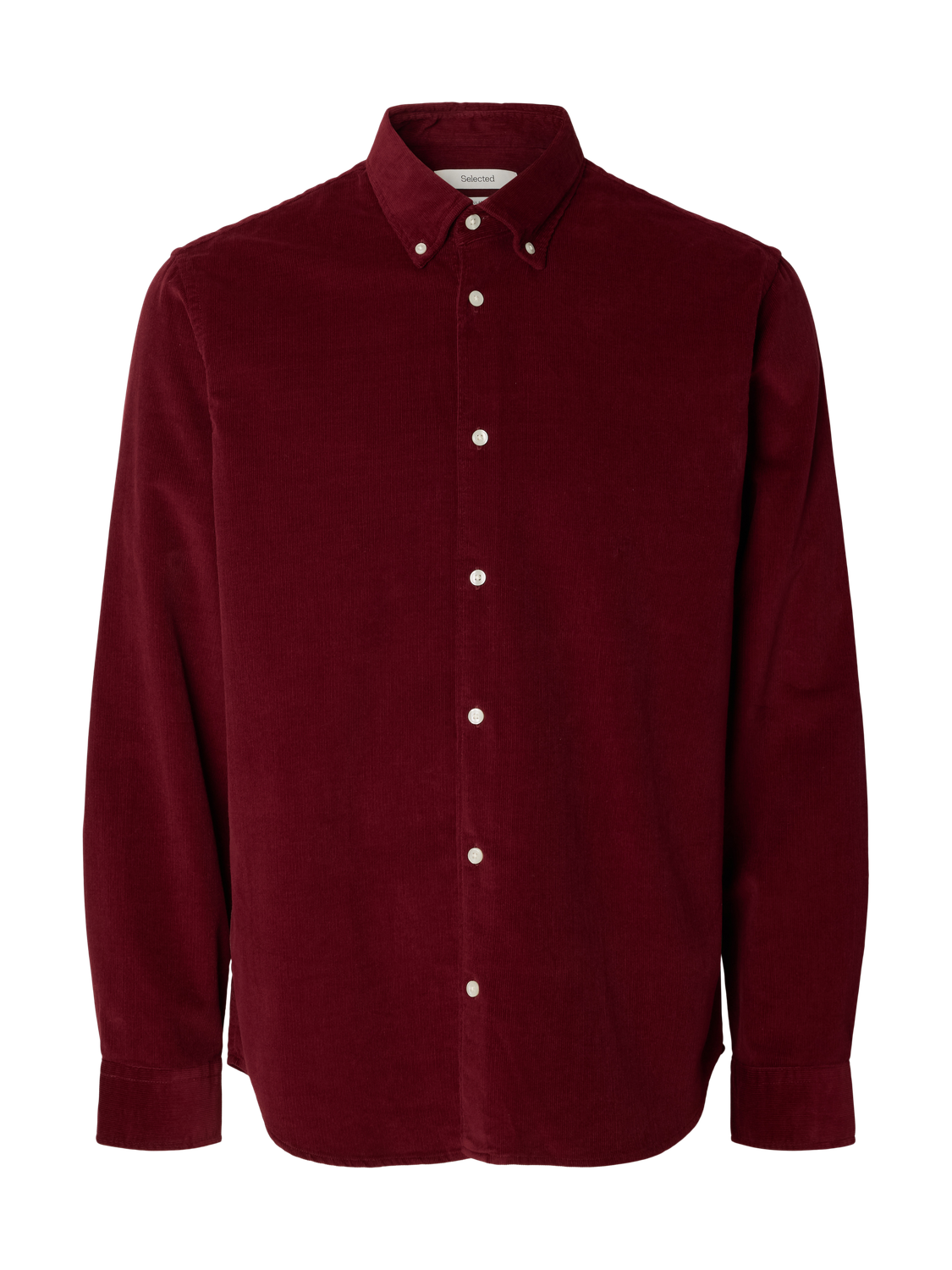
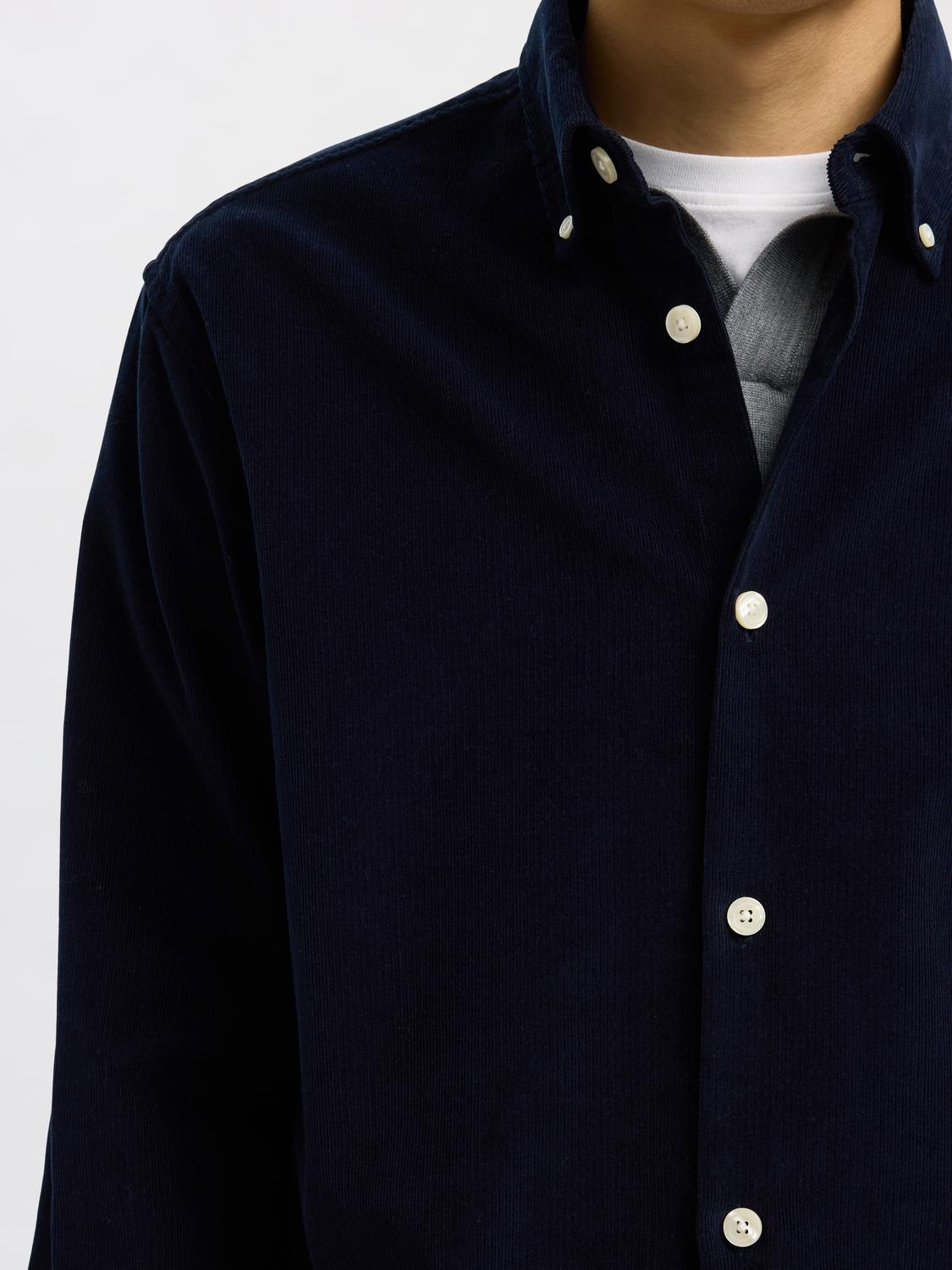
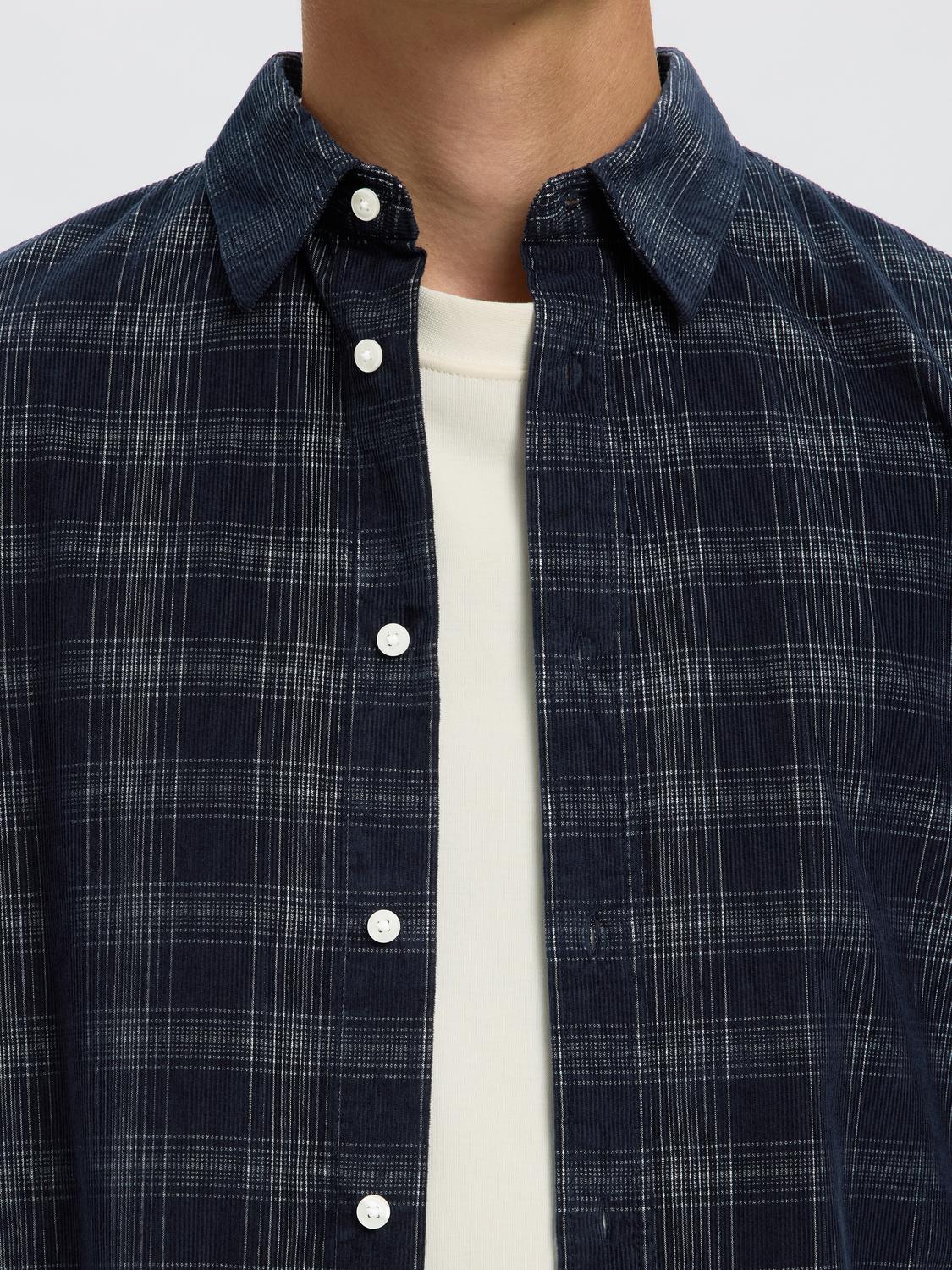
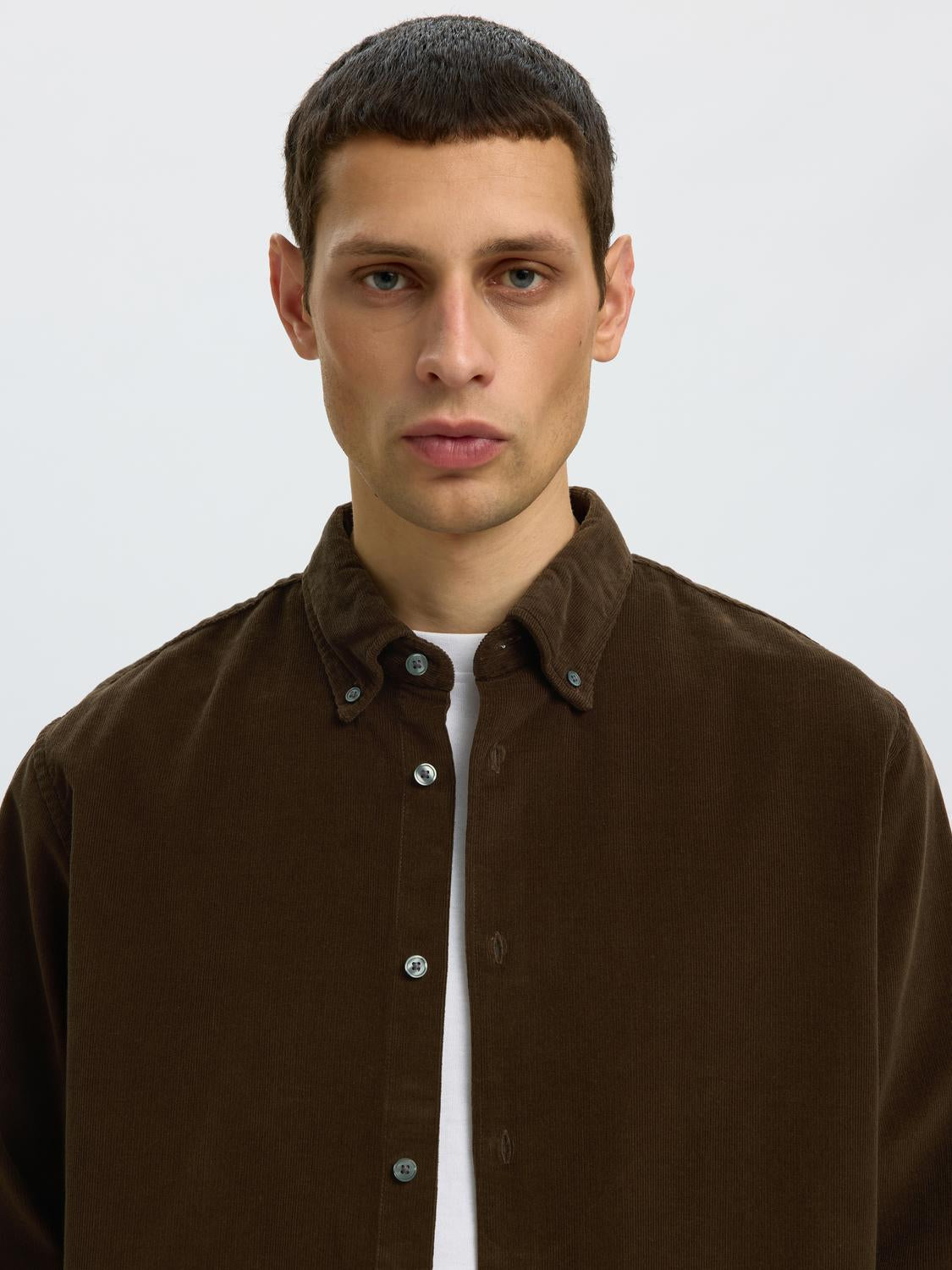
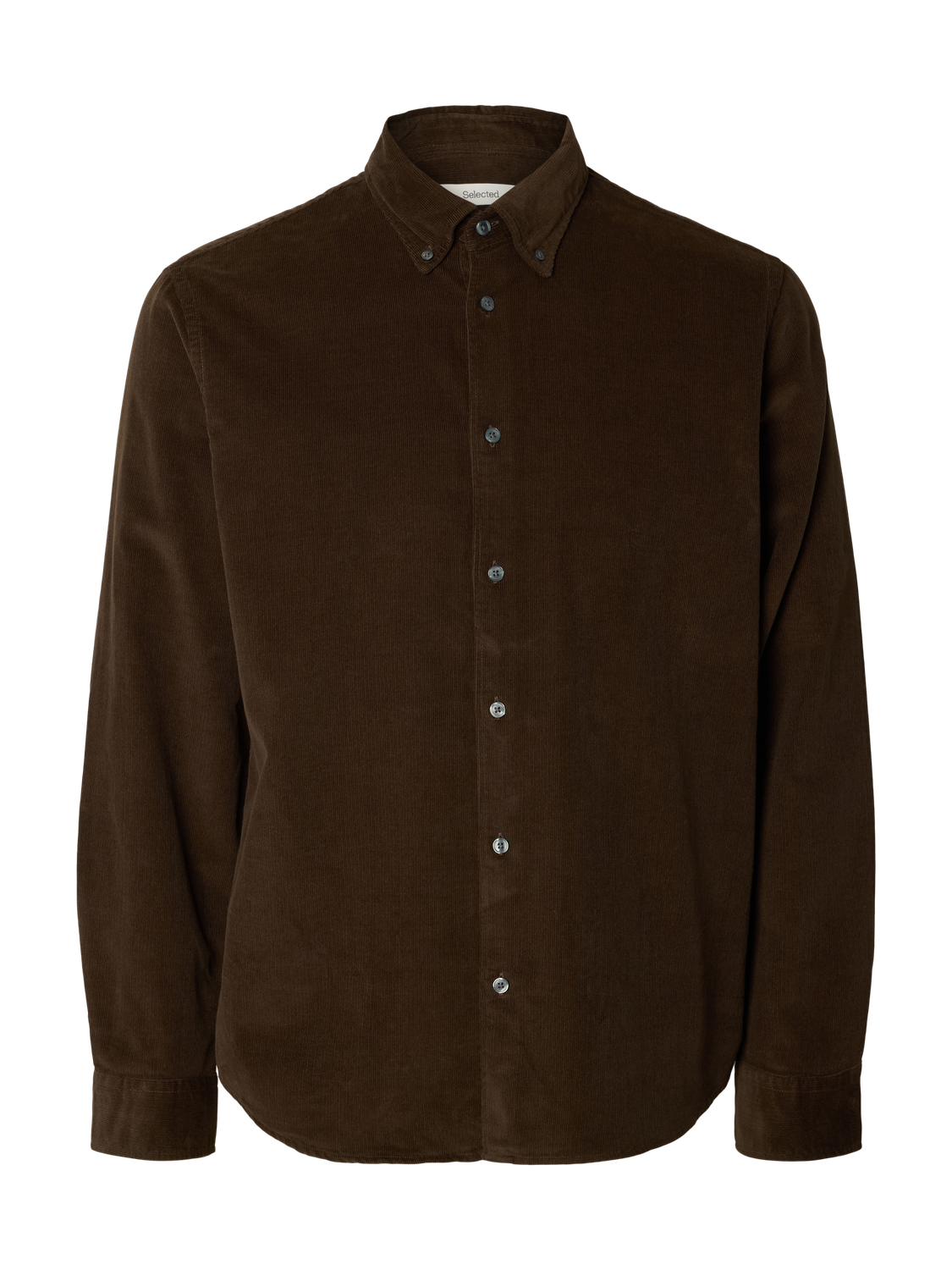
Corduroy is a cut-pile fabric with ridges running down its length. Those ridges are called wales, and they’re the first thing to look at. Fine wale is subtle, almost smooth from a distance, and a little smarter. Wide wale is chunkier and more rugged. We’d pick fine for the office and wide for weekends, though nobody’s checking.
The other thing you’ll notice is how it feels. Soft, slightly brushed, a little warm. And because the surface is textured, it forgives the small creases that give away a plain cotton shirt by lunchtime. Fabric composition and wale for each style.
Fits and Silhouettes That Work
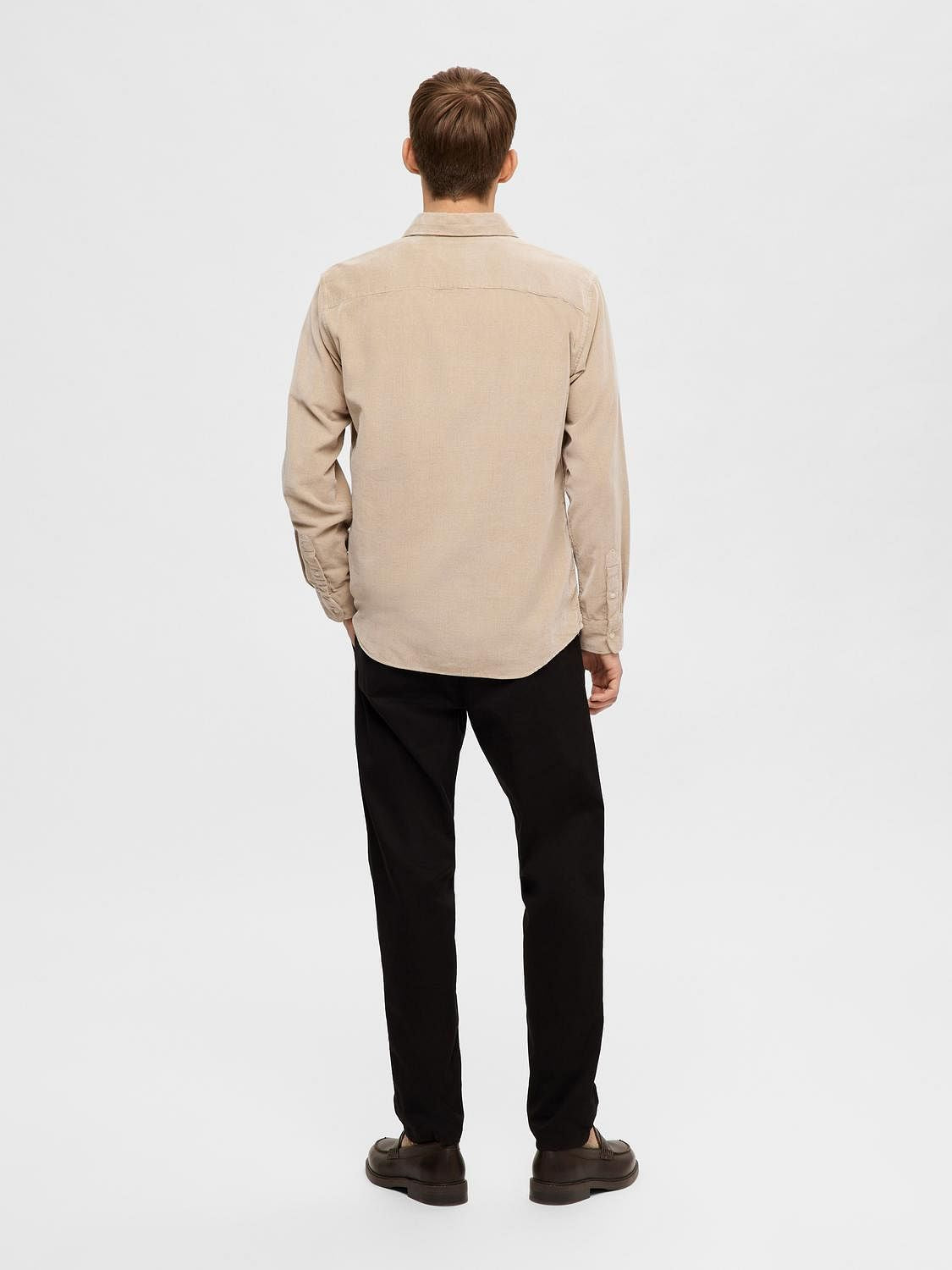
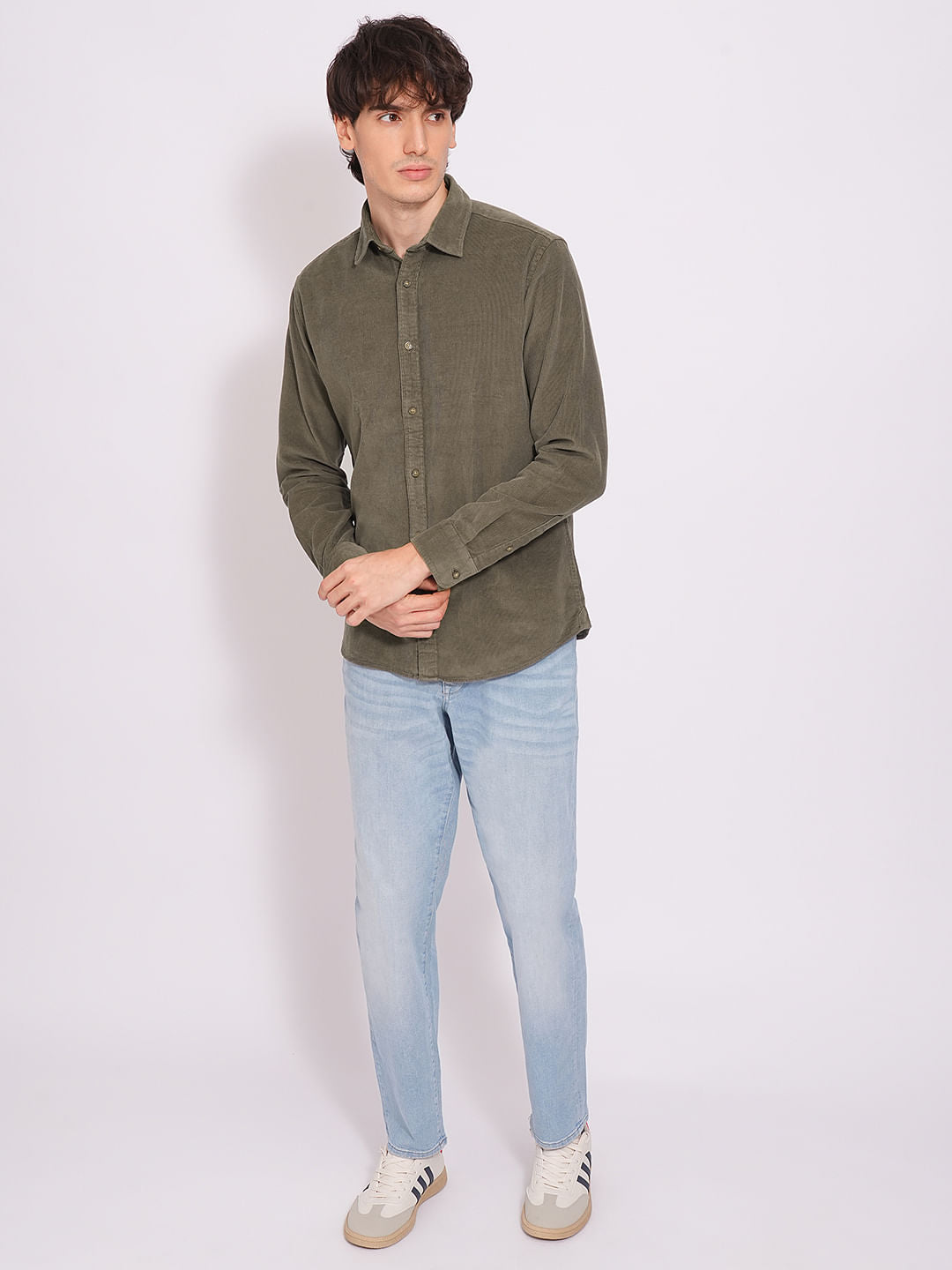
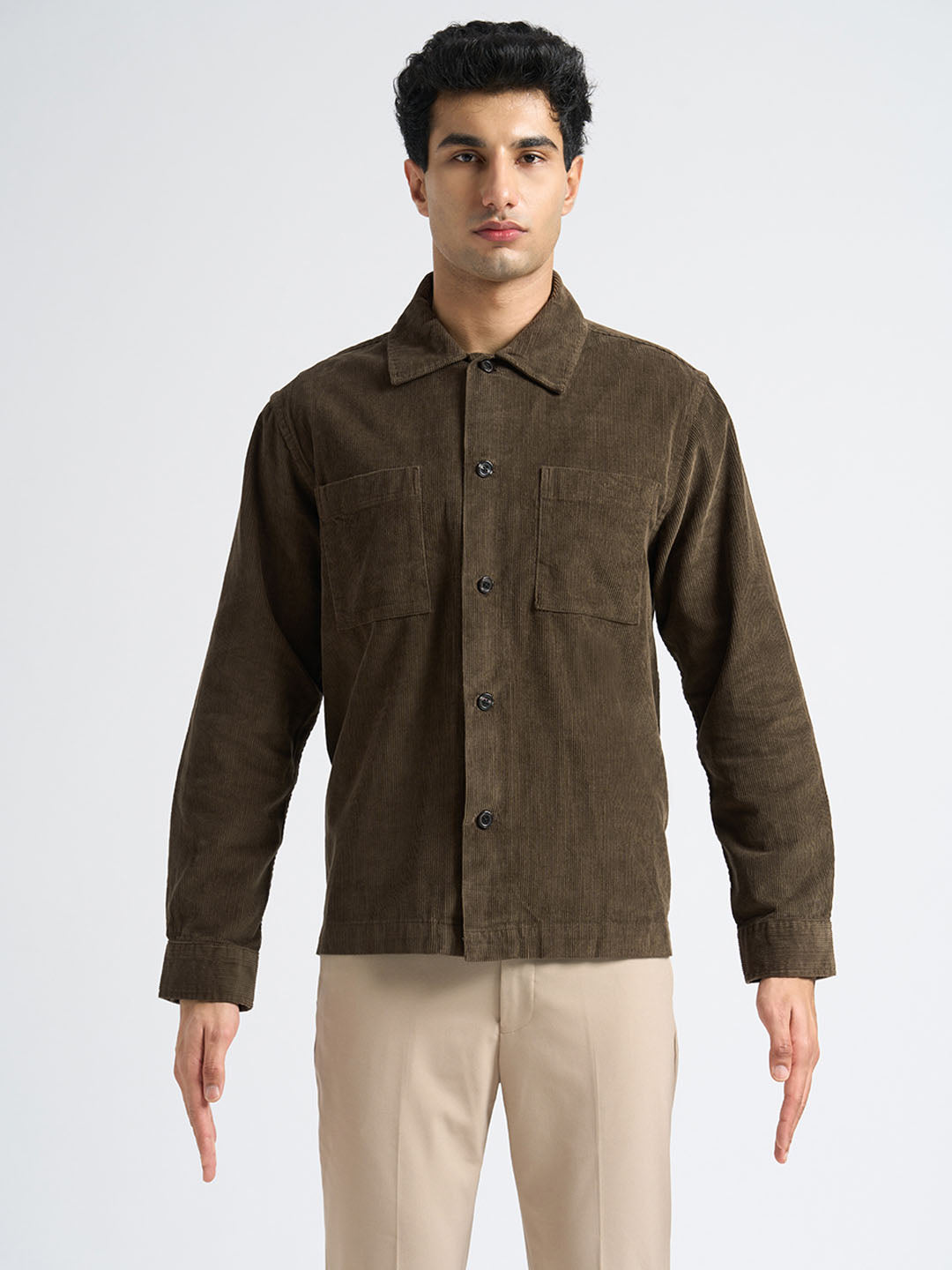
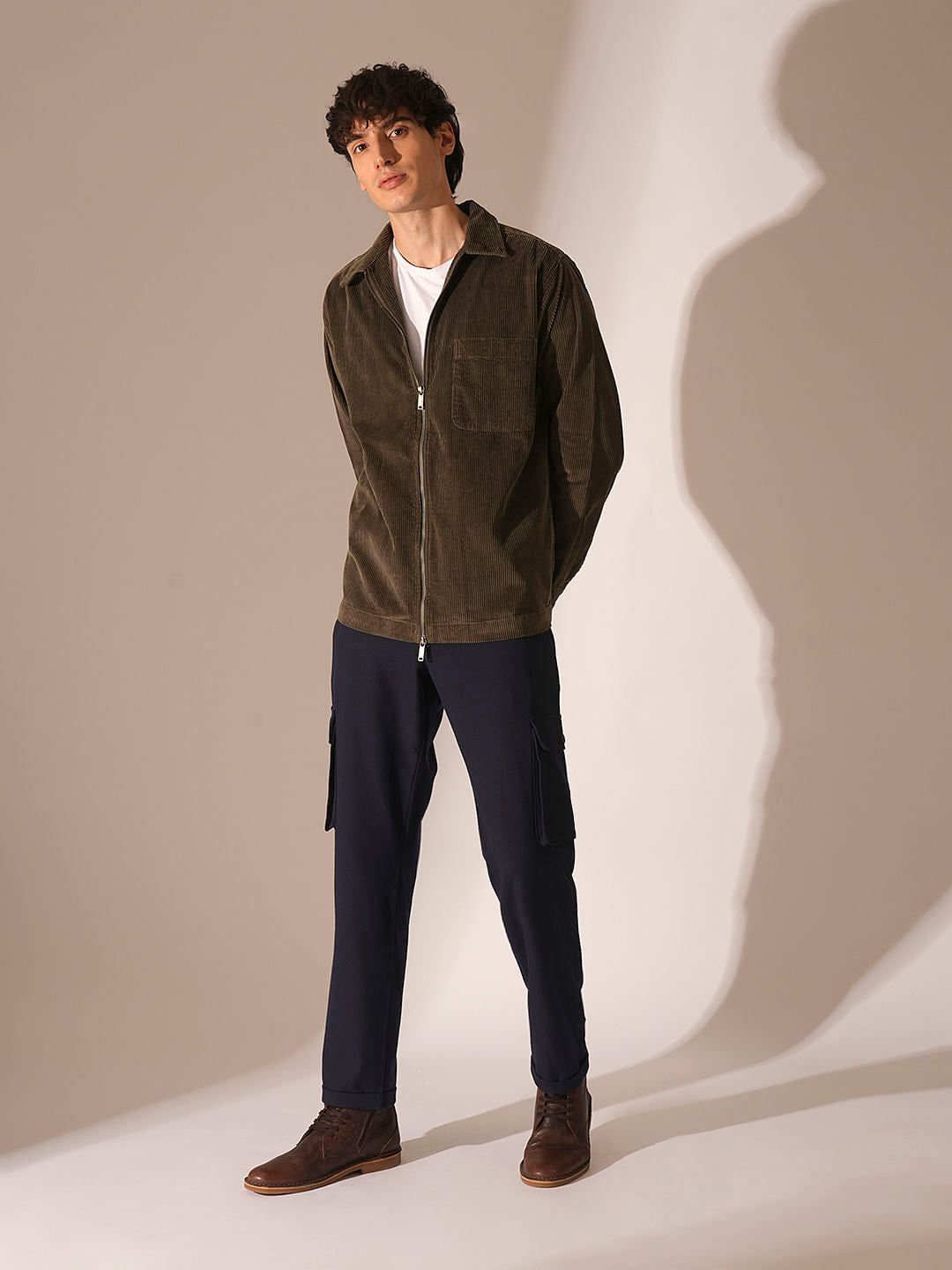
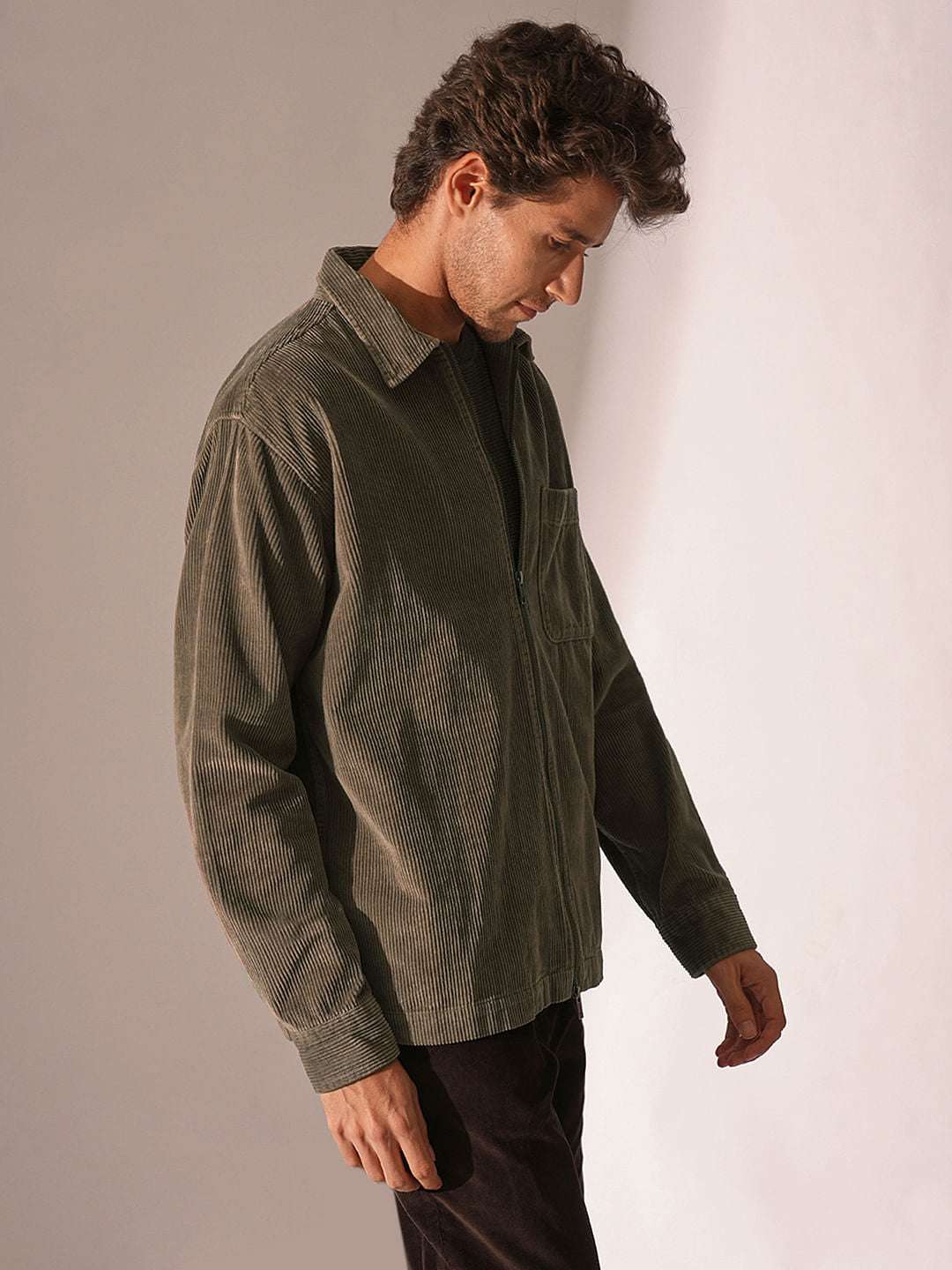
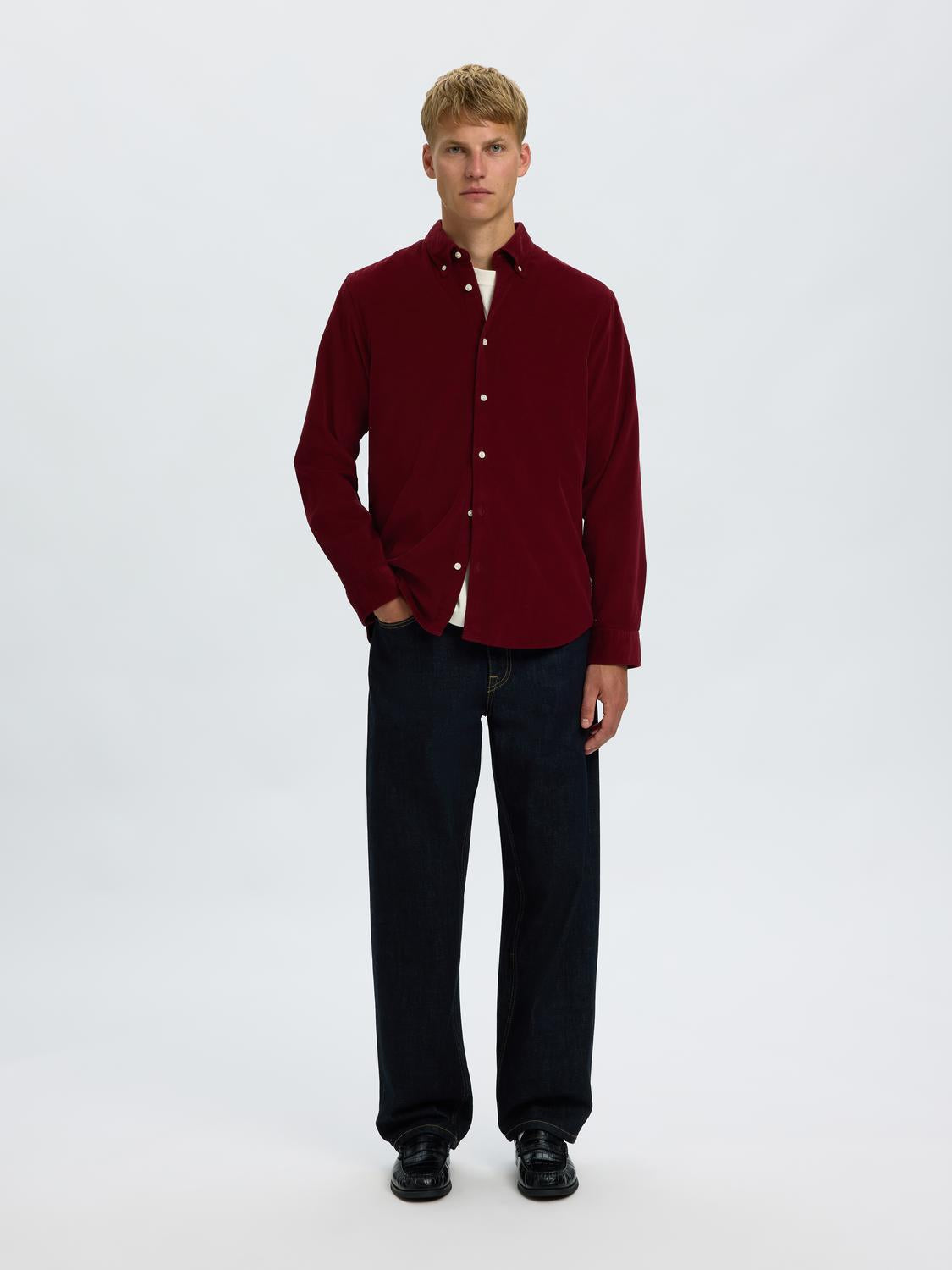
Go regular fit, at least the first time. Corduroy has body, and a shirt cut too close looks stiff across the chest and pulls at the buttons the moment you reach for something. Regular lets the fabric drape and leaves space for a tee or a thin knit underneath. A slimmer cut makes sense if you’ll wear it tucked and buttoned in a smart-casual office.
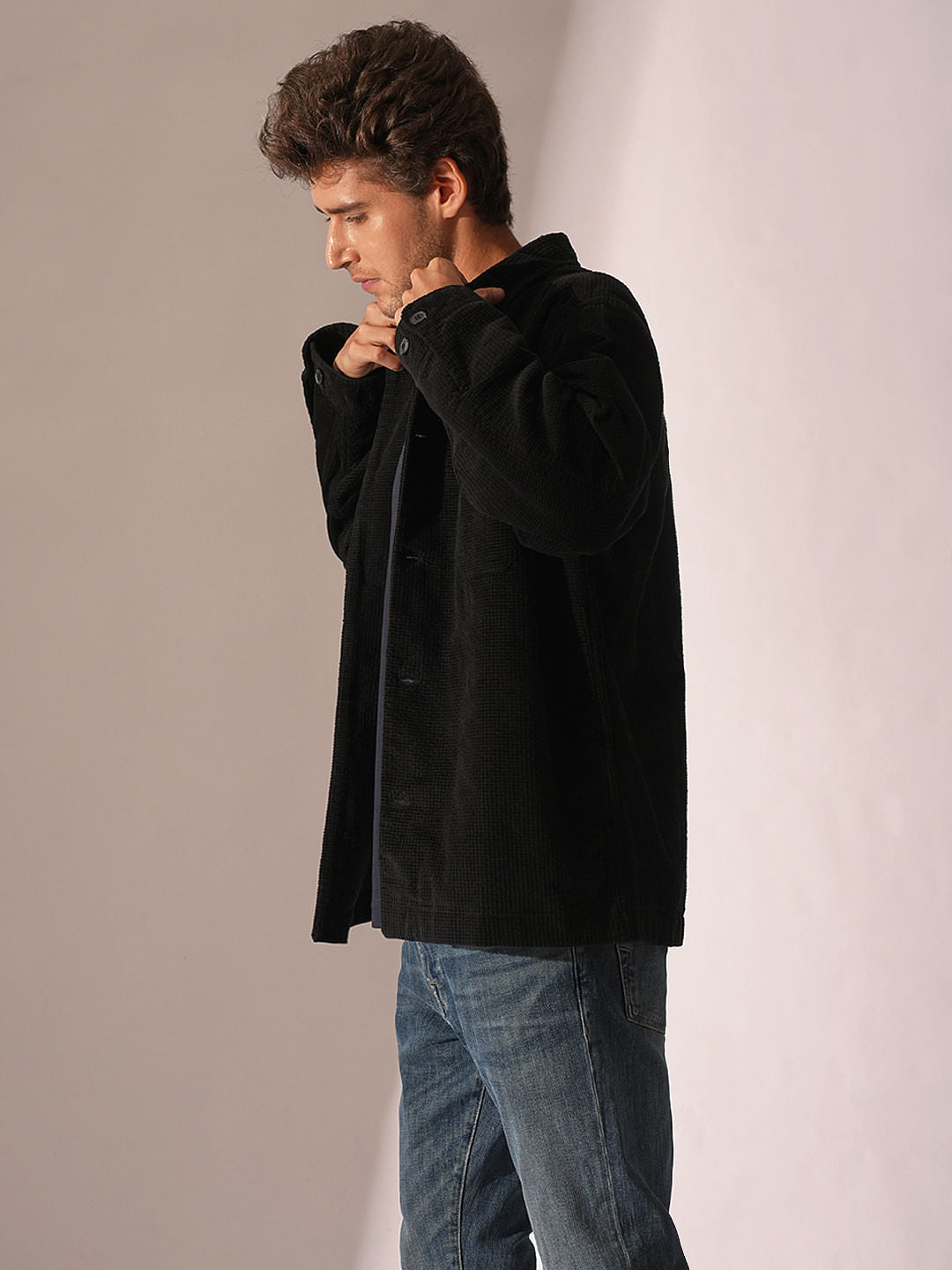
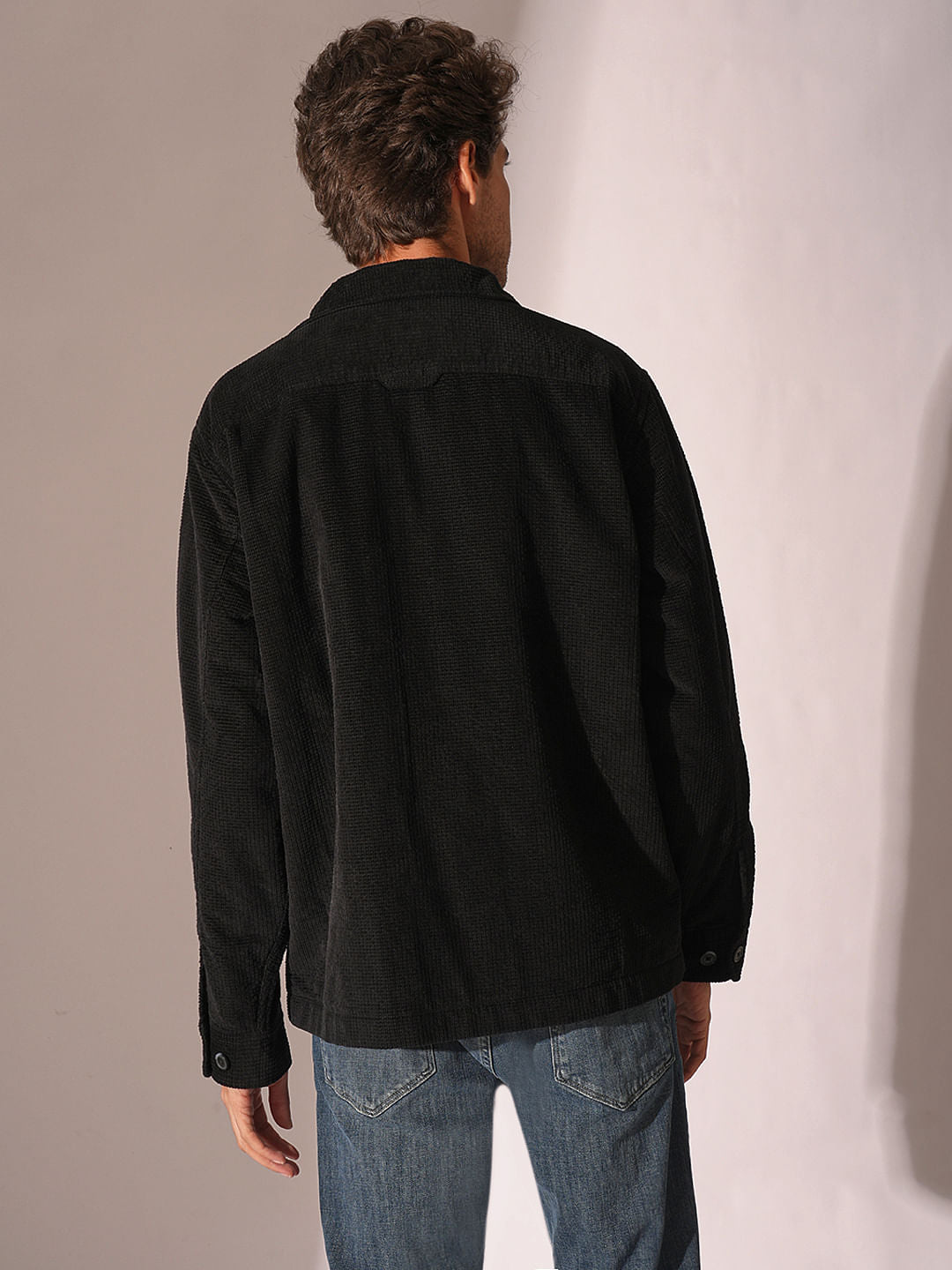
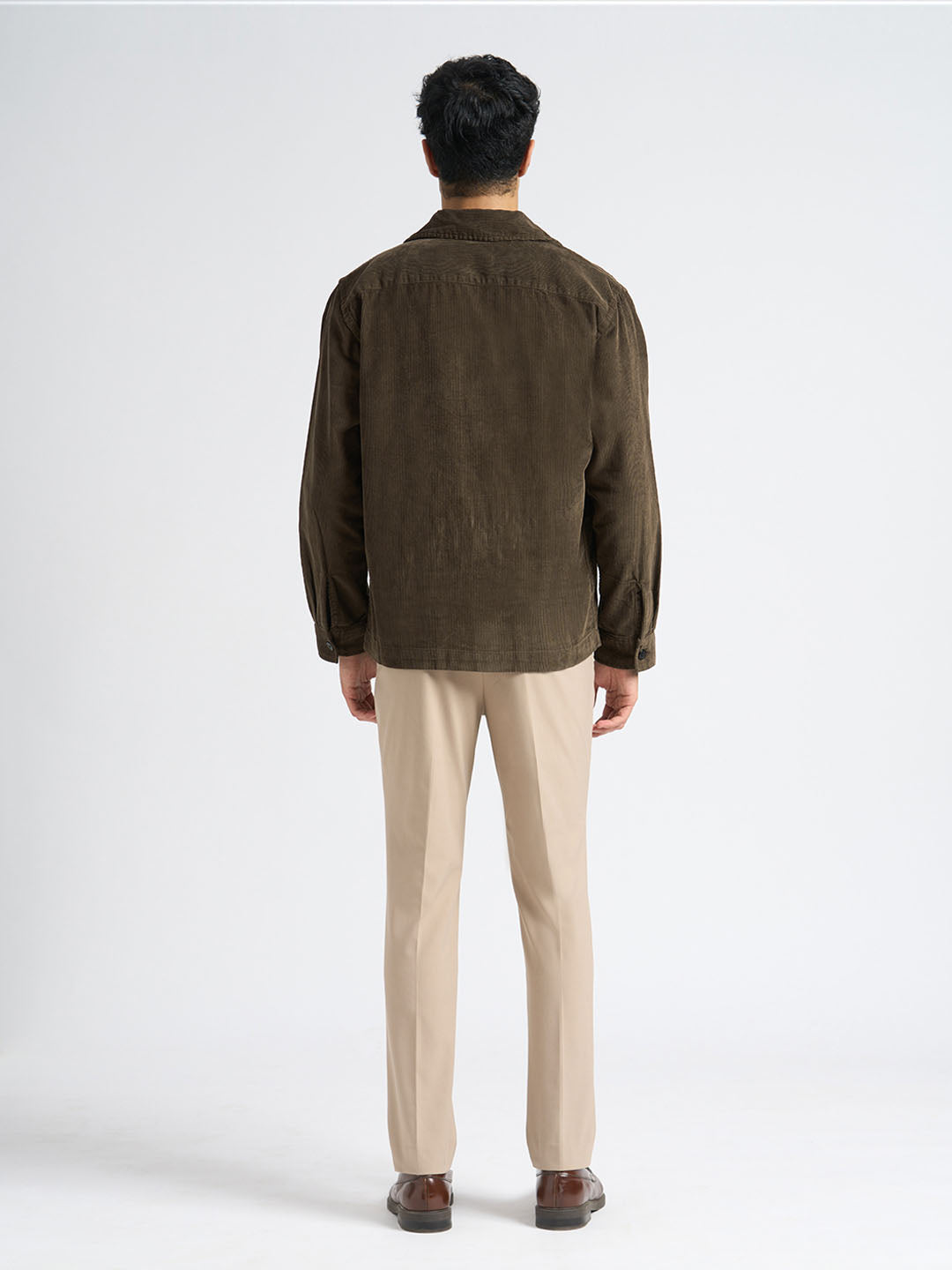
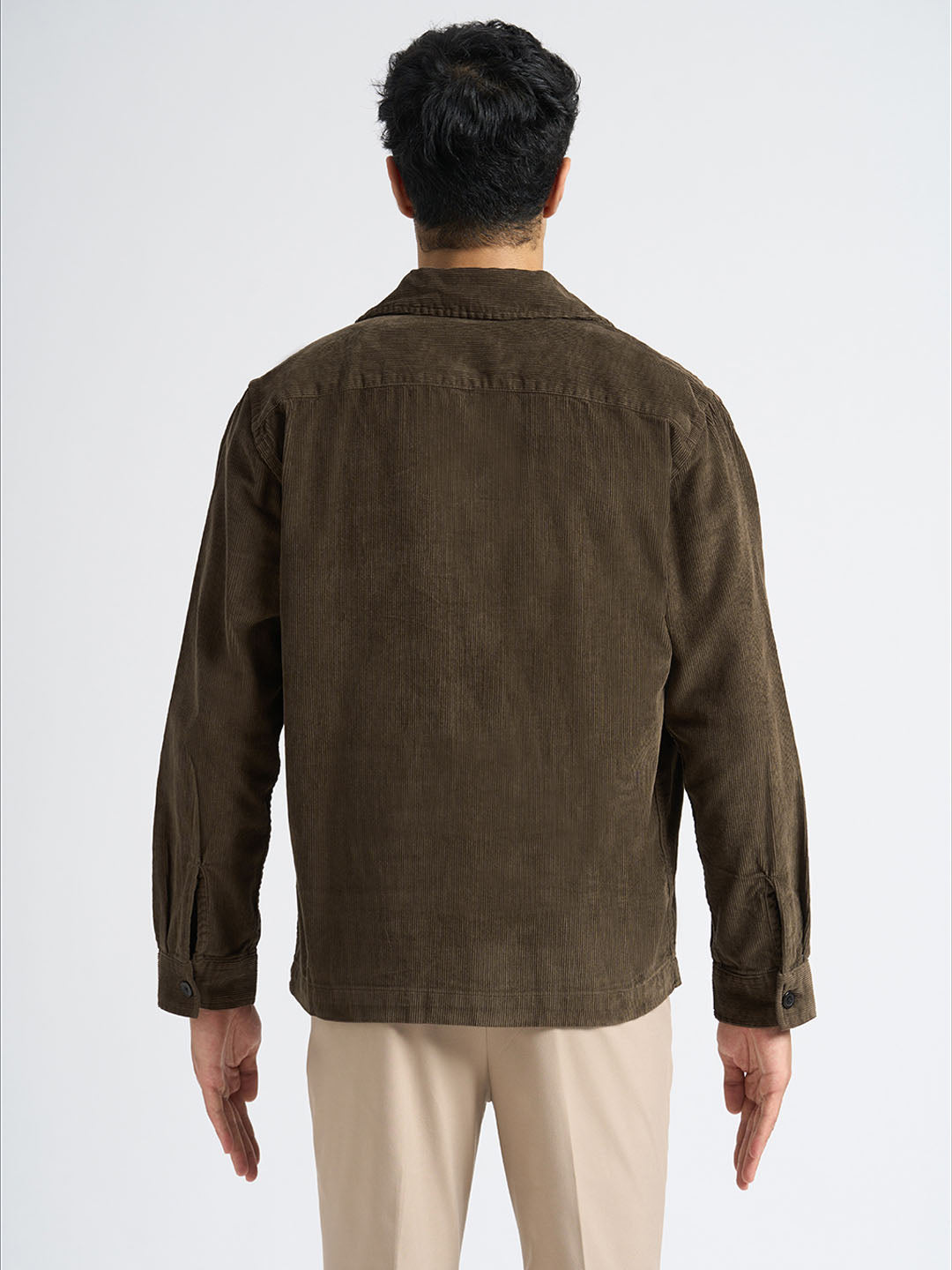
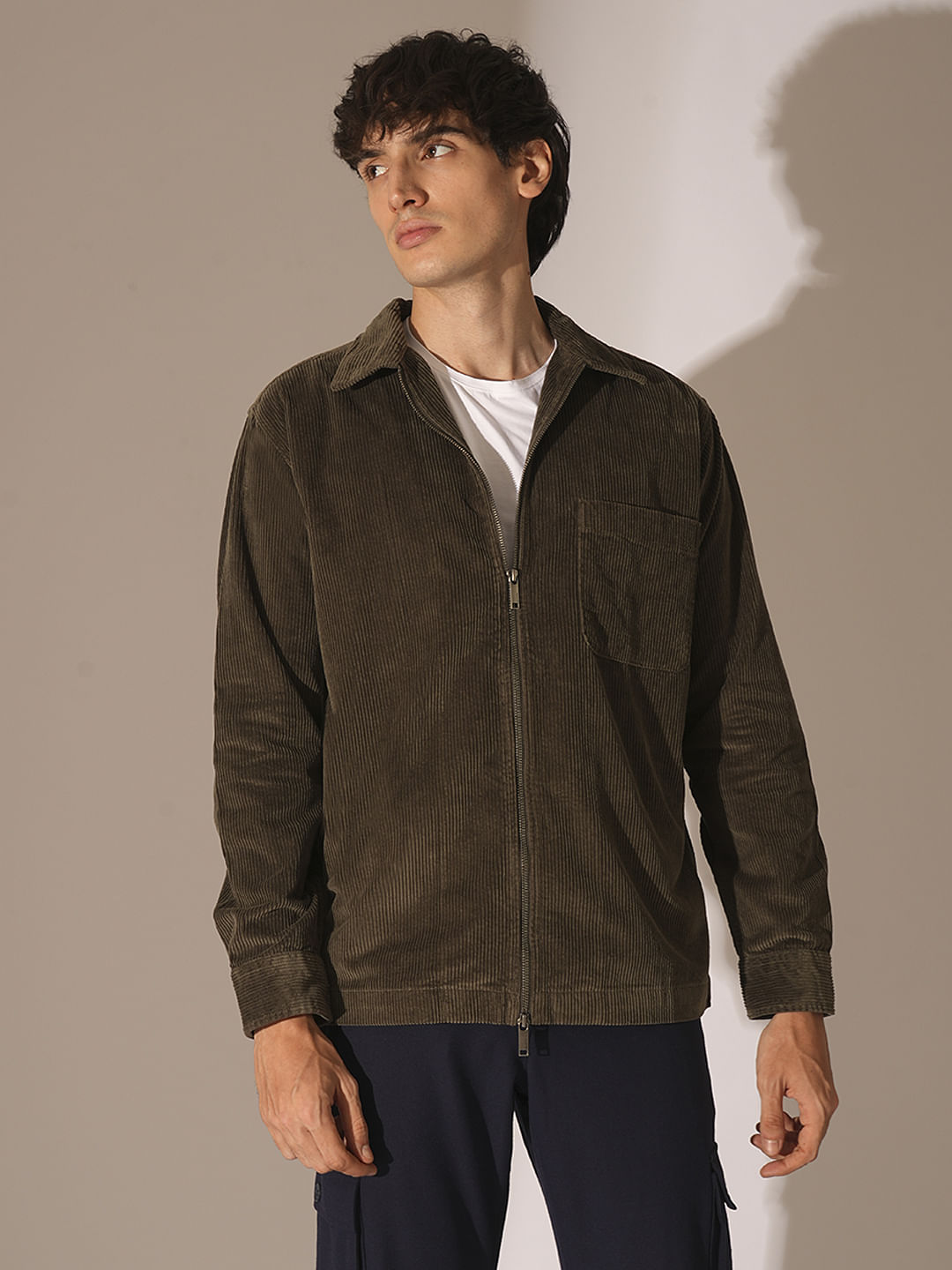
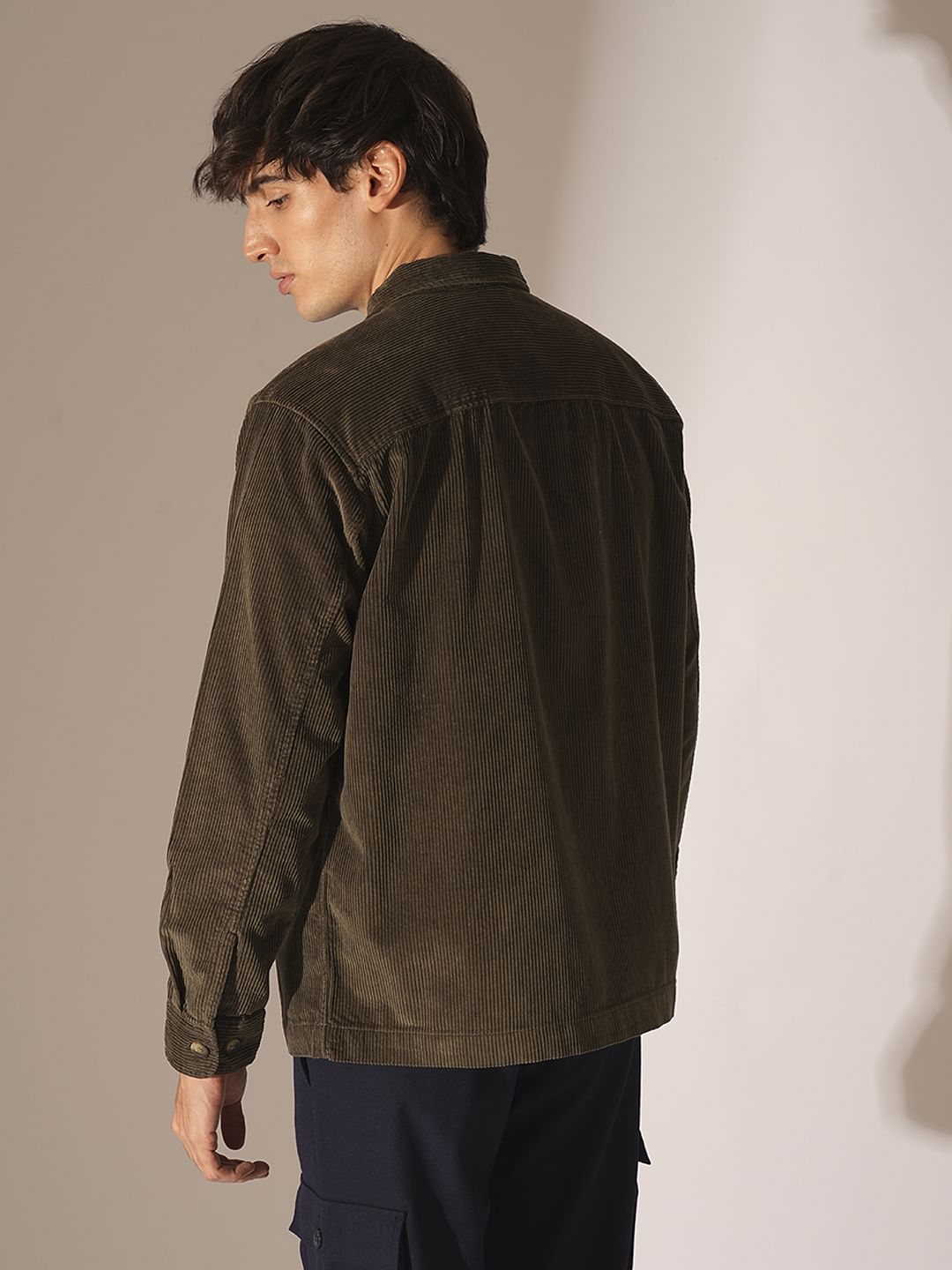
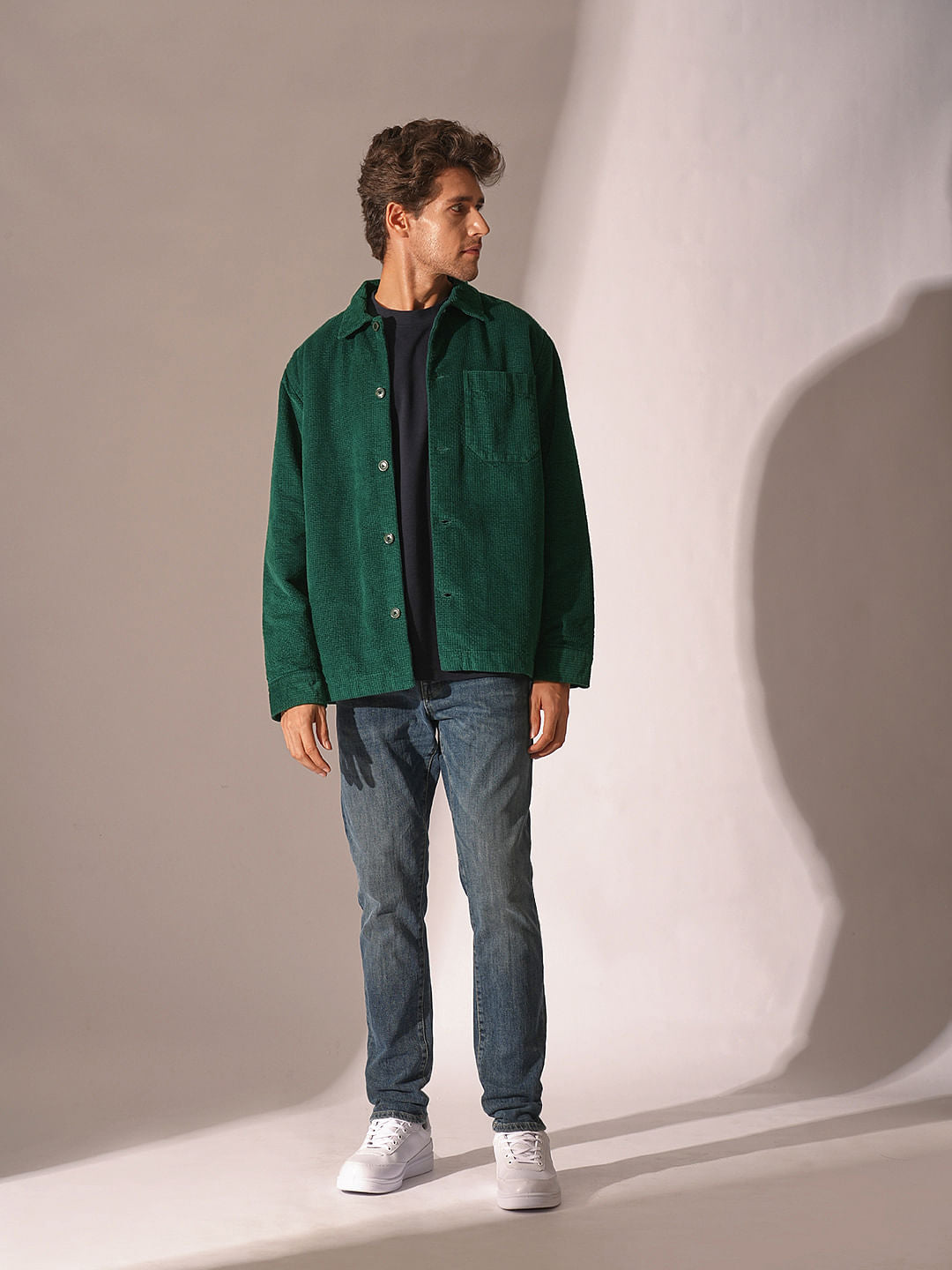
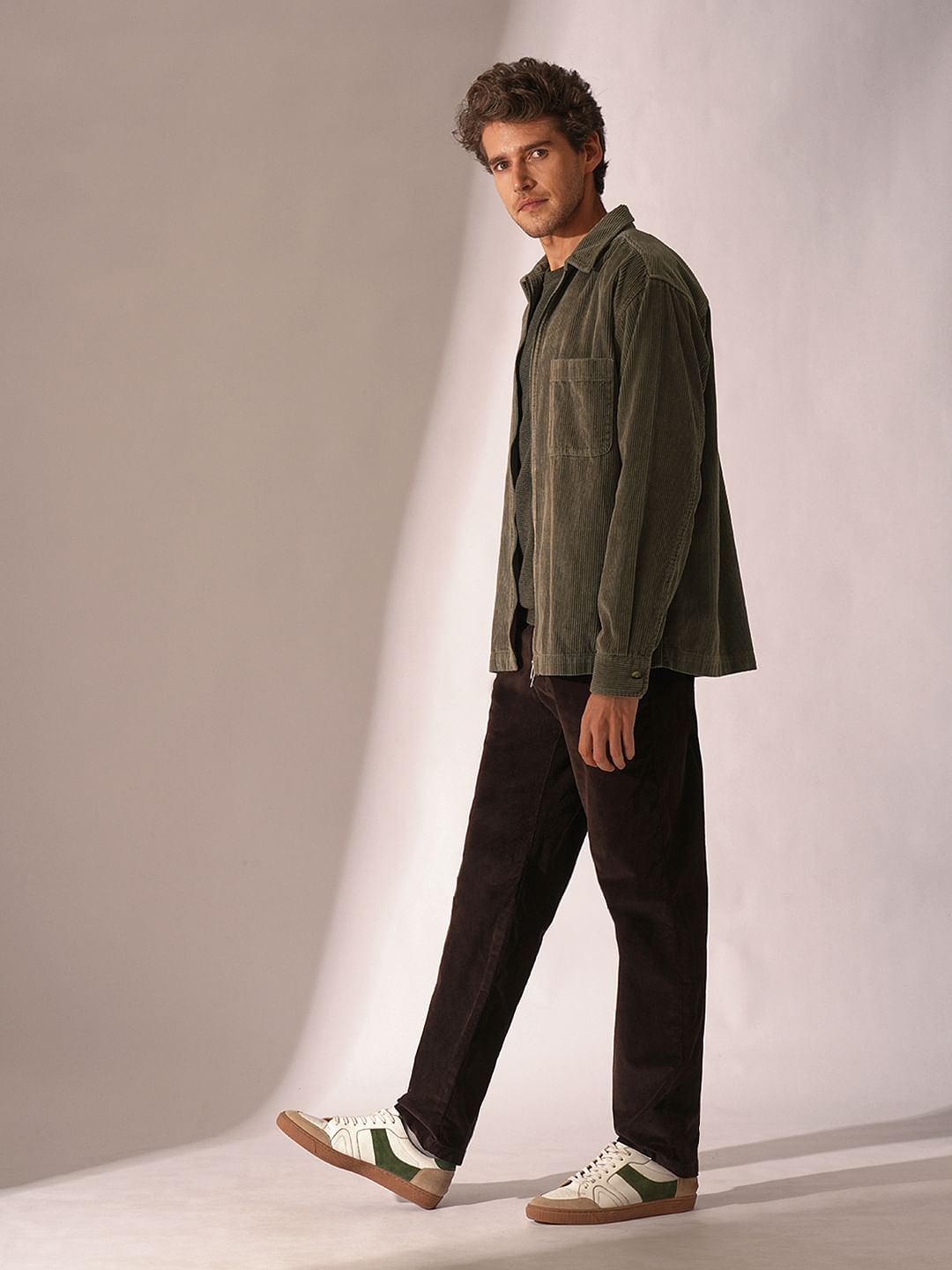
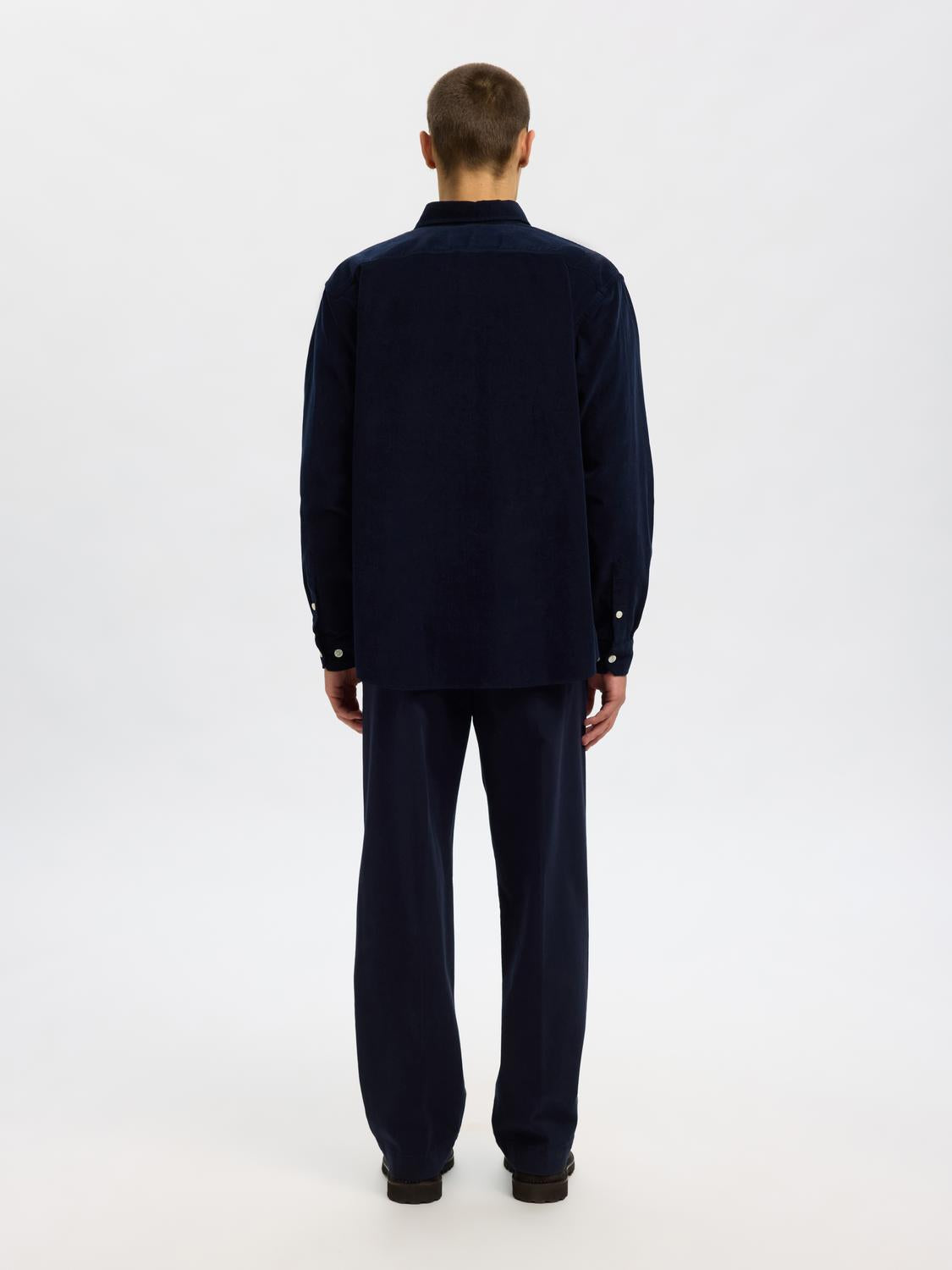
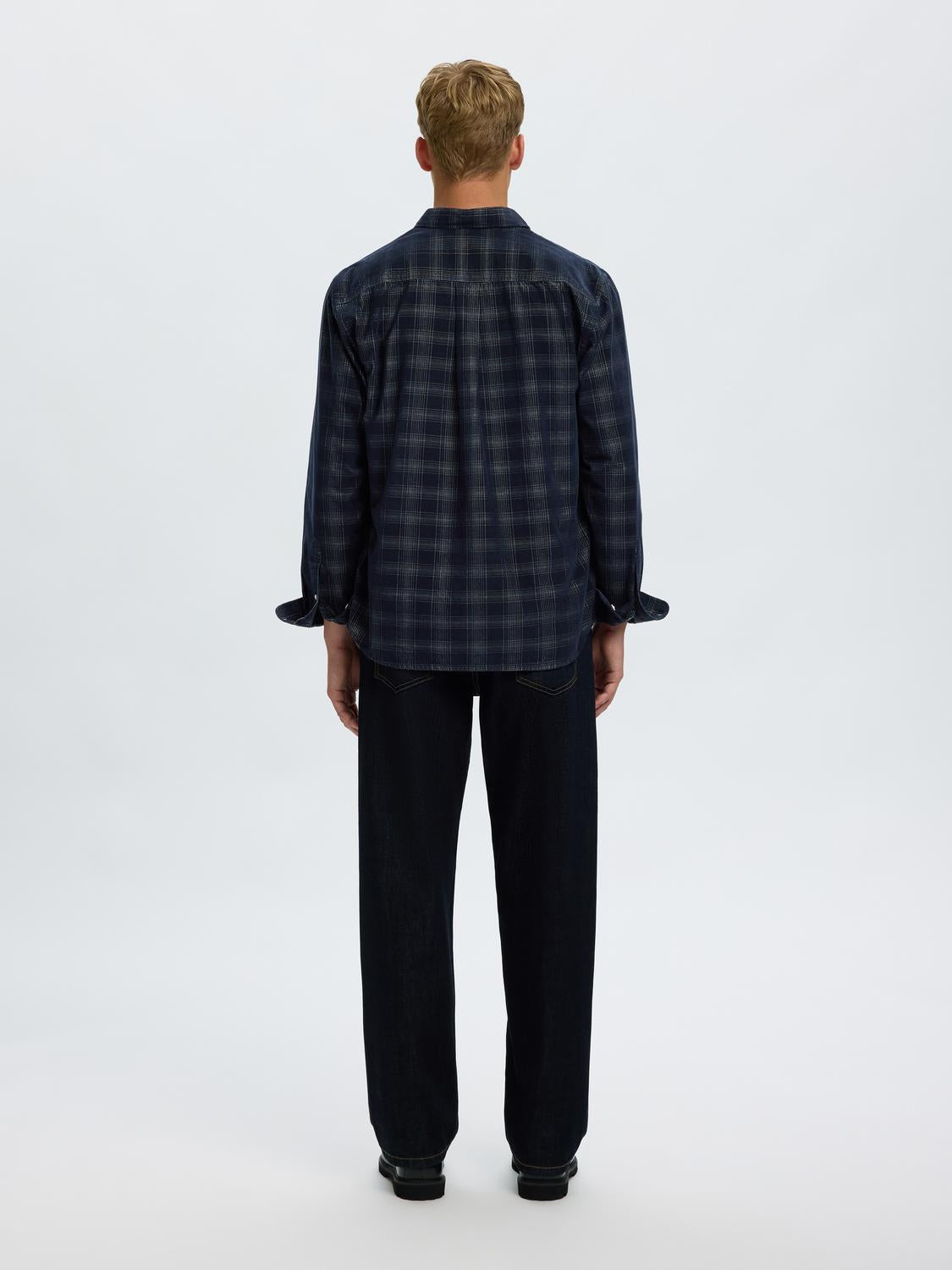
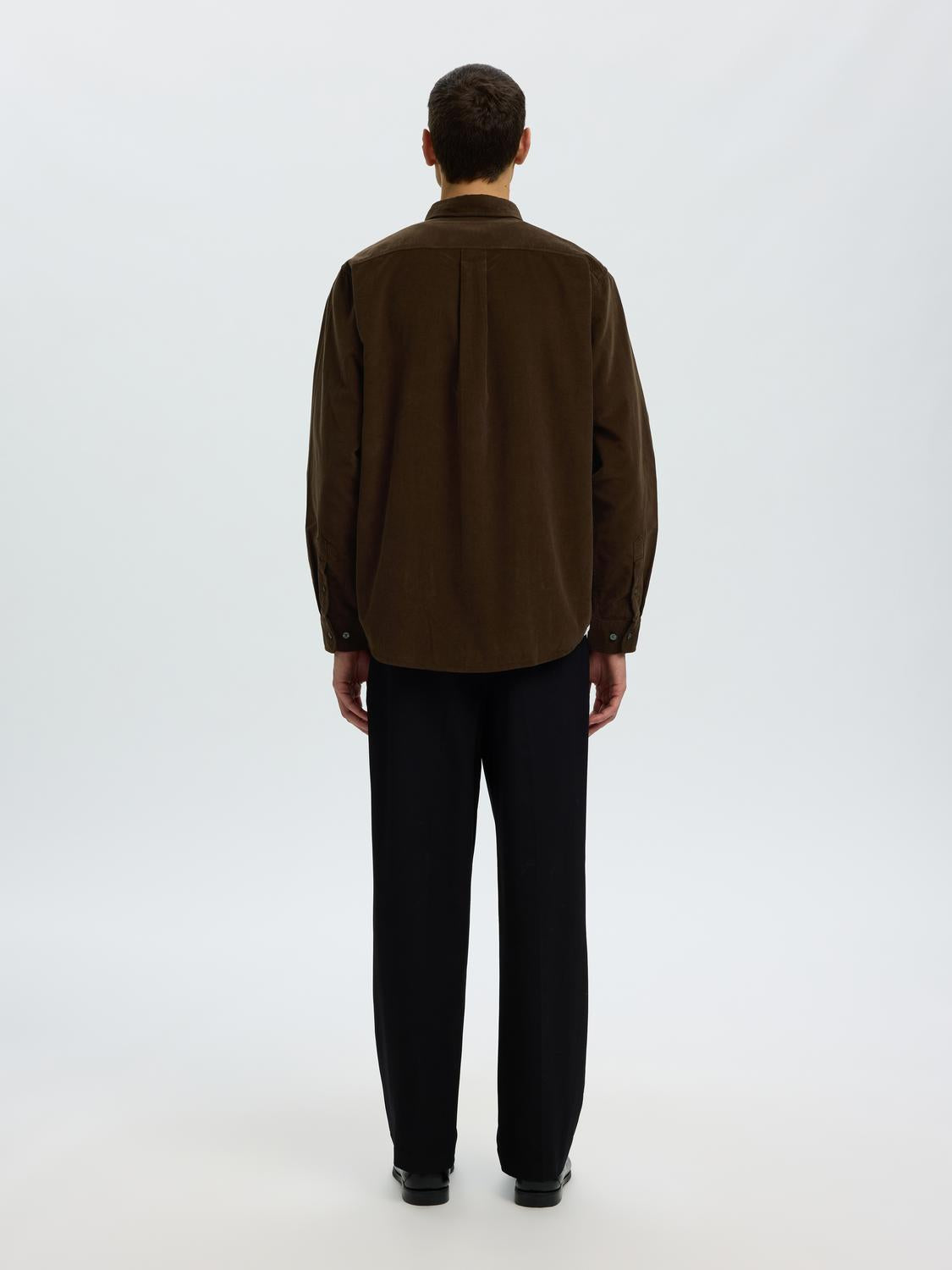
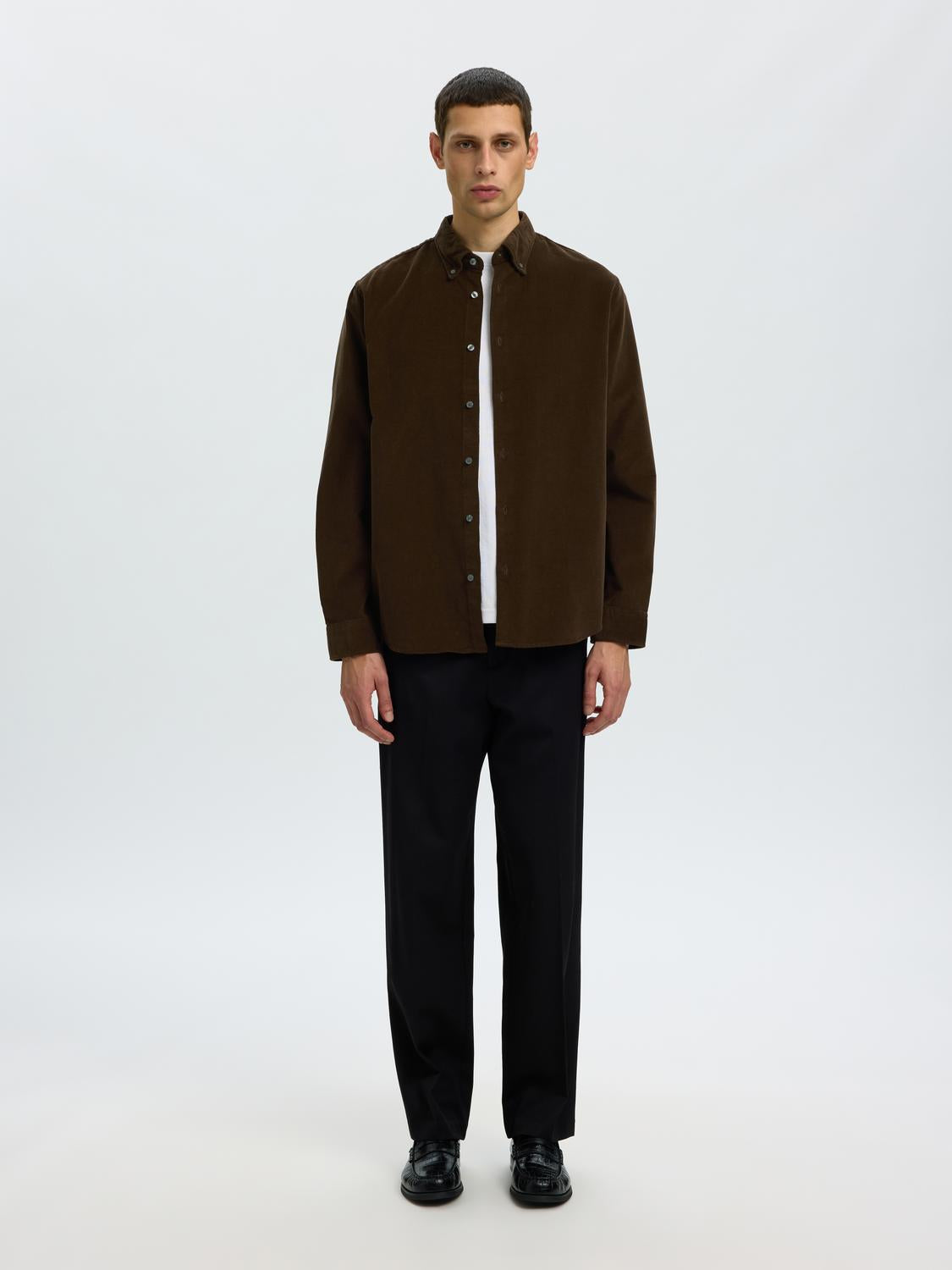
Two quick checks. The shoulder seam should land at the edge of your shoulder, not halfway down your arm. And if you plan to wear it open like an overshirt, the hem should end around your zip. Any longer and it starts to swallow you. Fit details for each style.
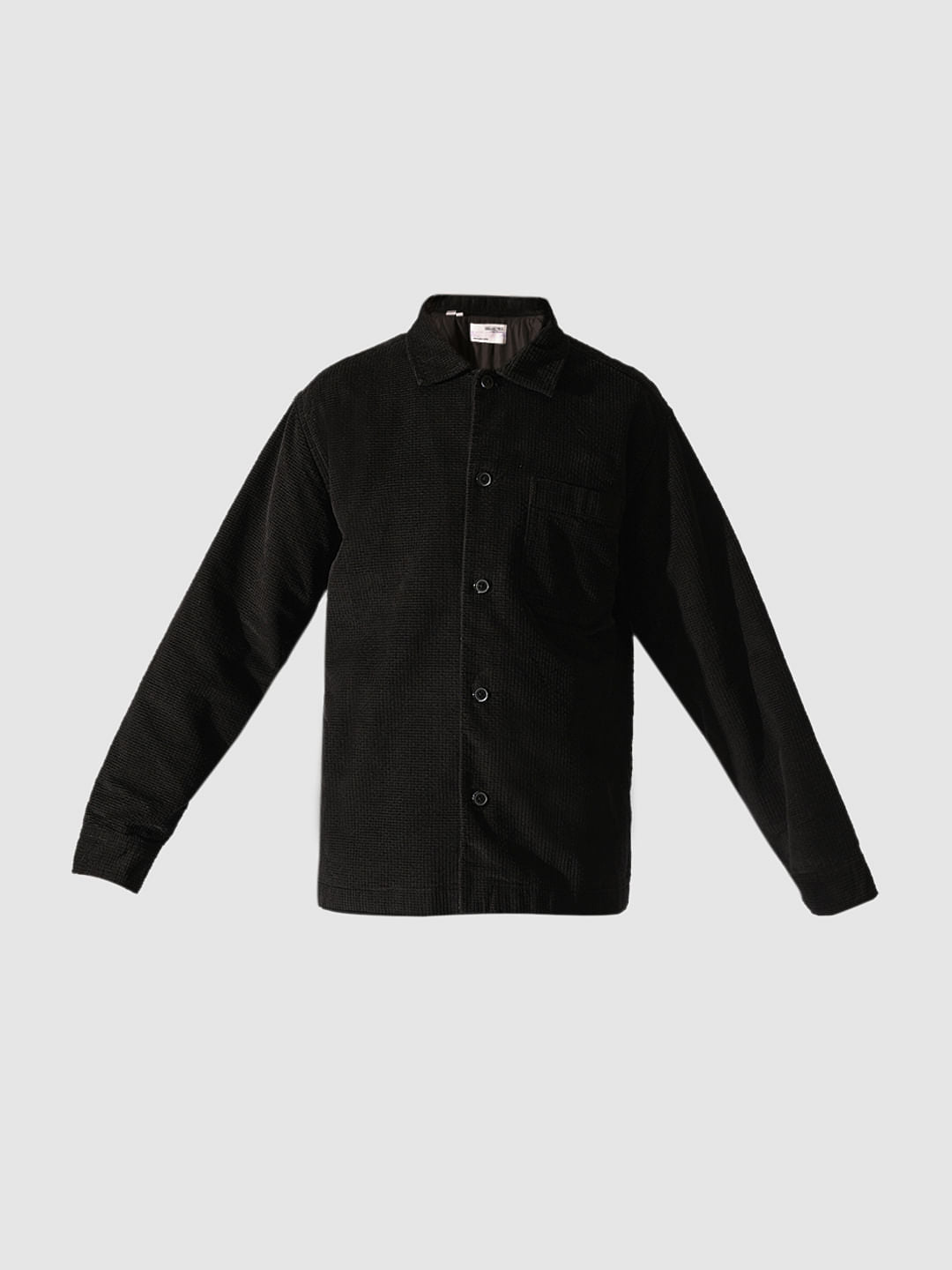
The Black Corduroy Shirt: Sharp After Dark
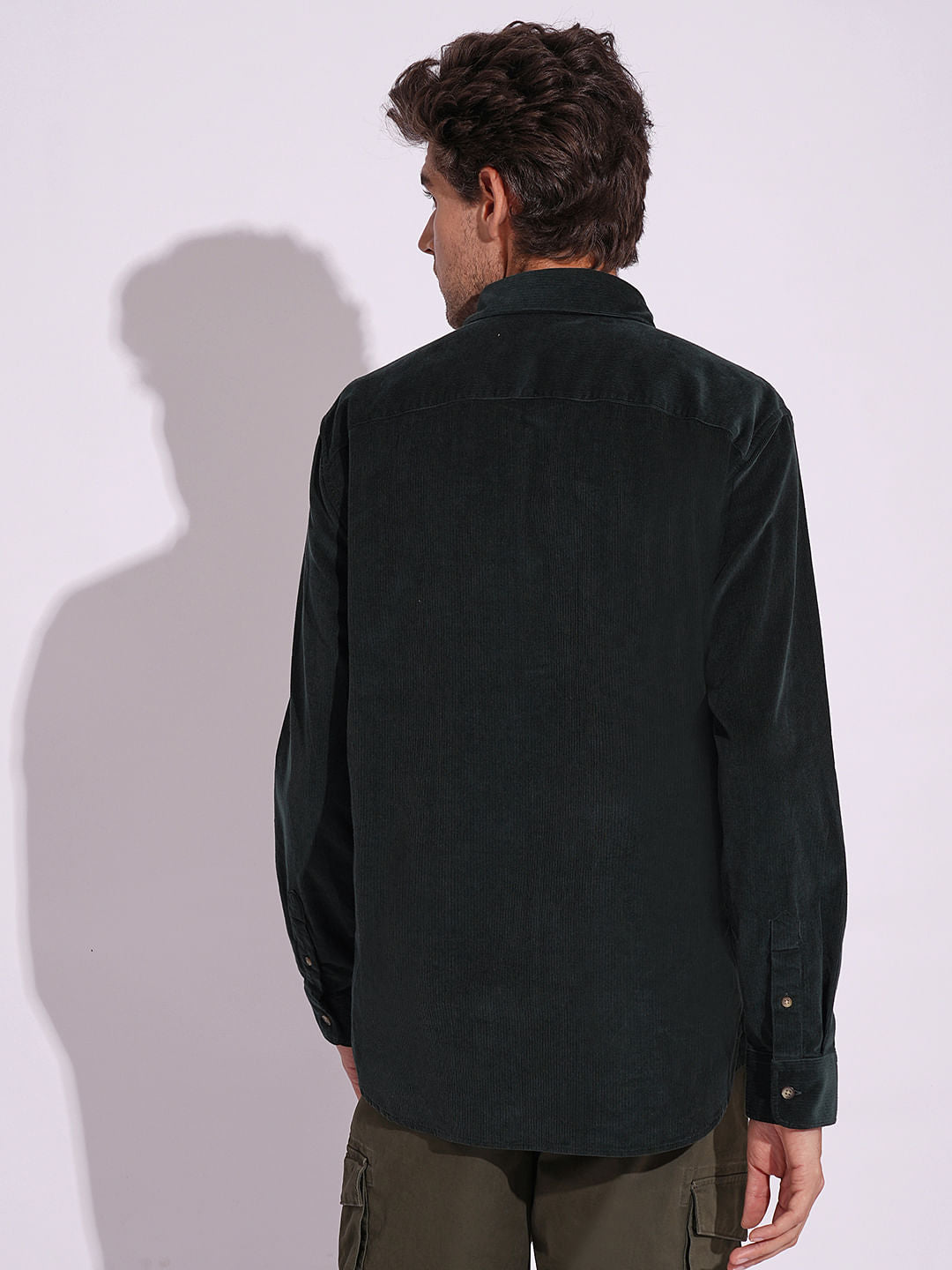
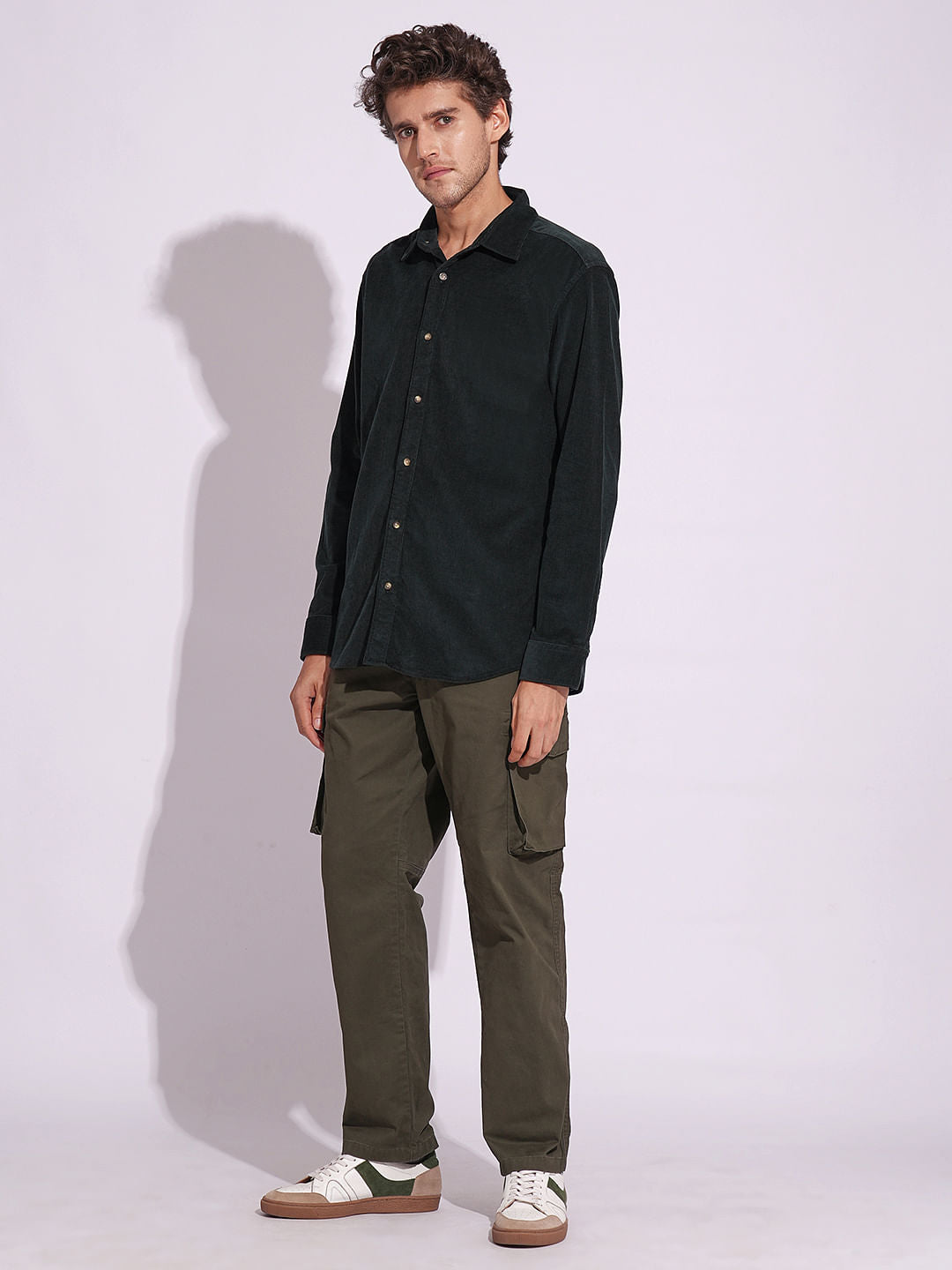
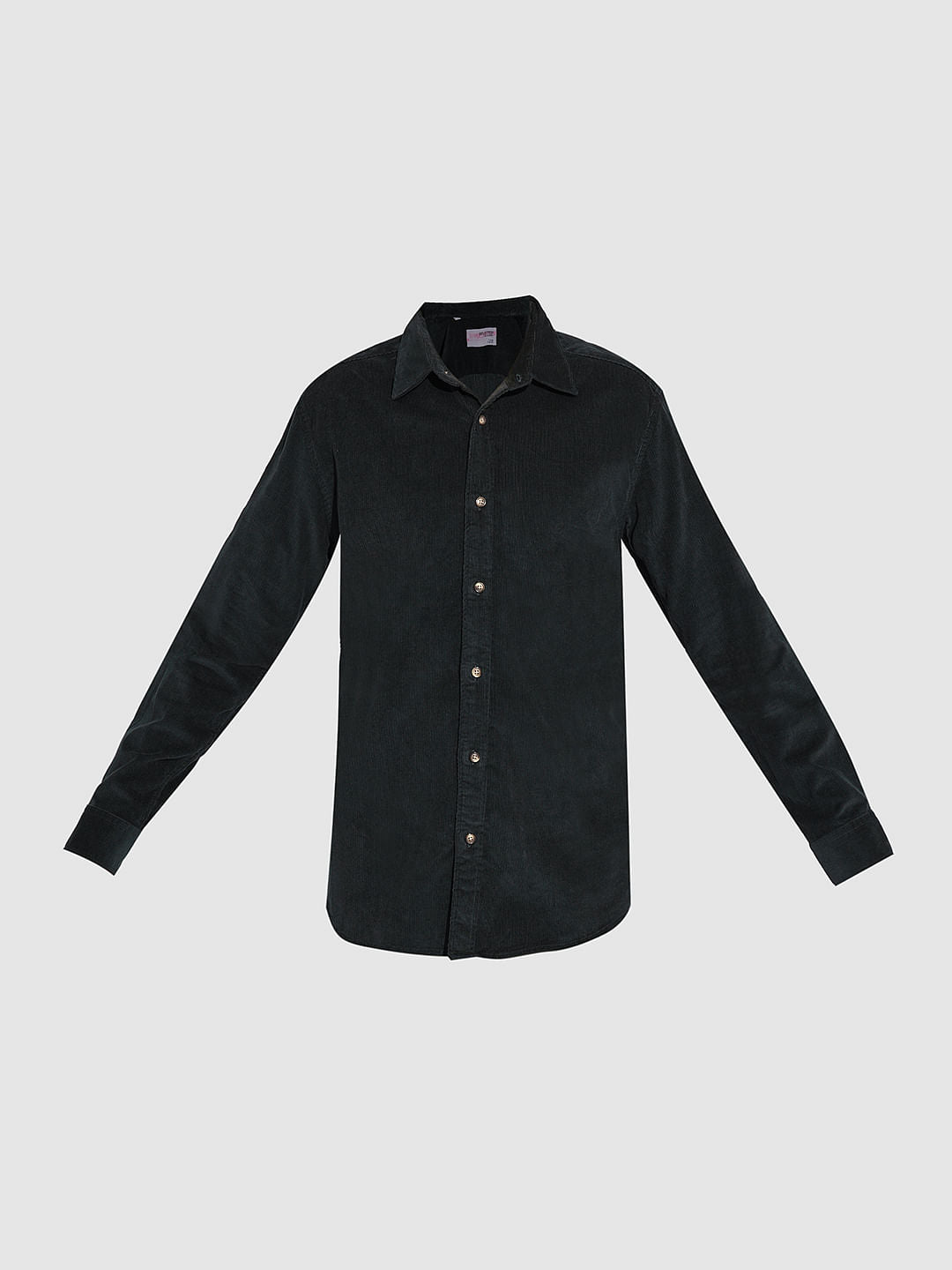
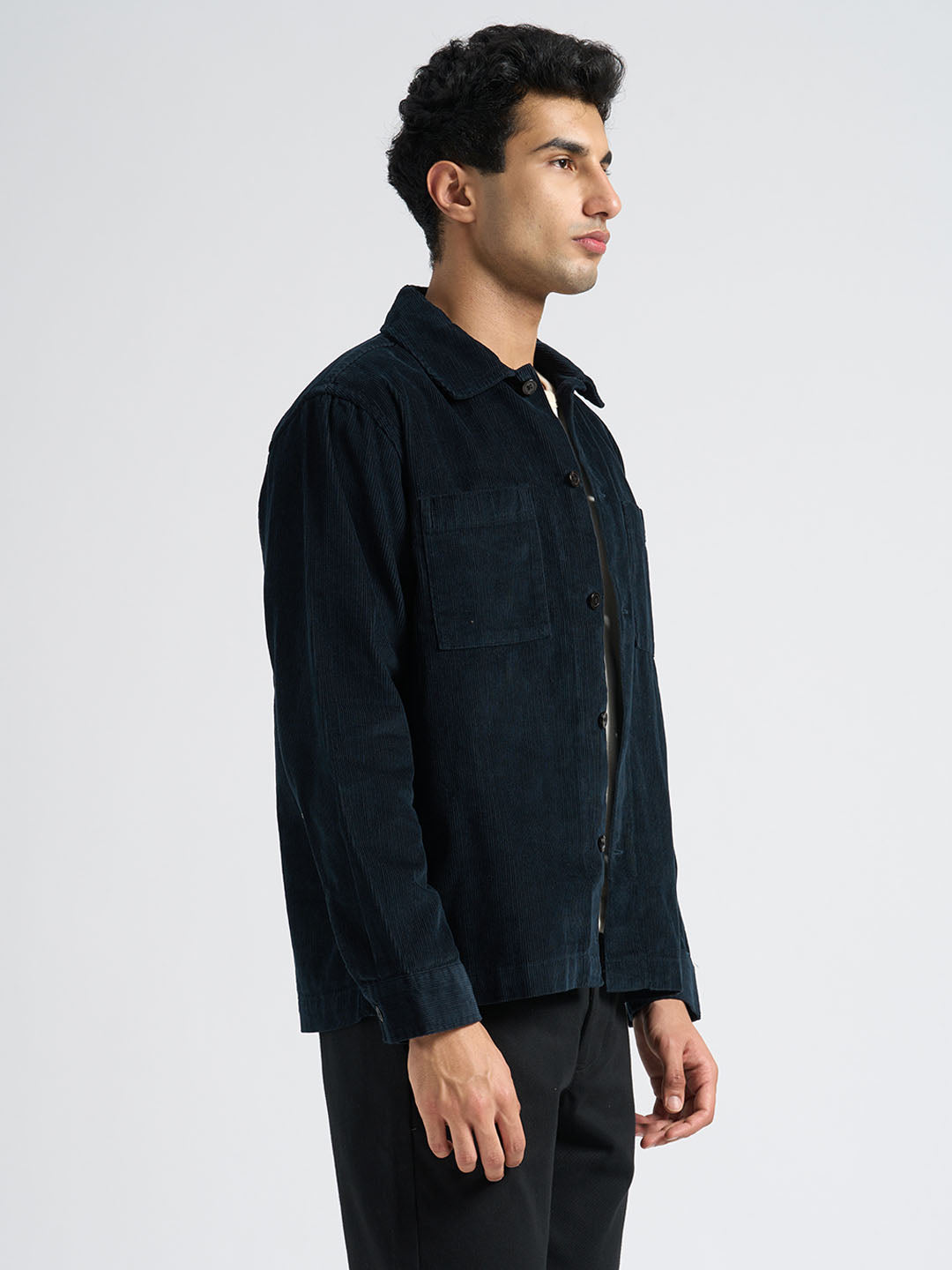
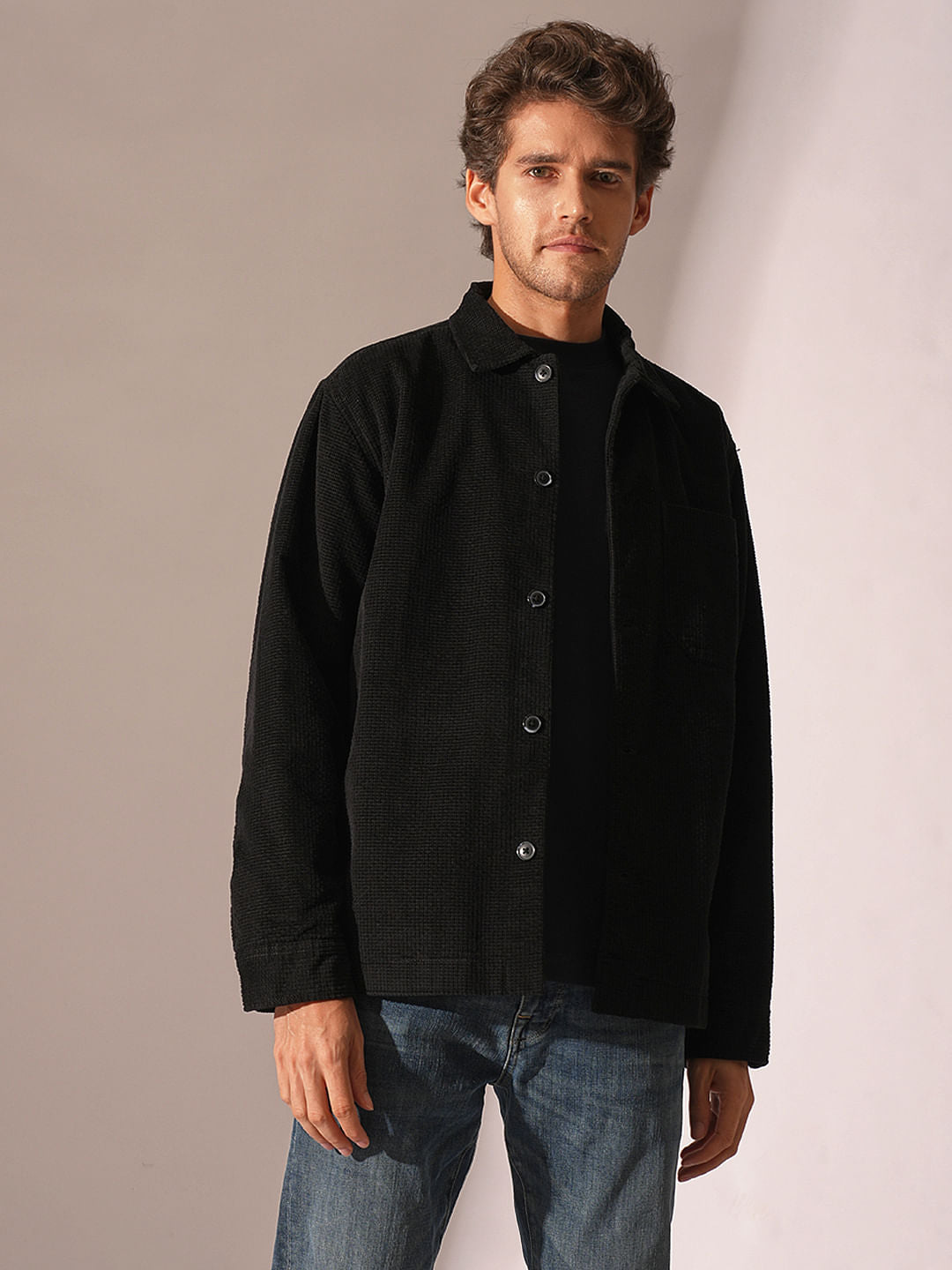
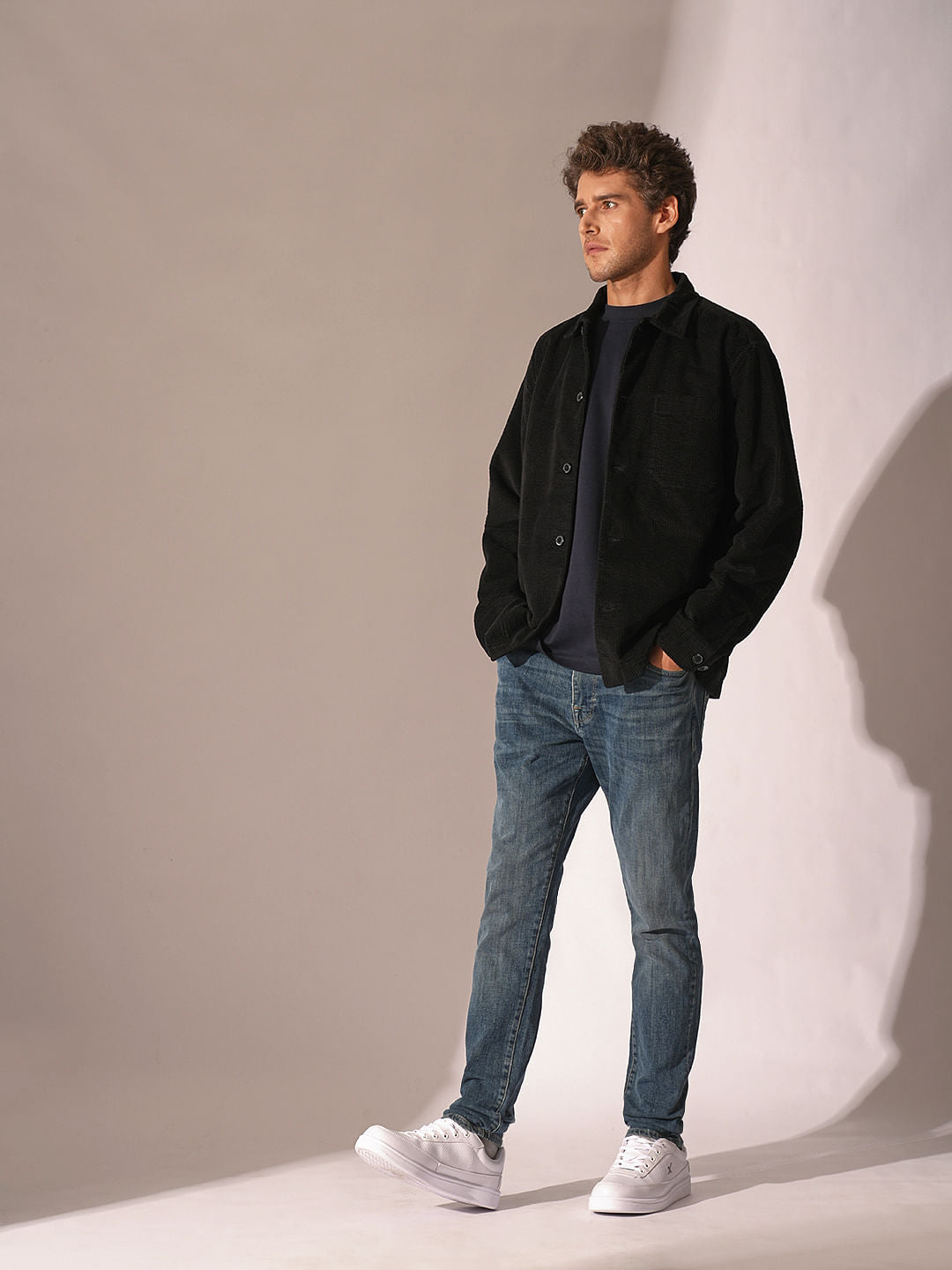
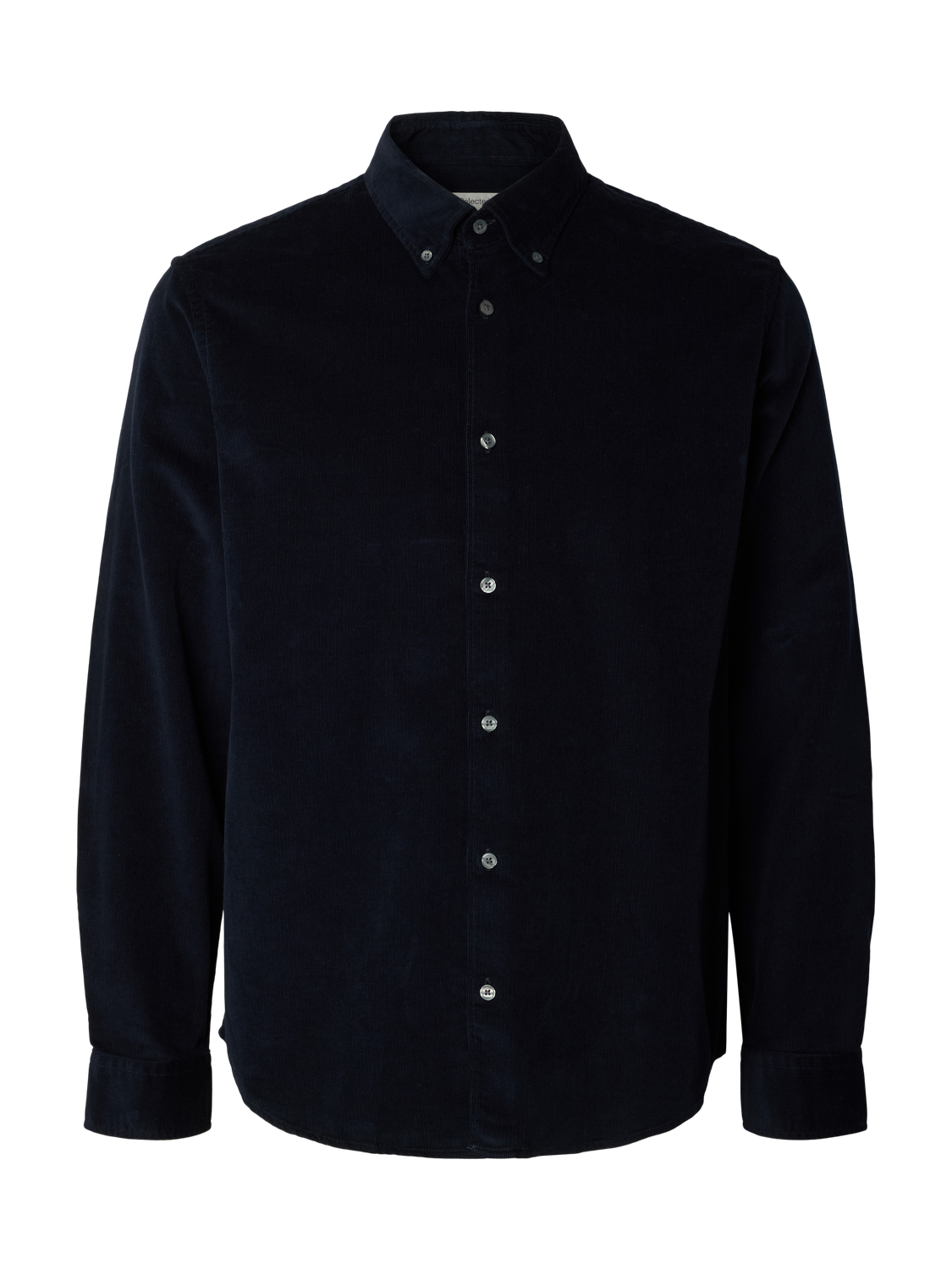
Plain black cotton can look flat, almost like a uniform. A black corduroy shirt doesn’t, because the texture catches the light and gives the colour some depth. Wear it with charcoal trousers to dinner, or with dark indigo denim and brown boots when you want it a little less serious. Black on black works too, but change the texture somewhere: a knit, a suede shoe. Otherwise it goes flat again.
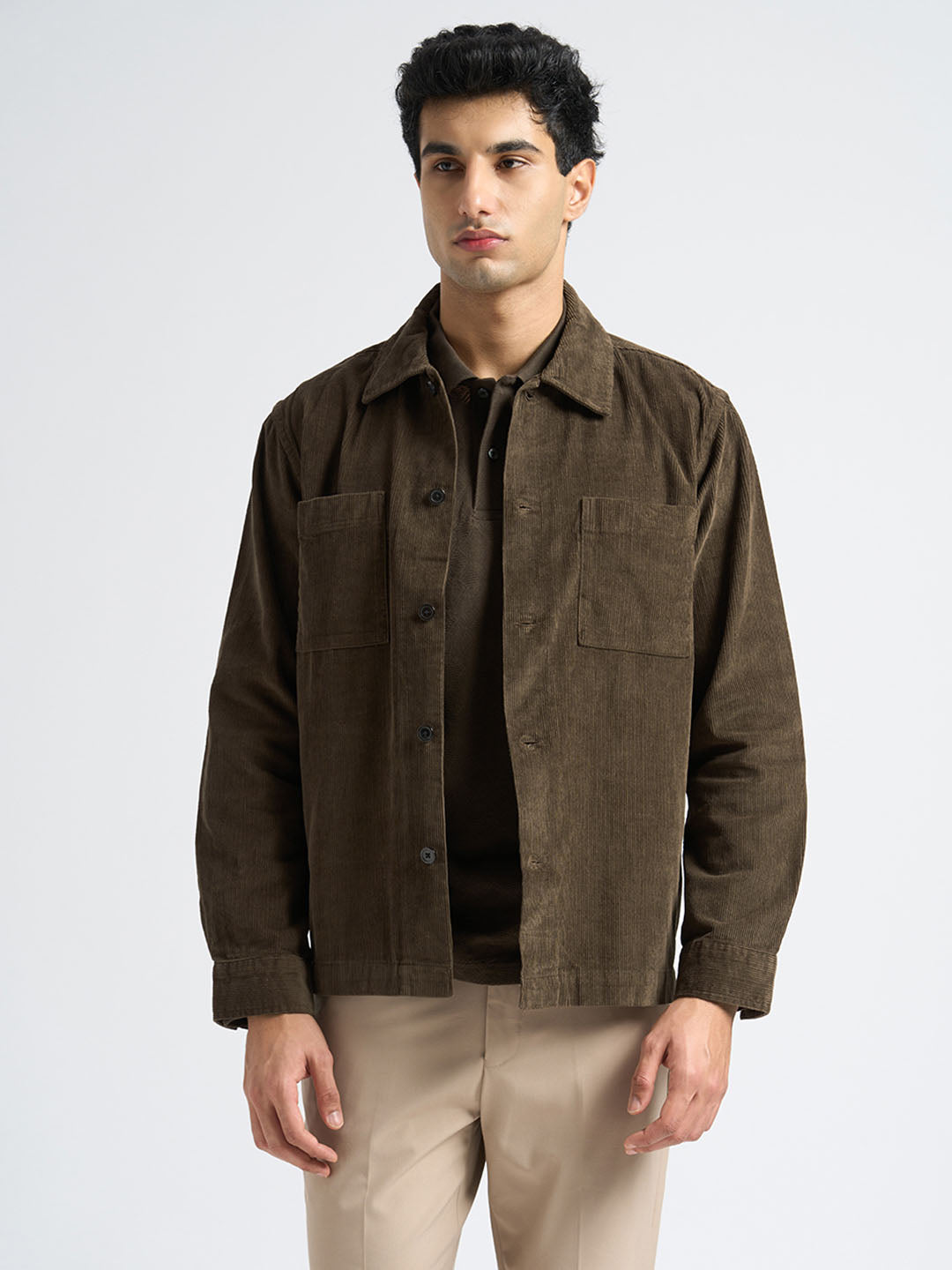
The Brown Corduroy Shirt: Easiest to Live In
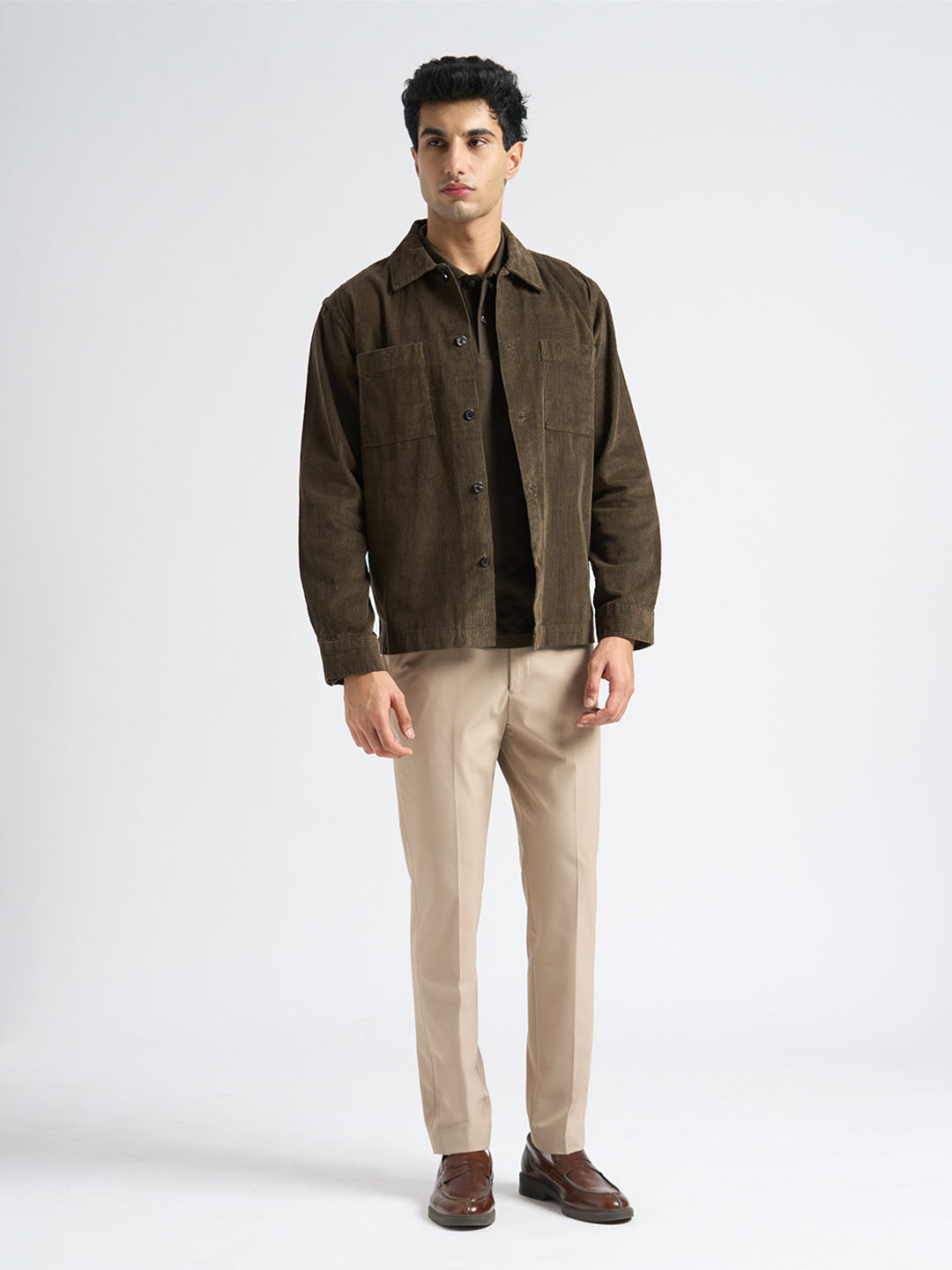
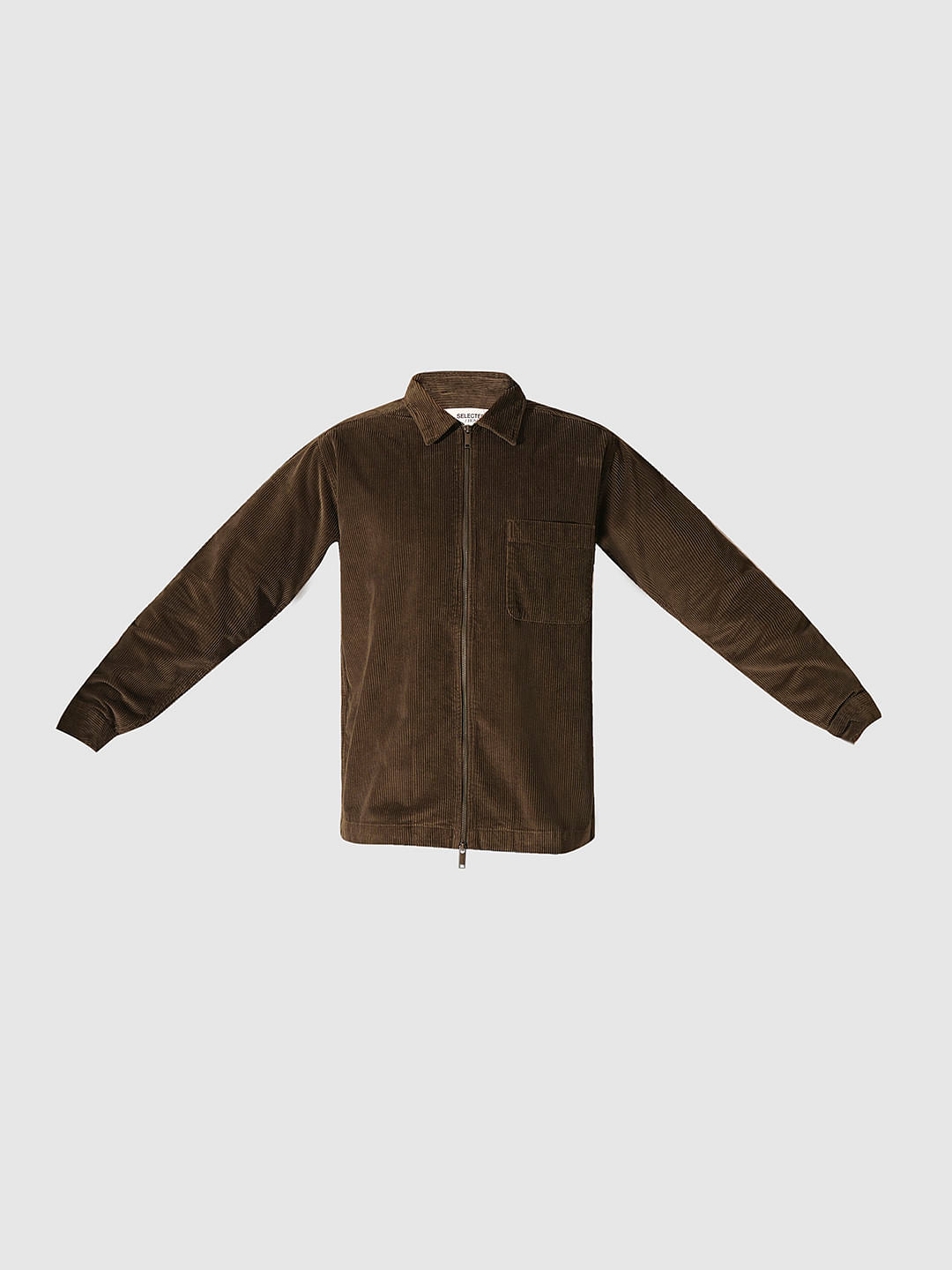
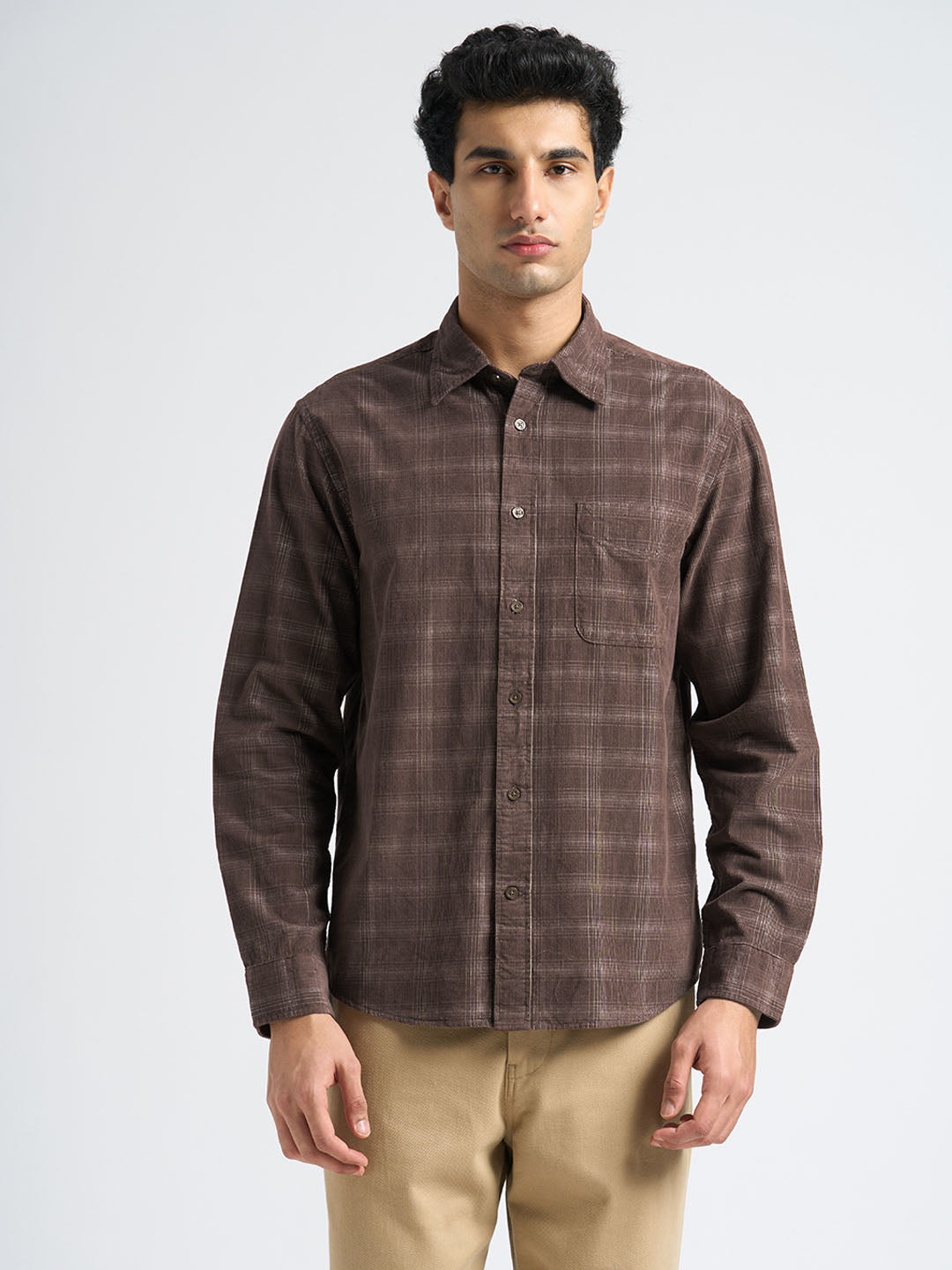
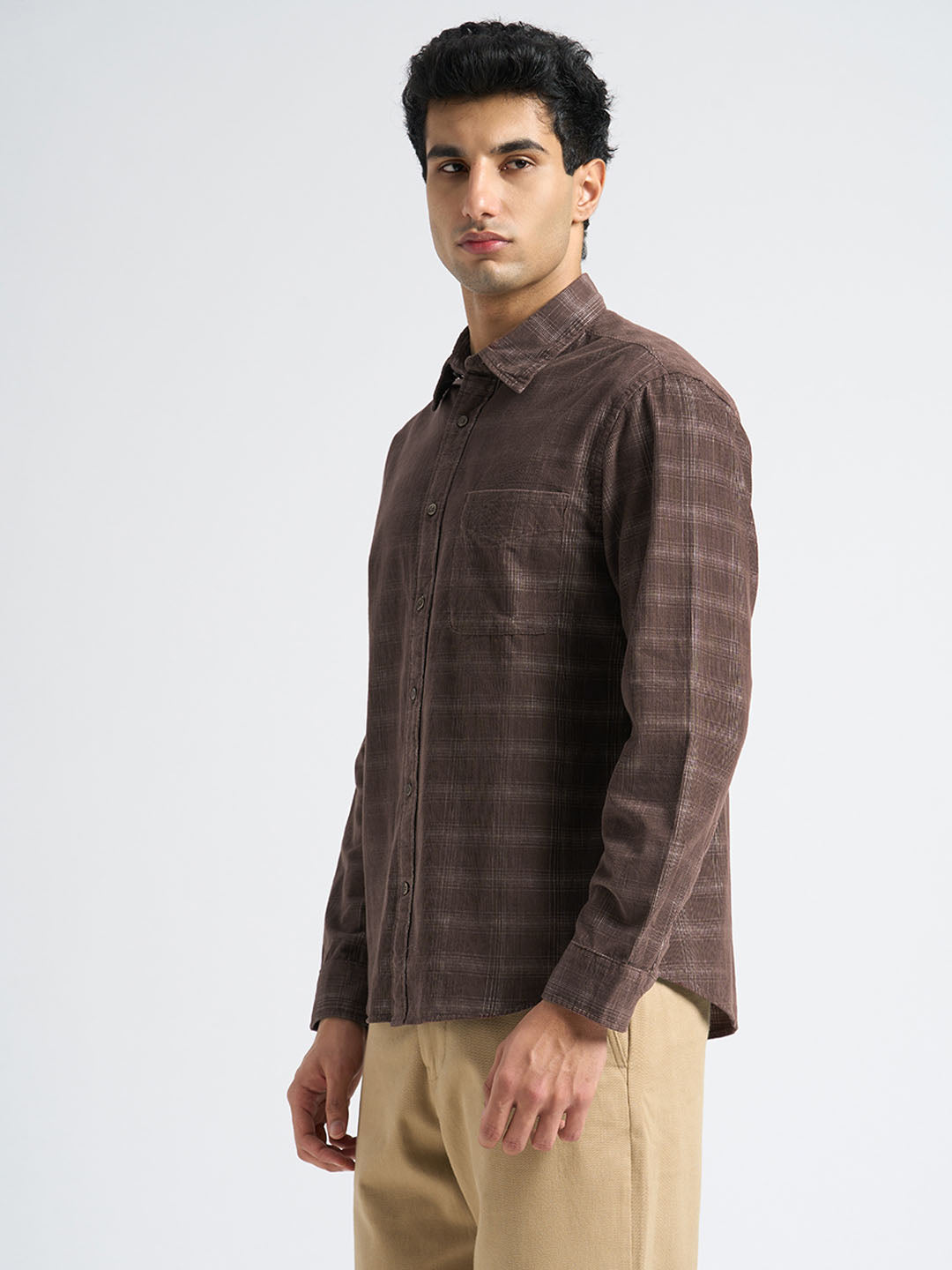
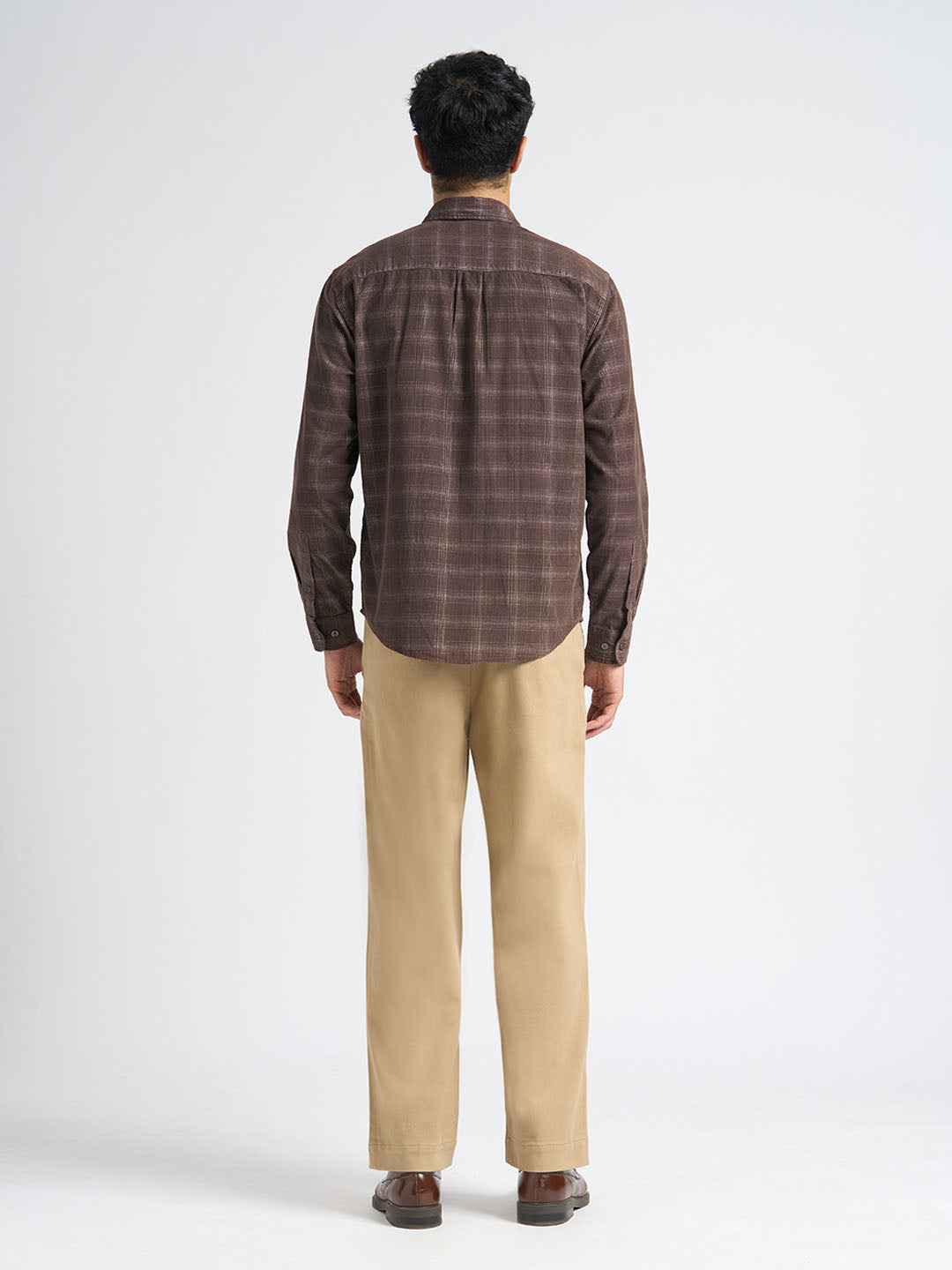
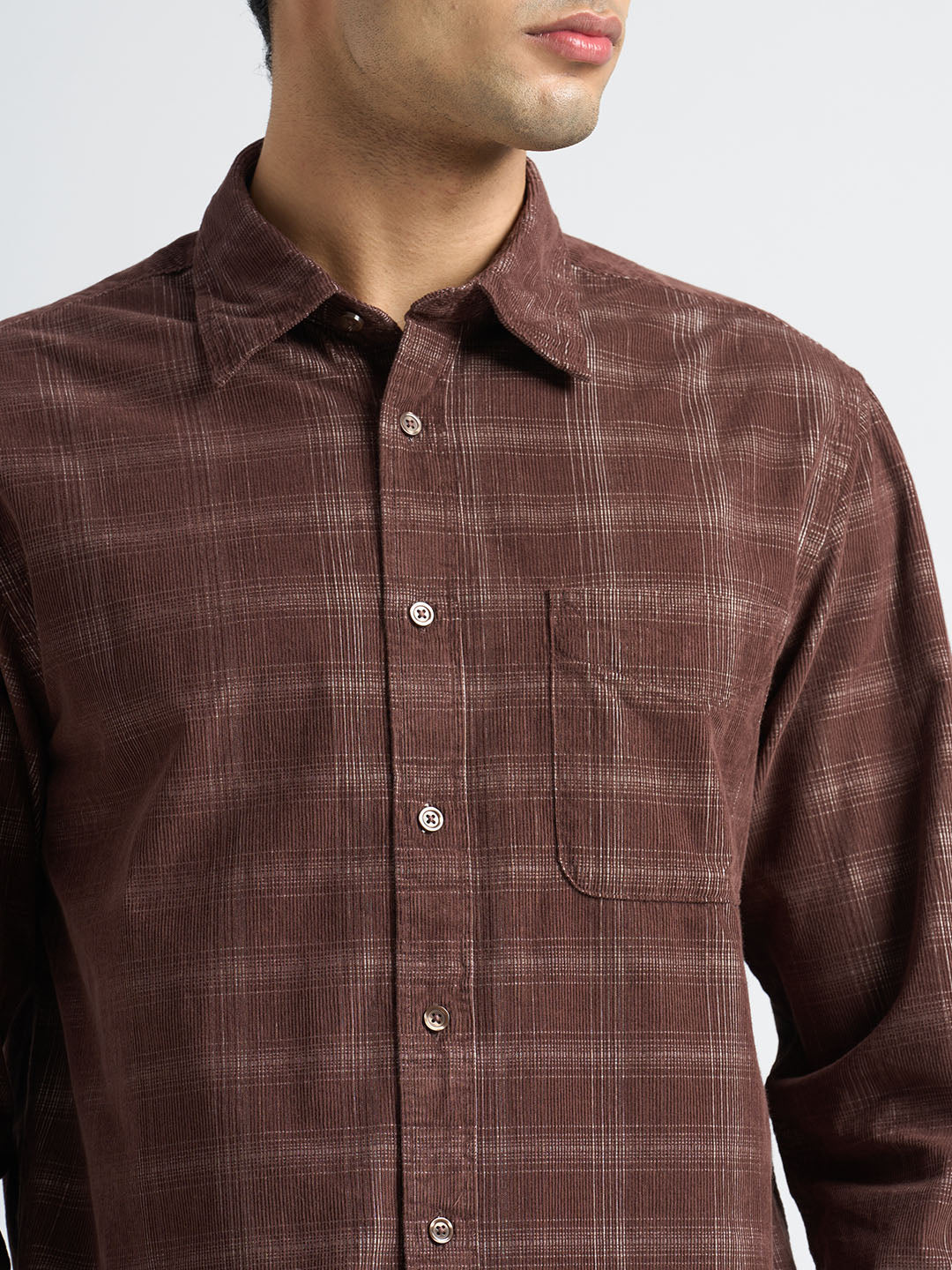
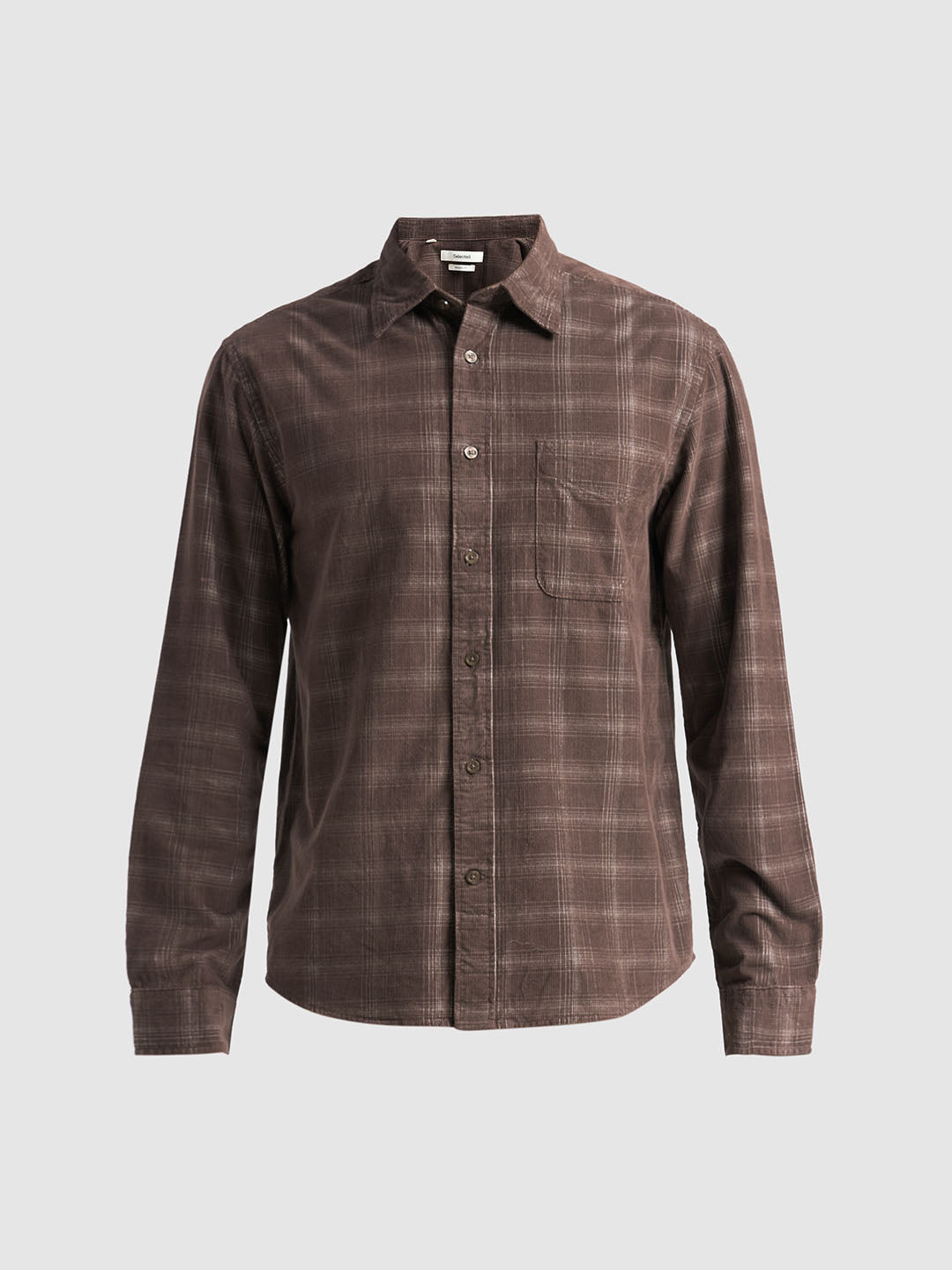
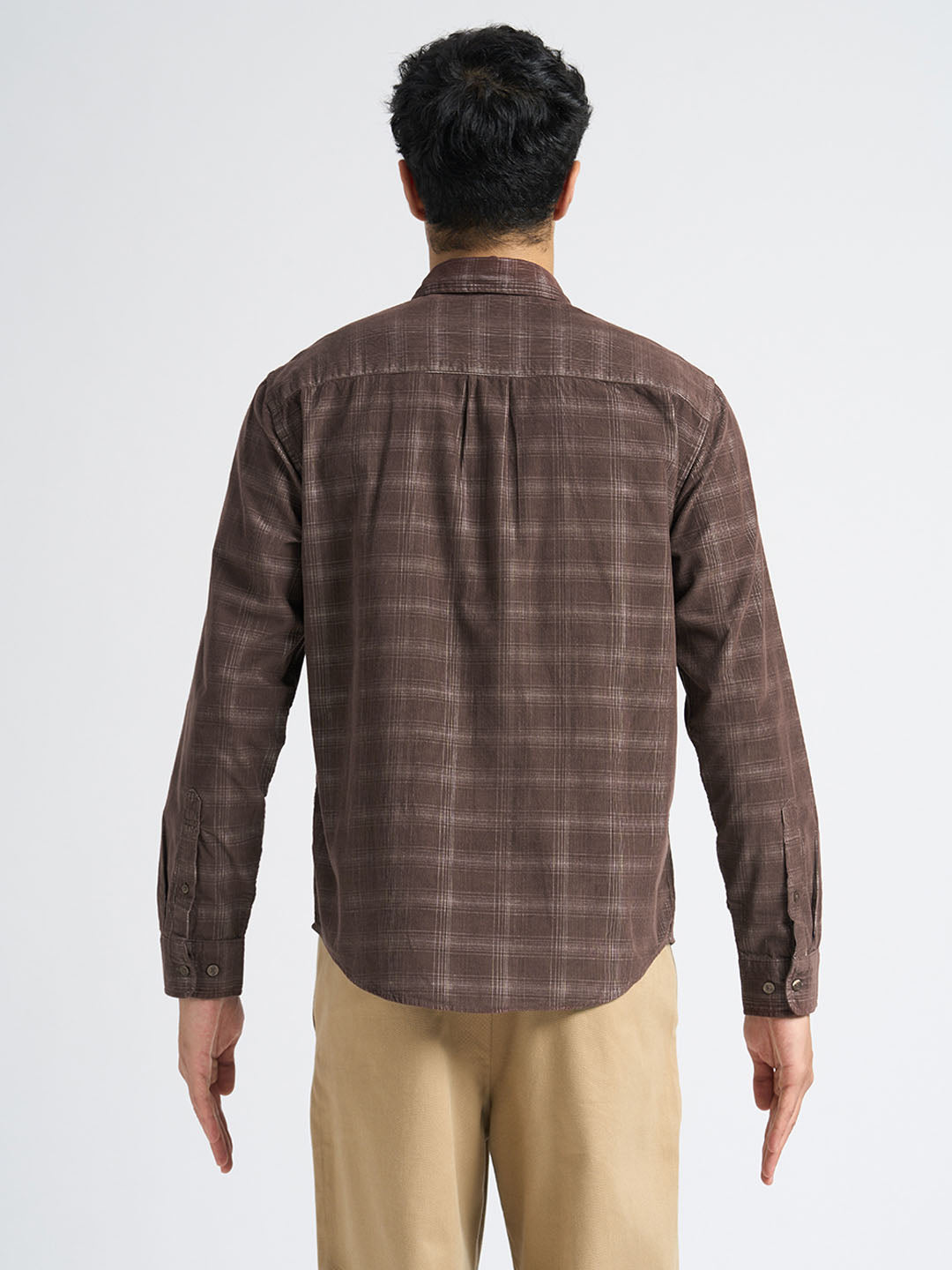
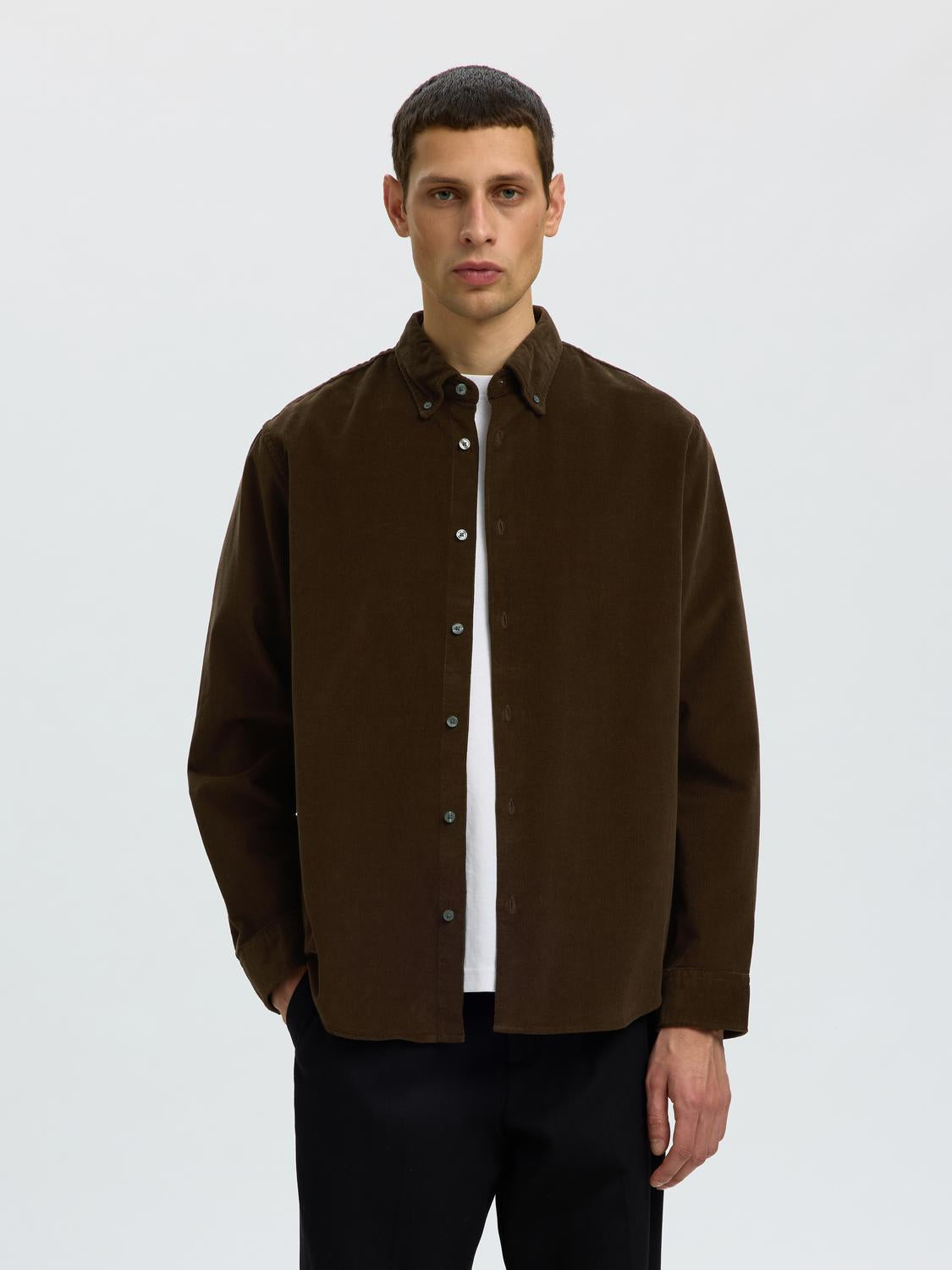
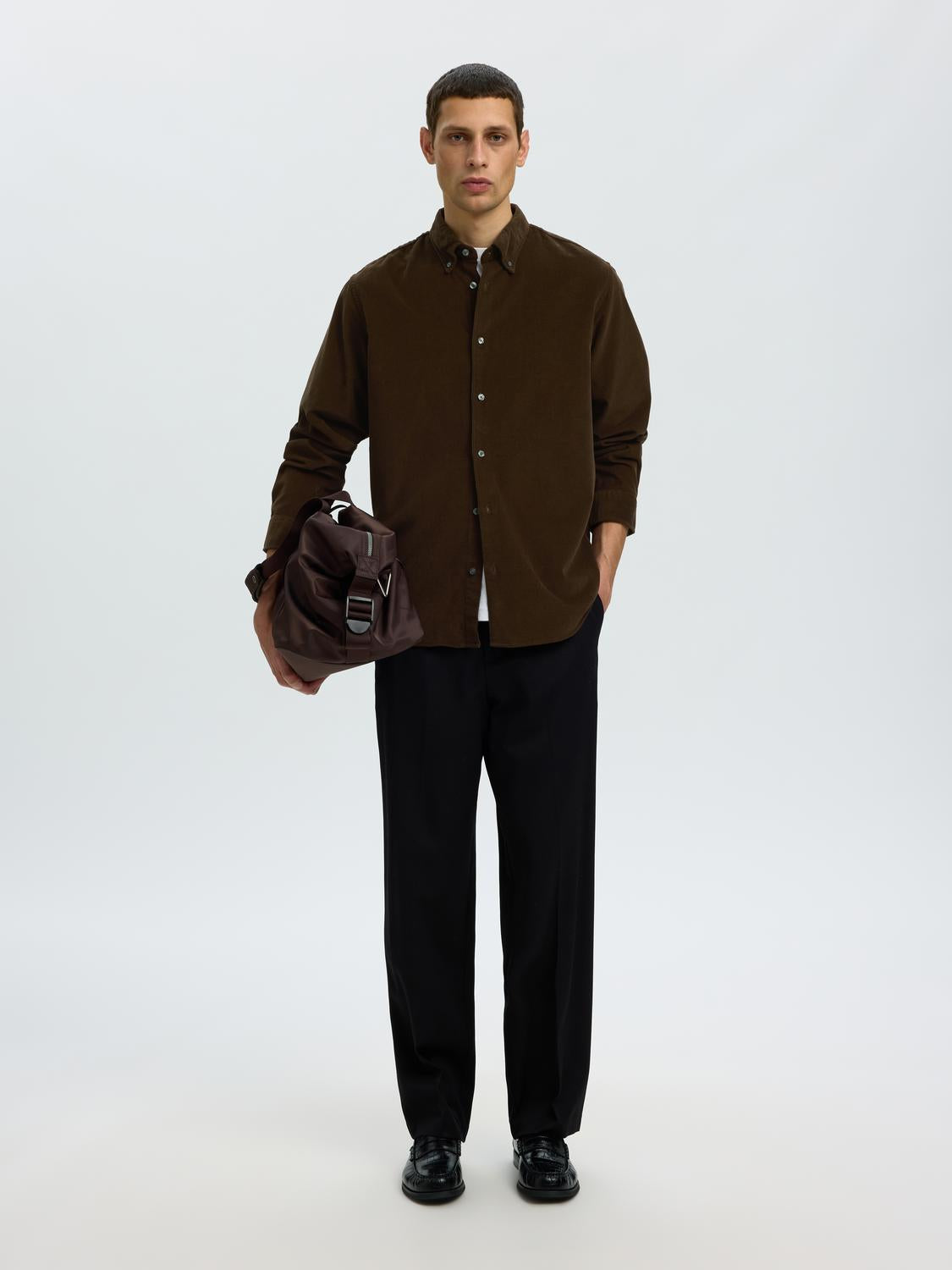
If you’re only buying one, buy the brown. It acts like a neutral, so it goes with nearly everything you own: cream and stone trousers, navy denim, olive chinos once the weather turns. Tan shoes pick up the warmth. Dark brown ones keep things more formal. Go for a rich mid-brown over a pale one, which can look dusty under office lighting. With chinos and loafers on a Friday, it looks like you made an effort without making a fuss.
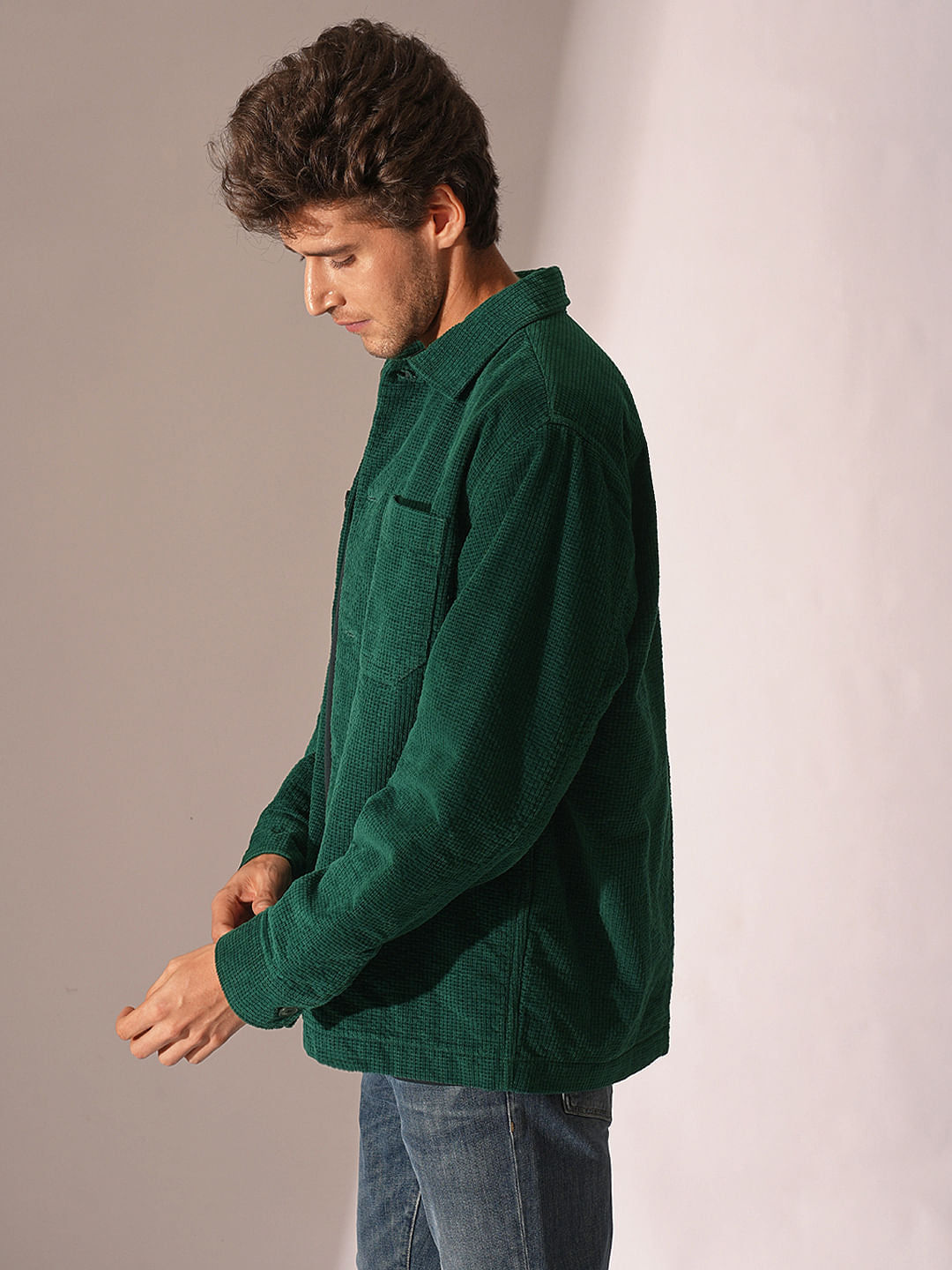
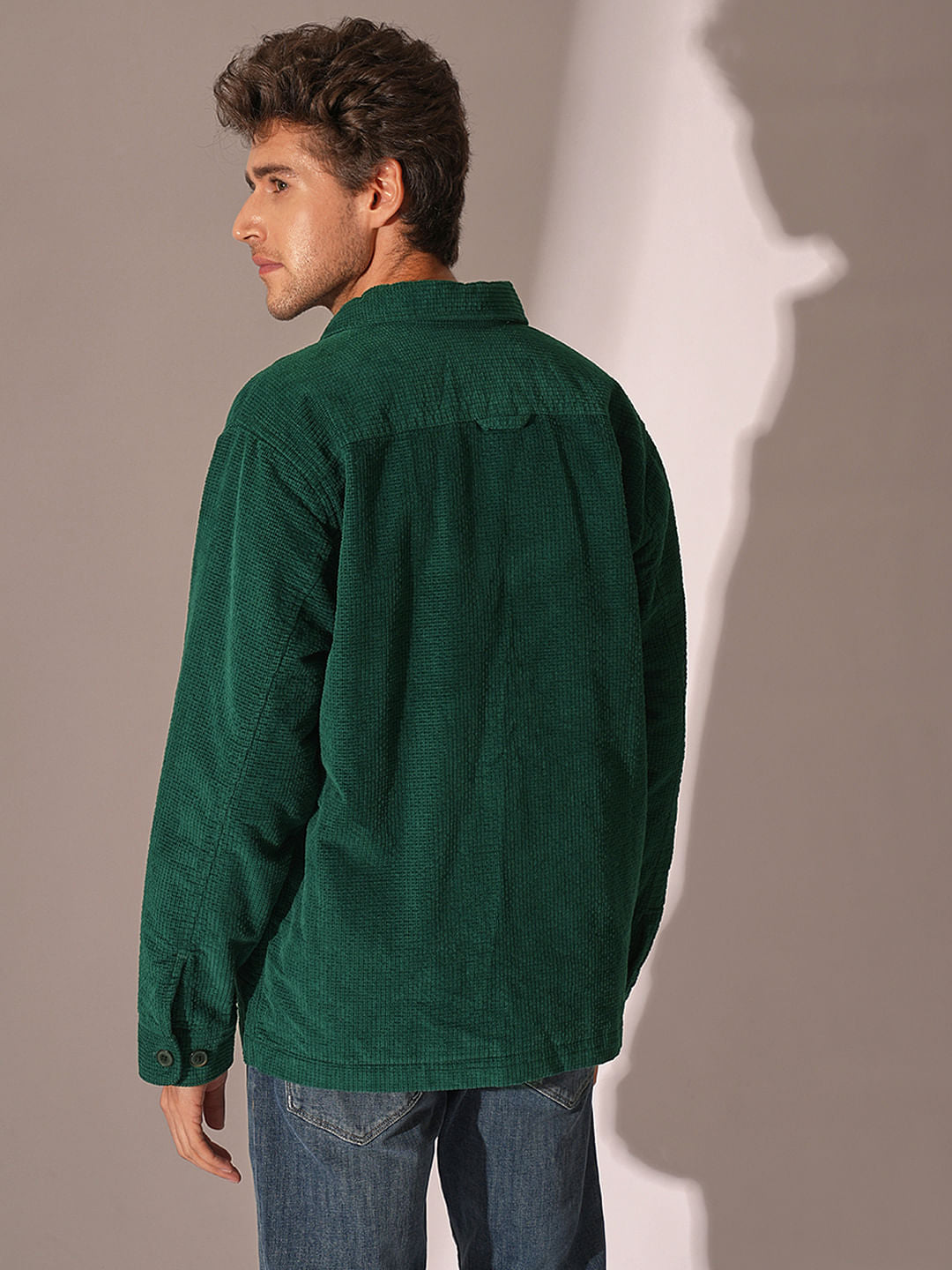
The Green Corduroy Shirt: Quietly Different
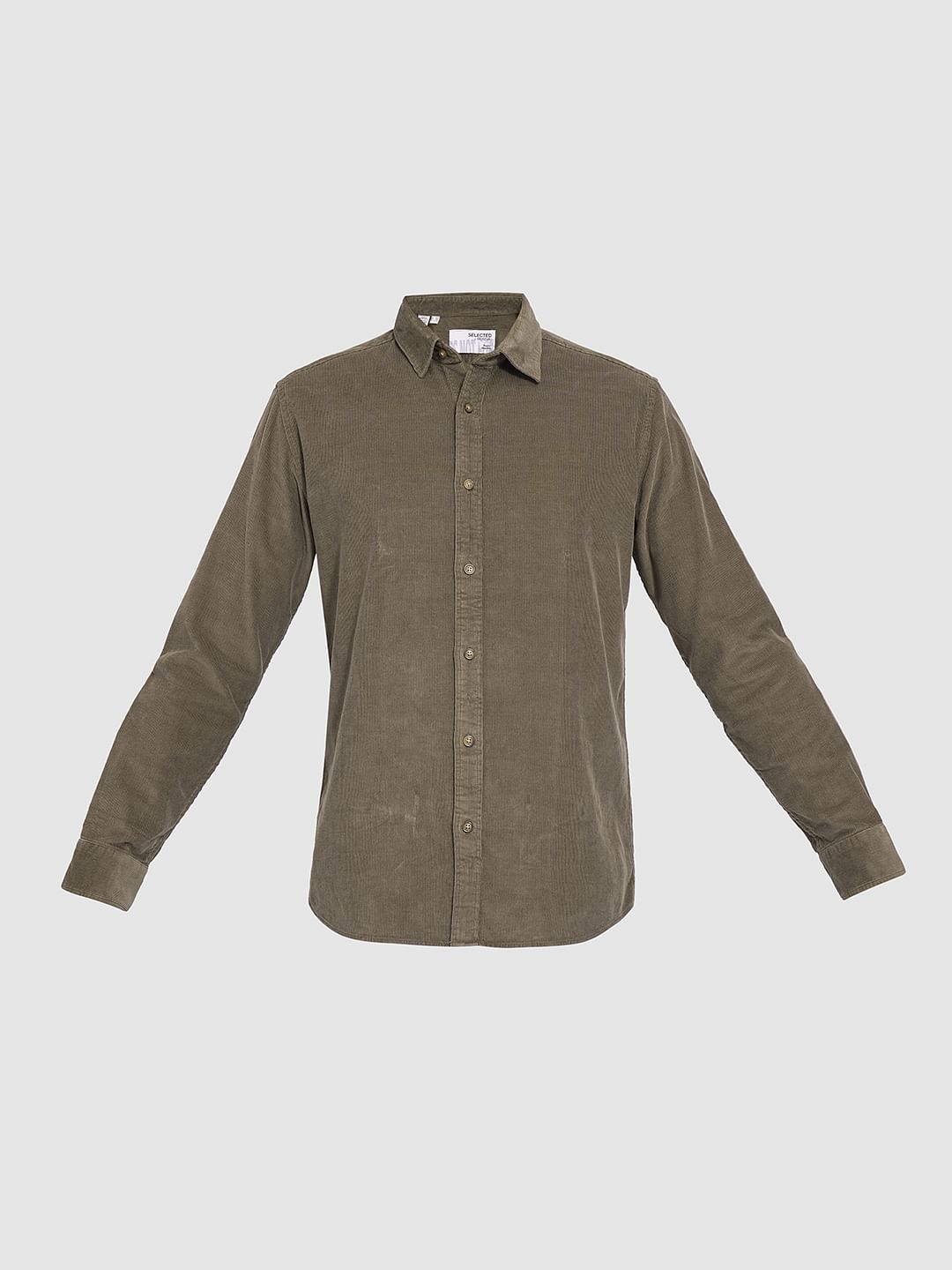
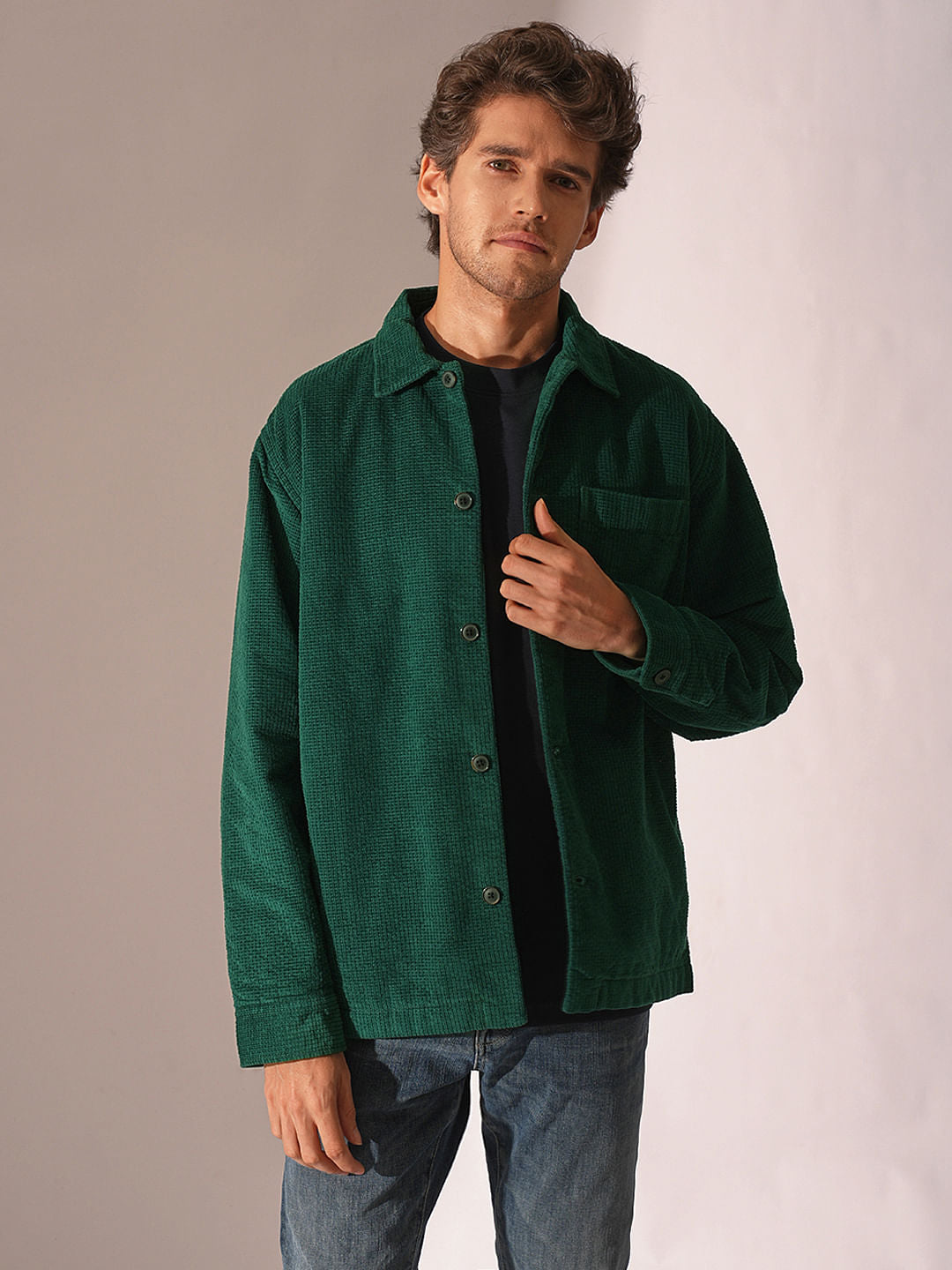
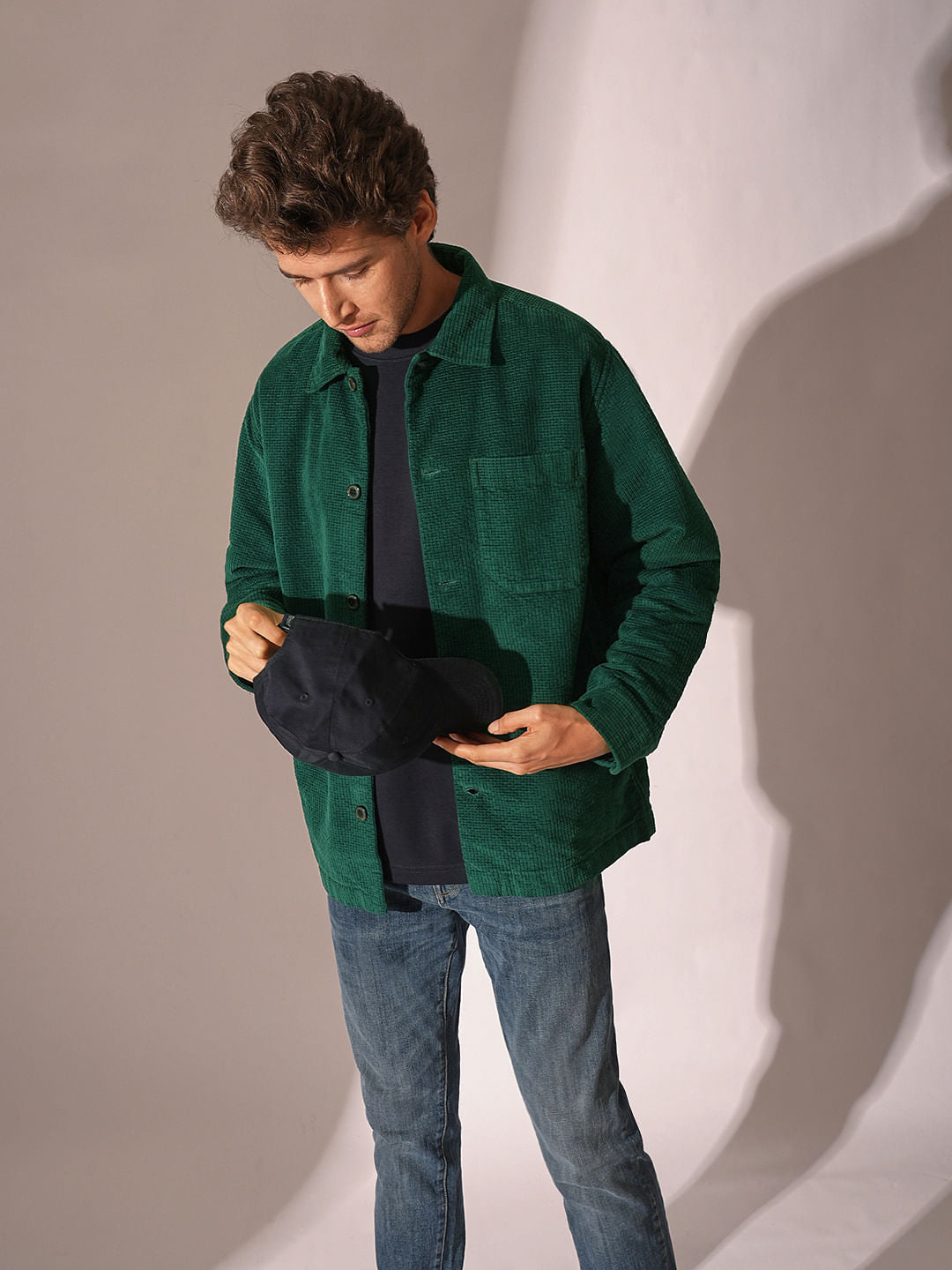
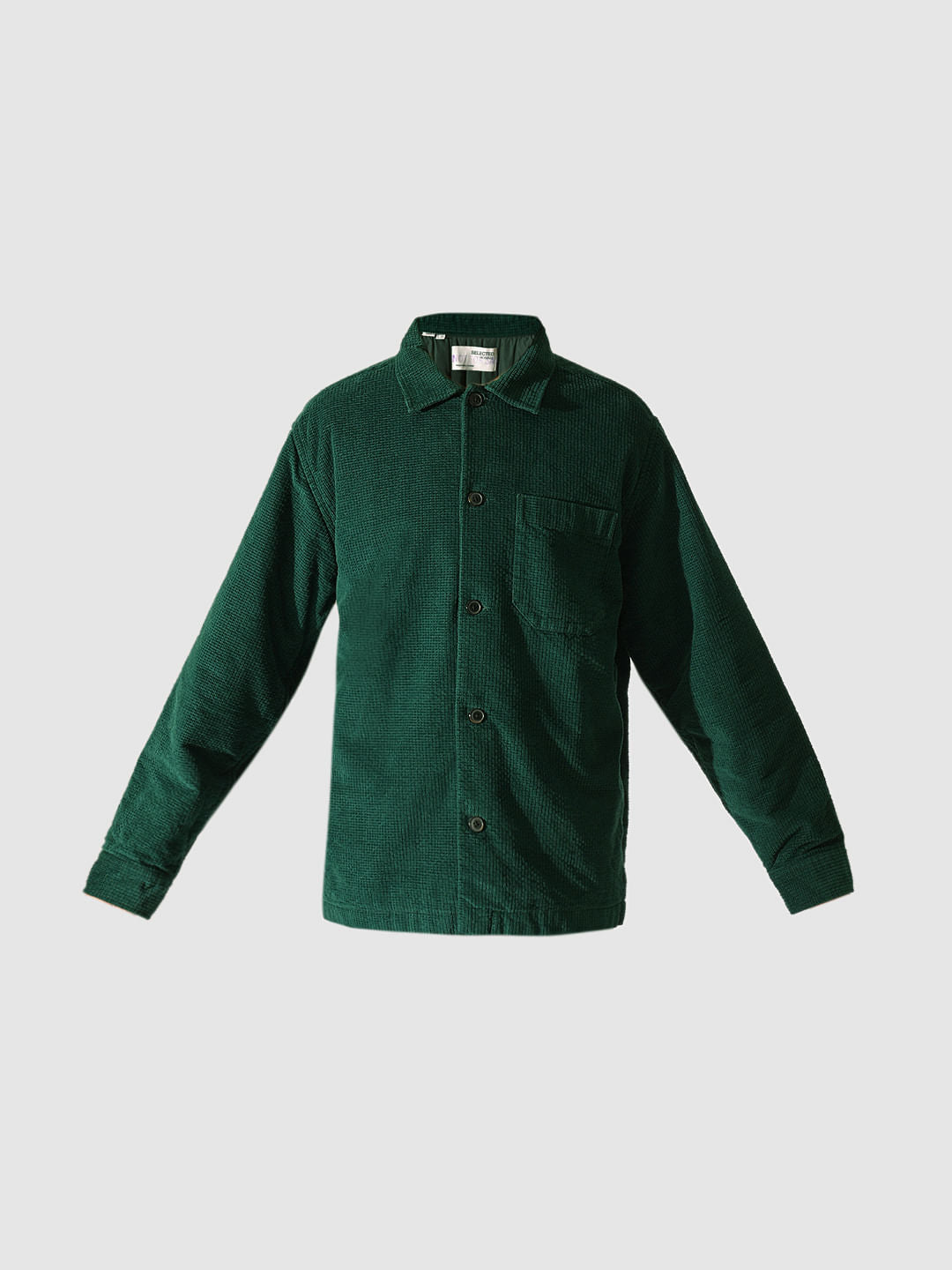
Green is for the man who has the basics covered and wants something with a little more personality. Olive or deep bottle green works best. From a distance, it reads as nearly neutral, and only when someone looks twice do they notice the colour. Pair it with stone, off-white or navy, and finish with brown leather. Brighter greens tend to overpower, so go deeper if you’re unsure. Shades change from season to season, so check the collection page for what’s current.
The Red Corduroy Shirt: One Bold Move
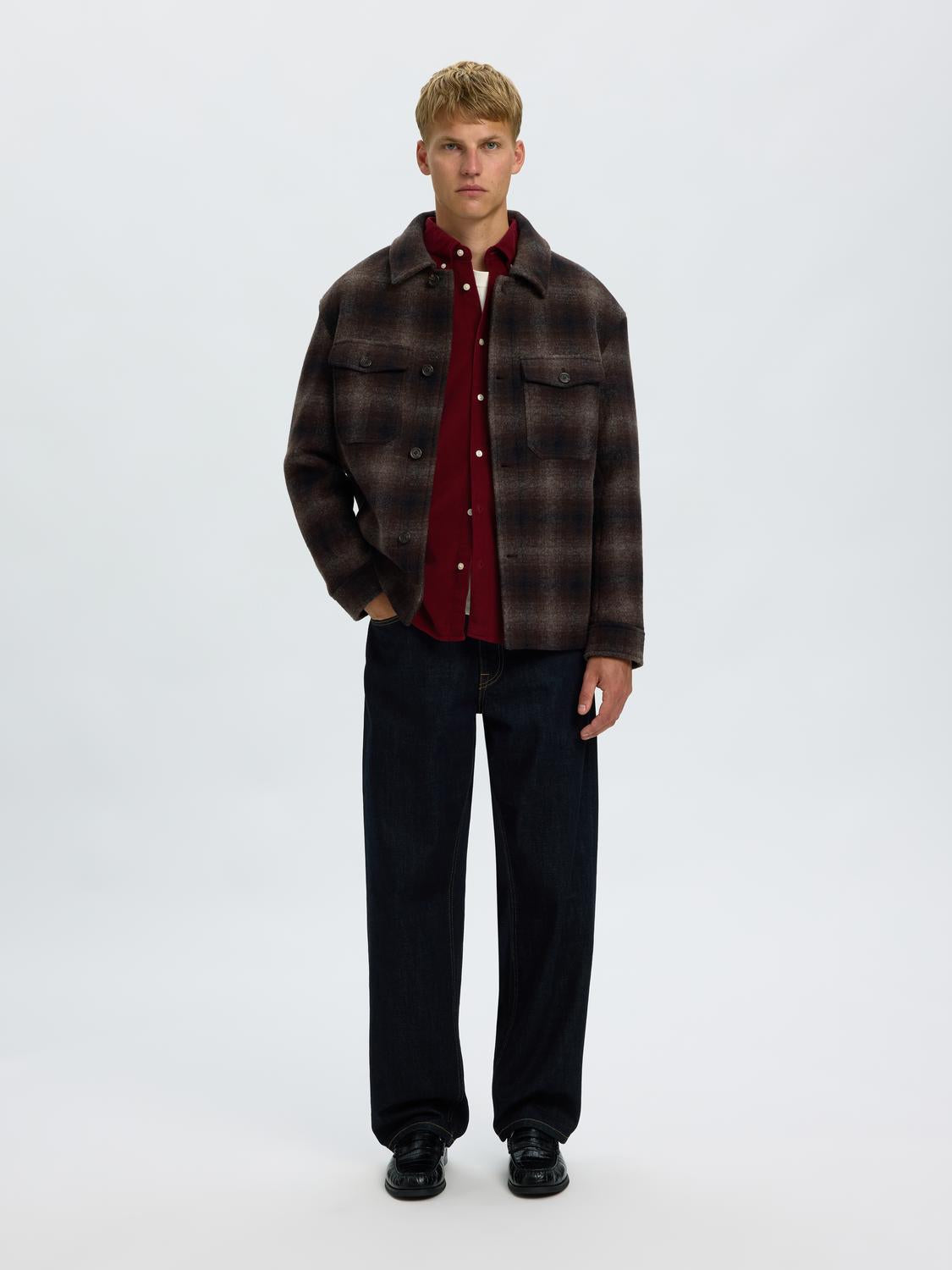
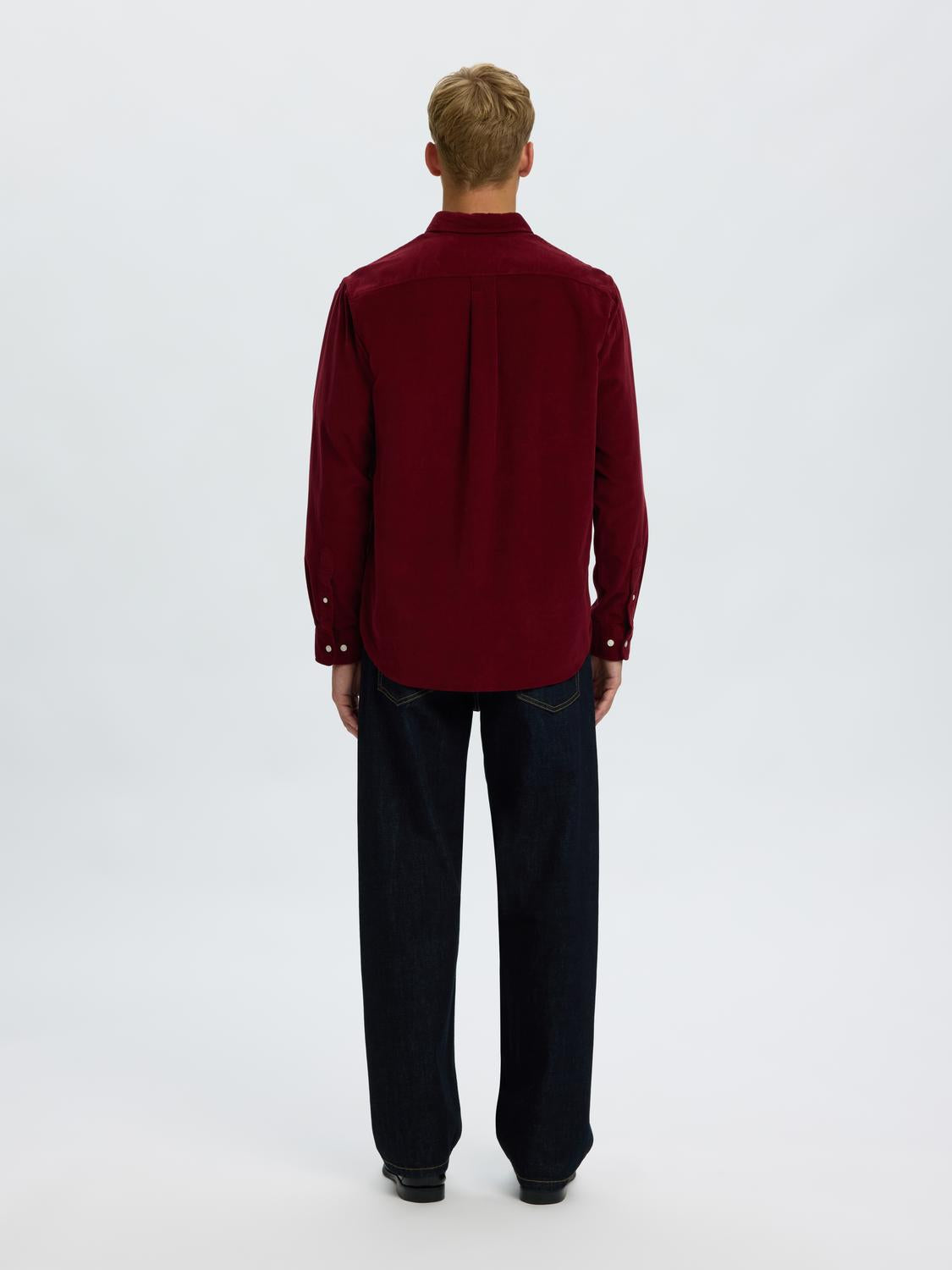
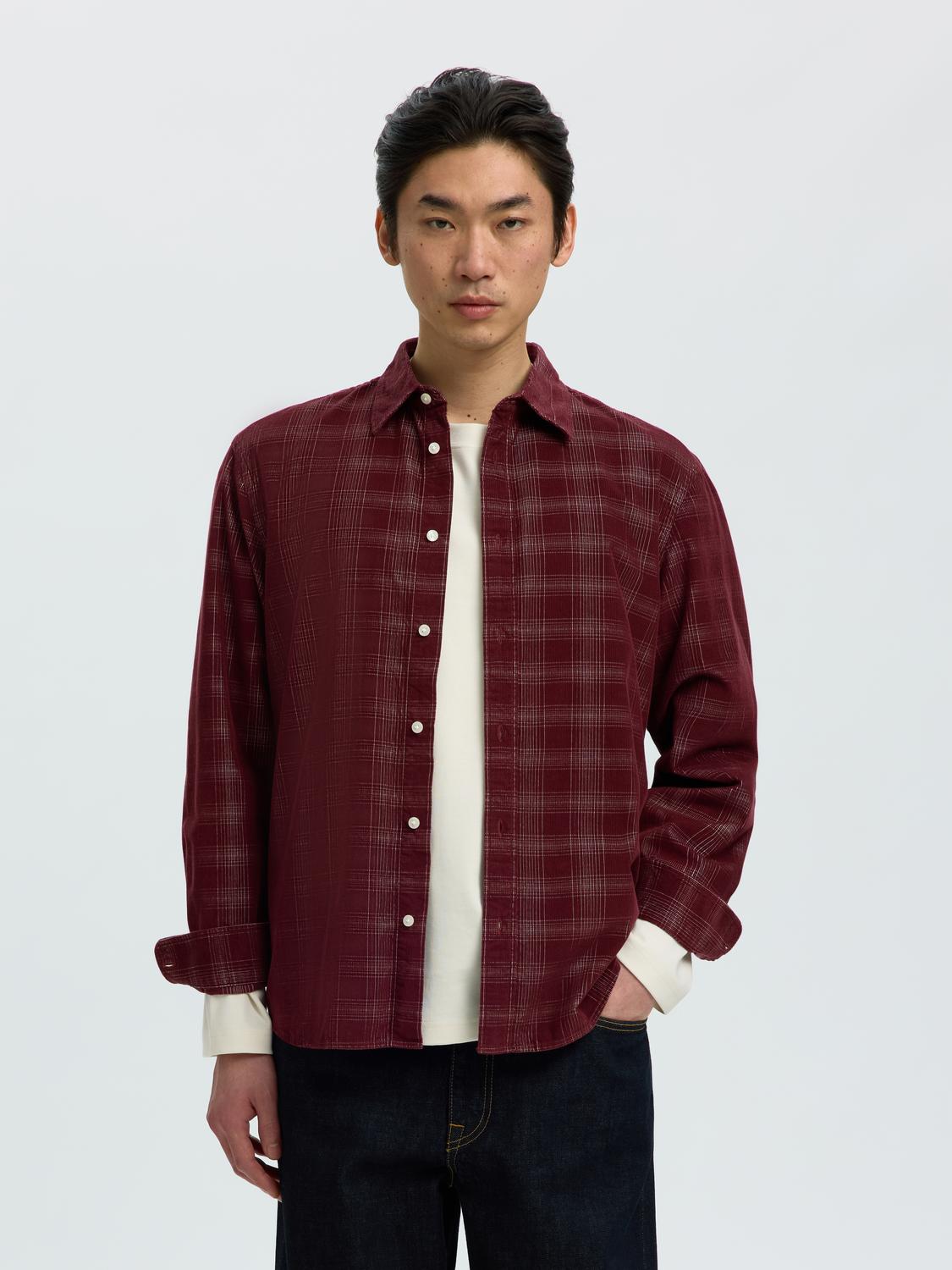
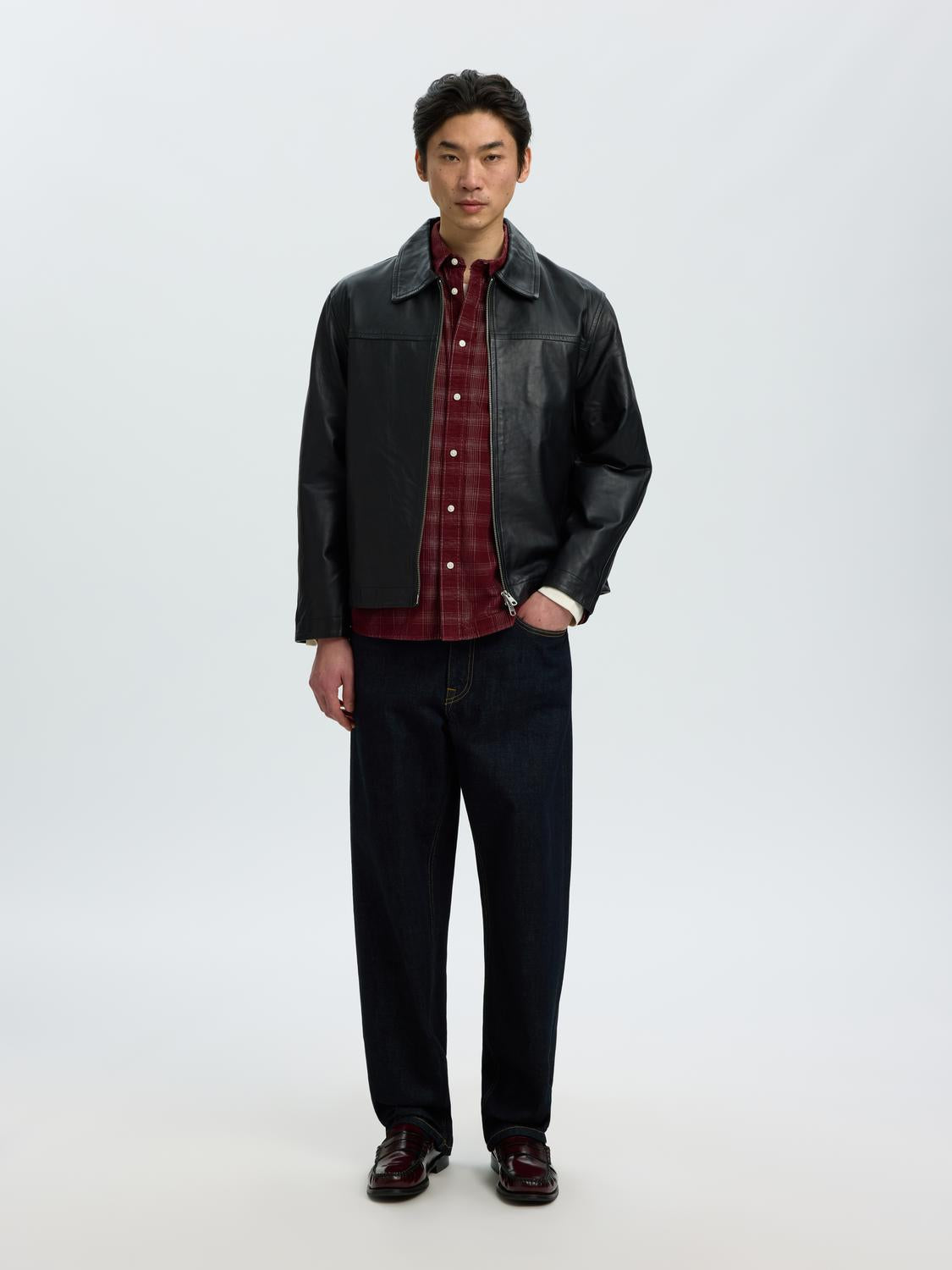
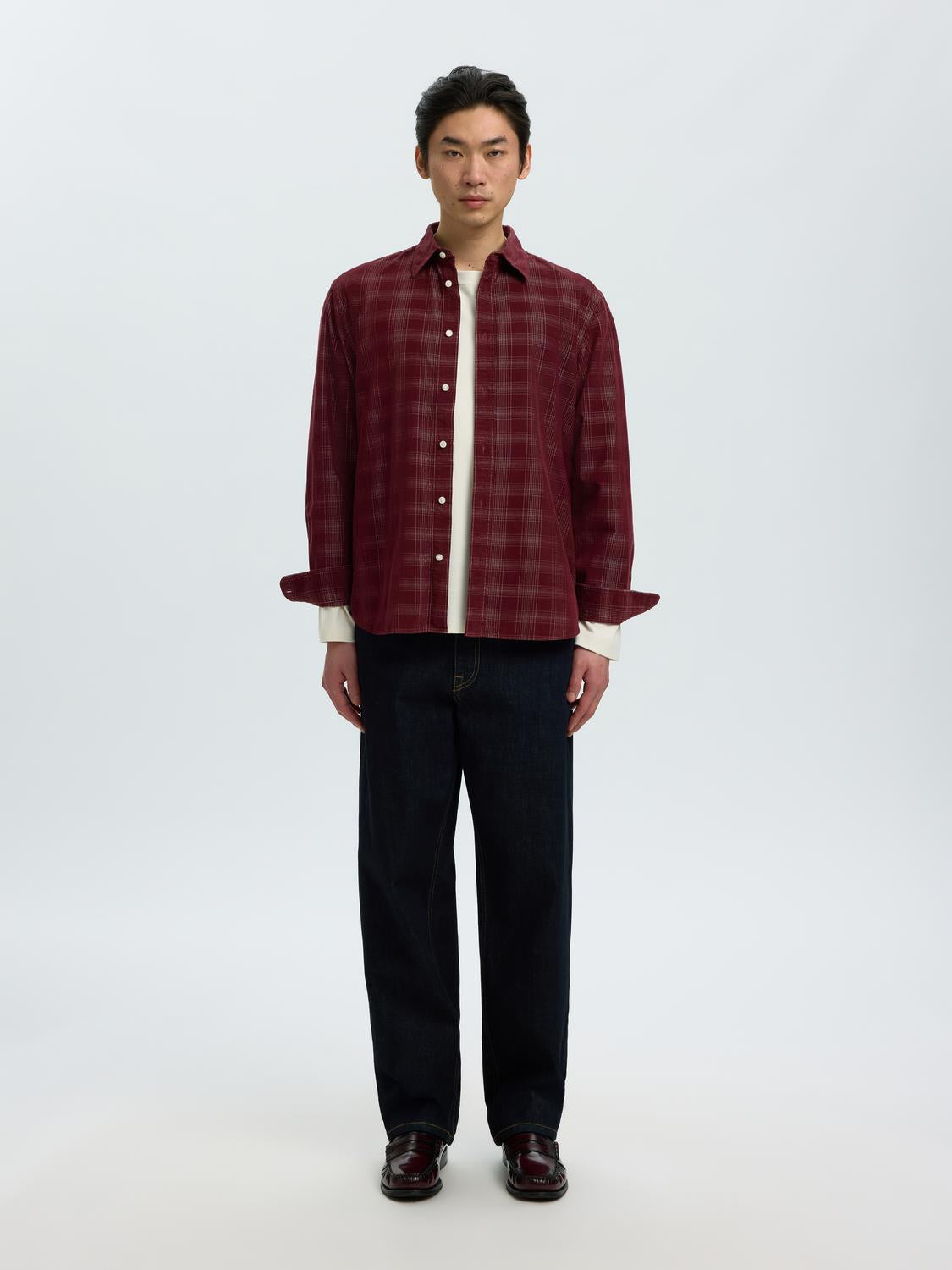
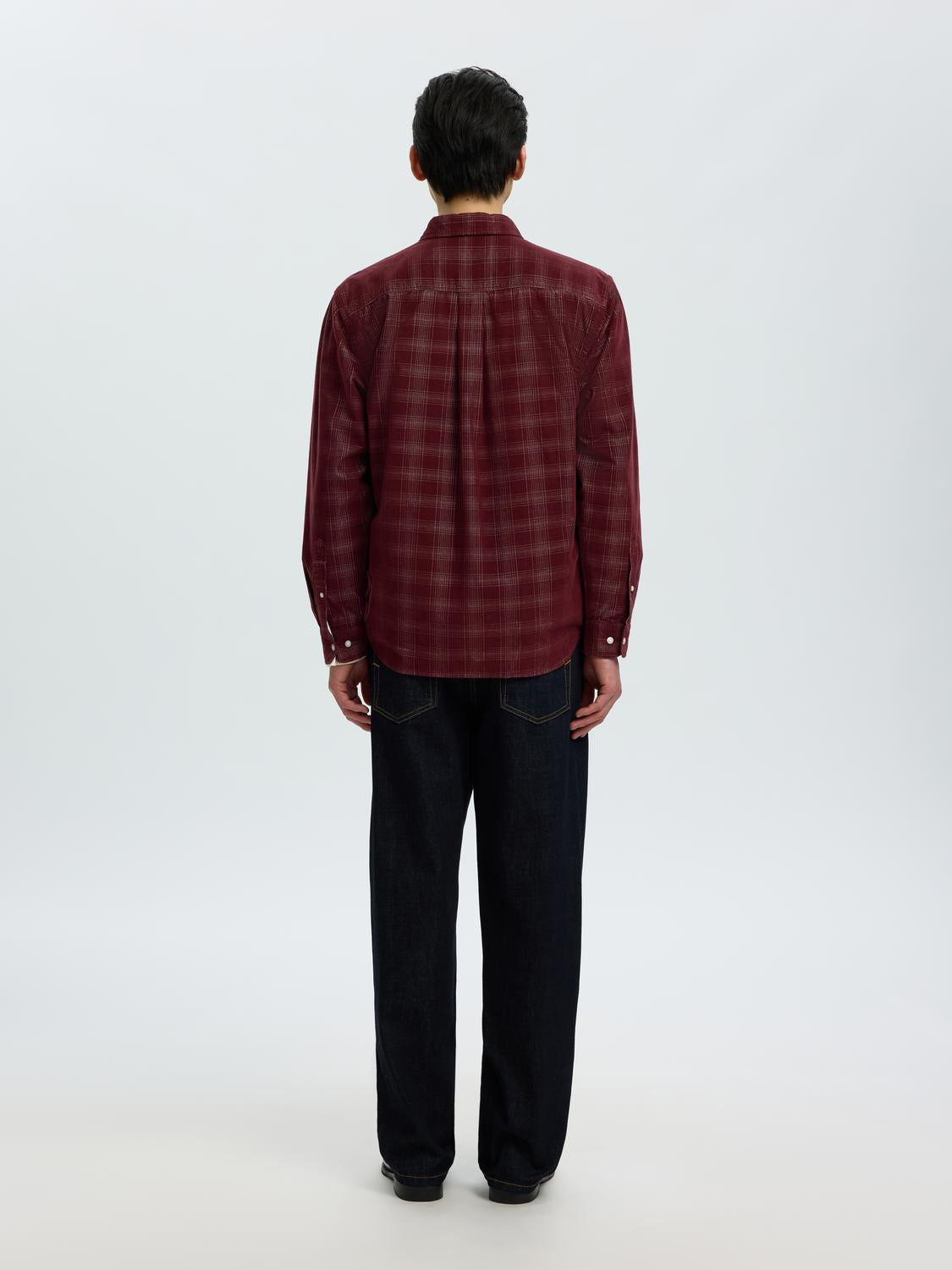
Most men hesitate over red, then end up wearing it more than anything else they own. A brick, rust or deep wine tone is warm rather than loud, and it asks for very little around it. Charcoal trousers, indigo jeans or plain stone chinos are plenty. Worn open over a white tee, it’s practically a light jacket. One warning: skip green alongside it, unless you’re after the December shop-window look.
How to Style a Corduroy Shirt by Occasion
At the office, a fine wale in brown or black does the job. Button it all the way, tuck it into chinos, and add loafers. It sits comfortably in smart-casual and holds its own next to a blazer.
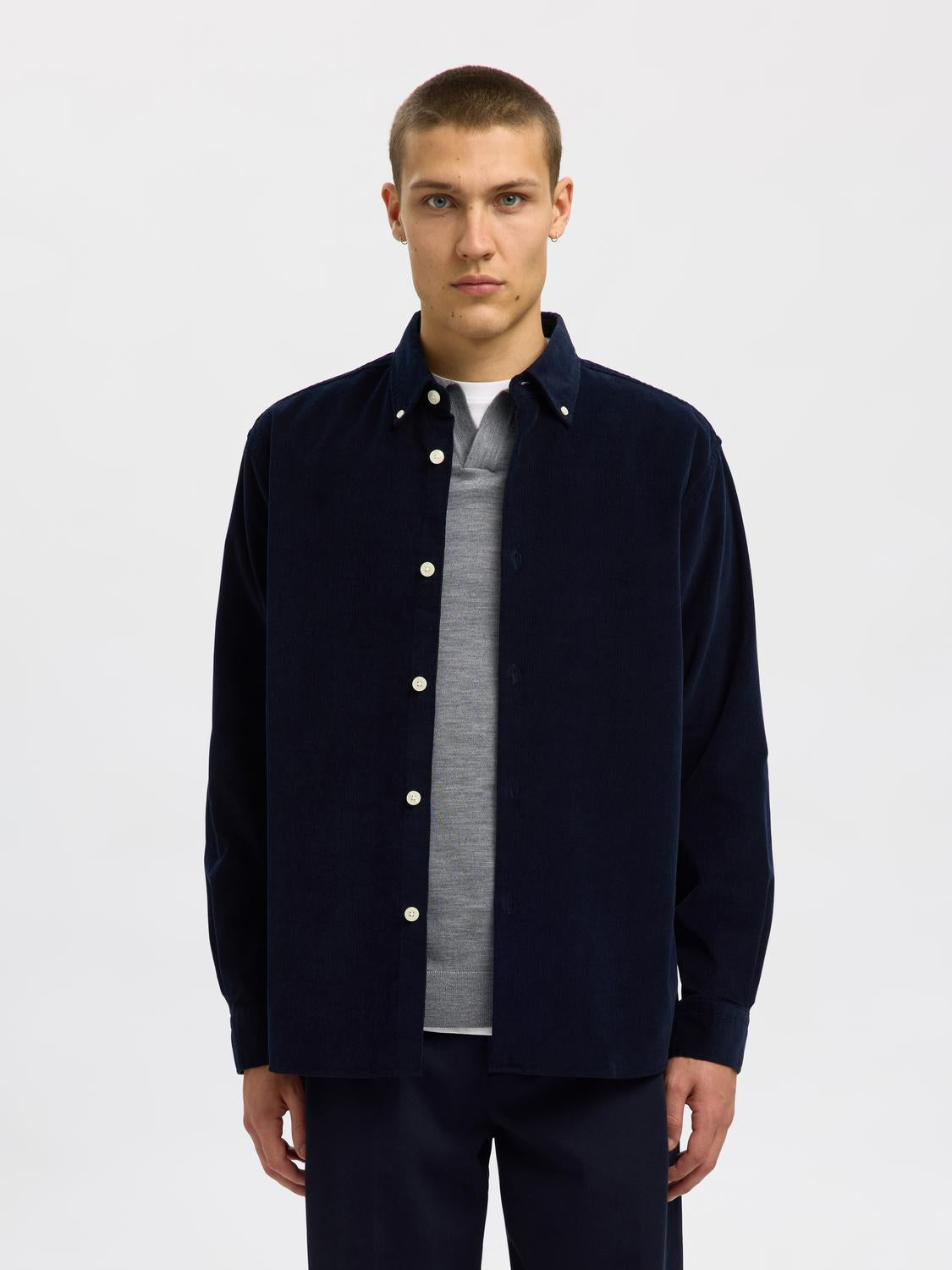
On weekends, the rules relax. Wear it open over a tee with jeans and push the sleeves up. This is where wide wale looks best.
Travelling is where it earns its place. On a two-day work trip with one cabin bag, a shirt over a tee handles the cold airport, the overheated meeting room and dinner afterwards, no change needed.
And for evenings, put the black one under a dark blazer. It takes you from a late client meeting to dinner without looking like you never left your desk.
Care, Longevity and Why Fewer Is Better
Corduroy asks for a little care, nothing fussy. Turn the shirt inside out before washing so the ridges don’t rub against everything else in the machine, and keep it to a cool, gentle cycle. Dry it in the shade, since harsh sun and hot dryers are what dull the pile. When it needs ironing, work on the reverse or use a steamer, because pressing the front flat crushes the texture you paid for.
There’s a quiet sustainability point in all this. Corduroy is built to last, and it tends to soften at the collar and cuffs the more you wear it. Wear one forty times across a few winters and the cost per wear drops below almost anything trend-driven you’ll buy this season. So pick the shade you’ll truly reach for. That’s the responsible choice, and usually the best-looking one too.
Corduroy Shirt FAQs
Is a corduroy shirt warm enough for a North Indian winter?
On its own, it suits cool days and evenings. In a Delhi January, layer it under a jacket or over a tee.
How do you wash corduroy?
Turn it inside out and wash cool on a gentle cycle. Dry in the shade to protect the pile.
Can I wear corduroy to the office?
Yes, in smart-casual settings, especially a fine wale in brown or black. Pair it with chinos and leather shoes.
Which colour is the most versatile in corduroy?
Brown is the easiest to style, followed by black. Green and red work best as one-off statements against neutral basics.
Find Your Corduroy Shirt
Start with brown, add black, and bring in green or red once you’re ready for a bit of colour. Browse the full range of corduroy shirts for men at Selected and build a wardrobe rooted in quality.