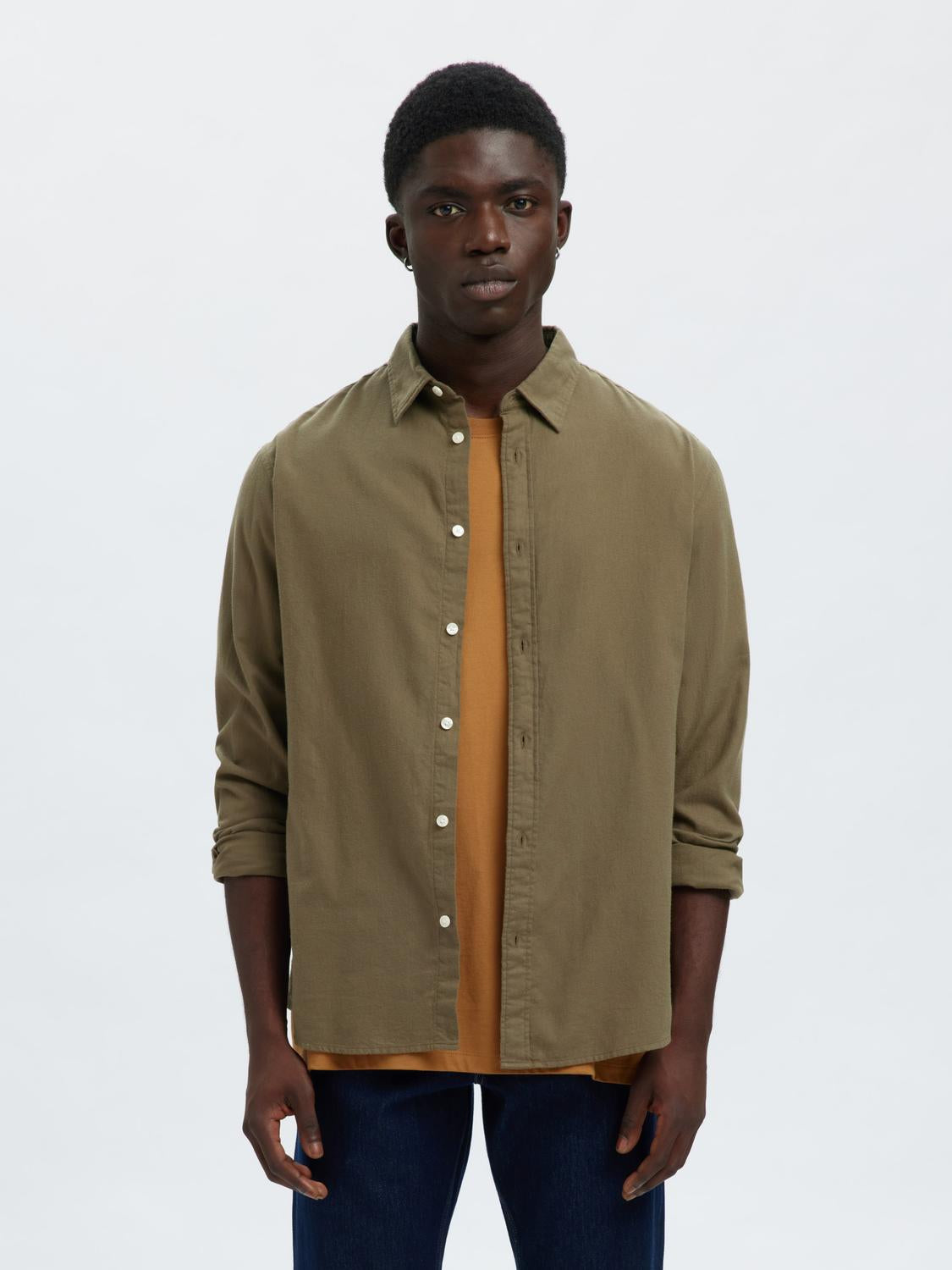
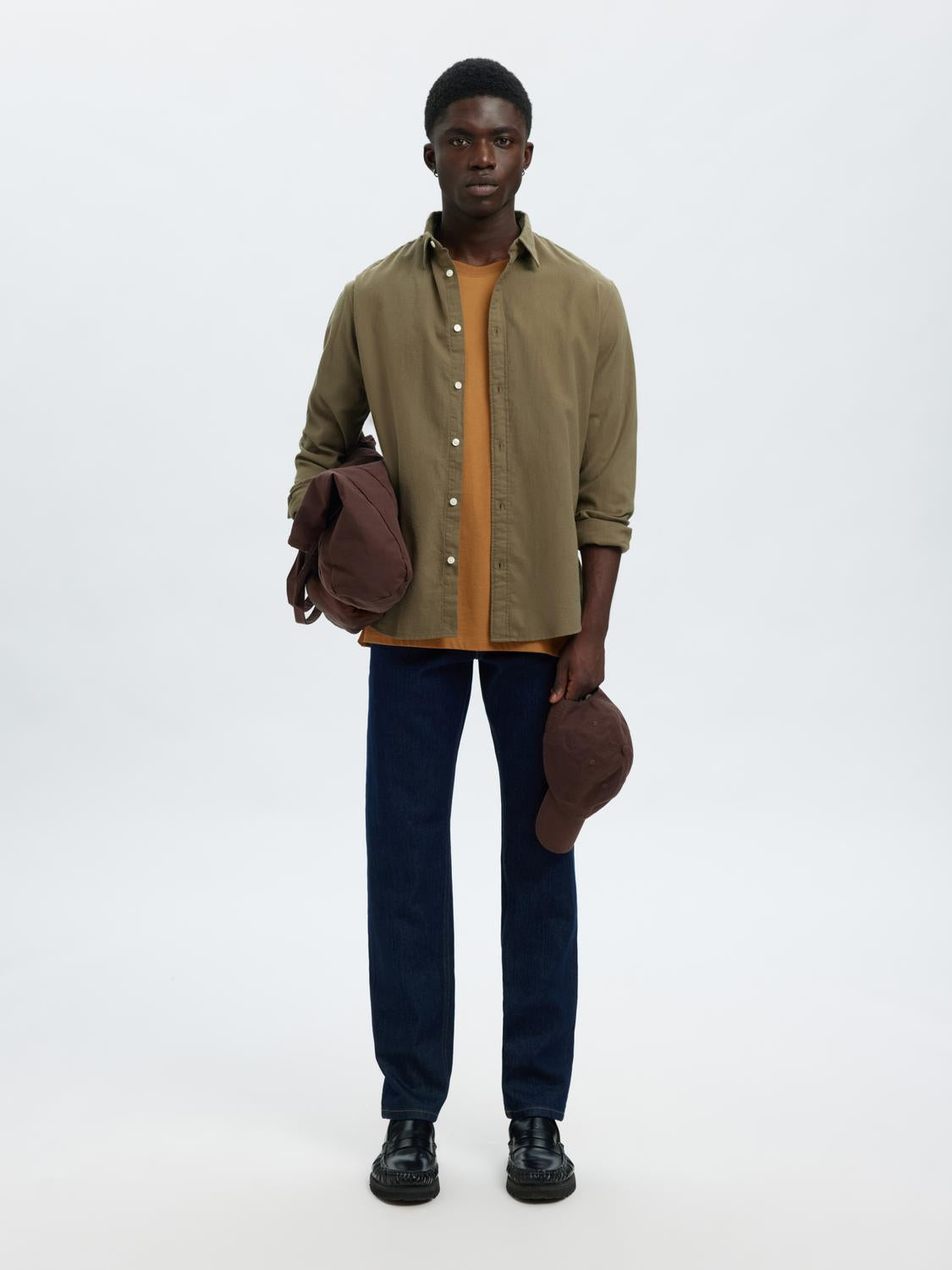
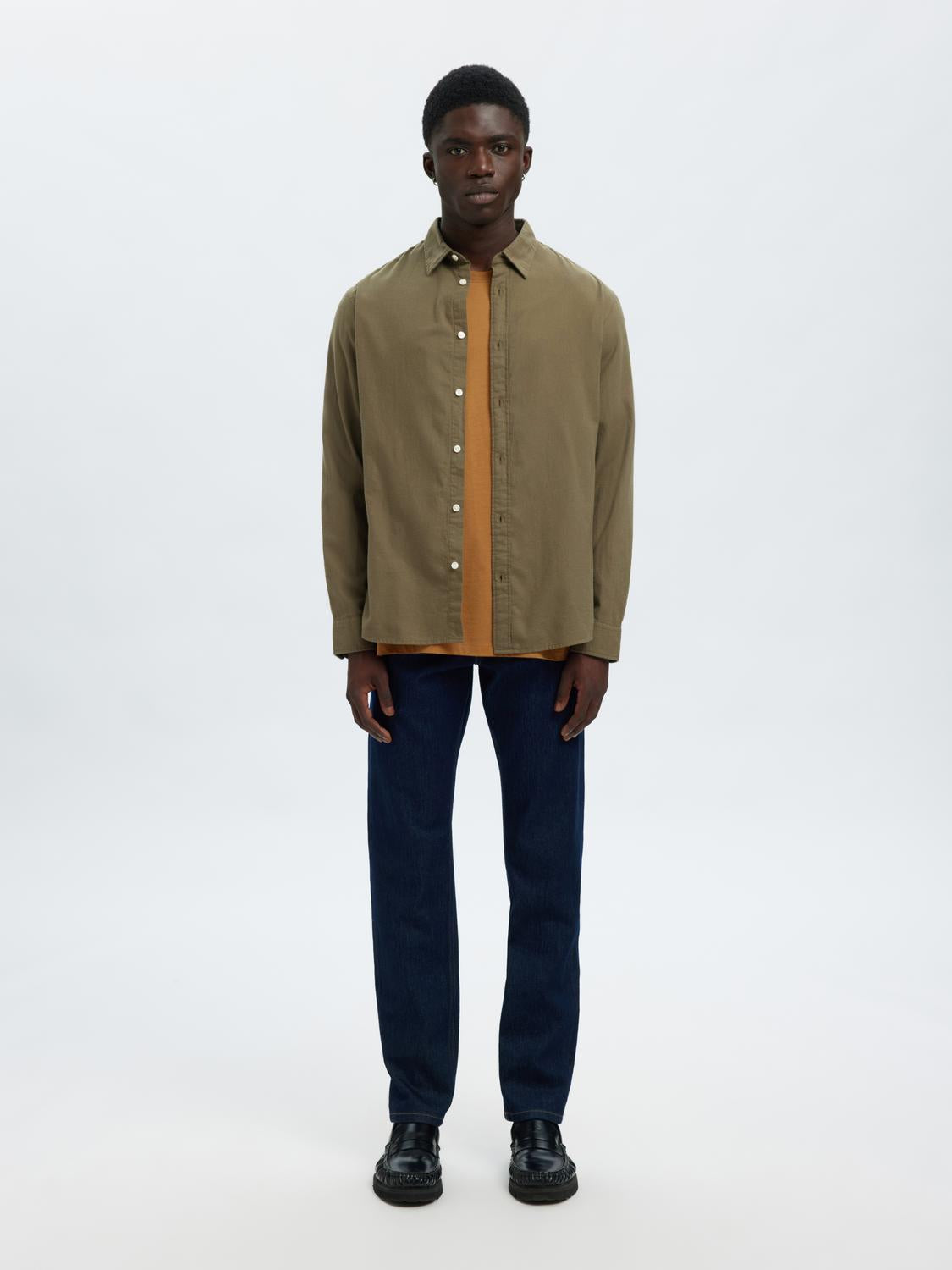
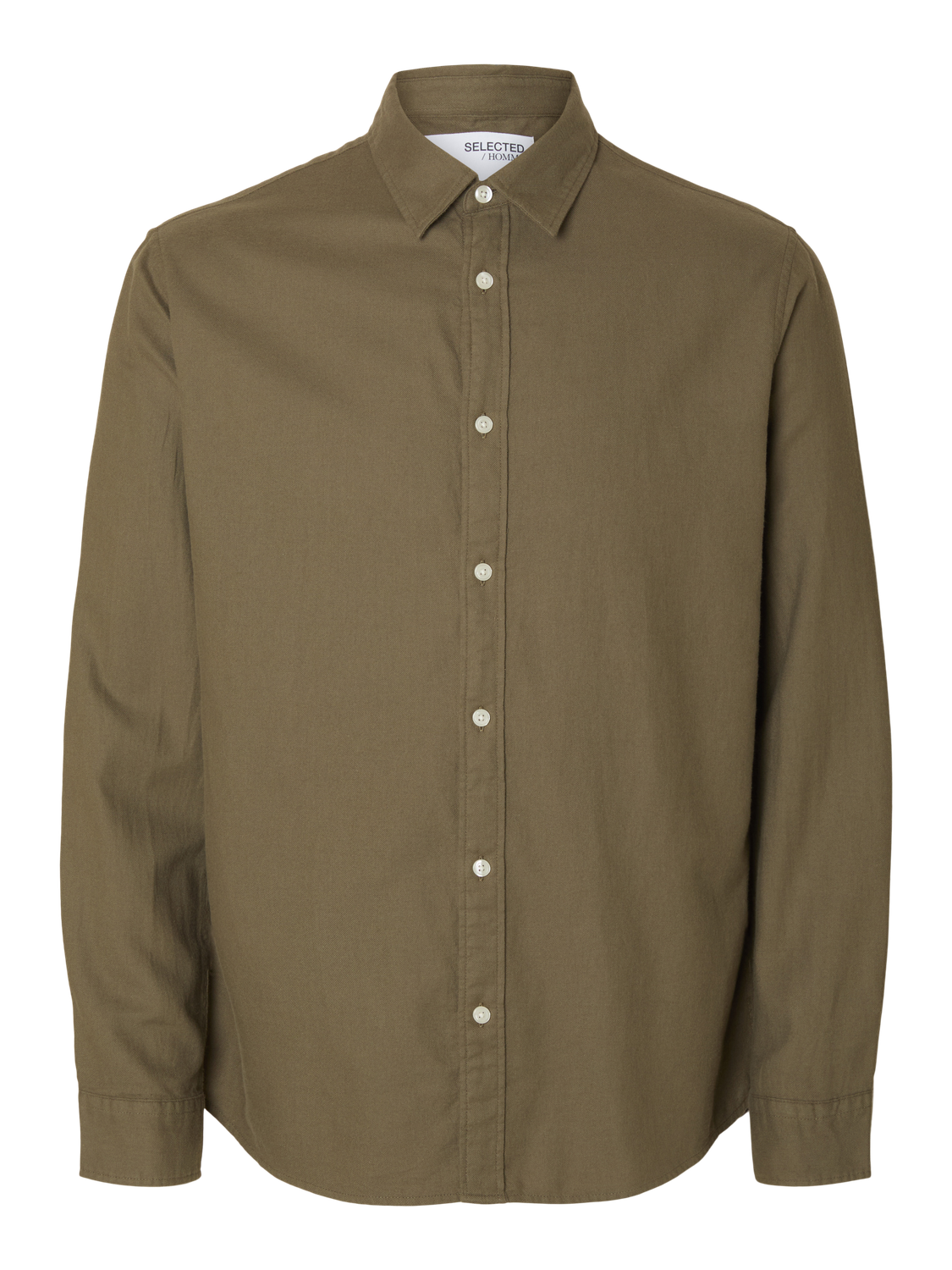
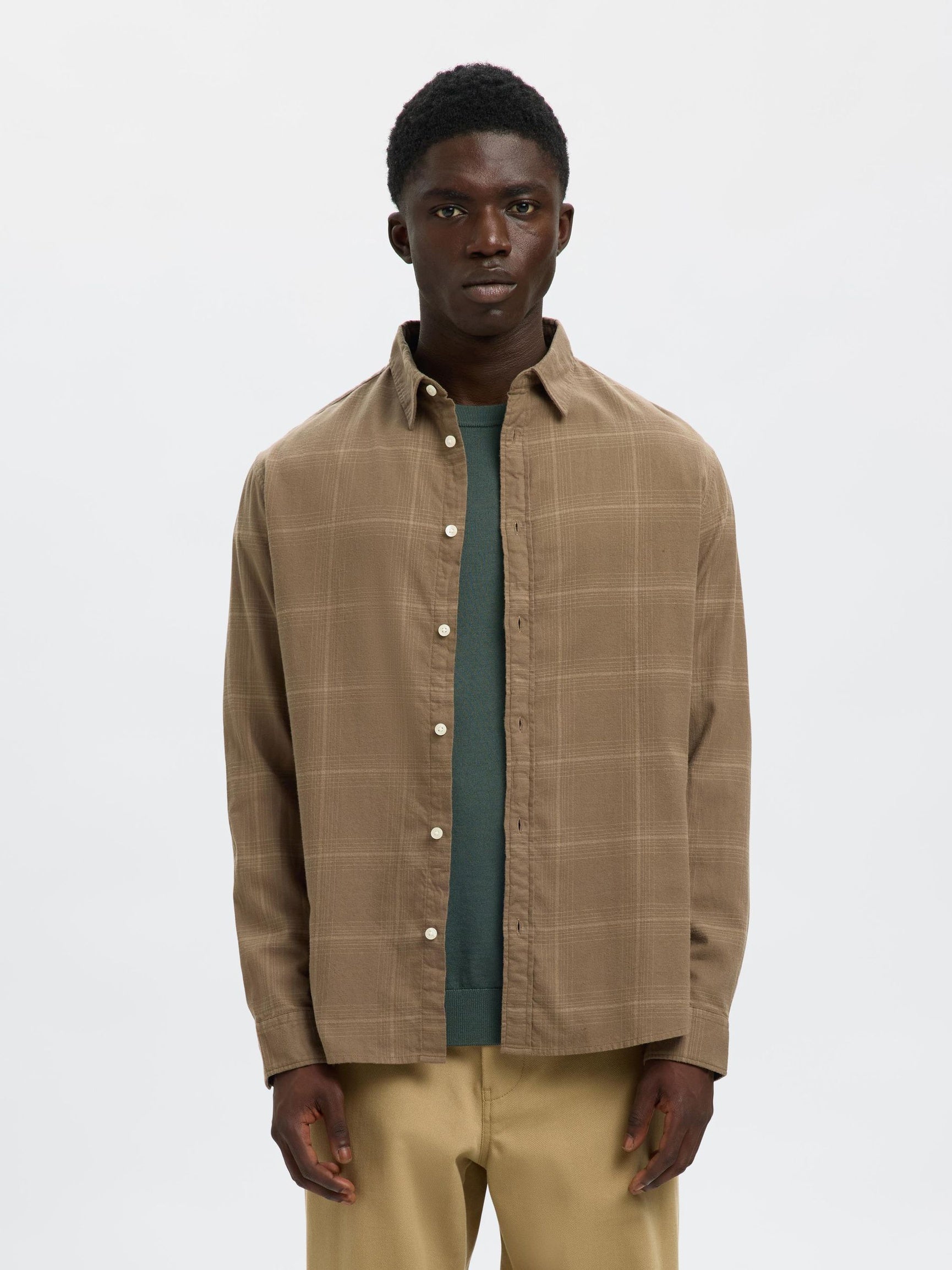
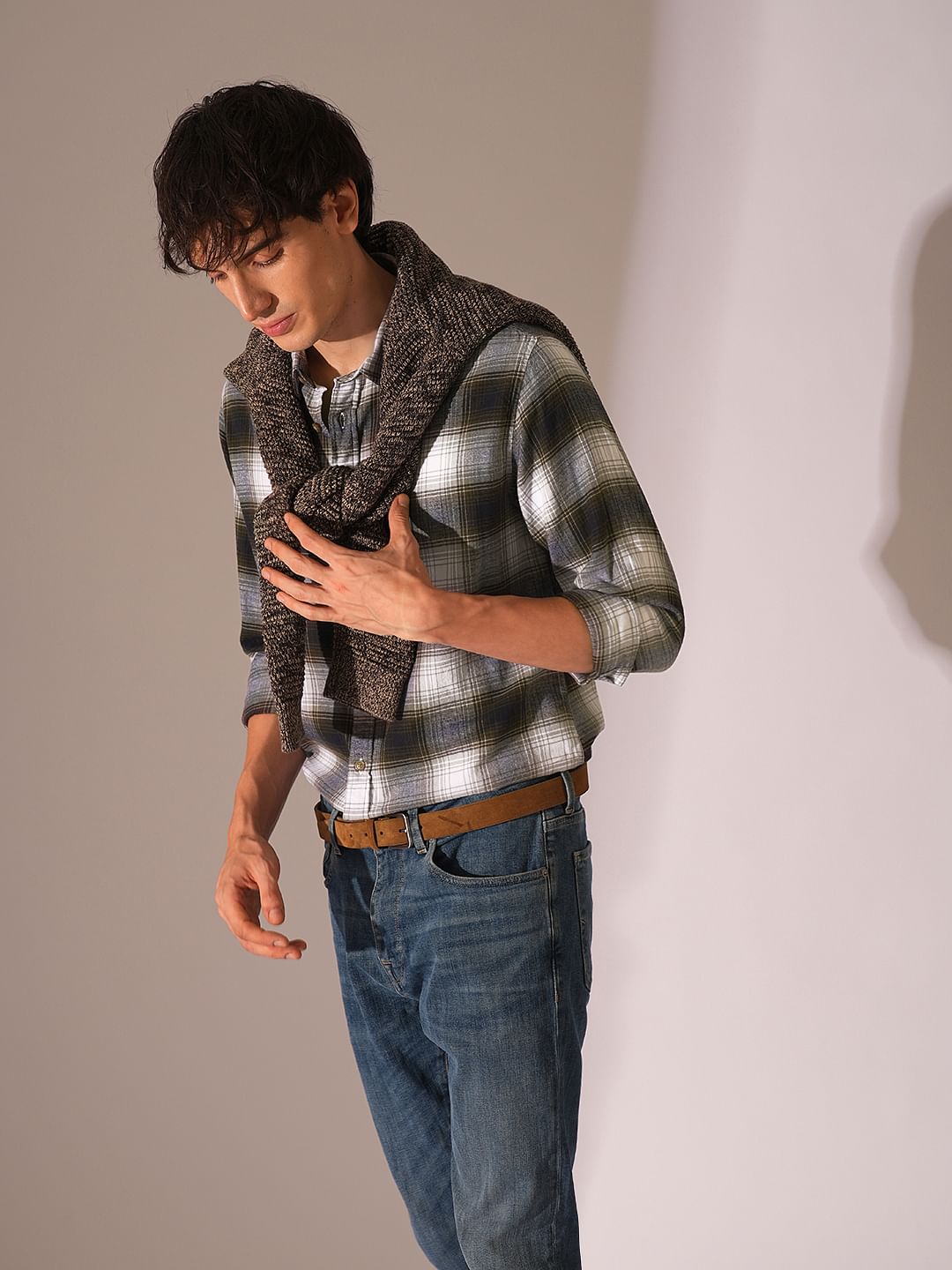
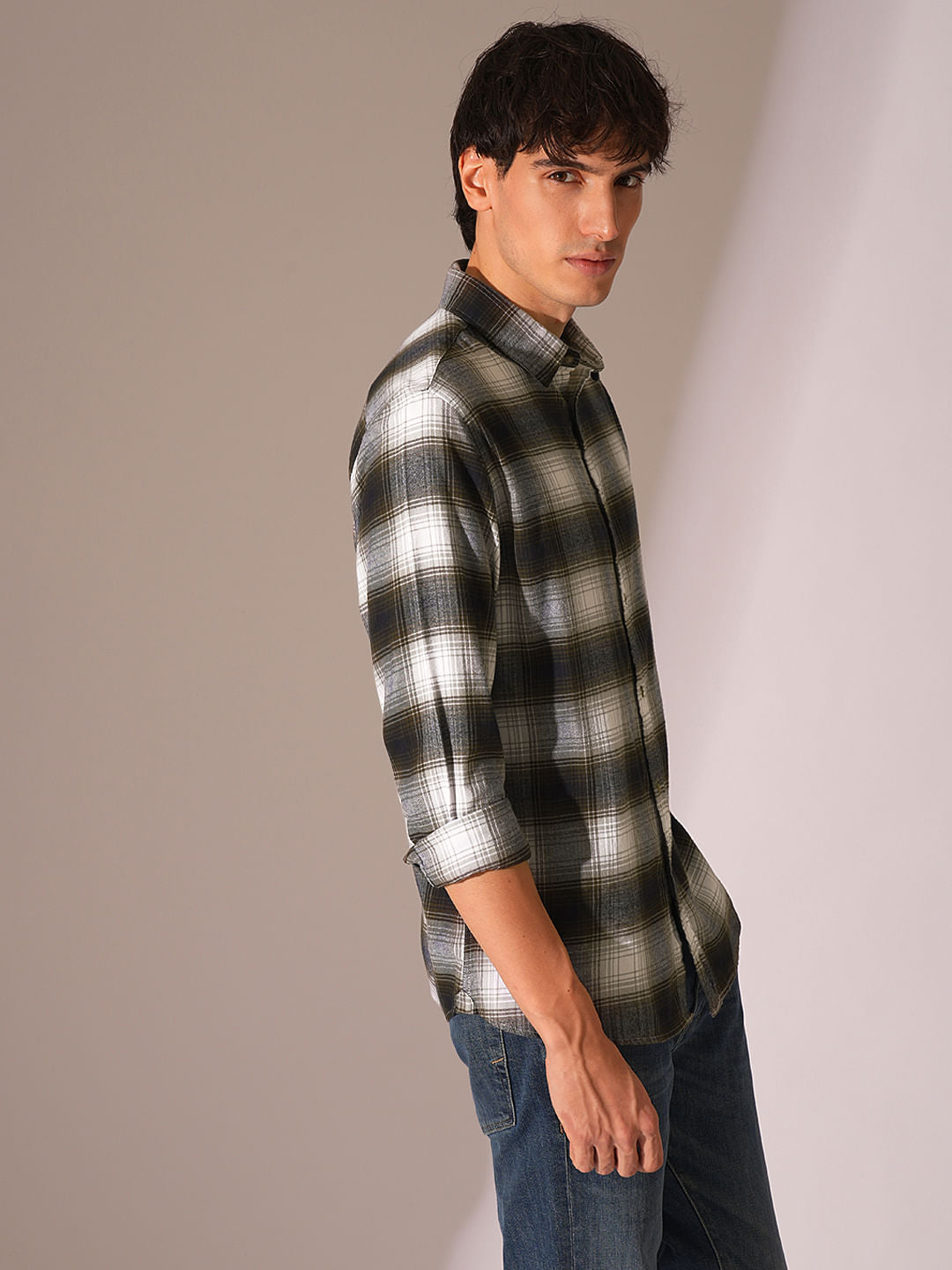
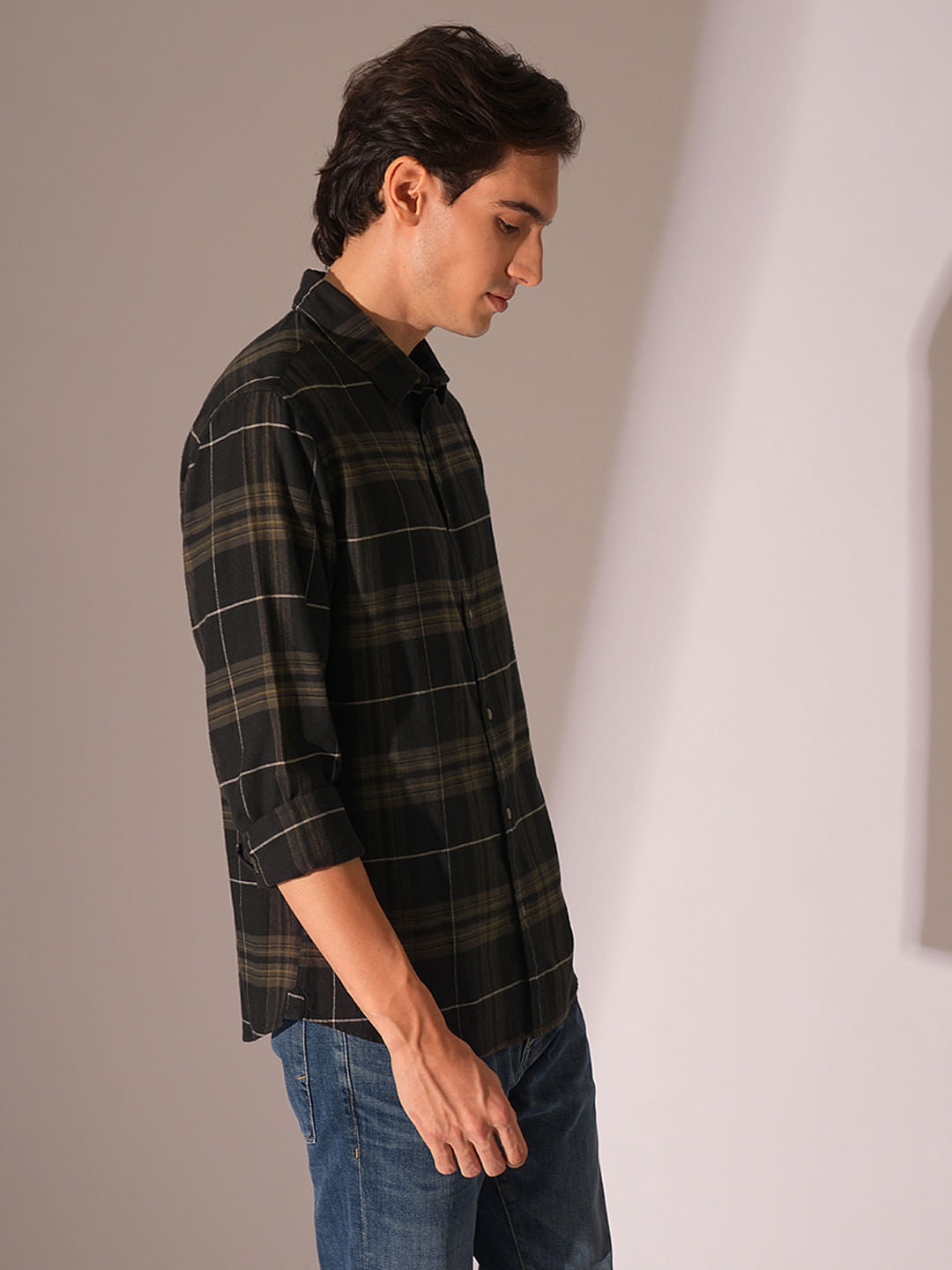
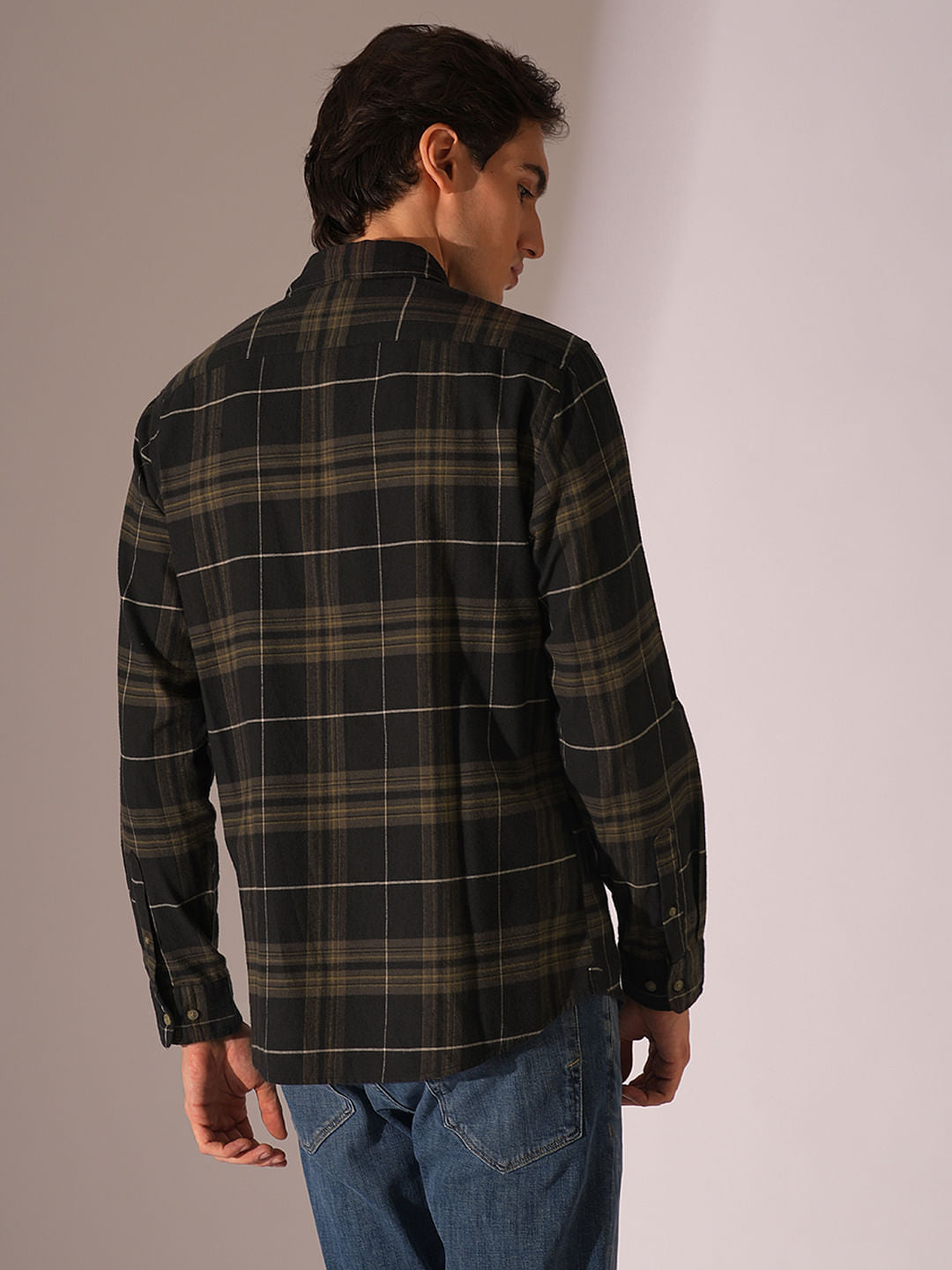
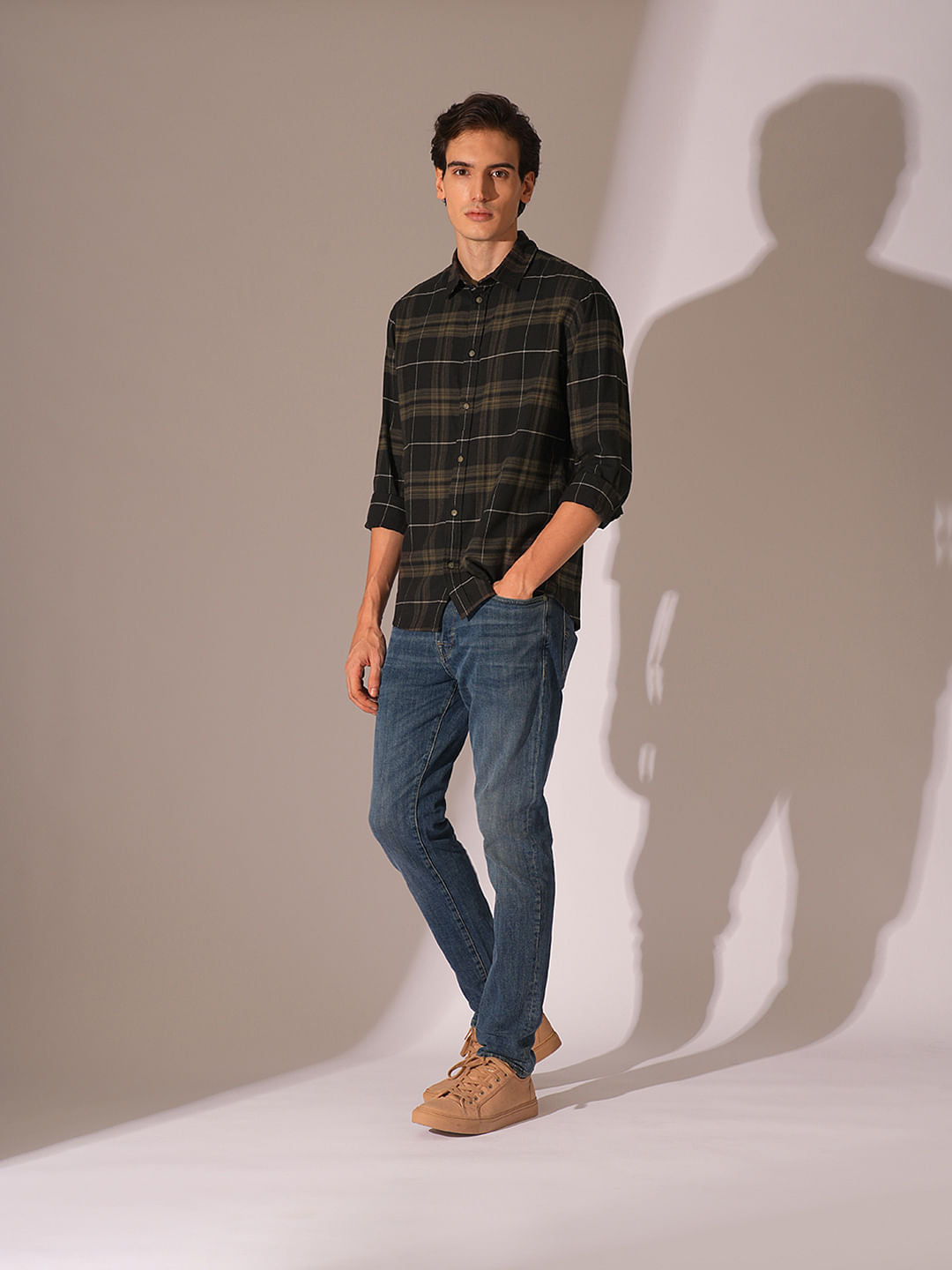
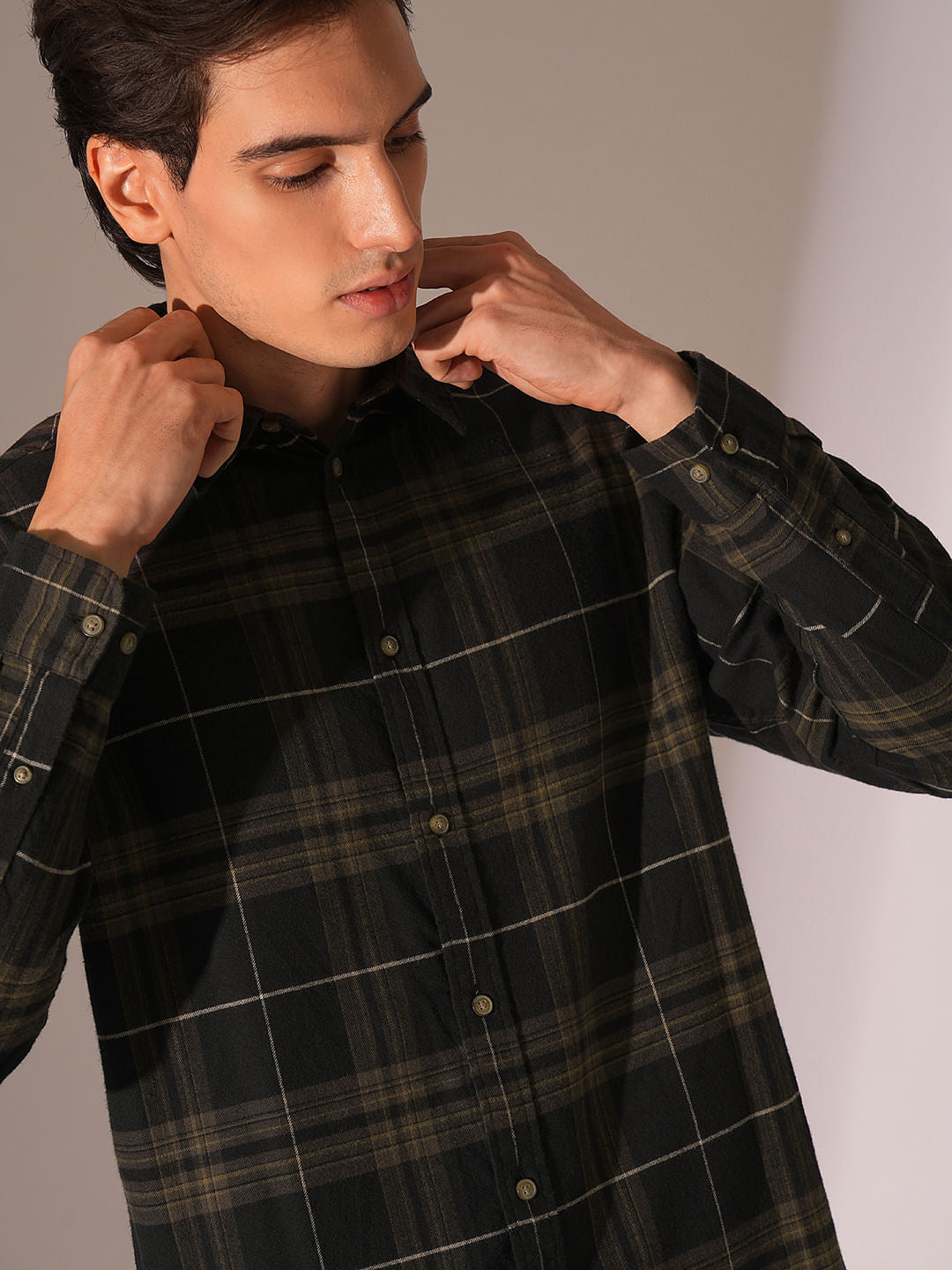
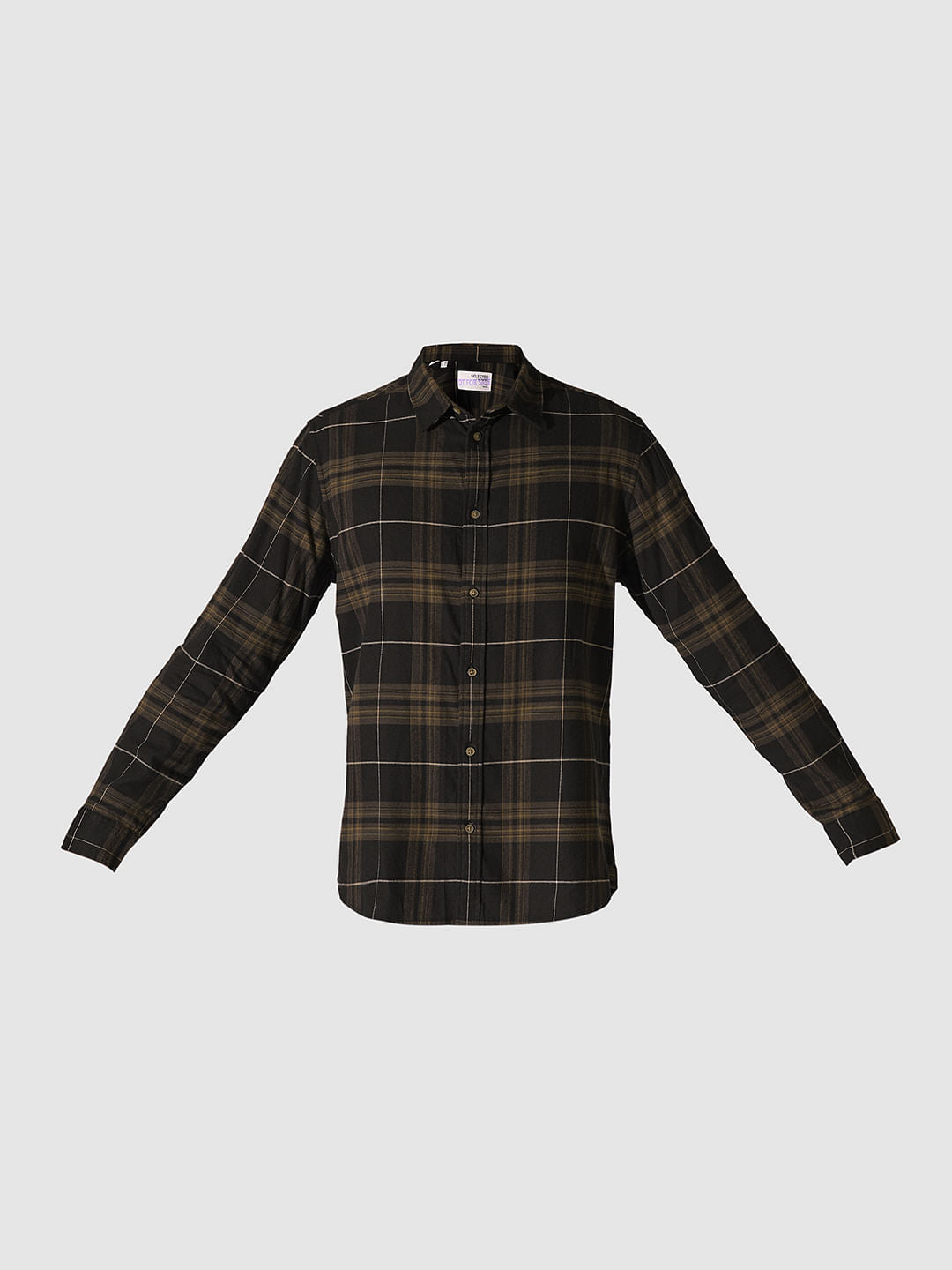
Ask anyone who spends winters in North India what they wear through the coldest weeks, and flannel comes up sooner or later. It's what makes a 7 am start bearable, and it's still comfortable on the walk home after dark. Flannel shirts aren't complicated, which is partly why they last. At Selected, we keep ours simple on purpose: a clean cut, colours that sit well together, and the kind of detail you notice on the second or third wear rather than the first. Below is what's worth knowing before you buy one, from how to spot good cloth to how to wash it so it stays that way.
What Makes the Best Flannel Shirts for Men
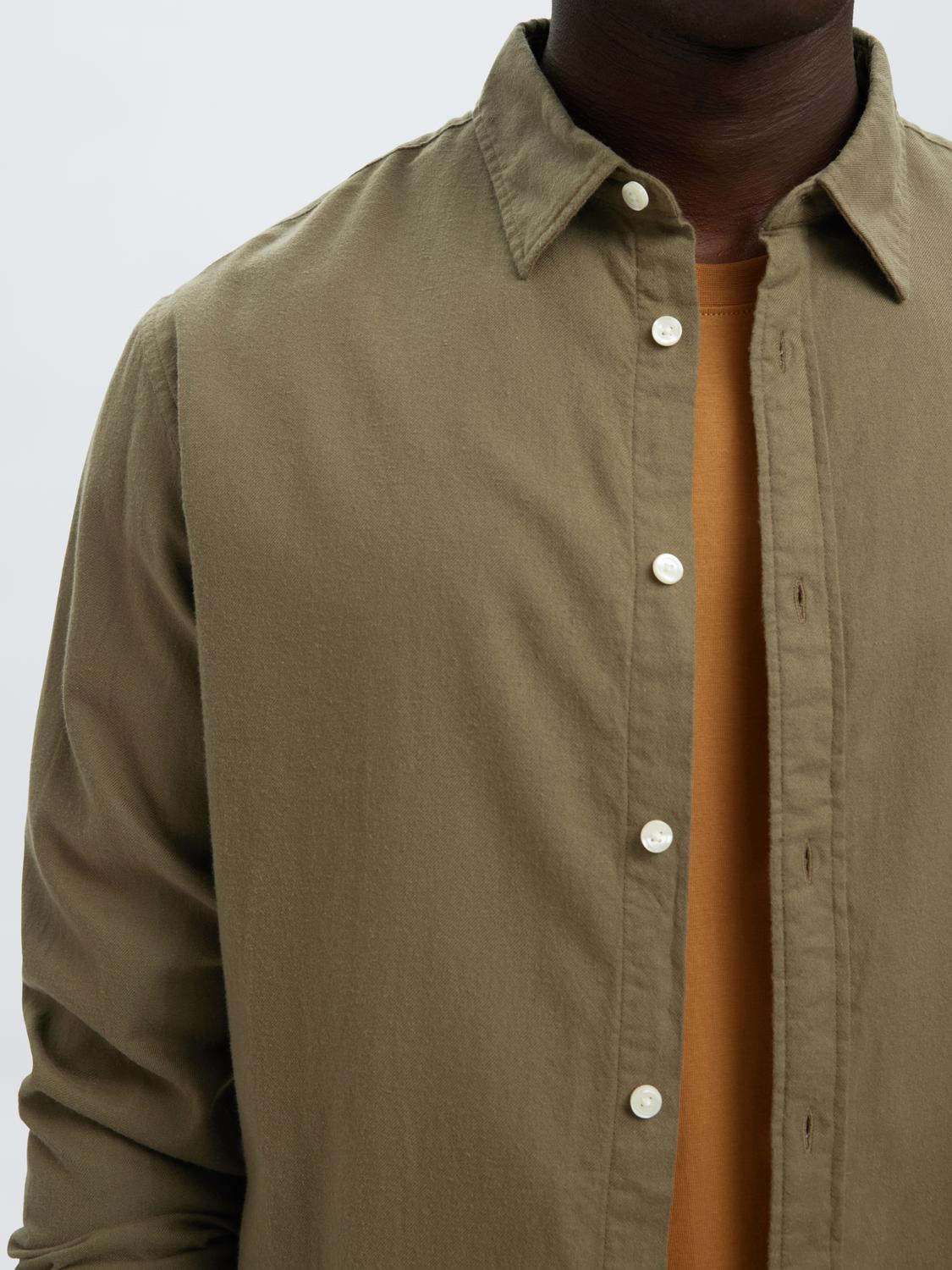
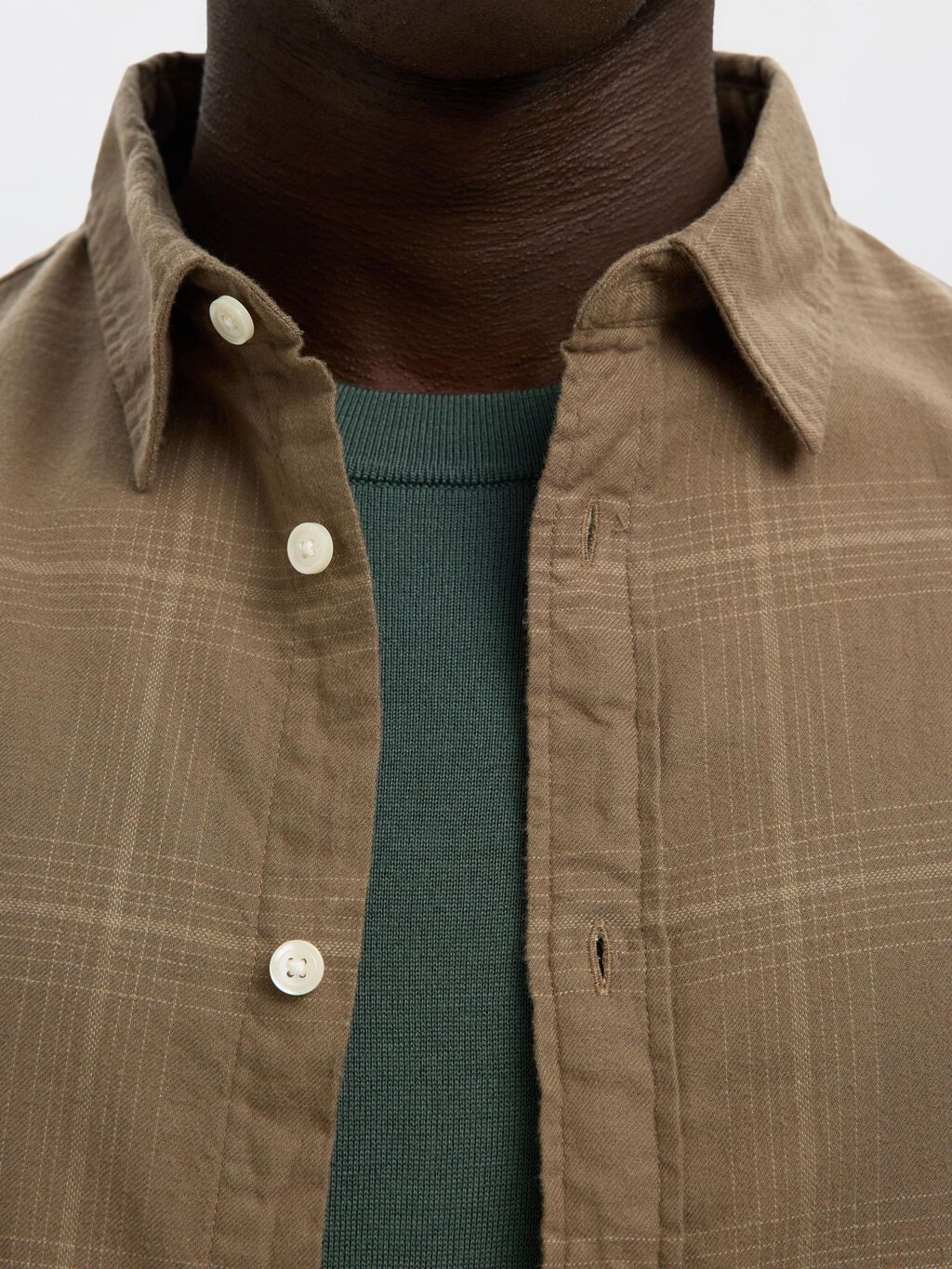
Flannel gets mistaken for a pattern because it so often comes in checks, but it's really about how the cloth is finished. After weaving, the fabric is brushed, which raises the surface and leaves it soft and slightly napped, a bit like a well-worn blanket. Plain or checked, the idea is the same.
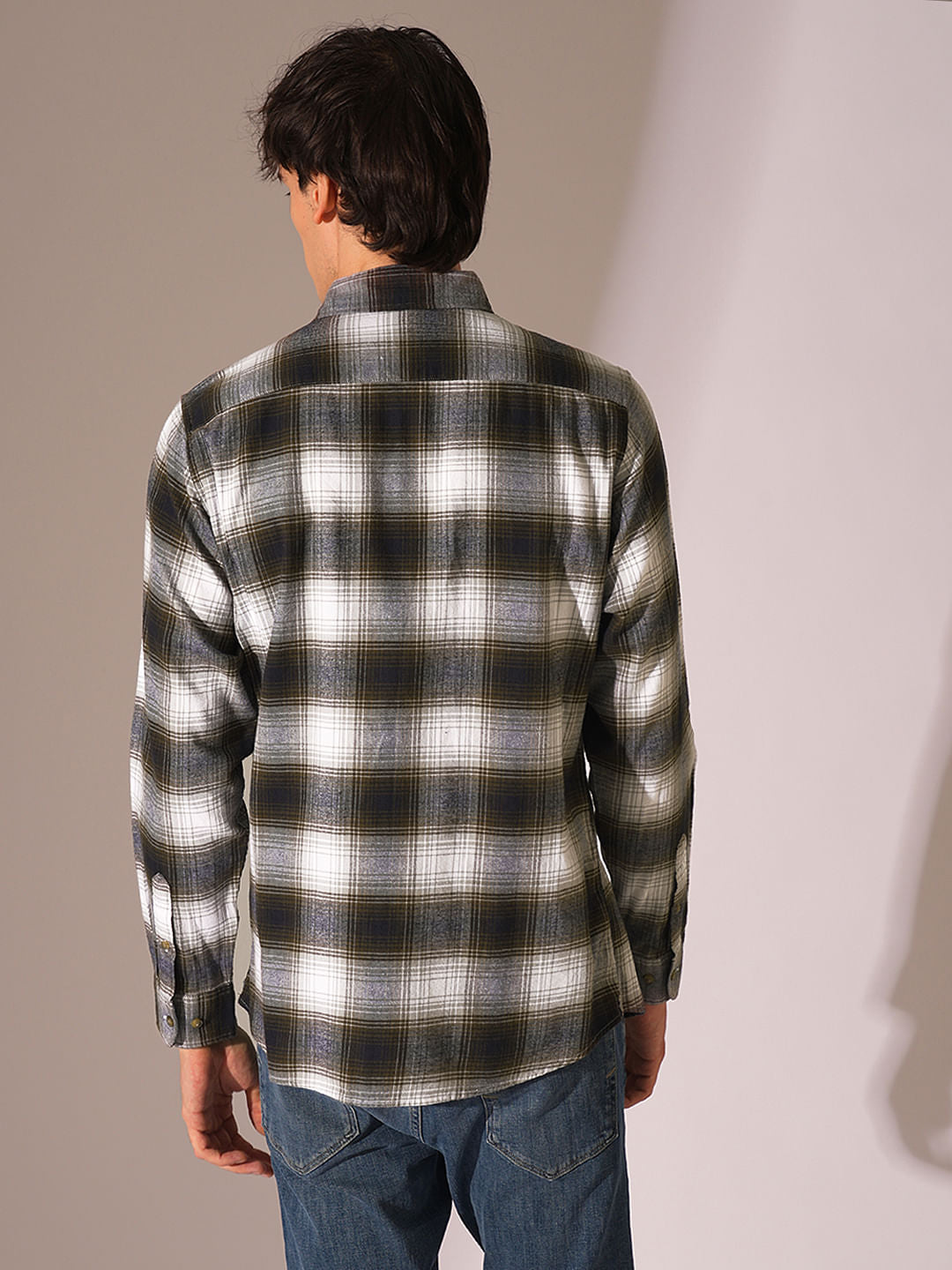
So what separates the best flannel shirts for men from the merely decent ones? Mostly things you can learn in a minute at the rail. Feel the cuff. If it's scratchy now, it won't improve. Look at how the check lines up where the pocket meets the body and down the placket, because neat matching tells you someone was paying attention. Then fasten the top button. A collar that collapses without a tie will bother you every time you put the shirt on.
Flannel Check Shirts and Solids: Choosing a Pattern
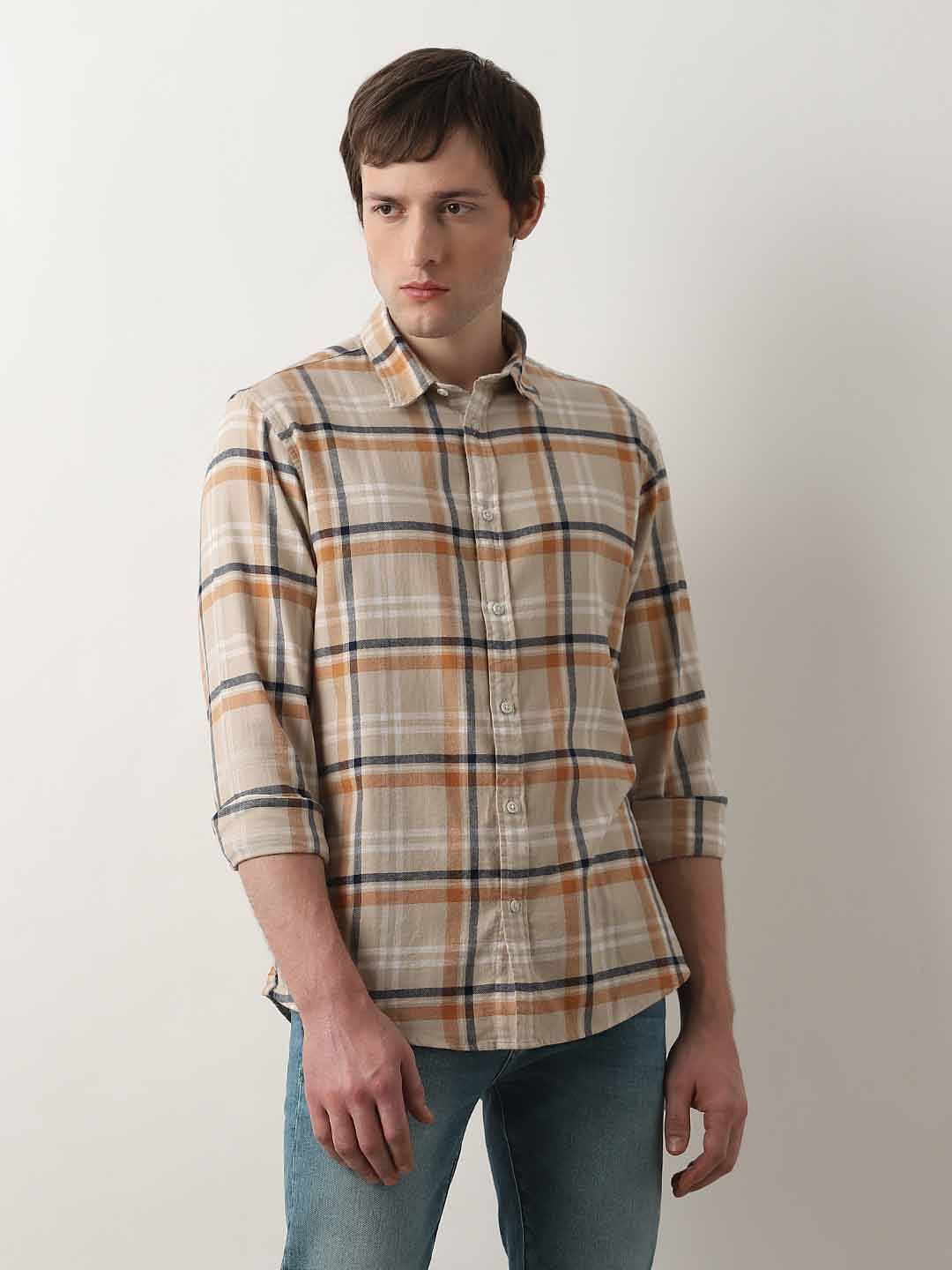
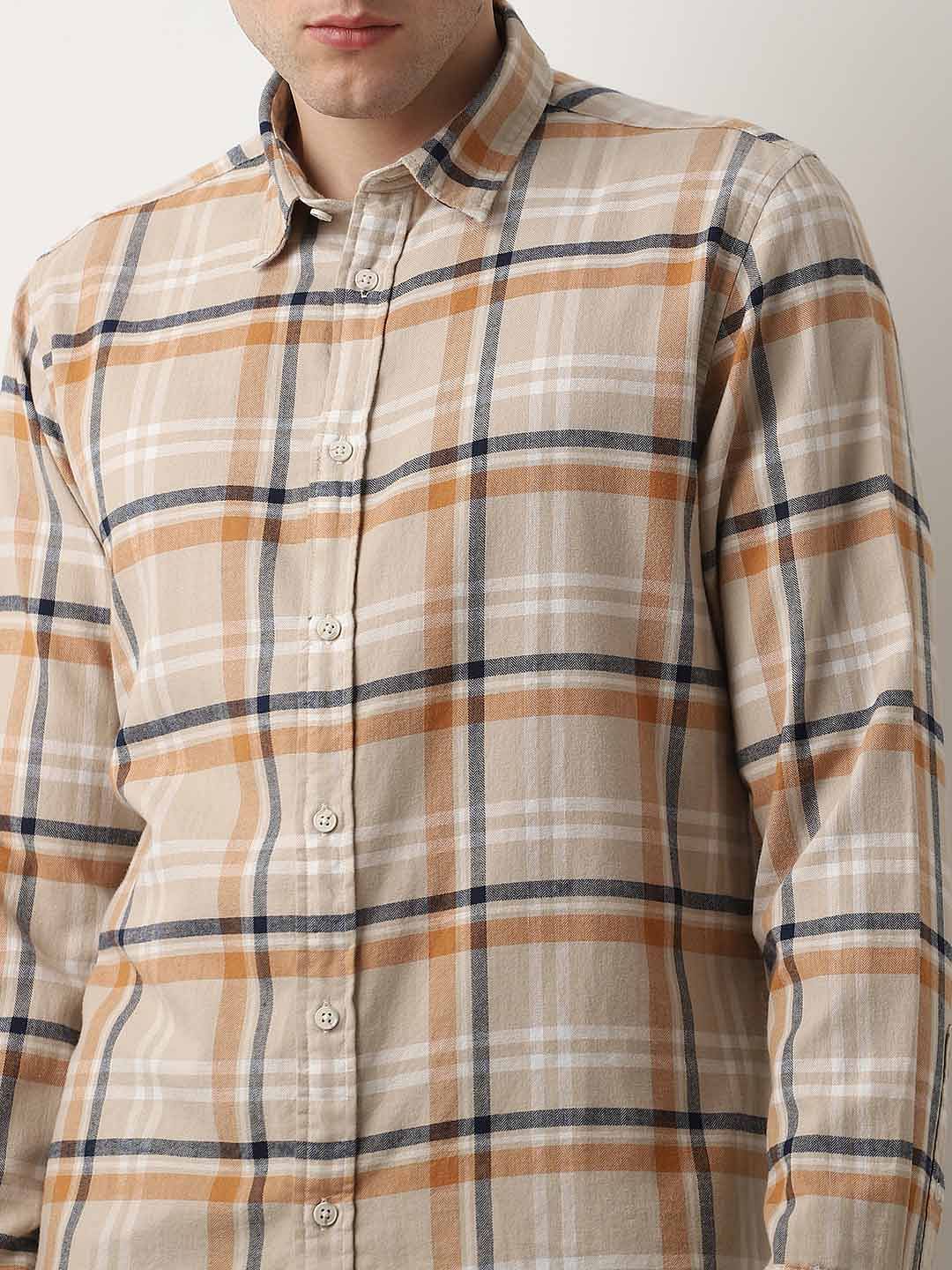
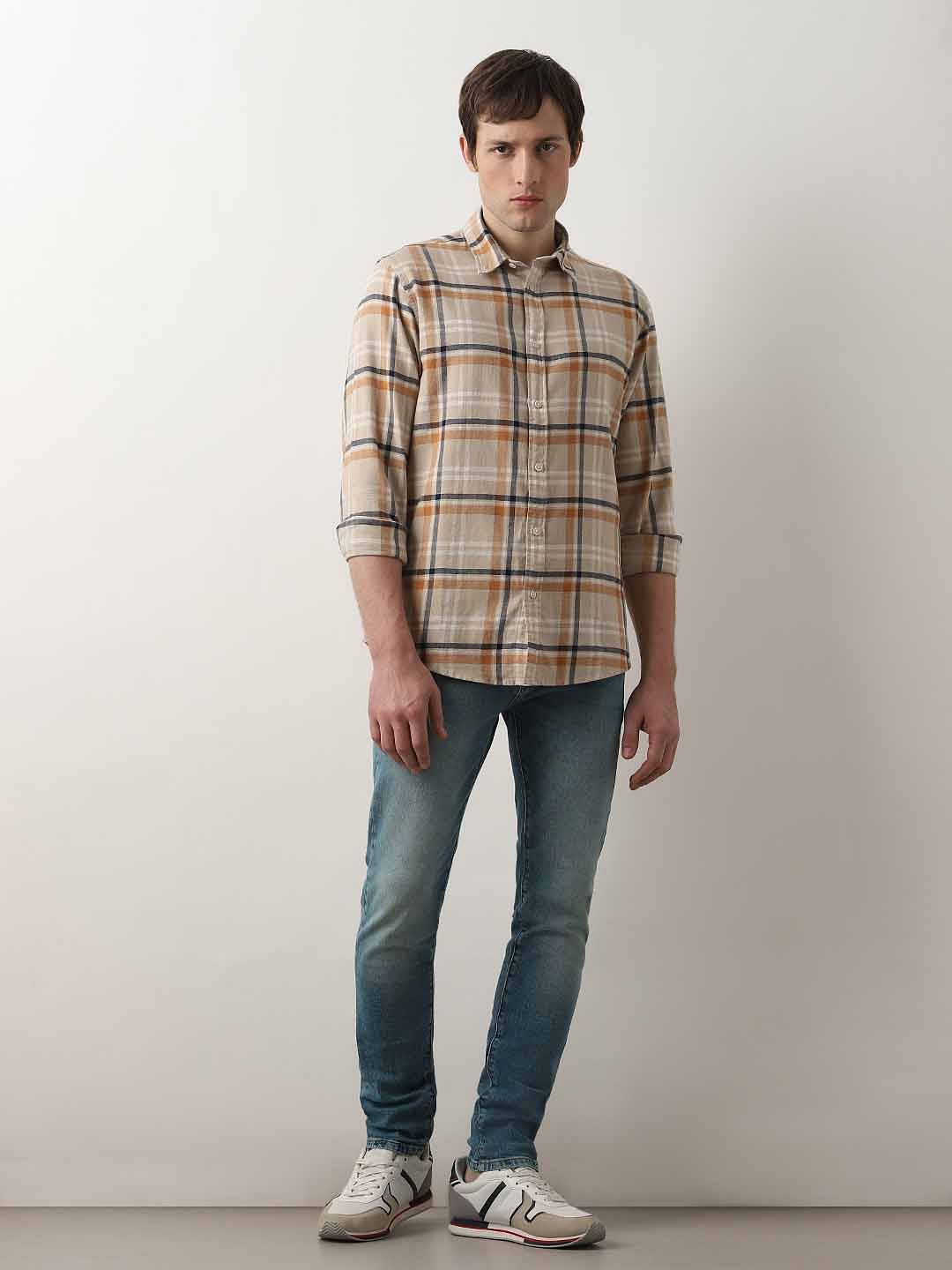
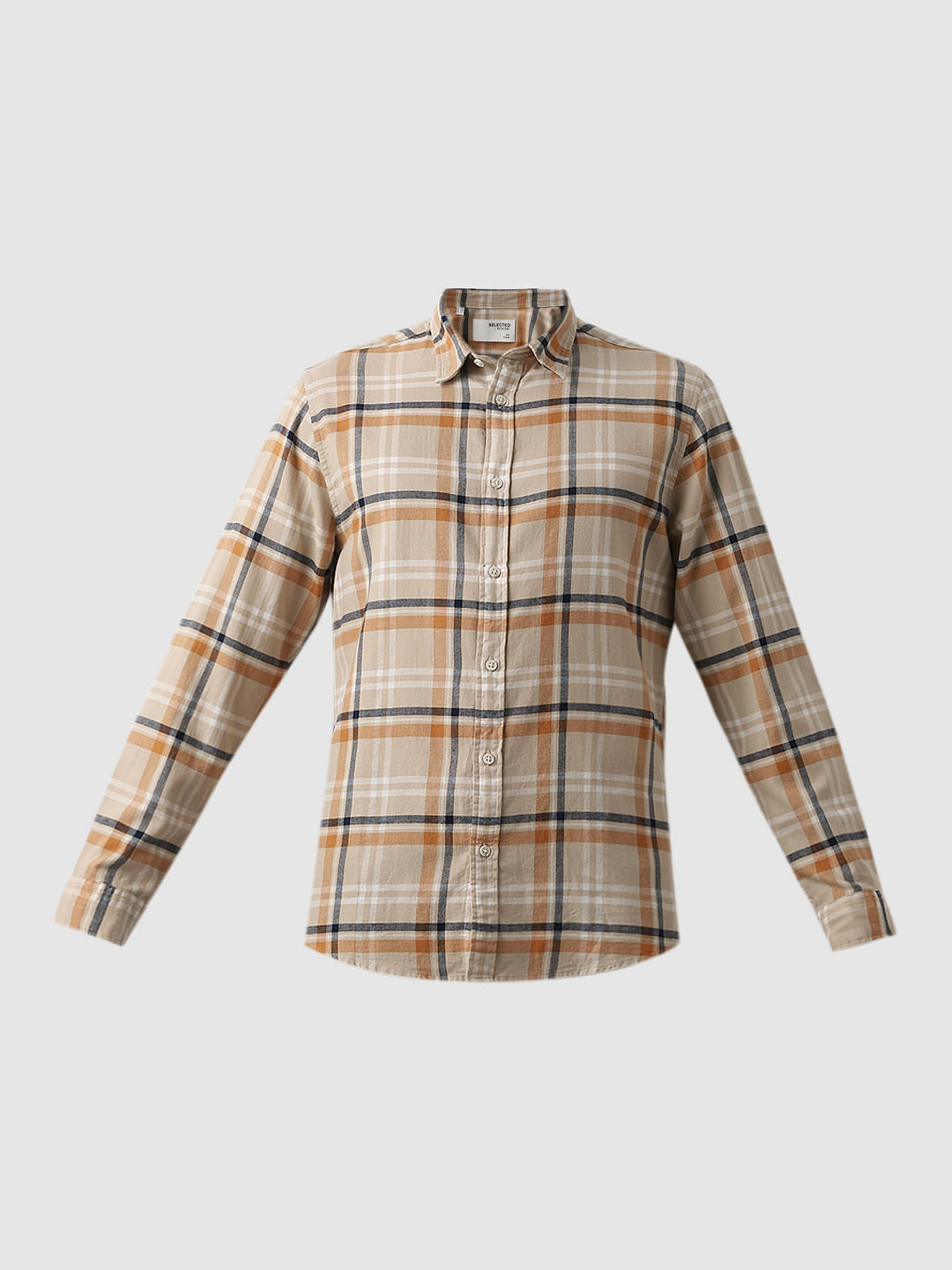
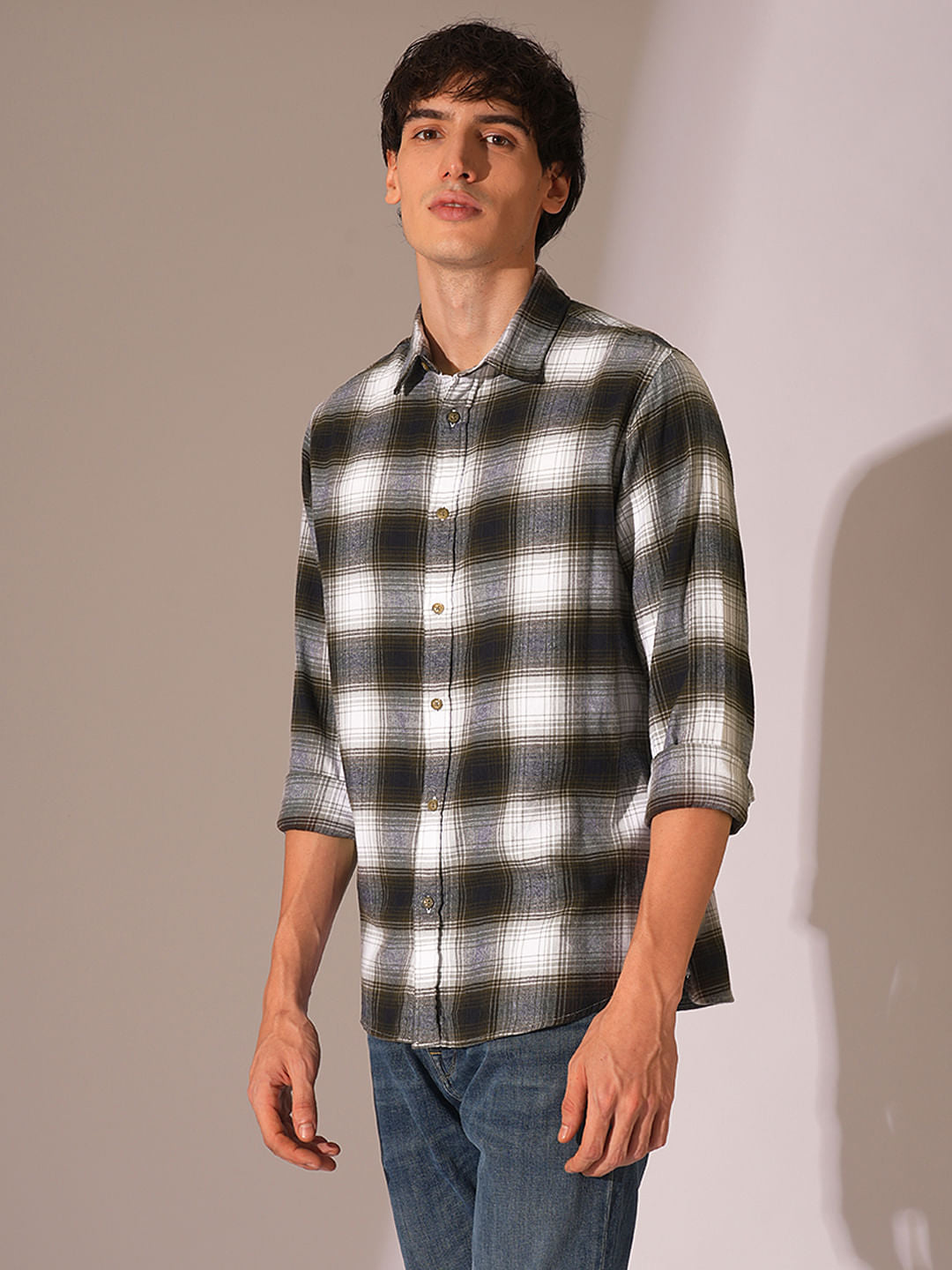
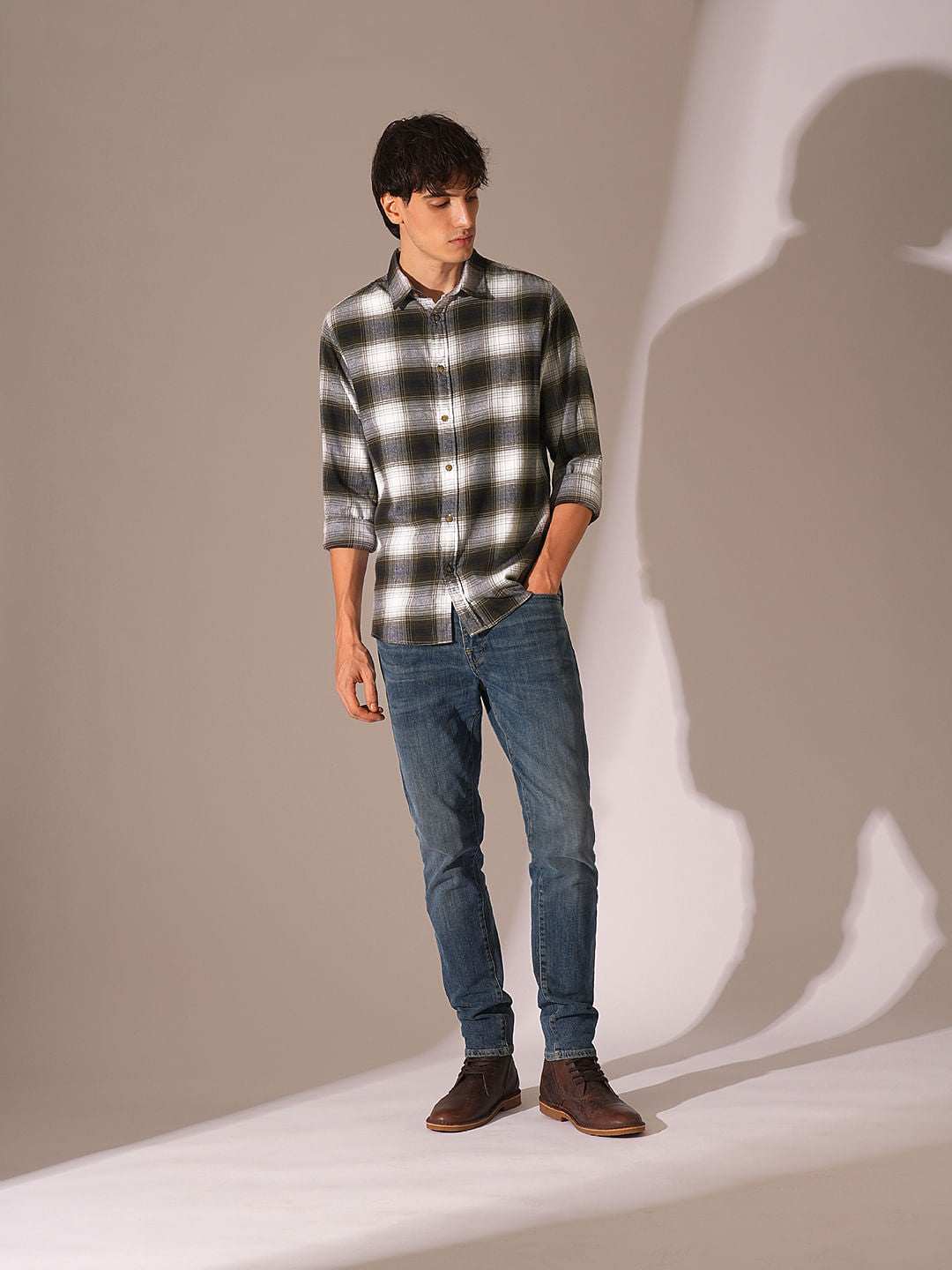
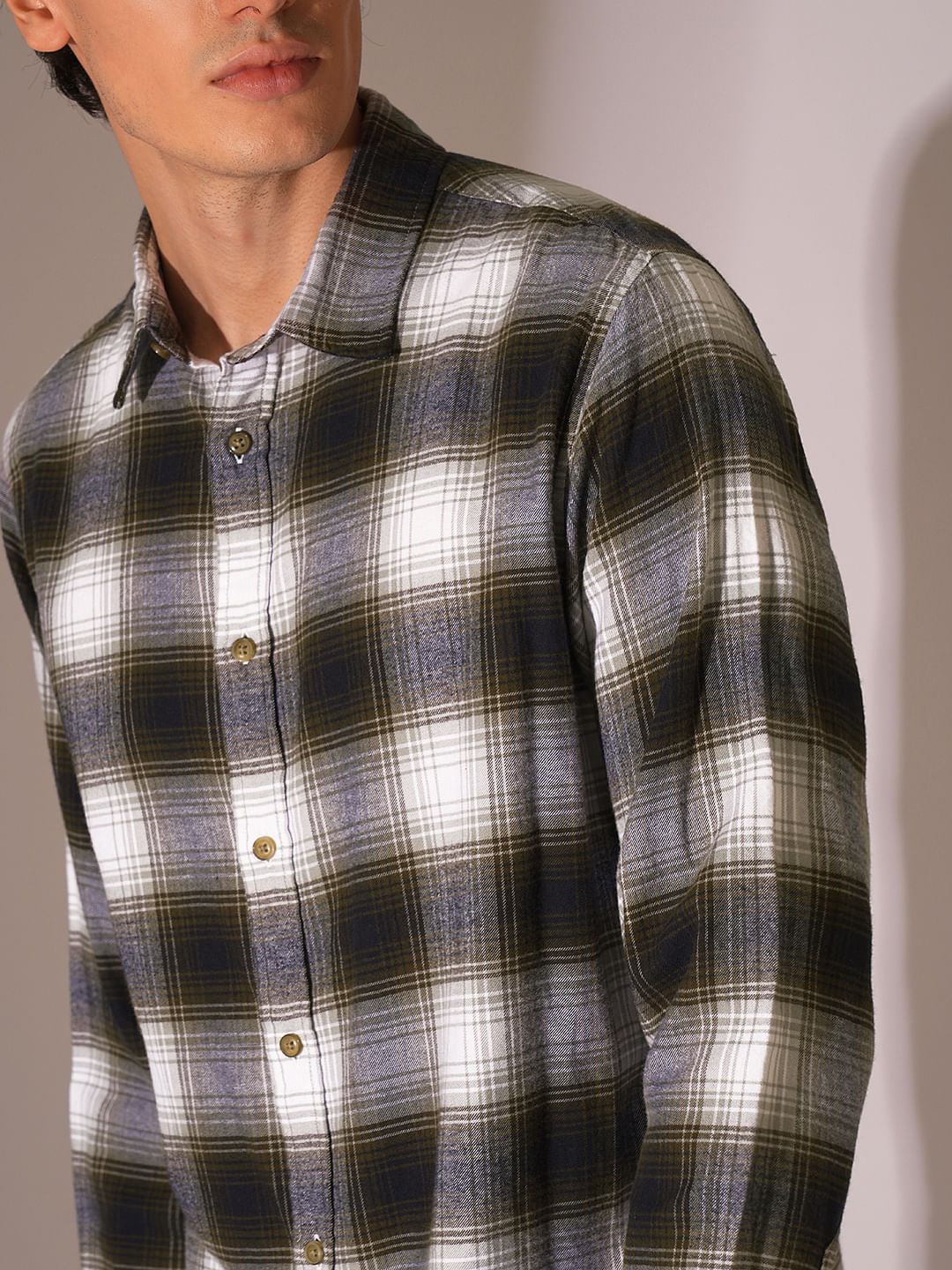
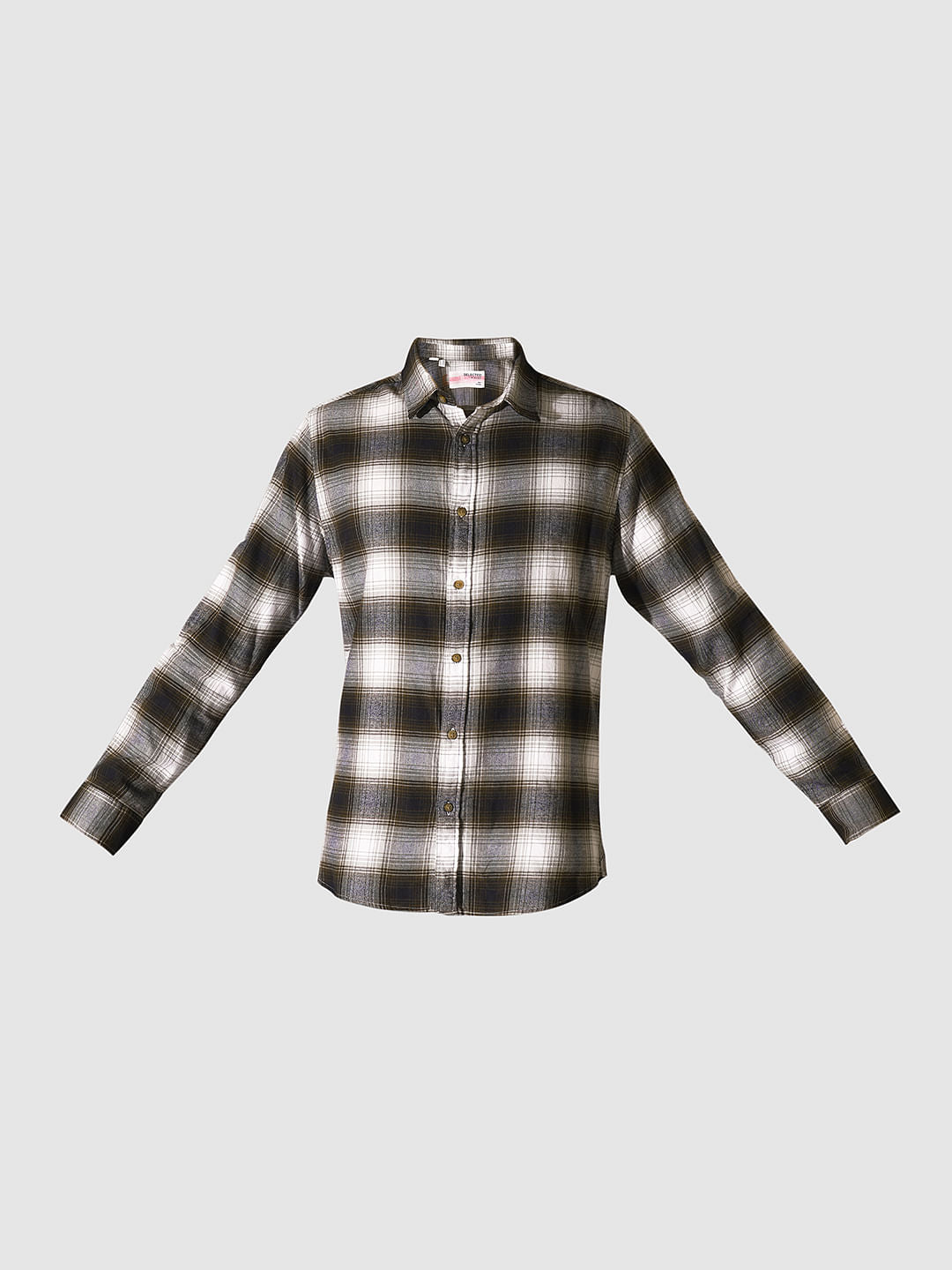
Most people begin with flannel check shirts, and there's nothing wrong with that. A check gives a simple outfit some texture. The mistake is usually scale. A small check, somewhere near a tattersall or a fine gingham, can pass in a smart-casual office. A large plaid really can't, and it's far happier open over a tee on a Sunday.
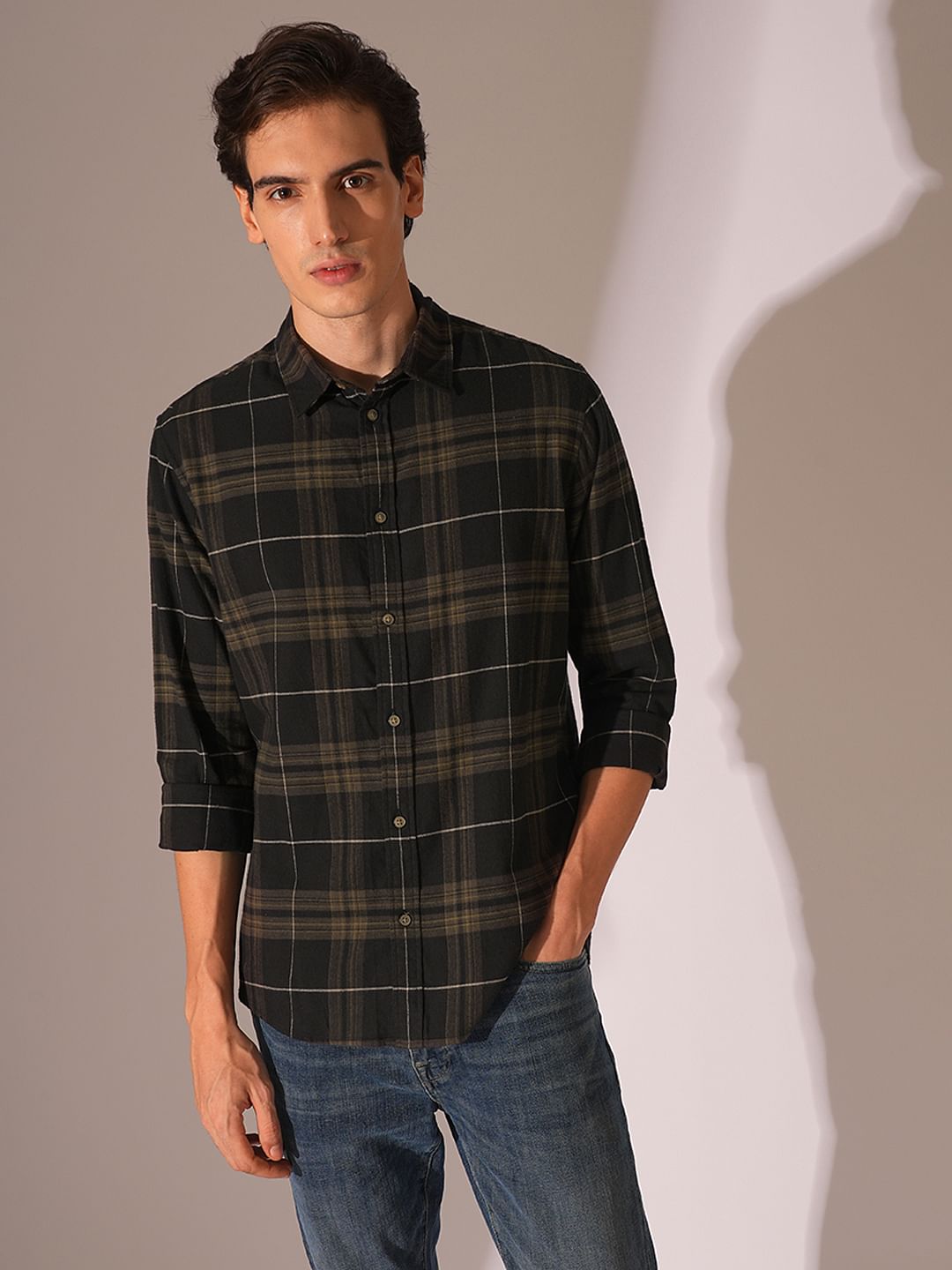
For colour, navy, charcoal, bottle green and a deep, slightly dusty burgundy are the easy ones. They go with denim, chinos and grey trousers without much thought. Brighter reds and yellows are harder work and tend to look dated sooner.
Our suggestion: once you have a couple of checks, buy a solid next. A navy or grey flannel with no pattern ends up being worn more than a third plaid would, and it makes the checks you already own look better.
Fit and Silhouette
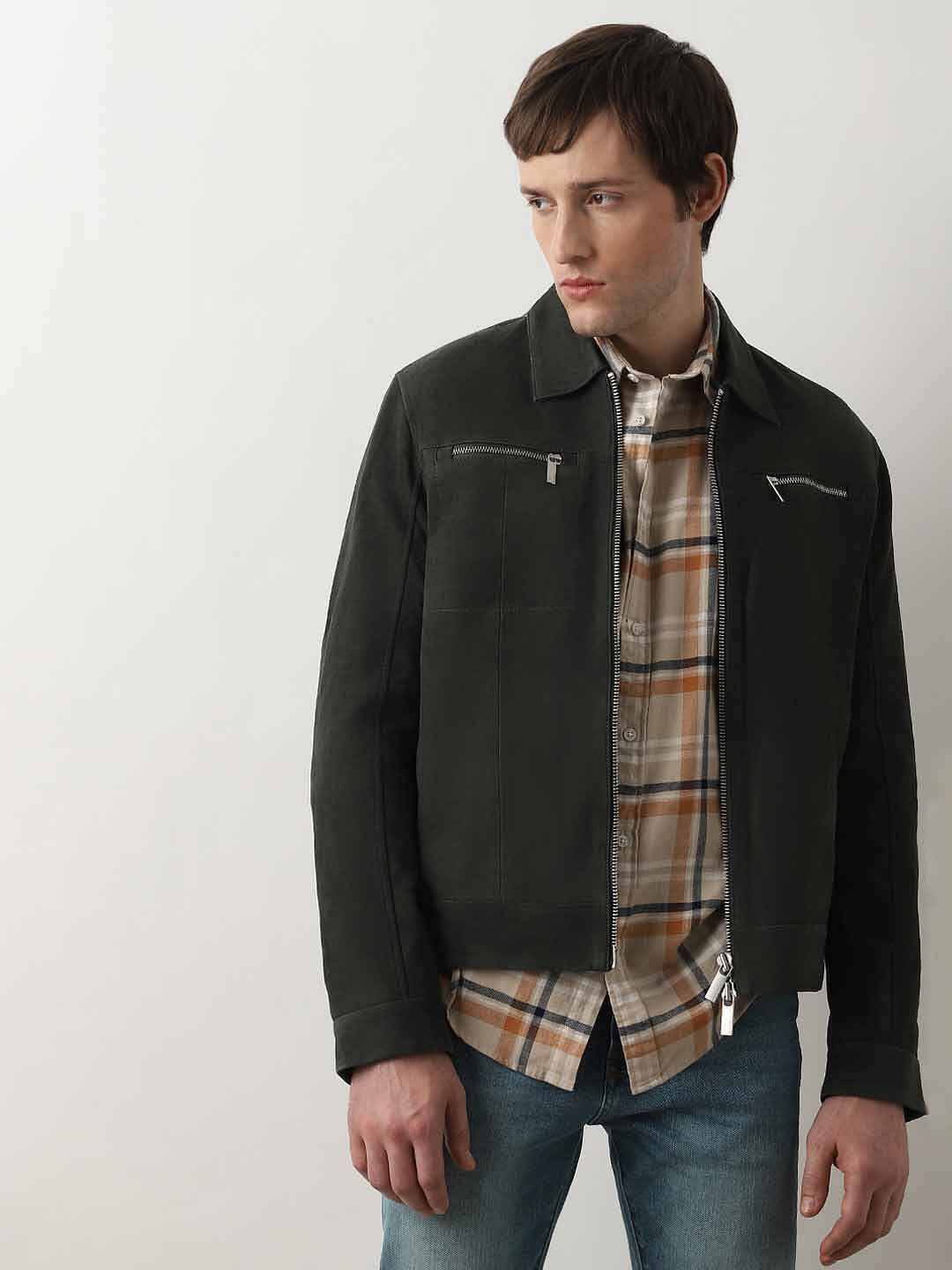
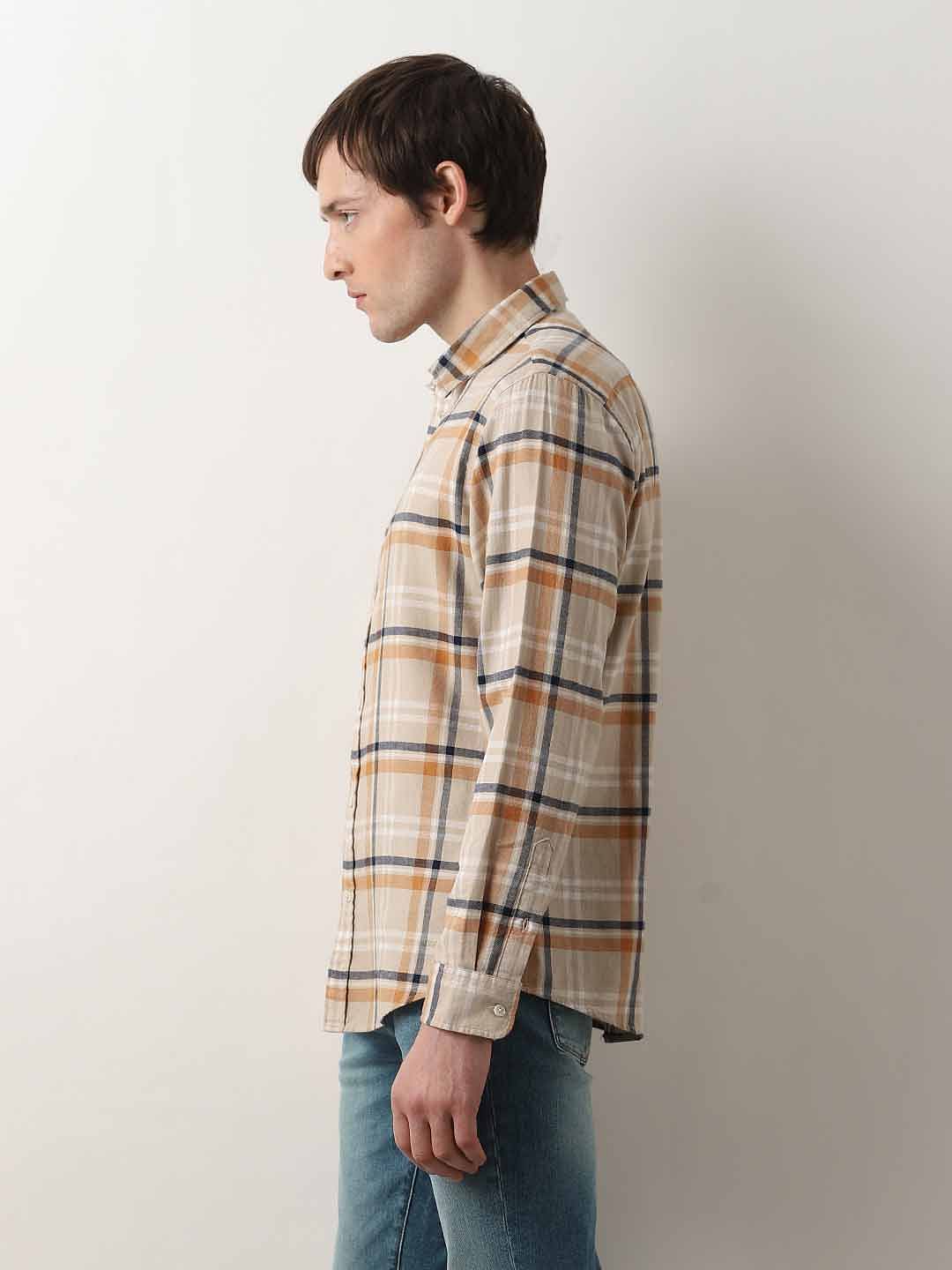
Flannel is heavier than poplin, so a fit that works in a thin cotton shirt can feel tight in this. Slim cuts look smart as long as there's genuine room across the chest and shoulders. If you plan to wear a jacket or a knit on top, a regular fit is the easier choice.
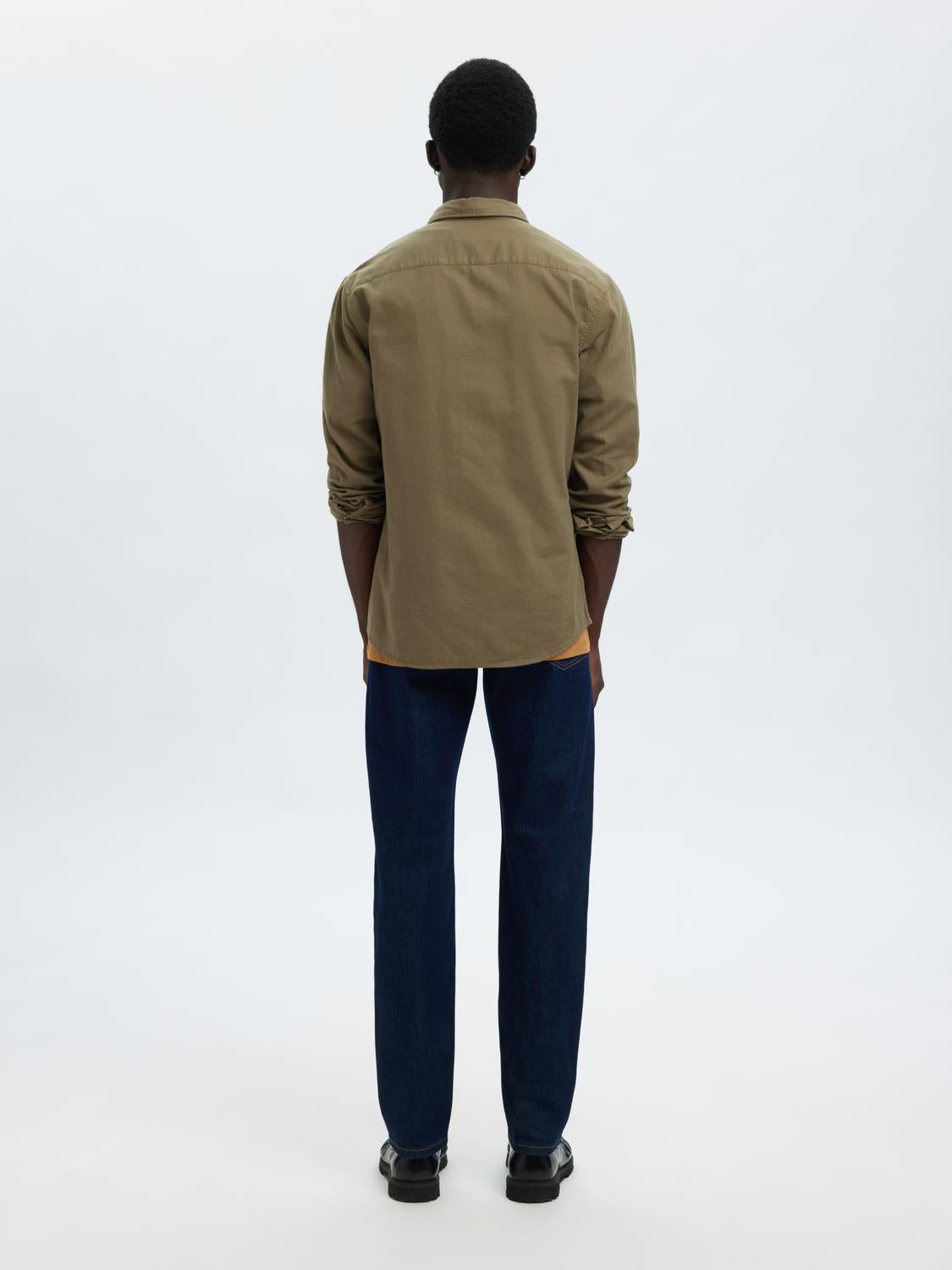
A few things to look for in the mirror. The shoulder seam should sit right at the edge of your shoulder. Sleeves should finish around the wrist bone. Worn untucked, the hem shouldn't hang much lower than your back pockets, and tucked in, it should stay put when you reach up for something.
Premium Flannel Shirts: Fabric and Craftsmanship
"Premium" has lost a lot of its meaning, so here's a more practical definition. In premium flannel shirts, the cloth has a little weight to it, and the brushing is even all over, with no thin, tired-looking patches at the elbows. Cheaper flannel tends to pill around the cuffs and forearms after a handful of washes. A better one holds its surface.
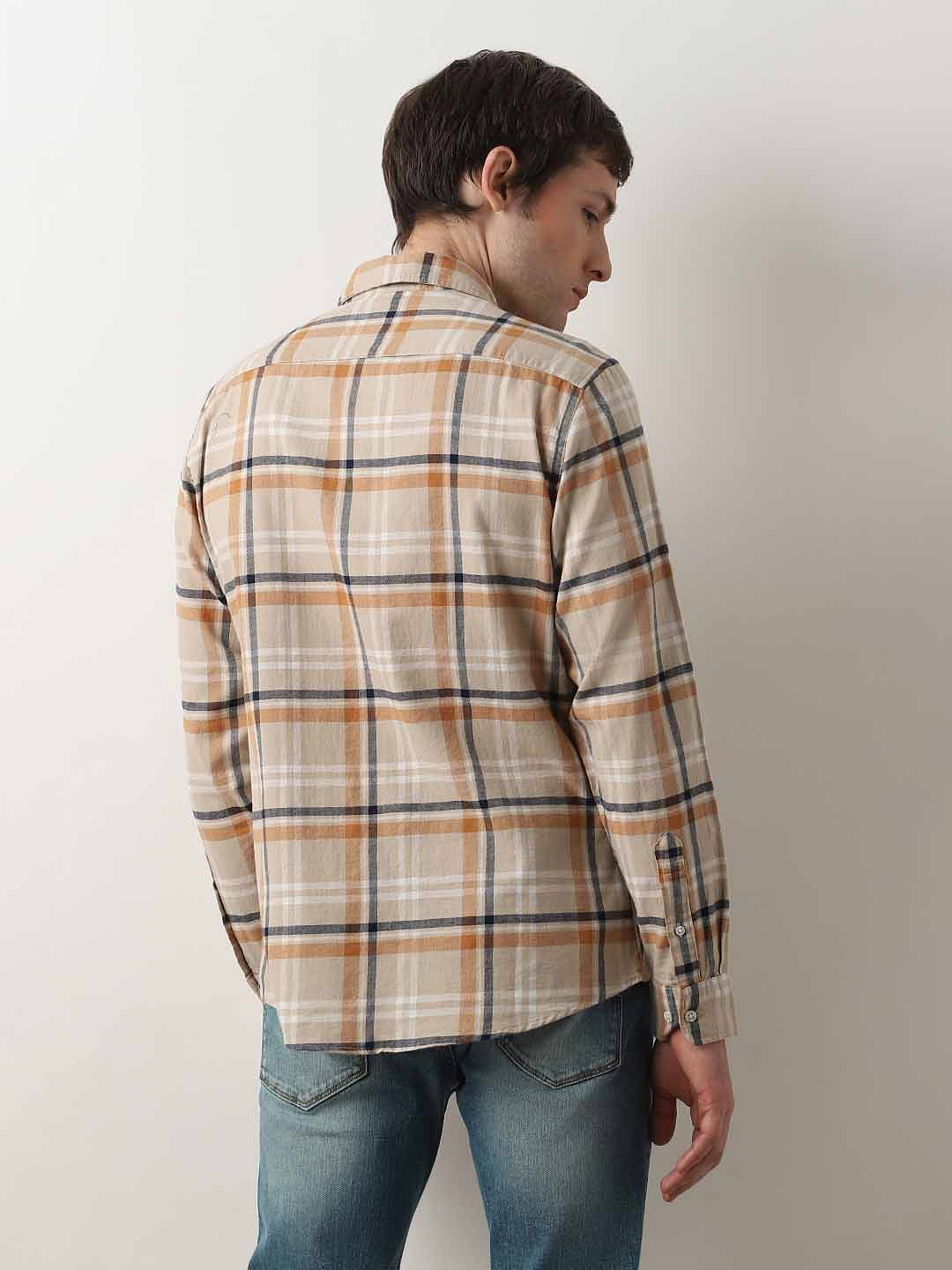
Then look at the sewing. Even stitches, buttons that feel secure, a check that carries through the sleeve and across the back yoke without a jump. None of it is flashy, but it decides whether a shirt gets through one winter or five. That's what we mean when we say built to last.
How to Style Flannel Shirts by Occasion
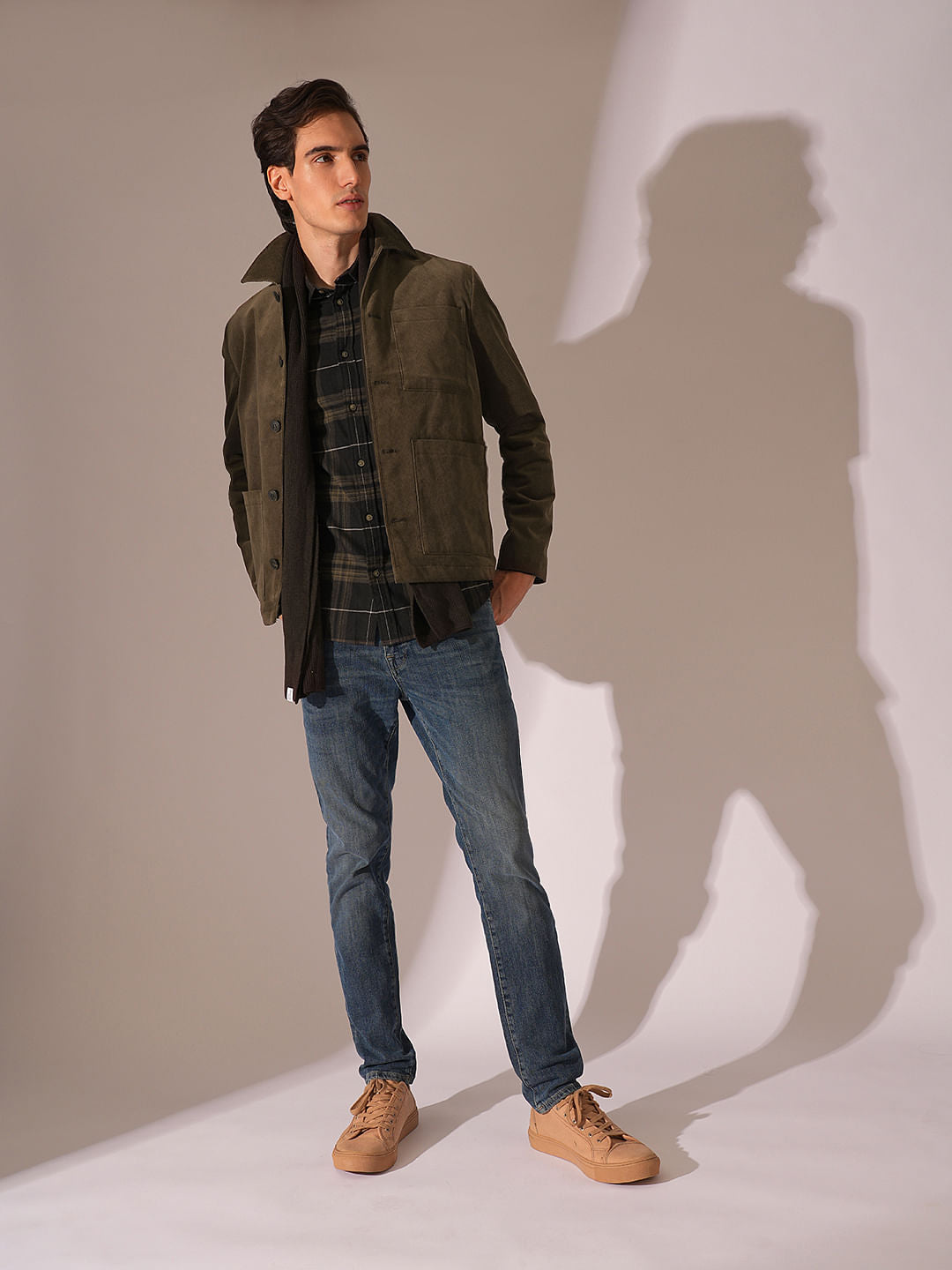
On a casual Friday at work, a small navy or grey check with stone chinos and brown loafers is hard to fault. Keep the sleeves down and leave the tie in the drawer.
At the weekend, go bolder: a larger check open over a plain white tee, dark denim, clean leather sneakers. Roll the sleeves once and call it done.
Flannel is also a good travel shirt. On a cold flight, or a weekend away in the hills, it does the job of a light jacket, packs without fuss and doesn't crease badly. It'll be fine at dinner, too.
For an evening out, try a dark solid flannel, buttoned to the top, under an unstructured blazer with suede shoes. It looks dressed without looking like you tried.
How to Care for Flannel Shirts
Flannel doesn't ask for much. Wash it cool, inside out, on a gentle cycle, and not after every single wear. Hot tumble drying is the thing to avoid, since it shrinks the cloth and flattens that soft surface, so let it dry in the shade. A low iron is enough if it needs pressing.
Fewer, Better: Longevity Over Trend
A quick bit of arithmetic. Wear one flannel twice a week through a three-month winter and that's more than two dozen wears a year. Stretch it across five winters and you're well past a hundred, which makes the cost per wear very low indeed.
The sensible way to use that is to choose pieces that won't date: a navy check, a grey solid, a deep green. A smaller wardrobe of shirts you like and look after beats a crowded one most of the time.
Flannel Shirts: Frequently Asked Questions
Which are the best flannel shirts for men in India?
Look for a soft brushed finish, a regular or slightly relaxed fit and a classic check in navy, grey or green. These suit Delhi winters and hill-station weekends equally well.
Can I wear flannel shirts to the office?
Yes, on smart-casual days. Choose a muted solid or a small check, and pair it with chinos and leather shoes rather than sneakers.
How should a flannel shirt fit?
The shoulder seam should sit at the edge of your shoulder, with sleeves ending at the wrist. Allow enough room in the chest to layer comfortably.
How do I stop a flannel shirt from shrinking?
Wash it cool and inside out, skip the hot tumble dry, and let it dry in the shade. Check the care label first.
Find Your Flannel
Browse our full range of flannel shirts and find the one you'll reach for every cold morning. Step into modern menswear that doesn't compromise. Shop Selected.