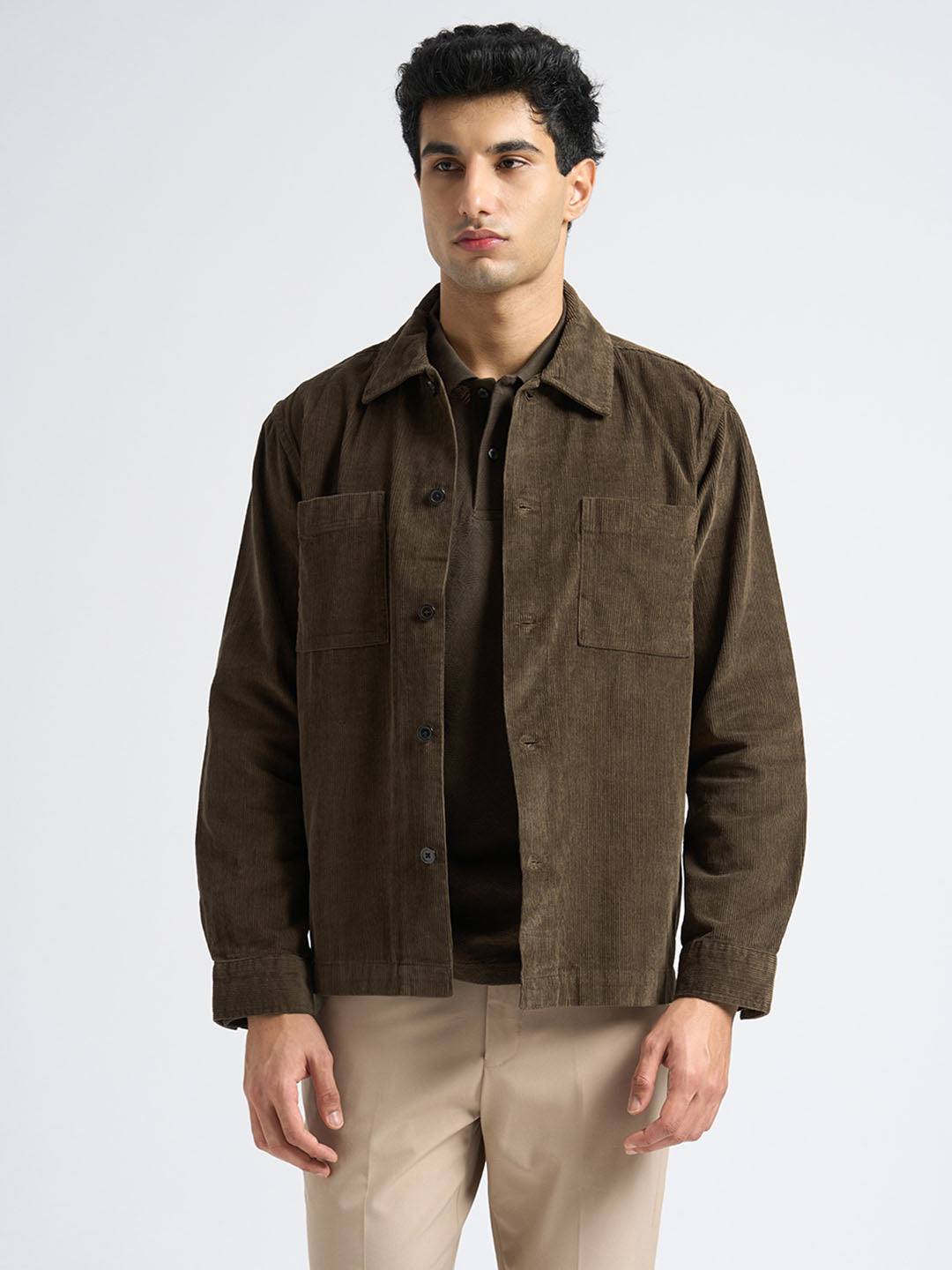
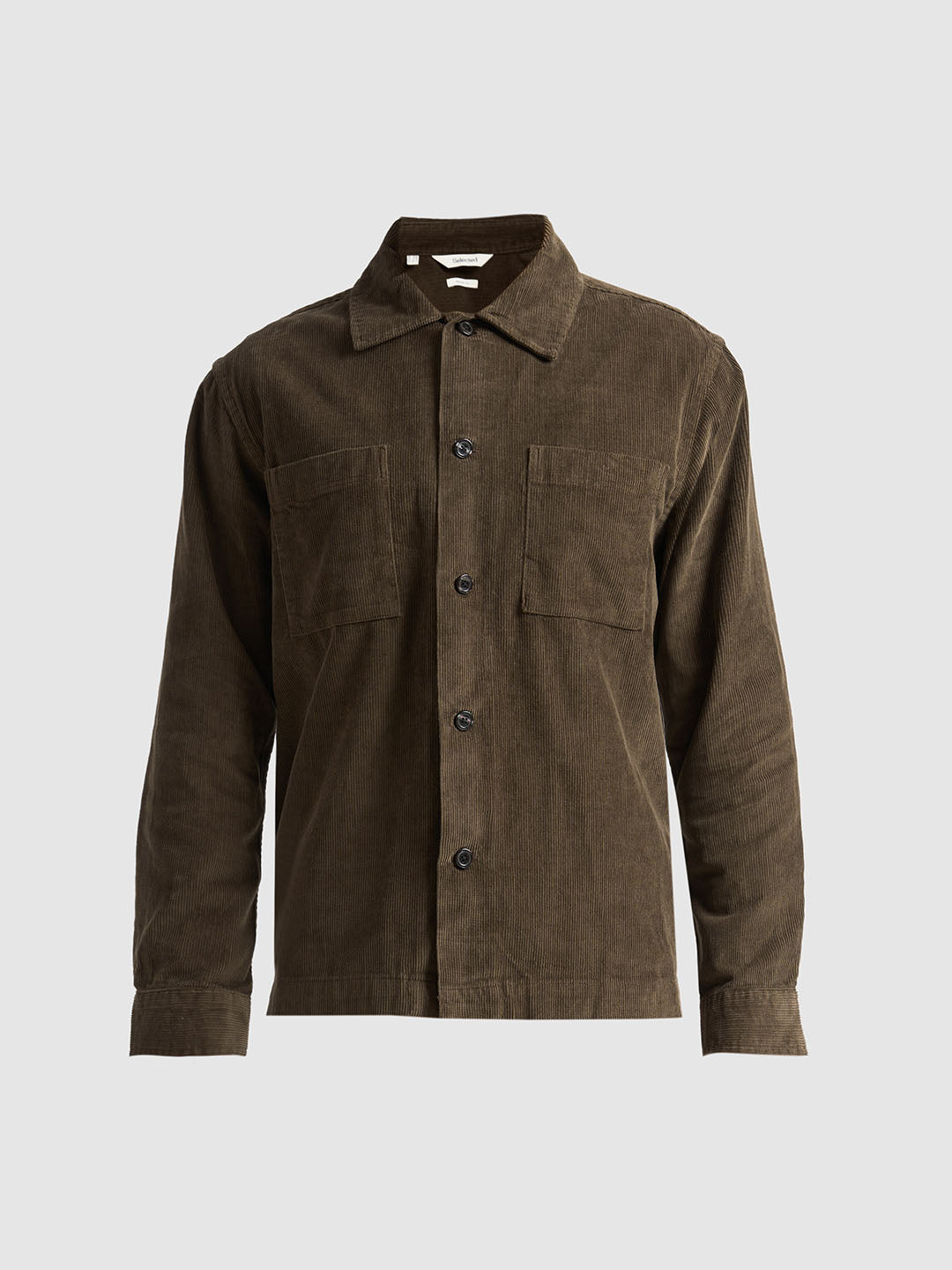
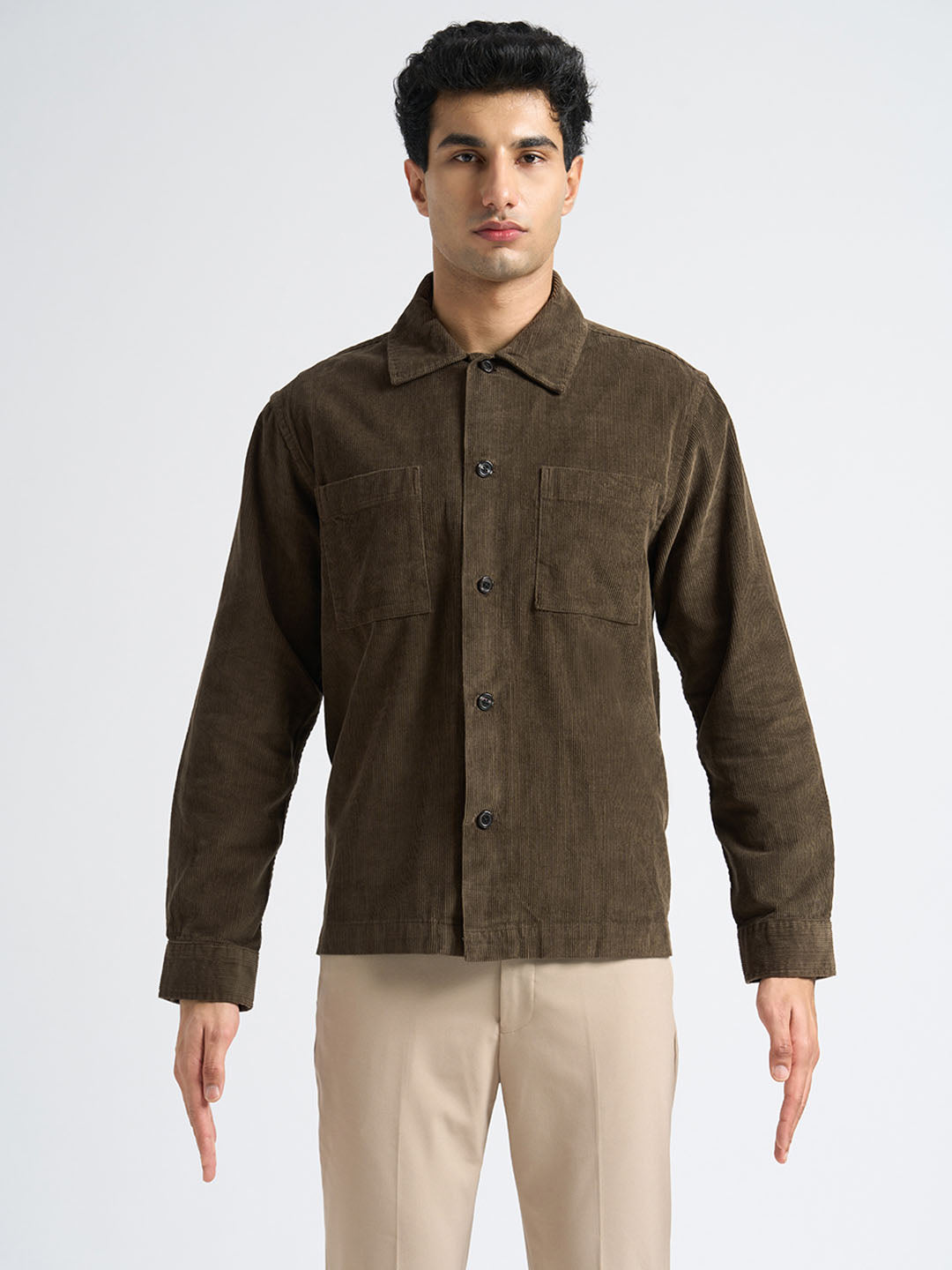
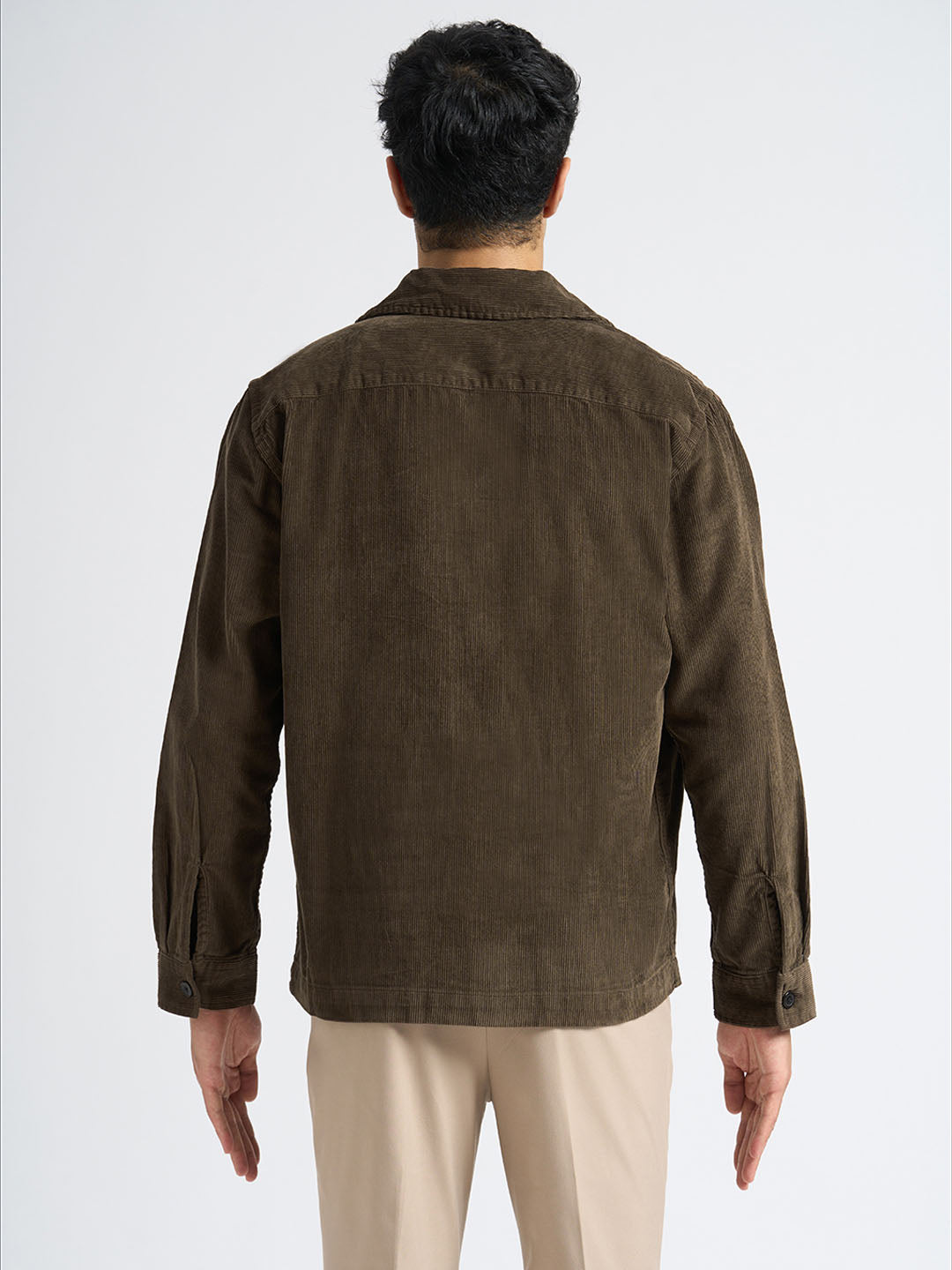
Ask a few friends which piece of clothing they grab most and someone will say a jacket, someone will say a plain tee, and the person who's quietly better dressed than all of them will say an overshirt. It looks like a shirt. It has the collar, the buttons, the chest pockets. But it's cut with more room and made with more weight, so you can leave it open over a tee or do it up and wear it alone. Too warm for a shirt on a cool evening and too much effort for a jacket? That's the gap a men's overshirt fills. At Selected, we keep ours simple on purpose, with clean lines and proportions that look right without trying. Below is what we'd tell a friend about choosing one and wearing it well.
What Actually Makes It an Overshirt
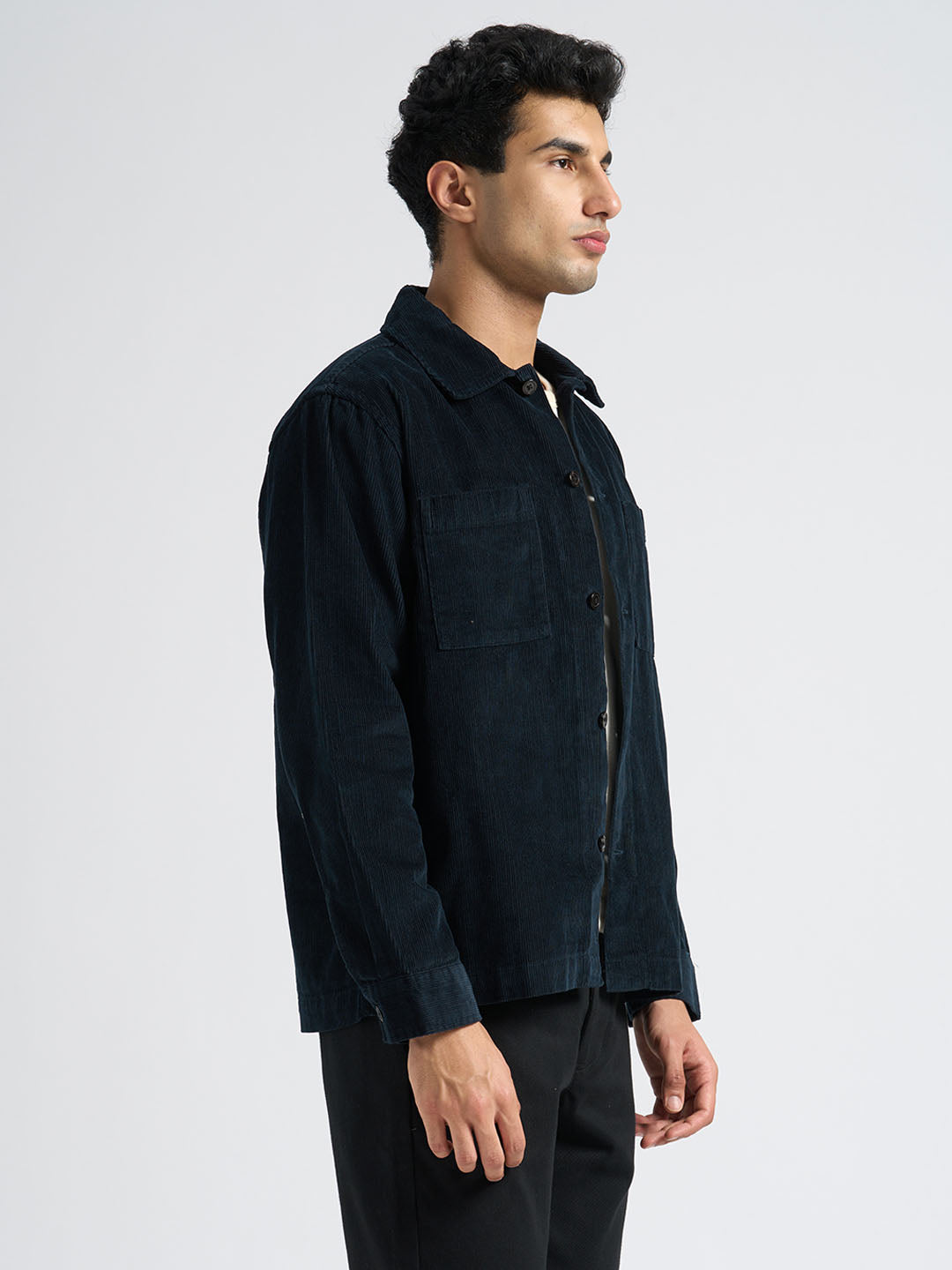
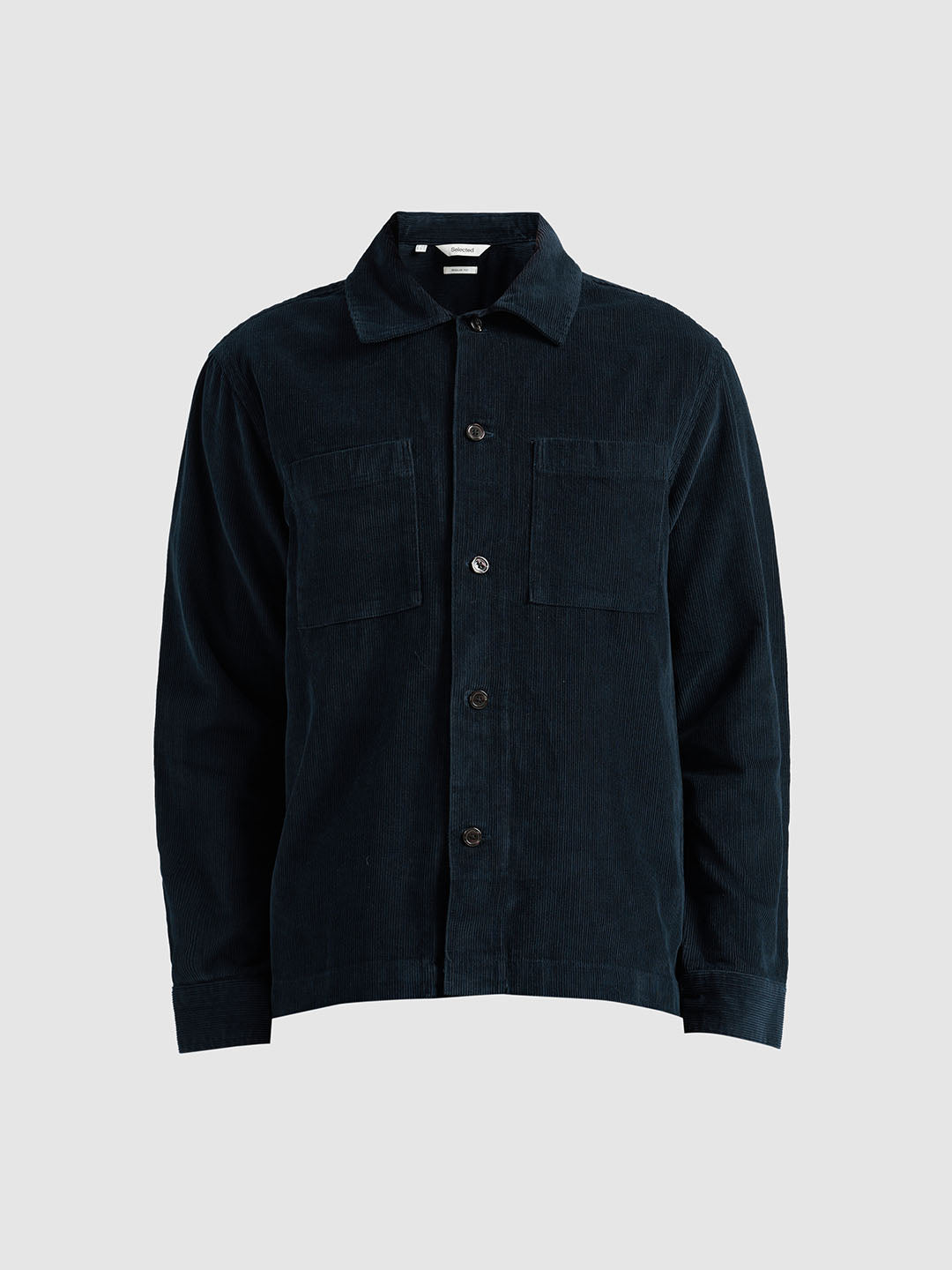
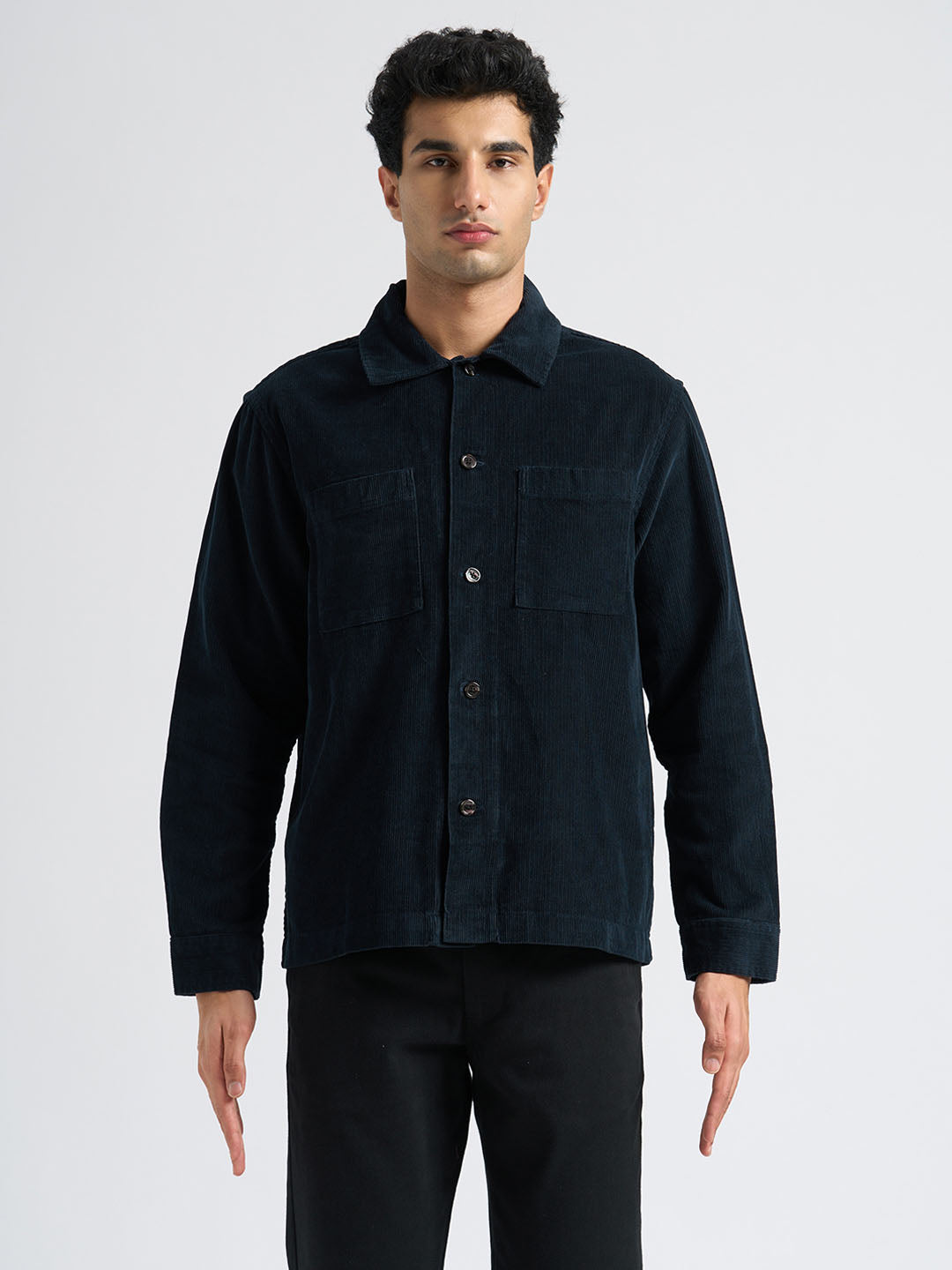
People call it a thick shirt, which is fair but incomplete. The shoulder is set slightly wider so there's space for a layer underneath. The body falls straighter, which means the hem sits properly when it's untucked, and untucked is how you'll wear it nine times out of ten. The chest pockets matter more than they look. On a good one they lie flat even with a phone inside.
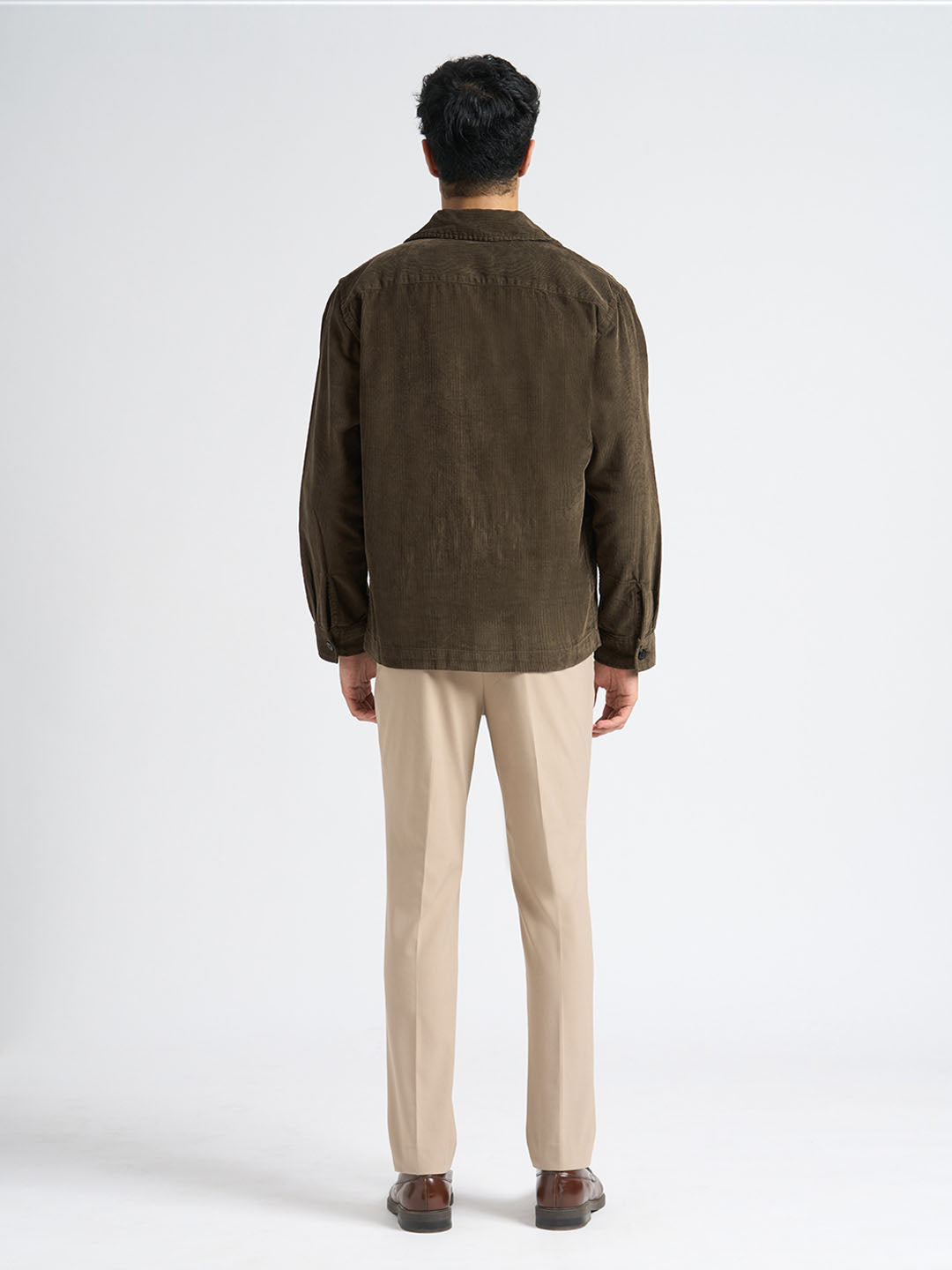
Our approach comes from Nordic design: muted colours, barely any branding, a back view that's as considered as the front. We don't do loud prints here. If a piece needs shouting to be noticed, it probably isn't going to last in your wardrobe anyway.
Getting the Fit Right
Here's the mistake we see most. Men buy an overshirt in the size they'd buy a shirt, then wonder why it feels tight over a tee. It's meant to layer, so go slightly roomier. A quick test: reach both arms forward like you're holding a steering wheel. If the fabric pulls across your back, size up.
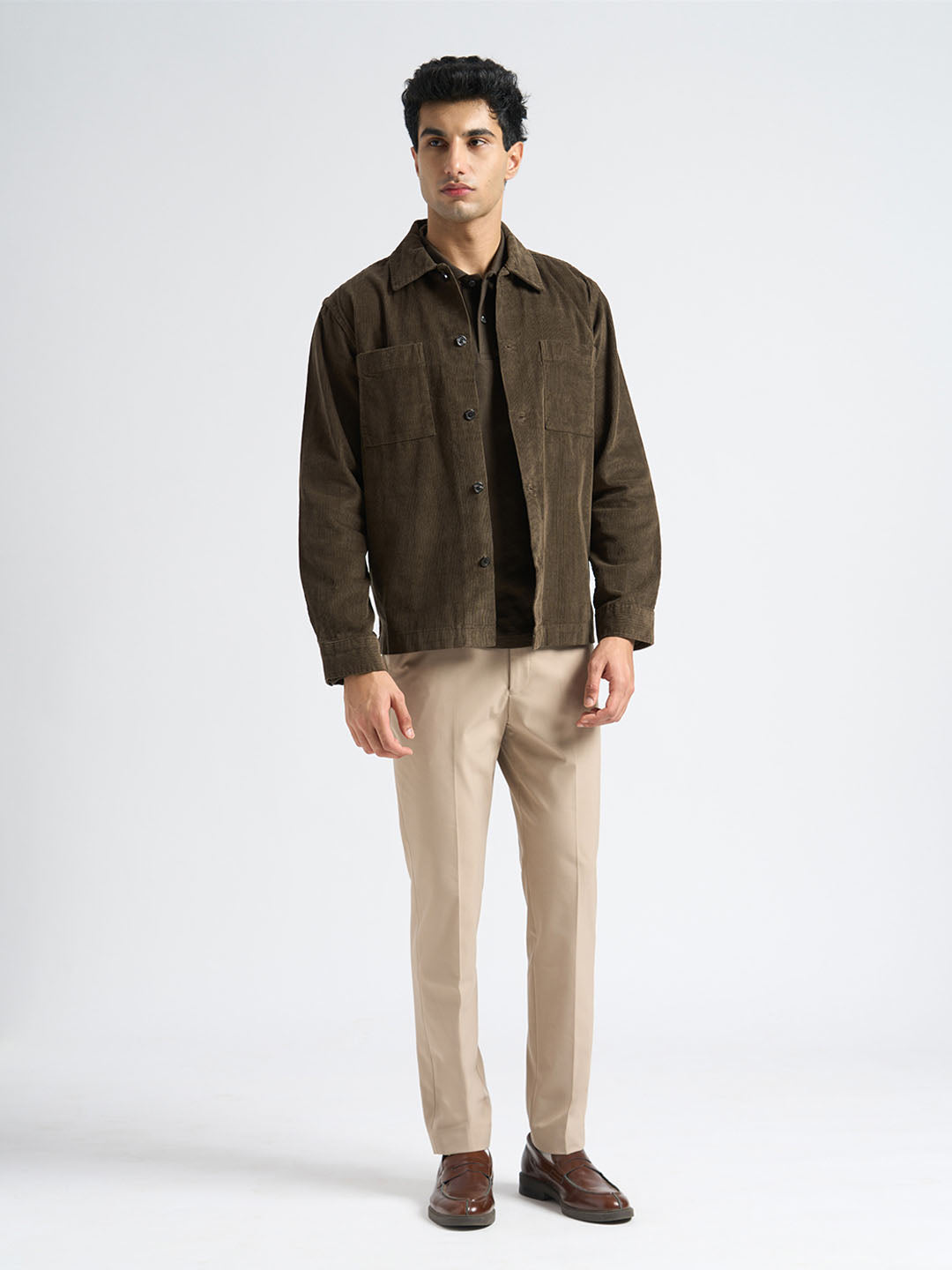
A regular fit men's overshirt is where most people should start. It sits over a tee or a thin knit and still looks tidy buttoned on its own. A relaxed cut has a longer body and a softer drape, and it's lovely for weekends and airport days. Shorter? Watch the hem. Around the bottom of your back pockets is right. Lower than that and the overshirt starts to swallow you.
Sleeves should end at the wrist bone, with enough slack to push up once.
Fabric and Stitching
A heavier, brushed texture holds its shape and takes the sting out of a Delhi December evening. Something lighter lets you get through a sticky week in Bengaluru, and it won't go limp when you're caught in the rain on the walk to the metro.
Then look at the little things. Does the collar lie flat? Are the buttons sewn on firmly? Is the stitching around the pockets even? Honestly, these tell you more about how a piece will age than any label does.
Men's Black Overshirt: Start Here
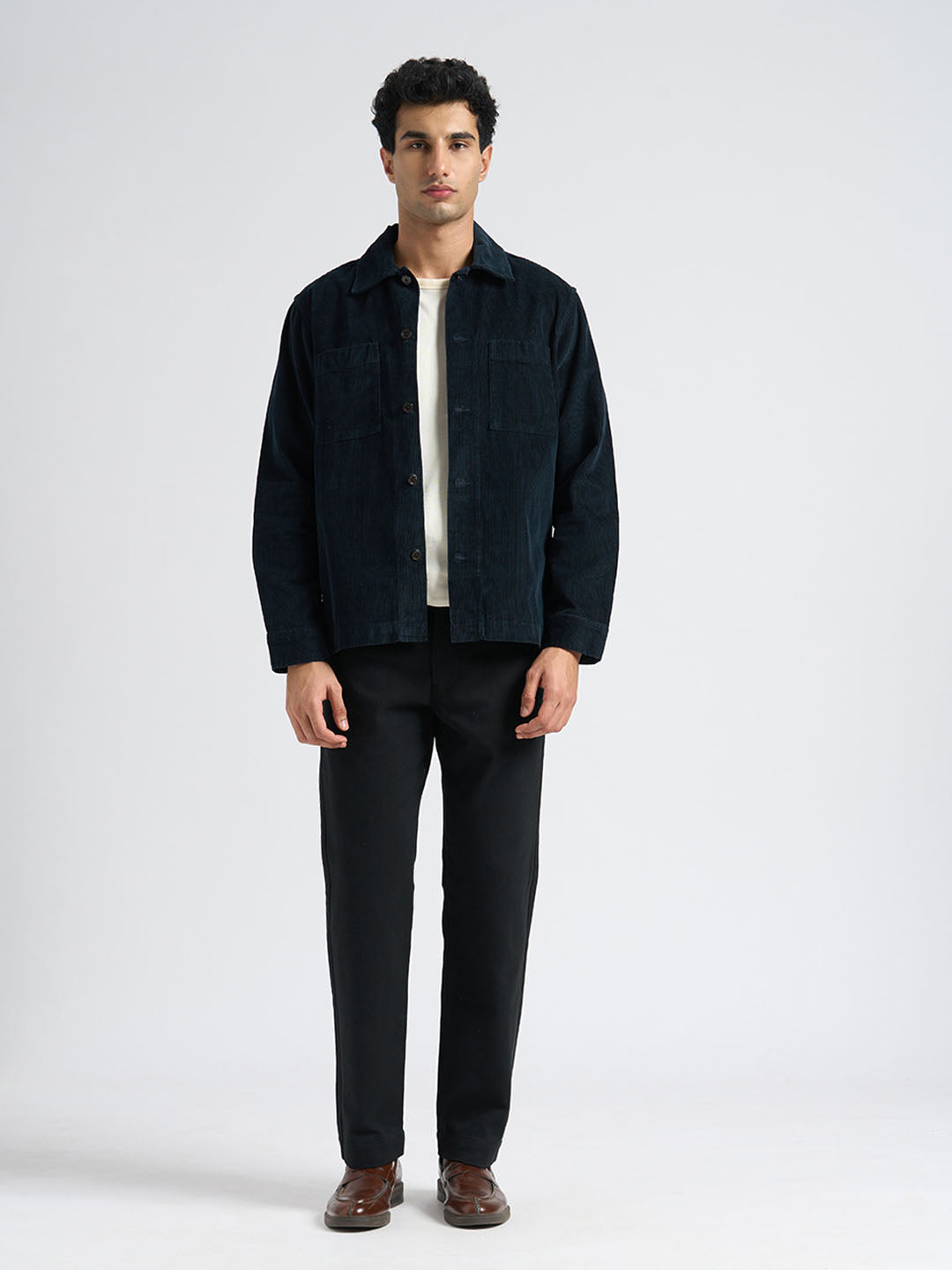
If you're only going to buy one, buy it in black. A men's black overshirt works with indigo denim, grey trousers, stone chinos and a white tee, and it hides a long week far better than anything pale. Open over a white tee, it looks crisp, almost graphic. Buttoned up with dark trousers, it's close to a jacket.
Two small things keep black from feeling heavy. Wear something light underneath so it has contrast. And think twice before black trousers and black shoes on top of it, unless you really want that head-to-toe look. For dinner, a black overshirt over a fine knit with tapered trousers is plenty. You won't miss the blazer.
Men's Overshirt Style: Open or Buttoned
Nearly all of men's overshirt styles come down to one choice. Open gives you a relaxed, long line down the front. Buttoned looks tidier and a bit more serious. Pick based on where you're going.
For a smart-casual office day, wear it over a crew-neck tee or a thin knit with tailored trousers and leather shoes. In a Mumbai office where the air-conditioning is set to arctic, it does the blazer's job, and nobody asks where your jacket went.
Weekends are easy. Leave it open, roll the sleeves once, add jeans and clean sneakers. Done.
Travel is where an overshirt really earns its spot. On a two-day work trip with one carry-on, it's your shirt in the meeting, your light jacket on the flight, and the thing you pull on for the walk back to the hotel.
Evenings work best when everything else stays slim and plain, and the overshirt does the quiet talking.
In the monsoon, a lighter overshirt beats a jacket every time. In winter, wear it over a knit and under a coat for warmth without the bulk.
Choosing and Looking After Your Men's Overshirt
Think honestly about when you'll wear it. Mostly work and evenings? Go for black or a deep neutral in a regular fit. More weekends and travel? A relaxed fit in an earthy tone gives you more room to play.
Before you buy, check that the shoulder seam sits at the edge of your shoulder, that you can raise both arms without the hem riding above your waistband, and that the sleeves reach the wrist.
For care, follow the label on each piece. As a general habit, wash cool with the buttons done up so the placket keeps its shape, and dry flat or in the shade. Rest it a day between wears. A wide hanger stops the shoulders from caving in.
One Good Men's Overshirt Beats Three Trend Pieces
We'd rather you own one overshirt you reach for every week than three you wear twice. A well-cut piece in a colour that doesn't date pays you back through cost per wear. Every outing makes it cheaper, and every wash it survives proves the point. Buying fewer, better things and looking after them is about as practical as responsible dressing gets.
Men's Overshirt FAQs
Can I wear an overshirt to the office?
Yes, on smart-casual days. Wear it over a plain tee or fine knit with tailored trousers and leather shoes.
What is the difference between an overshirt and a jacket?
An overshirt is lighter and less structured, with a shirt collar and buttons. A jacket usually has more lining and shape.
How should a men's overshirt fit?
It should sit comfortably over a tee without pulling across the back. The shoulder seam should land on your shoulder bone.
Can I wear a black overshirt in summer?
Yes, in a lighter weave and worn open over a tee. Choose breathable fabric and keep the colours underneath pale.
Find Your Overshirt
Explore the full range of men's overshirts and build a wardrobe rooted in quality. Shop Selected.