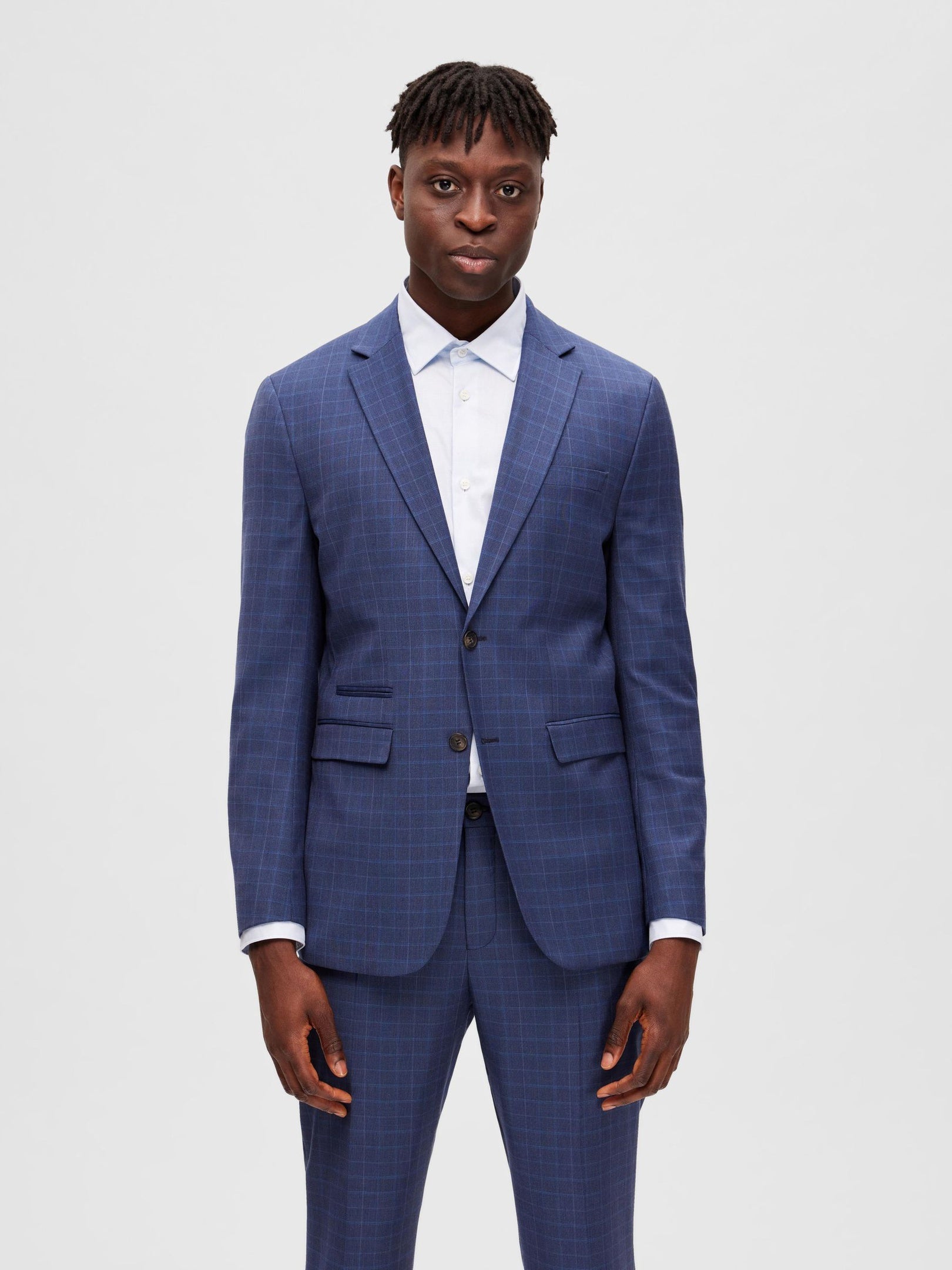
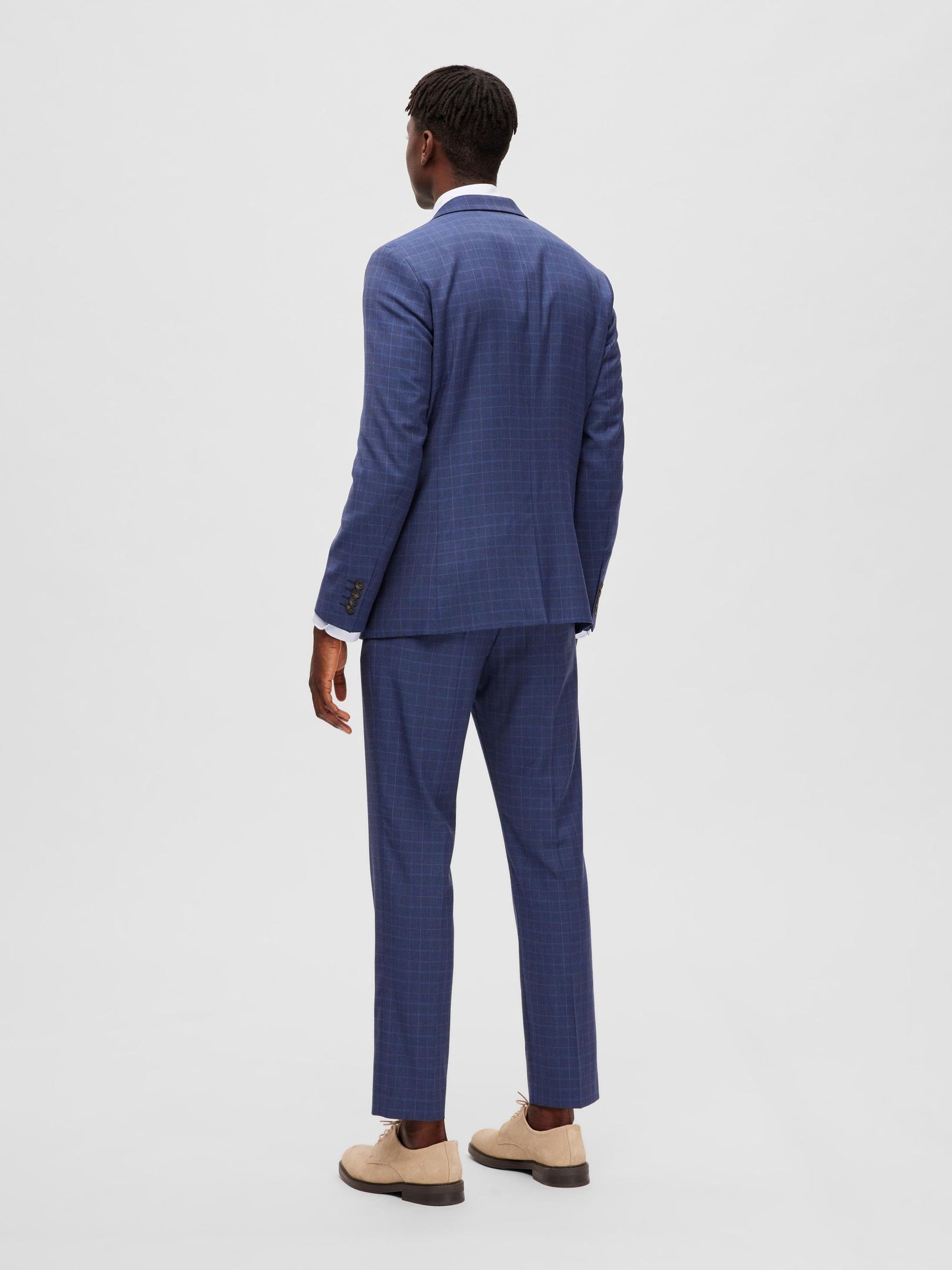
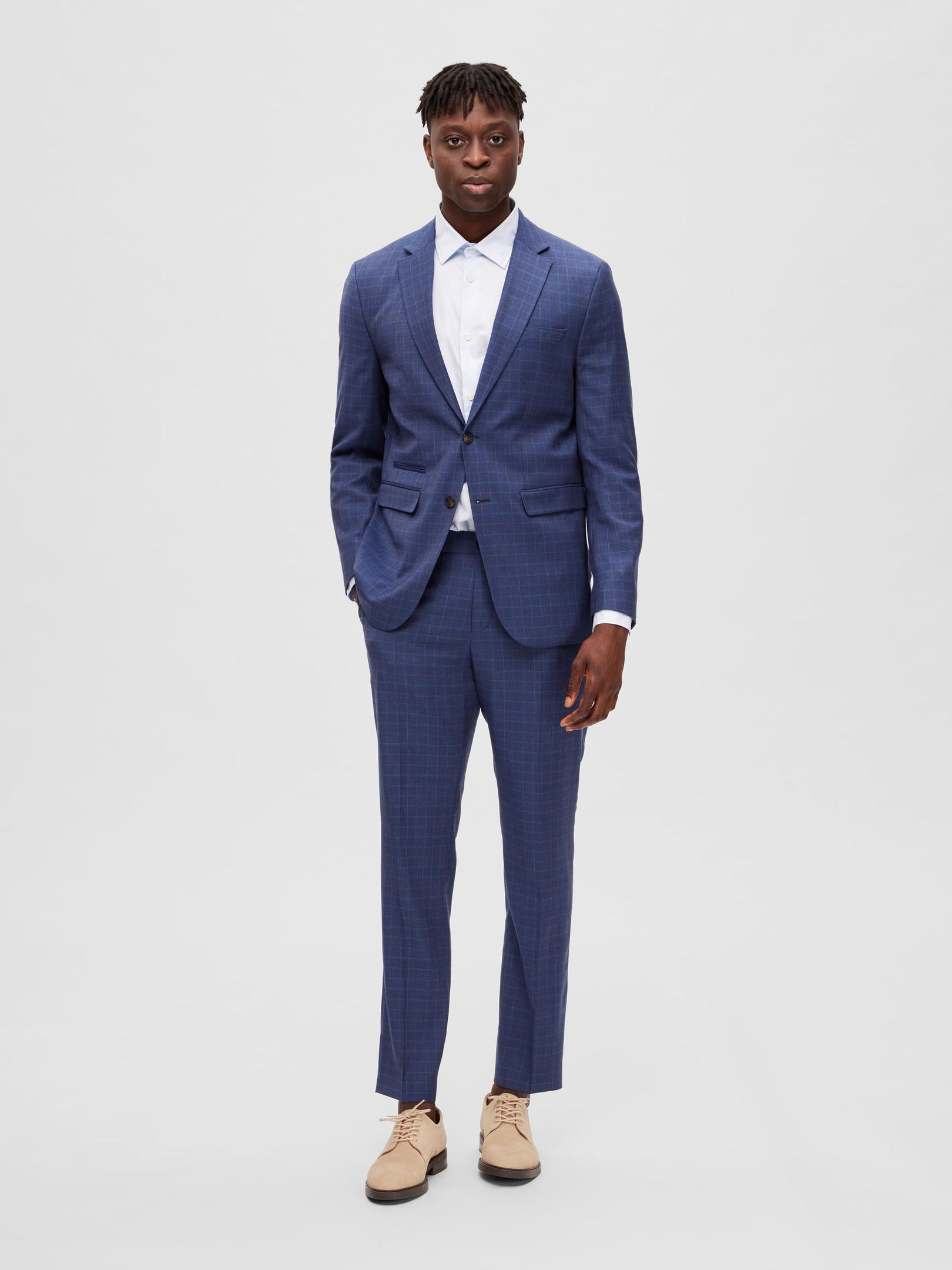
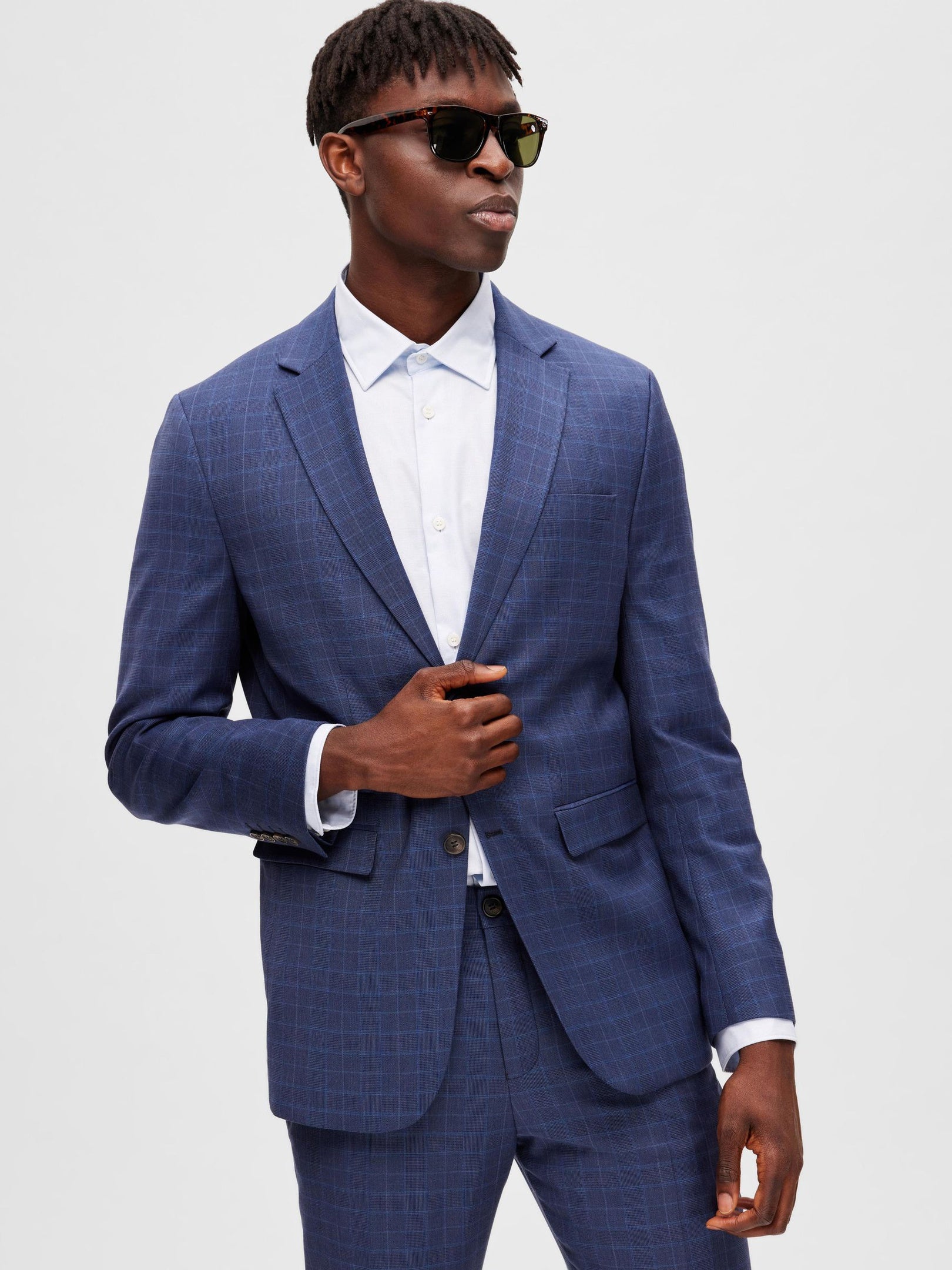
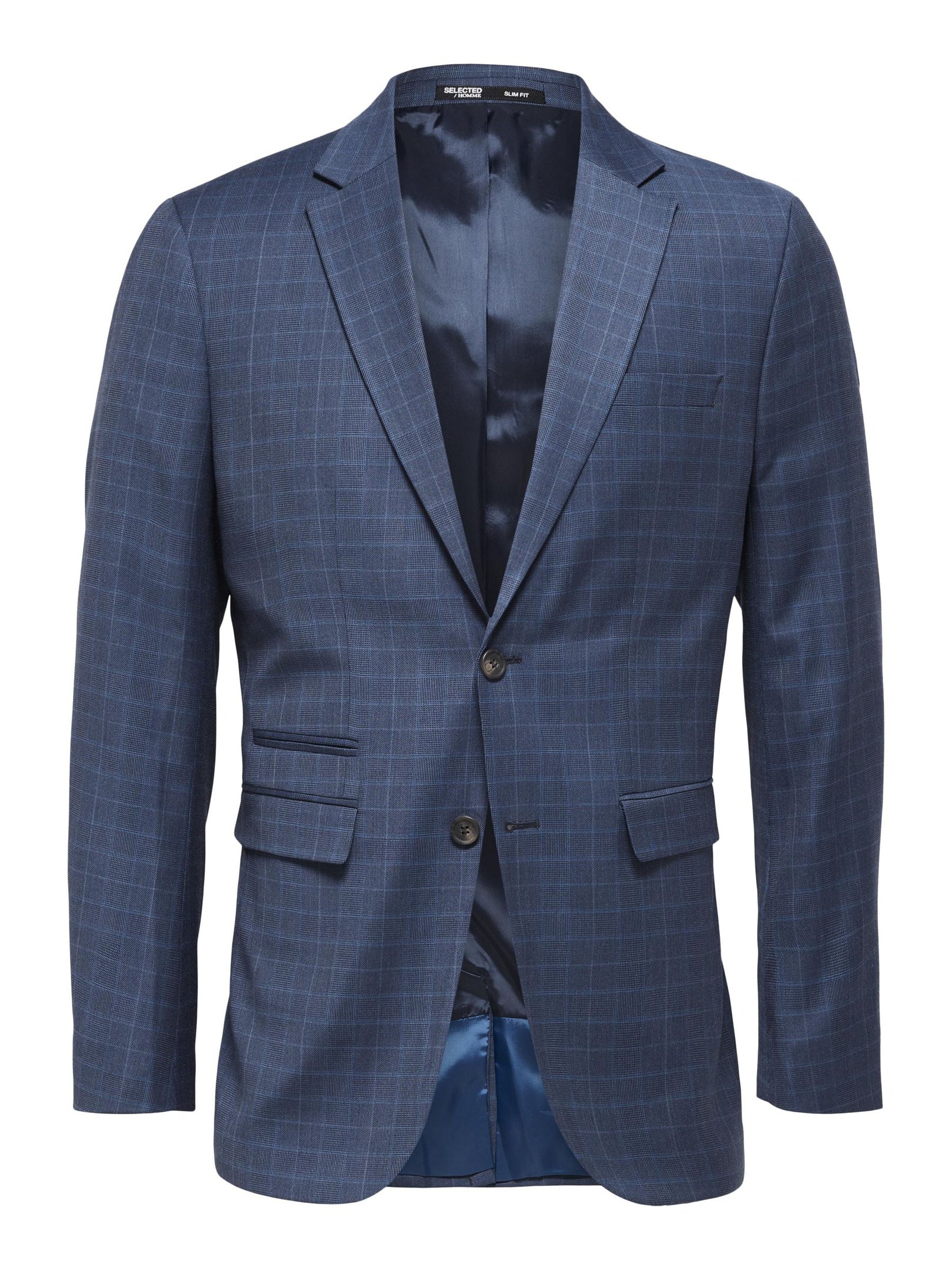
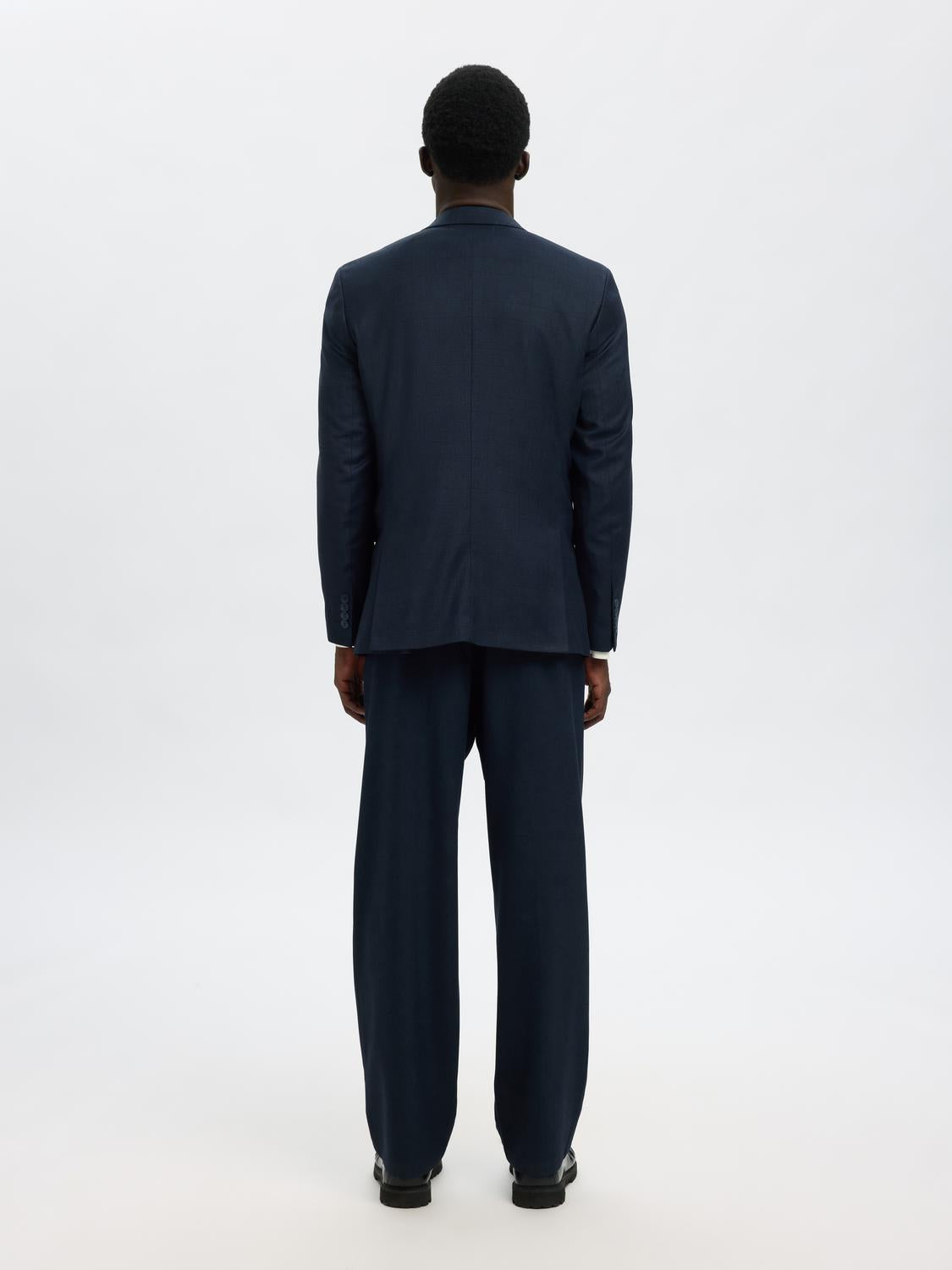
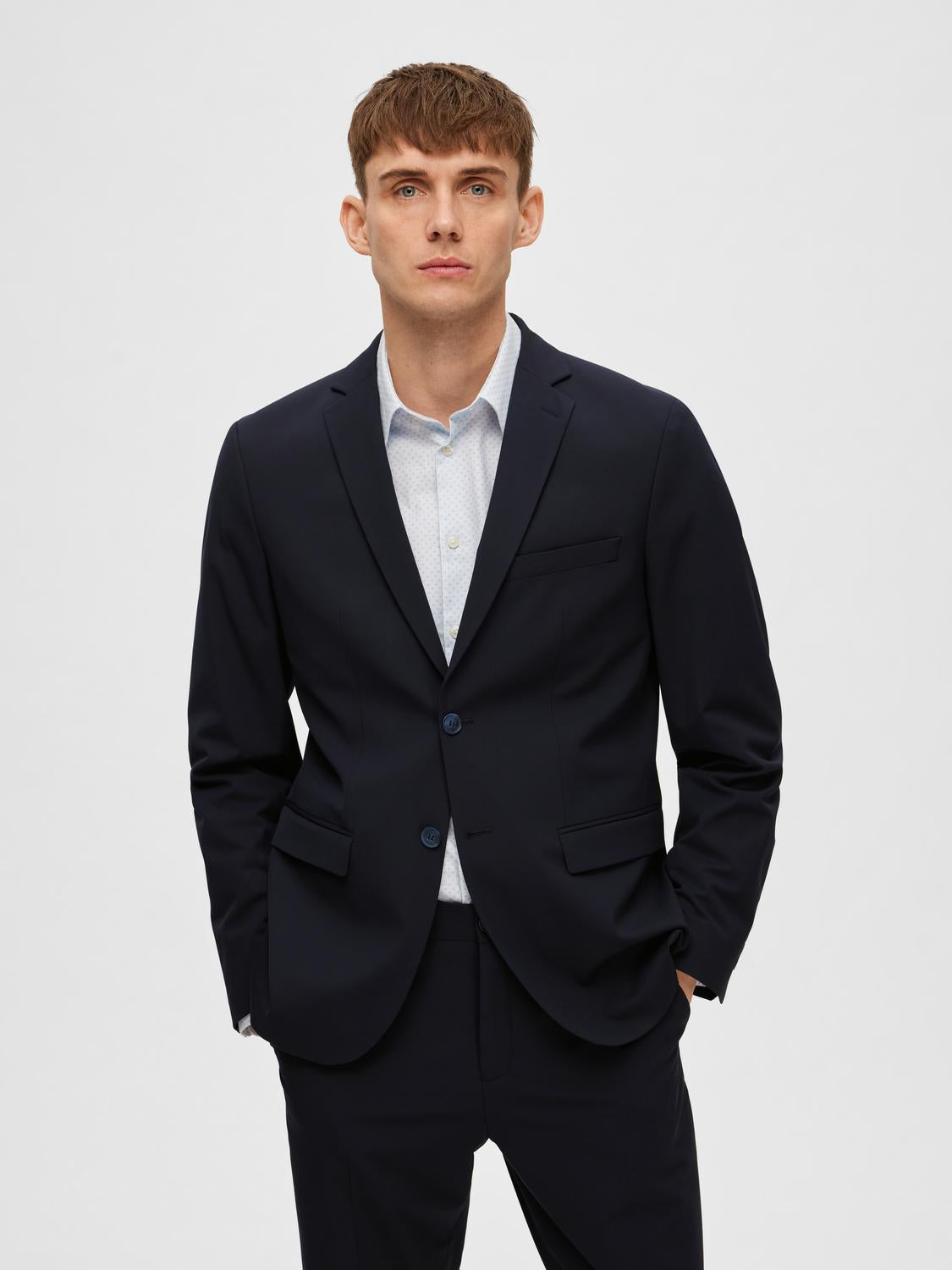
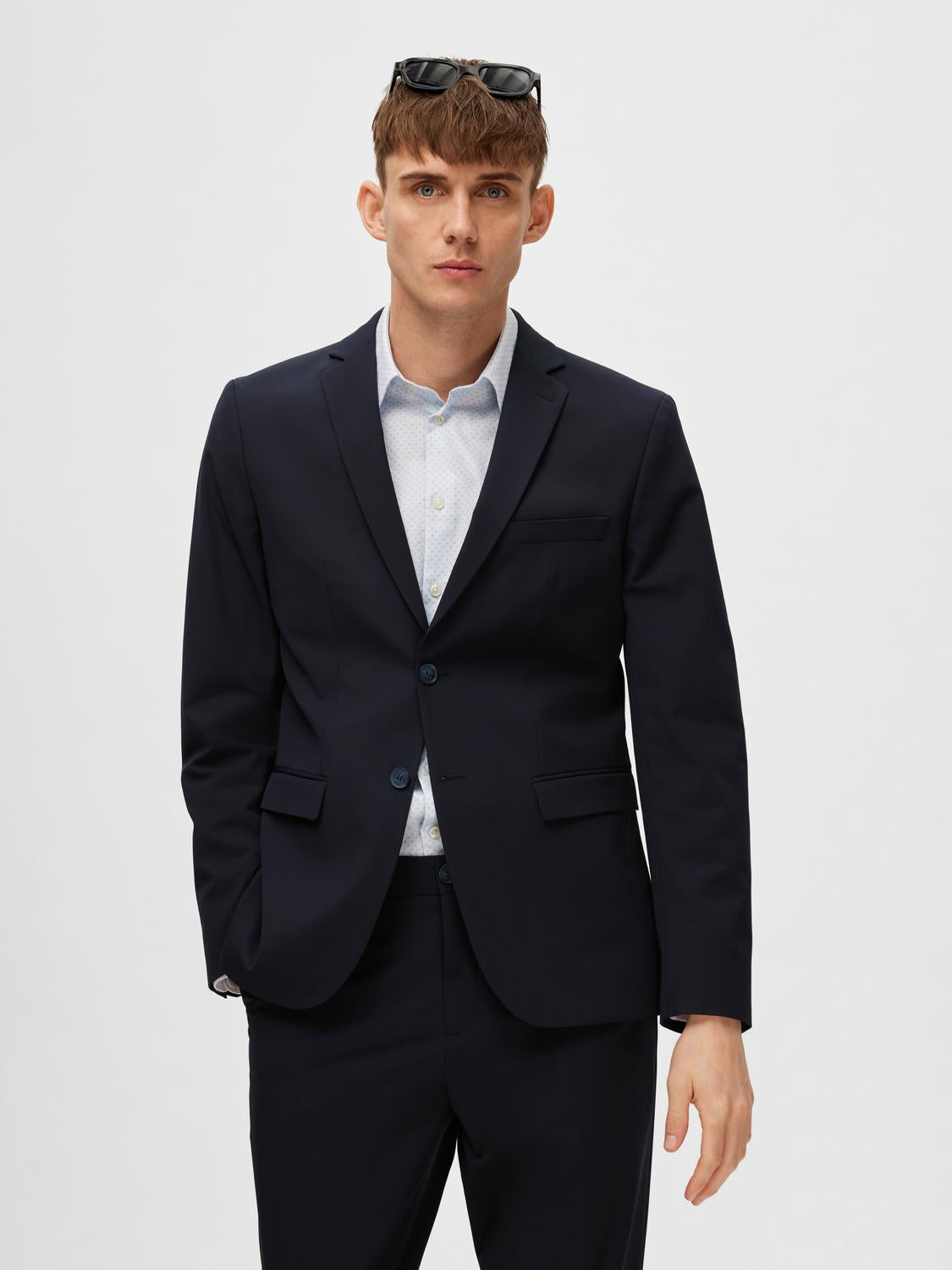
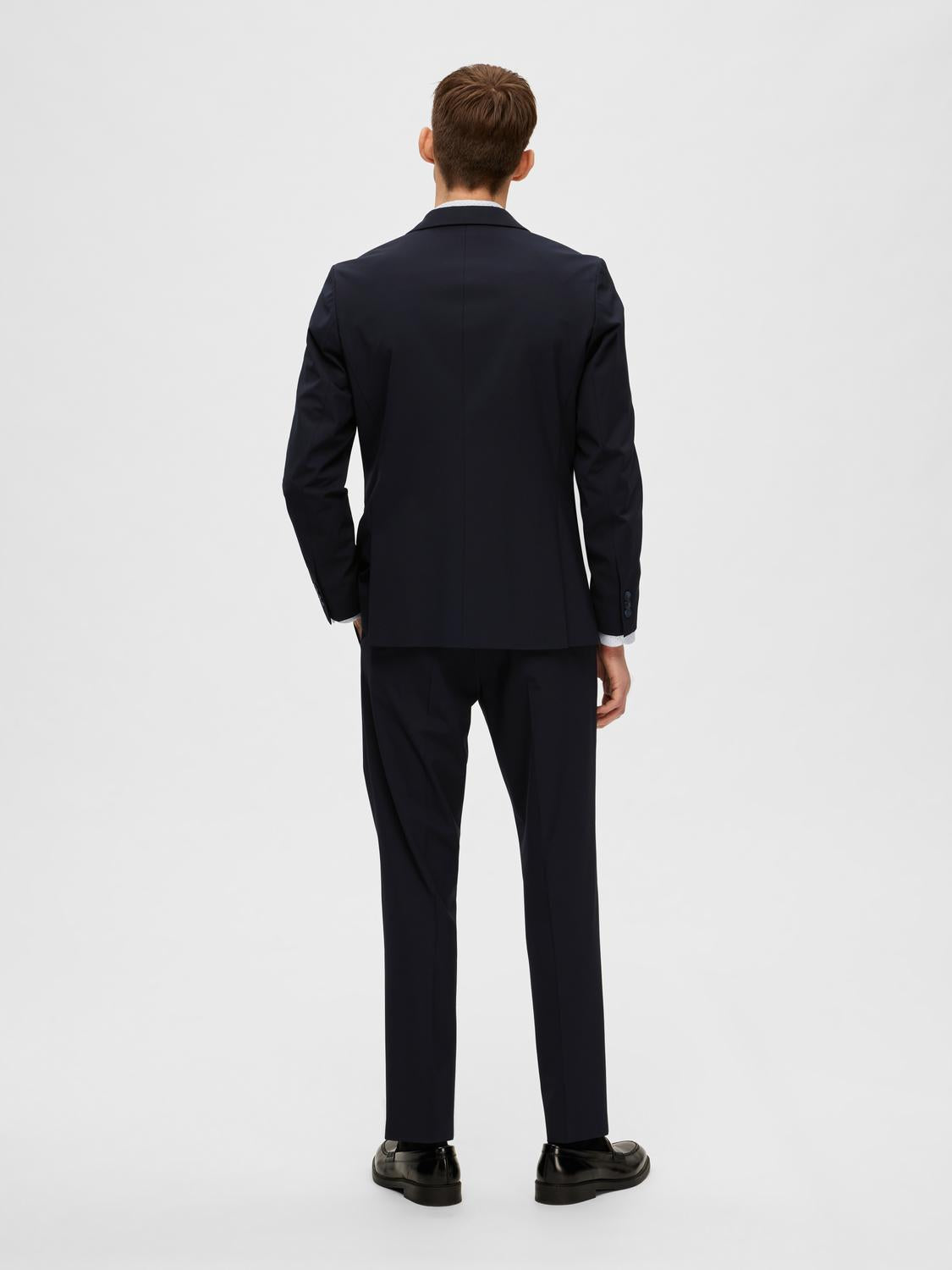
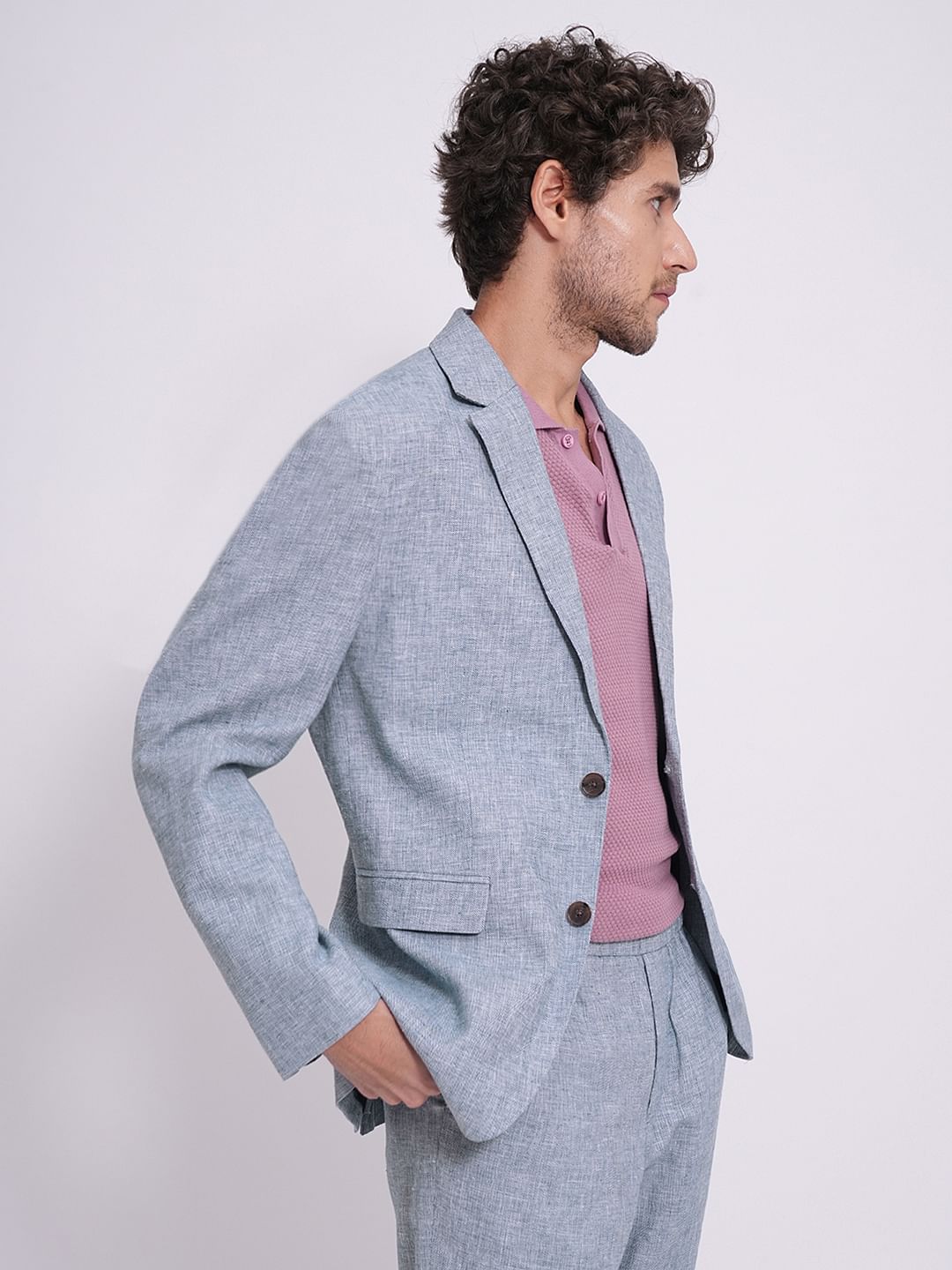
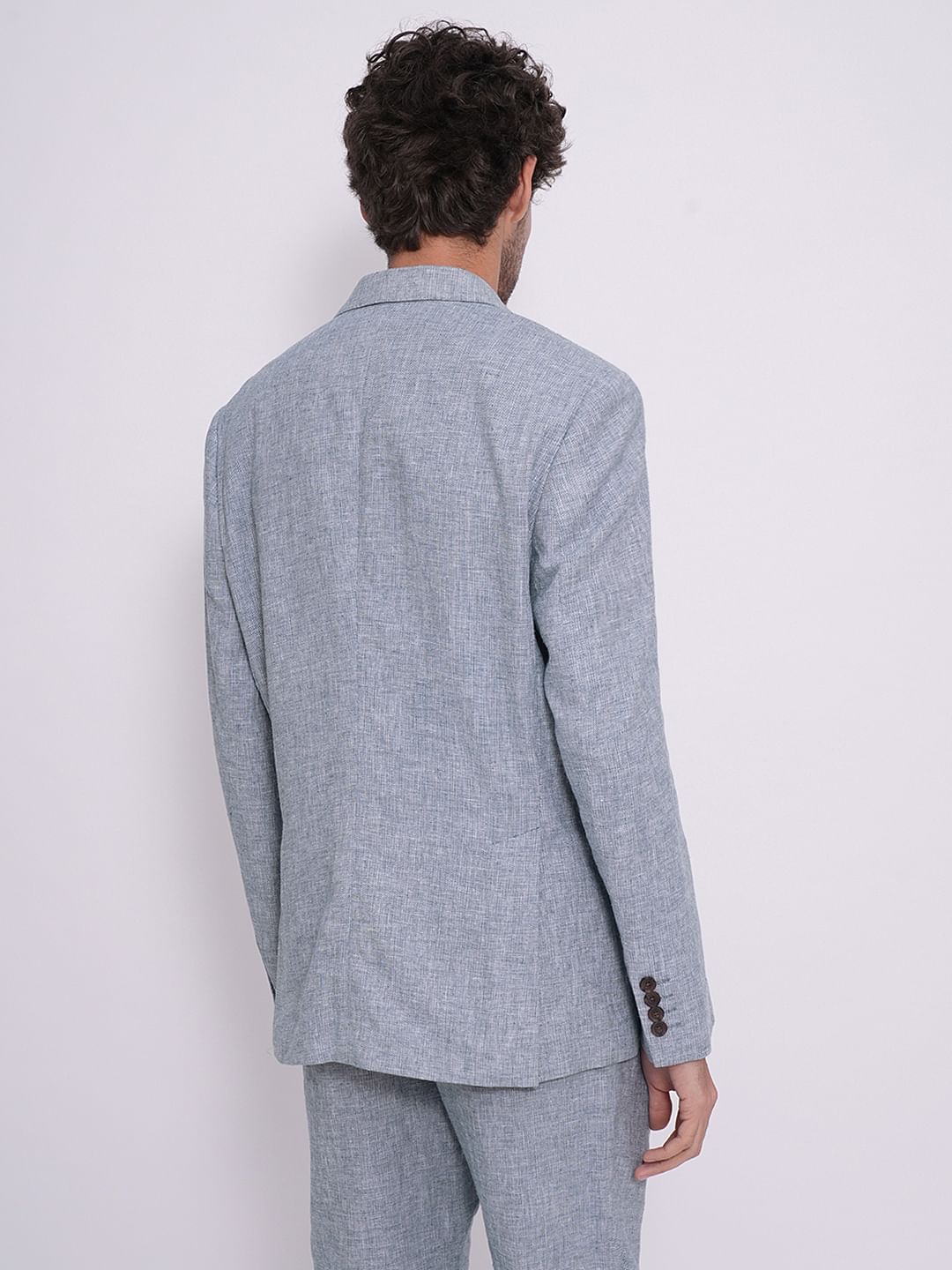
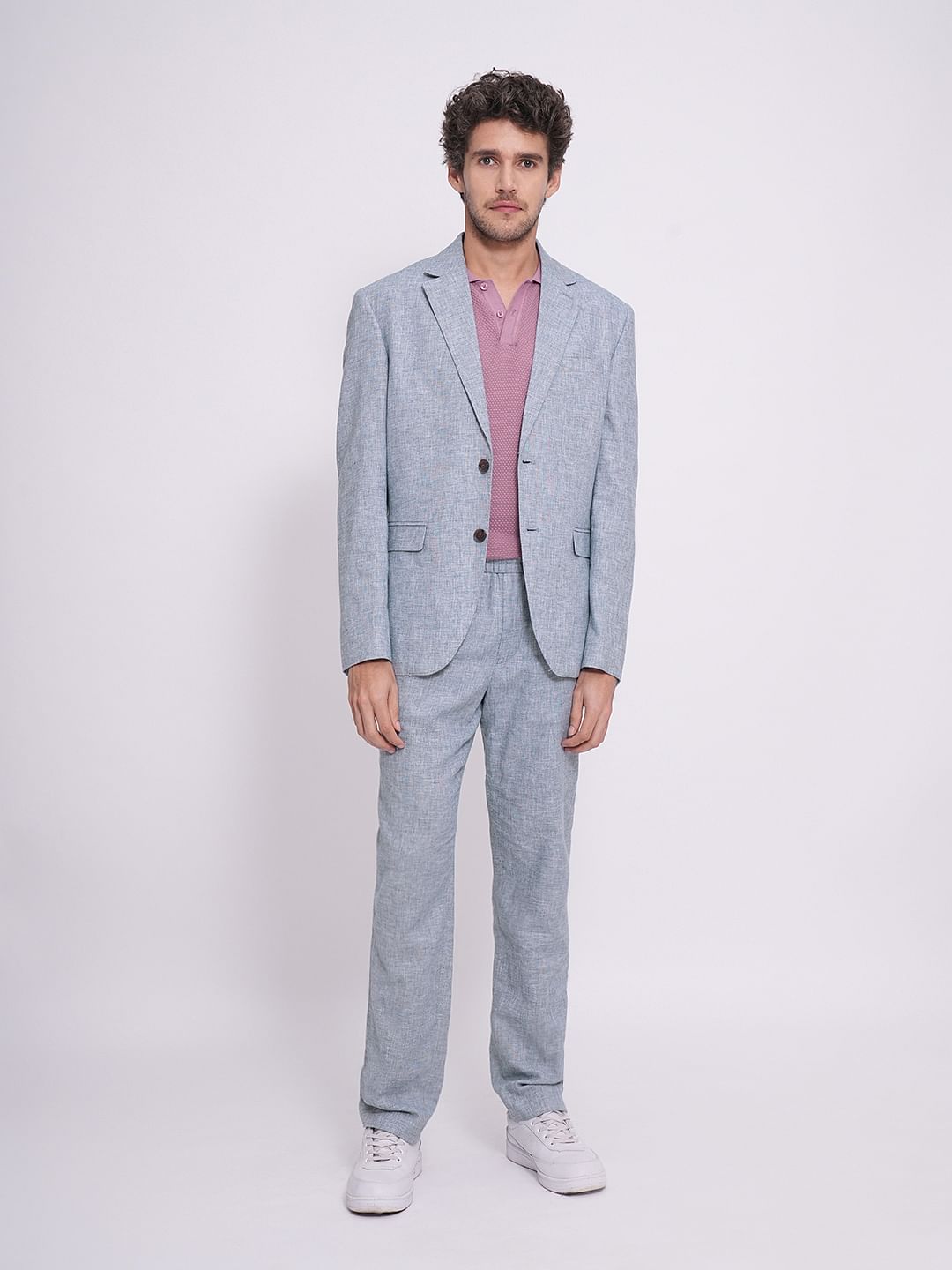
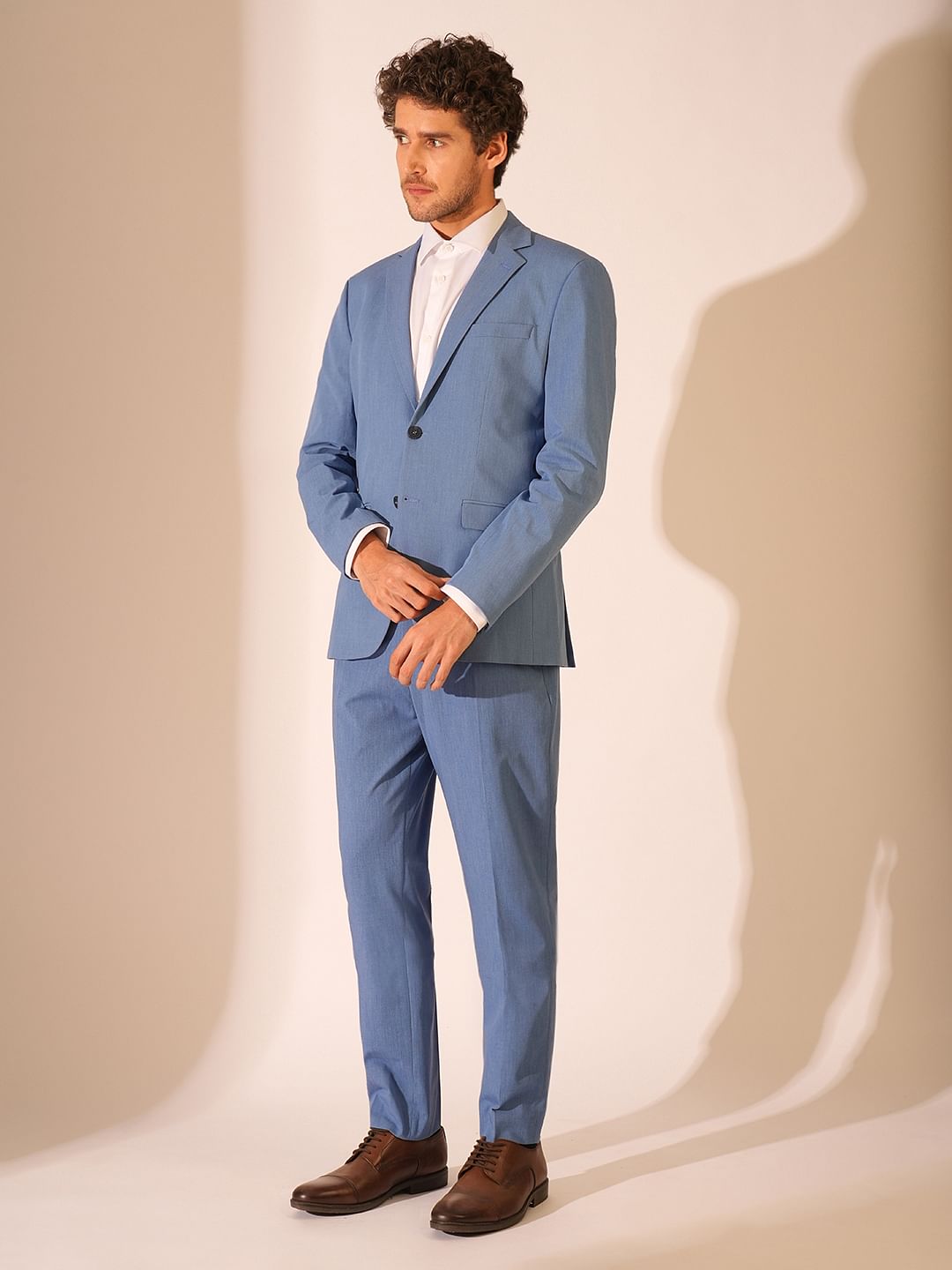
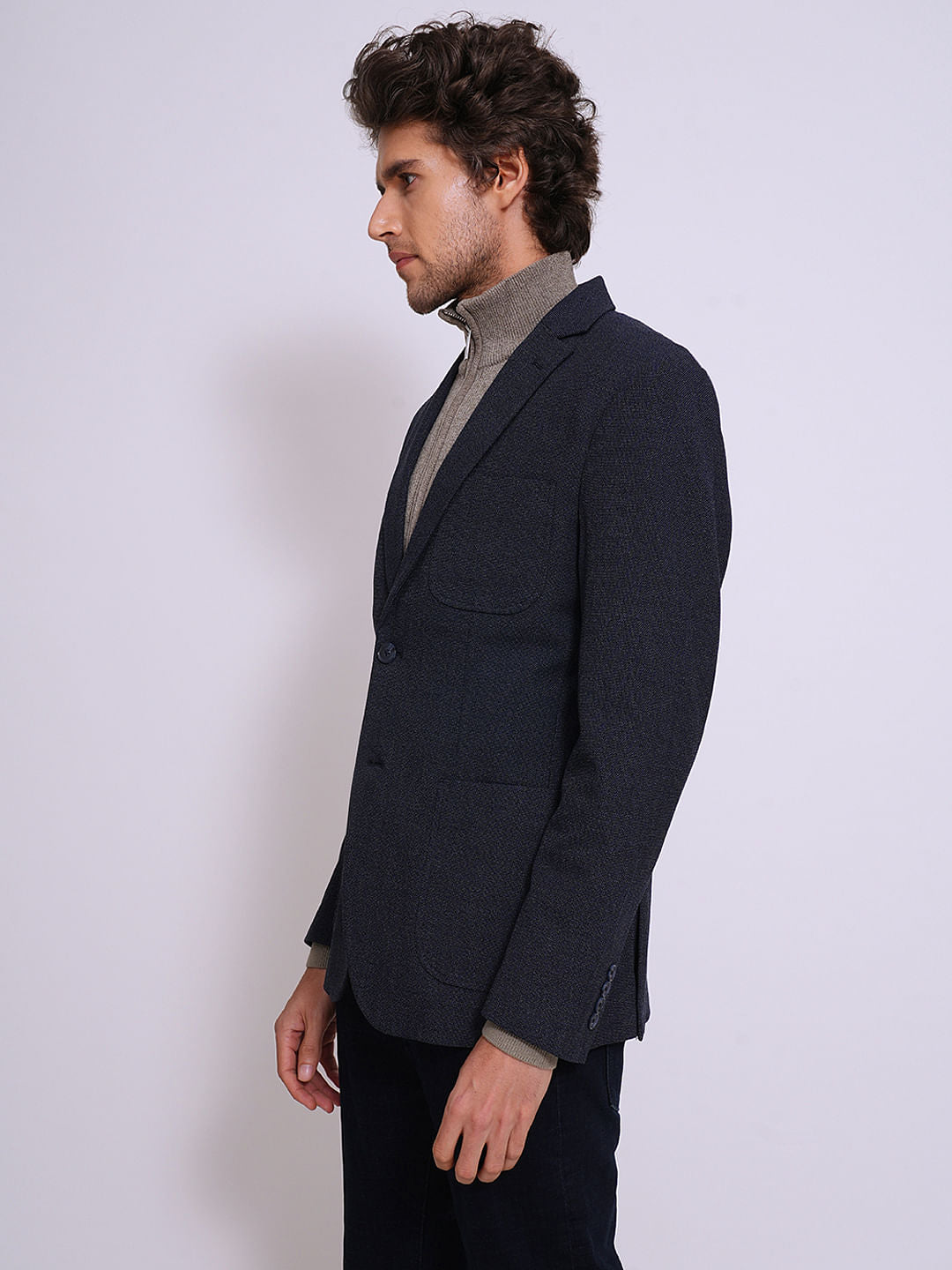
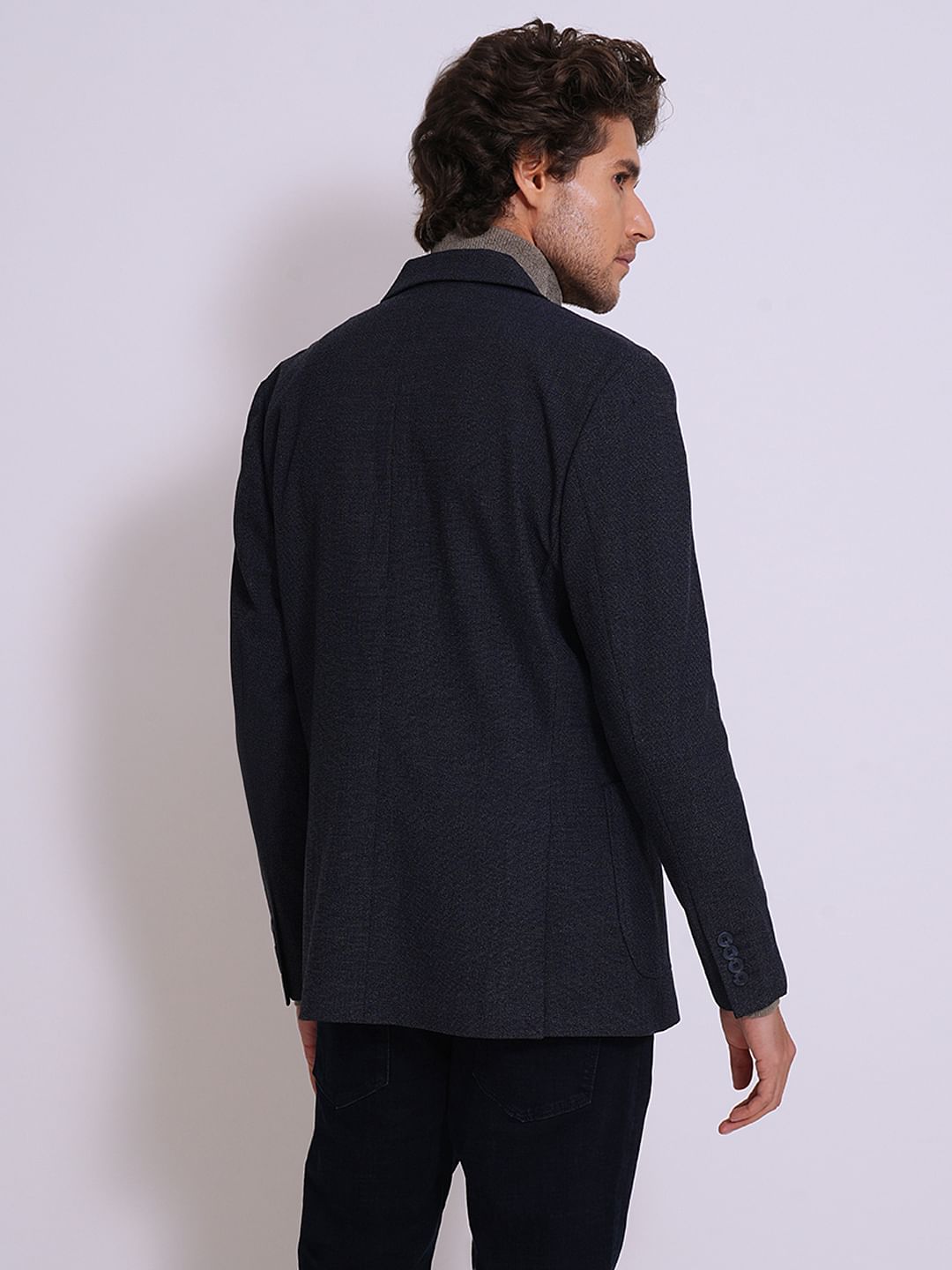
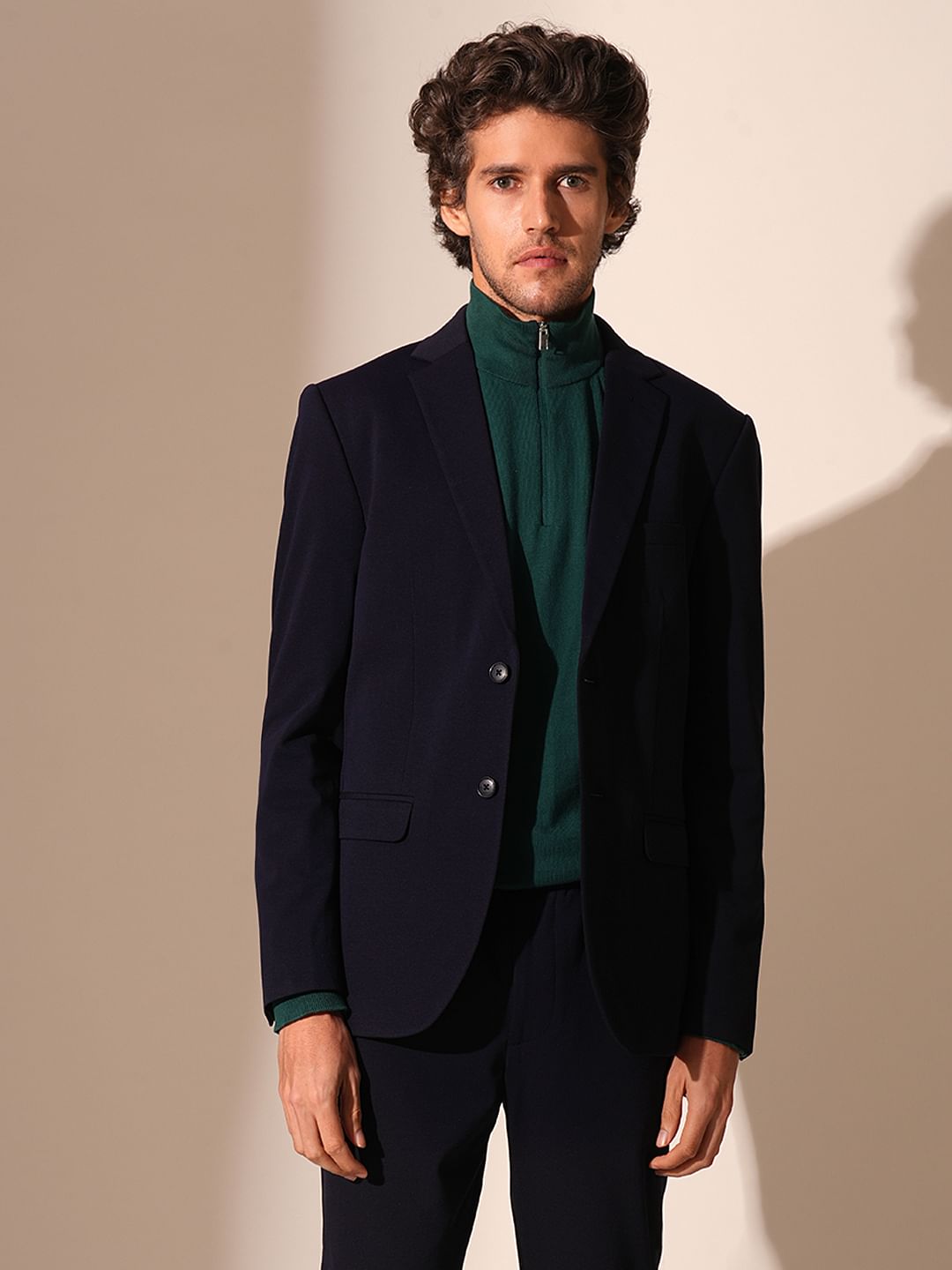
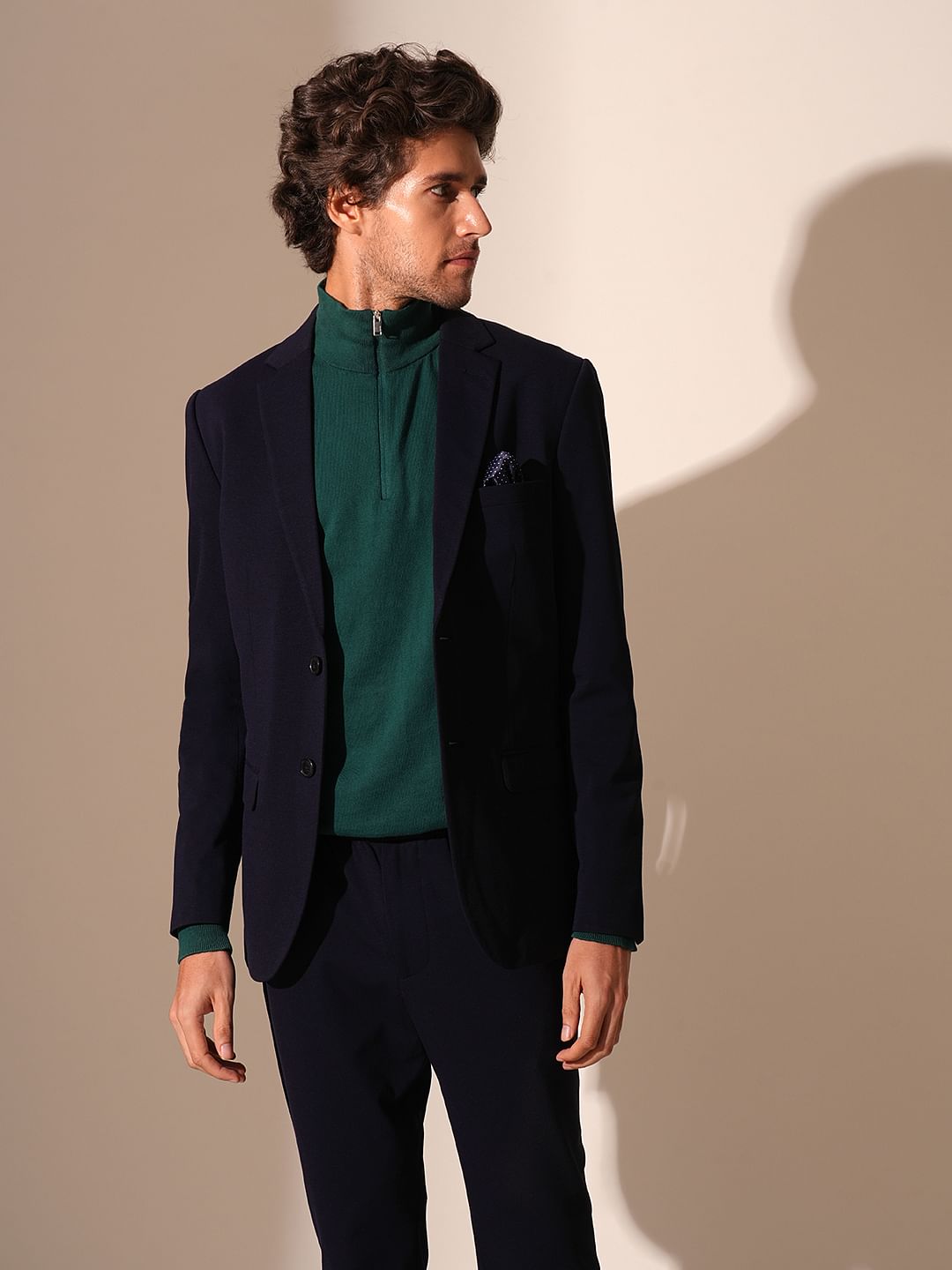
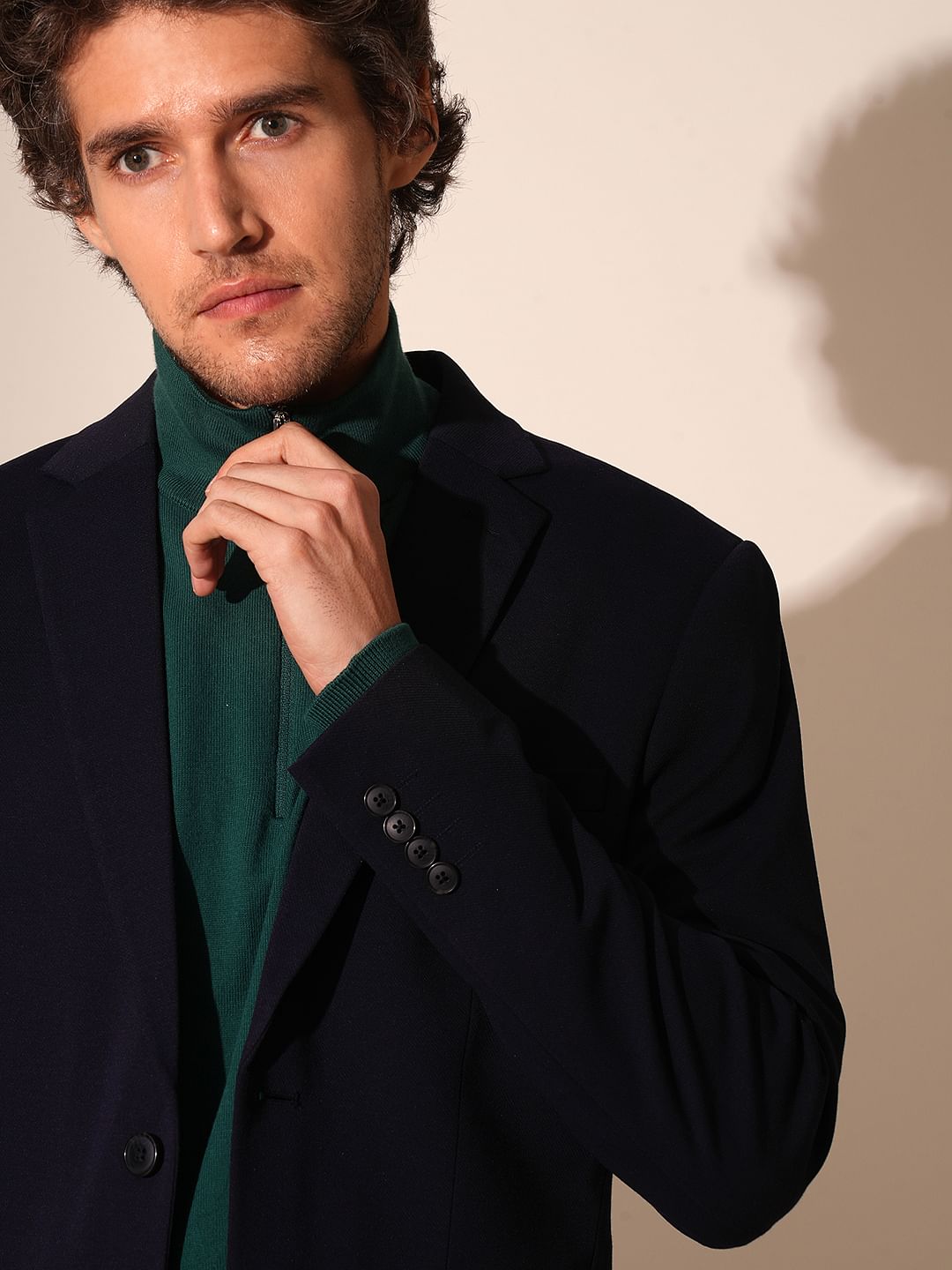
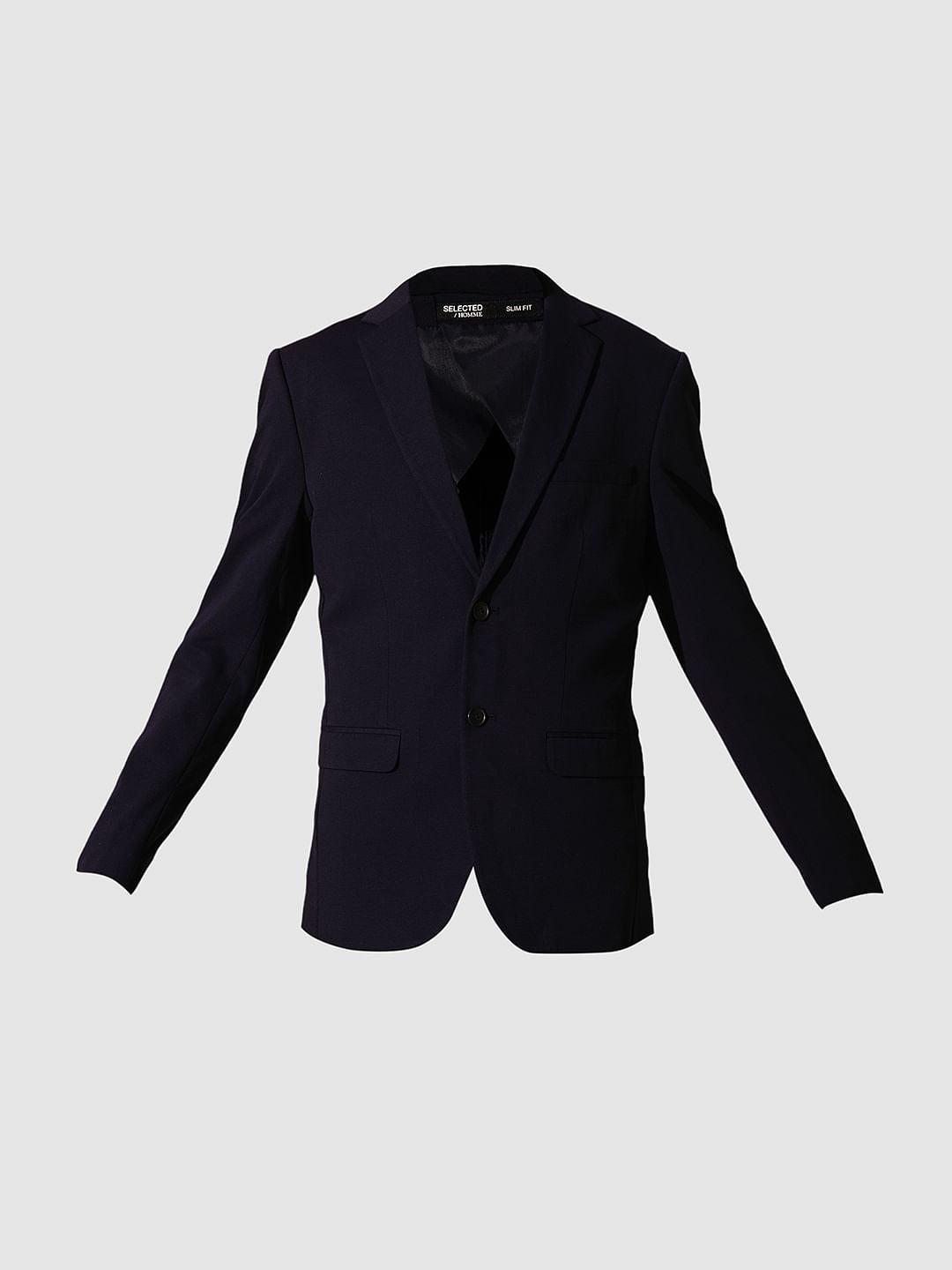
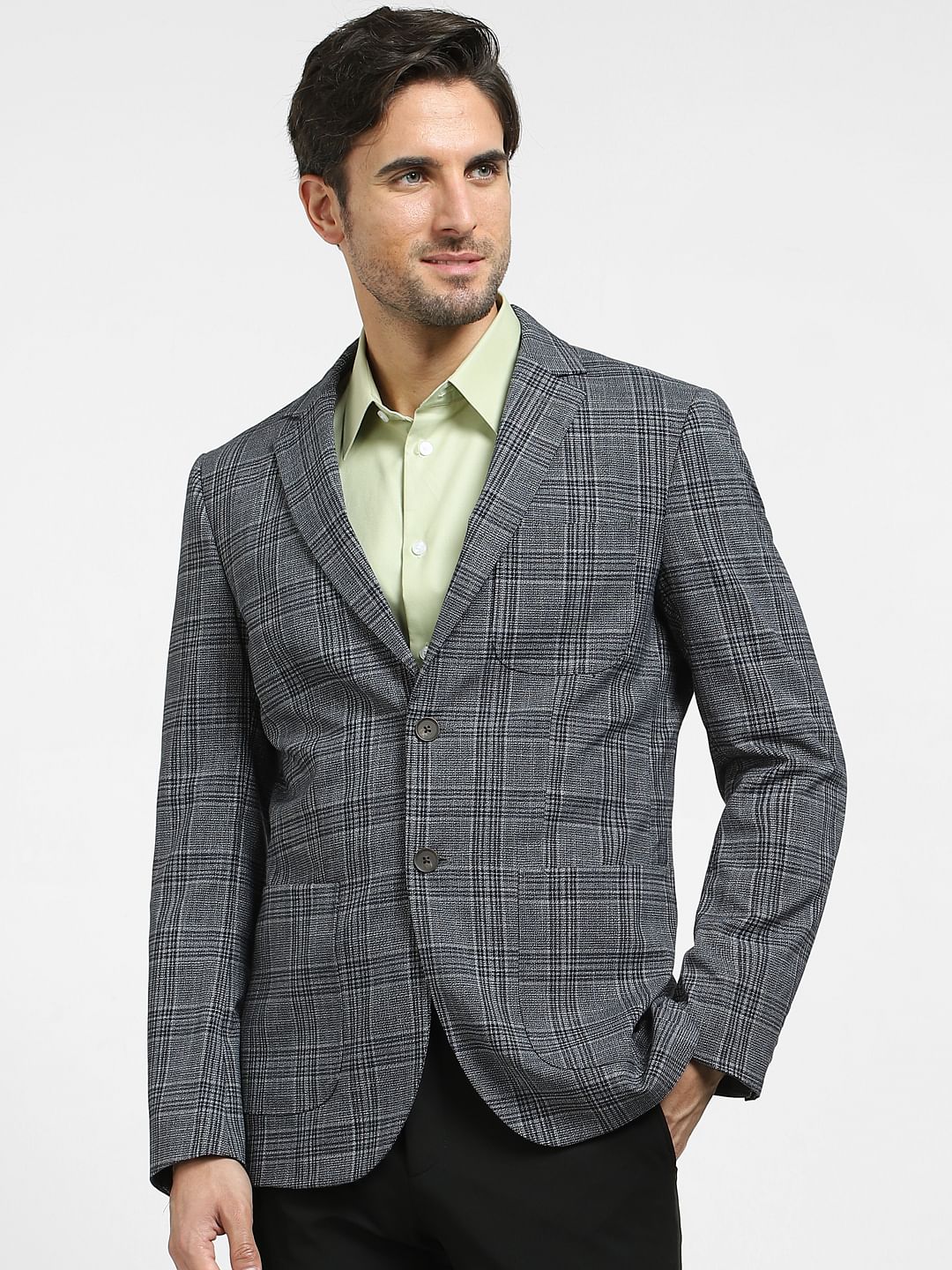
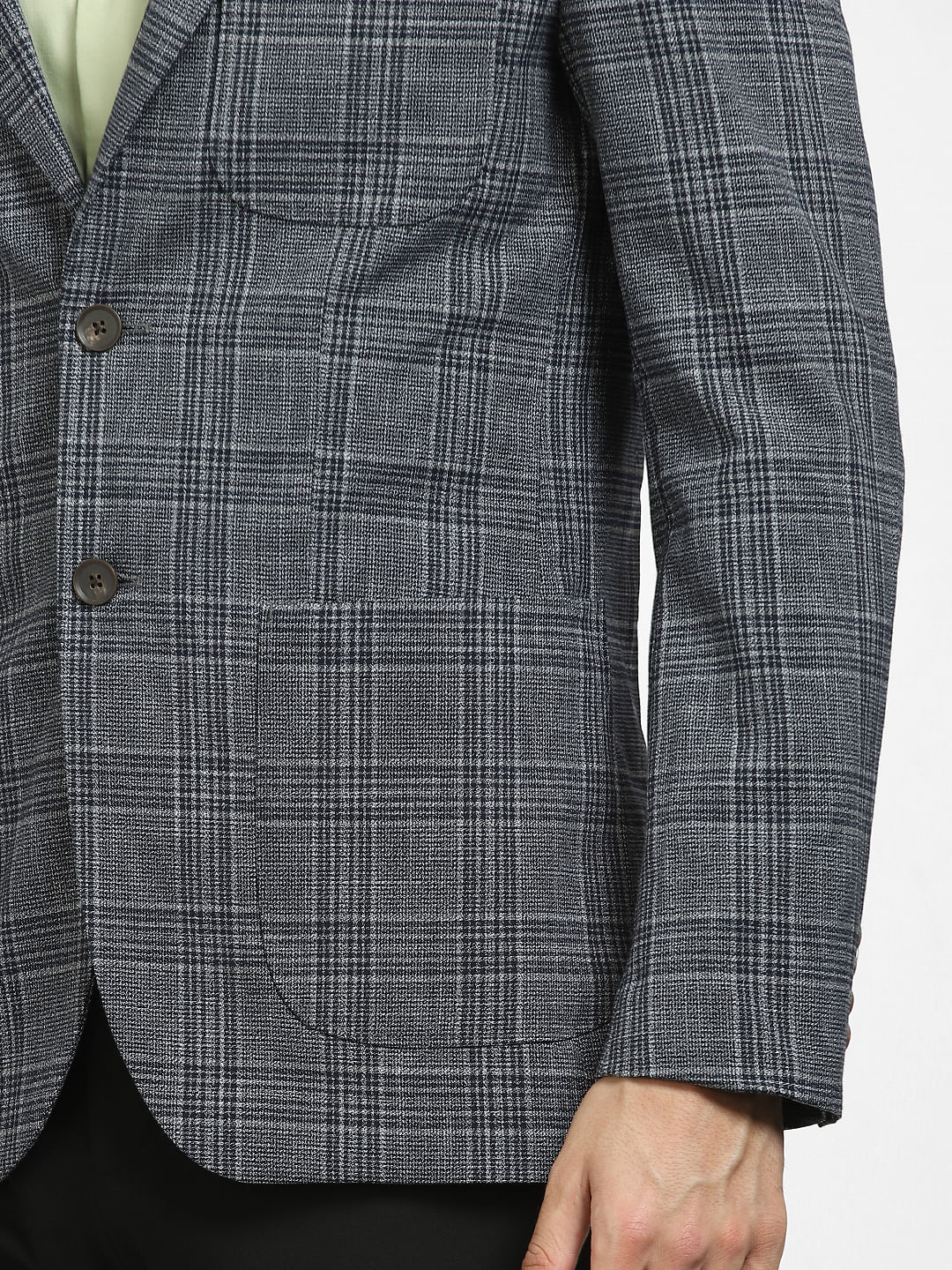
Ask a well-dressed friend which jacket he’d save in a fire and there’s a good chance it’s a blue one. A blue blazer for men isn’t exciting, and that’s rather the point. It makes a plain shirt look considered, makes chinos look like a decision, and gets you from a Monday meeting to a Friday dinner without a detour home. At Selected, designed in Denmark with Nordic simplicity in mind, it’s the piece we’d tell anyone to buy first. Below, you’ll find how ours are built, how to get the fit right, which shade suits which wardrobe, and how to wear one when the calendar gets complicated.
What Makes a Blue Blazer for Men Worth Owning
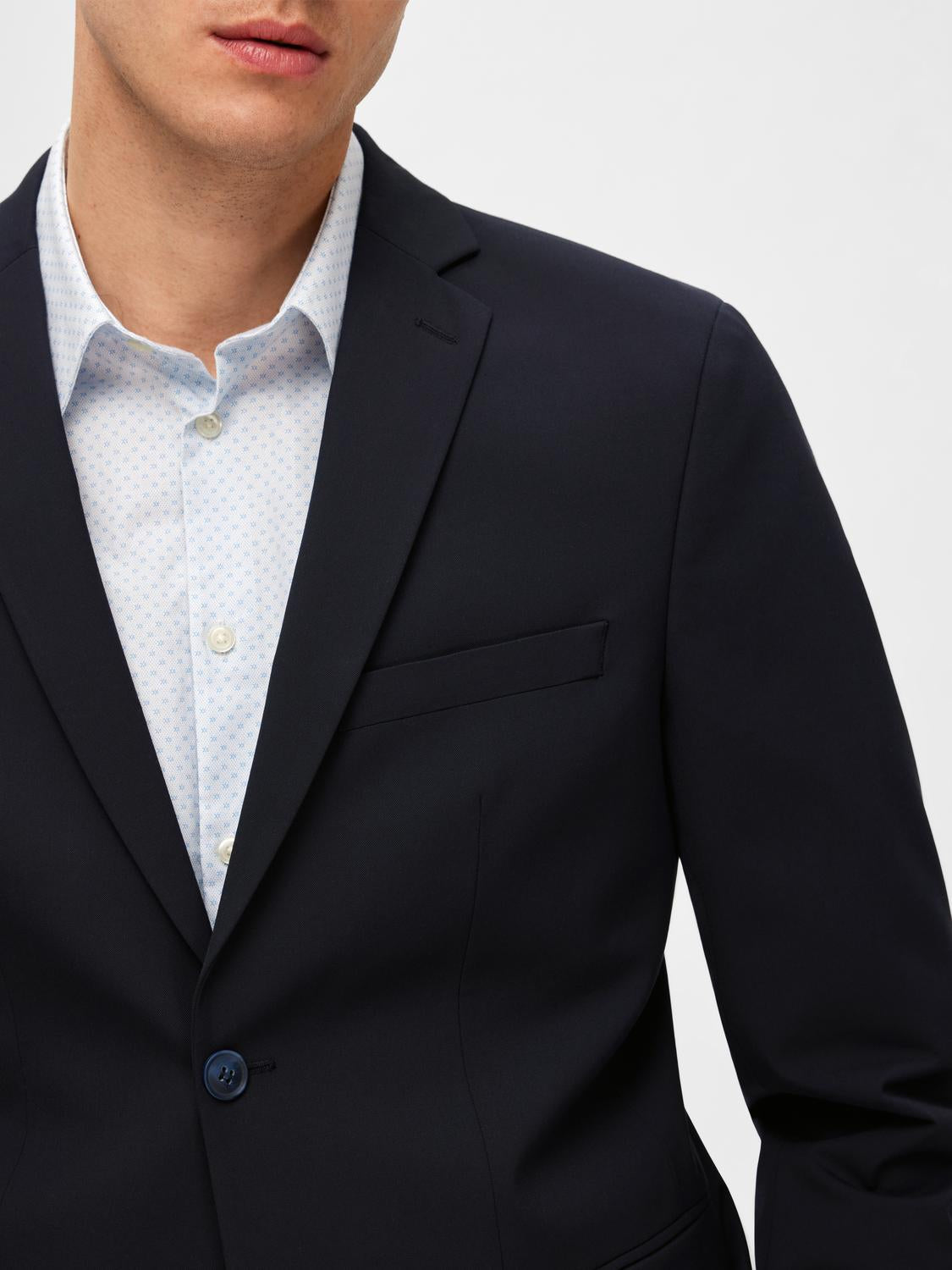
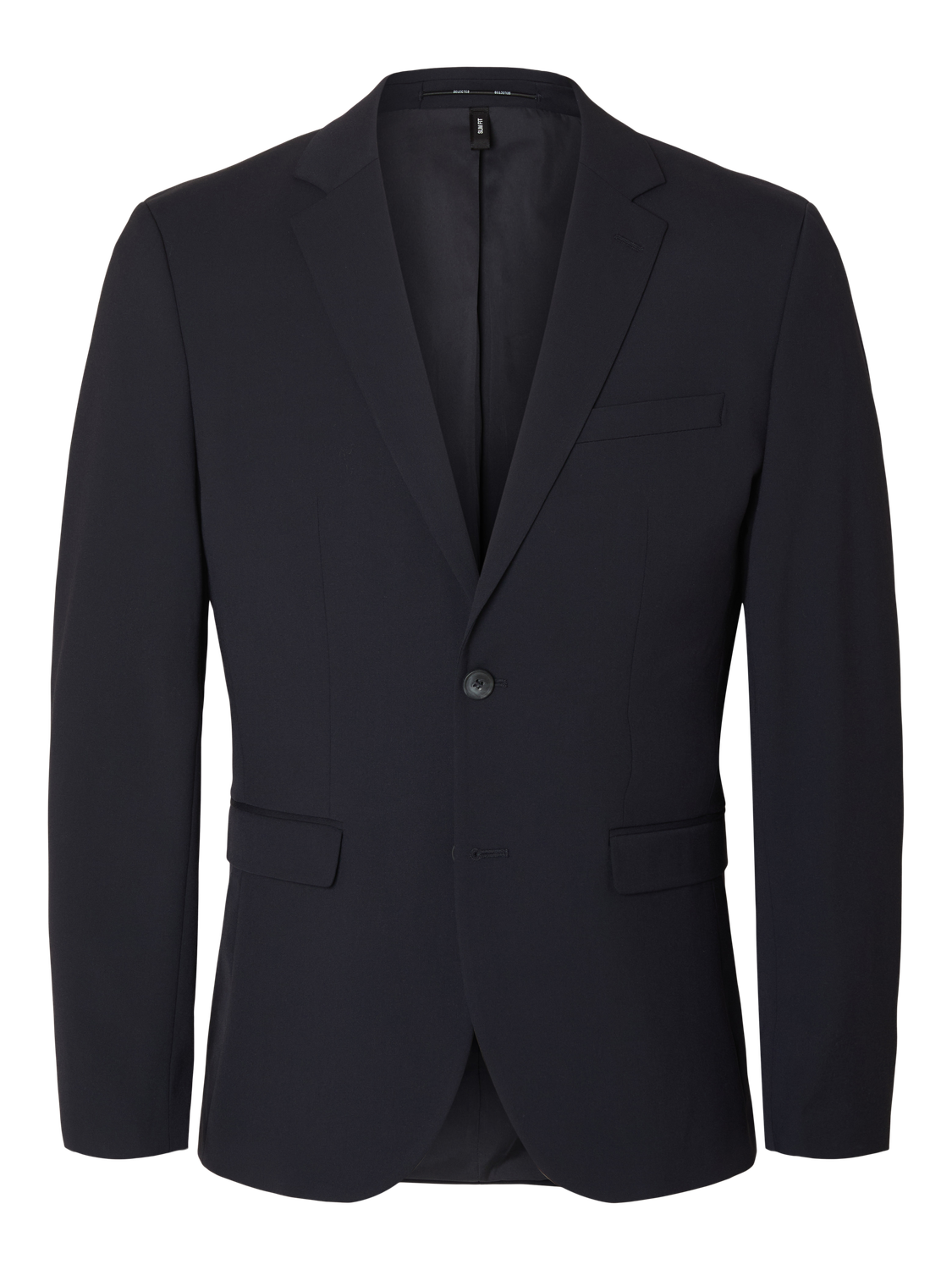
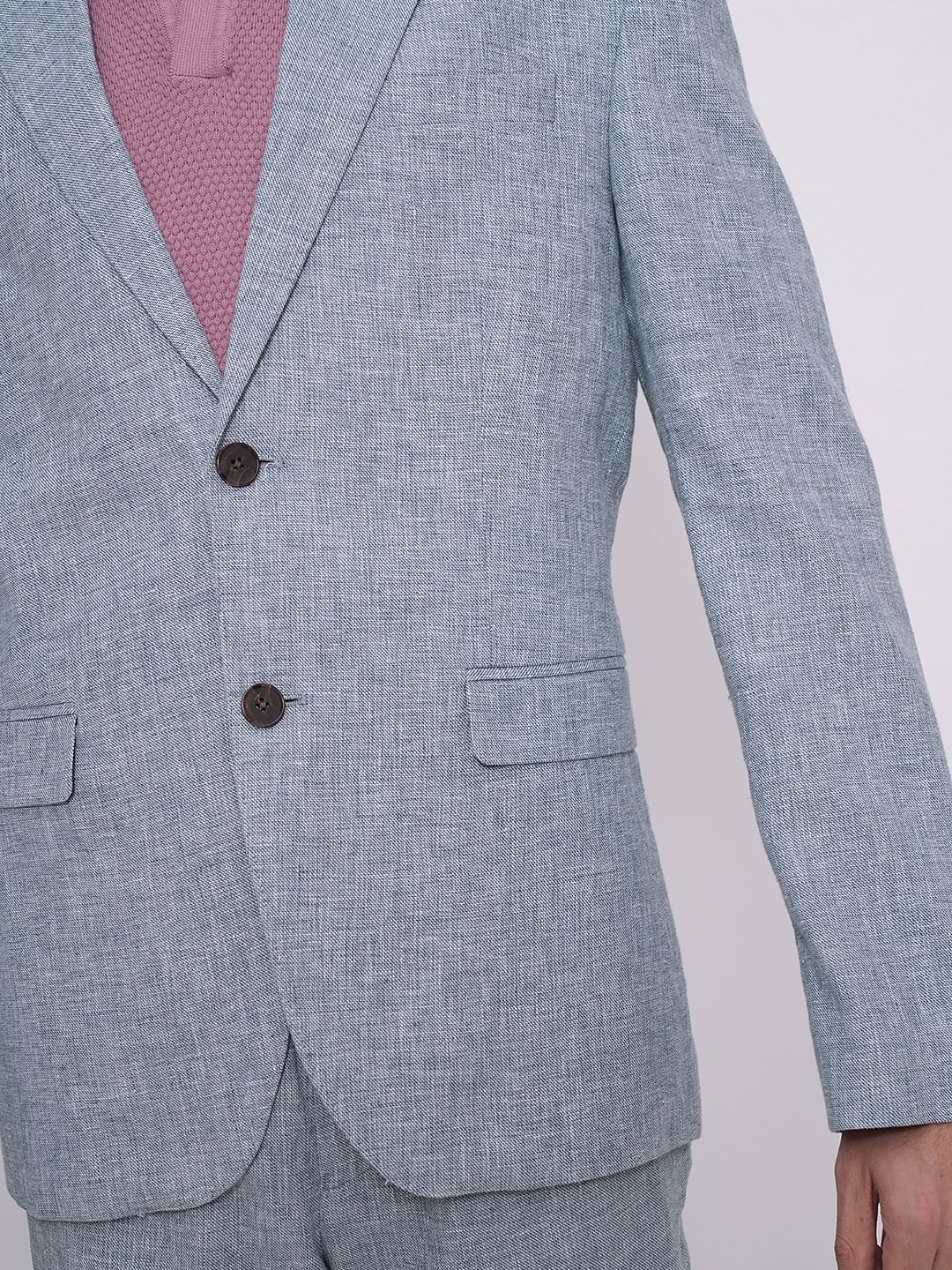
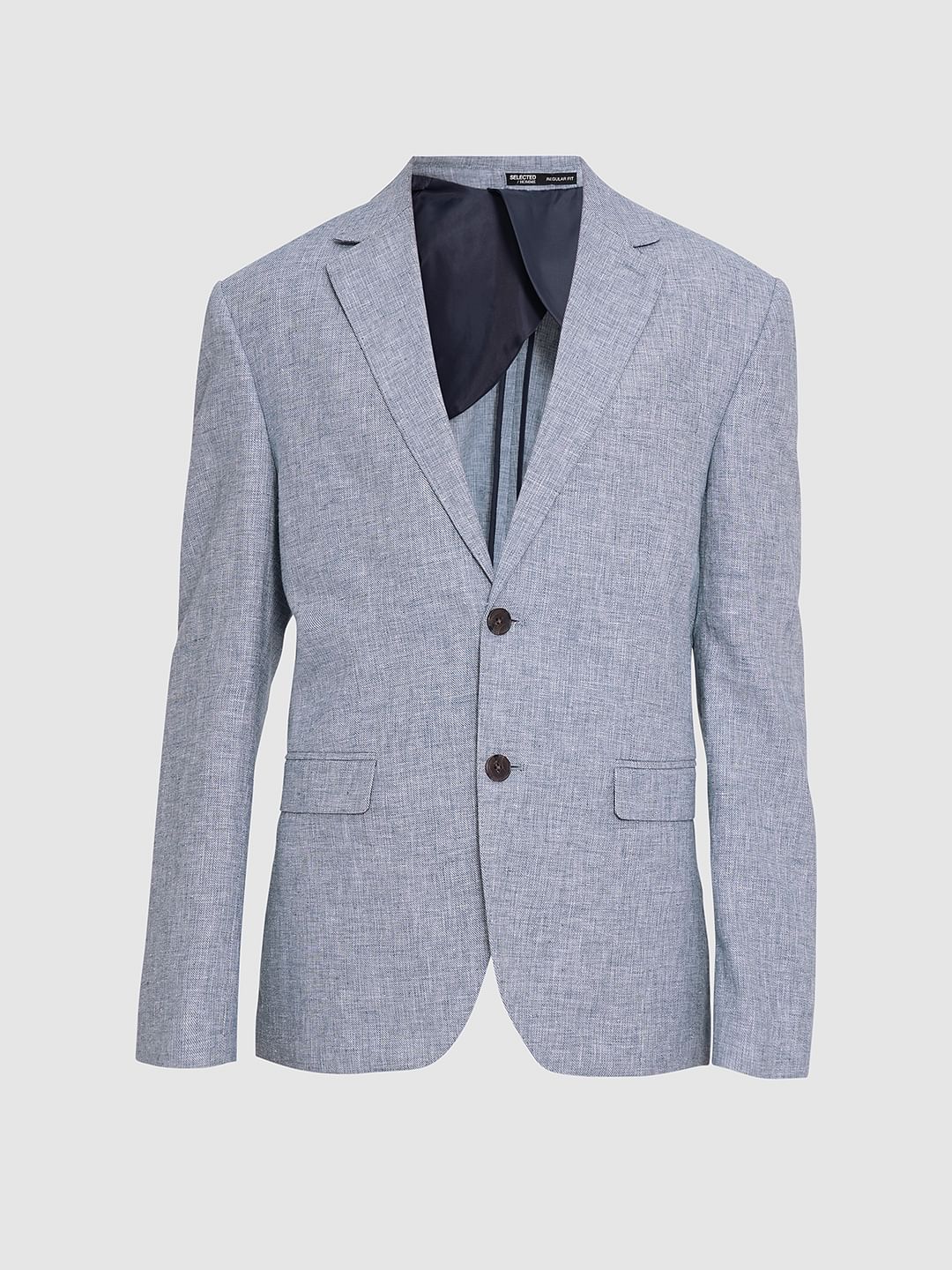
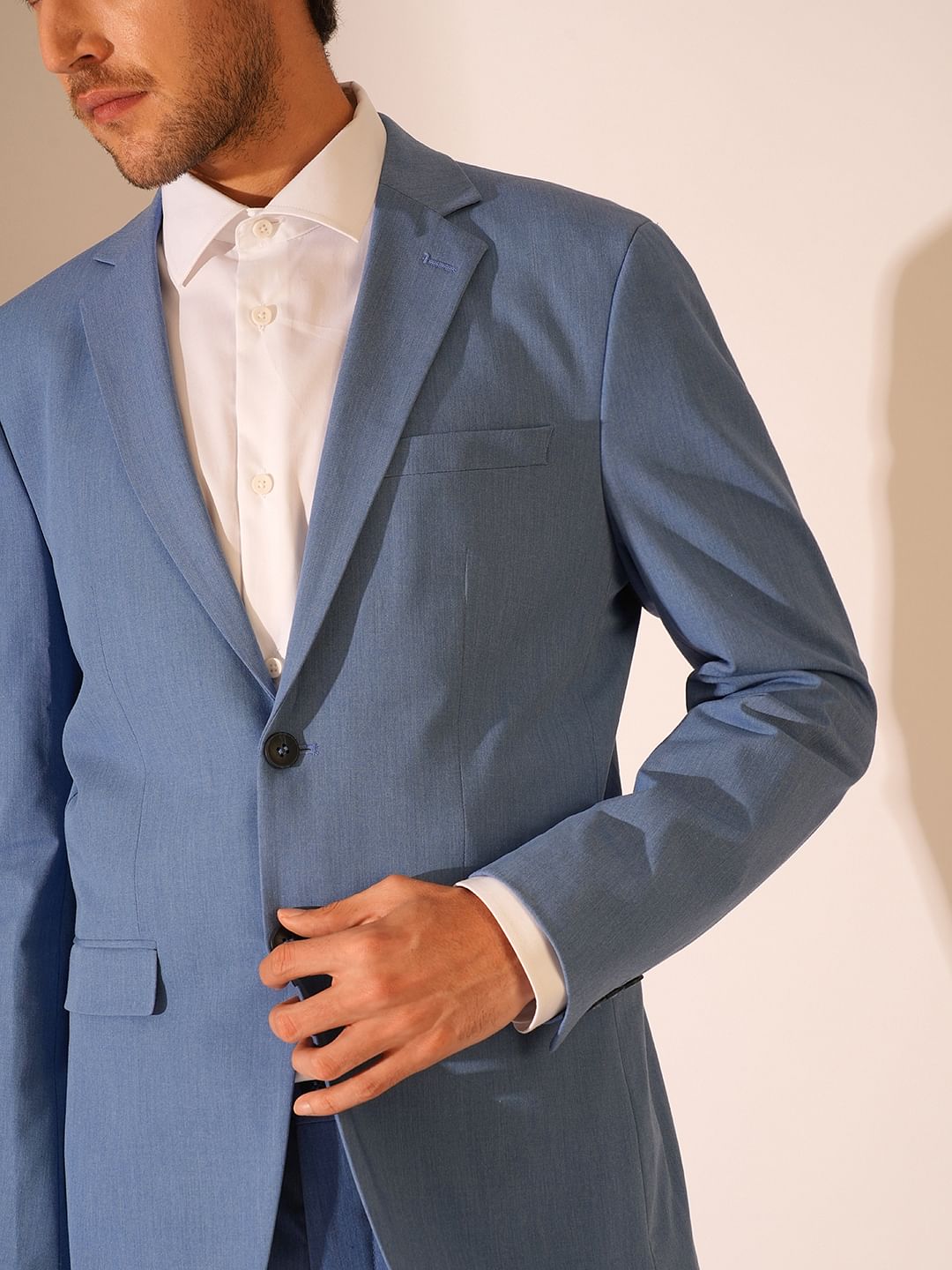
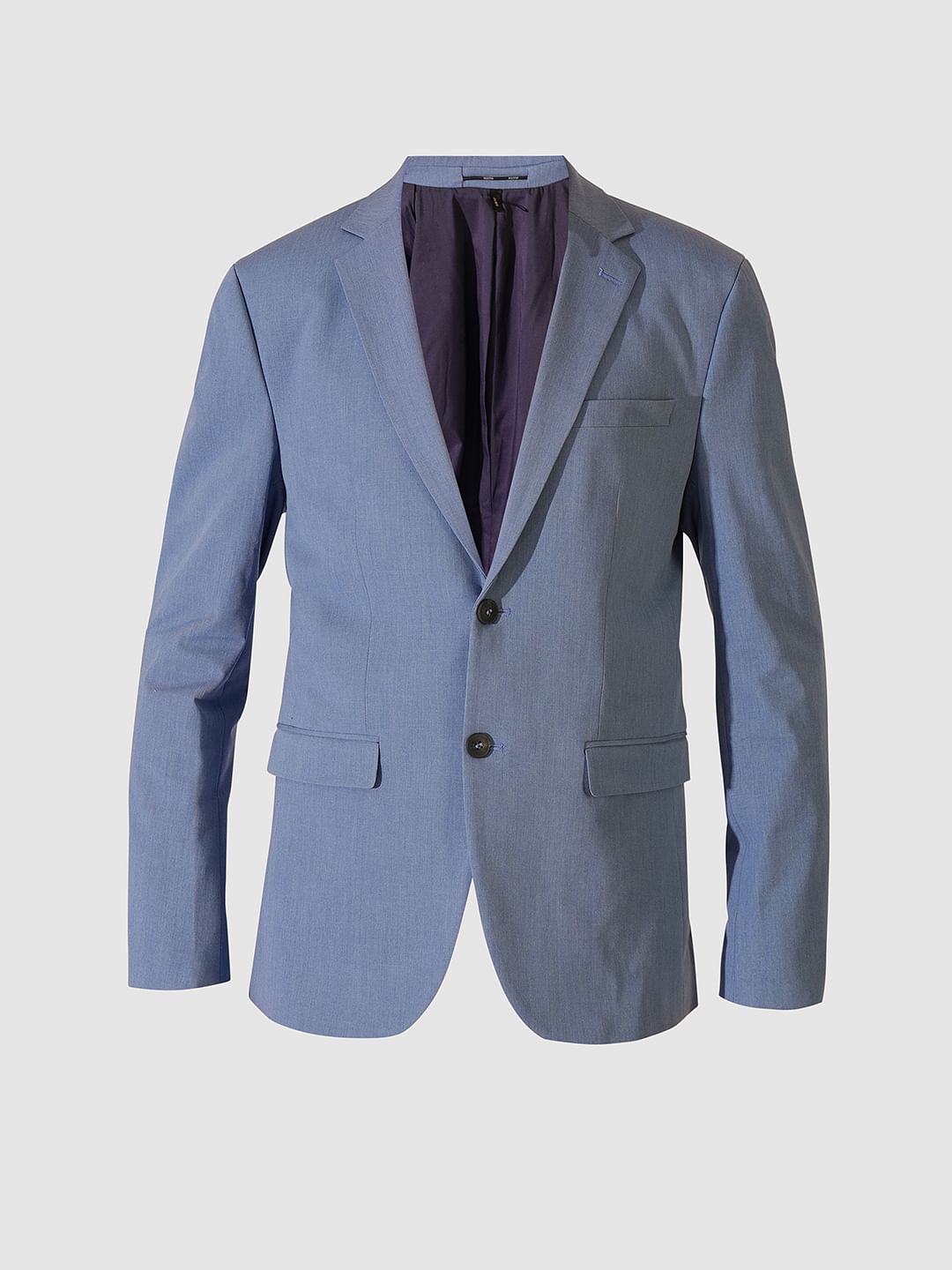
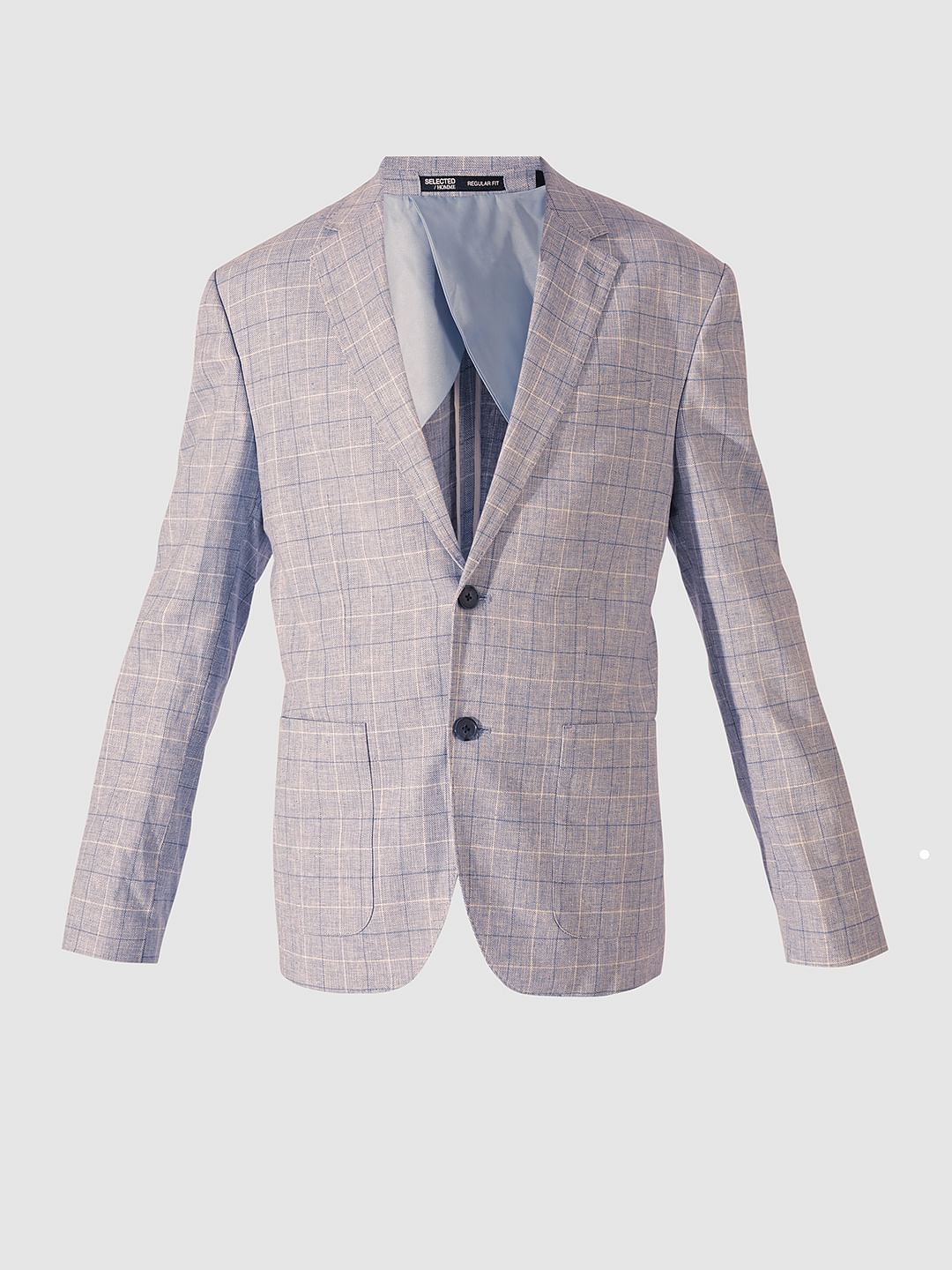
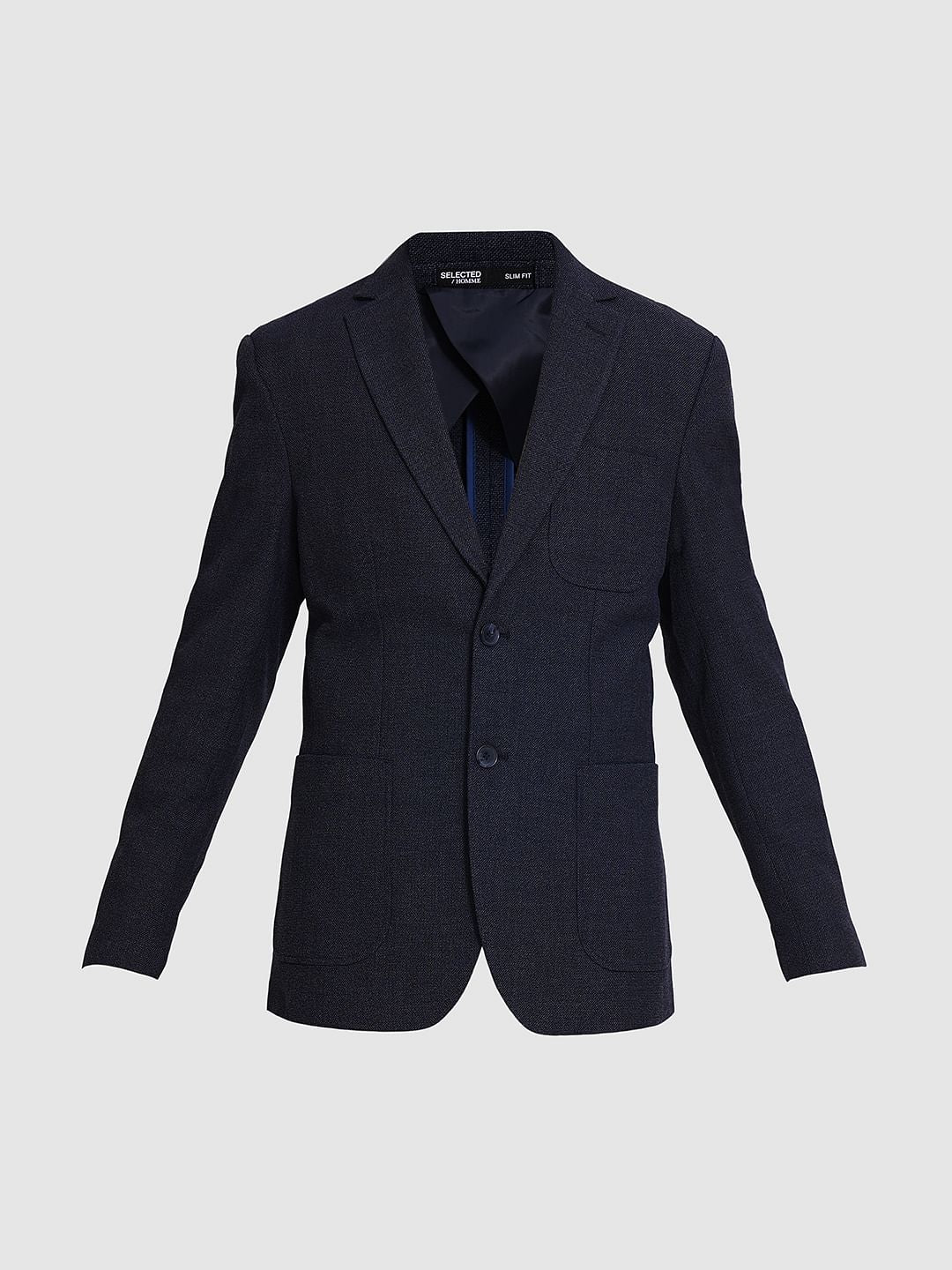
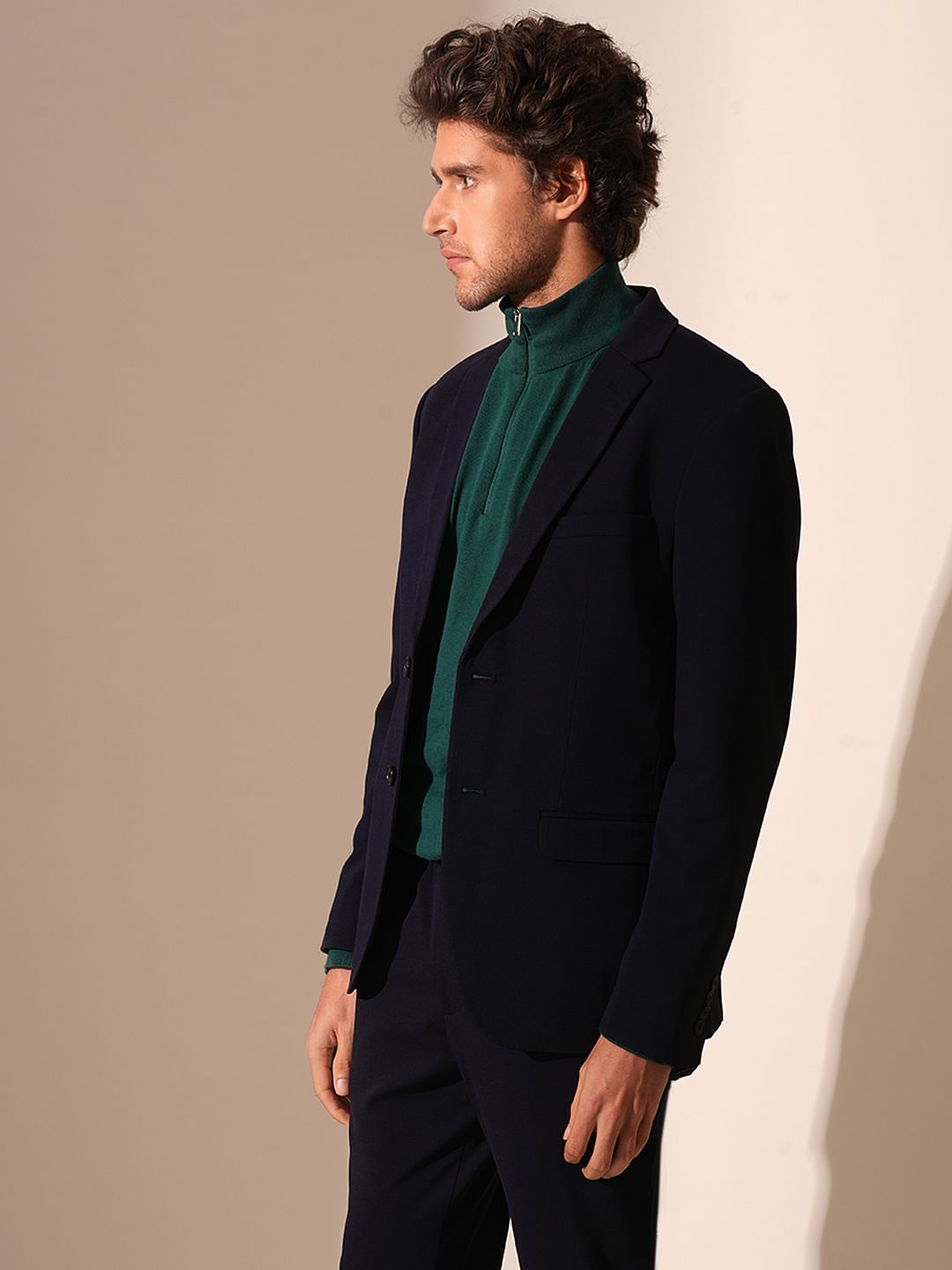
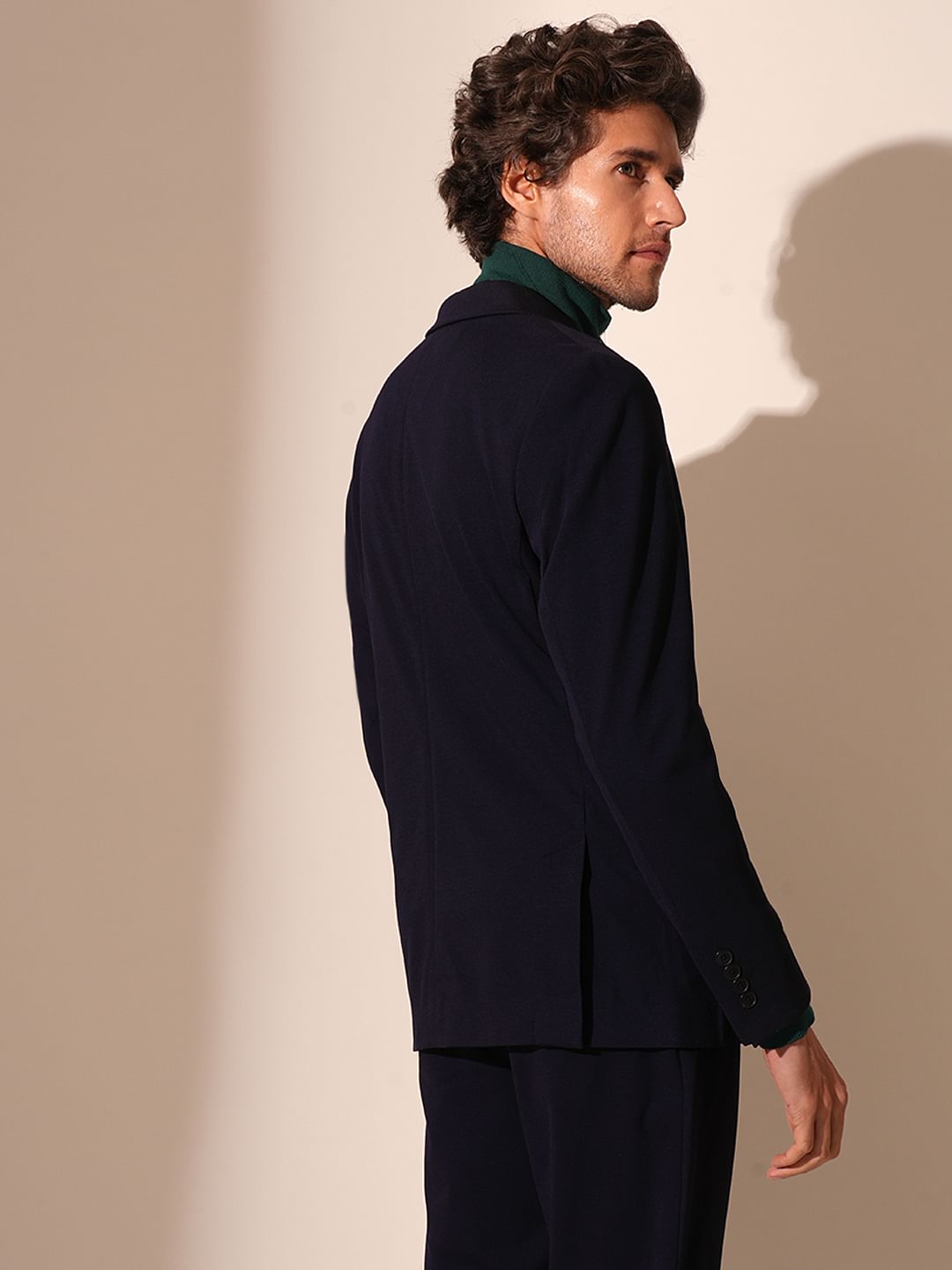
Take a blazer back to basics and you’re left with a blue jacket, a notch lapel and a structure that sits well over nearly anything. Selected keeps to that brief. The lines are clean, the buttons are quiet, and the shoulder has just enough shape to hold you up without looking armoured. Nothing’s shouting for attention. That restraint is where the tailored precision comes from.
Blue helps, too. It’s softer than black on most skin tones and less fussy than grey, and it changes character with whatever you put beneath it. Honestly, it’s hard to wear a blue blazer for men badly, which is why it deserves a place in your wardrobe before a third grey one.
Getting the Fit Right
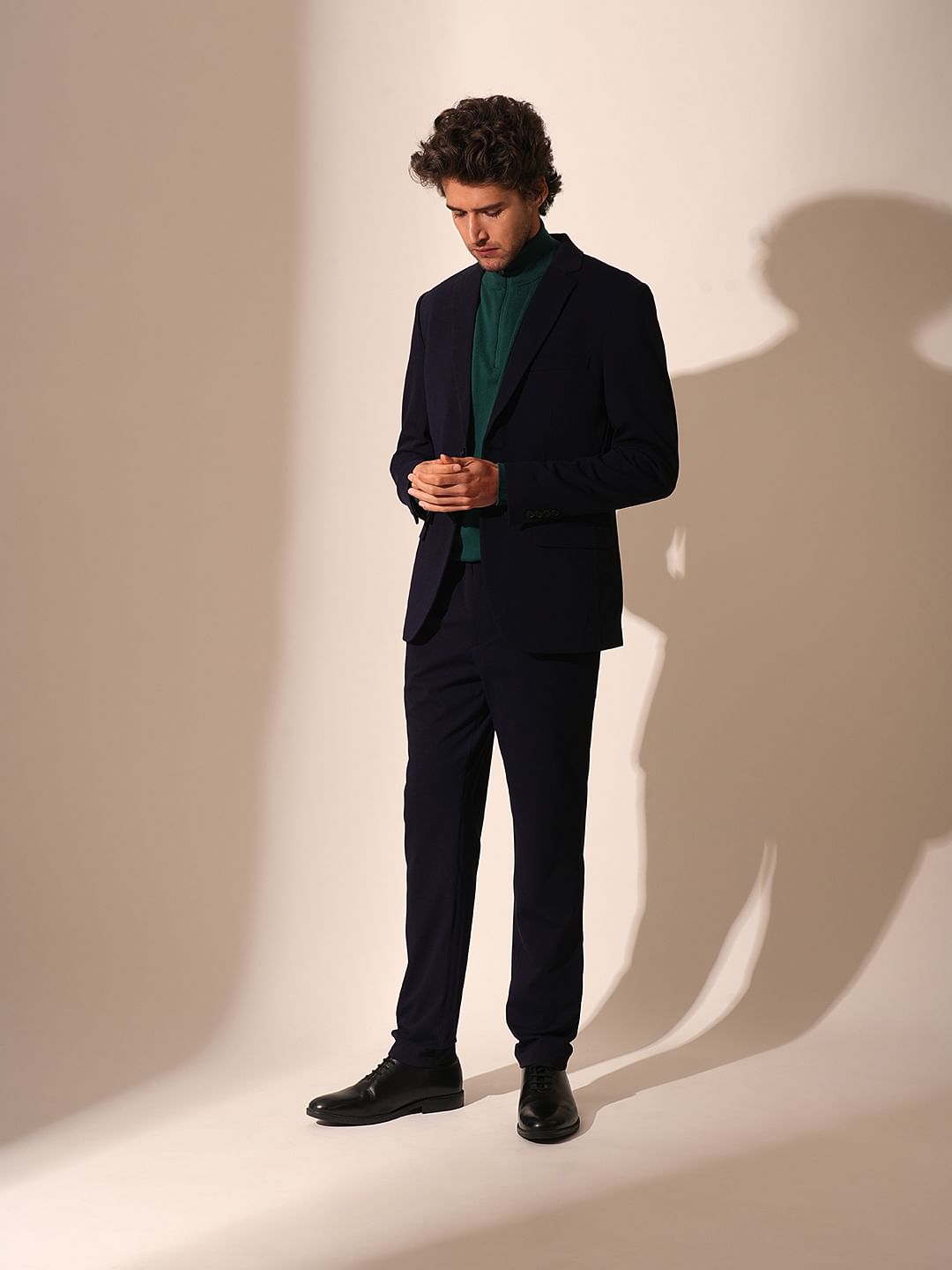
A good blazer for men comes down to shoulders, chest and length, in that order.
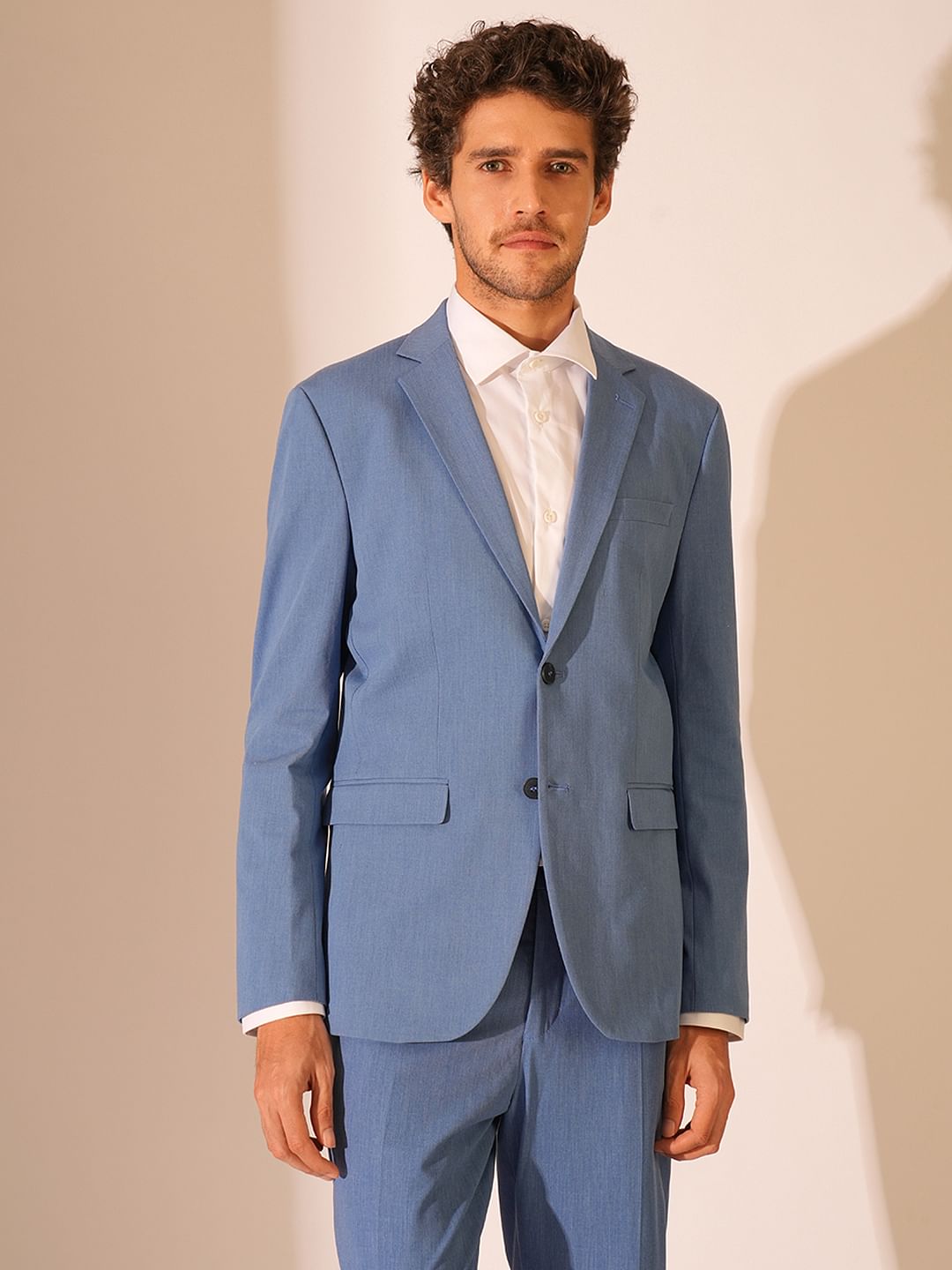
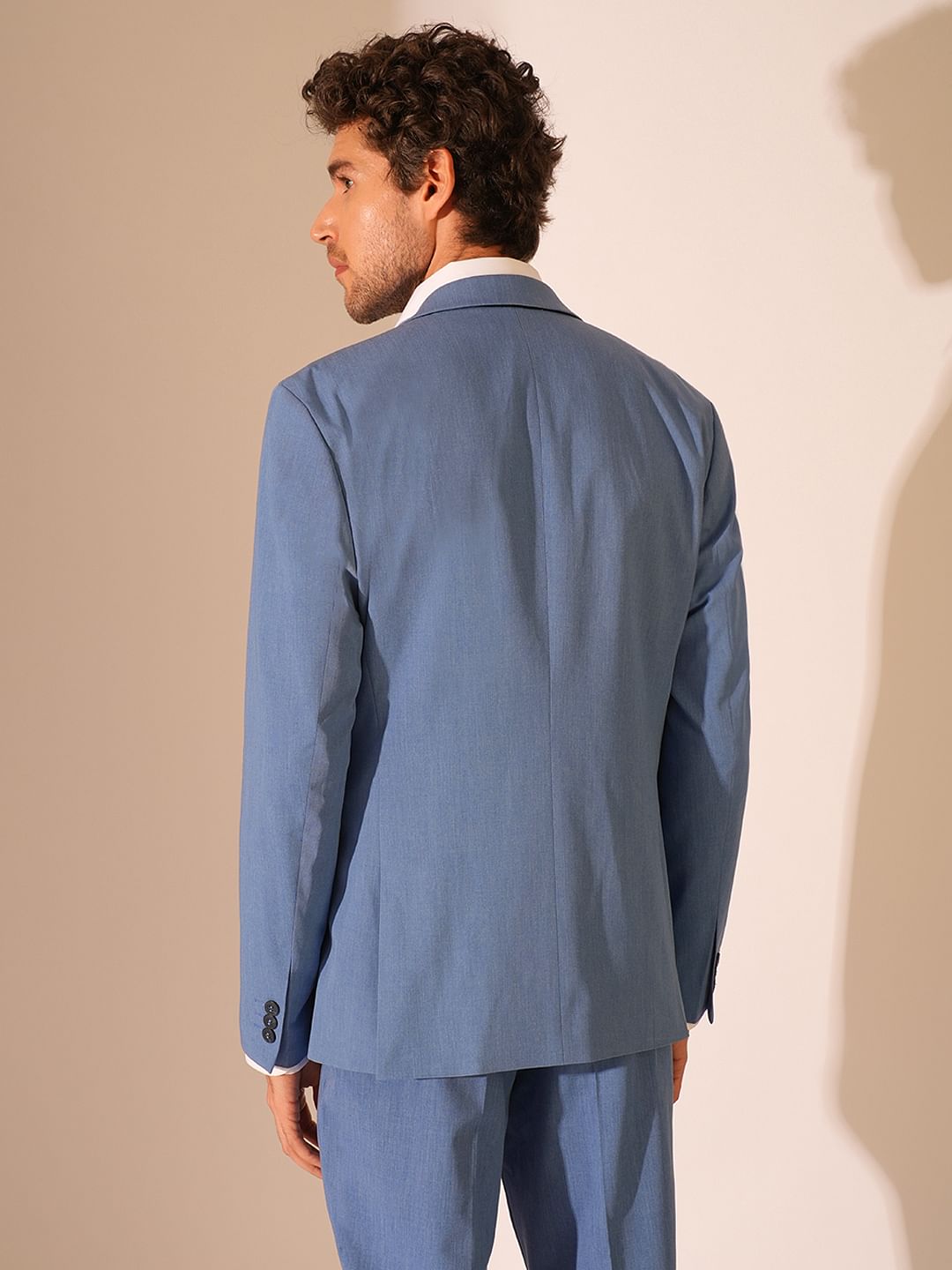
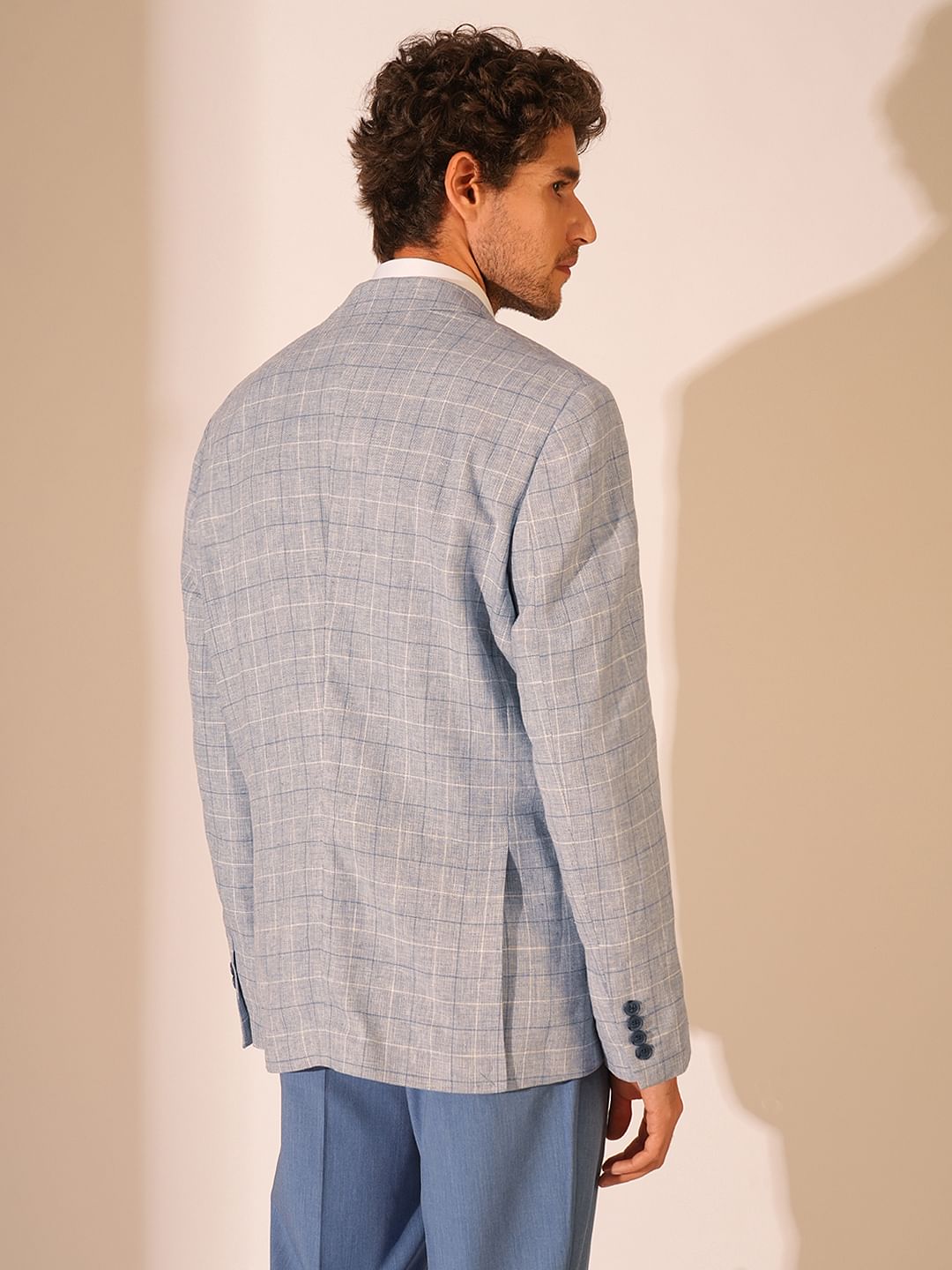
Start at the shoulder. The seam should land where your own shoulder ends. If it droops, a tailor can’t fully fix it, and if it pinches, you’ll know by noon. Then the chest: do up the button and look for creasing in an X shape. Pulling means it’s too small. Finally, the hem, which should cover the seat of your trousers, about where your fingertips land when your arms hang loose.
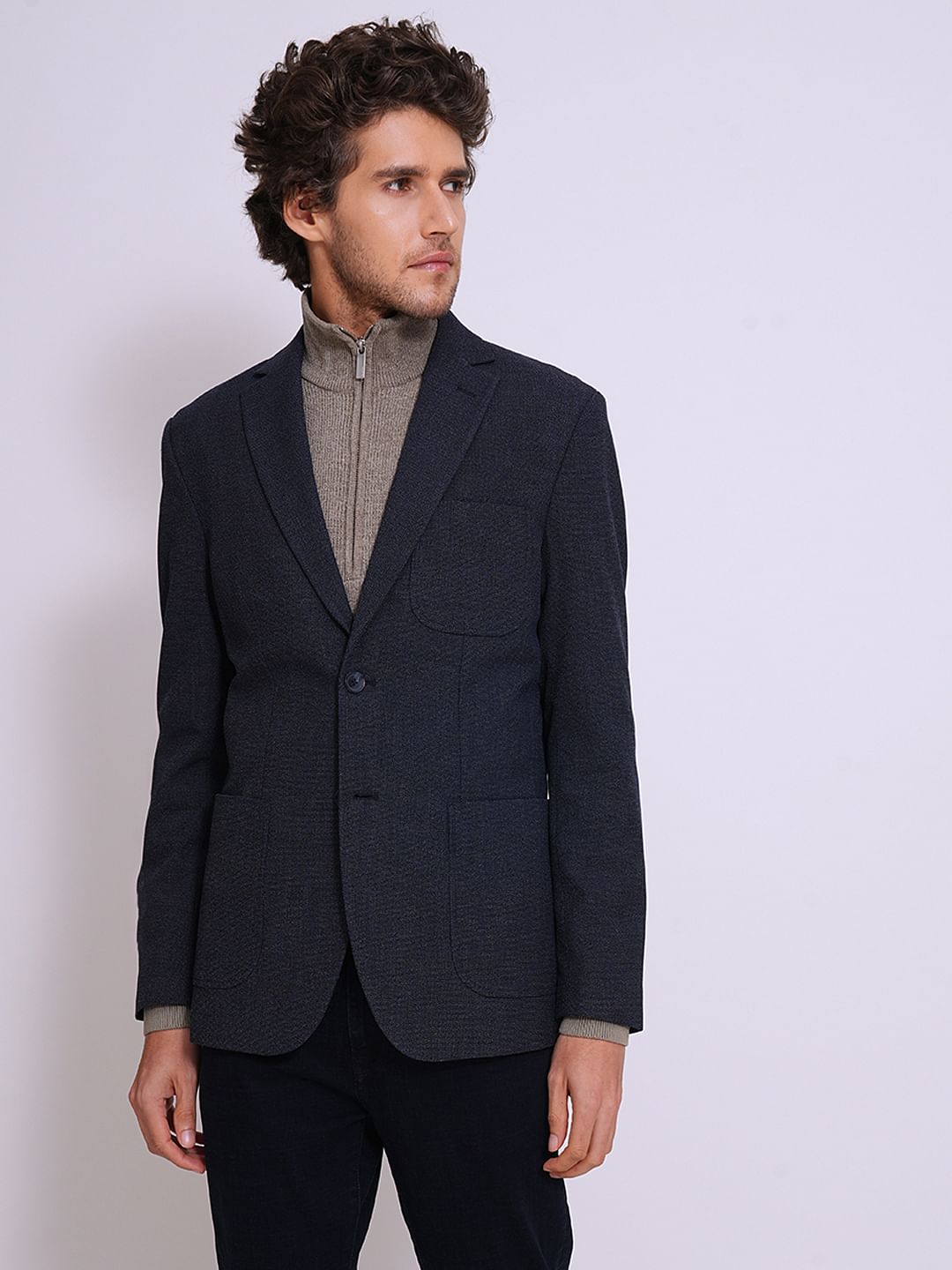
After that, it’s down to how you live. A slim fit follows the body and looks sharp on a leaner frame. A regular fit leaves more room through the chest and waist, and it’s the easier choice if your days are long or you layer a knit underneath in a Delhi winter. Try the jacket on, then reach forward, sit down, lift your arms. If you stop noticing it, that’s your fit.
Fabric and Finish in a Premium Blazer for Men
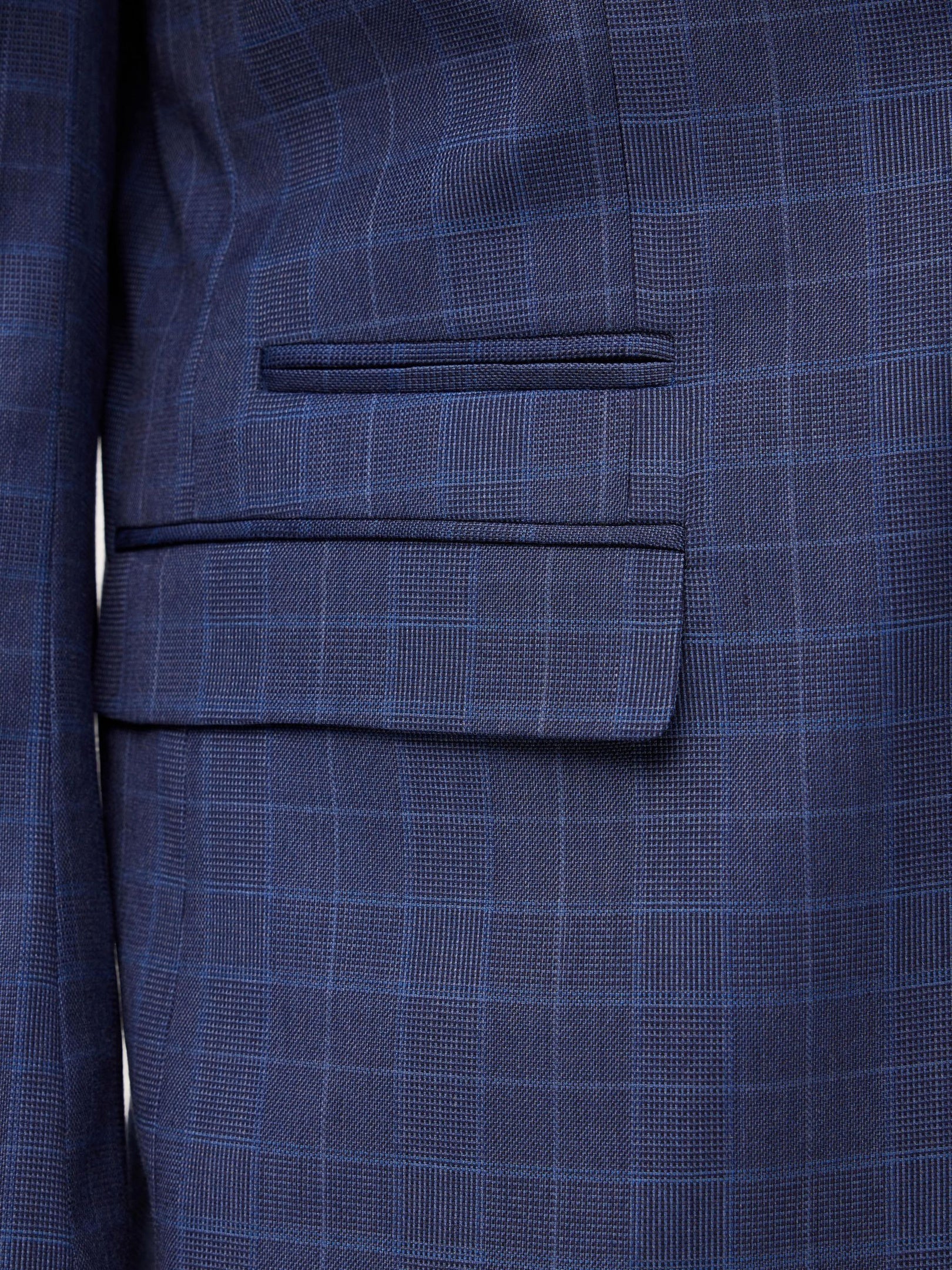
Fabric tells you what a blazer will be like at four in the afternoon, not just at nine in the morning. Generally, wool and wool blends keep their shape and let creases fall out overnight on a hanger, which is handy on a two-day trip with one carry-on. Open, lighter weaves cope better with a humid Mumbai afternoon, while heavier cloth comes into its own between December and February. Read the label for the exact composition, and choose by season before price.
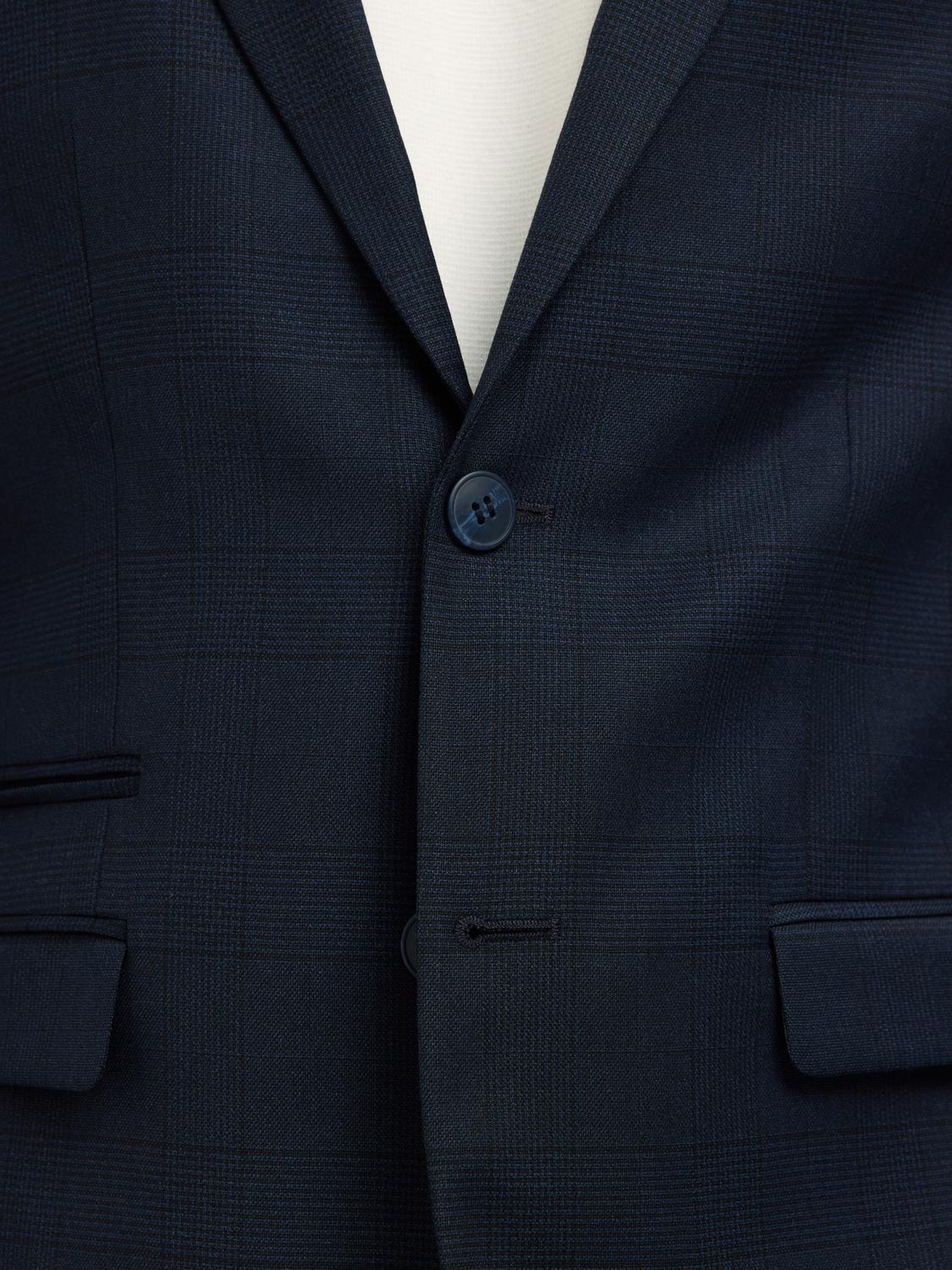
Finish is quieter. Check how the lapel rolls (softly, not flat and stiff), whether the buttonholes are neat, and whether the lining feels smooth against your arm. A premium blazer for men rarely has one big selling point. It has twenty small decisions made carefully, and you notice them the moment you slip it on.
How to Wear a Blue Blazer for Men
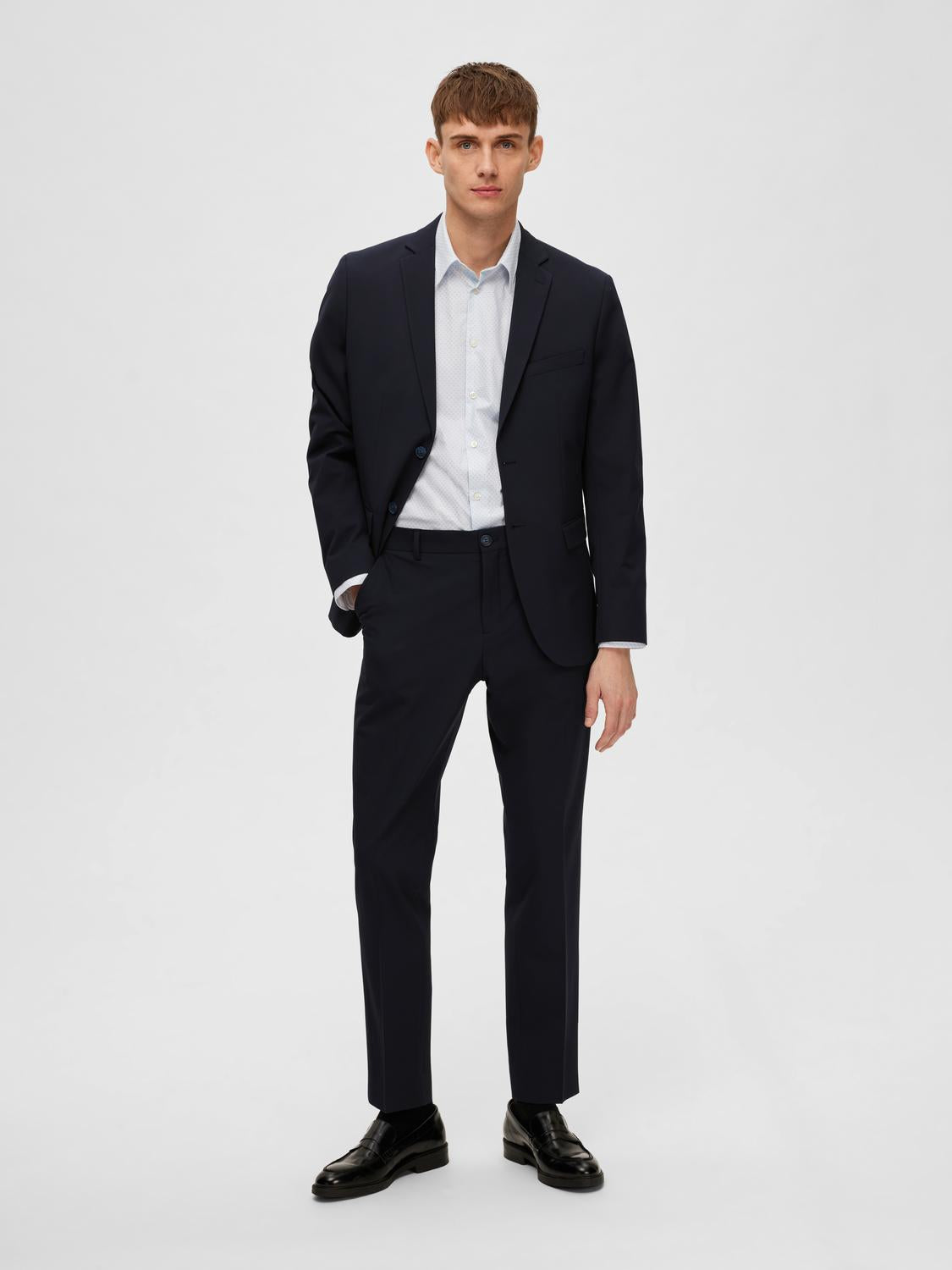
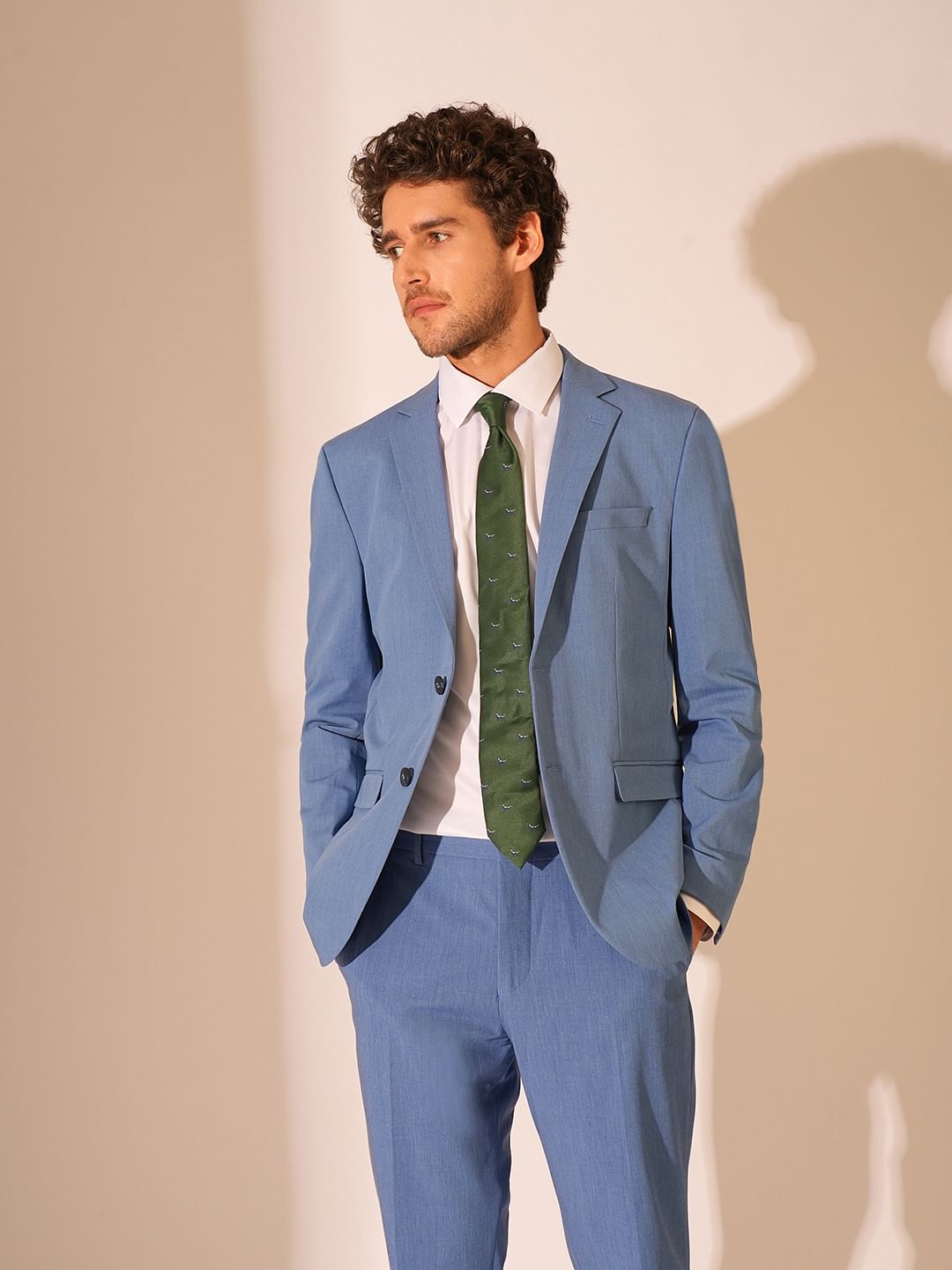
For the office, keep it simple: a white or pale blue shirt, grey or charcoal trousers, brown or black leather shoes. Add a tie for a client meeting. On any other day, open the collar and let the jacket do the formal work.
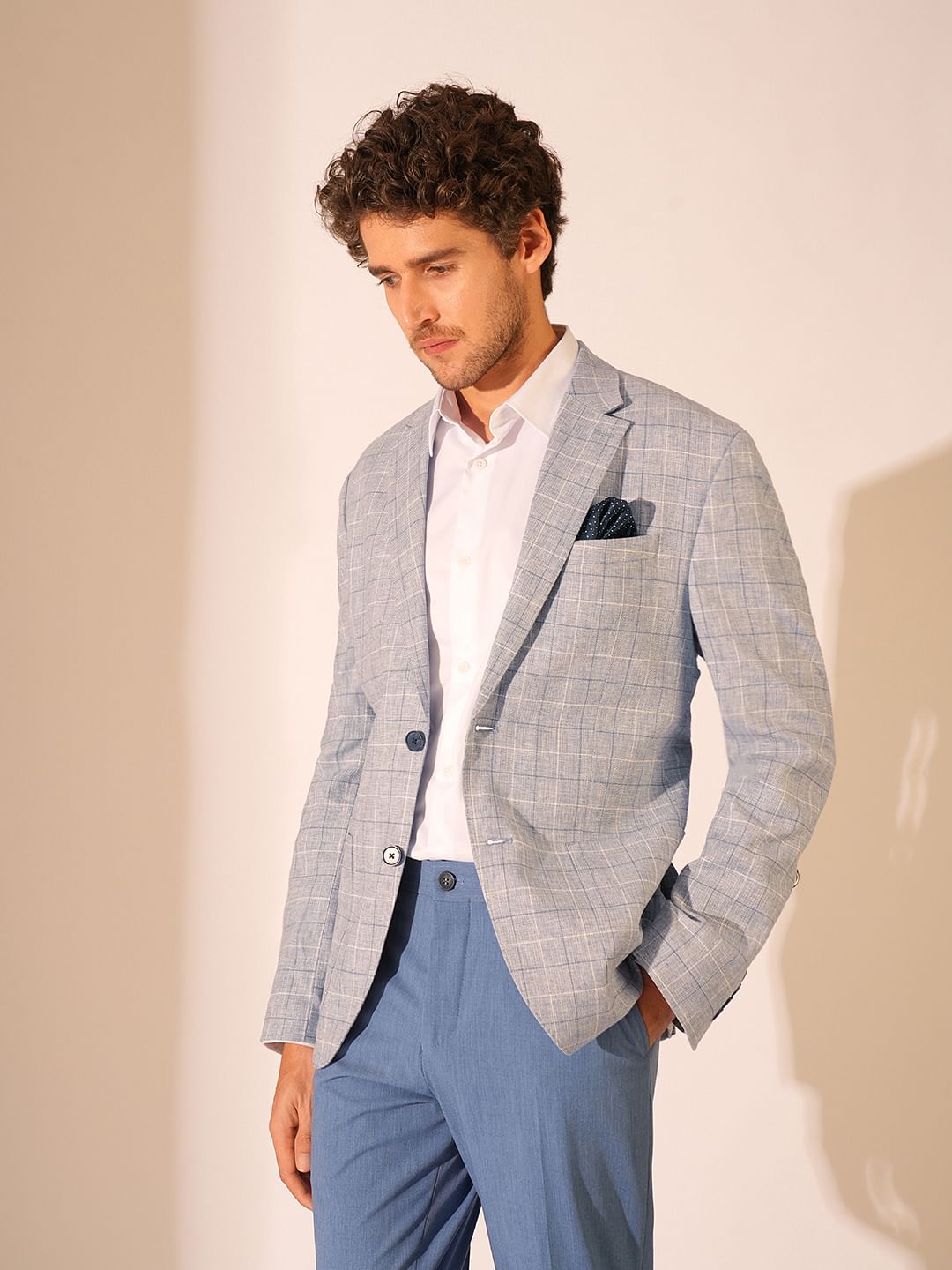
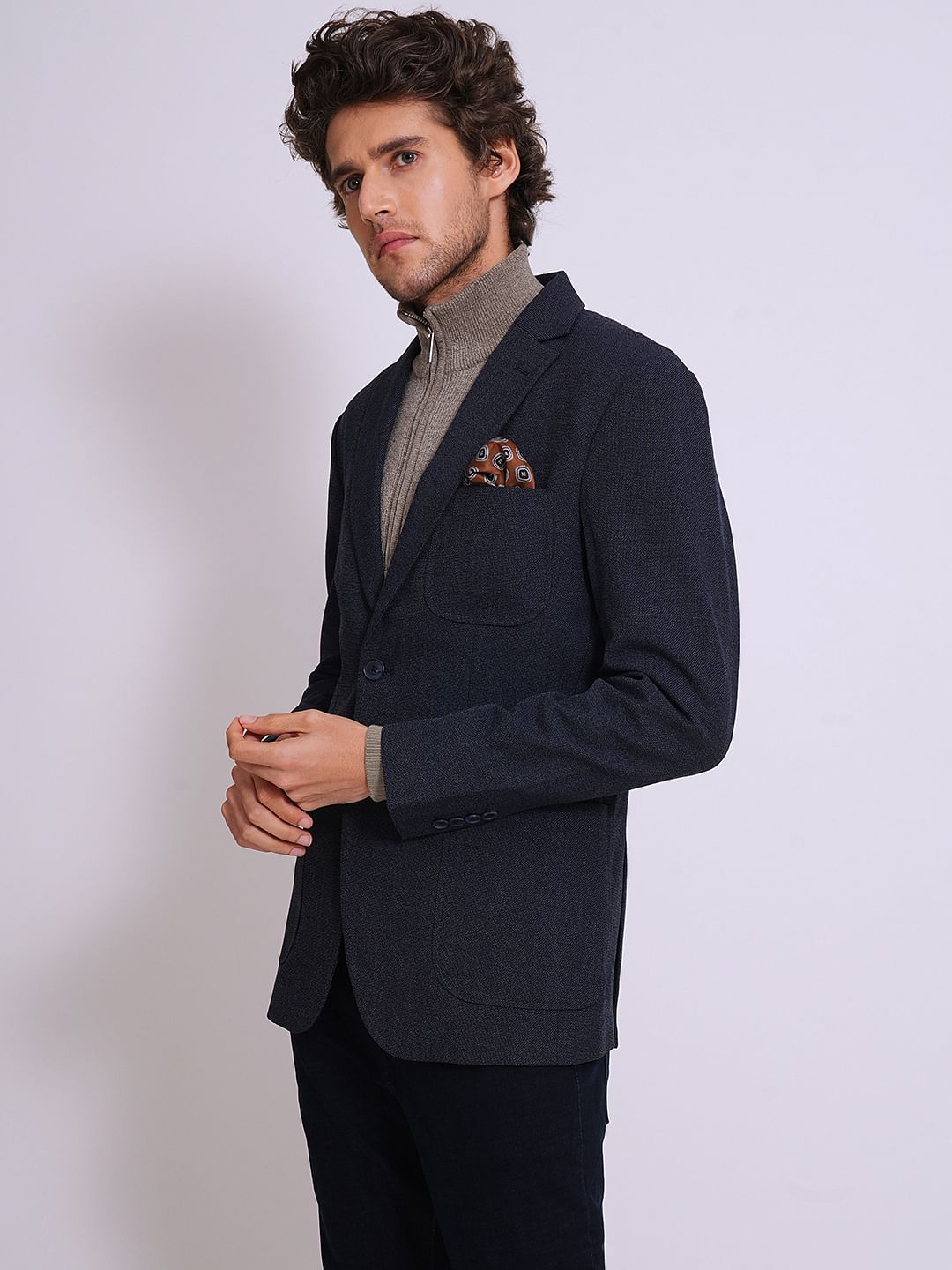
Weddings and festive evenings ask for a little more. Go darker with the shirt or lighter with the trousers, add a pocket square in a softer tone than the jacket, and wear loafers or Oxfords you’ve actually polished. For a summer ceremony in the daytime, a cream shirt keeps things warm rather than stark.
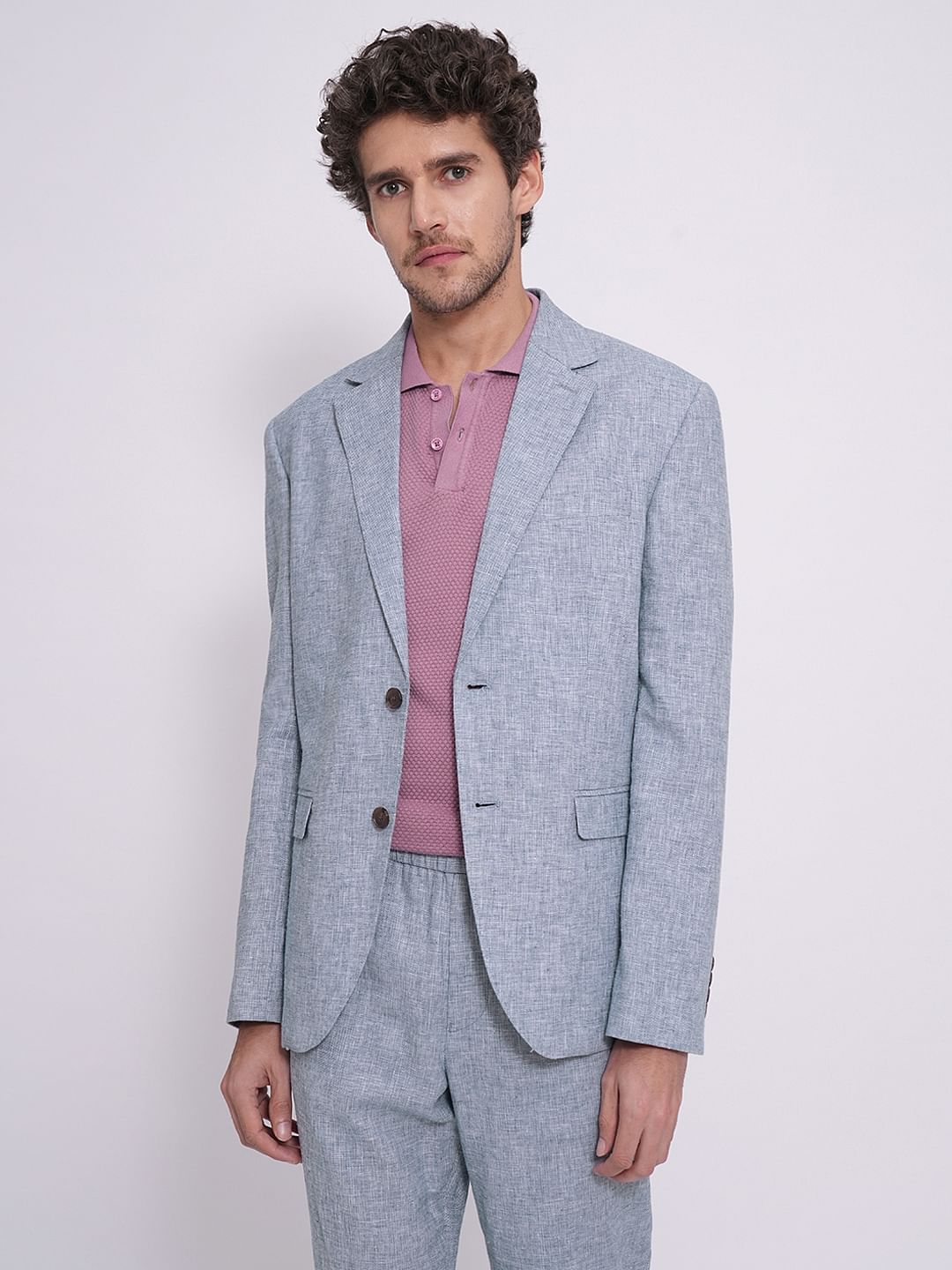
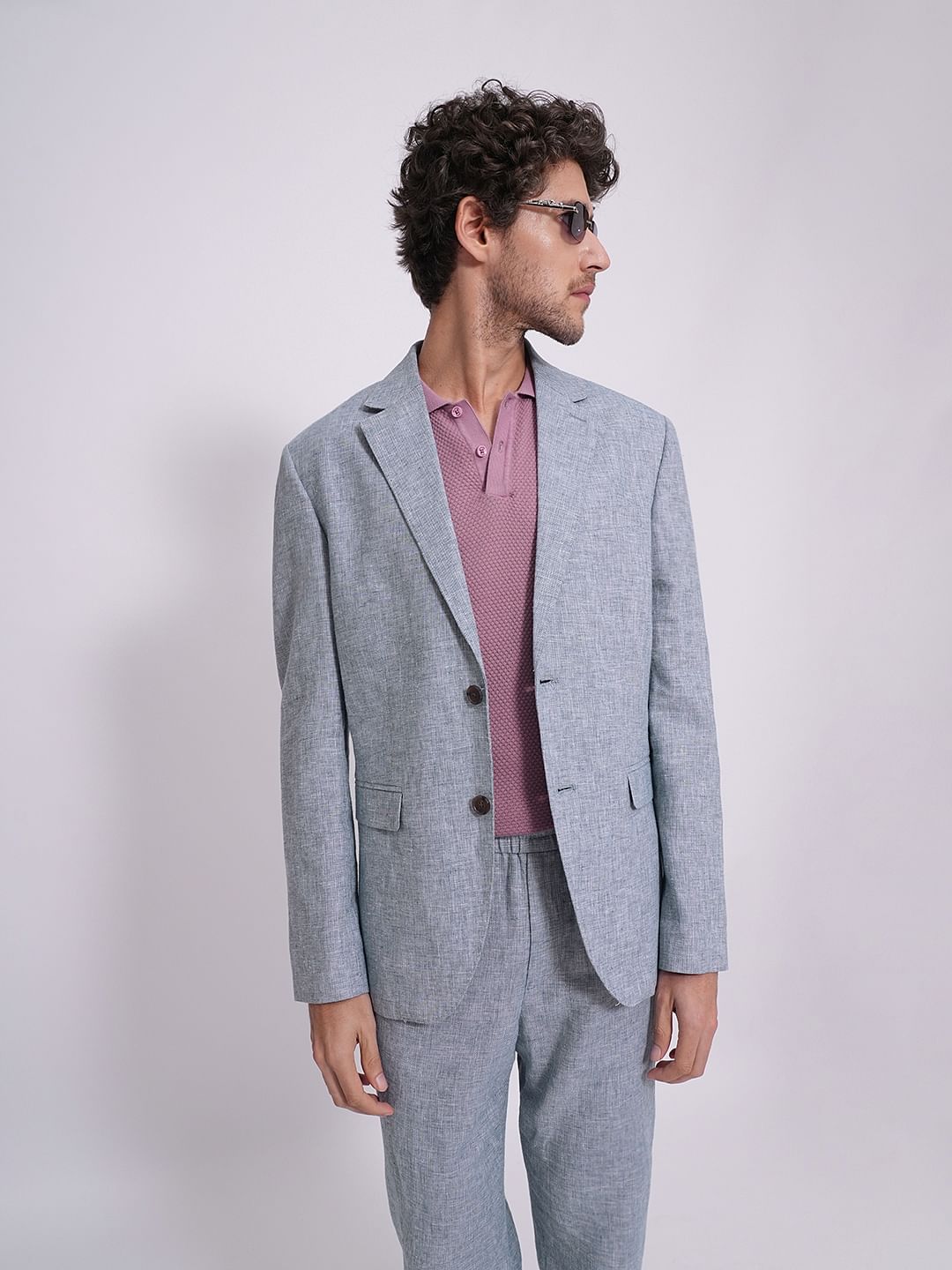
Then there’s the weekend, where a blue blazer for men works over a white tee and dark jeans, or a fine-knit polo and tan trousers. Leave it open. It looks like you made an effort without looking like you did.
And on travel days, wear it on the plane. It frees up suitcase space, survives the hours, and is smart enough for an unplanned dinner when you land.
Choosing Your Shade, and Looking After It
Navy is the safest and most formal choice of blue blazer for men, and the one to buy if you’re only buying one. A mid-blue feels livelier in daylight and sits better with lighter trousers in spring and summer. Look at what’s already in your wardrobe: mostly grey trousers, go navy. Mostly tan, a mid-blue will freshen them up.
Looking after it mostly means doing less. Brush it lightly after wearing, hang it on a broad-shouldered hanger instead of a wire one, and give it a day off between wears so the fibres can recover. Dry clean only when it’s truly needed, since too much cleaning wears the cloth down. Follow the care label on each piece.
Built to Last, Not to Be Replaced
Think in cost per wear. A blazer you put on forty times a year, over several years, works out far cheaper than three you wear twice and forget. Trend-led cuts date quickly. A clean blue blazer for men doesn’t.
Buying fewer, better pieces is the more responsible habit too. A jacket that fits well and holds up doesn’t need replacing as often, which means less waste in your wardrobe and beyond it. Sew a loose button back on straight away, see a tailor if your shape changes, and the jacket stays with you.
Blue Blazer for Men: Frequently Asked Questions
What colour trousers go with a blue blazer for men?
Grey, stone, beige and white all work, and charcoal gives a sharper office look. Skip navy trousers unless the two shades are clearly different.
Can I wear a blue blazer to a wedding?
Yes, in a deeper shade with a crisp shirt, a pocket square and polished shoes. For daytime ceremonies, go lighter on the trousers.
How should a blazer for men fit?
The shoulder seam should meet your own shoulder, and the jacket should close without pulling at the chest. The hem should cover the seat of your trousers.
What makes a premium blazer for men different?
Mostly cloth, structure and finish, like a softly rolling lapel and clean stitching. Check the label for fabric details.
Find Your Blue Blazer
Start with one well-cut jacket and build outward from it. Browse the full range of blue blazers for men and find one that’s built to last. Shop Selected.