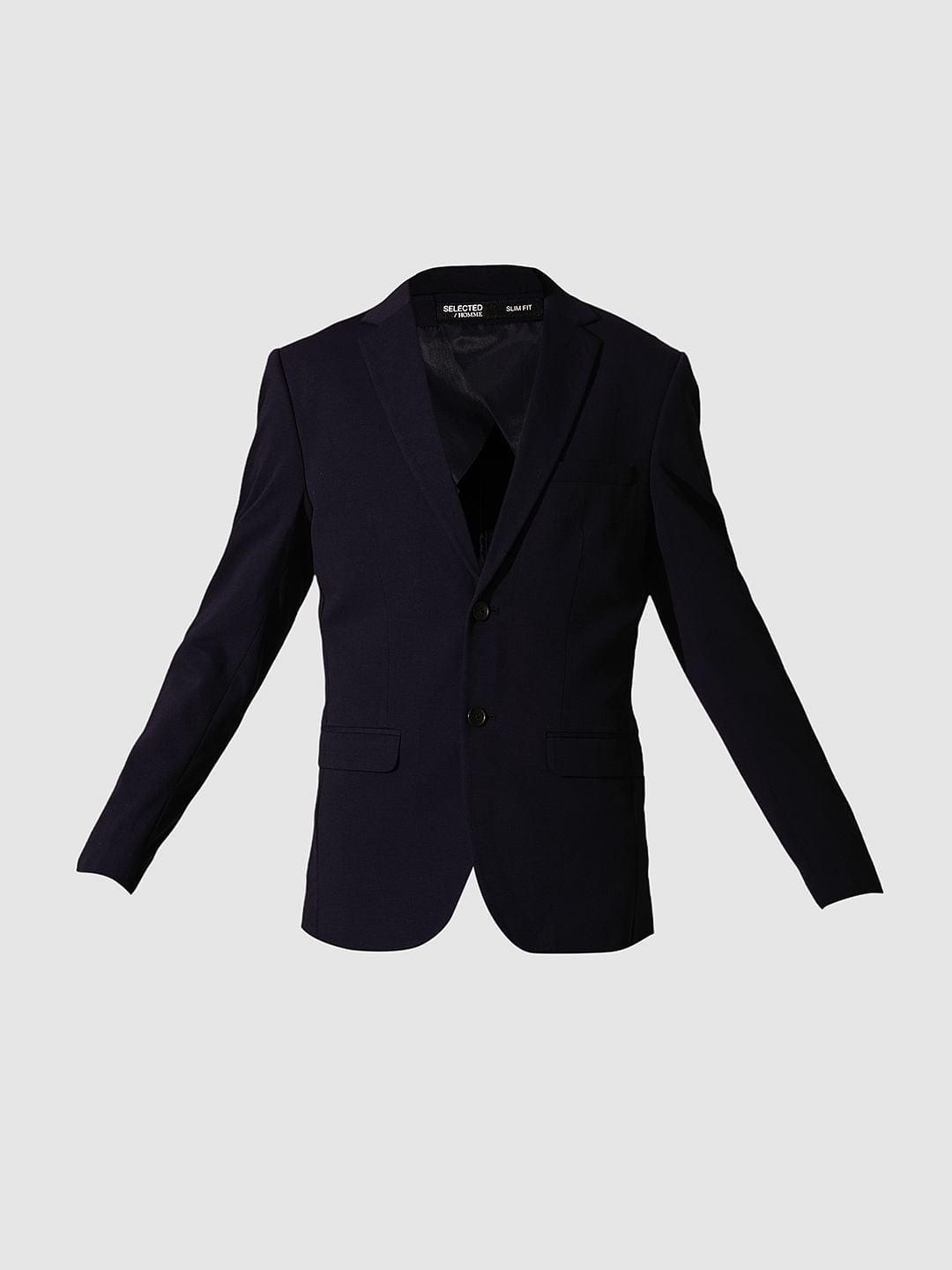
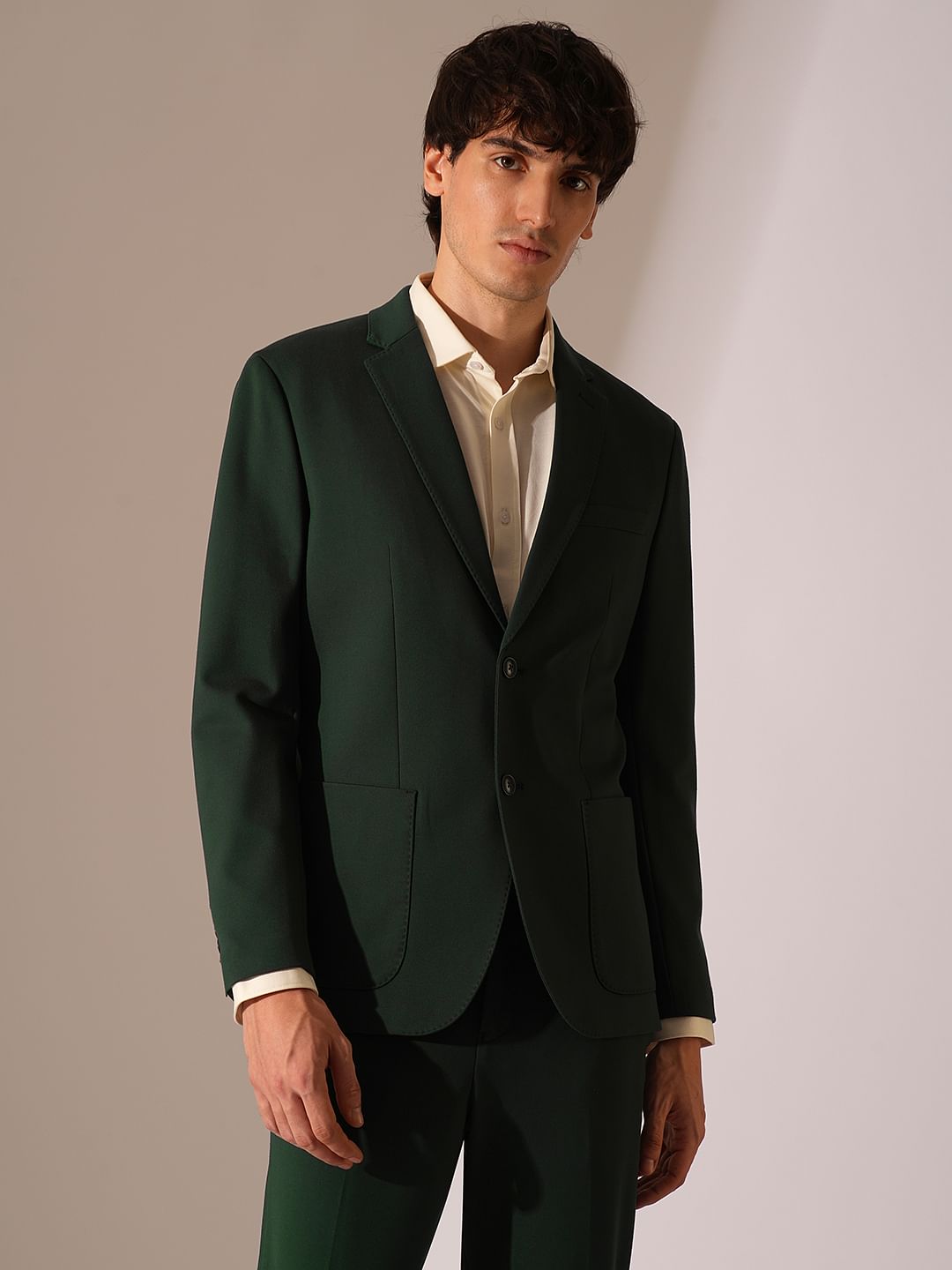
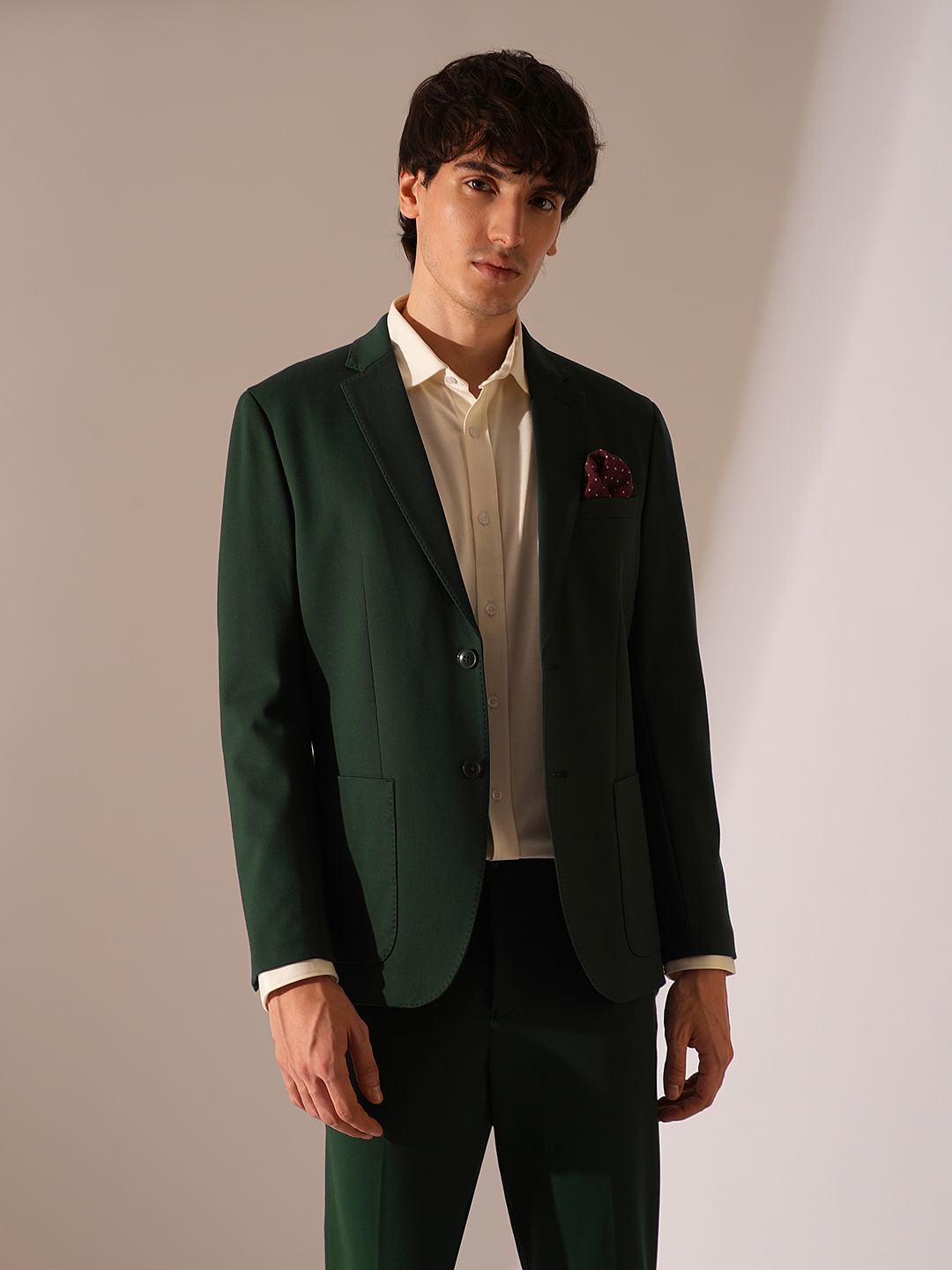
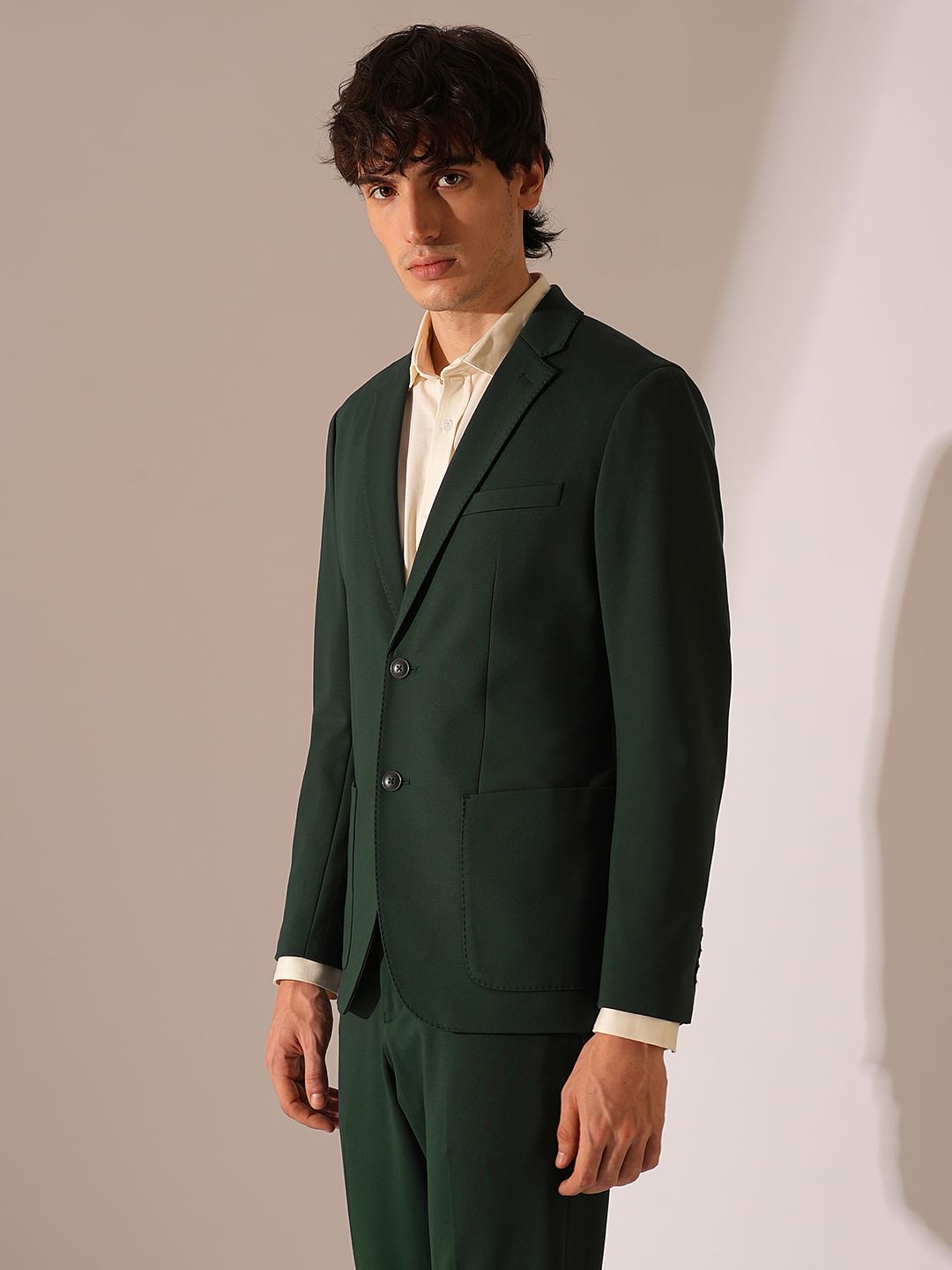
Blazer fit and fabric needs vary by climate. In India, higher average temperatures, humidity, and long hours in air-conditioned offices are the primary factors affecting which fits and fabrics perform well across most of the year. This guide addresses fit, fabric, construction, and occasion for formal blazers in that context.
Fit and Sizing
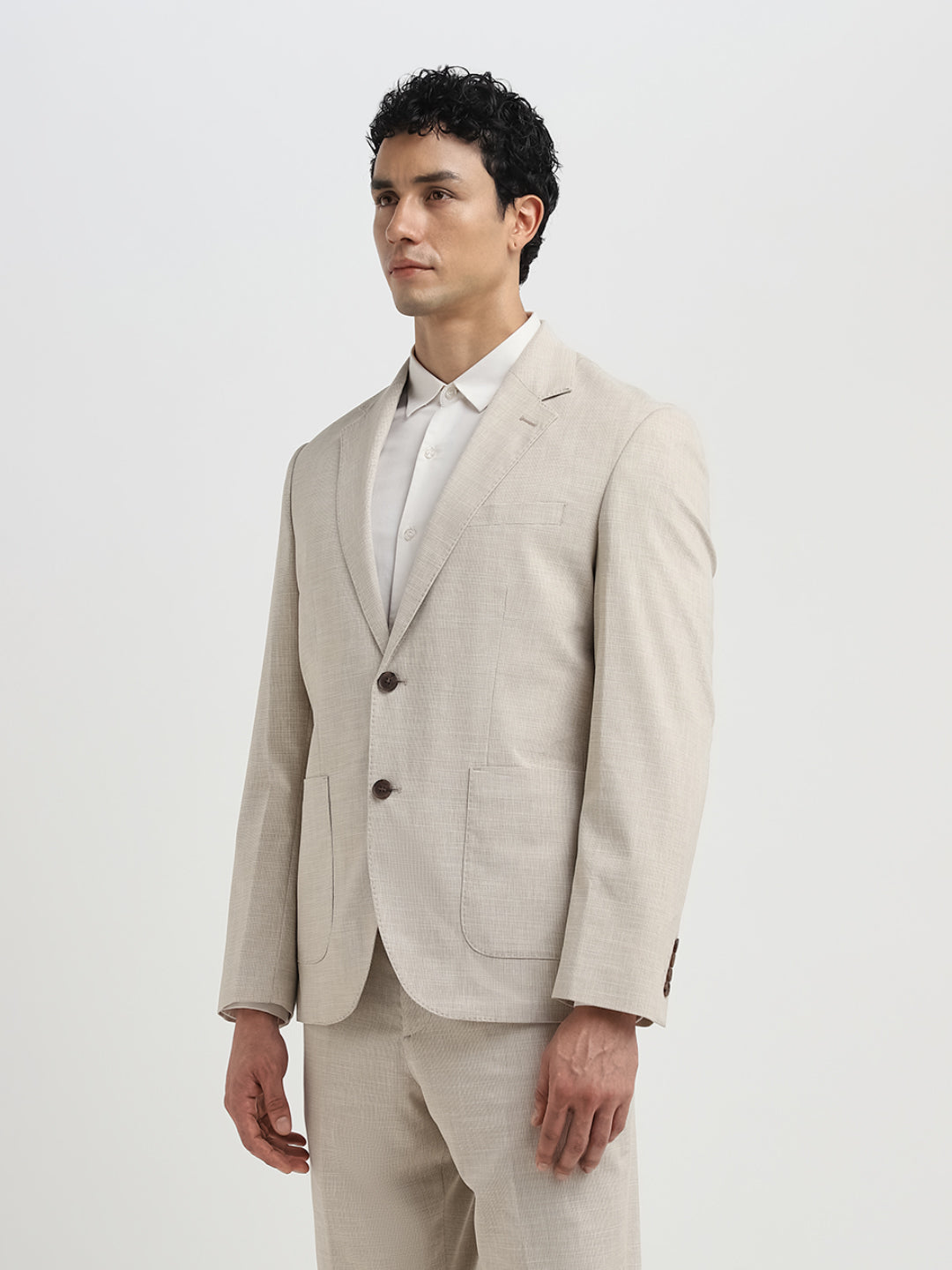
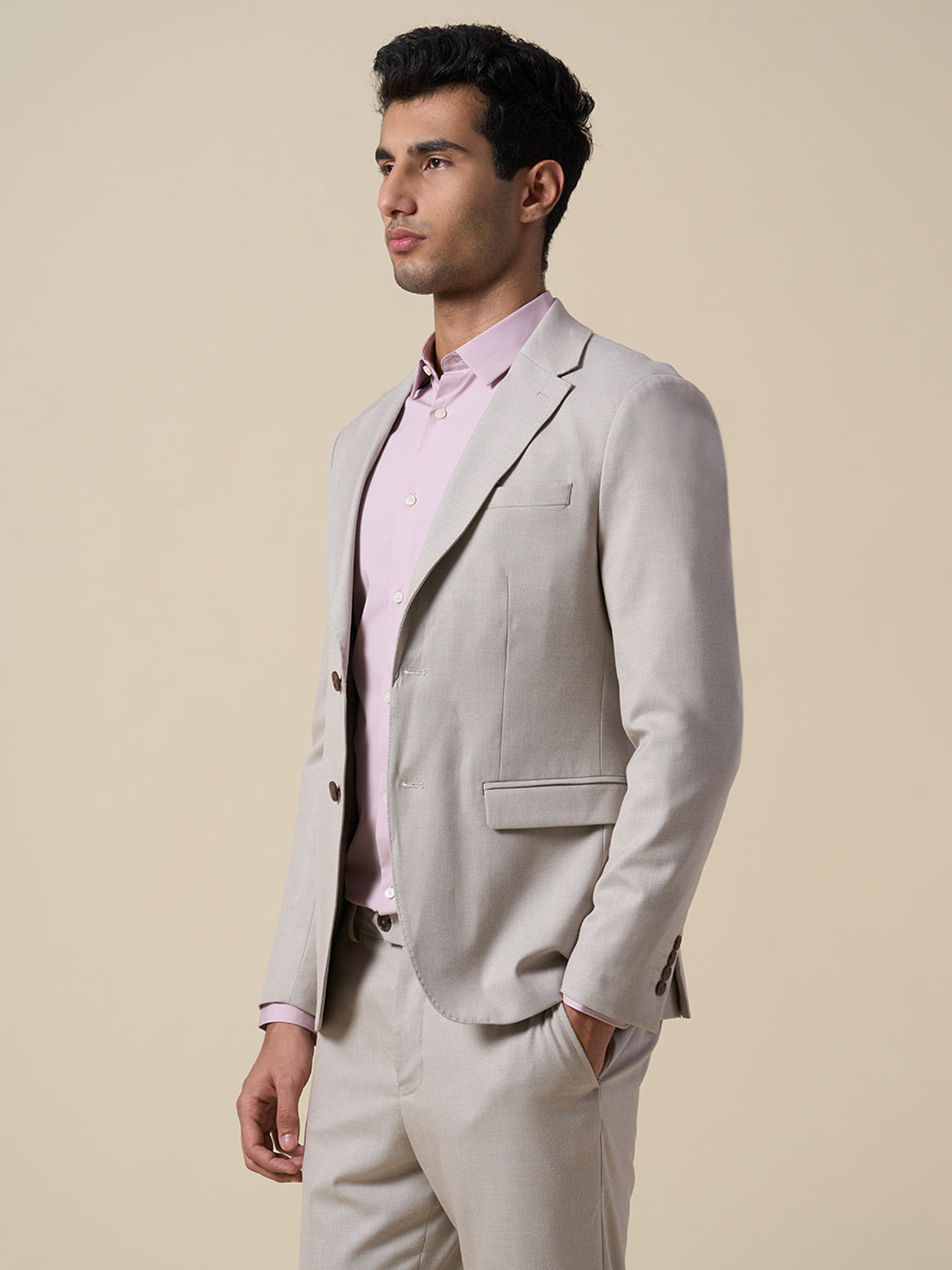
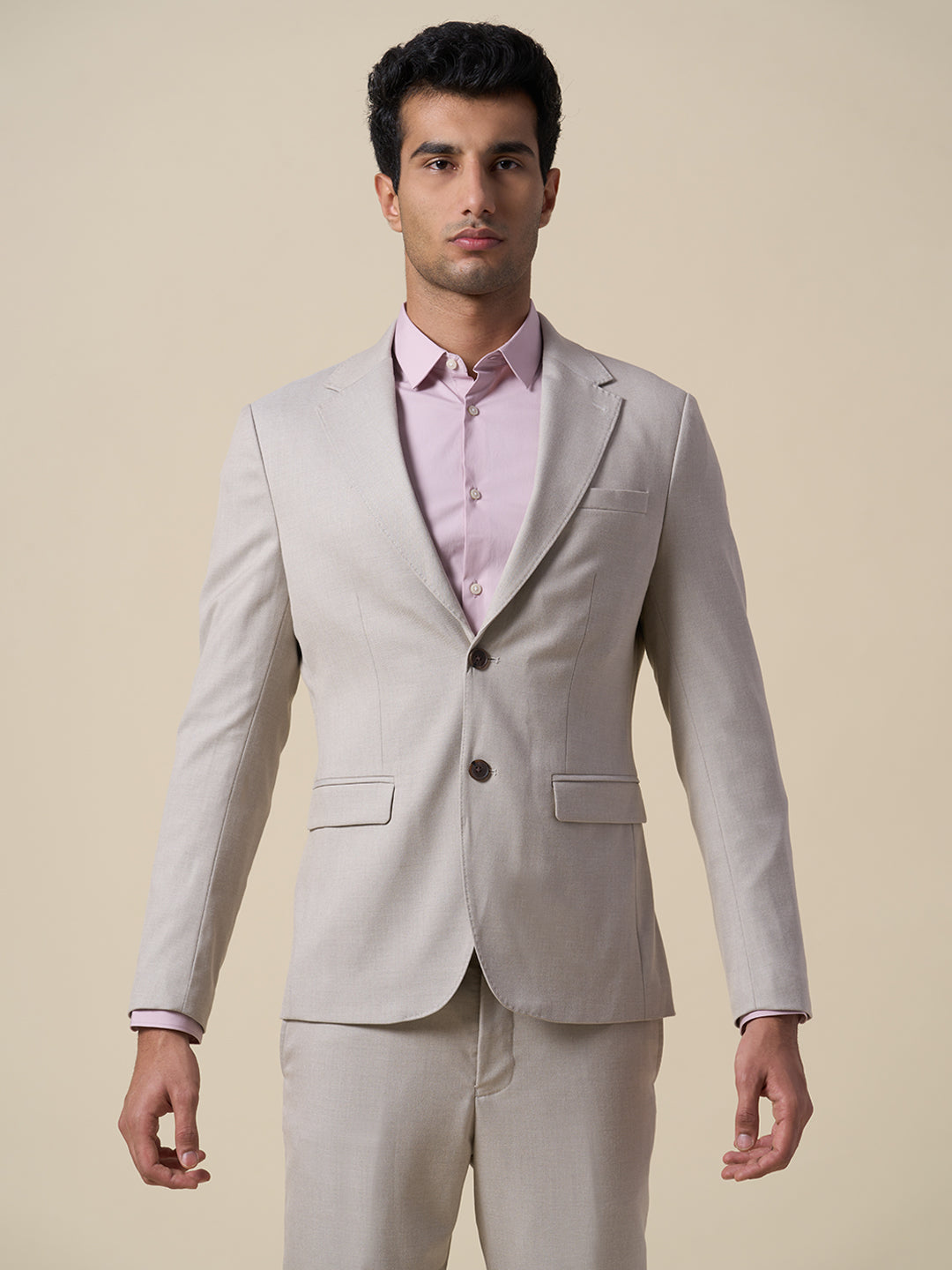
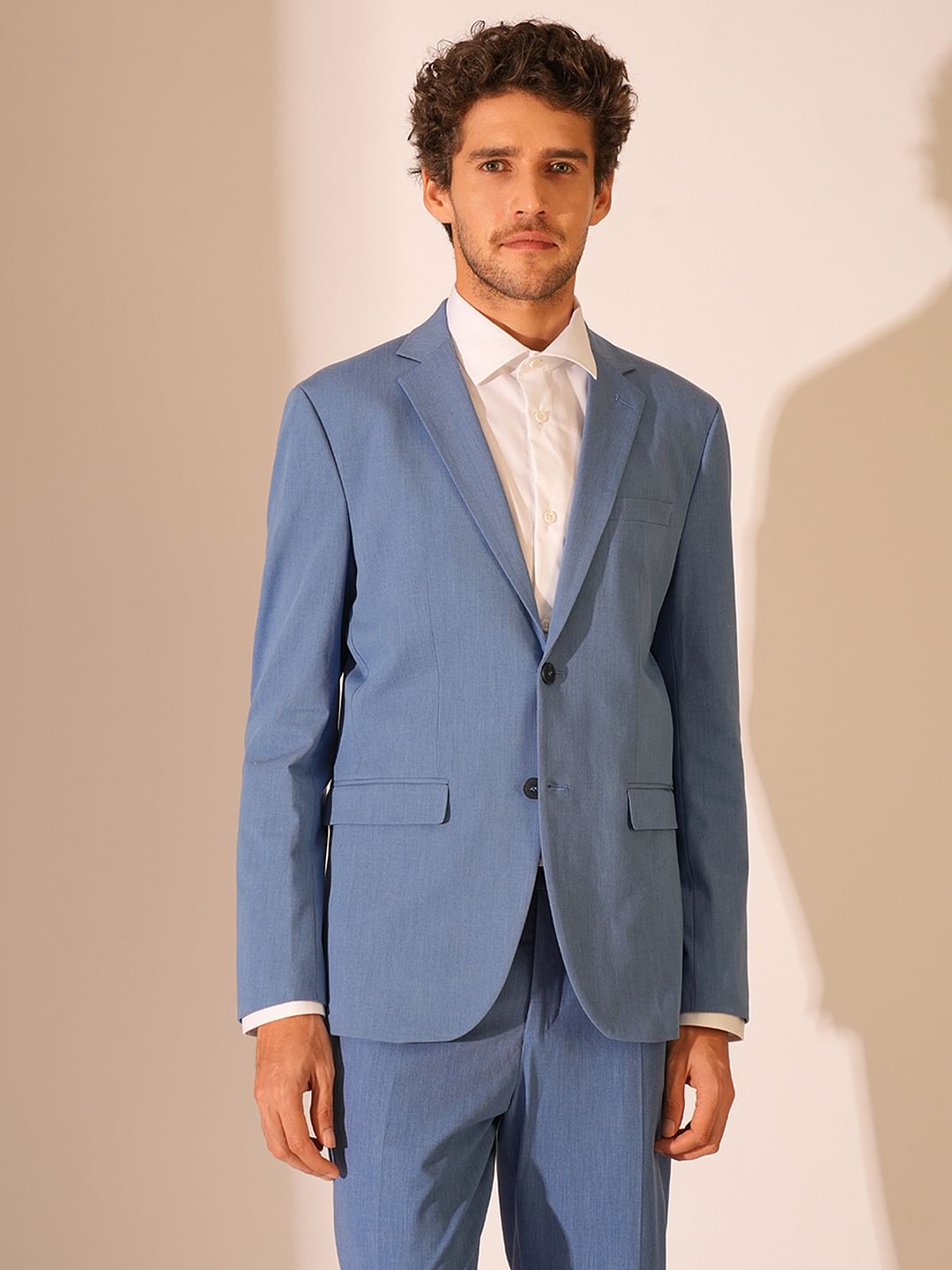
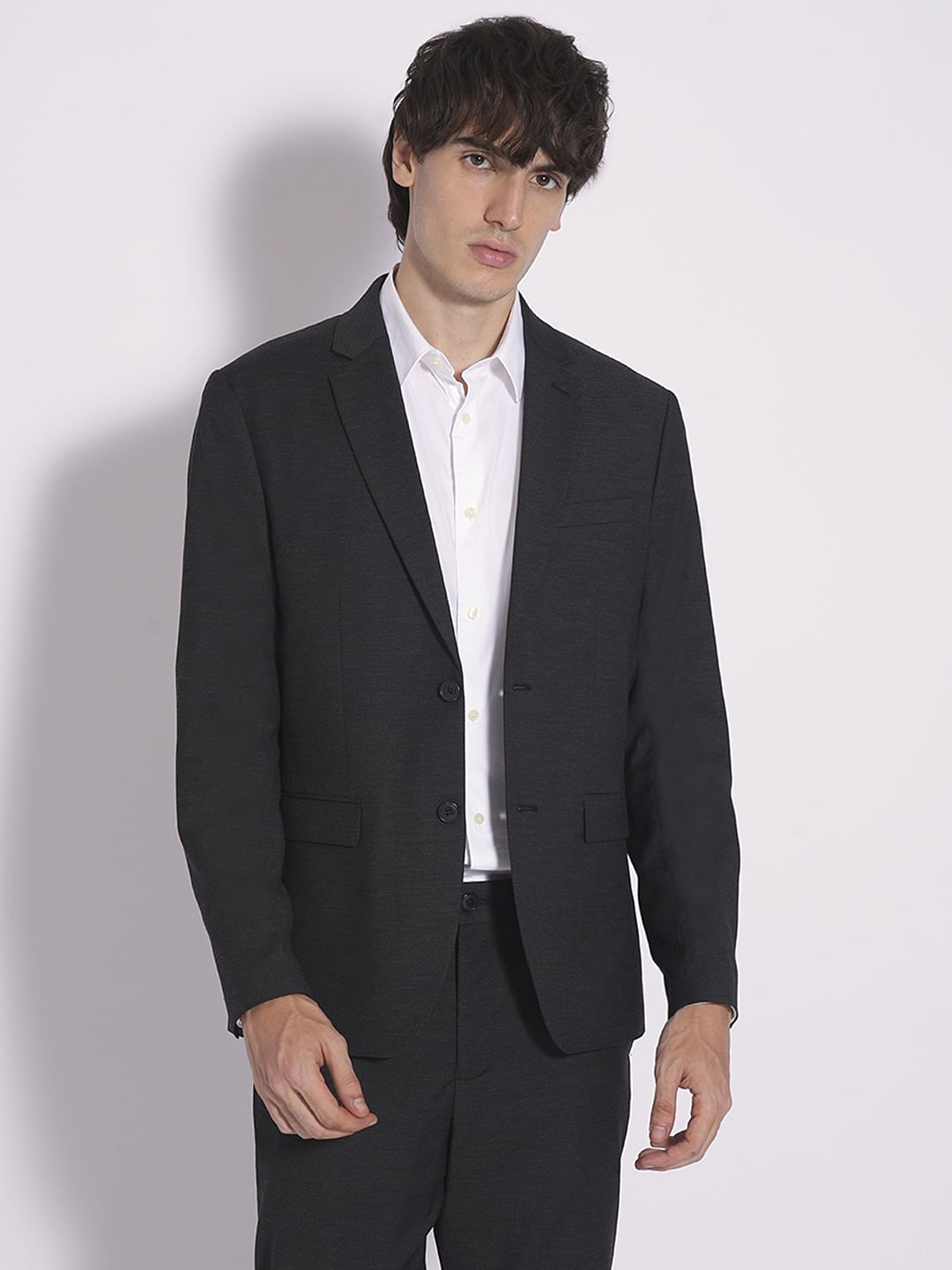
Fit determines how tailored a blazer looks, and it is the one factor that fabric quality or colour cannot compensate for. Two fits cover most builds: regular fit, which sits closer to the body's natural line with additional room through the chest and waist, and slim fit, cut closer to the torso for a more fitted line. Neither fit is inherently more formal; the appropriate choice depends on body type and the level of structure that is comfortable for a full day.
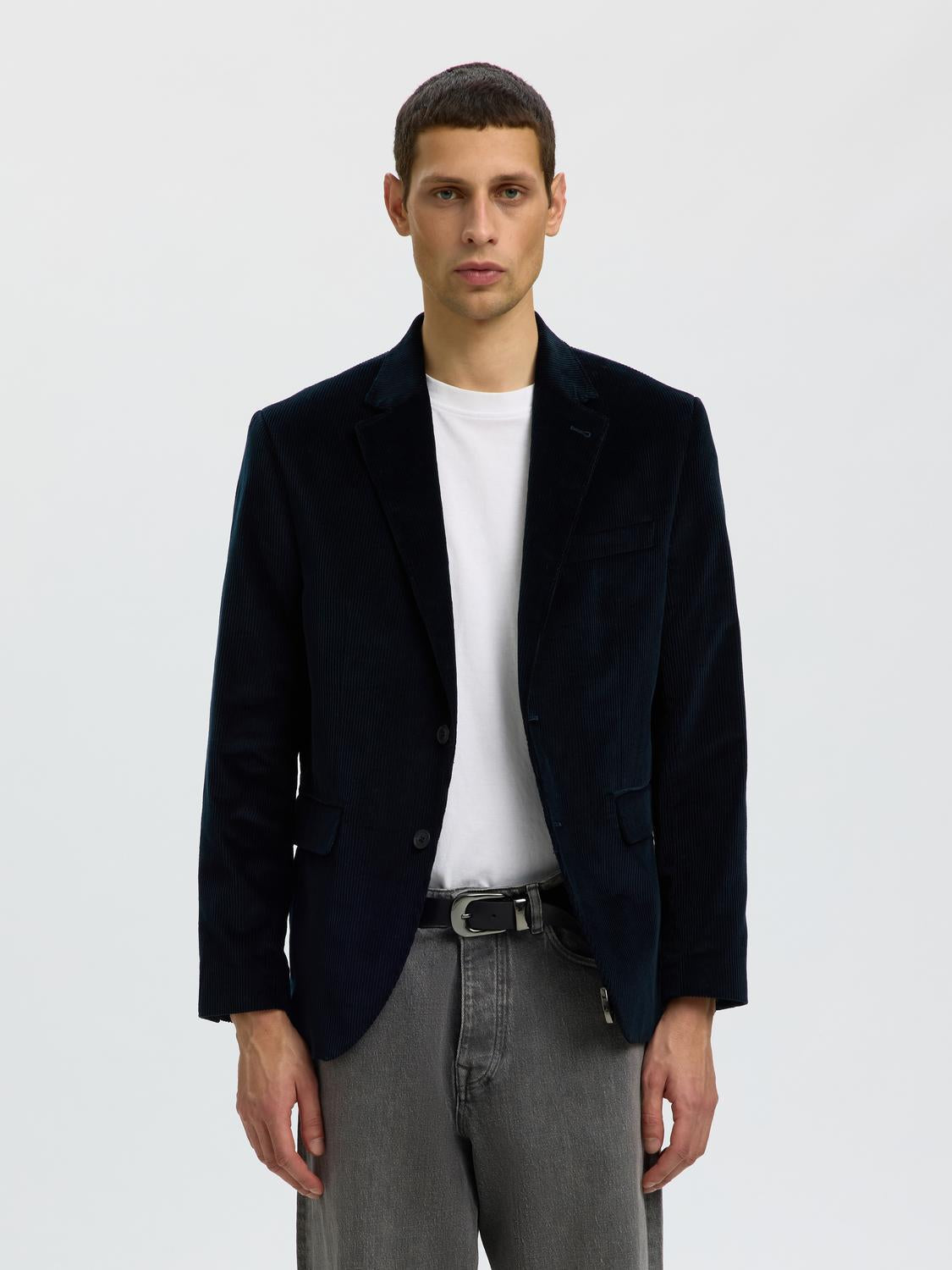
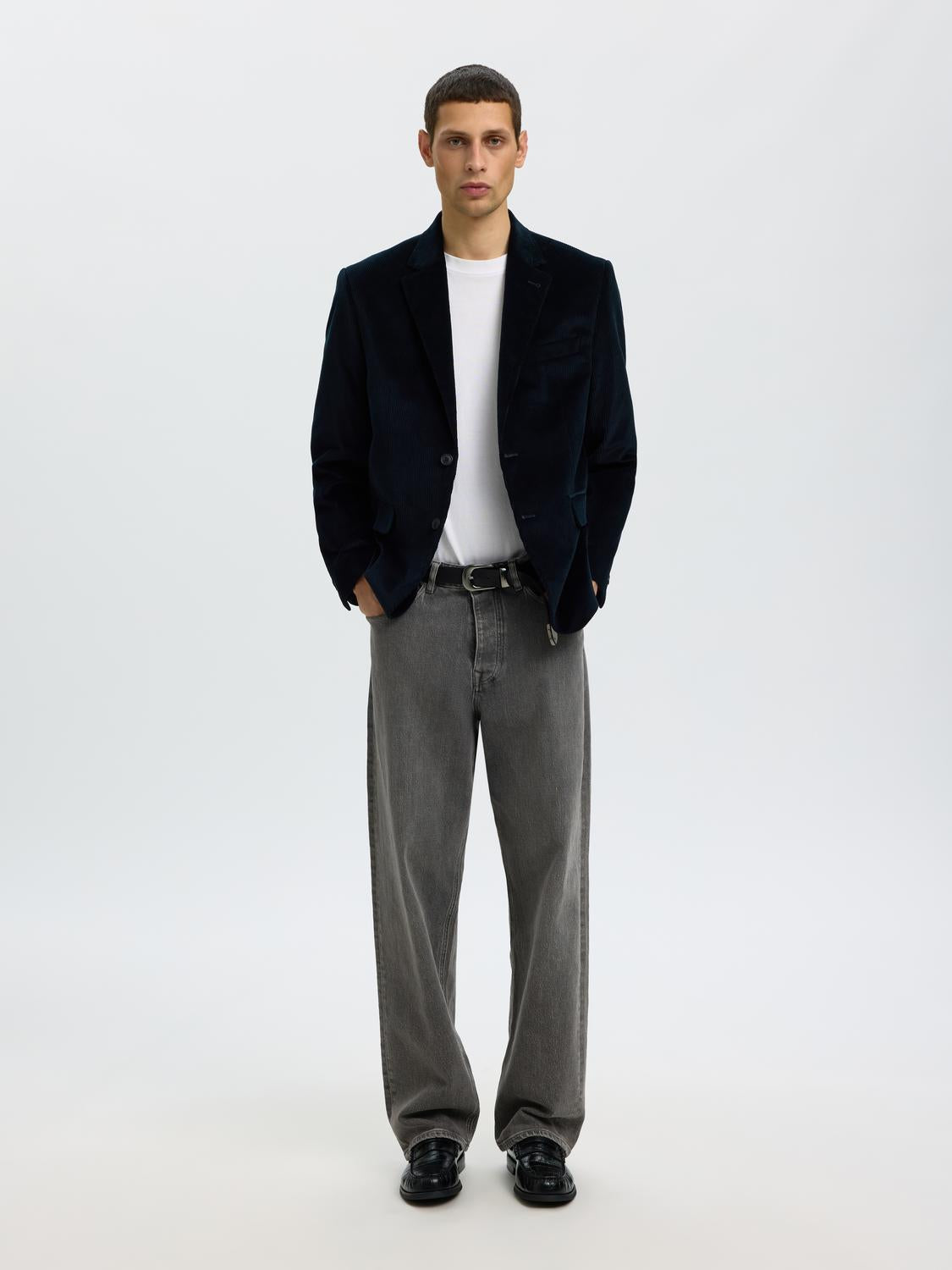
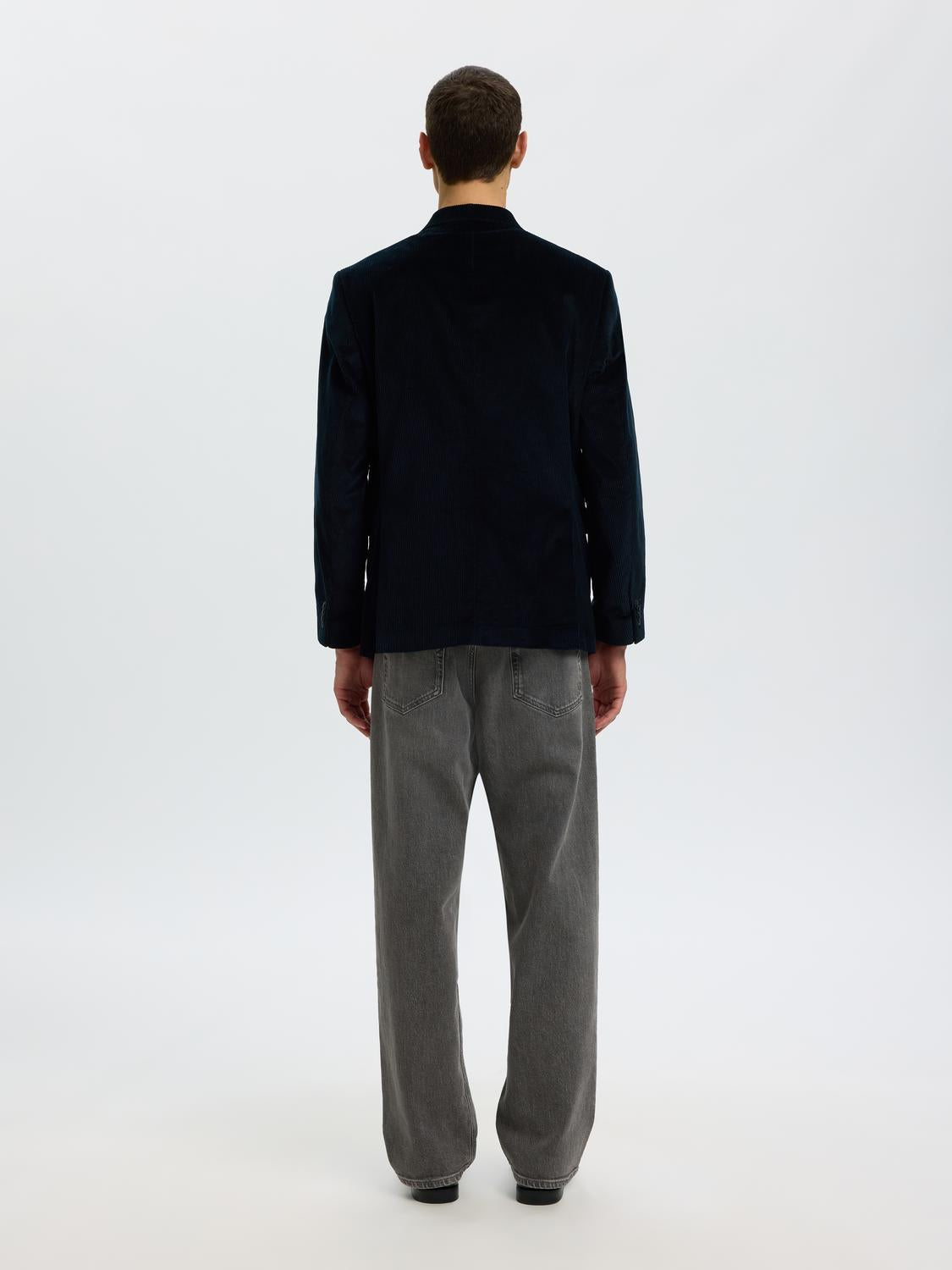
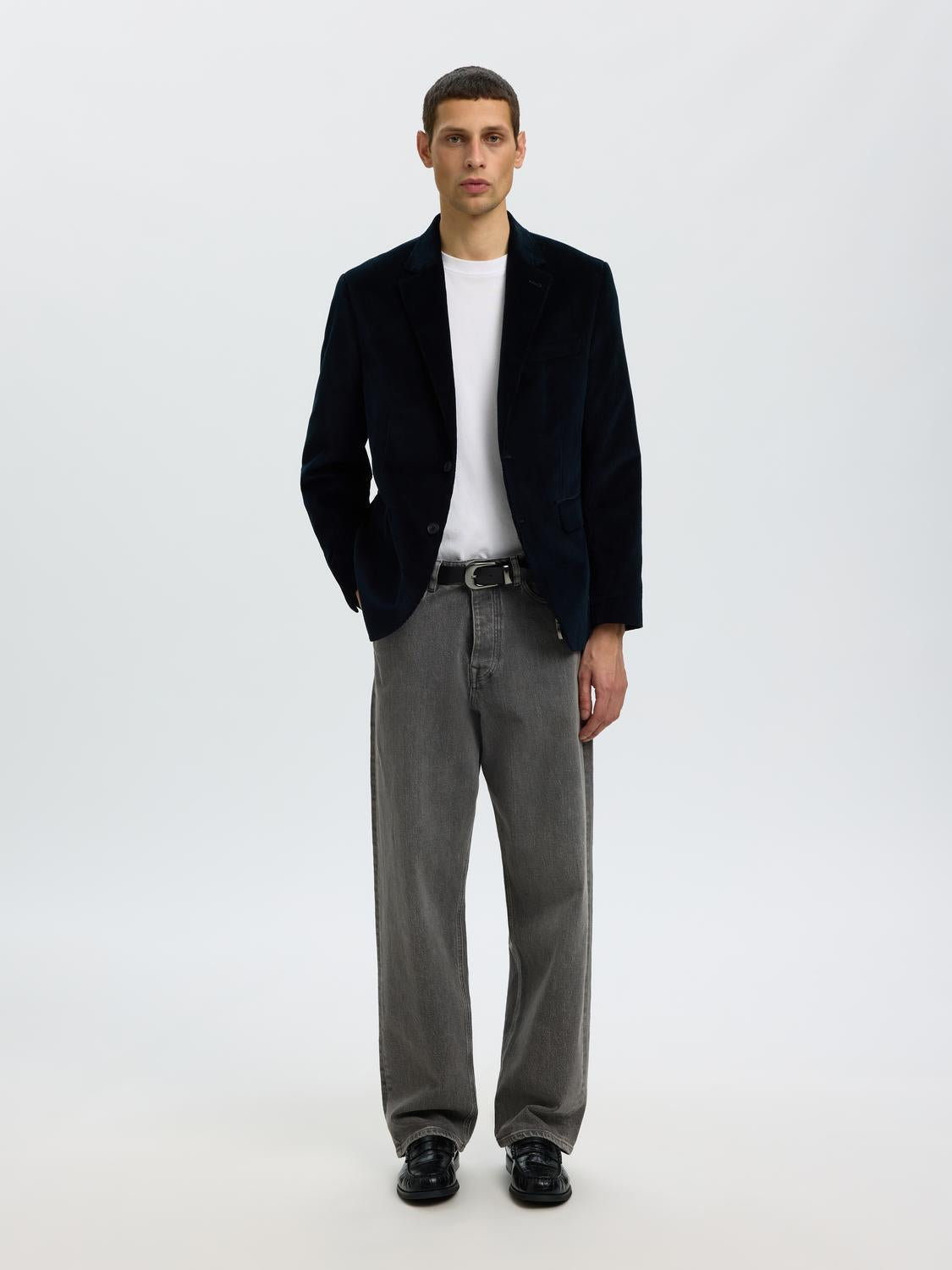
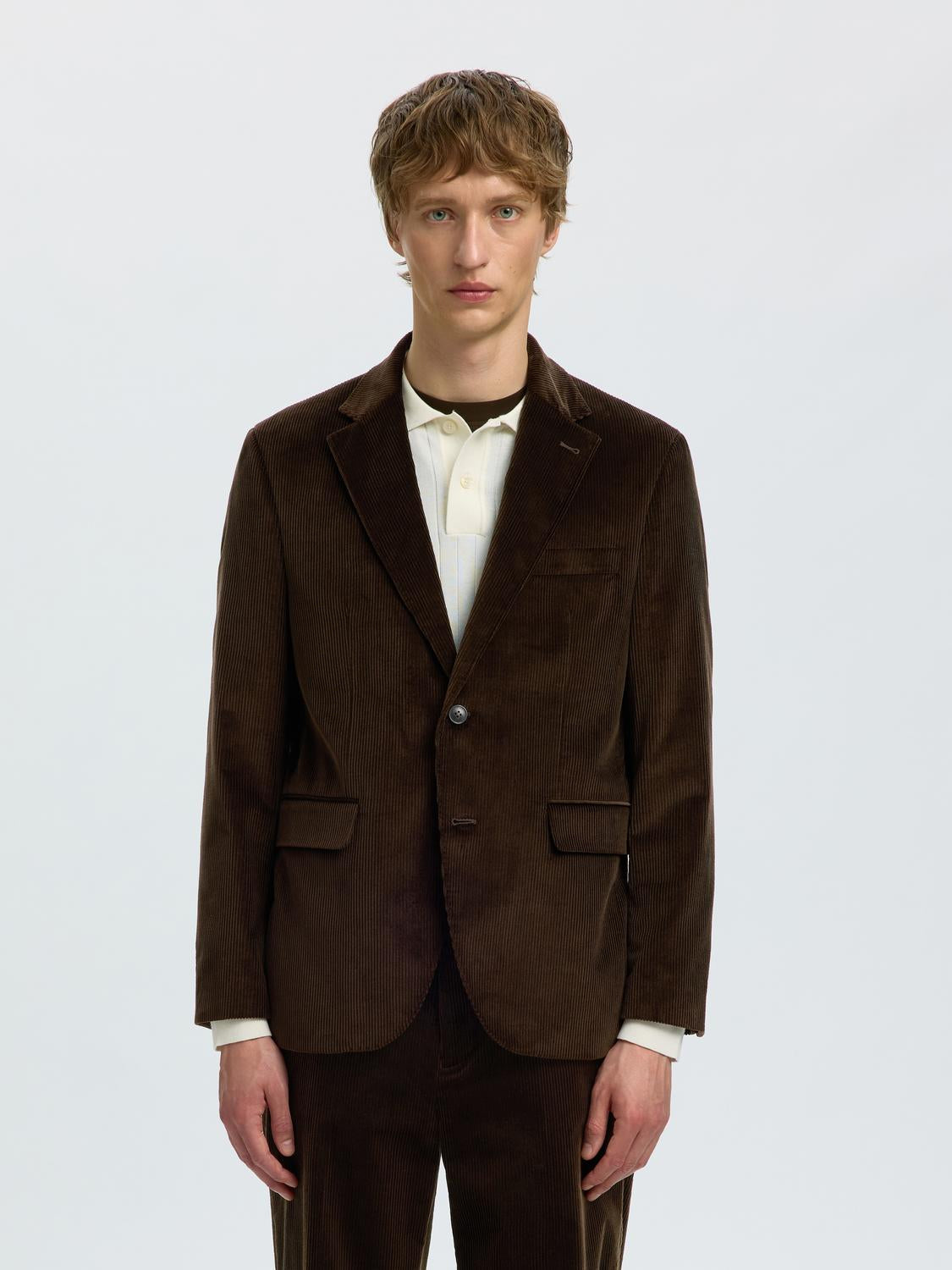
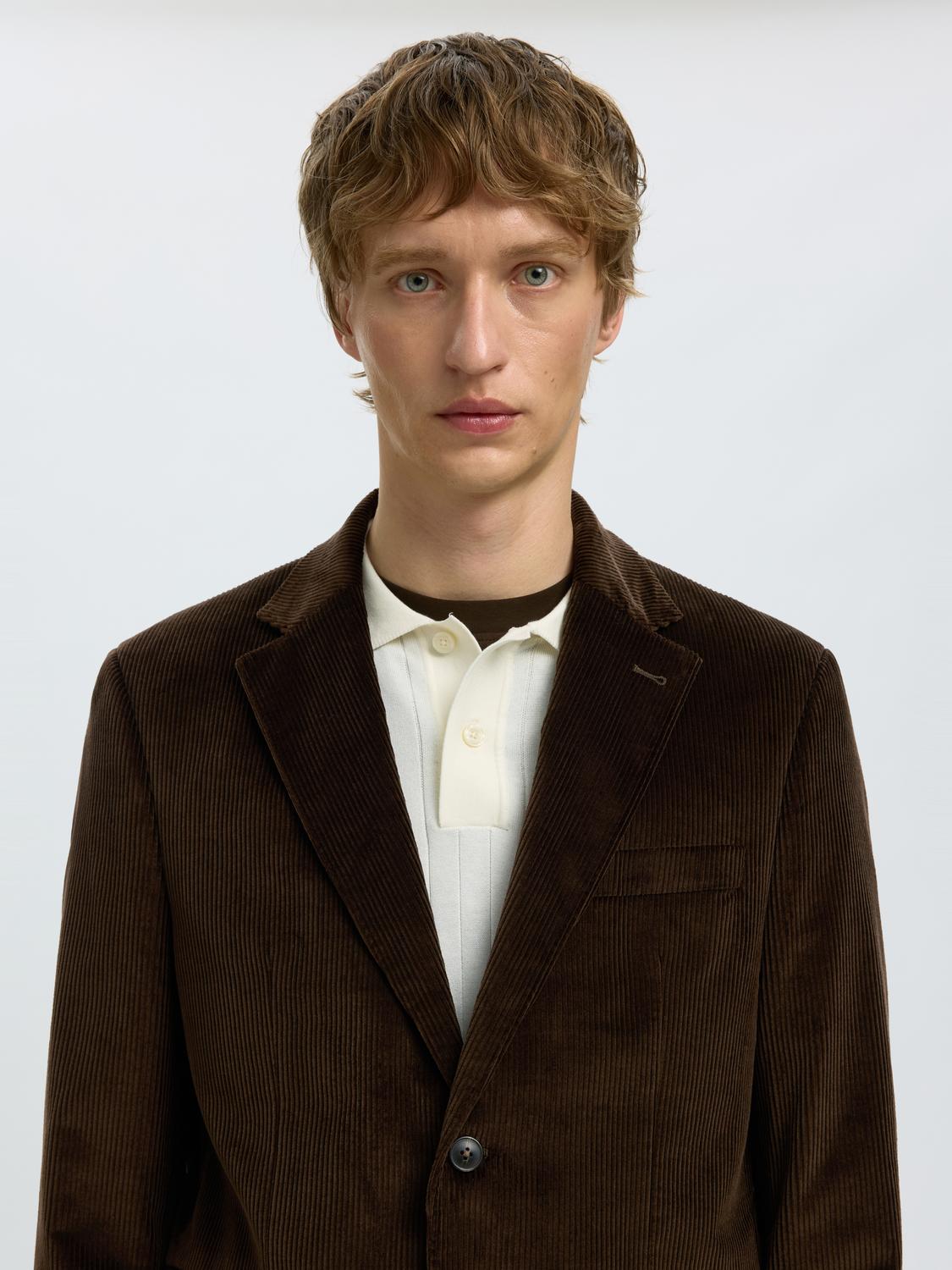
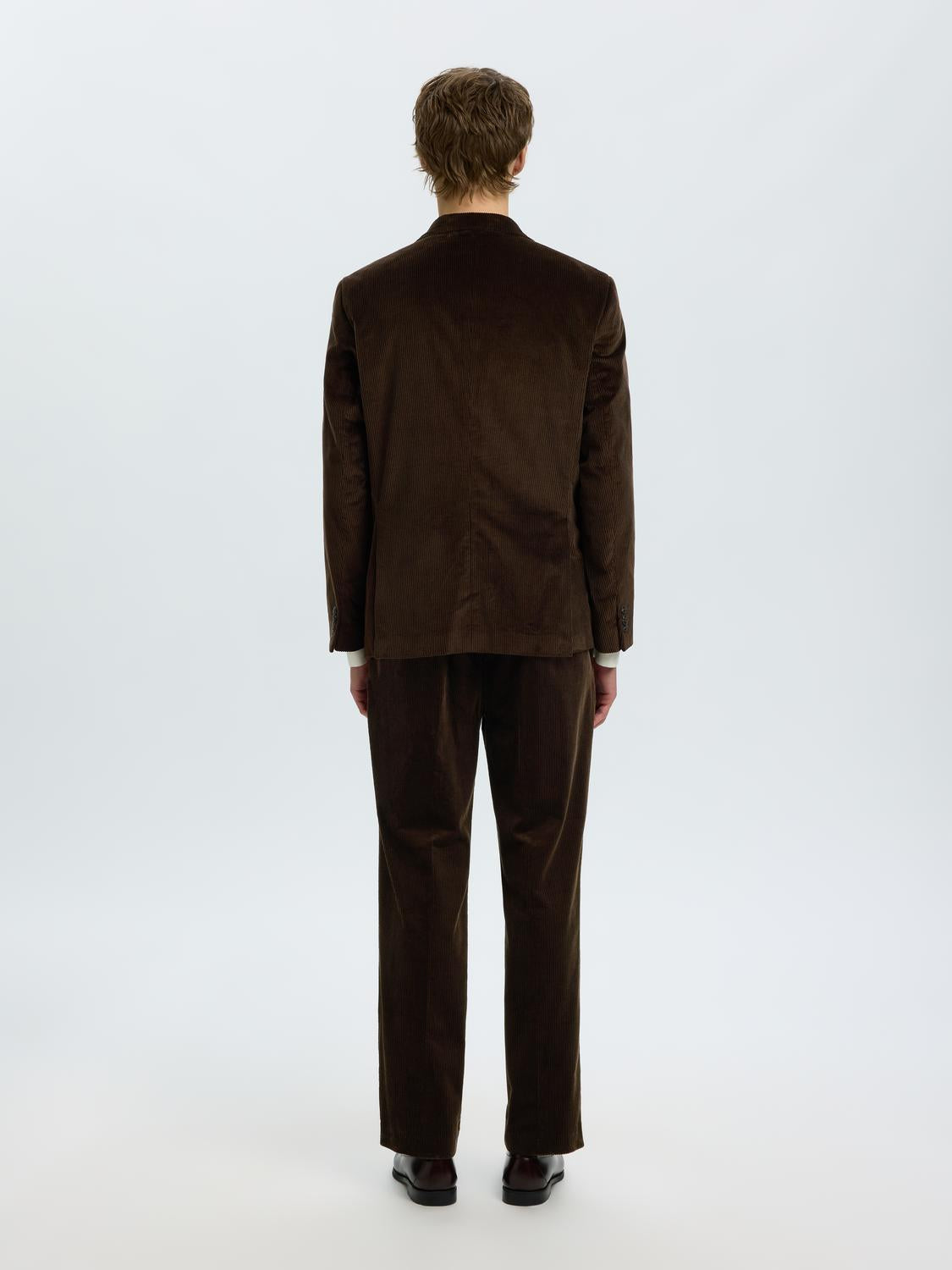
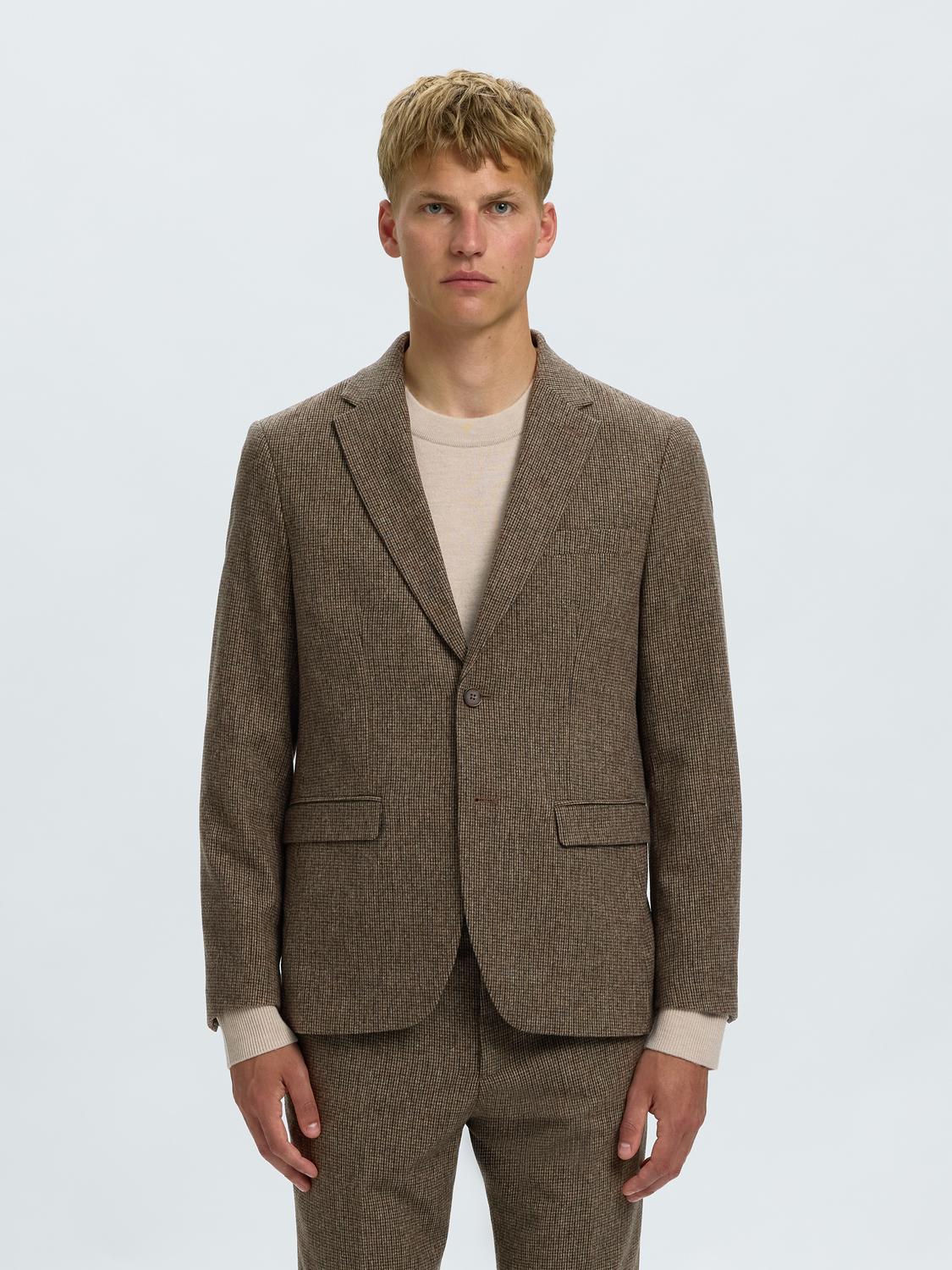
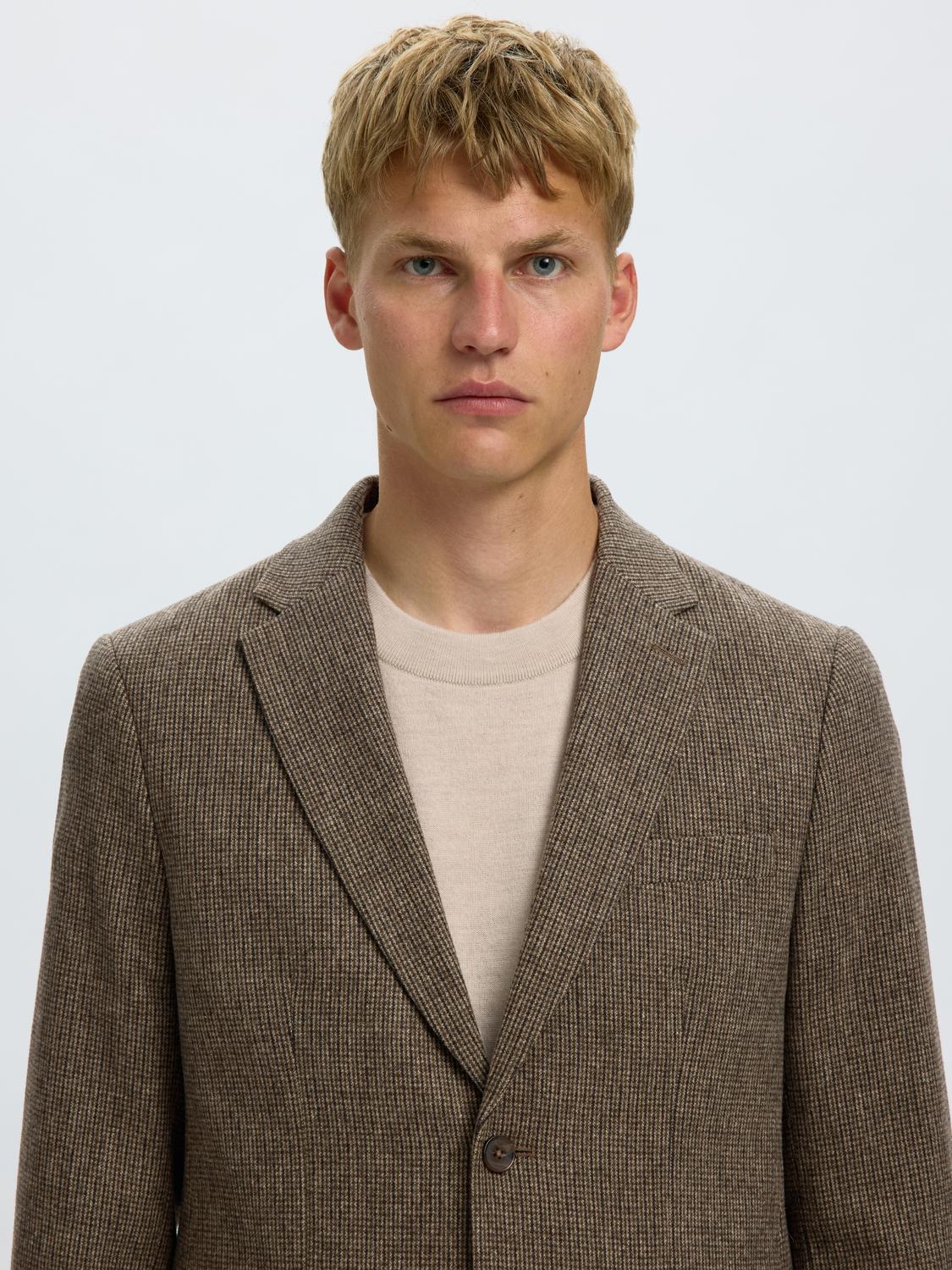
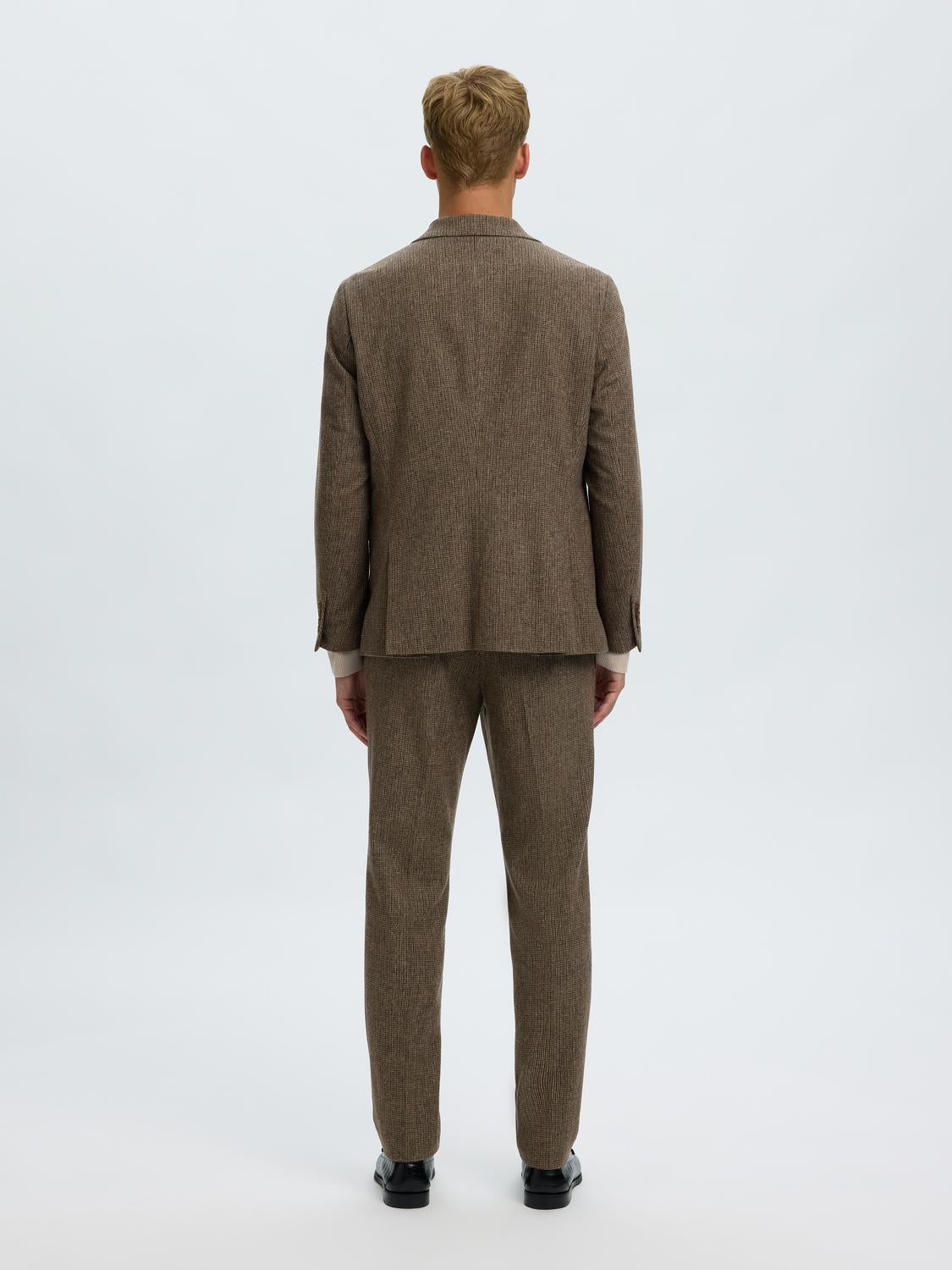
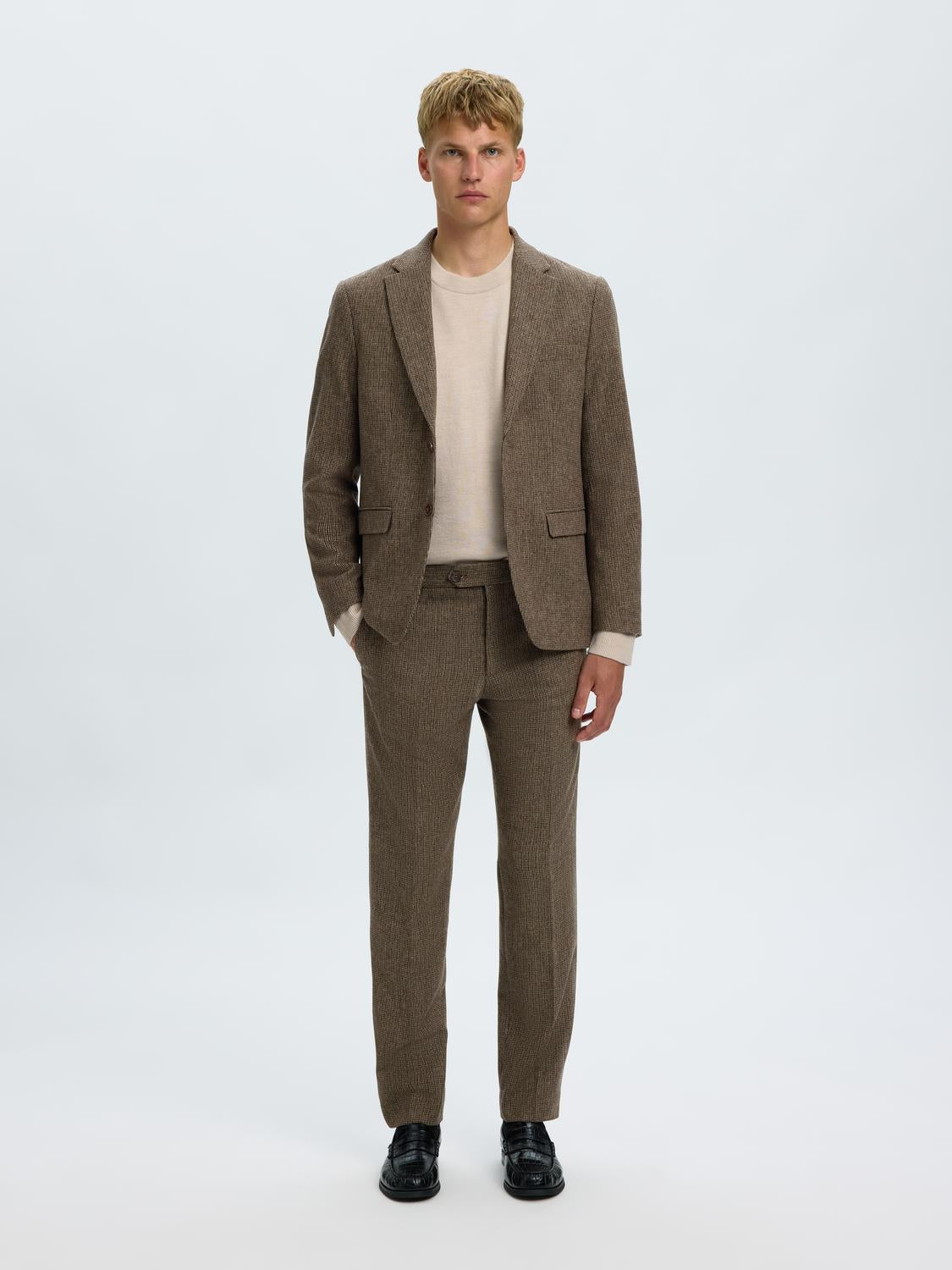
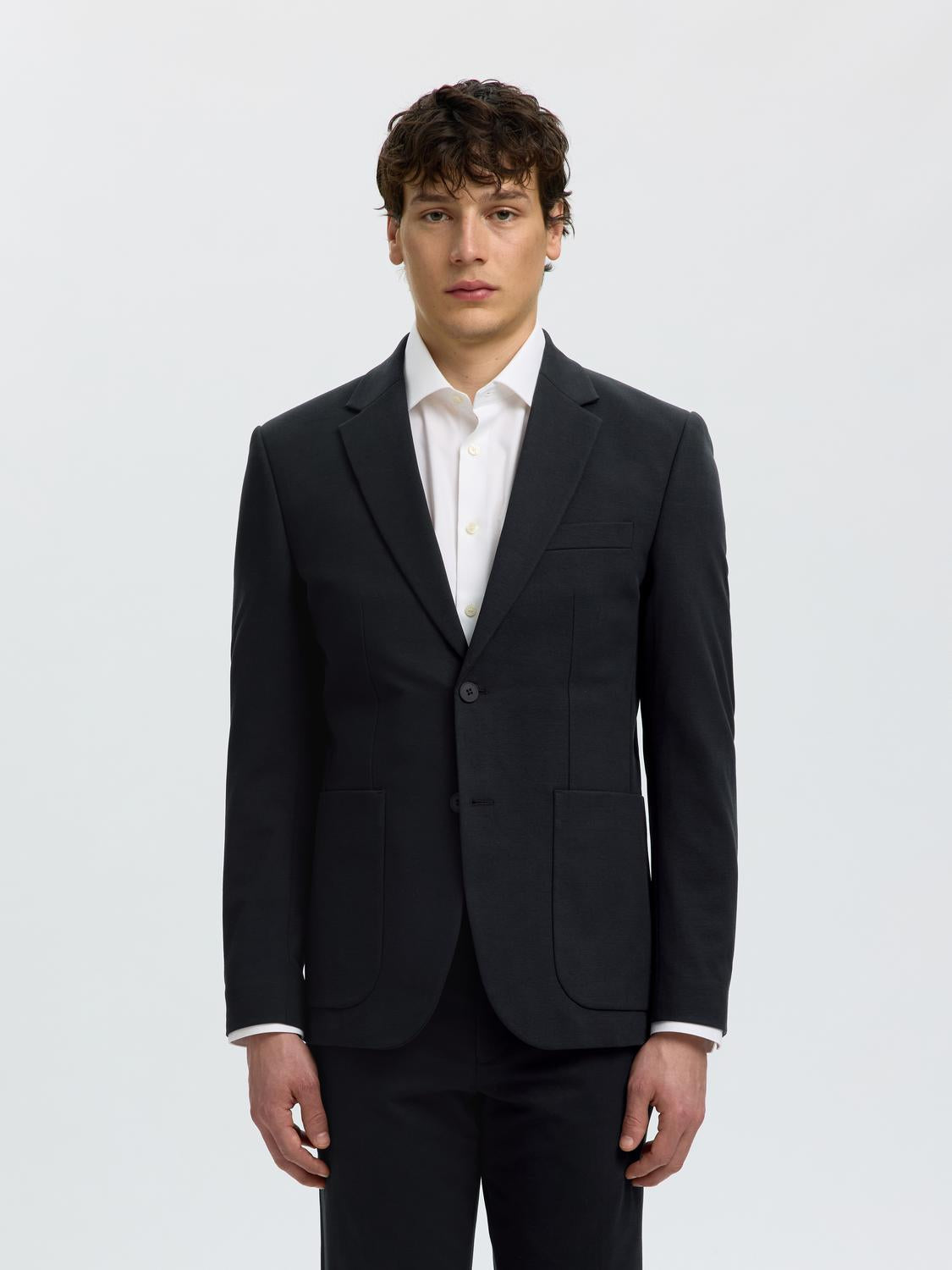
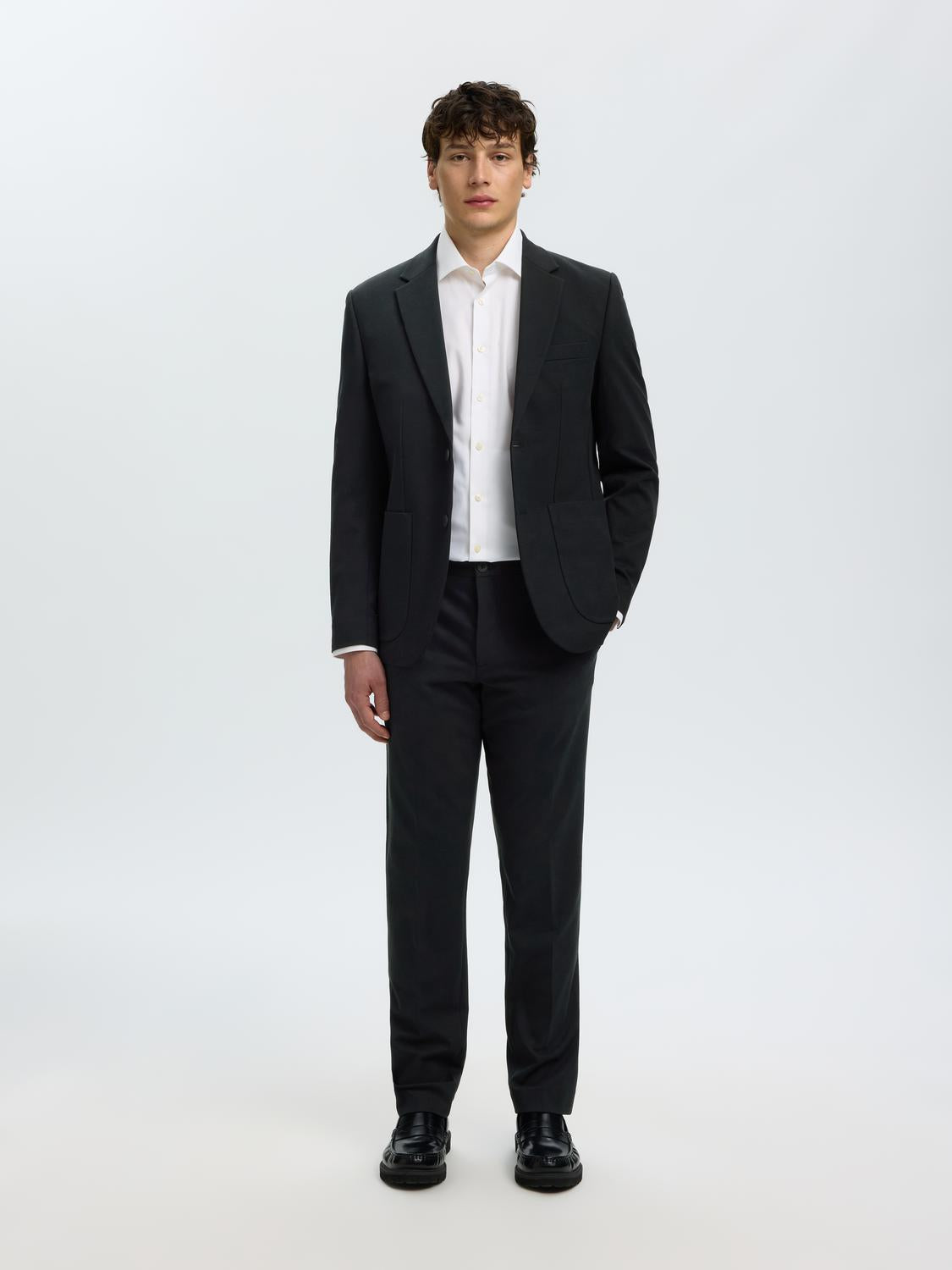
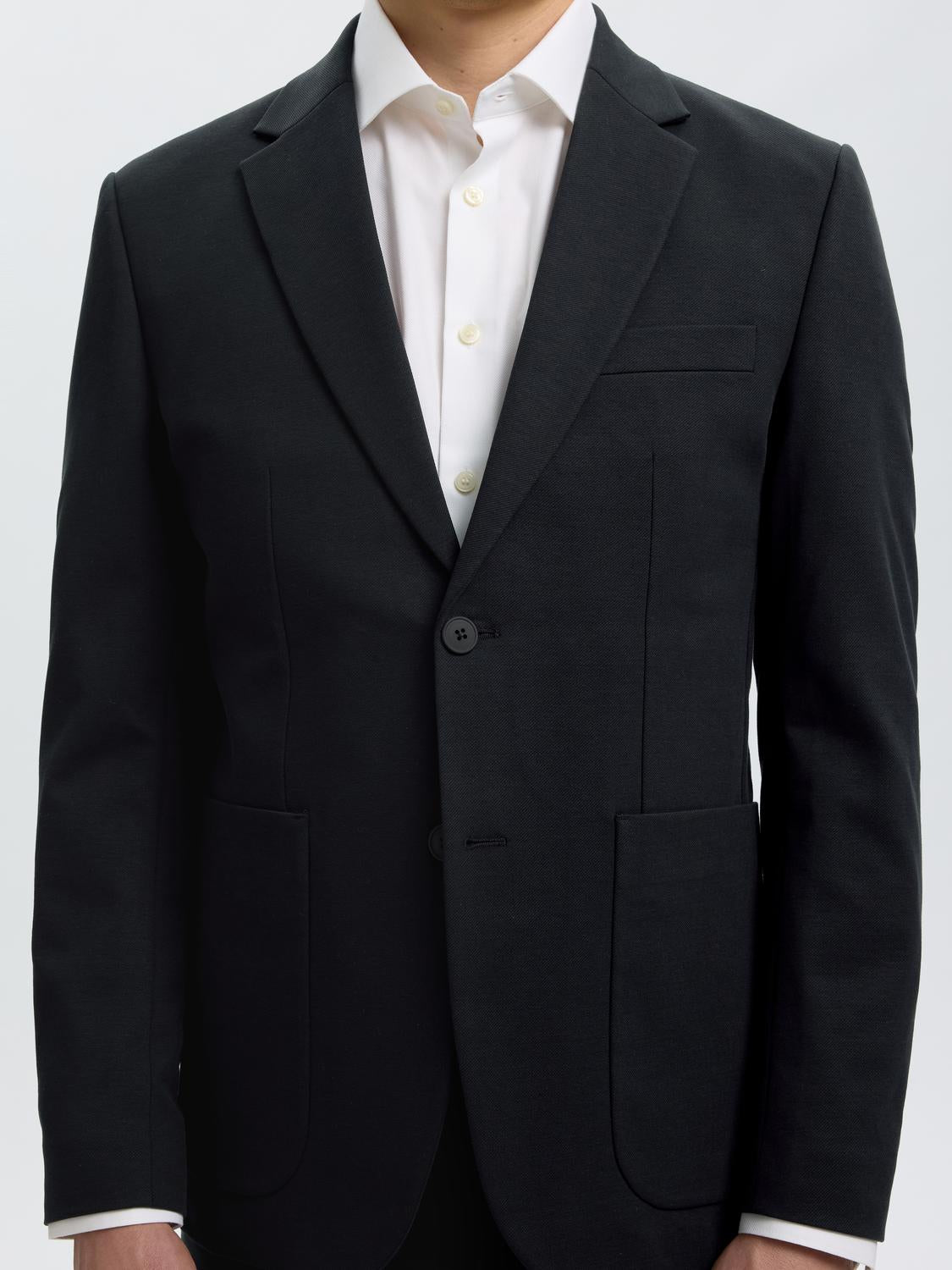
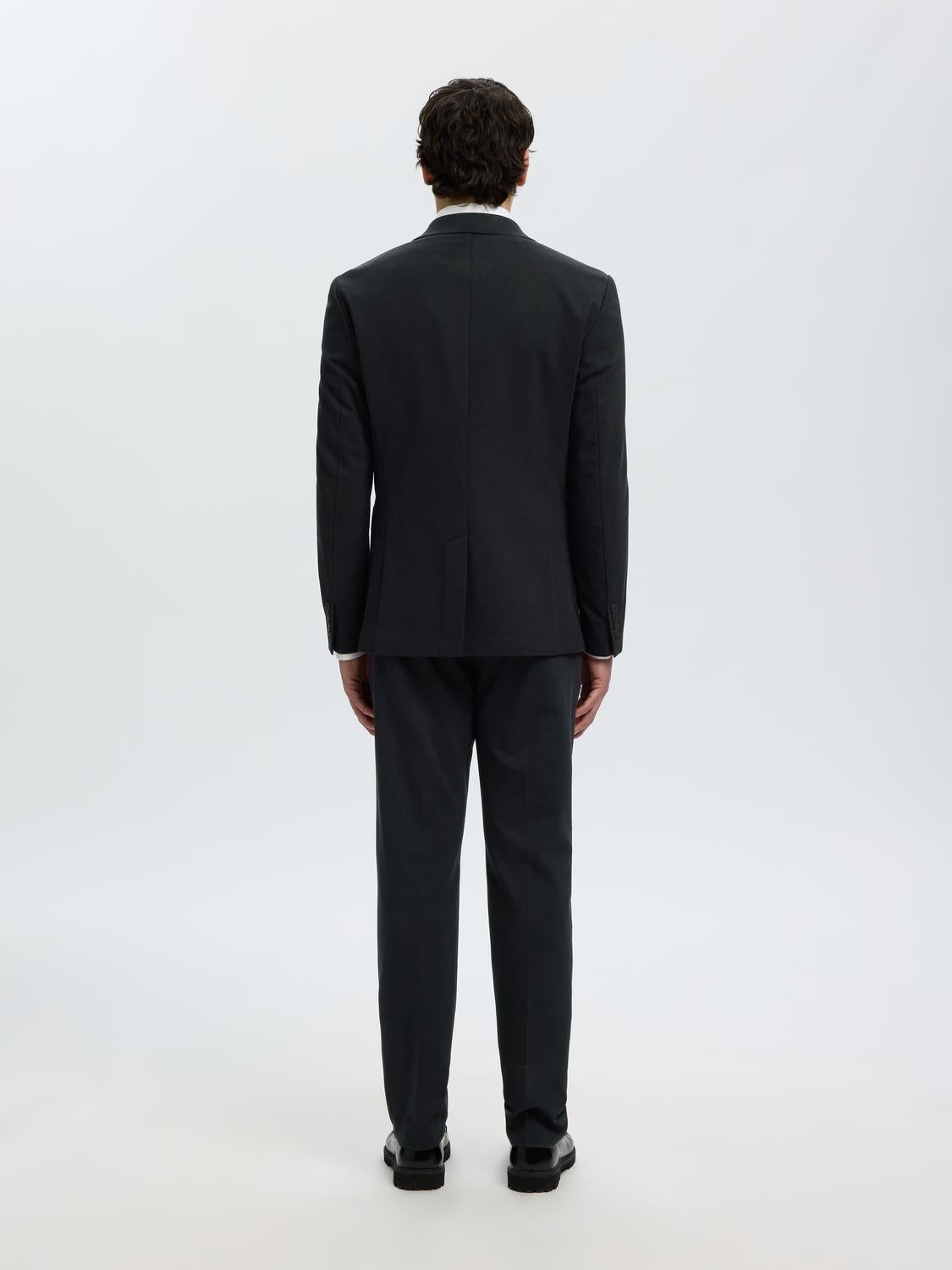
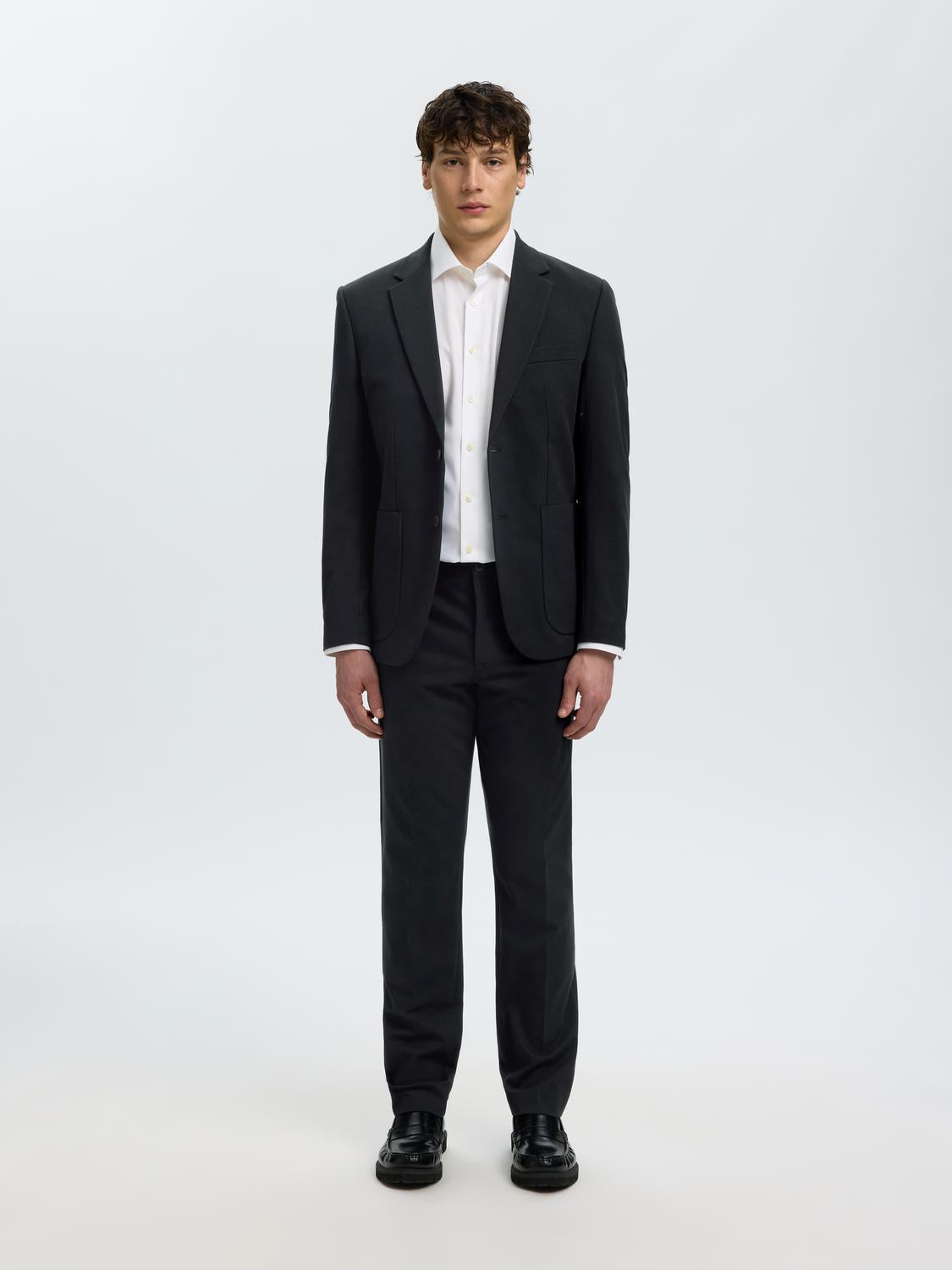
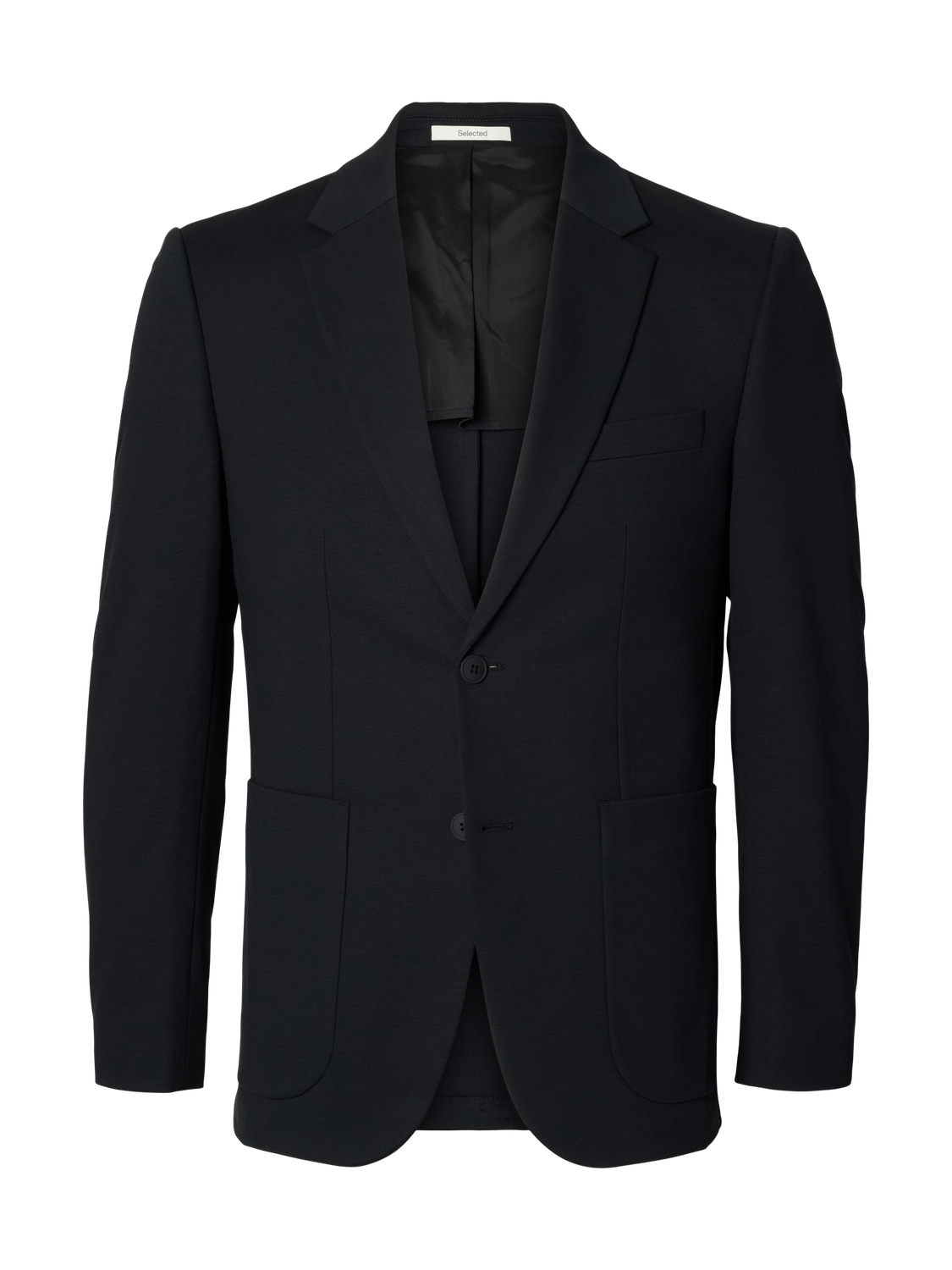
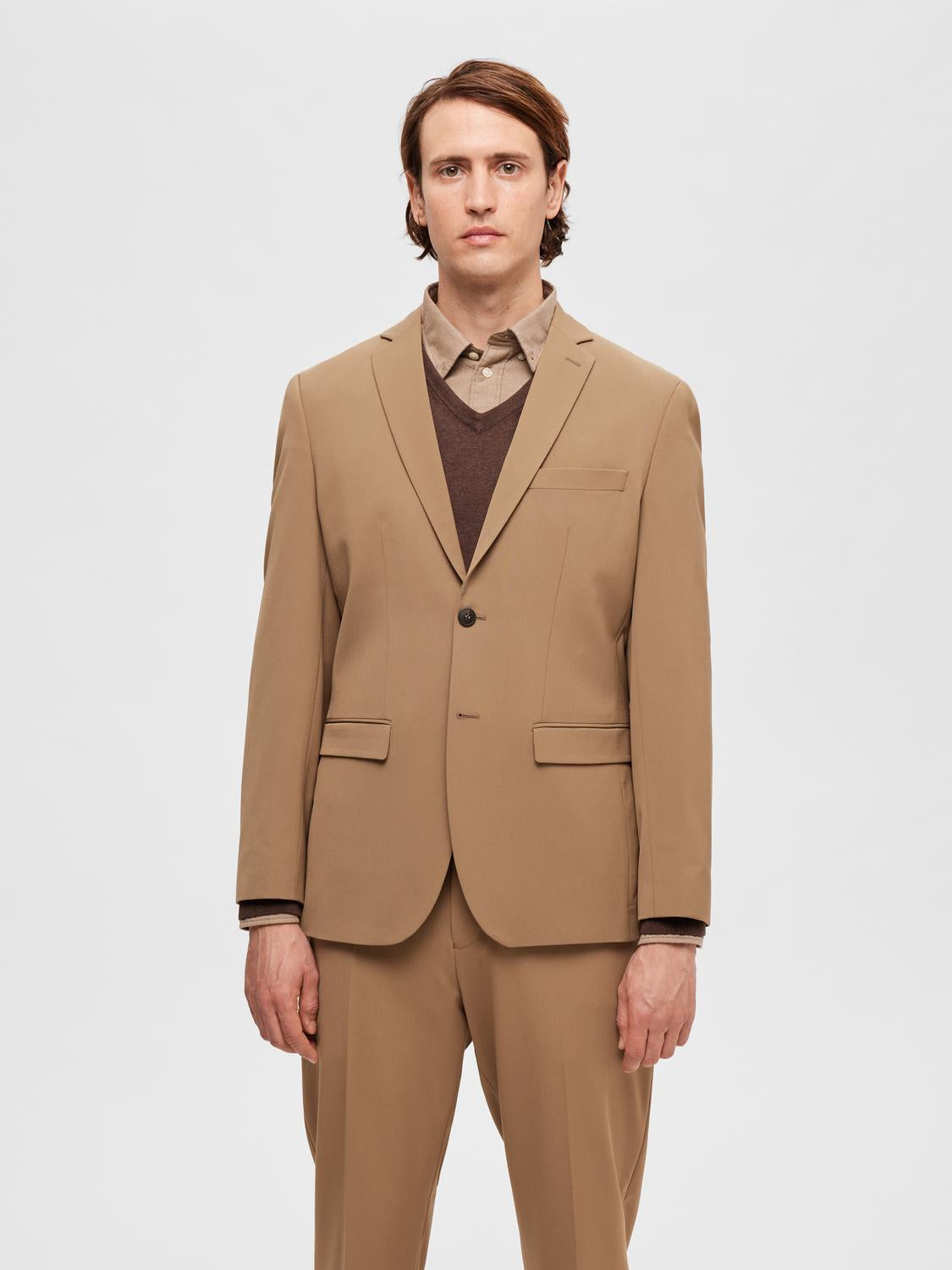
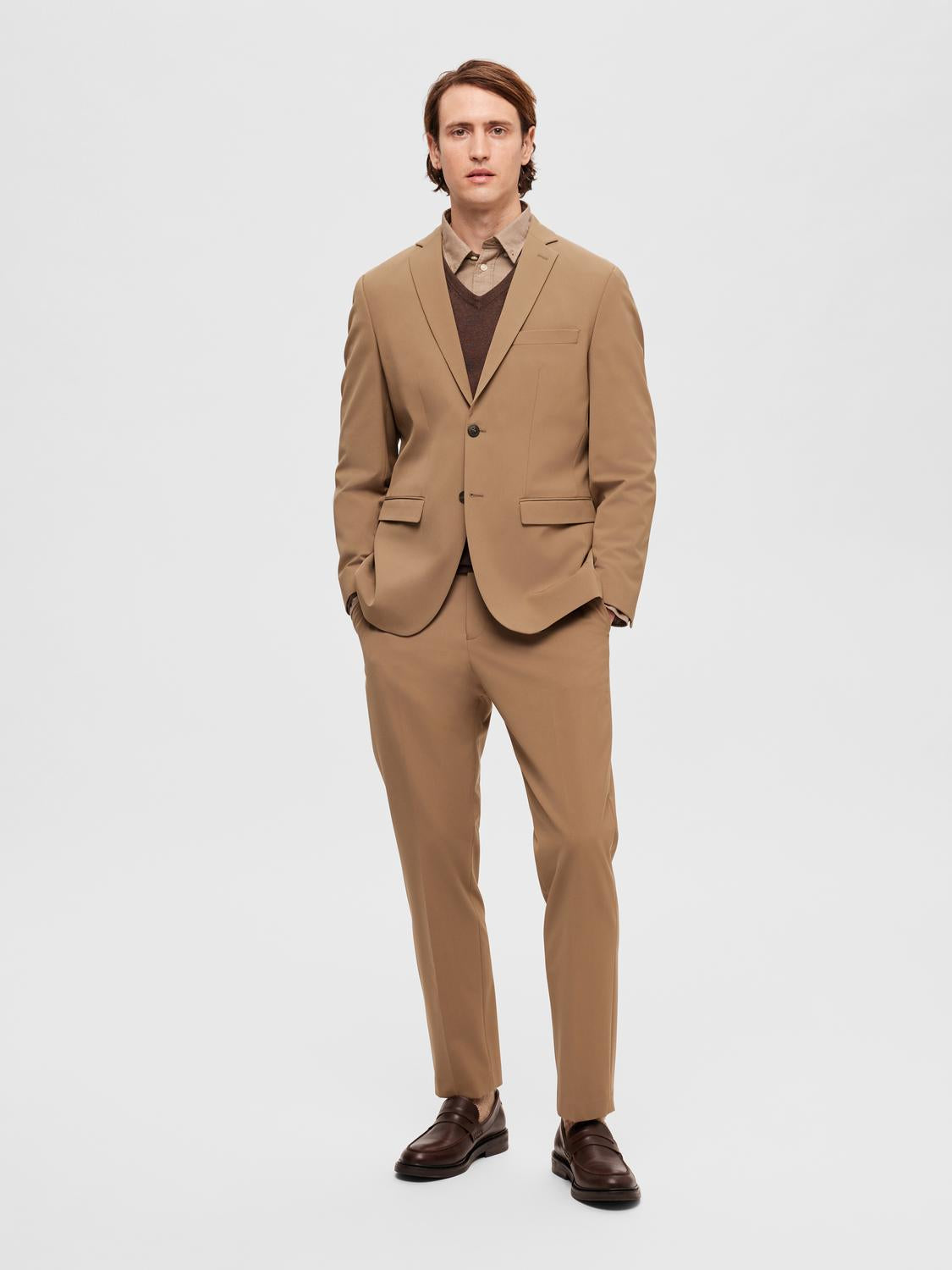
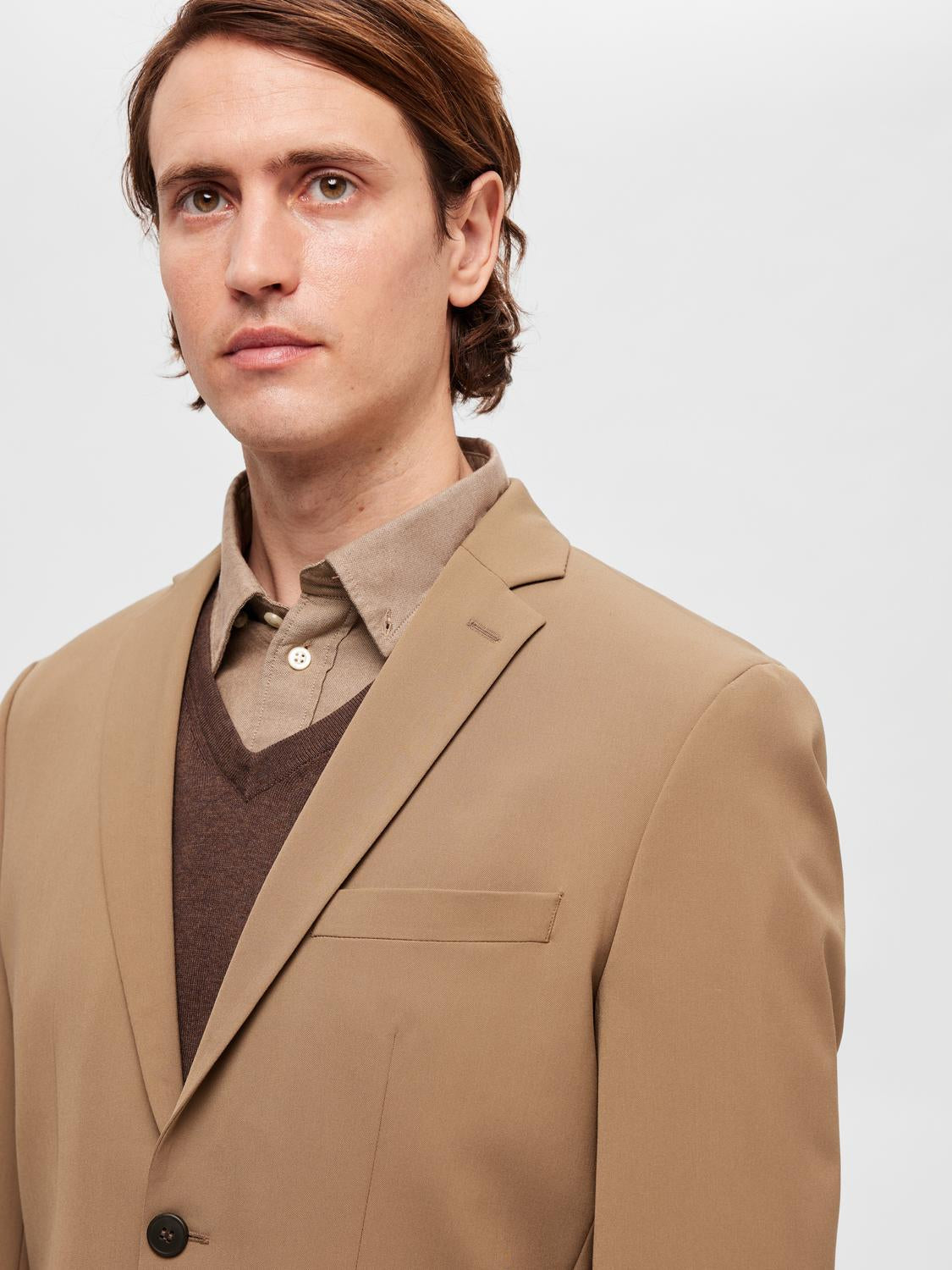
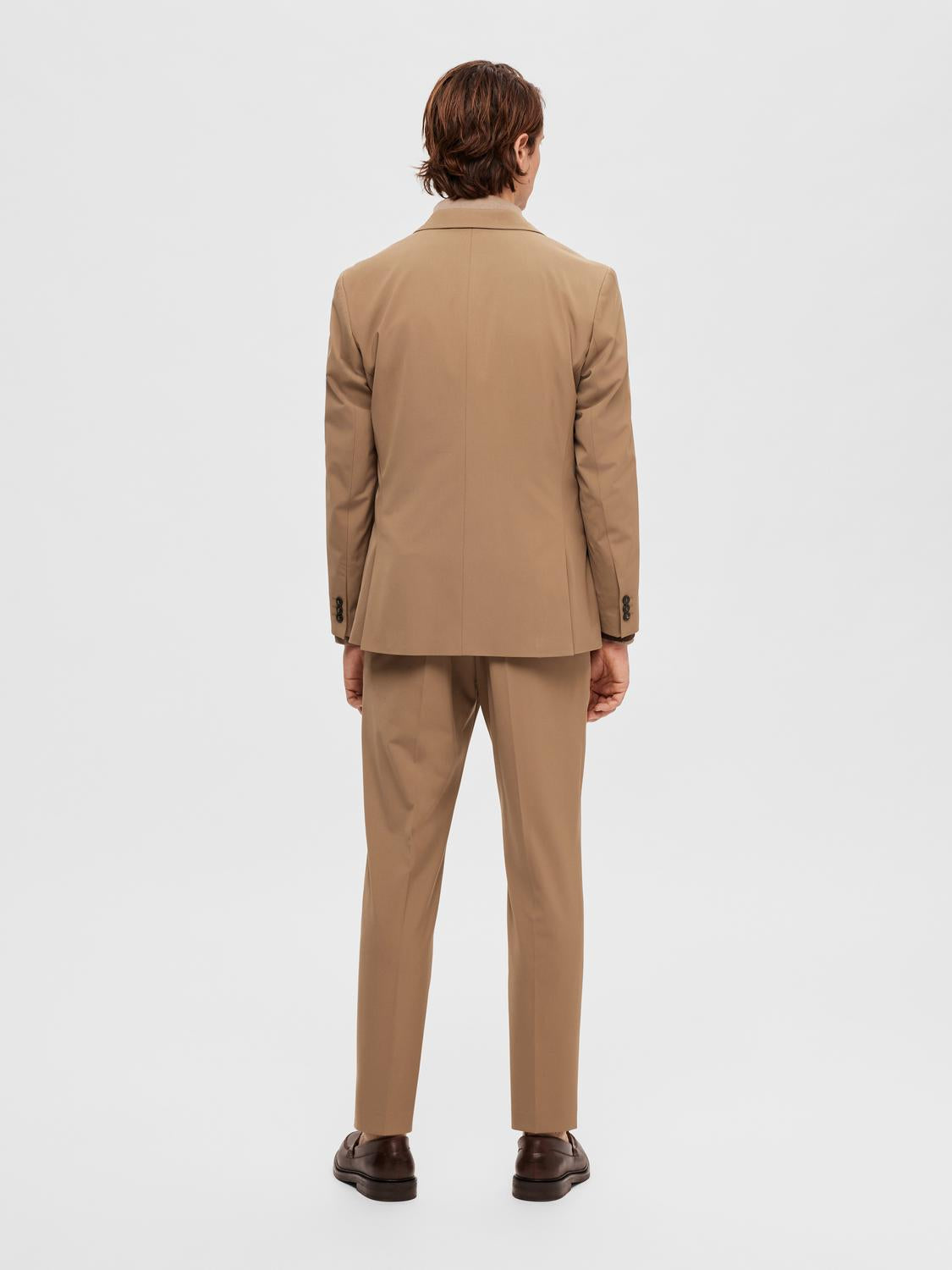
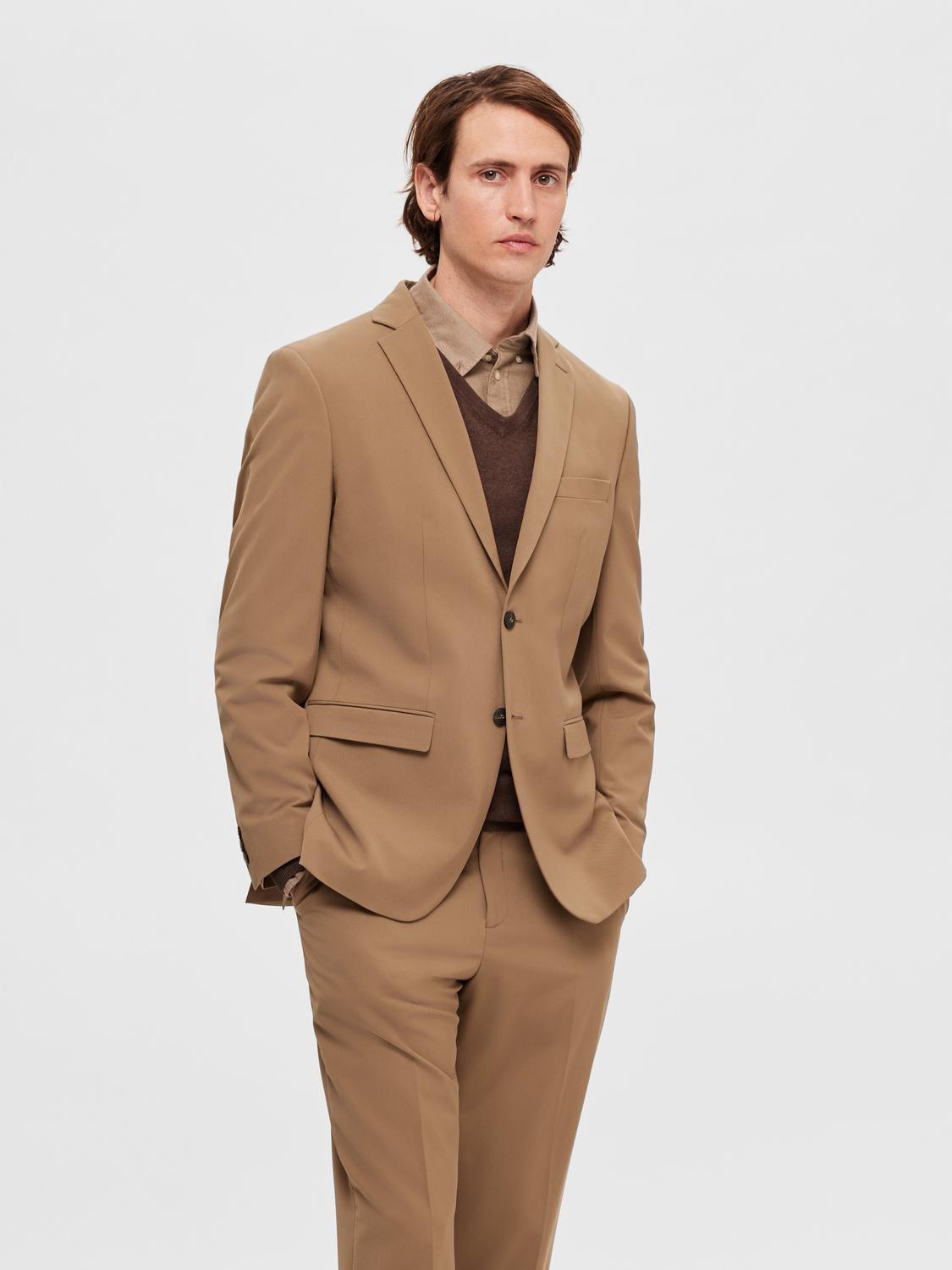
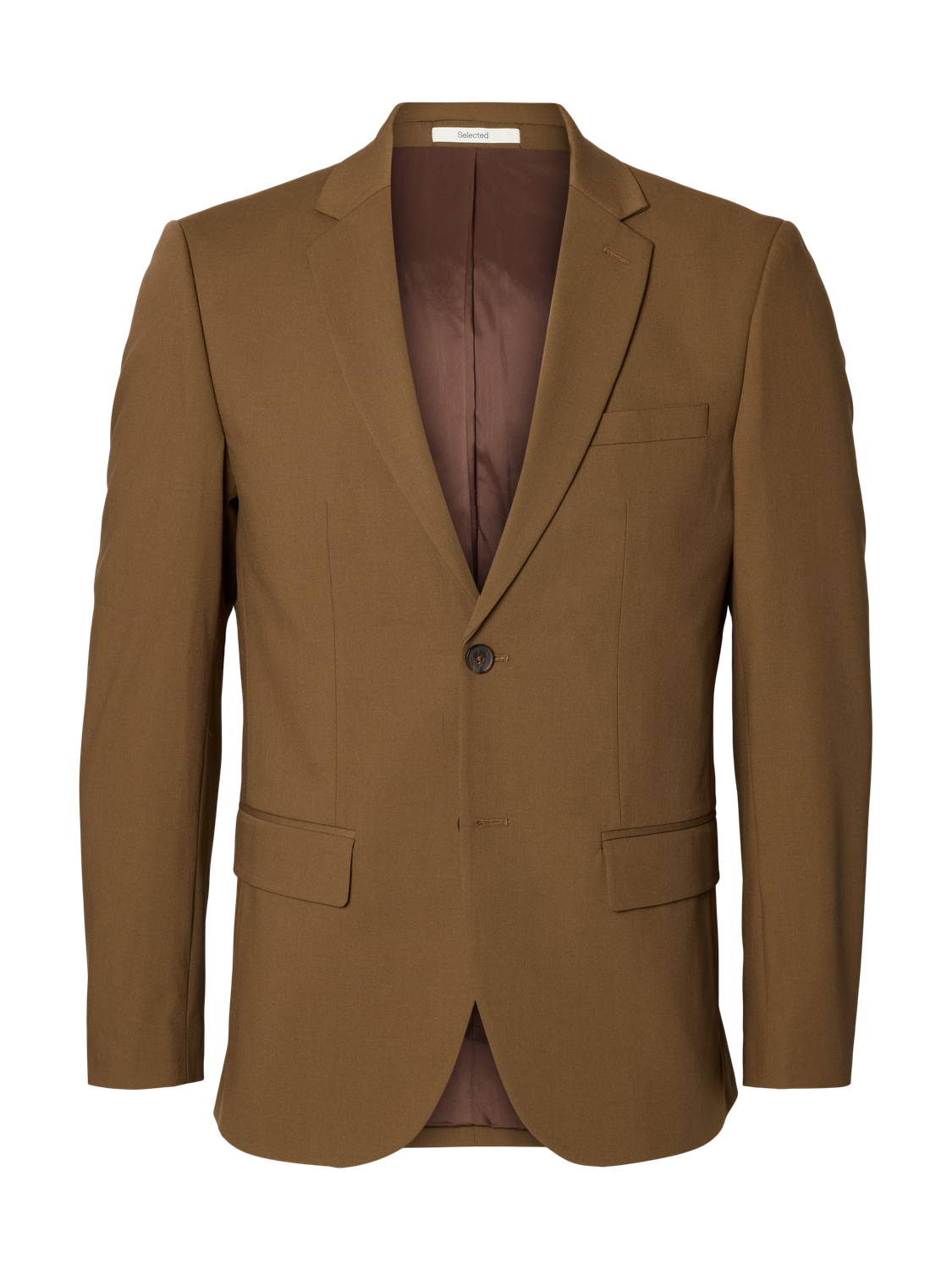
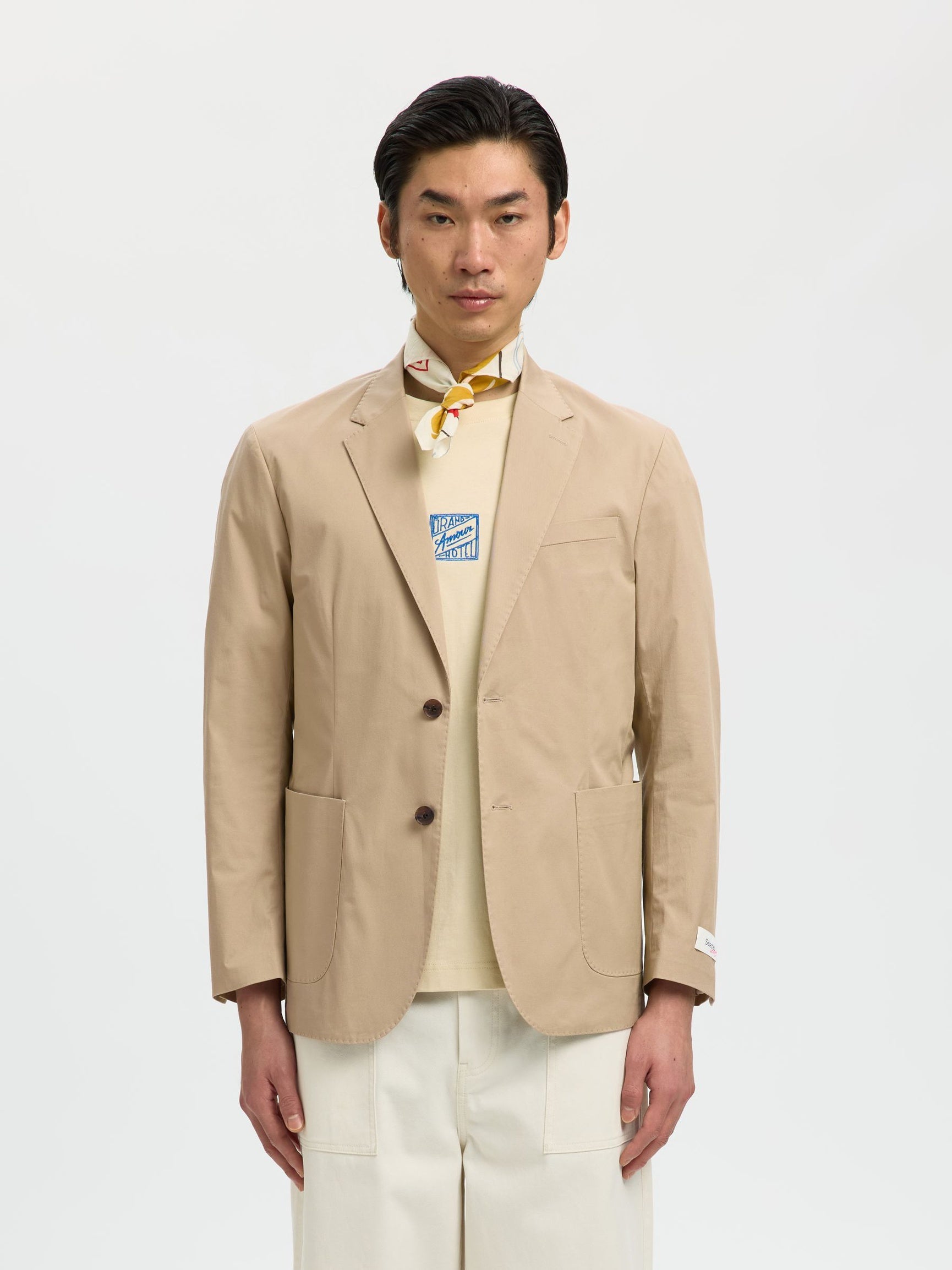
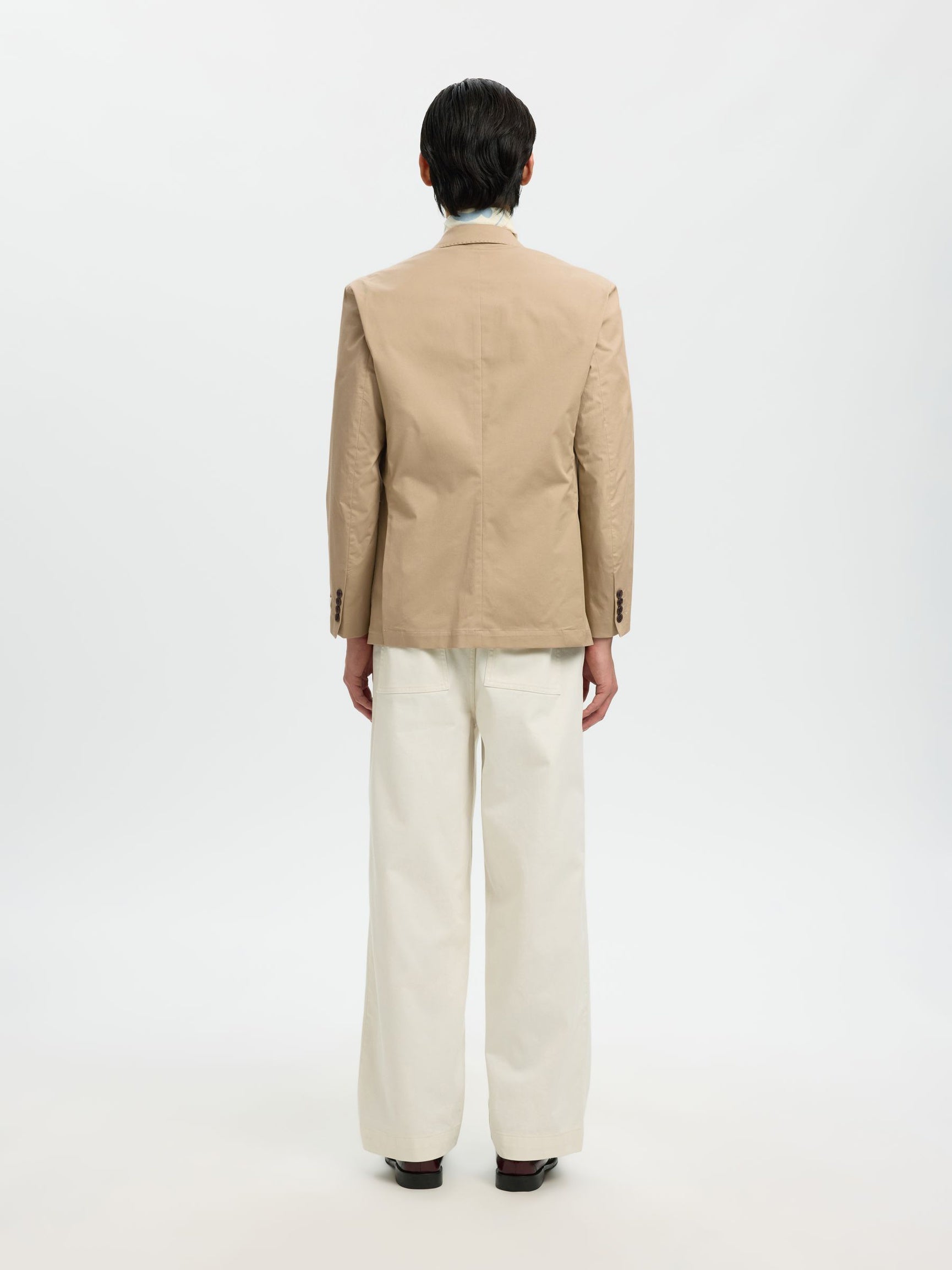
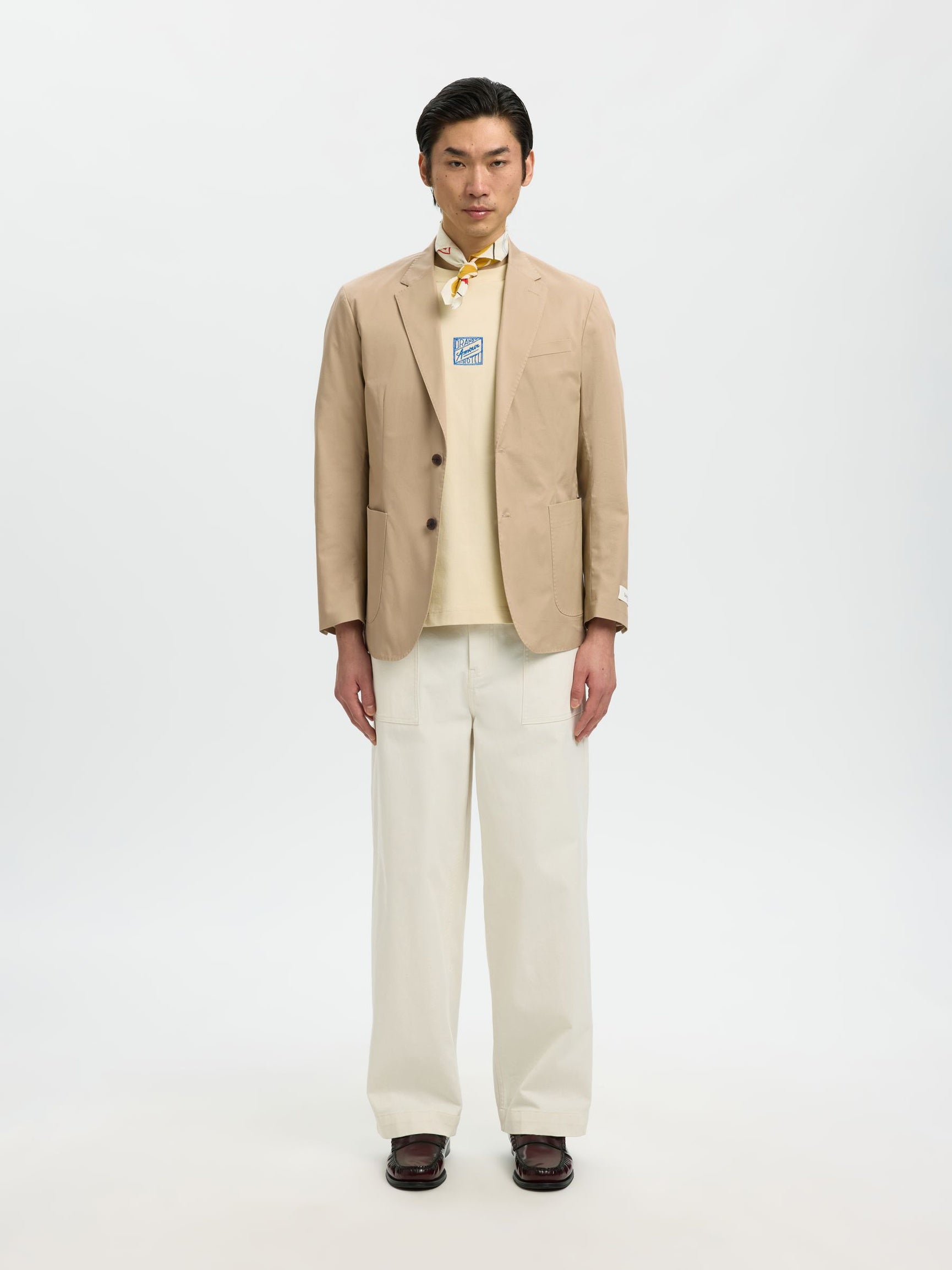
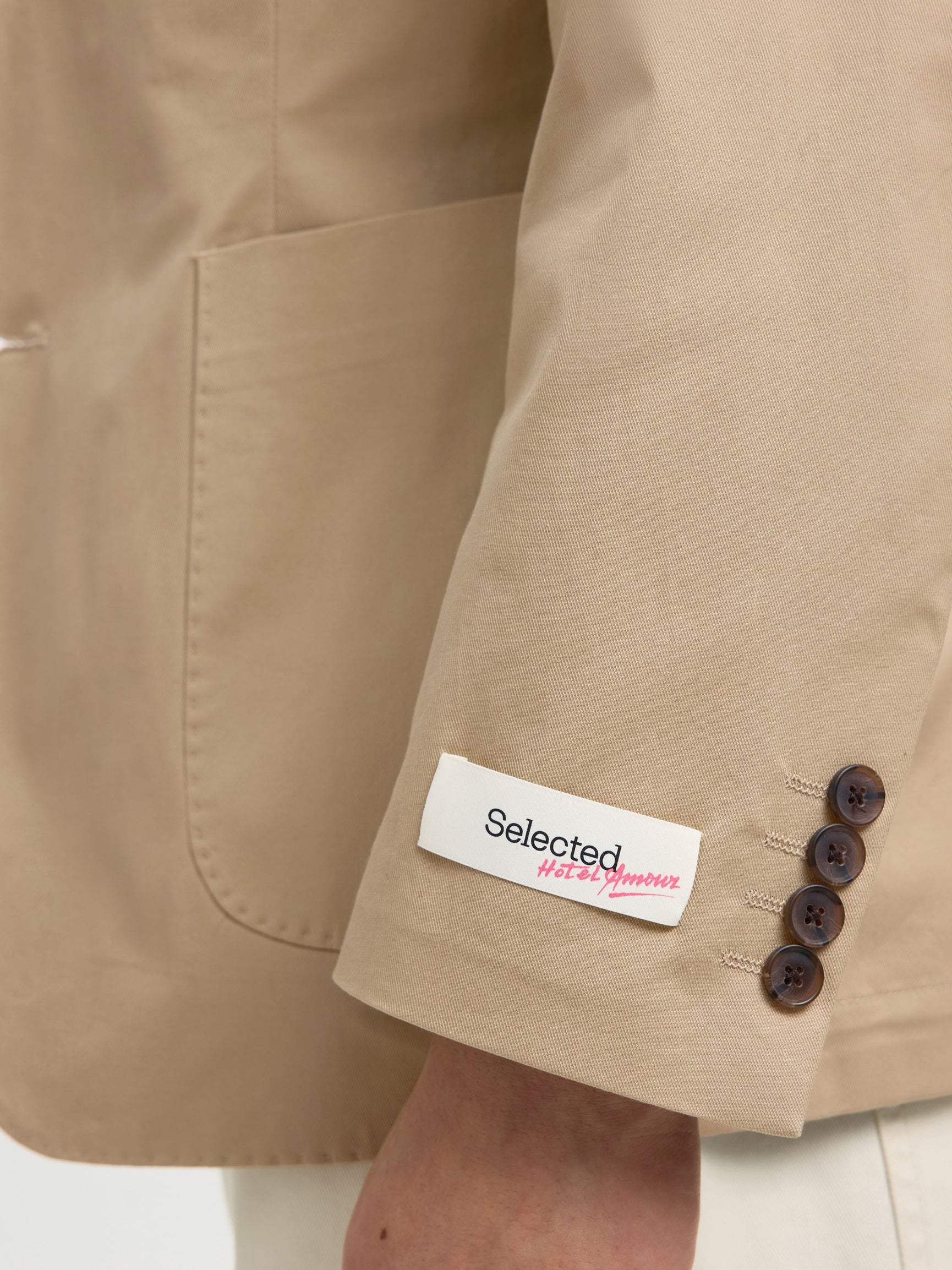
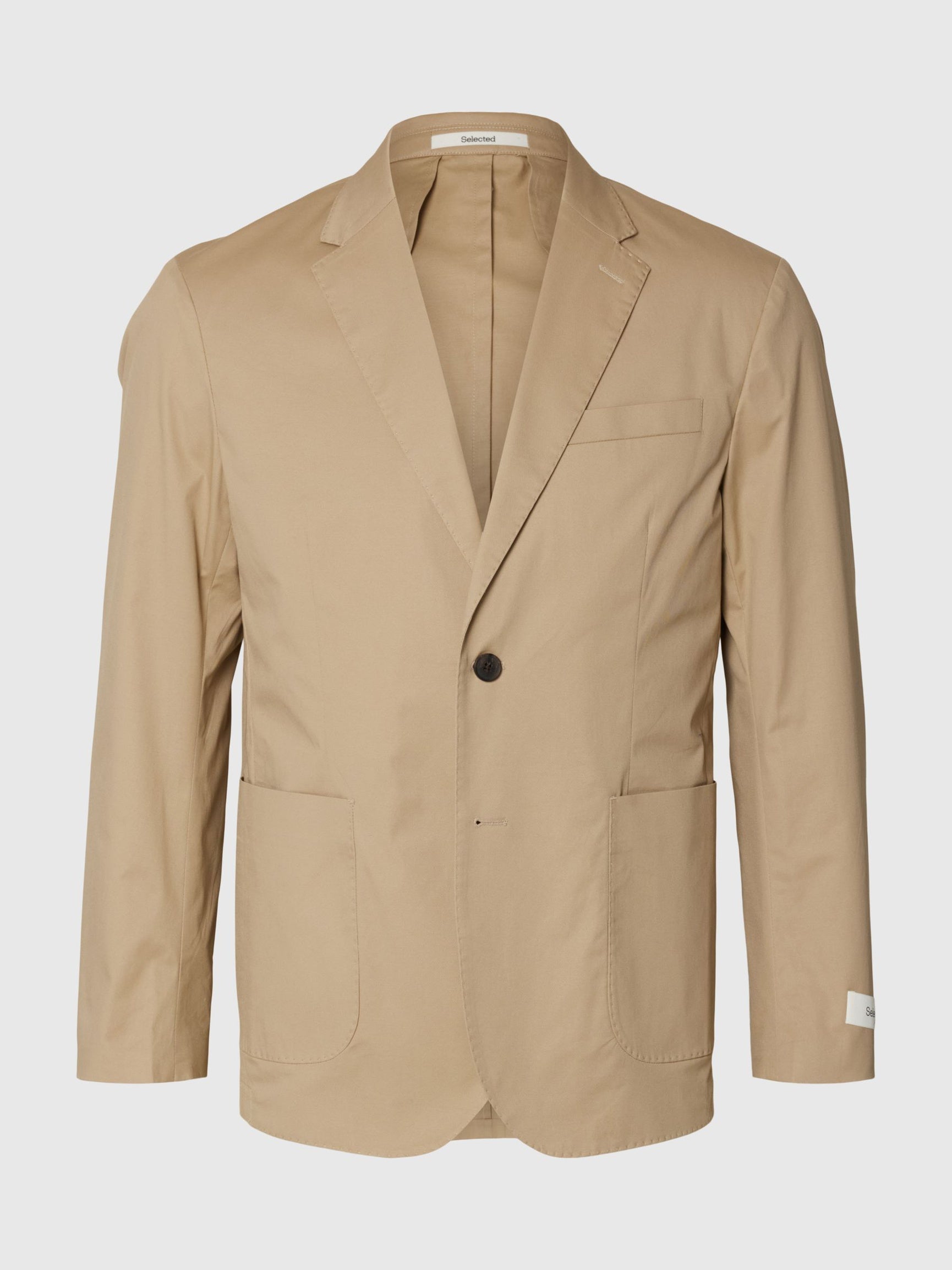
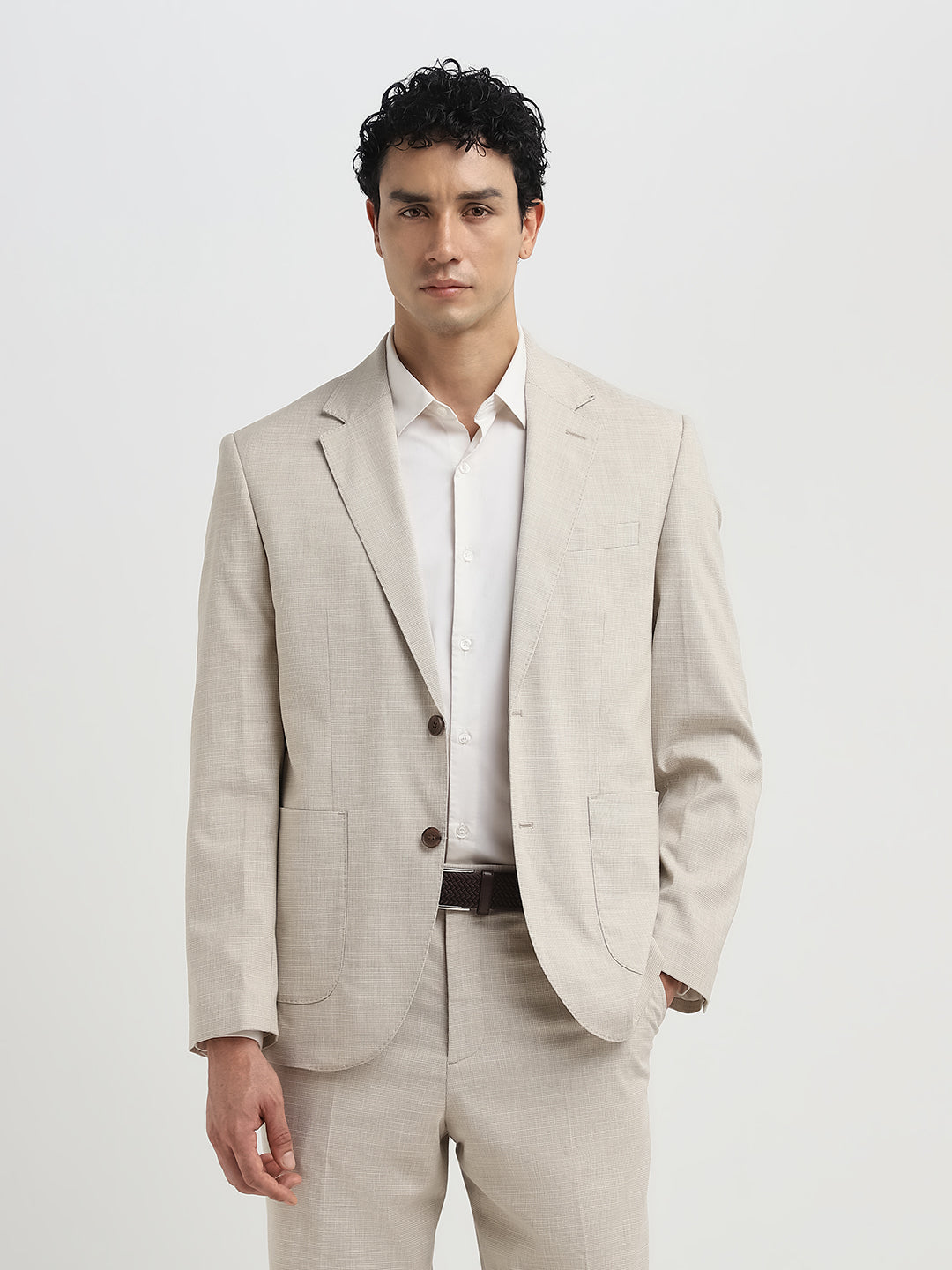
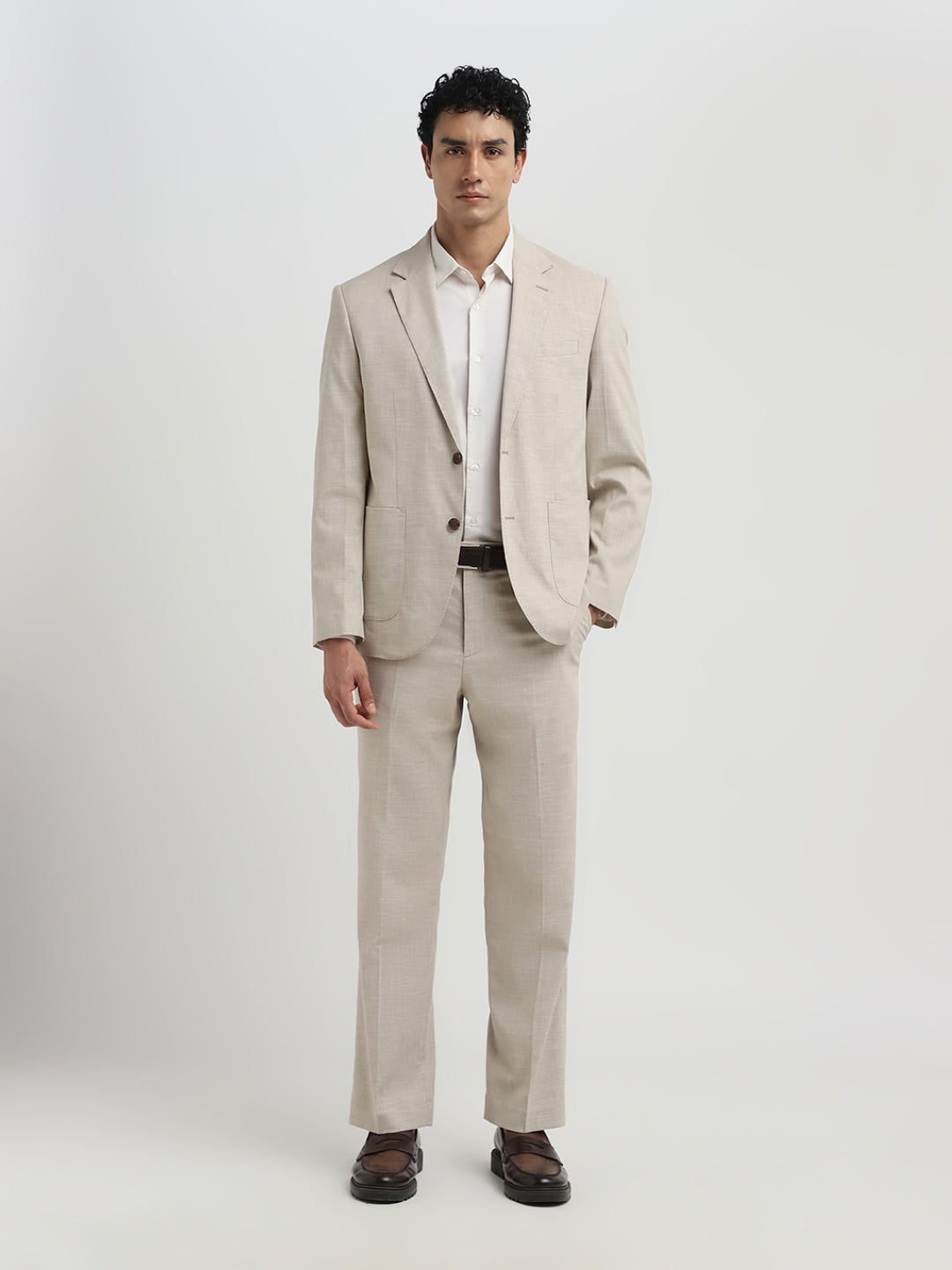
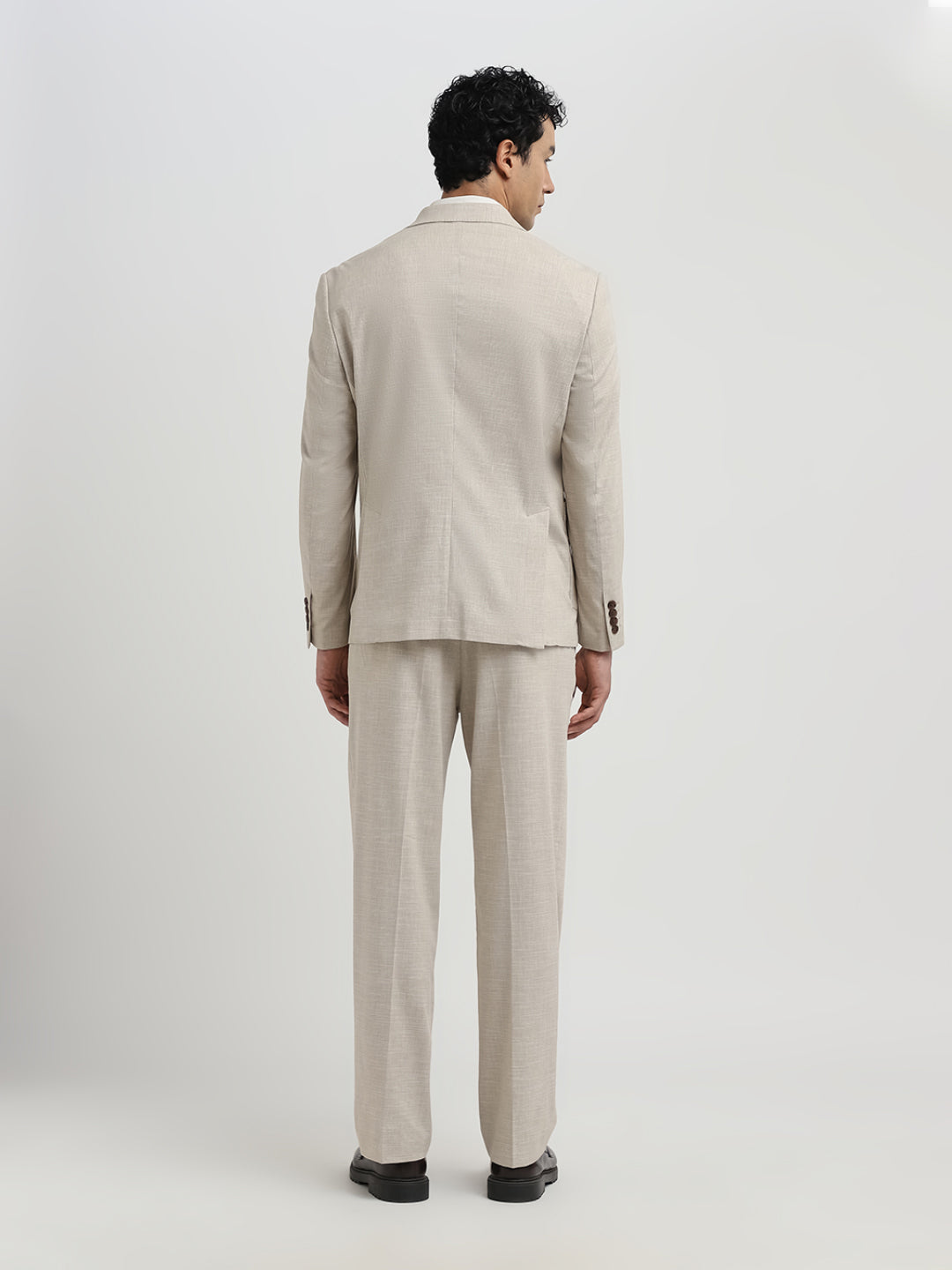
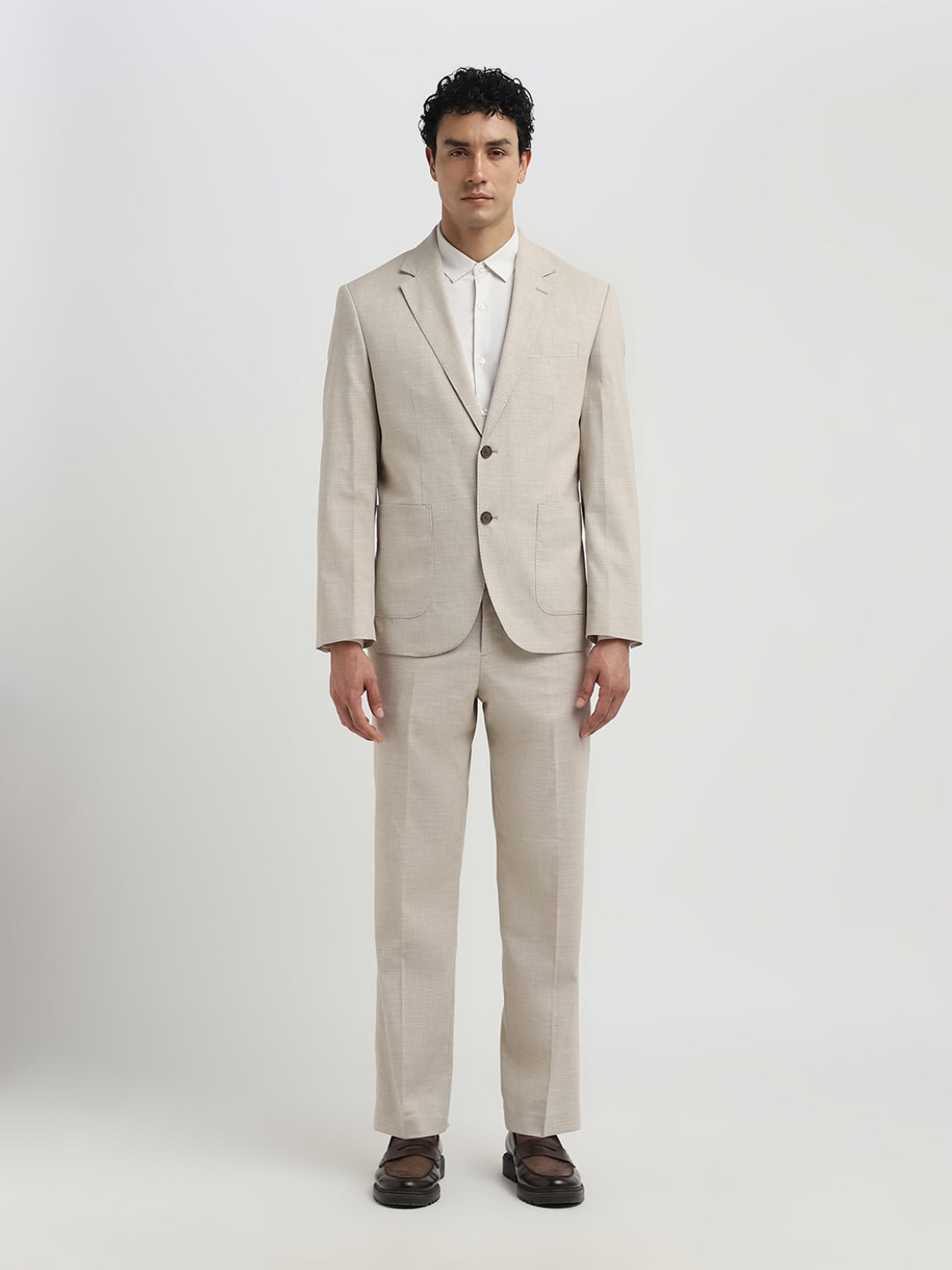
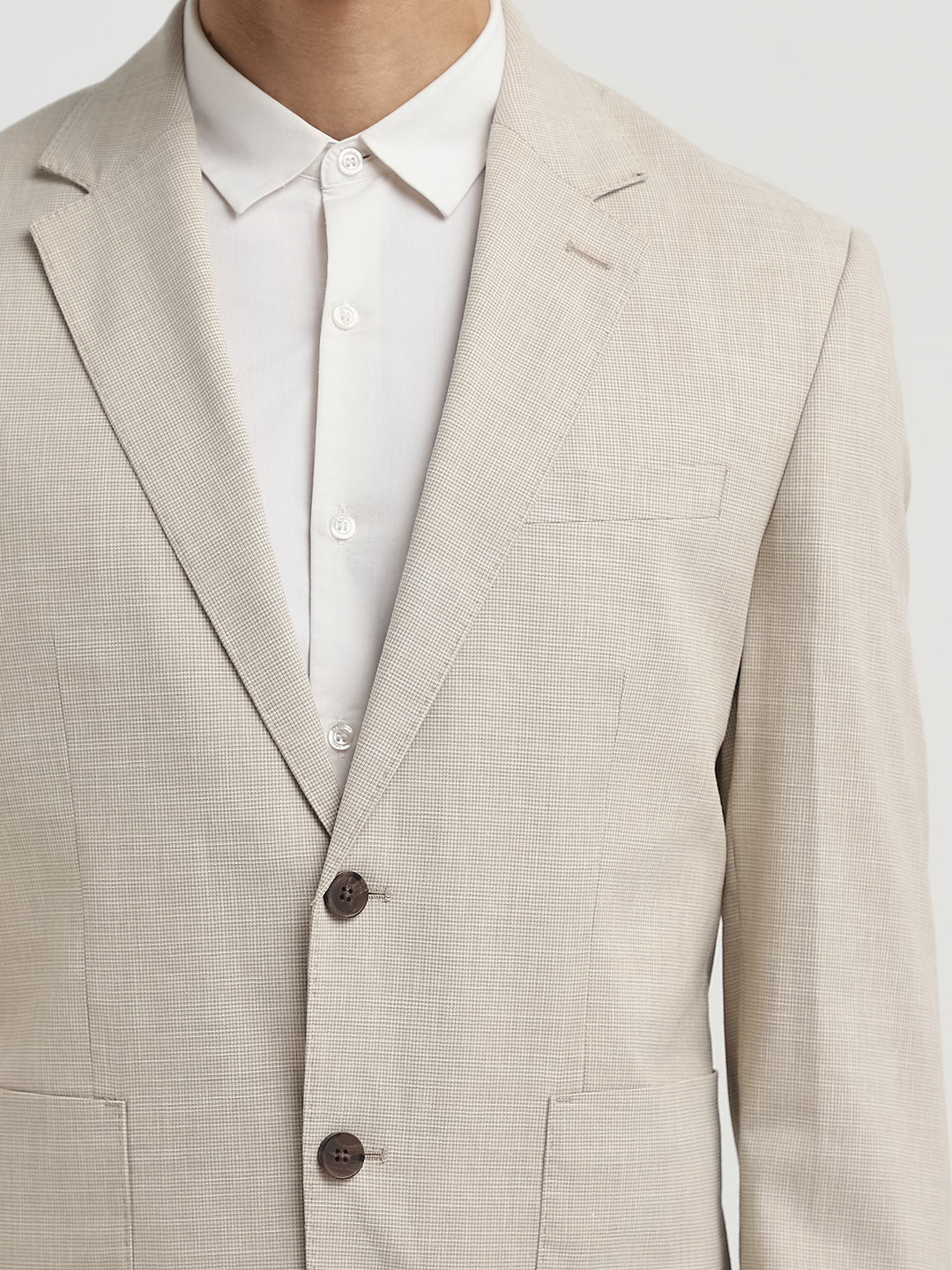
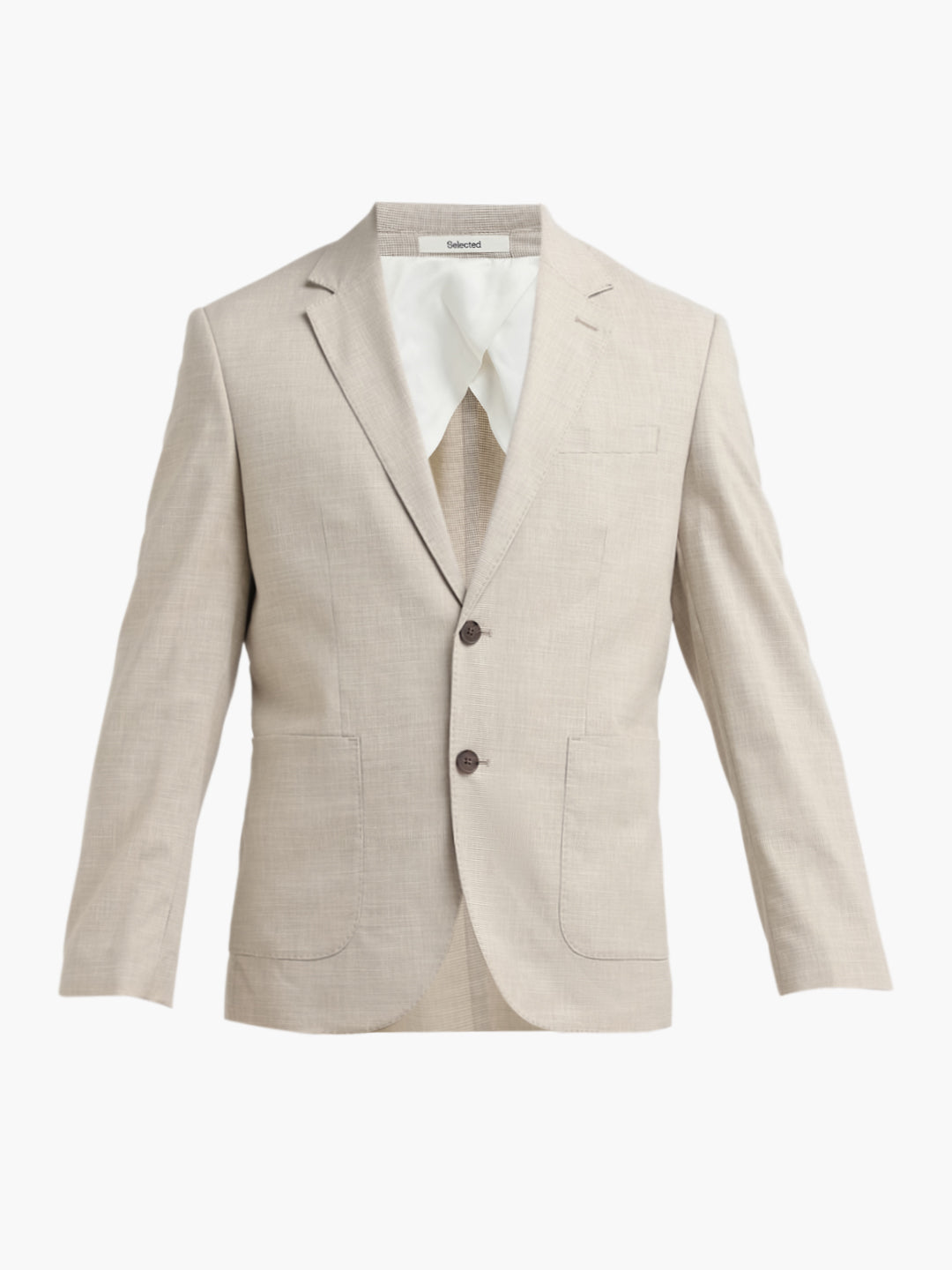
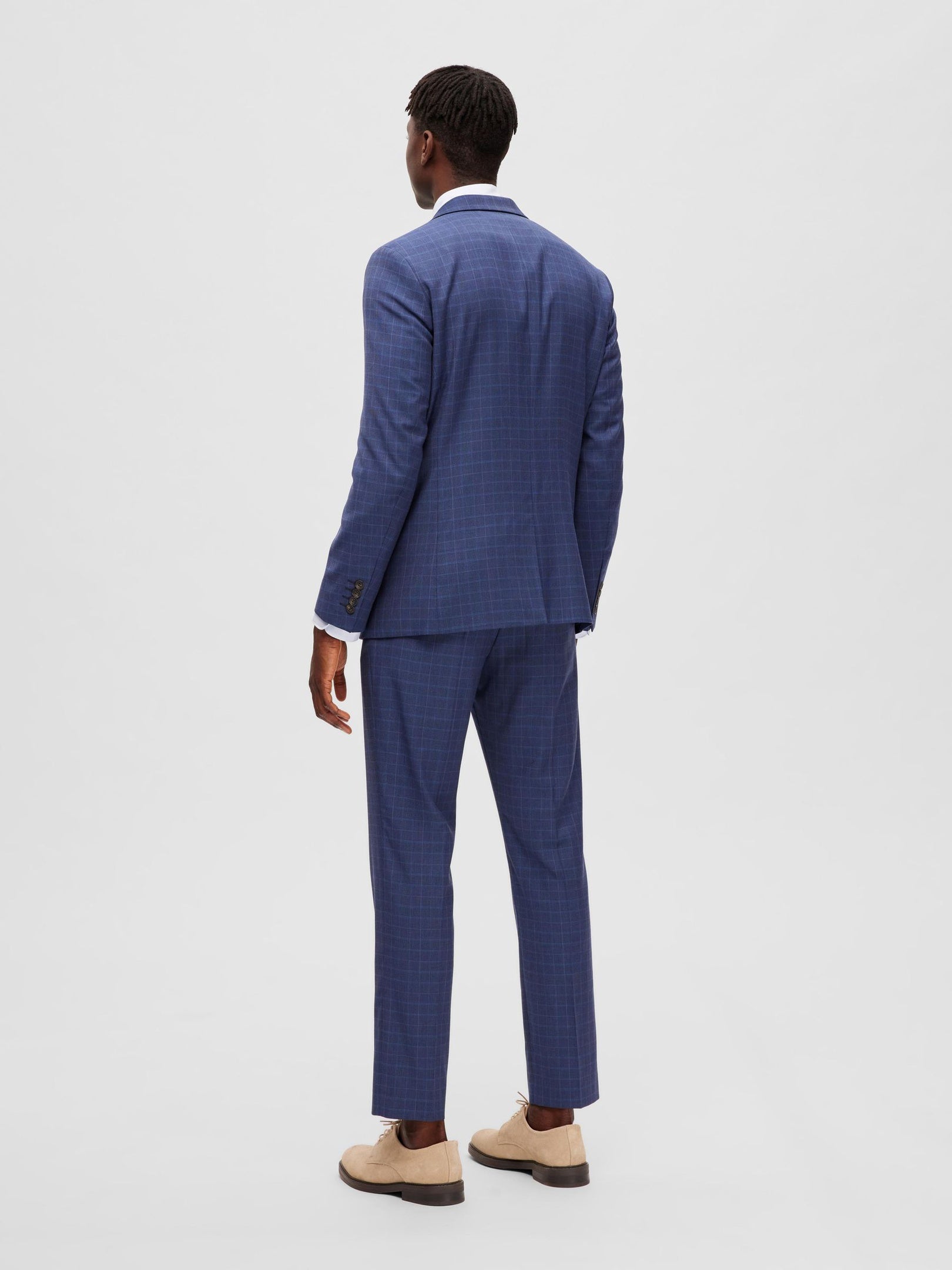
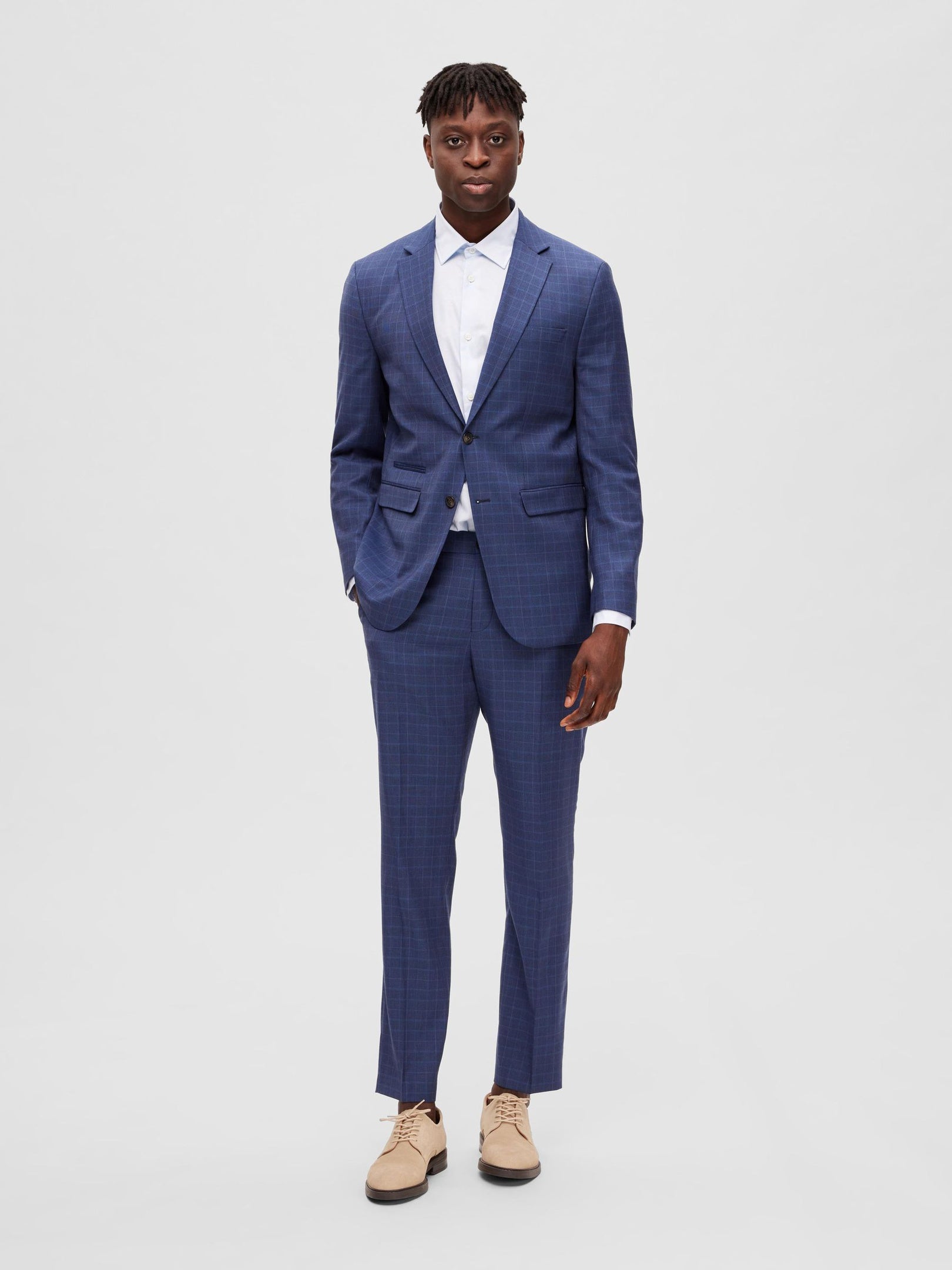
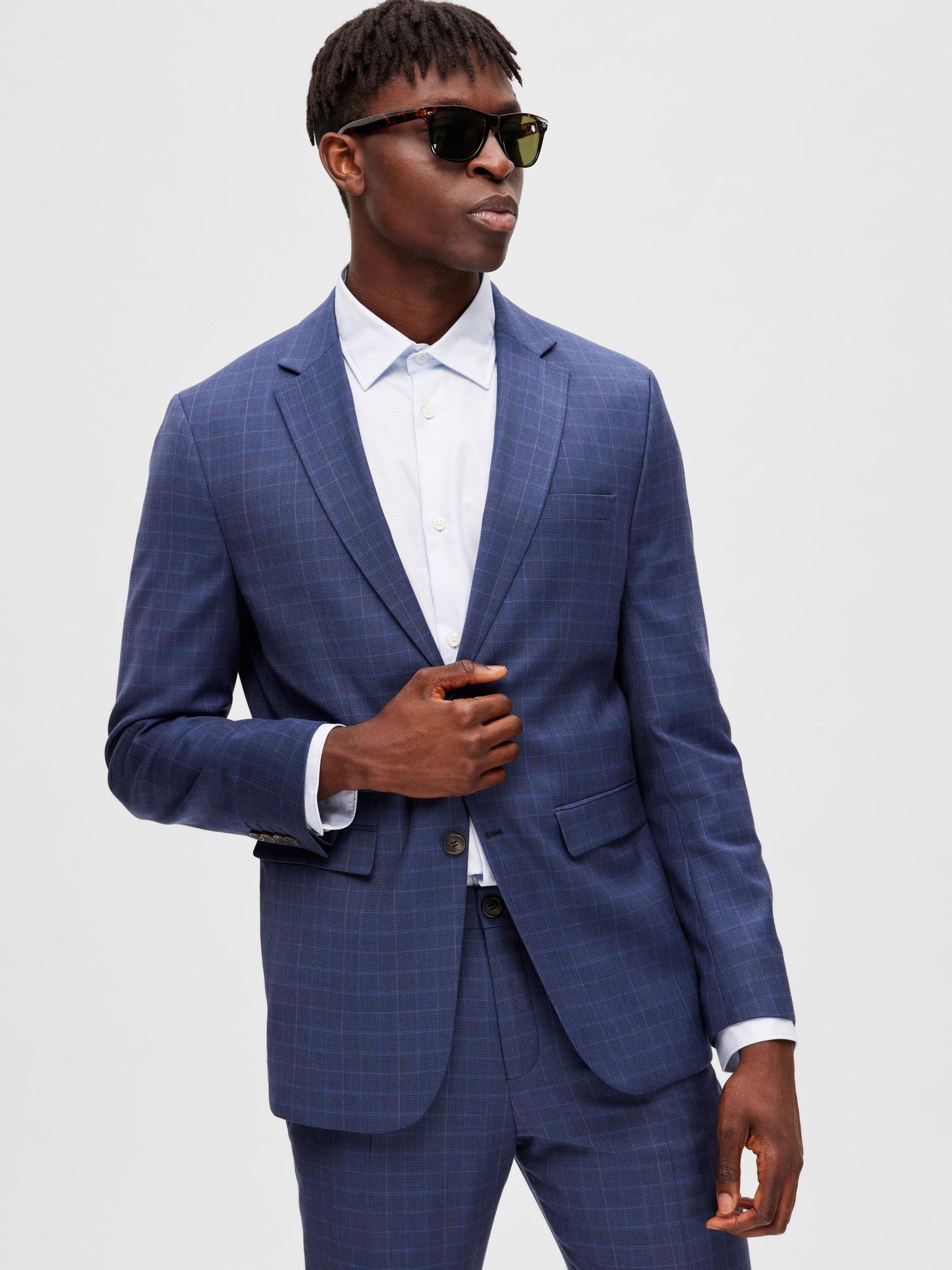
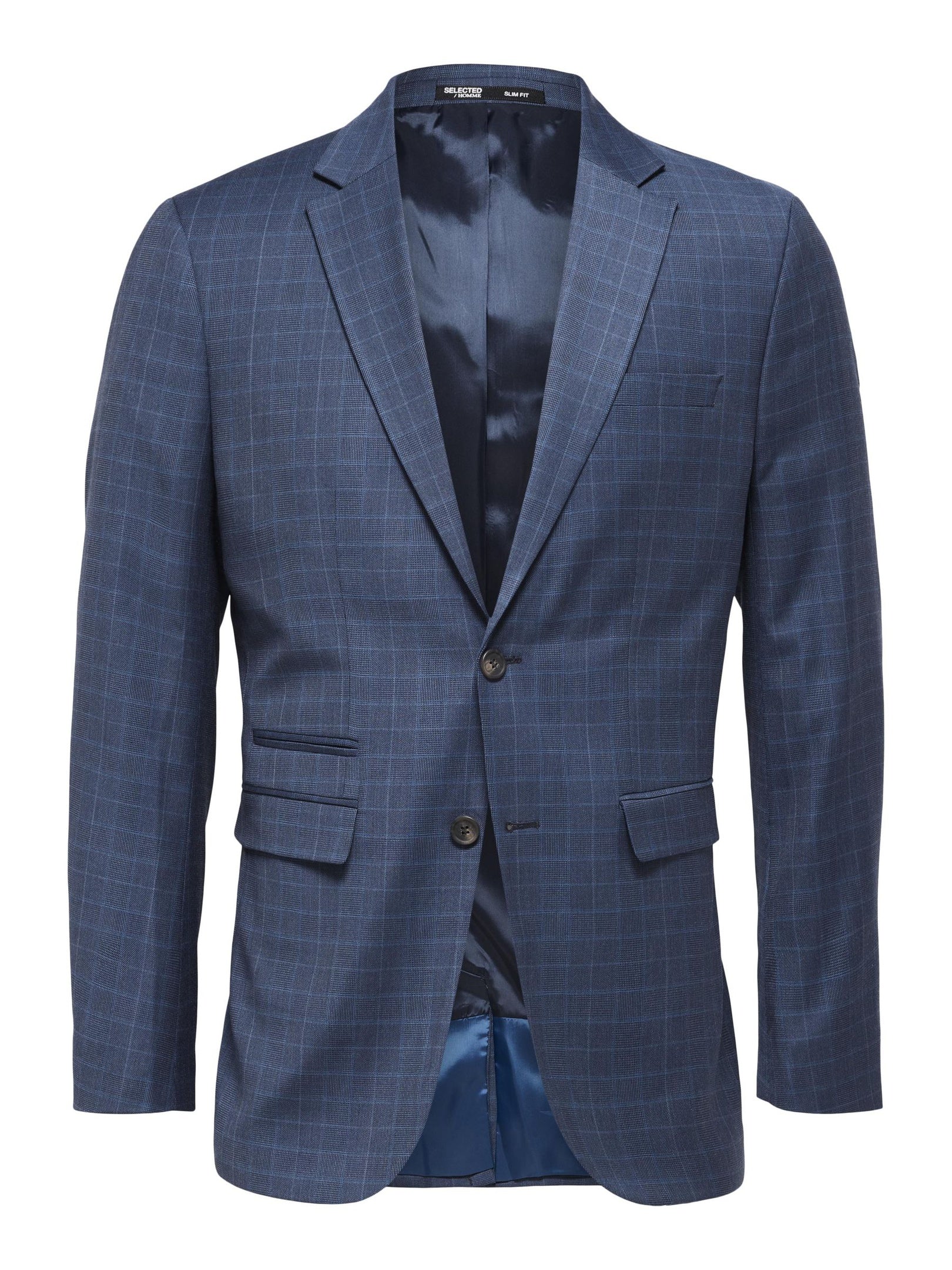
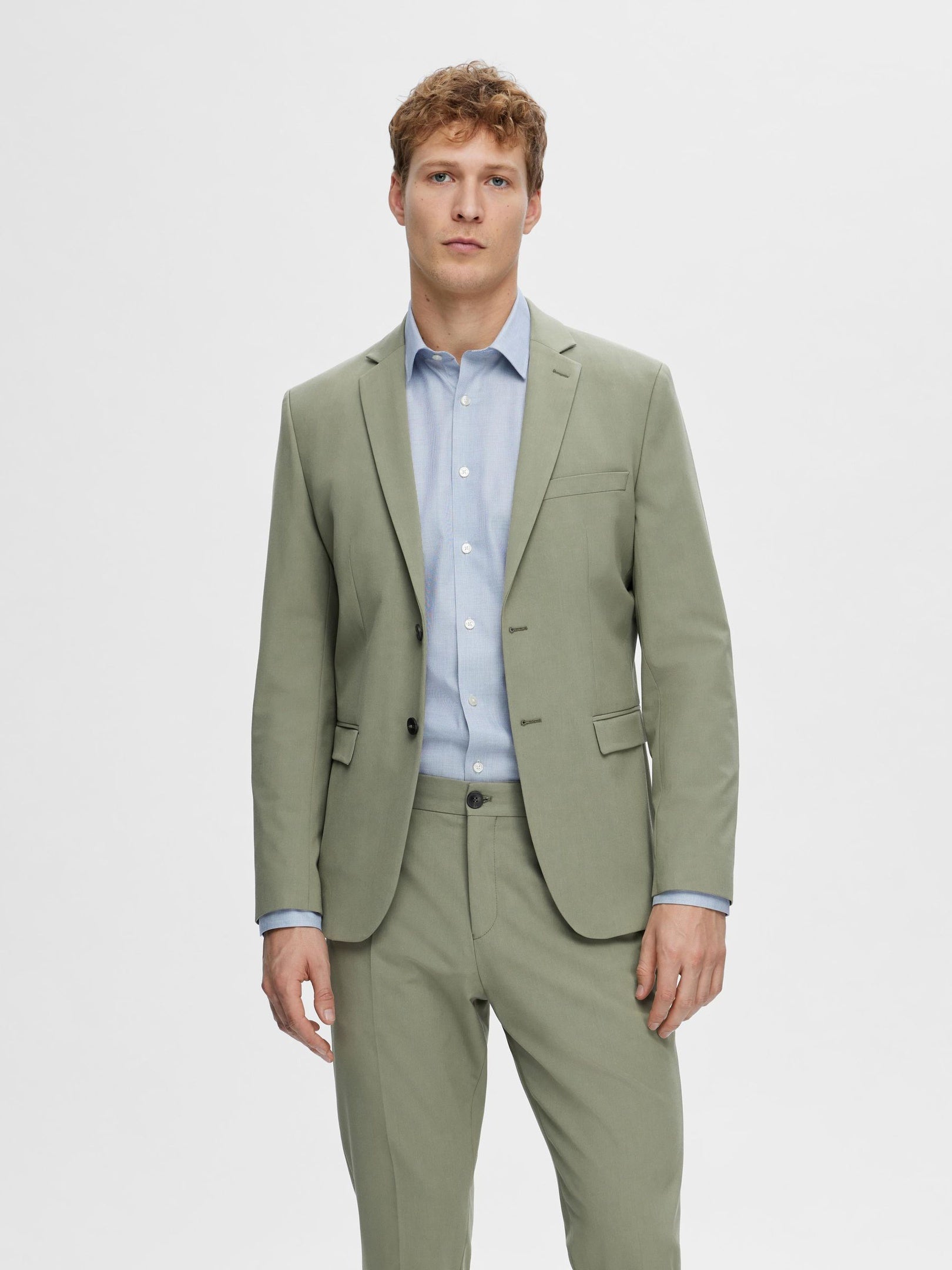
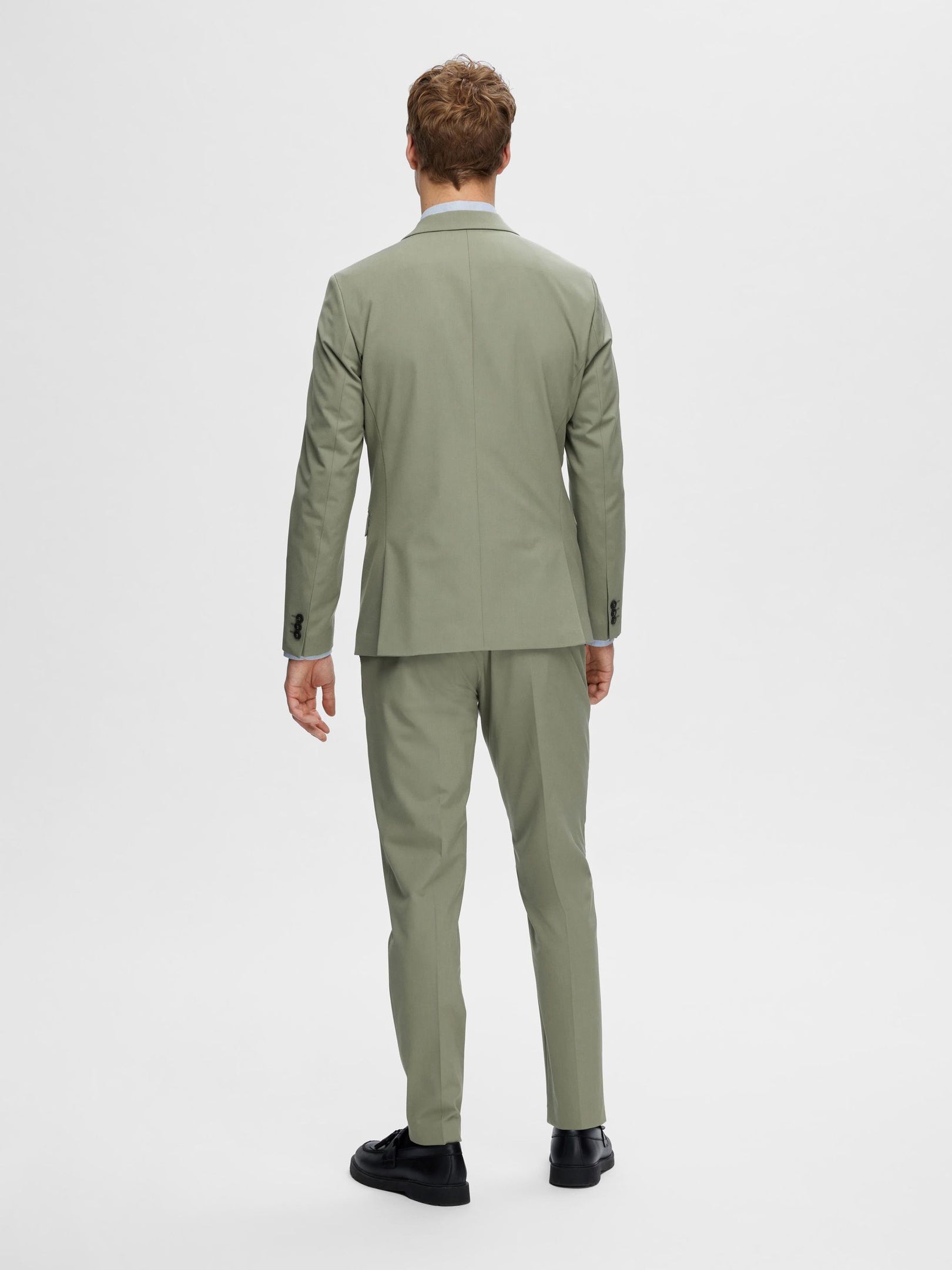
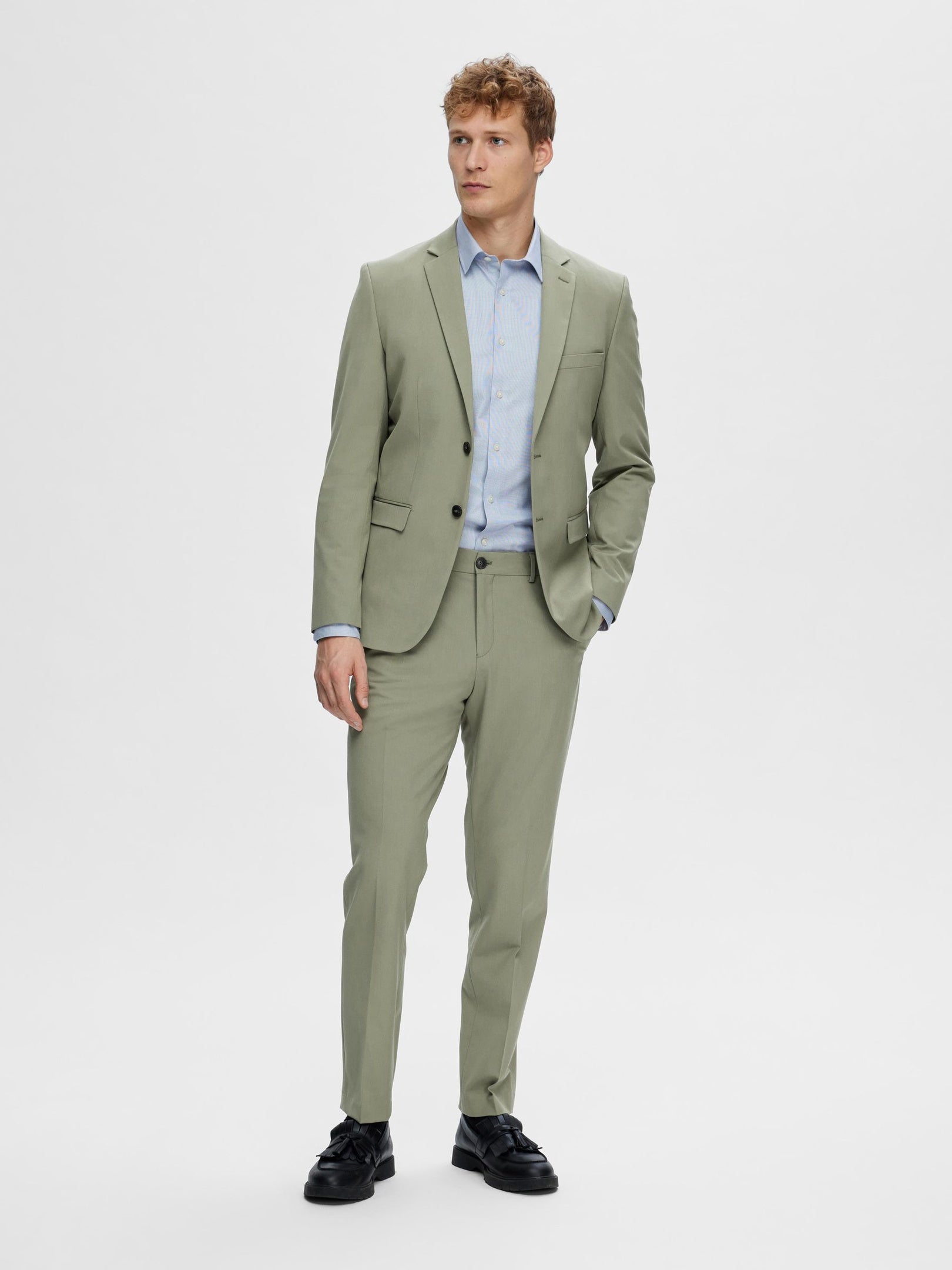
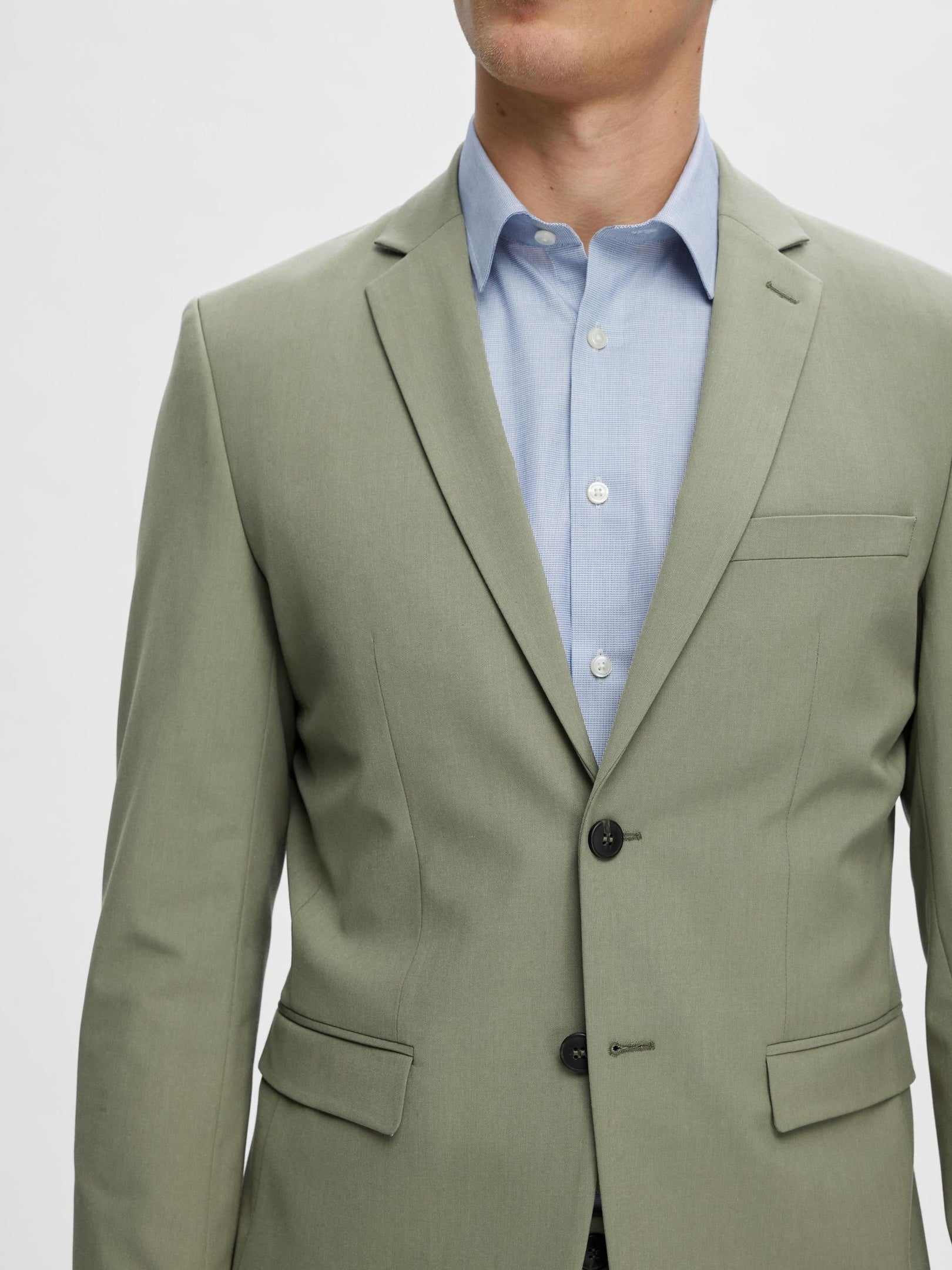
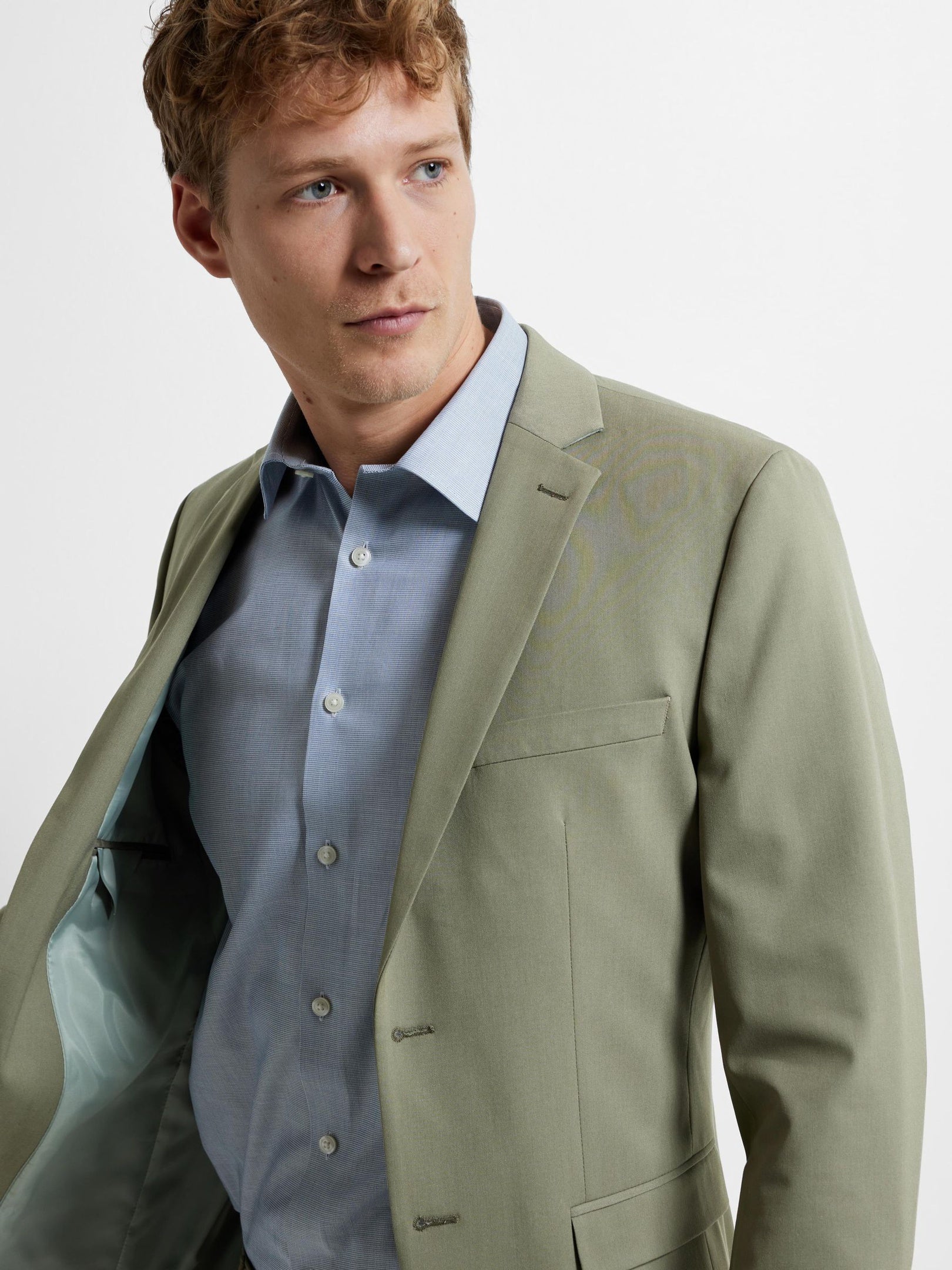
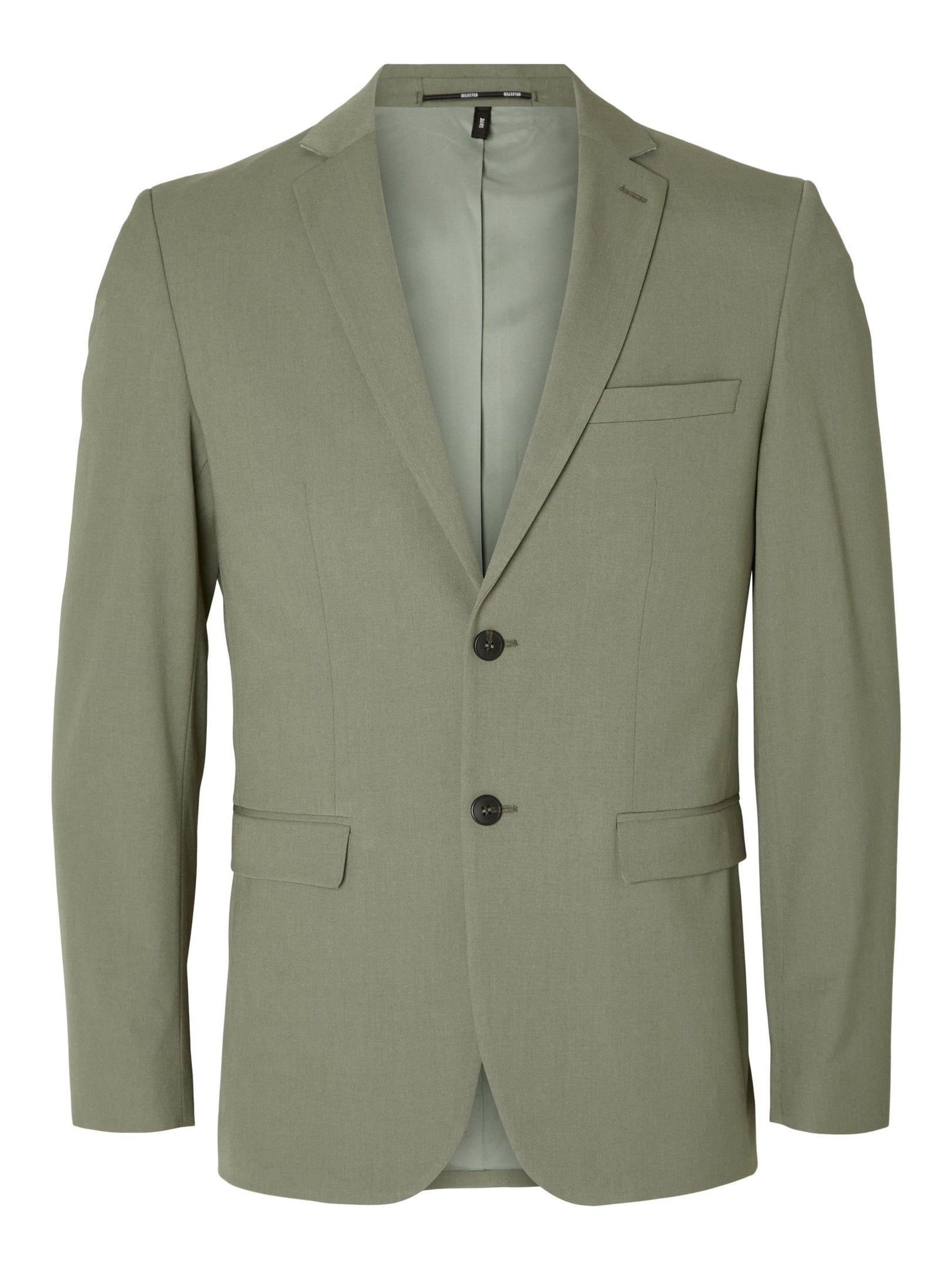
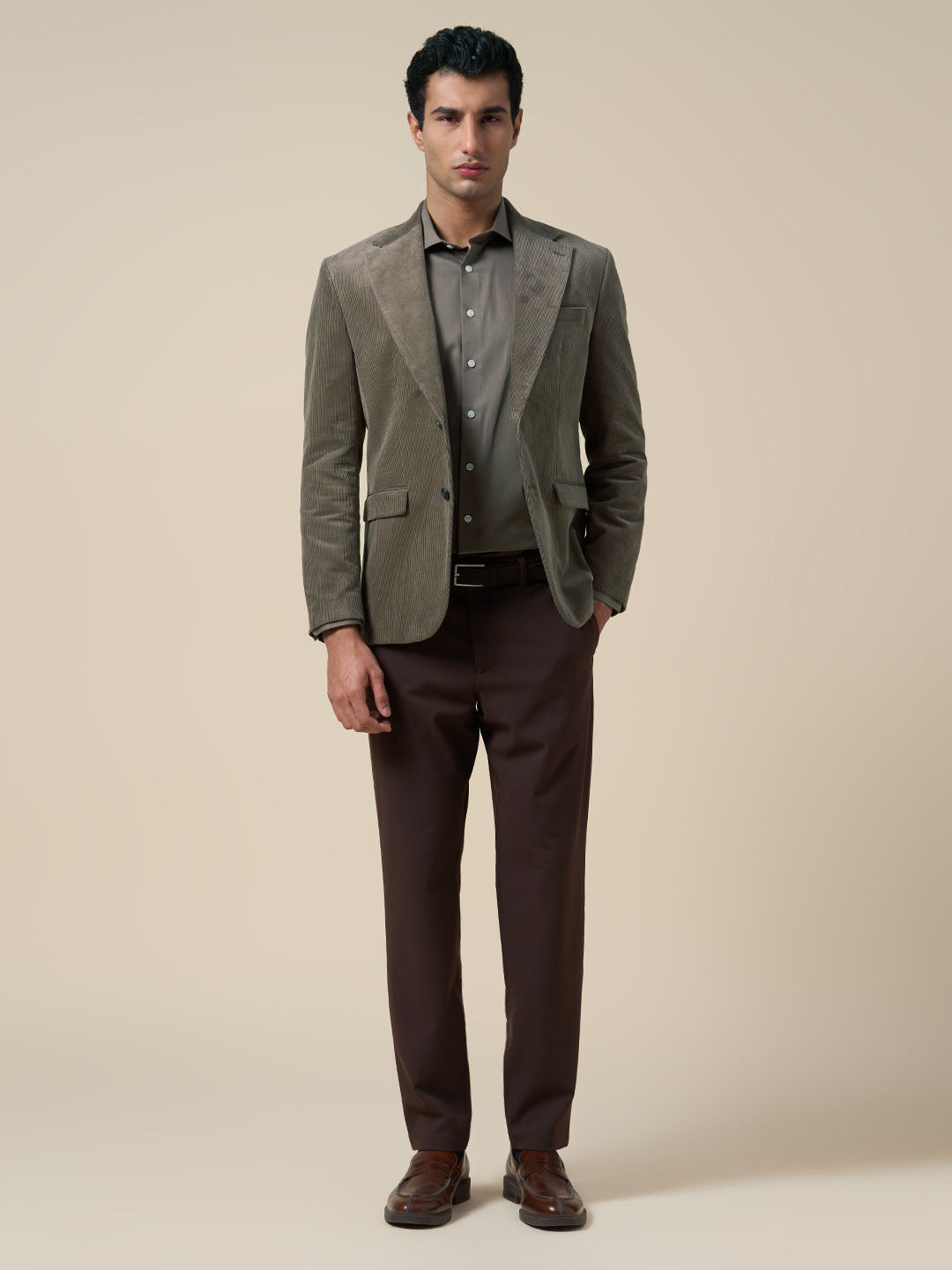
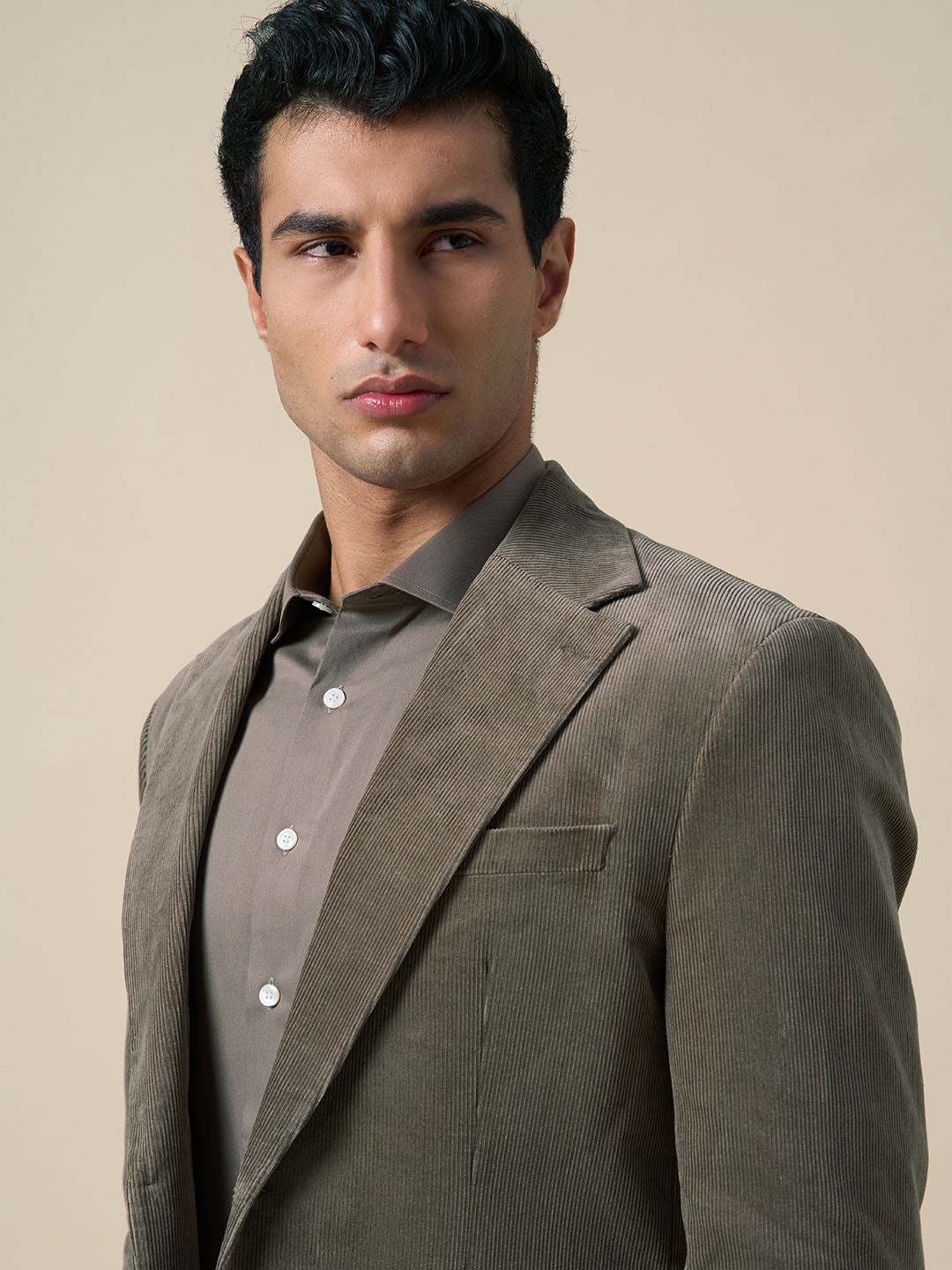
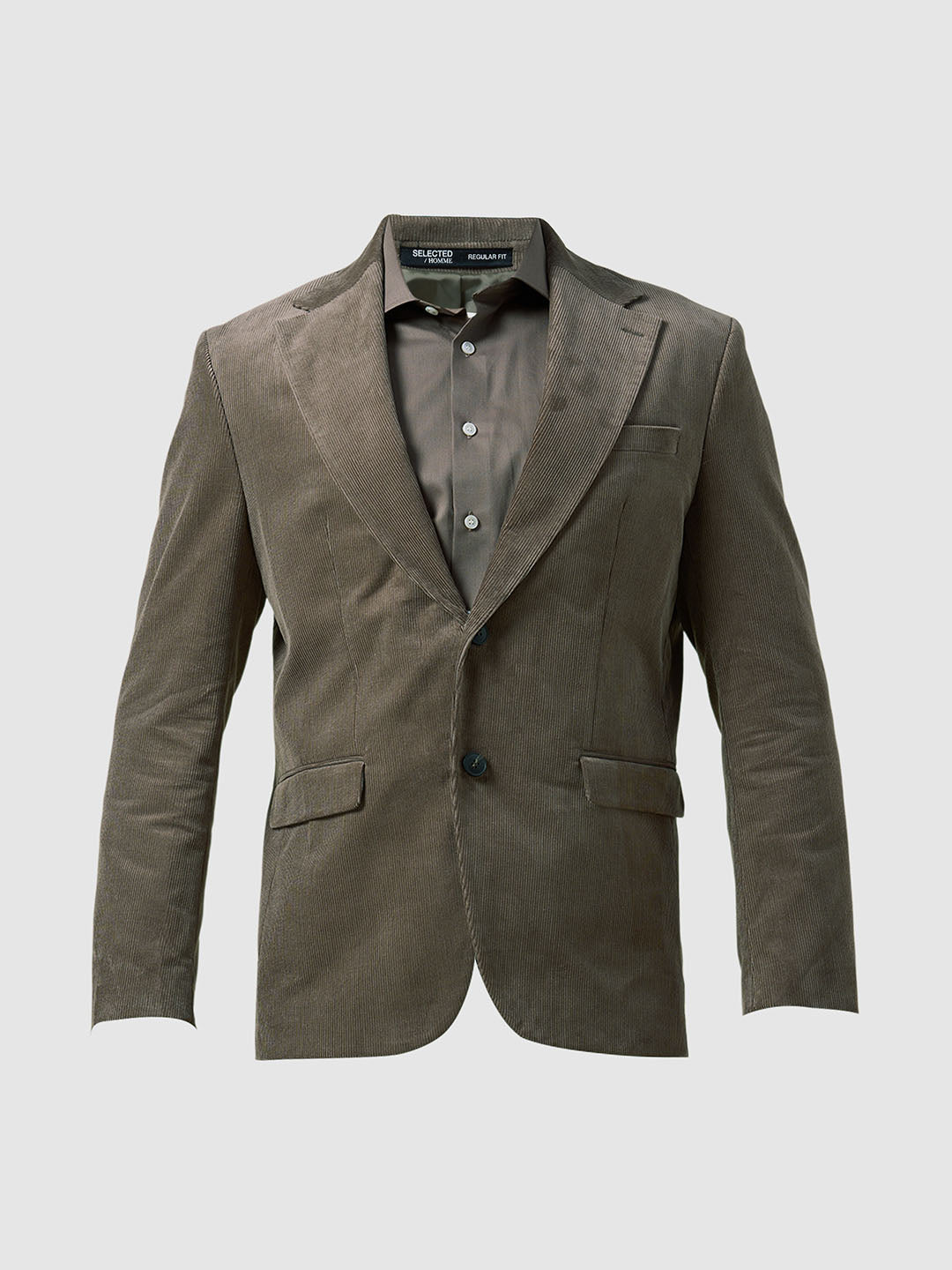
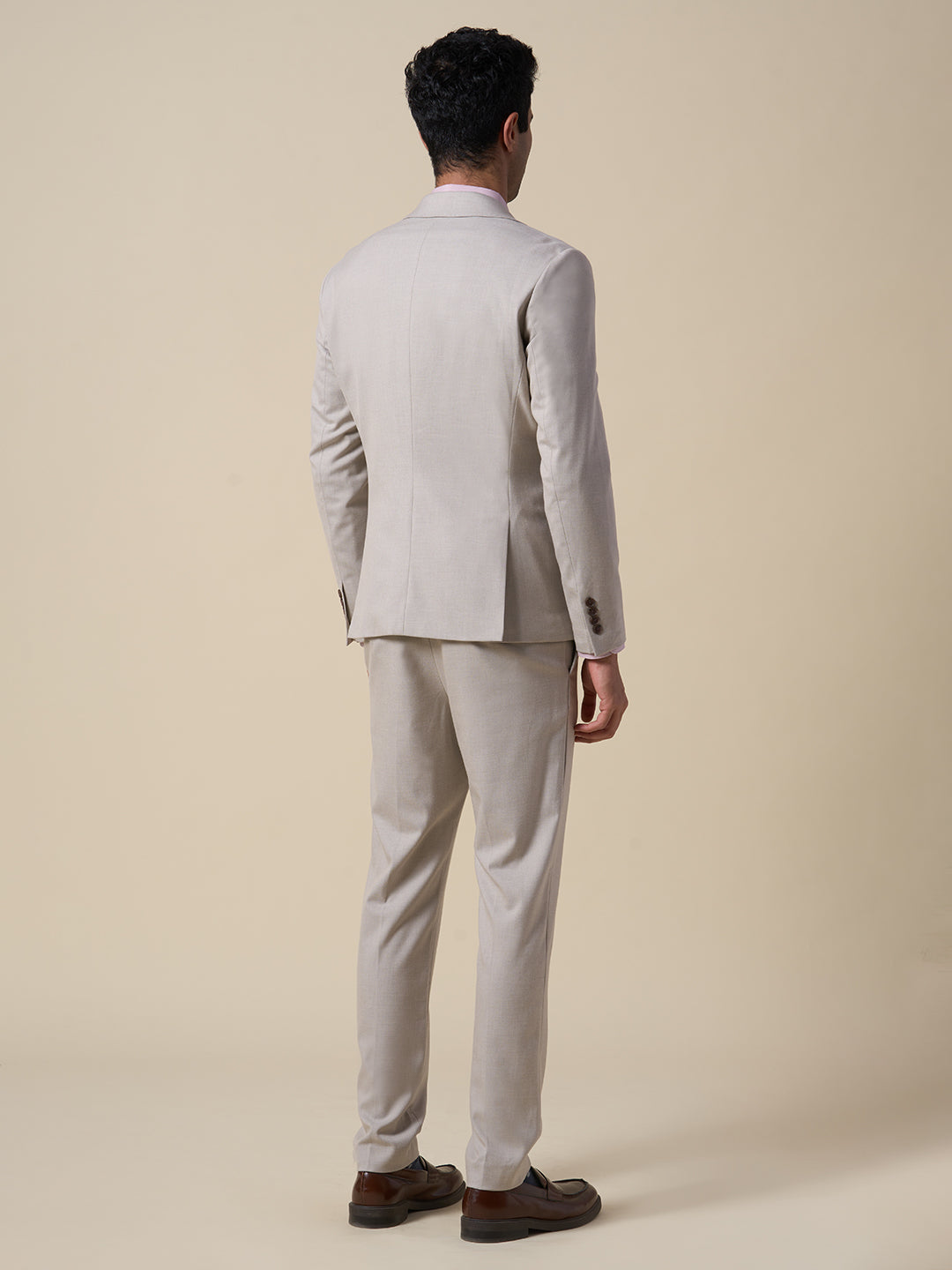
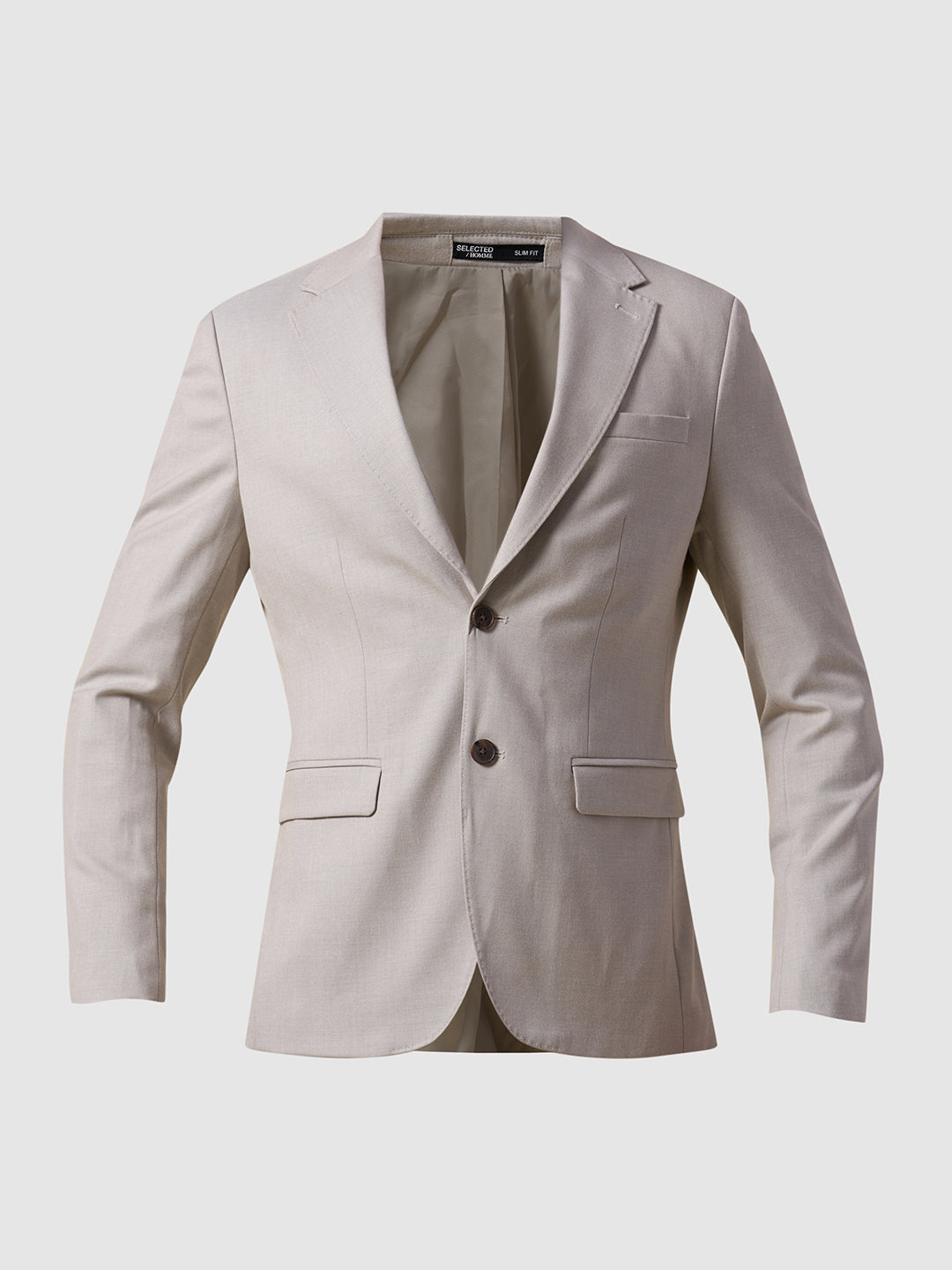
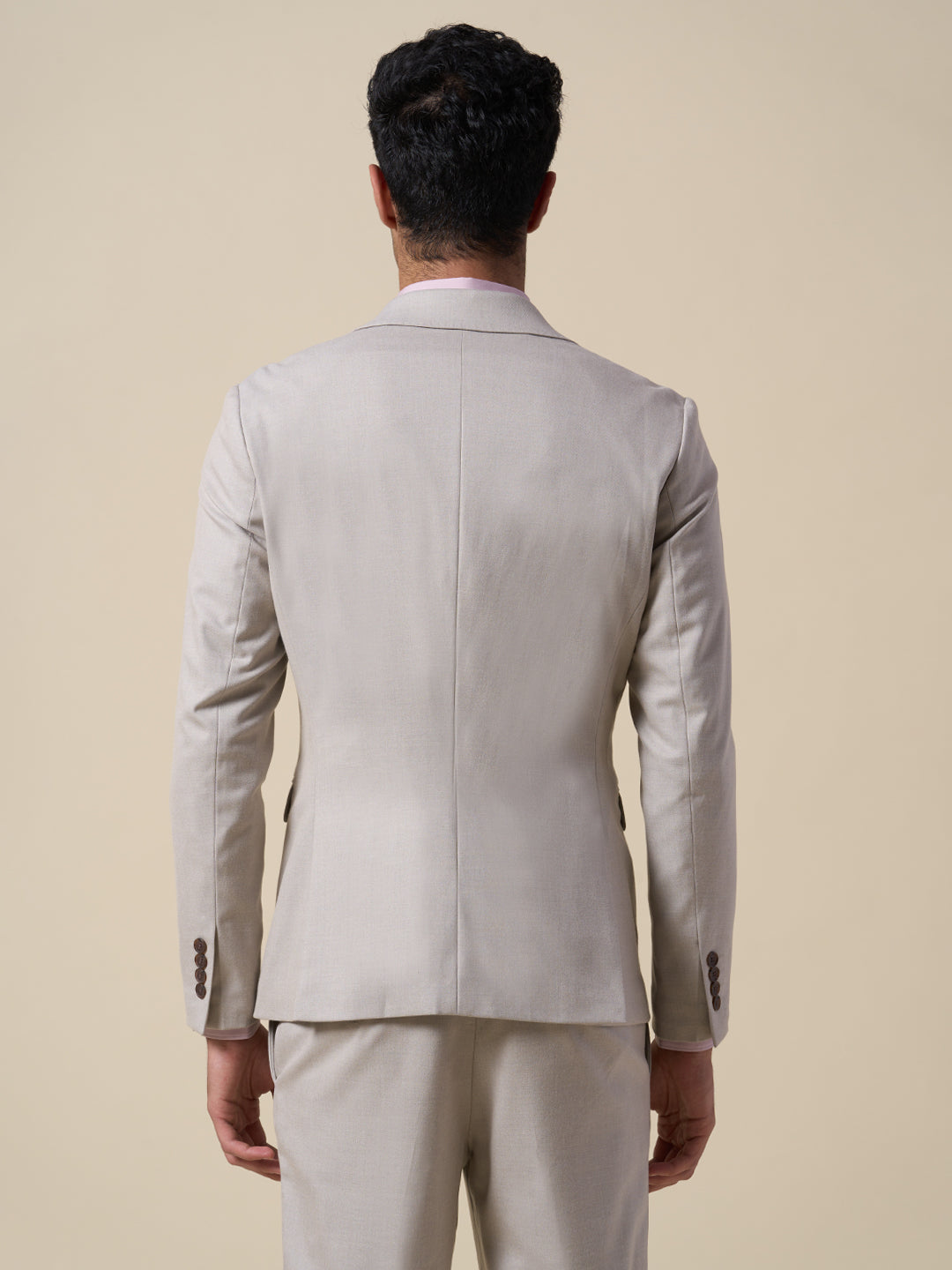
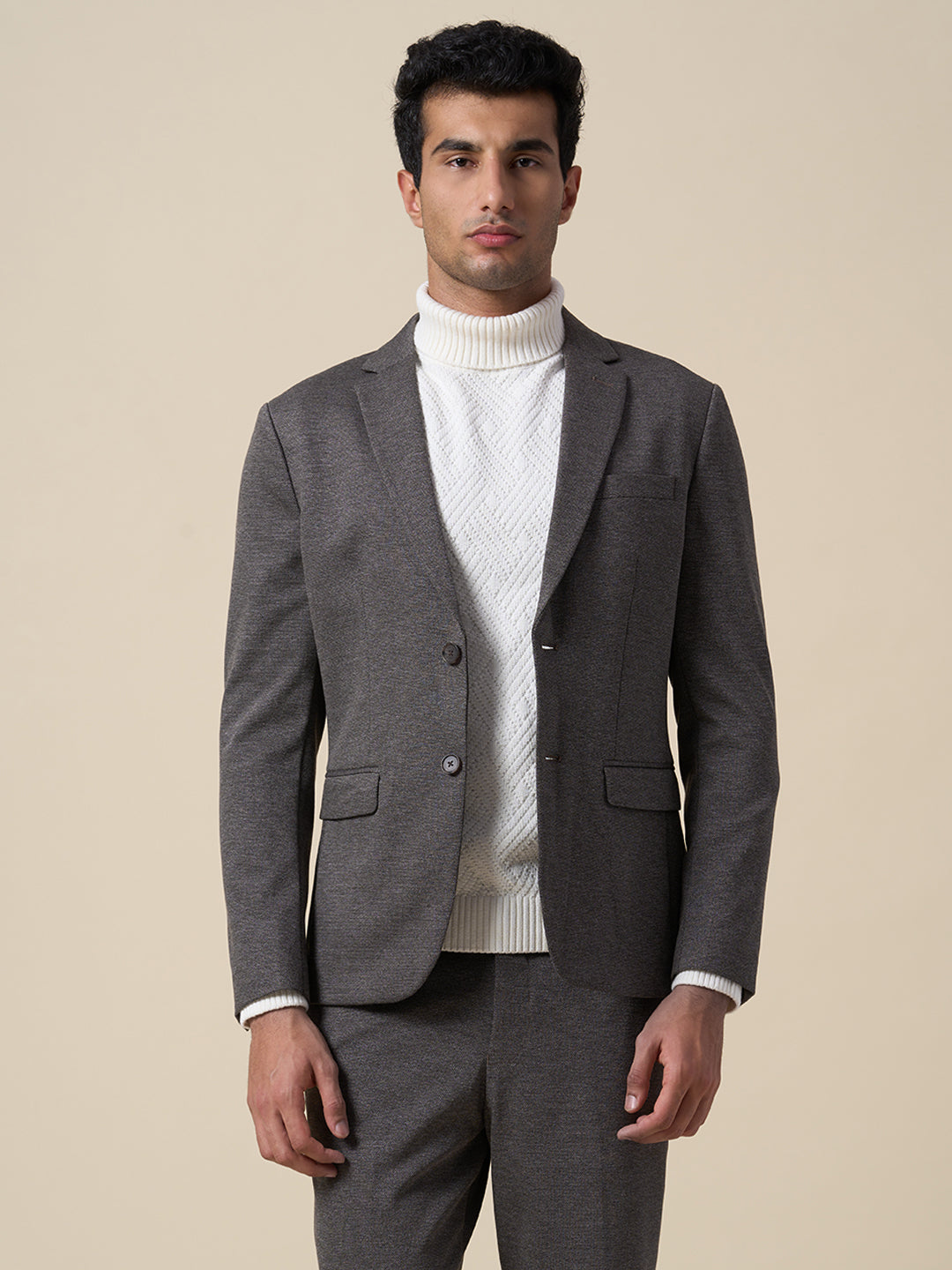
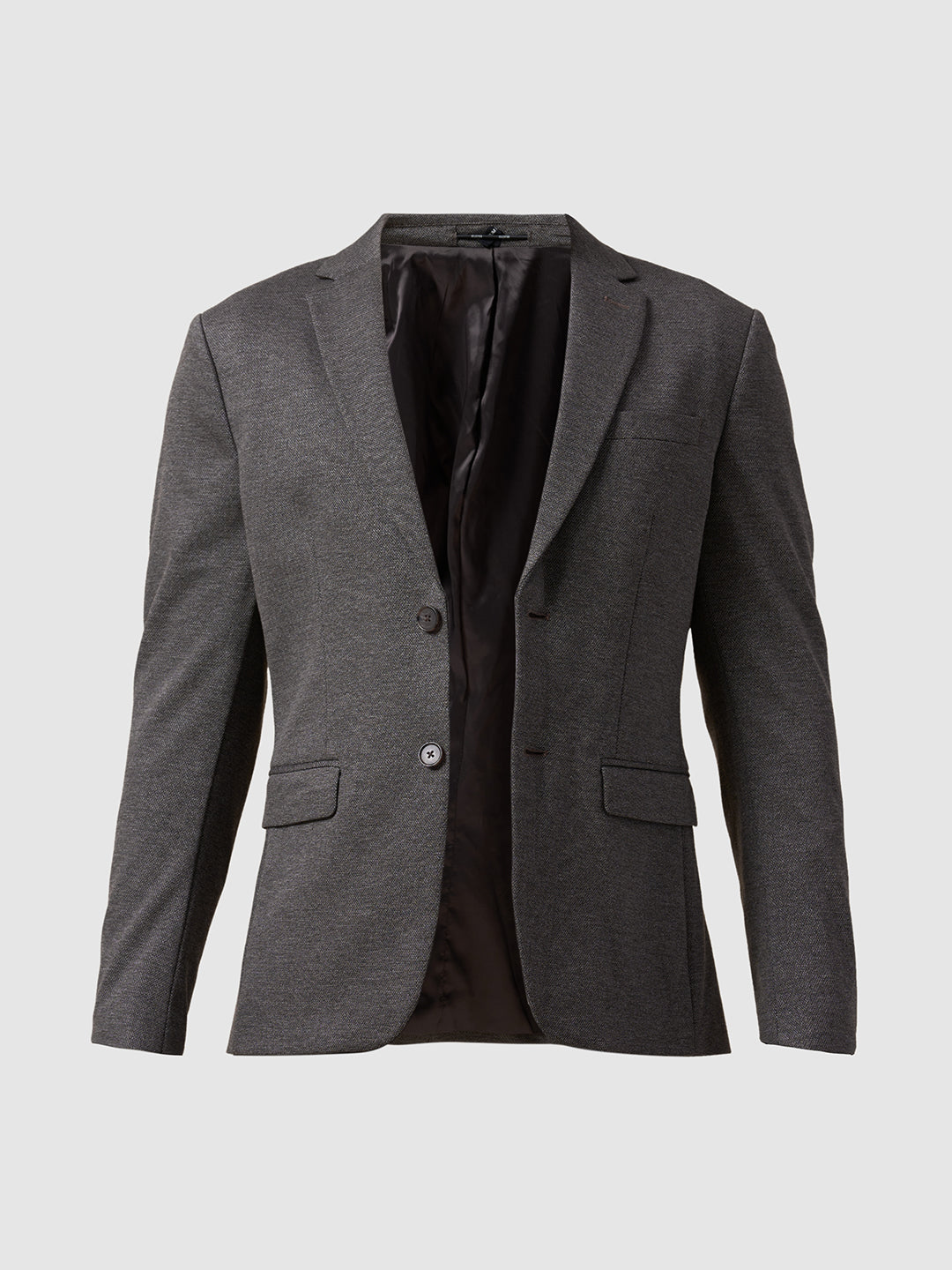
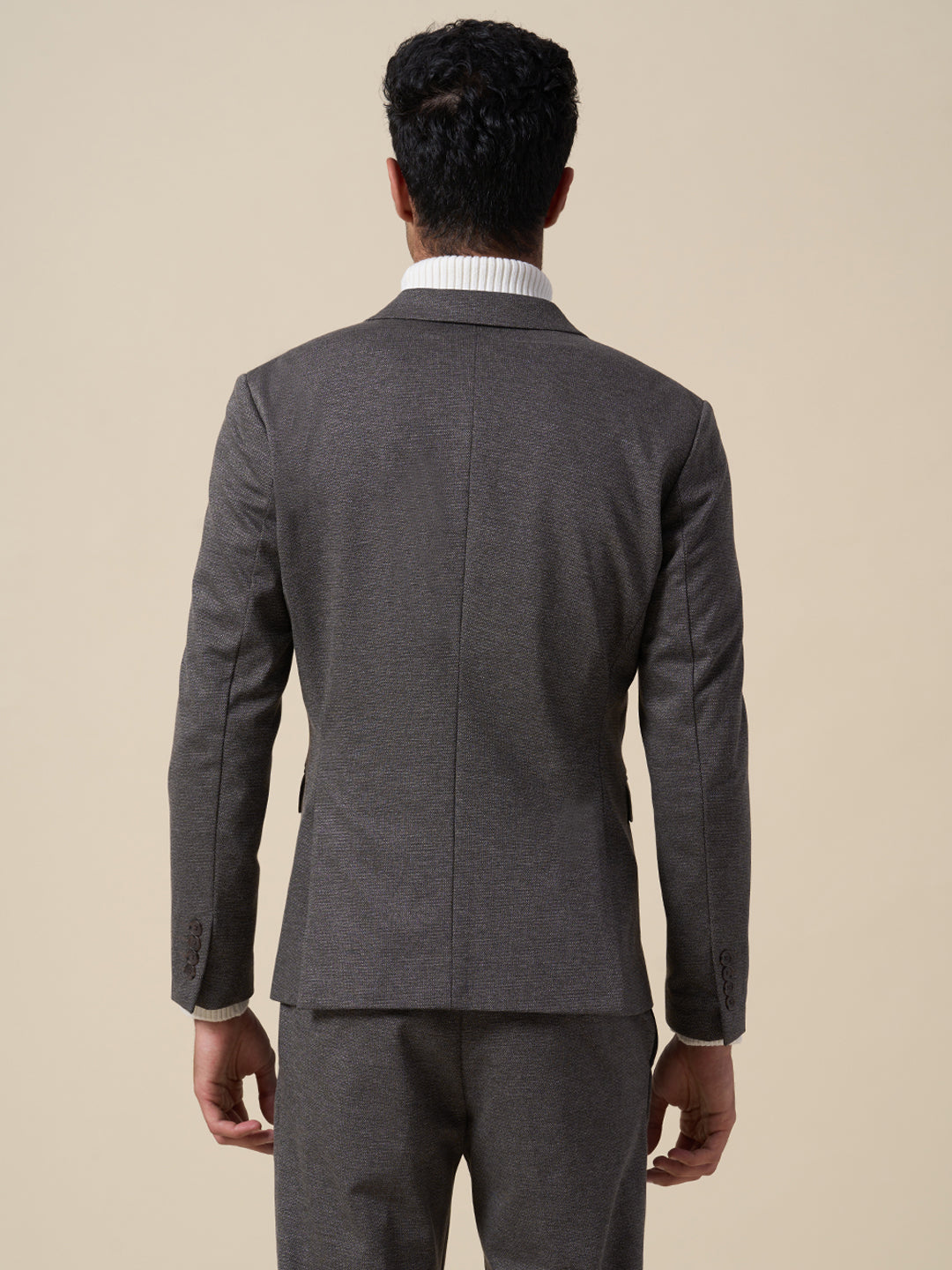
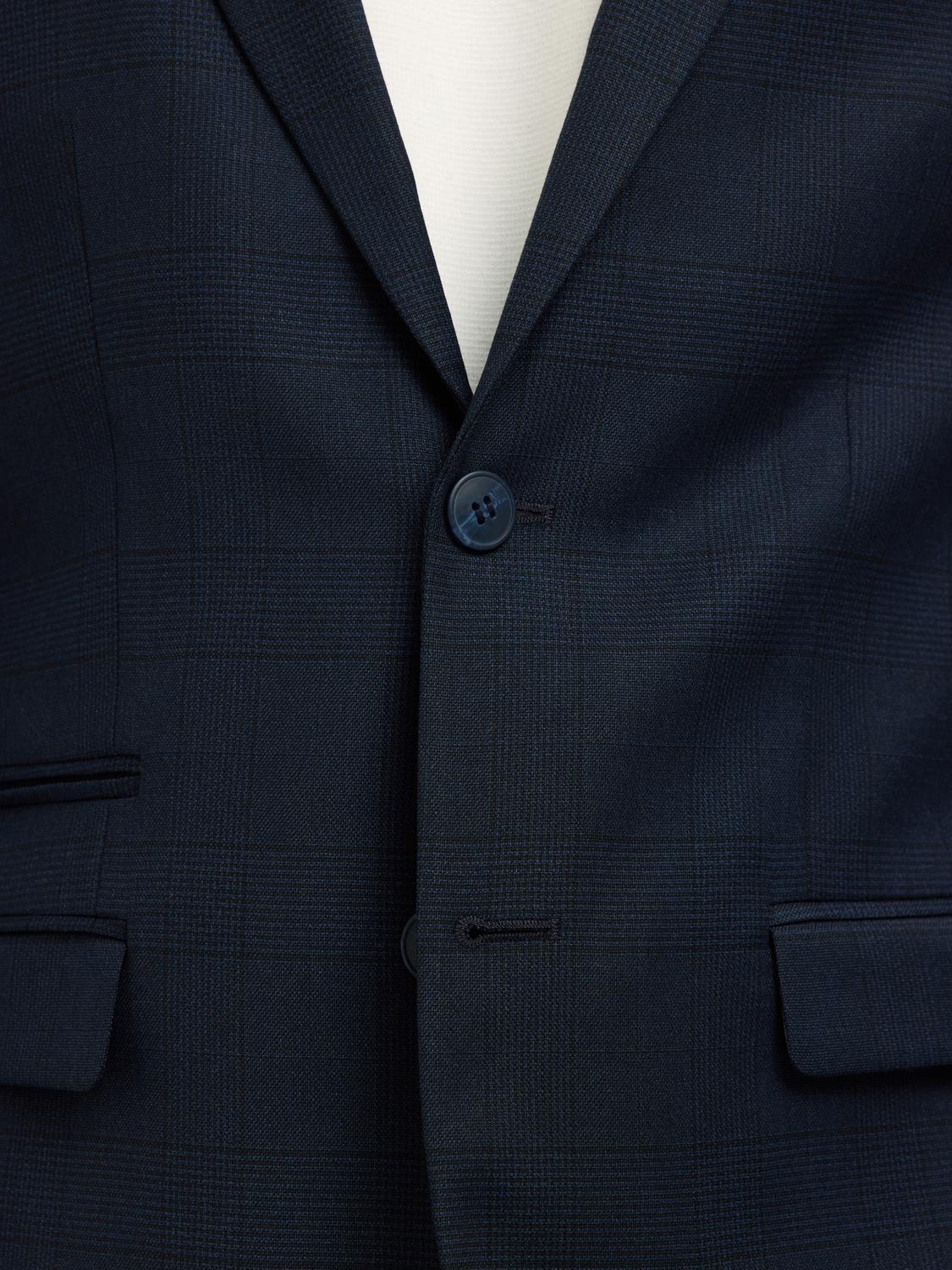
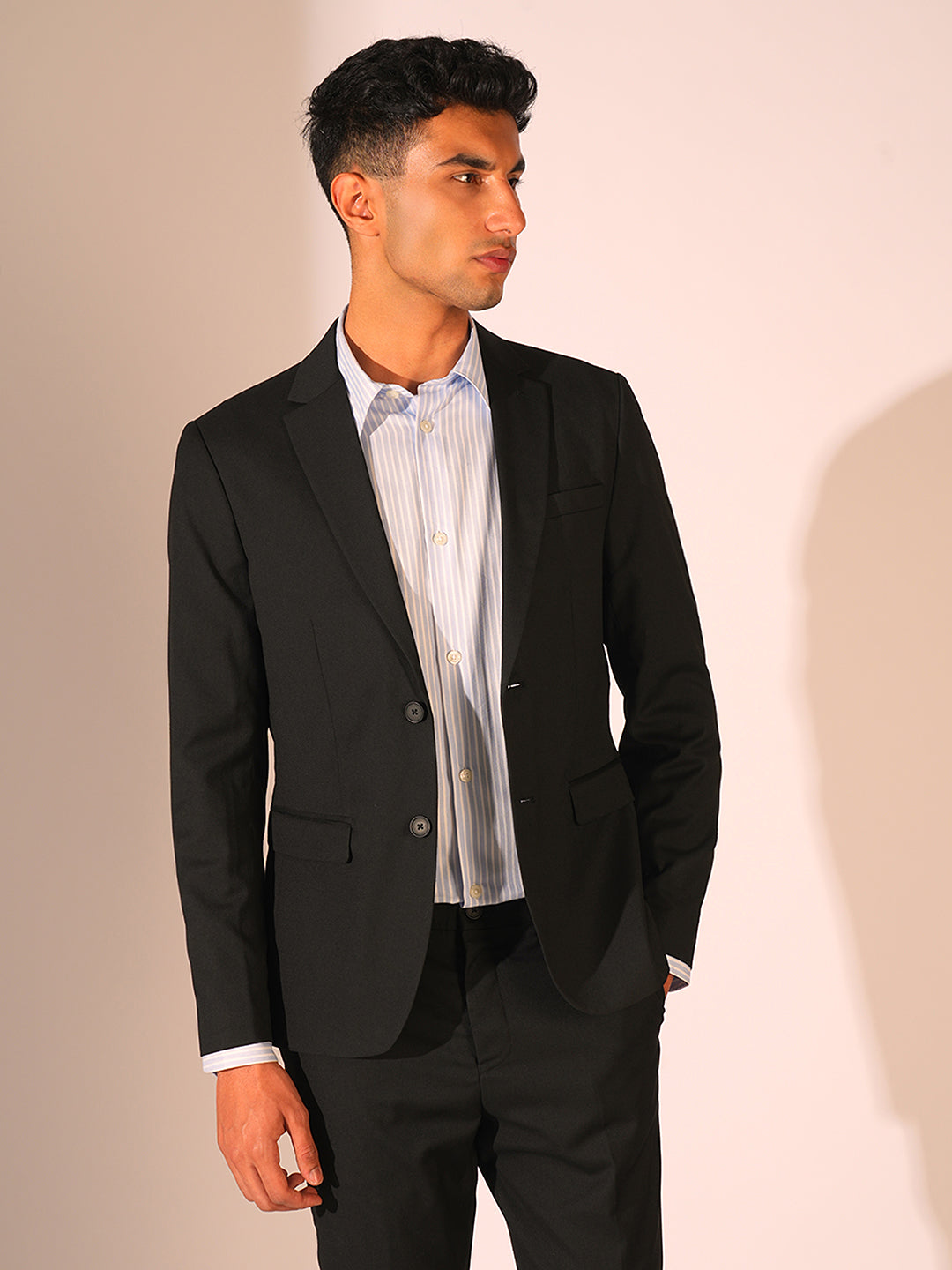
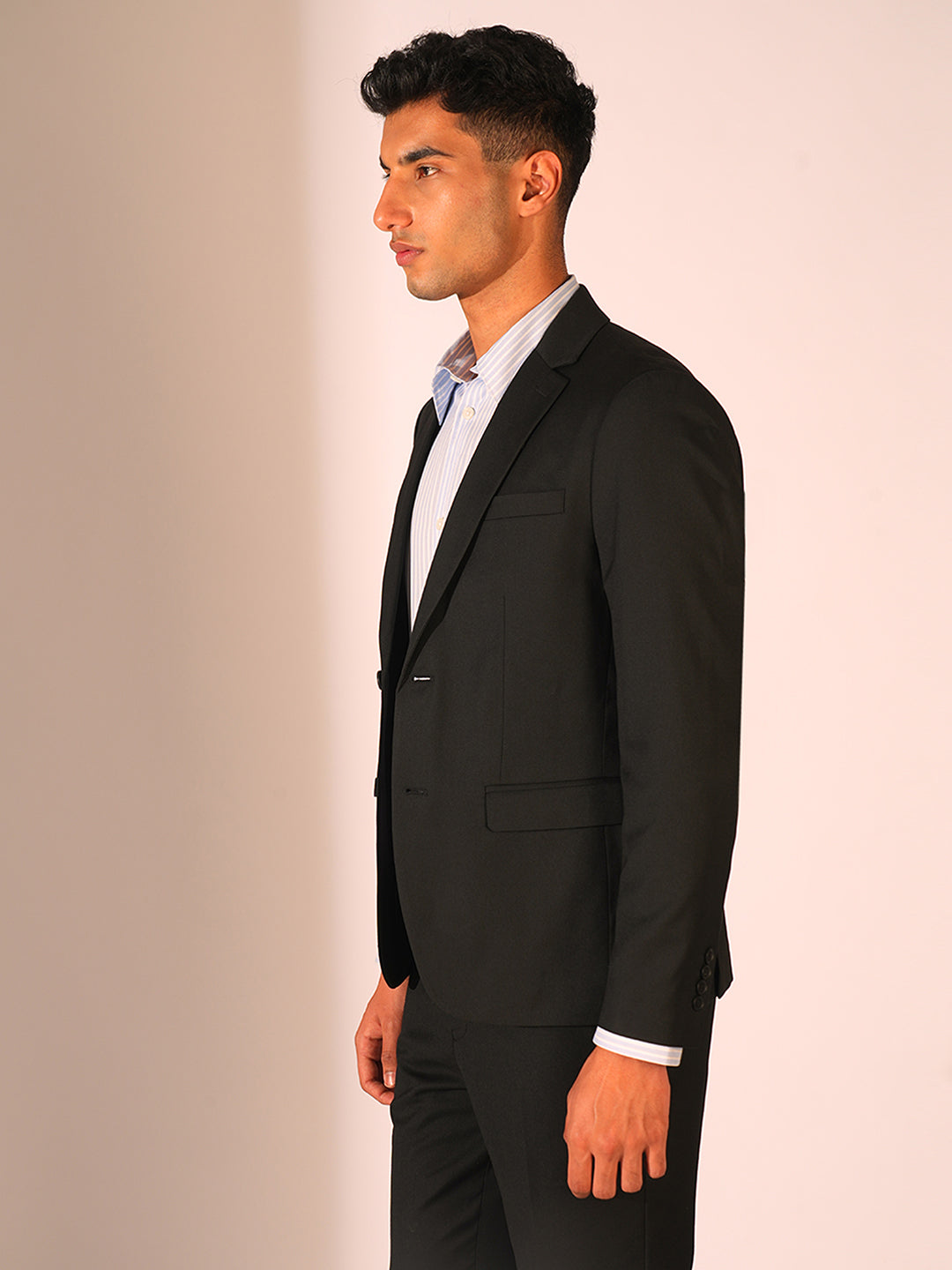
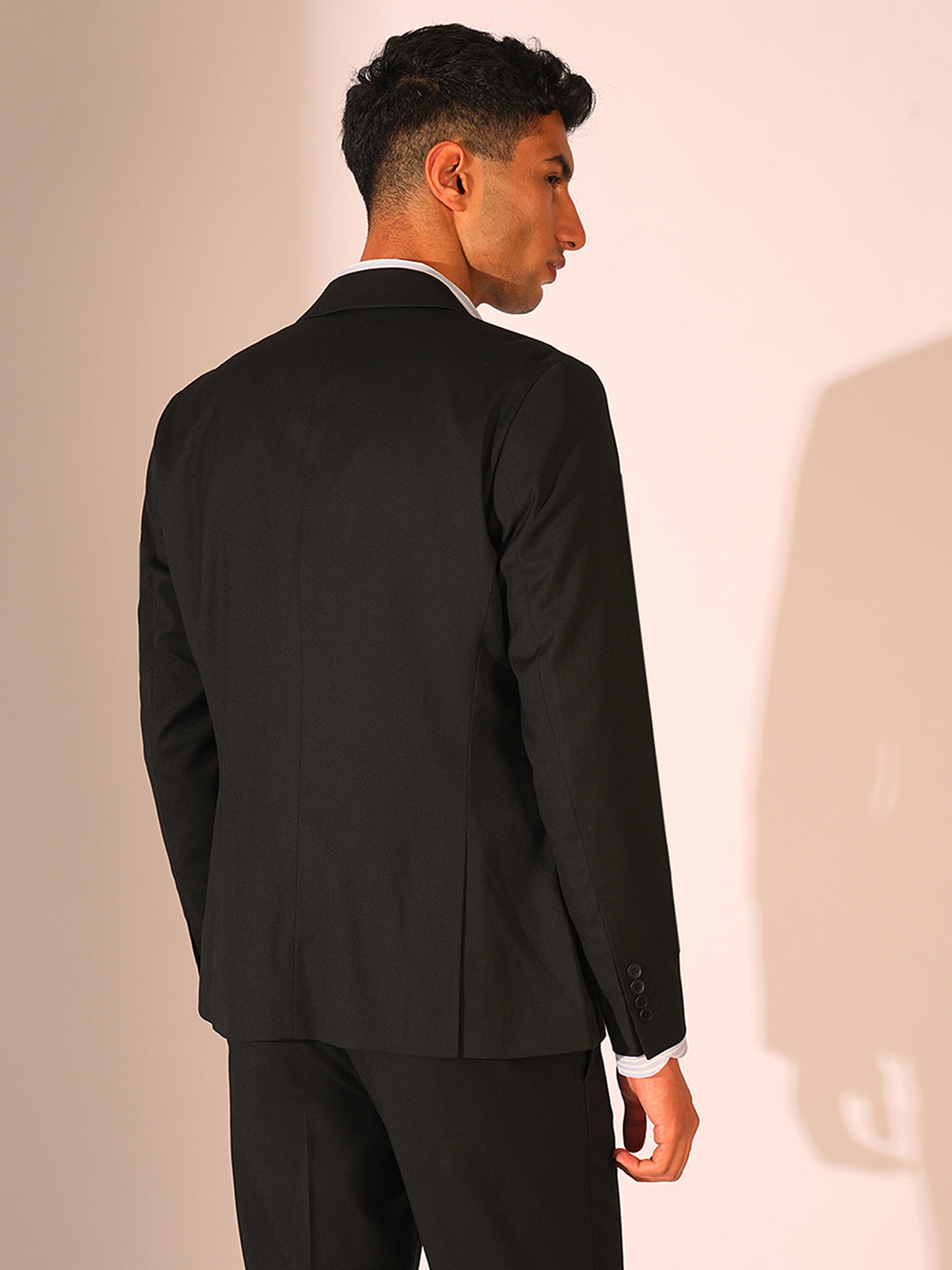
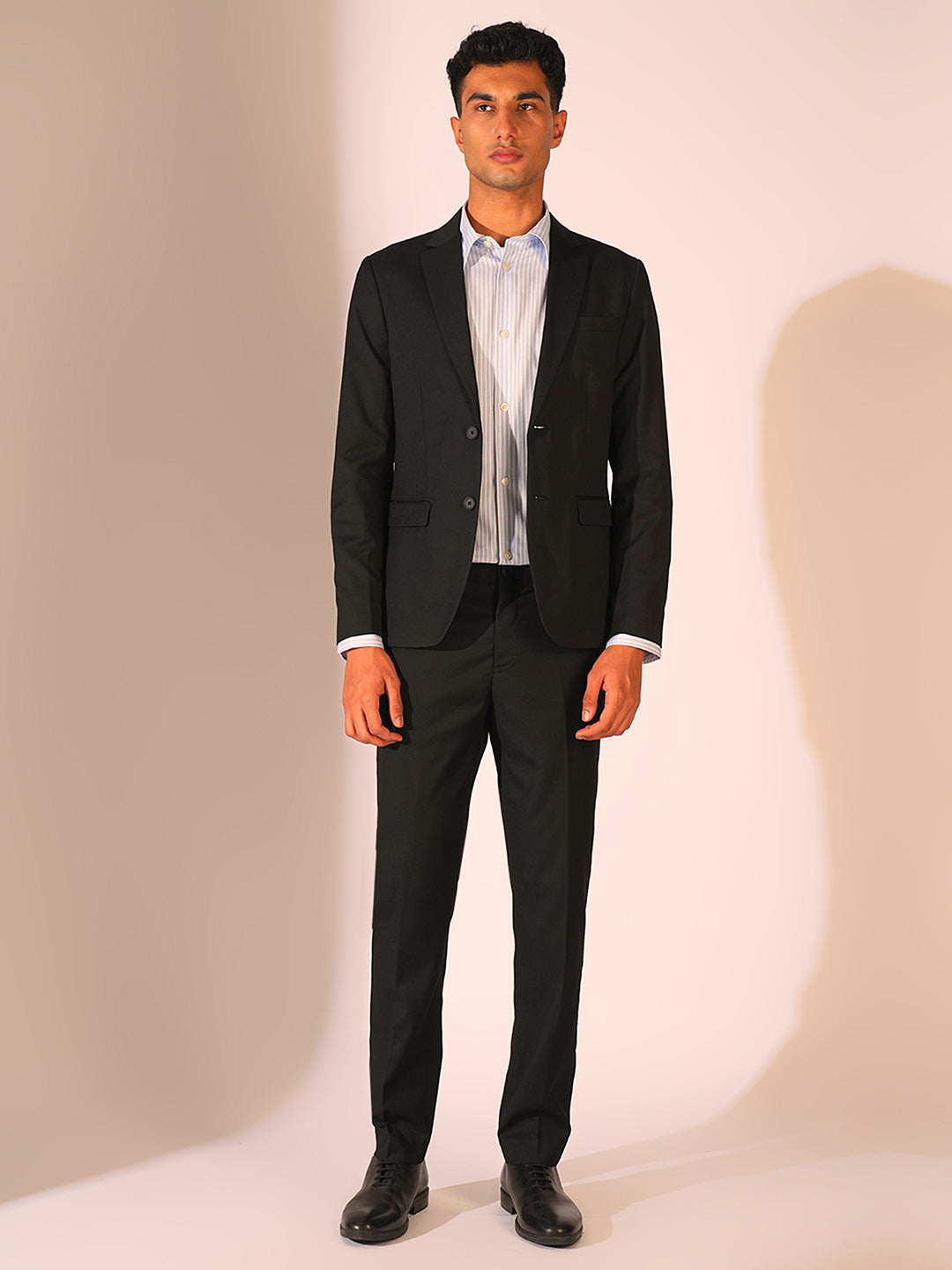
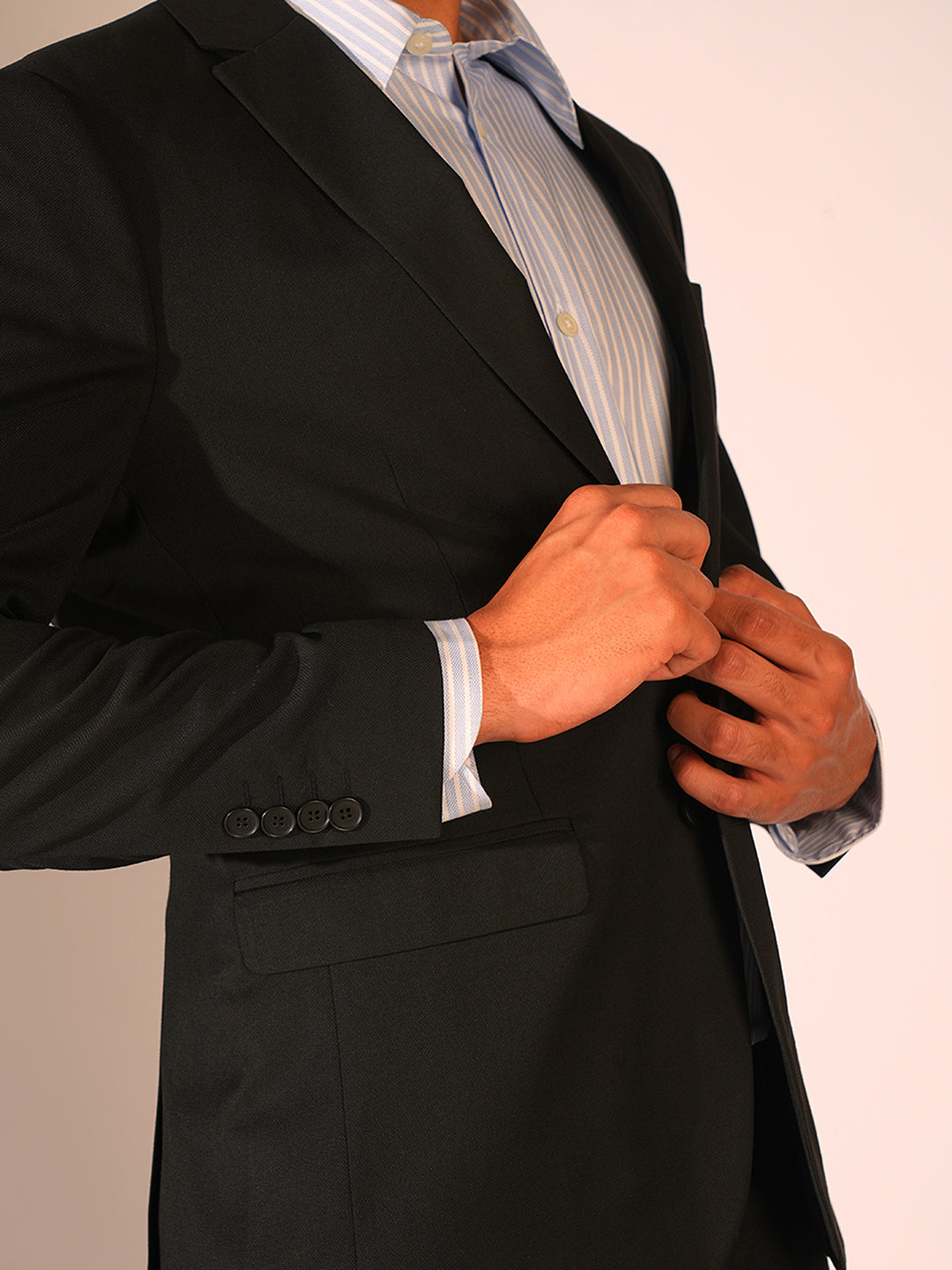
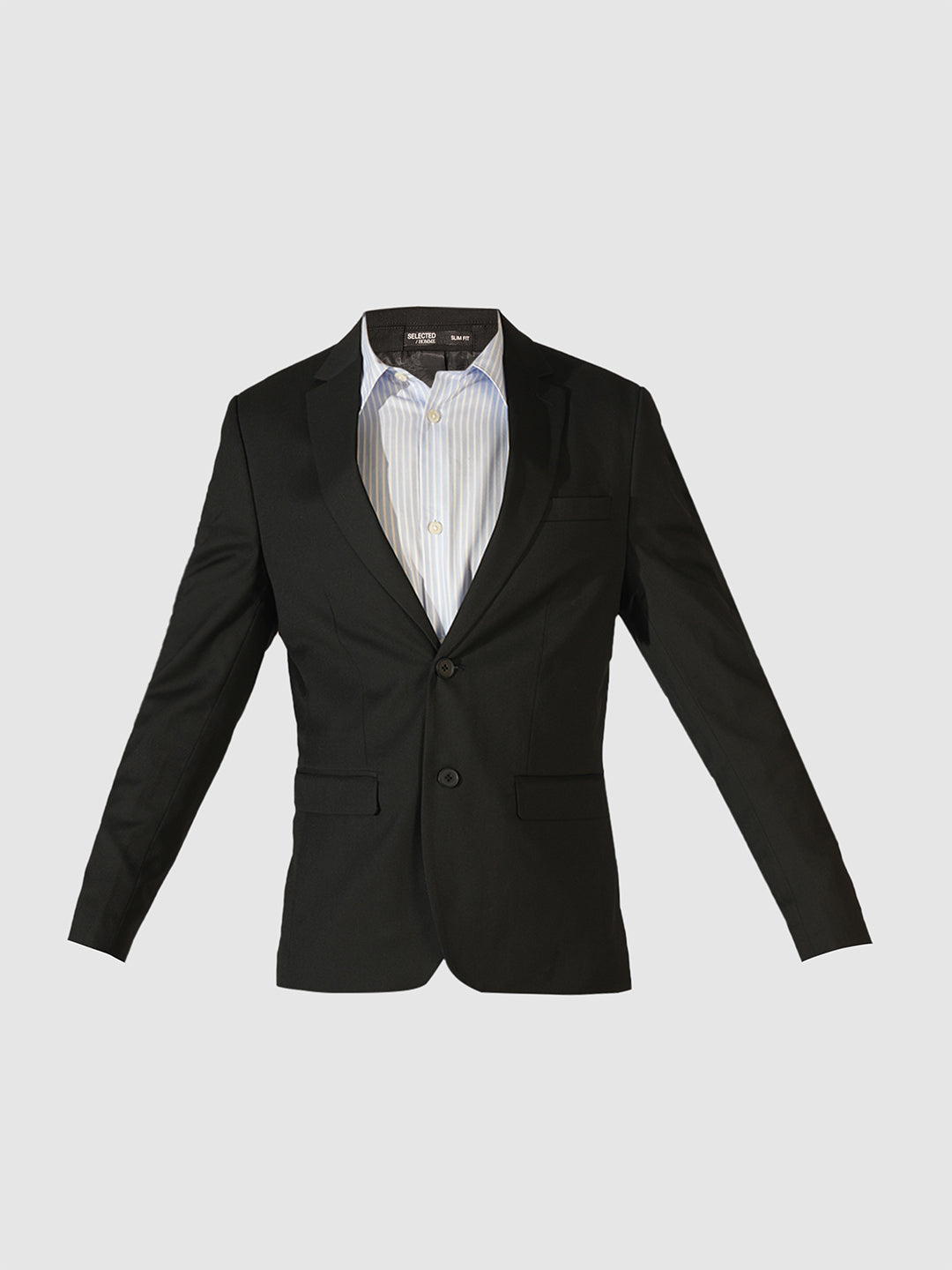
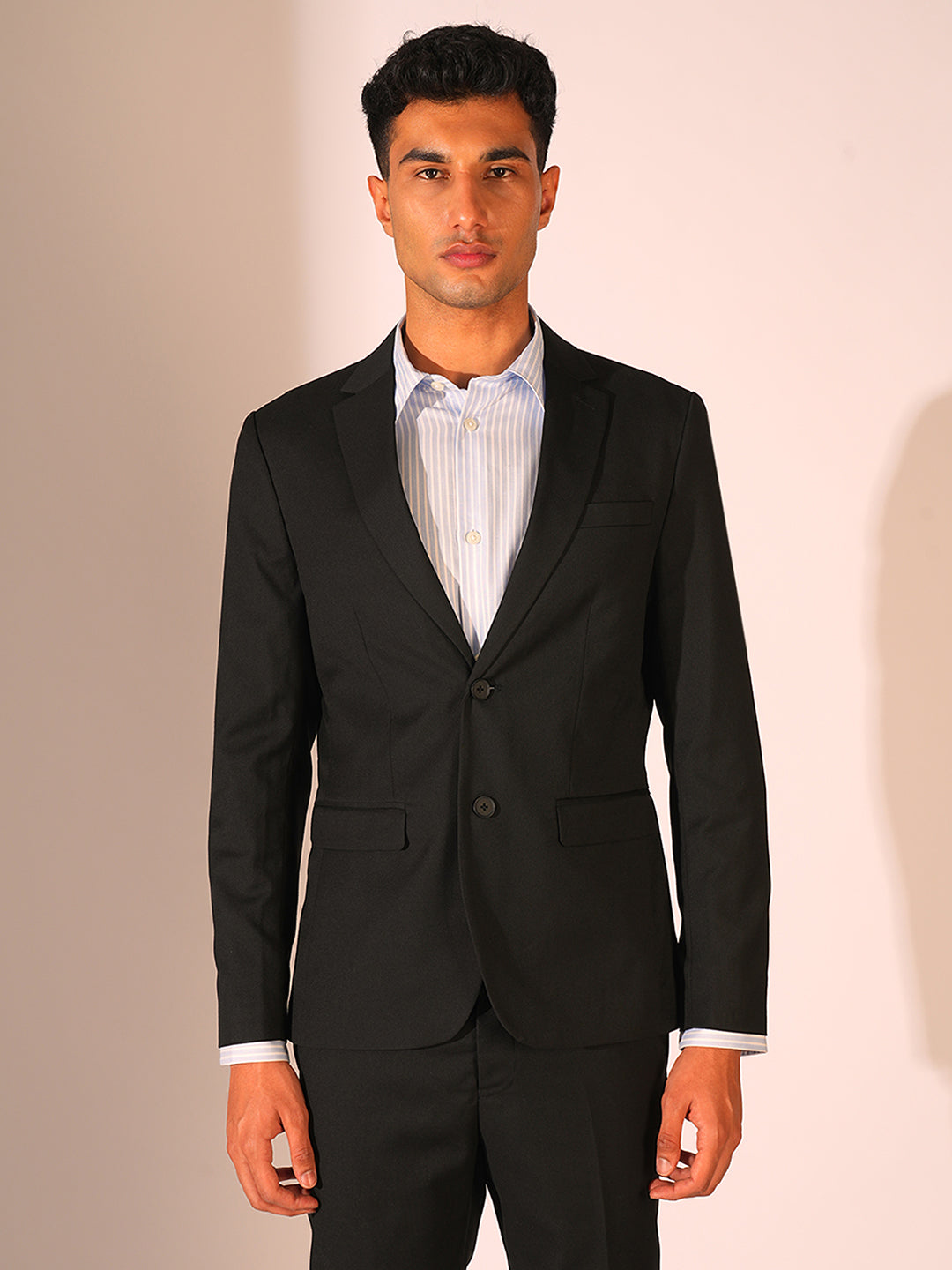
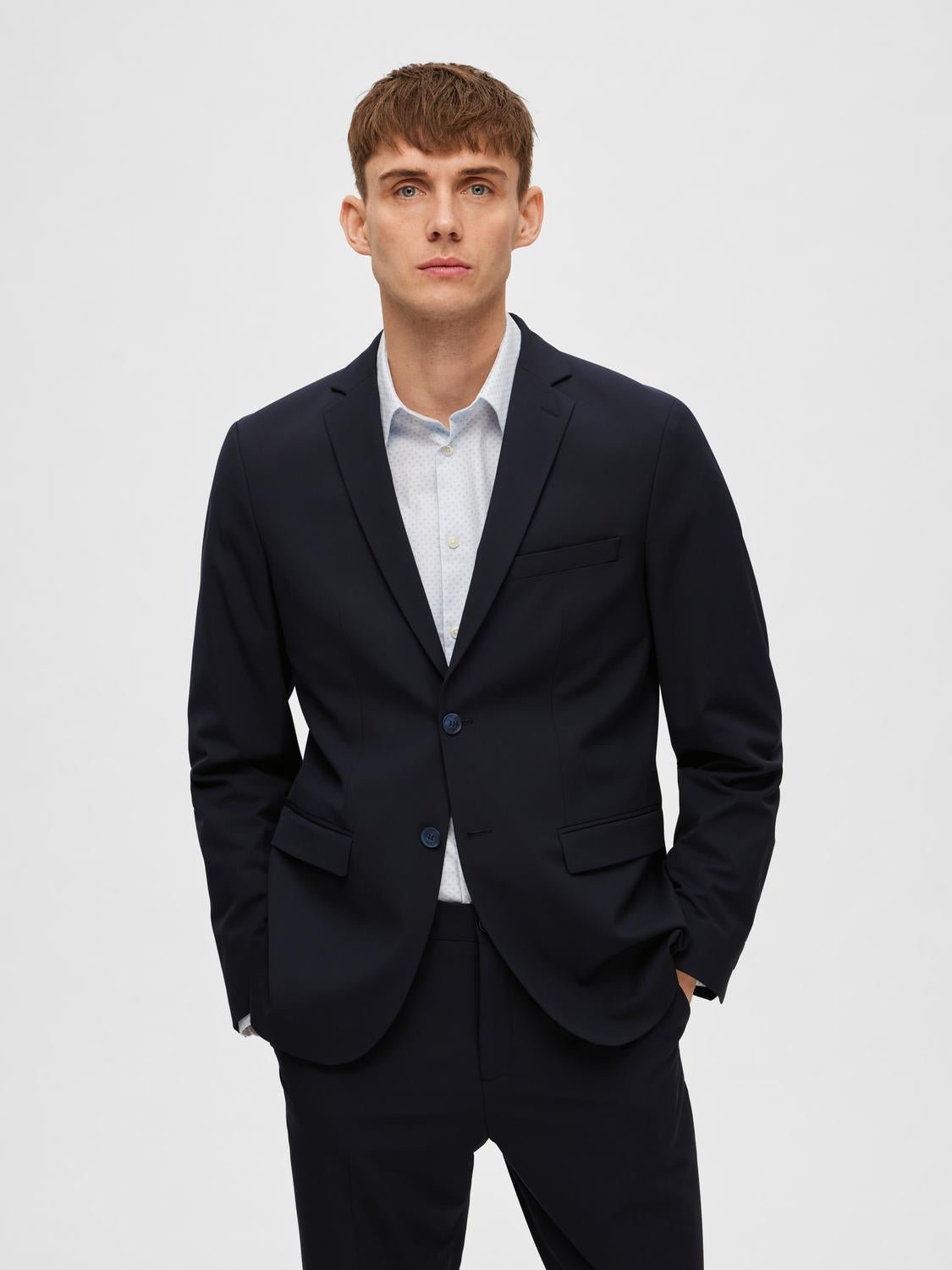
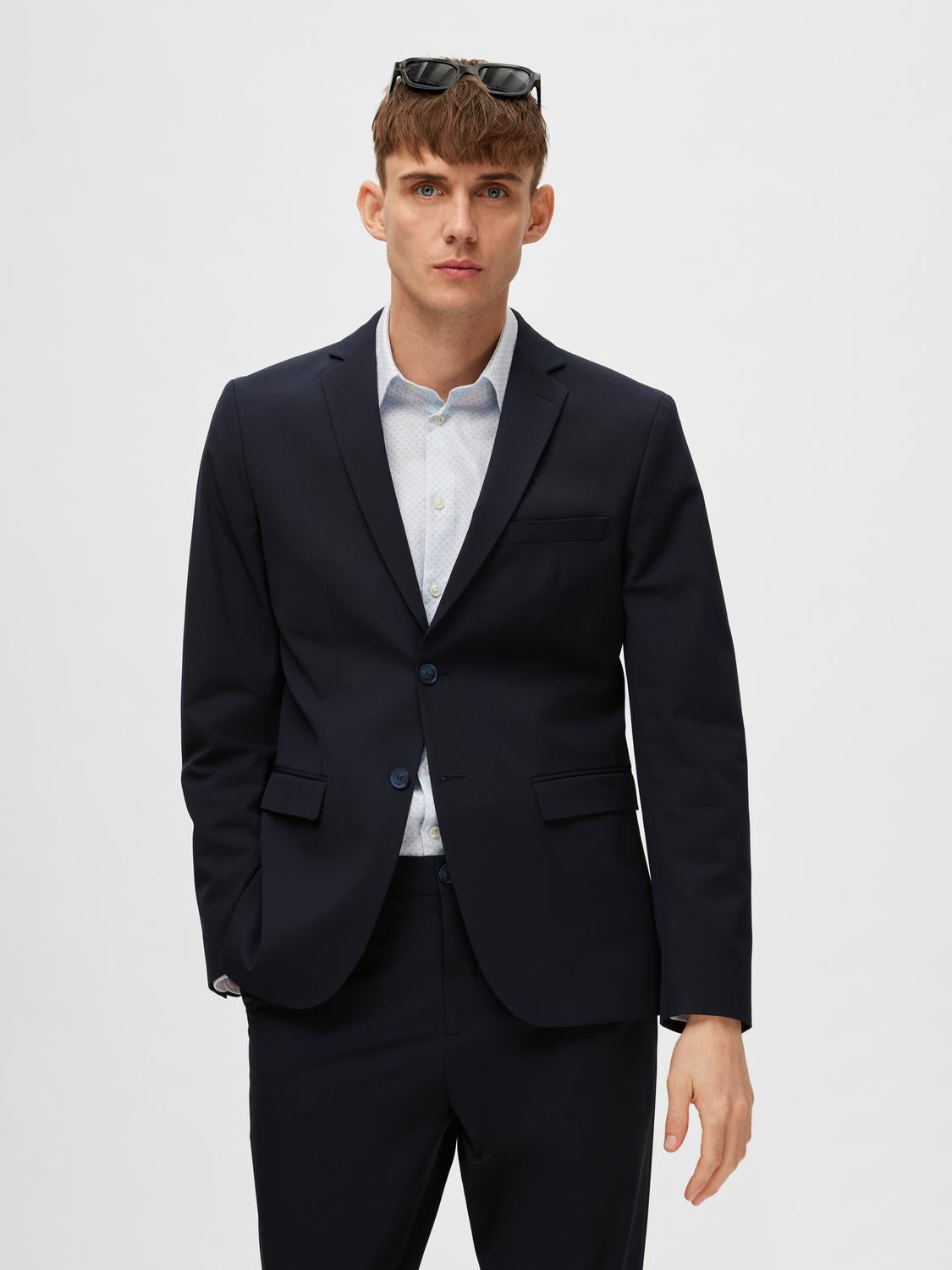
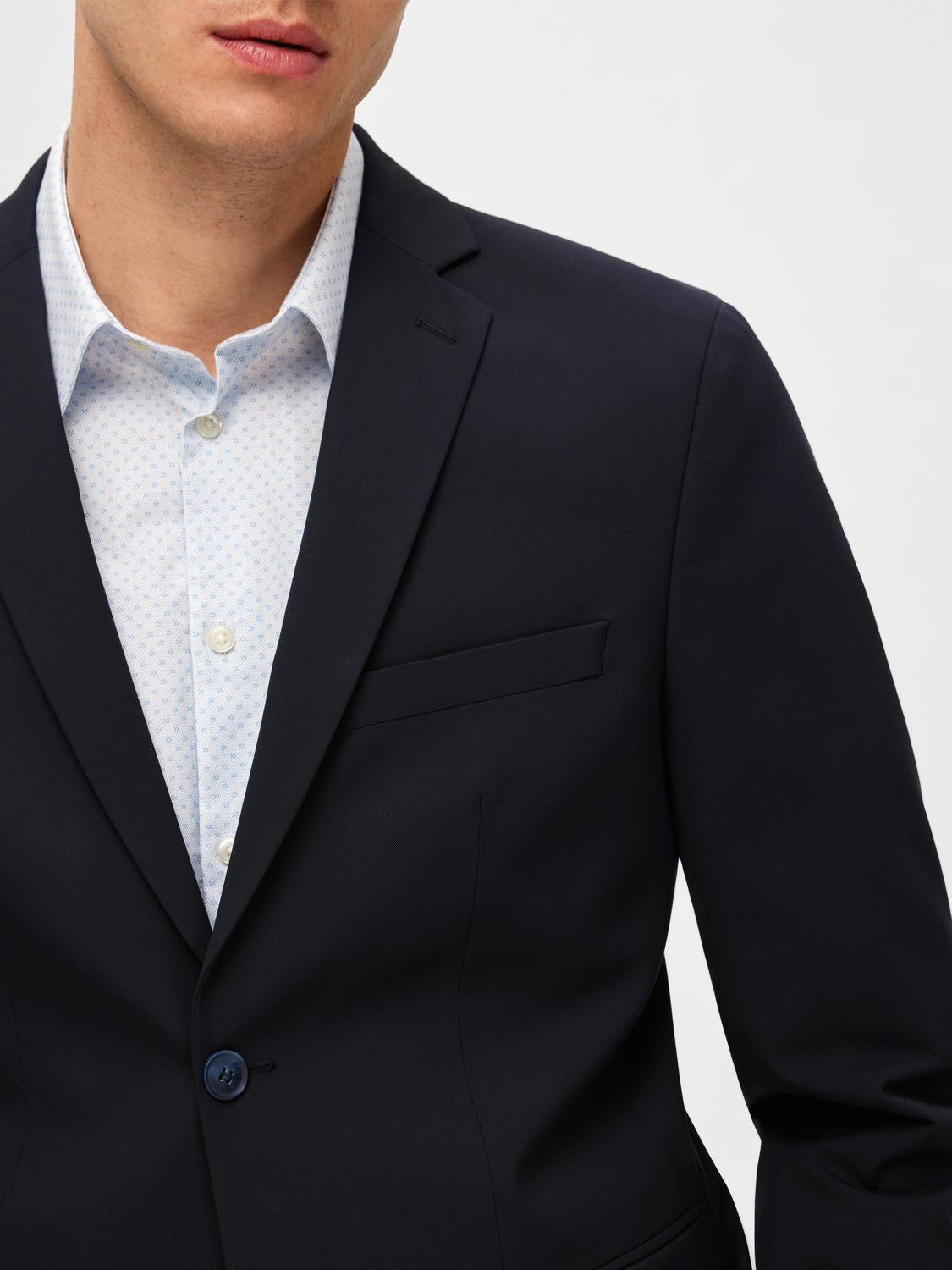
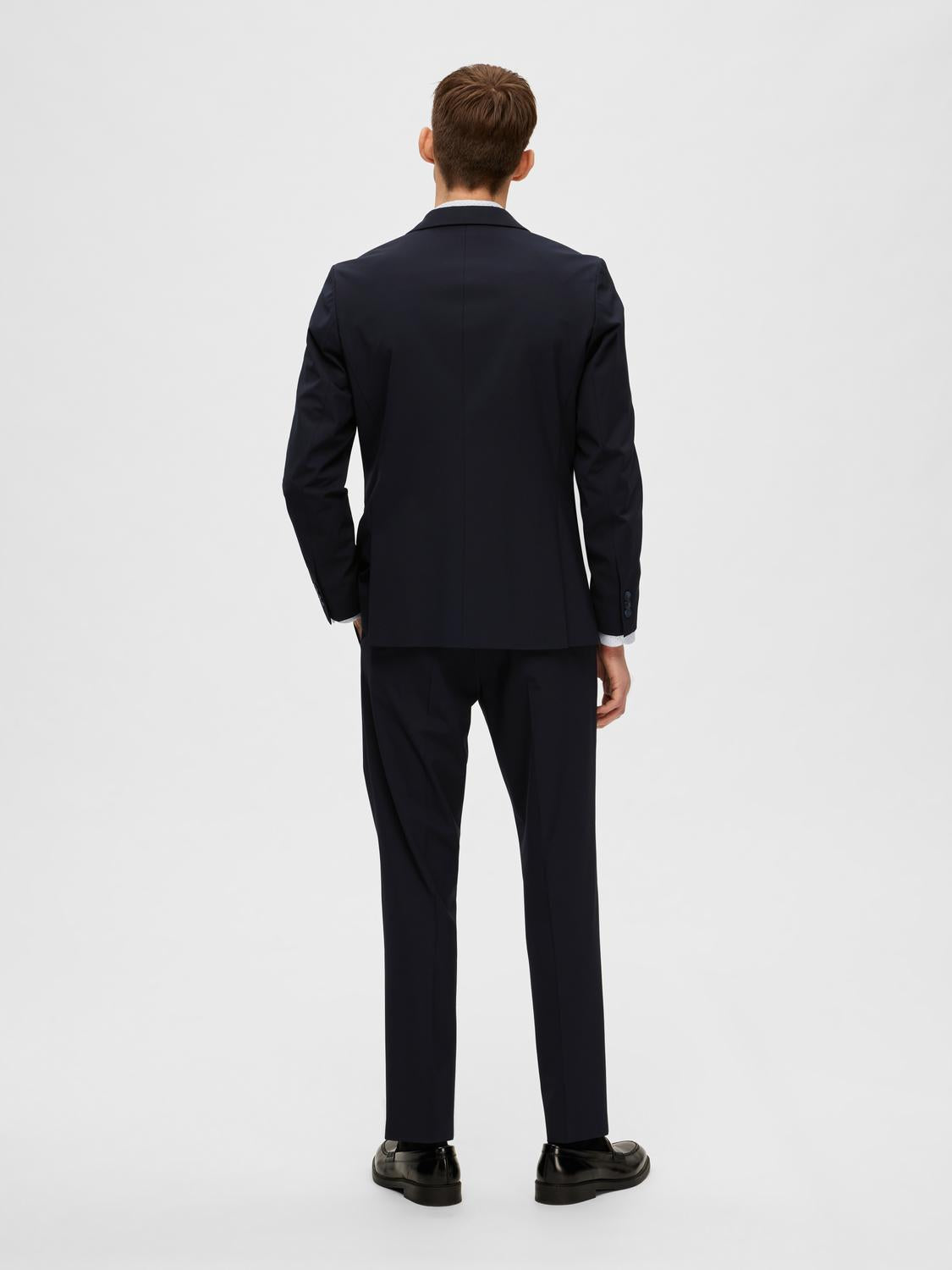
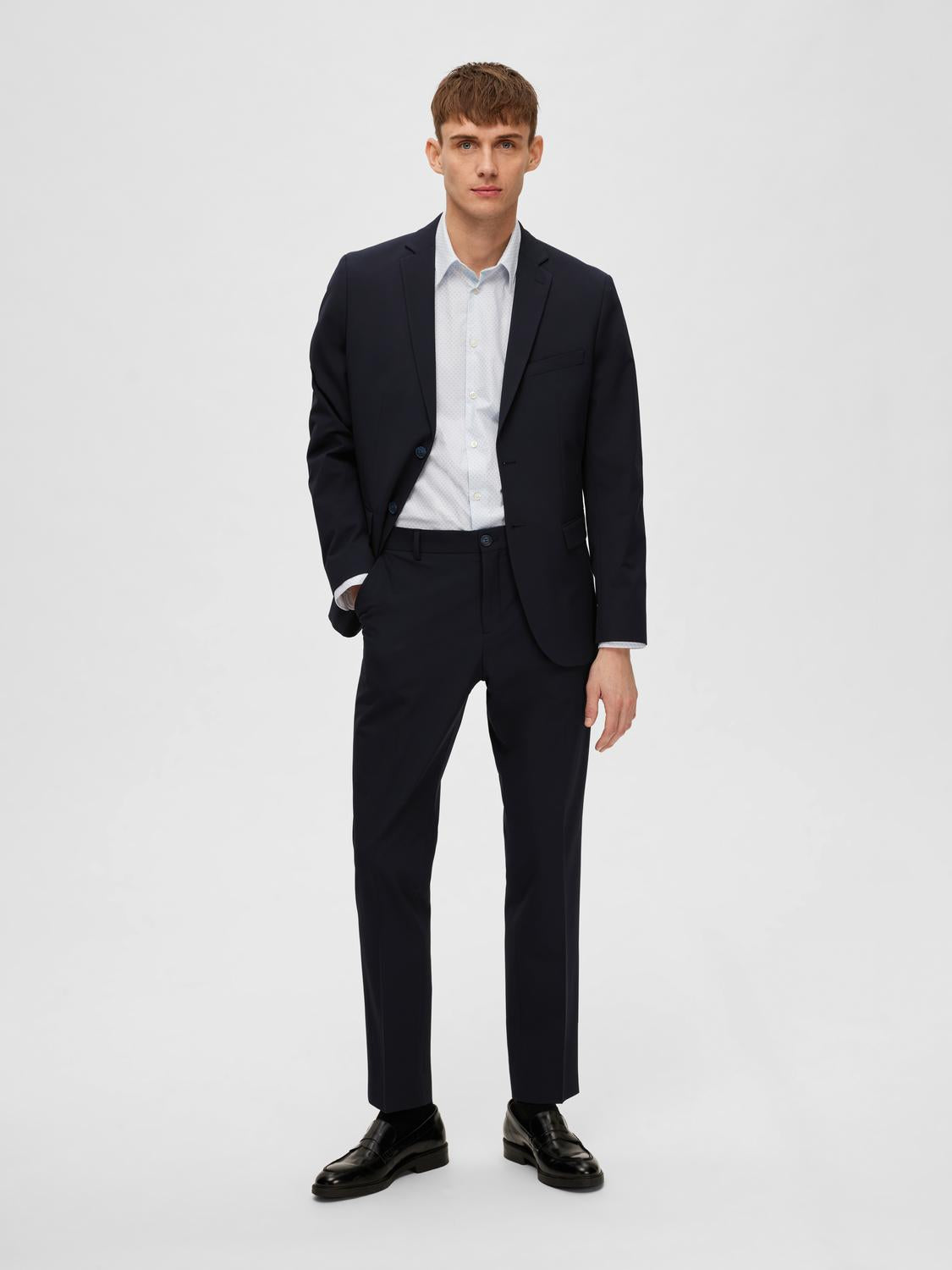
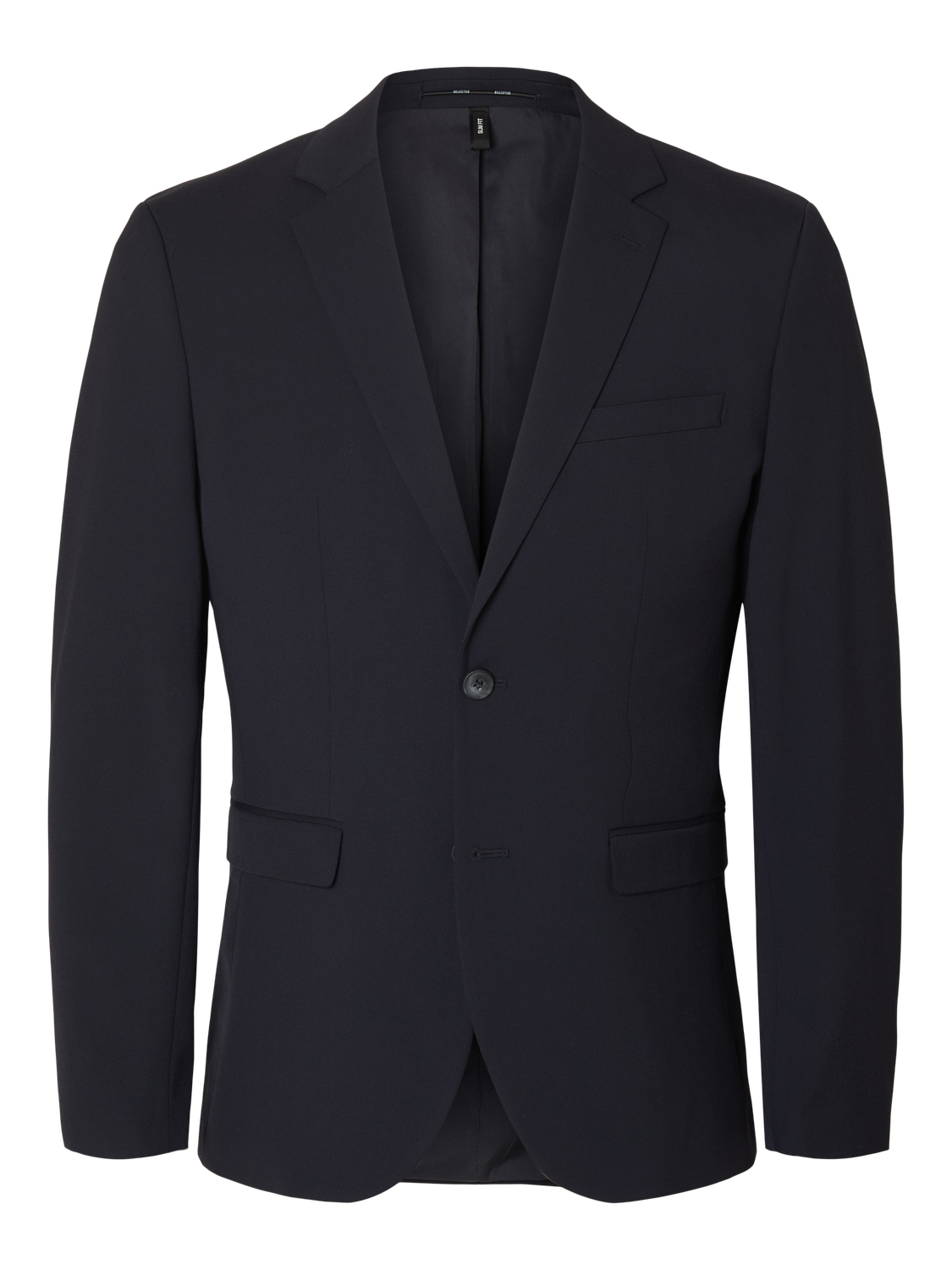
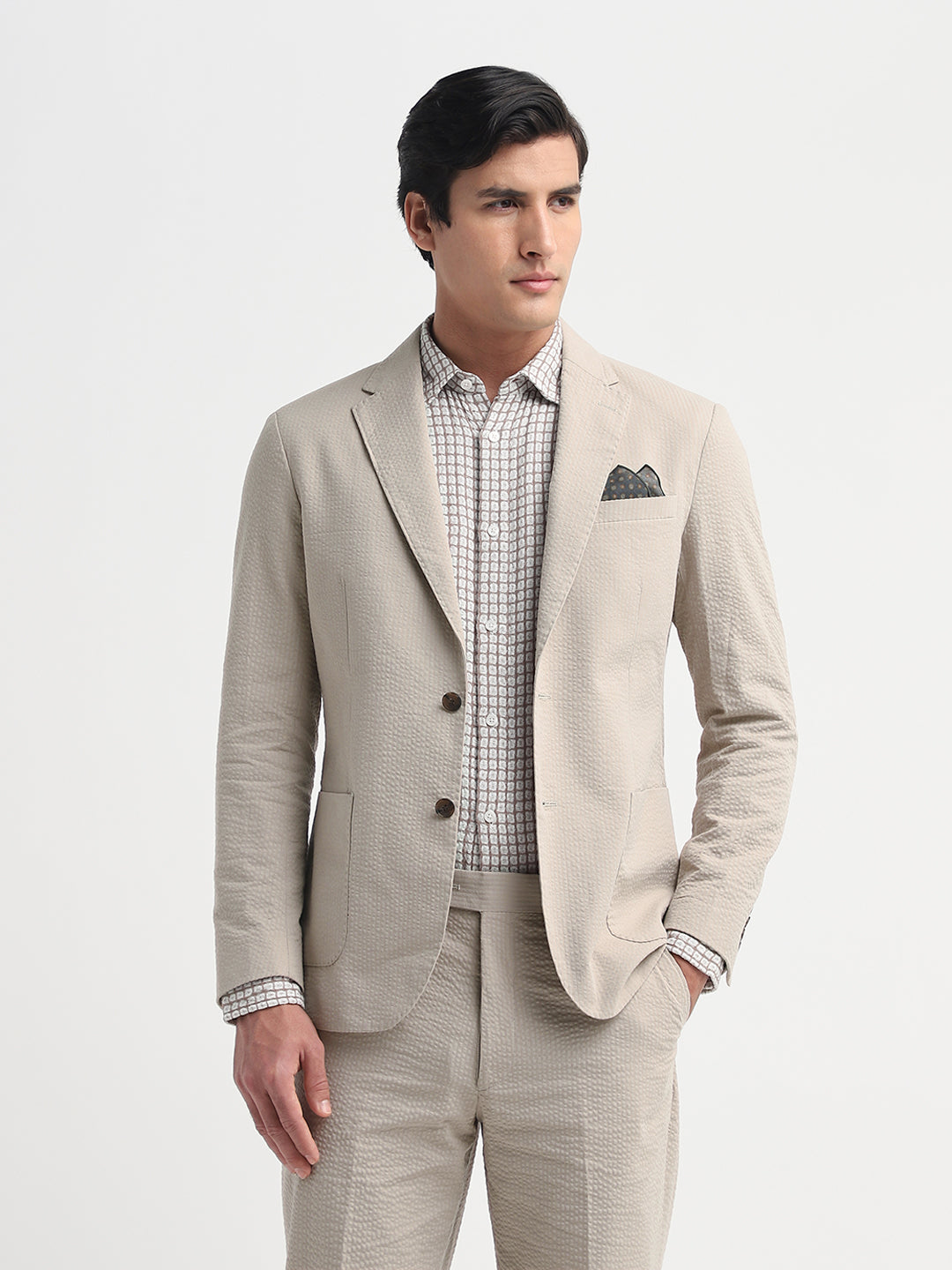
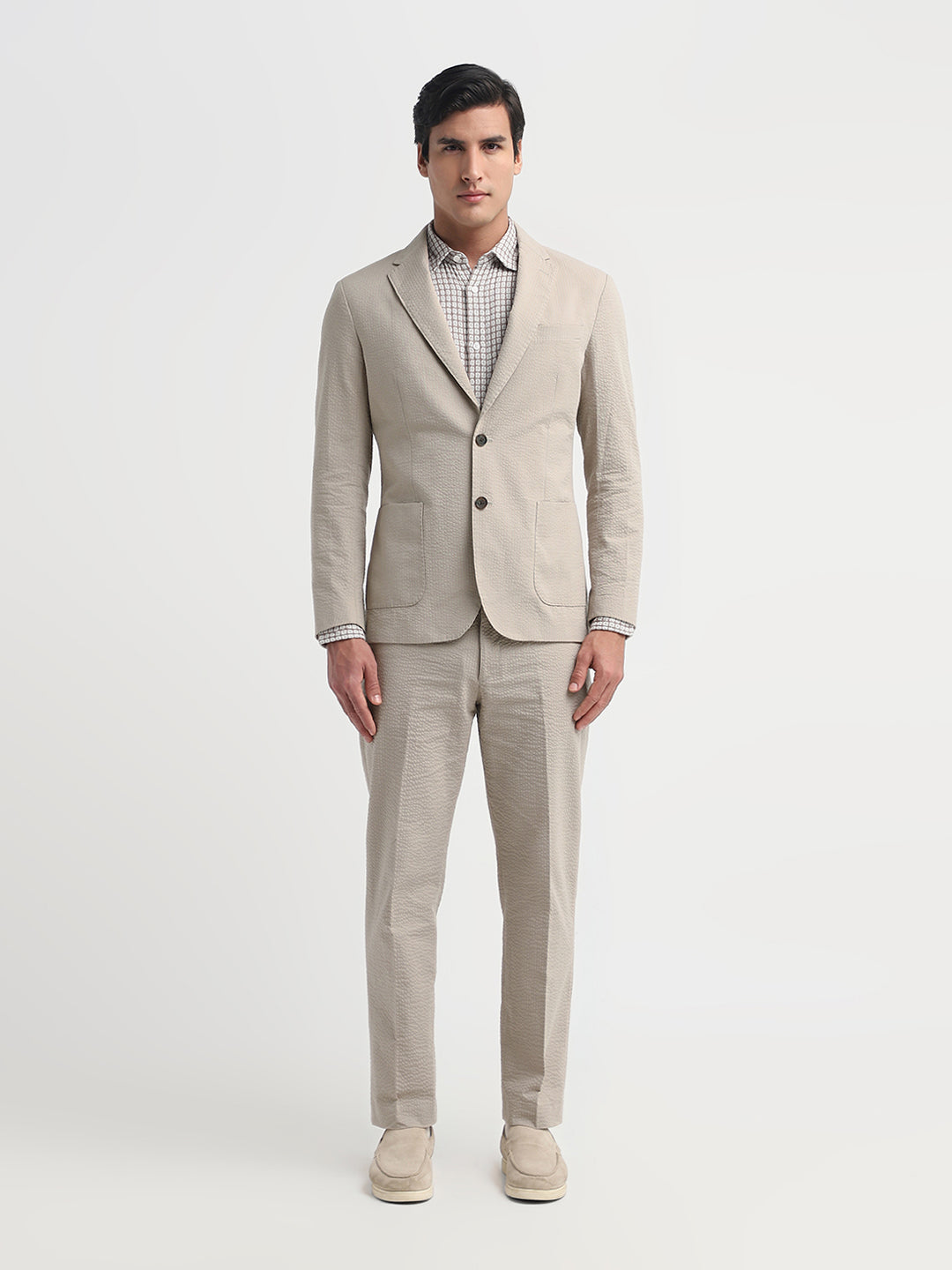
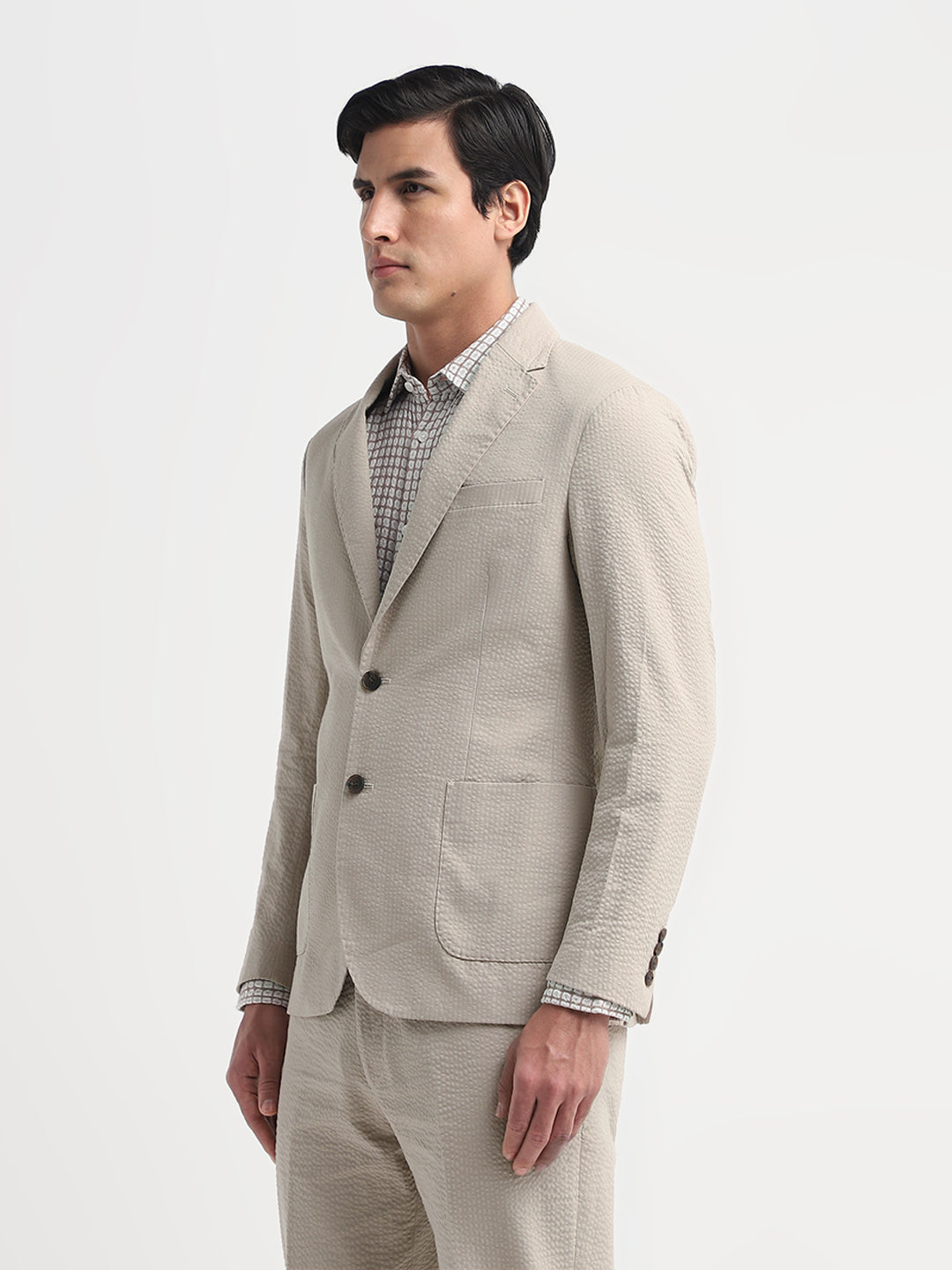
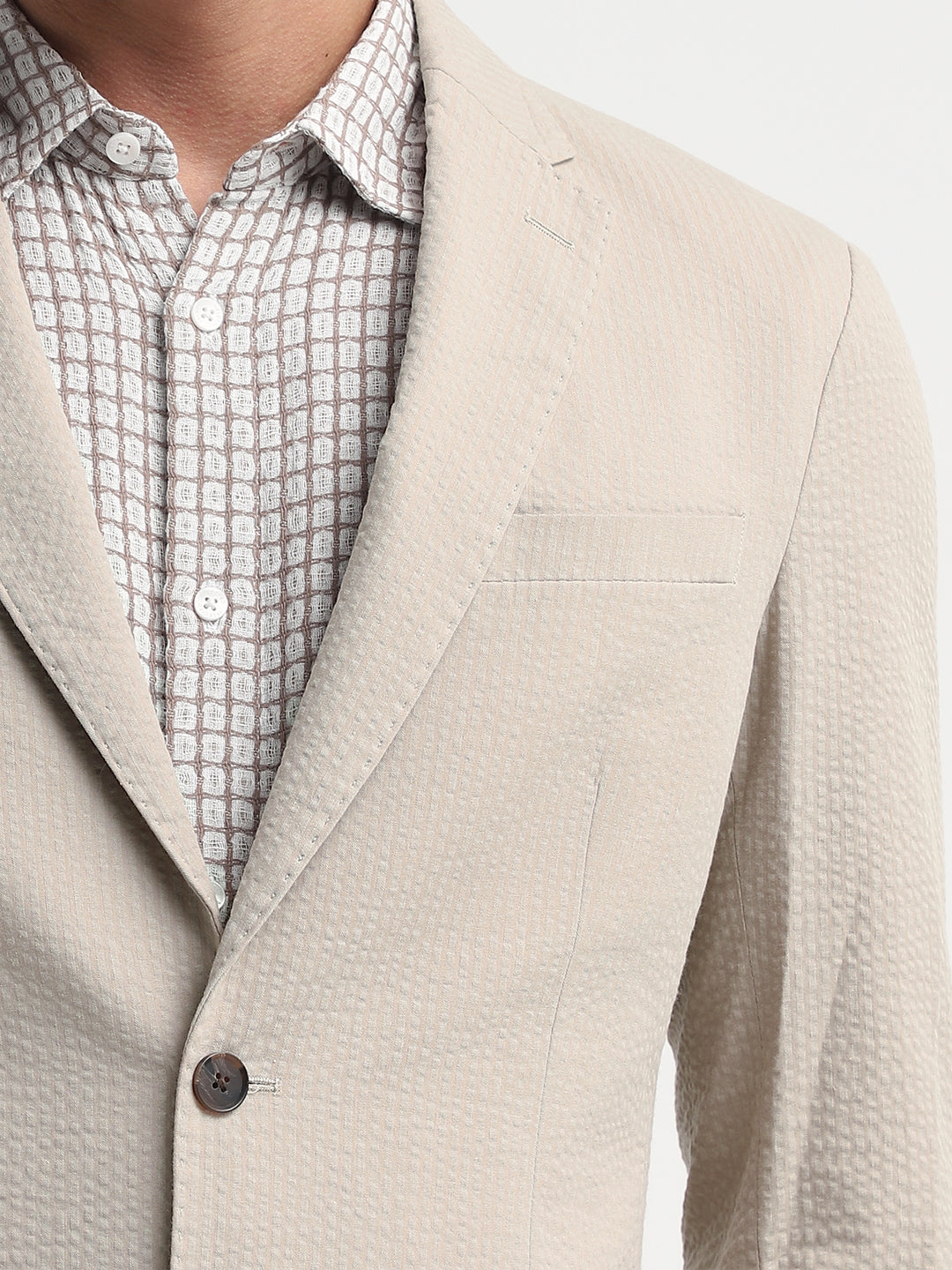
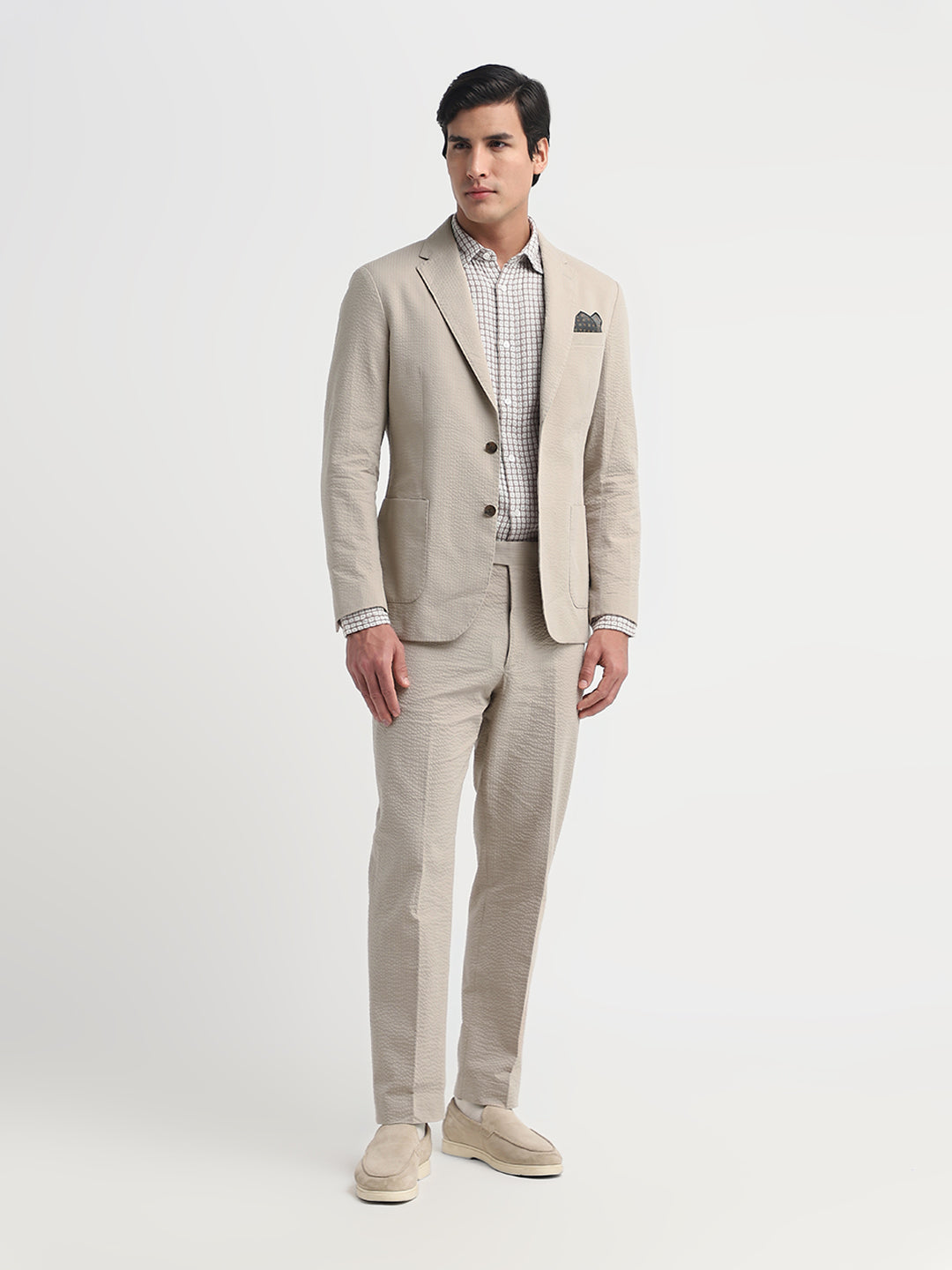
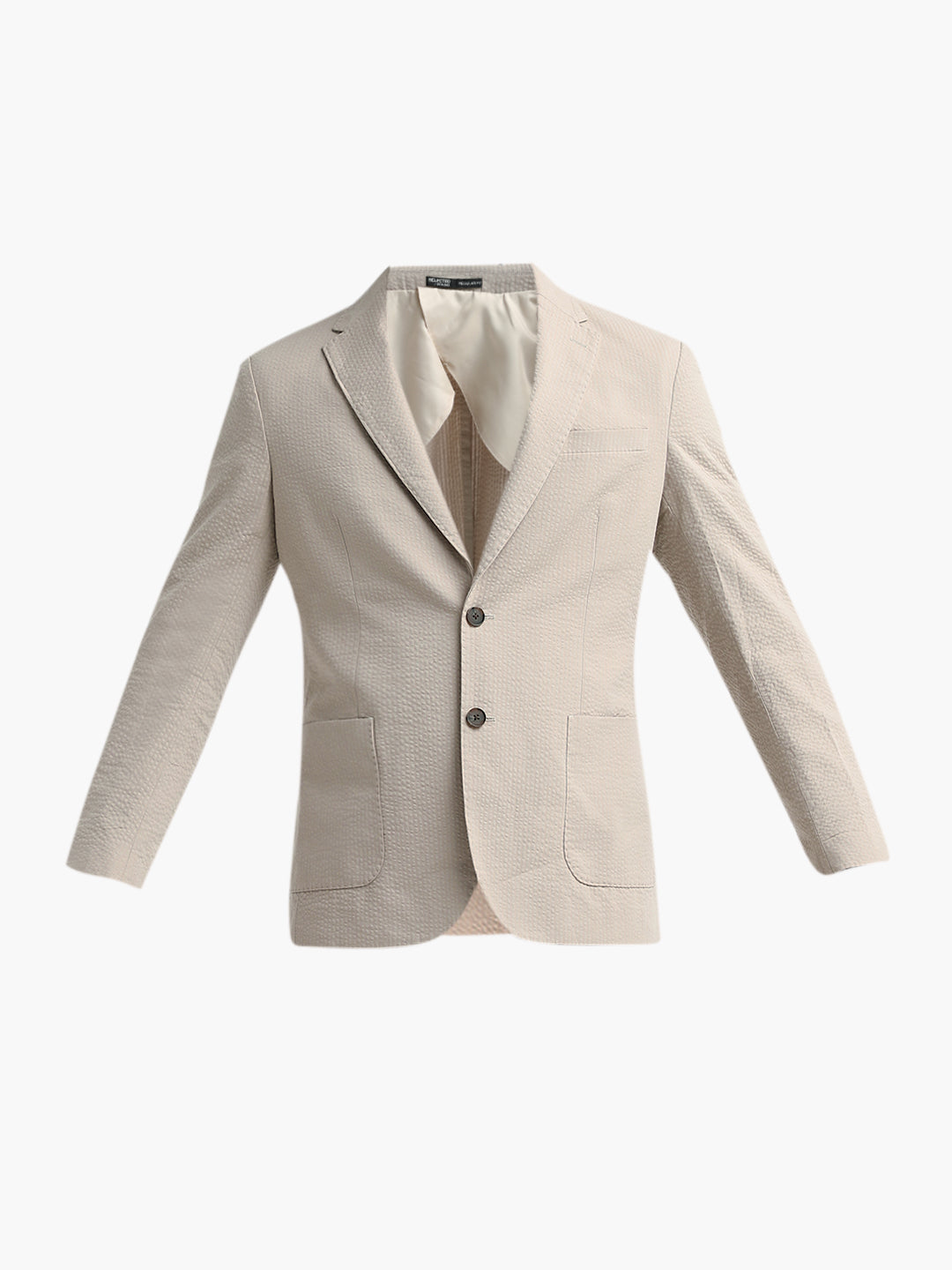
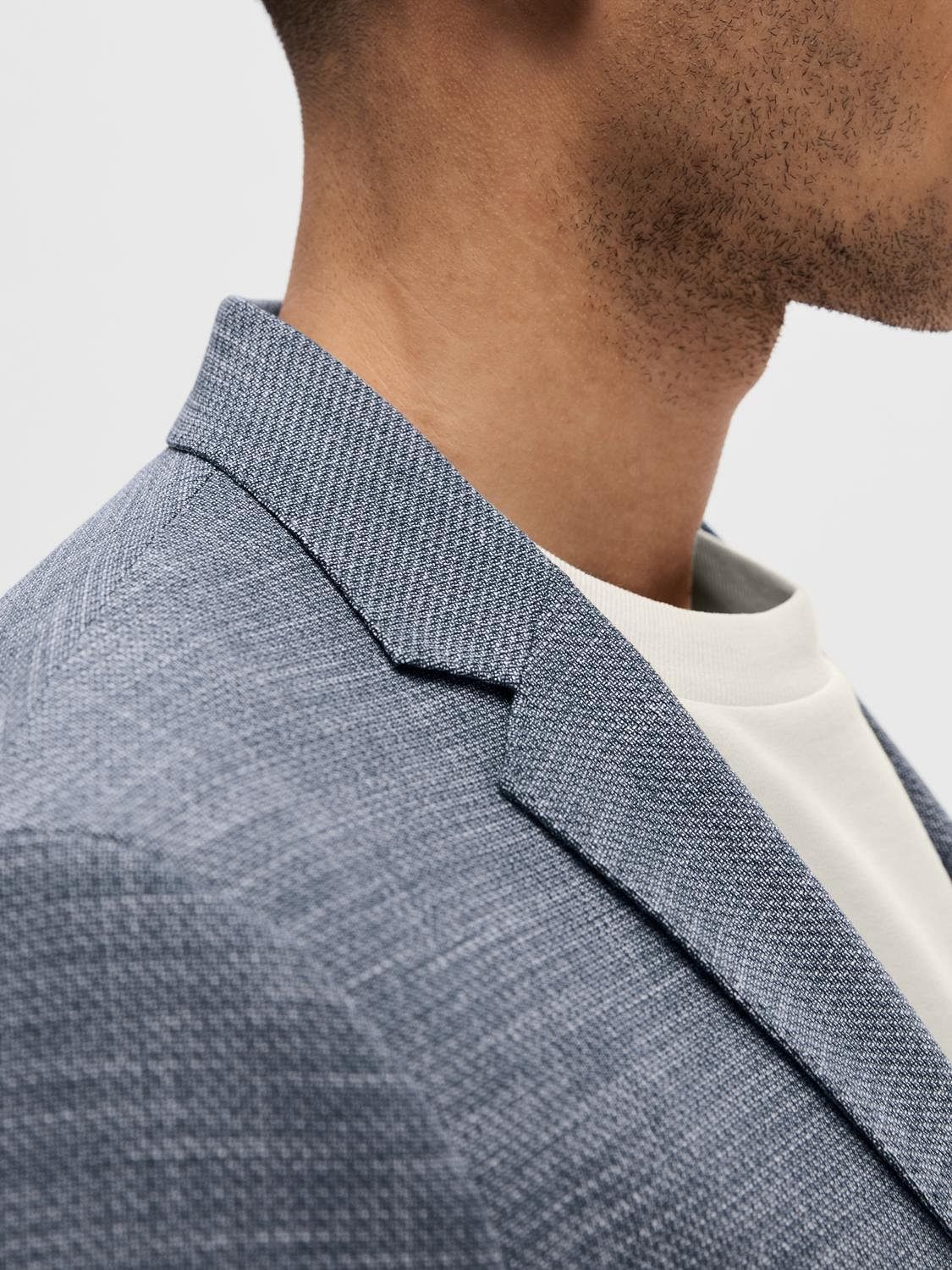
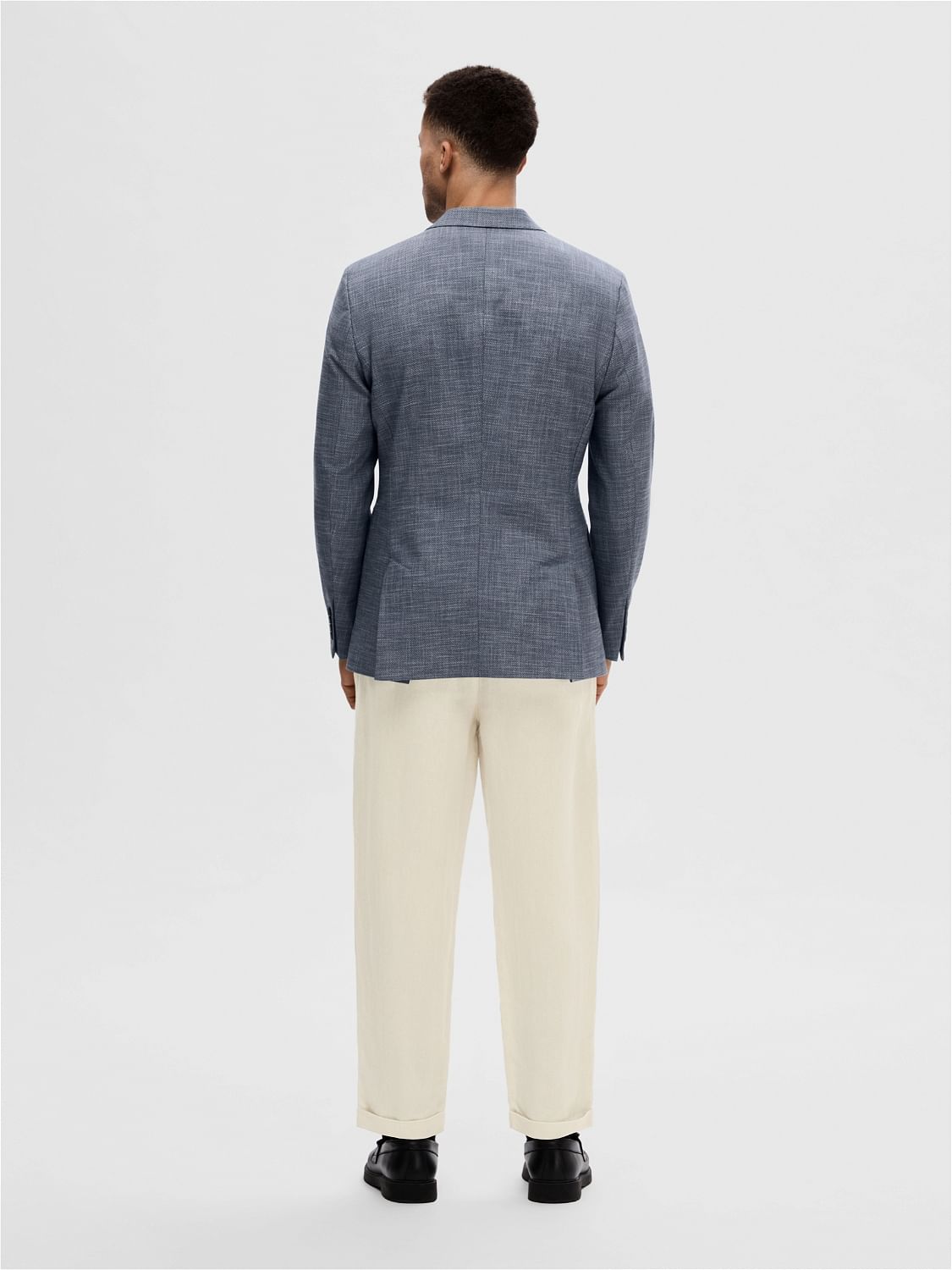
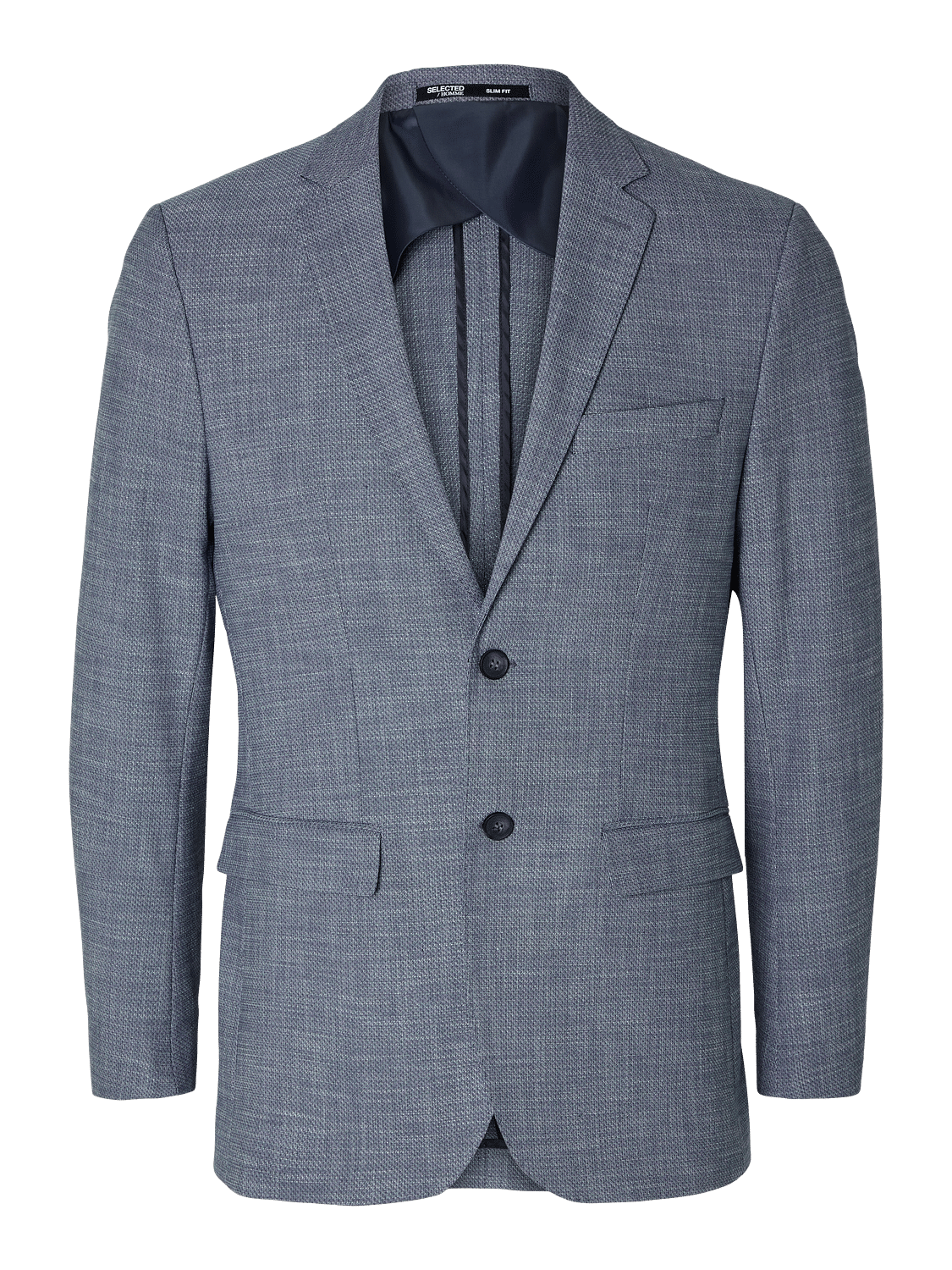
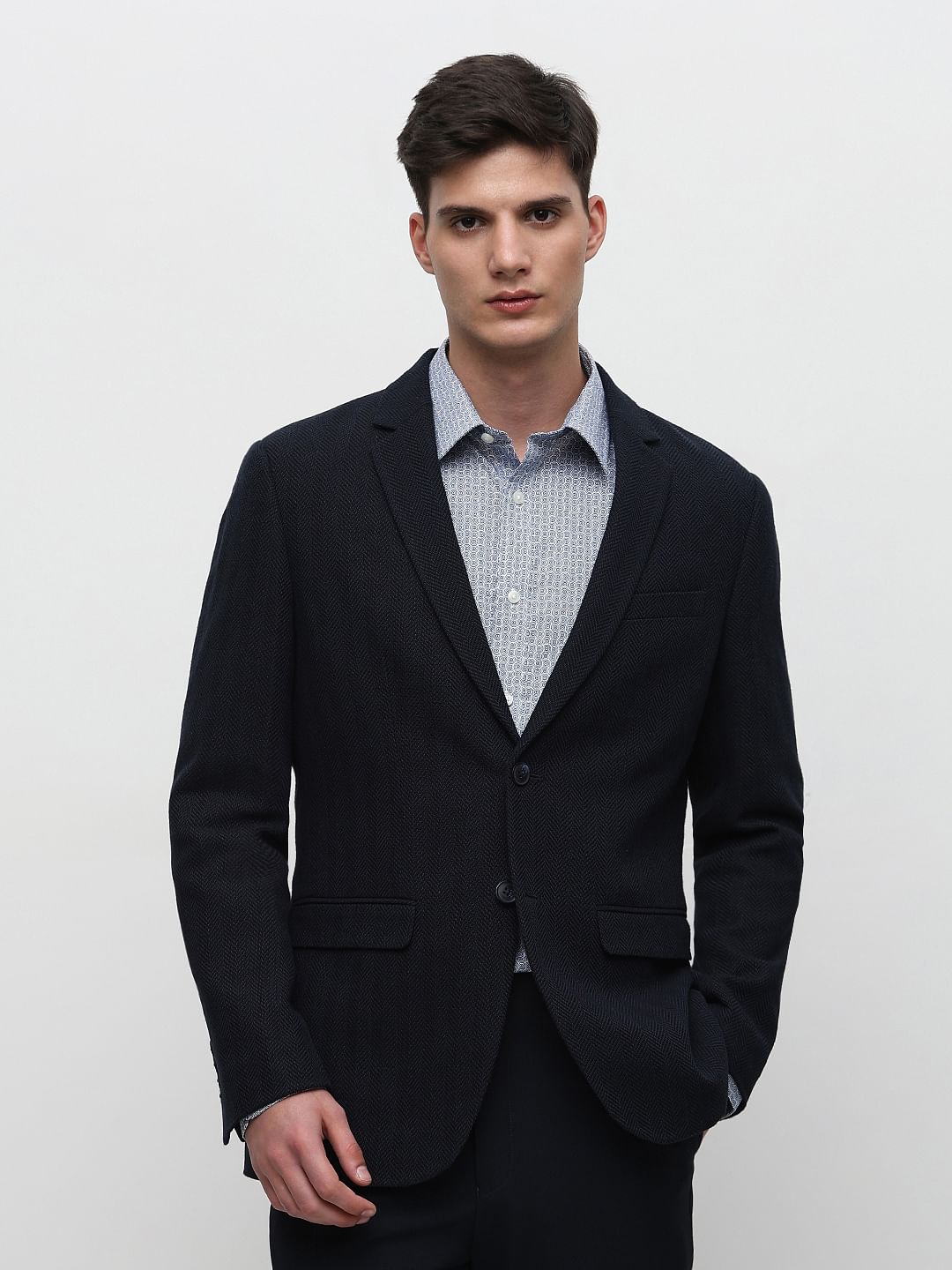
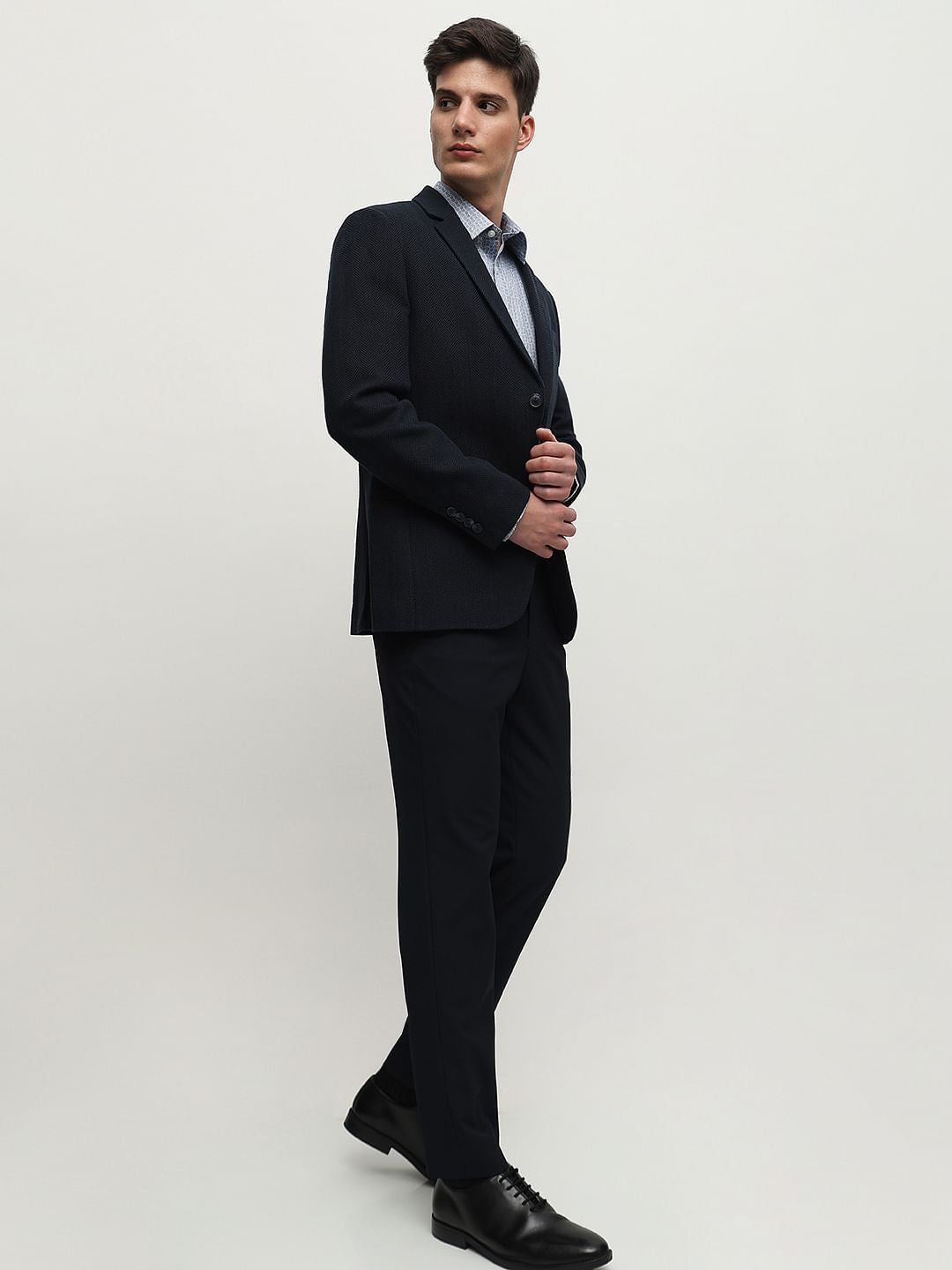
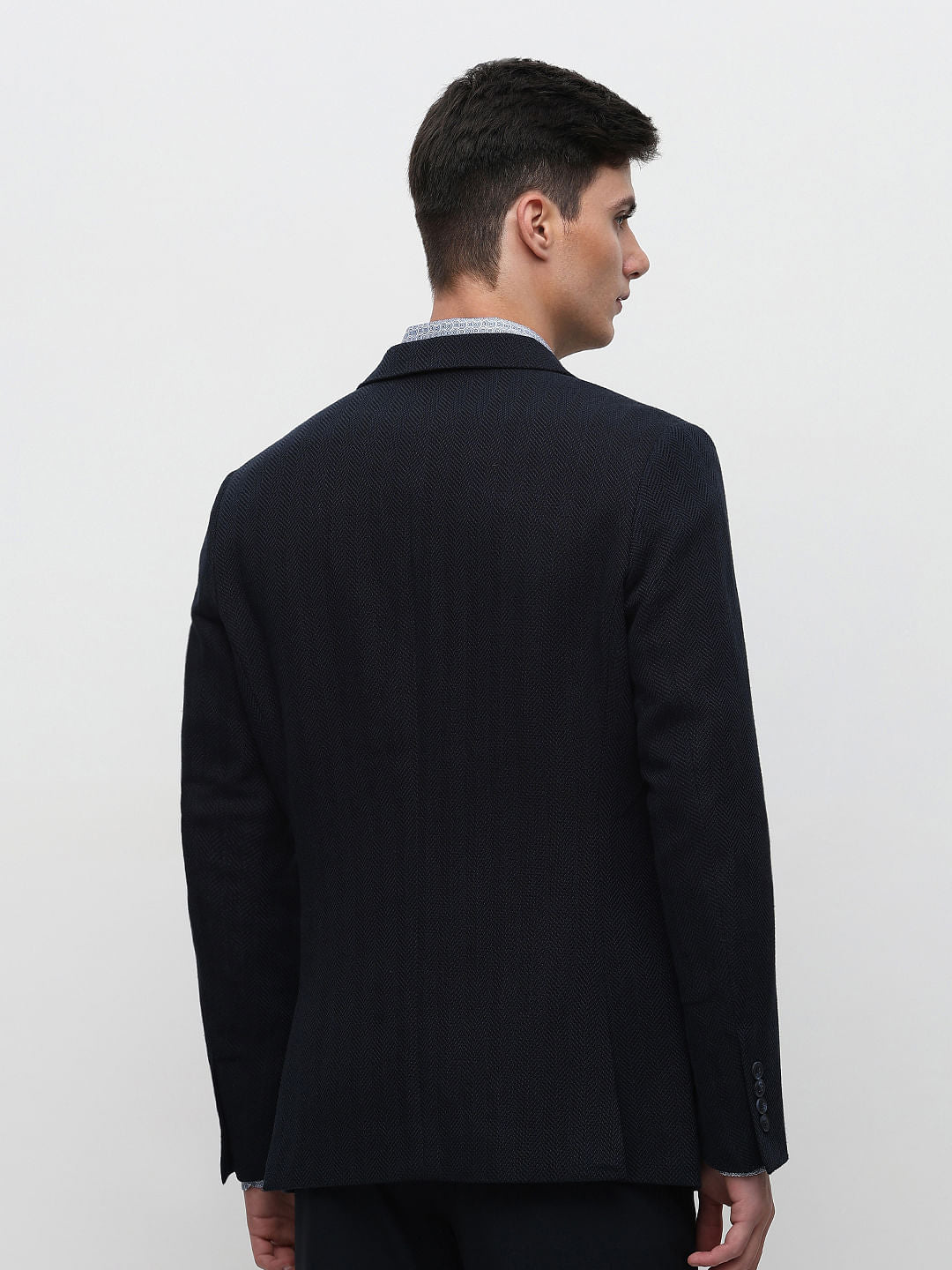
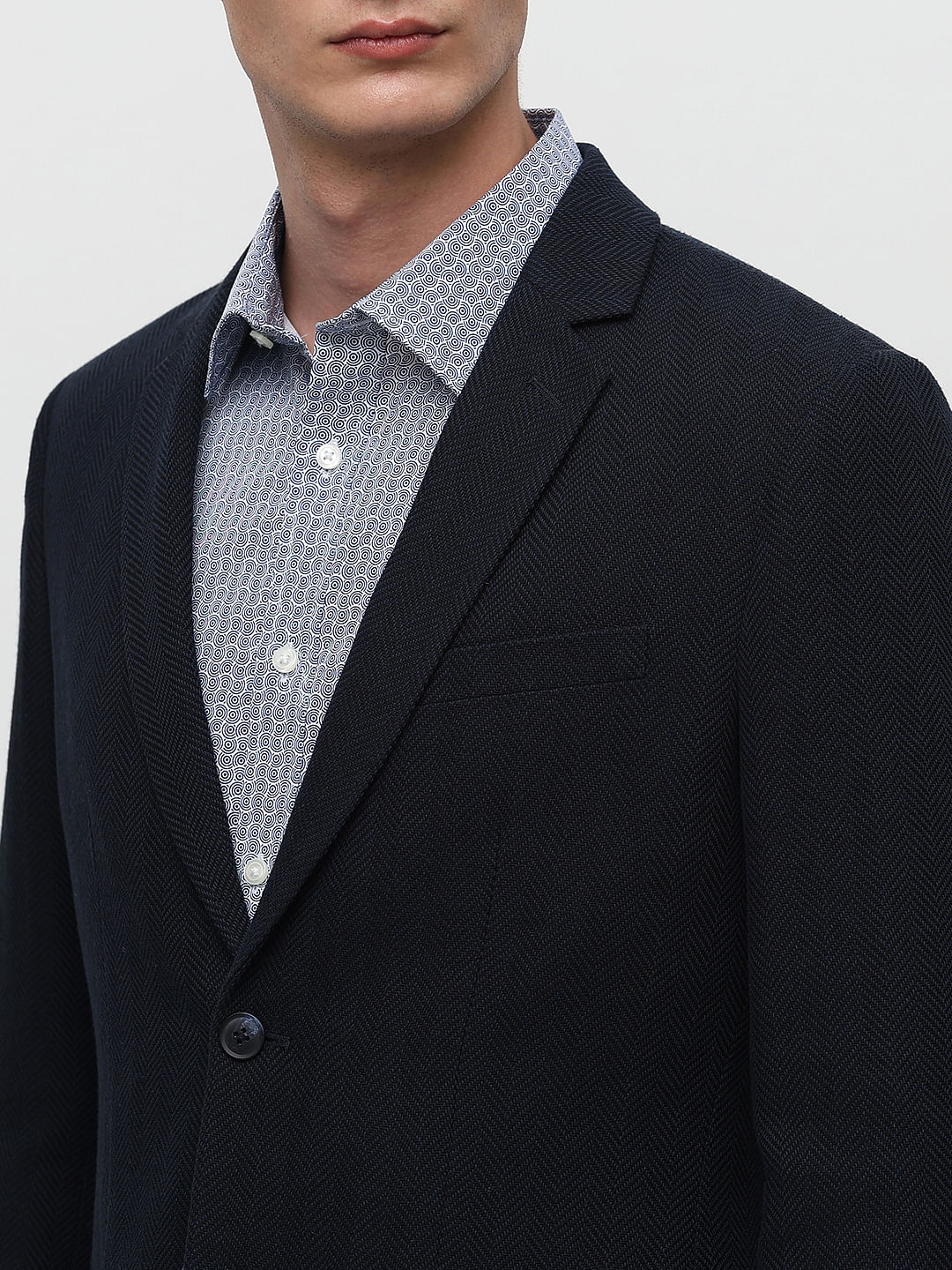
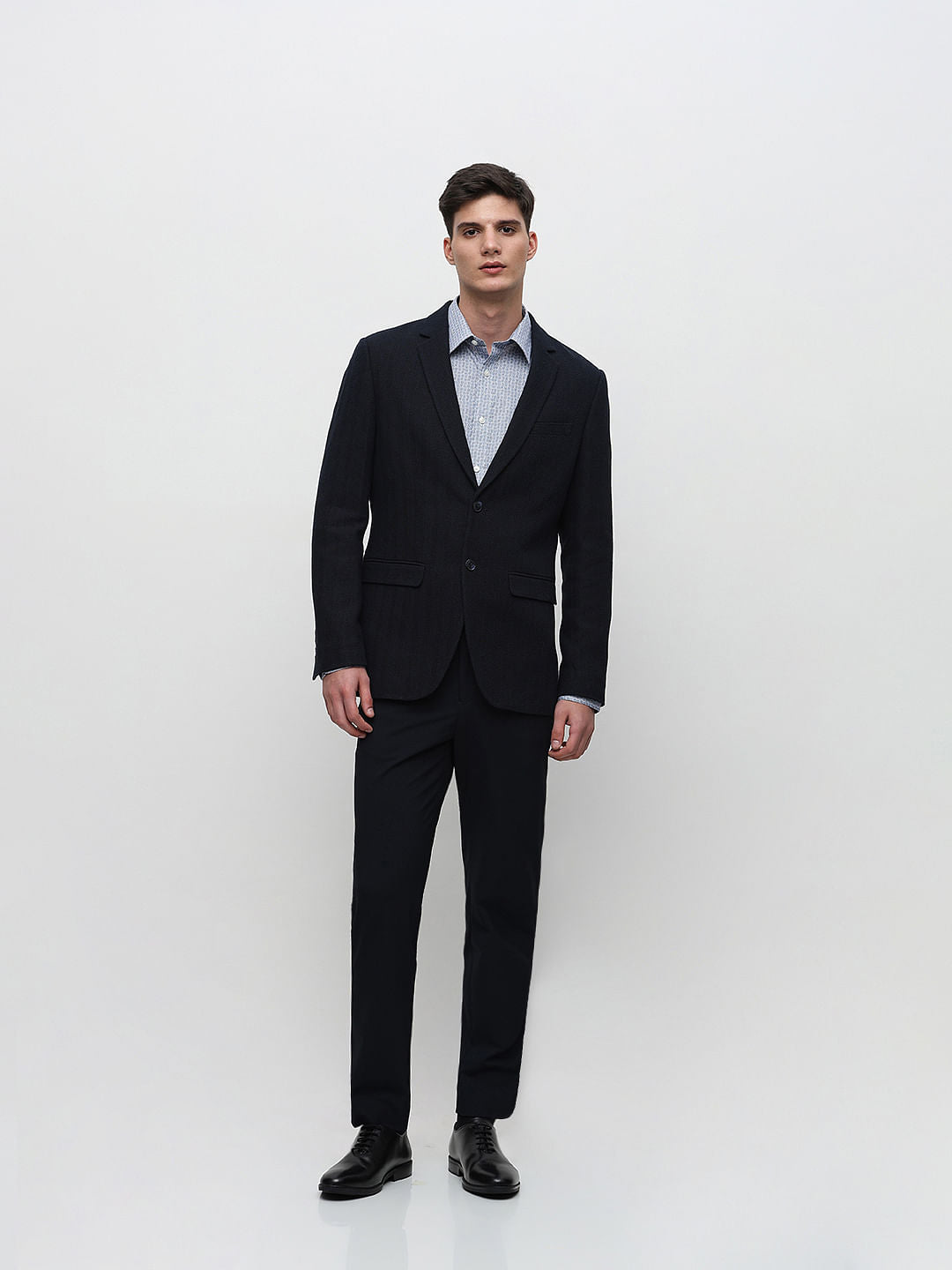
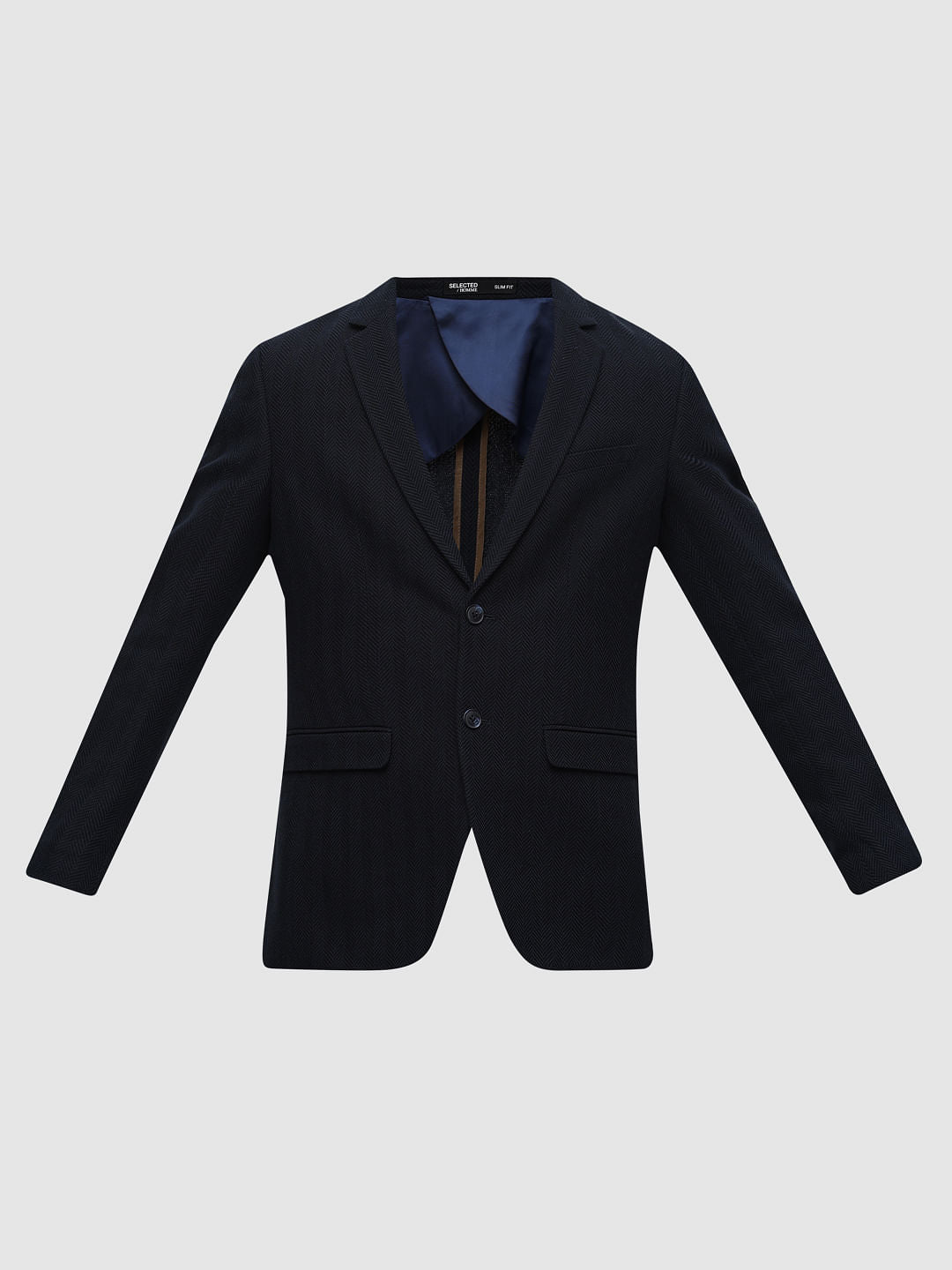
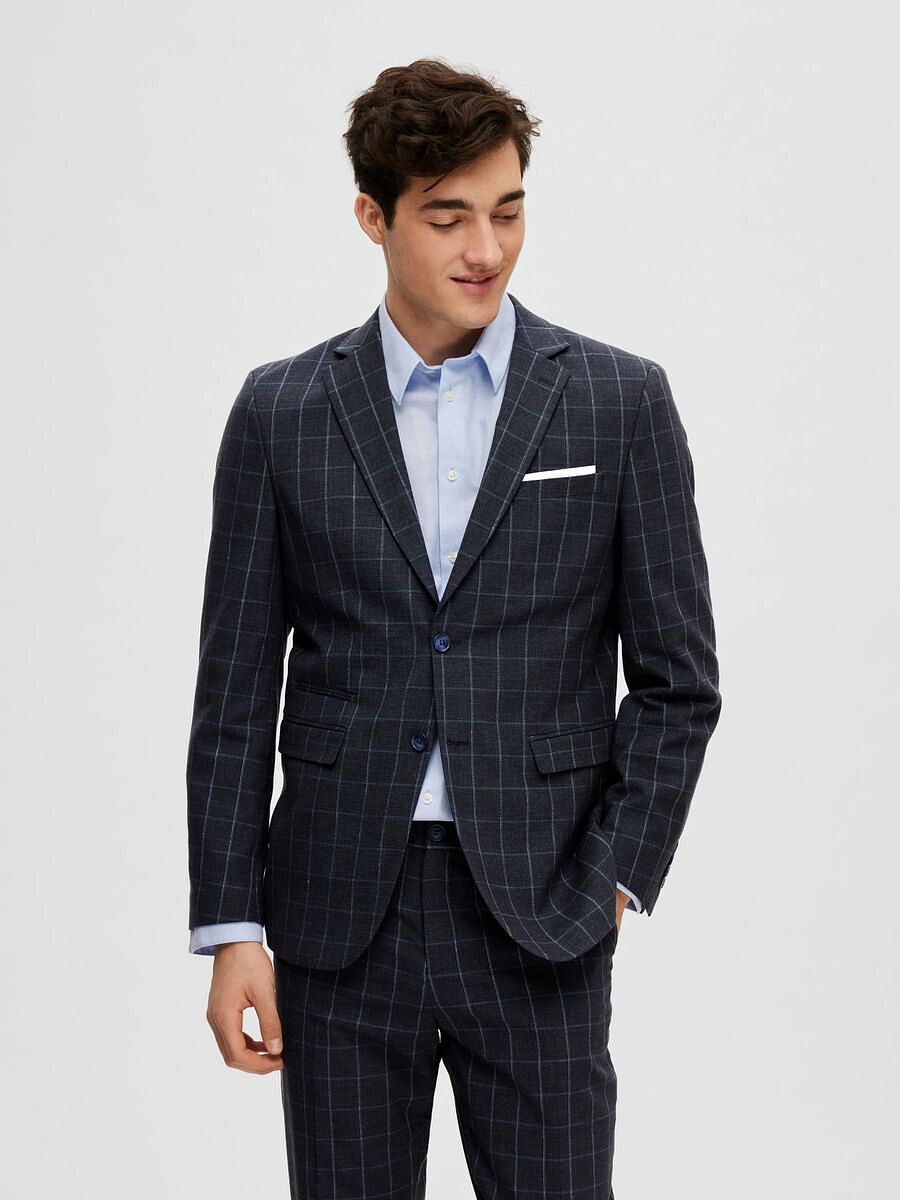
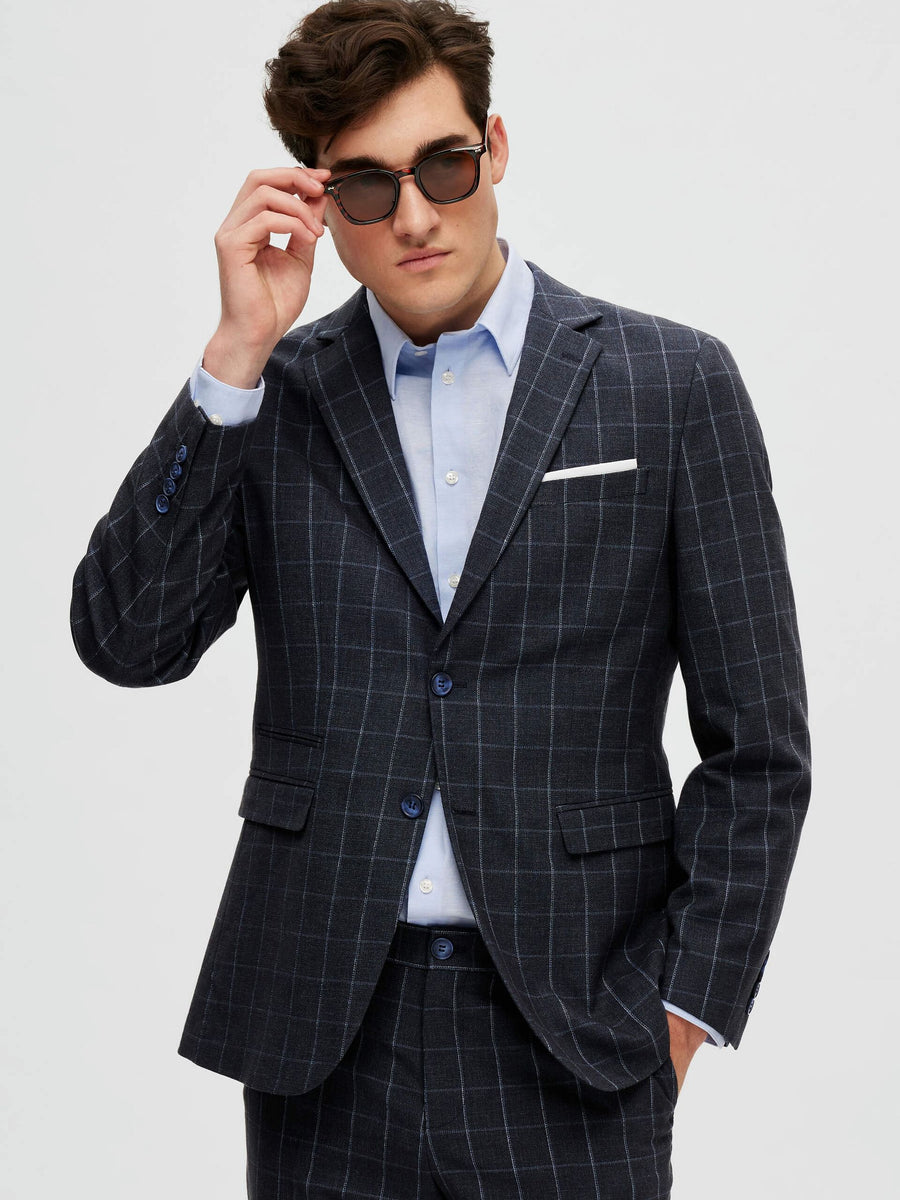
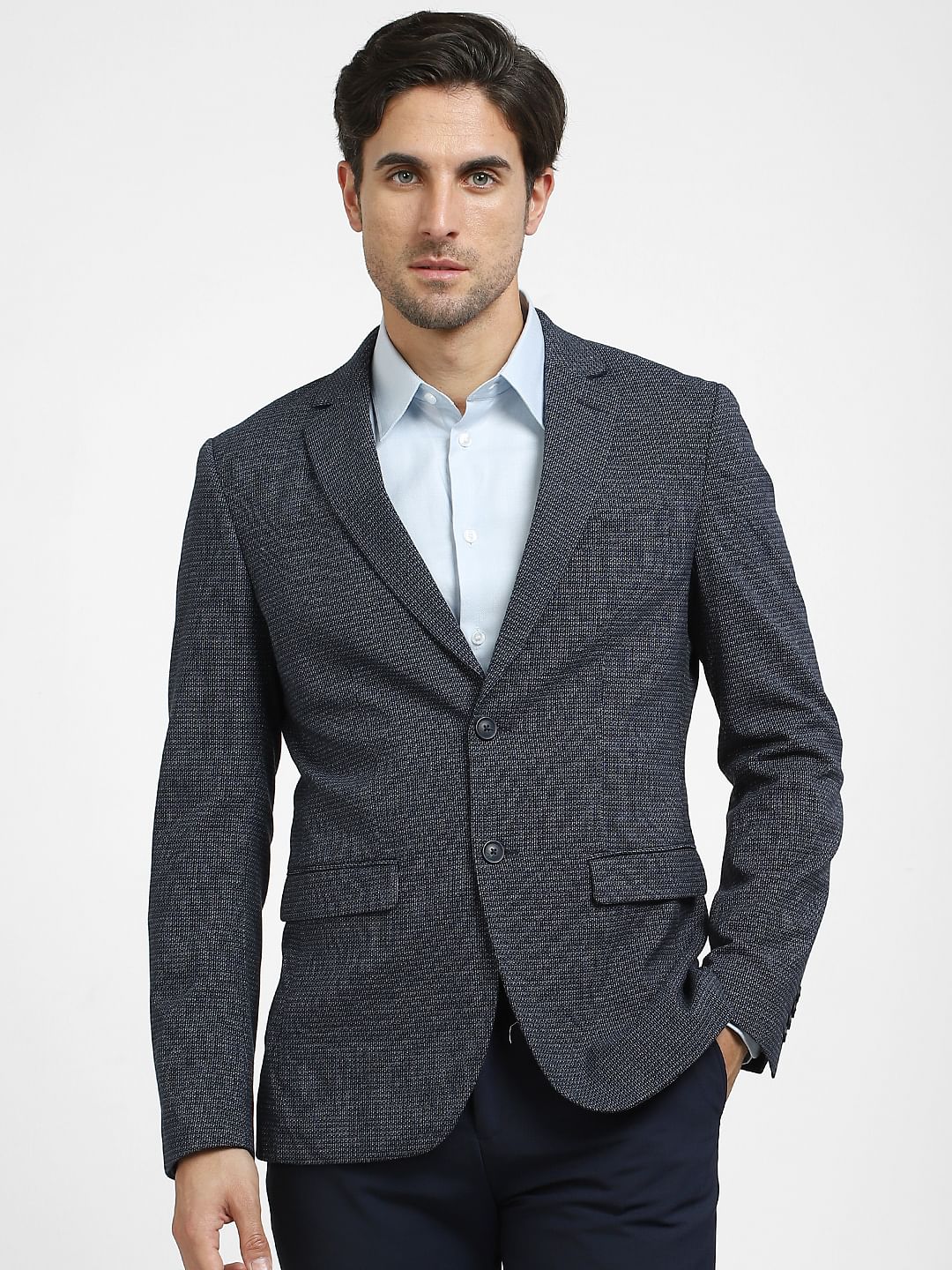
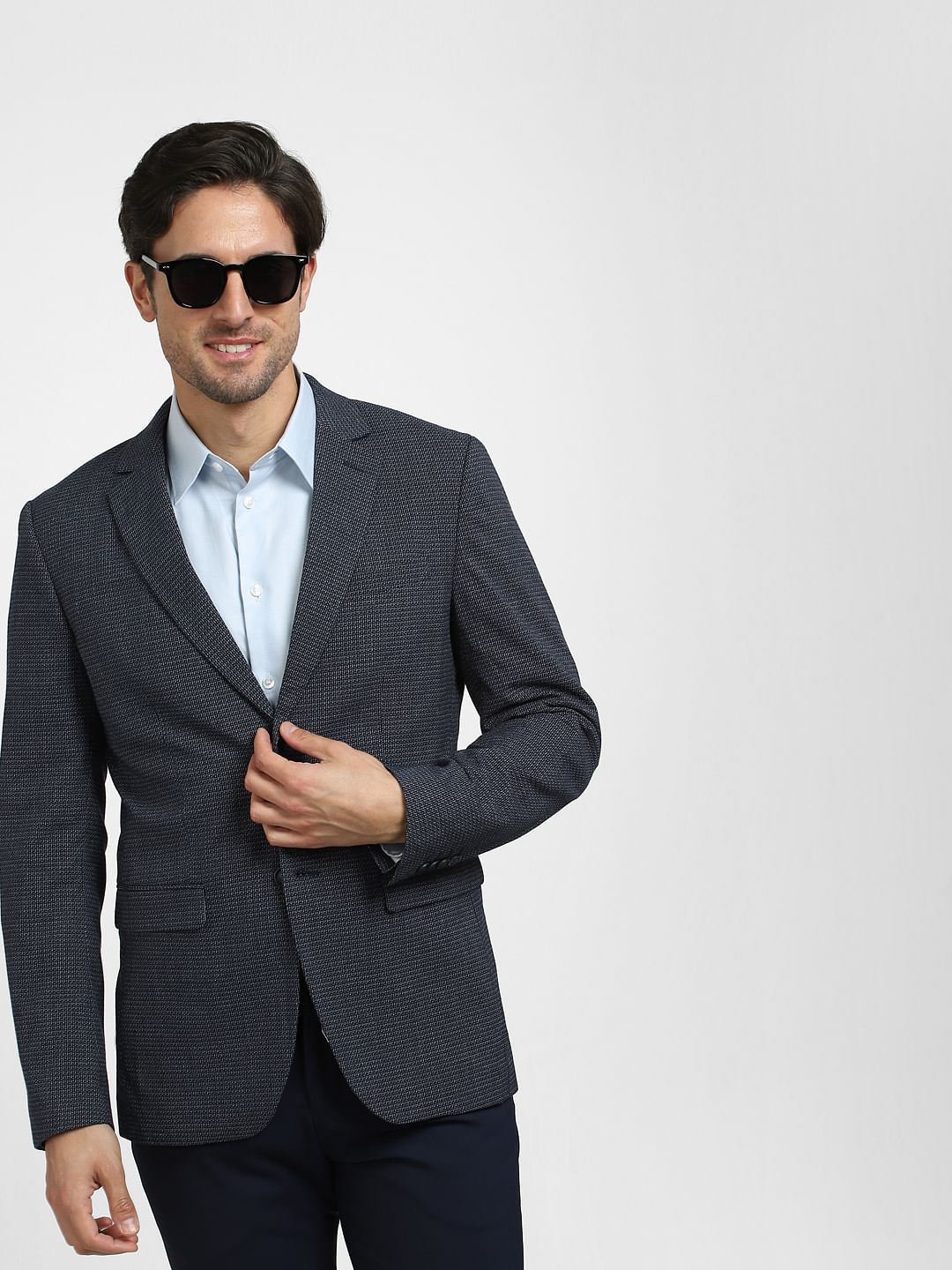
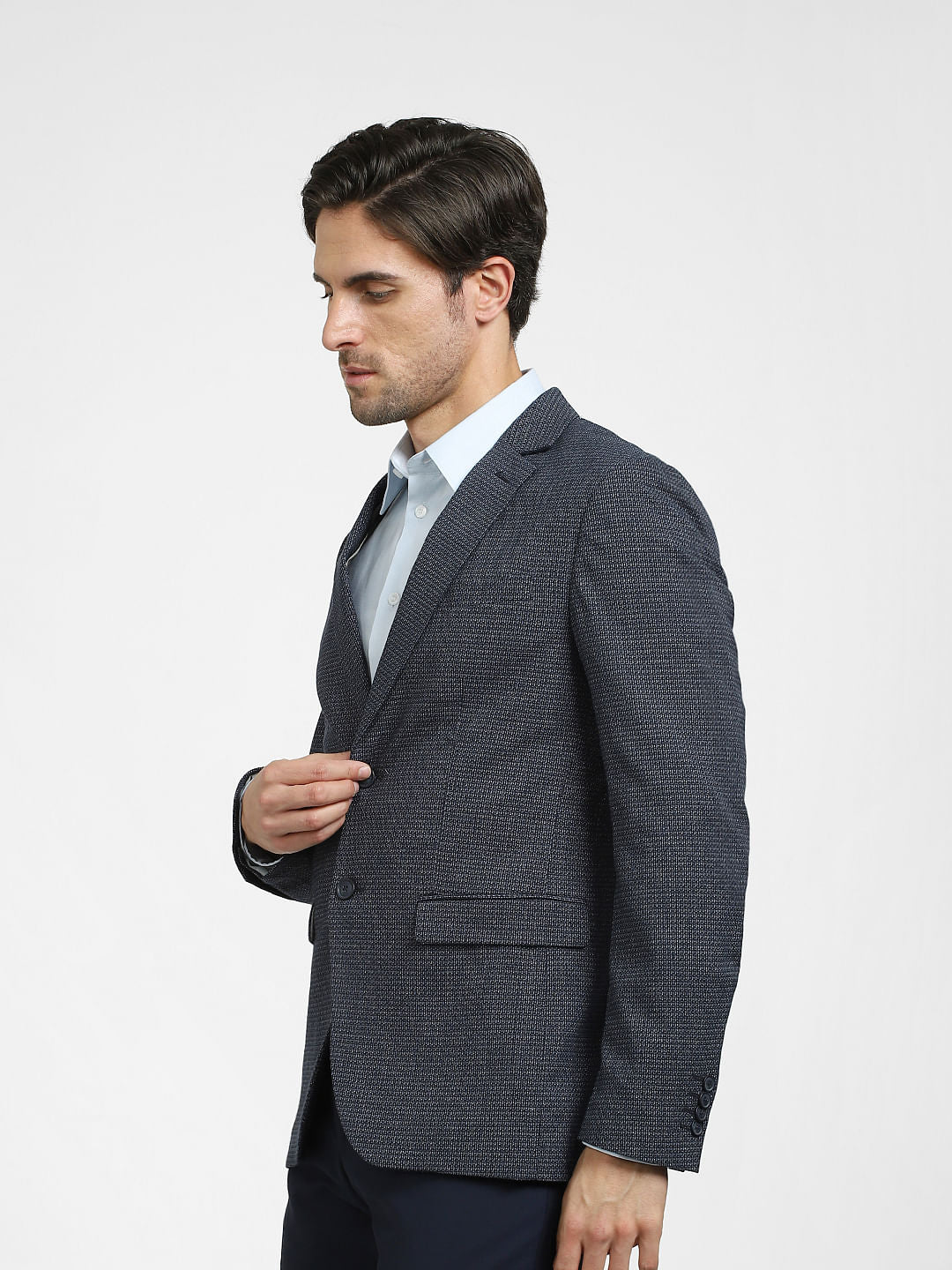
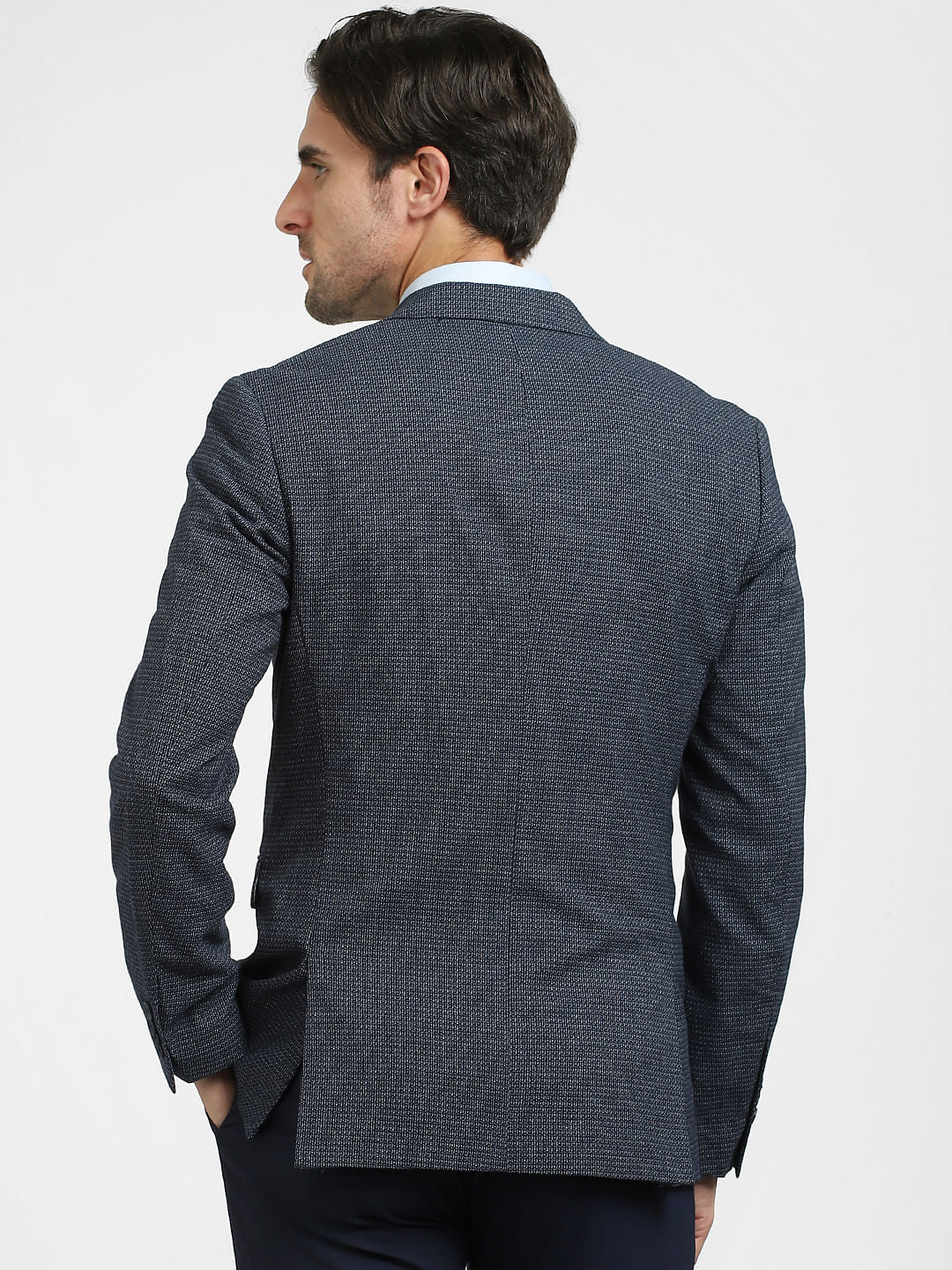
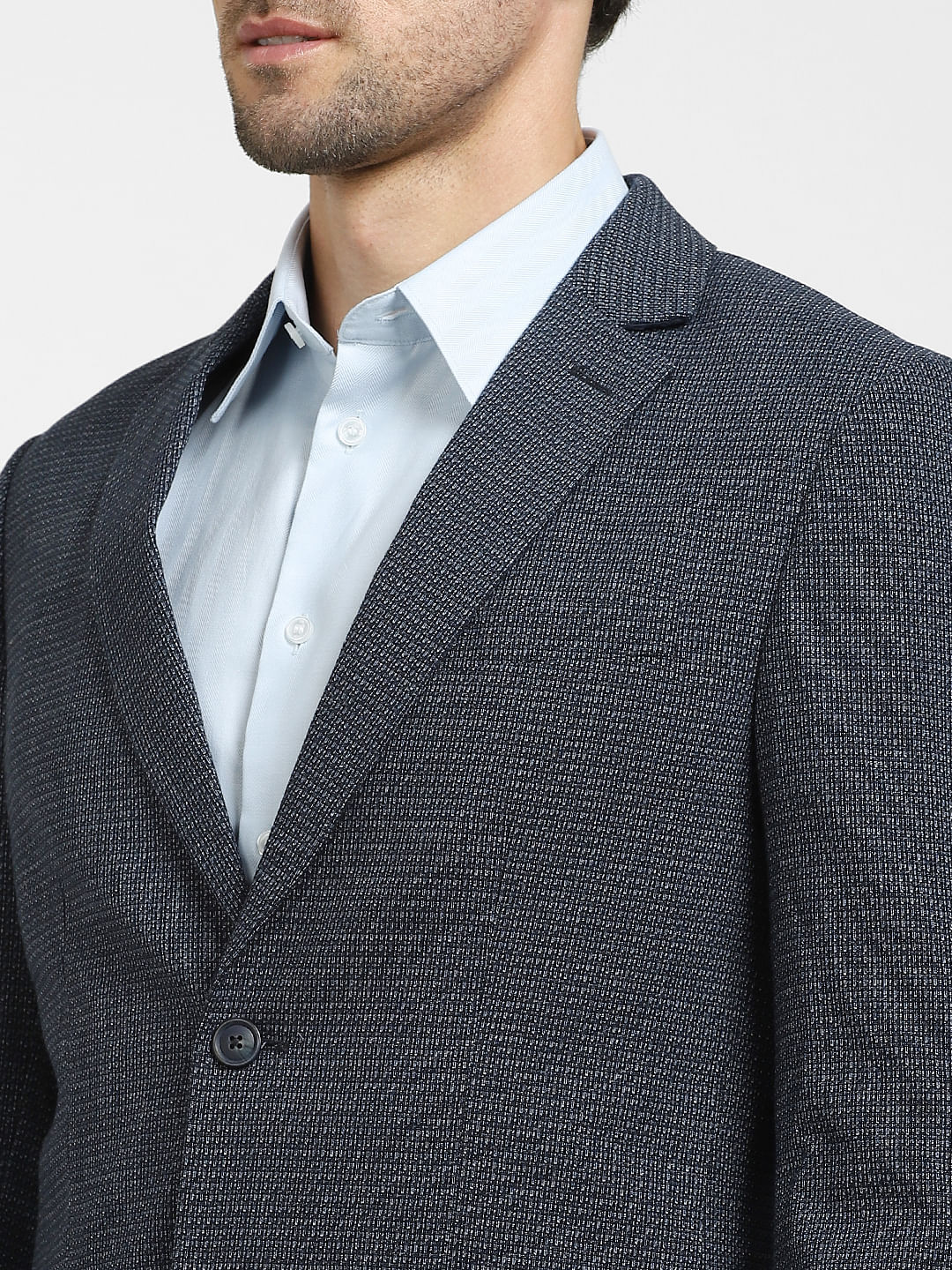
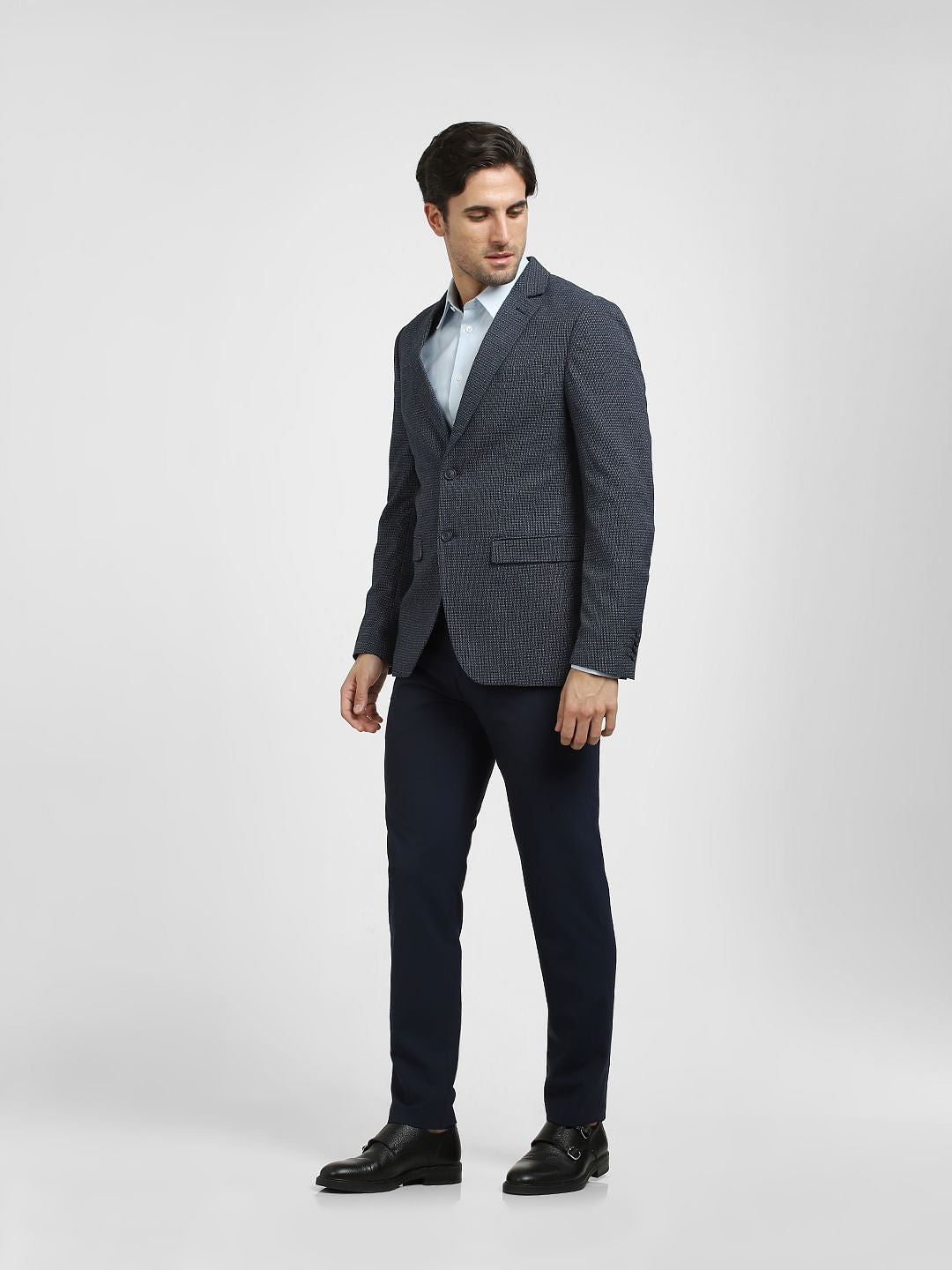
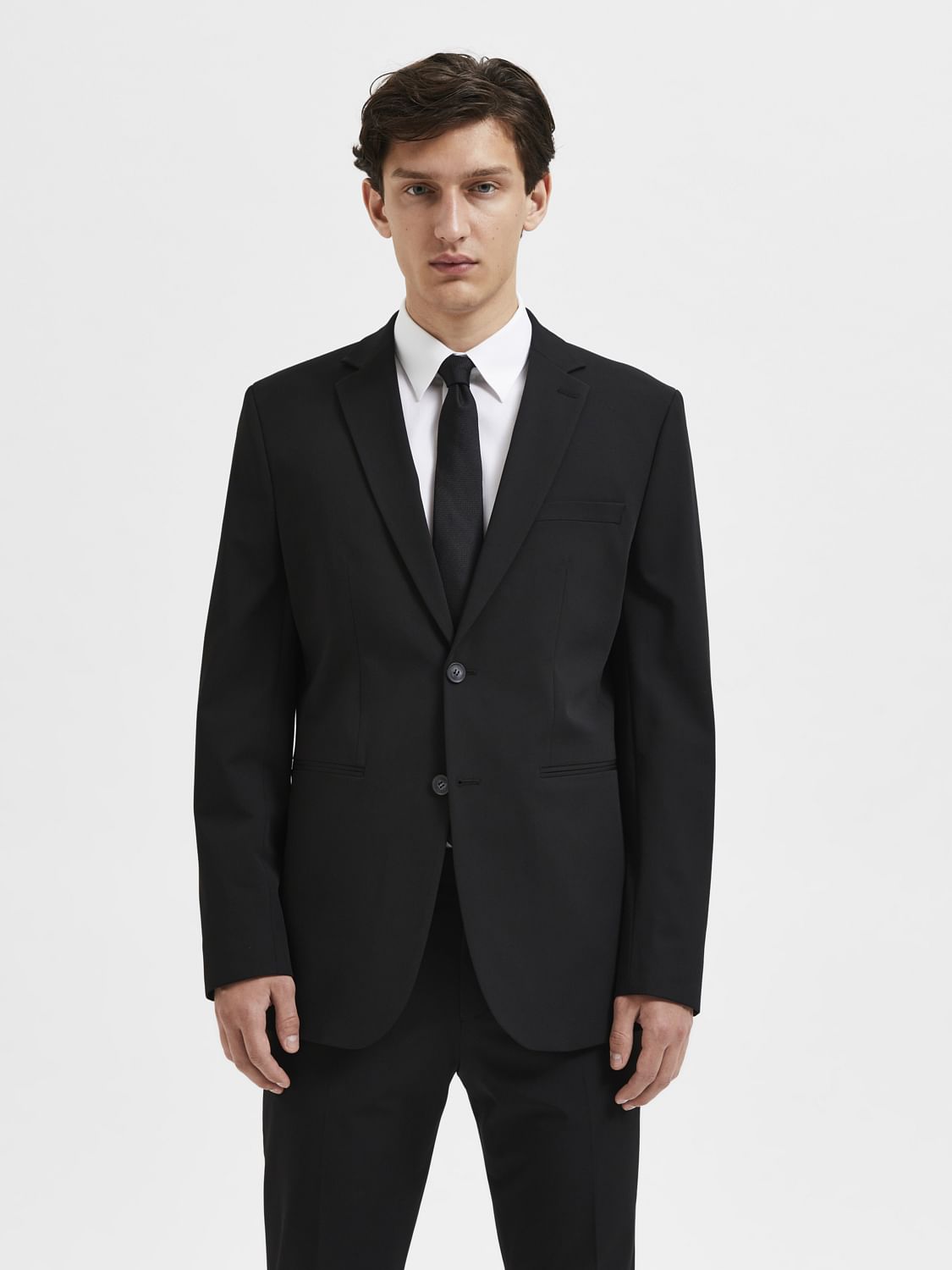
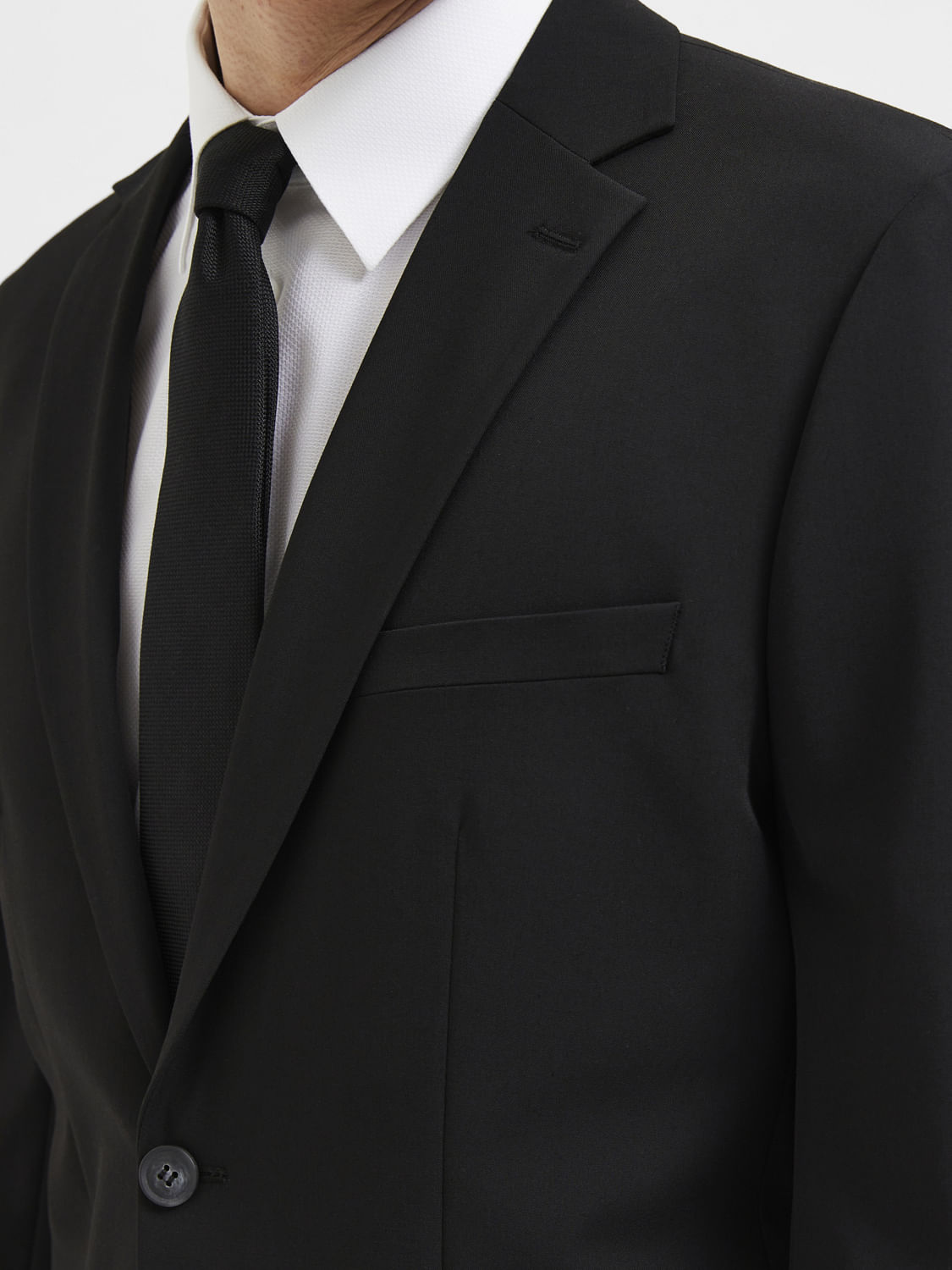
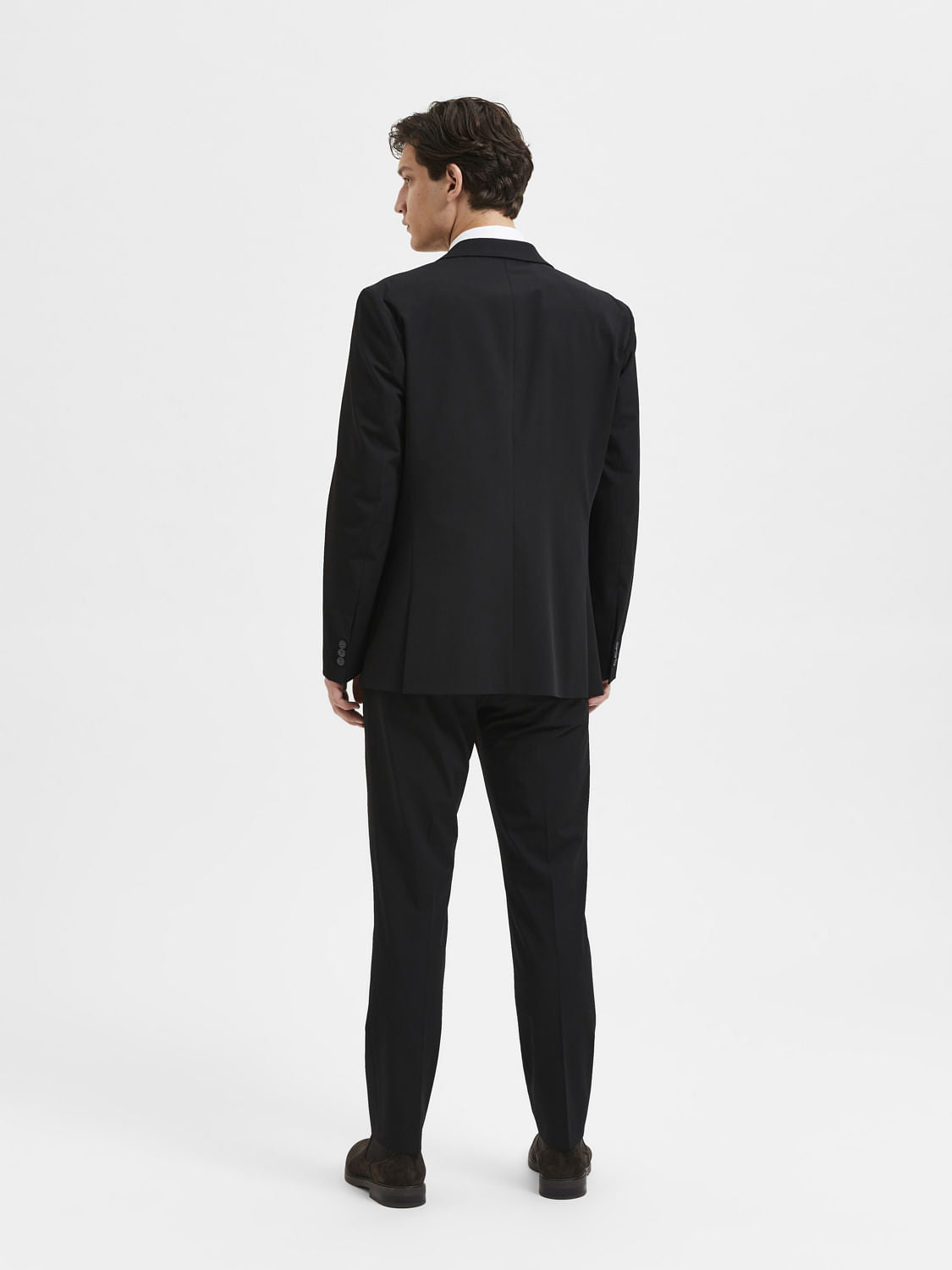
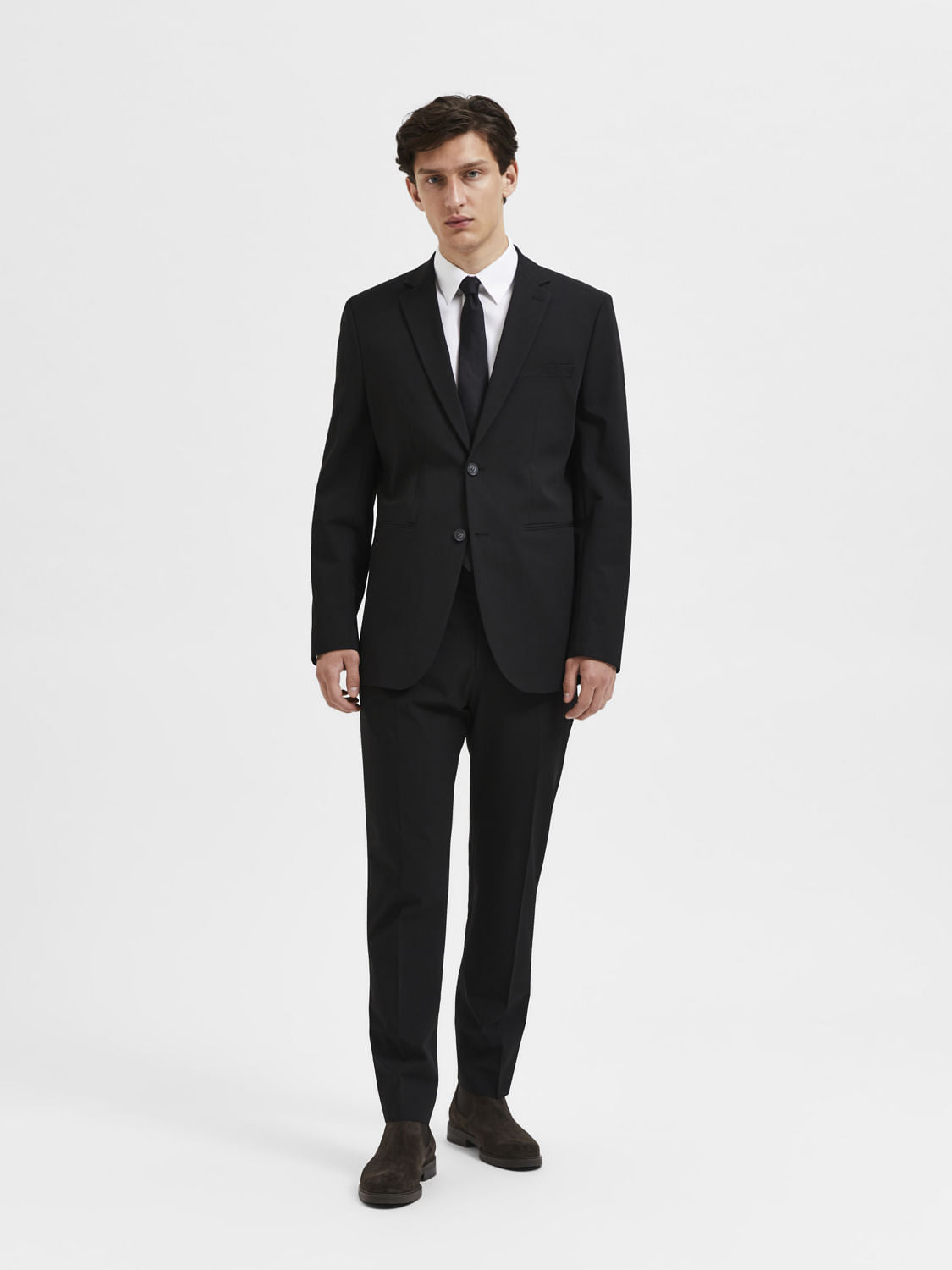
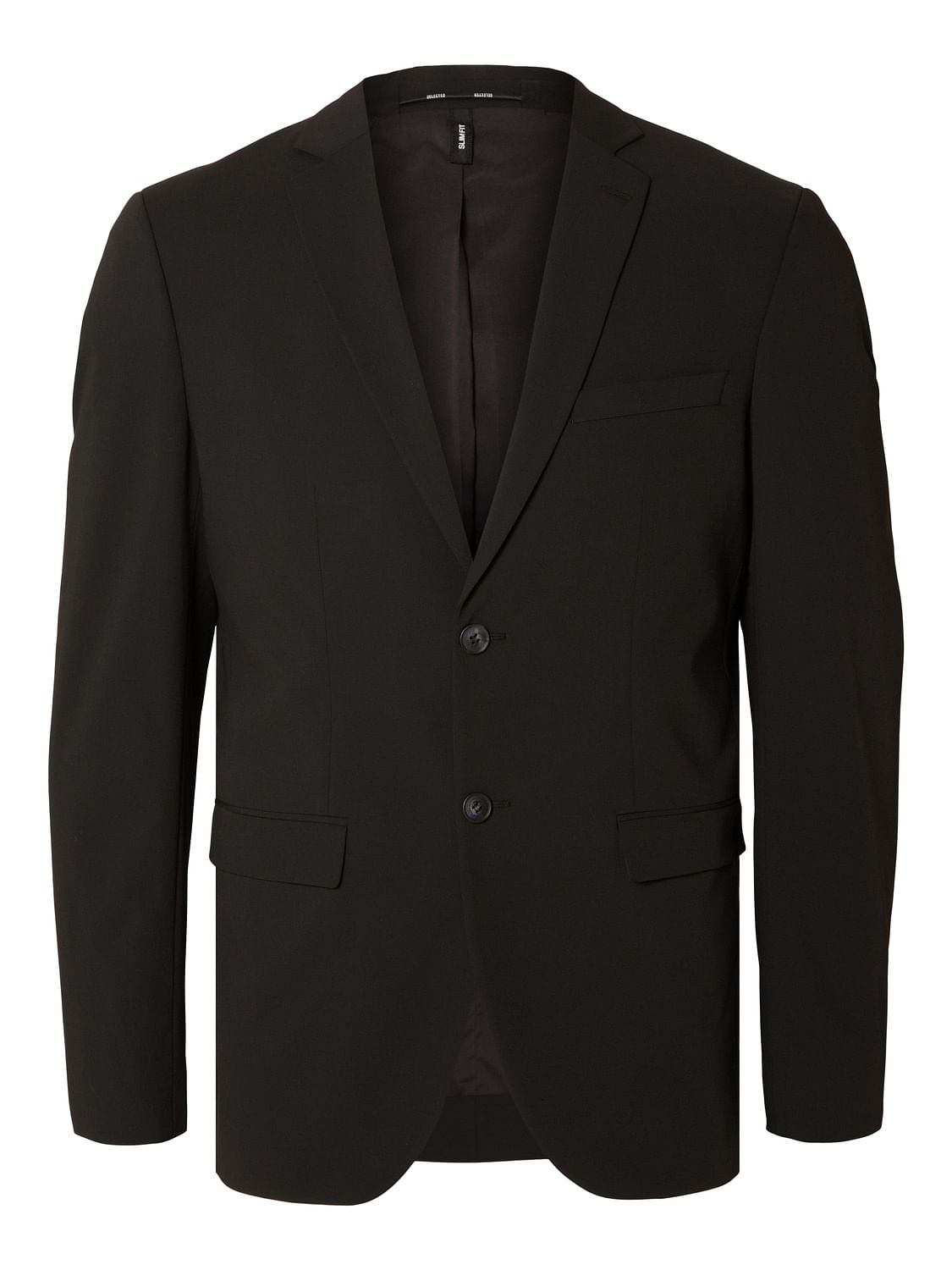
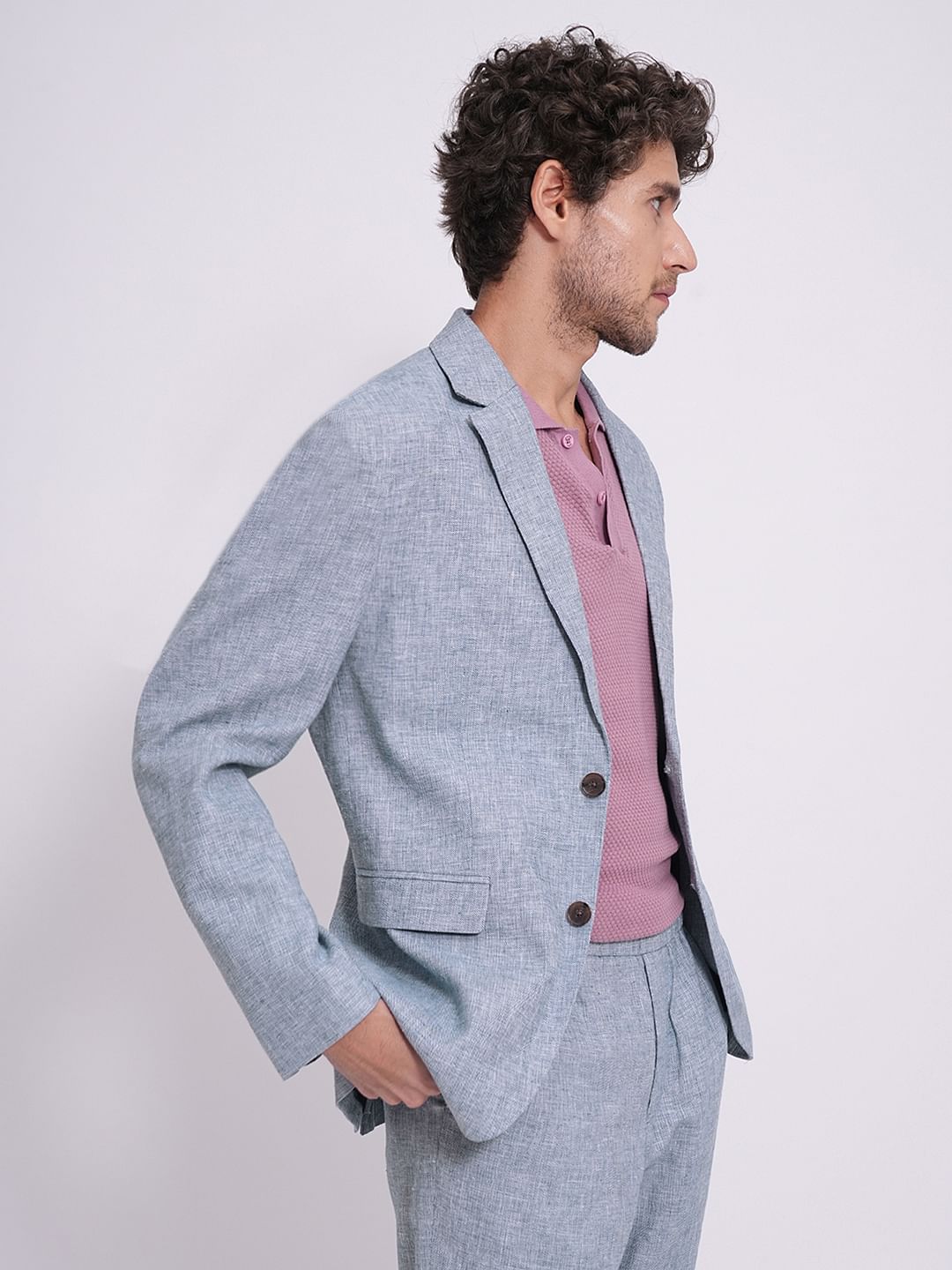
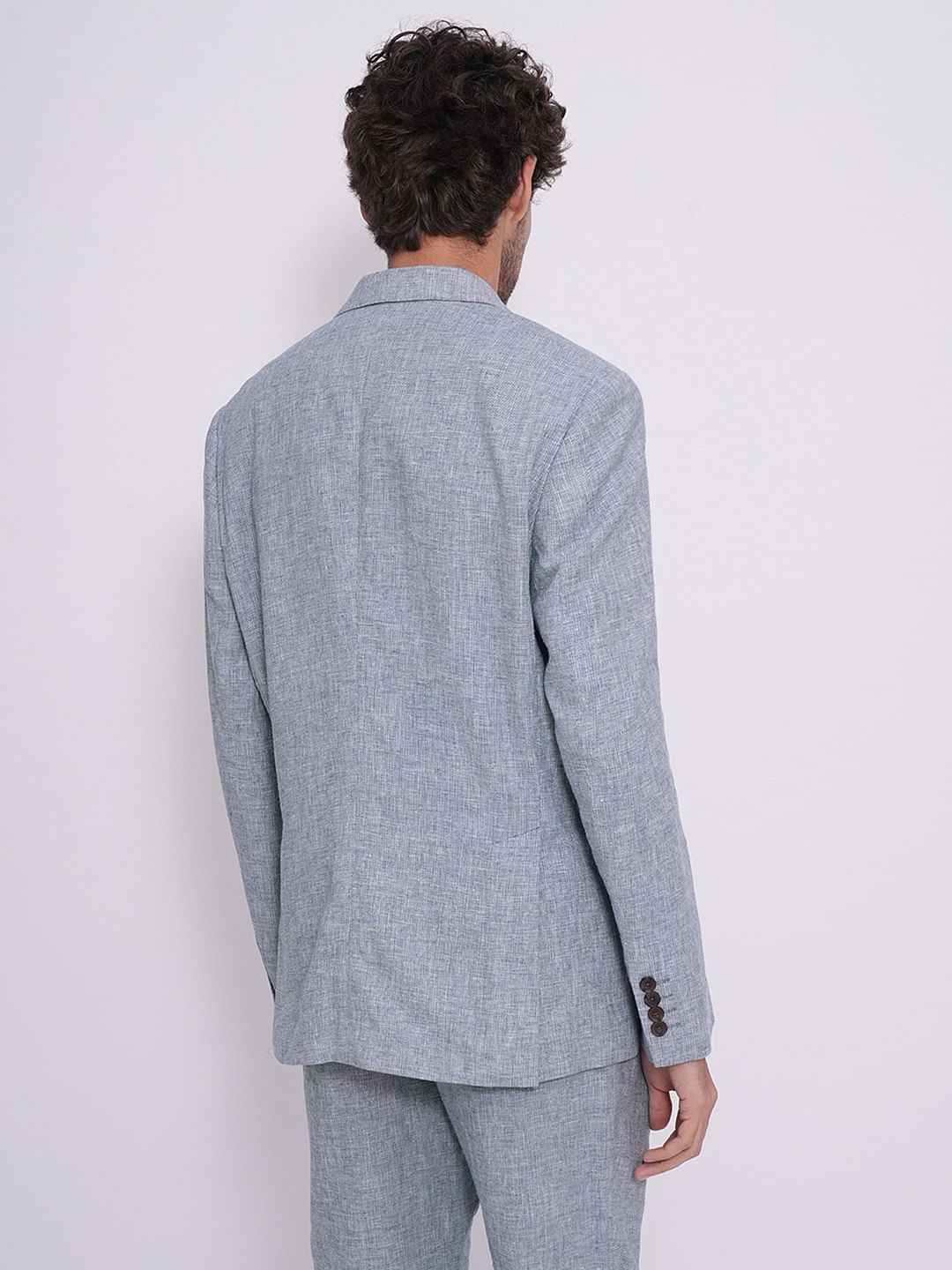
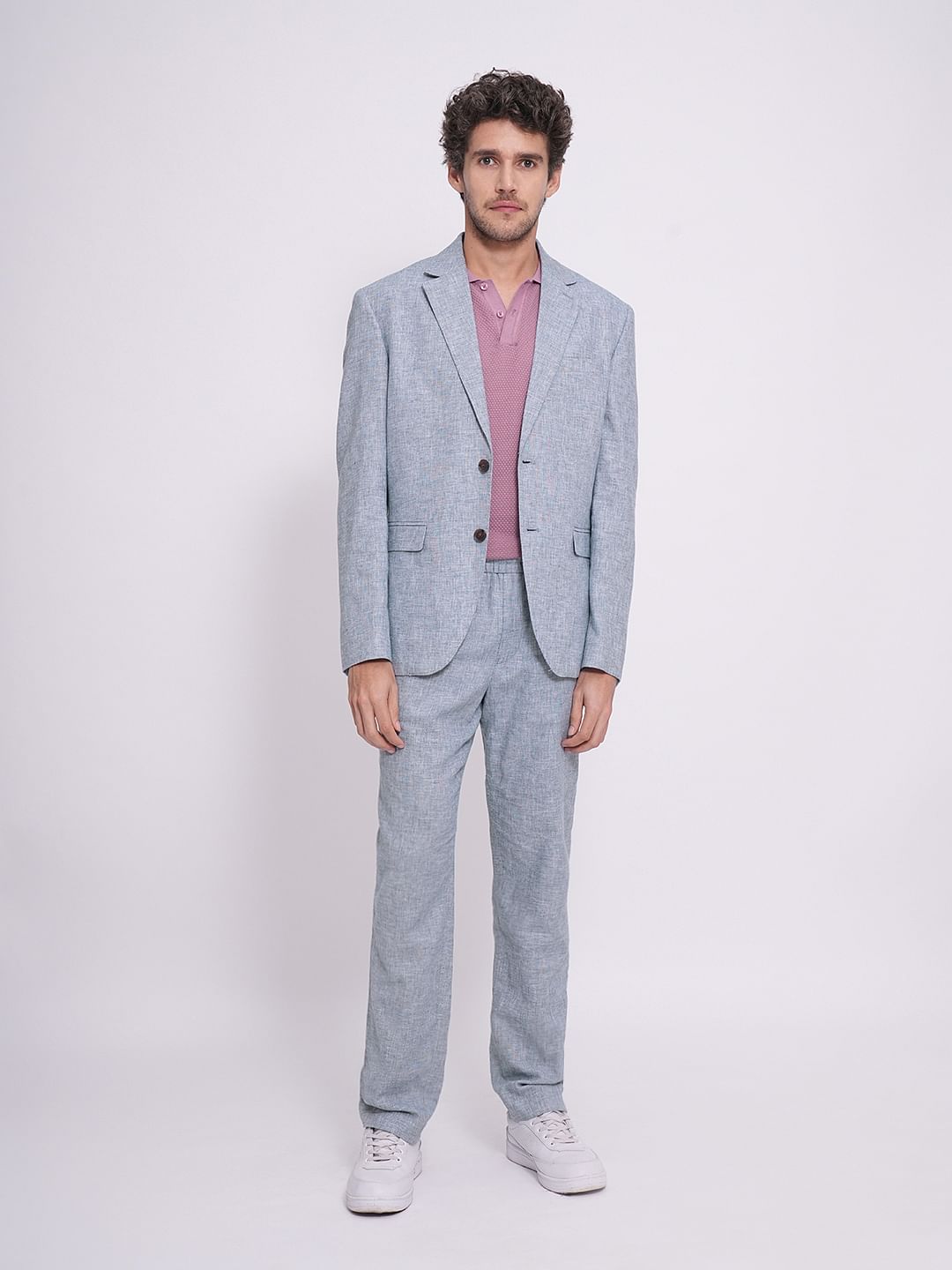
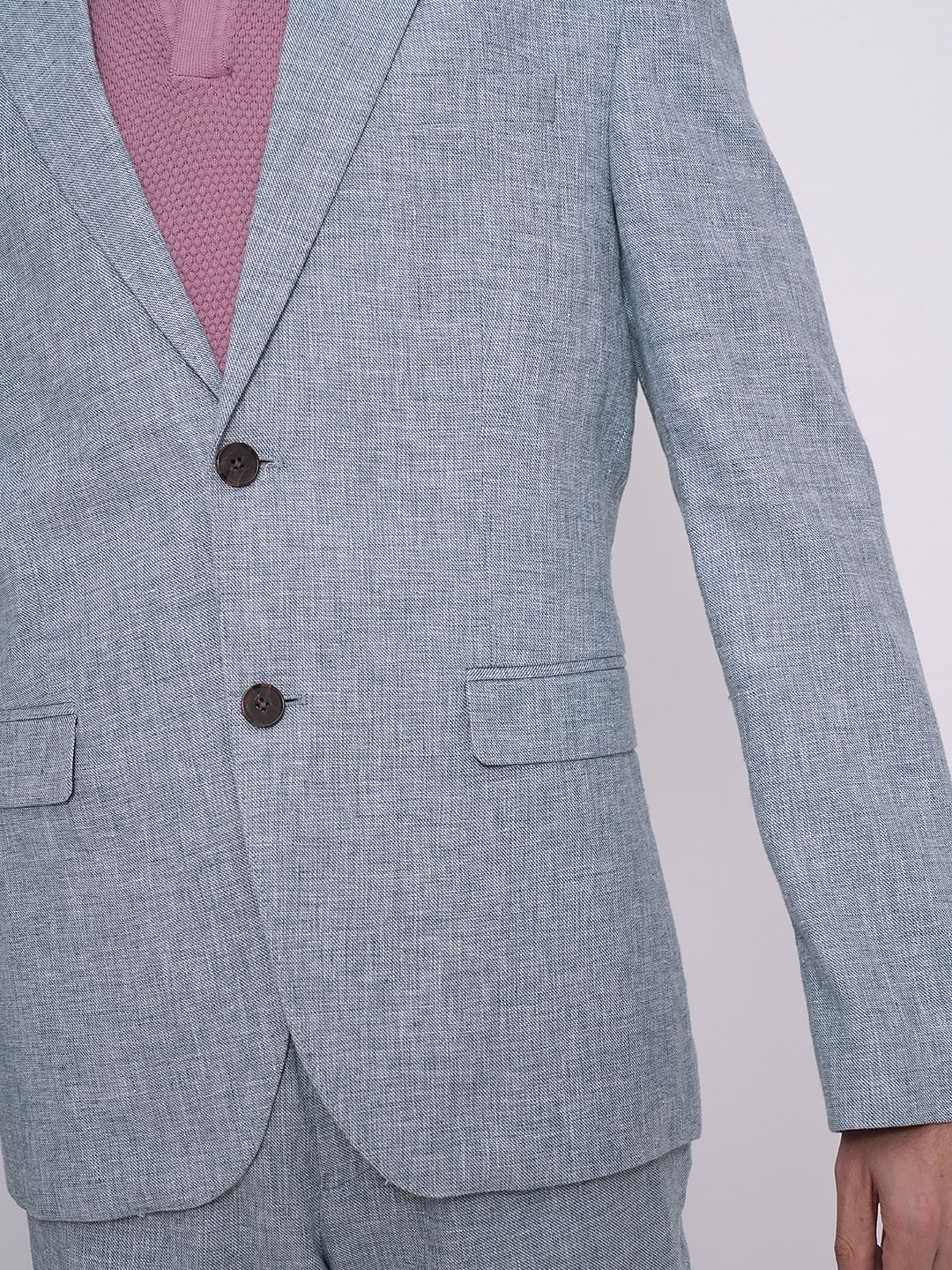
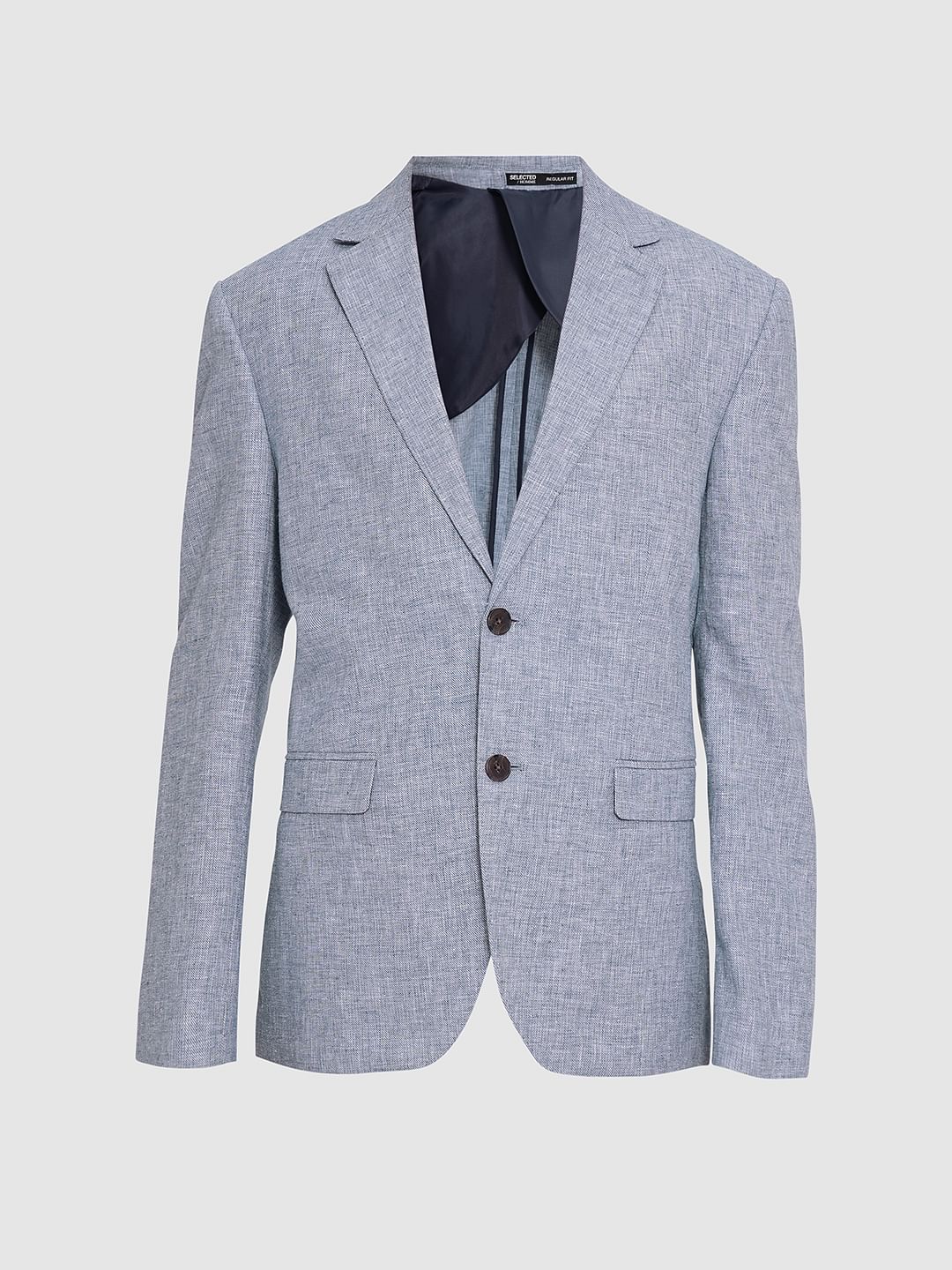
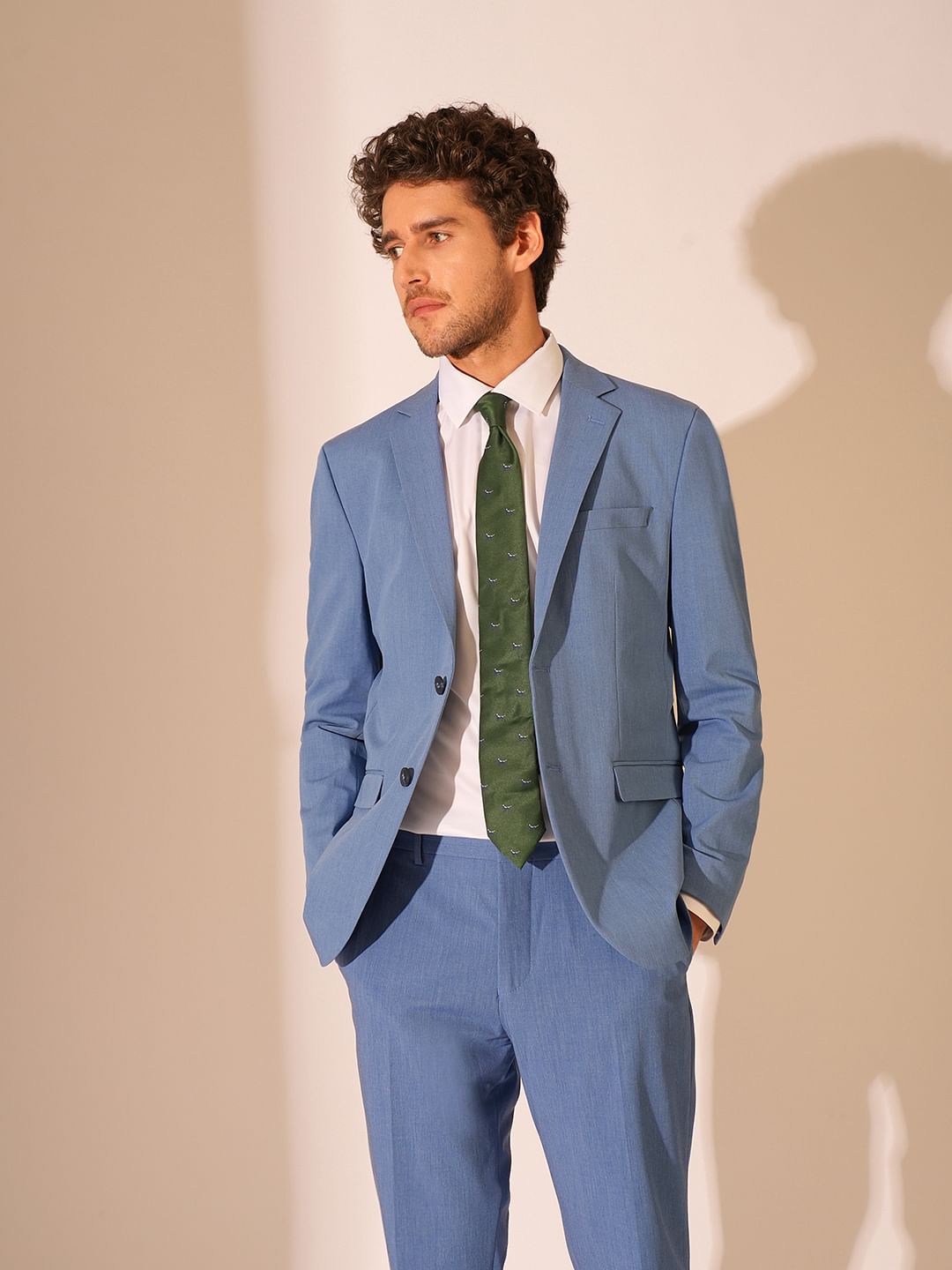
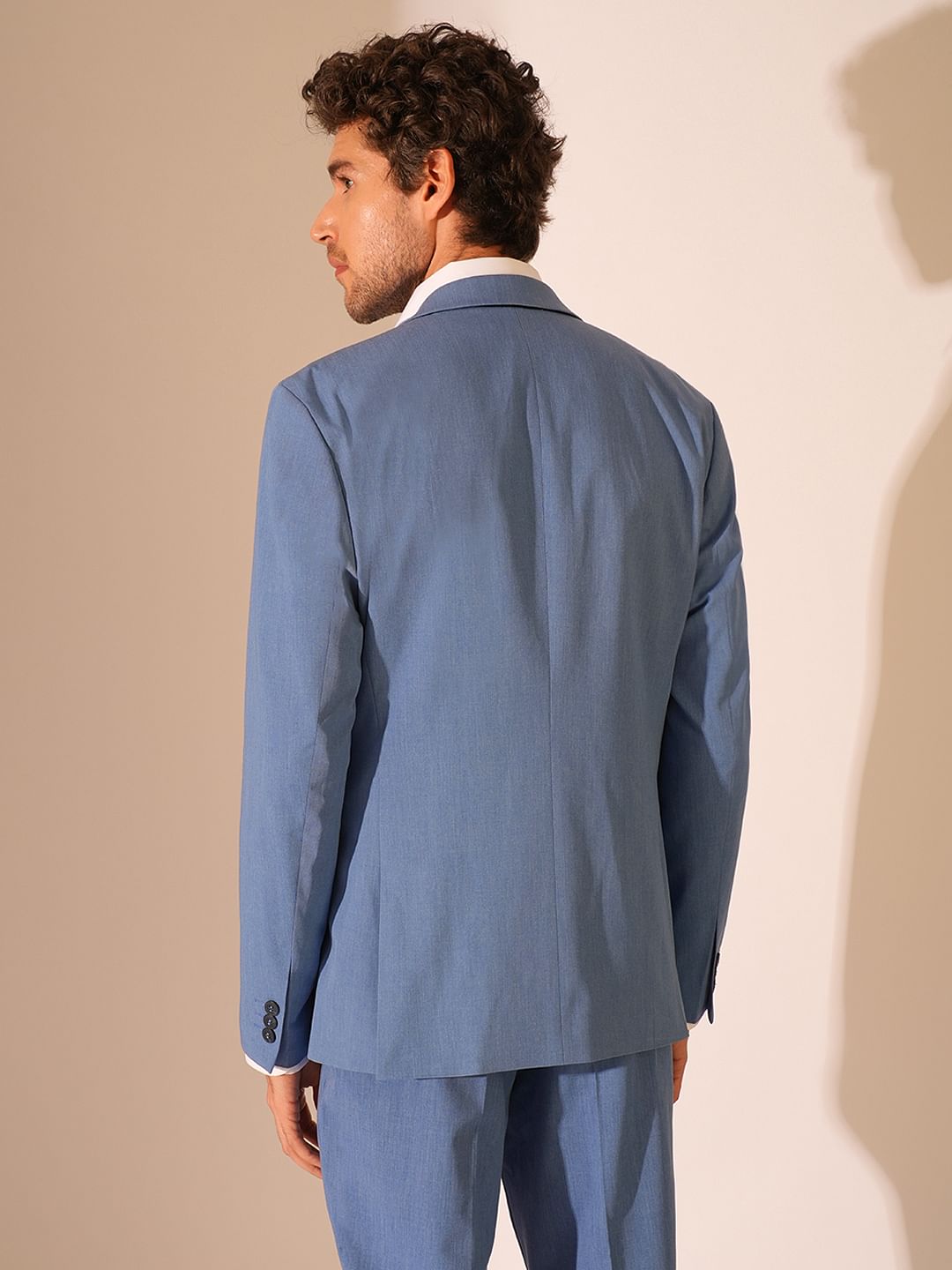
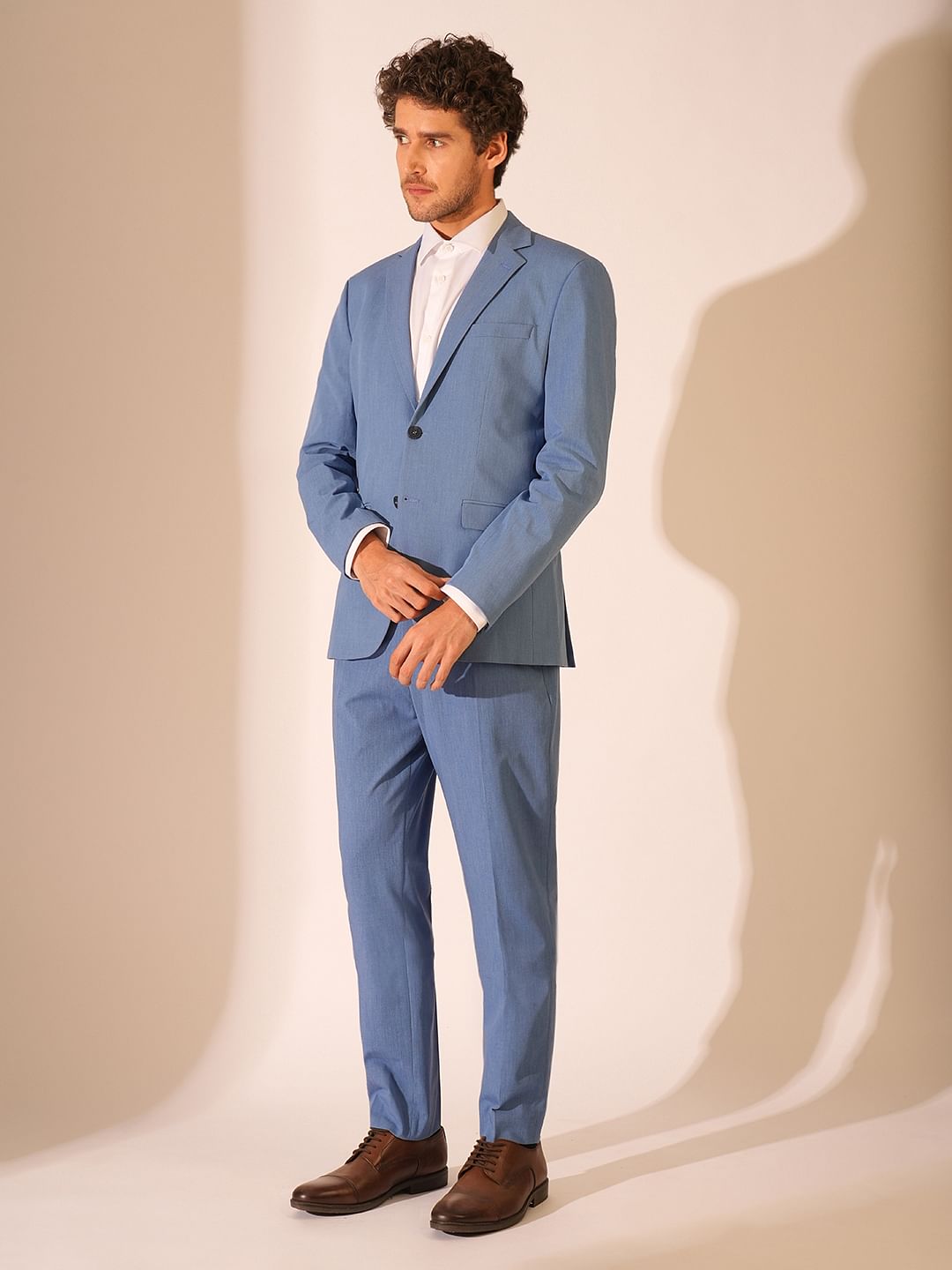
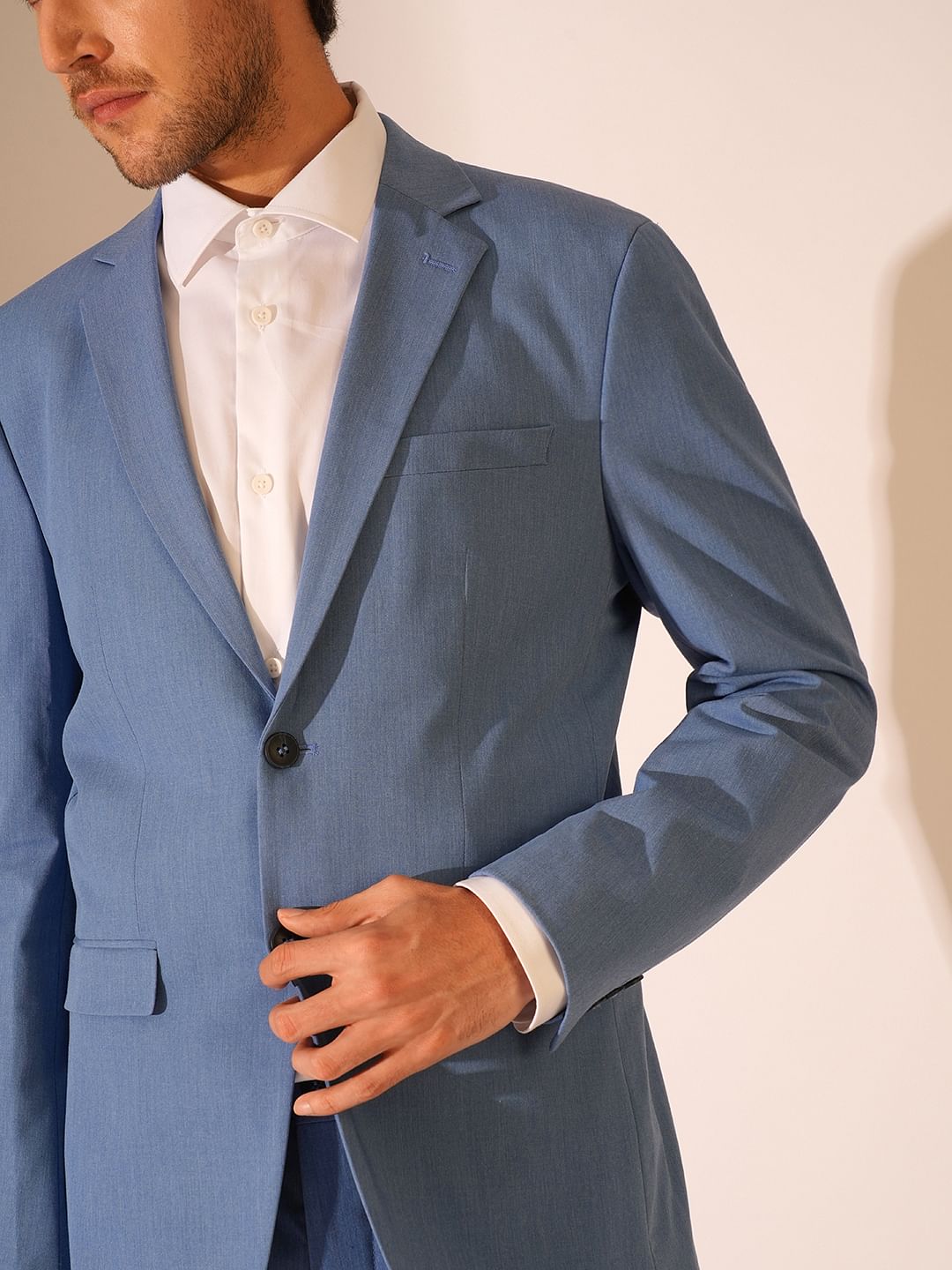
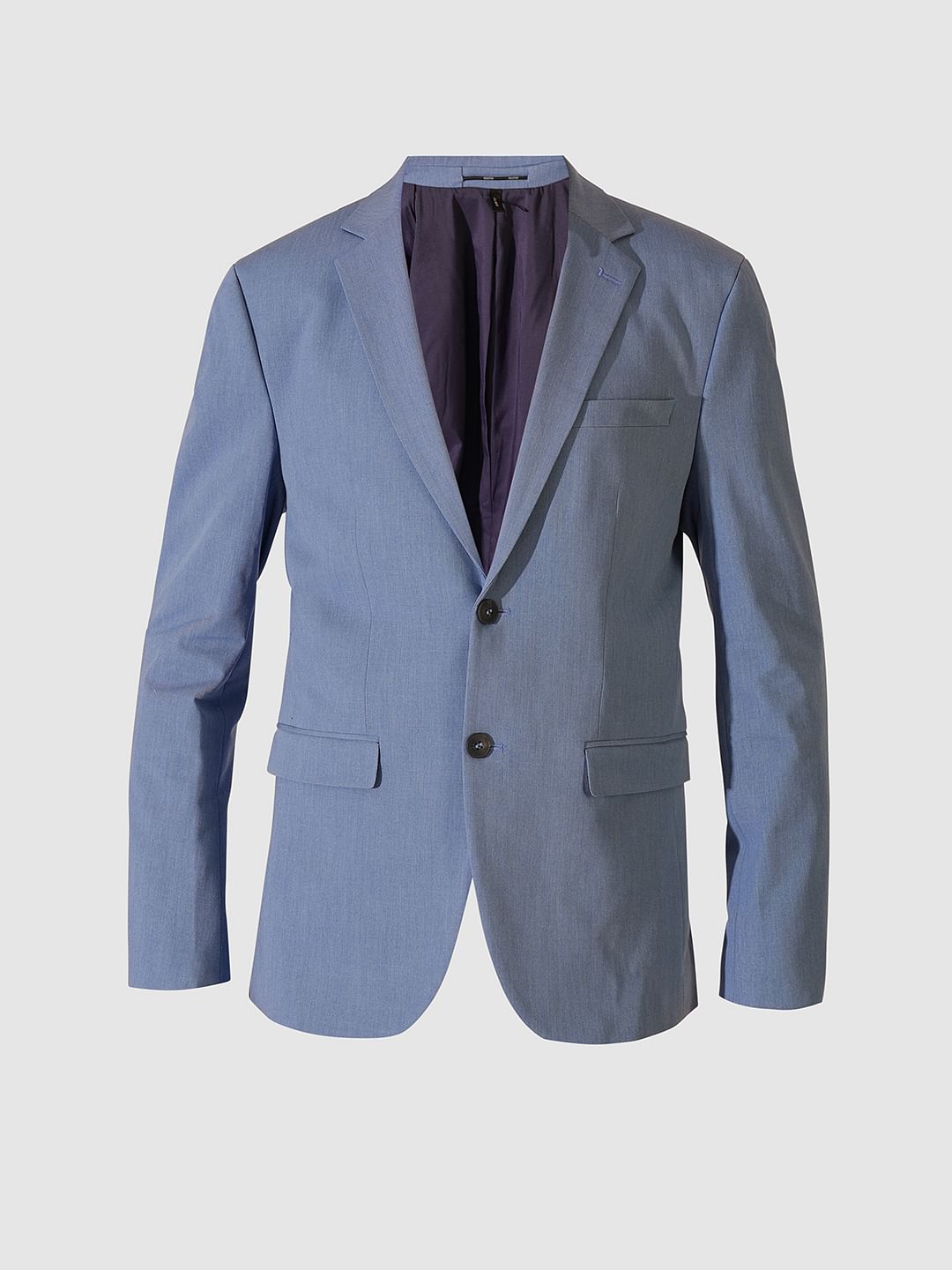
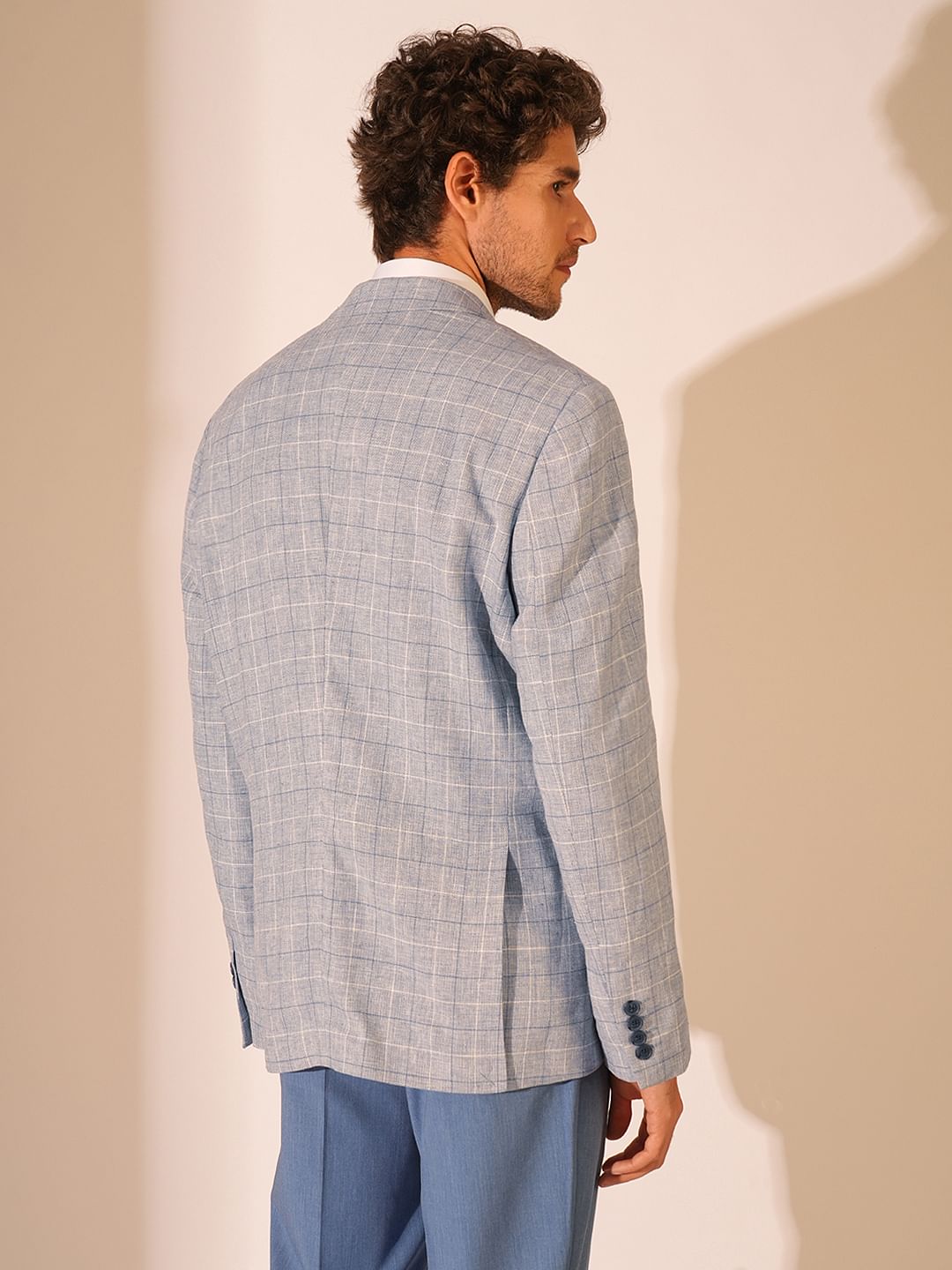
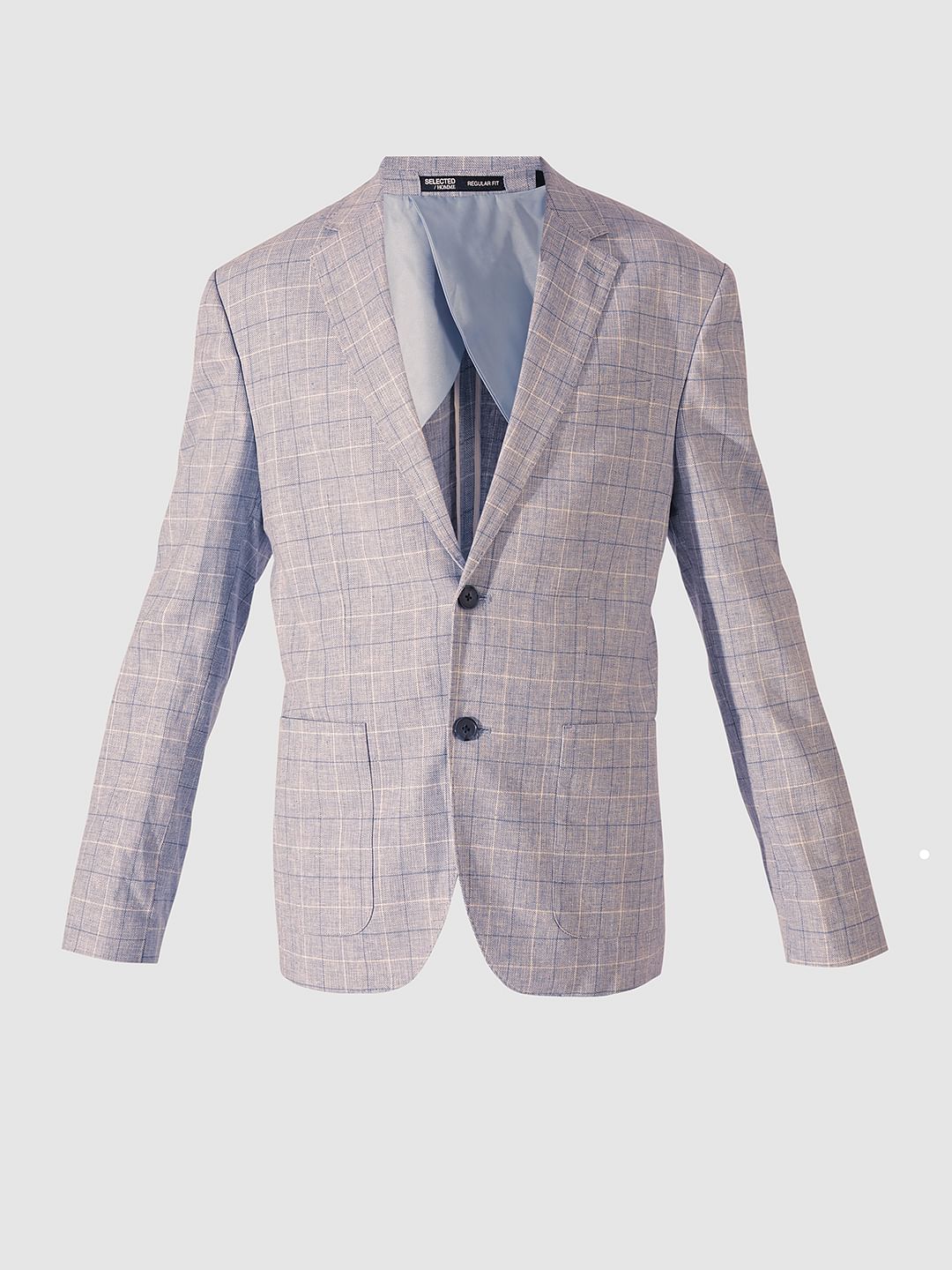
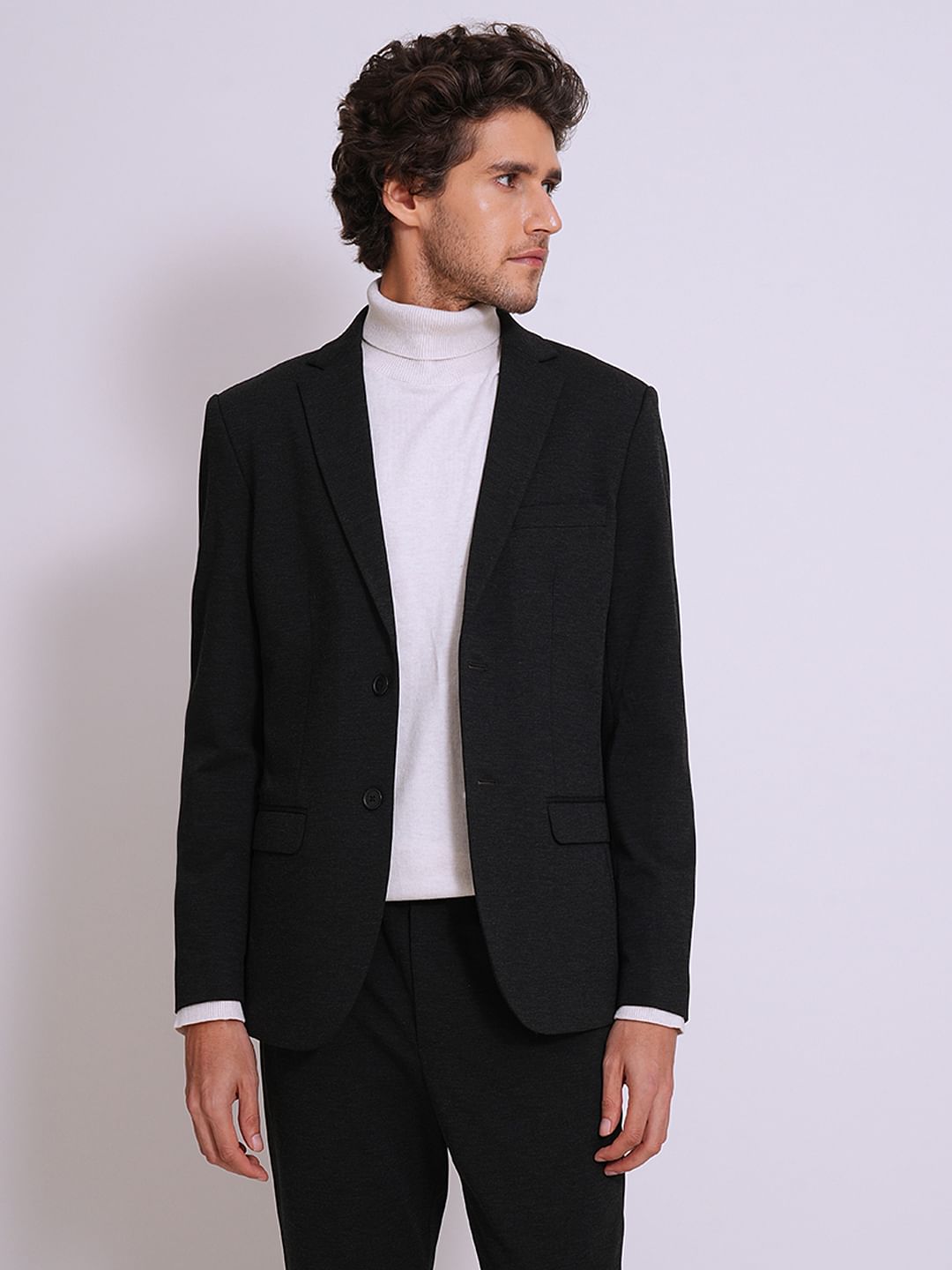
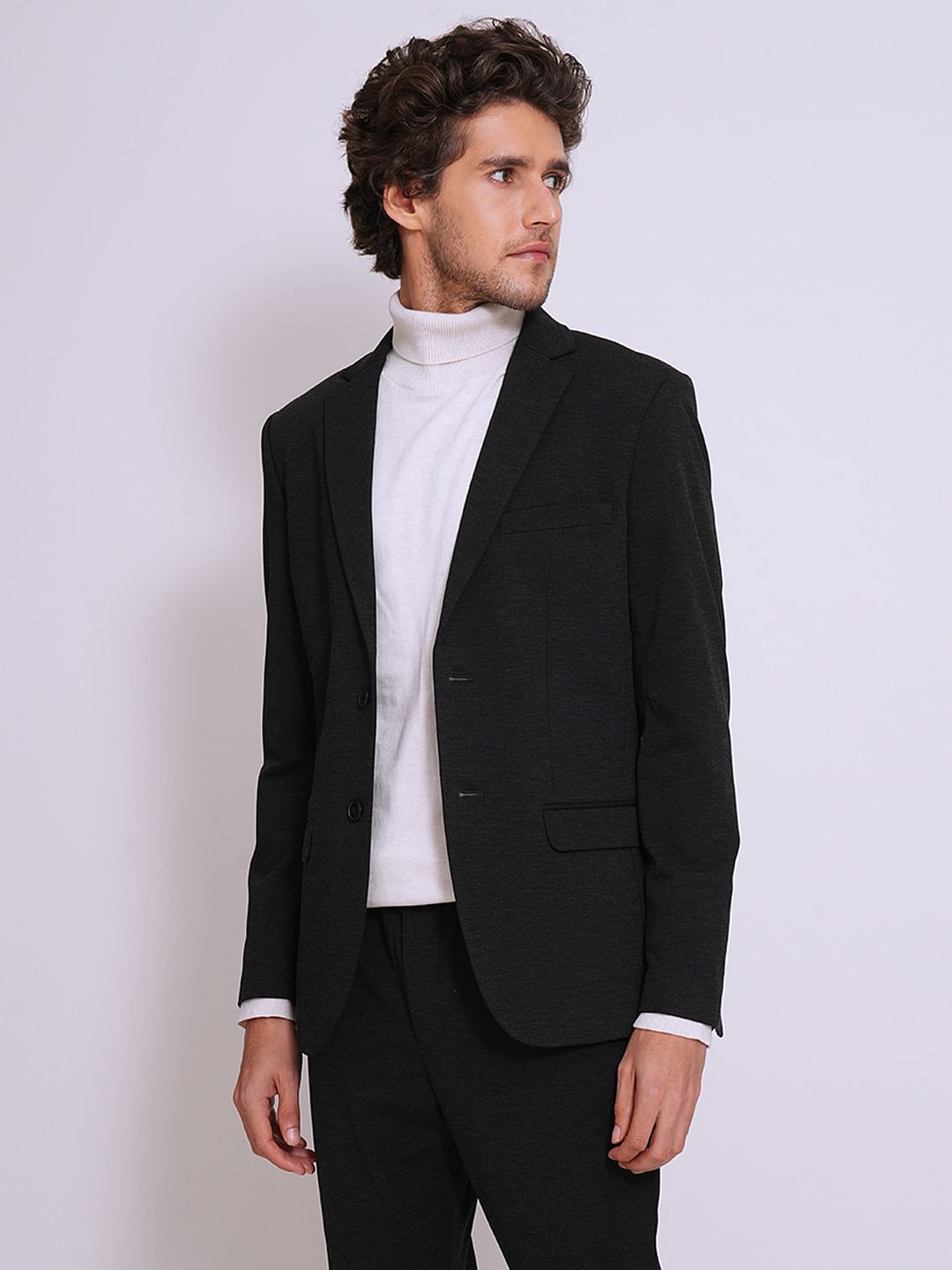
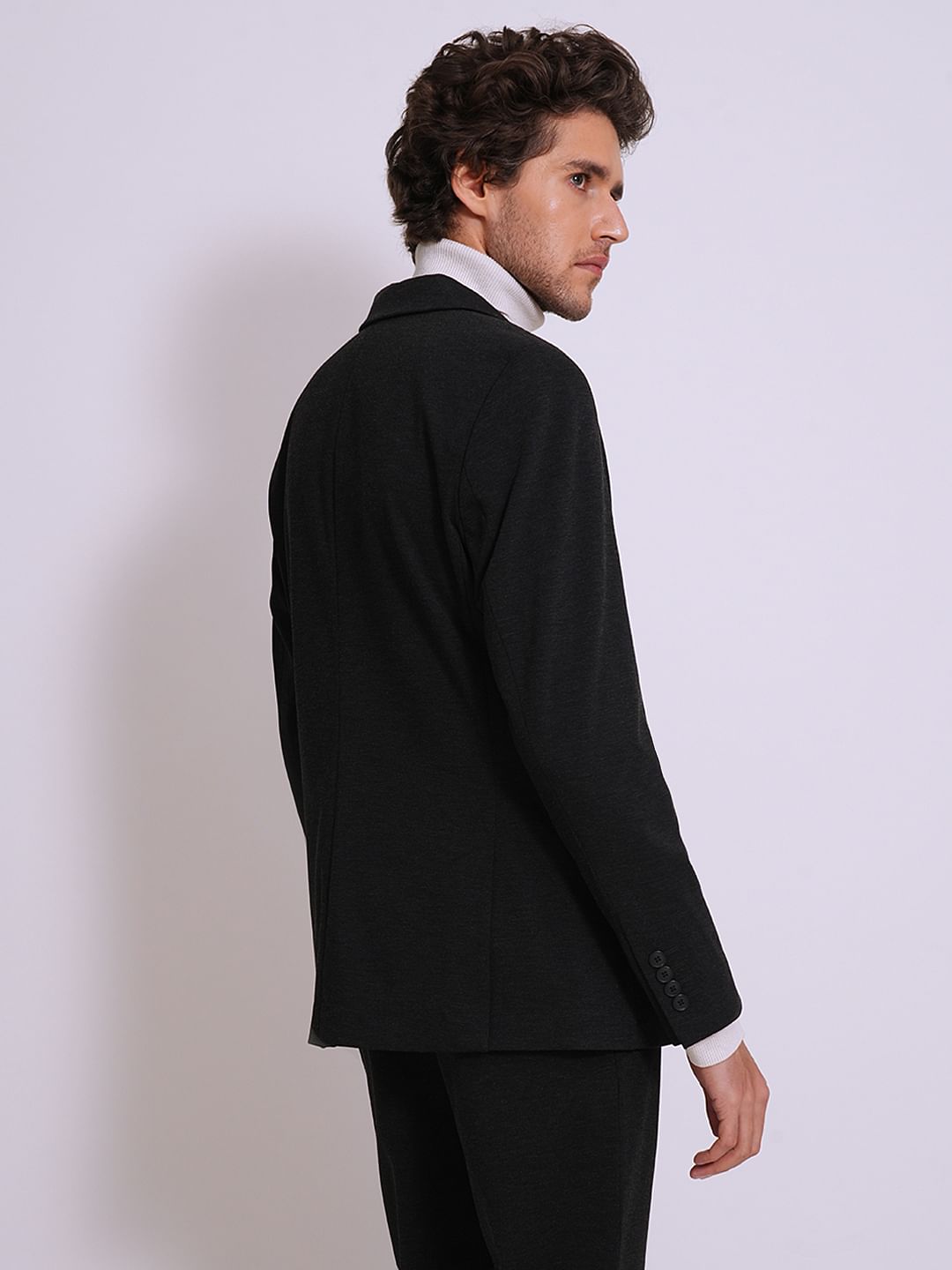
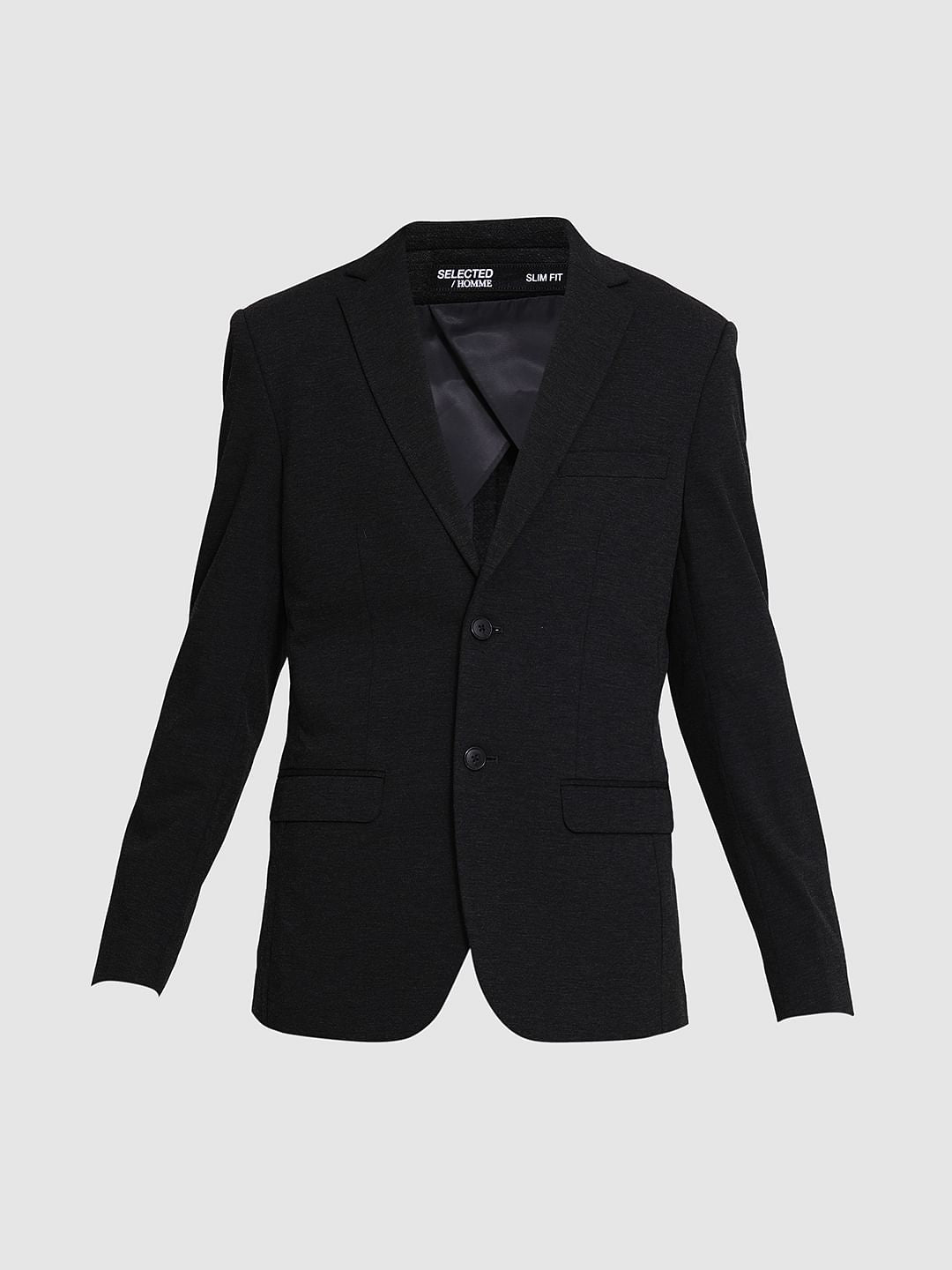
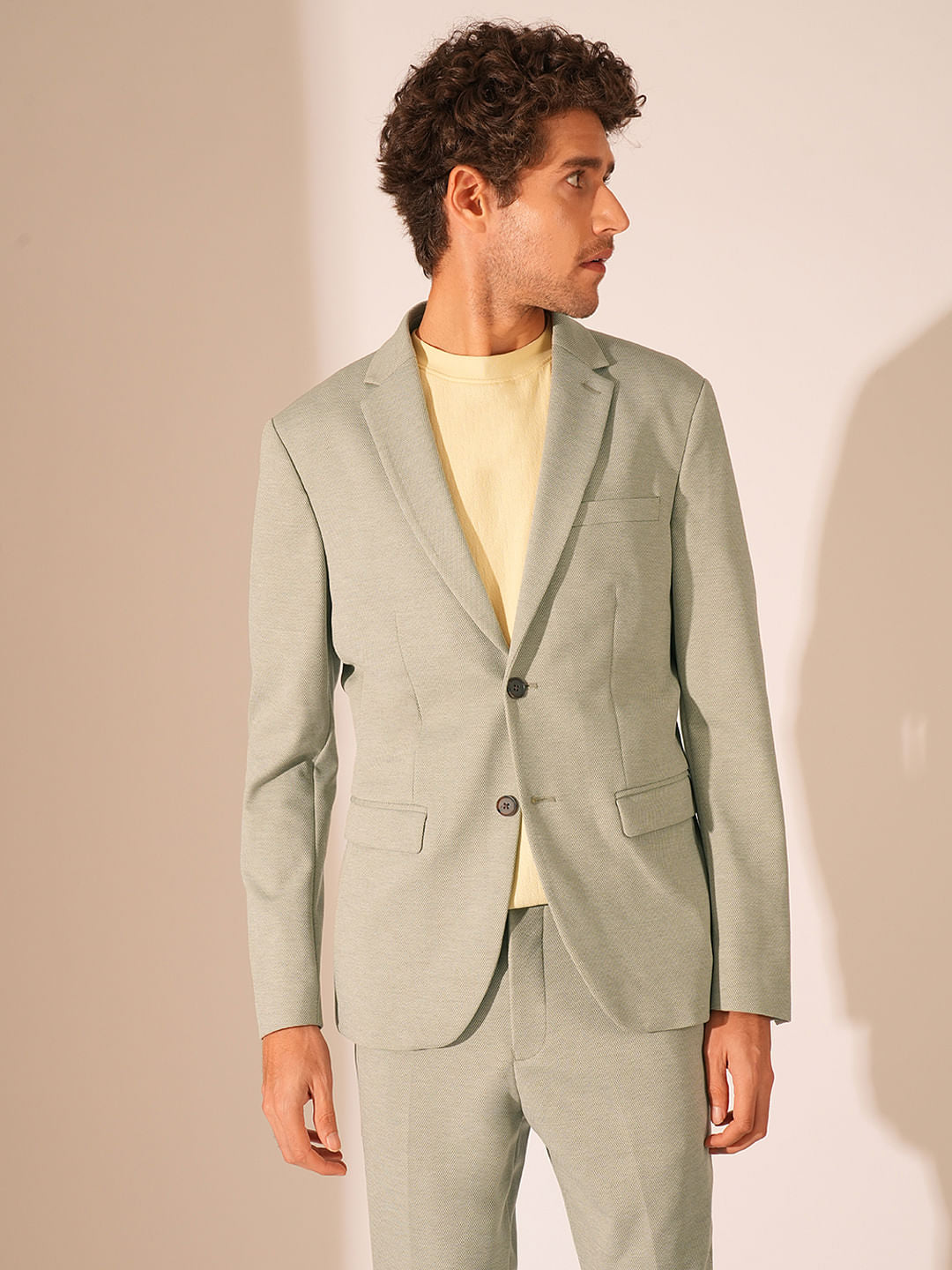
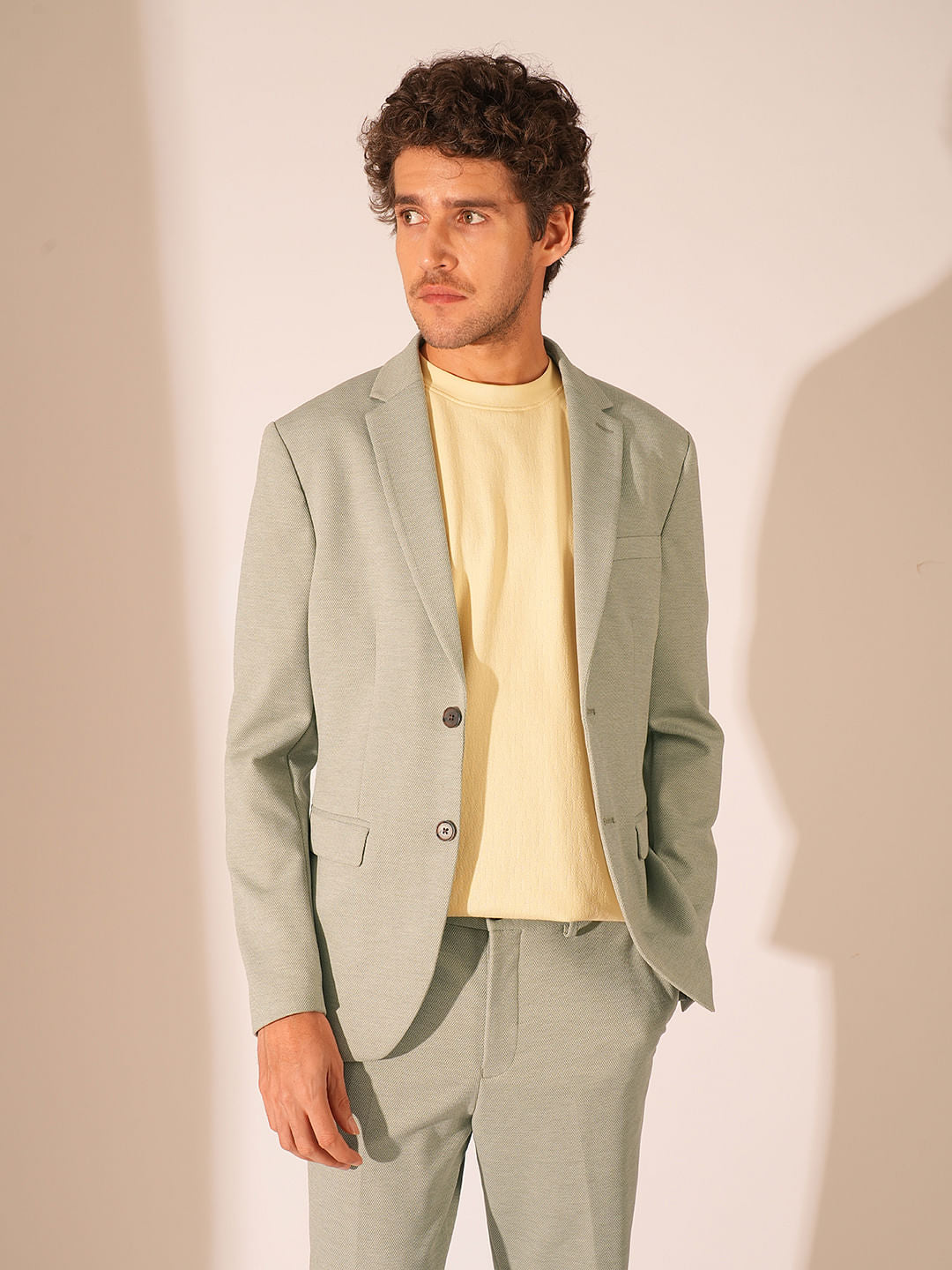
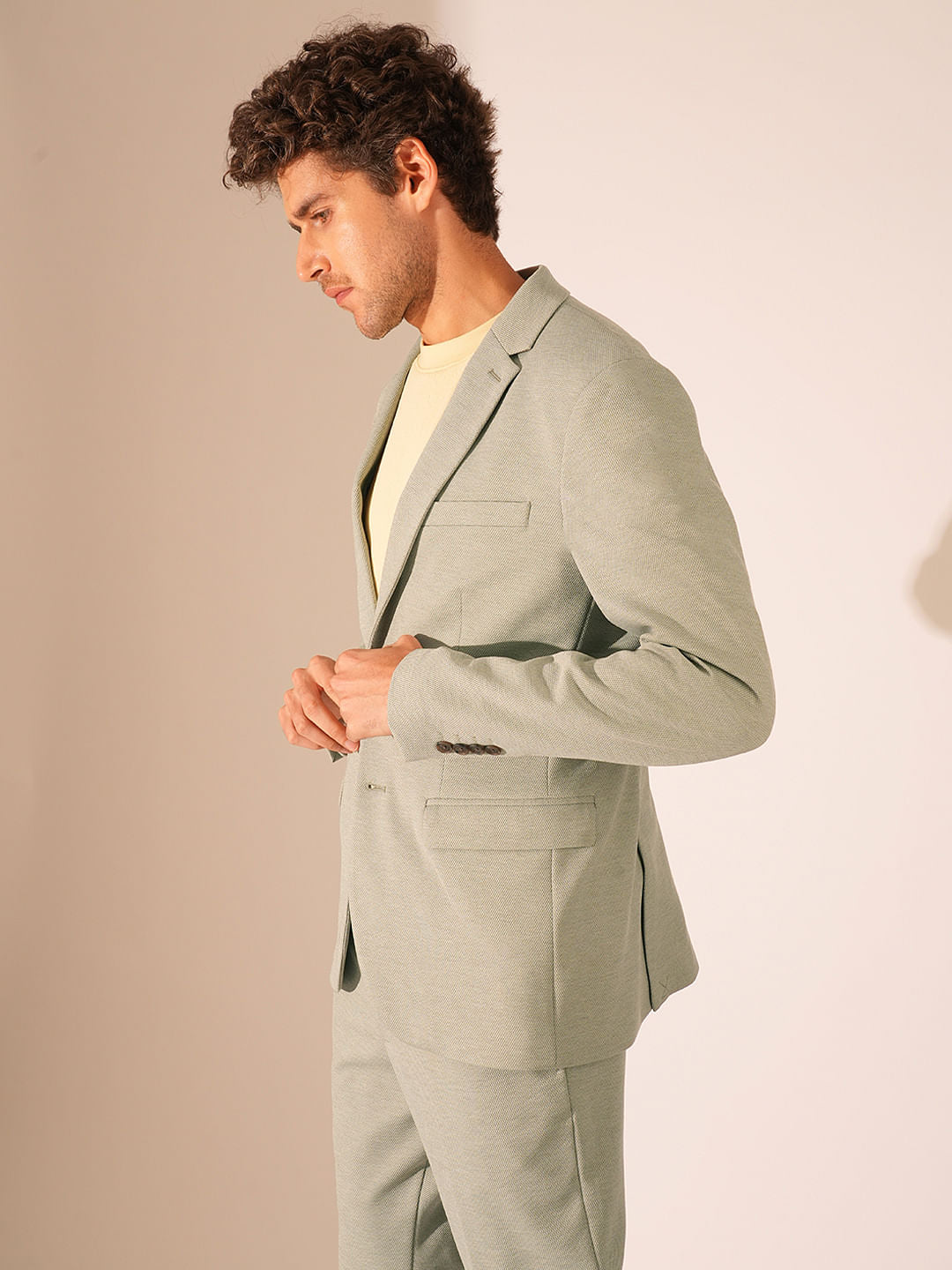
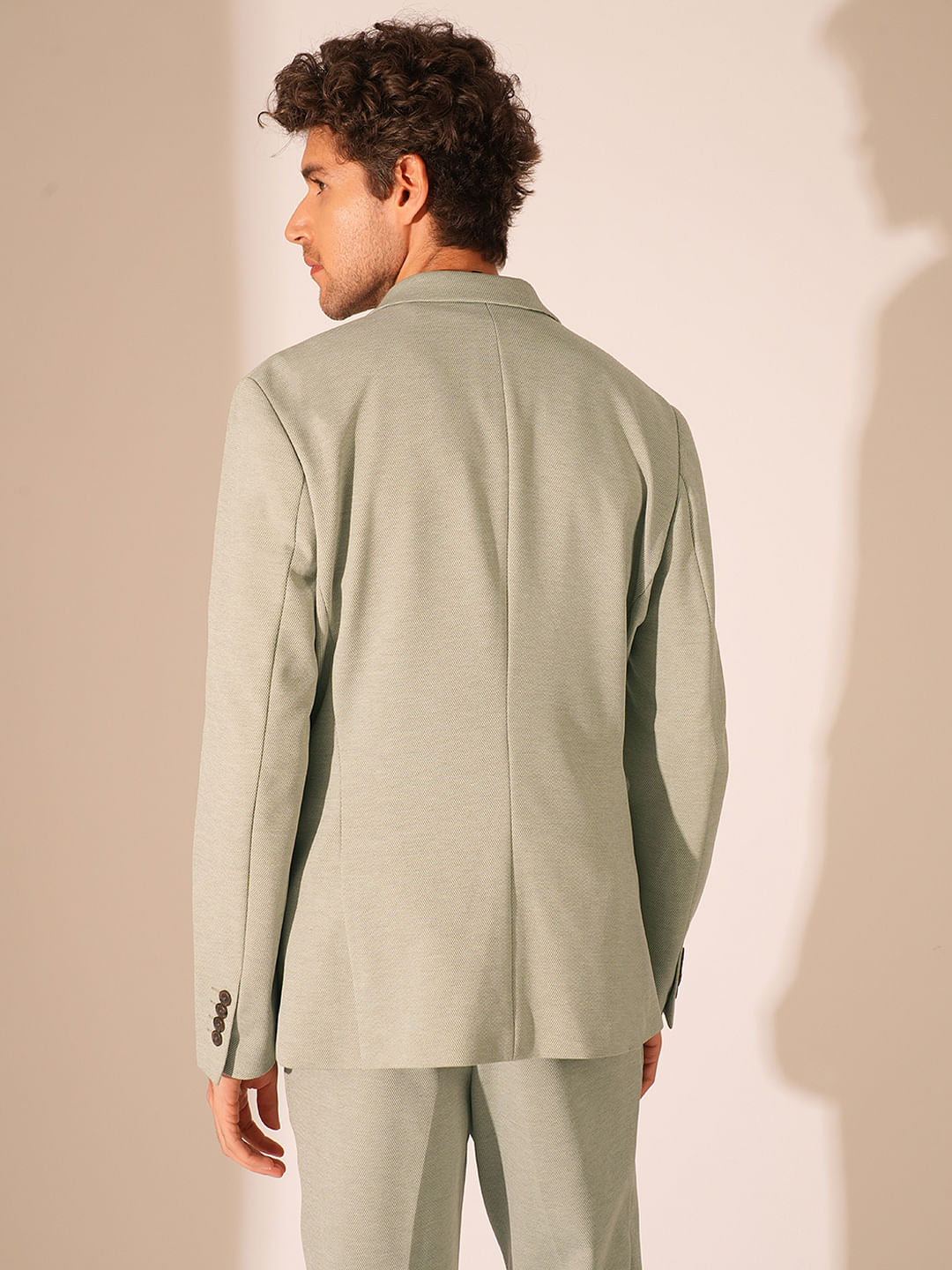
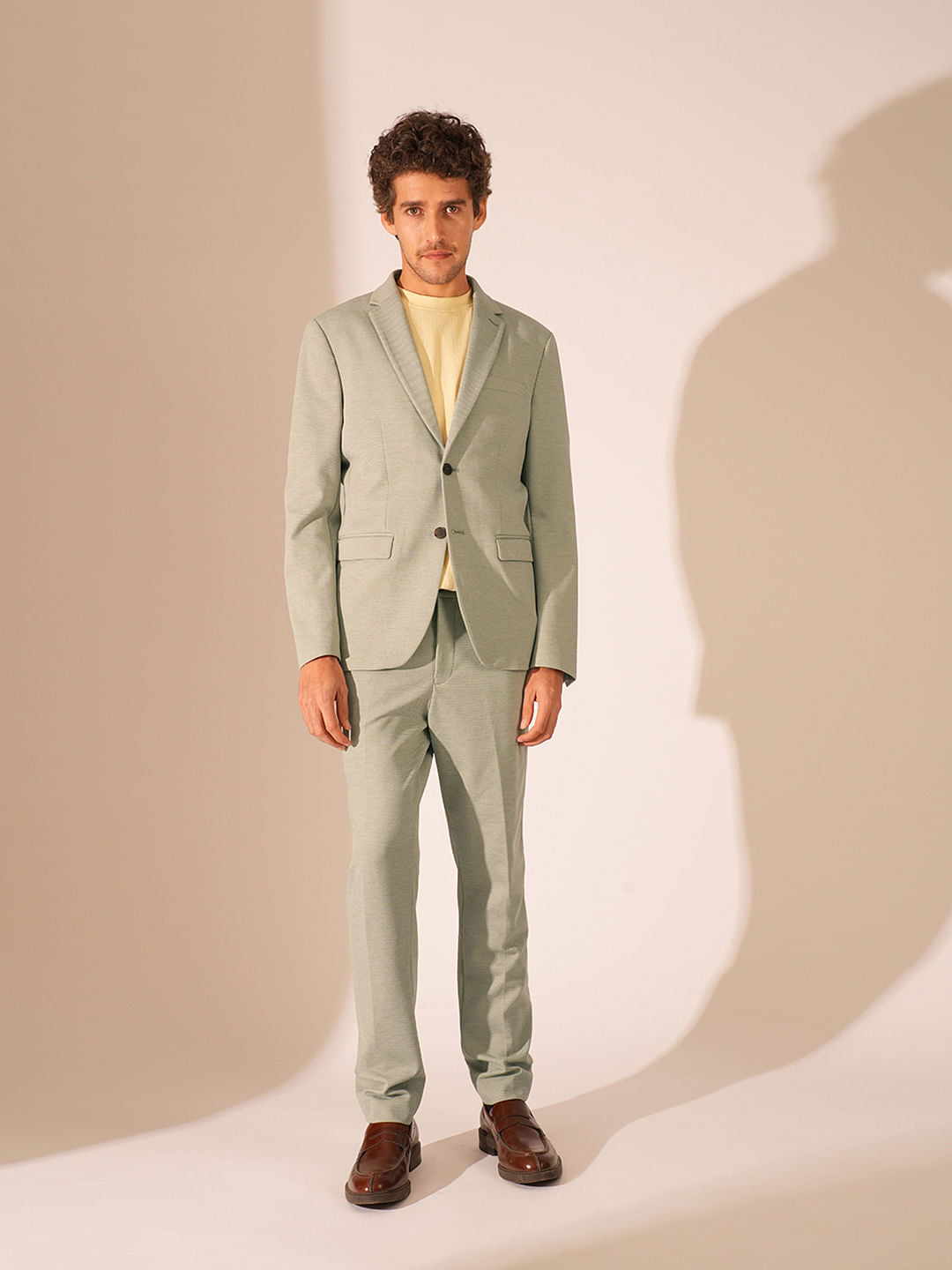
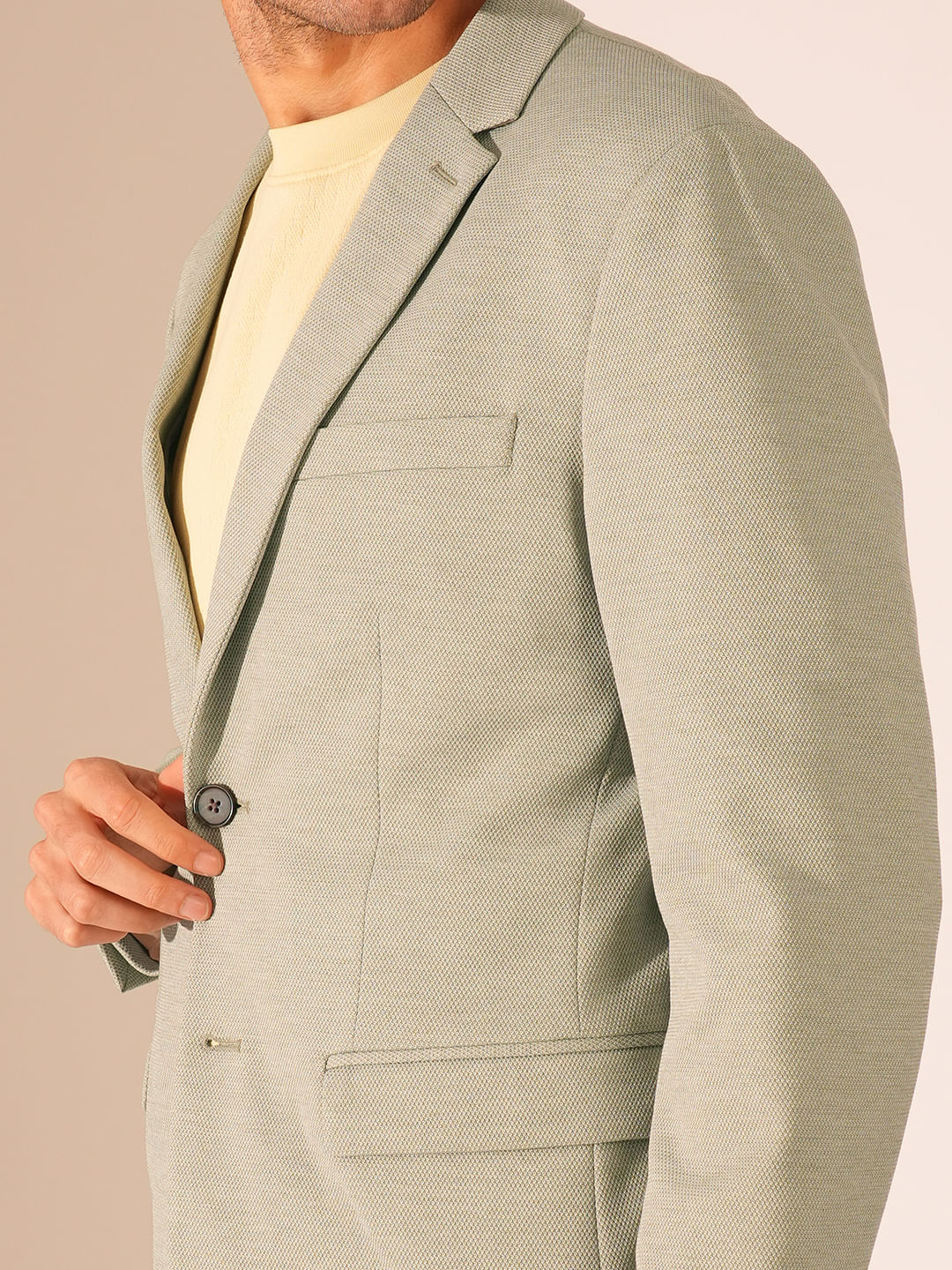
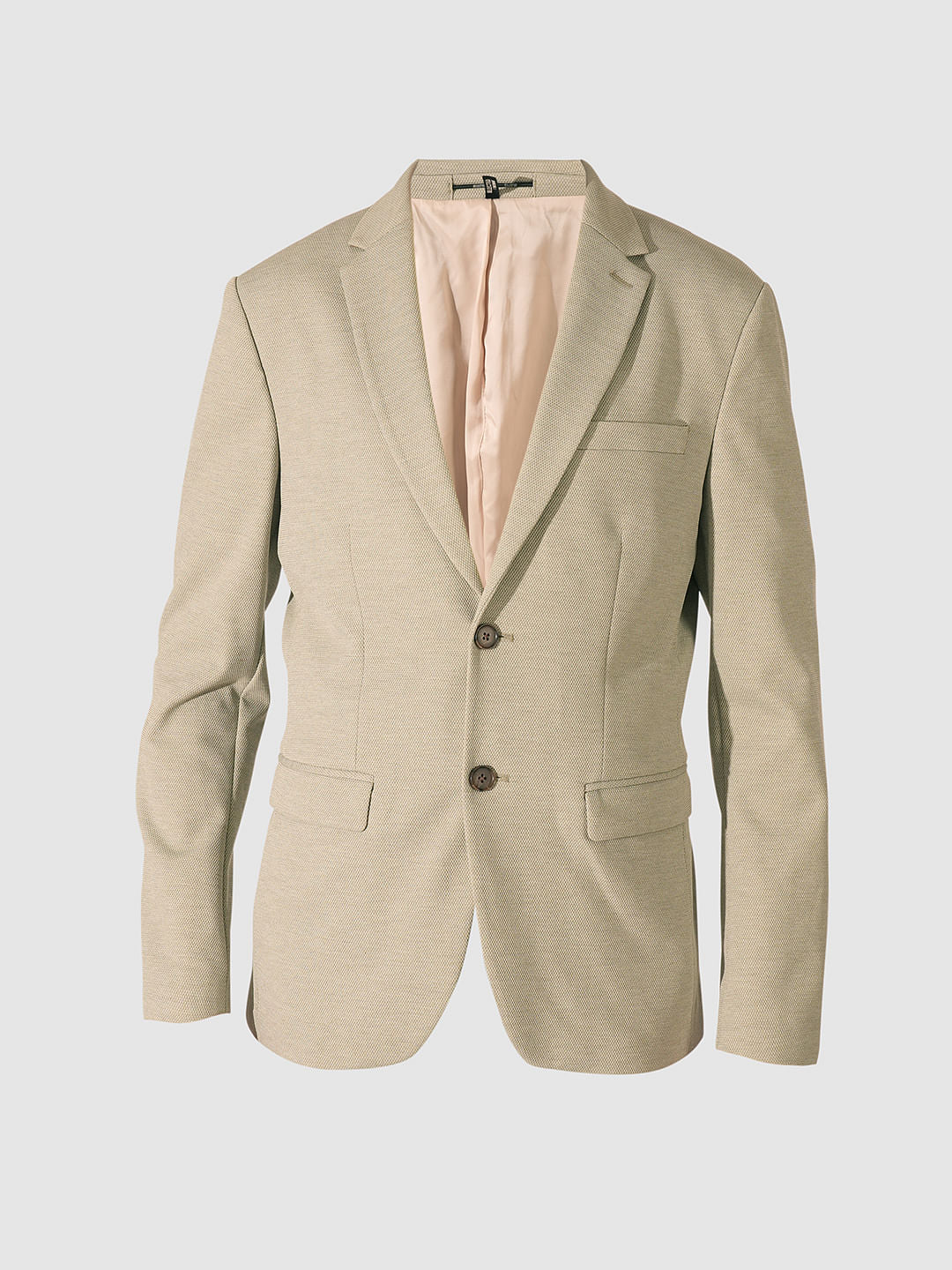
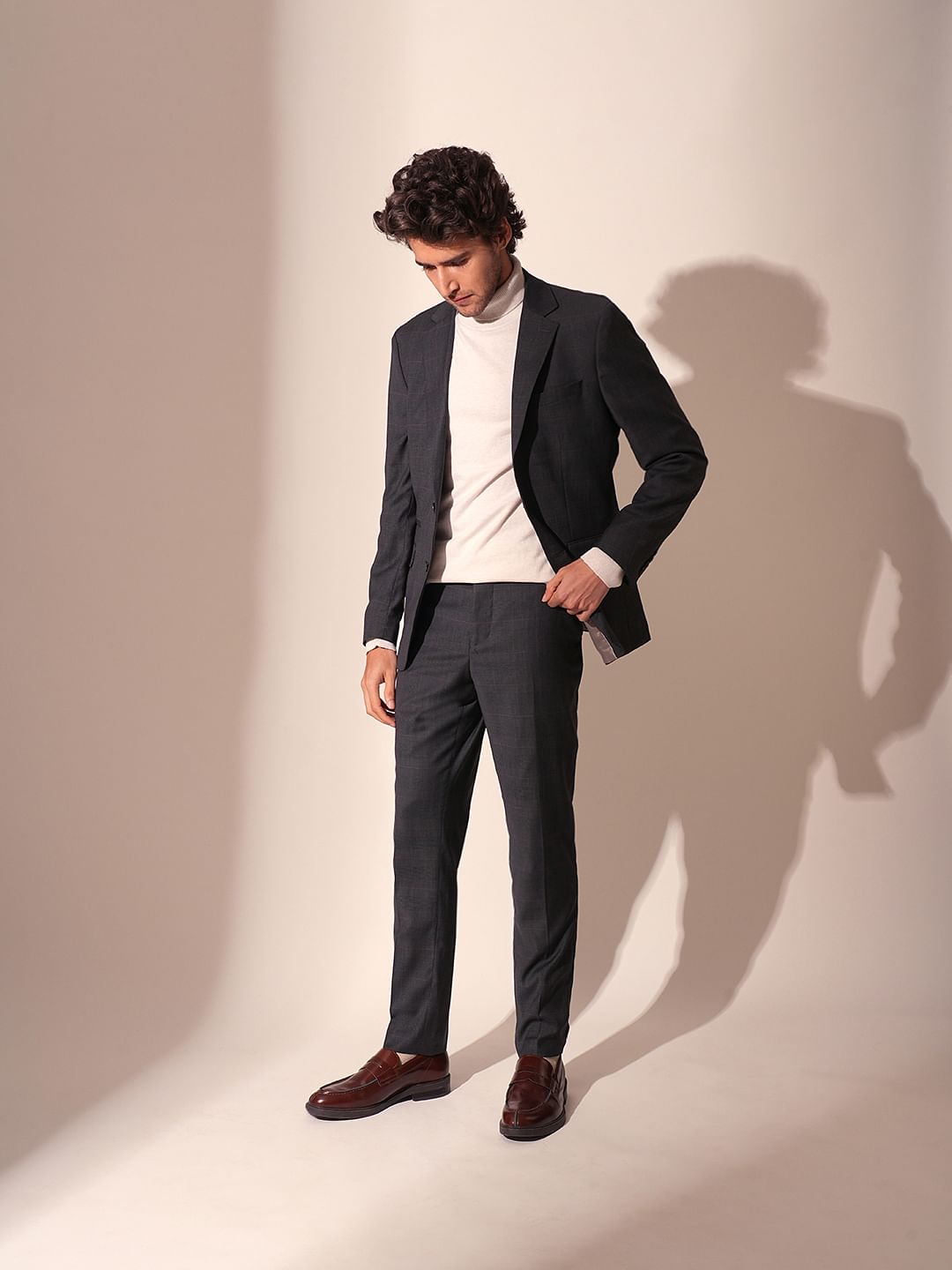
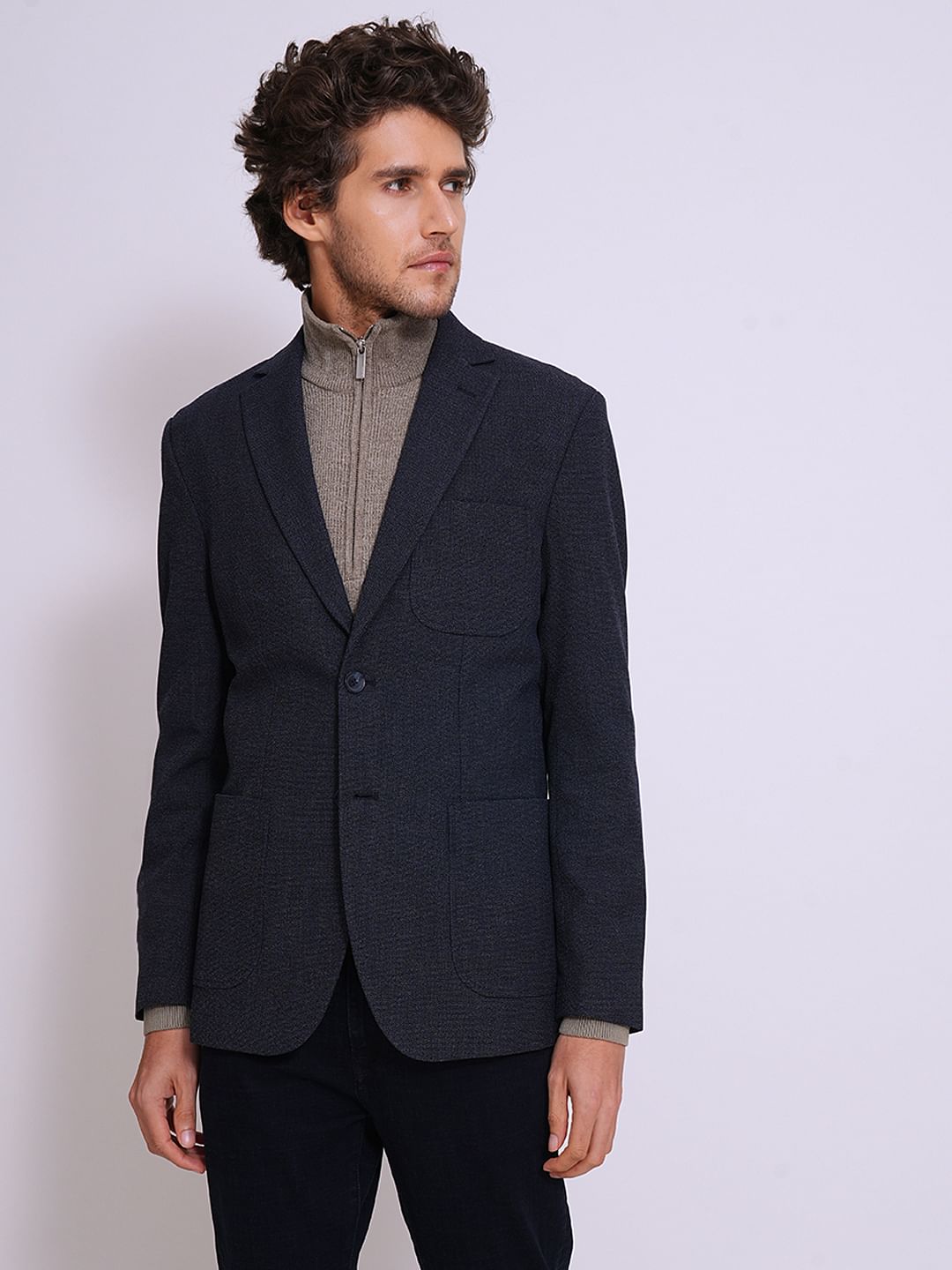
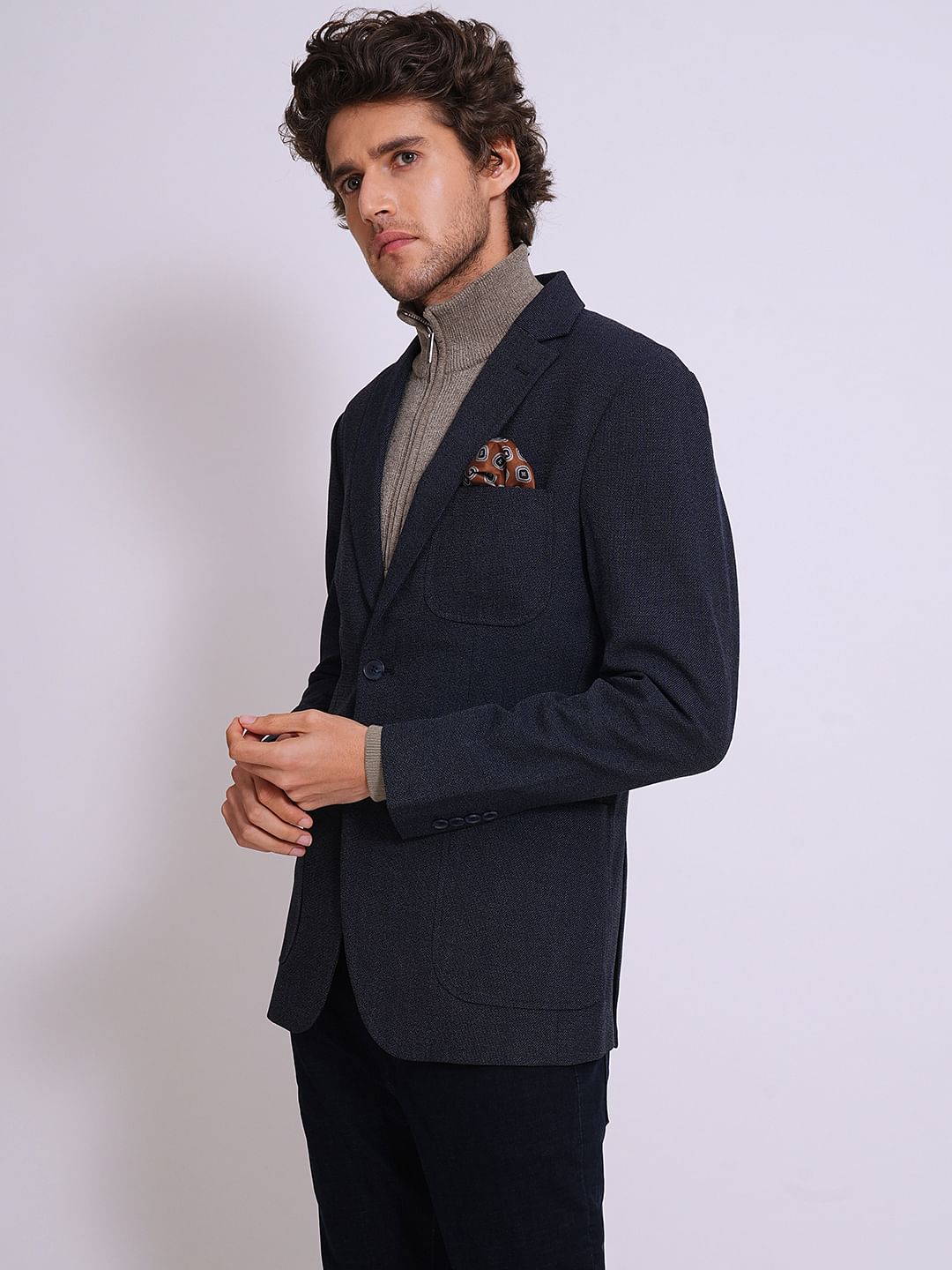
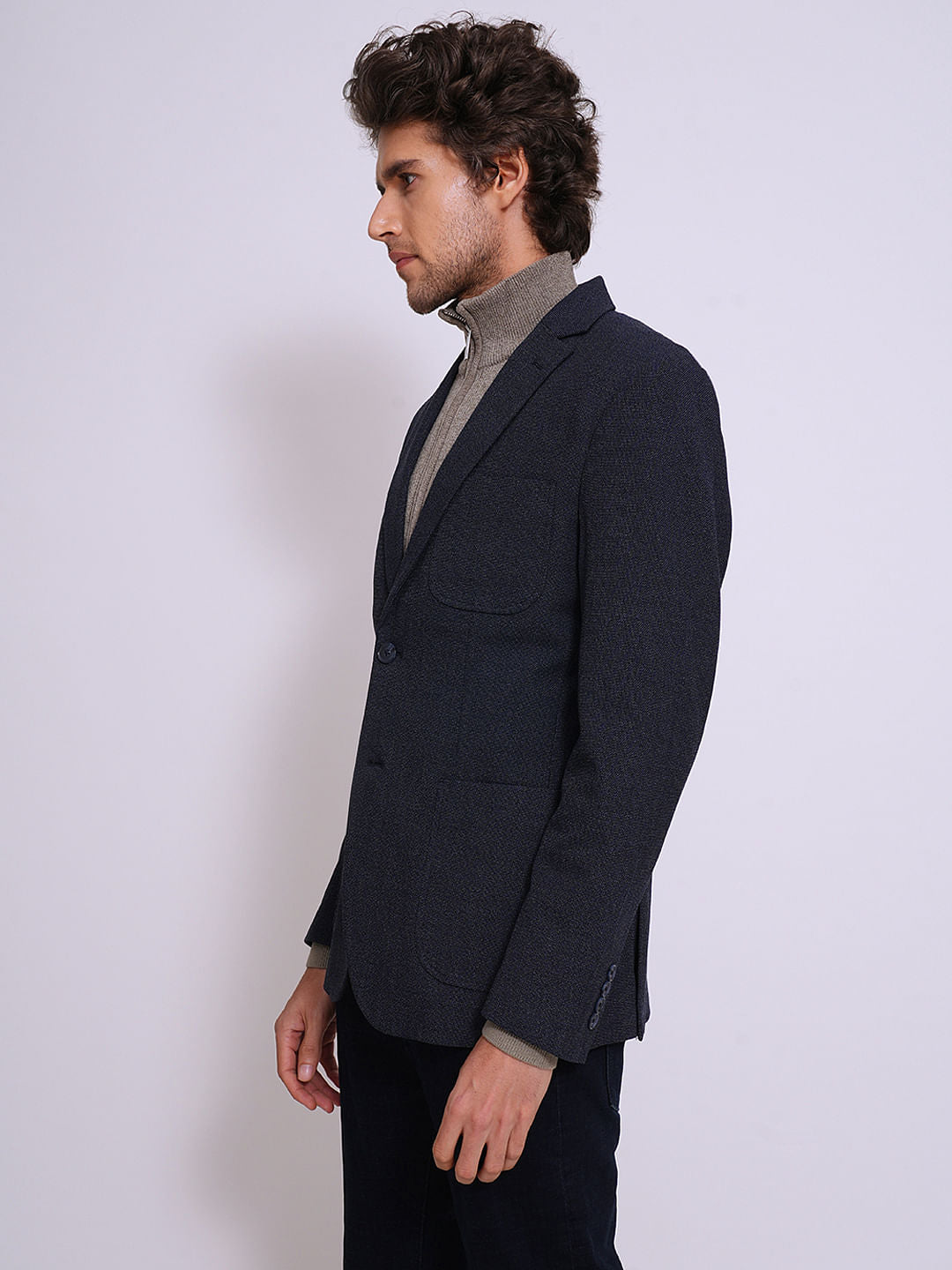
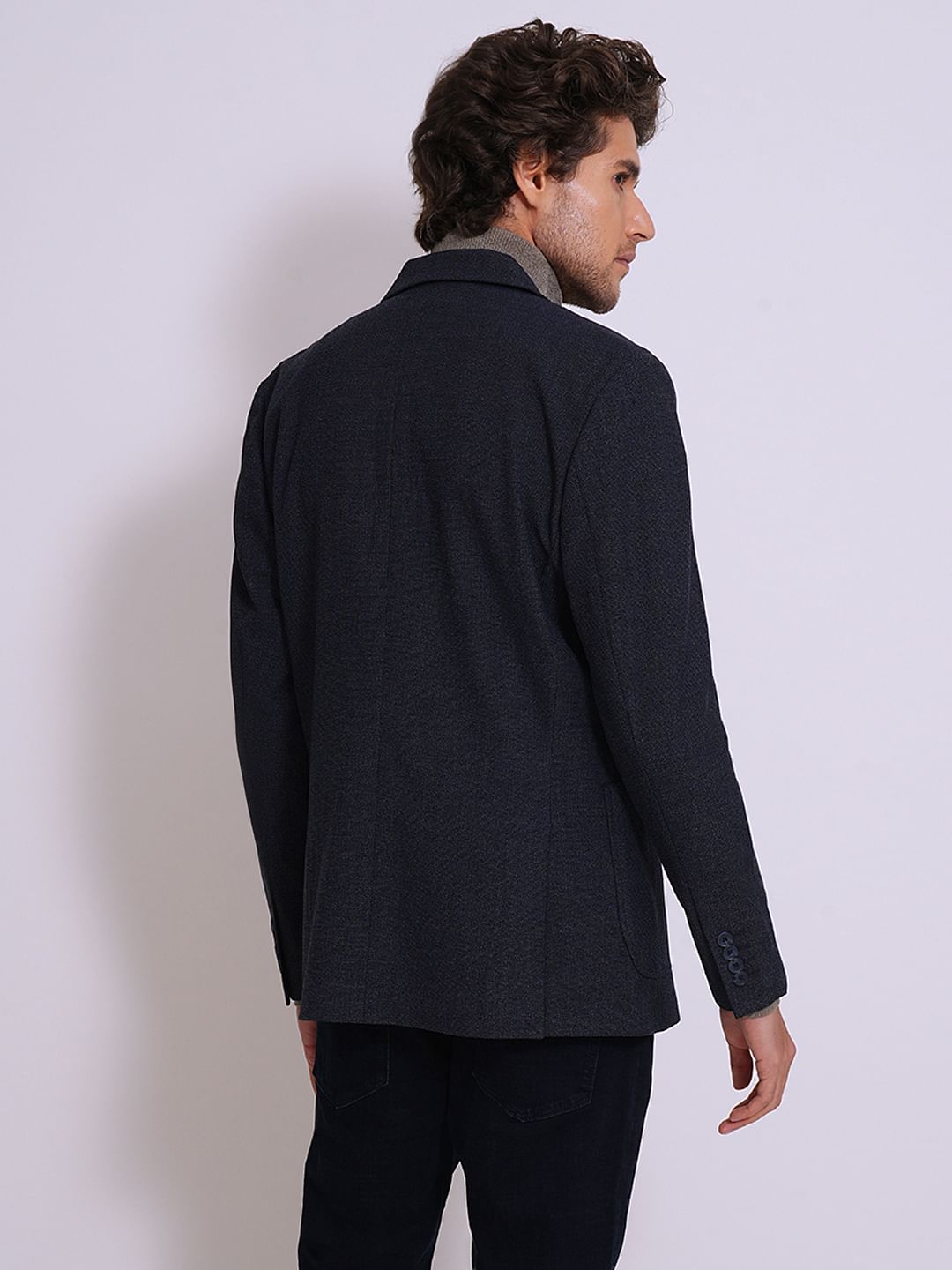
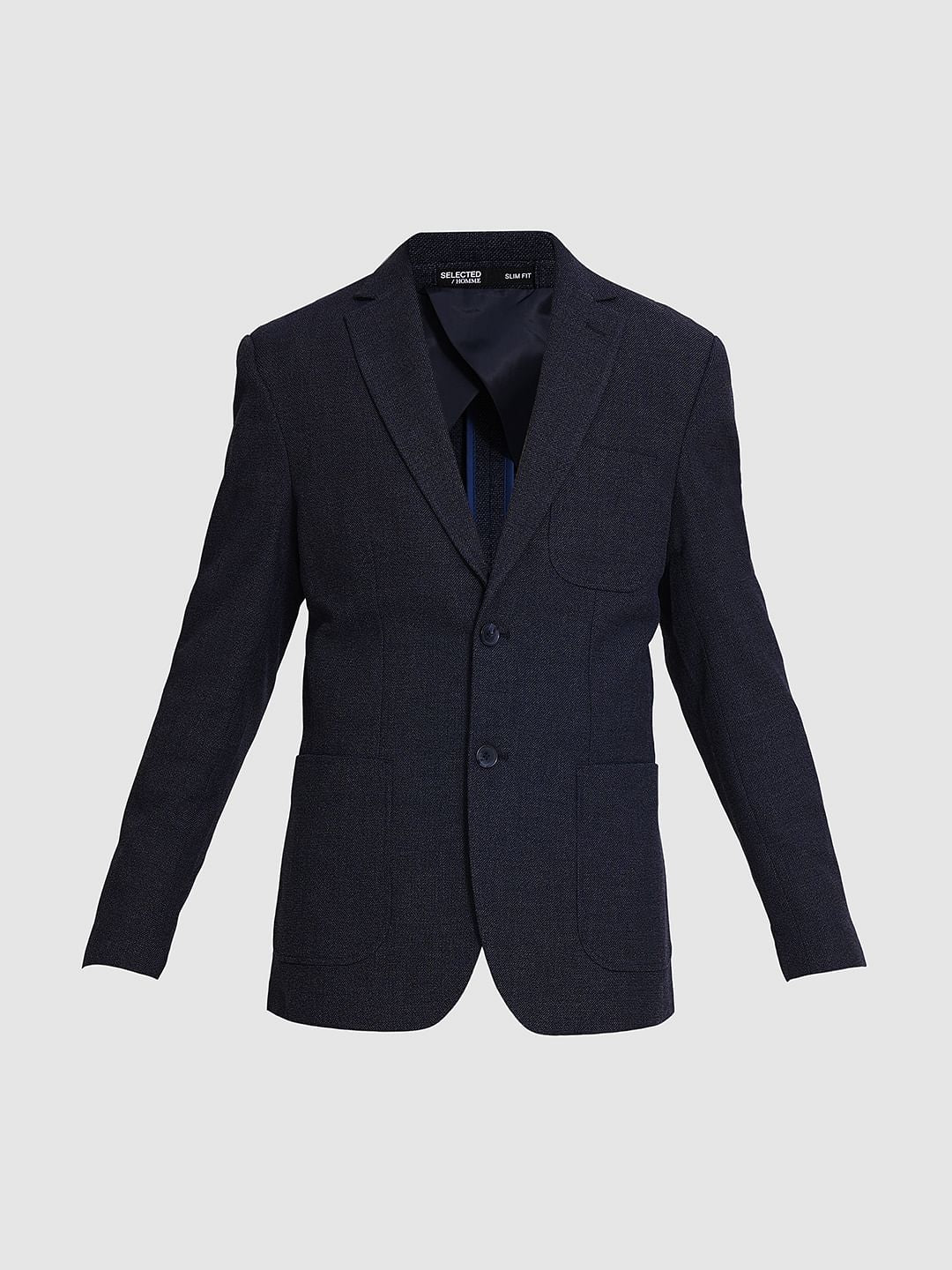
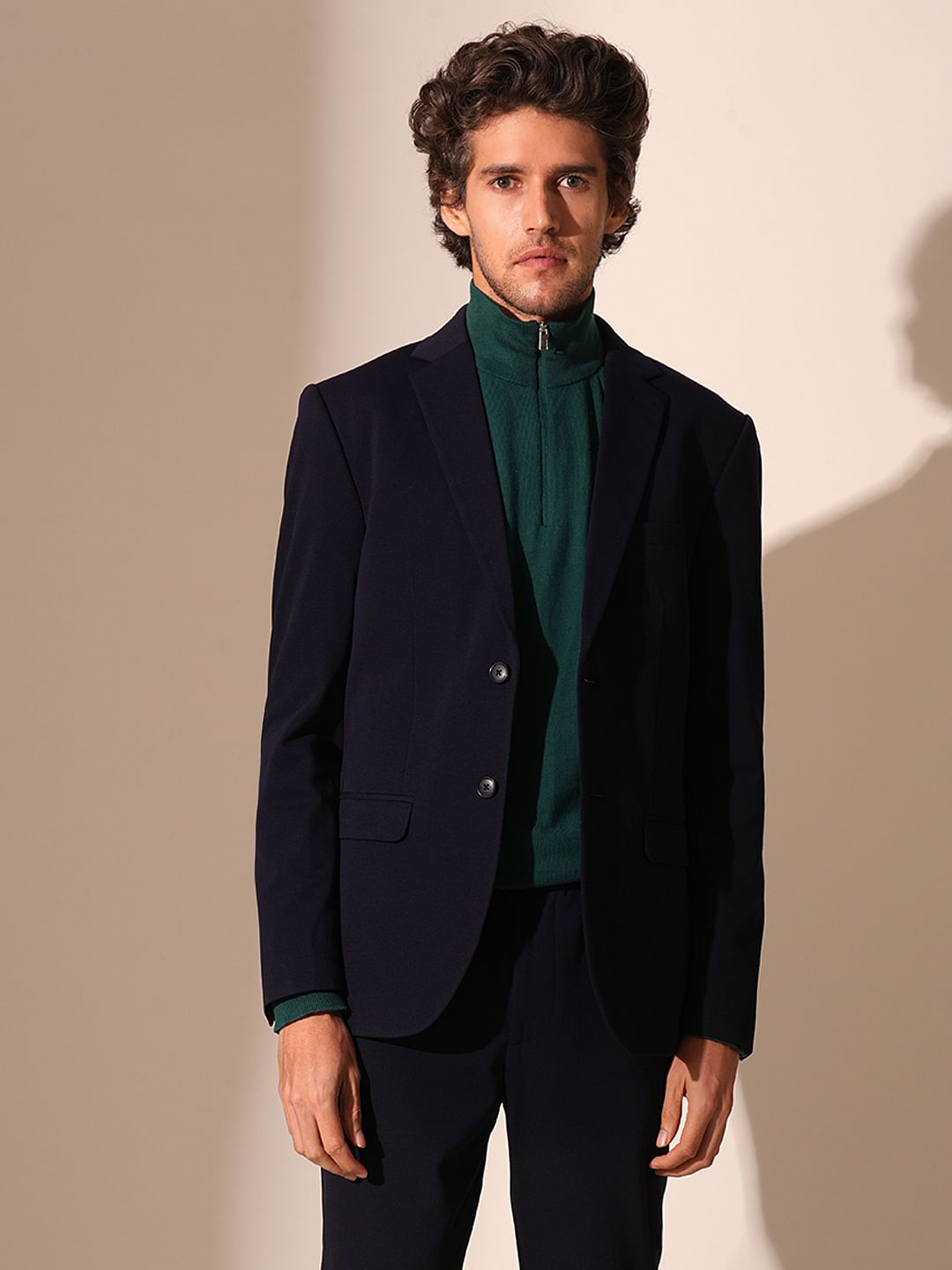
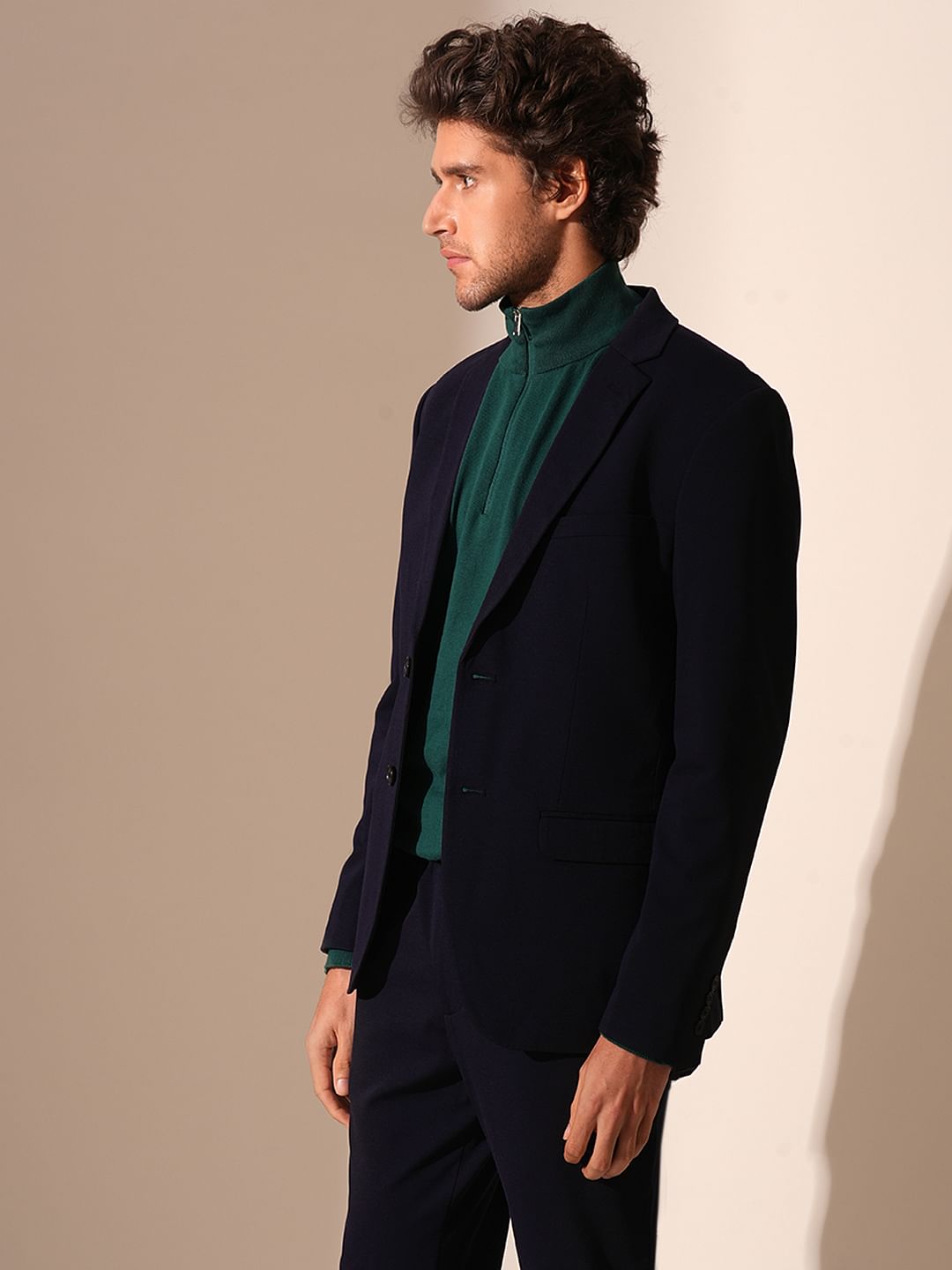
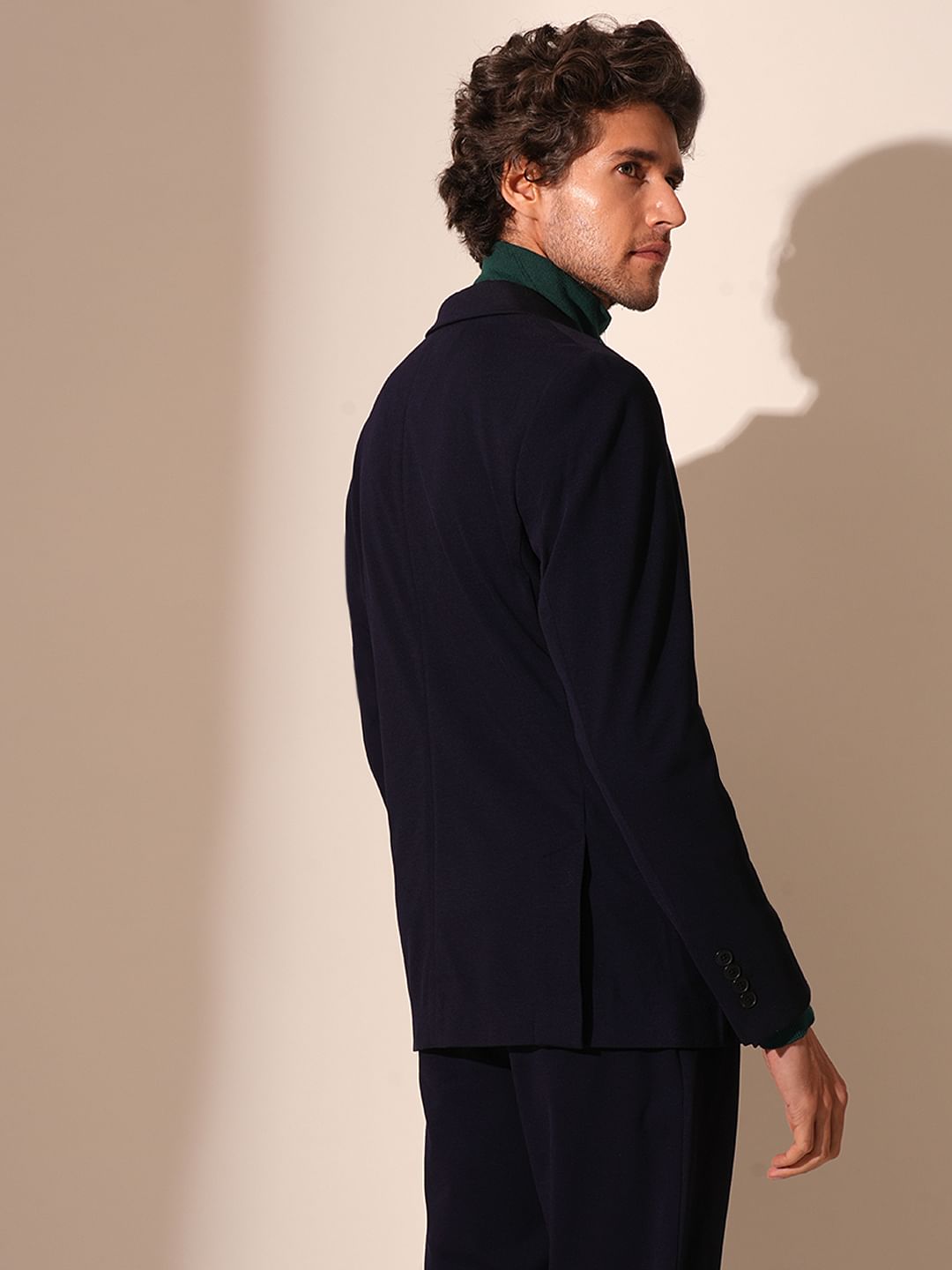
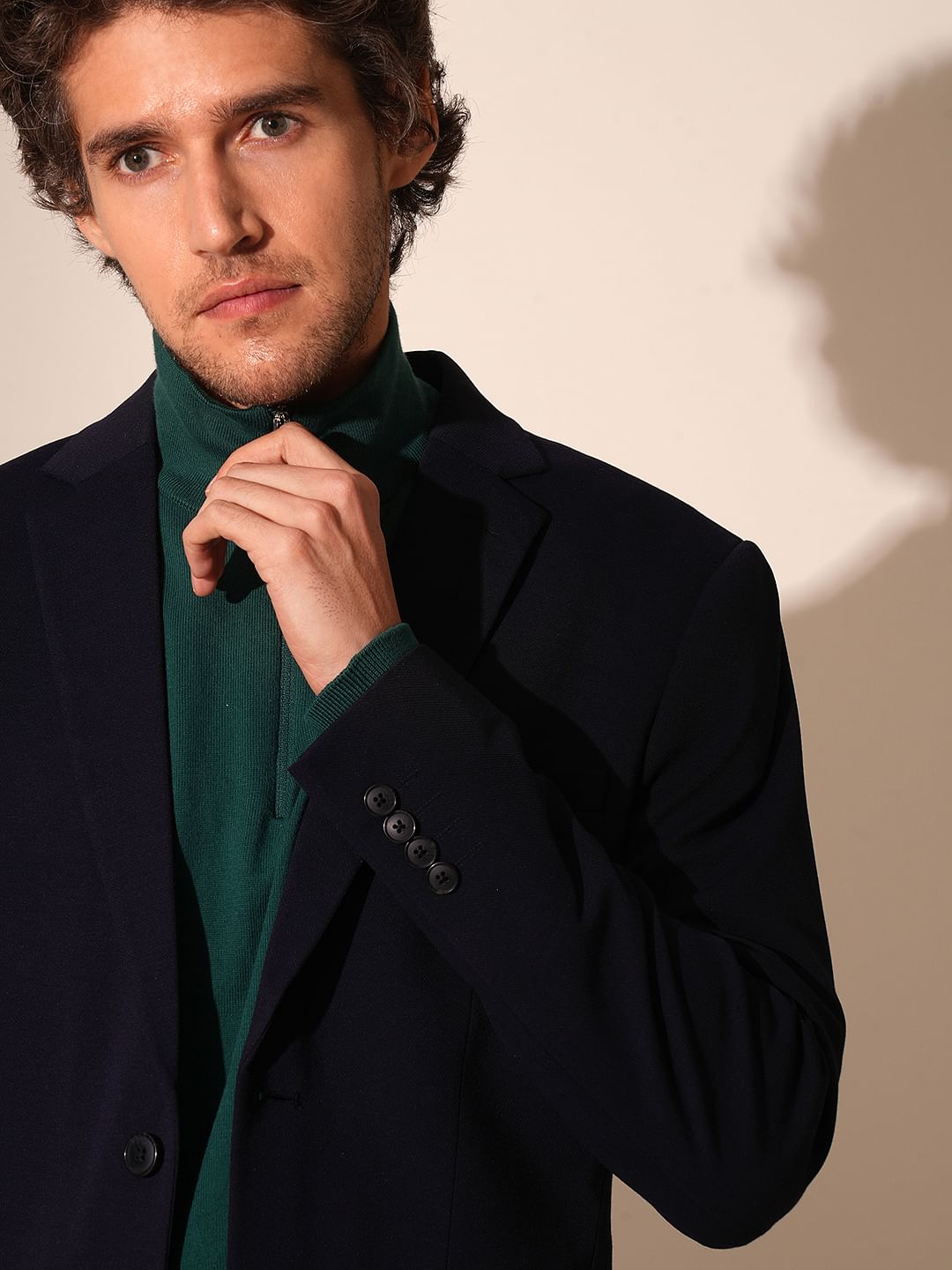
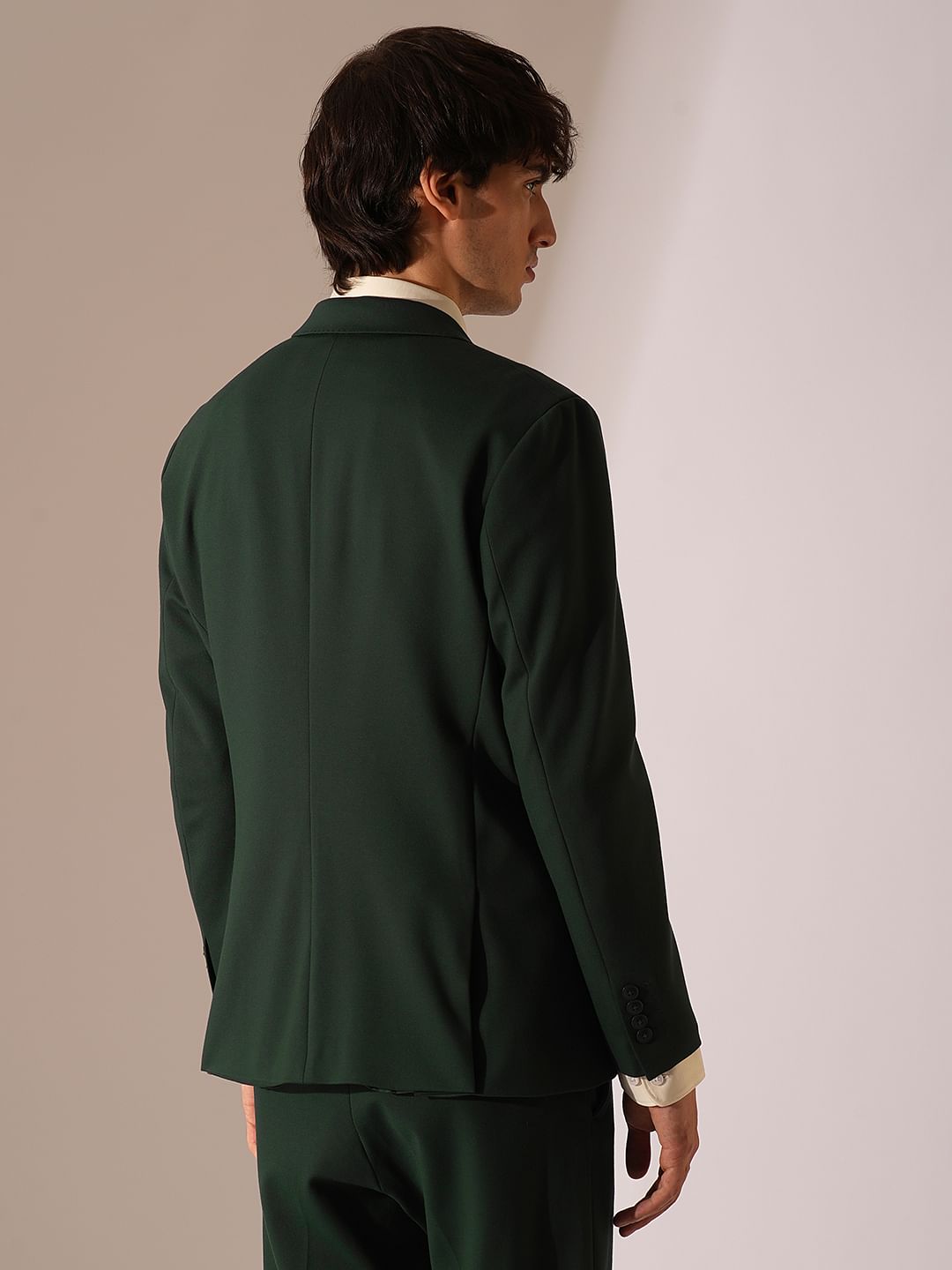
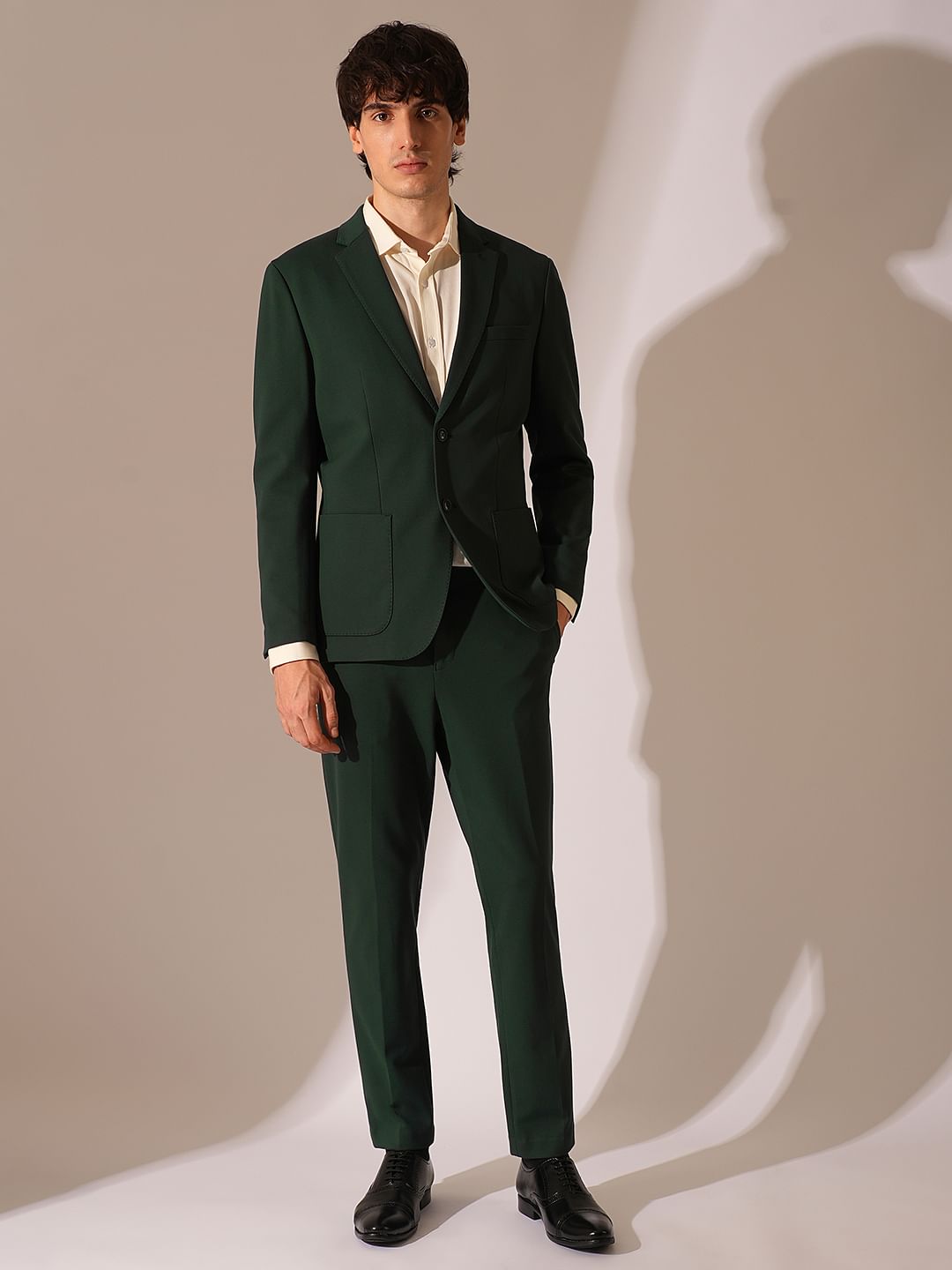
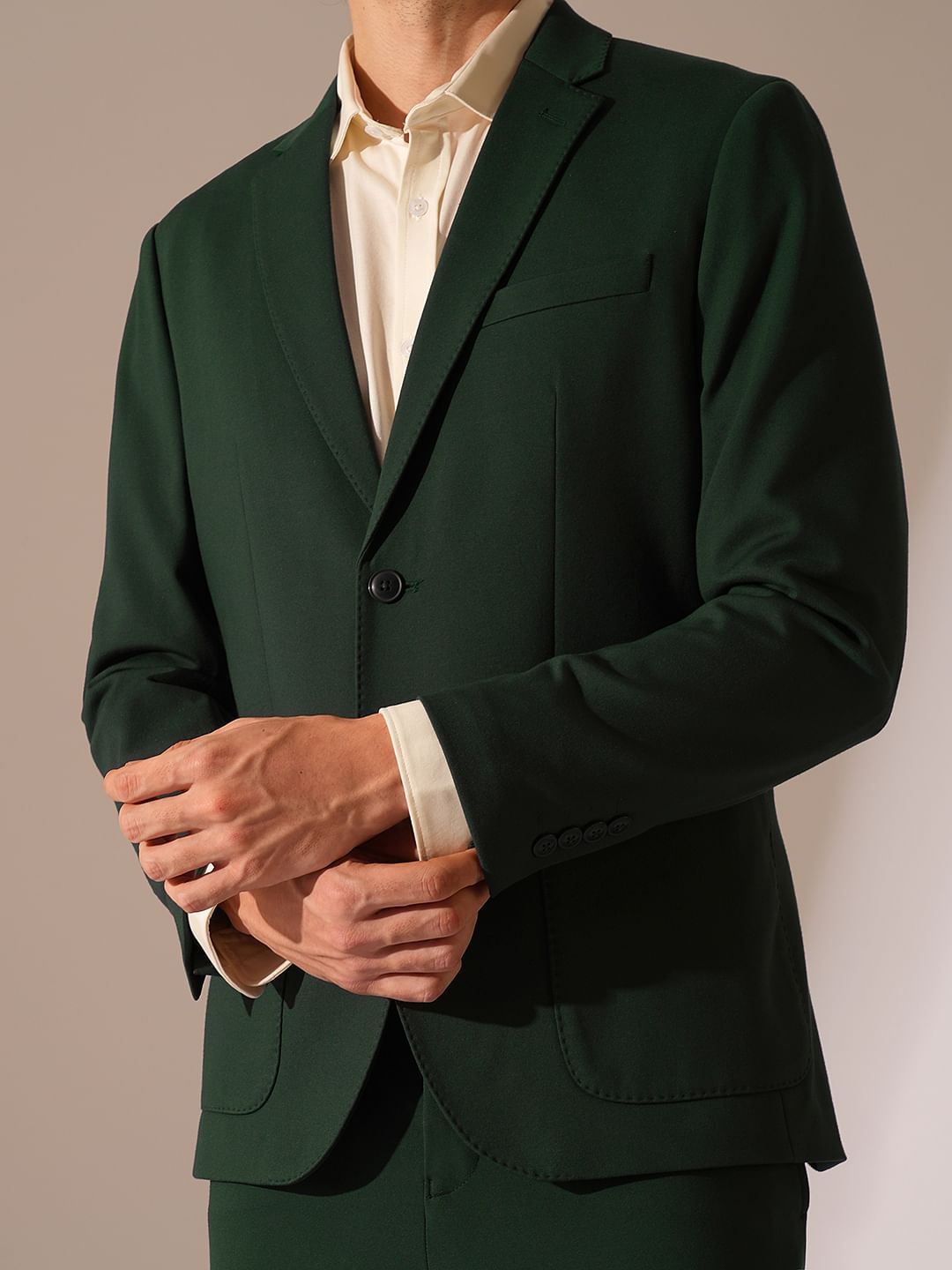
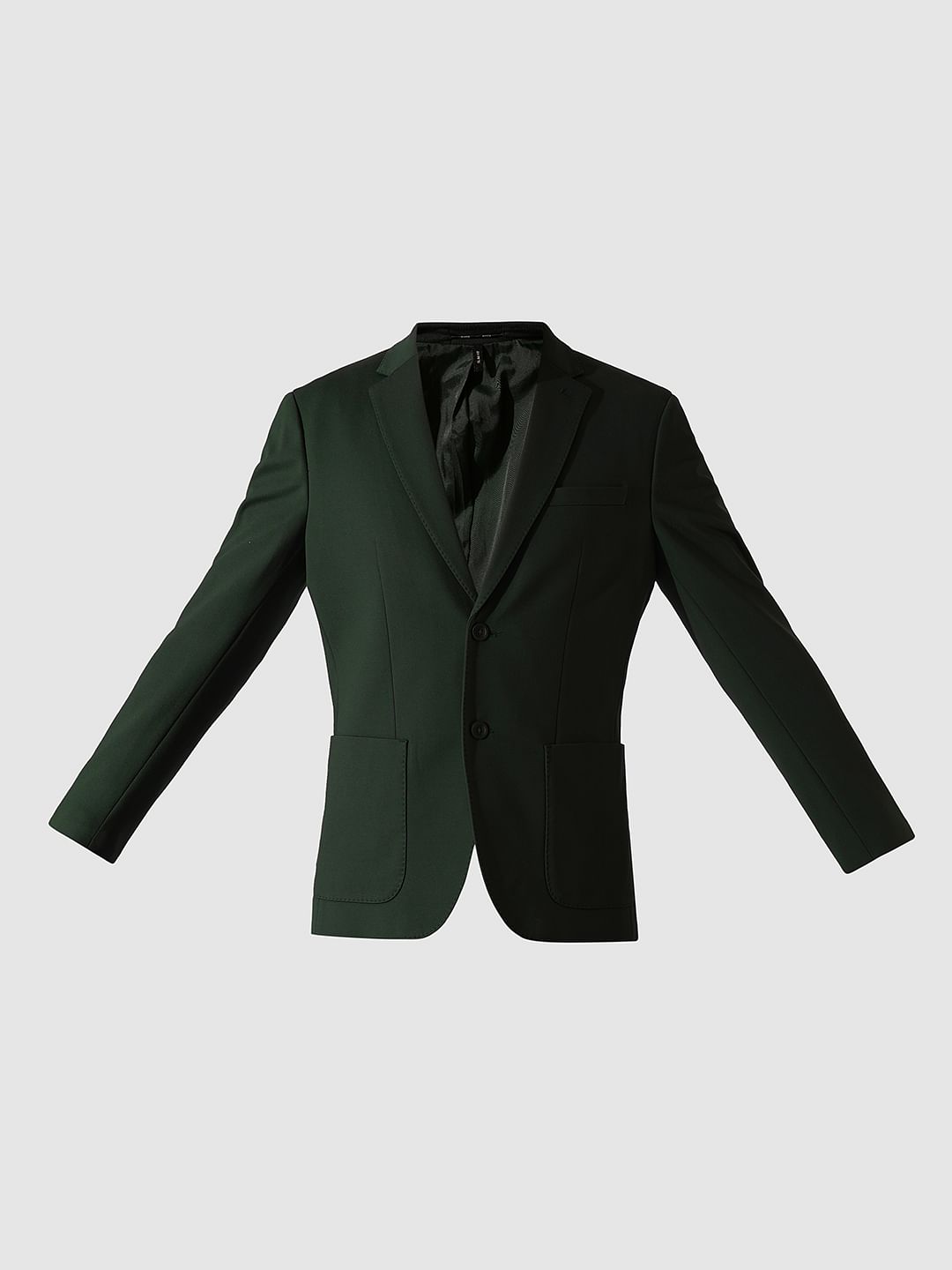
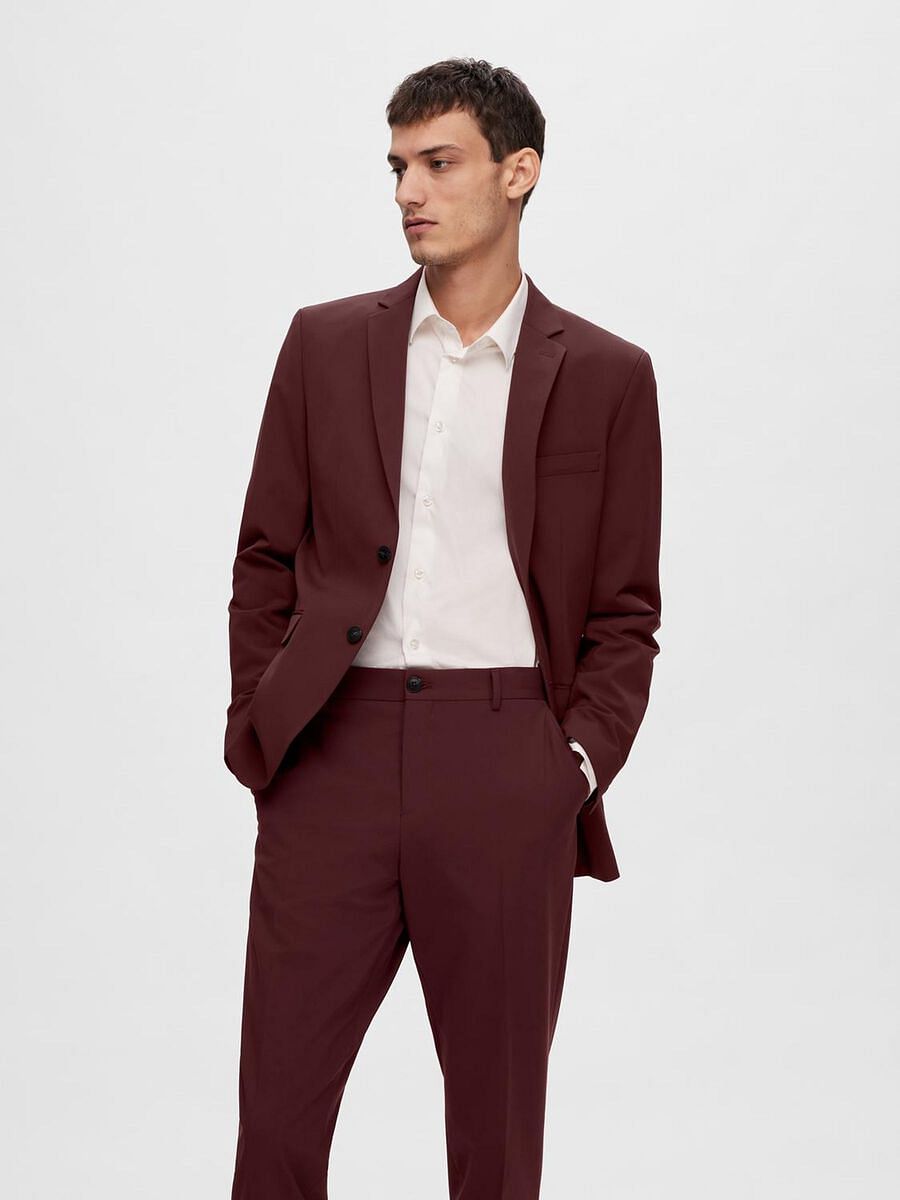
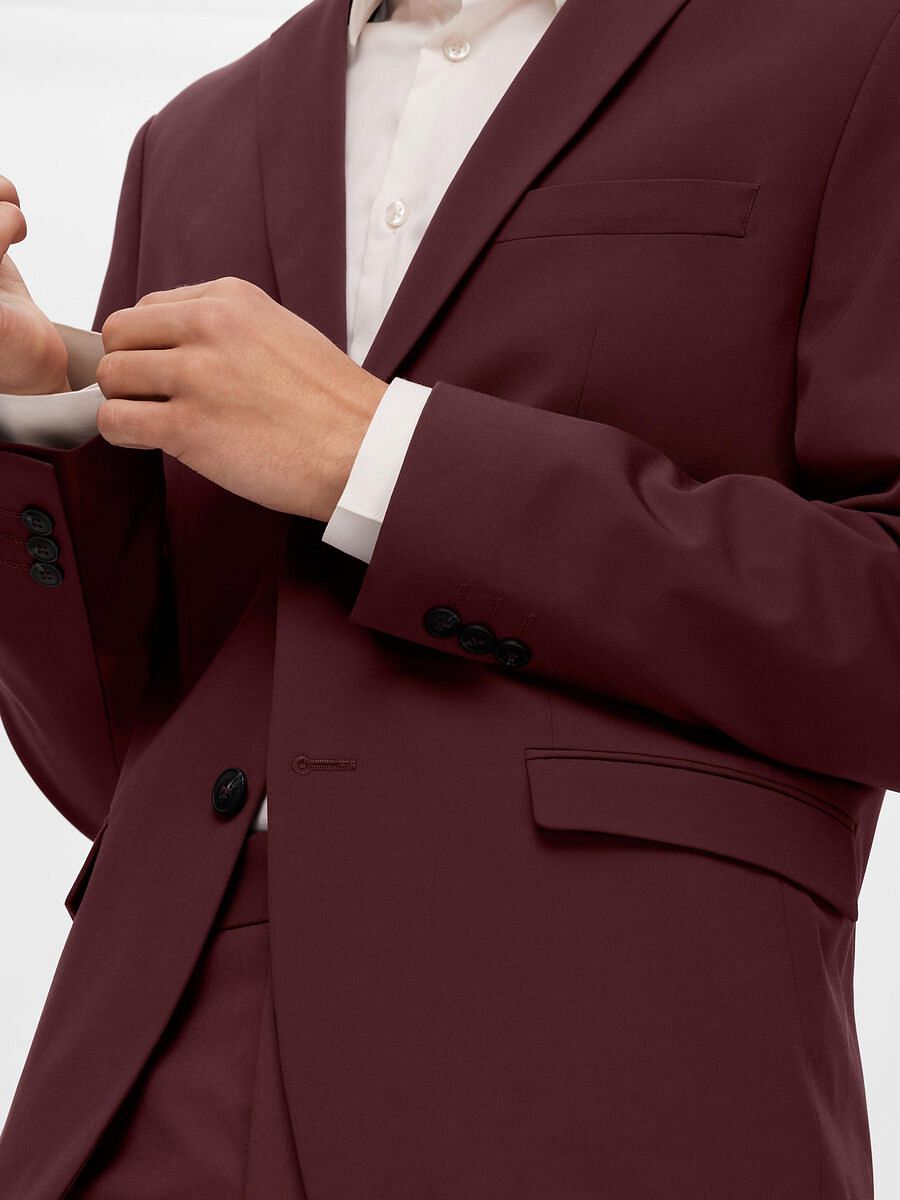
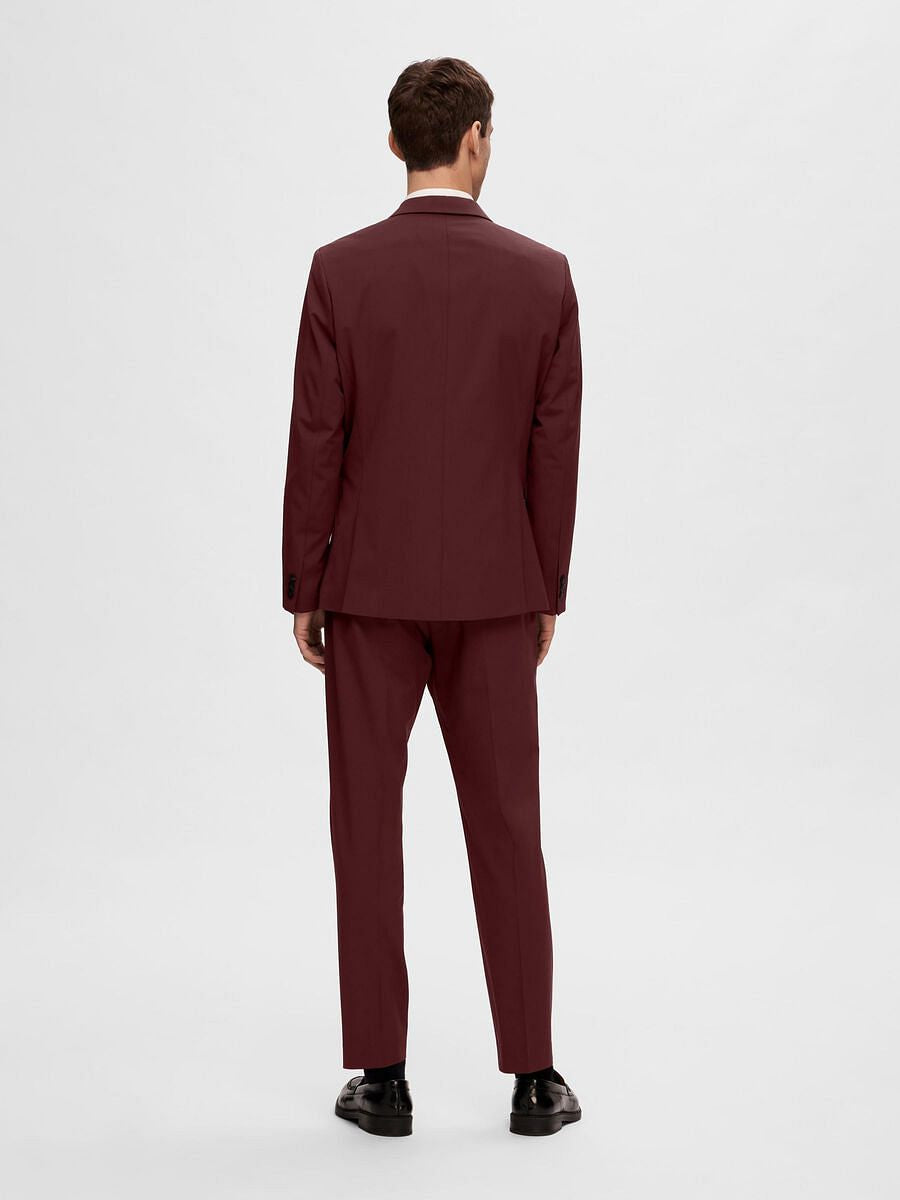
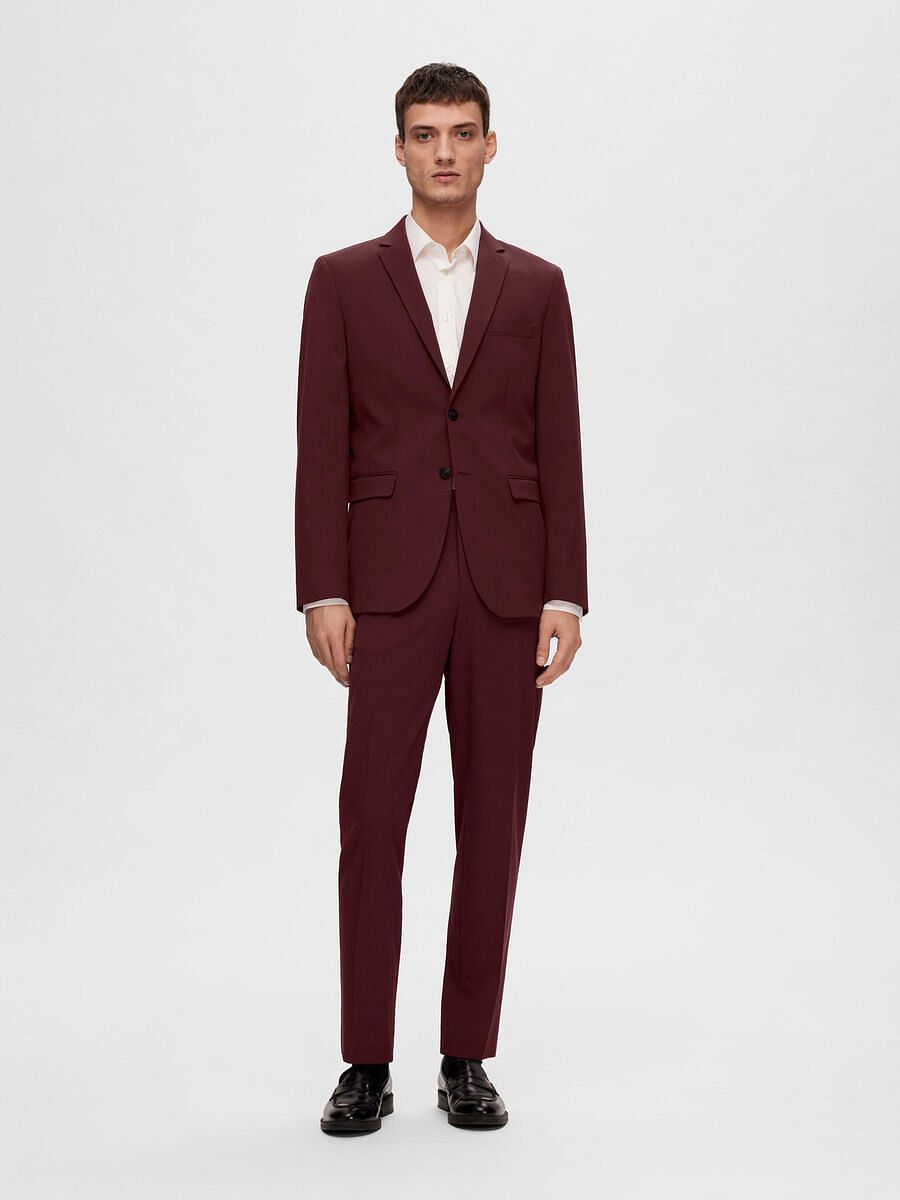
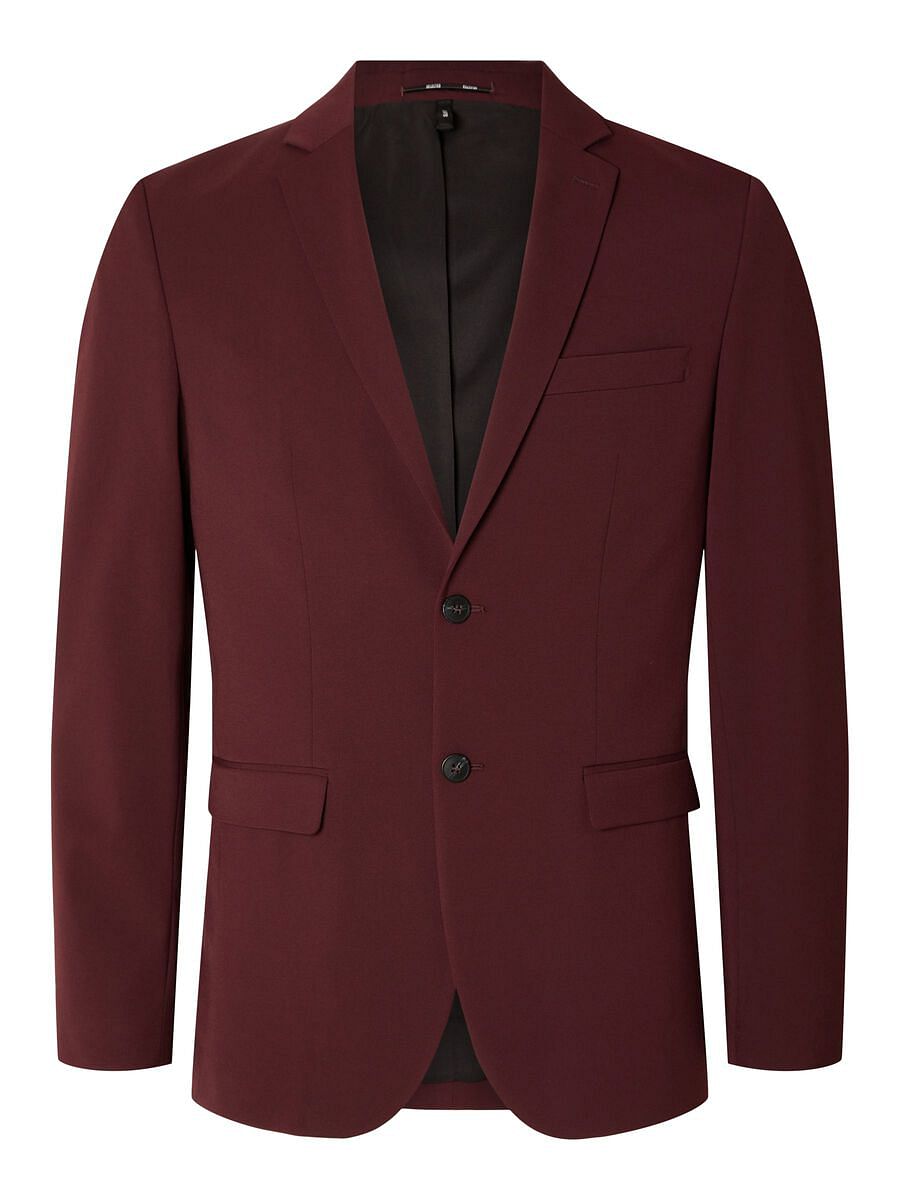
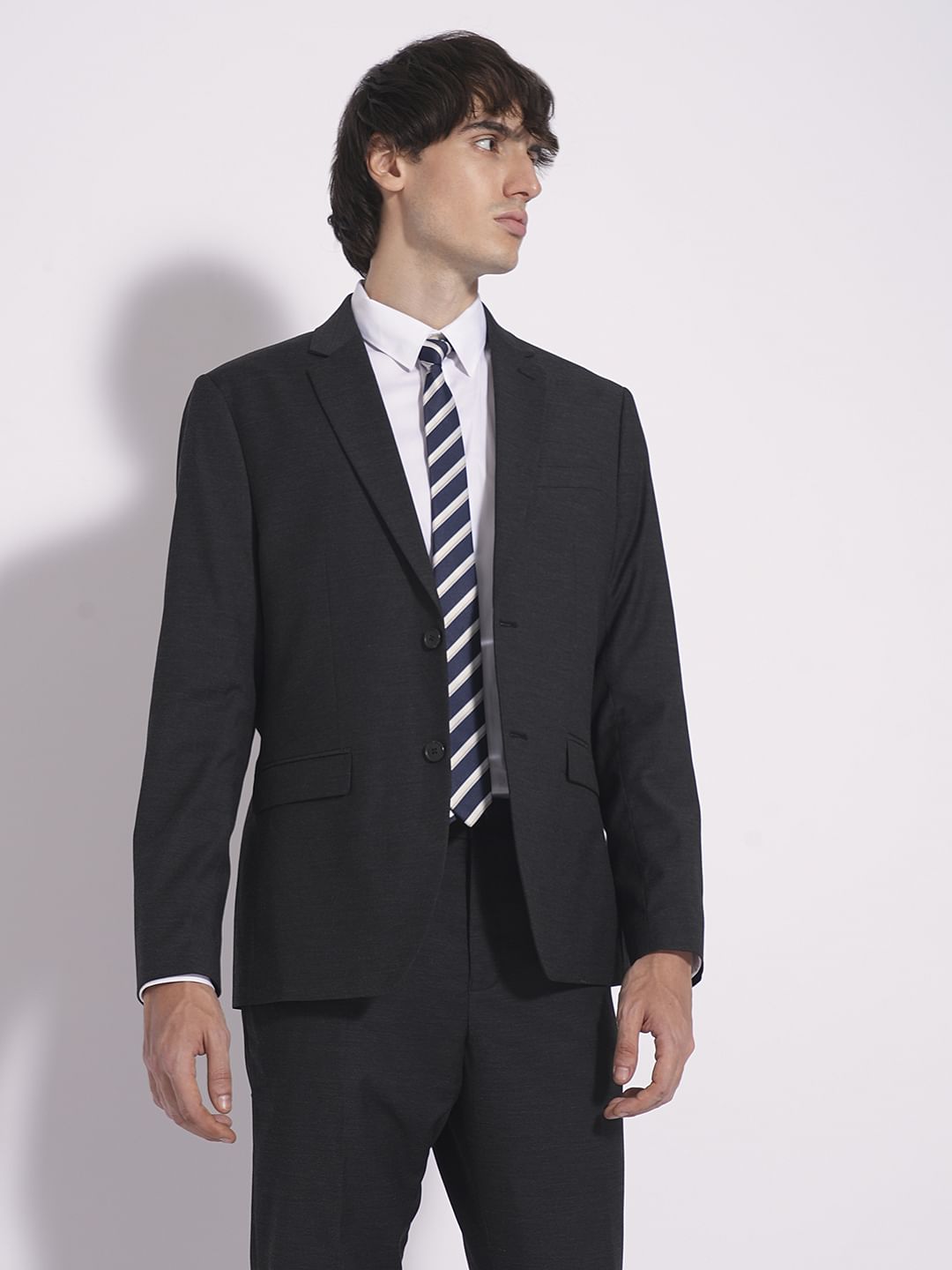
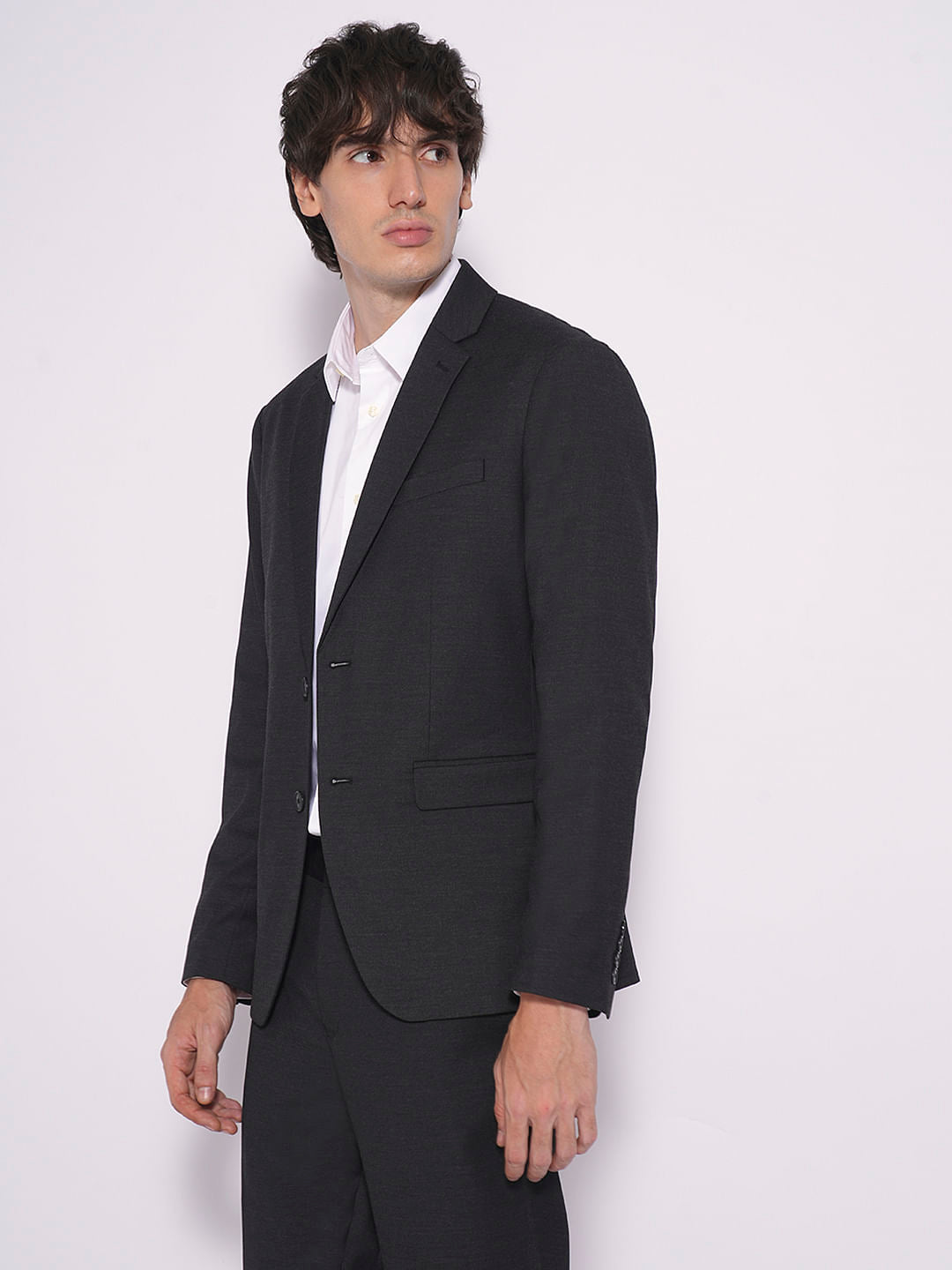
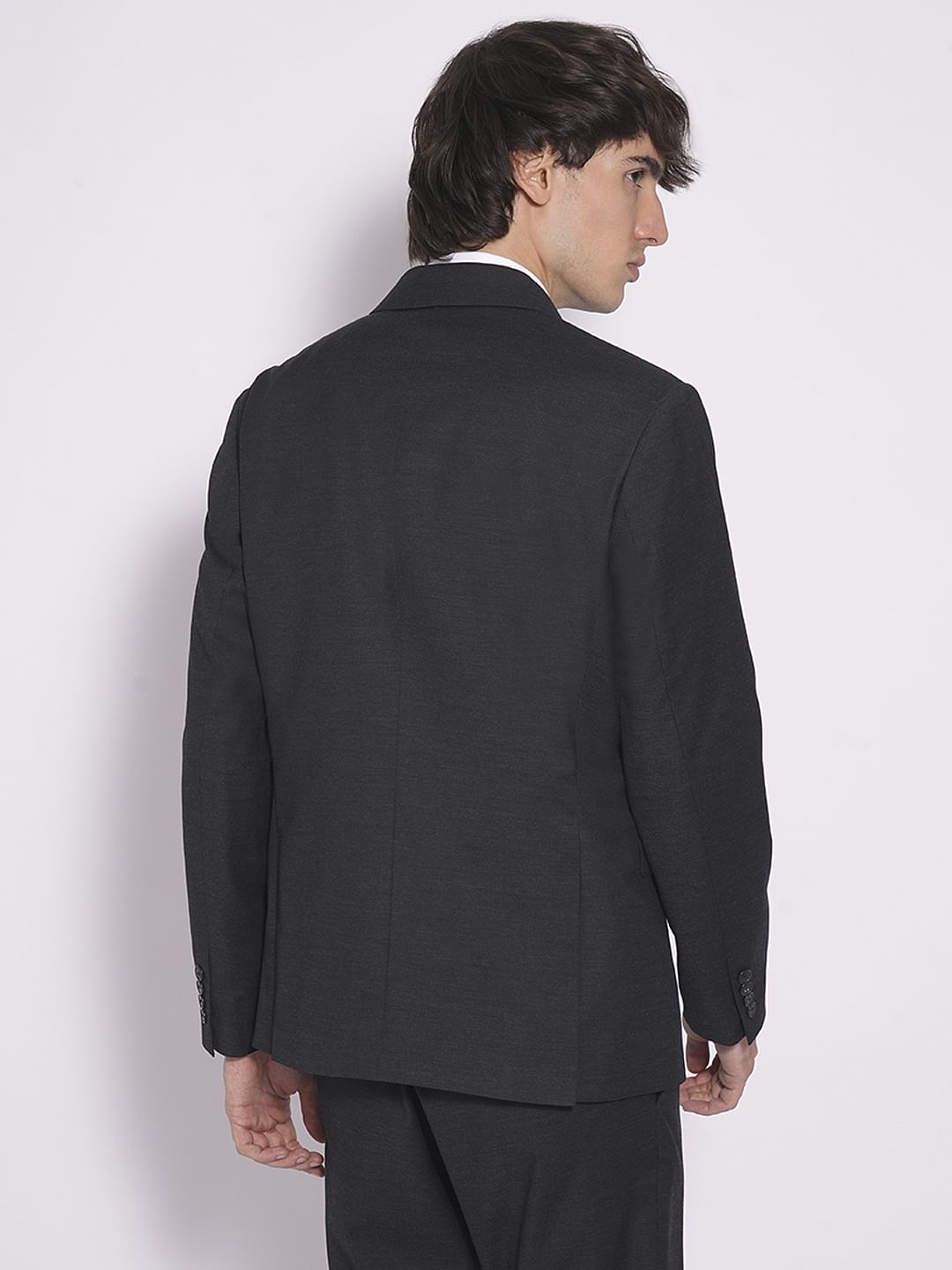
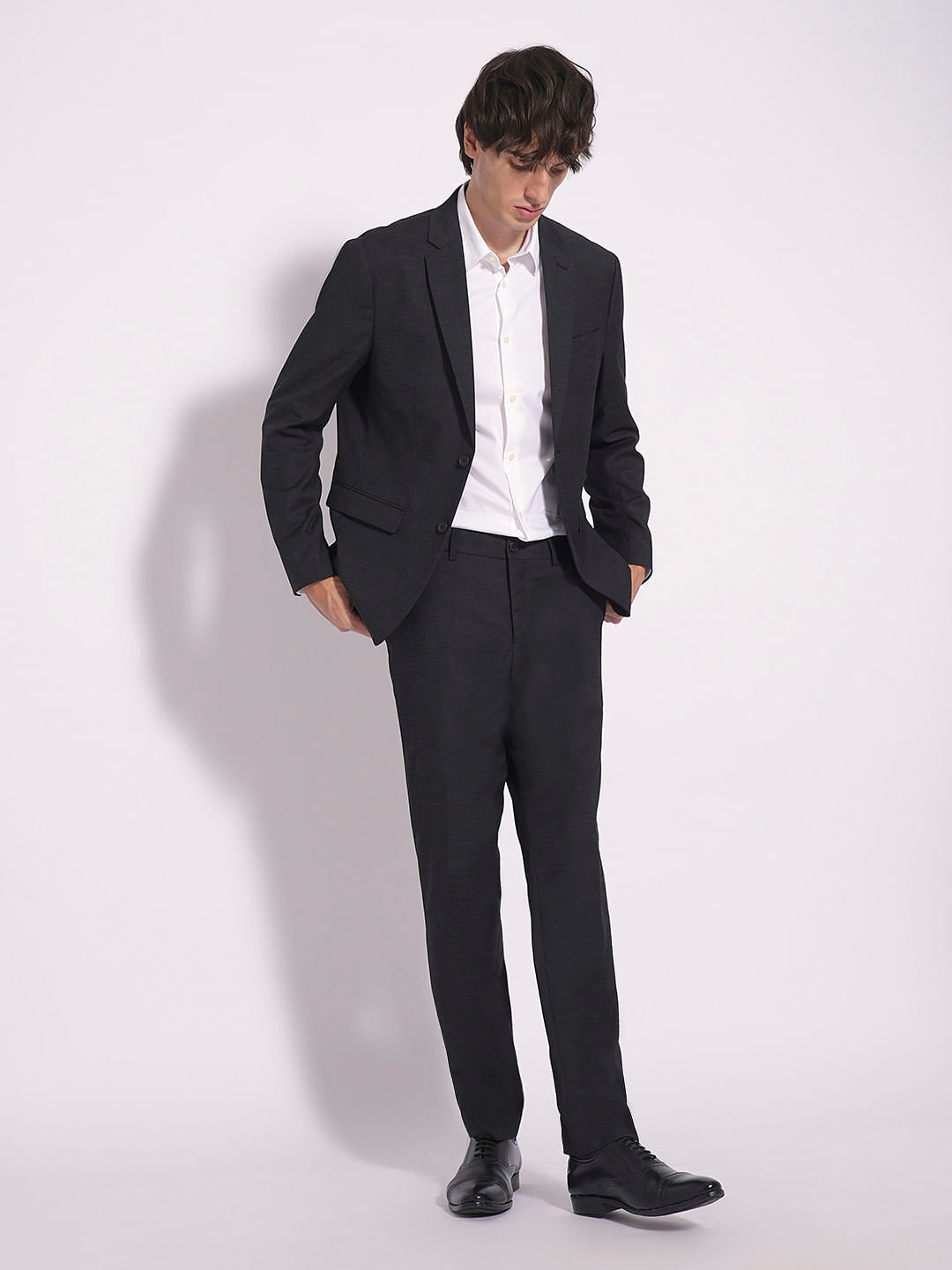
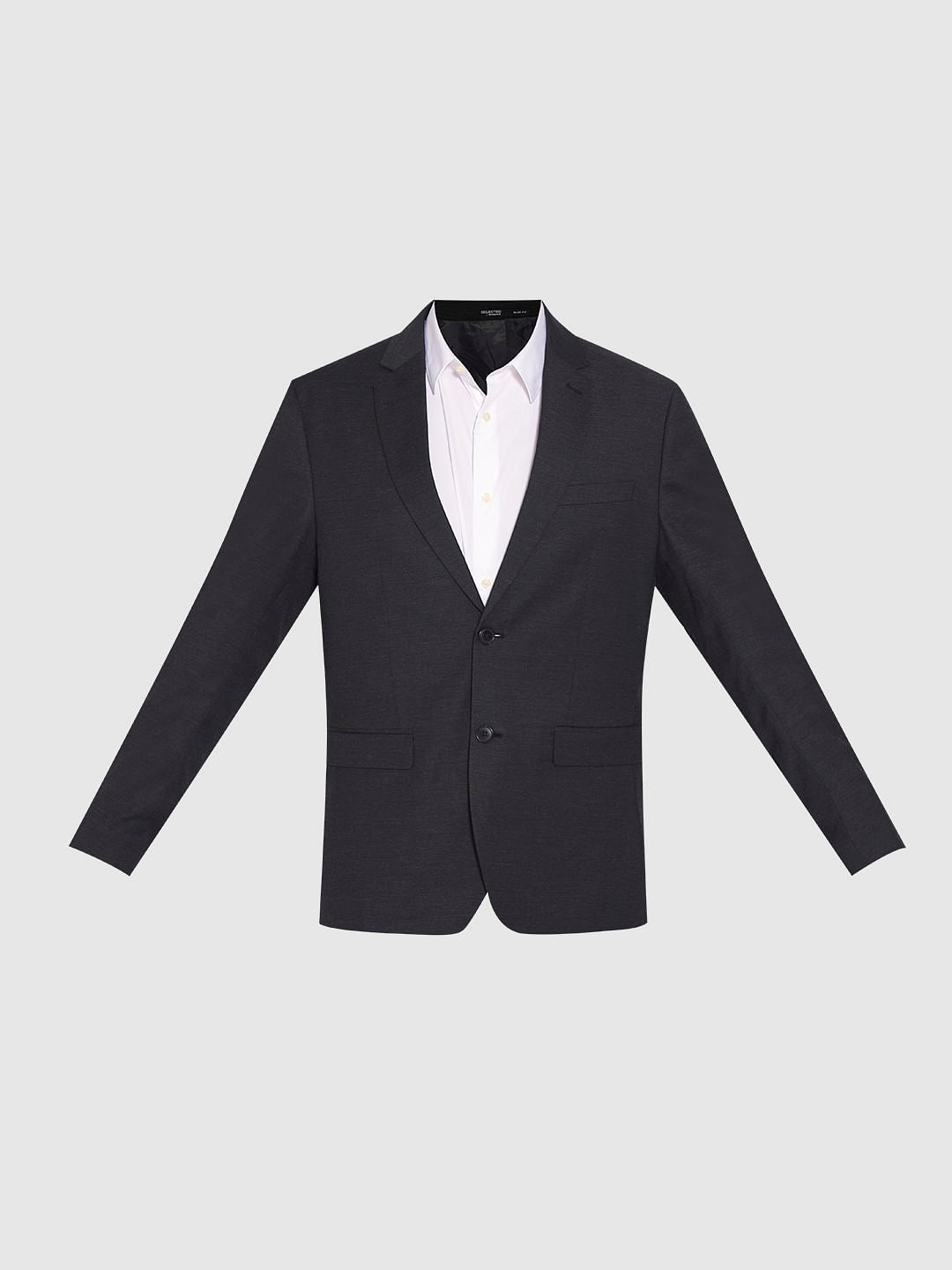
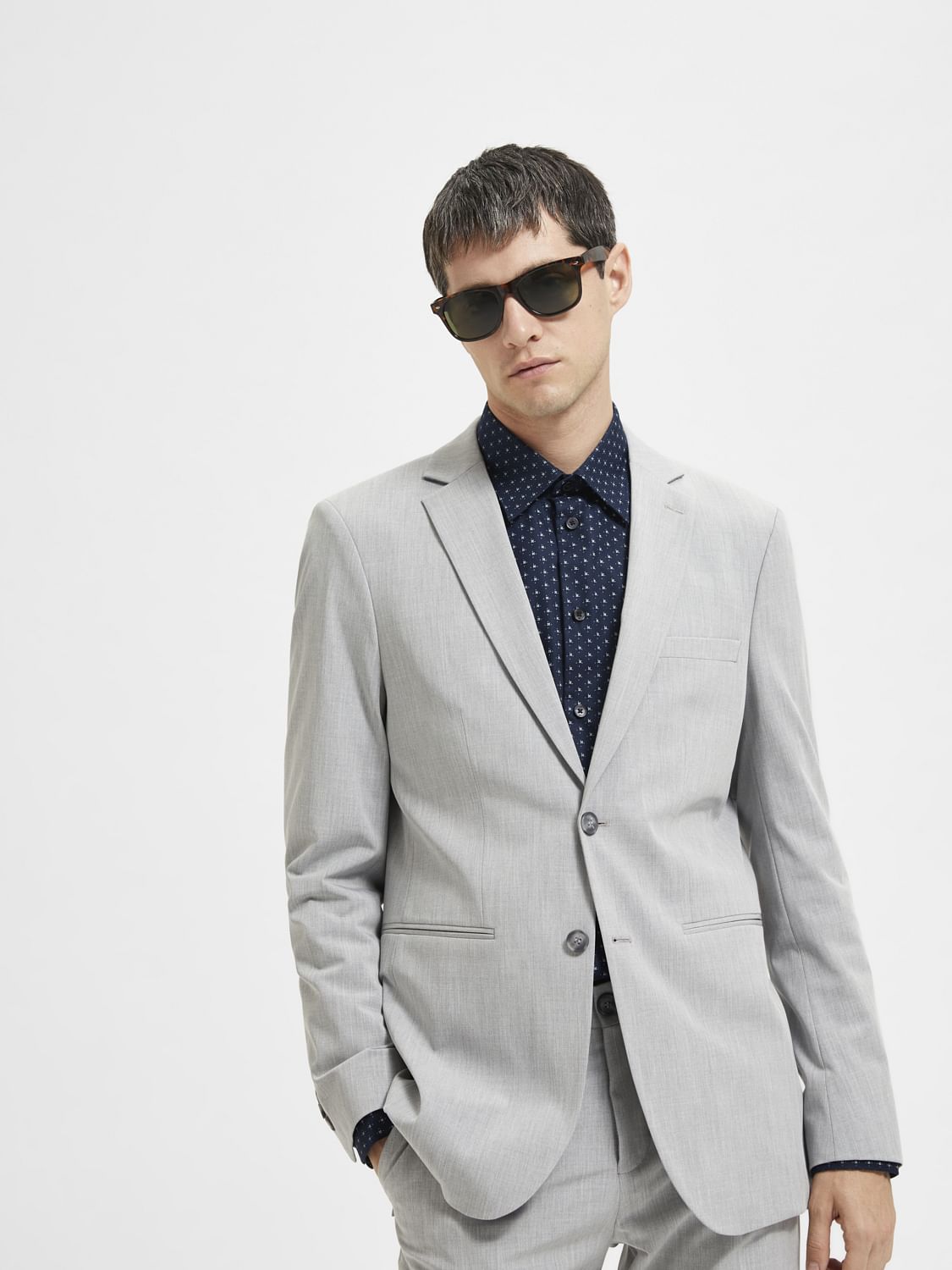
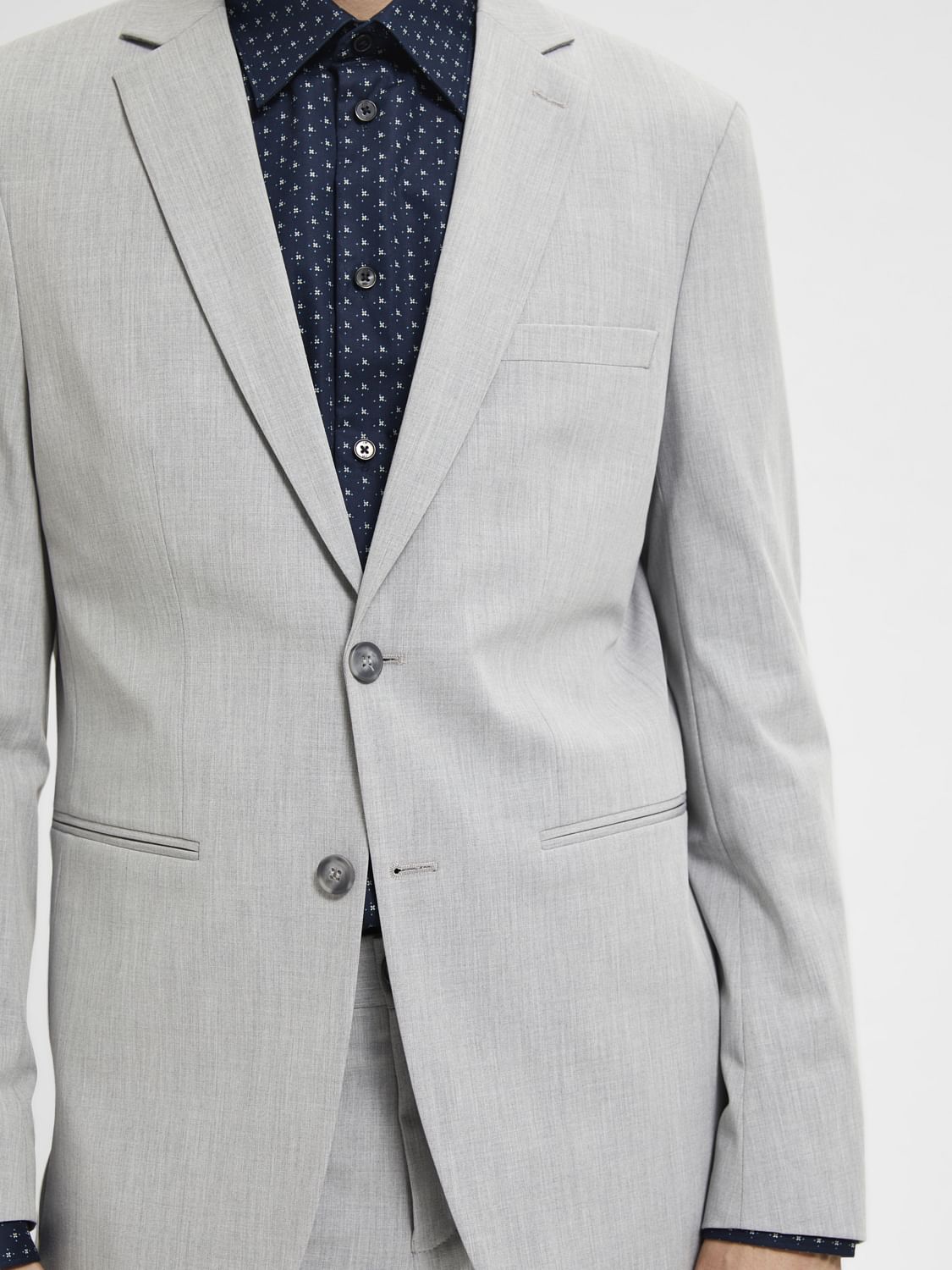
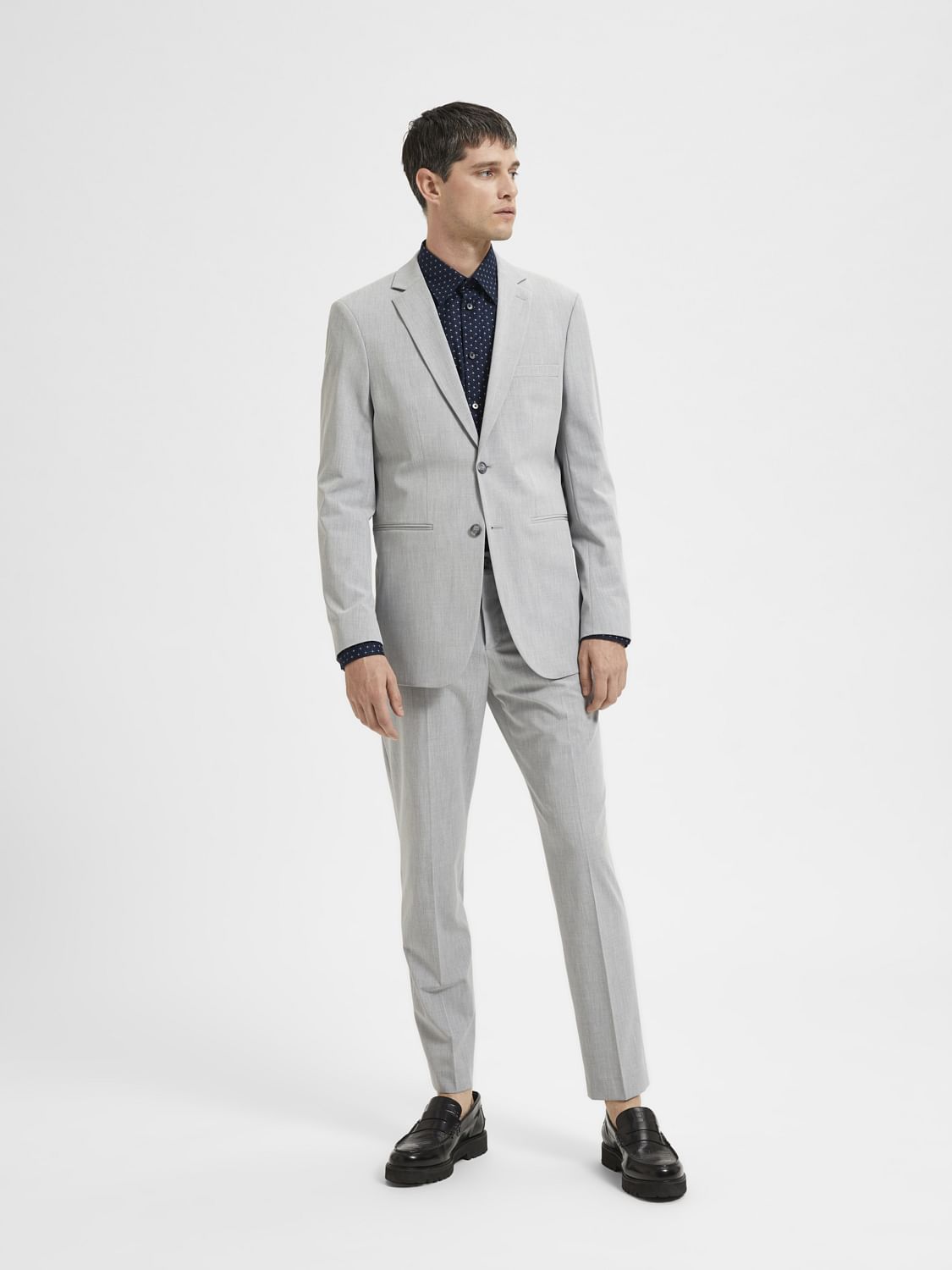
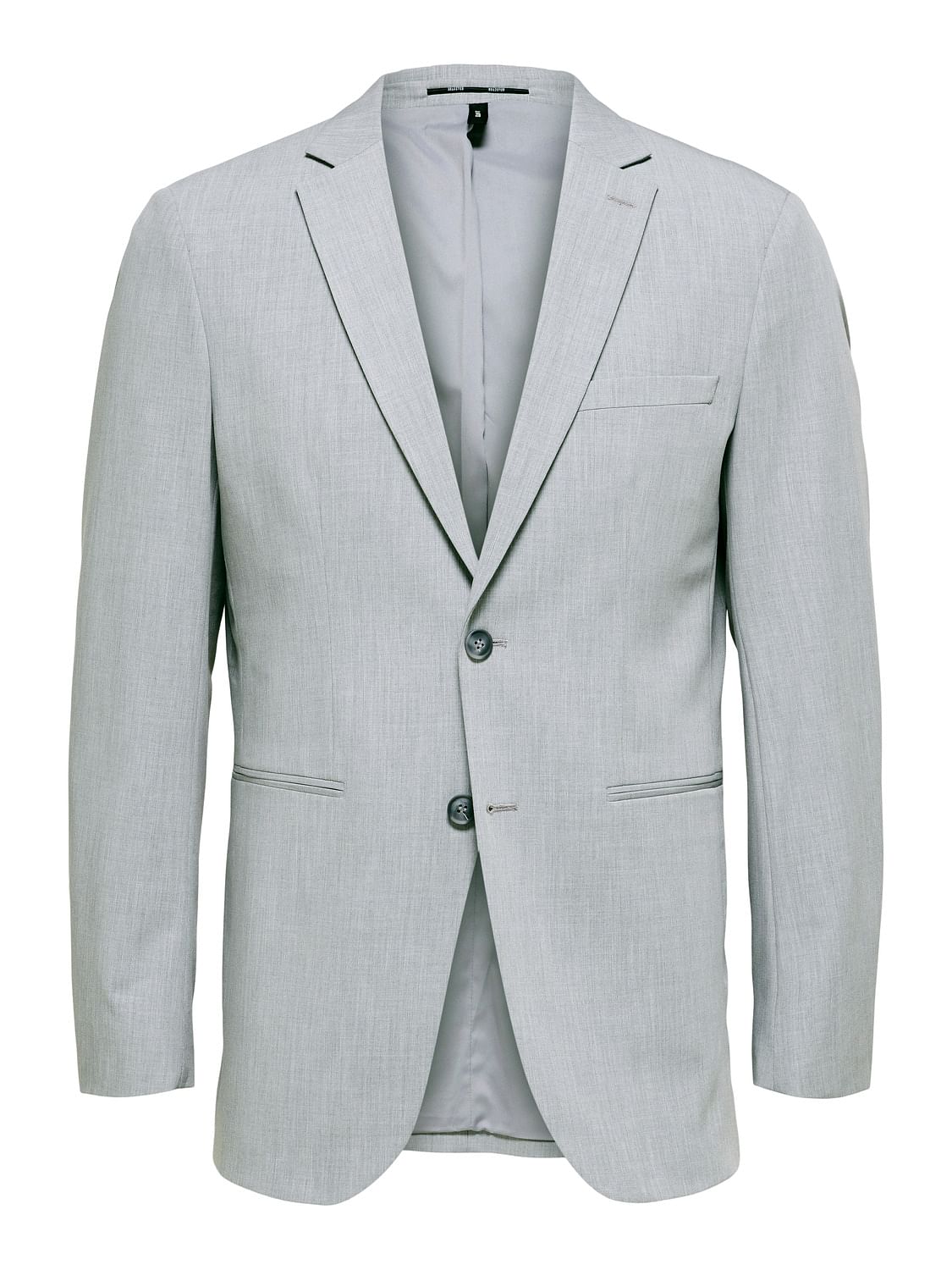
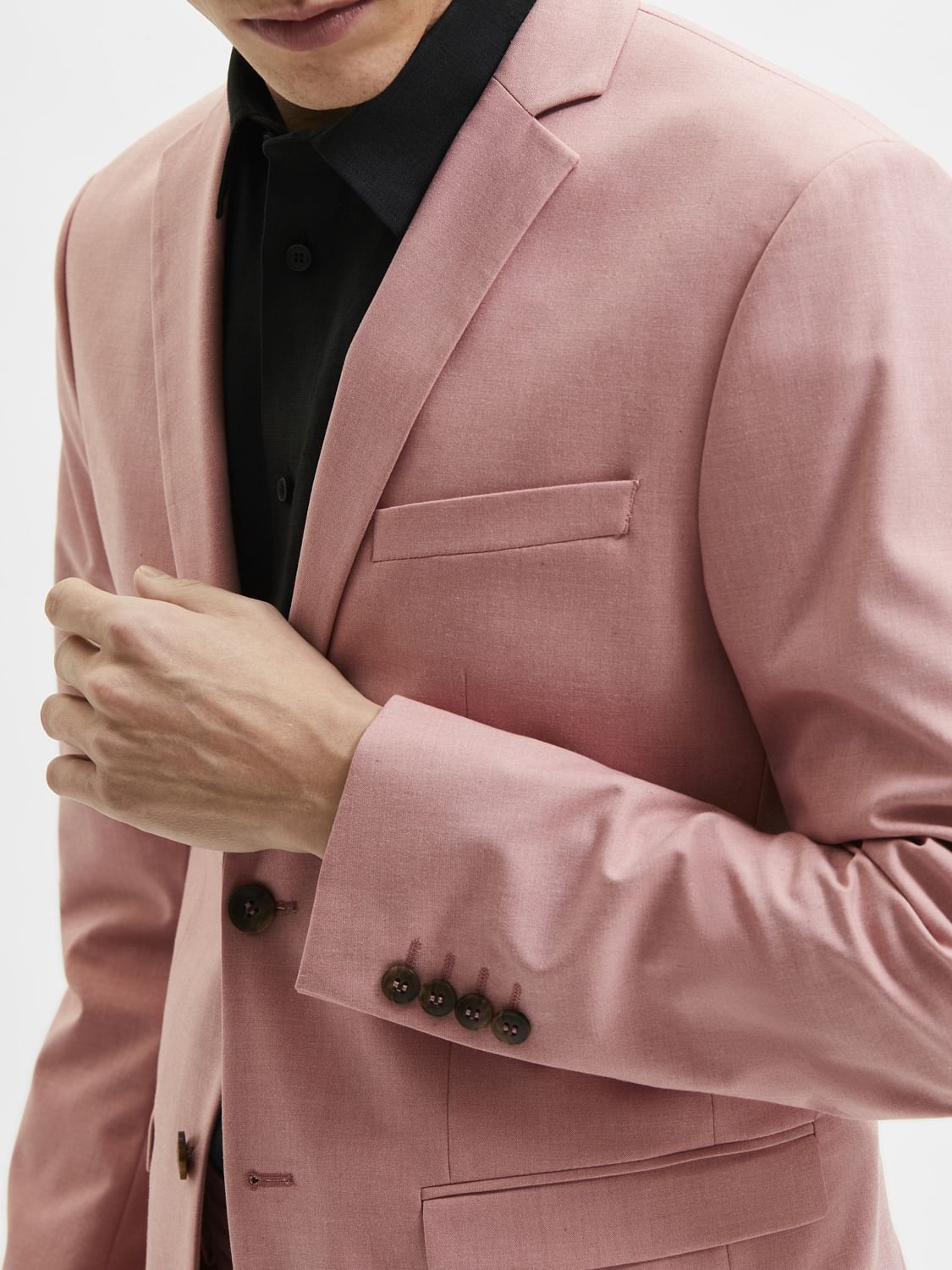
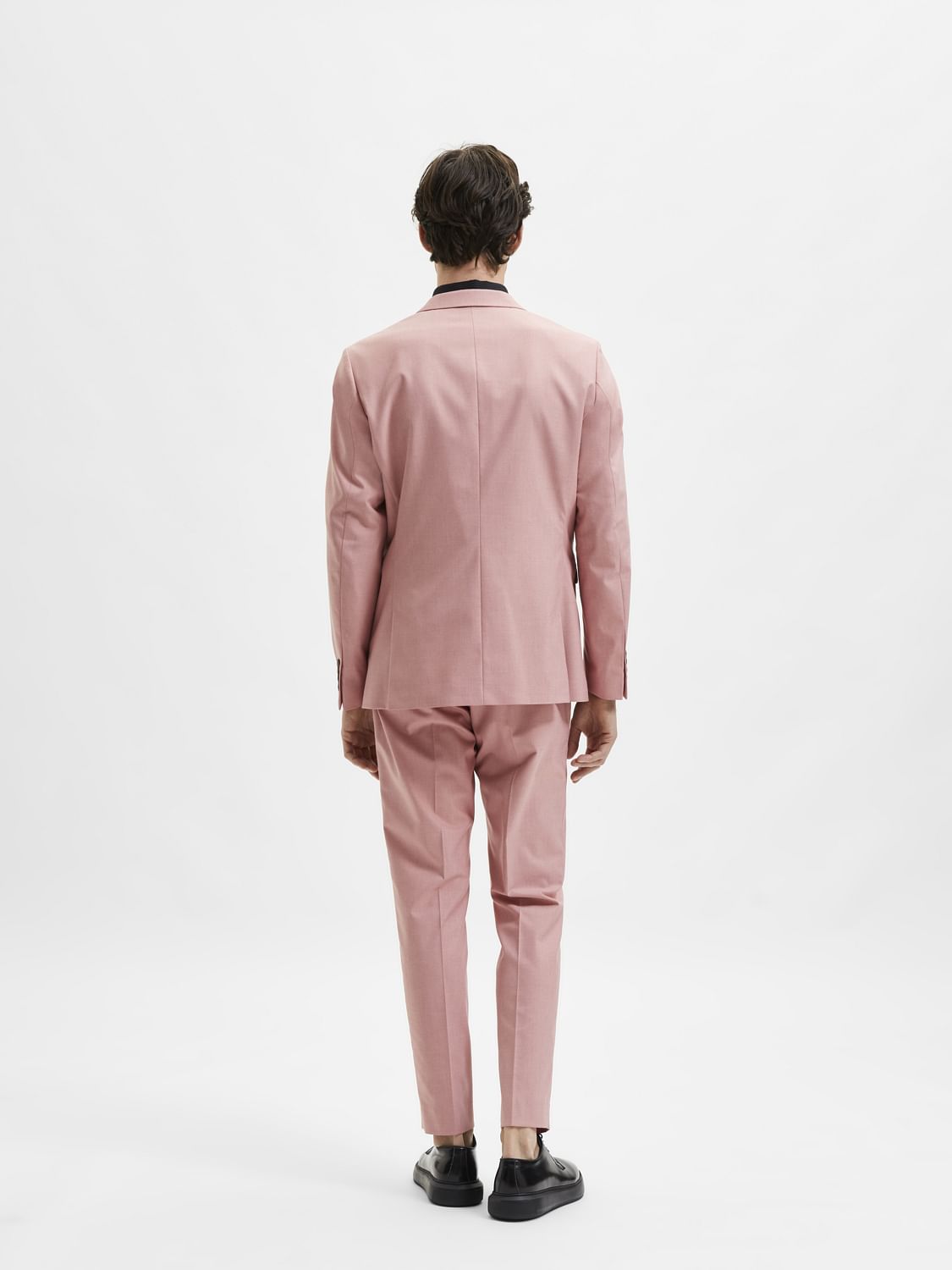
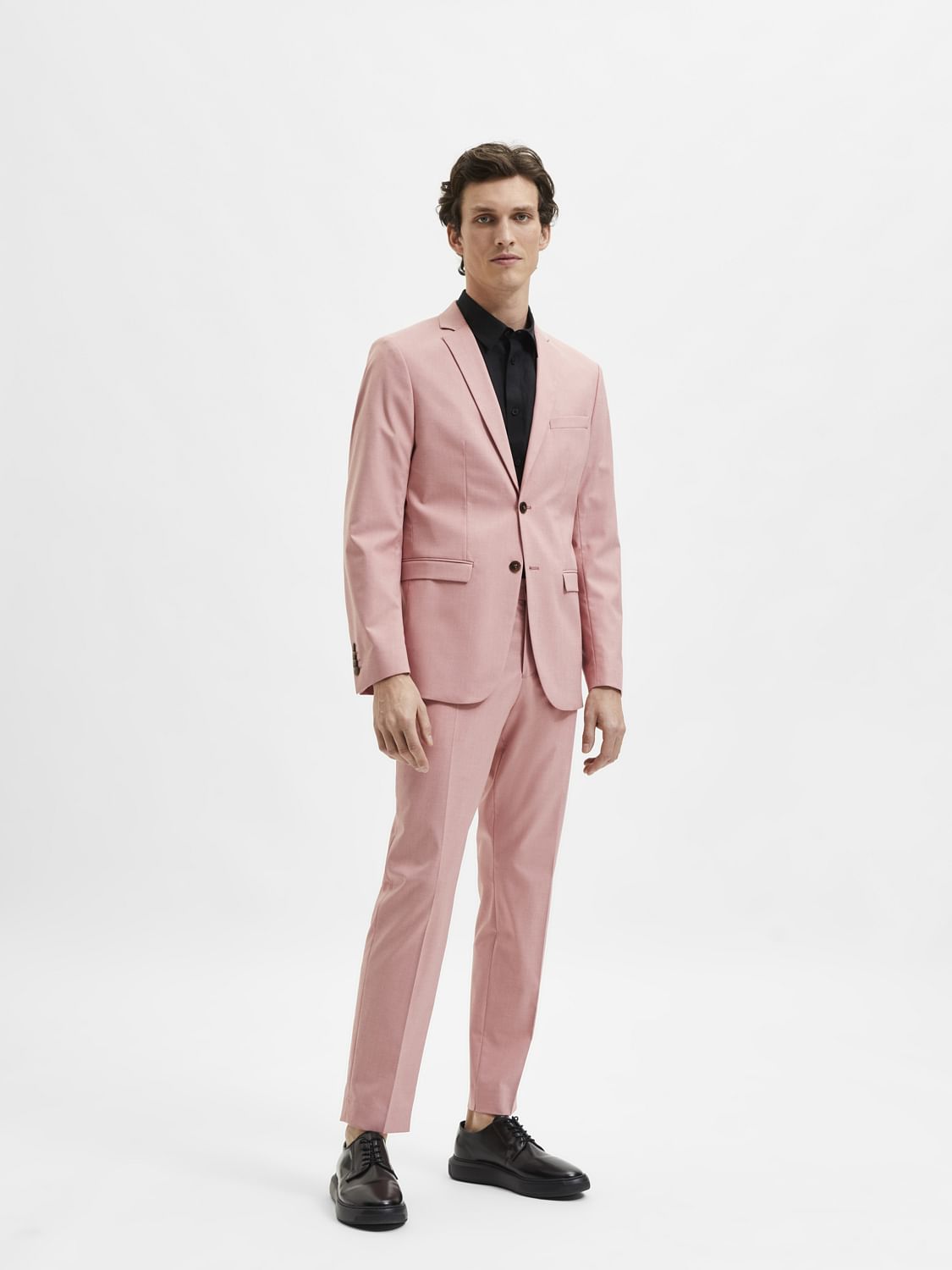
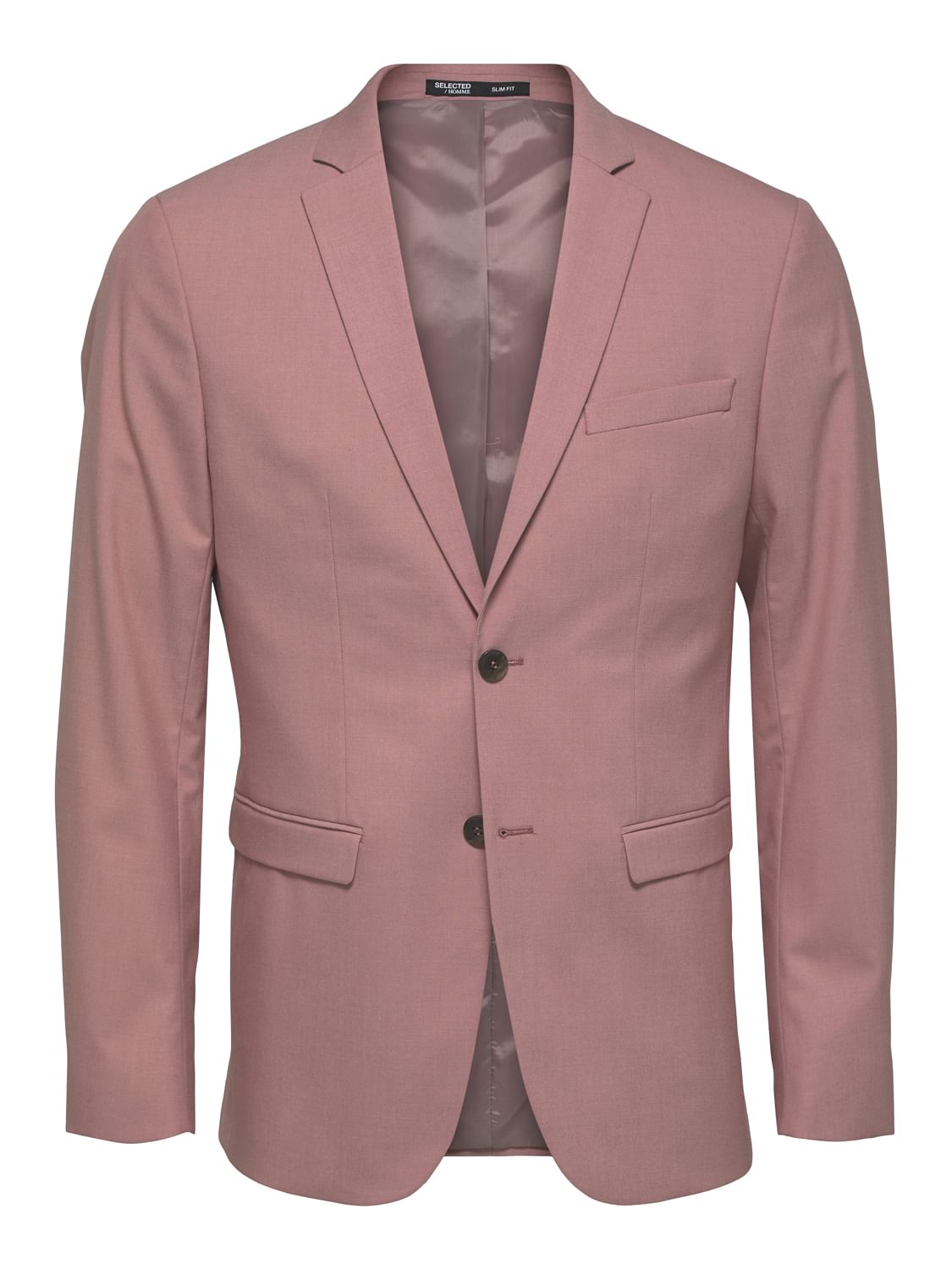
Fit begins at the shoulder line, where the seam should meet the edge of the shoulder without extending past it, a point no later alteration can fully correct. The chest and front should sit close without pulling, and the sleeve should finish just above the wrist, leaving a narrow width of shirt cuff visible beneath it. Selected's formal blazers are finished with a notched lapel, the construction most associated with tailored precision in office and semi-formal settings. Minor adjustments at the waist or sleeve length are common even on a well-fitted jacket, and a tailor typically resolves them in a single visit.
Fabric Selection for Indian Conditions
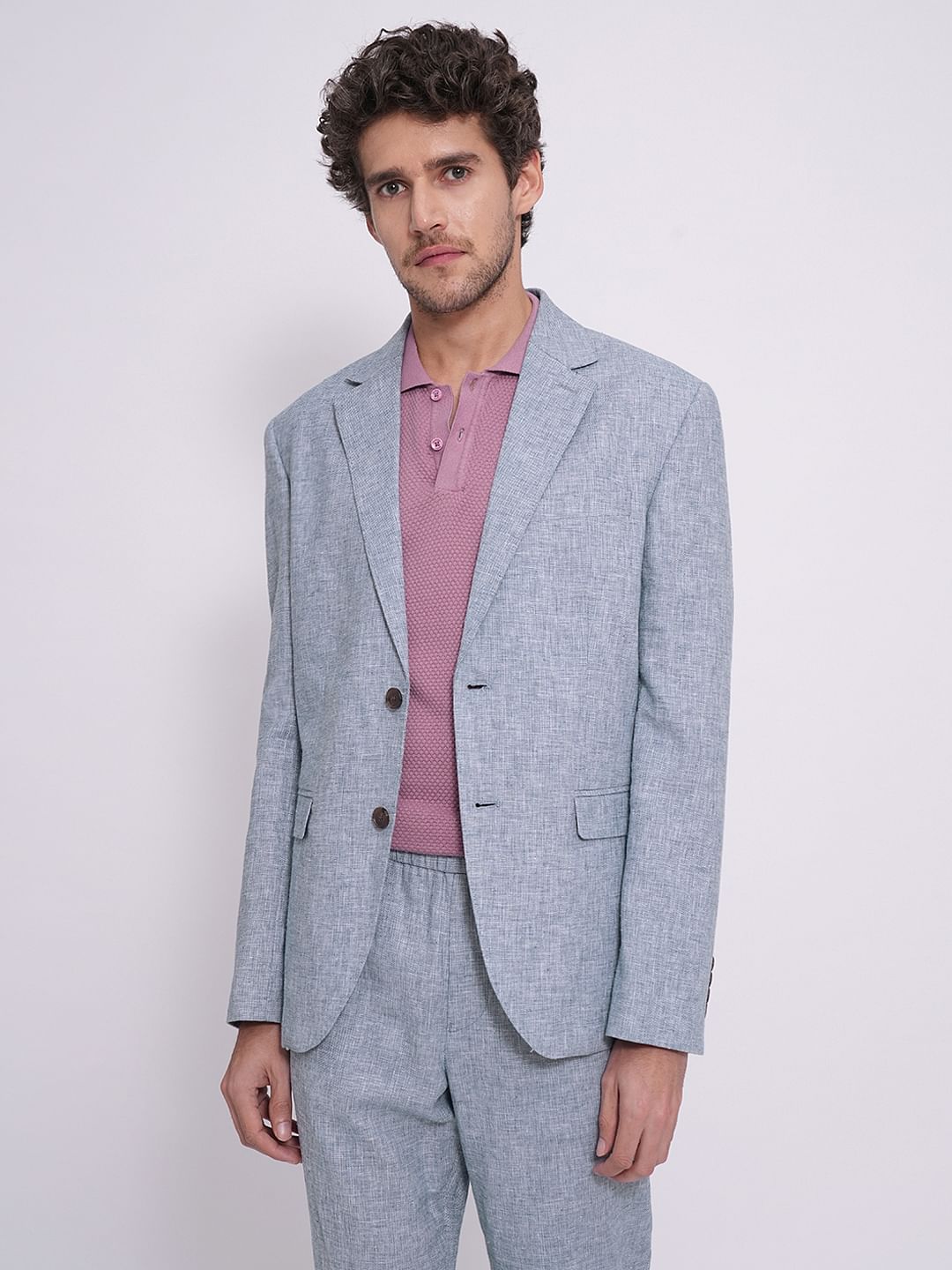
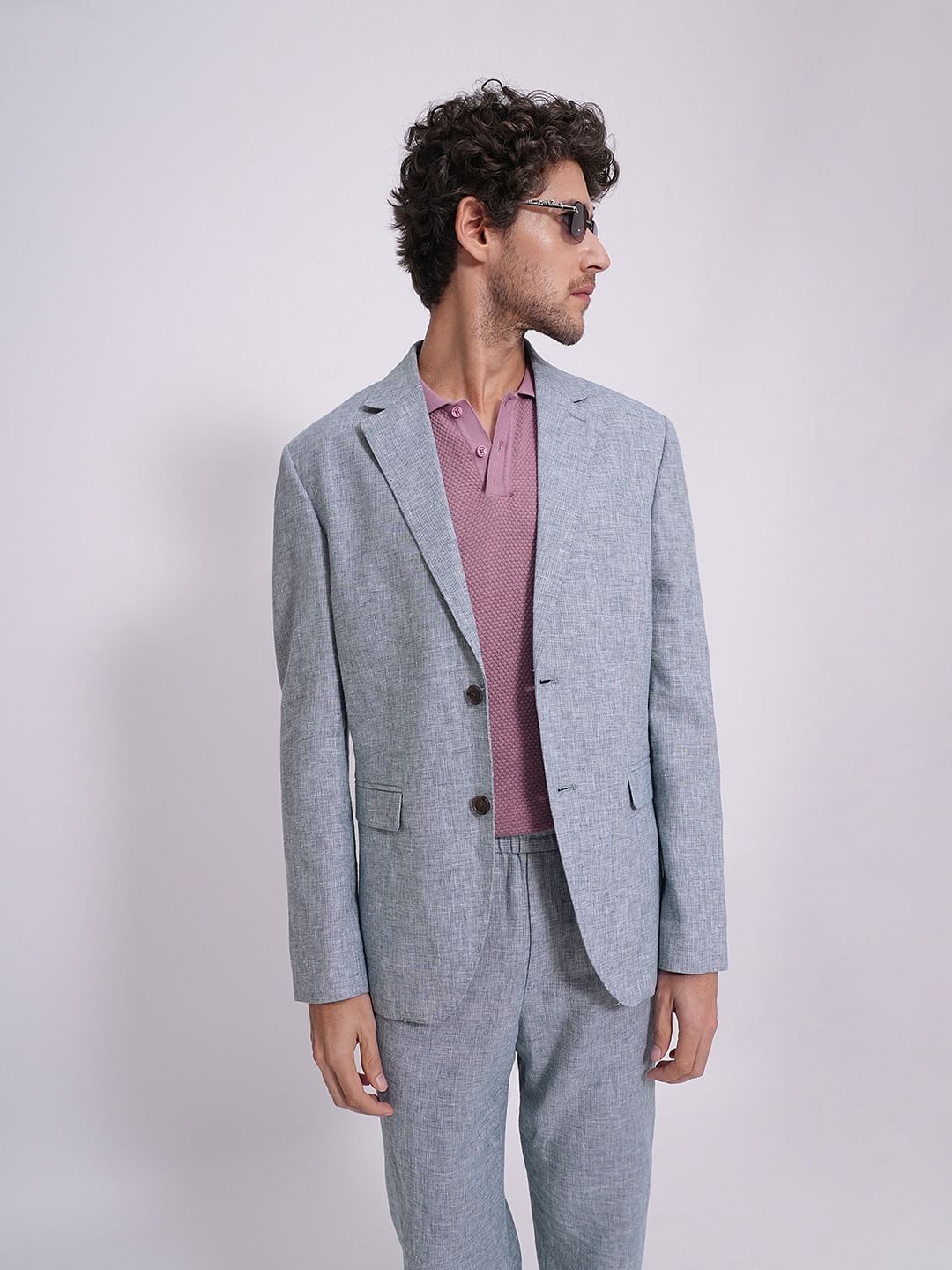
Fabric guidance is usually organised by season. In India, fabric choice is better organised around how many months a material stays comfortable to wear than around season alone. Cotton, organic cotton, and viscose blends manage heat and humidity well while holding their shape through a full day, which makes them the more usable option across most of the calendar year. Wool and wool blends have a narrower window, best suited to the brief cold months in the north rather than year-round rotation. Linen is the lightest of the group and works well for warm-weather formal occasions, though it wrinkles more readily than the others.
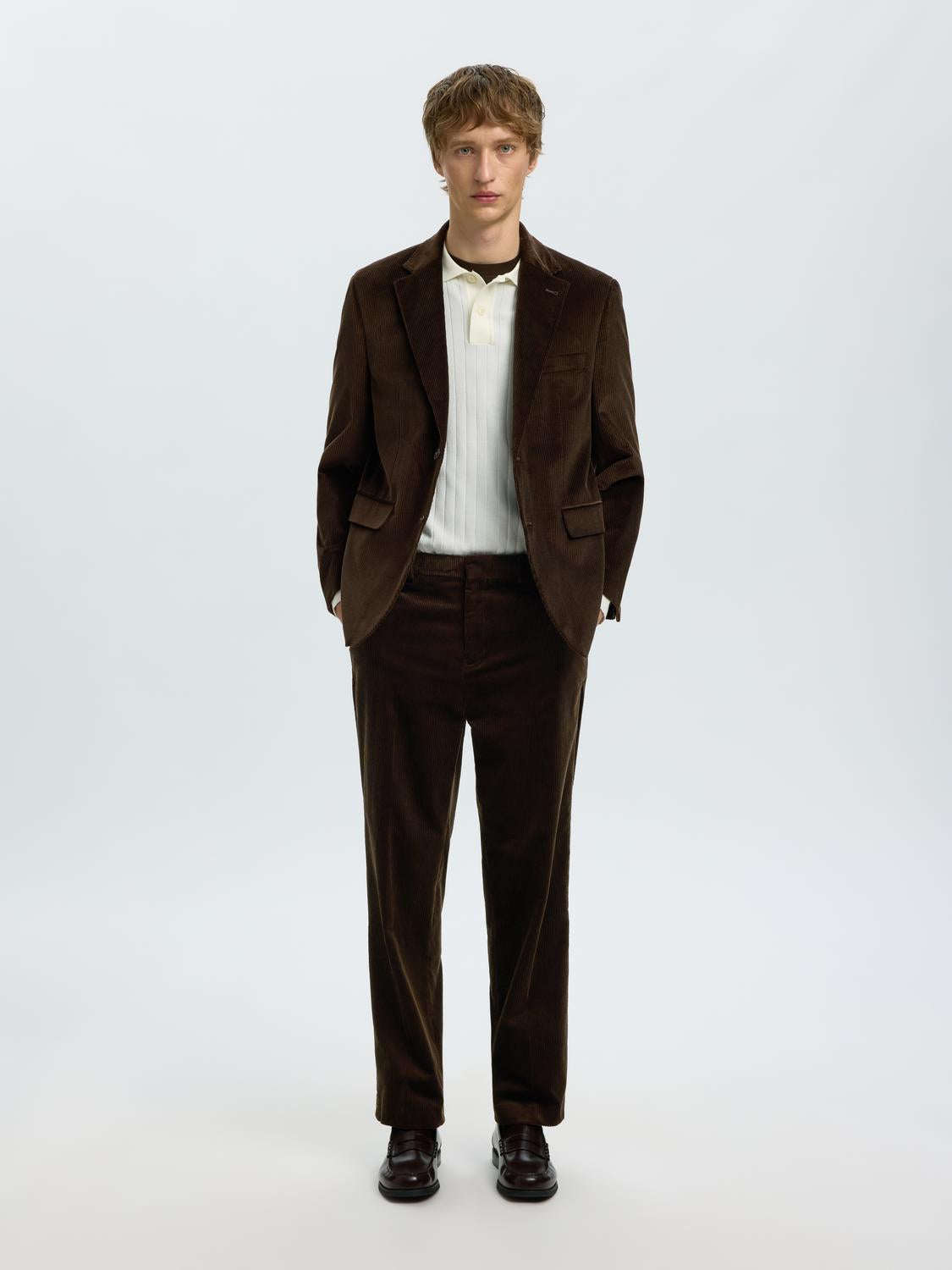
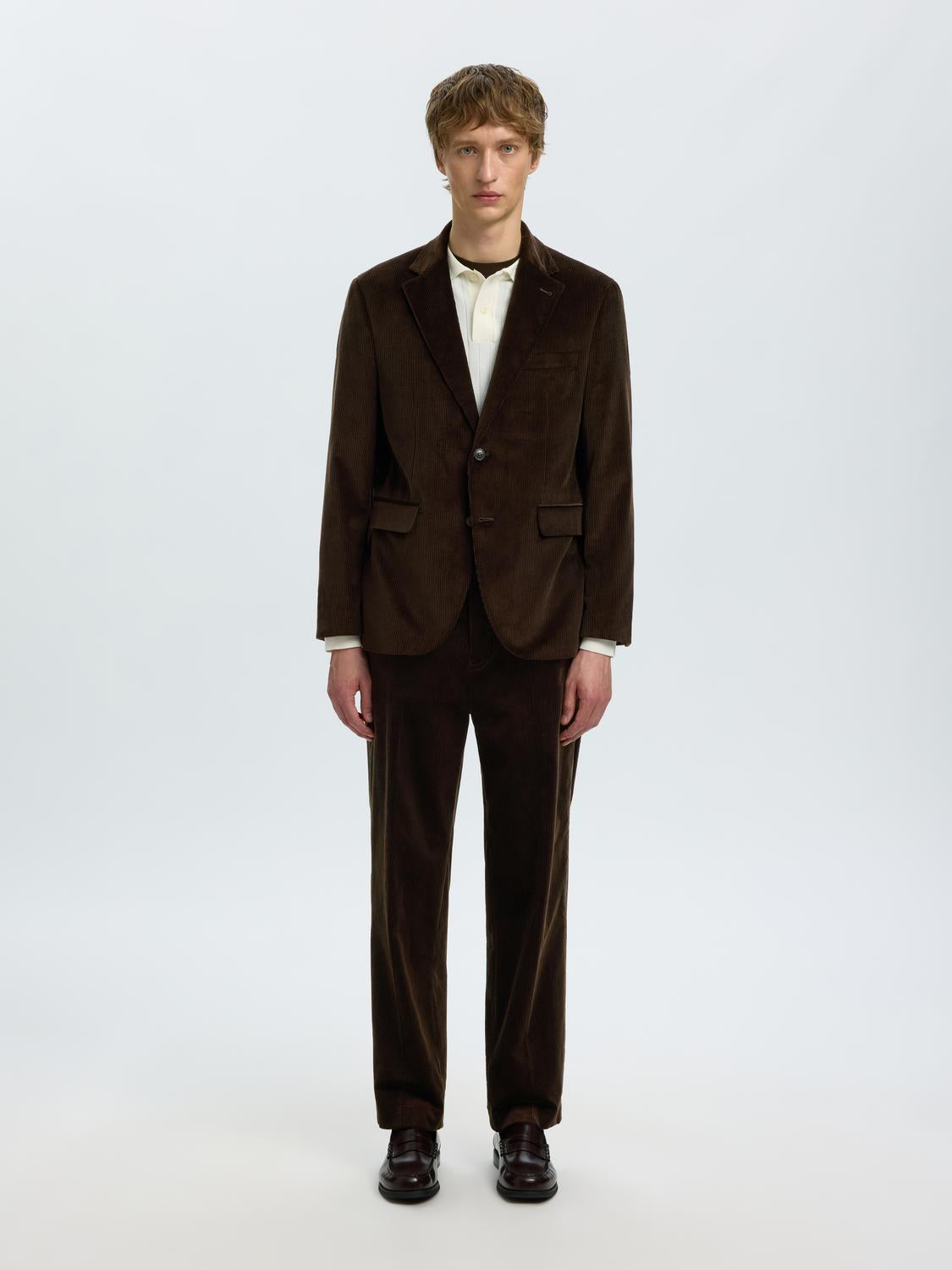
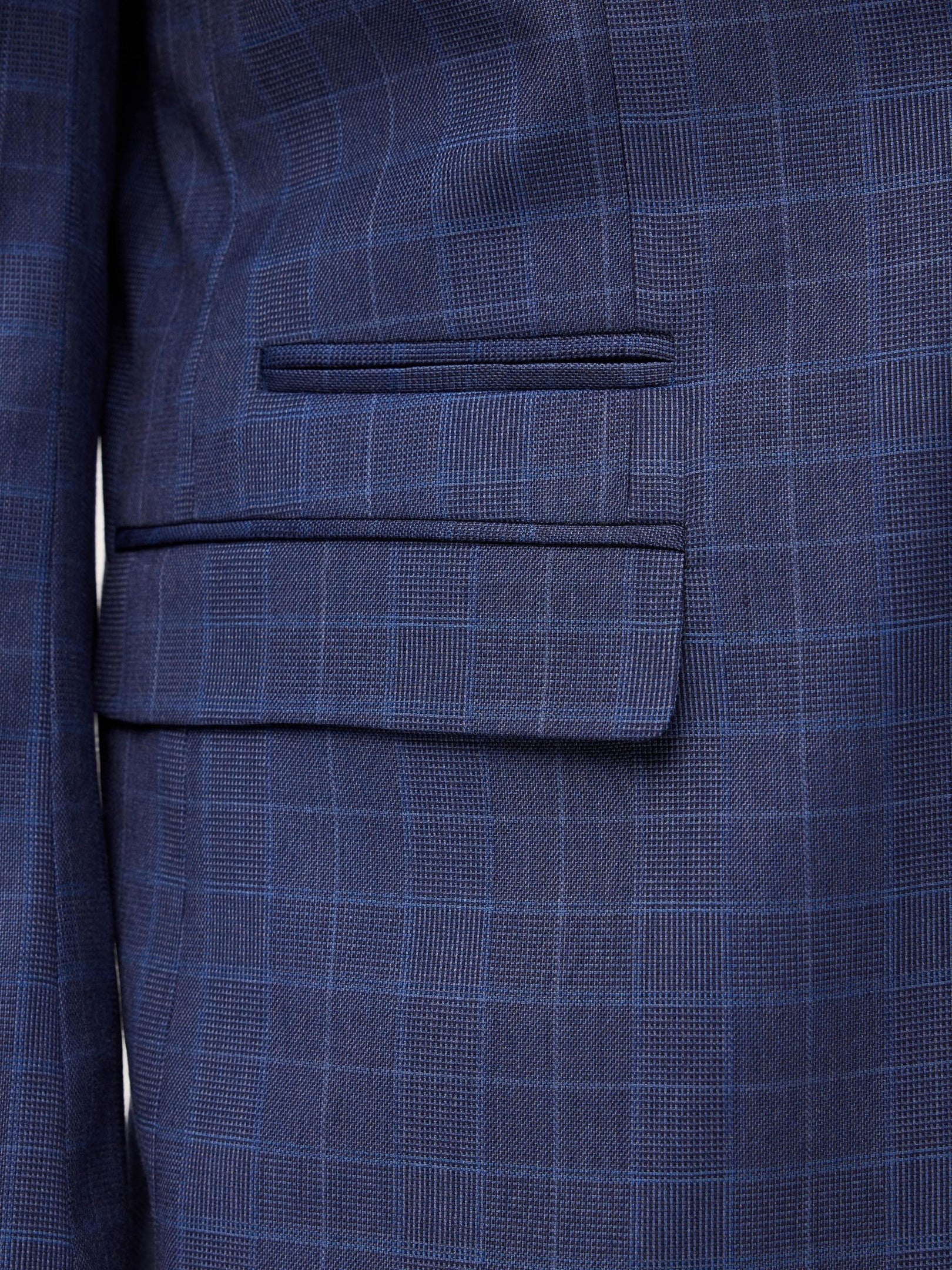
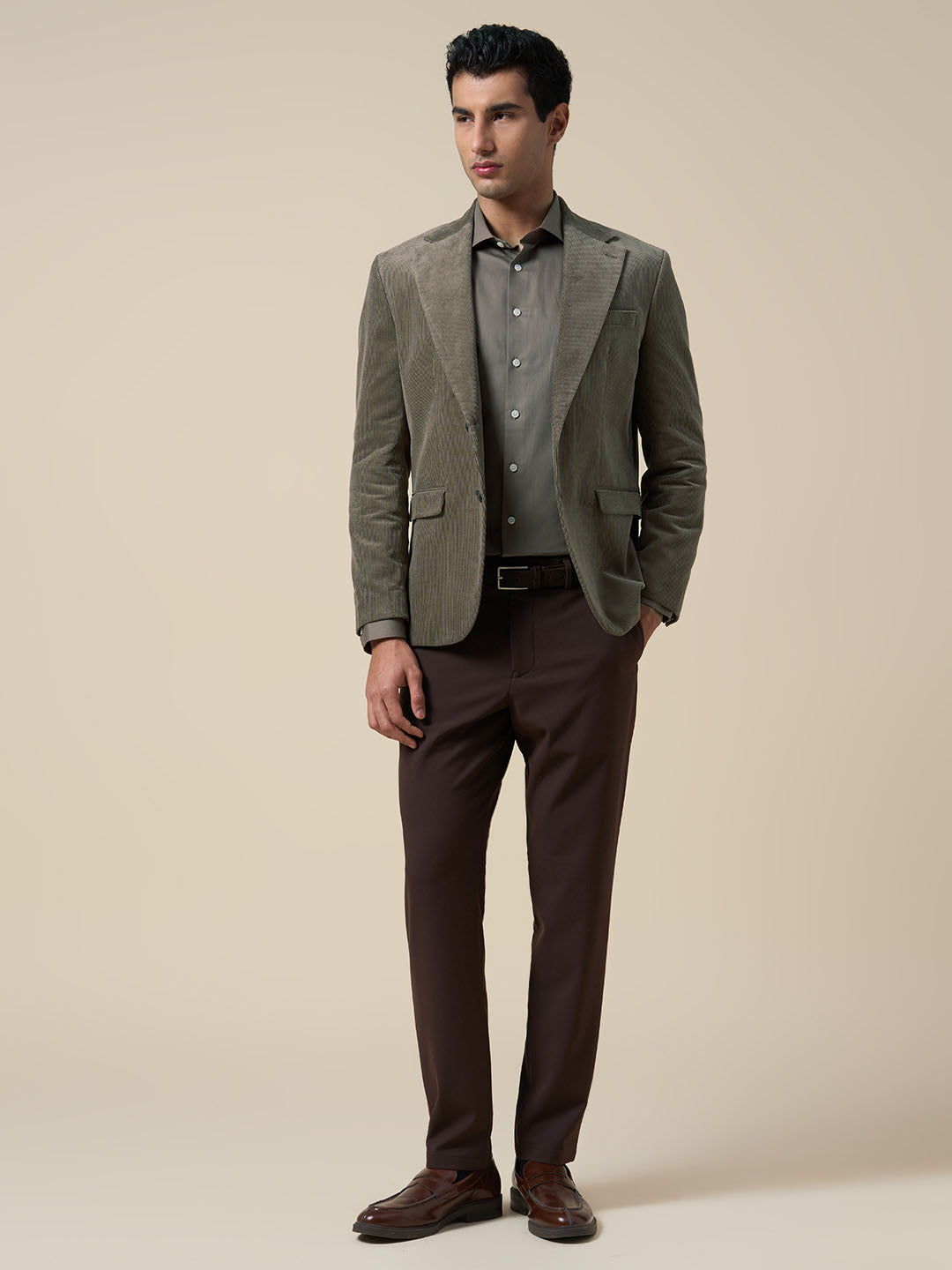
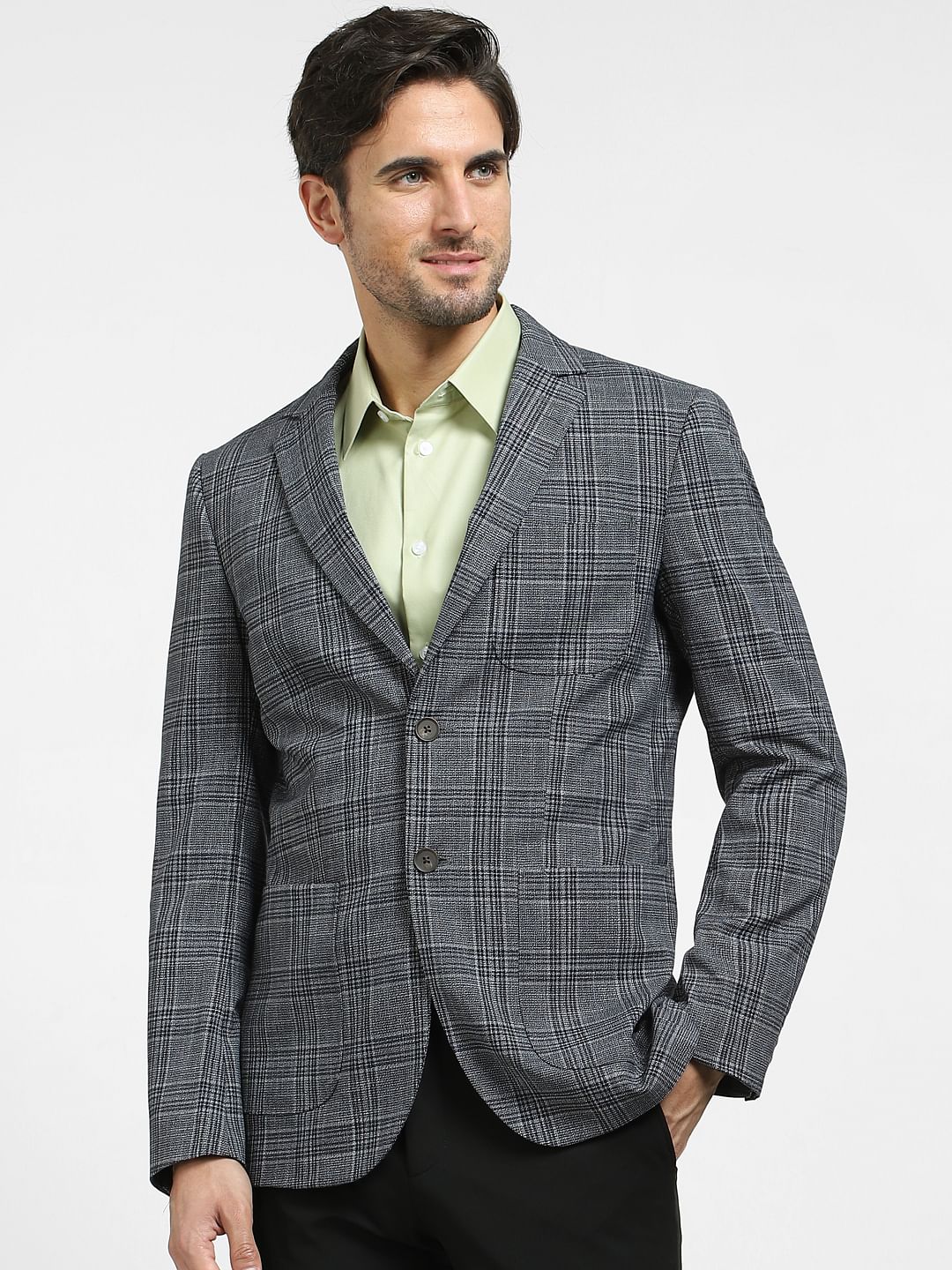
Textured fabrics such as corduroy, seersucker, and herringbone provide variation without requiring different care from a plain weave. Recycled polyester blends are a further option for those factoring sustainability into fabric choice: they offer comparable structure and drape to virgin synthetic blends while using less newly extracted material.
Suit-Set vs. Separate Blazers
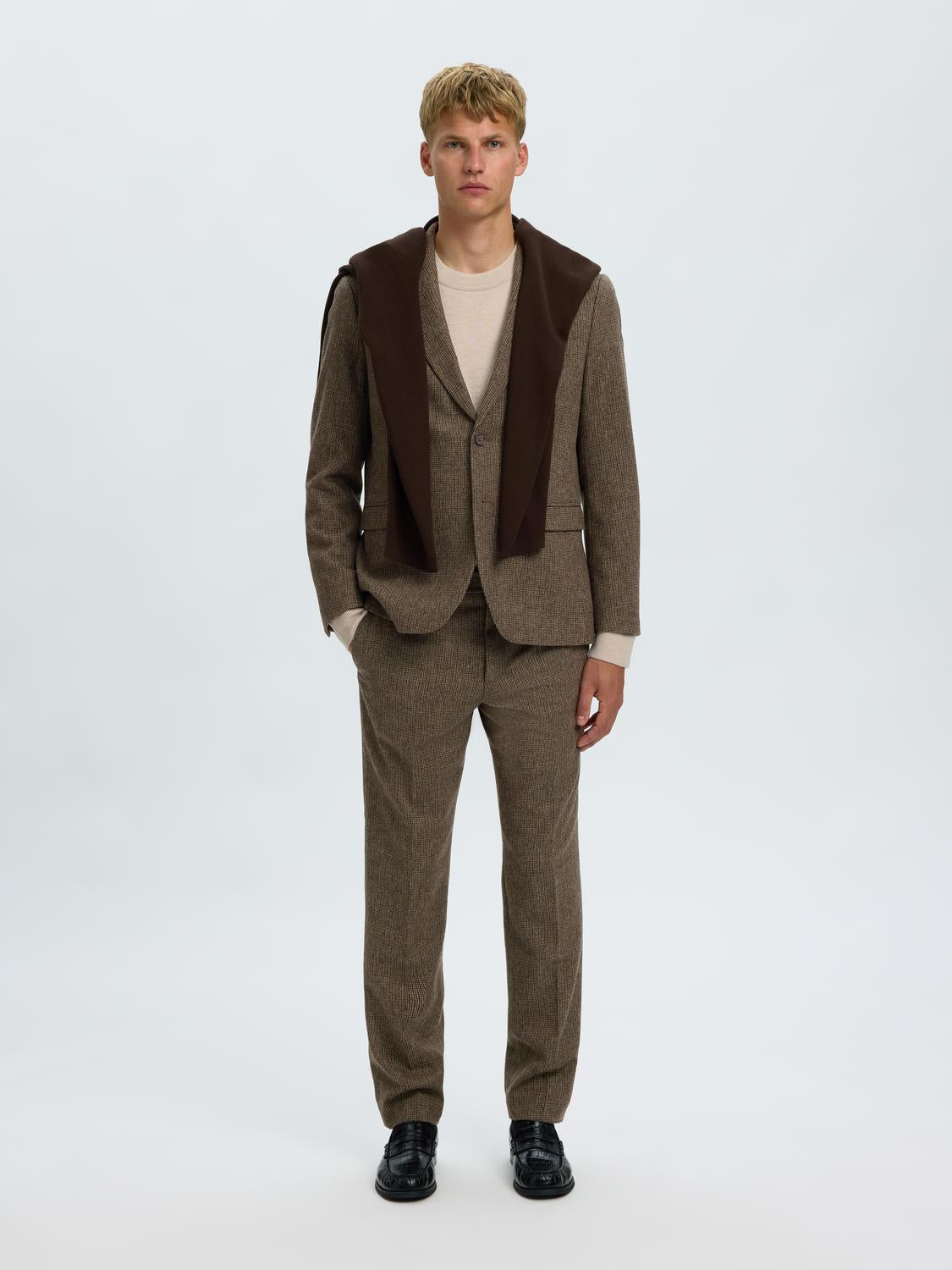
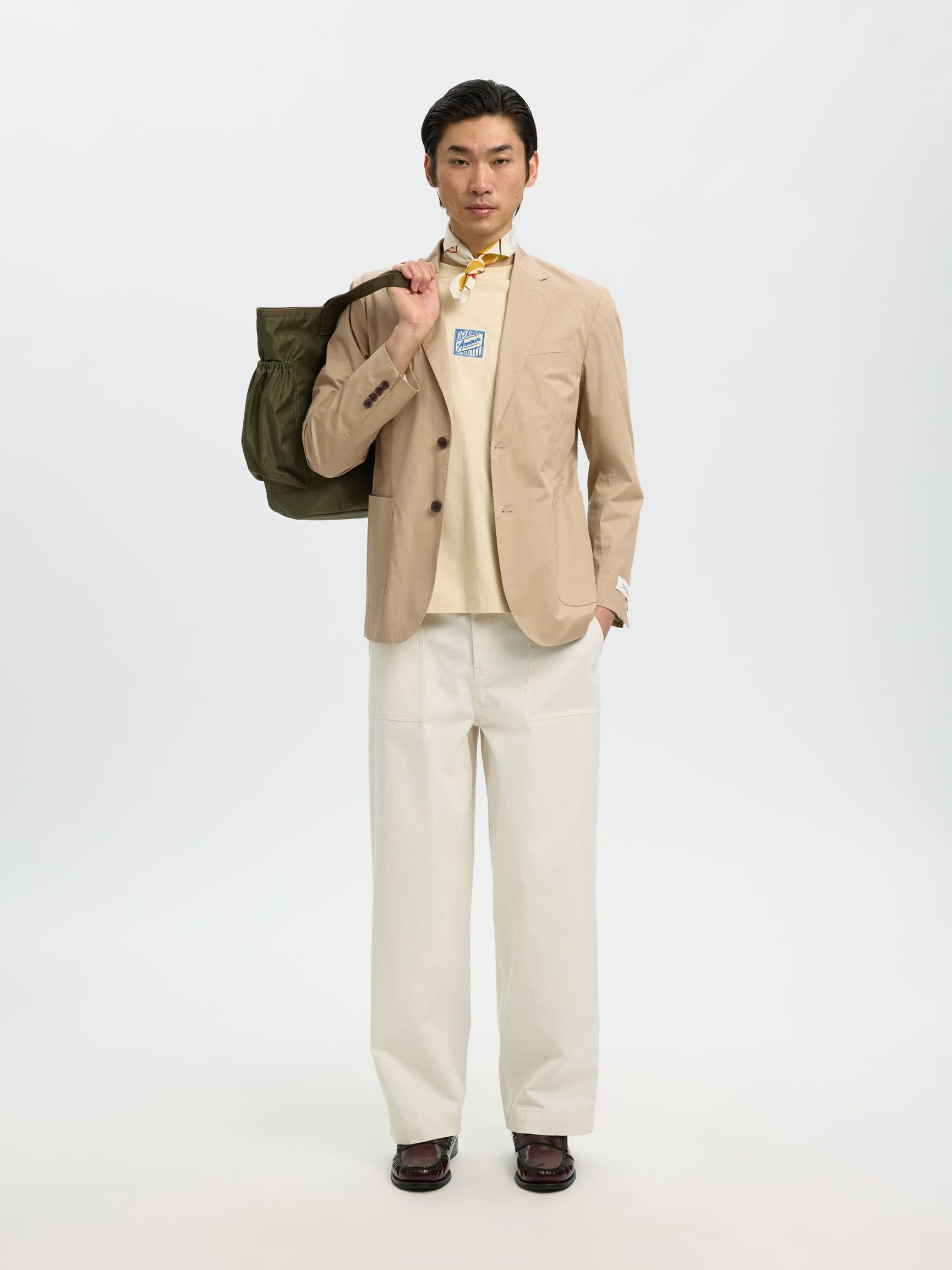
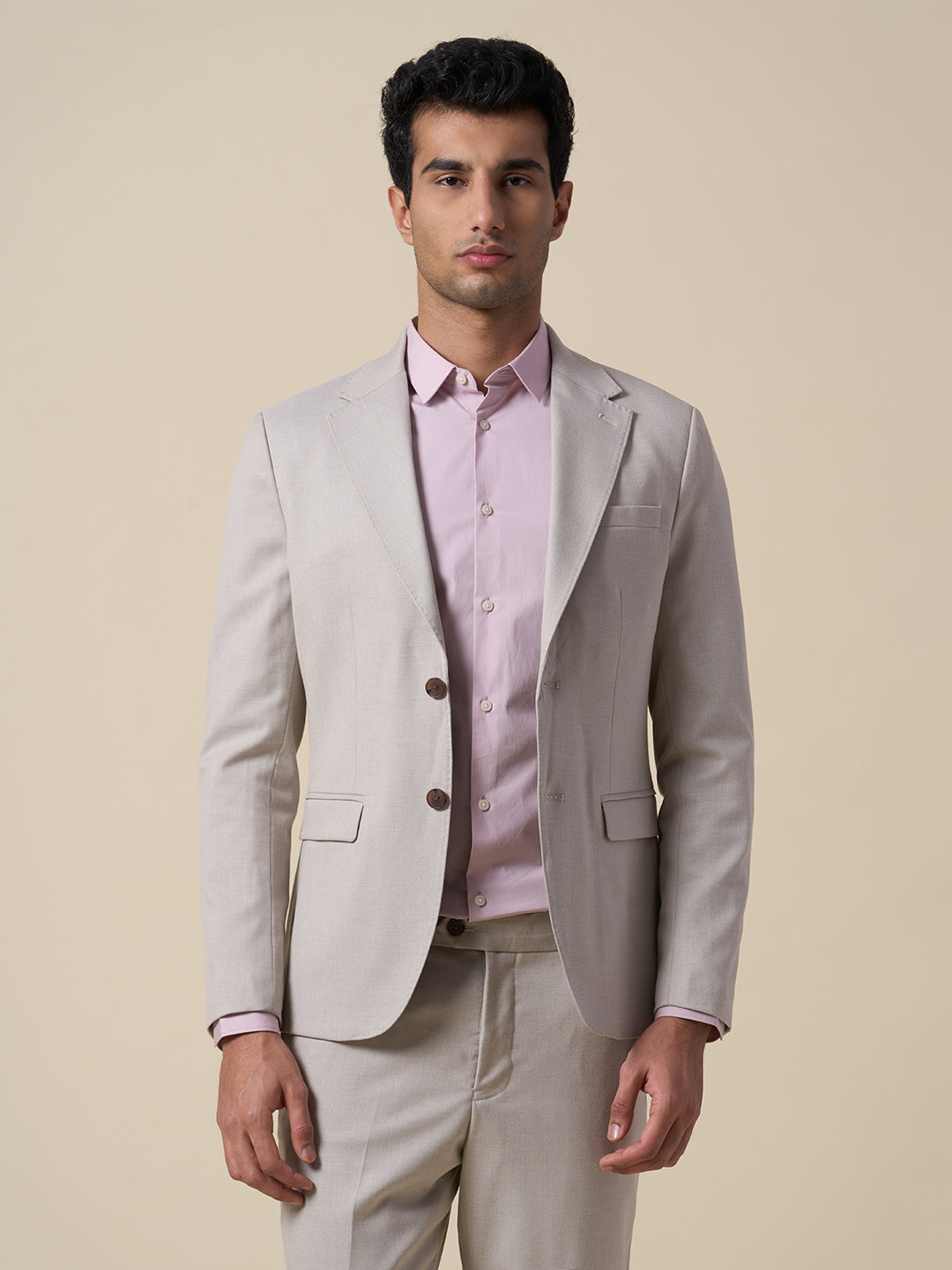
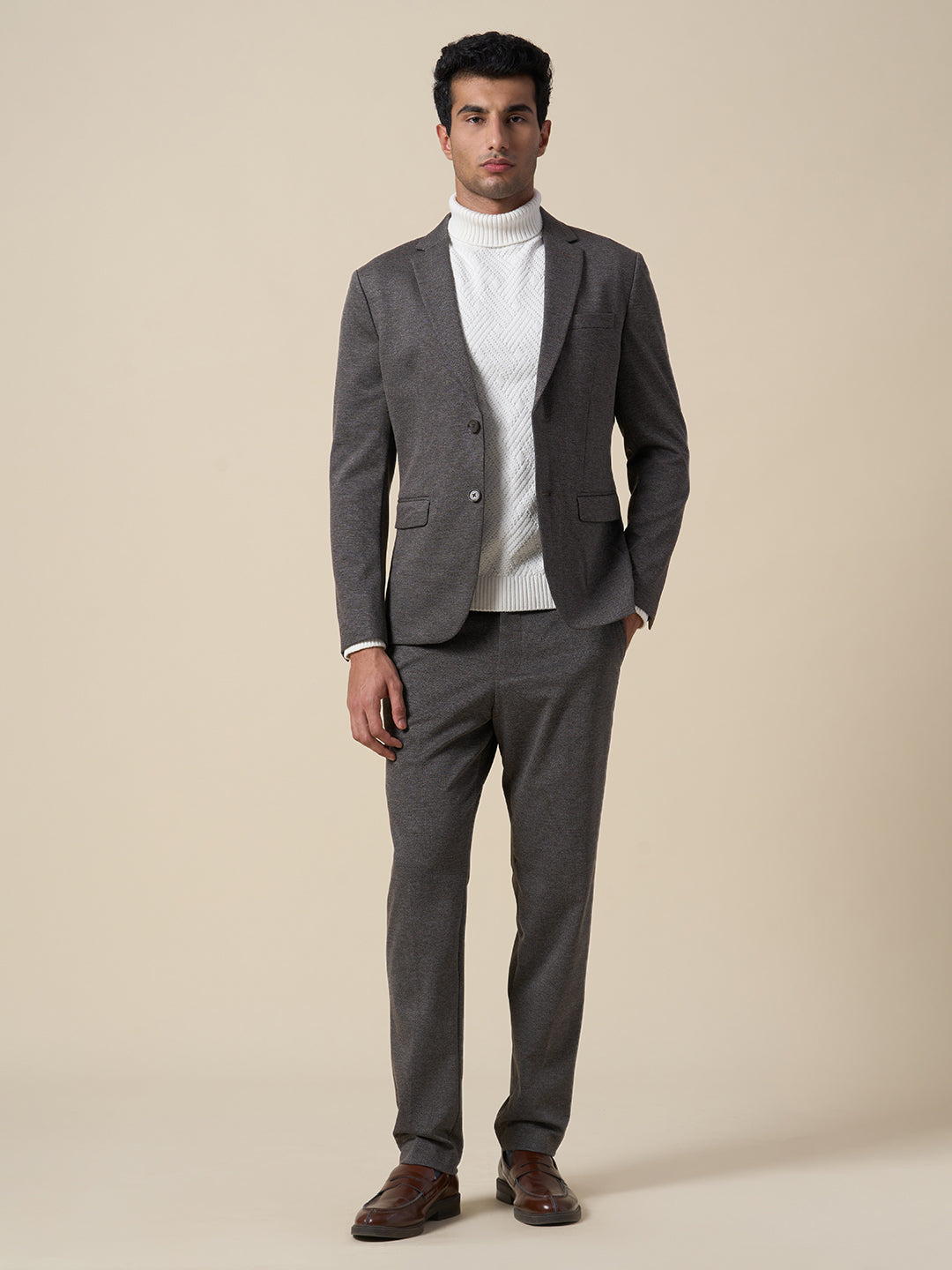
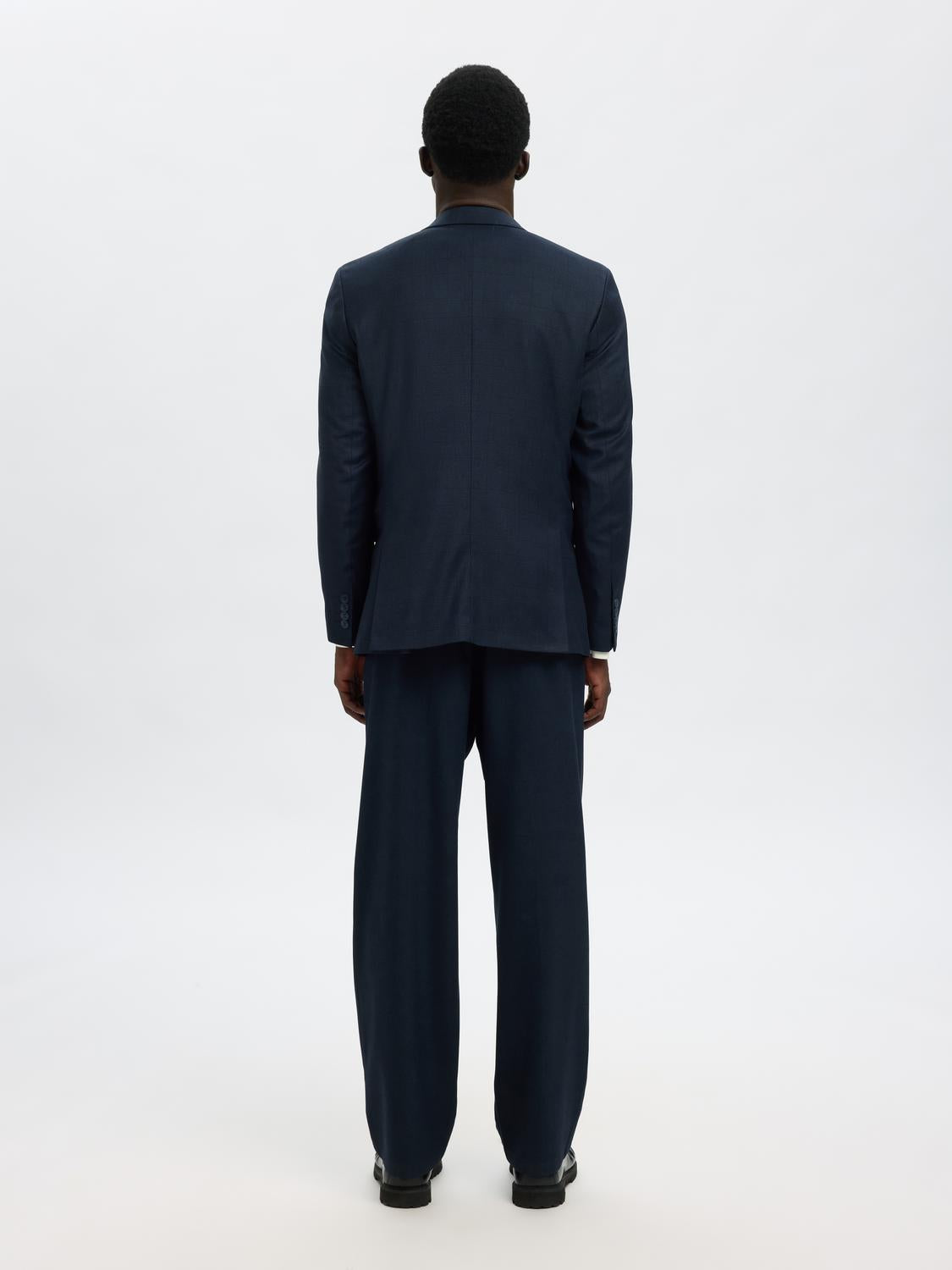
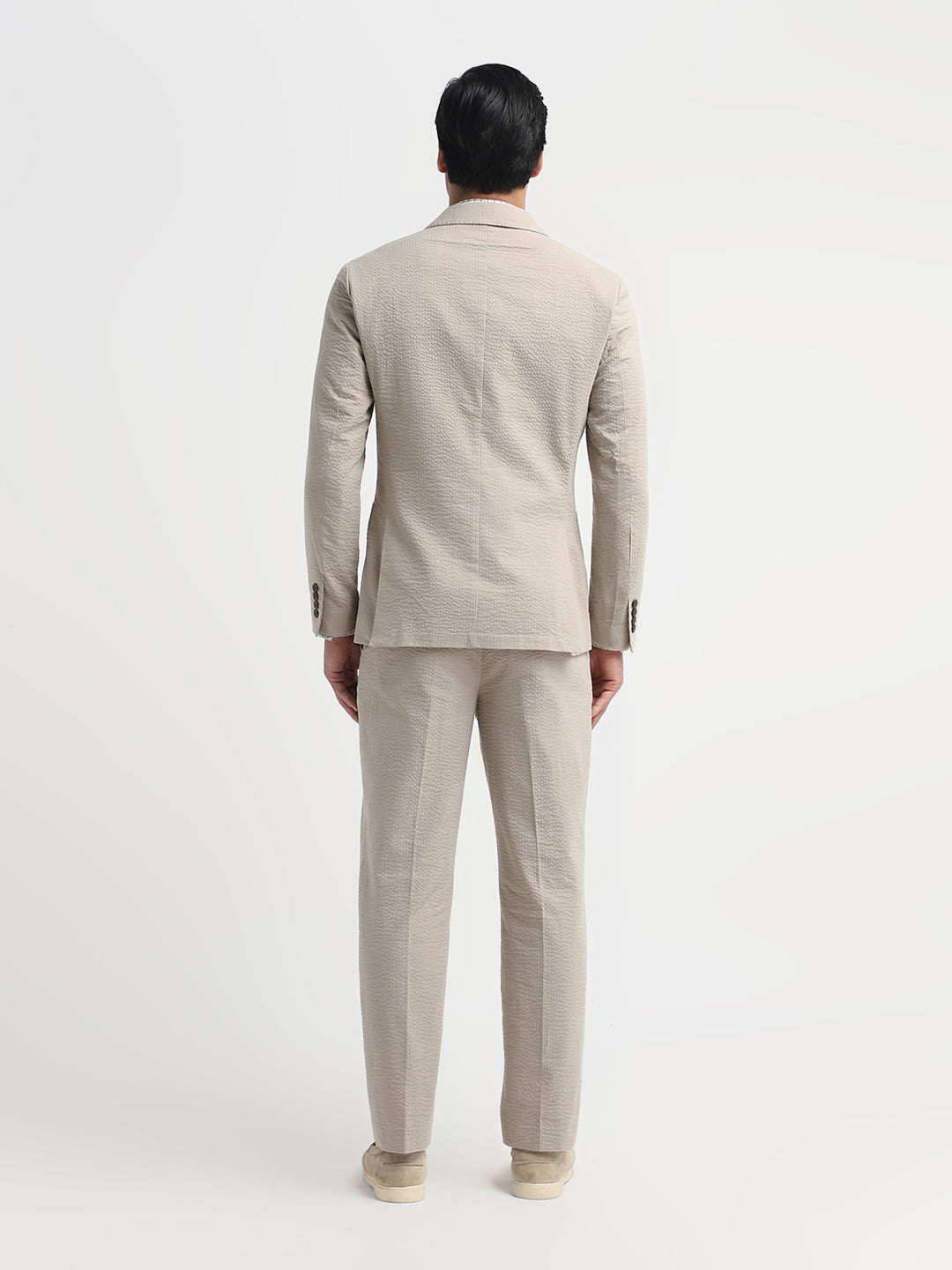
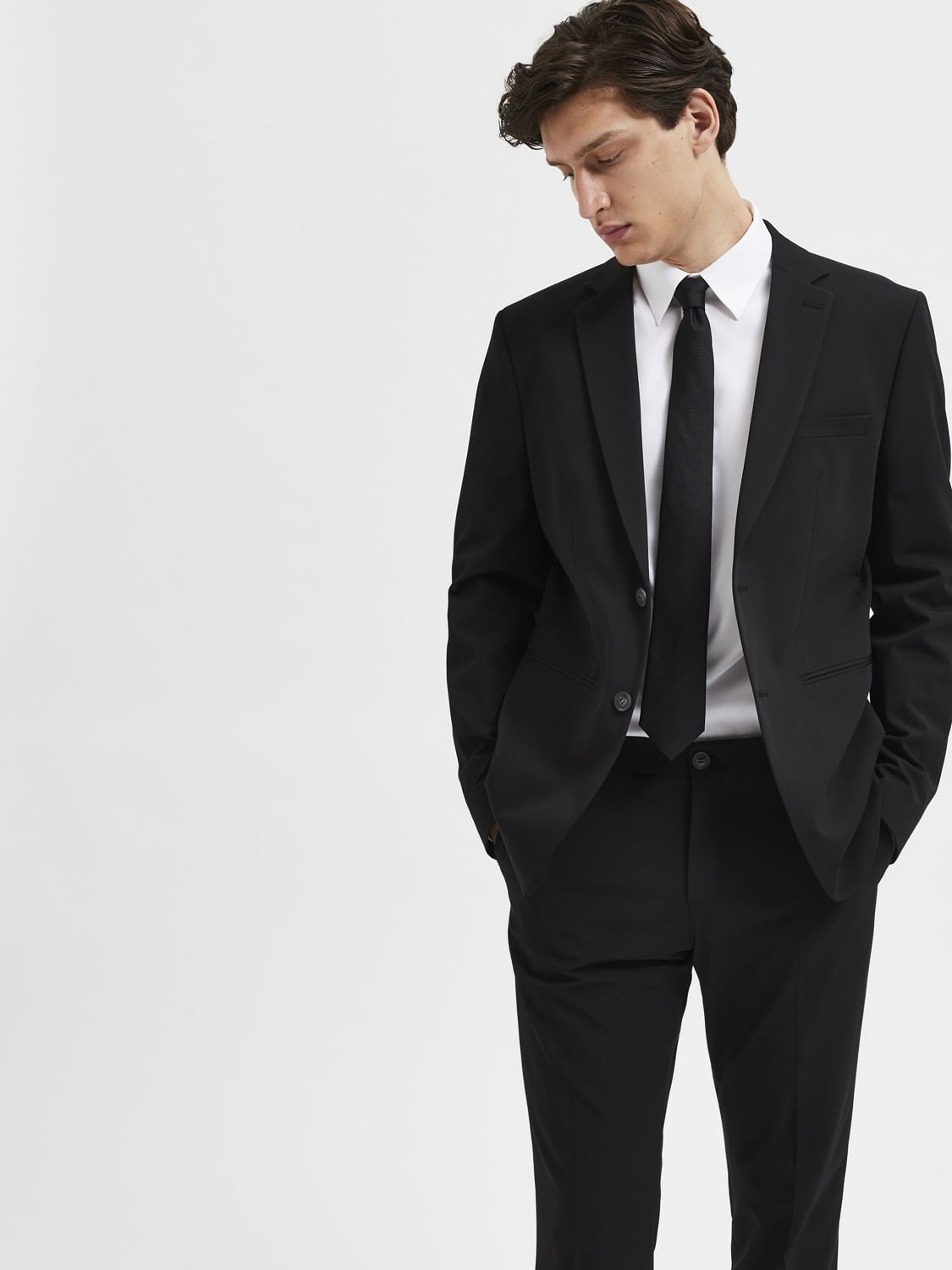
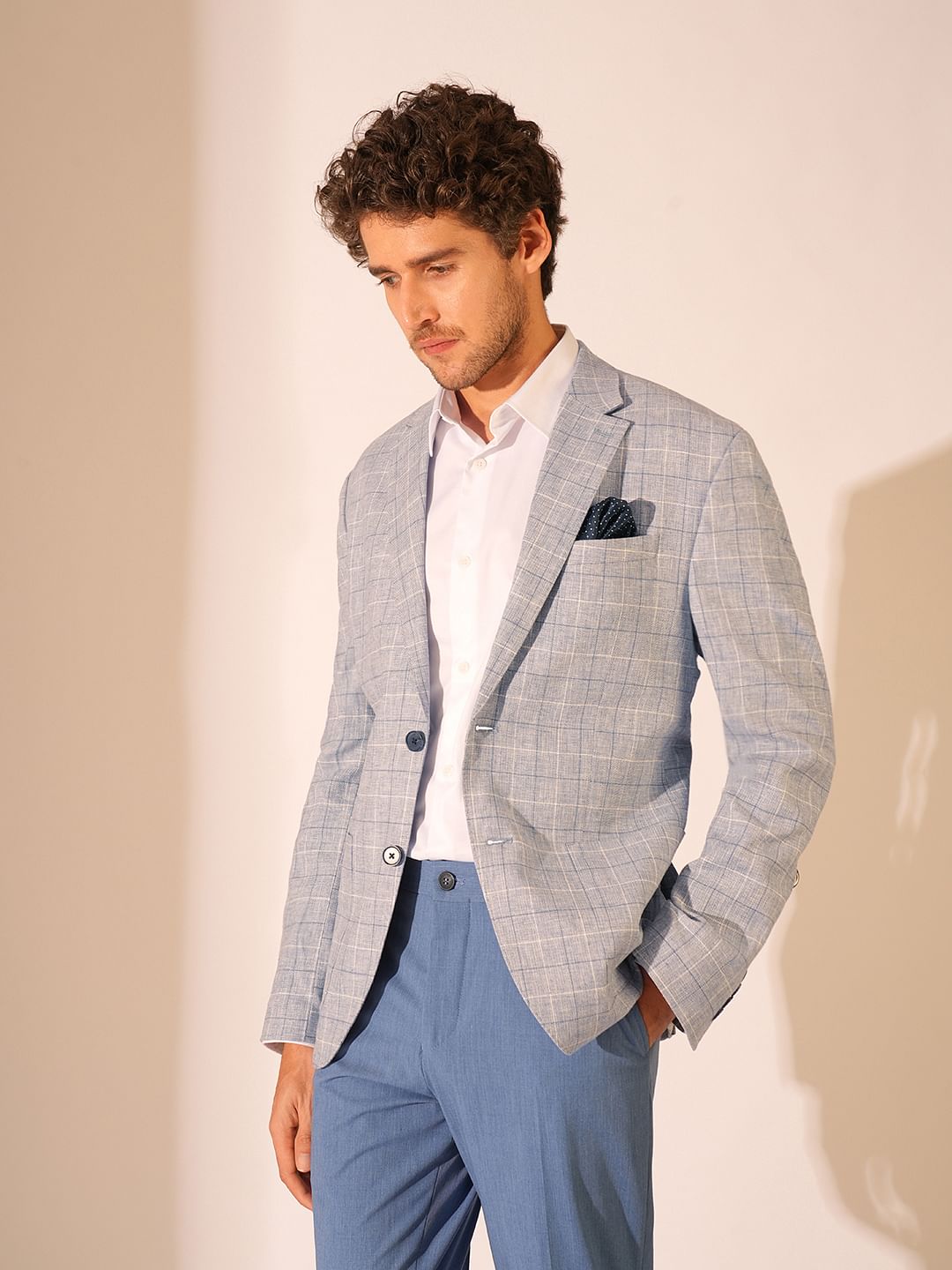
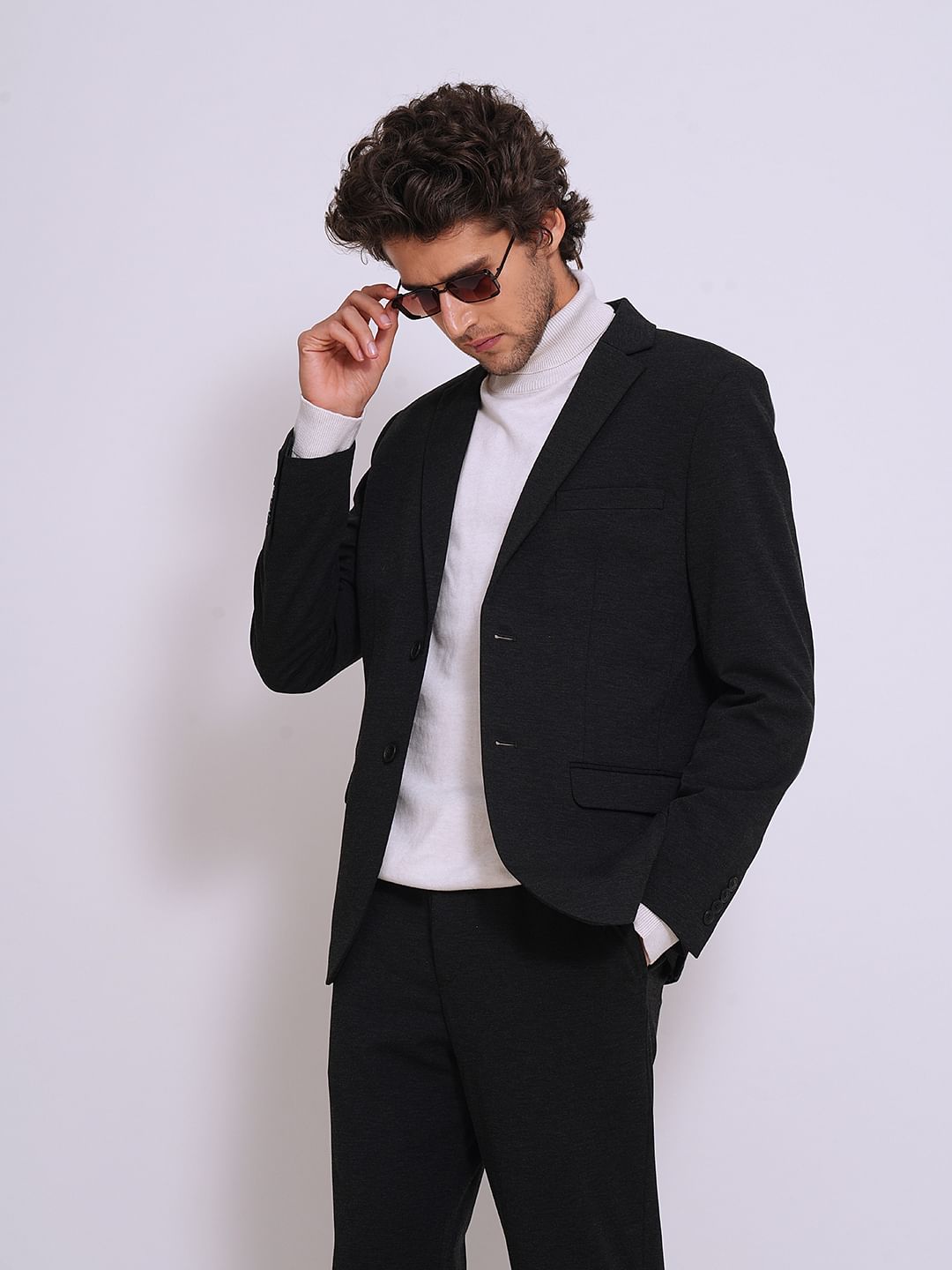
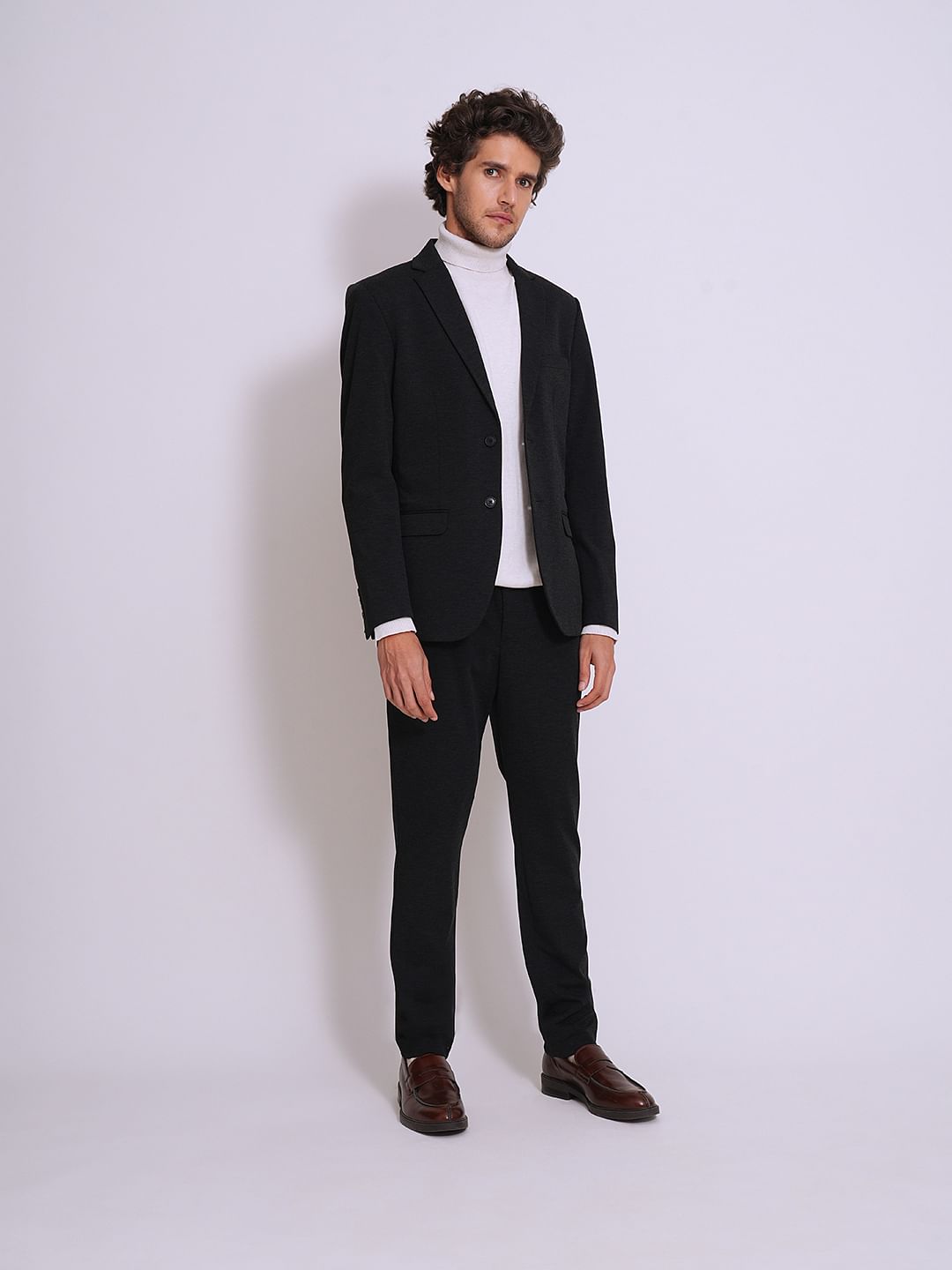
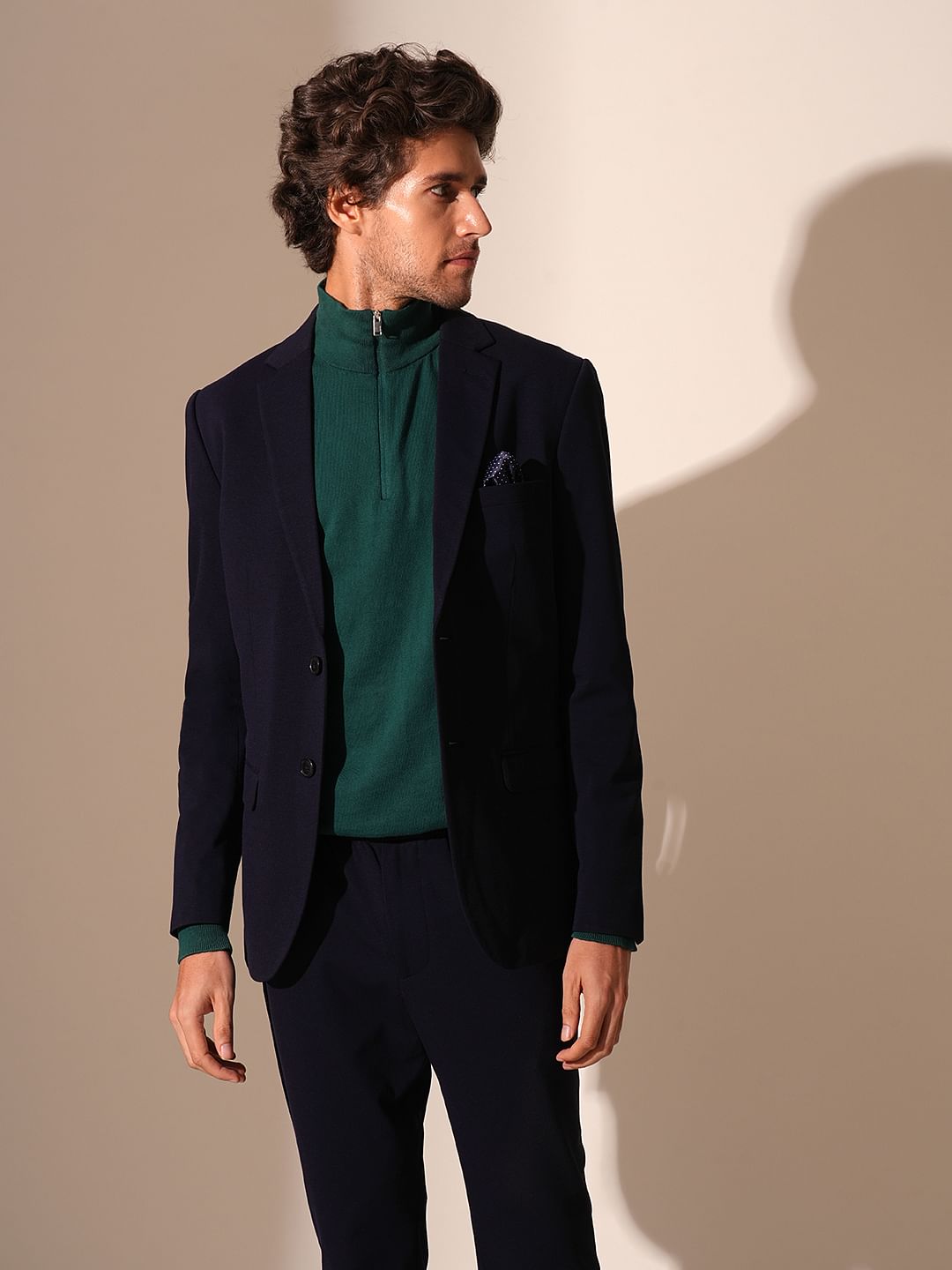
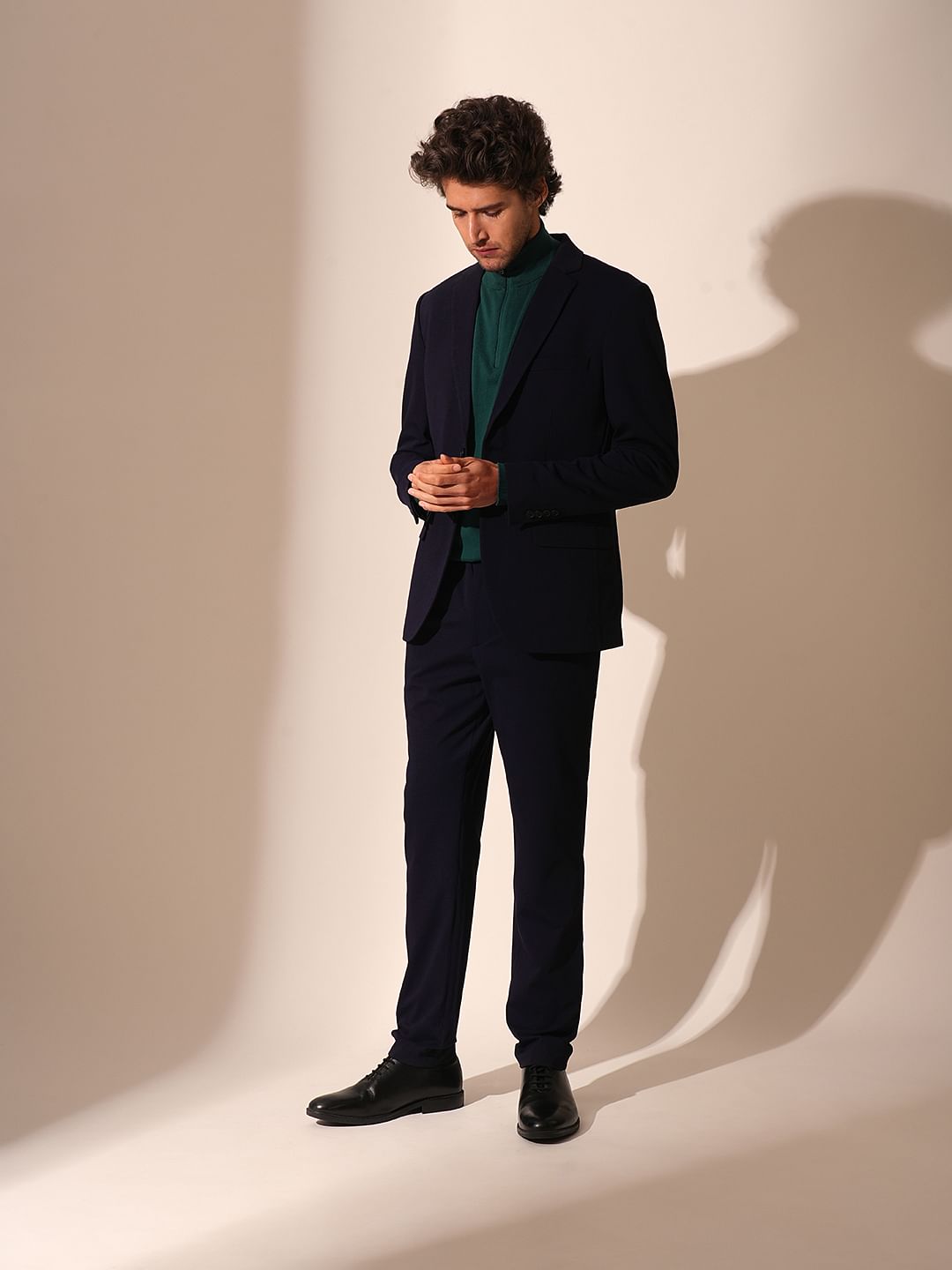
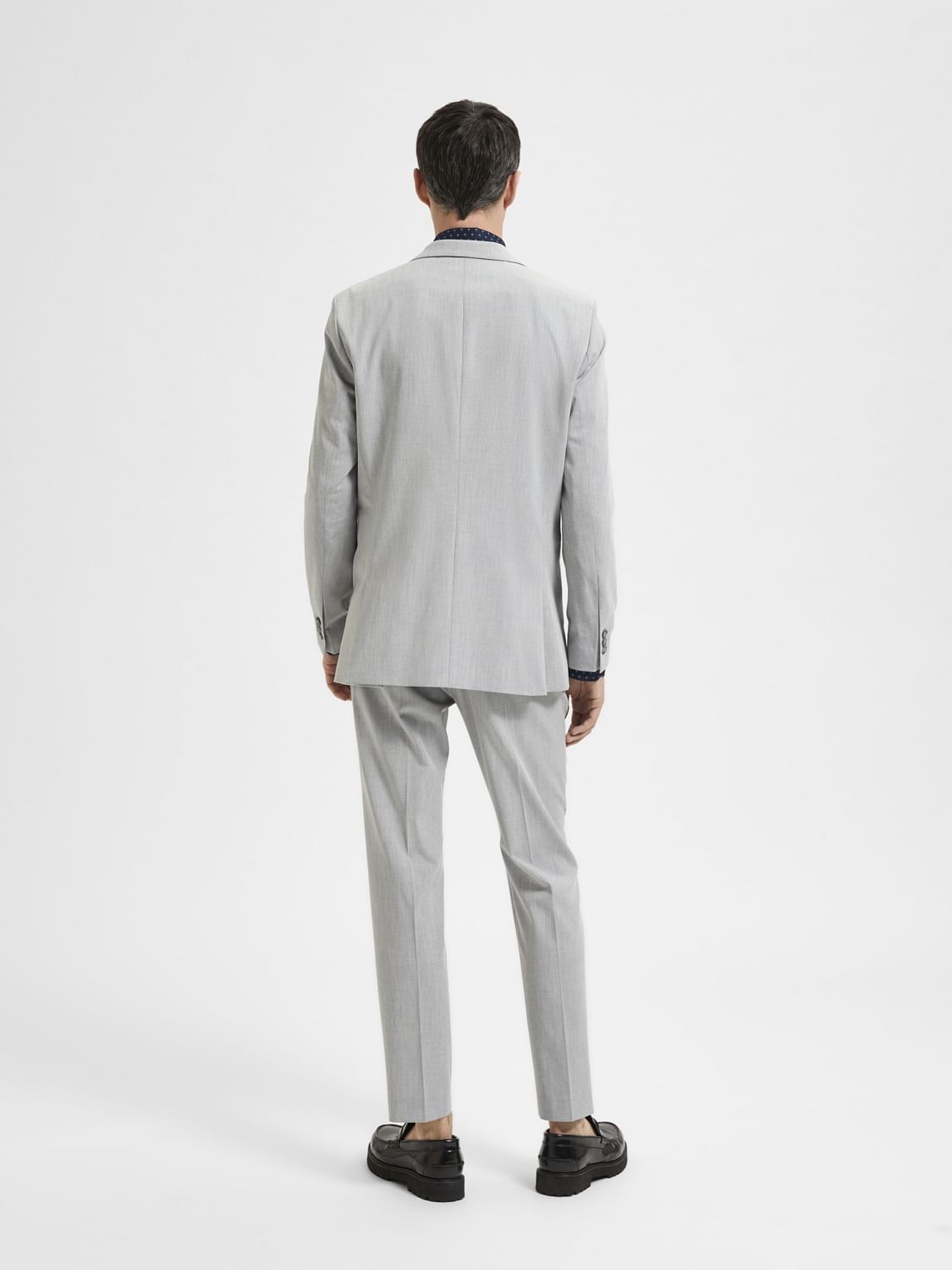
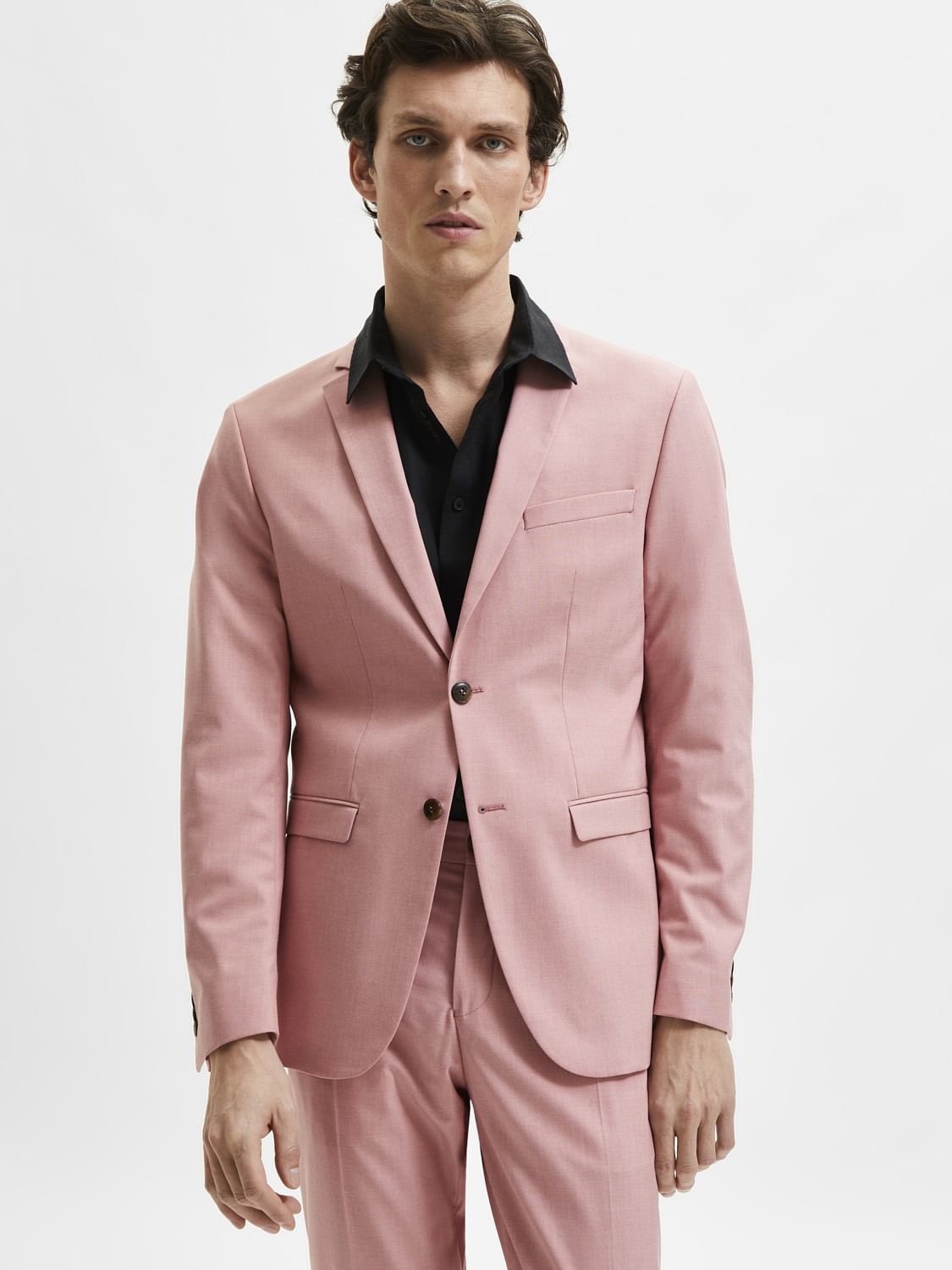
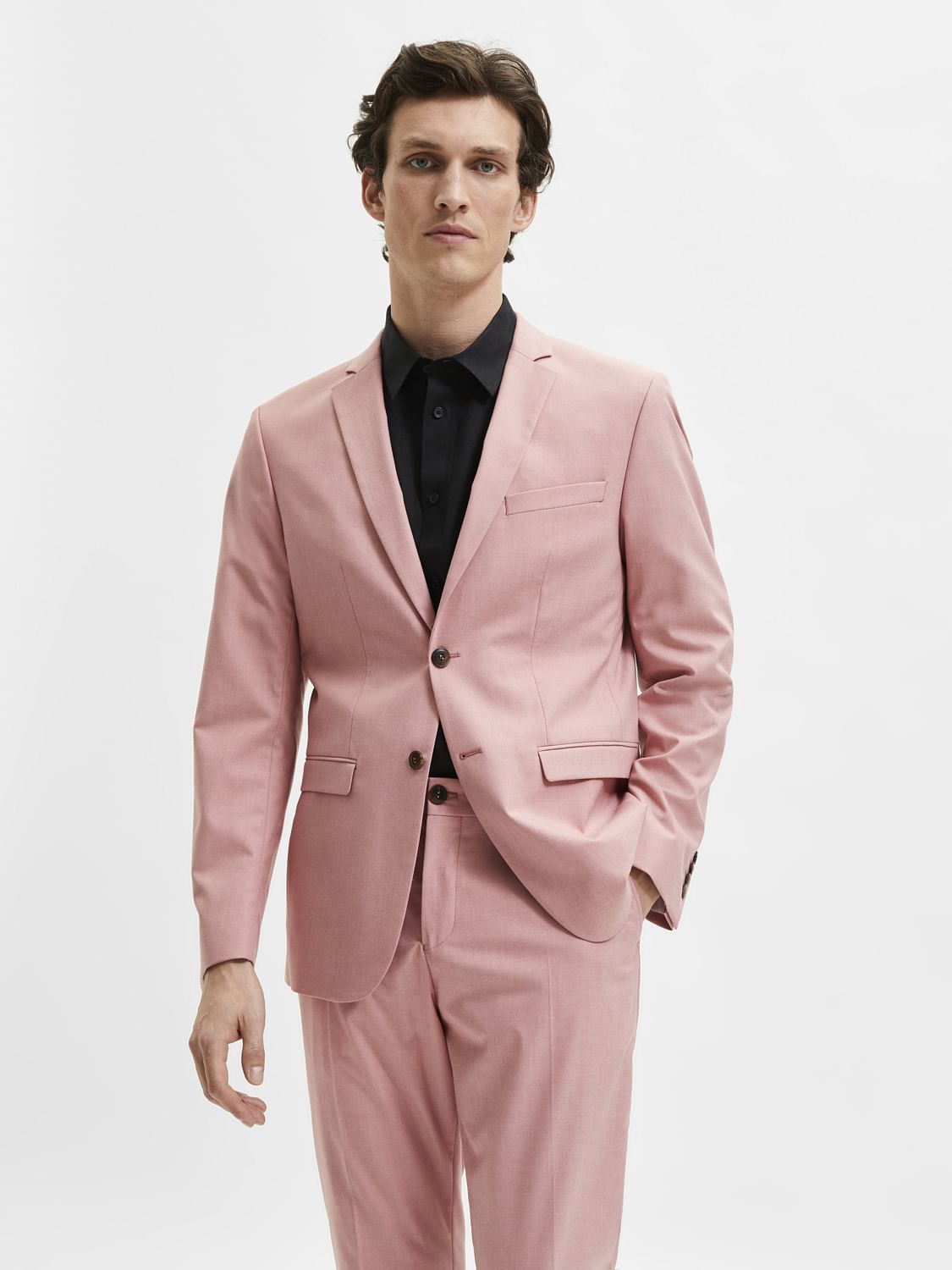
A suit-set blazer includes a matching trouser cut from the same fabric batch, which is useful for interviews and formal events requiring precise colour-matching. A standalone blazer is designed to be paired with different trousers — a navy blazer with a grey trouser is a common combination — and offers more flexibility for regular office wear. A practical formal wardrobe typically includes both: a suit-set for occasions requiring precision, and one or two standalone blazers to pair with existing formal or smart-casual trousers.
Colour, Pattern, and Construction
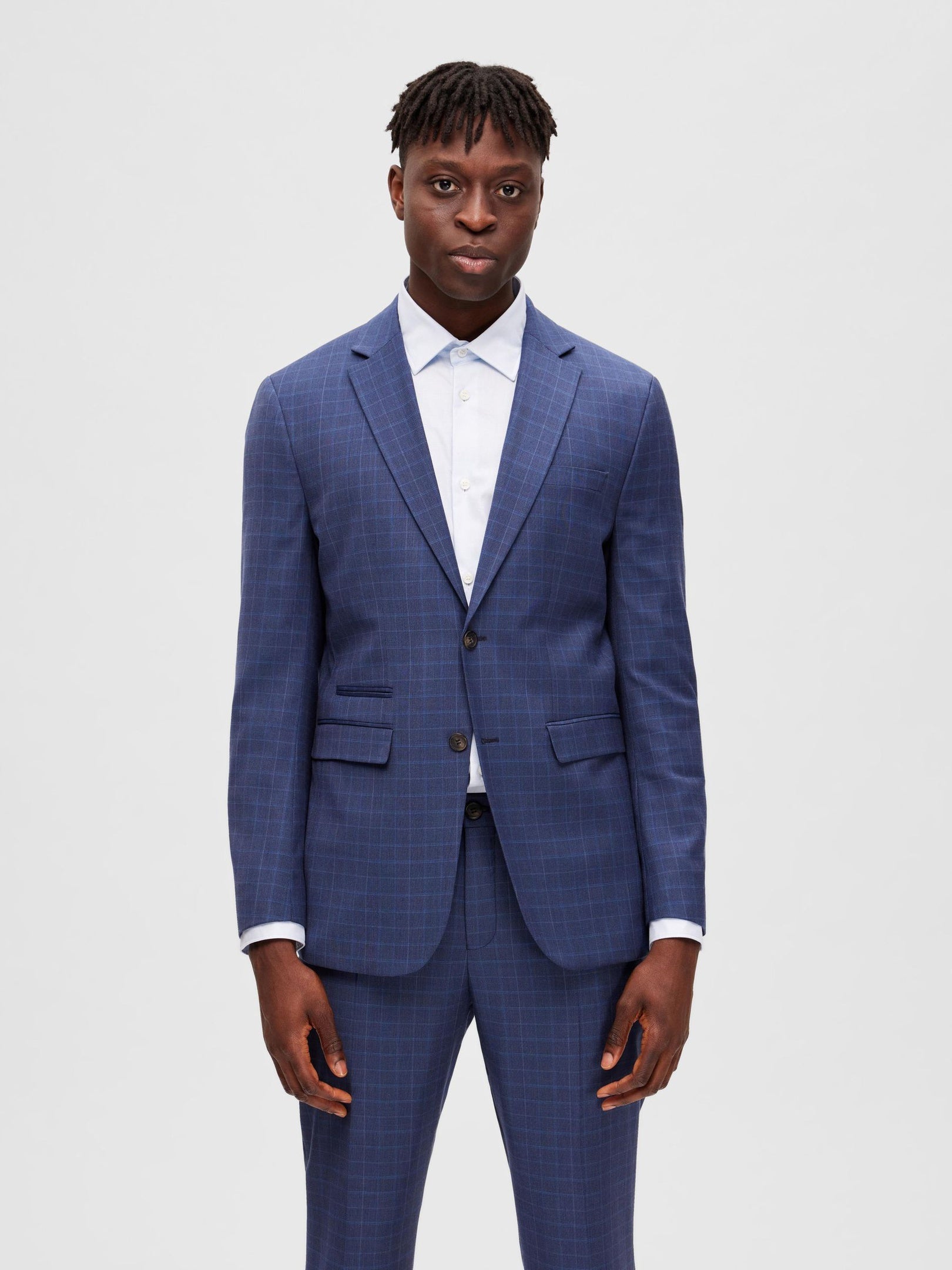
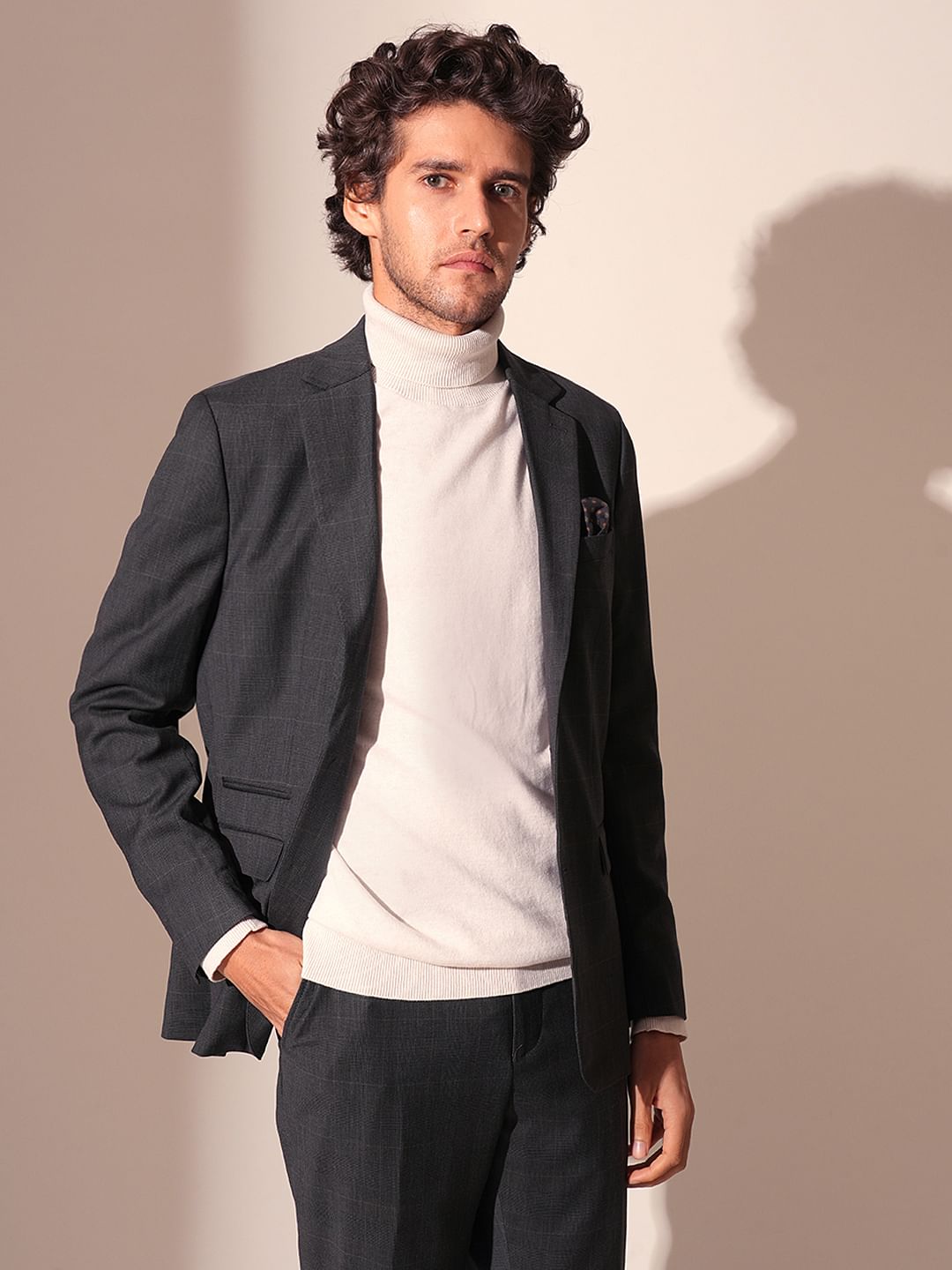
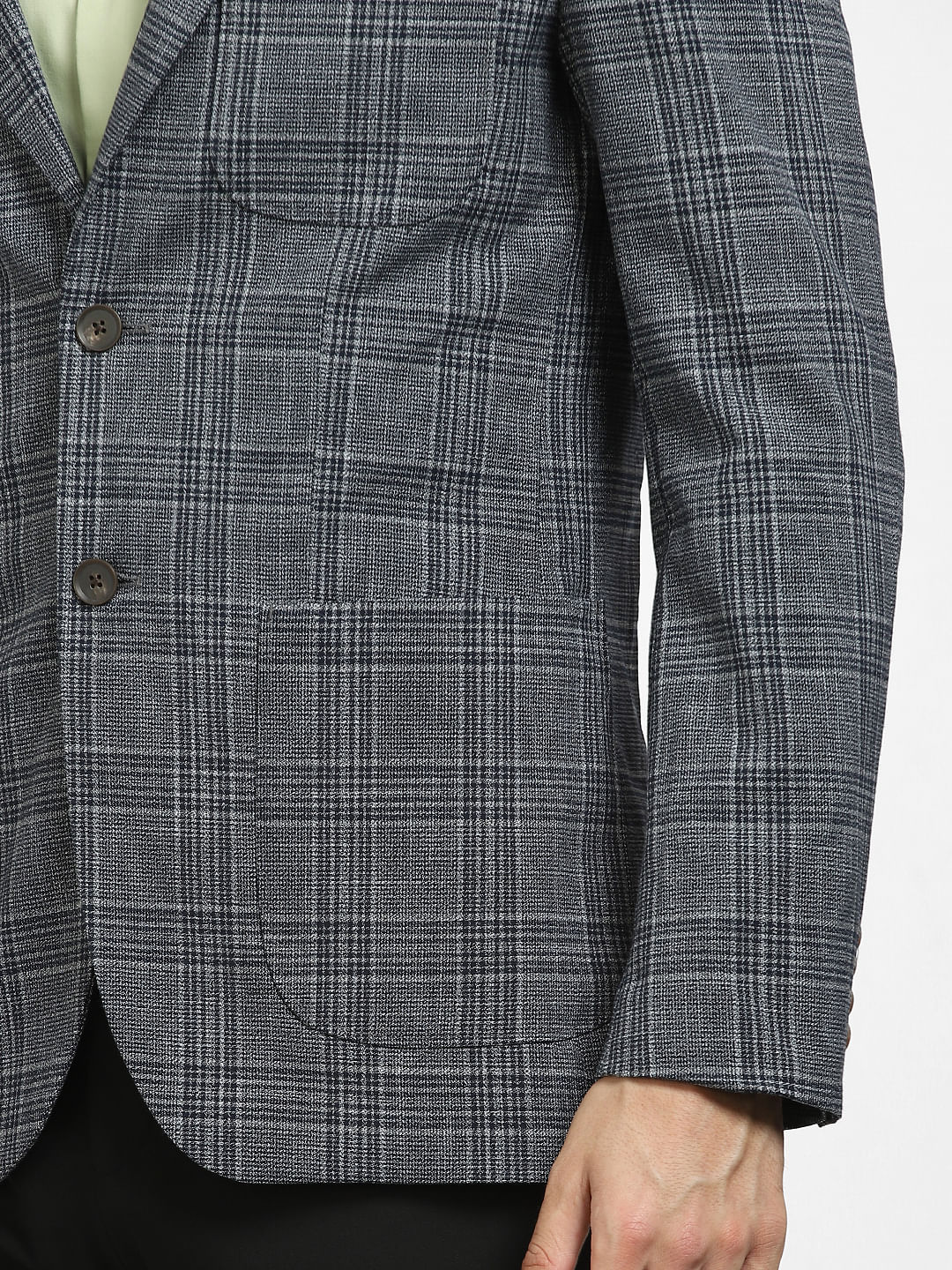
Navy, charcoal, grey, and black are the four colours most suited to formal wear, since they pair with the widest range of shirt colours and hold up across repeated use. Check, herringbone, and jacquard patterns work as a secondary layer once these base colours are established, adding variation without the colour-matching constraints of a bold print. Single-breasted construction, with one row of buttons, is the standard and more versatile option for regular formal wear. Double-breasted construction, with two columns of buttons, is less common, more fitted in profile, and generally suited to slimmer builds.
Choosing a Blazer by Occasion
For office wear or a boardroom meeting, a solid navy or charcoal blazer worn over a plain formal shirt is a reliable choice. For interviews or client meetings, darker solid colours keep attention on the conversation rather than the outfit. For weddings or festive occasions, texture — a structured weave, a jacquard pattern, or a suit-set in a warmer tone — allows the same blazer to serve as evening formalwear.
Care and Maintenance
A formal blazer does not require cleaning after every wear. Two to three dry cleans per season is generally sufficient for regular office use, since frequent dry cleaning wears down fabric and lining faster than normal use would. Between cleans, the blazer should be hung on a structured hanger rather than a wire one, and allowed to air out before being returned to the wardrobe. For blazers worn multiple times a week, rotating between two allows the fabric time to recover its shape.
FAQs
What is the difference between a regular fit and a slim fit blazer?
Regular fit sits closer to the body's natural line with more room through the chest and waist. Slim fit is tailored closer to the torso. Both are equally formal; the appropriate choice depends on build and preference.
Which fabric works best for a formal blazer in Indian weather?
Lighter cotton, organic cotton, and viscose blends breathe better in heat and humidity, making them more practical than wool for most of the year. Wool is better suited to the shorter winter period.
Can a formal blazer be worn without its matching trousers?
Yes. Standalone blazers are designed to be paired with different trousers. A suit-set blazer can also be worn separately, provided the colour and fabric weight do not clash with what it is paired with.
How often should a formal blazer be dry-cleaned?
Two to three times per season is generally sufficient for regular use. Minor marks can be spot-cleaned, and the blazer should be aired out after wearing rather than sent for dry cleaning after each use.
What is the most versatile colour for a first formal blazer?
Navy. It works across office wear, interviews, and semi-formal events, and pairs with a wider range of shirt colours than black.
Selected's formal blazer collection offers tailored fits, considered fabrics, and design built to last. Explore the range to find a blazer suited to work and formal occasions alike.